


Understanding Waterproof Cables: Essential Insights for Electrical Connections
Release Time:
2025-12-13
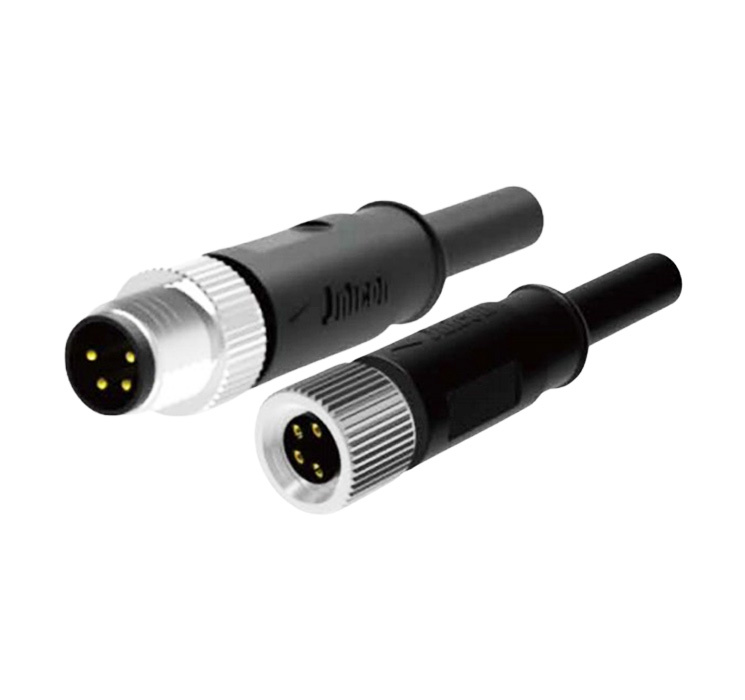
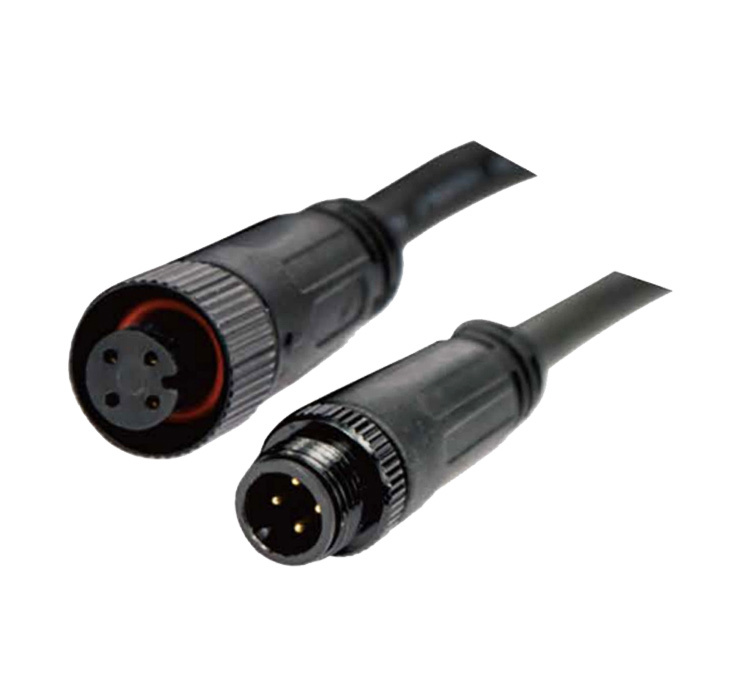
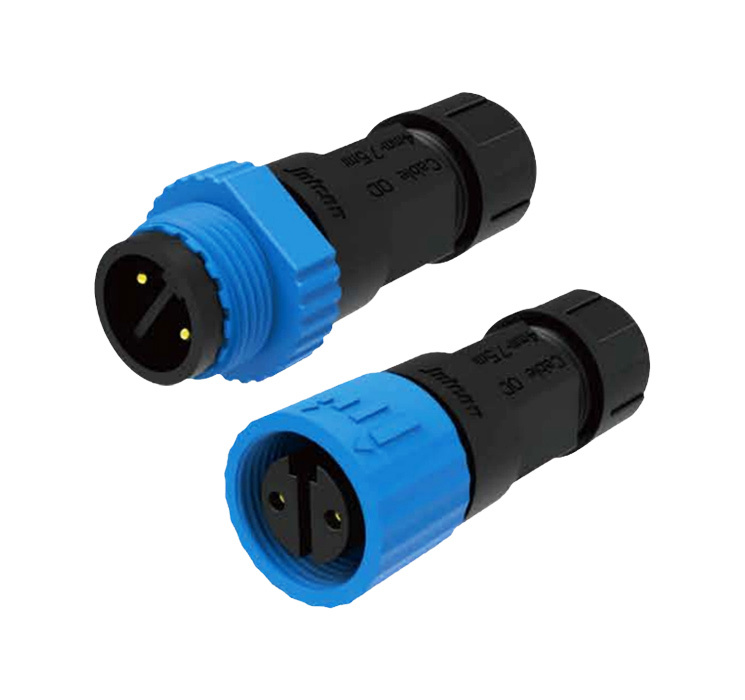
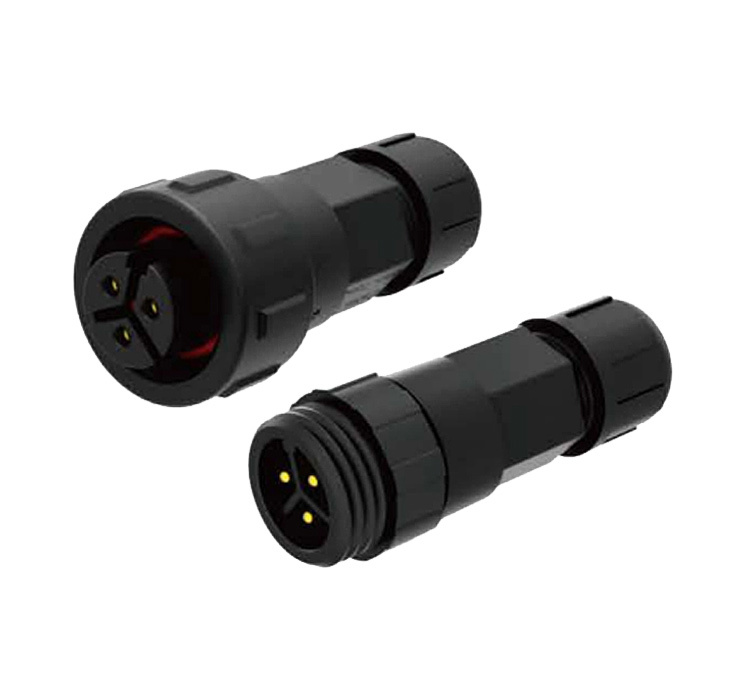
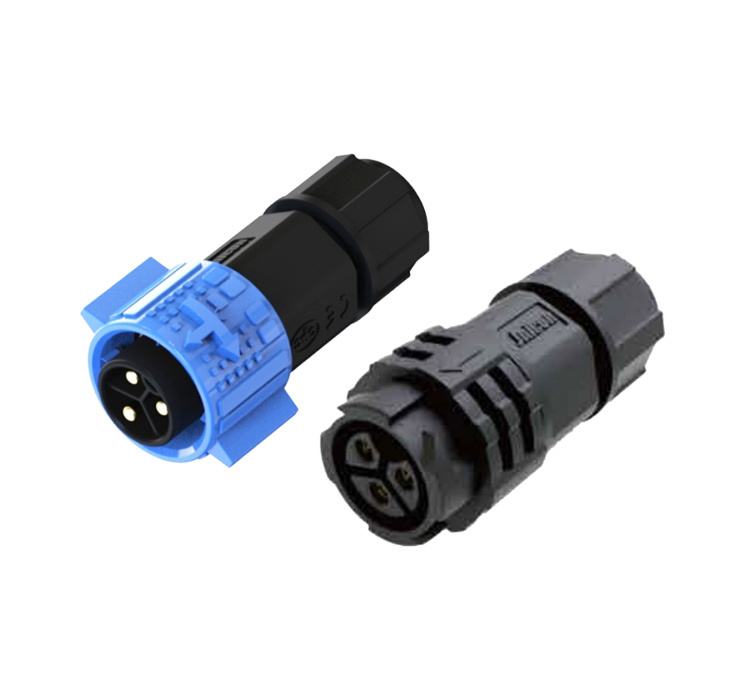
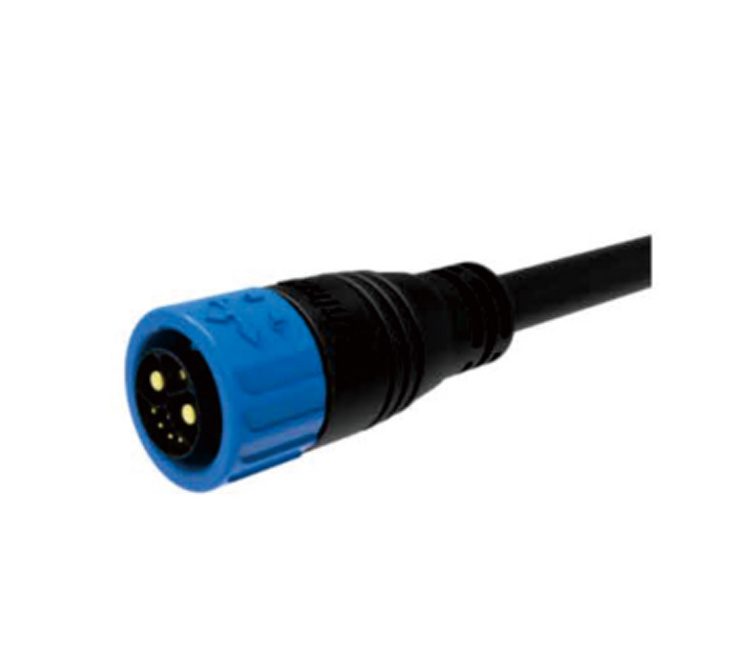
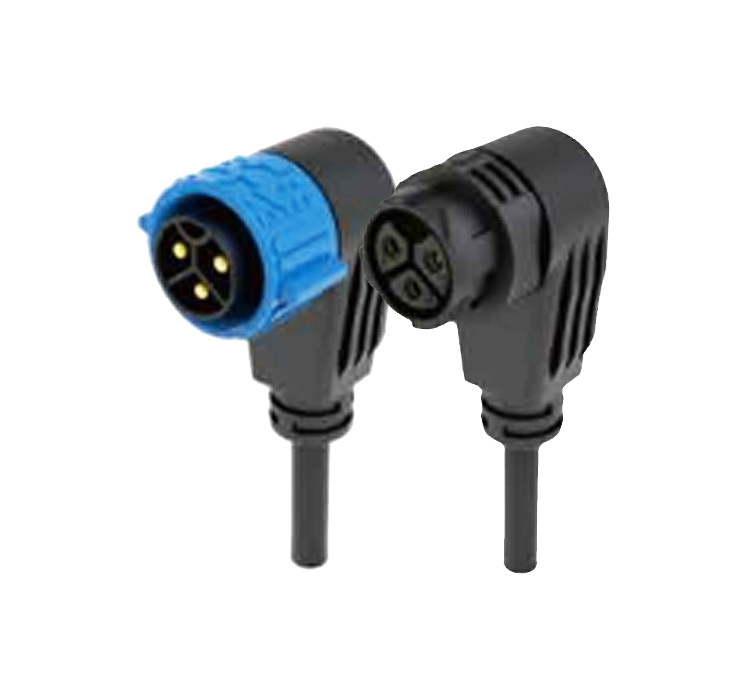
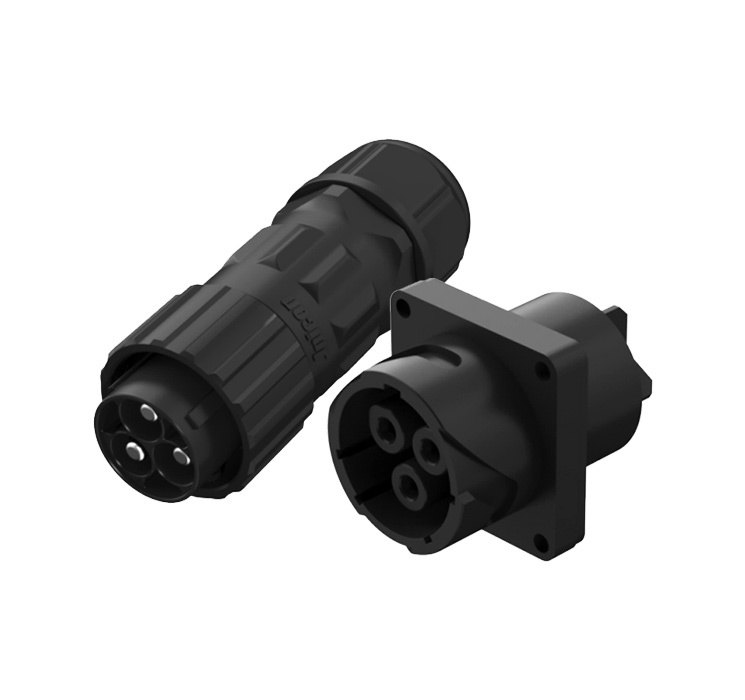
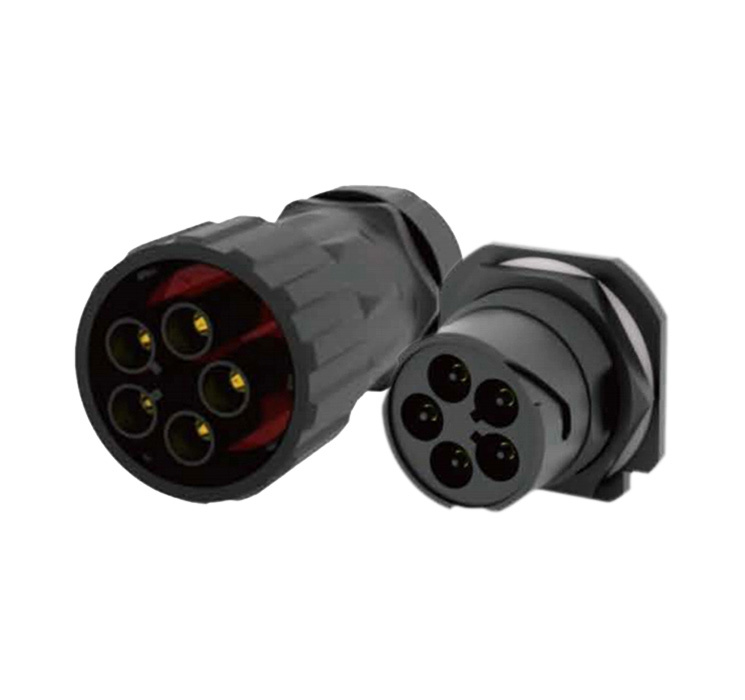
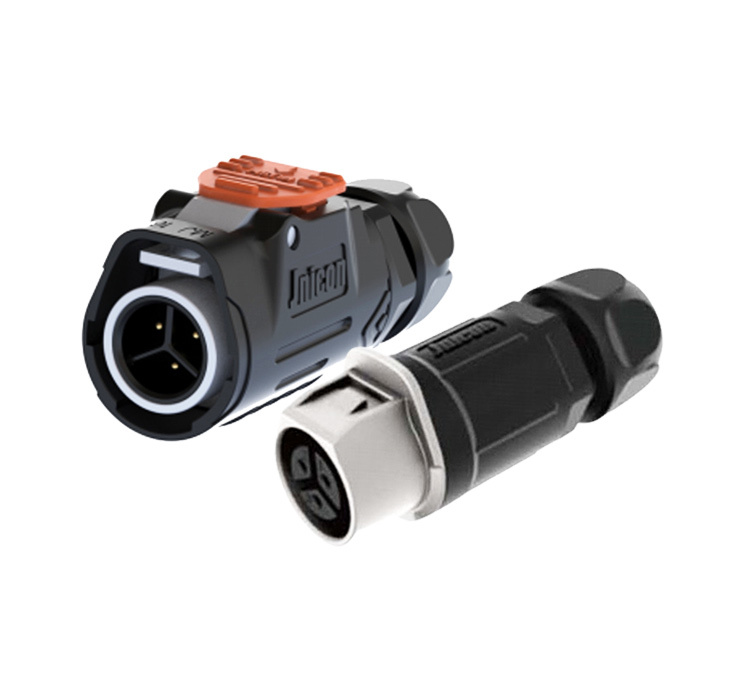
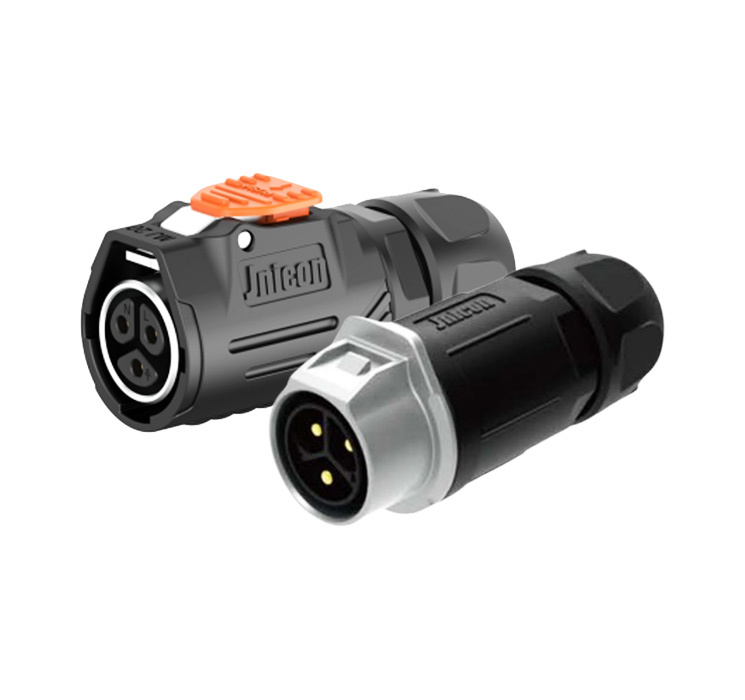
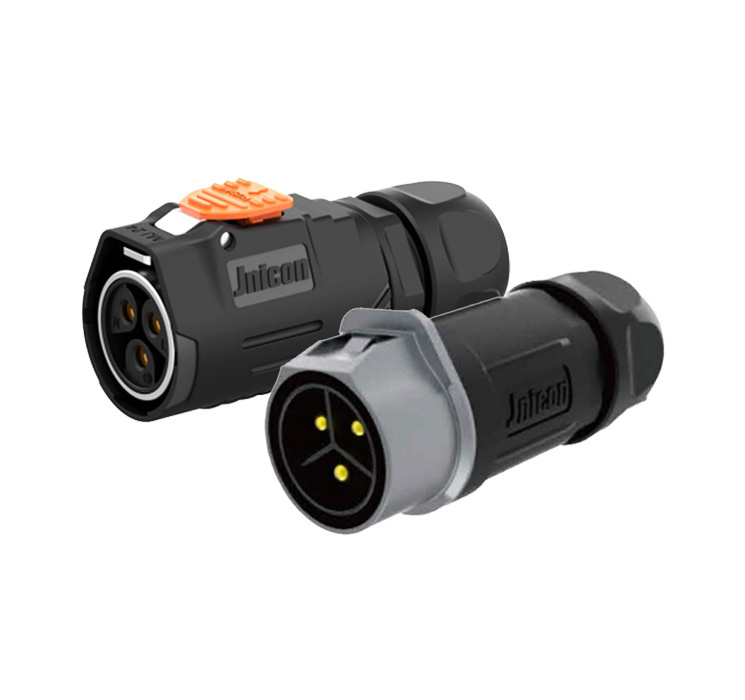
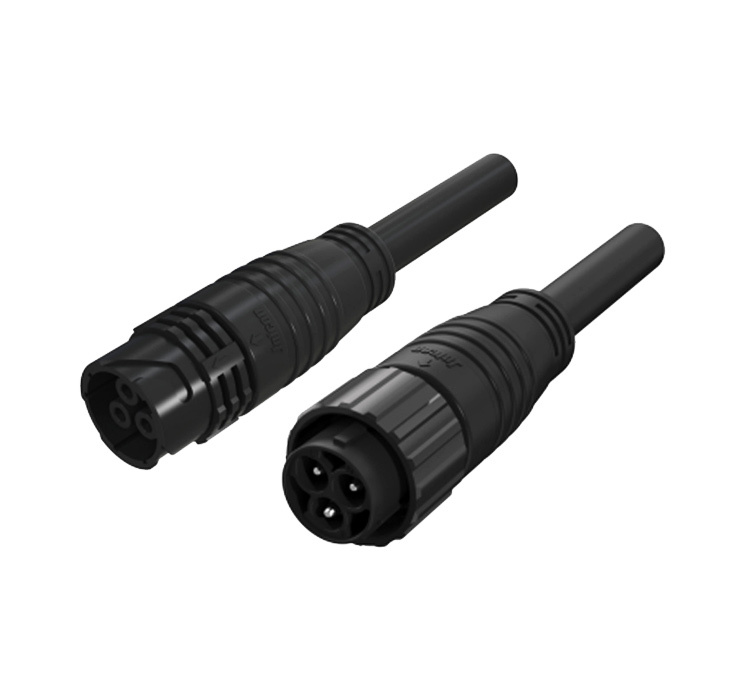
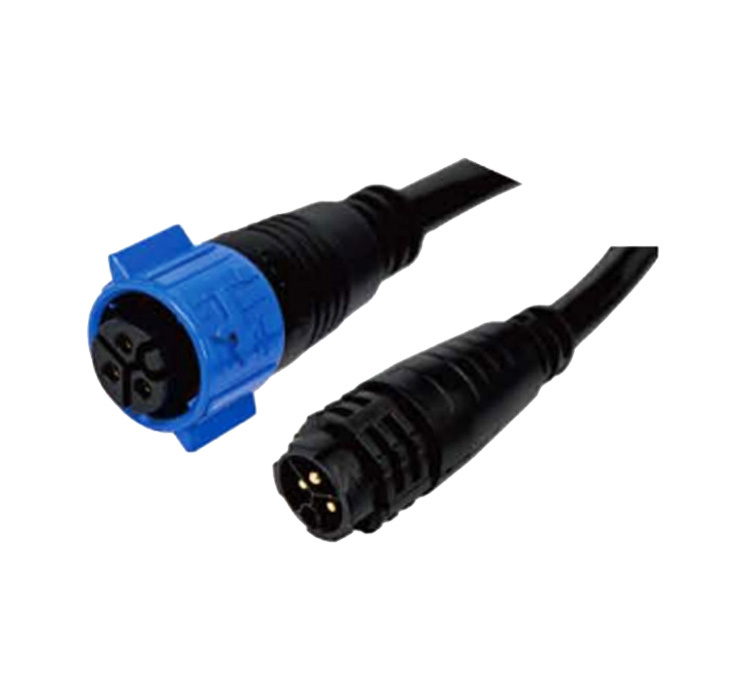
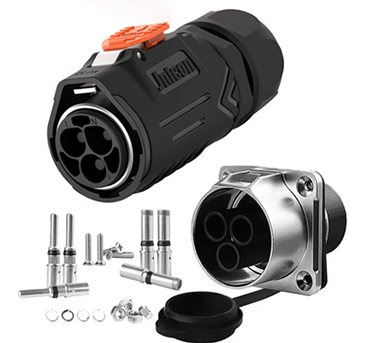
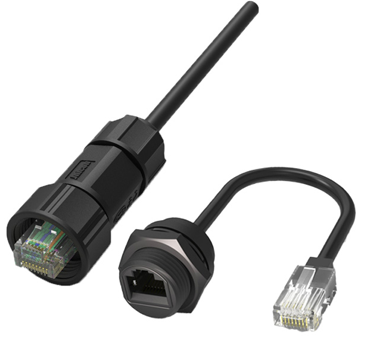
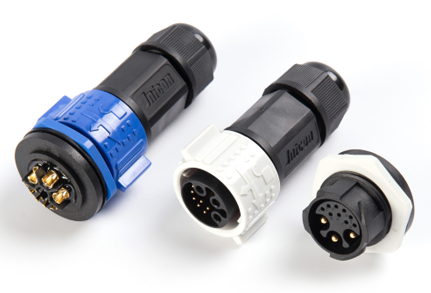
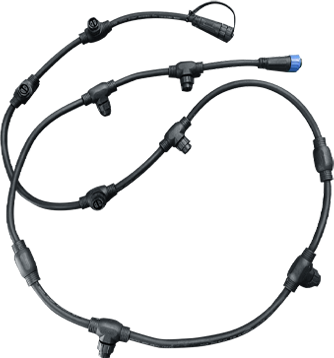
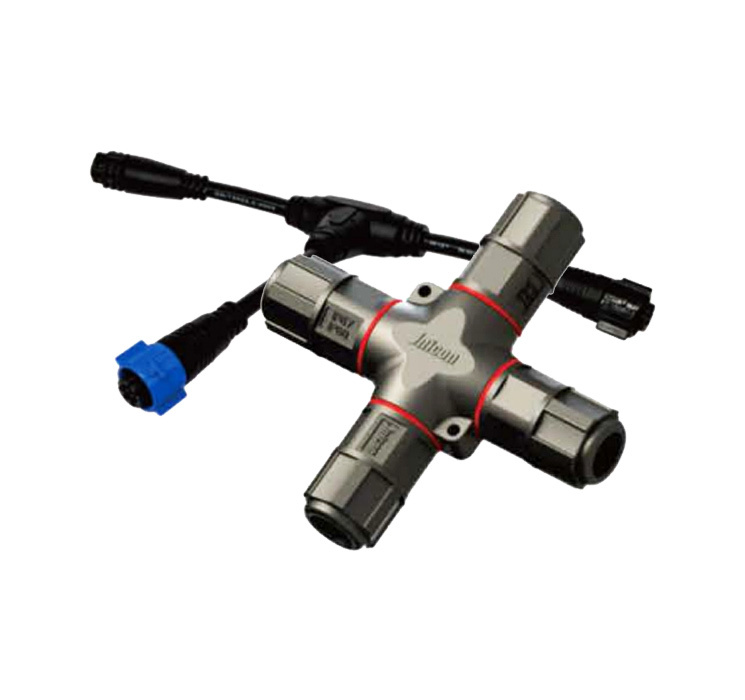
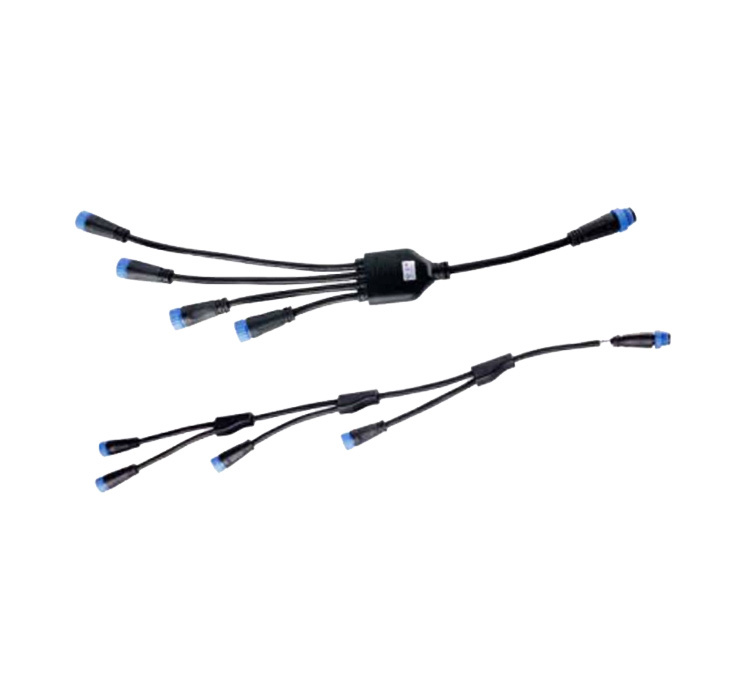
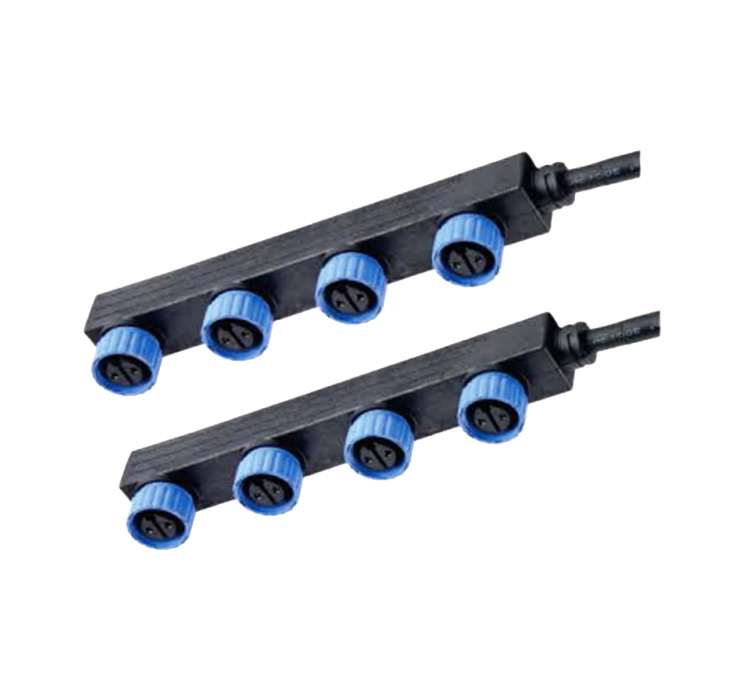
Waterproof cables are constructed with materials and methods that enhance their resistance to water and other environmental factors. Typically, they incorporate flexible and durable insulation, often made from thermoplastic elastomers (TPE) or polyvinyl chloride (PVC). This insulation not only provides a barrier against moisture but also protects against physical wear and tear, UV light, and chemical exposure. Consequently, waterproof cables are suitable for a range of applications, from outdoor lighting and marine environments to industrial automation and construction sites.
One of the primary advantages of using waterproof cables is the reduction of electrical failures caused by water damage. In wet or humid conditions, standard cables may experience short circuits, corrosion, or complete failure, potentially leading to hazardous situations. Waterproof cables mitigate these risks by maintaining the integrity of the electrical connection, thereby enhancing safety and performance.
When selecting waterproof cables, it is critical to consider their Ingress Protection (IP) rating. The IP rating indicates the level of protection the cable offers against solid objects and liquids. For instance, an IP67 rating signifies that the cable is dust-tight and can withstand immersion in water up to one meter for a limited time. Understanding these ratings can help you choose the right cable for your specific needs, ensuring optimal performance in various settings.
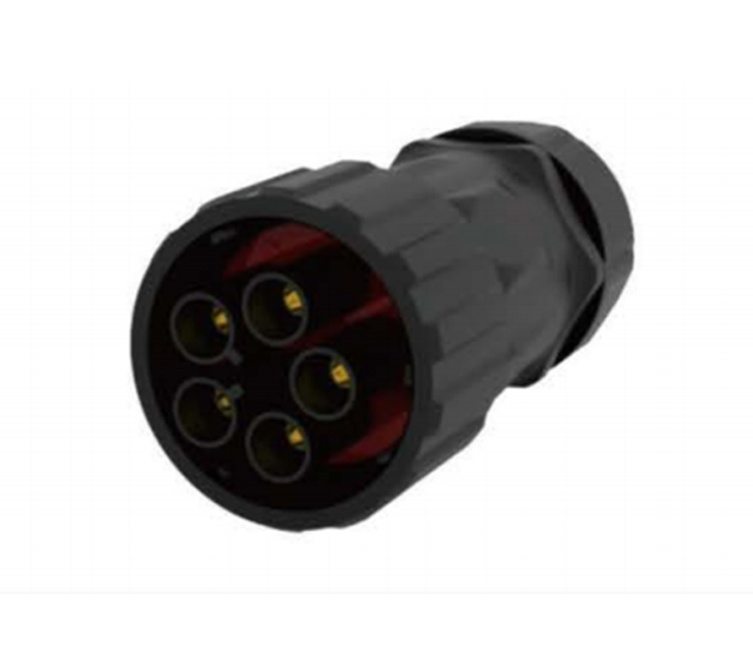
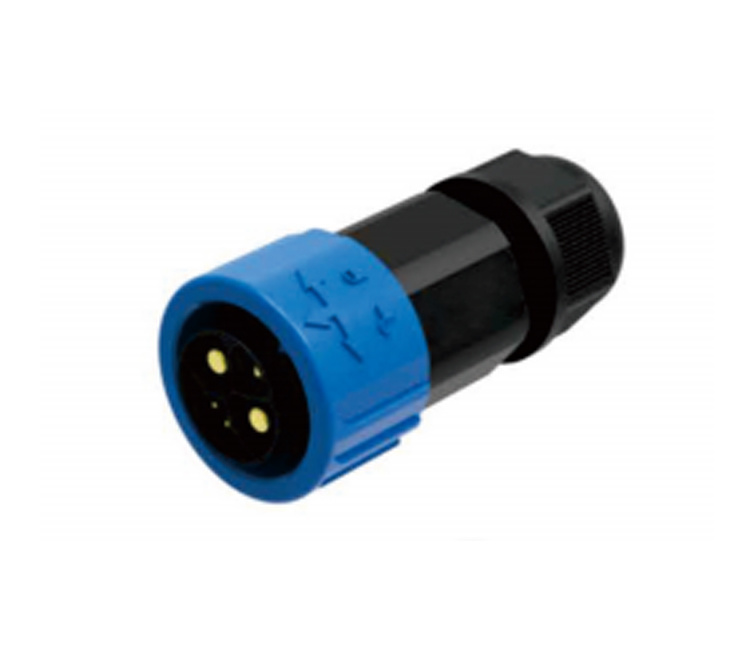
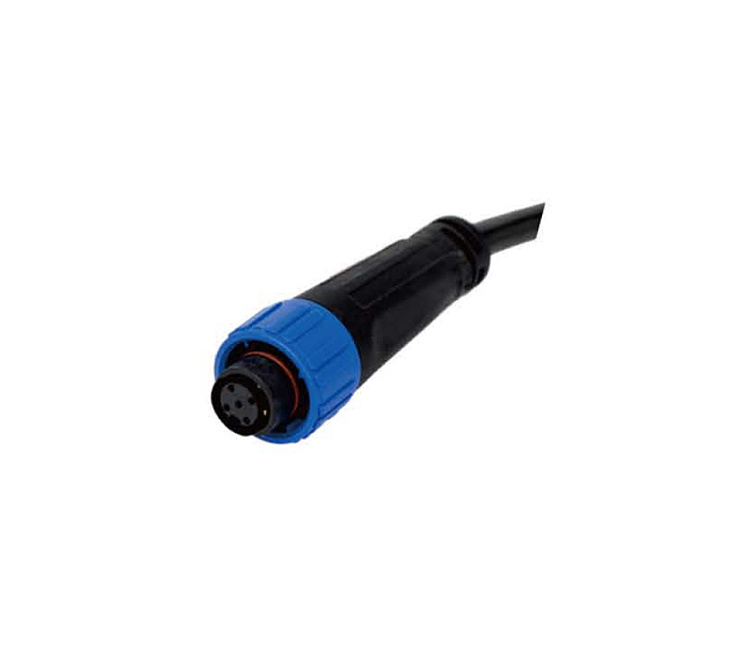
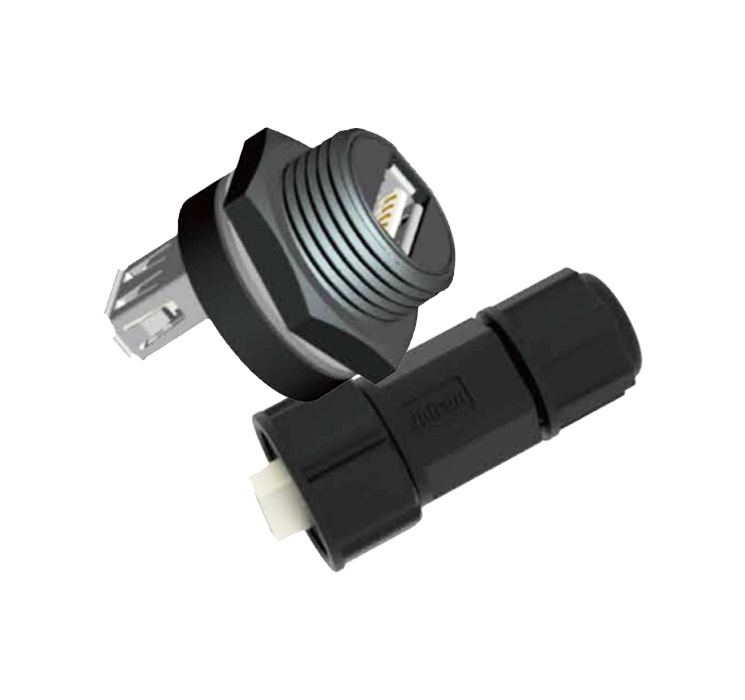
Moreover, installation plays a vital role in ensuring the effectiveness of waterproof cables. Proper techniques must be employed to secure connections and prevent water intrusion at junction points. Using the right connectors and sealing methods can significantly enhance the waterproofing capabilities of your electrical systems. It is advisable to consult with professionals or refer to industry standards when installing these cables to ensure that they meet safety regulations and performance criteria.
In conclusion, waterproof cables are an essential component in the electrical industry, especially in applications where moisture resistance is crucial. By understanding their construction, benefits, and installation requirements, you can make informed choices that enhance the reliability and safety of your electrical projects. Whether you are working on outdoor installations or in challenging environments, incorporating waterproof cables into your designs will undoubtedly yield long-term benefits.
News
2026-10-03
Understanding Waterproof Cables: Essential Insights for Electrical Professionals
Waterproof cables are vital components in the electric and electronic industries, especially when it comes to ensuring safe and reliable connections in challenging environments. These cables are designed to resist moisture and prevent water ingress, which can lead to electrical failure and safety hazards. Understanding the intricacies of waterproof cables is essential for electrical professionals
2026-09-30
Discover the Advantages of Using 2 Pin Waterproof Connectors in Harsh Environments
Discover the Advantages of Using 2 Pin Waterproof Connectors in Harsh Environments Table of Contents 1. Introduction to 2 Pin Waterproof Connectors 2. Importance of Waterproof Connectors 3. Design Features of 2 Pin Waterproof Connectors 4. Applications in Various Industries 5. Benefits of Using 2 Pin Waterproof Connectors 6. Installation Guidelines for 2 Pin Waterproof Connectors 7.
2026-09-27
Understanding Industrial Power Connectors: Key Insights for Professionals
Industrial power connectors play a crucial role in the safety and efficiency of electrical systems across various sectors, including manufacturing, energy, and transportation. These connectors are designed to facilitate the transmission of electrical power in rugged environments, ensuring reliable and stable connections. Understanding the types, applications, and selection criteria for industrial

B8-9, Fubilun industrial park, Chaoyang rd,Yanchuan community, Songgang, Shenzhen, China


