



Exploring the Benefits of Using Waterproof Connectors in Marine Applications
Release Time:
2025-12-14
Exploring the Benefits of Using Waterproof Connectors in Marine Applications
Table of Contents
- Introduction to Waterproof Connectors in Marine Environments
- The Importance of Waterproof Connectors in Marine Applications
- Types of Waterproof Connectors and Their Applications
- Key Benefits of Using Waterproof Connectors
- Essential Features of High-Quality Waterproof Connectors
- Installing Waterproof Connectors: Best Practices
- Maintaining Waterproof Connectors for Longevity
- Conclusion: Why Waterproof Connectors are Essential in Marine Applications
- FAQs About Waterproof Connectors in Marine Applications
Introduction to Waterproof Connectors in Marine Environments
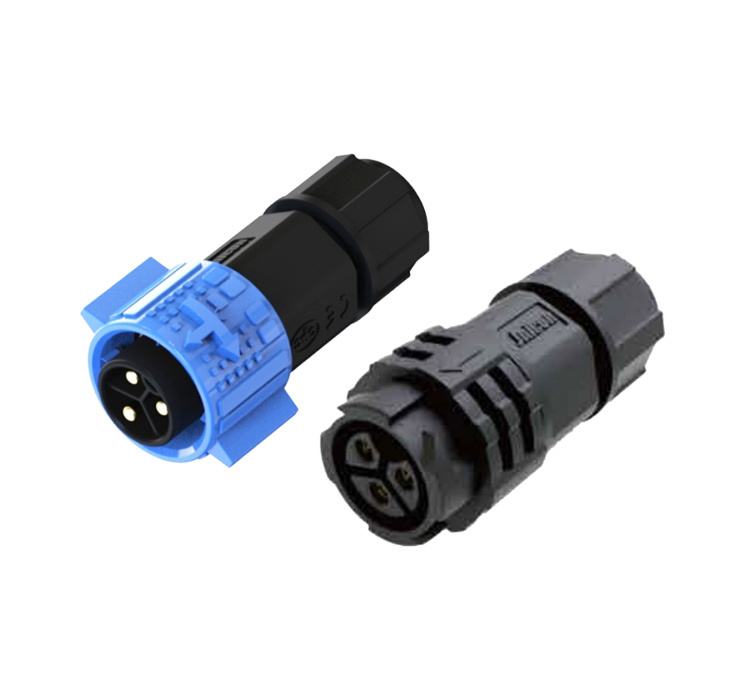
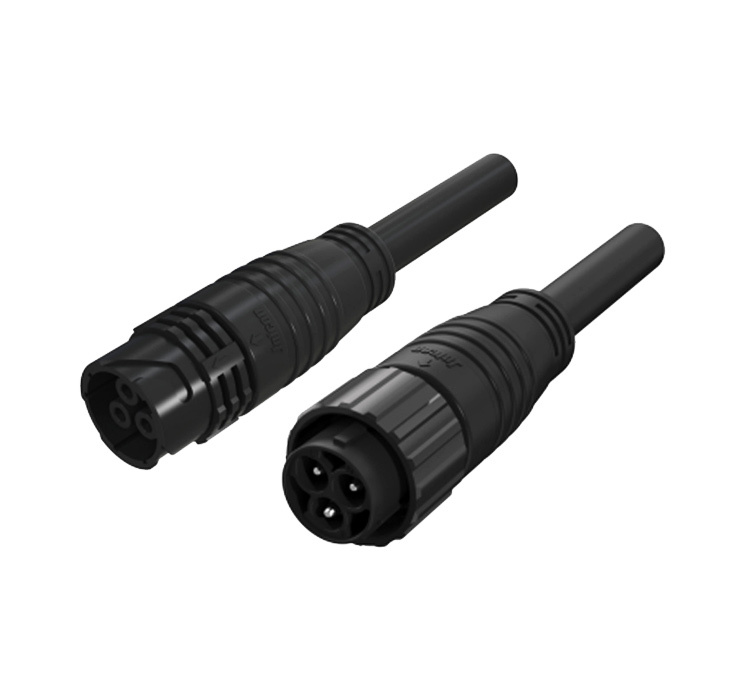
In the vast world of maritime transport, ensuring the functionality and safety of vessels is paramount. One critical component that often goes unnoticed yet plays a crucial role in this ecosystem is the **waterproof connector**. Designed to withstand the harsh conditions of marine environments, these connectors serve as the lifeline for electrical systems aboard ships and boats, ensuring reliable operation and enhancing safety across various applications.
The Importance of Waterproof Connectors in Marine Applications
Waterproof connectors are more than just a convenience; they are essential for the effective functioning of electrical systems in marine applications. The marine environment is notoriously challenging, with fluctuations in temperature, humidity, and exposure to saltwater contributing to corrosion and electrical failures.
Using waterproof connectors significantly reduces the risk of electrical short circuits or failures, which can lead to catastrophic accidents. We ensure that our vessels remain operational, safe, and efficient, even in the face of the unpredictable marine environment.
Types of Waterproof Connectors and Their Applications
There are several types of waterproof connectors, each designed for specific applications within the marine industry.
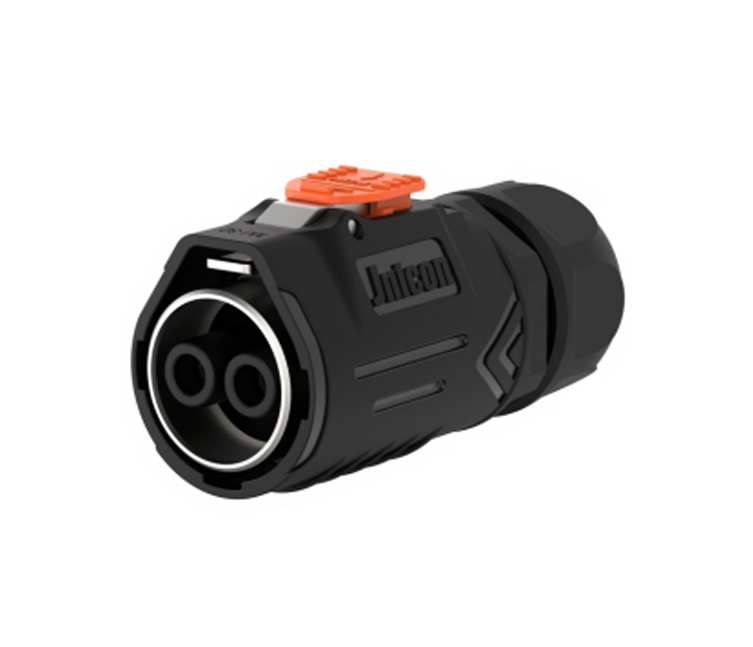
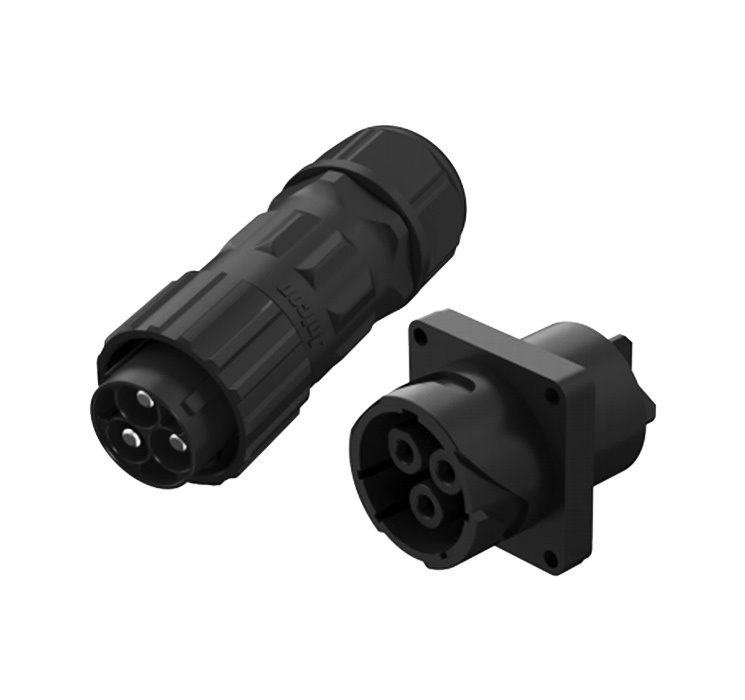
1. Circular Connectors
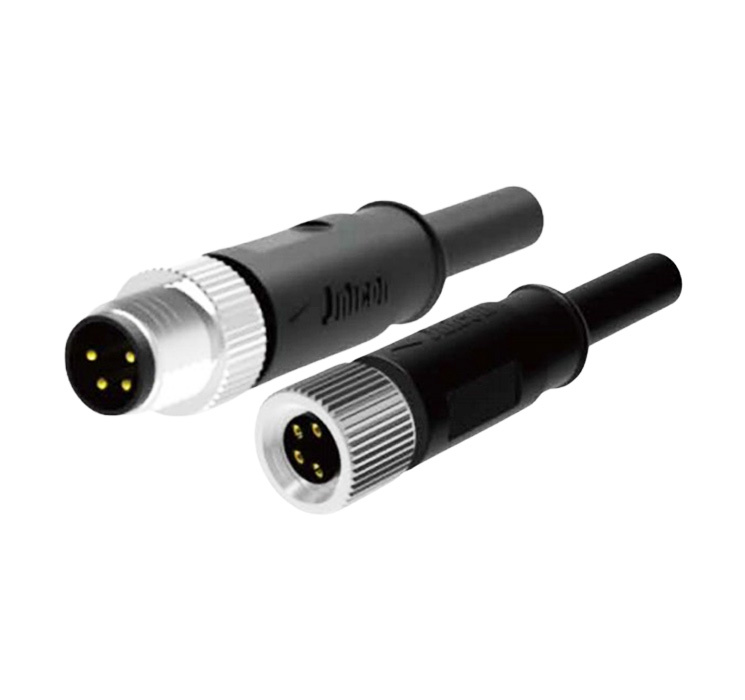
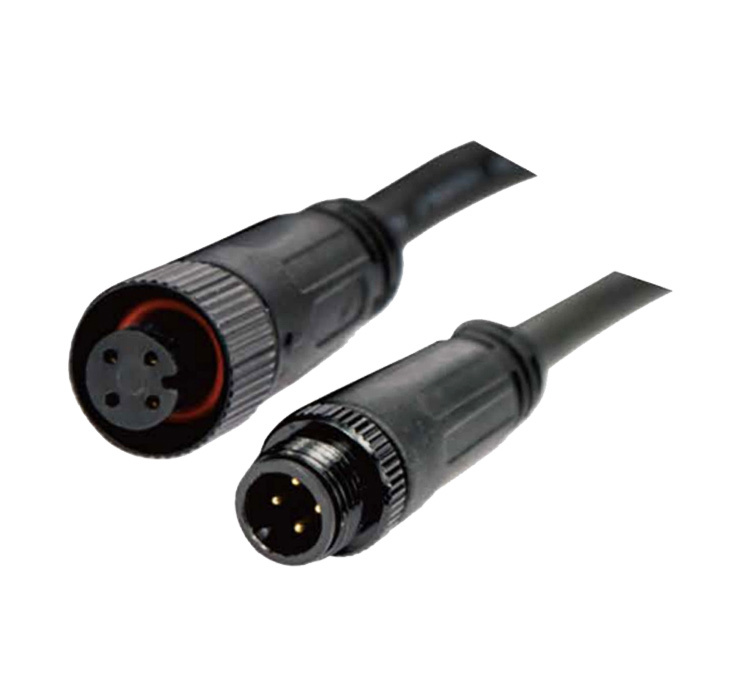
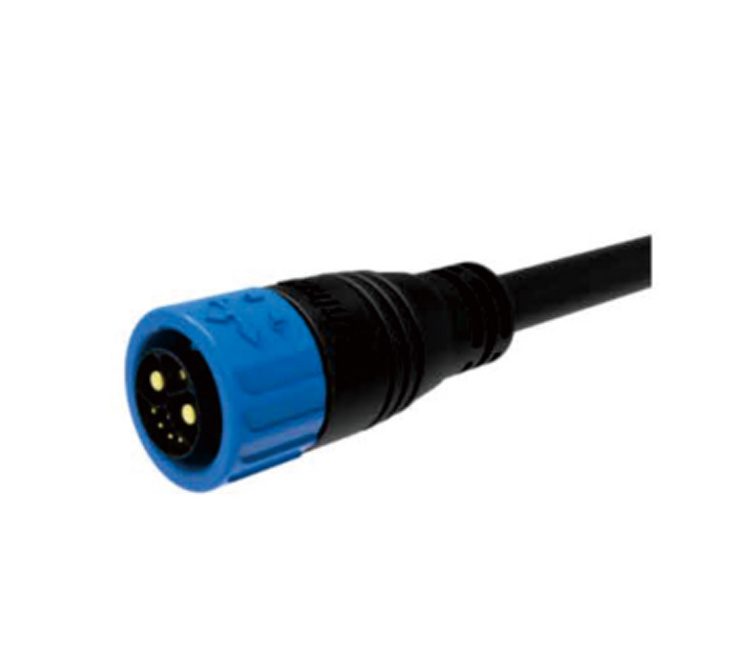
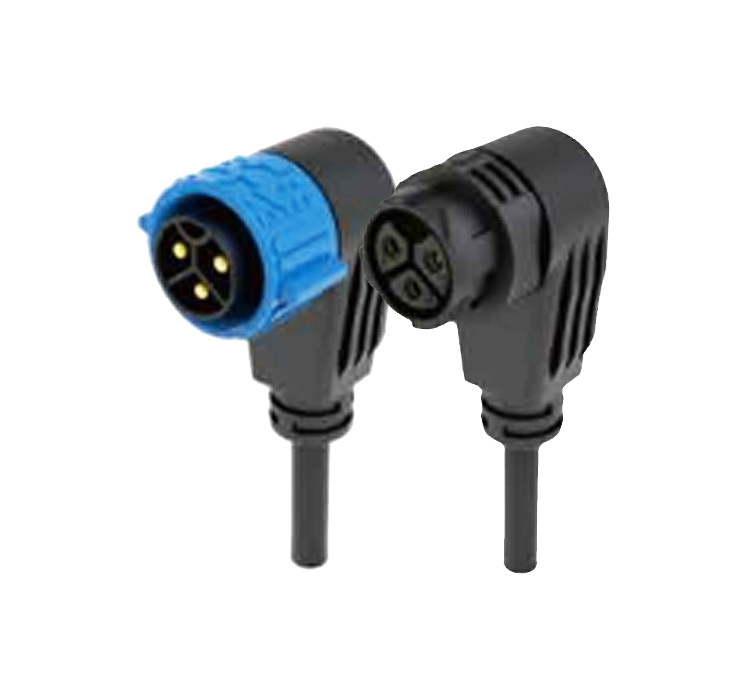
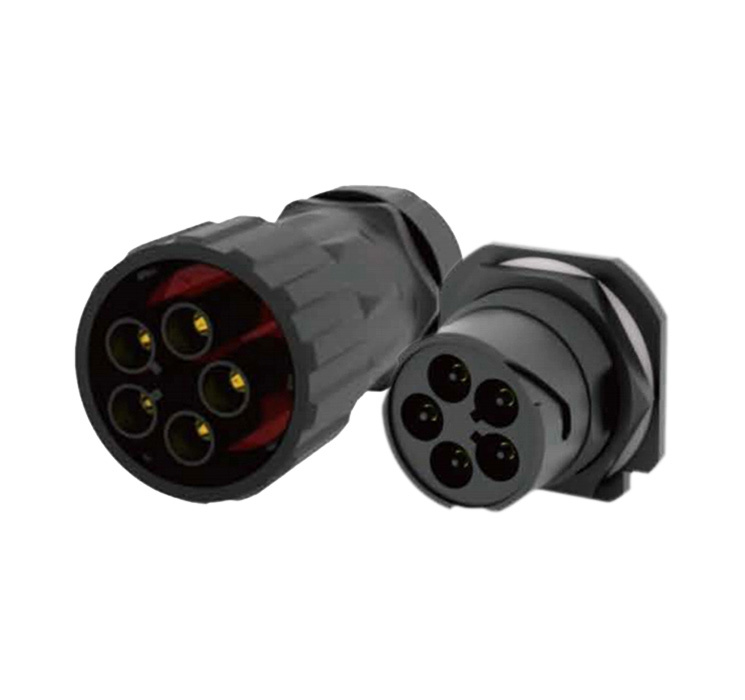
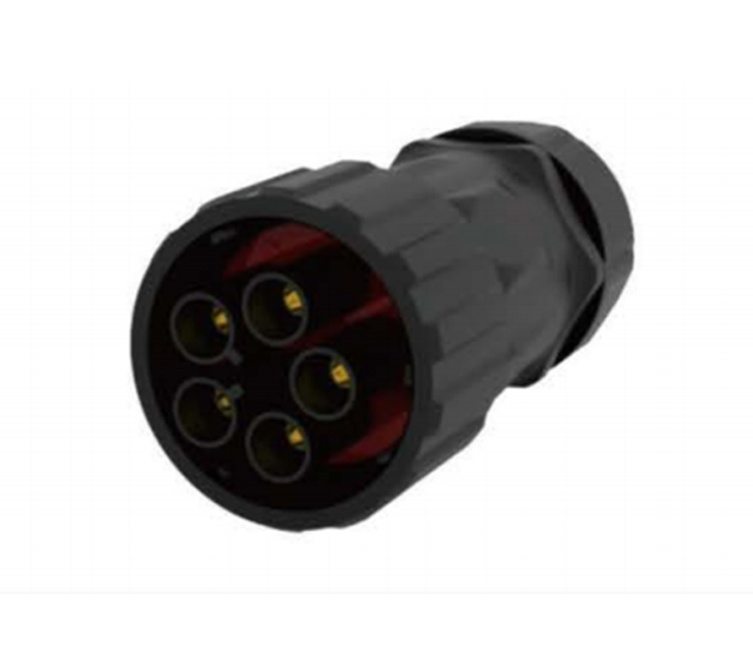
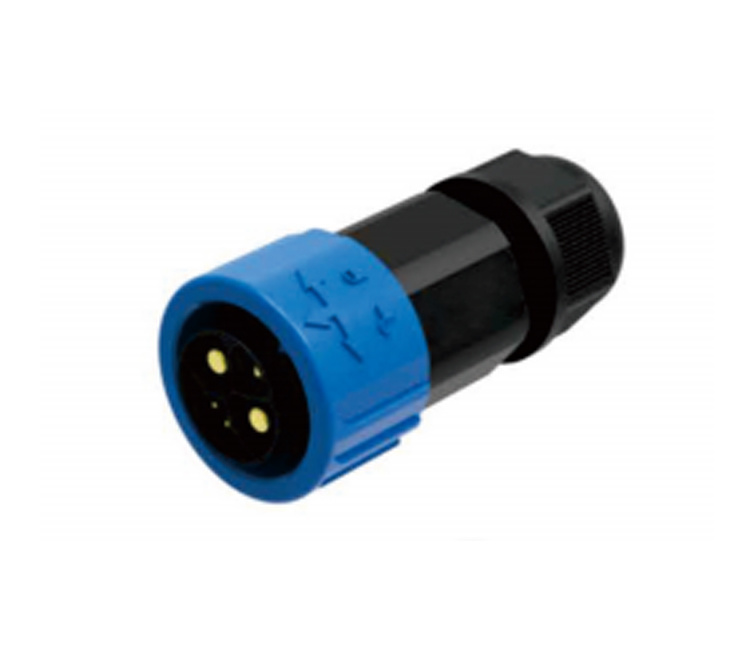
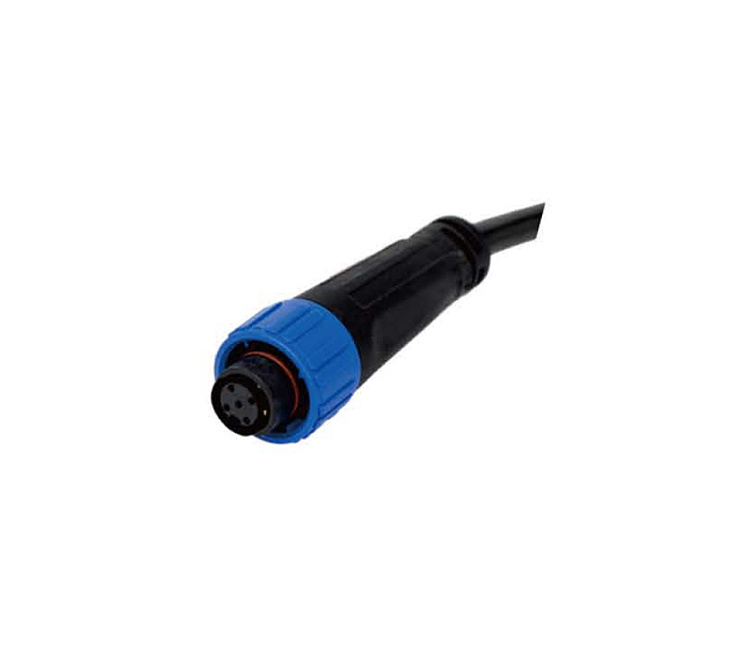
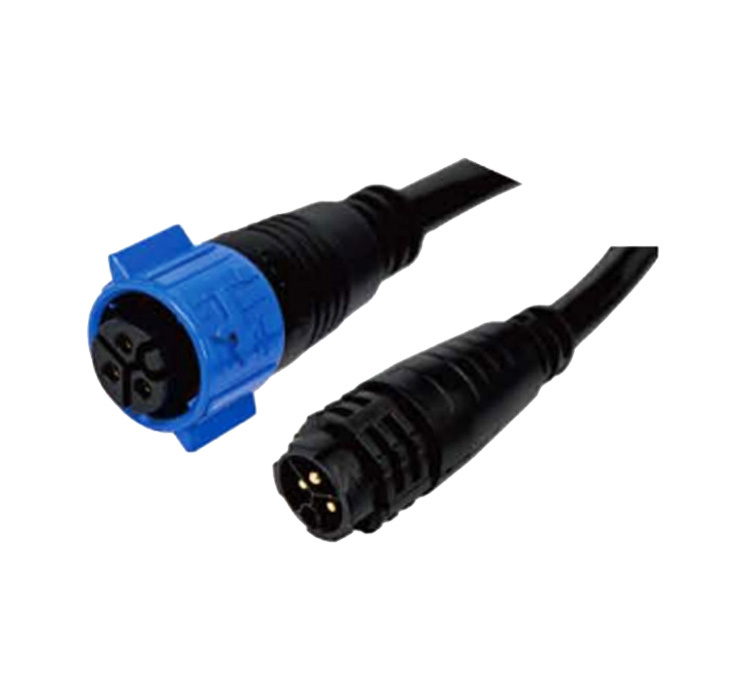
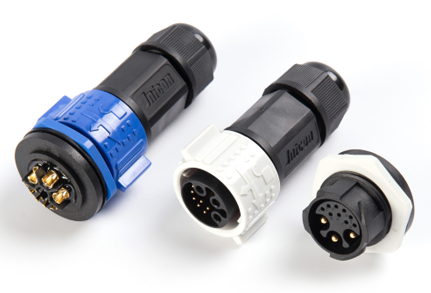
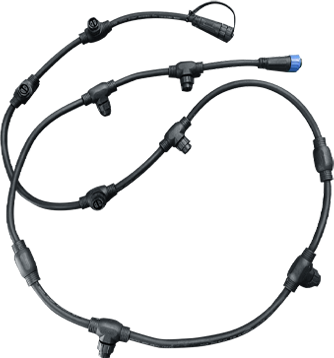
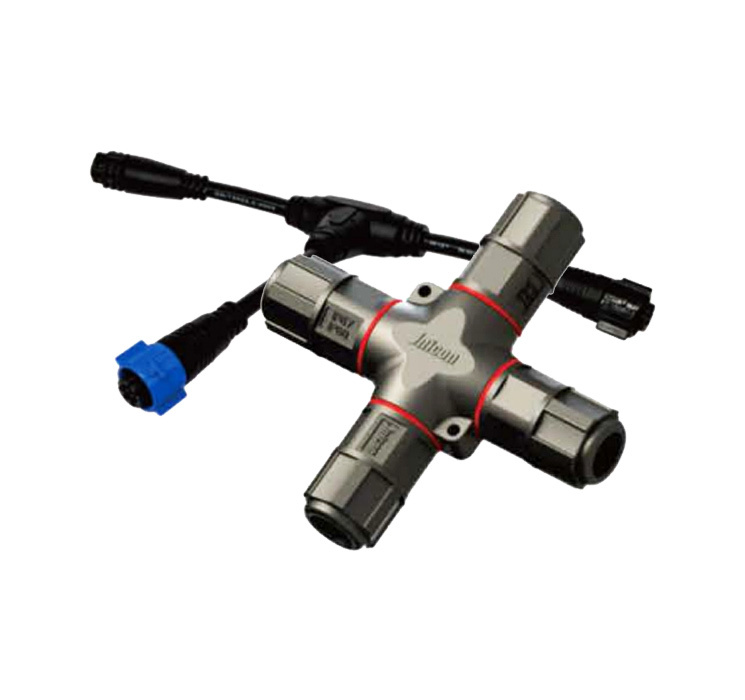
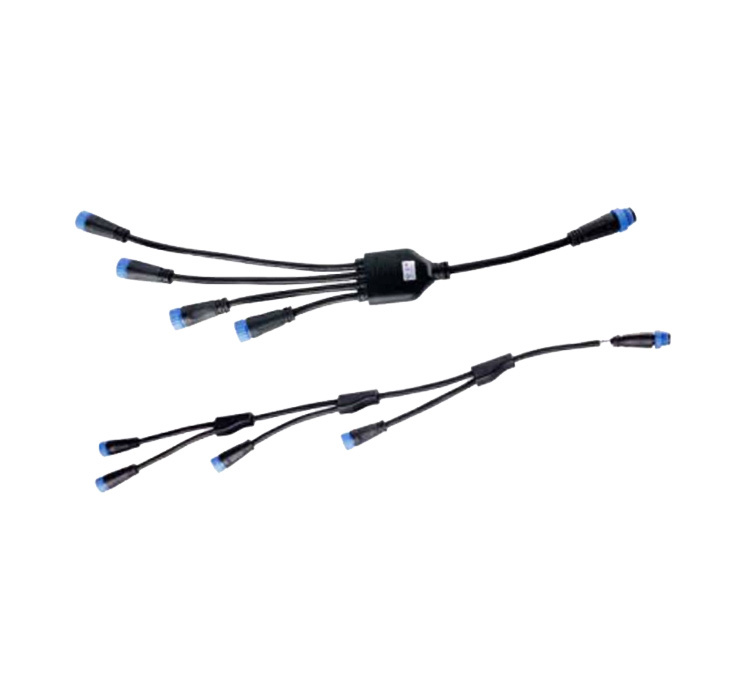
Circular connectors are commonly used in marine applications due to their versatility and robust design. They feature multiple pins arranged in a circular formation, providing a secure connection that can withstand vibrations and harsh environmental conditions.
2. Rectangular Connectors
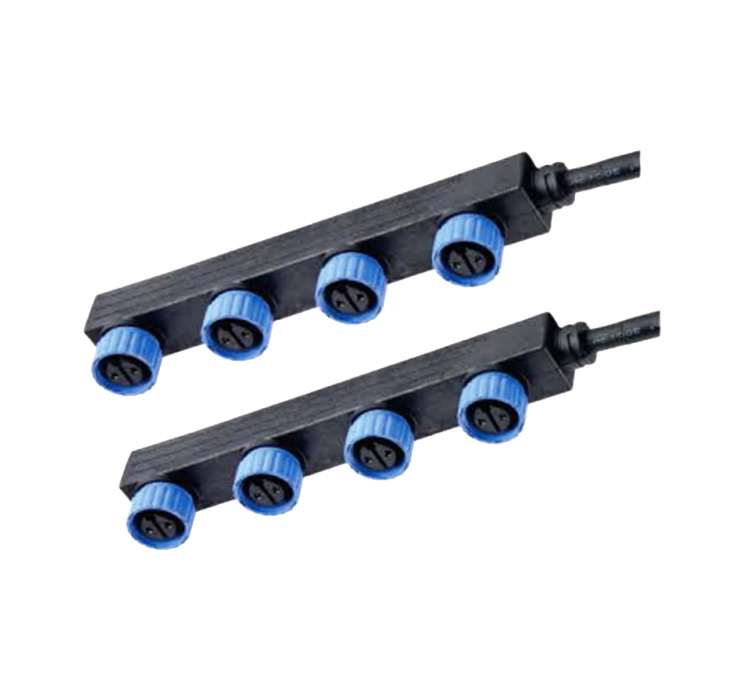
Rectangular connectors are ideal for applications requiring multiple connections within a compact space. They are often used in control systems, lighting, and instrumentation, where reliability is crucial.
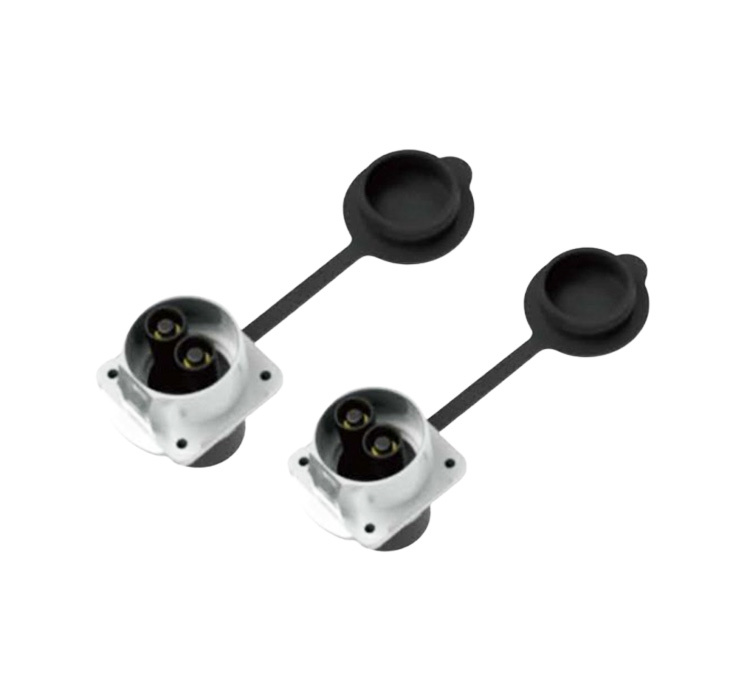
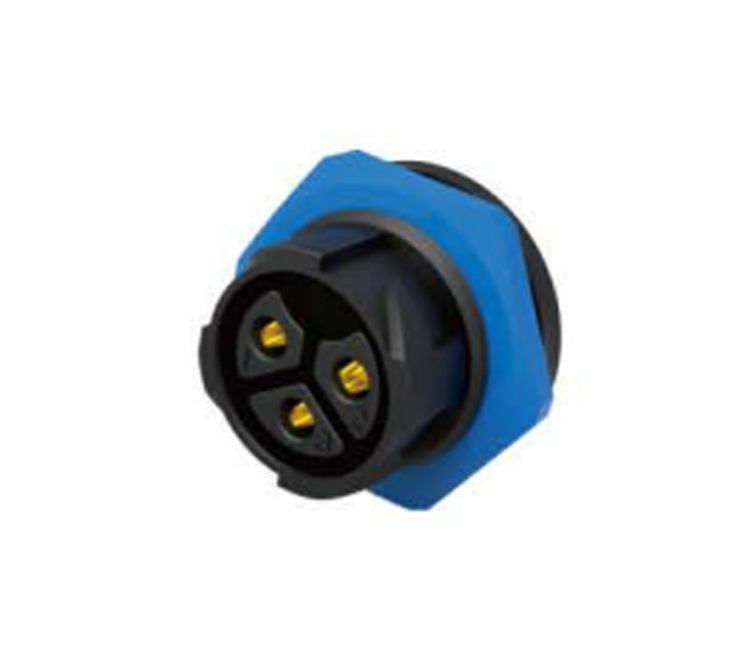
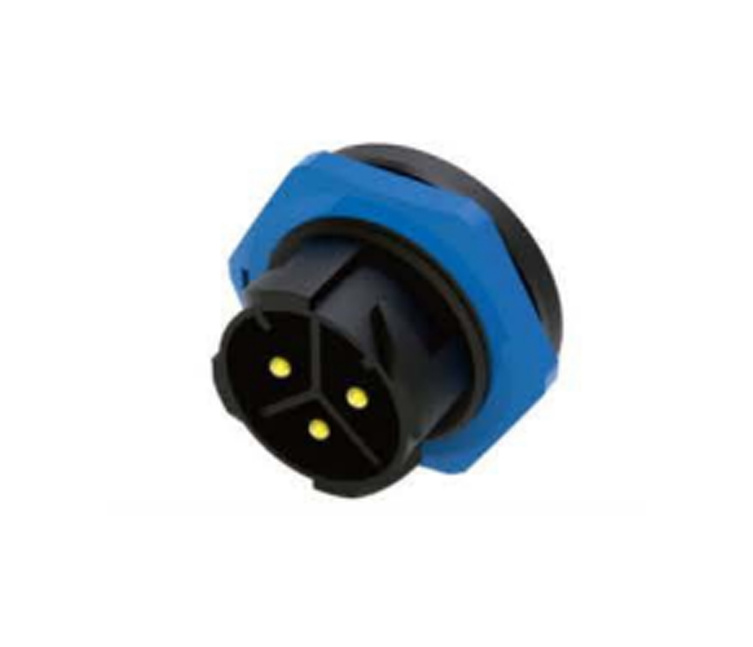
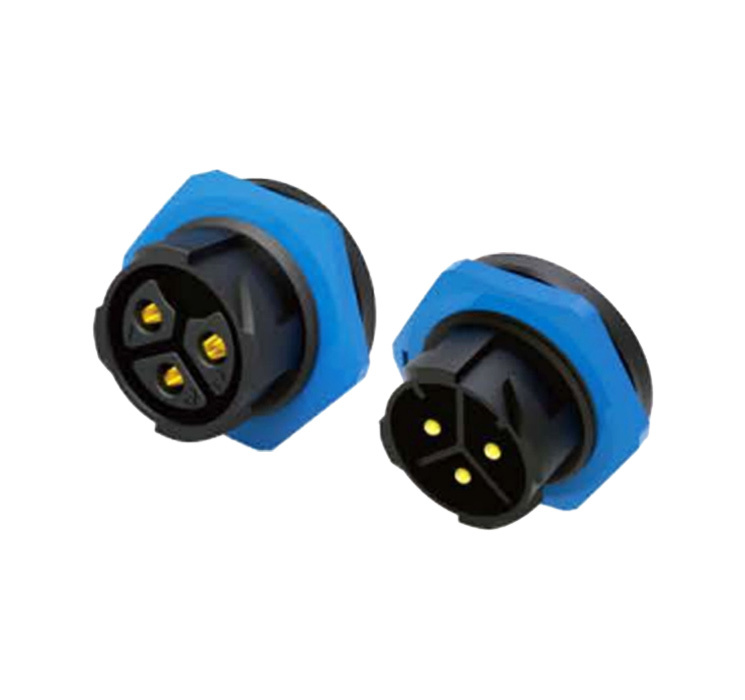
3. Panel-Mount Connectors
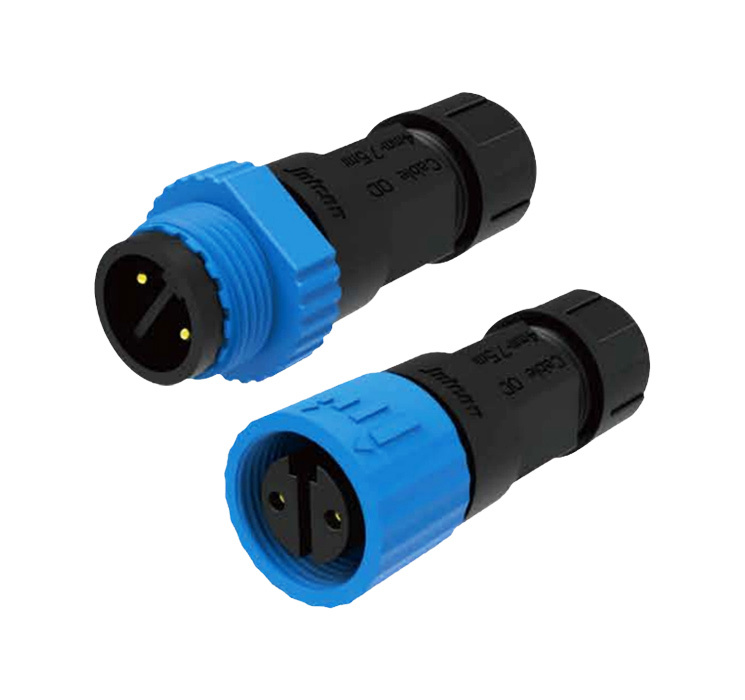
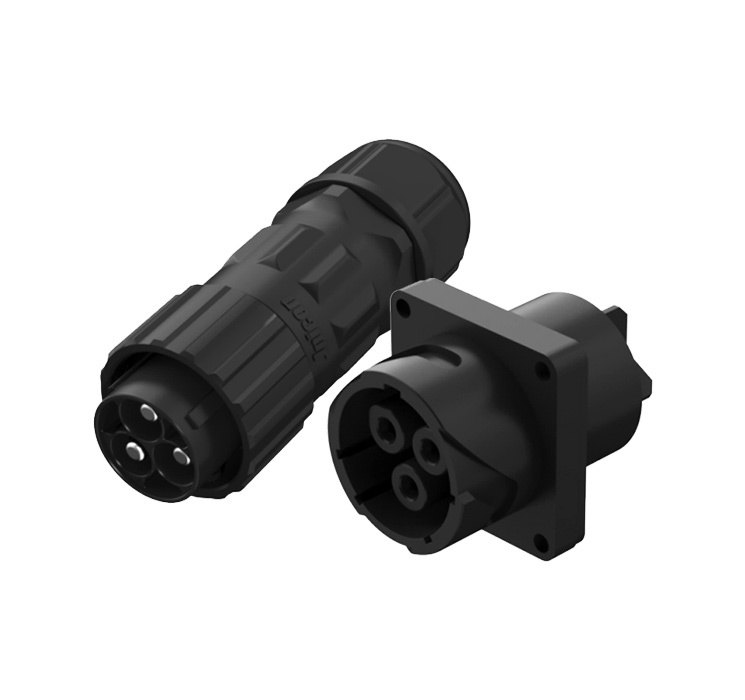
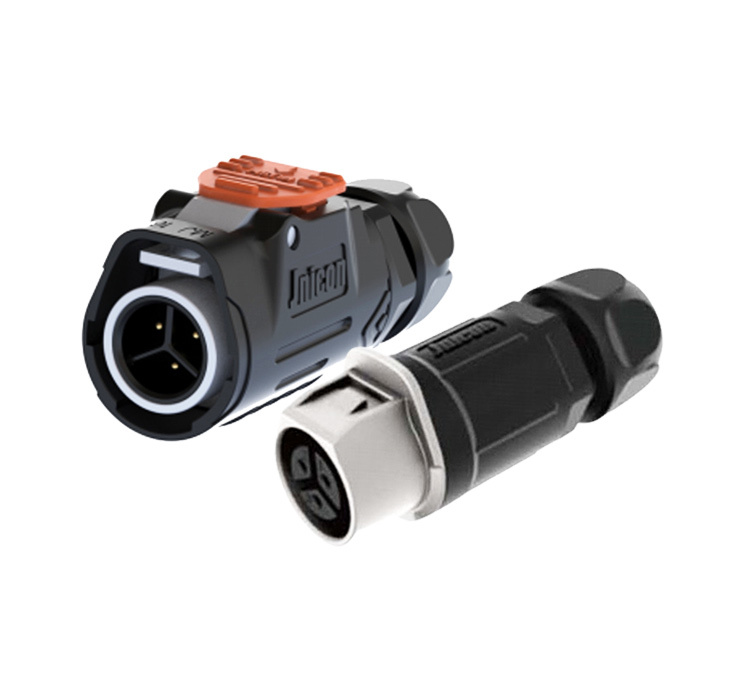
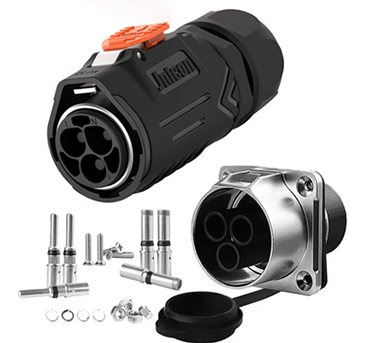
Panel-mount connectors allow easy access to connections from the outside of a vessel, making them ideal for control panels and charging ports. They provide a waterproof seal, ensuring that internal components remain protected from water ingress.
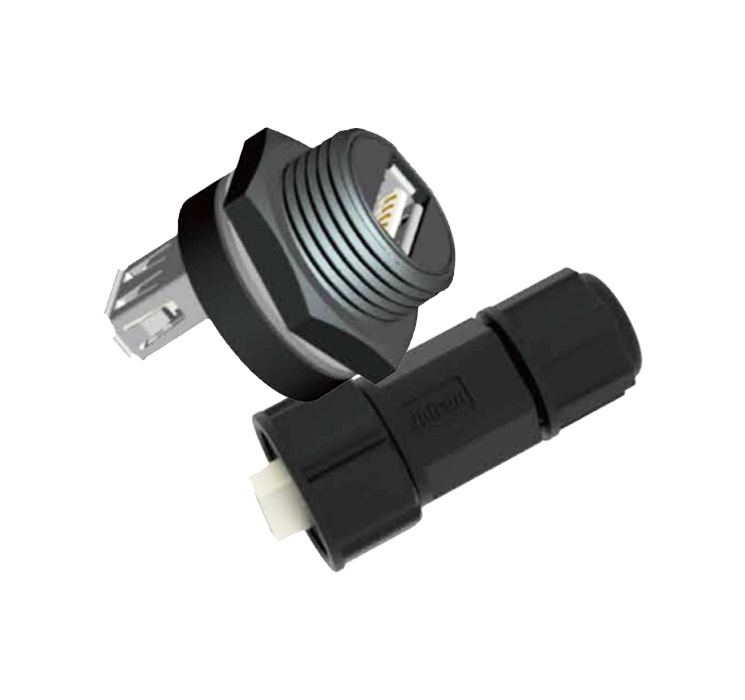
4. USB Connectors
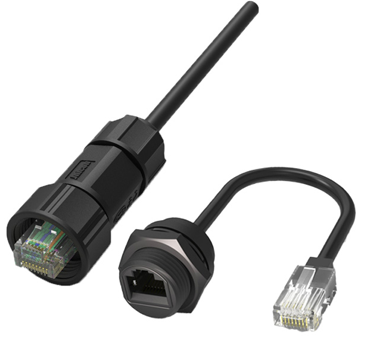
With the rise of digital technology within the marine sector, waterproof USB connectors are increasingly used to facilitate data transfer and charging. These connectors are crucial for modernizing vessels and ensuring connectivity with various devices.
Key Benefits of Using Waterproof Connectors
The advantages of using waterproof connectors in marine applications are extensive and impactful.
1. Enhanced Durability
Waterproof connectors are constructed using high-quality materials designed to withstand extreme conditions. Their robustness provides longevity, reducing the need for frequent replacements.
2. Corrosion Resistance
Marine environments expose connectors to saltwater, which can lead to corrosion over time. Waterproof connectors feature coatings and materials that resist corrosion, ensuring reliable functionality even in salty conditions.
3. Improved Safety
By minimizing the risk of electrical failures, waterproof connectors contribute significantly to the safety of vessels. They prevent short circuits that could lead to fires or equipment malfunctions.
4. Easy Installation and Maintenance
Many waterproof connectors are designed for easy installation, allowing for swift replacements and maintenance. This ease of use is crucial in marine applications, where time is often of the essence.
5. Versatility Across Applications
Whether for navigation systems, lighting, or communication devices, waterproof connectors can be utilized across various applications, making them a versatile choice for marine operators.
Essential Features of High-Quality Waterproof Connectors
When selecting waterproof connectors for marine applications, it’s important to consider several key features.
1. Ingress Protection (IP) Rating
The IP rating indicates the level of protection a connector offers against dust and water ingress. Look for connectors with a high IP rating (IP67 or IP68) to ensure they can withstand submersion and exposure to harsh elements.
2. Temperature Tolerance
Marine connectors must maintain functionality across a wide range of temperatures. High-quality waterproof connectors are designed to operate effectively in both high and low-temperature environments.
3. Material Quality
Connectors made from materials like stainless steel, aluminum, or specialized plastics provide enhanced durability and corrosion resistance, making them ideal for marine use.
4. Secure Locking Mechanisms
A solid locking mechanism ensures that connectors remain securely fastened, reducing the risk of disconnection during operation. This feature is crucial for maintaining continuous power and data flow.
Installing Waterproof Connectors: Best Practices
Proper installation is key to maximizing the benefits of waterproof connectors. Follow these best practices for optimal results.
1. Clean the Connection Area
Before installation, ensure that the connection area is clean and free of debris. This step helps maintain a secure and waterproof seal.
2. Use the Right Tools
Utilize the appropriate tools and techniques recommended by the manufacturer for installation. This approach minimizes the risk of damage during the process.
3. Test the Connection
After installation, perform tests to ensure that the connection is secure and functioning properly. This testing can help identify potential issues before they escalate.
Maintaining Waterproof Connectors for Longevity
To maximize the lifespan of waterproof connectors, regular maintenance is essential.
1. Inspect Regularly
Conduct routine inspections to check for signs of wear, corrosion, or loose connections. Early detection of issues can prevent more significant problems down the line.
2. Clean Connections Periodically
Cleaning the connectors removes any salt, dirt, or debris that may compromise their waterproofing capabilities. Use a gentle cleaning solution and a soft cloth for best results.
3. Replace Damaged Connectors
If any connectors show signs of damage or wear, replace them immediately to maintain the integrity of your electrical systems.
Conclusion: Why Waterproof Connectors are Essential in Marine Applications
In summary, waterproof connectors represent a critical component in the maritime industry, offering unparalleled durability, safety, and performance. Their ability to resist corrosion, withstand harsh environments, and provide reliable connections makes them an indispensable element of modern marine technology. By embracing the benefits of waterproof connectors, marine operators can ensure the longevity and safety of their vessels, allowing them to navigate the waters with confidence.
FAQs About Waterproof Connectors in Marine Applications
1. What is the IP rating, and why is it important for waterproof connectors?
The IP rating indicates the level of protection against dust and water ingress. Higher ratings like IP67 or IP68 ensure connectors can withstand submersion and harsh conditions, making them ideal for marine applications.
2. Are all waterproof connectors suitable for saltwater environments?
Not all waterproof connectors are designed for saltwater use. It's essential to choose connectors constructed from corrosion-resistant materials specifically rated for marine applications.
3. How can I ensure the longevity of waterproof connectors?
Regular maintenance, including inspections and cleaning, along with immediate replacement of any damaged connectors, can significantly extend the lifespan of waterproof connectors.
4. Can I use standard connectors in marine applications?
Standard connectors may not withstand the harsh conditions of marine environments. It is advisable to use waterproof connectors designed for these applications to ensure safety and reliability.
5. What types of marine applications benefit most from waterproof connectors?
Waterproof connectors are crucial for various applications, including navigation systems, lighting, communication devices, and control panels, ensuring safe and reliable operations across all marine industries.
Previous
News
2015-11-19
China Unicom Ltd. Shenzhen, Czech Republic in 2012 began waterproof connector design and production, registered in February 2014 the...
2025-12-14
Exploring the Benefits of Using Waterproof Connectors in Marine Applications
Exploring the Benefits of Using Waterproof Connectors in Marine Applications Table of Contents Introduction to Waterproof Connectors in Marine Environments The Importance of Waterproof Connectors in Marine Applications Types of Waterproof Connectors and Their Applications Key Benefits of Using Waterproof Connectors Essential Features of High-Quality Waterproof Connectors I
2025-12-13
Understanding Waterproof Cables: Essential Insights for Electrical Connections
When it comes to electrical connections, the importance of using the right type of cable cannot be overstated. Among the various options available, waterproof cables hold a pivotal role, particularly in environments exposed to moisture or harsh weather conditions. These specialized cables are designed to prevent water ingress, ensuring the safety and reliability of electrical systems. Waterproof c

B8-9, Fubilun industrial park, Chaoyang rd,Yanchuan community, Songgang, Shenzhen, China


