


Top Features to Look for in Marine Electrical Connectors: A Focus on Waterproof Options
Release Time:
2025-12-22
Top Features to Look for in Marine Electrical Connectors: A Focus on Waterproof Options
Introduction to Marine Electrical Connectors
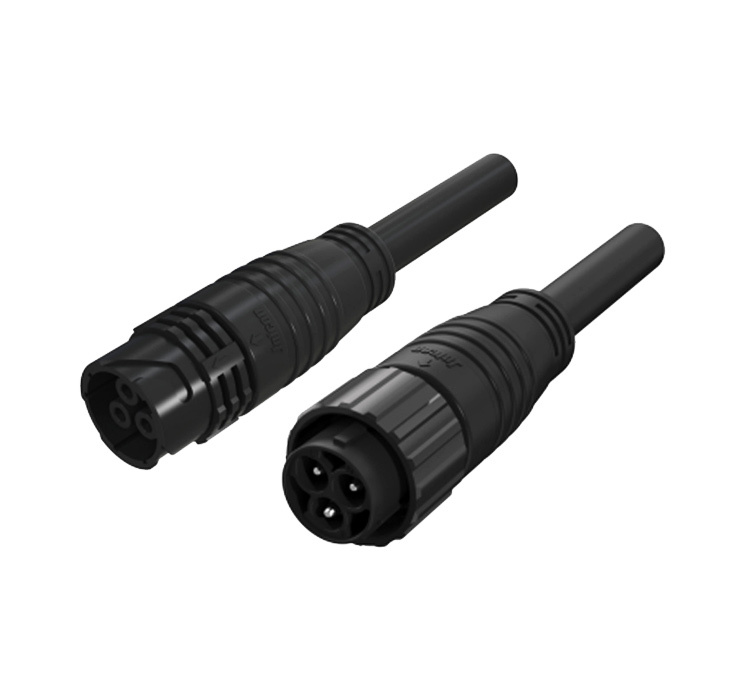
In the maritime industry, the reliability and efficiency of electrical systems are paramount. Marine electrical connectors are vital components that facilitate the connection of electrical systems in boats, ships, and other watercraft. These connectors are designed to withstand harsh marine environments, where exposure to saltwater, moisture, and extreme temperatures can affect performance. Understanding the top features to look for in marine electrical connectors, particularly waterproof options, can enhance both safety and functionality.
The Importance of Waterproof Marine Electrical Connectors
Waterproof marine electrical connectors play a critical role in protecting electrical systems from moisture and corrosion. In maritime settings, connectors are often exposed to water splashes, rain, and even submersion. As a result, selecting connectors with robust waterproof capabilities is essential for preventing electrical failures that could lead to equipment damage or safety hazards.
Key Features of Waterproof Marine Electrical Connectors
When evaluating marine electrical connectors, several key features should be prioritized to ensure optimal performance. Below are the top attributes to consider:
1. Ingress Protection Rating (IP Rating)
The IP rating indicates how well a connector can withstand dust and water ingress. For marine applications, a minimum IP67 rating is recommended, which ensures protection against temporary immersion in water and complete dust ingress. Higher ratings, such as IP68, offer even greater protection, making them ideal for connectors used in more demanding environments.
2. Corrosion Resistance
Marine electrical connectors must be constructed from materials that resist corrosion due to exposure to saltwater and humidity. Look for connectors made from materials such as stainless steel, marine-grade aluminum, or high-grade plastics. Additionally, connectors should have protective coatings to enhance their resistance to corrosion, ensuring longevity and reliable performance.
3. Temperature Tolerance
Marine environments can expose connectors to extreme temperatures, from hot sun to freezing conditions. It's essential to select connectors with a wide operating temperature range to ensure they function reliably in all conditions. Verify temperature ratings in the product specifications to ensure they meet the demands of your specific application.
4. Secure Locking Mechanism
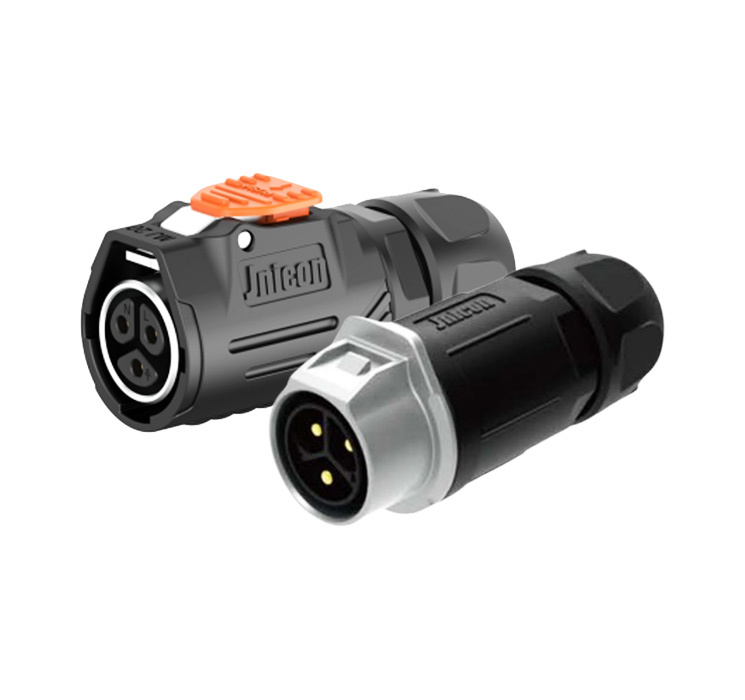
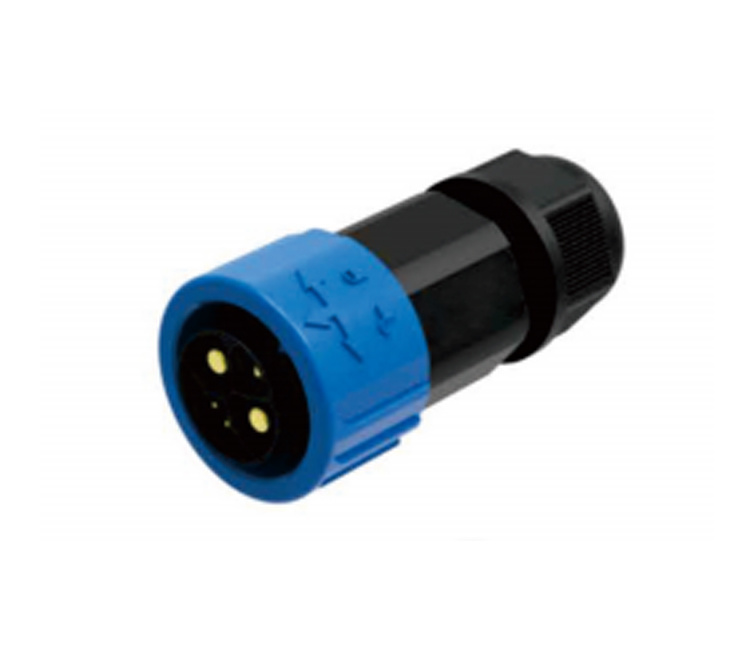
A secure locking mechanism is crucial for preventing accidental disconnections, which can be especially dangerous in marine settings. Look for connectors designed with robust locking systems, such as threaded or bayonet-style connections, which provide a secure fit even in rough seas.
5. Ease of Installation
The installation process can greatly impact the performance and reliability of marine electrical connectors. Choose connectors that are easy to install, with clear instructions and minimal tools required. Some connectors may even offer user-friendly features such as color-coded wires for seamless installation.
Types of Marine Electrical Connectors
Understanding the different types of marine electrical connectors available can help you make informed choices based on your specific needs.
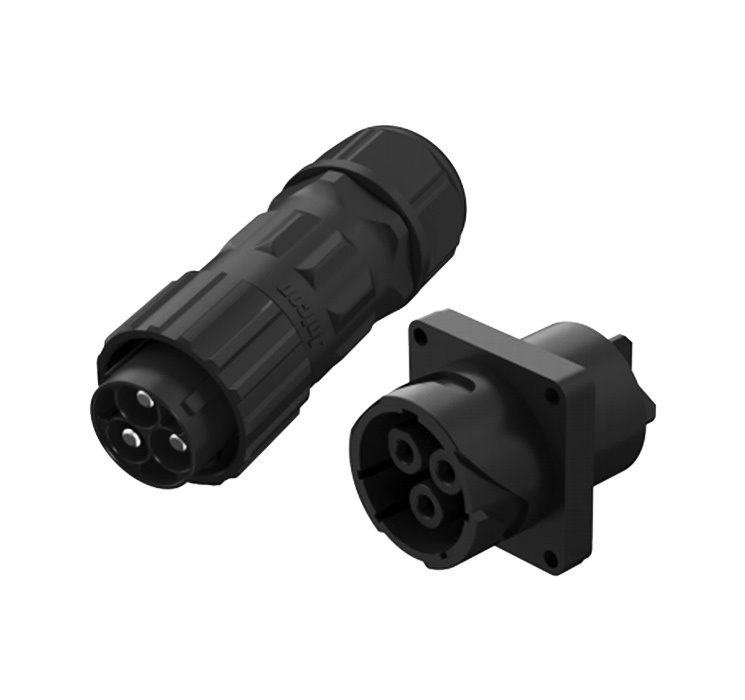
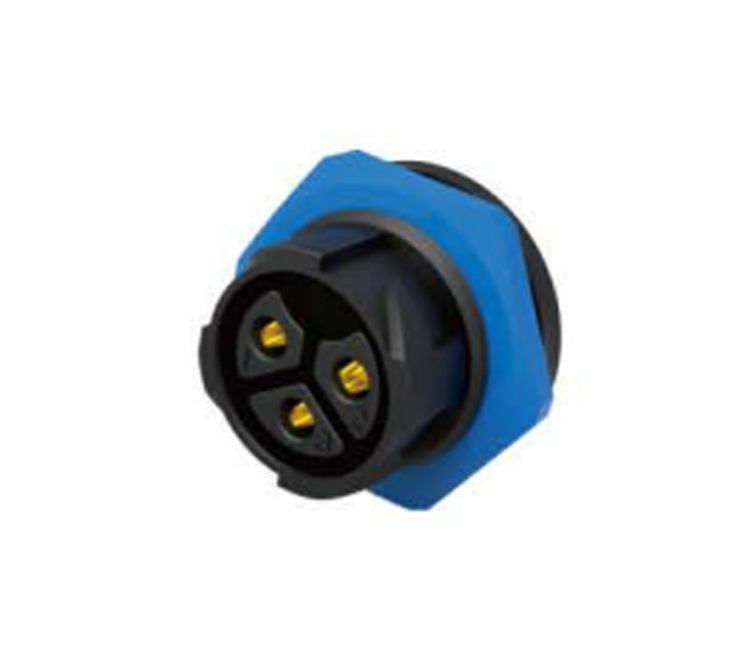
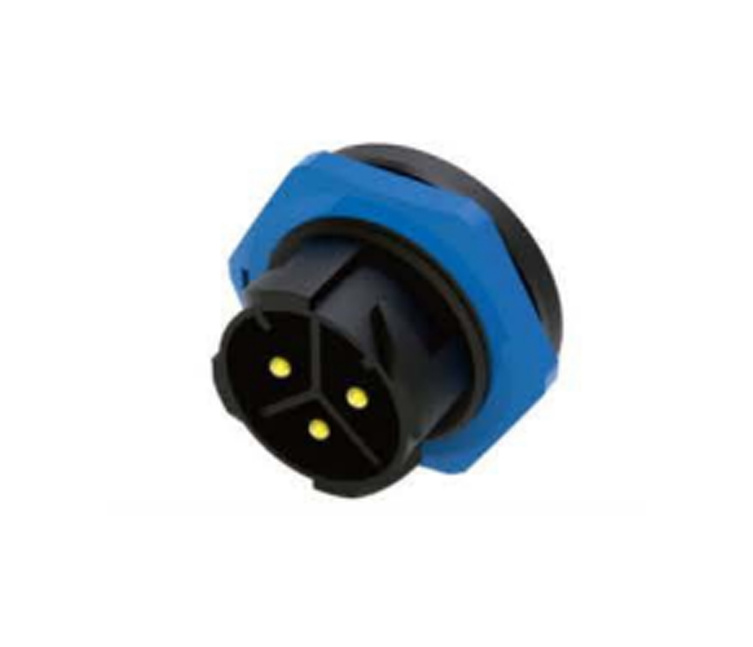
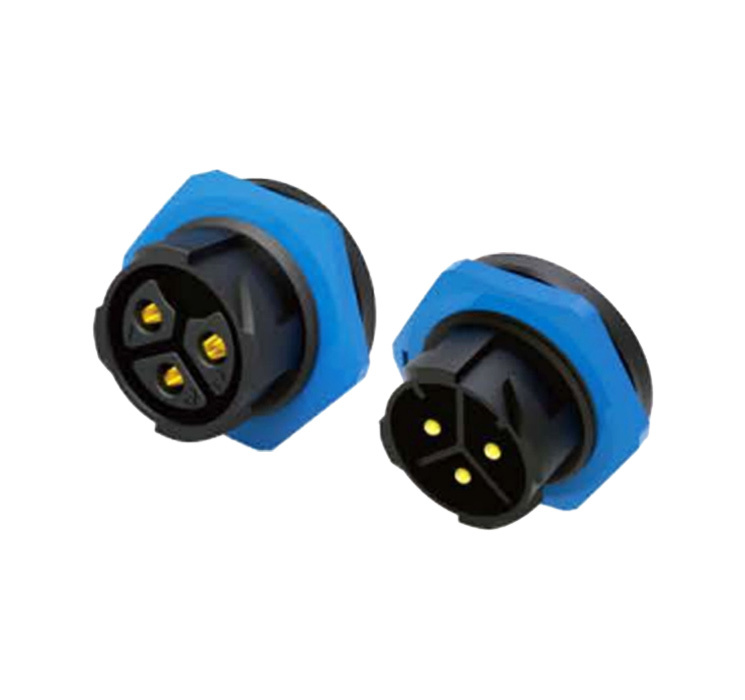
1. Circular Connectors
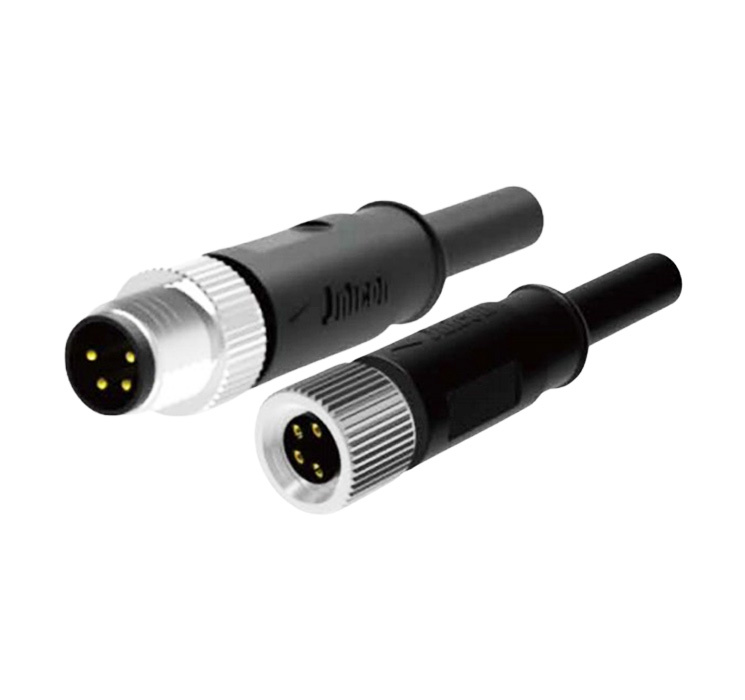
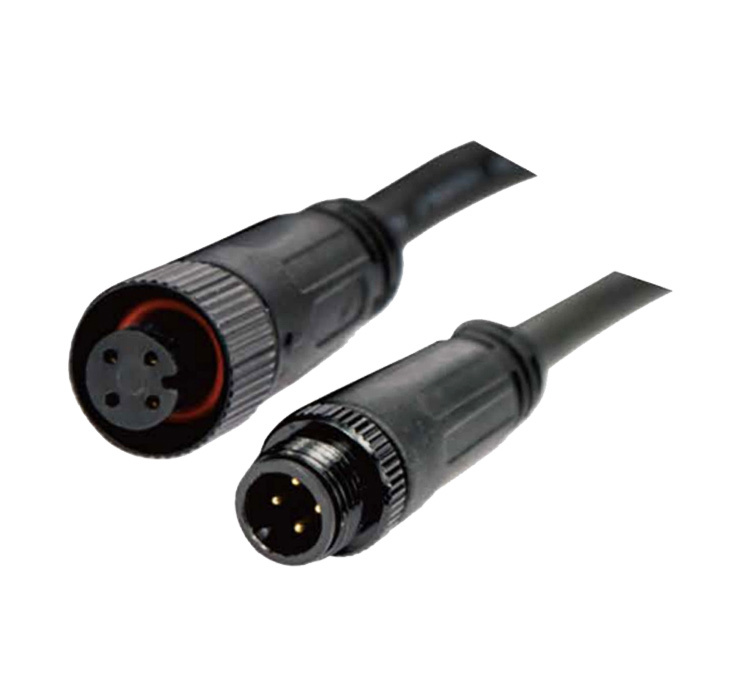
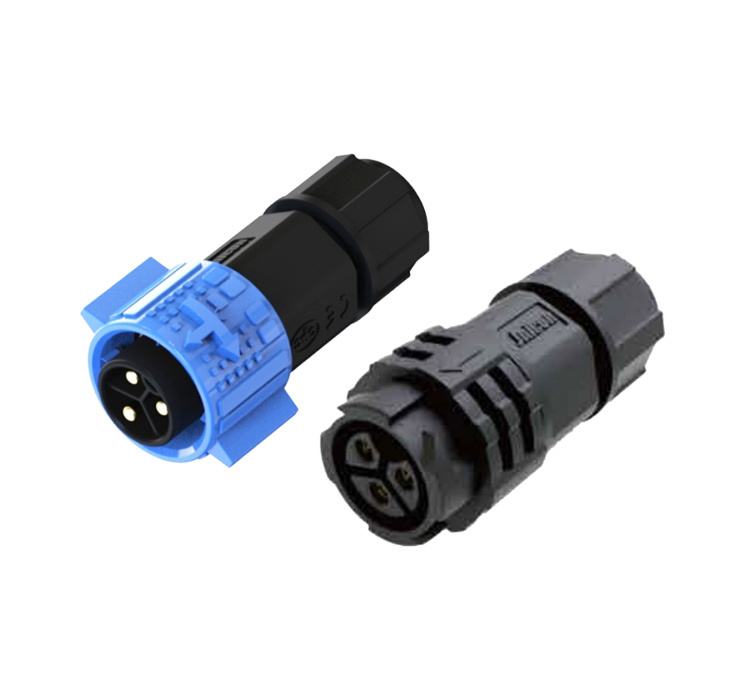
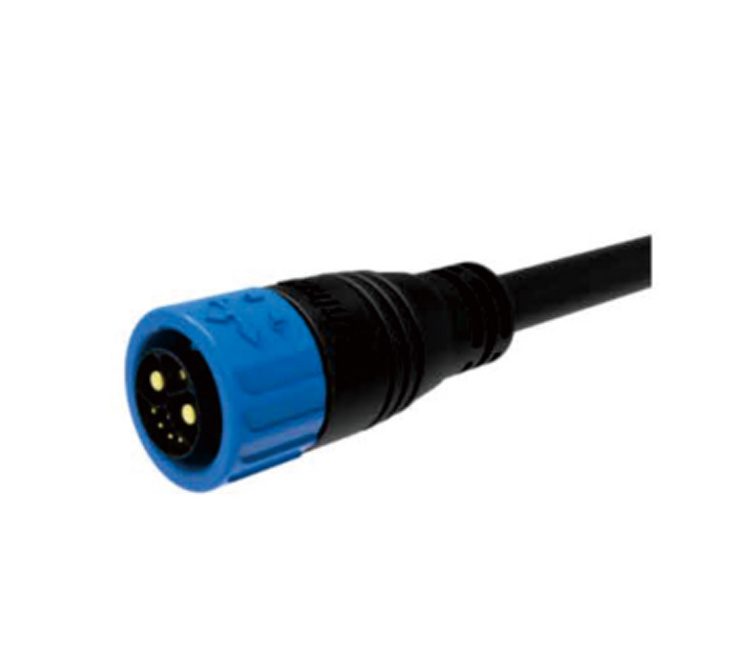
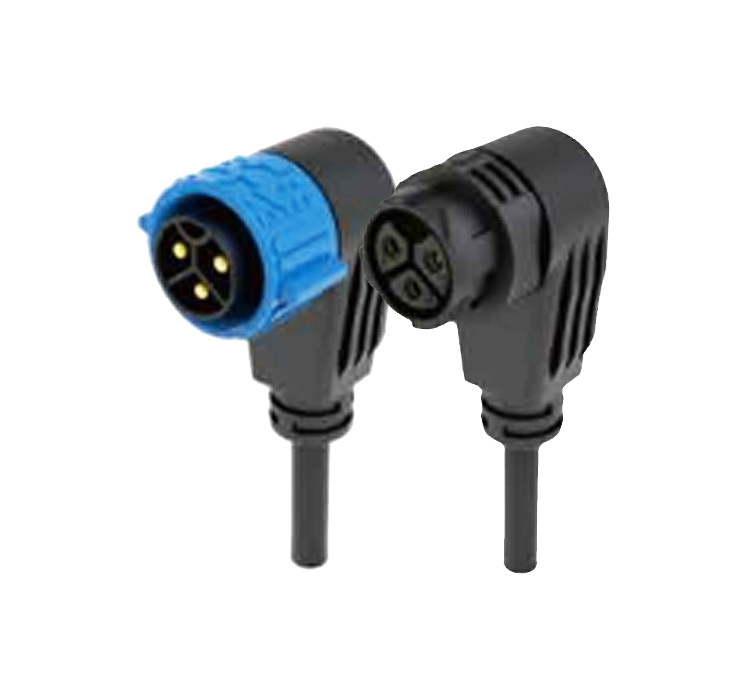
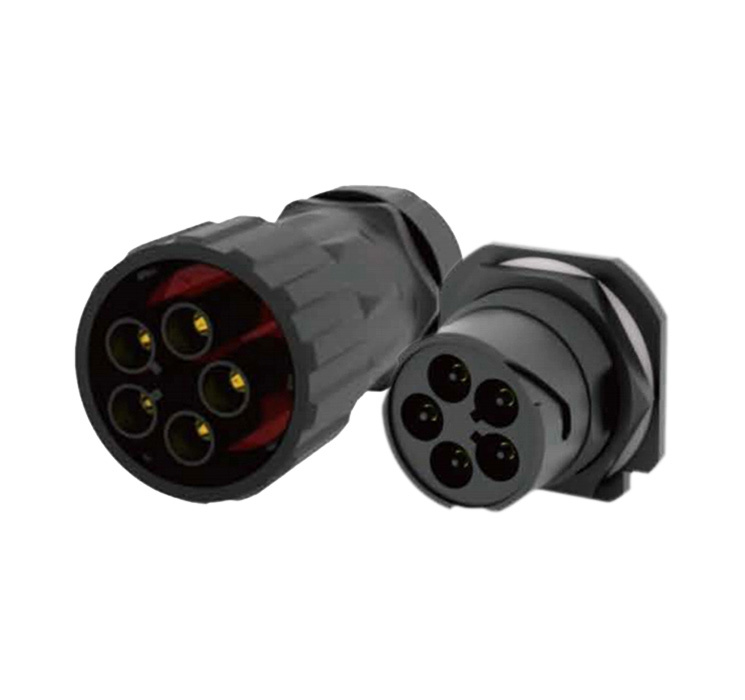
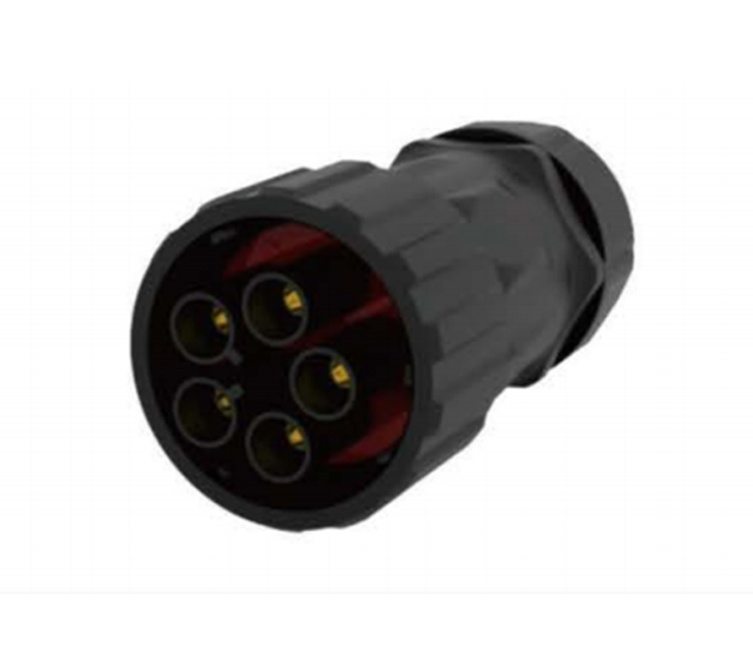
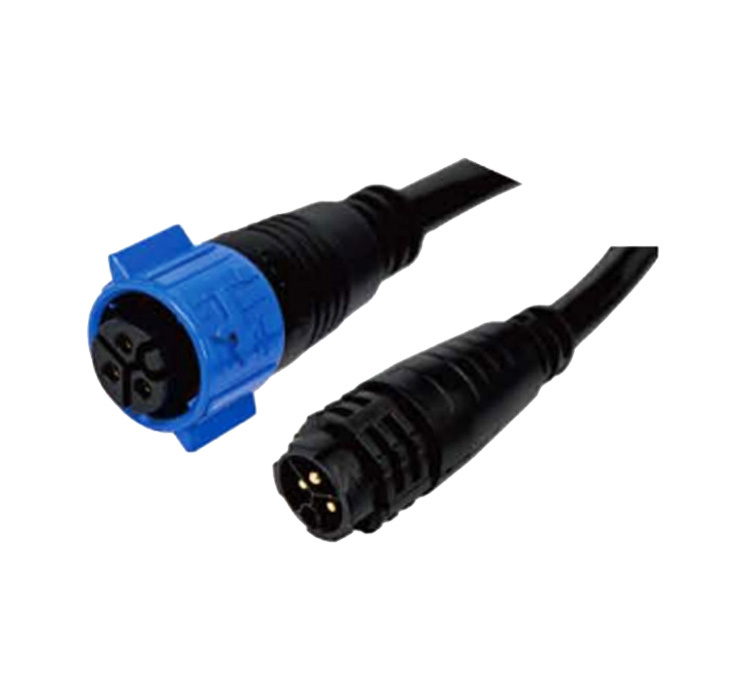
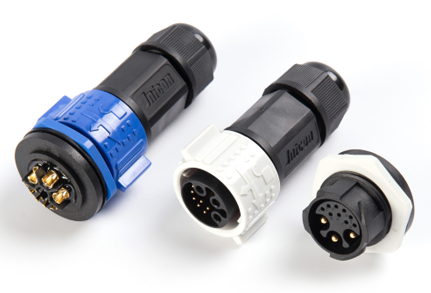
Circular connectors are widely used in marine applications due to their versatility and robust design. These connectors typically feature multiple pins, allowing for various connections in a compact form factor. Their circular shape often enhances waterproof capabilities and provides strong resistance to environmental factors.
2. Rectangular Connectors
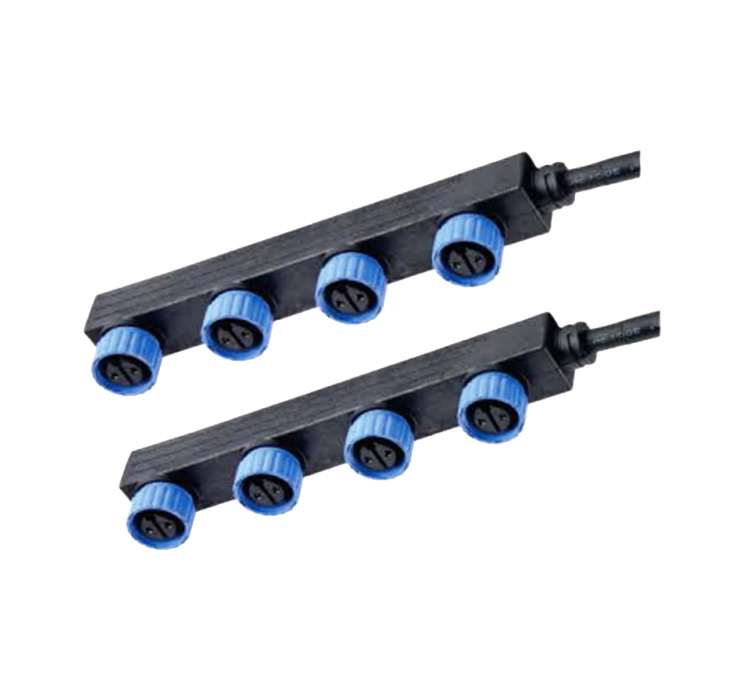
Rectangular connectors offer a larger contact area and can accommodate more pins than circular connectors. They are ideal for high-density applications where space is limited. Many rectangular connectors come with environmental seals, ensuring protection against moisture and dust.
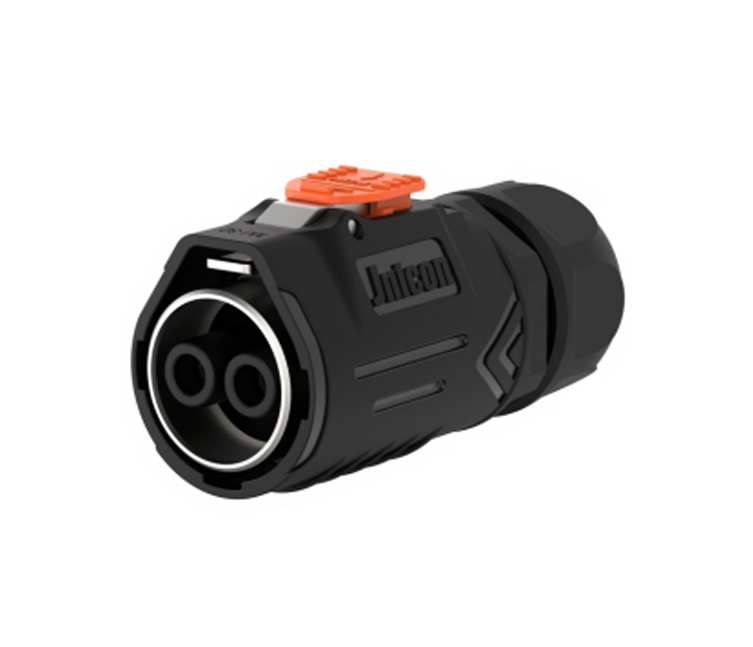
3. Inline Connectors
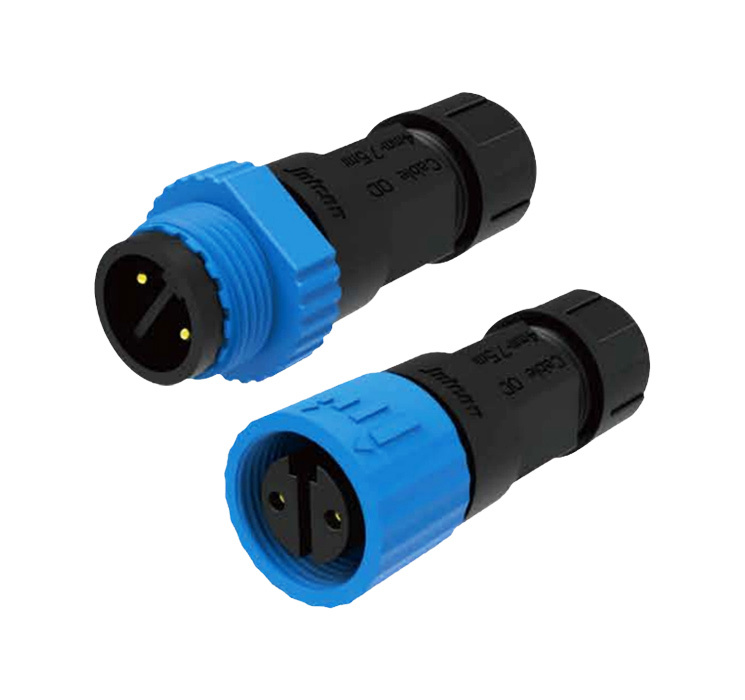
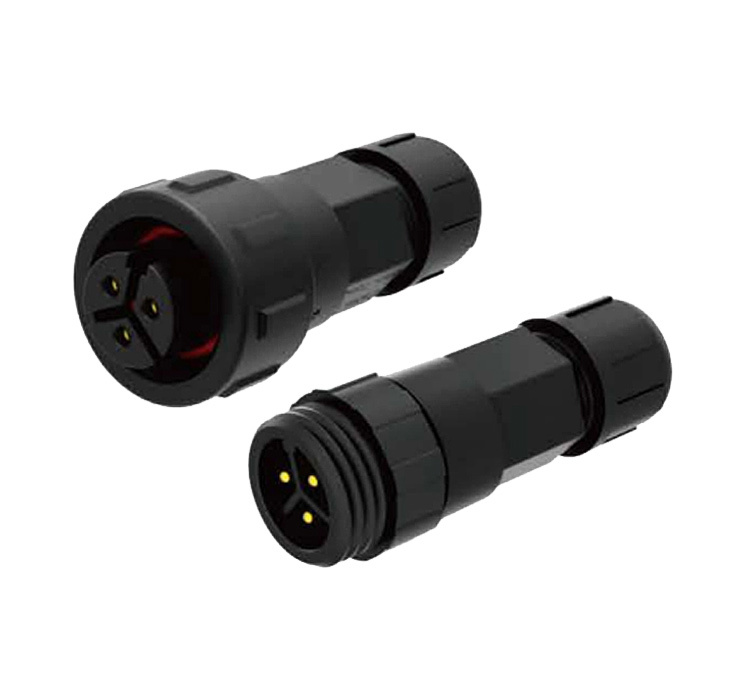
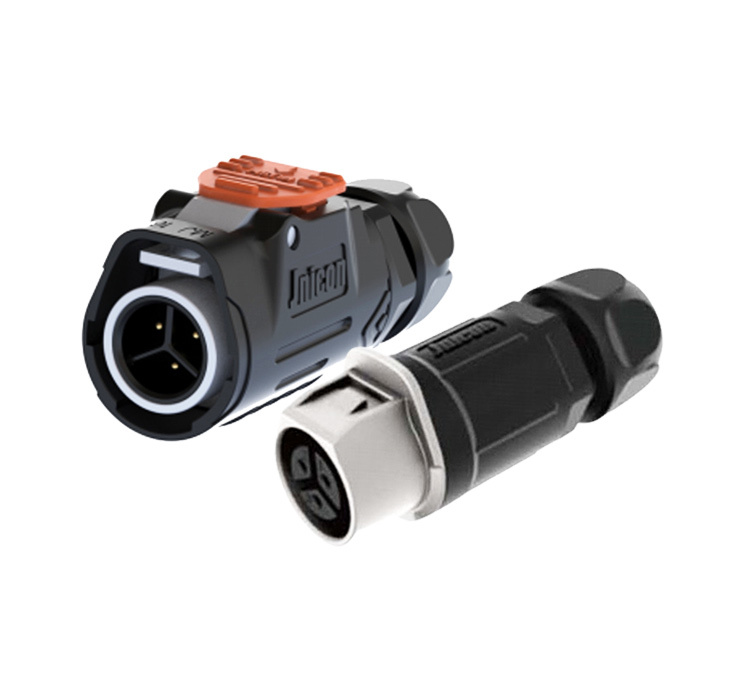
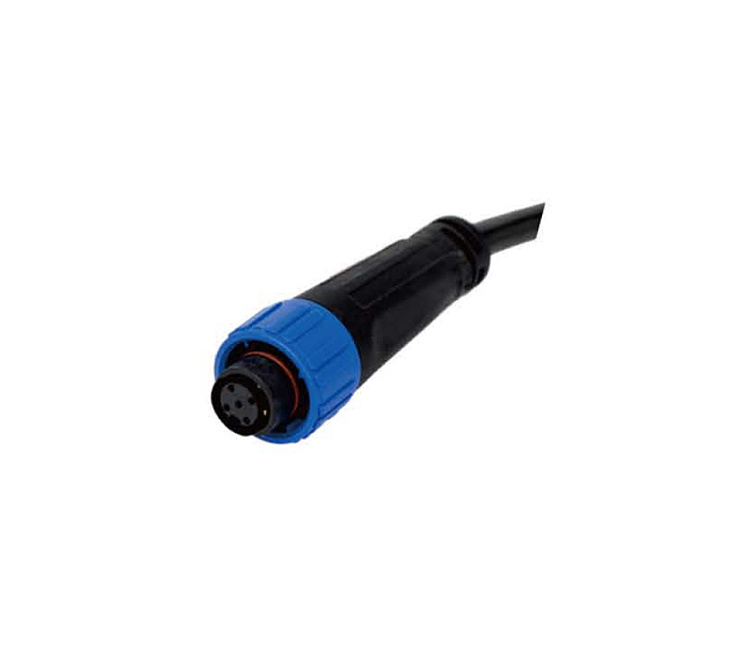
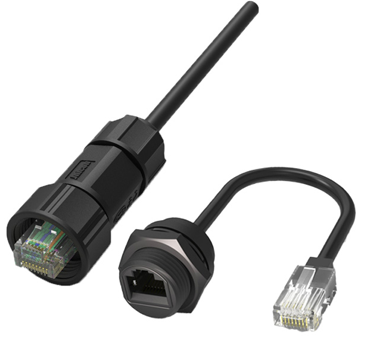
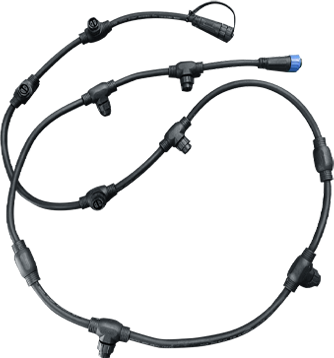
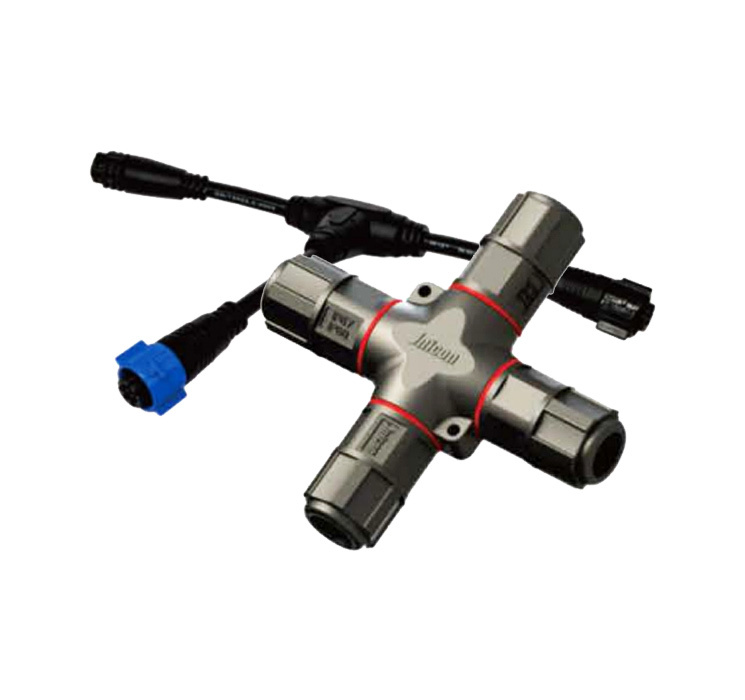
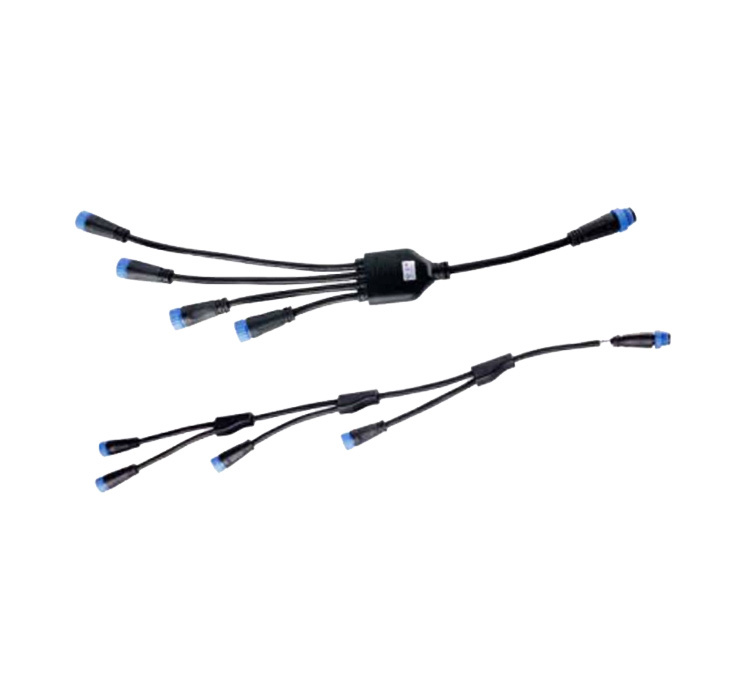
Inline connectors are designed for quick disconnection and reconnection, making them useful for temporary setups or when equipment needs to be frequently connected and disconnected. These connectors are available with waterproof features, ensuring reliable performance in marine environments.
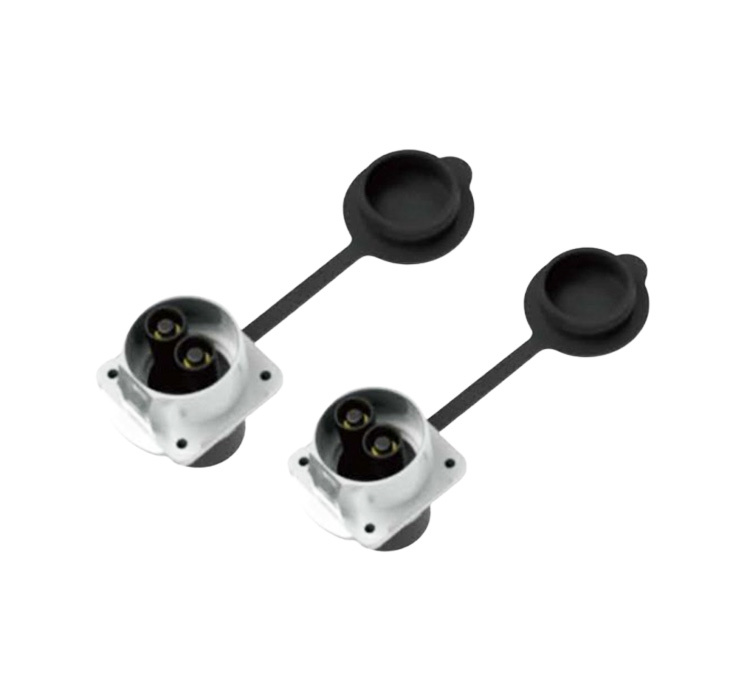
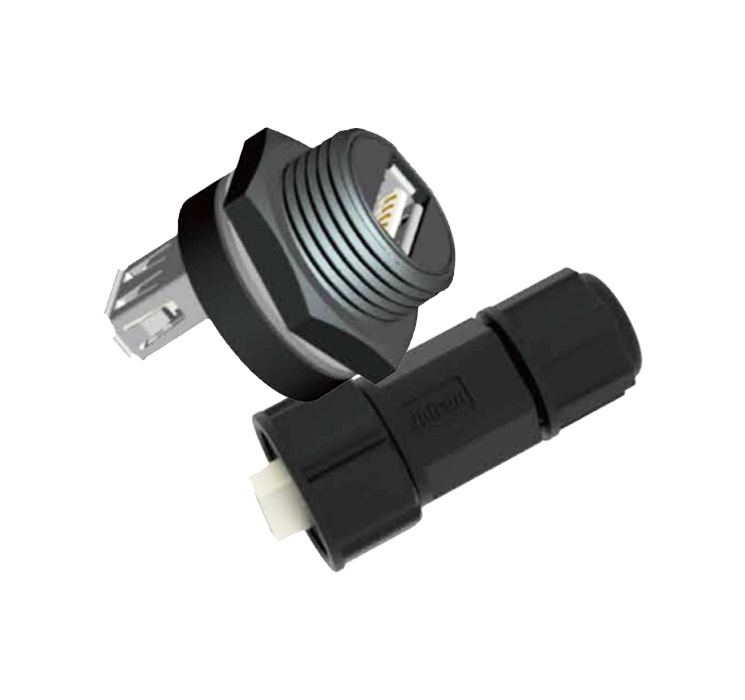
4. Panel-Mount Connectors
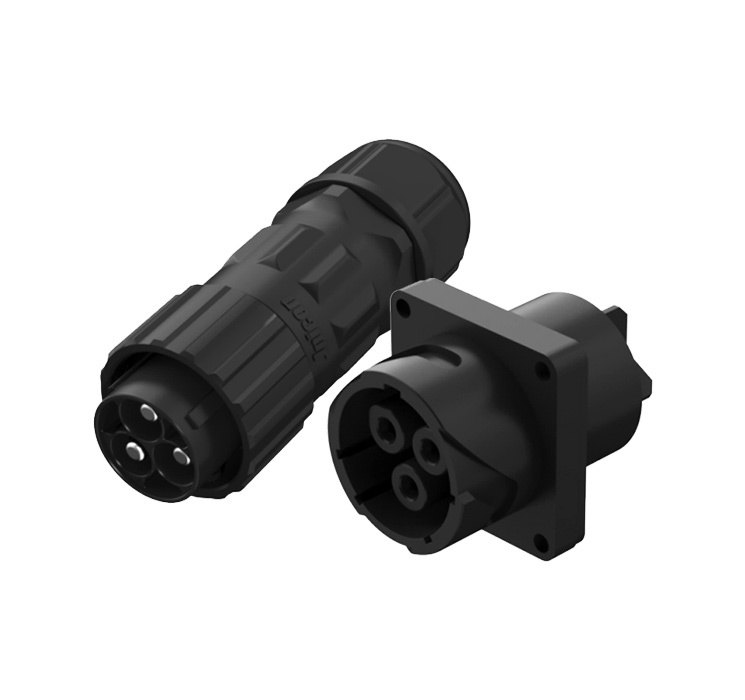
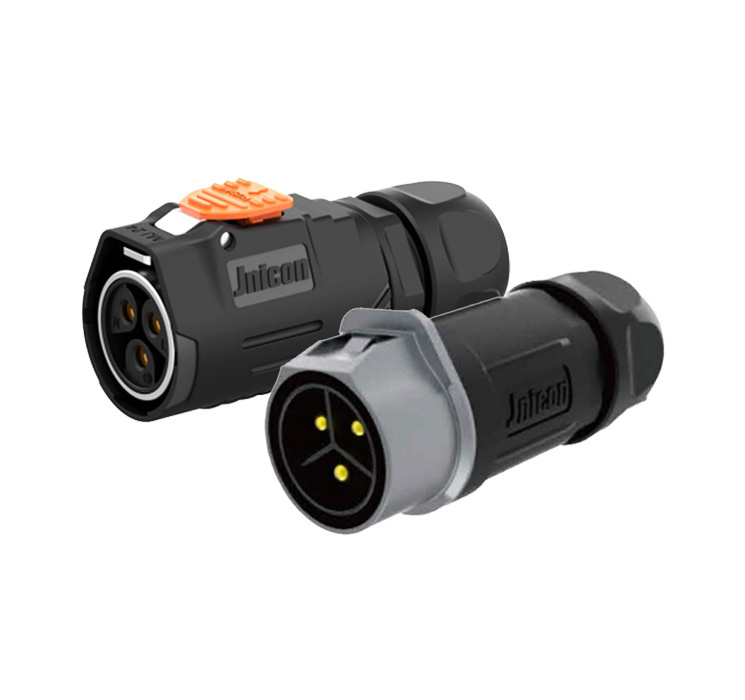
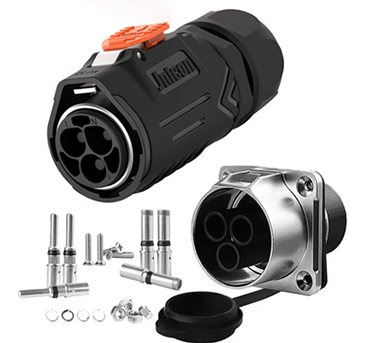
Panel-mount connectors are fixed to a panel, providing a secure connection point for externally mounted devices. These connectors often feature waterproof designs, offering robust protection against the elements.
How to Choose the Right Marine Electrical Connectors
Selecting the right marine electrical connectors involves considering various factors that align with your specific application requirements. Here are some tips to guide your decision-making process.
1. Assess Your Environmental Conditions
Evaluate the specific environmental conditions your connectors will face, including exposure to water, salt, and temperature fluctuations. This assessment will help you determine the minimum IP rating, materials, and protective features necessary for reliable performance.
2. Consider the Electrical Specifications
Check the voltage and current ratings of your electrical systems to ensure compatibility with the connectors you select. Overloading connectors can lead to failures, so it’s crucial to choose connectors rated for your specific power requirements.
3. Evaluate Connector Size and Configuration
Determine the space available for your connectors and choose sizes that fit without compromising functionality. Additionally, consider the pin configuration and the number of connections required for your application.
4. Research Manufacturer Reputation
Opt for connectors from reputable manufacturers known for their quality and reliability. Research customer reviews and industry feedback to identify brands that consistently deliver high-performance marine electrical connectors.
Installation Tips for Marine Electrical Connectors
Proper installation is essential for maximizing the performance and lifespan of marine electrical connectors. Follow these tips for successful installation:
1. Clean the Installation Area
Before installation, ensure that the area around the connector is clean and free of debris. Contaminants can interfere with the connection and may lead to failures.
2. Use Proper Tools
Utilize the tools recommended by the manufacturer for installation to avoid damaging connectors or compromising their waterproof features. Proper tools will help ensure a secure and reliable connection.
3. Test Connections
After installation, perform thorough testing to confirm that all connections are secure and functioning correctly. Testing helps identify any issues early on, allowing for timely adjustments.
Frequently Asked Questions (FAQs)
1. What is the difference between marine electrical connectors and standard connectors?
Marine electrical connectors are specifically designed to withstand harsh marine environments, offering waterproof and corrosion-resistant features that standard connectors may lack.
2. How do I know if a connector is waterproof?
Check the connector's Ingress Protection (IP) rating, which indicates its resistance to water and dust ingress. An IP67 or higher rating is generally recommended for marine applications.
3. Can I use standard connectors in a marine environment?
While it is technically possible, using standard connectors in marine environments is not advisable due to their lack of waterproof and corrosion-resistant features, which can lead to failures and safety hazards.
4. How often should I inspect marine electrical connectors?
Regular inspections are recommended, ideally every few months, or more frequently if the connectors are exposed to harsh conditions. Look for signs of corrosion, wear, or loose connections.
5. Are all marine electrical connectors the same?
No, there are various types of marine electrical connectors designed for specific applications. Factors such as size, pin configuration, and installation method can differ significantly among connectors.
Conclusion
Understanding the essential features of marine electrical connectors, particularly waterproof options, is crucial for ensuring the reliability and safety of electrical systems in marine environments. By prioritizing attributes such as ingress protection ratings, corrosion resistance, and ease of installation, you can select connectors that enhance the performance of your maritime applications. With the right connectors in place, you can navigate the challenges of marine conditions with confidence, safeguarding your equipment and ensuring a seamless electrical experience on the water.
News
2026-10-06
Exploring the Lifecycle of Waterproof Marine Electrical Connectors: A Comprehensive Guide
Exploring the Lifecycle of Waterproof Marine Electrical Connectors In the expansive world of marine transportation, reliable electrical connections are crucial for the optimal functioning of vessels and marine equipment. Waterproof marine electrical connectors play a pivotal role in this aspect, ensuring that electrical systems remain operational even in the most challenging environments. This art
2026-10-03
Understanding Waterproof Cables: Essential Insights for Electrical Professionals
Waterproof cables are vital components in the electric and electronic industries, especially when it comes to ensuring safe and reliable connections in challenging environments. These cables are designed to resist moisture and prevent water ingress, which can lead to electrical failure and safety hazards. Understanding the intricacies of waterproof cables is essential for electrical professionals
2026-09-30
Discover the Advantages of Using 2 Pin Waterproof Connectors in Harsh Environments
Discover the Advantages of Using 2 Pin Waterproof Connectors in Harsh Environments Table of Contents 1. Introduction to 2 Pin Waterproof Connectors 2. Importance of Waterproof Connectors 3. Design Features of 2 Pin Waterproof Connectors 4. Applications in Various Industries 5. Benefits of Using 2 Pin Waterproof Connectors 6. Installation Guidelines for 2 Pin Waterproof Connectors 7.

B8-9, Fubilun industrial park, Chaoyang rd,Yanchuan community, Songgang, Shenzhen, China


