


Understanding Waterproof Cables: Essential Knowledge for Electrical Professionals
Release Time:
2025-12-19
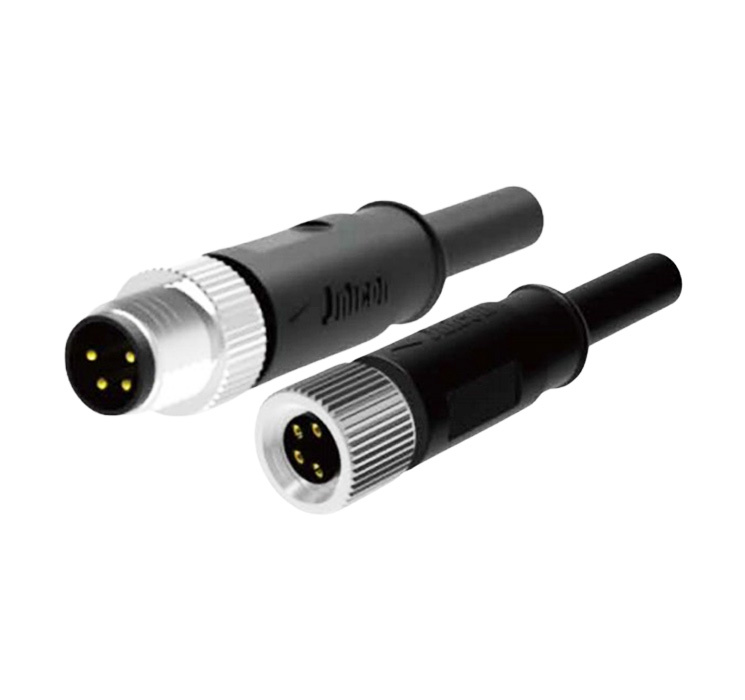
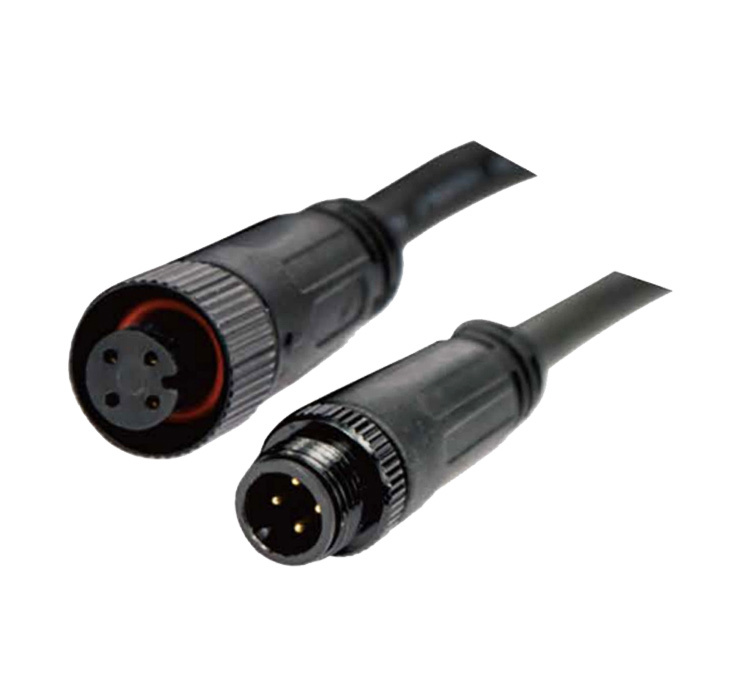
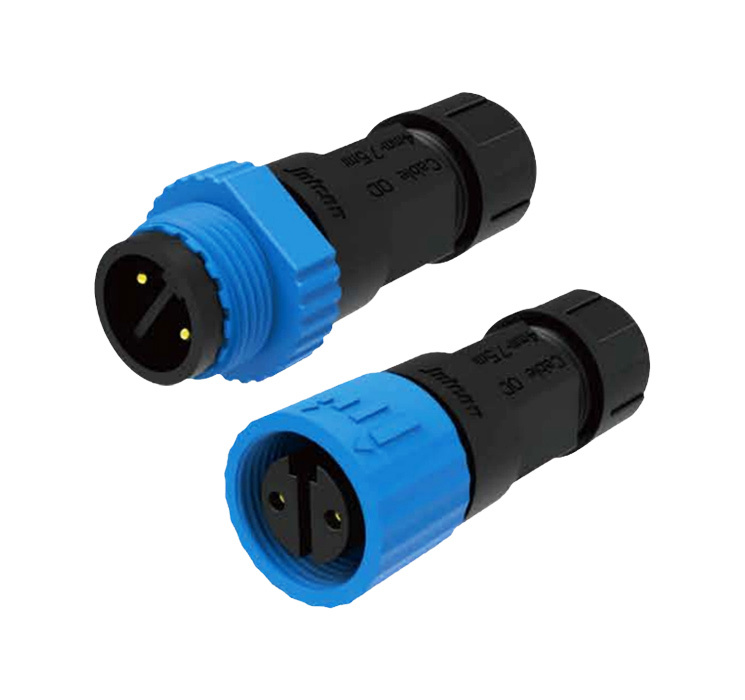
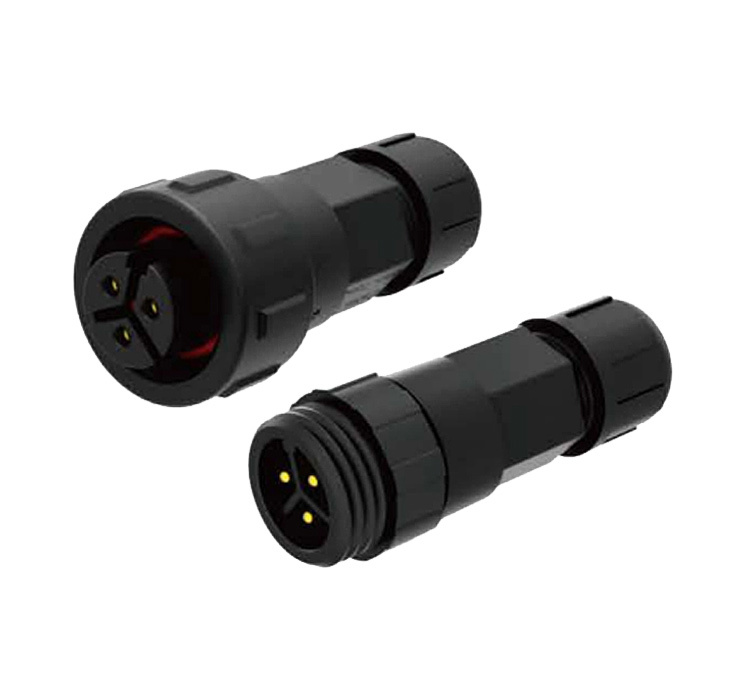
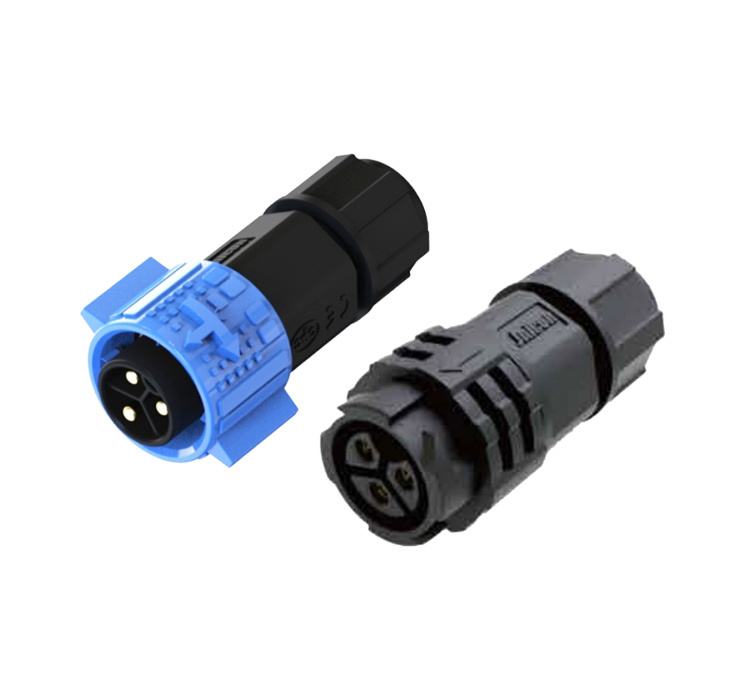
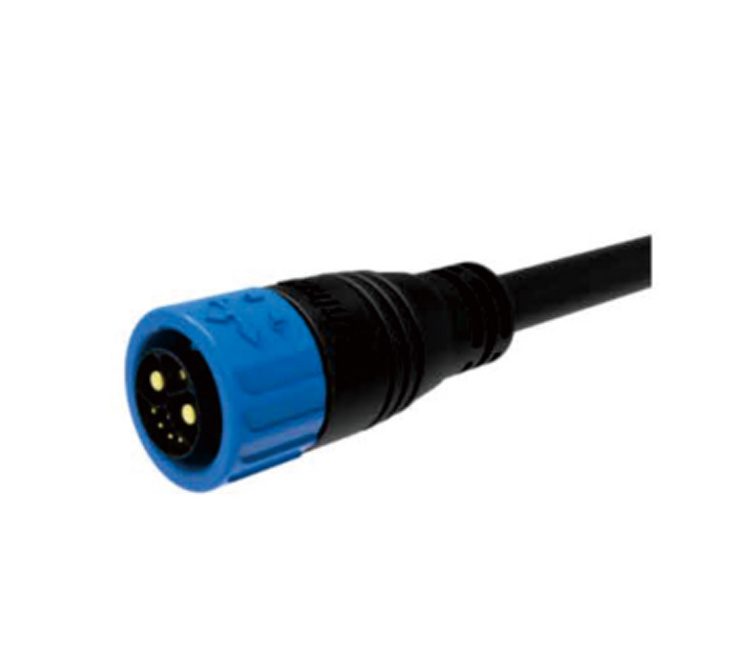
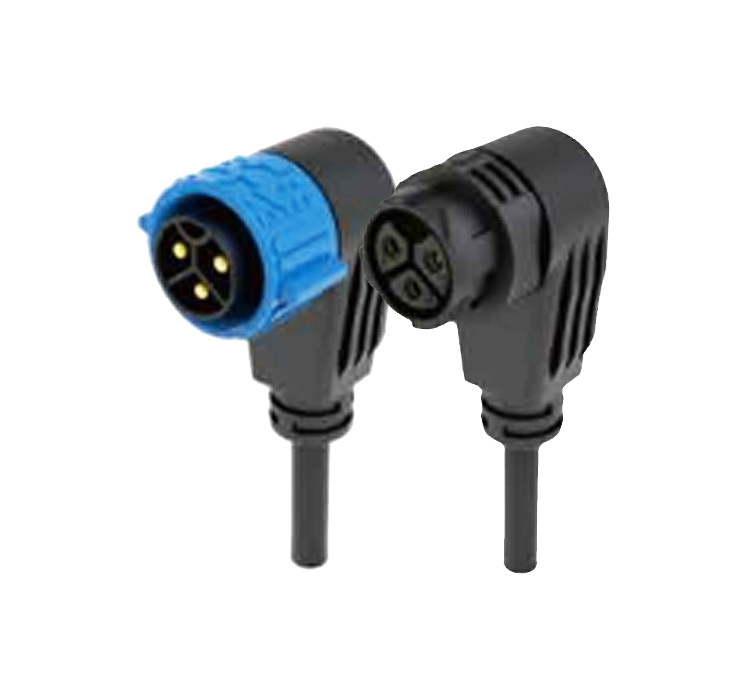
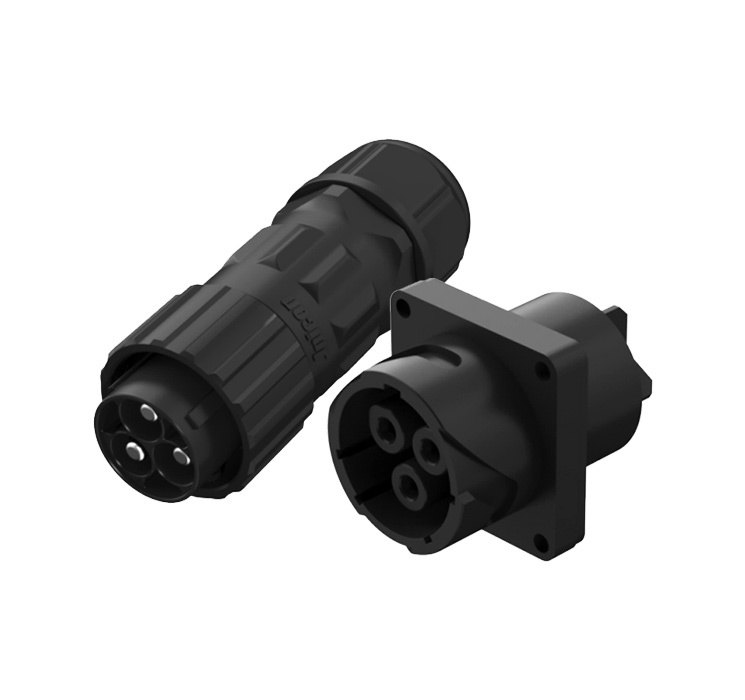
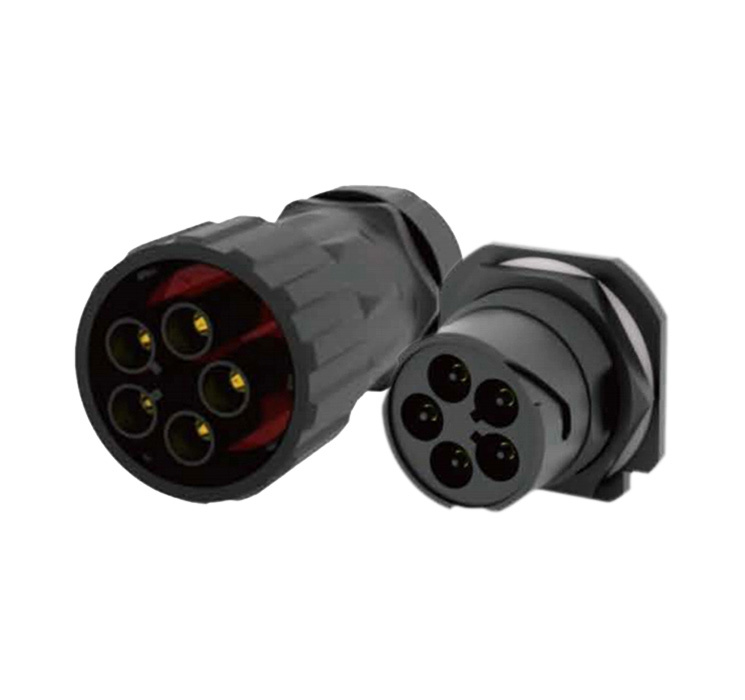
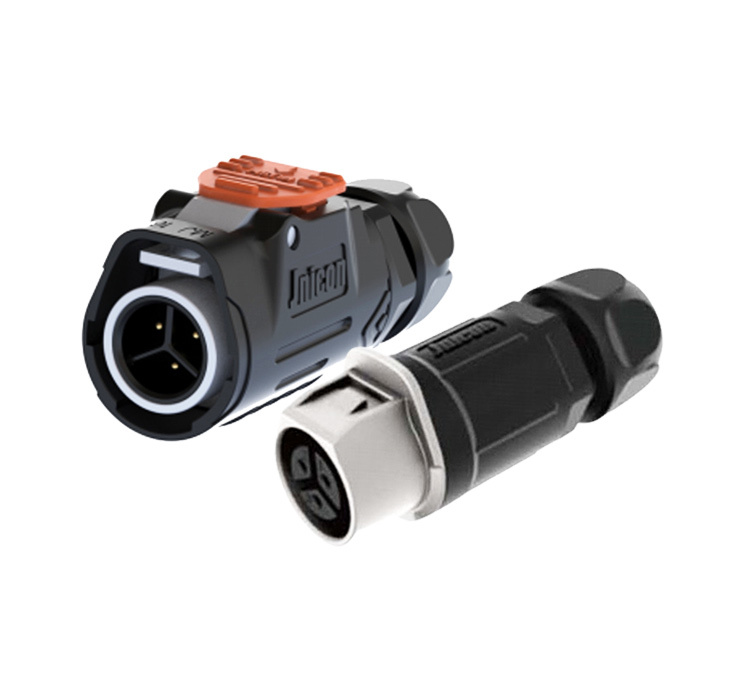
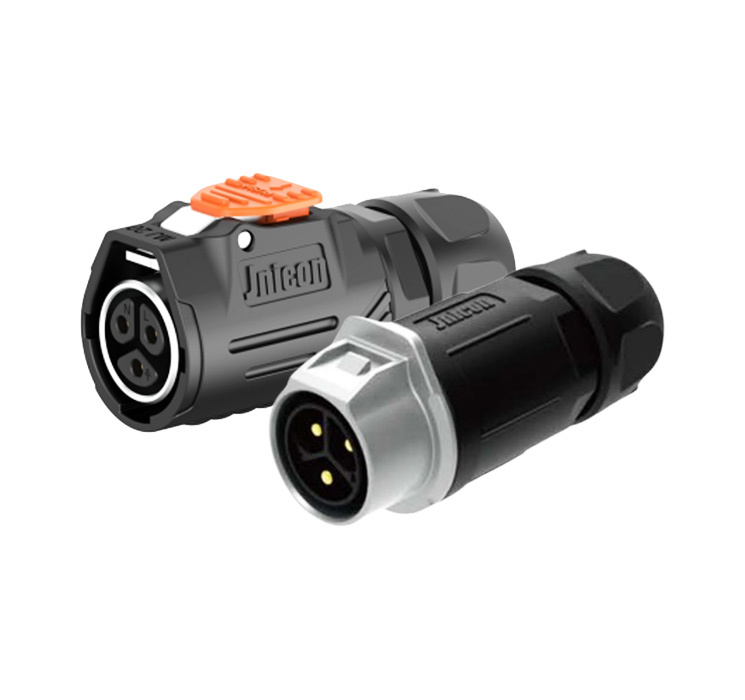
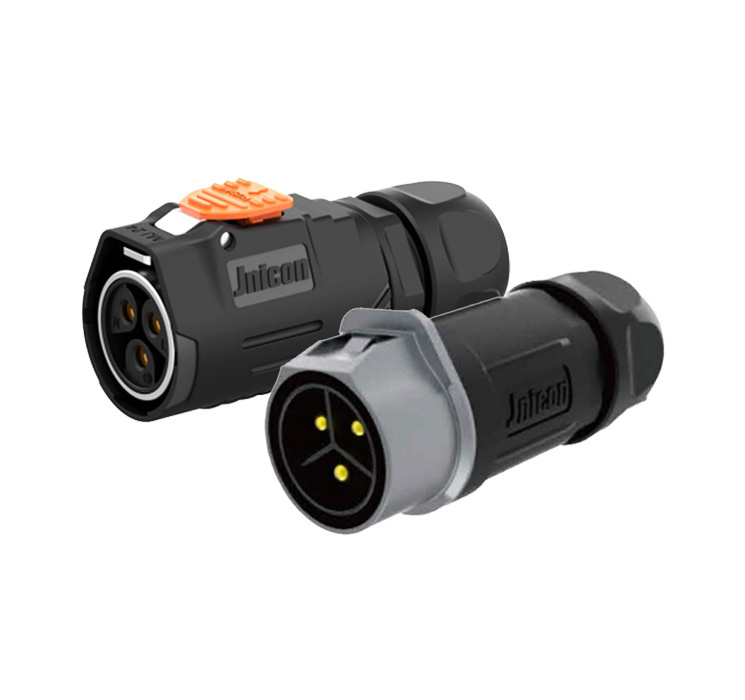
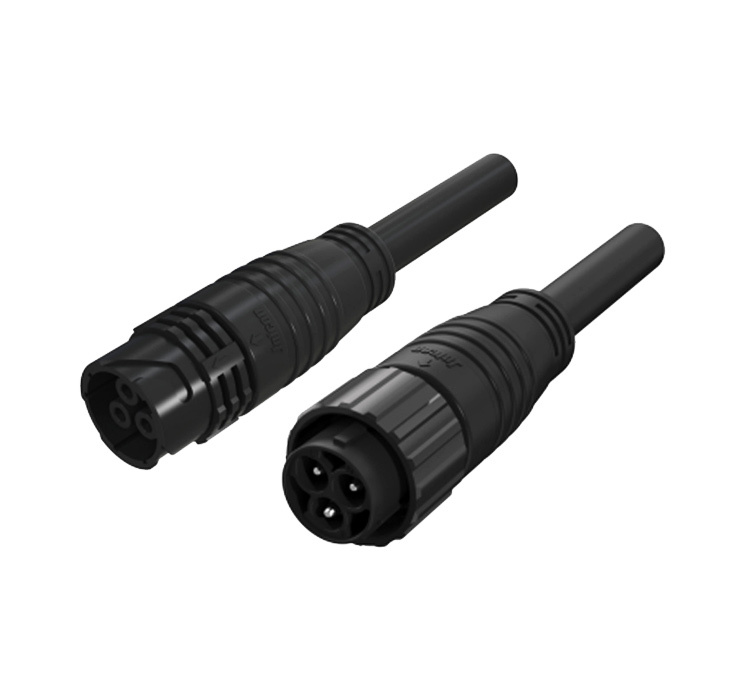
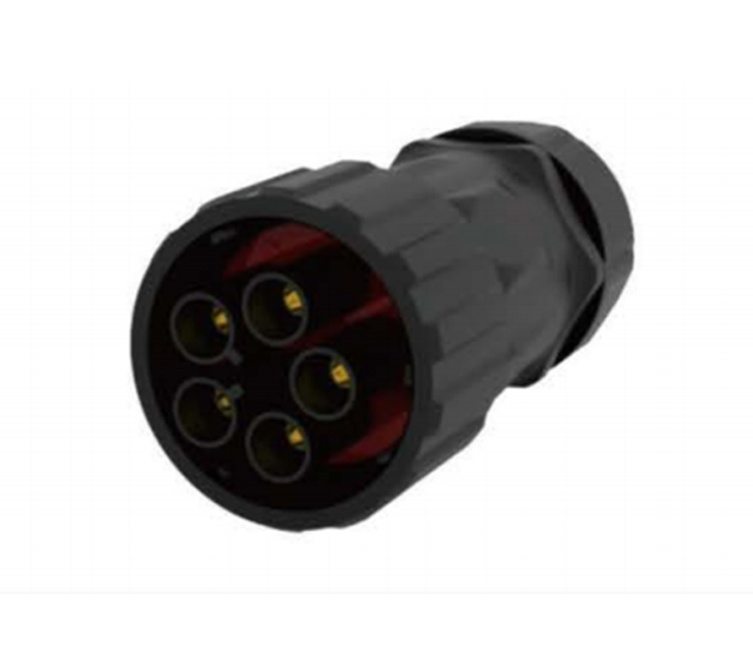
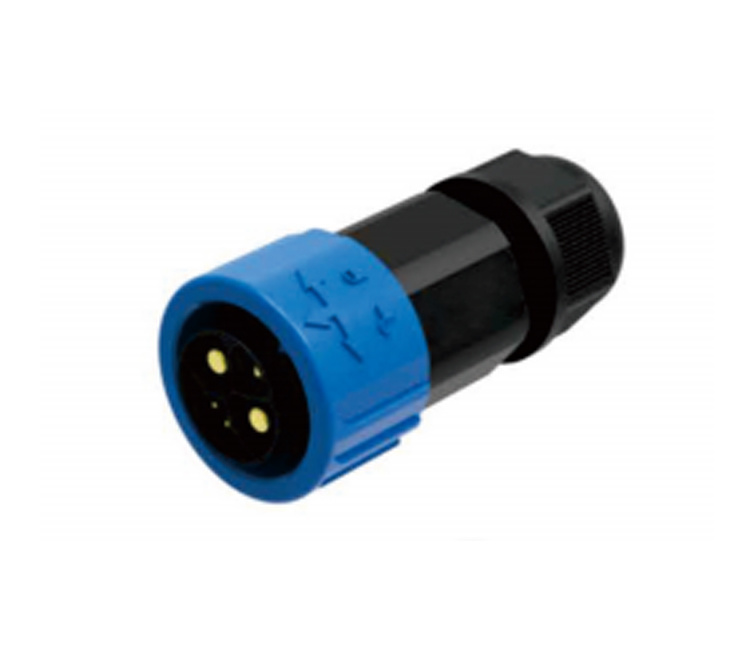
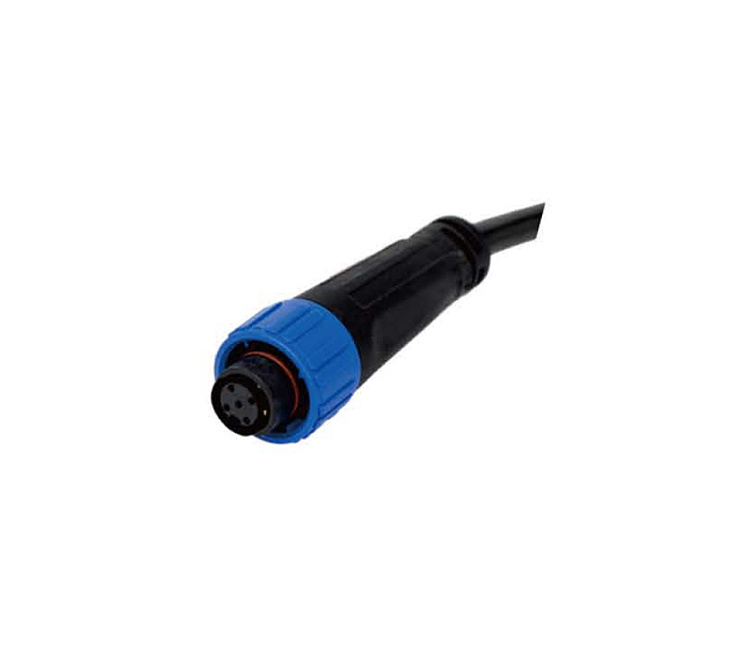
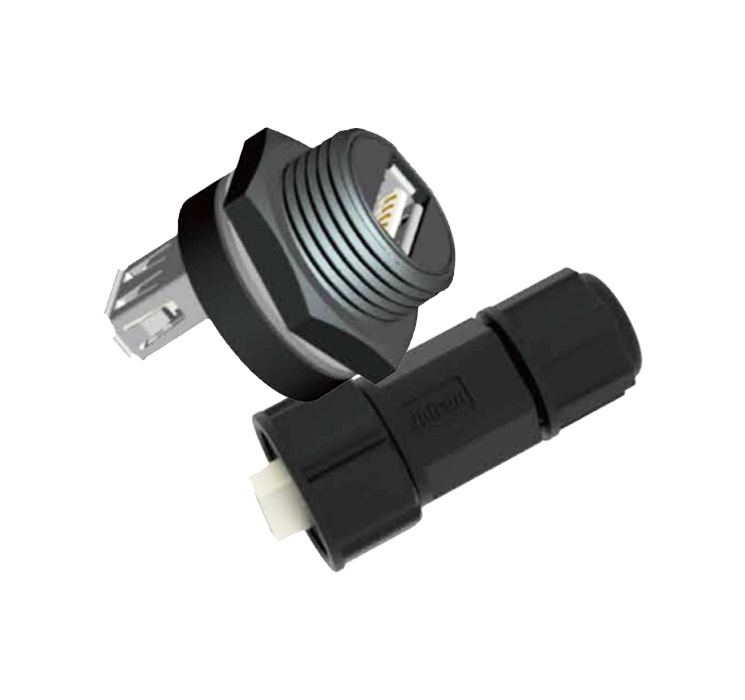
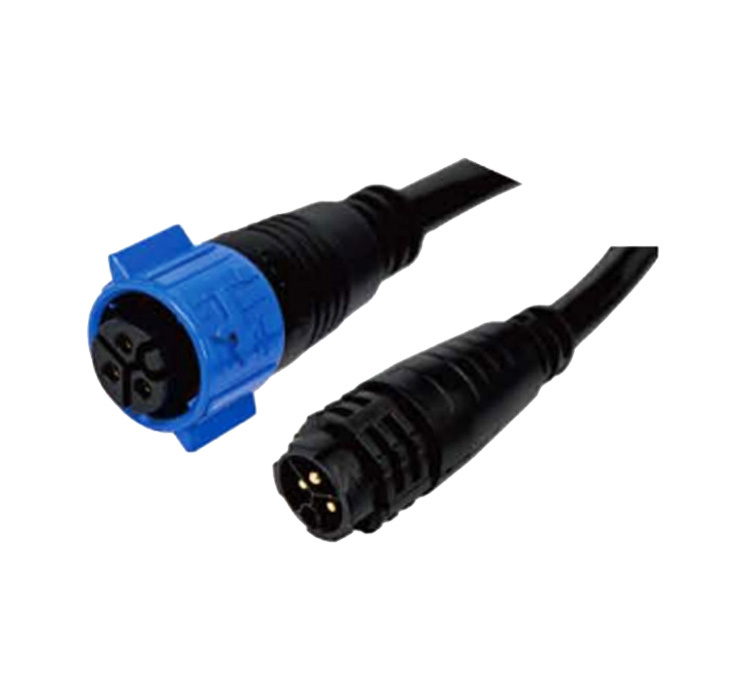
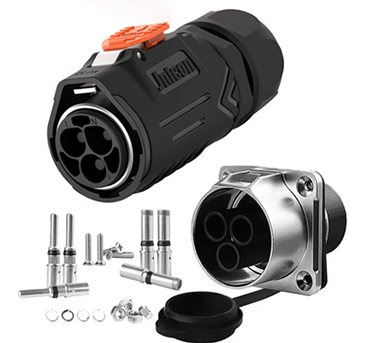
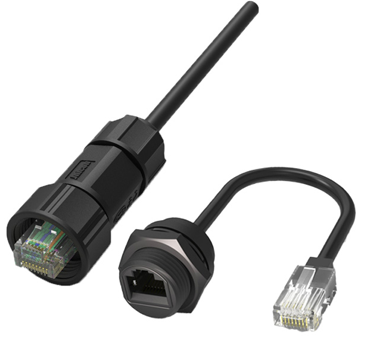
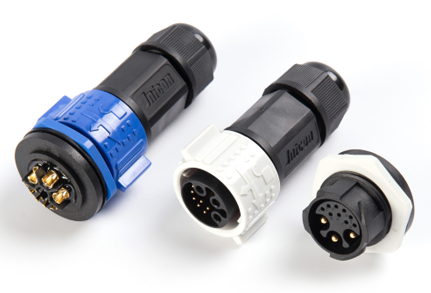
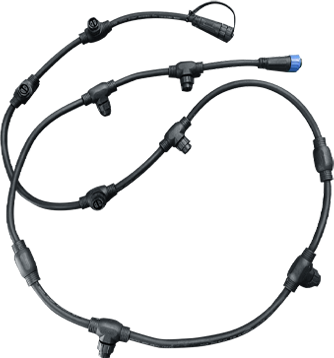
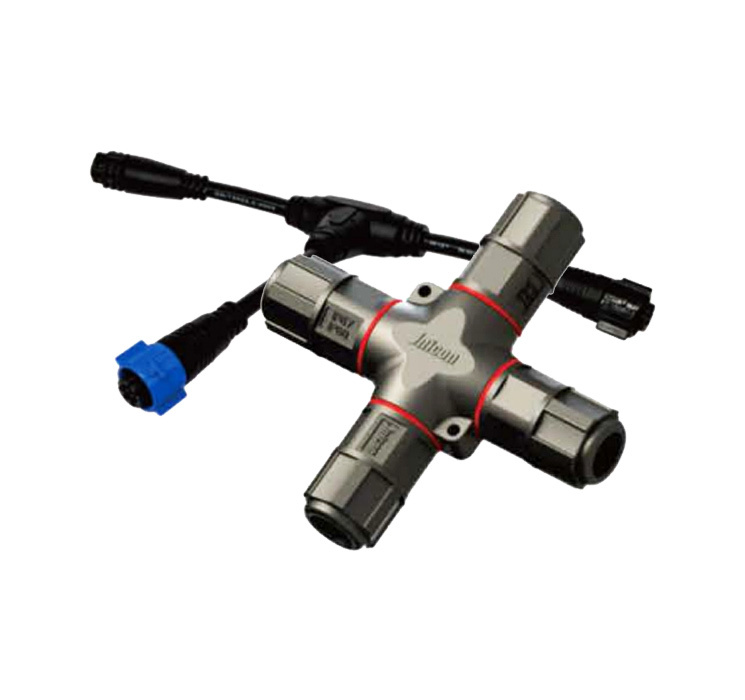
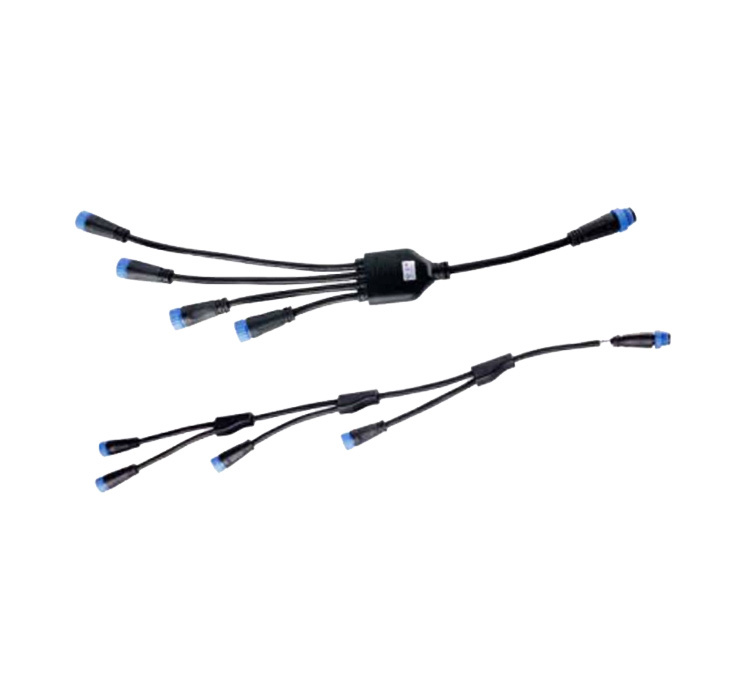
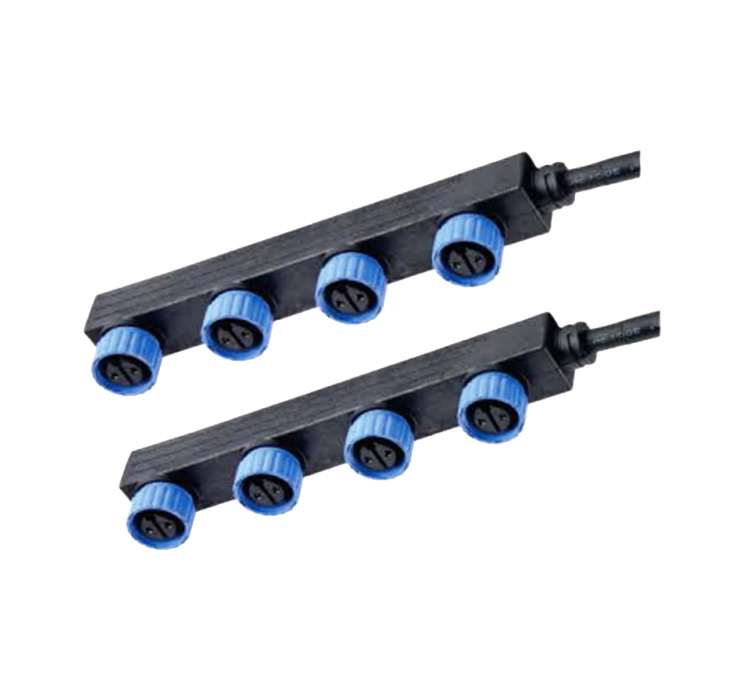
The primary characteristic of waterproof cables is their ability to prevent water ingress, which can lead to short circuits, corrosion, or failure of electrical systems. Most waterproof cables are constructed with specialized materials, including polyvinyl chloride (PVC), thermoplastic elastomers, or rubber, which provide both insulation and water resistance. Additionally, these cables often feature sealing mechanisms at connection points to further enhance their protective capabilities.
When selecting waterproof cables, it is vital to consider the specific requirements of your project. Factors such as the temperature range, mechanical stress, and chemical exposure should guide your selection process. For instance, in marine applications, cables may need to be resistant to saltwater and UV radiation, necessitating a thorough evaluation of their material properties and certifications.
Installation practices also play a crucial role in the effectiveness of waterproof cables. Proper sealing techniques and the use of compatible connectors are essential to maintain the integrity of the waterproof design. Professionals should ensure that all installation points are properly sealed and that cables are routed in a manner that minimizes exposure to potential water sources. Regular maintenance and inspections of these connections and cables can be beneficial in identifying any signs of wear or damage over time.
Moreover, it is essential to adhere to industry standards and local codes when working with waterproof cables. Compliance with these regulations not only guarantees safety but also enhances the reliability of your electrical systems. Training and familiarity with the latest technologies in waterproof cable design and installation can significantly impact the success of your projects.
In conclusion, waterproof cables are a vital component in the arsenal of electrical professionals, especially when working in environments prone to water exposure. By understanding their construction, proper installation practices, and maintenance needs, you can ensure optimal performance and longevity of your electrical connections. Stay informed about advancements in waterproof cable technology to continually improve your work and meet the demands of your projects effectively.
News
2026-10-03
Understanding Waterproof Cables: Essential Insights for Electrical Professionals
Waterproof cables are vital components in the electric and electronic industries, especially when it comes to ensuring safe and reliable connections in challenging environments. These cables are designed to resist moisture and prevent water ingress, which can lead to electrical failure and safety hazards. Understanding the intricacies of waterproof cables is essential for electrical professionals
2026-09-30
Discover the Advantages of Using 2 Pin Waterproof Connectors in Harsh Environments
Discover the Advantages of Using 2 Pin Waterproof Connectors in Harsh Environments Table of Contents 1. Introduction to 2 Pin Waterproof Connectors 2. Importance of Waterproof Connectors 3. Design Features of 2 Pin Waterproof Connectors 4. Applications in Various Industries 5. Benefits of Using 2 Pin Waterproof Connectors 6. Installation Guidelines for 2 Pin Waterproof Connectors 7.
2026-09-27
Understanding Industrial Power Connectors: Key Insights for Professionals
Industrial power connectors play a crucial role in the safety and efficiency of electrical systems across various sectors, including manufacturing, energy, and transportation. These connectors are designed to facilitate the transmission of electrical power in rugged environments, ensuring reliable and stable connections. Understanding the types, applications, and selection criteria for industrial

B8-9, Fubilun industrial park, Chaoyang rd,Yanchuan community, Songgang, Shenzhen, China


