


How Waterproof Marine Electrical Connectors Enhance Vessel Reliability
Release Time:
2025-12-30
How Waterproof Marine Electrical Connectors Enhance Vessel Reliability
In the maritime industry, the reliability of electrical systems plays a pivotal role in the overall performance and safety of vessels. Among the key components that contribute to this reliability are waterproof marine electrical connectors. These specialized connectors are designed to withstand harsh marine environments, significantly improving the durability and functionality of electrical systems onboard. In this article, we will explore the various aspects of waterproof marine electrical connectors, including their importance, types, features, and maintenance practices, to enhance vessel reliability.
Table of Contents
- 1. Importance of Waterproof Marine Electrical Connectors
- 2. Types of Waterproof Marine Electrical Connectors
- 3. Key Features of Waterproof Marine Electrical Connectors
- 4. Applications of Waterproof Marine Electrical Connectors
- 5. Maintenance and Care for Waterproof Marine Electrical Connectors
- 6. Choosing the Right Waterproof Marine Electrical Connector
- 7. Common Issues and Solutions with Marine Connectors
- 8. Frequently Asked Questions
- 9. Conclusion
1. Importance of Waterproof Marine Electrical Connectors
Waterproof marine electrical connectors are essential for the overall integrity and functionality of a vessel's electrical systems. The marine environment is characterized by saltwater, moisture, and temperature fluctuations, which can lead to corrosion, electrical failures, and safety hazards. By utilizing waterproof connectors, we can ensure that electrical connections remain secure and operational, even in the most challenging conditions.
**Reliability** is paramount in maritime operations. A single failure in an electrical system can lead to critical failures, potentially jeopardizing the safety of the crew and the vessel itself. Thus, waterproof connectors provide peace of mind, knowing that they can withstand the rigors of marine exposure.
2. Types of Waterproof Marine Electrical Connectors
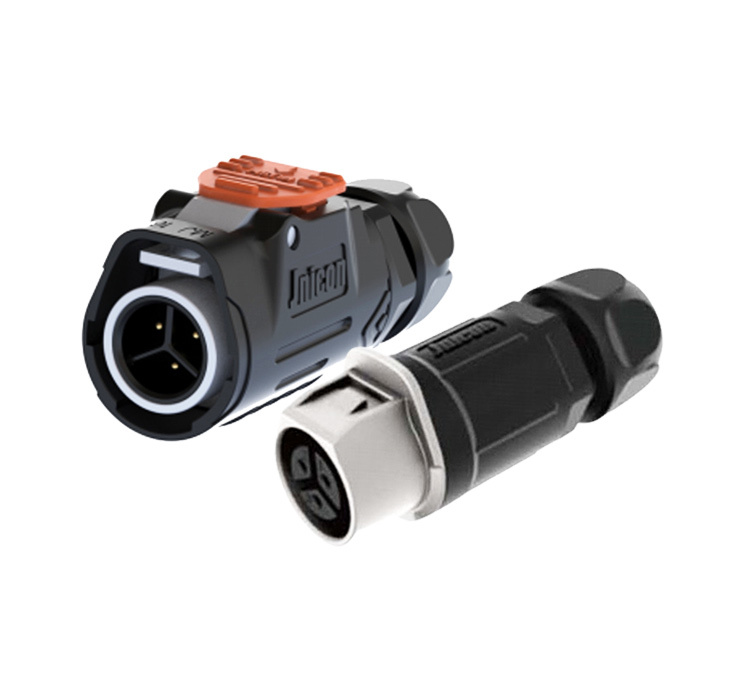
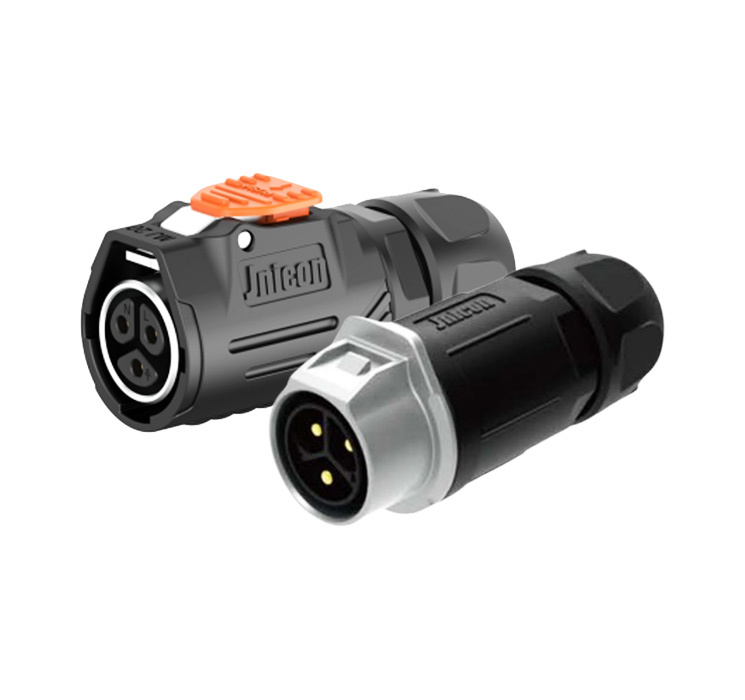
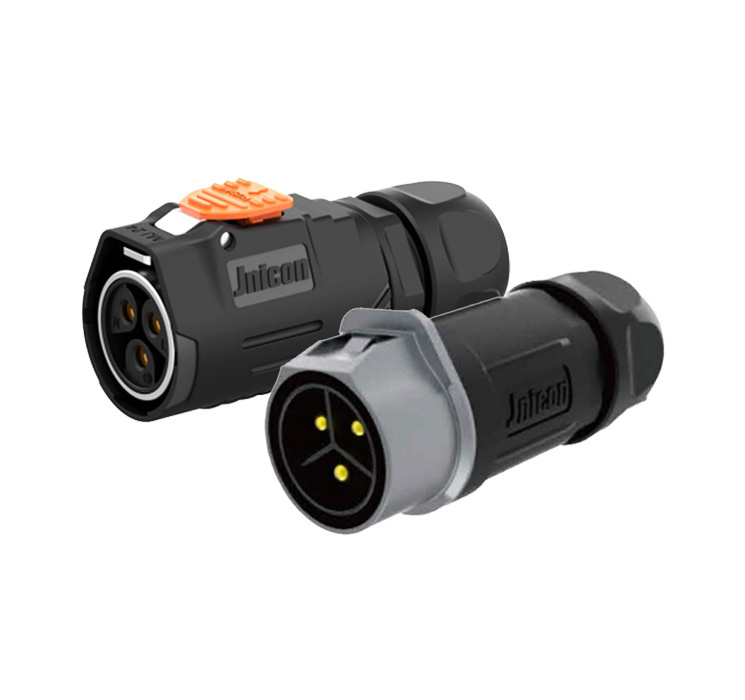
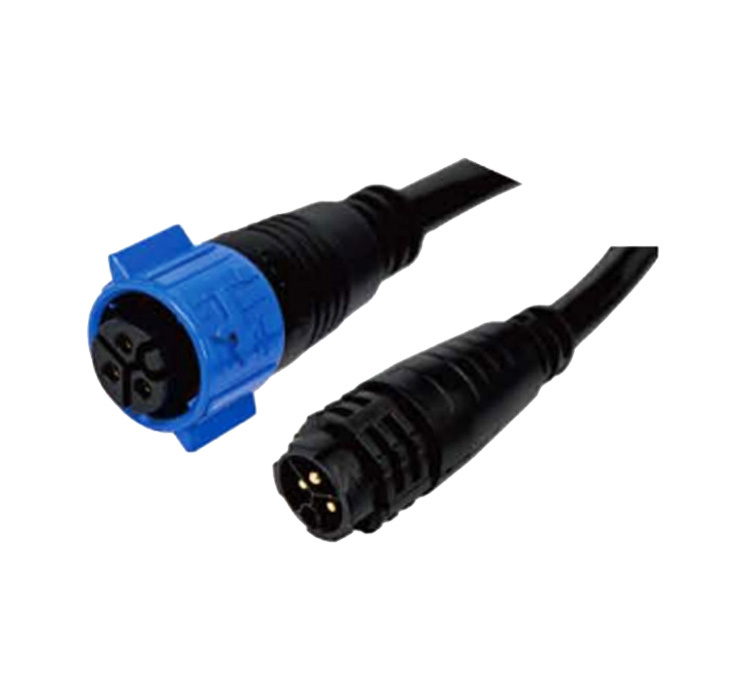
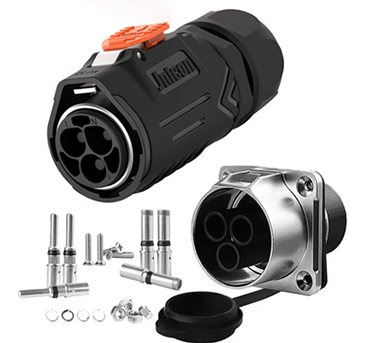
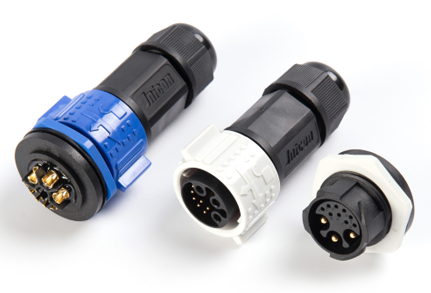
There are several types of waterproof marine electrical connectors available, each designed for specific applications and environments. Some of the most common types include:
2.1. Circular Connectors
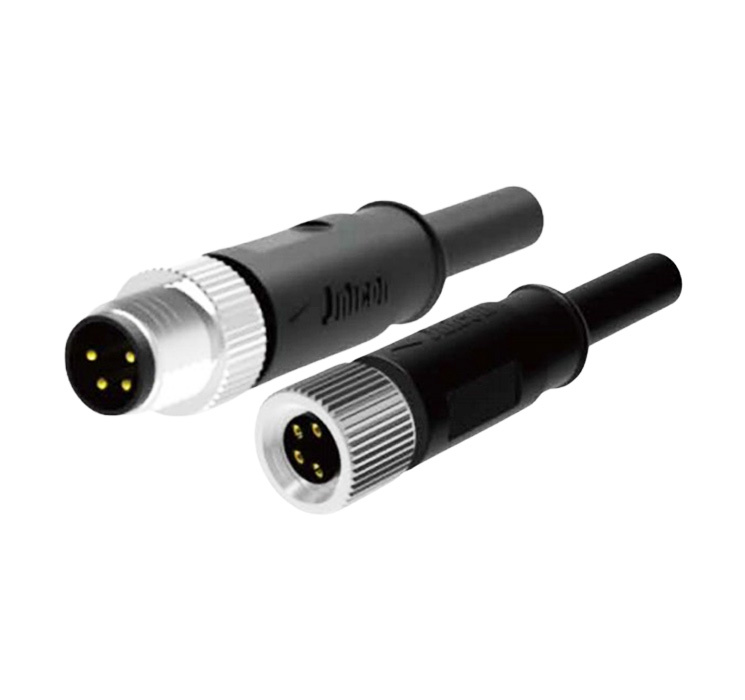
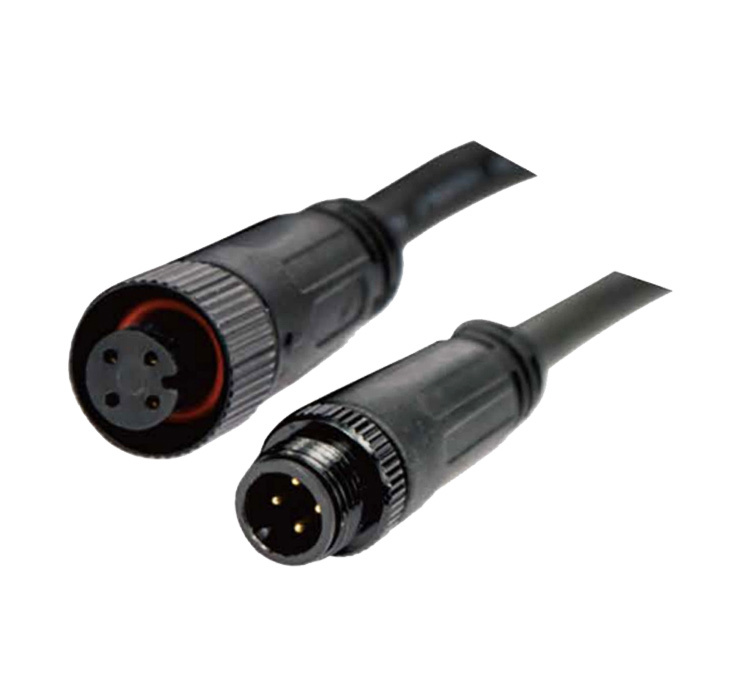
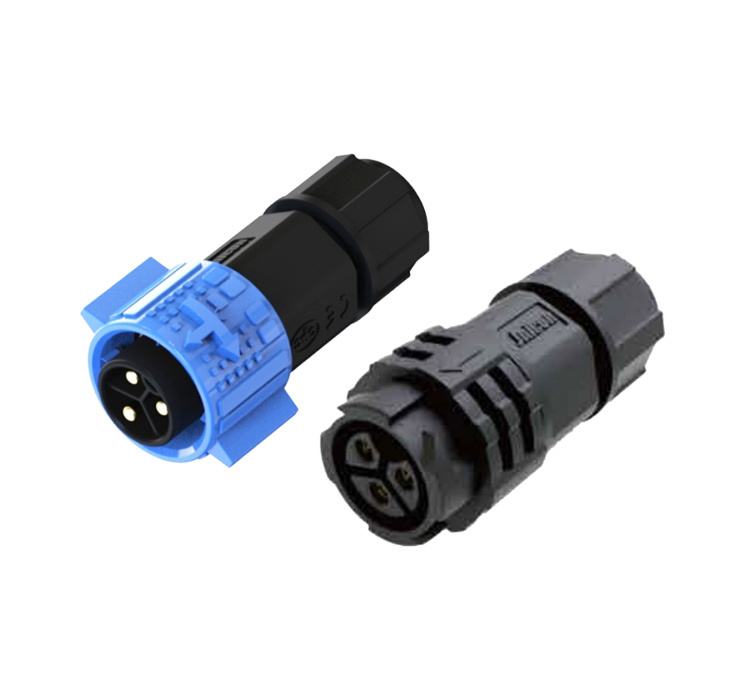
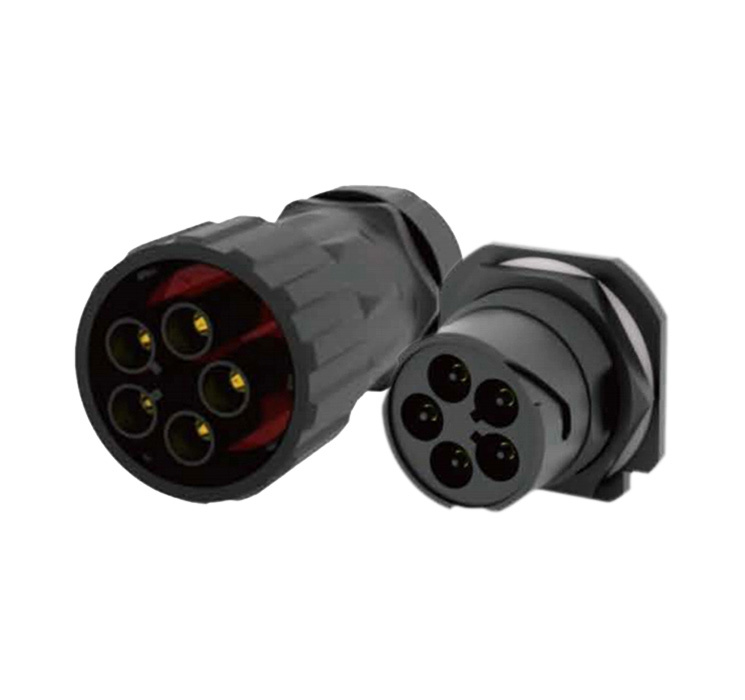
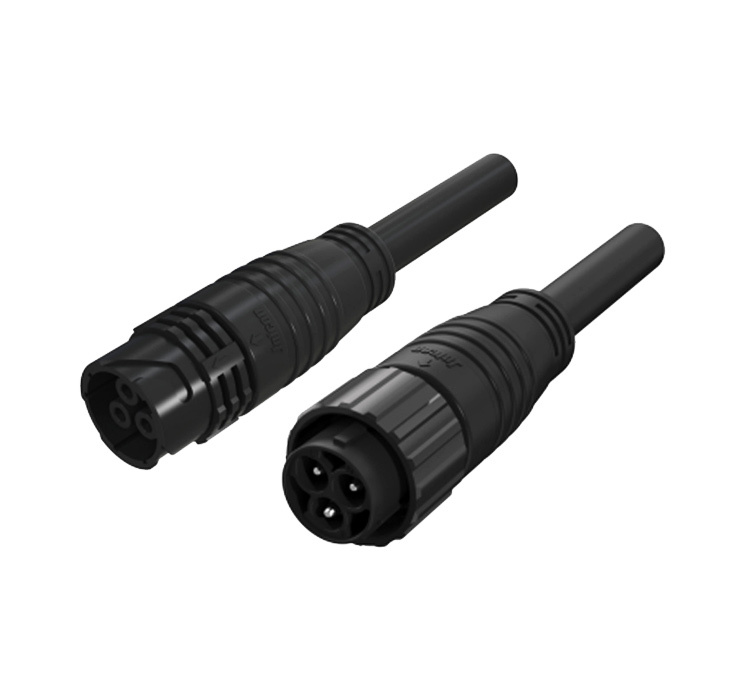
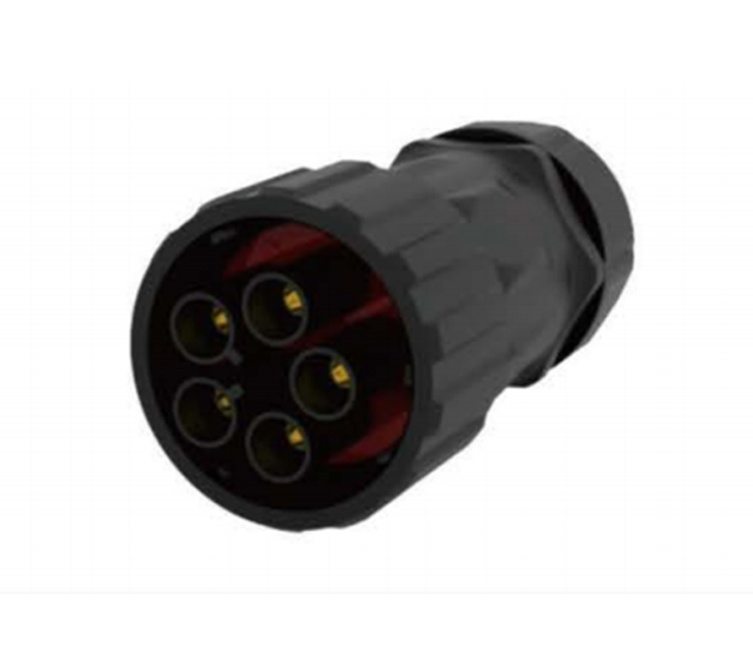
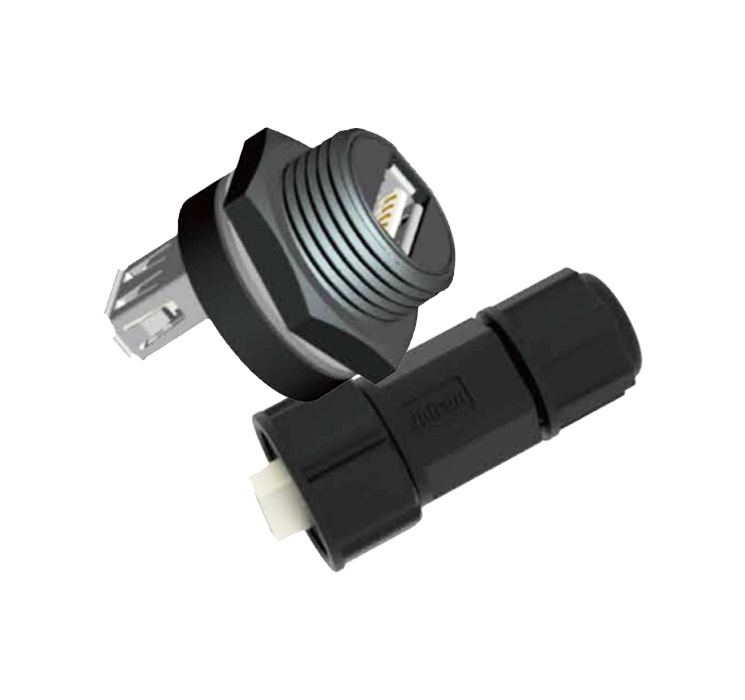
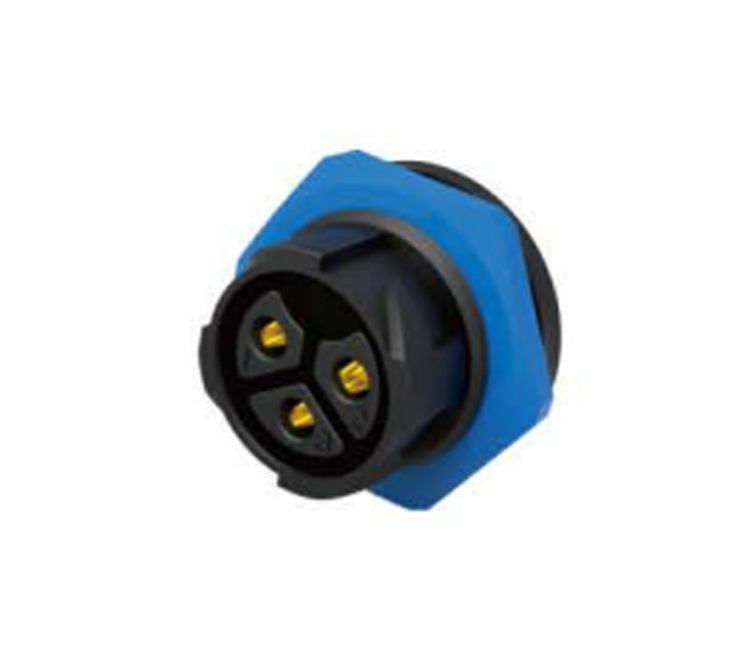
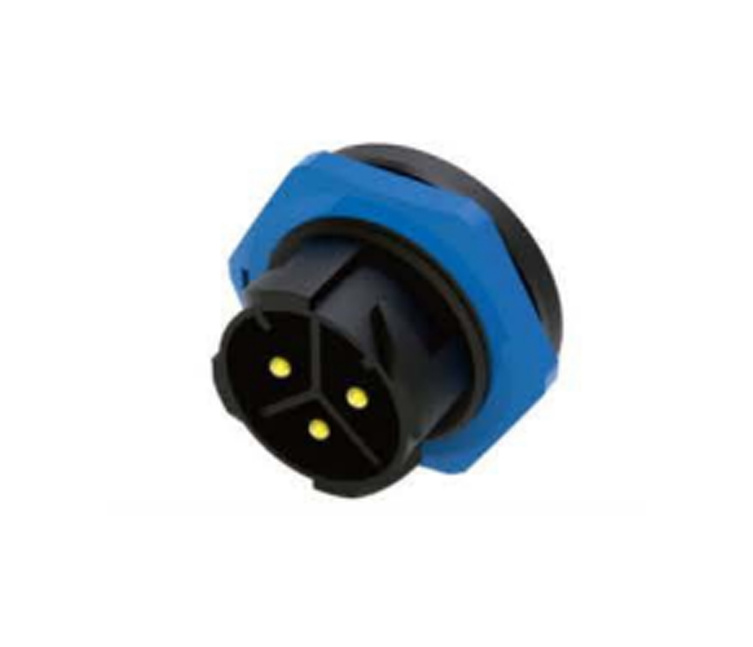
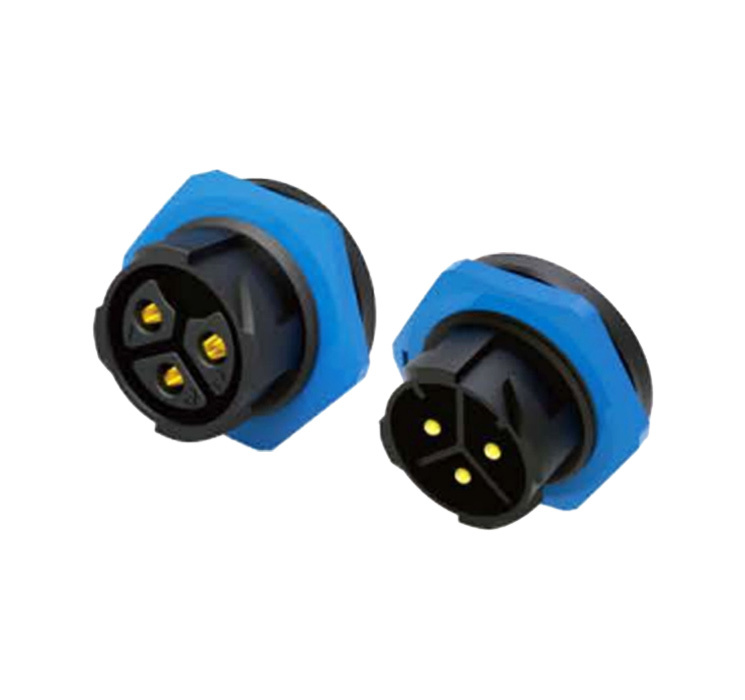
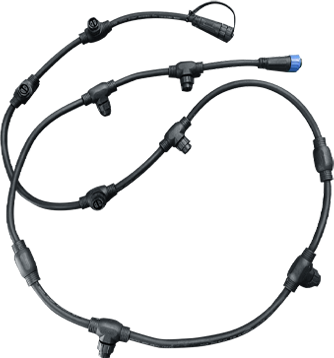
Circular connectors are widely used in marine applications due to their versatility and ease of use. They come in various pin configurations and sizes, providing secure connections while protecting against moisture ingress.
2.2. Rectangular Connectors
Rectangular connectors are ideal for applications requiring multiple connections in a compact arrangement. They are often used in control systems and instrumentation, ensuring reliable connections in exposed environments.
2.3. Bayonet Connectors
Bayonet connectors feature a locking mechanism that provides a secure connection while allowing for easy disconnection. They are often used in temporary setups or equipment that requires frequent connection and disconnection.
2.4. Screw Terminal Connectors
Screw terminal connectors offer a robust and reliable connection, making them ideal for applications with high vibration levels. They allow for easy maintenance and repairs, ensuring long-lasting performance.
3. Key Features of Waterproof Marine Electrical Connectors
When selecting waterproof marine electrical connectors, it is crucial to consider specific features that enhance their performance and reliability. Here are some key features to look for:
3.1. Ingress Protection Ratings
Ingress Protection (IP) ratings indicate the level of protection against dust and water. For marine connectors, look for IP67 or higher ratings, which ensure complete protection against submersion in water and particulate contamination.
3.2. Corrosion Resistance
Marine environments expose connectors to saltwater and humidity, which can lead to corrosion. Choose connectors made from corrosion-resistant materials, such as stainless steel or marine-grade plastics, to extend their lifespan.
3.3. Temperature Range
The ability to function in extreme temperatures is essential for marine connectors. Select connectors with a wide operating temperature range to ensure reliability in varying environmental conditions.
3.4. Mechanical Durability
Robust construction is vital for connectors exposed to vibrations and impacts. Look for connectors designed to withstand mechanical stress without compromising performance.
4. Applications of Waterproof Marine Electrical Connectors
Waterproof marine electrical connectors find applications across various vessel systems, enhancing their reliability and efficiency. Some common applications include:
4.1. Navigation Systems
Reliable electrical connections are crucial for navigation systems. Waterproof connectors ensure that critical navigation equipment, such as GPS and radar systems, remain operational regardless of environmental conditions.
4.2. Communication Systems
Communication systems must function flawlessly in maritime operations. Waterproof connectors help maintain secure connections for radios and other communication devices, facilitating clear communication among crew members.
4.3. Power Distribution Systems
Power distribution systems rely on efficient electrical connections to deliver power to various vessel components. Waterproof connectors prevent power disruptions caused by moisture, ensuring a stable energy supply.
4.4. Lighting Systems
Marine lighting systems, including navigation lights and deck lights, require waterproof connectors to prevent electrical failures and ensure safety during night operations.
5. Maintenance and Care for Waterproof Marine Electrical Connectors
To maximize the lifespan and reliability of waterproof marine electrical connectors, proper maintenance and care are essential. Here are some best practices:
5.1. Regular Inspections
Conduct regular inspections of connectors to check for signs of wear, corrosion, or damage. Promptly replace any damaged connectors to prevent electrical failures.
5.2. Cleaning
Keep connectors clean and free from salt, dirt, and debris. Use a soft brush or cloth to remove contaminants, and ensure that any cleaning agents used are compatible with the connector materials.
5.3. Lubrication
Apply dielectric grease to connectors before mating them. This helps to prevent corrosion and ensure a secure electrical connection, providing additional protection against water ingress.
5.4. Secure Connections
Ensure that all connections are properly secured and tightened to prevent water ingress. Loose connections can lead to increased resistance, overheating, and eventual failure.
6. Choosing the Right Waterproof Marine Electrical Connector
Selecting the appropriate waterproof marine electrical connector involves considering several factors that align with your specific application needs. Here are some essential steps to guide your decision:
6.1. Assessing Application Requirements
Evaluate the specific requirements of your application, including the number of connections needed, environmental conditions, and voltage levels. This assessment will help narrow down the suitable connector types.
6.2. Understanding Connector Ratings
Familiarize yourself with connector specifications, including IP ratings, material composition, and temperature ranges. Ensure that the chosen connectors meet or exceed the requirements for your application.
6.3. Consultation with Experts
Consult with marine electrical professionals or suppliers who specialize in marine connectors. Their expertise can provide valuable insights into the best choices for your specific needs.
7. Common Issues and Solutions with Marine Connectors
Despite the robustness of waterproof marine electrical connectors, certain issues may still arise. Here are some common problems and their solutions:
7.1. Corrosion Buildup
Corrosion can develop over time, particularly in saltwater environments. Regular inspections and the application of dielectric grease can help mitigate this problem.
7.2. Water Ingress
Water ingress can occur if connectors are not properly sealed or are damaged. Ensure all connections are secure, and replace any damaged components immediately.
7.3. Loose Connections
Loose connections can lead to intermittent failures and increased resistance. Regularly check and tighten connections to maintain optimal performance.
8. Frequently Asked Questions
8.1. What makes waterproof marine electrical connectors different from standard connectors?
Waterproof marine electrical connectors are specifically designed to resist water ingress and corrosion in harsh marine environments, ensuring reliable electrical connections.
8.2. How do I know if a connector is waterproof?
Look for connectors with an Ingress Protection (IP) rating of IP67 or higher, which indicates that they are protected against dust and temporary submersion in water.
8.3. Can I use standard connectors in marine applications?
Standard connectors may not provide the necessary protection against moisture and corrosion, making them unsuitable for marine environments where reliability is critical.
8.4. How often should I inspect marine electrical connectors?
It's advisable to conduct inspections at least once a season or more frequently if the vessel is exposed to harsh conditions, ensuring that any issues are addressed promptly.
8.5. What types of materials are best for marine connectors?
Materials such as marine-grade plastics and stainless steel offer excellent resistance to corrosion and degradation, making them ideal for marine electrical connectors.
9. Conclusion
Waterproof marine electrical connectors play a vital role in enhancing the reliability and safety of vessels in challenging maritime environments. By understanding their importance, types, features, and maintenance practices, marine professionals can make informed decisions that significantly improve the longevity and performance of their electrical systems. Investing in high-quality waterproof connectors not only safeguards essential equipment and systems but also ensures the safety of the crew and vessel operations. As we navigate the complexities of the maritime industry, the reliability provided by waterproof connectors remains a cornerstone of successful operations.
News
2026-10-03
Understanding Waterproof Cables: Essential Insights for Electrical Professionals
Waterproof cables are vital components in the electric and electronic industries, especially when it comes to ensuring safe and reliable connections in challenging environments. These cables are designed to resist moisture and prevent water ingress, which can lead to electrical failure and safety hazards. Understanding the intricacies of waterproof cables is essential for electrical professionals
2026-09-30
Discover the Advantages of Using 2 Pin Waterproof Connectors in Harsh Environments
Discover the Advantages of Using 2 Pin Waterproof Connectors in Harsh Environments Table of Contents 1. Introduction to 2 Pin Waterproof Connectors 2. Importance of Waterproof Connectors 3. Design Features of 2 Pin Waterproof Connectors 4. Applications in Various Industries 5. Benefits of Using 2 Pin Waterproof Connectors 6. Installation Guidelines for 2 Pin Waterproof Connectors 7.
2026-09-27
Understanding Industrial Power Connectors: Key Insights for Professionals
Industrial power connectors play a crucial role in the safety and efficiency of electrical systems across various sectors, including manufacturing, energy, and transportation. These connectors are designed to facilitate the transmission of electrical power in rugged environments, ensuring reliable and stable connections. Understanding the types, applications, and selection criteria for industrial

B8-9, Fubilun industrial park, Chaoyang rd,Yanchuan community, Songgang, Shenzhen, China


