
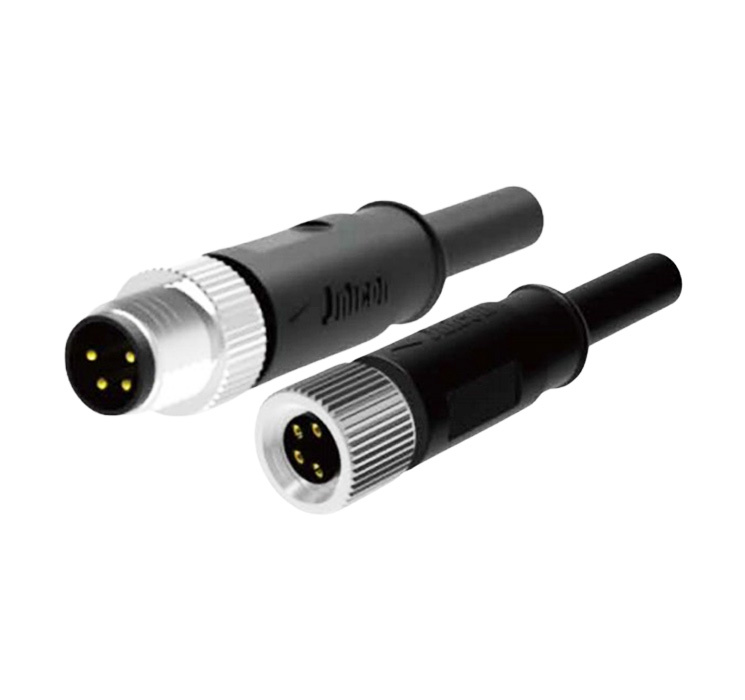
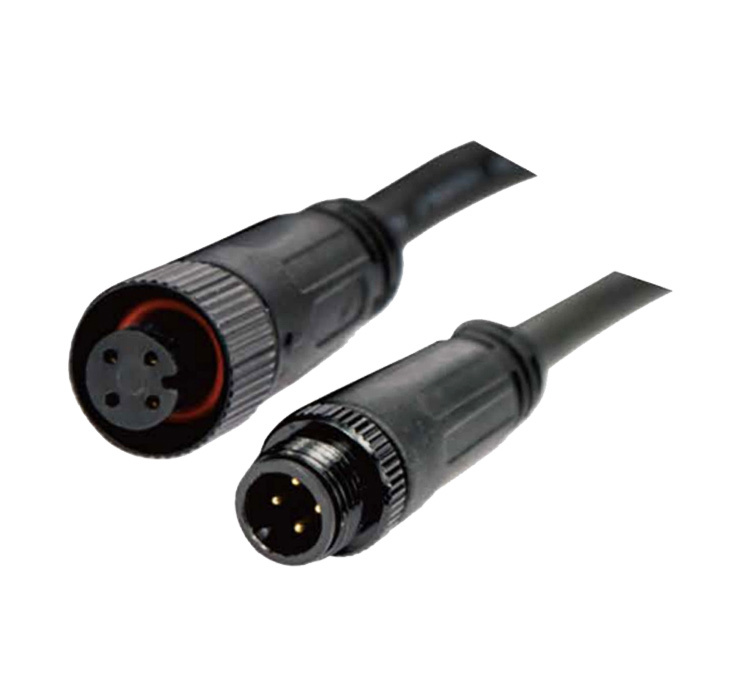
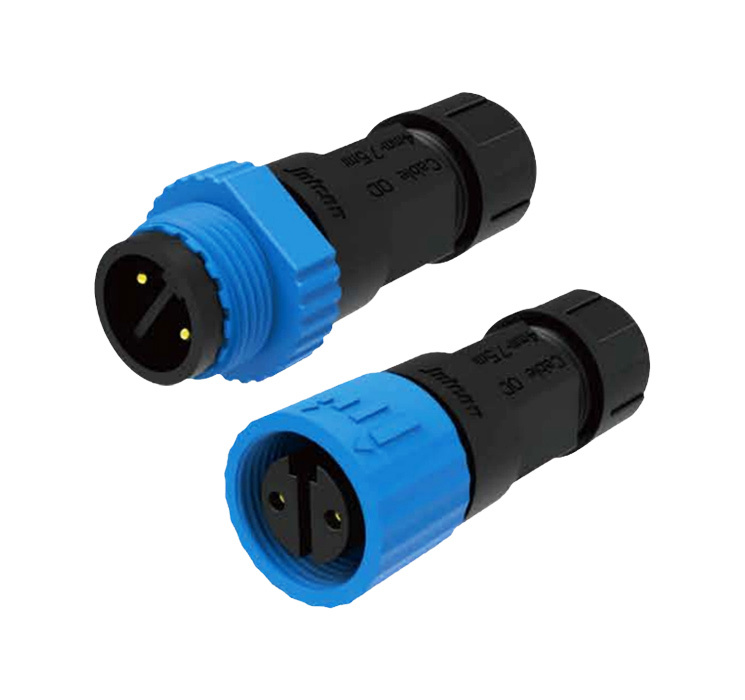
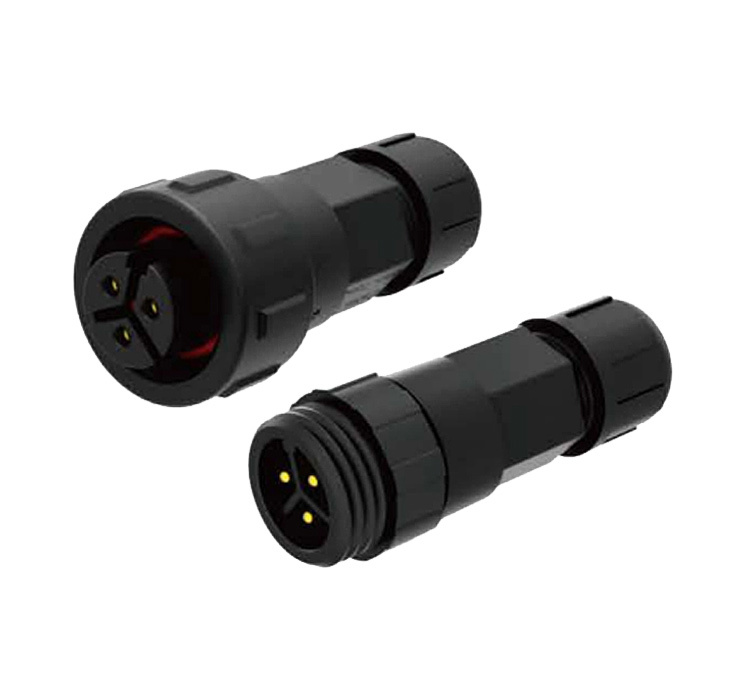


The Essential Guide to Waterproof Cables: Ensuring Durability and Safety in Electrical Connections
Release Time:
2026-01-22
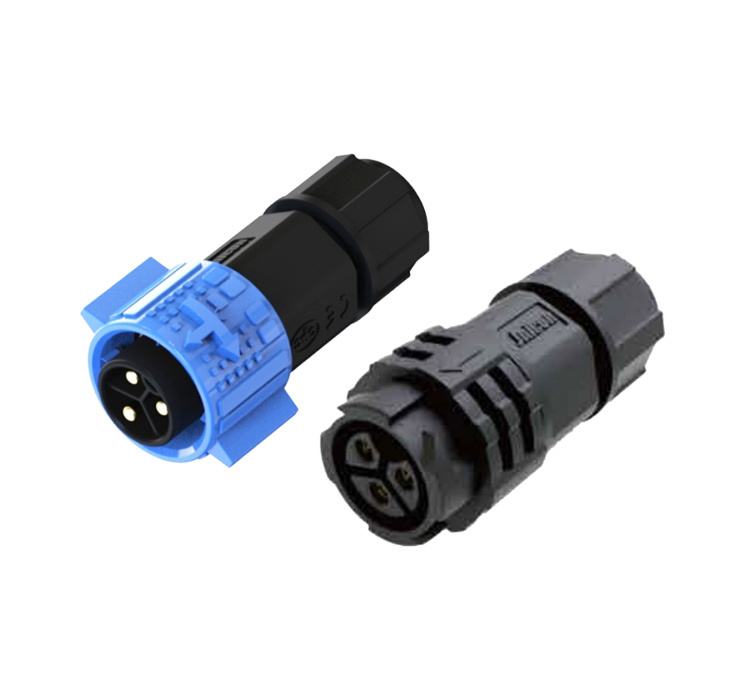
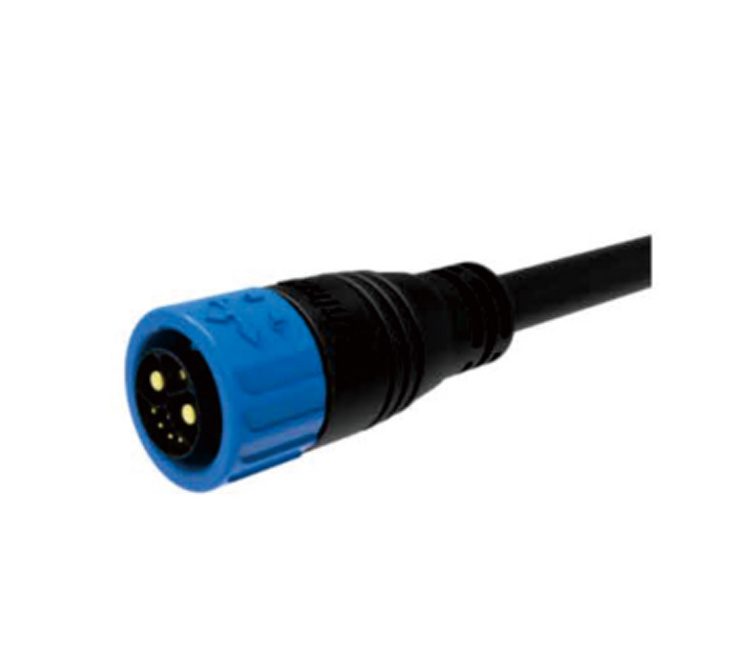
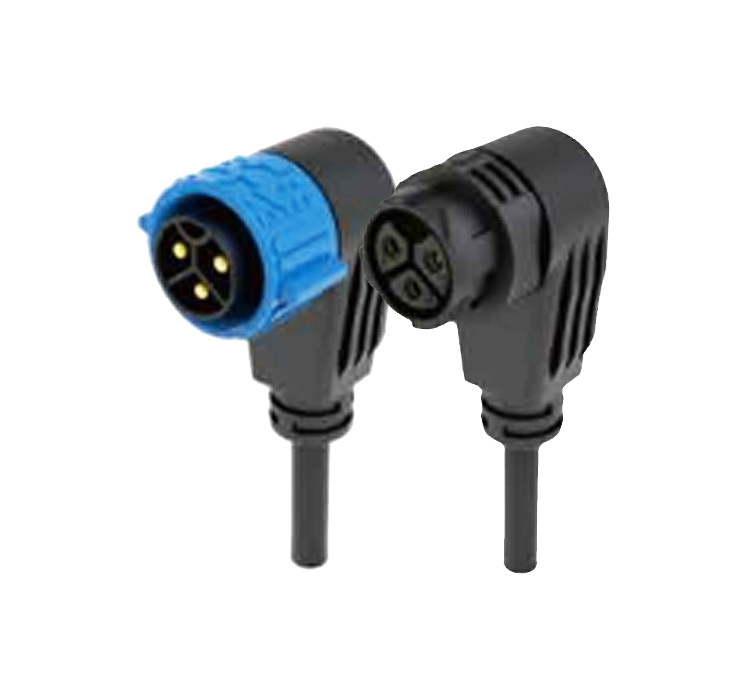
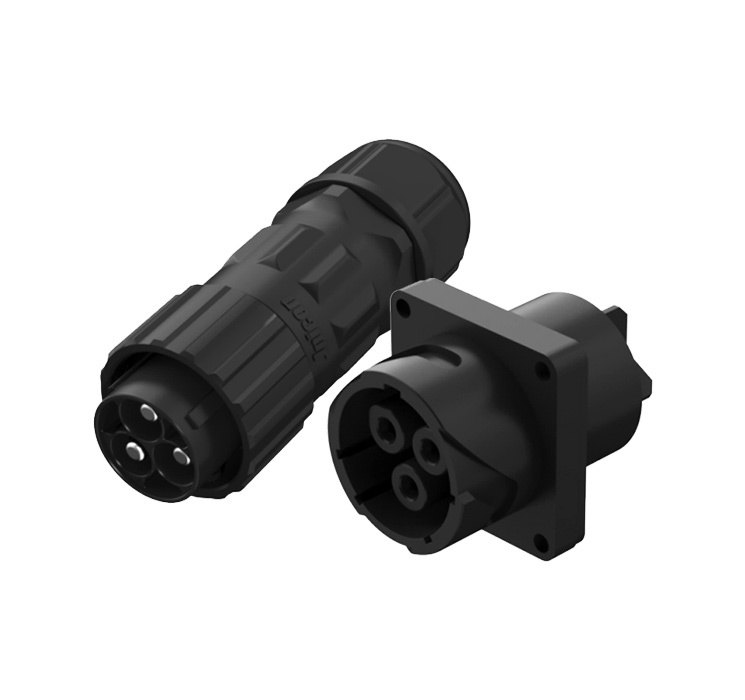
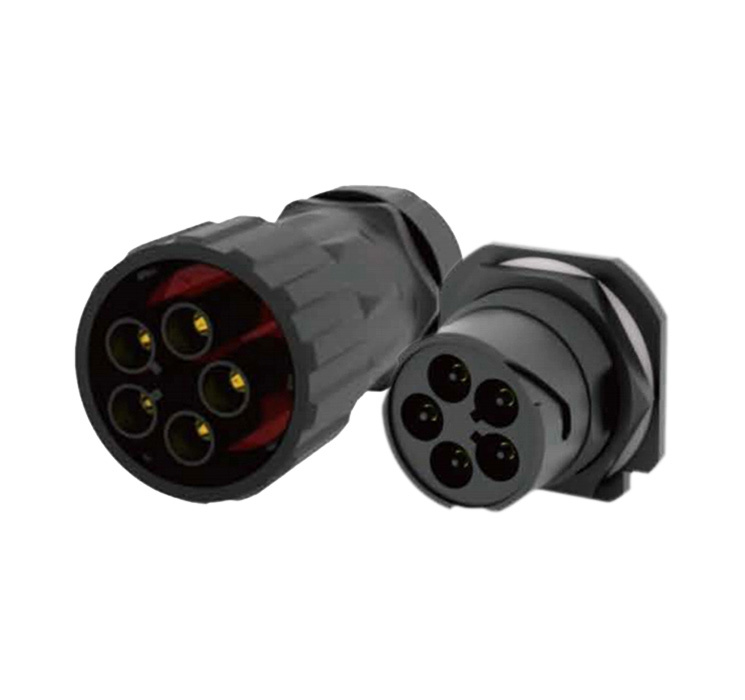
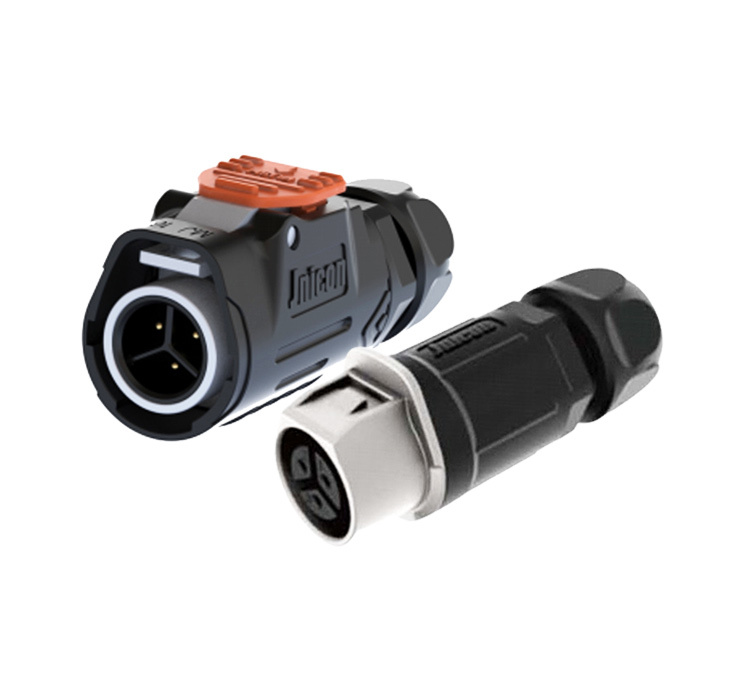
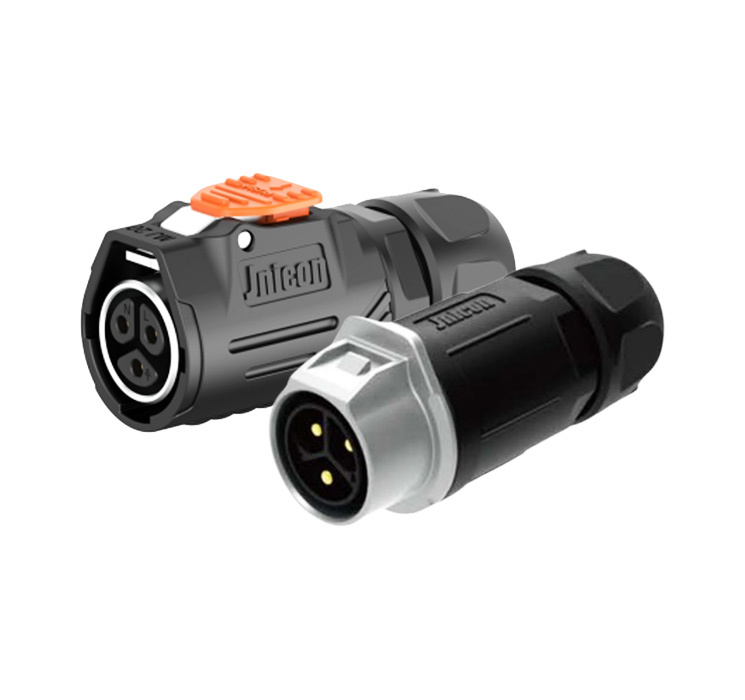
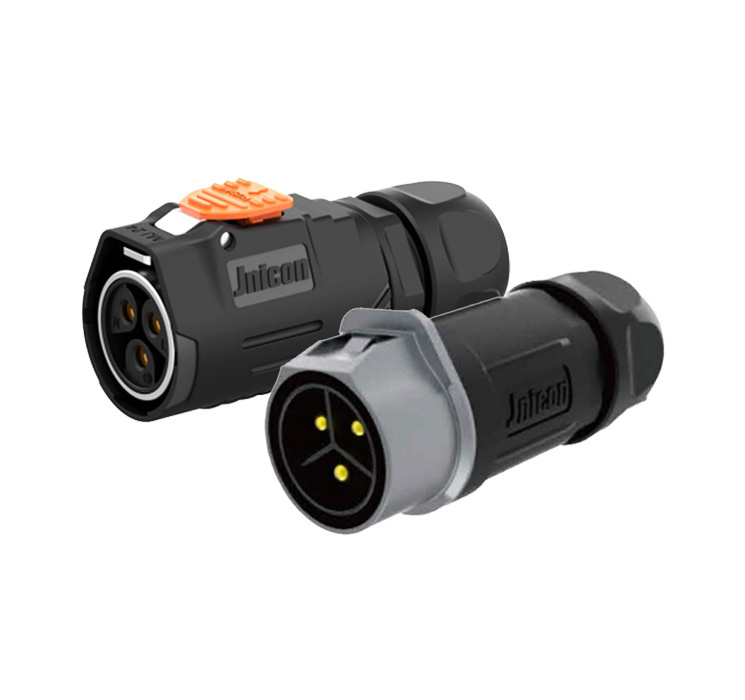
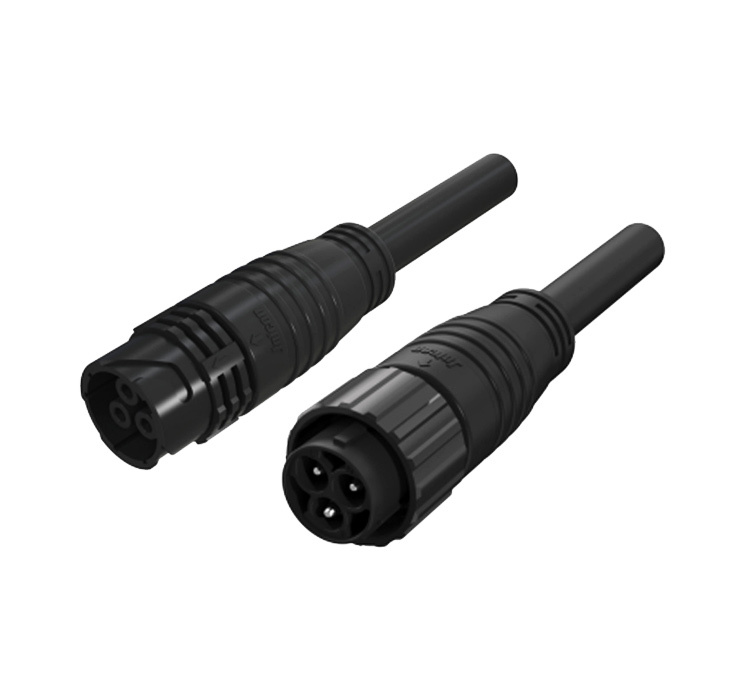
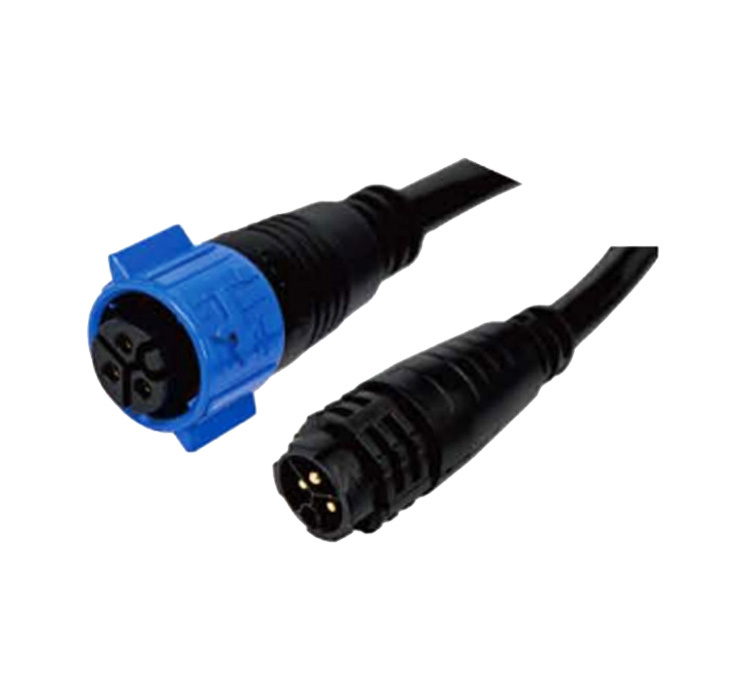
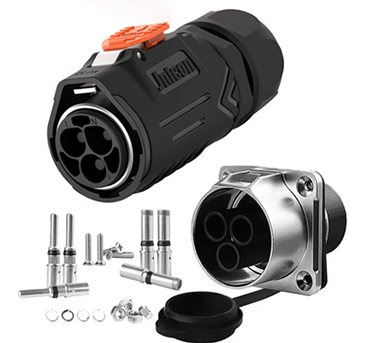
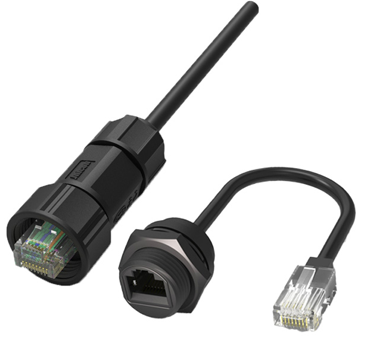
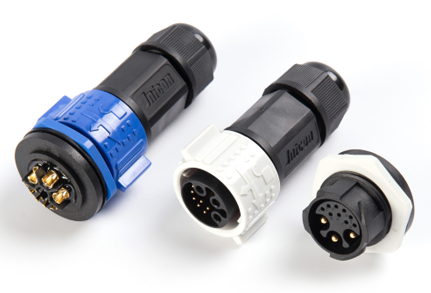
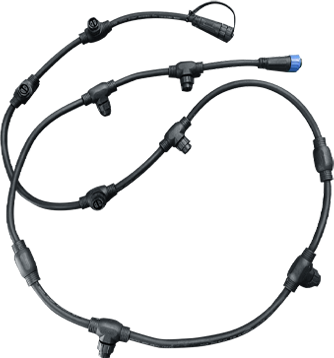
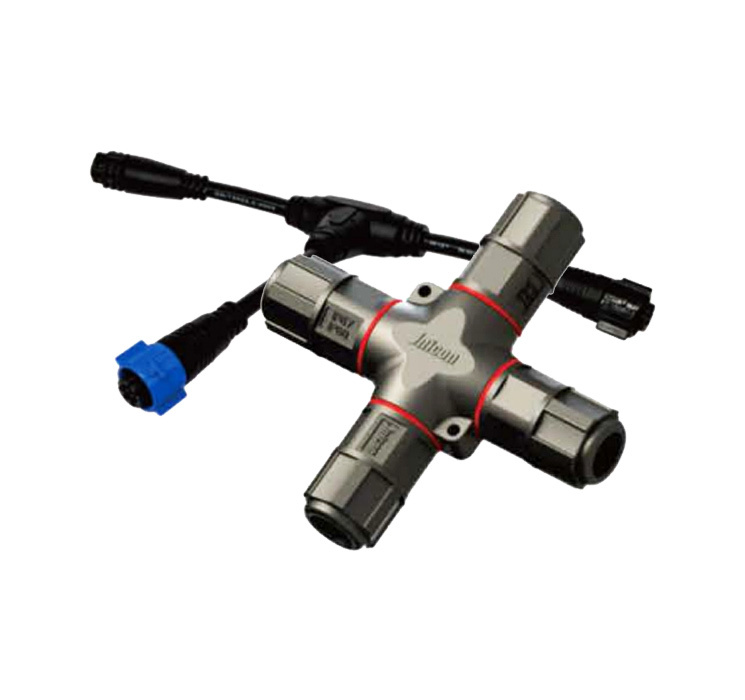
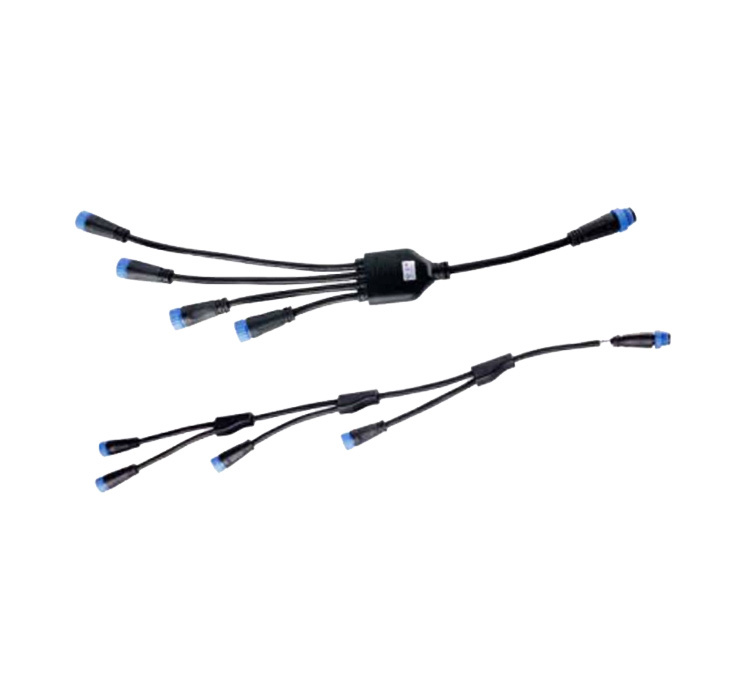
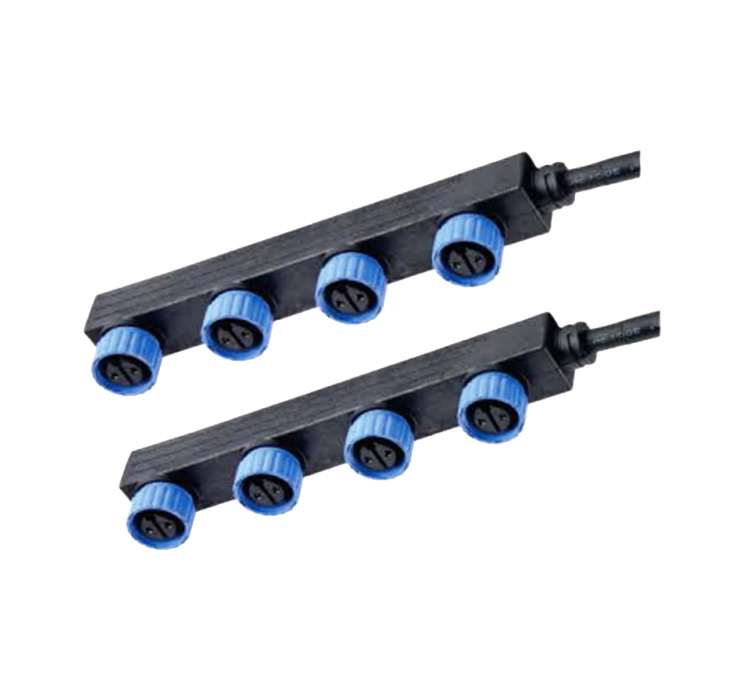
One of the primary benefits of waterproof cables is their enhanced durability. These cables are constructed using materials that resist water ingress, such as rubber, PVC, or thermoplastic elastomers. This resistance protects the internal conductors from corrosion and degradation, which can lead to performance failures and costly downtime. By investing in waterproof cables, businesses can significantly reduce maintenance costs and improve the overall longevity of their electrical systems.
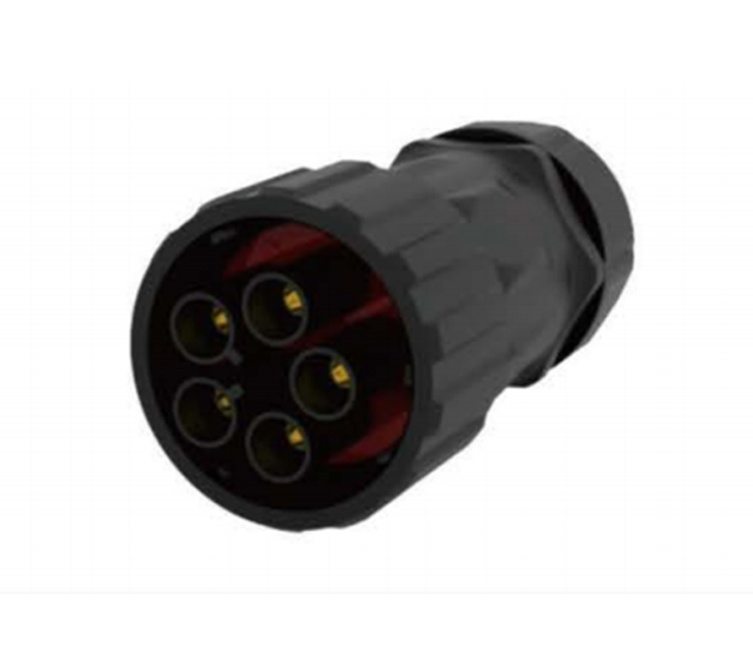
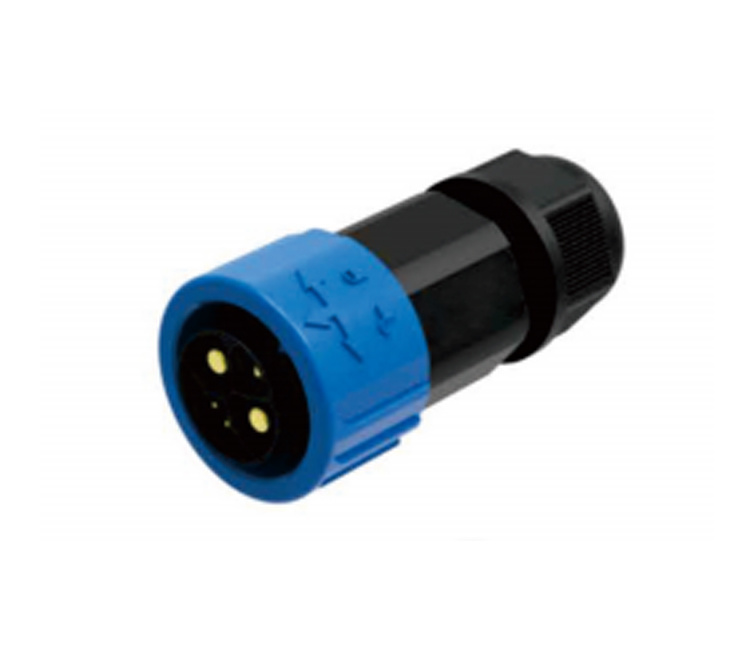
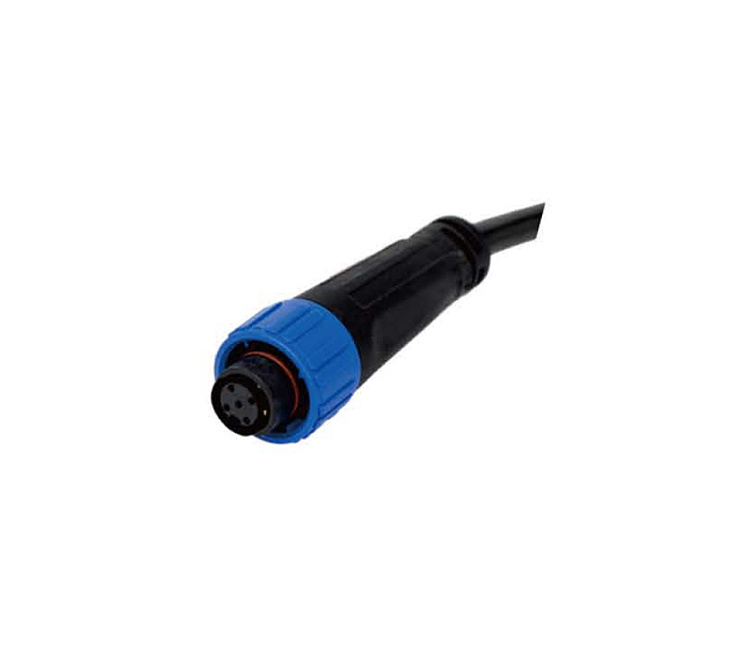
Another critical aspect of waterproof cables is their versatility. These cables are available in various configurations, including single-core and multi-core designs, allowing for a wide range of applications. They can be used in various industries, including construction, automotive, marine, and telecommunications. When selecting waterproof cables, it is essential to consider the specific environment in which they will be installed. For example, cables used in marine applications must meet stringent standards to ensure they can withstand harsh saltwater conditions.
Safety is another paramount concern when dealing with electrical connections. Waterproof cables contribute to a safer working environment by minimizing the risk of short circuits, electrical shocks, and equipment failures. When moisture infiltrates non-waterproof cables, it can create hazardous conditions that jeopardize both personnel and equipment. By utilizing waterproof cables, businesses can enhance workplace safety and comply with industry regulations.
When choosing waterproof cables, it is essential to pay attention to the ingress protection (IP) rating. The IP rating indicates the degree of protection against solids and liquids, which is crucial for ensuring that the cables can withstand specific environmental conditions. A higher IP rating indicates better protection and is recommended for more demanding applications.
In conclusion, waterproof cables are a vital component in the electrical and connector industry, offering numerous advantages such as durability, versatility, and enhanced safety. By understanding the importance of these cables and making informed selections based on their specifications and environmental requirements, businesses can ensure the reliability and longevity of their electrical systems, ultimately leading to increased productivity and reduced costs.
News
2026-10-03
Understanding Waterproof Cables: Essential Insights for Electrical Professionals
Waterproof cables are vital components in the electric and electronic industries, especially when it comes to ensuring safe and reliable connections in challenging environments. These cables are designed to resist moisture and prevent water ingress, which can lead to electrical failure and safety hazards. Understanding the intricacies of waterproof cables is essential for electrical professionals
2026-09-30
Discover the Advantages of Using 2 Pin Waterproof Connectors in Harsh Environments
Discover the Advantages of Using 2 Pin Waterproof Connectors in Harsh Environments Table of Contents 1. Introduction to 2 Pin Waterproof Connectors 2. Importance of Waterproof Connectors 3. Design Features of 2 Pin Waterproof Connectors 4. Applications in Various Industries 5. Benefits of Using 2 Pin Waterproof Connectors 6. Installation Guidelines for 2 Pin Waterproof Connectors 7.
2026-09-27
Understanding Industrial Power Connectors: Key Insights for Professionals
Industrial power connectors play a crucial role in the safety and efficiency of electrical systems across various sectors, including manufacturing, energy, and transportation. These connectors are designed to facilitate the transmission of electrical power in rugged environments, ensuring reliable and stable connections. Understanding the types, applications, and selection criteria for industrial

B8-9, Fubilun industrial park, Chaoyang rd,Yanchuan community, Songgang, Shenzhen, China


