


Understanding Industrial Power Connectors: A Key Component in Electrical Applications
Release Time:
2026-02-15
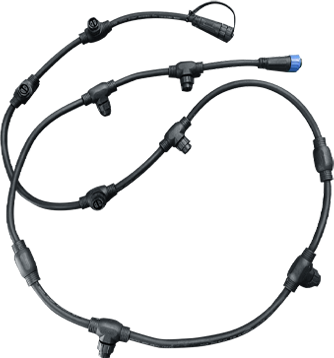
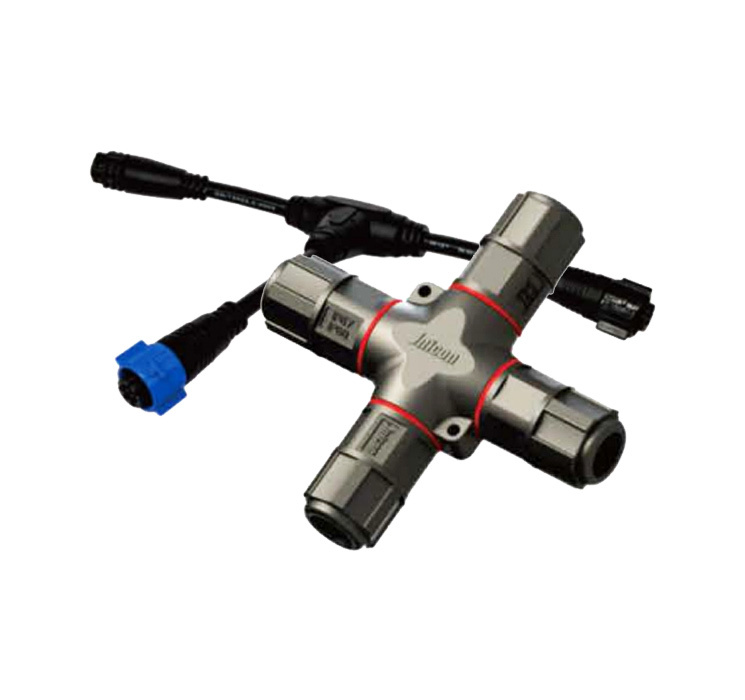
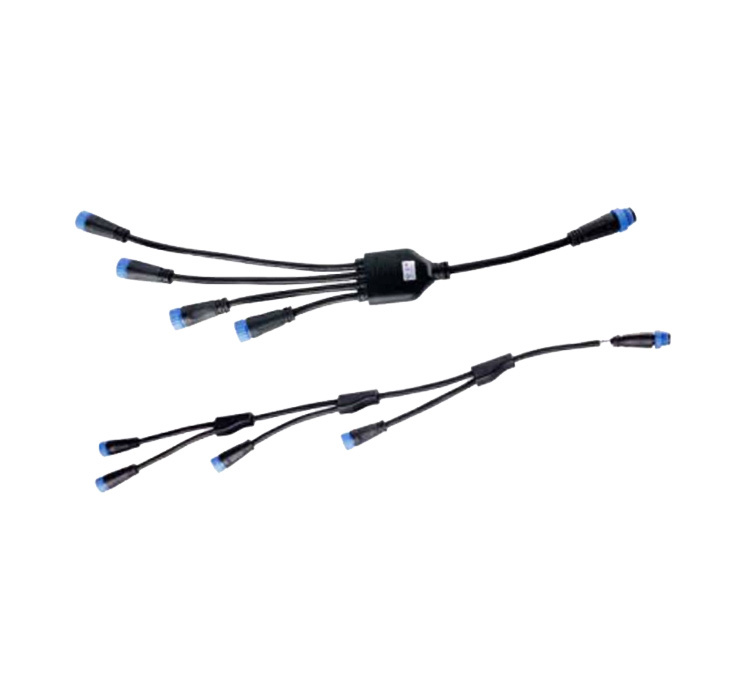
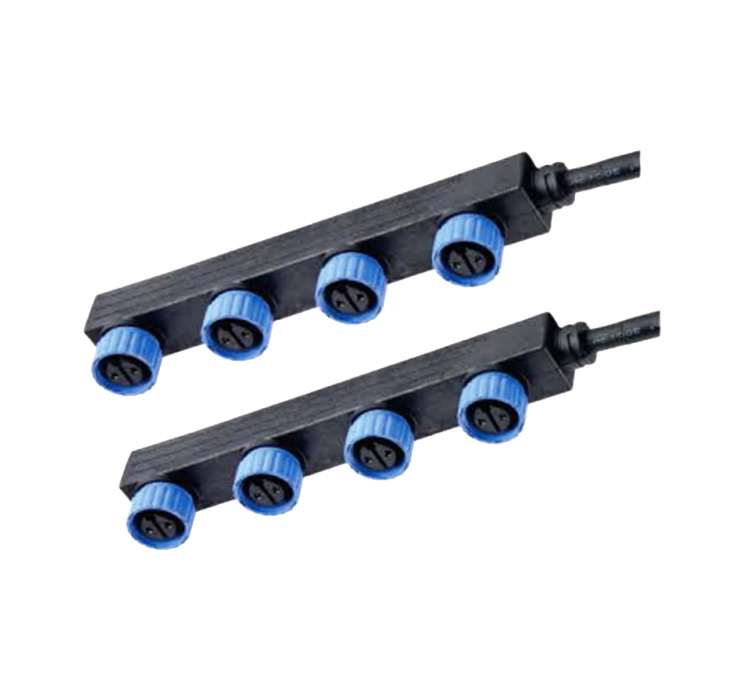
One of the primary functions of industrial power connectors is to establish a secure and efficient electrical connection between equipment. This is crucial in maintaining the integrity of power supply systems, as even minor disruptions can lead to significant downtime and potential safety hazards. Industrial power connectors are designed to provide a stable connection, minimizing the risk of electrical failure or malfunction.
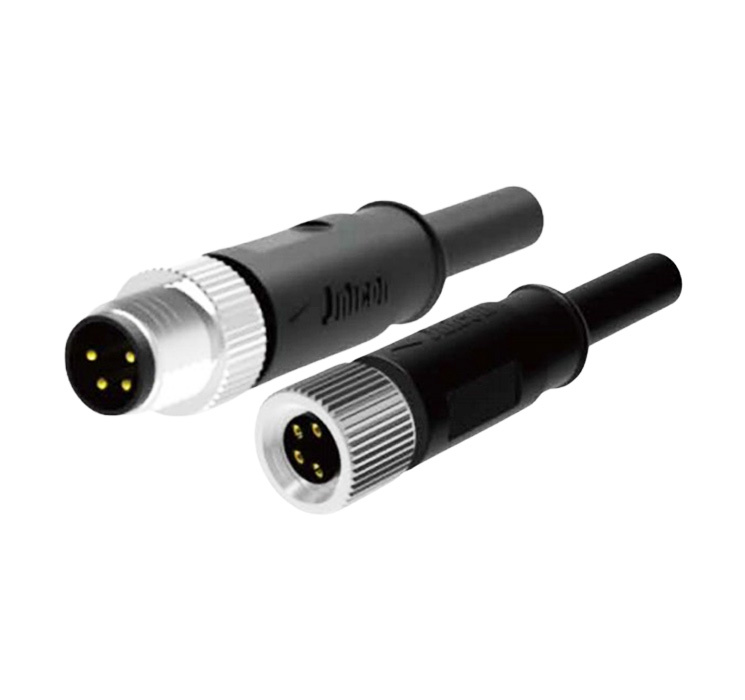
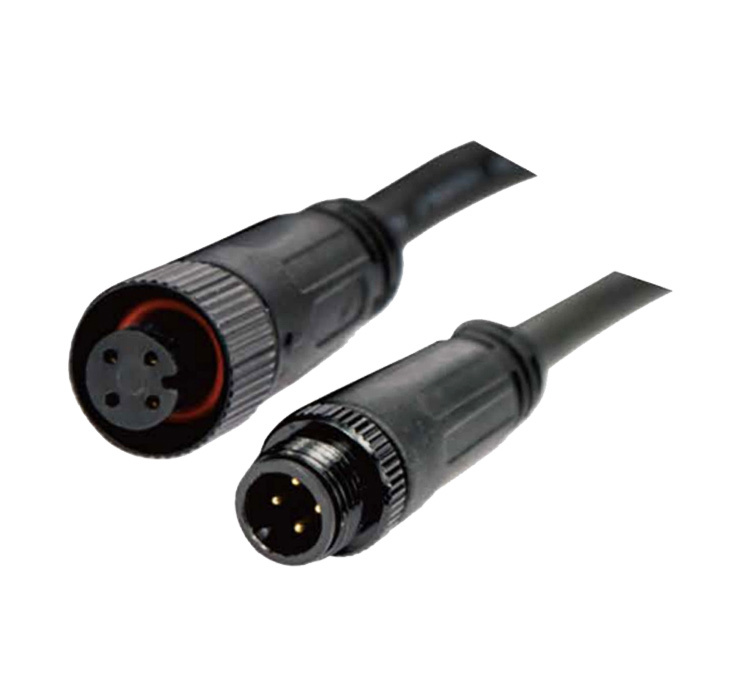
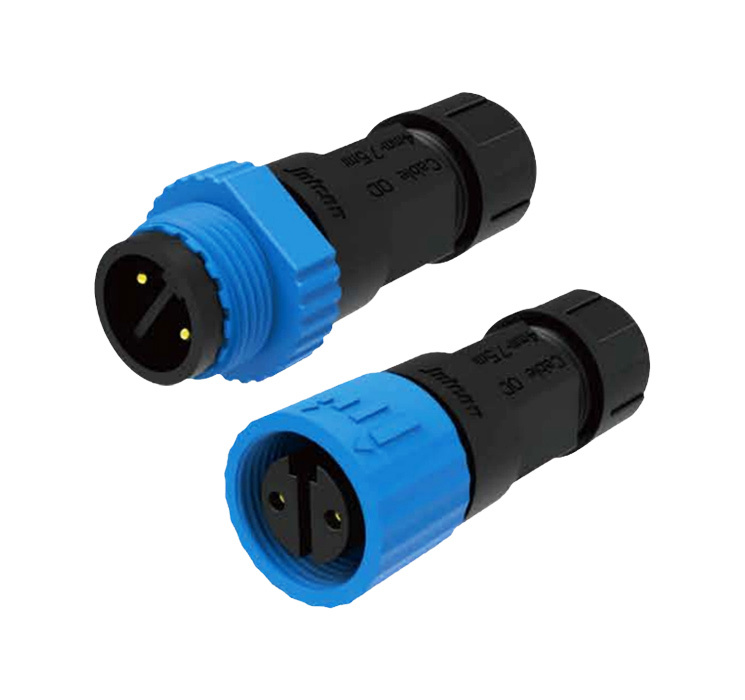
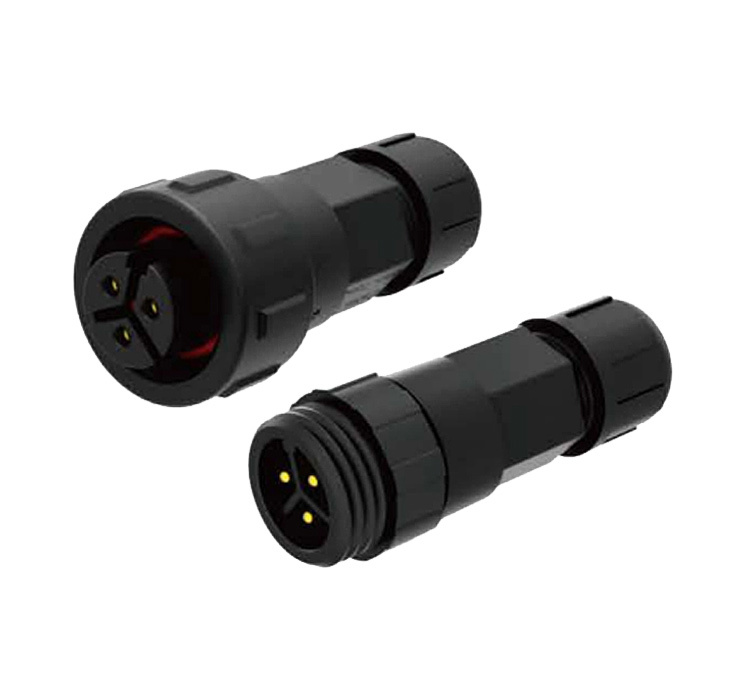
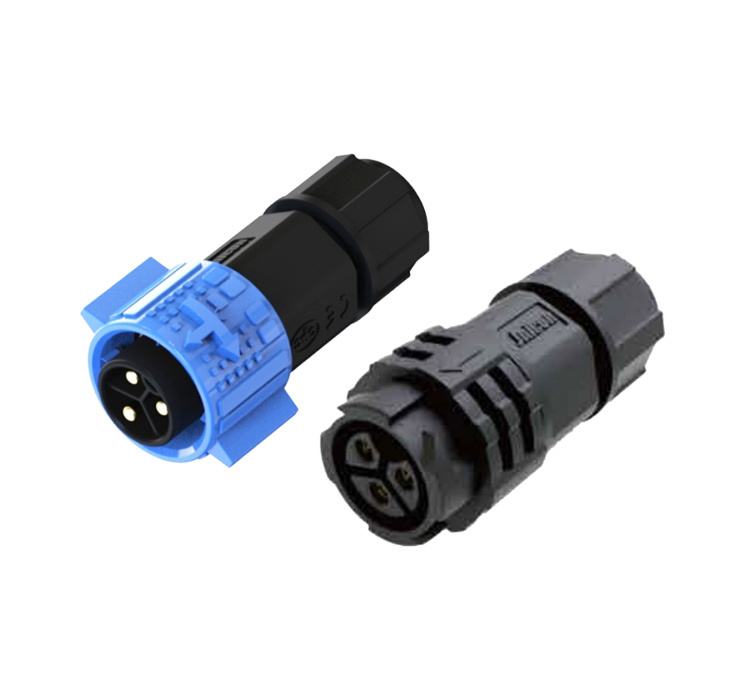
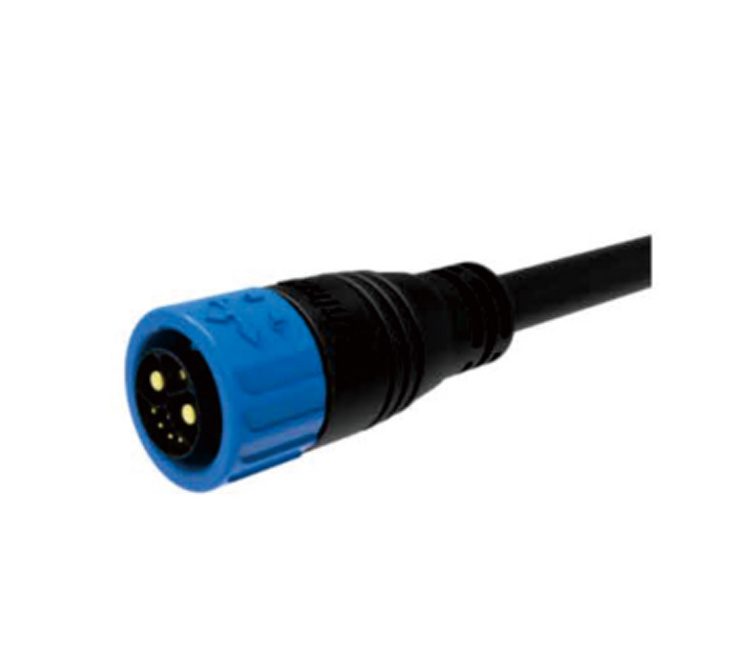
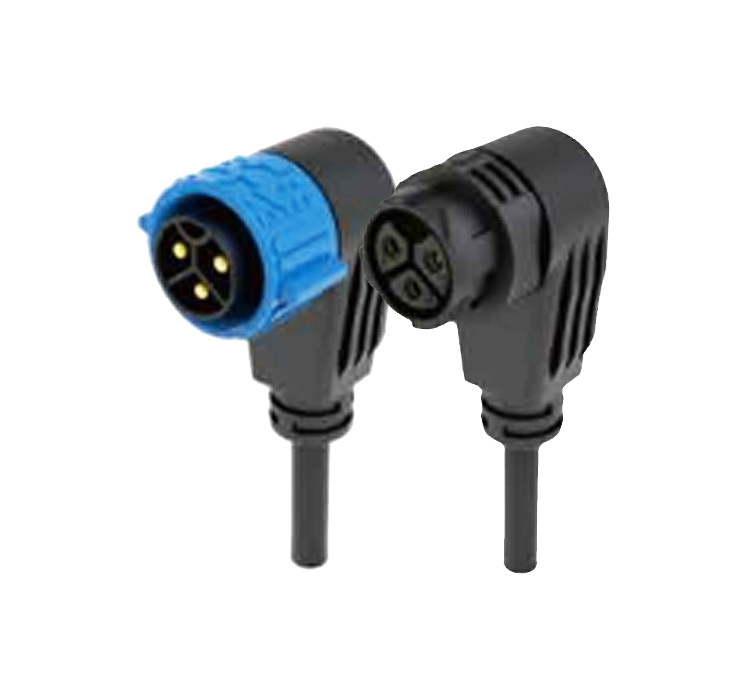
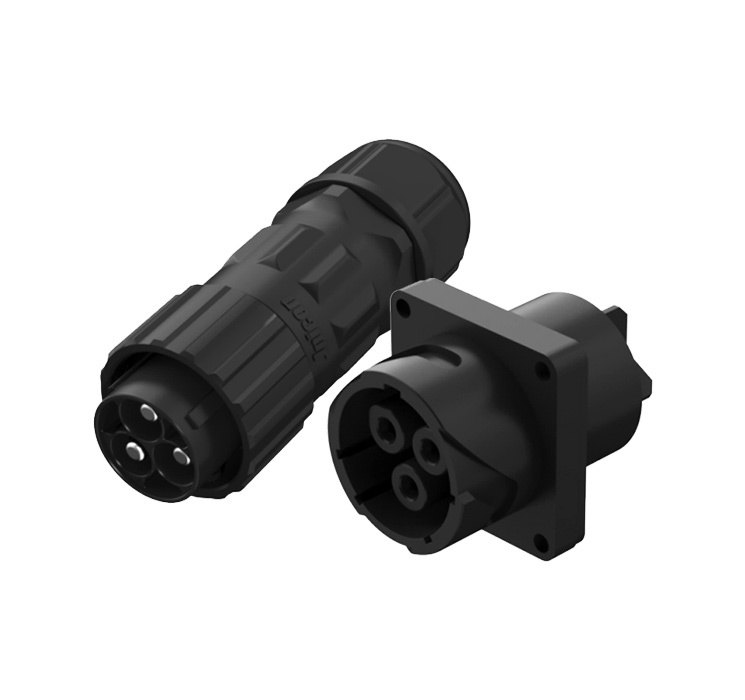
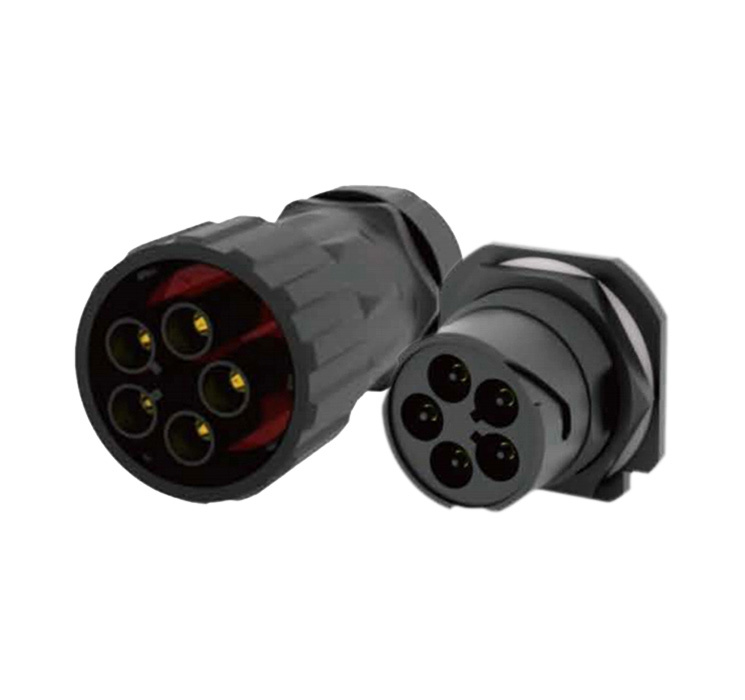
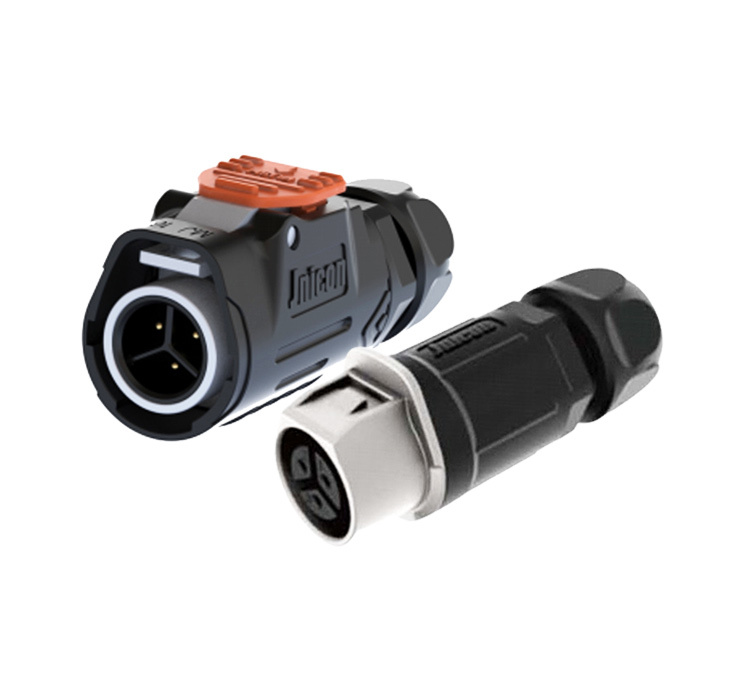
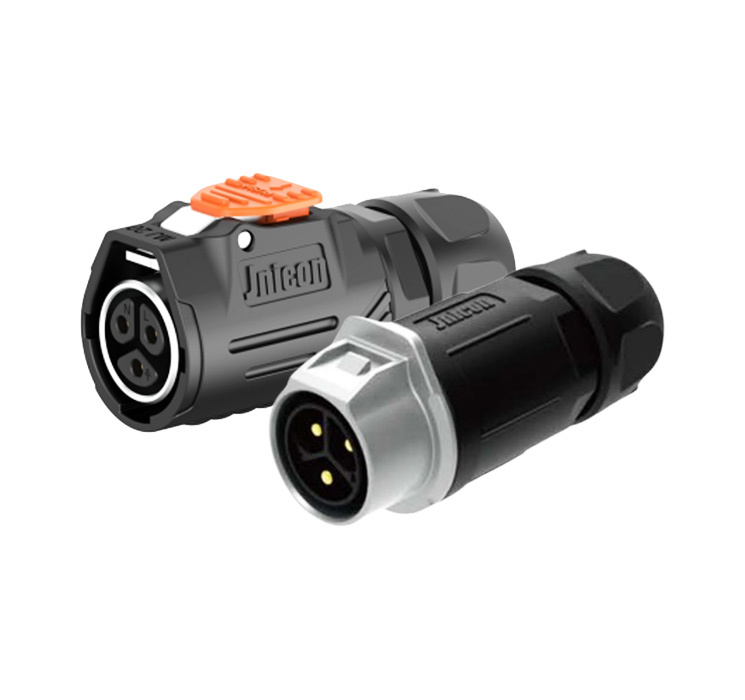
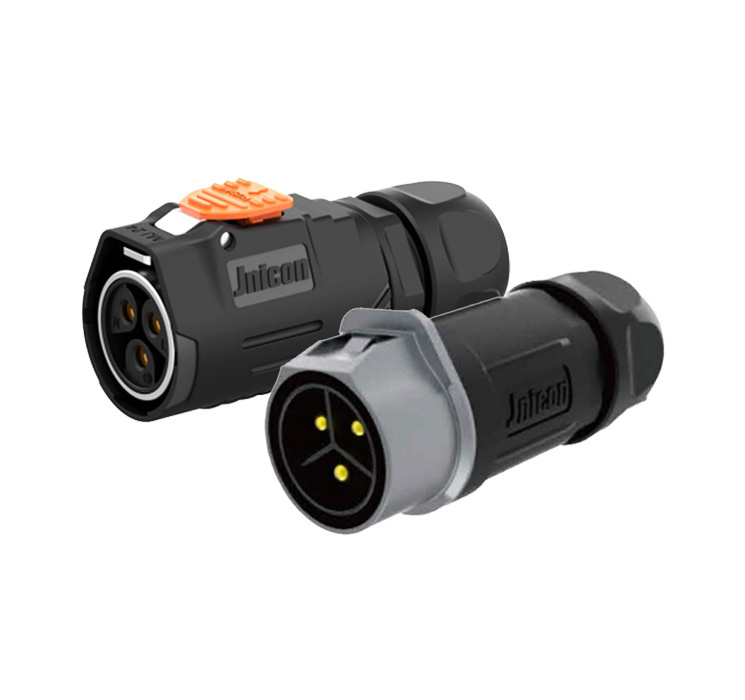
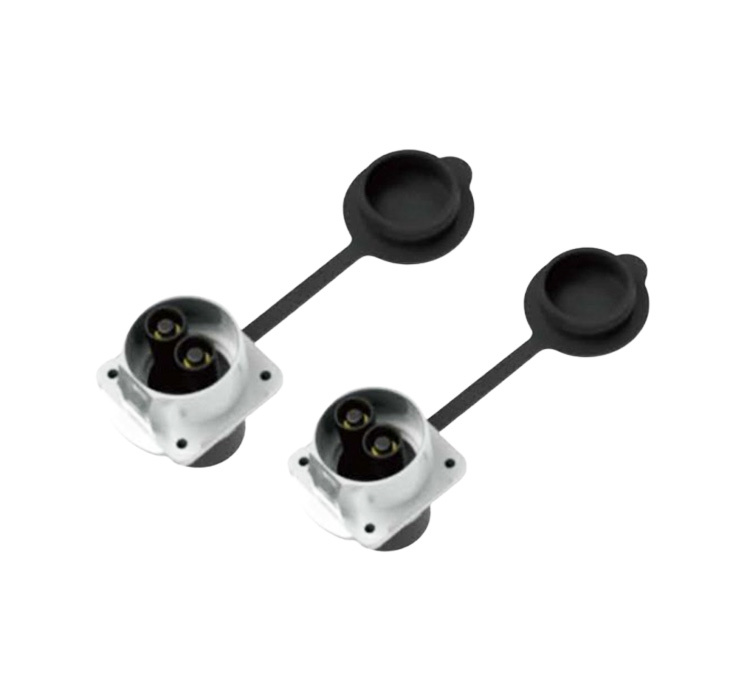
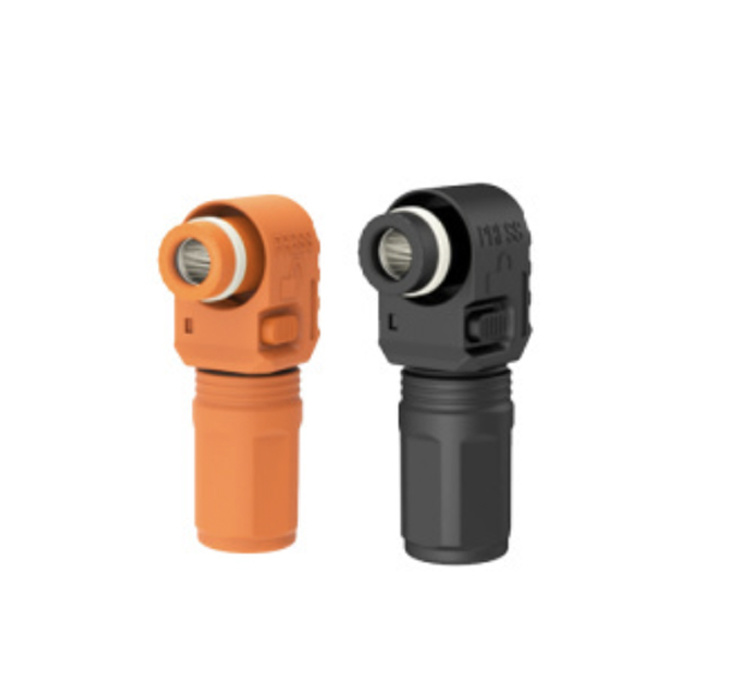
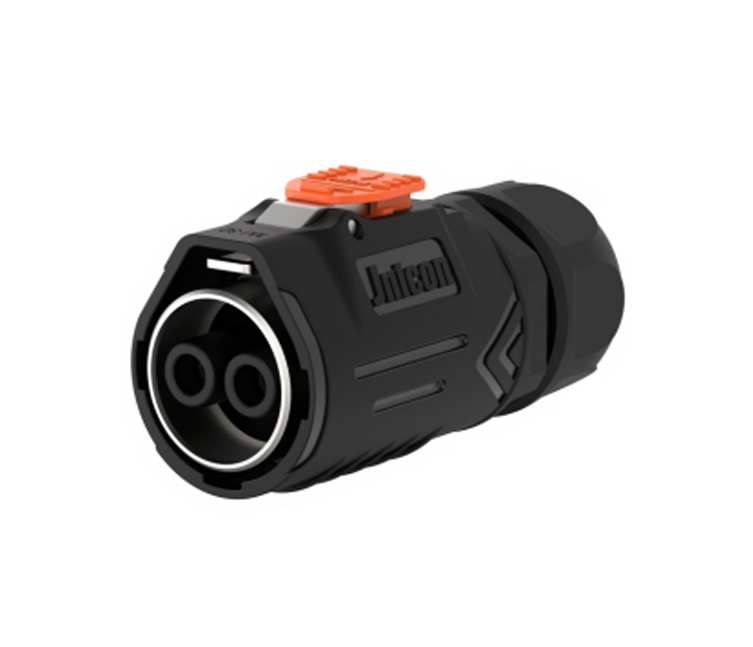
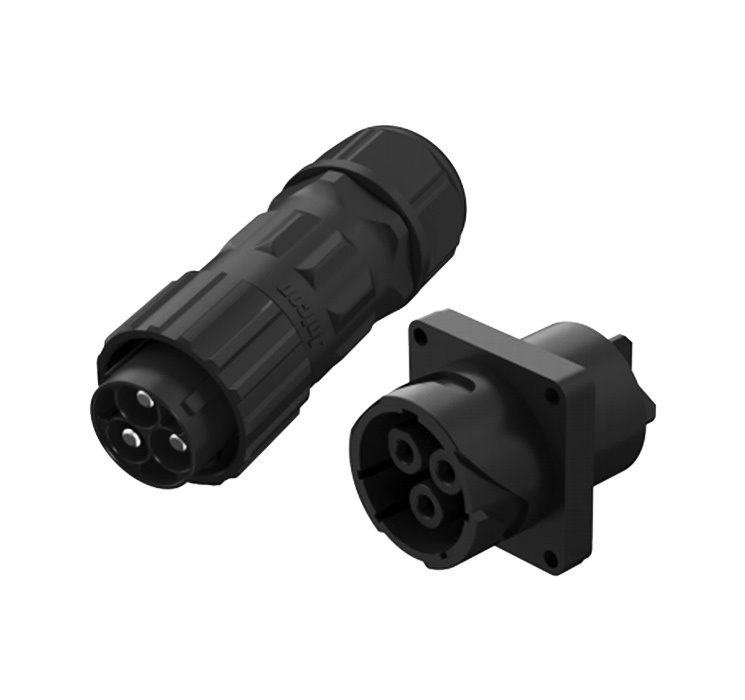
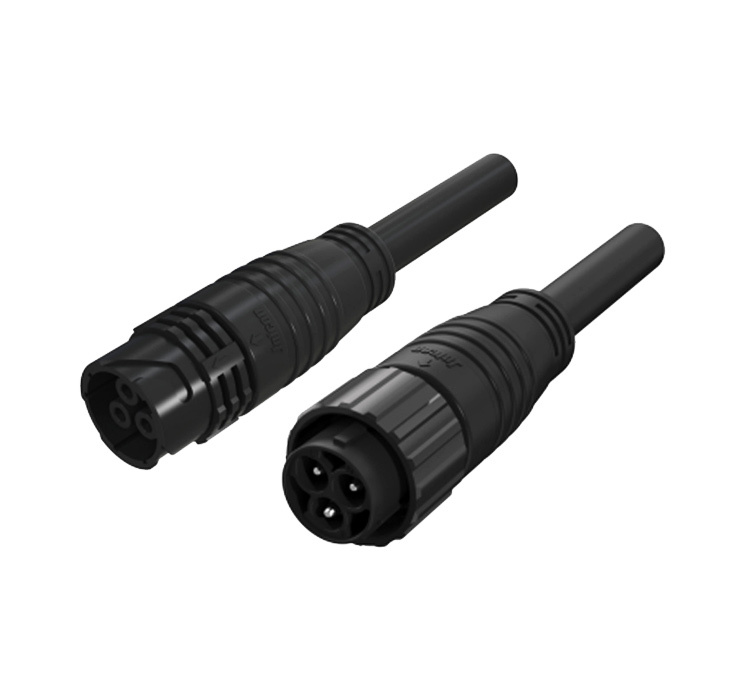
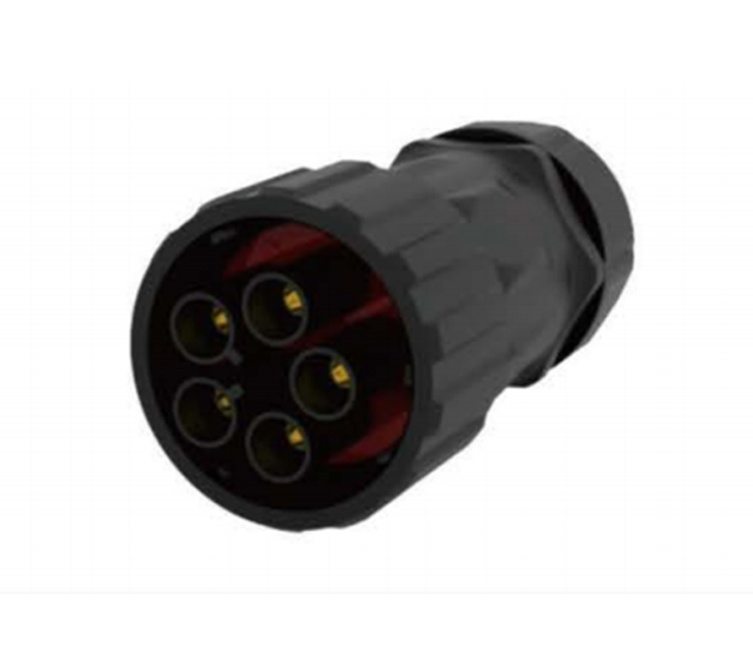
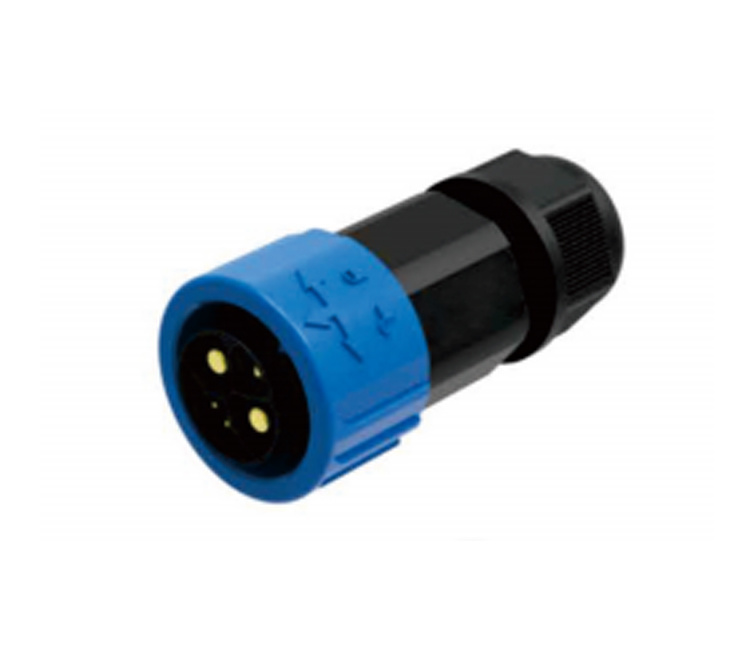
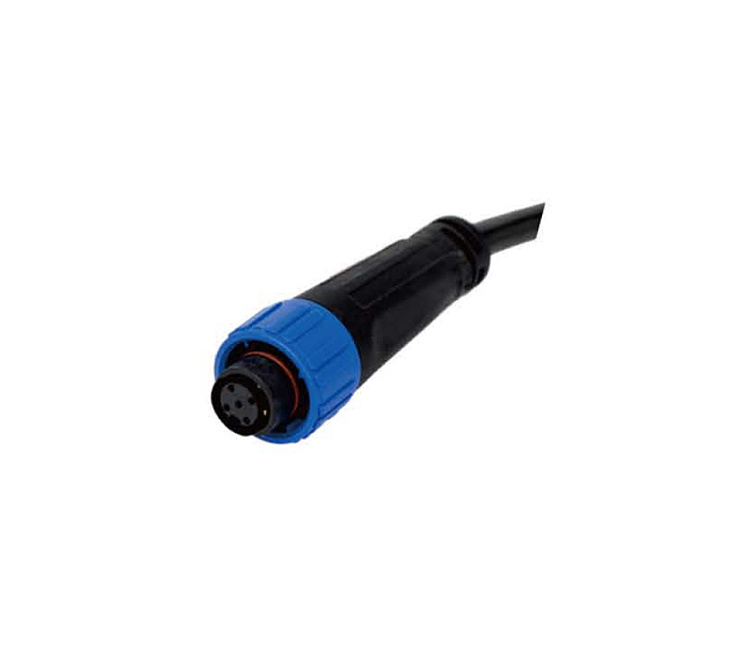
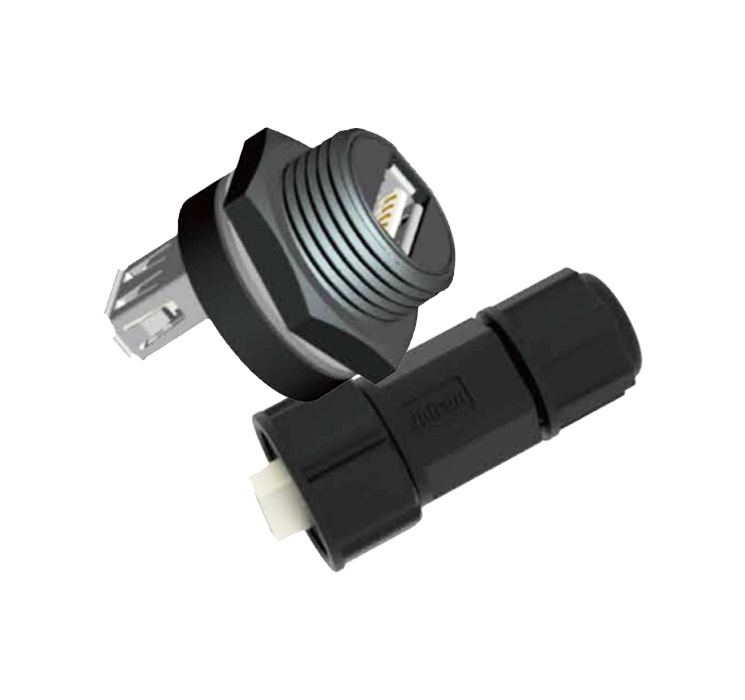
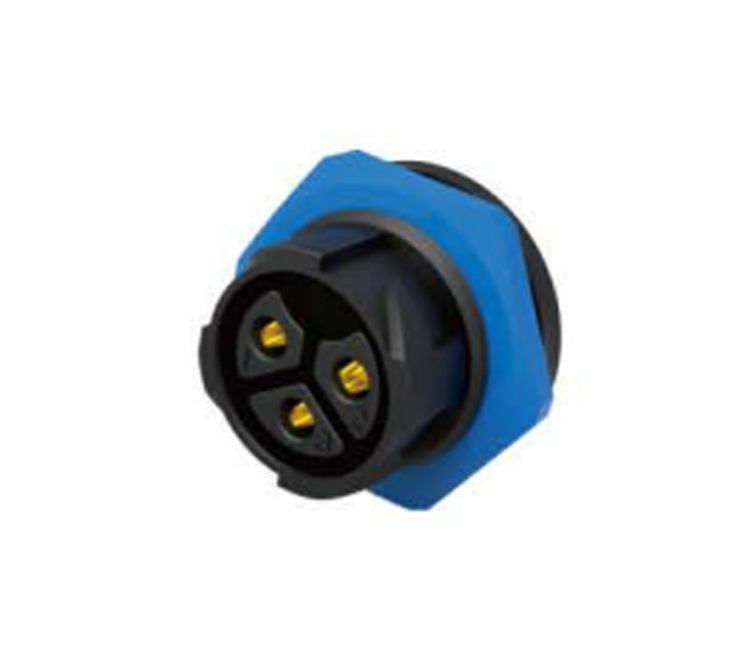
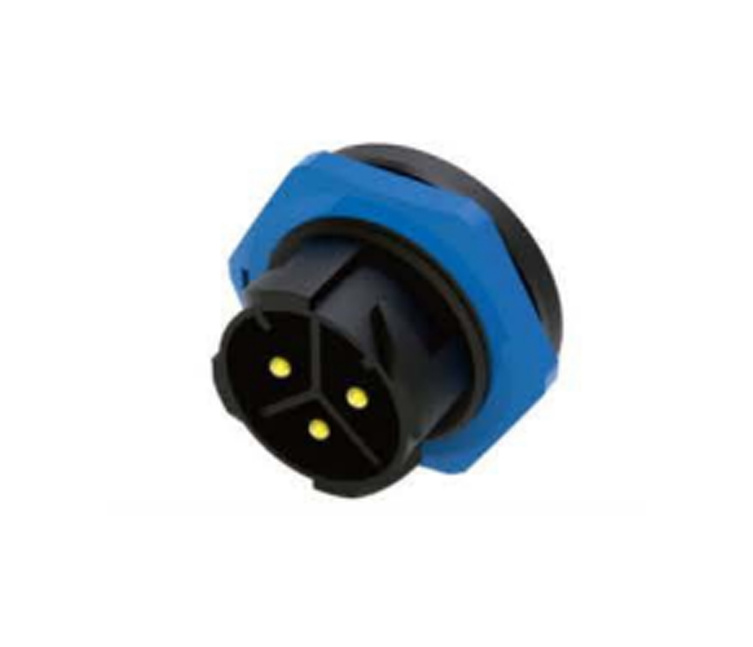
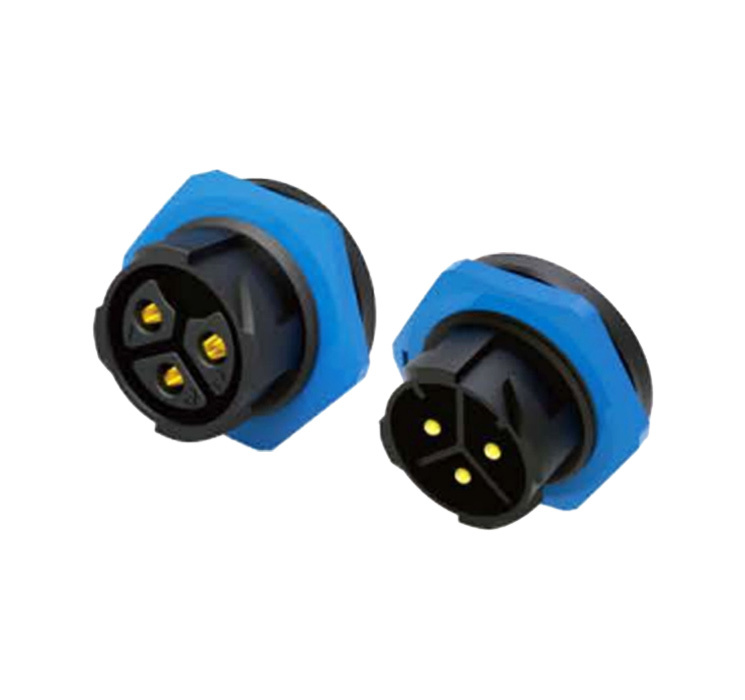
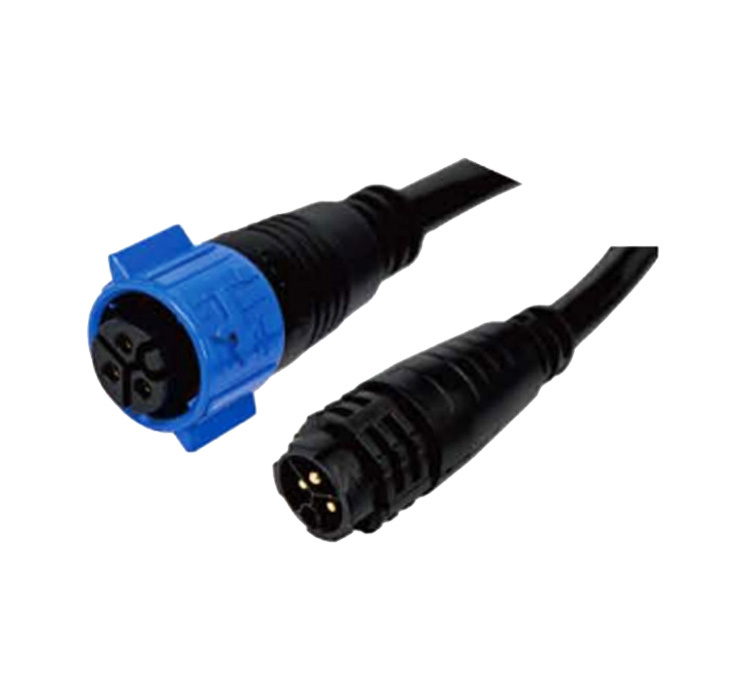
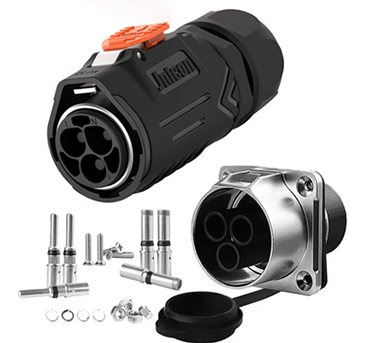
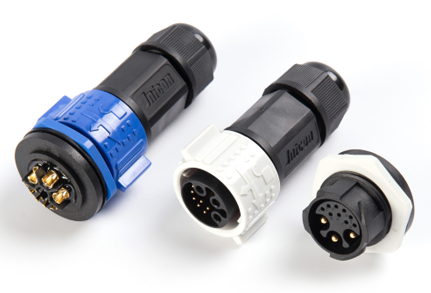
There are several different types of industrial power connectors, each catering to specific applications and environments. Some common types include locking connectors, which provide a secure locking mechanism to prevent accidental disconnections, and panel-mount connectors, which are designed for easy integration into machinery and equipment. Additionally, connectors may vary in terms of their pin configuration, current rating, and material composition, making it essential to select the right type for a given application.
When choosing industrial power connectors, several factors should be considered to ensure optimal performance. First, it is crucial to assess the electrical requirements of the application, including voltage and current ratings. Connectors must be rated appropriately to handle the load without overheating or failing. Additionally, environmental factors such as moisture, dust, and temperature extremes should be taken into account, as these can impact the performance and longevity of the connectors.
Another important consideration is the ease of installation and maintenance. Many modern industrial power connectors are designed with user-friendly features that simplify the connection process, reducing installation time and labor costs. Moreover, choosing connectors that allow for easy disconnection and reconnection can enhance maintenance efficiency, ensuring that equipment can be serviced with minimal disruption.
In conclusion, industrial power connectors are integral to the reliability and efficiency of electrical systems across various industries. Understanding their types, functions, and application considerations can help businesses select the right connectors for their needs, ultimately enhancing operational efficiency and safety. By investing in quality industrial power connectors, organizations can ensure reliable power distribution and minimize the risk of electrical failures in their operations.
News
2026-10-06
Exploring the Lifecycle of Waterproof Marine Electrical Connectors: A Comprehensive Guide
Exploring the Lifecycle of Waterproof Marine Electrical Connectors In the expansive world of marine transportation, reliable electrical connections are crucial for the optimal functioning of vessels and marine equipment. Waterproof marine electrical connectors play a pivotal role in this aspect, ensuring that electrical systems remain operational even in the most challenging environments. This art
2026-10-03
Understanding Waterproof Cables: Essential Insights for Electrical Professionals
Waterproof cables are vital components in the electric and electronic industries, especially when it comes to ensuring safe and reliable connections in challenging environments. These cables are designed to resist moisture and prevent water ingress, which can lead to electrical failure and safety hazards. Understanding the intricacies of waterproof cables is essential for electrical professionals
2026-09-30
Discover the Advantages of Using 2 Pin Waterproof Connectors in Harsh Environments
Discover the Advantages of Using 2 Pin Waterproof Connectors in Harsh Environments Table of Contents 1. Introduction to 2 Pin Waterproof Connectors 2. Importance of Waterproof Connectors 3. Design Features of 2 Pin Waterproof Connectors 4. Applications in Various Industries 5. Benefits of Using 2 Pin Waterproof Connectors 6. Installation Guidelines for 2 Pin Waterproof Connectors 7.

B8-9, Fubilun industrial park, Chaoyang rd,Yanchuan community, Songgang, Shenzhen, China


