


Understanding Waterproof Cables: Essential Information for Electrical Connectors
Release Time:
2026-03-01
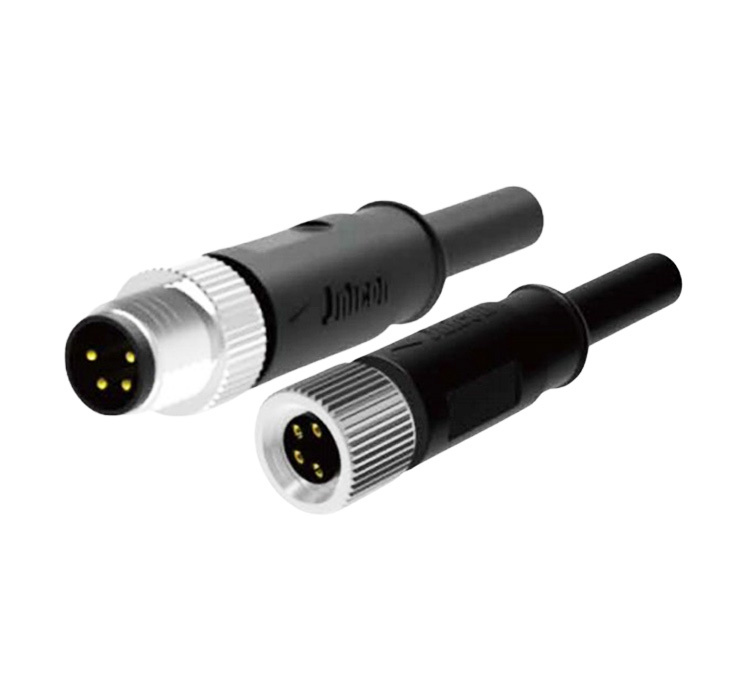
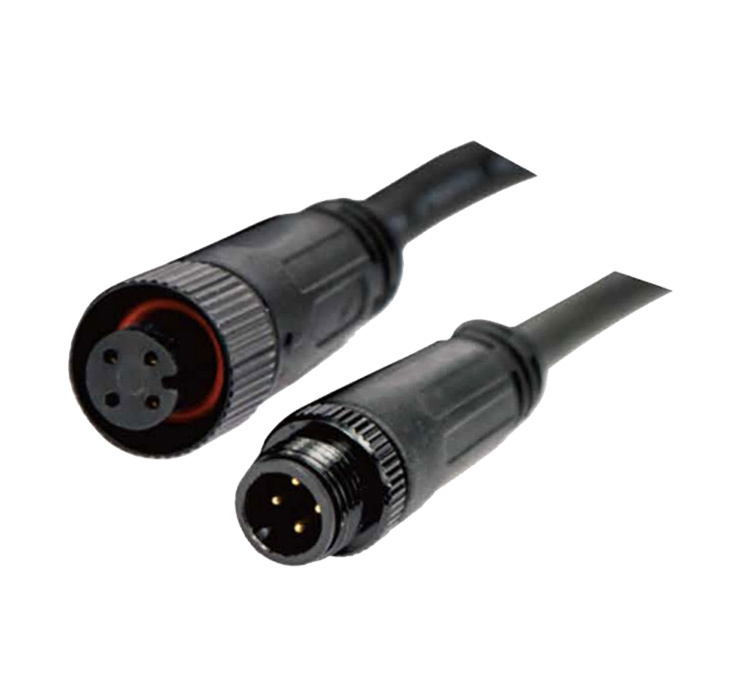
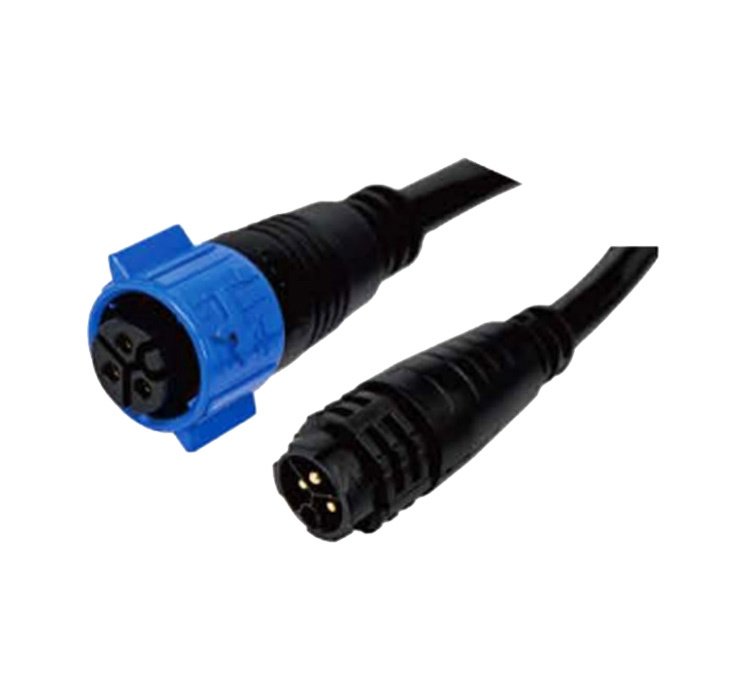
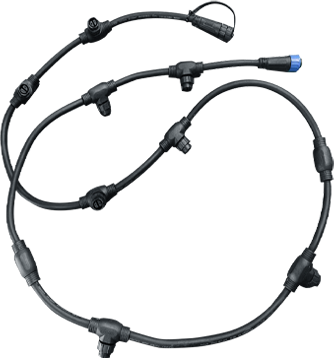
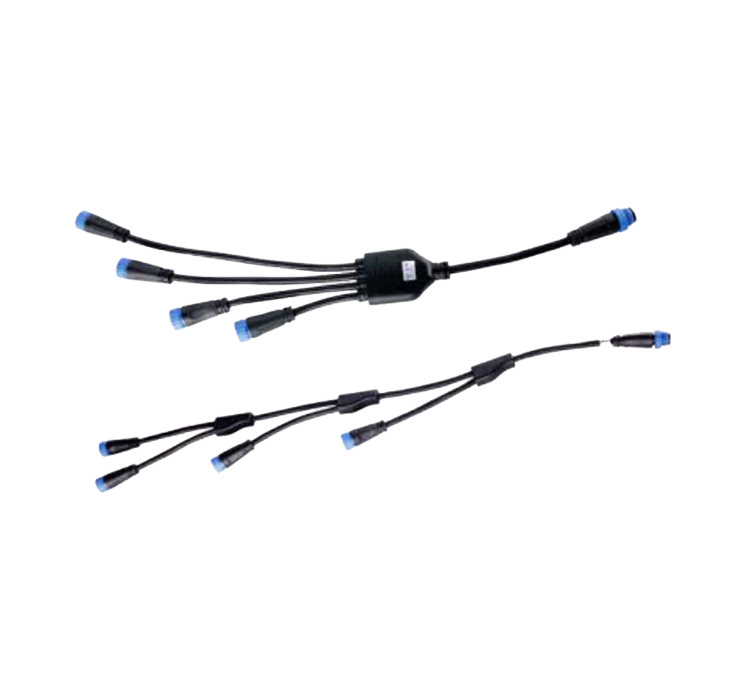
The primary feature of waterproof cables is their insulation material, which is typically made from thermoplastic elastomers, PVC, or rubber. These materials are engineered to withstand water ingress and are often tested against strict industry standards, such as IP (Ingress Protection) ratings. An IP68 rating, for example, indicates that the cable can be submerged in water for extended periods without compromising its functionality. When selecting a waterproof cable, it's crucial to consider the specific IP rating suitable for your application to ensure optimal protection.
Another advantage of waterproof cables is their enhanced durability. These cables are built to withstand extreme temperatures, UV exposure, and chemical corrosion, making them ideal for outdoor and industrial settings. This durability translates to lower maintenance costs and increased safety, as the risk of short circuits and other electrical failures is significantly reduced.
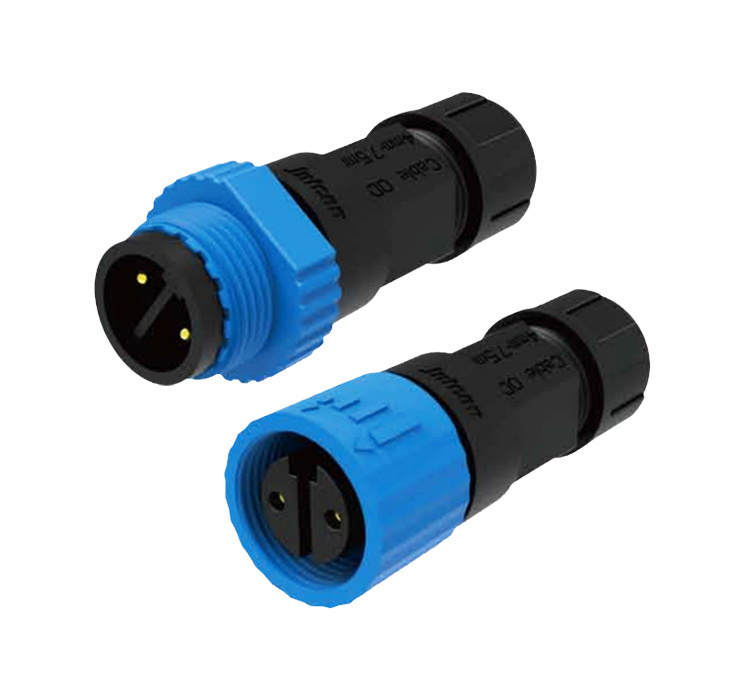
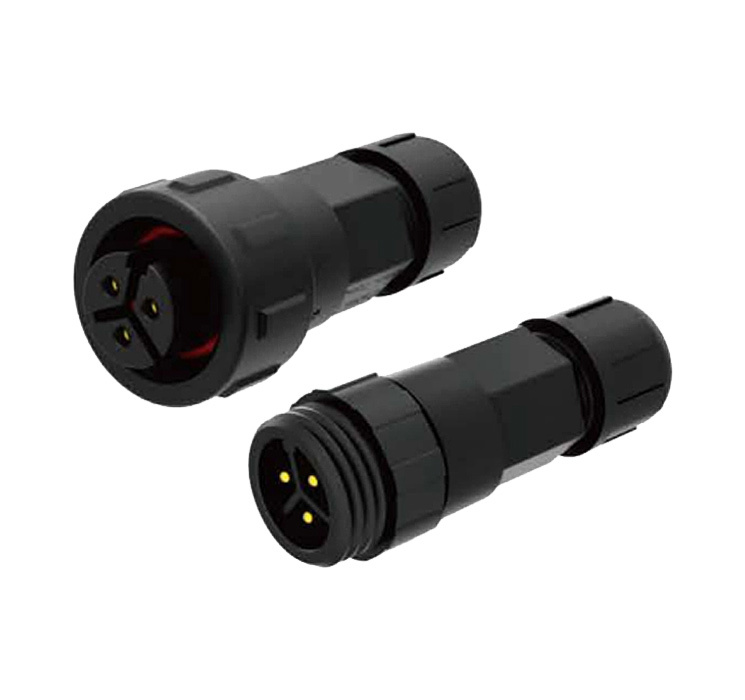
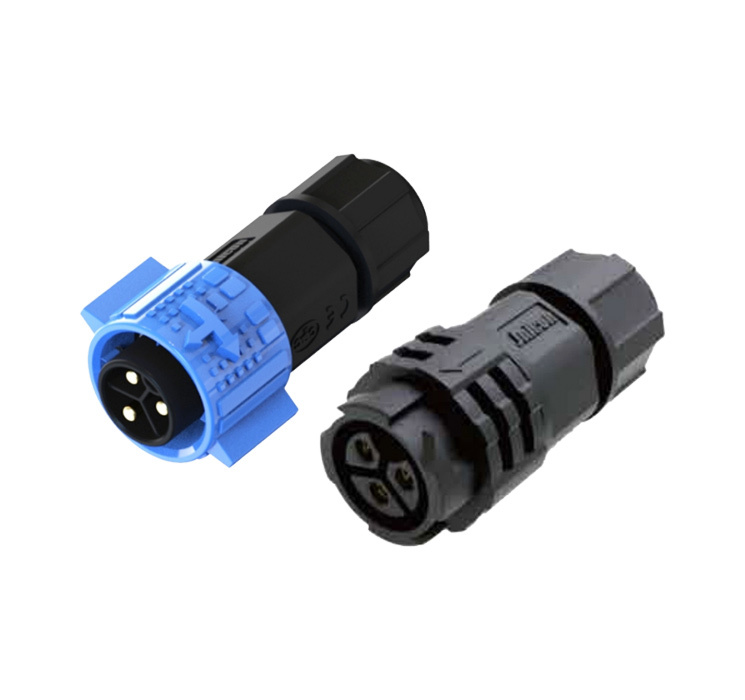
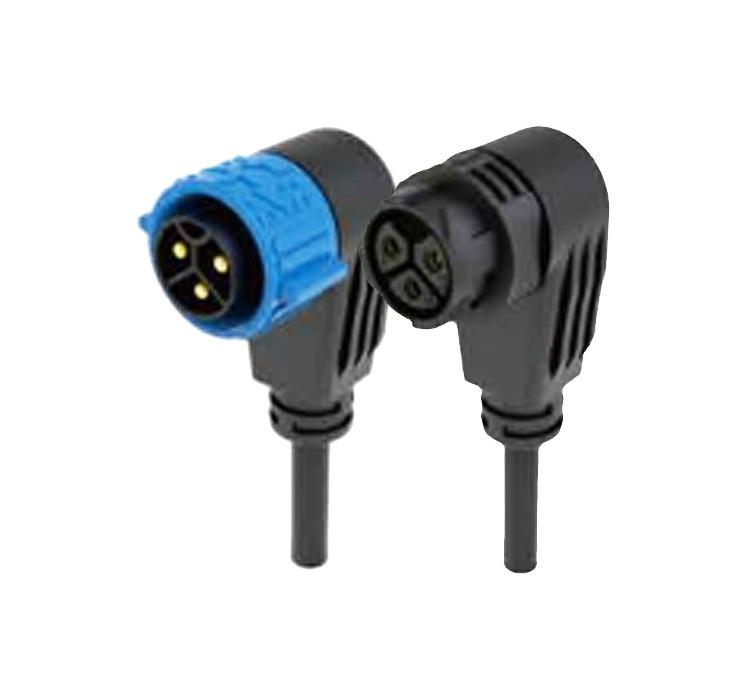
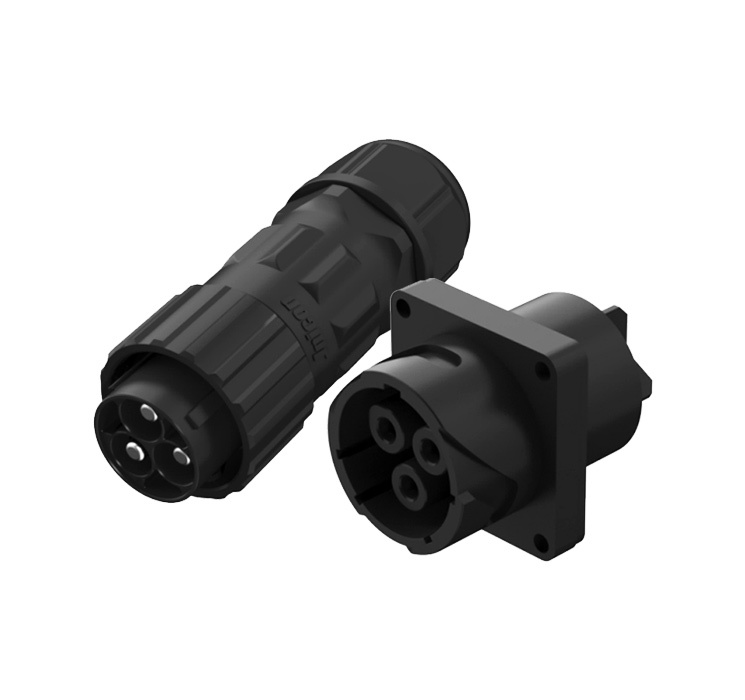
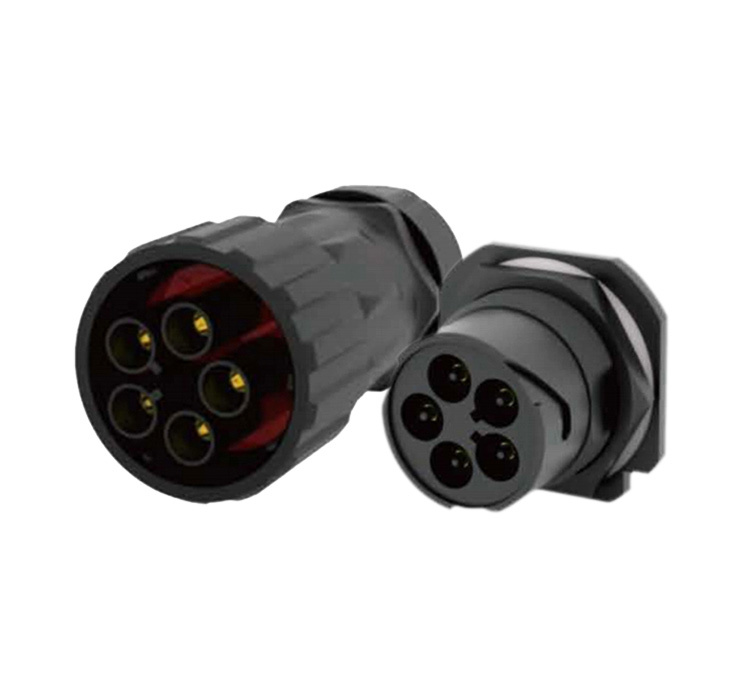
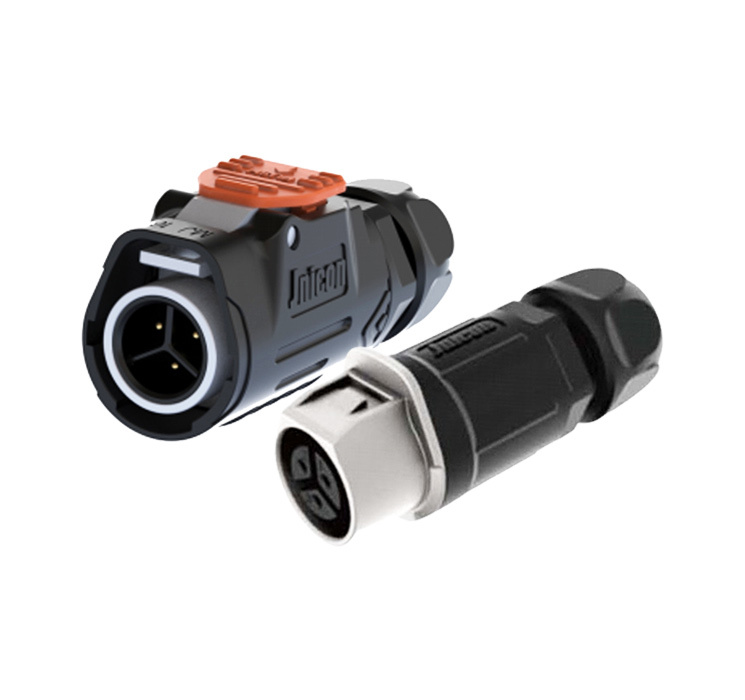
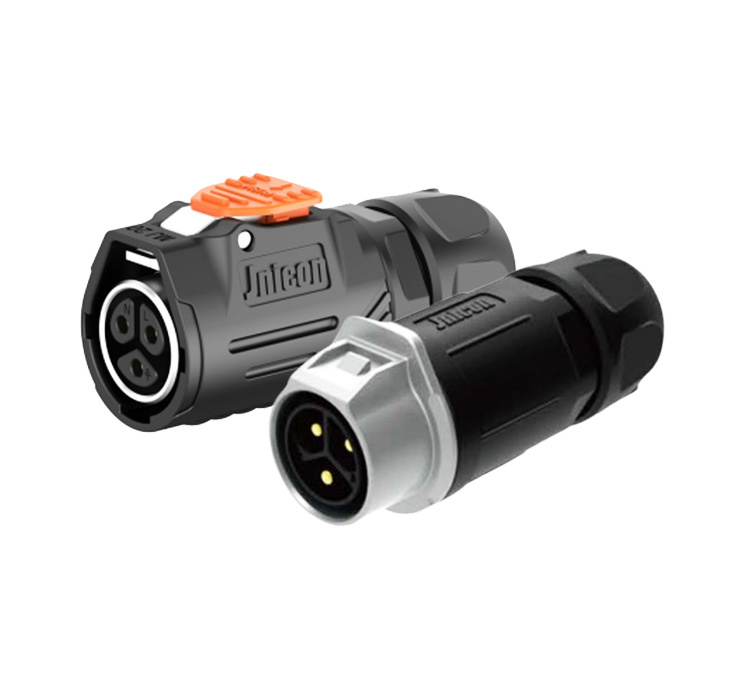
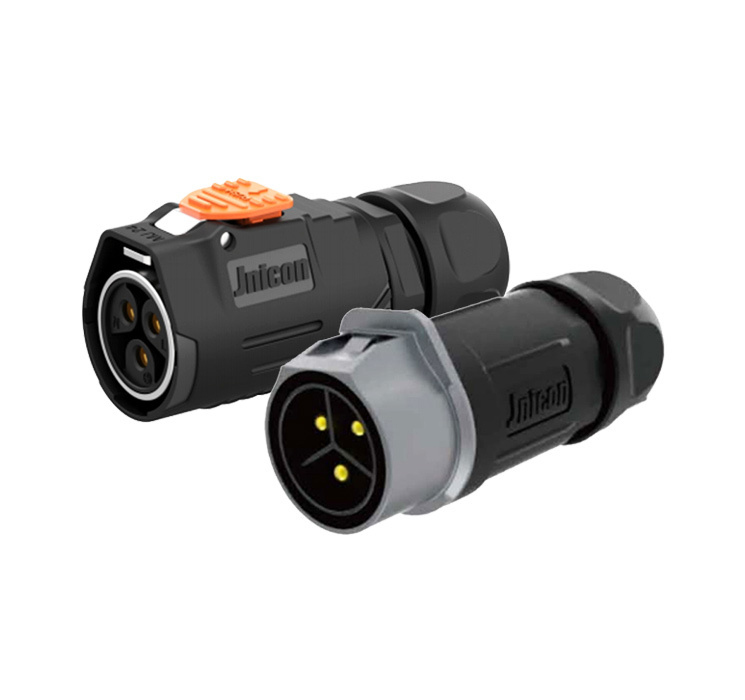
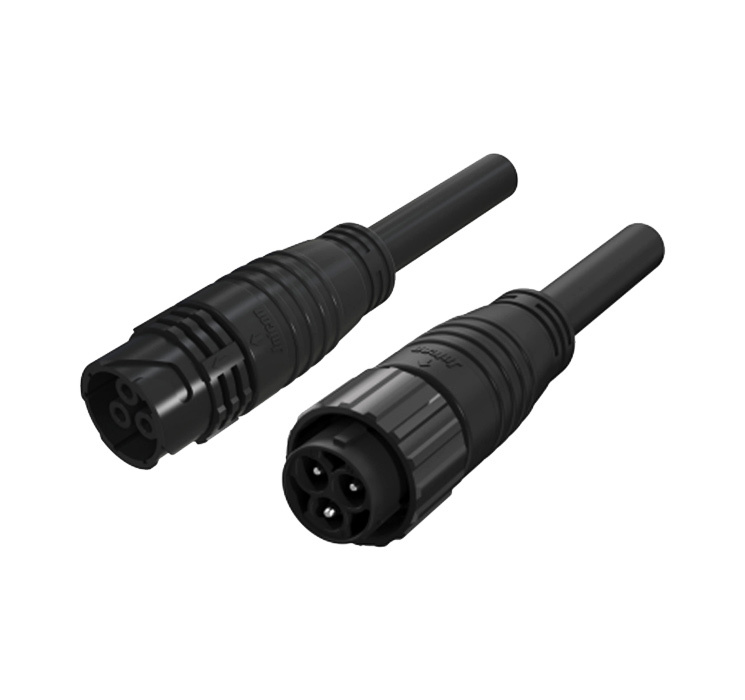
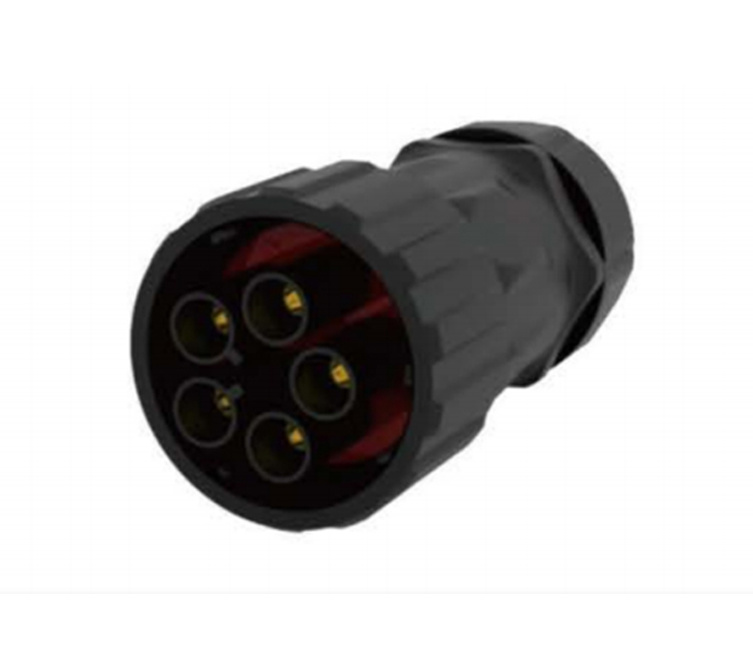
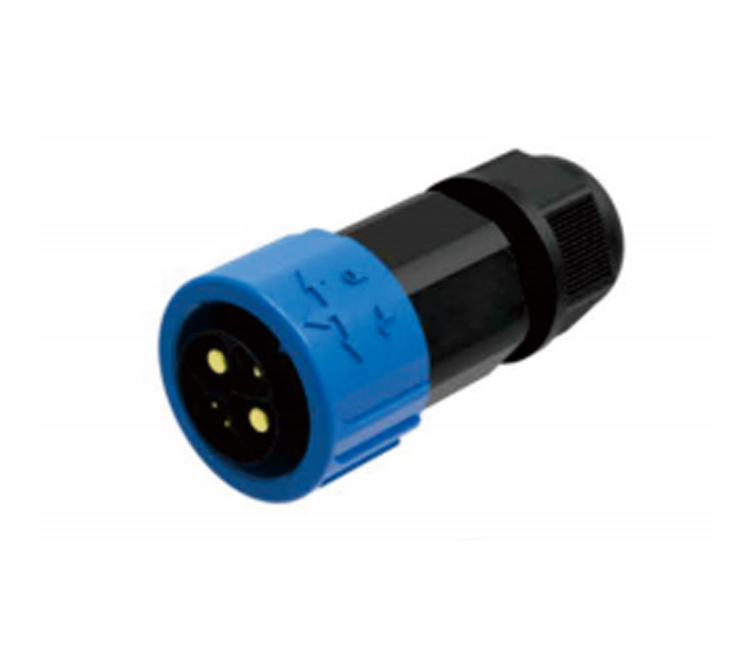
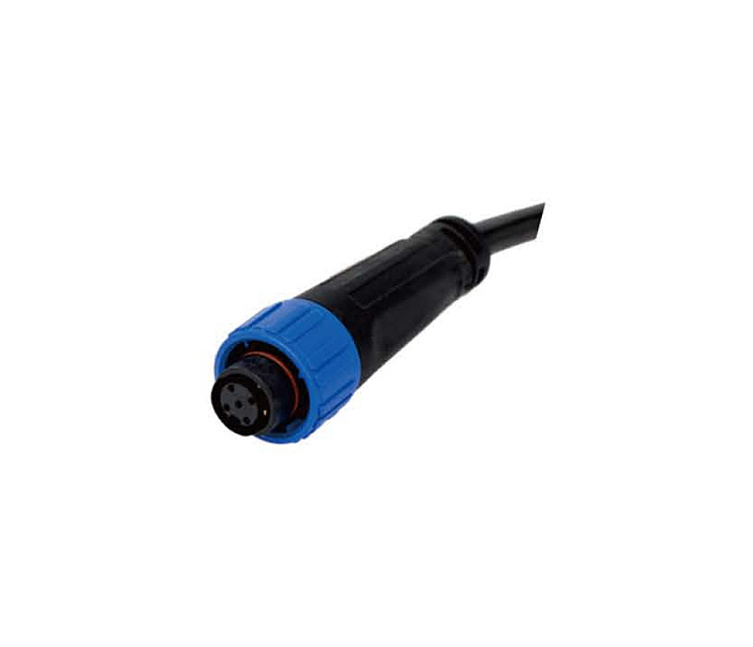
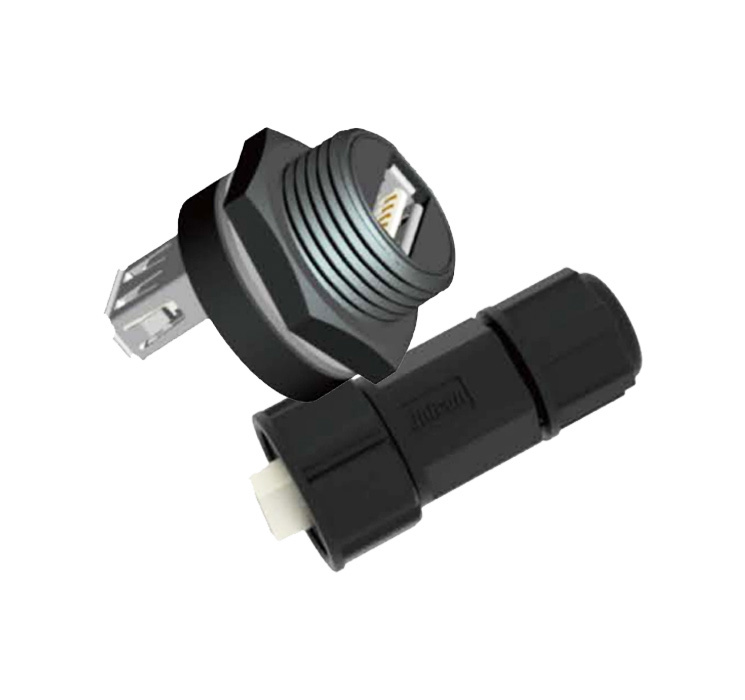
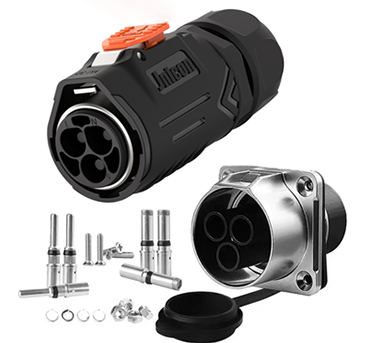
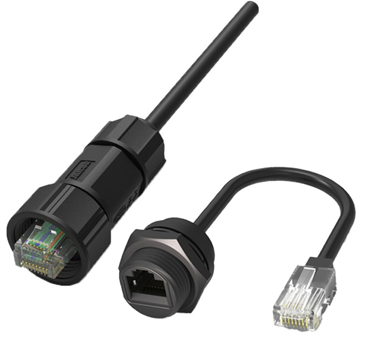
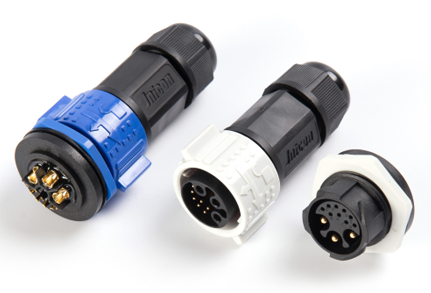
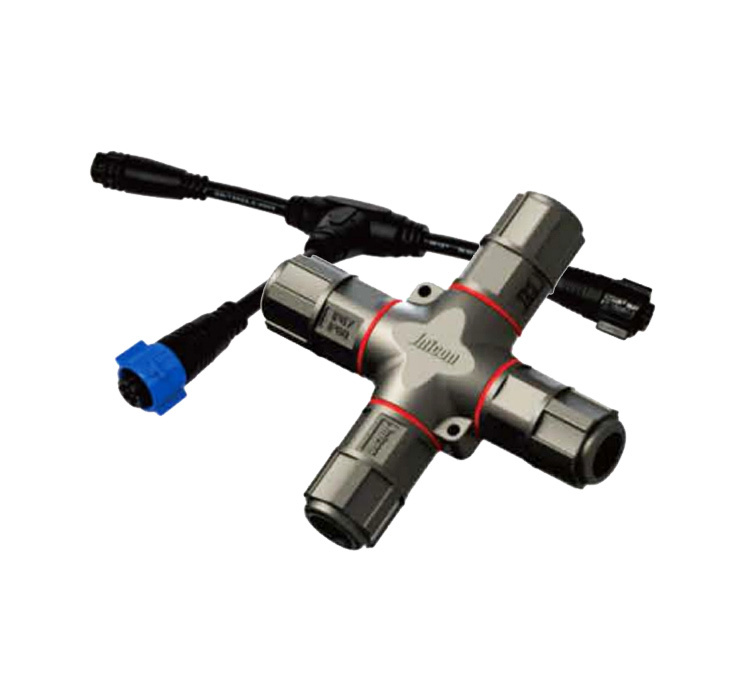
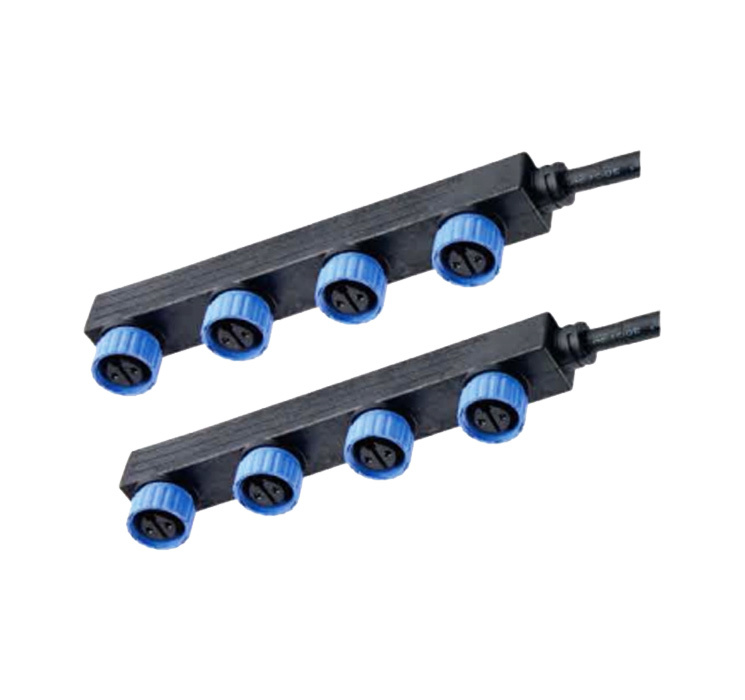
When integrating waterproof cables into your electrical systems, several factors must be taken into account. First, consider the cable's installation requirements. Proper sealing techniques must be employed to maintain the waterproof integrity of the connection points. Additionally, it's essential to ensure that connectors used with waterproof cables are also rated for similar protection to prevent water ingress at connection points.
Moreover, understanding the electrical specifications of waterproof cables is vital, including their voltage rating, current carrying capacity, and flexibility. Depending on the application, you may need cables that can accommodate higher power loads or adapt easily to various installation environments.
Lastly, thorough testing and compliance with relevant standards cannot be overlooked. Ensure that the cables used meet industry regulations for safety and performance. This will not only protect your investment but also enhance the safety and reliability of the entire electrical system.
In conclusion, waterproof cables are an indispensable component in the electrical and connector industries. Their ability to resist moisture and environmental factors, combined with their robust construction, makes them a reliable choice for various applications. By understanding their properties and making informed decisions during selection and installation, professionals can significantly enhance the performance of their electrical systems.
News
2026-11-27
Understanding the Importance of Waterproof Marine Electrical Connectors
In the transport and shipping sector, particularly concerning marine applications, the use of waterproof electrical connectors is critical. Marine electrical connectors are specifically designed to withstand harsh environmental conditions, including moisture, saltwater, and extreme temperatures. These connectors play a vital role in ensuring that electrical systems on vessels function reliably, ma
2026-11-20
Choosing the Right Waterproof Cable for Your Electrical Needs
Choosing the Right Waterproof Cable for Your Electrical Needs Table of Contents 1. Understanding Waterproof Cables 2. Importance of Selecting the Right Waterproof Cable 3. Types of Waterproof Cables Available 3.1. PVC Cables 3.2. XLPE Cables 3.3. Rubber Cables 4. Key Specifications to Consider 4.1. Voltage Rating 4.2. Temperature Rating 4.3. IP Ratings Explained 5. Installation Procedures for Wate
2026-11-13
Understanding 2 Pin Waterproof Connectors: Essential Guide for Electrical Applications
When dealing with electrical connections, especially in environments exposed to moisture or harsh conditions, the choice of connectors becomes crucial. One such solution is the 2 pin waterproof connector, designed to ensure reliable connections while preventing water ingress. These connectors are available in various designs, catering to a wide range of applications, from automotive to outdoor lig

B8-9, Fubilun industrial park, Chaoyang rd,Yanchuan community, Songgang, Shenzhen, China


