


From Concept to Creation: The Comprehensive Manufacturing Process of Waterproof Wire Harnesses
Release Time:
2026-03-06
From Concept to Creation: The Comprehensive Manufacturing Process of Waterproof Wire Harnesses
Table of Contents
1. Introduction to Waterproof Wire Harnesses
2. Importance of Waterproof Wire Harnesses in Automotive Applications
3. Key Components of a Waterproof Wire Harness
3.1 Wires and Conductors
3.2 Insulation Materials
3.3 Connectors and Terminals
4. The Design Phase: Turning Concepts into Reality
4.1 Initial Concept Development
4.2 Computer-Aided Design (CAD) Modeling
5. Material Selection for Durability and Performance
6. Manufacturing Process of Waterproof Wire Harnesses
6.1 Preparation and Cutting of Wires
6.2 Crimping and Connecting Components
6.3 Insulation and Sealing Techniques
7. Testing and Quality Assurance
7.1 Functionality Testing
7.2 Environmental Testing
8. Conclusion
9. FAQs
1. Introduction to Waterproof Wire Harnesses
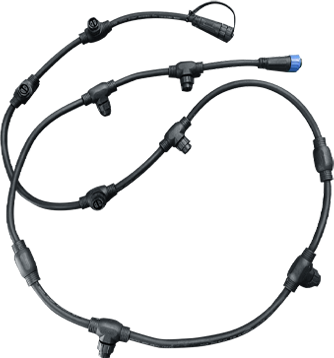
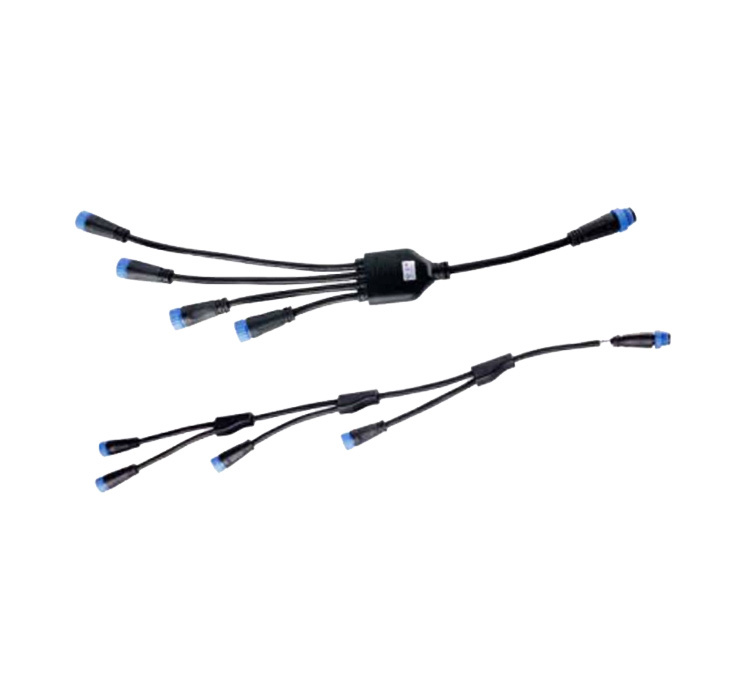
Waterproof wire harnesses play a pivotal role in the automotive industry, ensuring that electrical systems remain operational under adverse conditions. These harnesses are meticulously designed to protect sensitive wiring and connectors from moisture, dirt, and other environmental factors that could compromise vehicle performance. Our commitment to quality begins with a comprehensive understanding of both the design requirements and the manufacturing processes involved.
2. Importance of Waterproof Wire Harnesses in Automotive Applications
In today's automotive landscape, vehicles are increasingly equipped with advanced electronic systems that demand reliable connections. Waterproof wire harnesses are crucial for ensuring the longevity and functionality of these systems. By preventing water ingress, manufacturers help mitigate risks associated with short circuits, corrosion, and component failure, ultimately enhancing vehicle safety and performance.
3. Key Components of a Waterproof Wire Harness
3.1 Wires and Conductors
The core of any wire harness is the wire itself, which facilitates electrical transmission. For waterproof applications, we use high-quality copper wires coated with specialized insulation materials to prevent degradation.
3.2 Insulation Materials
Insulation is vital for protecting wires from environmental factors. Common insulation materials include PVC, XLPE, and elastomeric compounds. The choice of insulation affects not only the waterproof capabilities but also the flexibility and heat resistance of the harness.
3.3 Connectors and Terminals
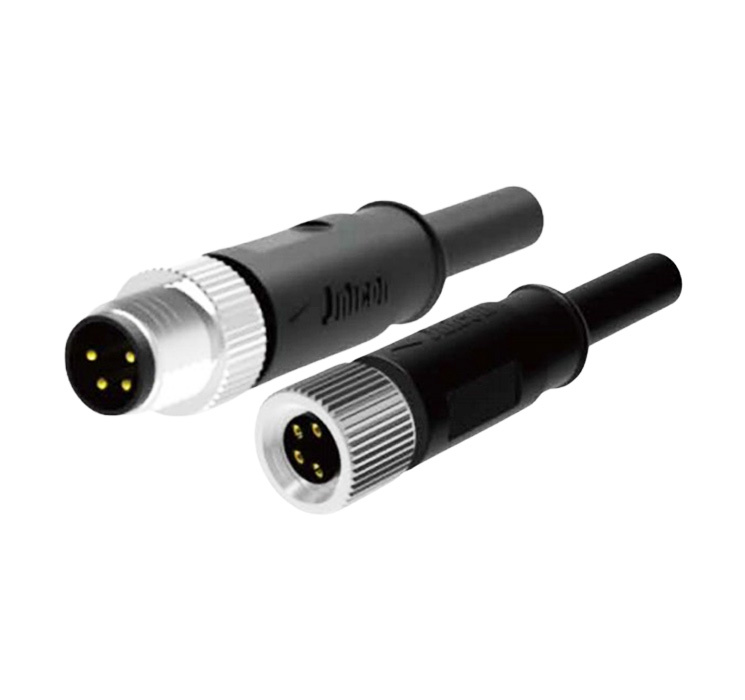
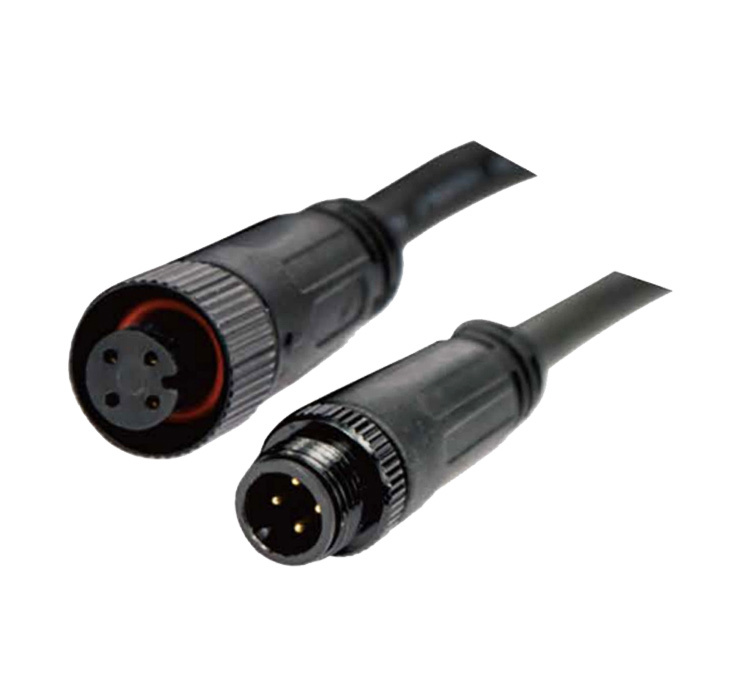
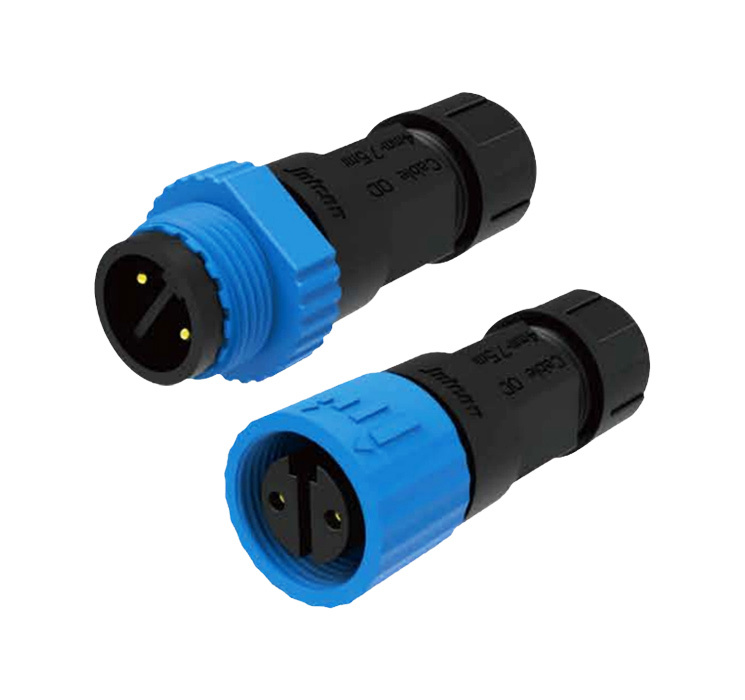
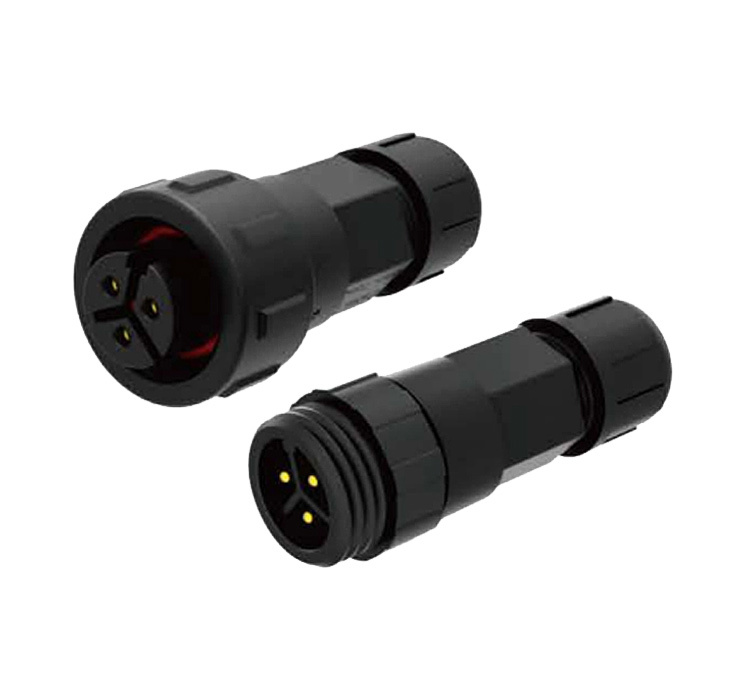
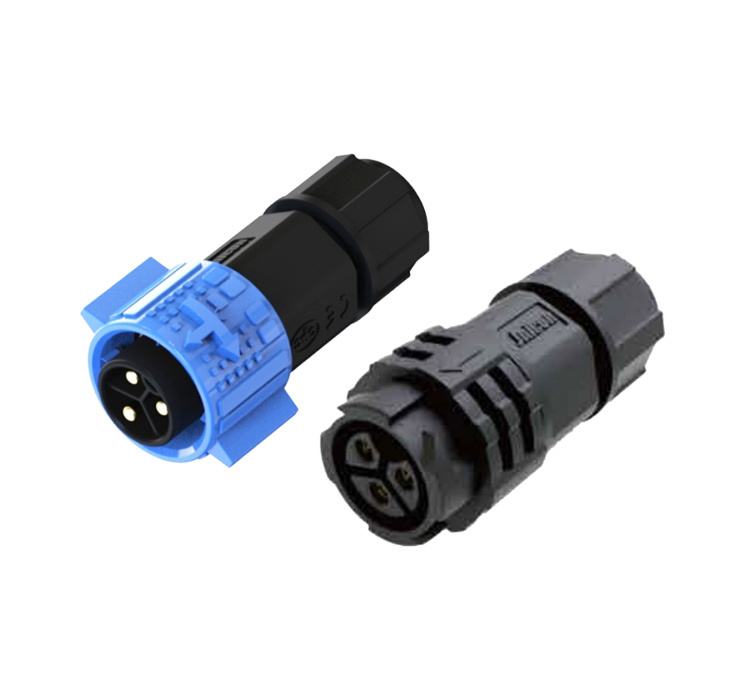
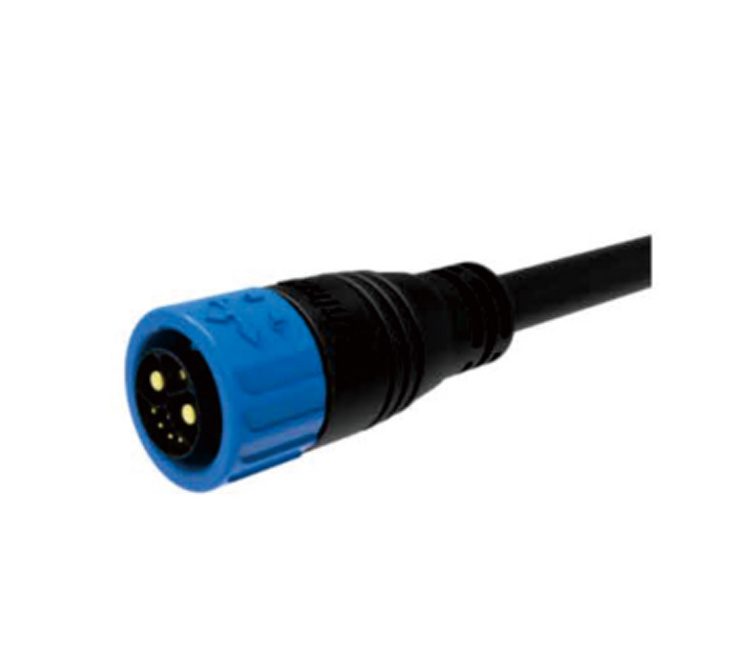
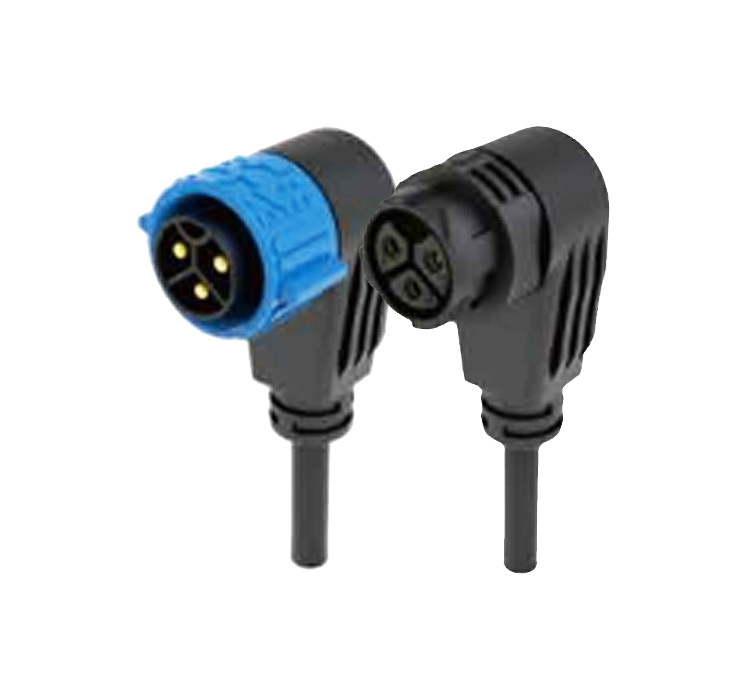
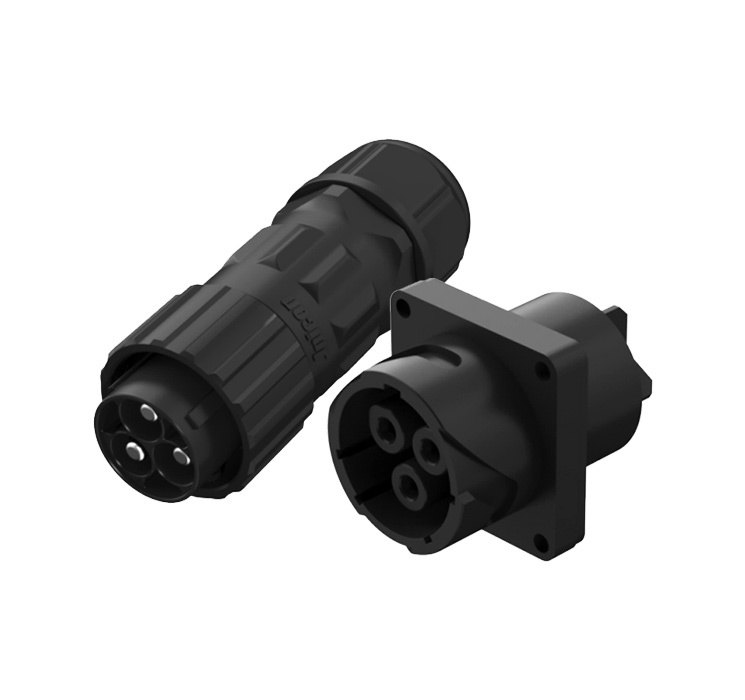
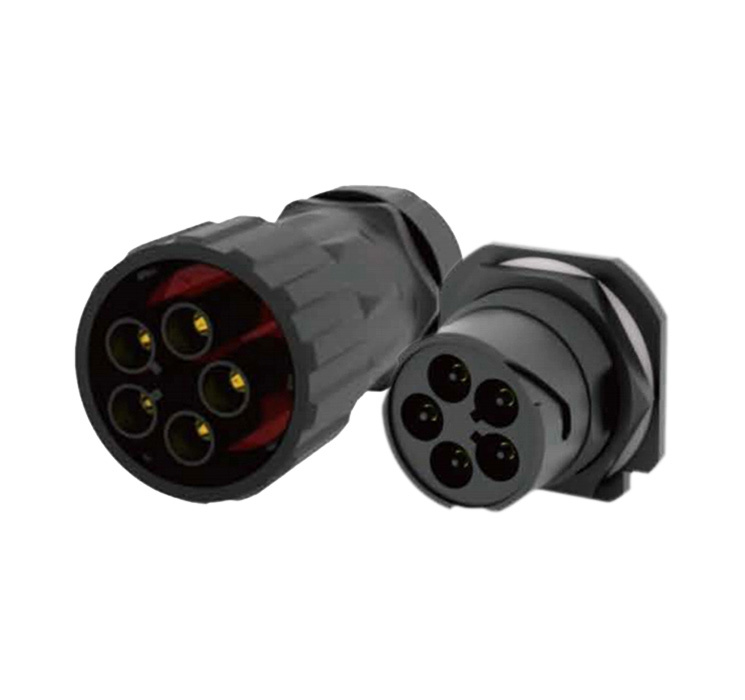
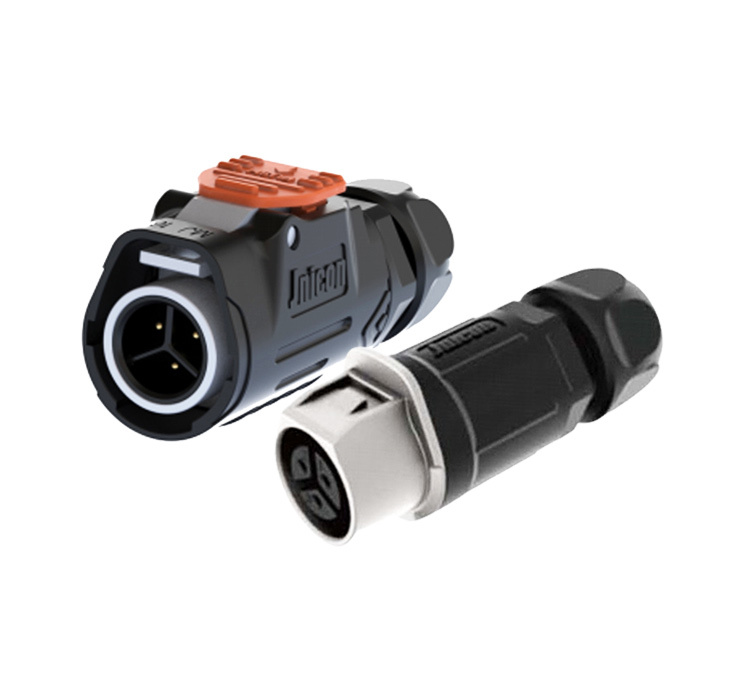
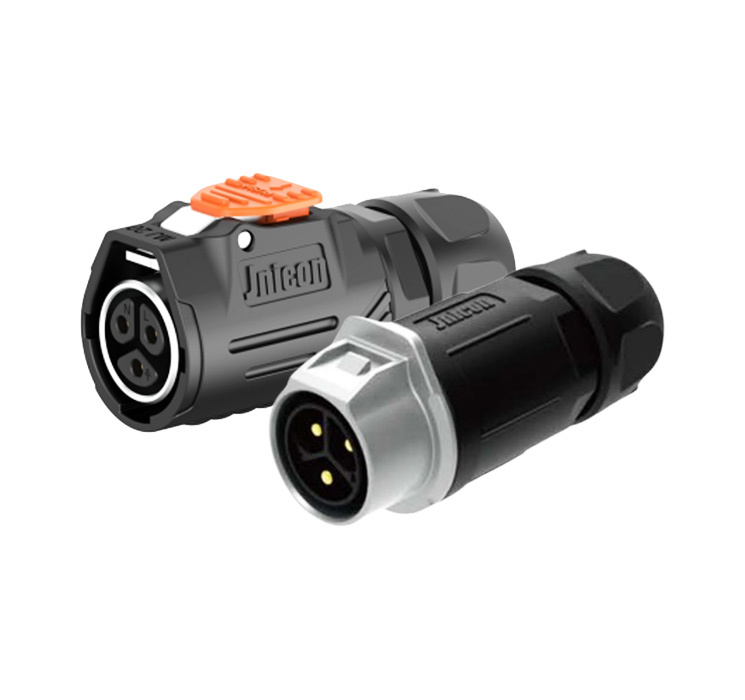
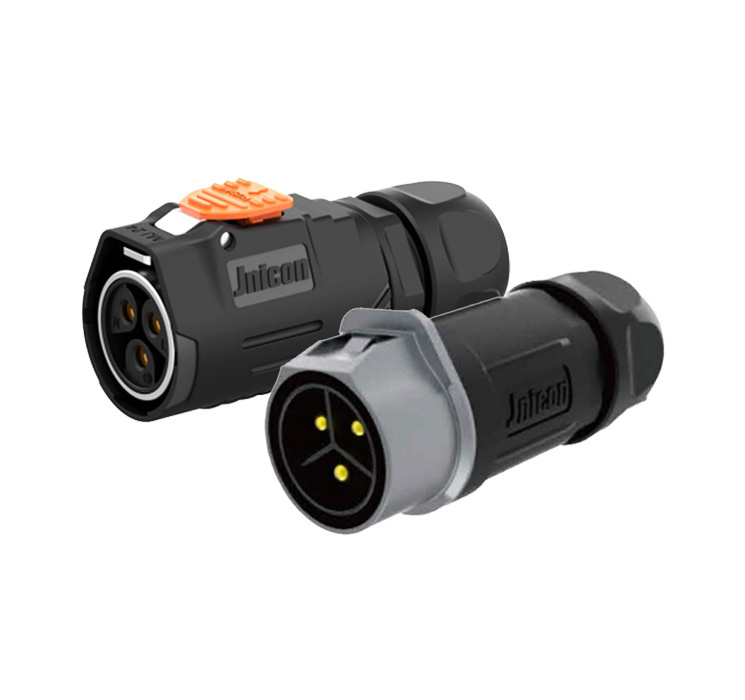
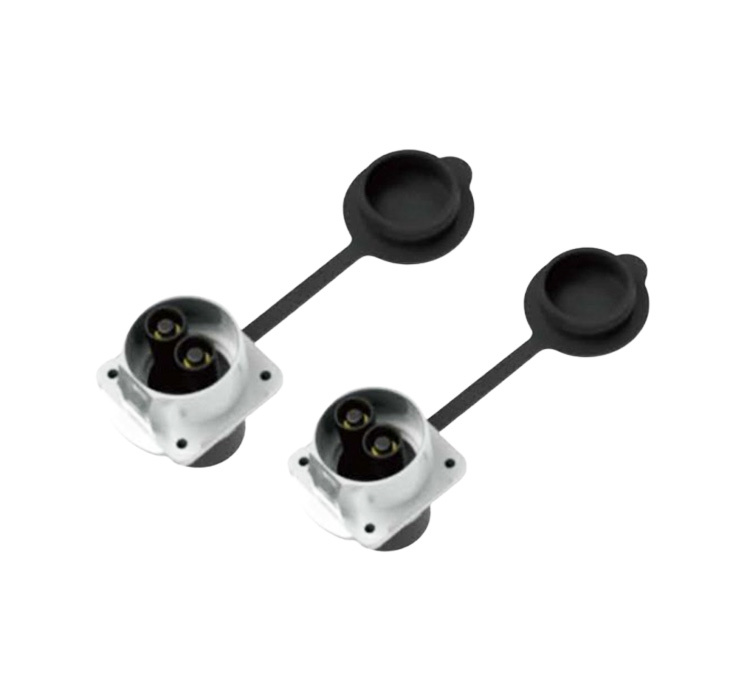
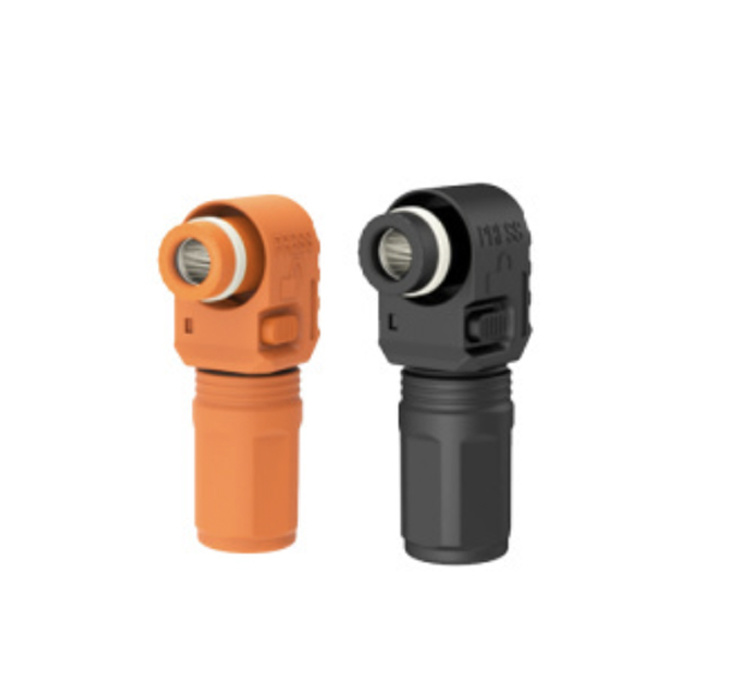
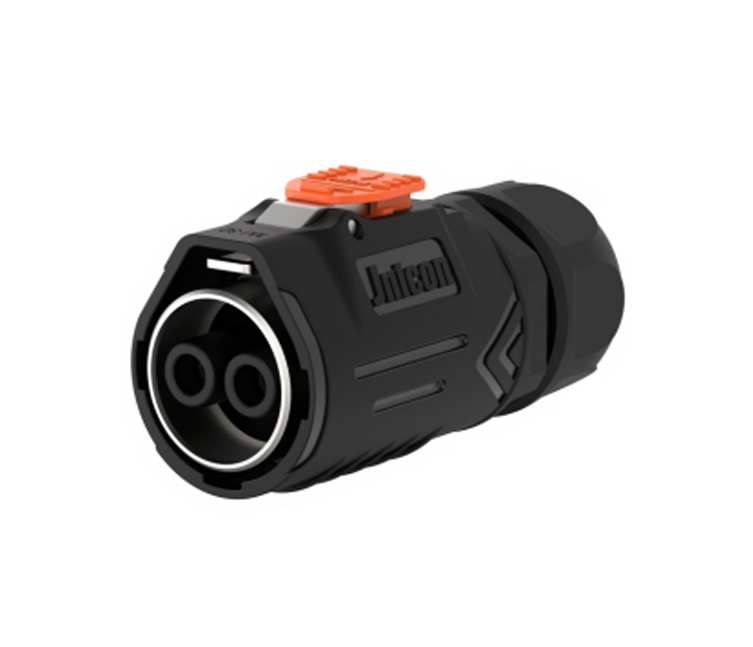
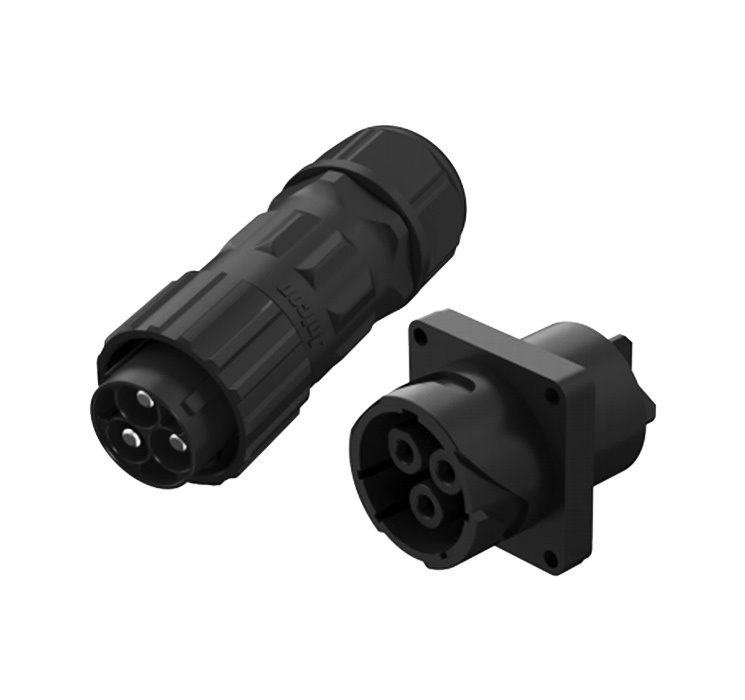
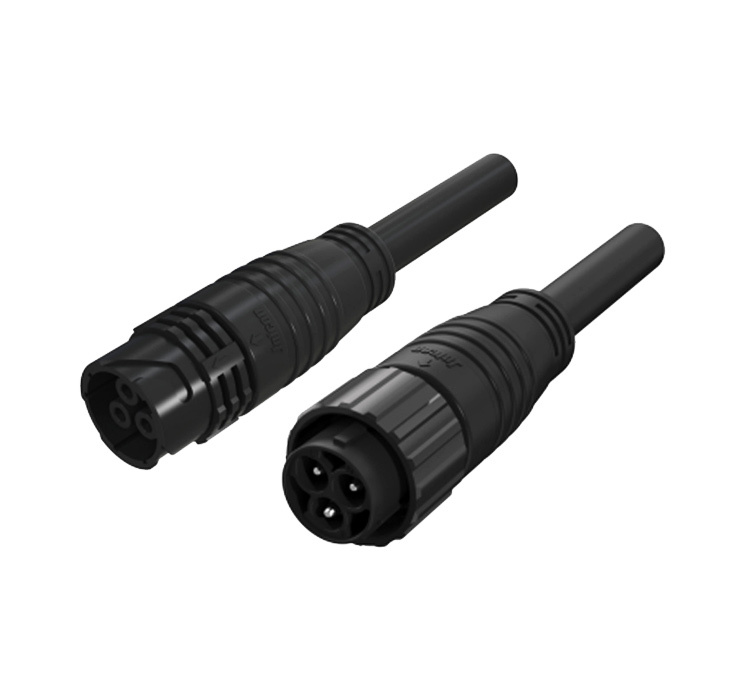
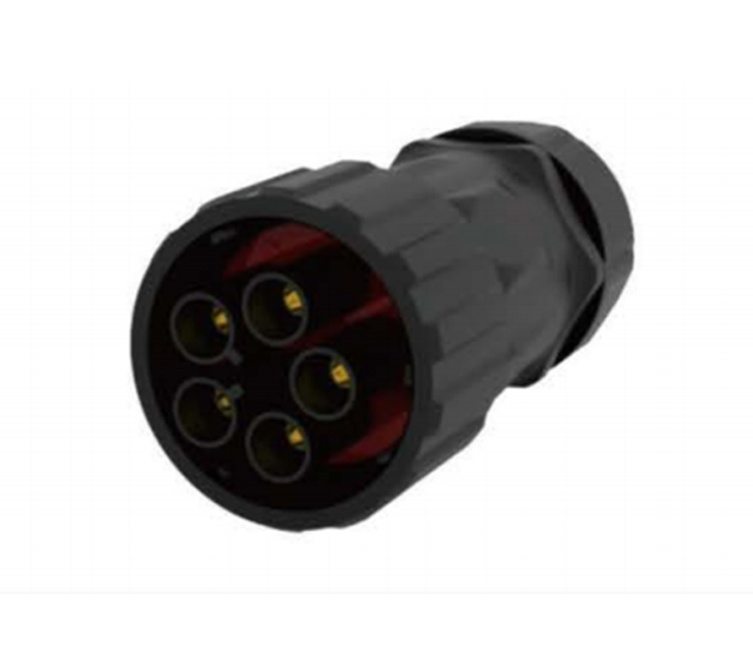
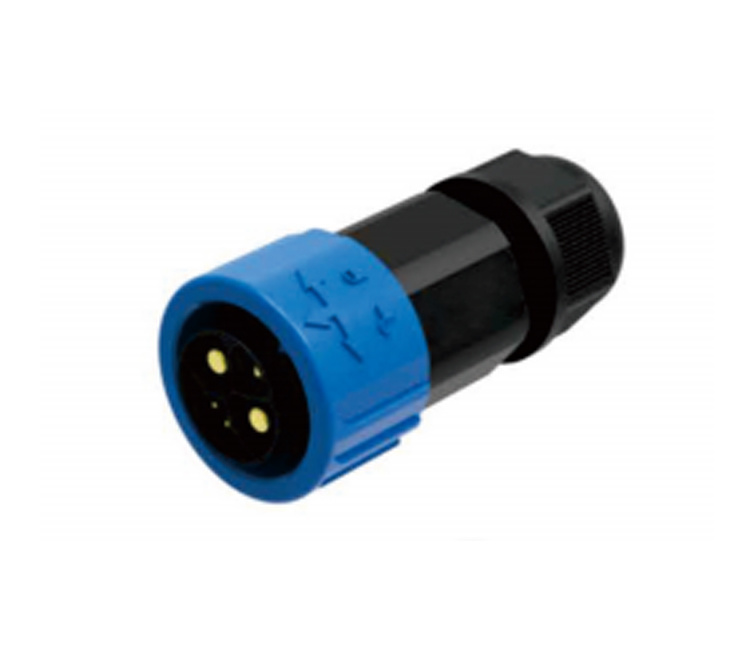
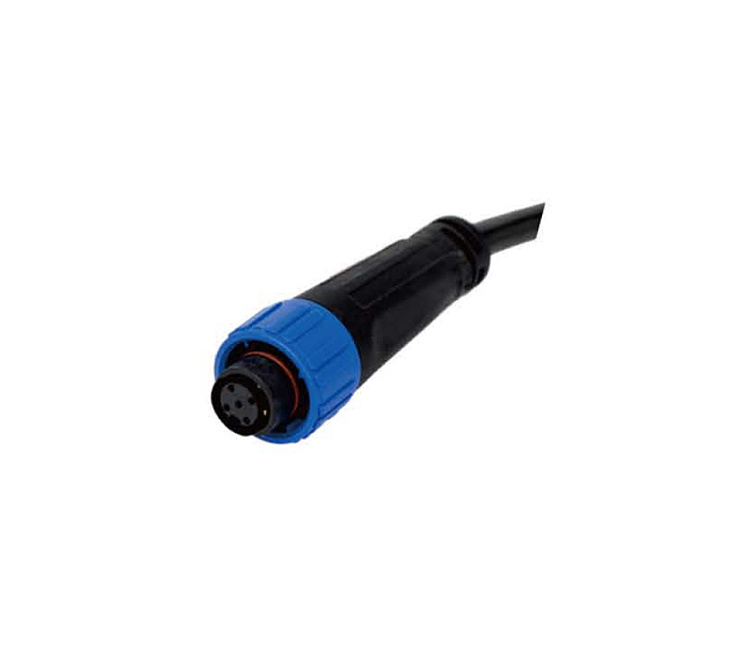
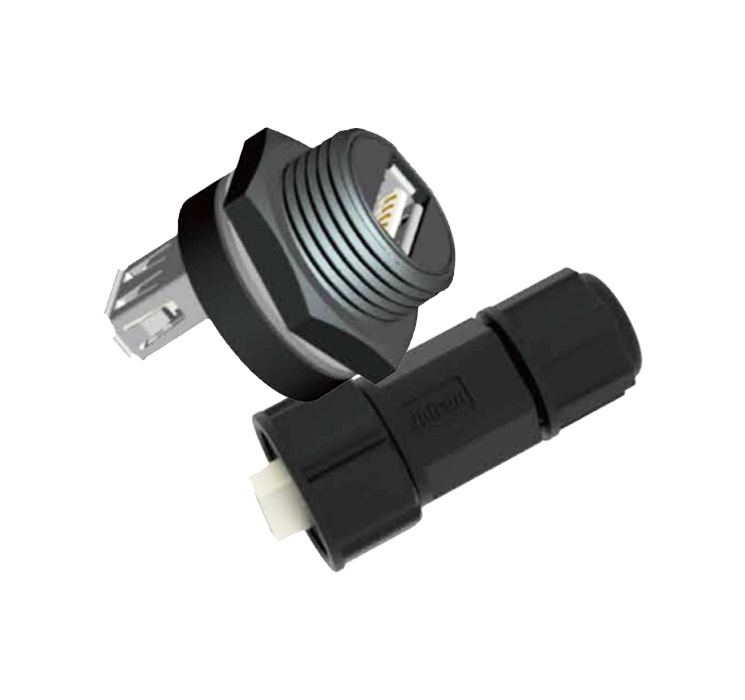
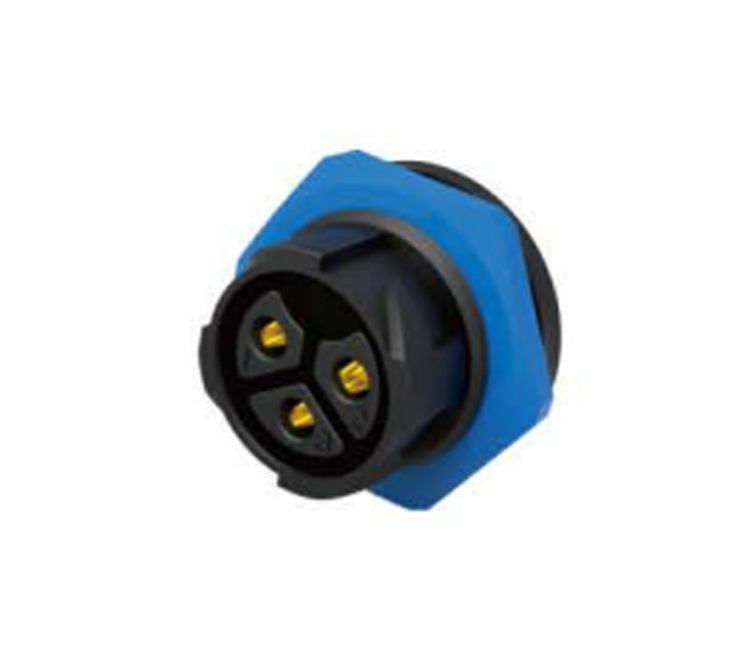
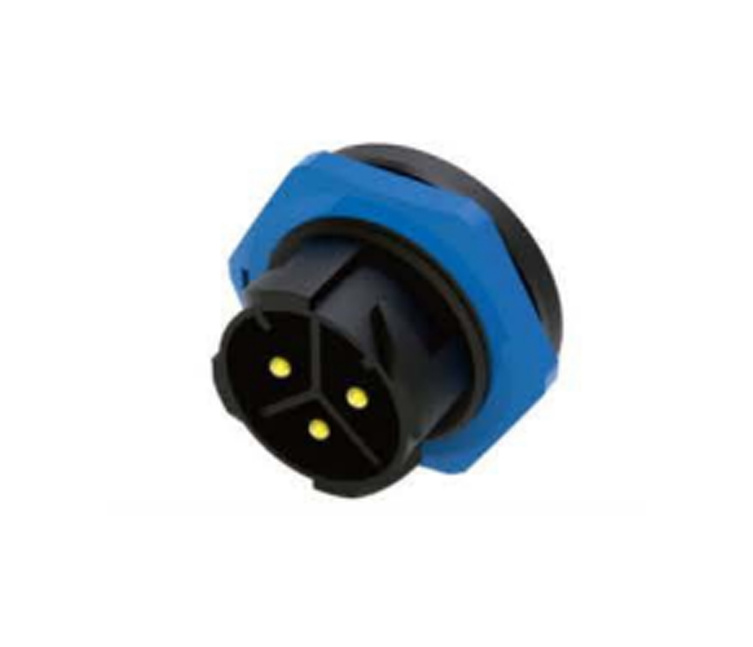
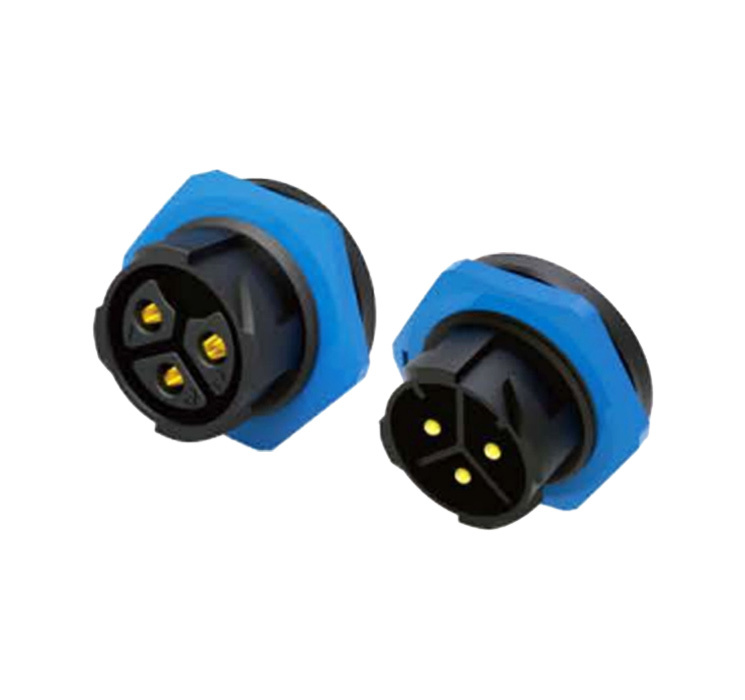
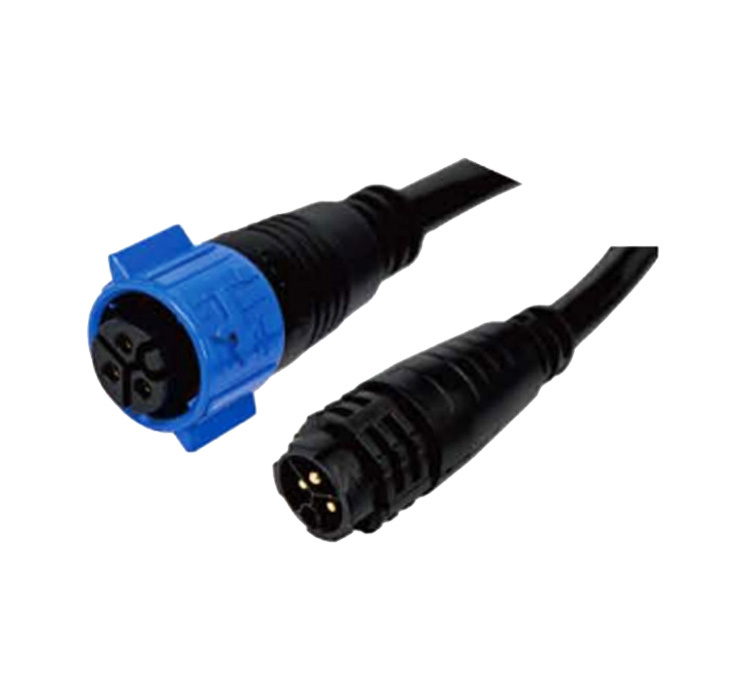
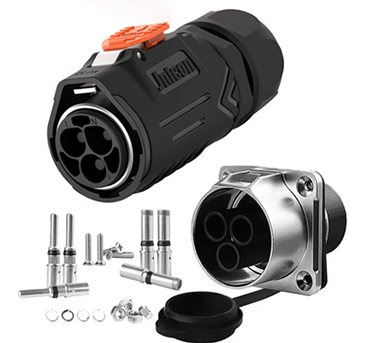
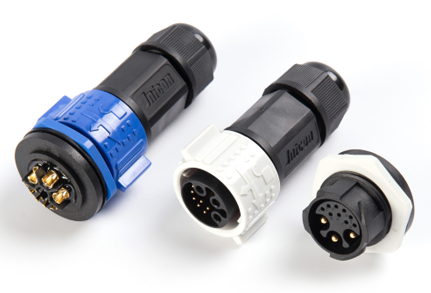
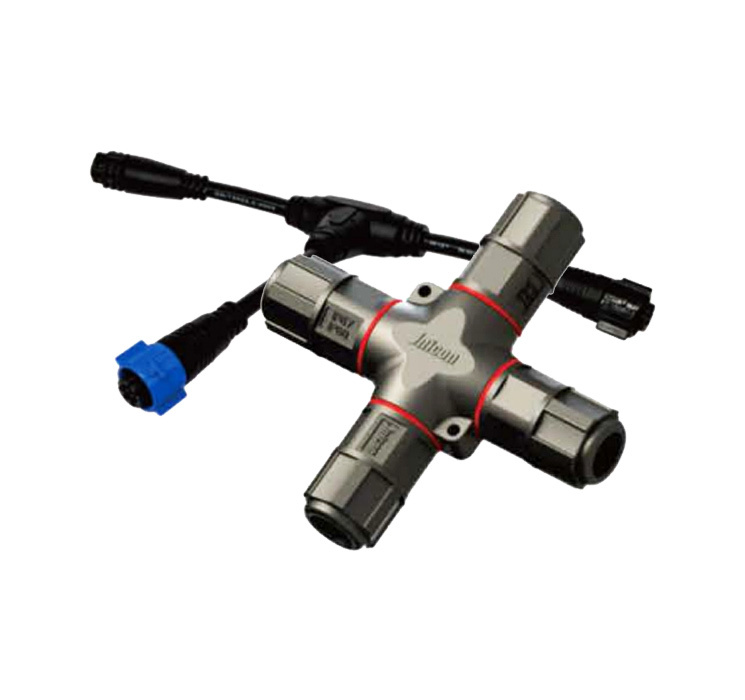
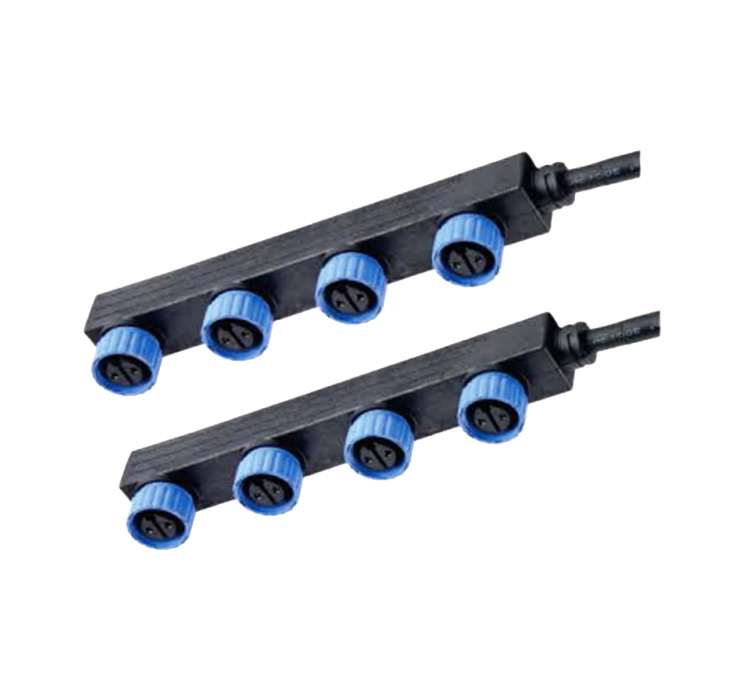
Connectors and terminals must be designed for durability and corrosion resistance. Our selection includes sealed connectors that provide an additional layer of protection against moisture and contaminants, ensuring reliable connections throughout the harness's life.
4. The Design Phase: Turning Concepts into Reality
4.1 Initial Concept Development
The design phase begins with understanding customer requirements and application specifics. Collaborating closely with engineers, we define the necessary specifications, including wire gauge, connector types, and environmental ratings.
4.2 Computer-Aided Design (CAD) Modeling
After gathering requirements, the design team utilizes CAD software to create detailed models of the wire harness. This digital representation allows for precise planning of wire lengths, positioning of connectors, and overall assembly layout, ensuring optimal functionality.
5. Material Selection for Durability and Performance
Choosing the right materials is crucial for the performance and longevity of waterproof wire harnesses. We consider factors such as temperature extremes, exposure to chemicals, and mechanical stress when selecting materials. Our team conducts rigorous evaluations to identify the best combinations that meet industry standards.
6. Manufacturing Process of Waterproof Wire Harnesses
6.1 Preparation and Cutting of Wires
The manufacturing process begins with the preparation and cutting of wires to the specified lengths. Precision cutting machines ensure accuracy and minimize waste, setting the stage for the next steps in the assembly process.
6.2 Crimping and Connecting Components
Following wire preparation, we proceed to crimping, where connectors are securely attached to the wires. This process is critical, as a poor crimp can lead to connectivity issues. We utilize automated crimping machines to guarantee consistency and quality across each harness.
6.3 Insulation and Sealing Techniques
To achieve waterproofing, we employ various insulation and sealing techniques, including heat shrink tubing and potting compounds. These methods ensure that every connection is effectively sealed against moisture and contaminants, enhancing the harness's durability.
7. Testing and Quality Assurance
7.1 Functionality Testing
Once the wire harness is assembled, we conduct extensive functionality tests. This involves checking electrical continuity, verifying connections, and ensuring that all components operate as intended under simulated conditions.
7.2 Environmental Testing
Environmental testing is crucial in determining a wire harness's resilience. We expose harnesses to extreme temperatures, humidity, and corrosion factors to assess performance under real-world conditions. This rigorous testing ensures that our products meet or exceed industry standards for waterproof capabilities.
8. Conclusion
The manufacturing process of waterproof wire harnesses is a complex journey that involves meticulous planning, material selection, and rigorous testing. By adhering to industry best practices and employing innovative technologies, we ensure that our waterproof wire harnesses provide unmatched reliability and performance in automotive applications. Understanding each step of this process not only enhances our product offerings but also reinforces our commitment to quality and durability in every wire harness we produce.
9. FAQs
1. What are waterproof wire harnesses used for?
Waterproof wire harnesses are primarily used in automotive applications to protect electrical connections from moisture, dirt, and other environmental factors, ensuring reliable functionality.
2. How does the manufacturing process ensure waterproofing?
The manufacturing process incorporates insulation materials, sealing techniques, and rigorous testing to create a barrier against moisture, preventing damage to the electrical components.
3. What materials are commonly used in waterproof wire harnesses?
Common materials include copper for wires, PVC or XLPE for insulation, and sealed connectors designed to withstand harsh environments.
4. Why is quality testing important in wire harness manufacturing?
Quality testing ensures that wire harnesses function correctly and meet safety standards, reducing the risk of electrical failures and enhancing the overall reliability of the product.
5. Can waterproof wire harnesses be customized to specific applications?
Yes, waterproof wire harnesses can be customized based on specific requirements, including wire lengths, connector types, and insulation materials to suit various automotive applications.
News
2026-10-18
How Industrial Power Connectors Transform Energy Distribution Systems
How Industrial Power Connectors Transform Energy Distribution Systems Table of Contents 1. Introduction to Industrial Power Connectors 2. The Importance of Power Connectors in Energy Distribution 3. Types of Industrial Power Connectors 3.1 Circular Connectors 3.2 Rectangular Connectors 3.3 Heavy-Duty Connectors 4. Applications
2026-10-15
Understanding Waterproof Wire Harness: Key Features and Benefits for Automotive Applications
In the automotive industry, the functionality and longevity of electrical components are crucial for vehicle performance. One of the key components that contribute to this is the waterproof wire harness. These harnesses are specifically designed to withstand harsh environmental conditions, ensuring that the electrical systems in vehicles remain operational regardless of the weather. A waterproof w
2026-10-12
5 Pin Waterproof Connectors: Enhancing Home Automation Systems
5 Pin Waterproof Connectors: Enhancing Home Automation Systems Table of Contents Introduction to 5 Pin Waterproof Connectors Importance of Waterproof Connectors in Home Automation Key Benefits of 5 Pin Waterproof Connectors Features of 5 Pin Waterproof Connectors Material Quality Design and Build Applications of 5 Pin Waterproof C

B8-9, Fubilun industrial park, Chaoyang rd,Yanchuan community, Songgang, Shenzhen, China


