


Understanding Waterproof Cables: Essential Knowledge for Electrical Professionals
Release Time:
2026-03-07
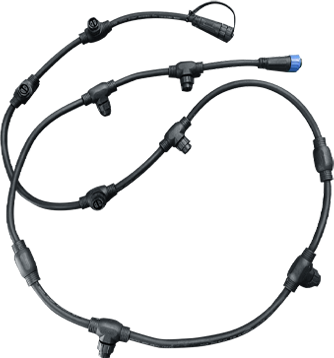
One of the primary advantages of waterproof cables is their ability to protect against corrosion and short circuits caused by water ingress. The materials used for insulation and sheathing are often selected for their water-resistant properties, allowing these cables to operate effectively even in wet conditions. Additionally, waterproof cables are typically designed to withstand various environmental factors such as UV rays, temperature fluctuations, and mechanical stress, making them ideal for outdoor use.
When choosing waterproof cables, professionals should consider several factors, including the cable's IP (Ingress Protection) rating. The IP rating indicates the level of protection the cable offers against the intrusion of solids and liquids. For instance, a cable with an IP67 rating can be submerged in water up to one meter for a limited time without sustaining damage. This level of protection is crucial for applications in areas prone to flooding or heavy rain.
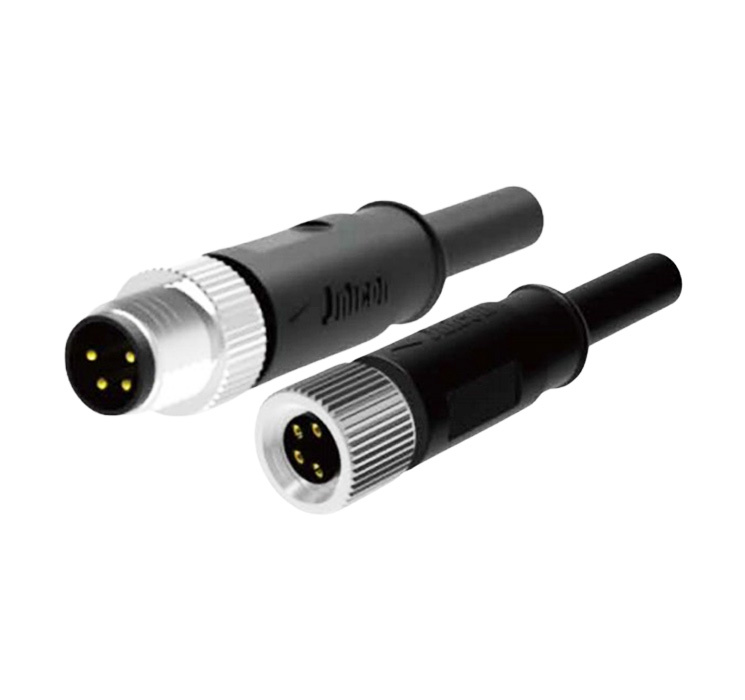
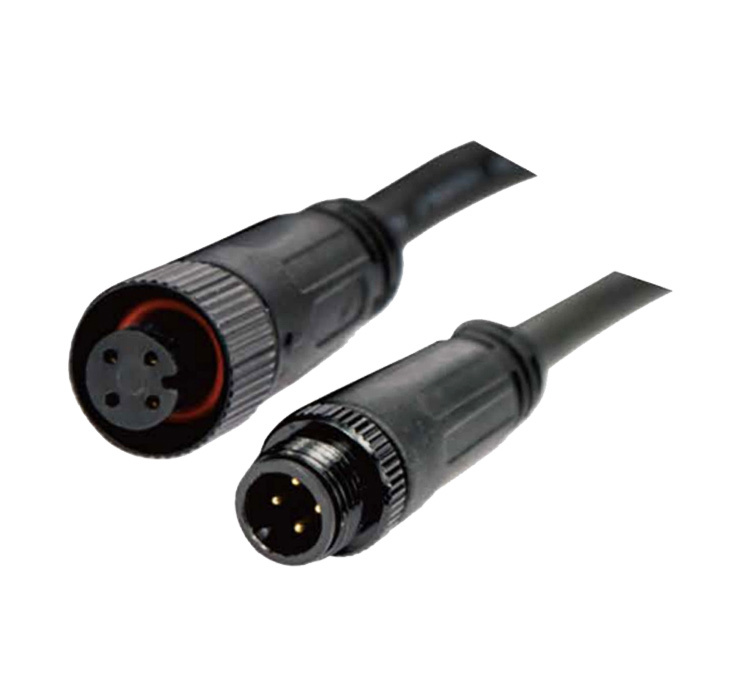
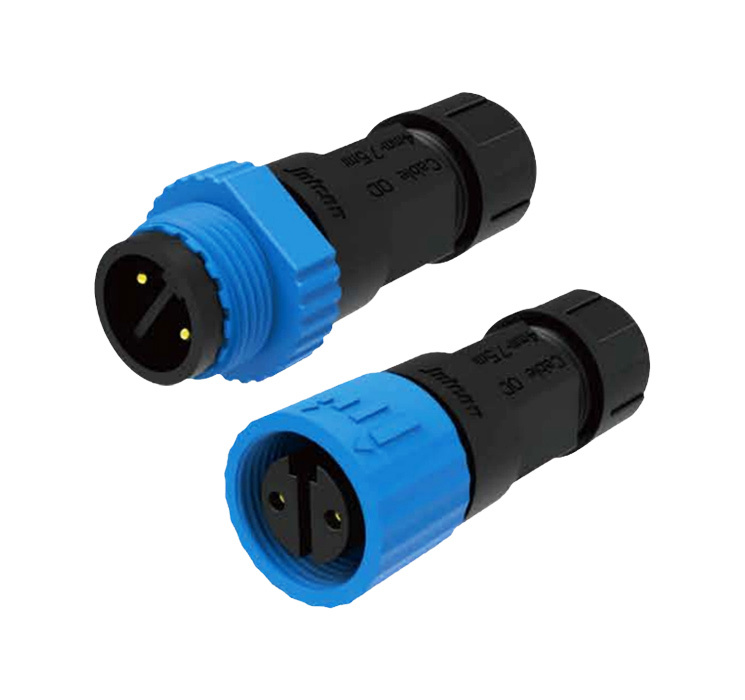
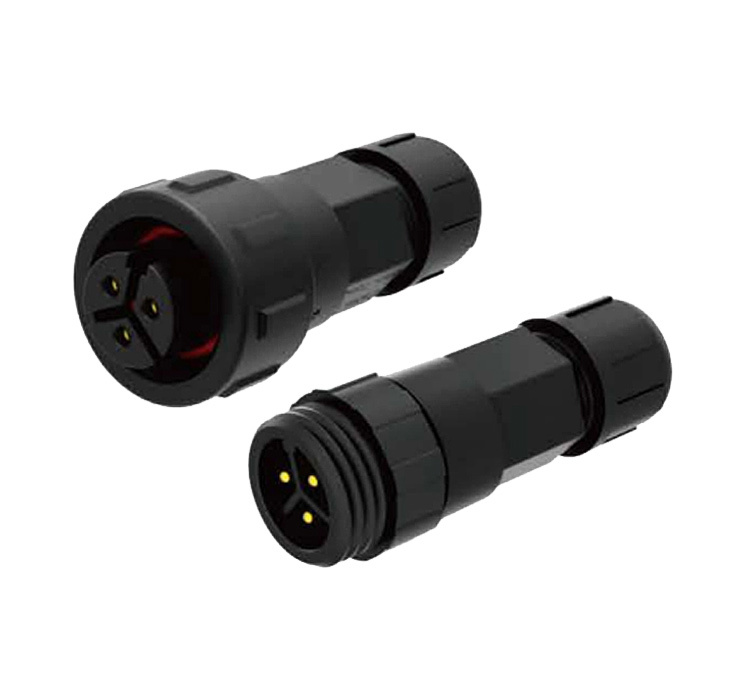
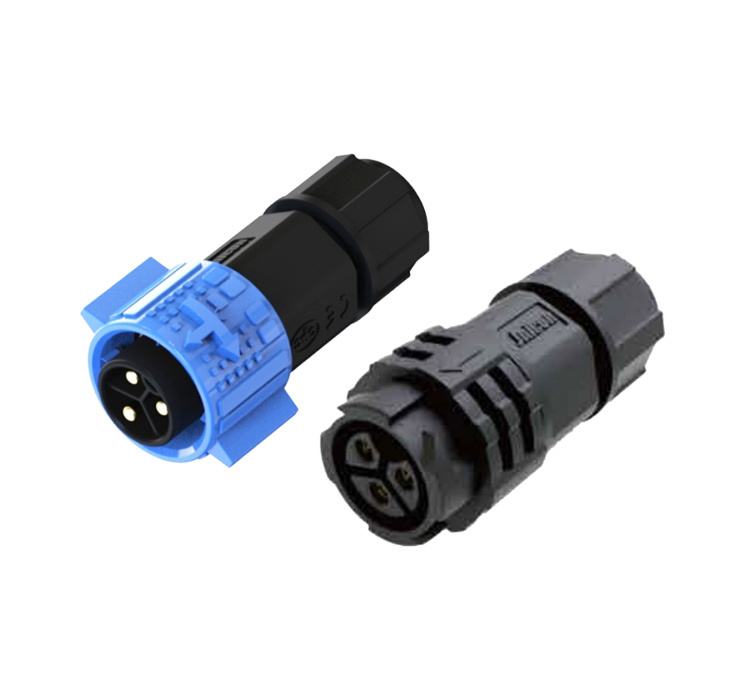
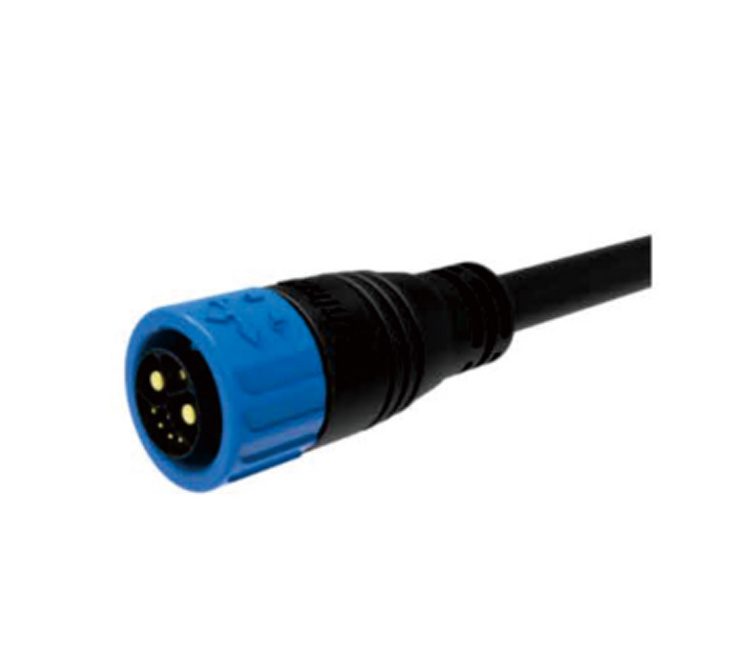
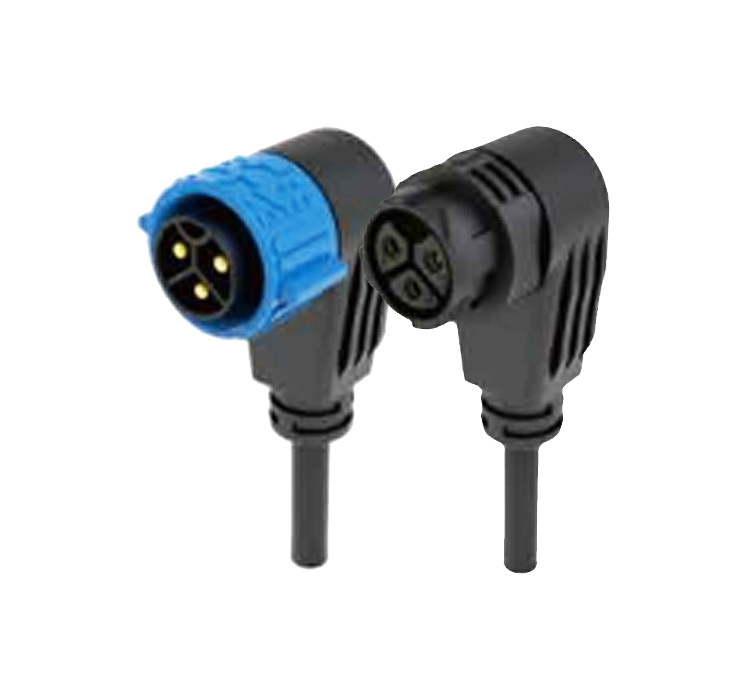
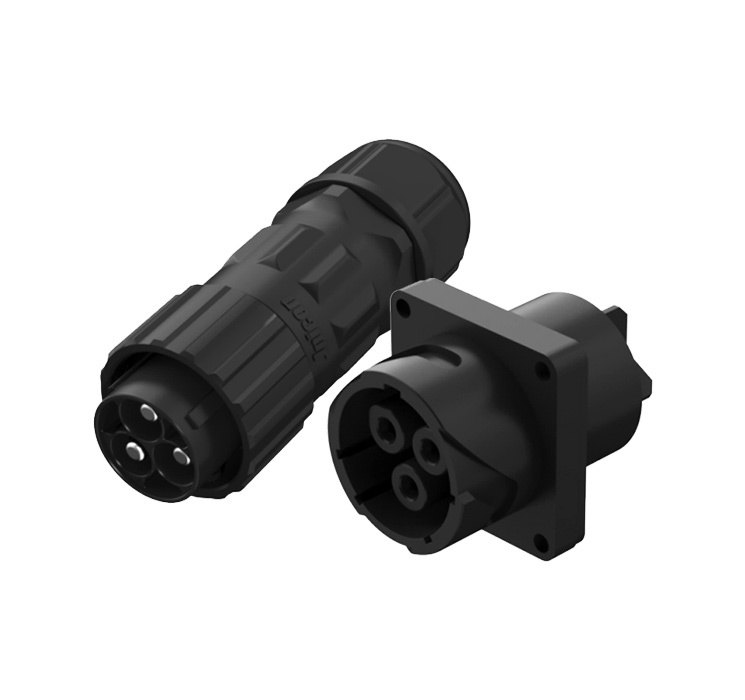
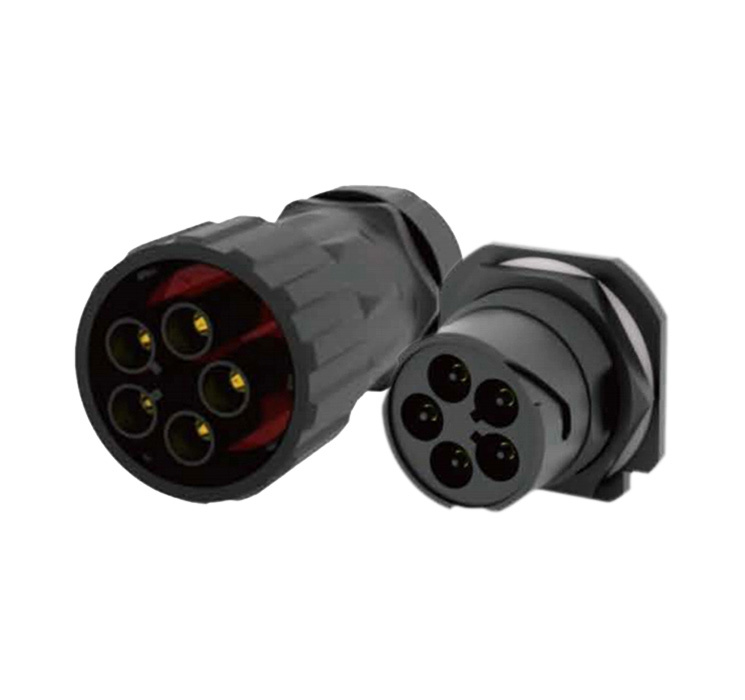
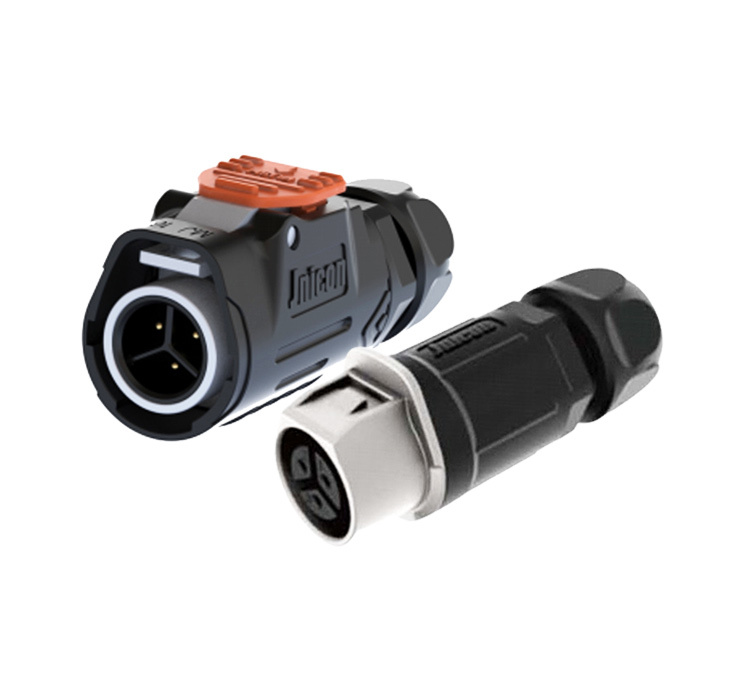
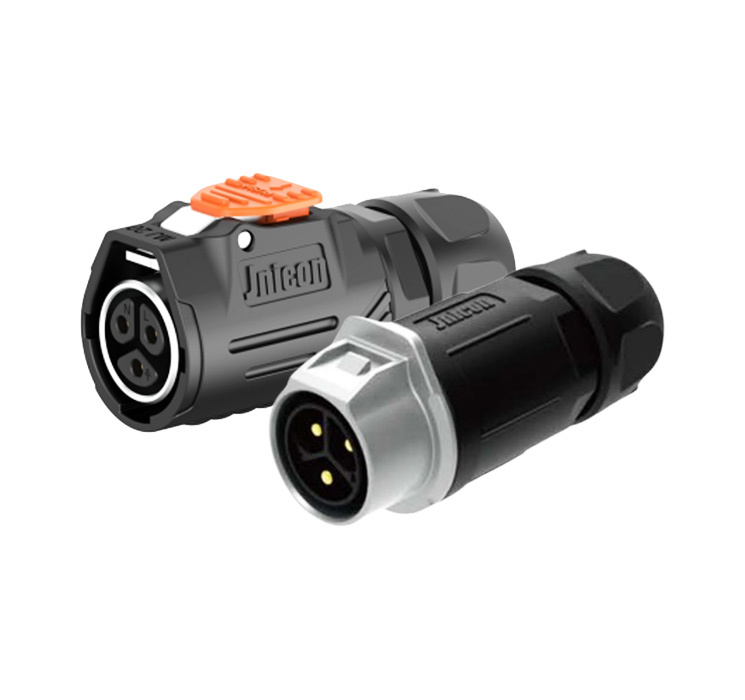
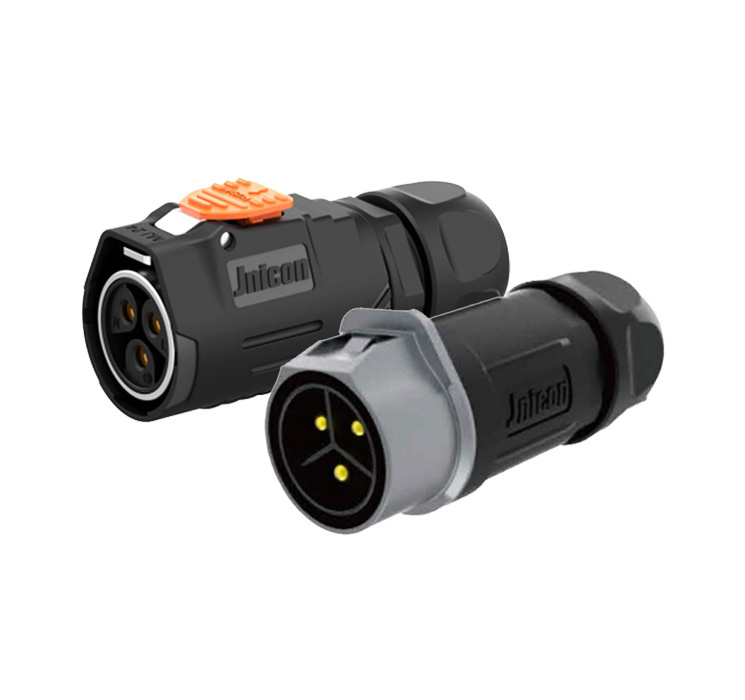
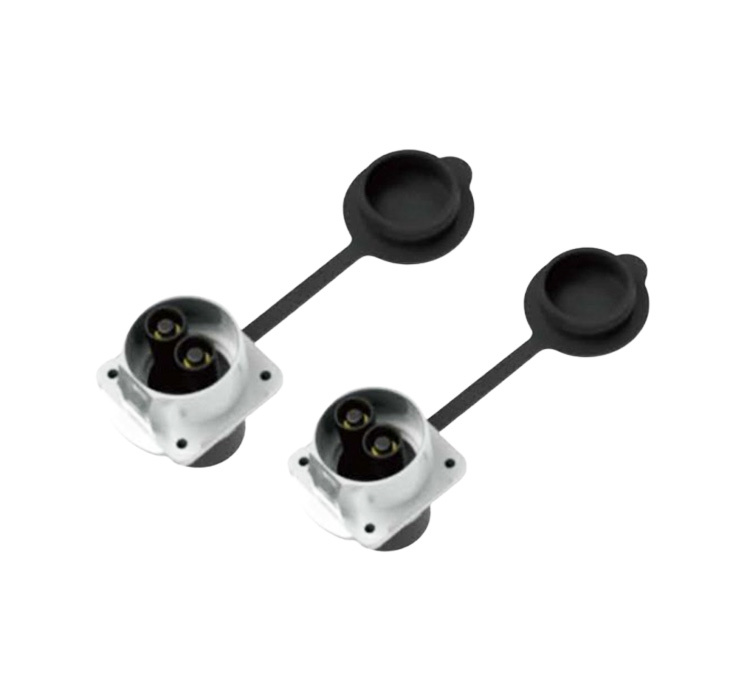
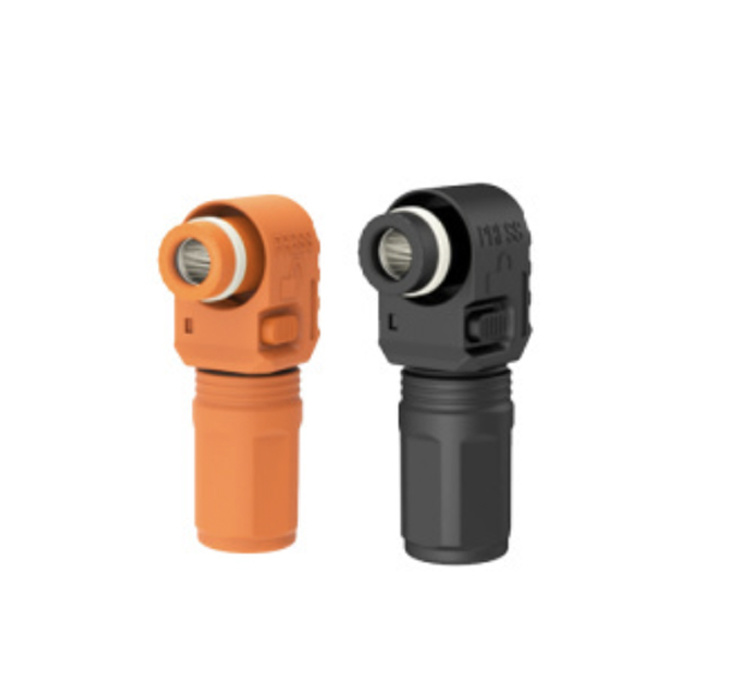
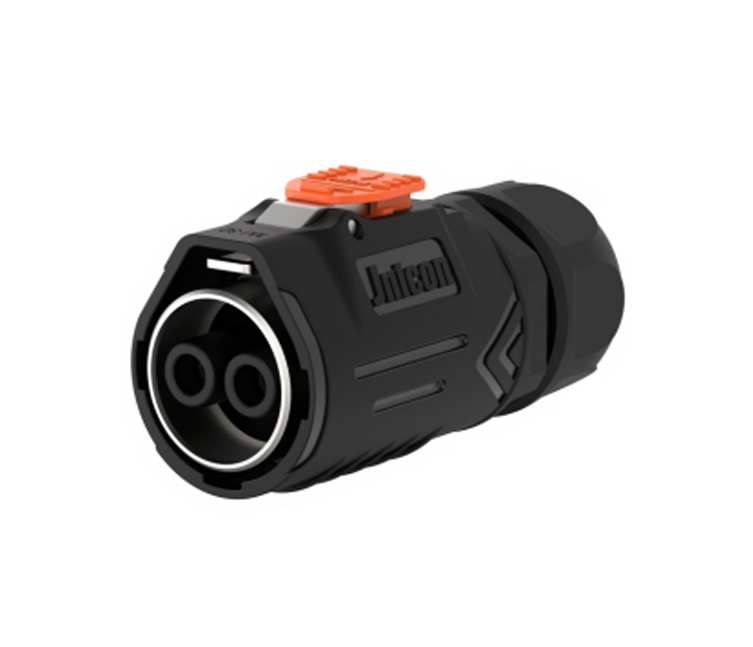
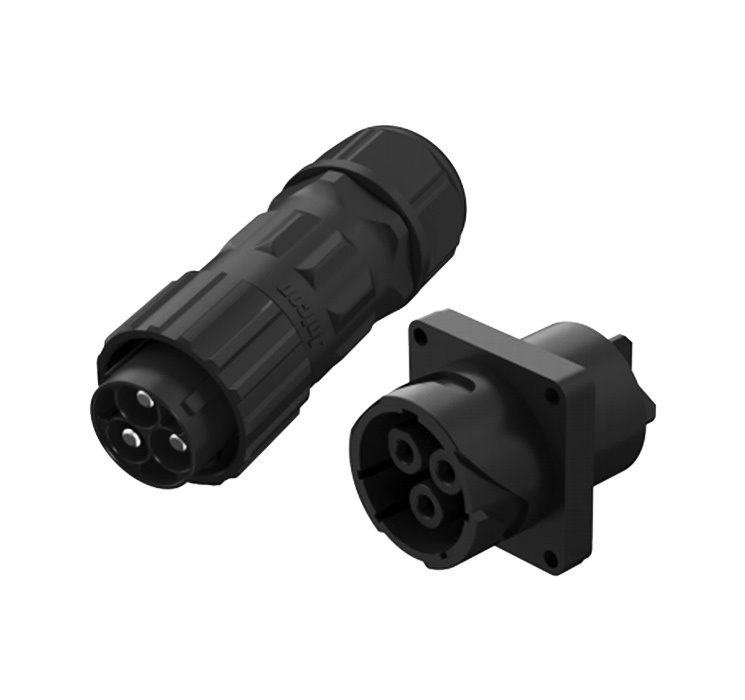
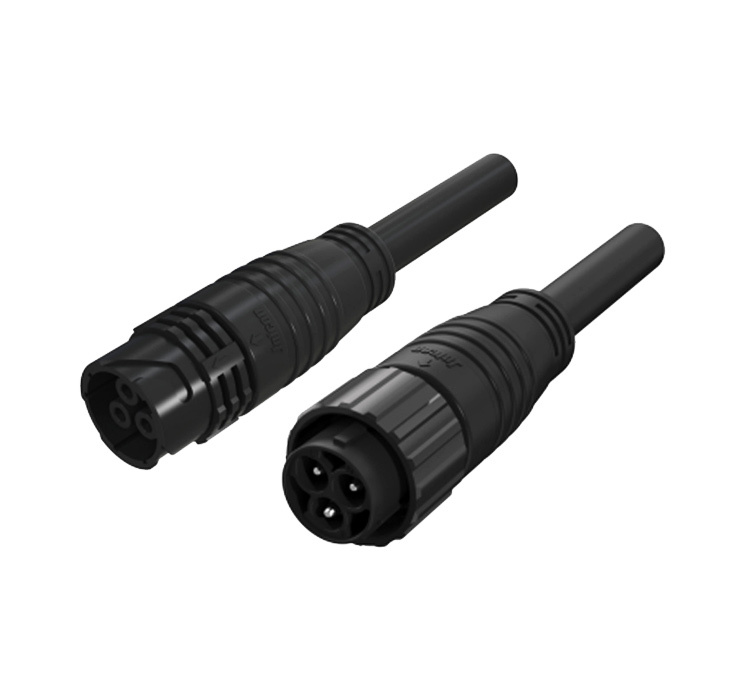
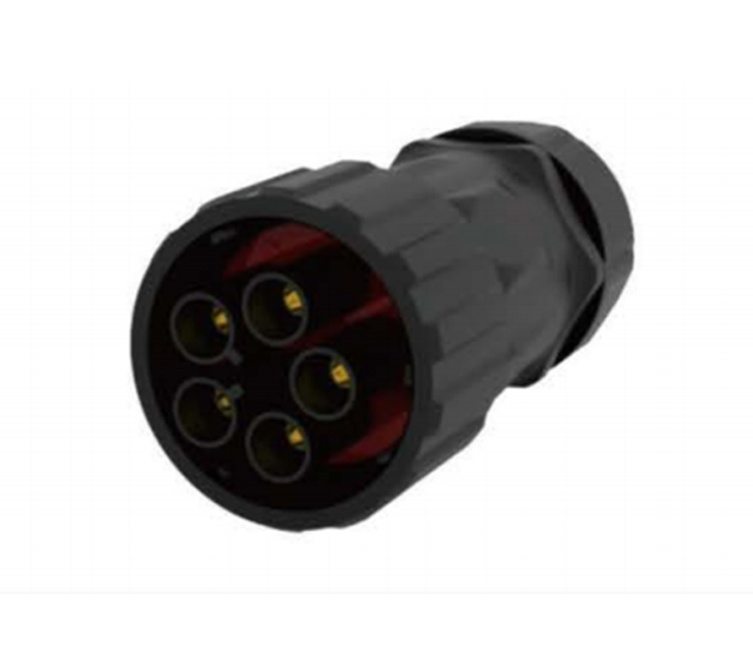
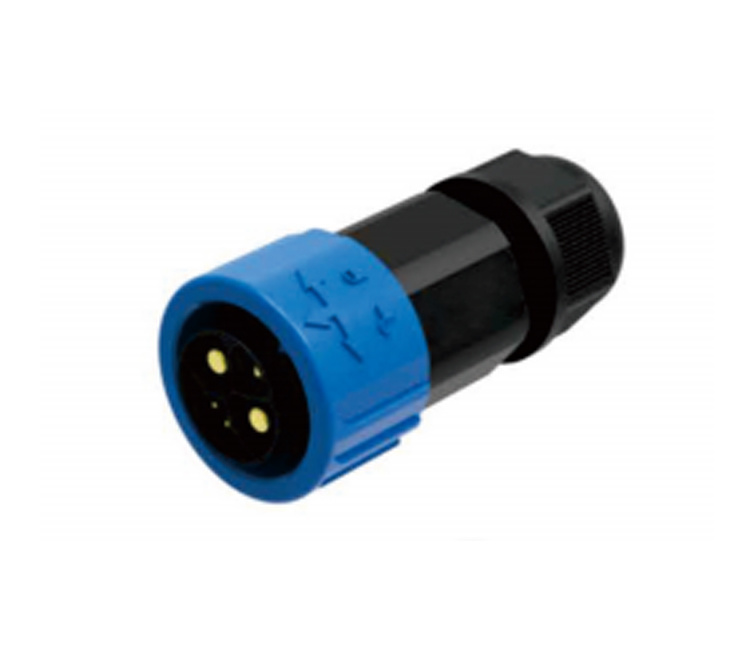
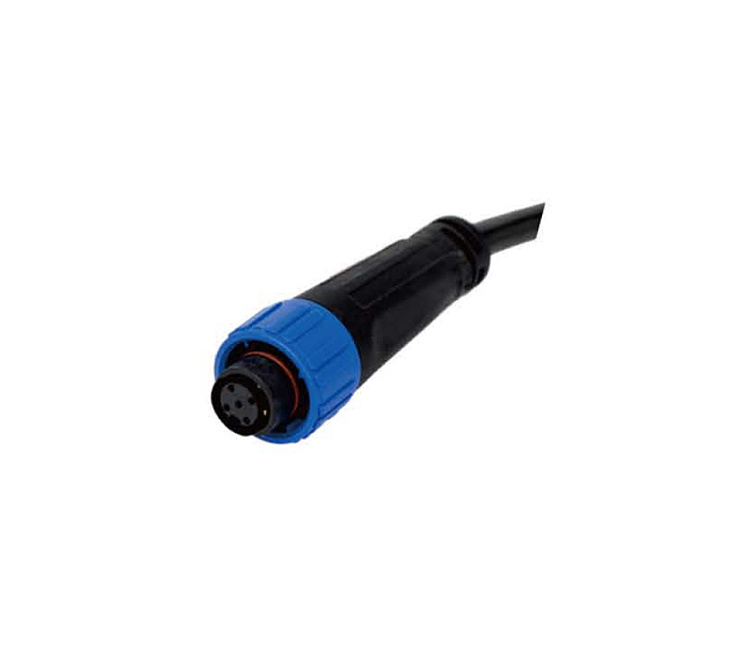
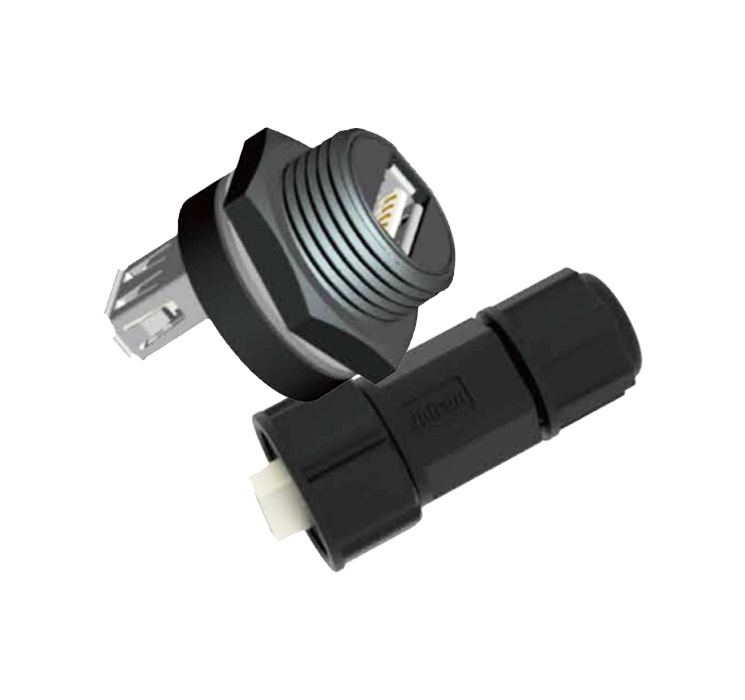
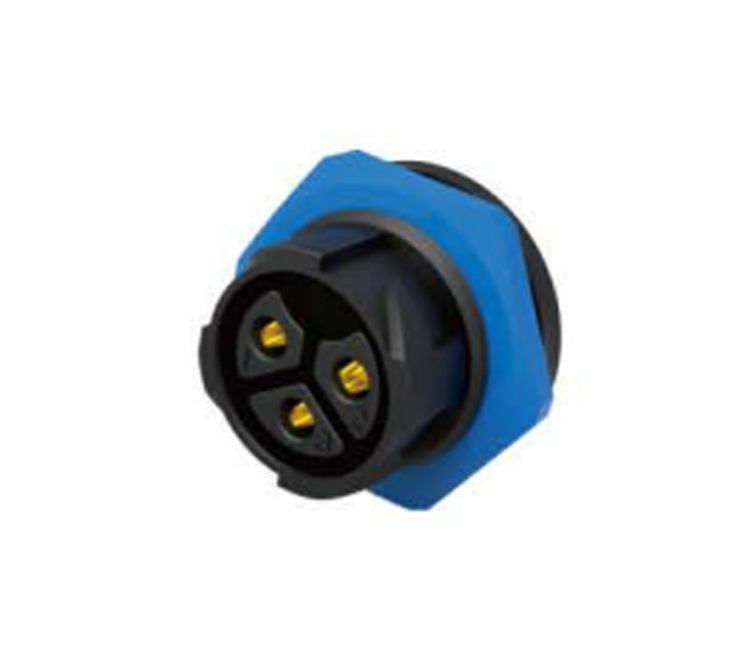
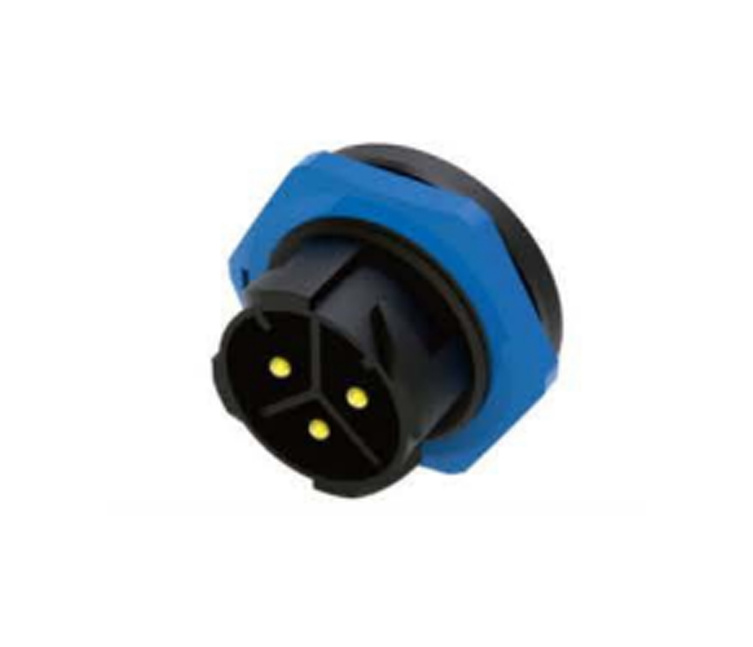
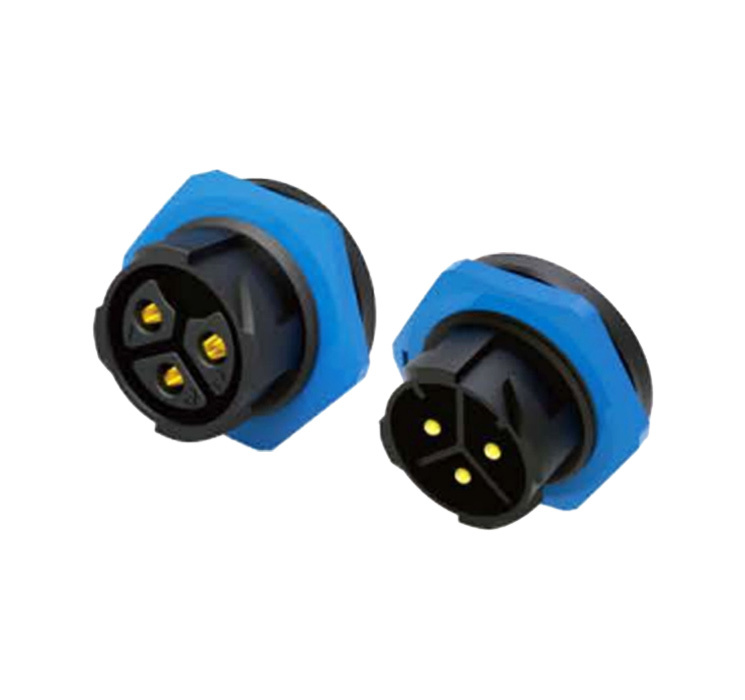
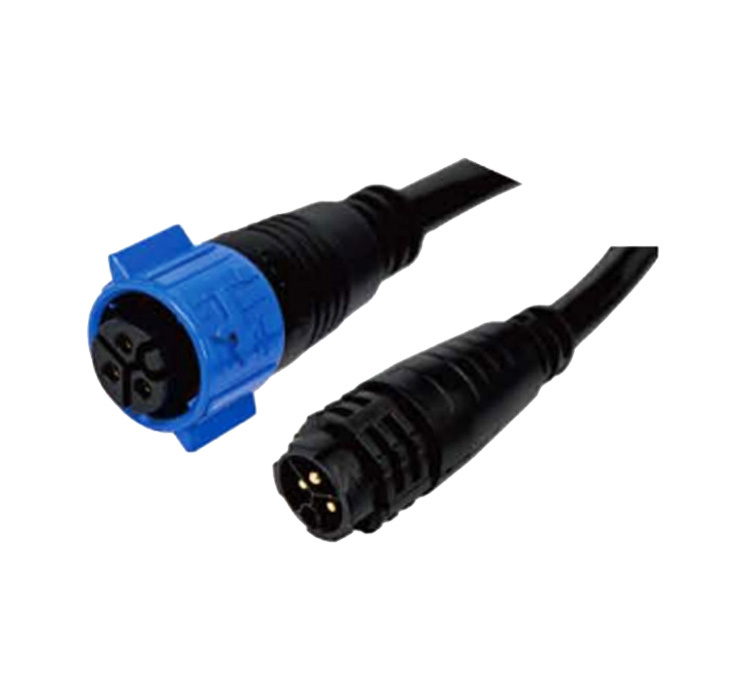
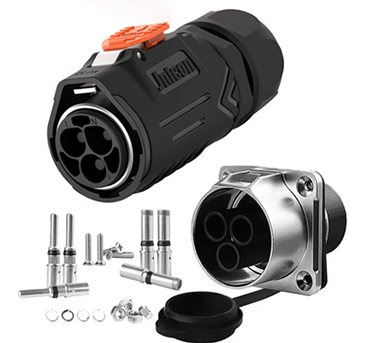
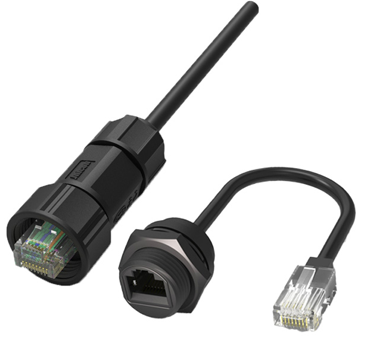
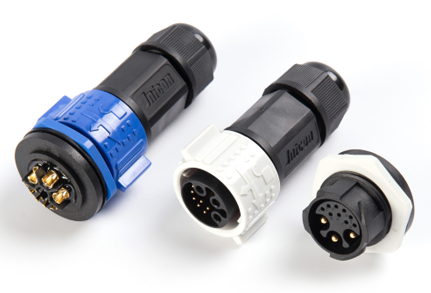
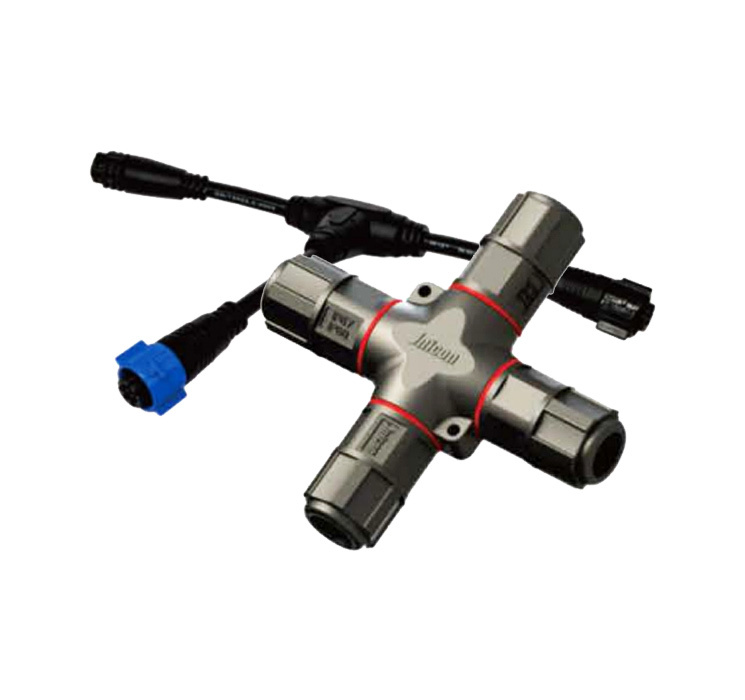
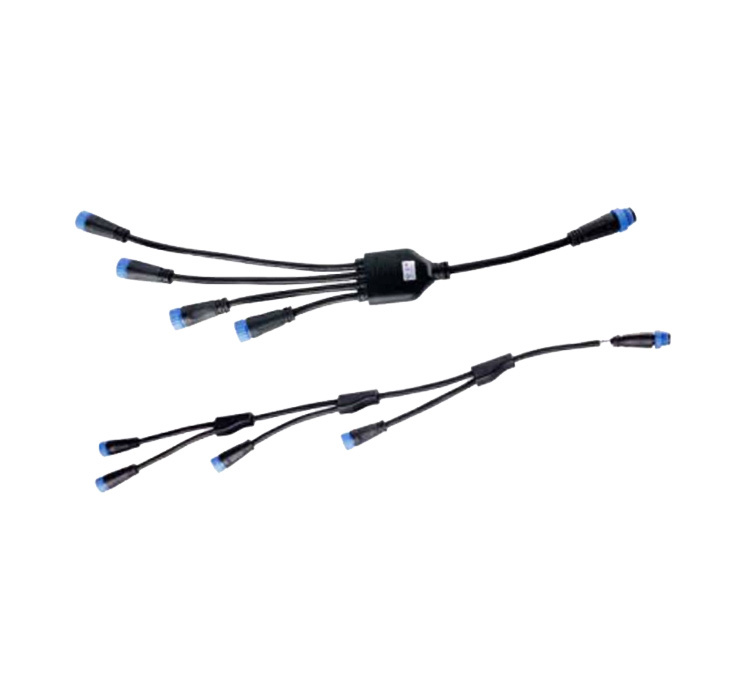
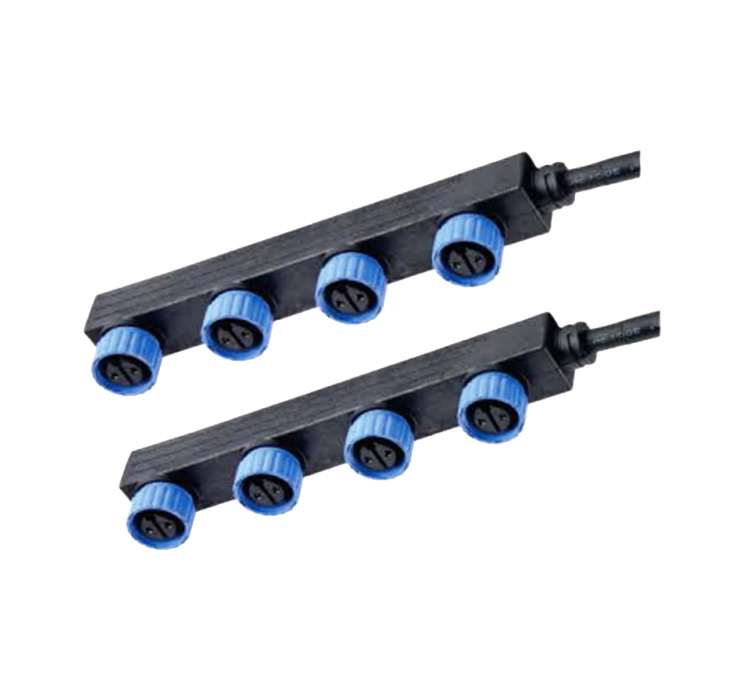
Another key aspect is the selection of appropriate connectors. Waterproof connectors should match the cable's specifications and provide a reliable seal to prevent moisture from entering the connection points. Professionals should pay attention to the connector's material and design, ensuring that they can withstand the rigors of the environment while maintaining a secure electrical connection.
It's also essential to consider the installation process when working with waterproof cables. Proper sealing techniques, such as using heat shrink tubing or silicone sealants, can further enhance the cable's waterproofing capabilities. Electrical professionals should be familiar with these techniques to ensure the longevity and reliability of their installations.
In summary, waterproof cables are indispensable in various electrical applications, particularly those exposed to water and moisture. Understanding their features, ratings, and installation practices can help electrical professionals make informed decisions that enhance the safety and reliability of their work. By prioritizing the use of waterproof cables, professionals can protect their systems from potential failures and ensure a more robust electrical infrastructure.
News
2026-10-18
How Industrial Power Connectors Transform Energy Distribution Systems
How Industrial Power Connectors Transform Energy Distribution Systems Table of Contents 1. Introduction to Industrial Power Connectors 2. The Importance of Power Connectors in Energy Distribution 3. Types of Industrial Power Connectors 3.1 Circular Connectors 3.2 Rectangular Connectors 3.3 Heavy-Duty Connectors 4. Applications
2026-10-15
Understanding Waterproof Wire Harness: Key Features and Benefits for Automotive Applications
In the automotive industry, the functionality and longevity of electrical components are crucial for vehicle performance. One of the key components that contribute to this is the waterproof wire harness. These harnesses are specifically designed to withstand harsh environmental conditions, ensuring that the electrical systems in vehicles remain operational regardless of the weather. A waterproof w
2026-10-12
5 Pin Waterproof Connectors: Enhancing Home Automation Systems
5 Pin Waterproof Connectors: Enhancing Home Automation Systems Table of Contents Introduction to 5 Pin Waterproof Connectors Importance of Waterproof Connectors in Home Automation Key Benefits of 5 Pin Waterproof Connectors Features of 5 Pin Waterproof Connectors Material Quality Design and Build Applications of 5 Pin Waterproof C

B8-9, Fubilun industrial park, Chaoyang rd,Yanchuan community, Songgang, Shenzhen, China


