


What Makes Marine Electrical Connectors Waterproof? Key Features Explained
Release Time:
2026-03-08
What Makes Marine Electrical Connectors Waterproof? Key Features Explained
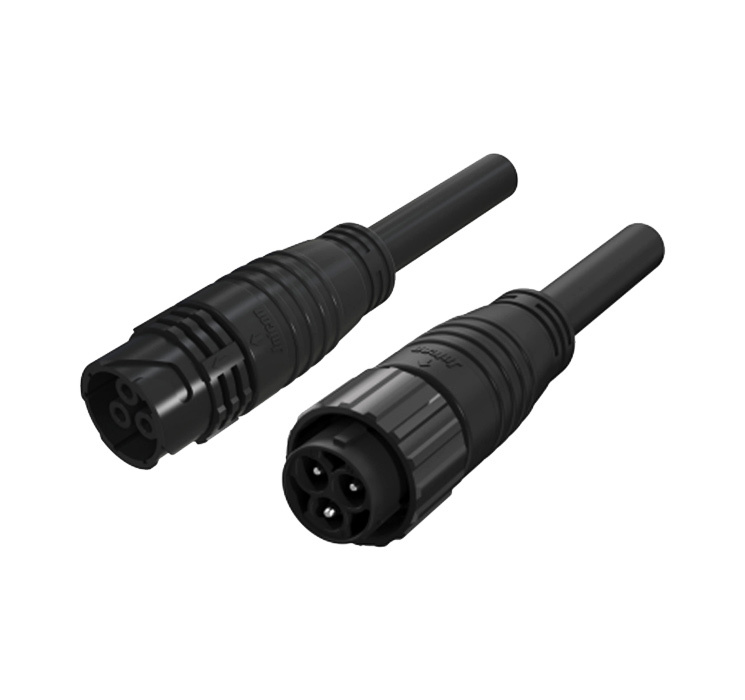
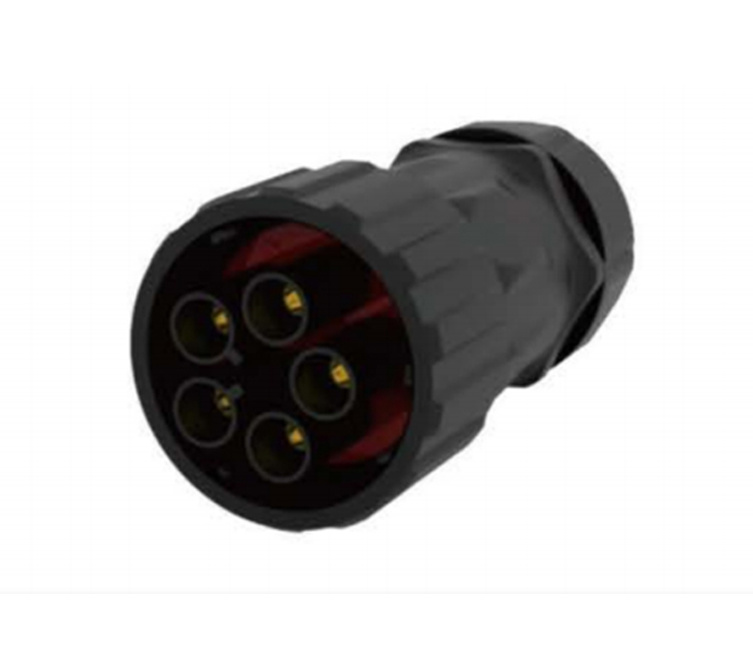
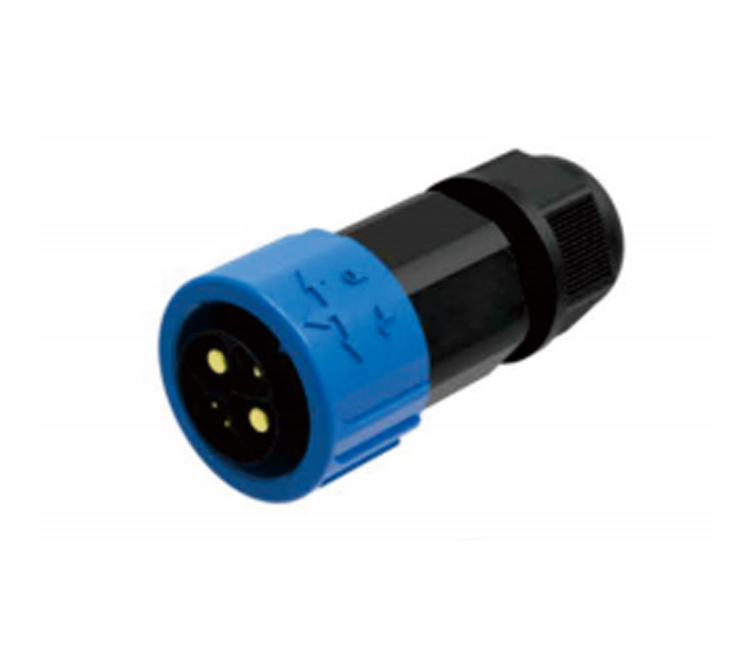
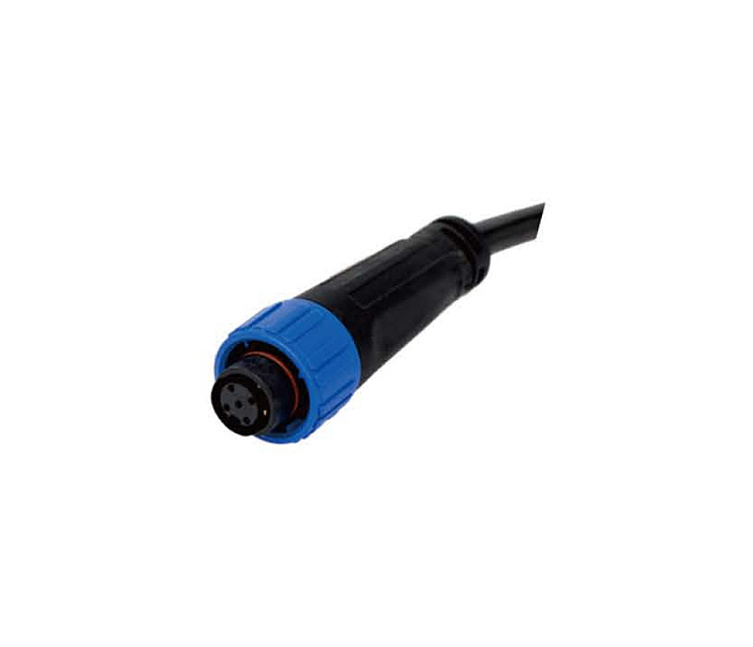
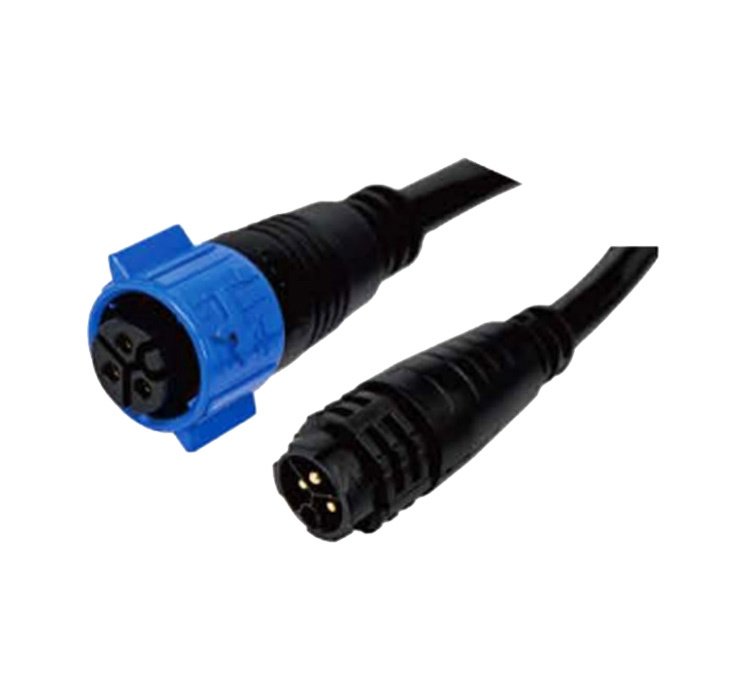
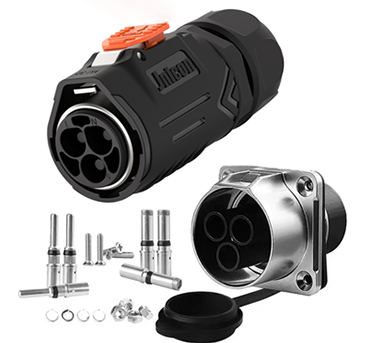
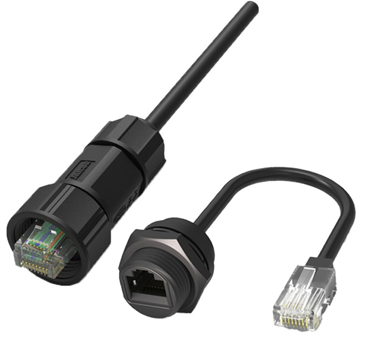
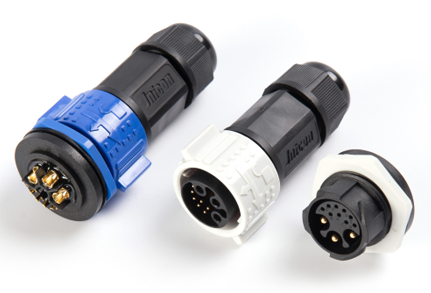
In the realm of marine applications, electrical connectors play a crucial role in ensuring that various equipment operates effectively in harsh conditions. The marine environment is notorious for its challenges, including saltwater, humidity, and extreme temperatures. Therefore, understanding what makes marine electrical connectors waterproof is essential for maintaining equipment integrity. This guide will delve into the specific features that contribute to the waterproof capabilities of these connectors, ensuring you are well-informed for your next marine project.
The Importance of Waterproof Connectors in Marine Applications
Waterproof connectors are indispensable in marine environments due to the inherent risks associated with water exposure. Inadequate protection can lead to electrical failures, corrosion, and even catastrophic accidents. By utilizing waterproof connectors, you ensure that connections remain secure, reliable, and safe, regardless of the marine conditions.
Understanding Marine Conditions and Their Effects on Connectors
The marine environment poses unique challenges, including:
- Saltwater Exposure: Saltwater is highly corrosive, which can damage connectors over time.
- Temperature Fluctuations: Connectors are subject to extreme heat and cold, which can affect their performance.
- Humidity and Moisture: High humidity levels can lead to condensation inside connectors, causing short circuits.
- Vibration and Shock: Boats and ships experience significant movement, which can loosen connections.
Key Features of Waterproof Marine Electrical Connectors
Several critical features contribute to the waterproof capabilities of marine electrical connectors. Understanding these features will help you select the right connectors for your specific needs.
Sealing Mechanisms
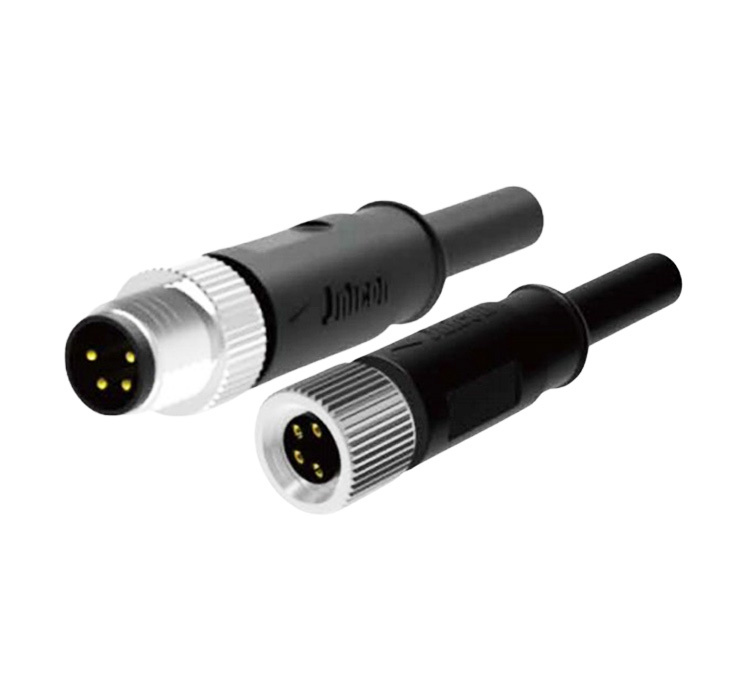
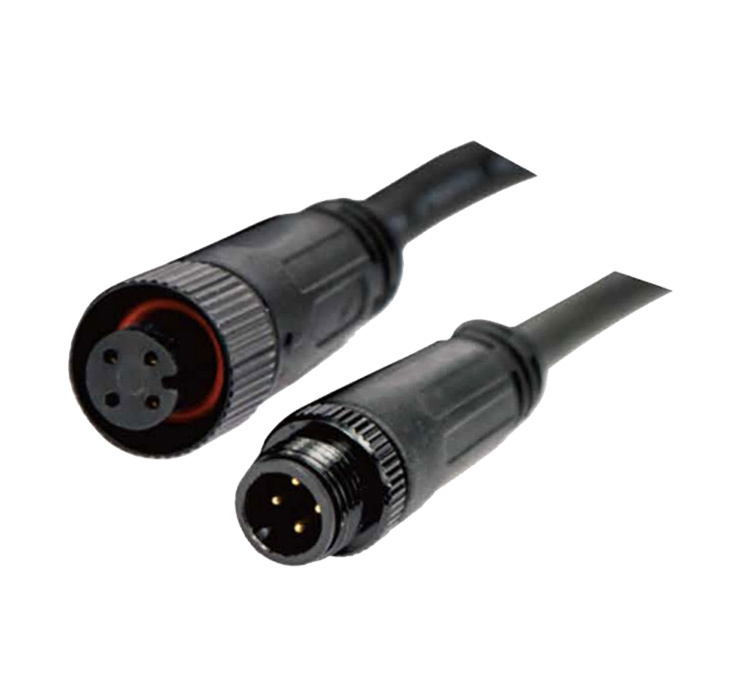
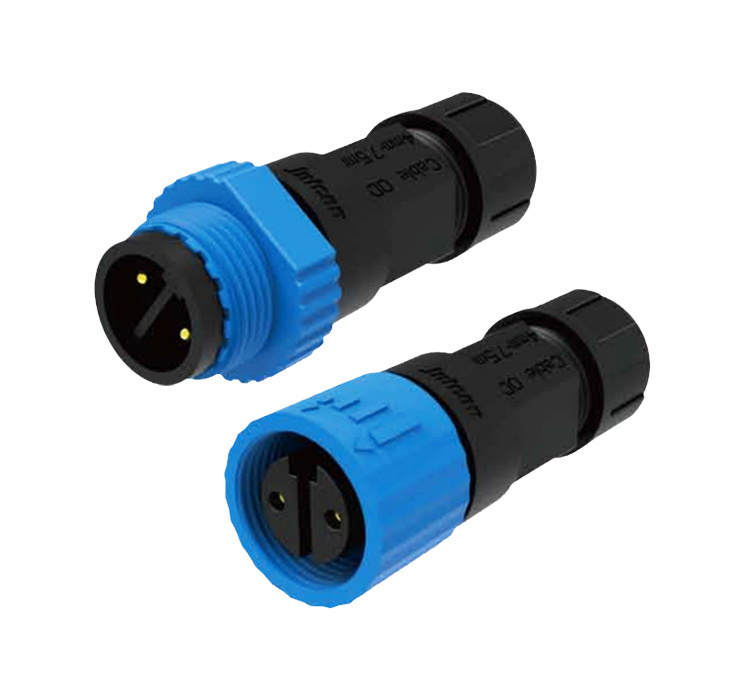
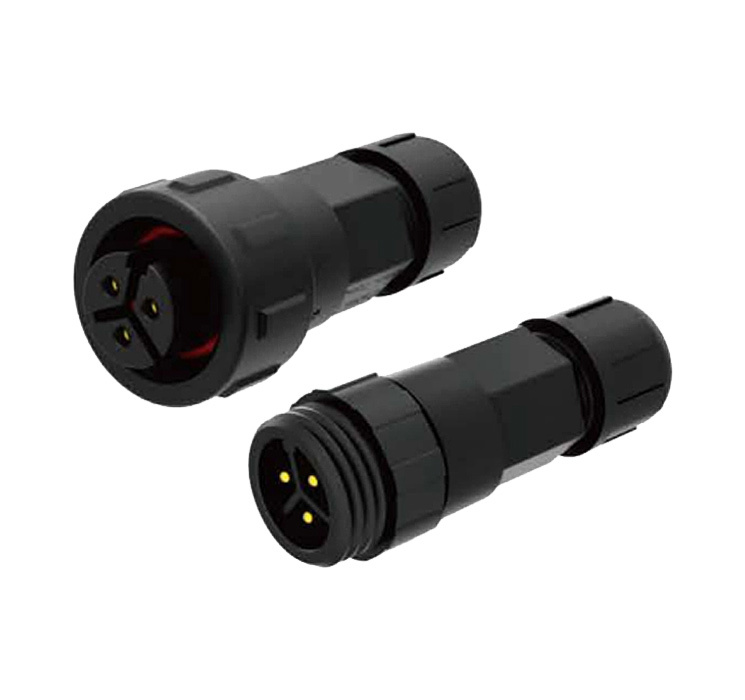
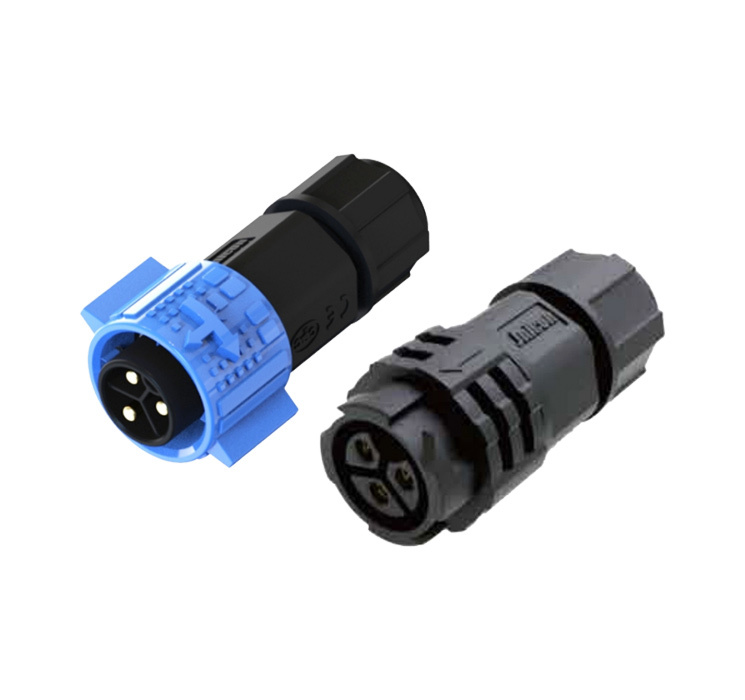
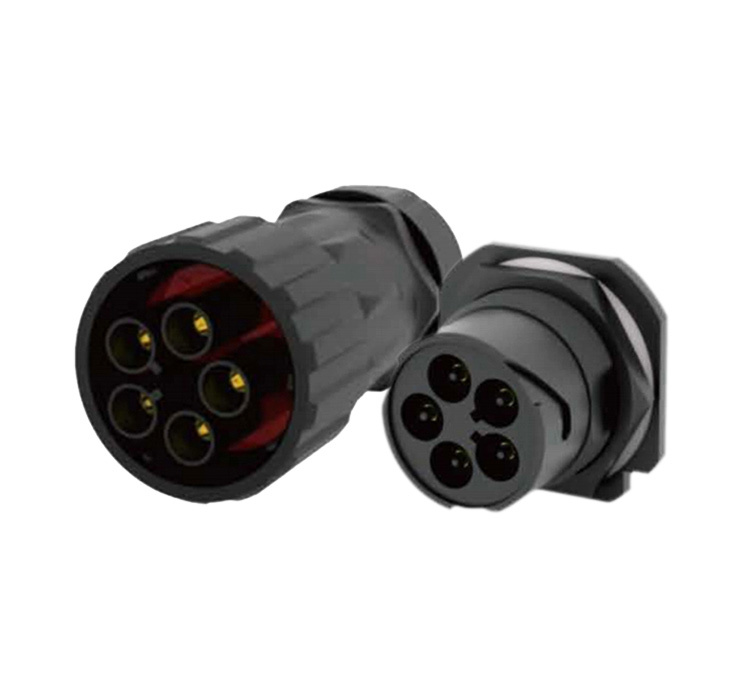
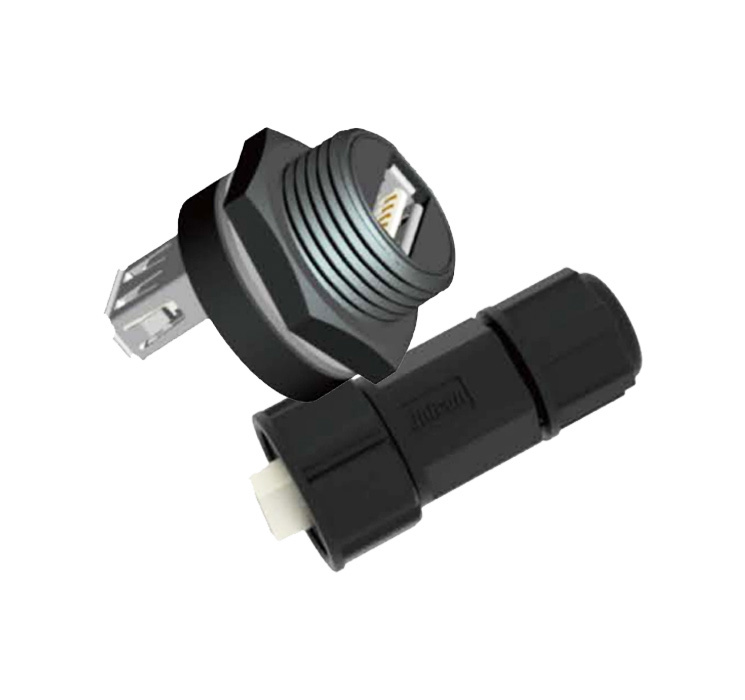
One of the primary features that make marine electrical connectors waterproof is their sealing mechanisms. These connectors often utilize:
- O-Rings: Rubber O-rings are frequently used to create a watertight seal at connection points.
- Grommets: These flexible seals protect against moisture infiltration, especially at cable entry points.
- Potting Compounds: Some connectors use potting, which involves encapsulating the connections in a waterproof resin to prevent water ingress.
Material Selection
The materials used in the construction of marine electrical connectors significantly impact their waterproof capabilities. Commonly utilized materials include:
- Corrosion-Resistant Metals: Stainless steel and marine-grade alloys are often used to resist rust and corrosion.
- Durable Plastics: High-performance plastics, such as nylon and polycarbonate, are used for housings due to their lightweight and resistant properties.
IP Ratings and Their Significance
Ingress Protection (IP) ratings are critical in determining the level of protection a connector offers against water and dust. The IP rating consists of two digits:
- First Digit: Represents protection against solid objects.
- Second Digit: Indicates protection against water.
For optimal marine applications, connectors should ideally have an IP rating of at least IP67, which signifies that they are dust-tight and can withstand immersion in water up to 1 meter for 30 minutes.
Installation Considerations for Waterproof Connectors
Proper installation is crucial for maintaining the waterproof integrity of marine electrical connectors. Here are important factors to consider:
Correct Wiring Techniques
Utilize proper wiring techniques to avoid damaging the connectors during installation. Ensure all wires are stripped correctly and that connections are secure to prevent water ingress.
Environmental Factors
Consider the installation environment. Areas exposed to constant splashing should have connectors with higher IP ratings, while more sheltered locations may require standard waterproof connectors.
Regular Maintenance and Inspection
Routine maintenance is essential in marine applications. Regularly inspect connectors for signs of wear, corrosion, or damage. Clean any debris and ensure that seals are intact to maintain their waterproof properties.
Common Applications for Marine Electrical Connectors
Marine electrical connectors are utilized in various applications, including:
Boat Wiring Systems
Connectors serve as junction points for wiring systems, providing reliable connections between batteries, motors, and control systems.
Lighting Systems
Marine lighting fixtures rely on waterproof connectors to ensure safety and functionality, especially for underwater and deck lighting.
Navigation and Communication Devices
These devices require secure electrical connections to function correctly, making waterproof connectors essential for reliable operation.
Choosing the Right Marine Electrical Connectors
Selecting the right connectors involves considering several factors:
Connector Type
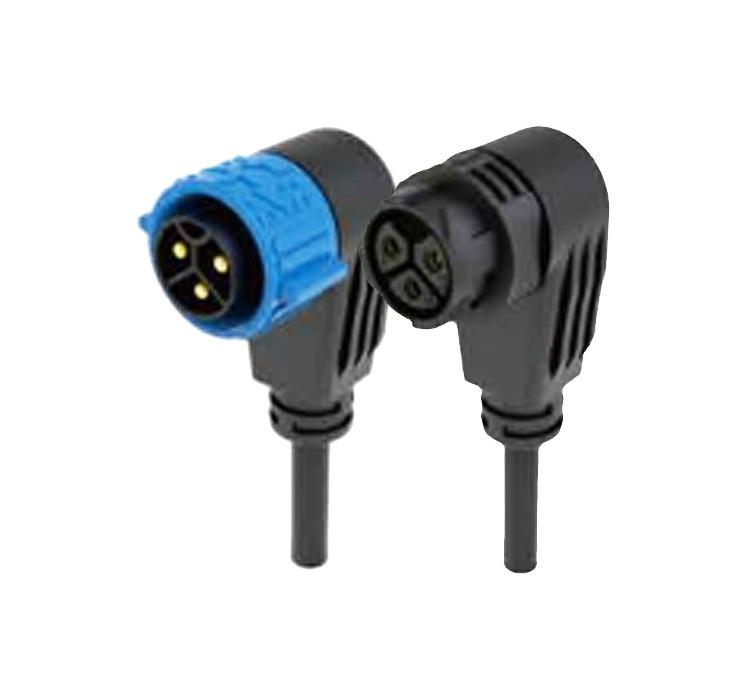
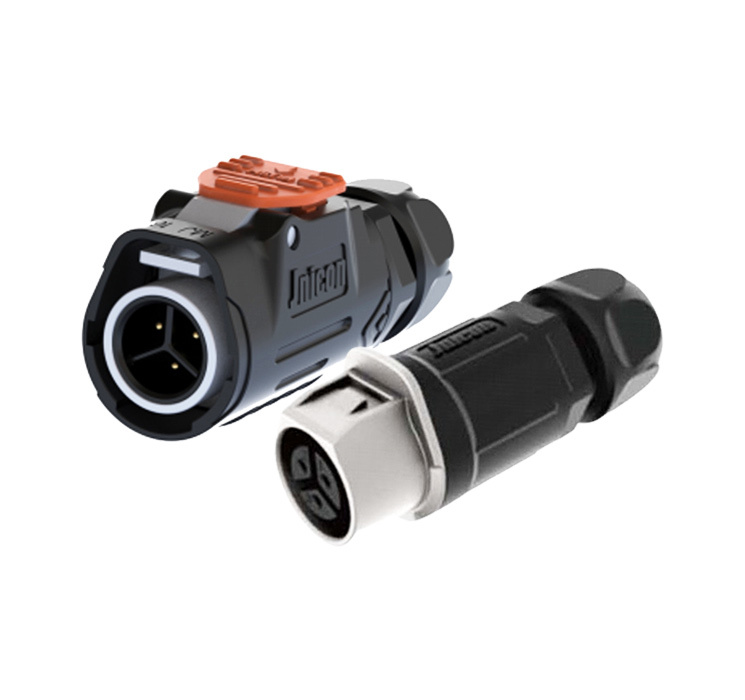
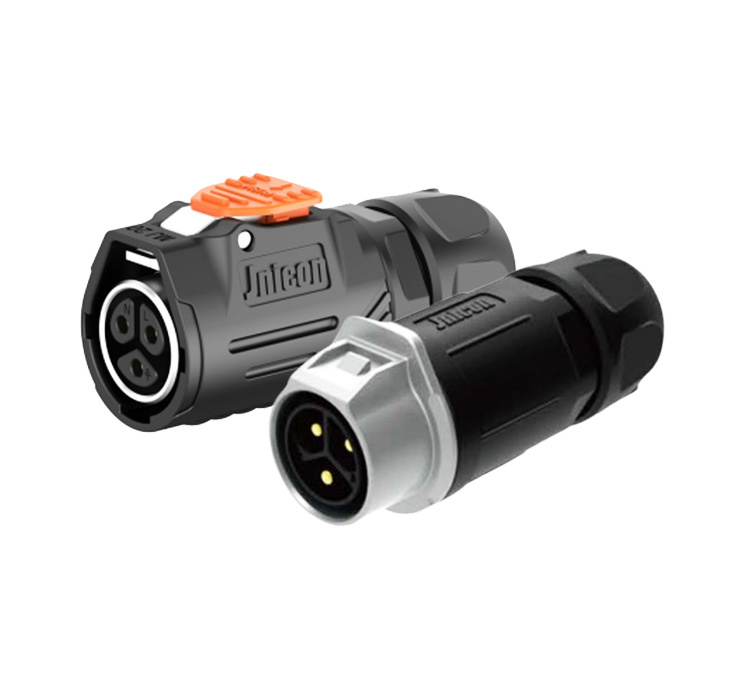
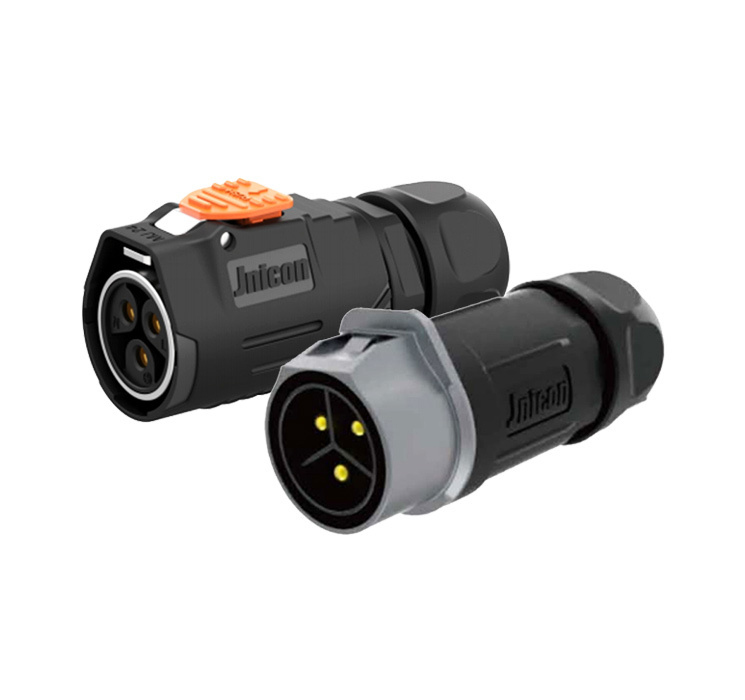
Different types of connectors, such as circular, rectangular, and inline connectors, have specific applications. Choose one that aligns with your project's requirements.
Compatibility
Ensure connectors are compatible with the wiring and equipment you intend to use. Mismatched connectors can lead to failures and safety hazards.
Manufacturer Reputation
Select connectors from reputable manufacturers. Quality assurance and reliability are paramount in marine applications.
FAQs About Marine Electrical Connectors
What are the benefits of using waterproof connectors in marine environments?
Waterproof connectors help prevent moisture damage, corrosion, and electrical failures, ensuring reliable performance in harsh marine conditions.
How can I tell if a connector is truly waterproof?
Check the IP rating; a rating of IP67 or higher typically indicates sufficient waterproof protection for marine use.
Can I use standard connectors in marine applications?
While standard connectors may work temporarily, they are not designed for marine conditions and can lead to failures over time. It’s best to use marine-grade connectors.
How often should I inspect marine electrical connectors?
Regular inspections should be performed at least once a season or after any significant use, especially after exposure to harsh conditions.
What materials are best for marine electrical connectors?
Corrosion-resistant metals and durable plastics are ideal. Look for stainless steel and marine-grade alloys for metal components and high-performance plastics for housings.
Conclusion
In conclusion, understanding the features that make marine electrical connectors waterproof is essential for anyone involved in maritime activities. From sealing mechanisms to material selections and installation considerations, each aspect contributes to the connectors' reliability and longevity. By investing in high-quality waterproof connectors and properly maintaining them, you ensure the safety and performance of your marine applications. Whether for professional use or personal enjoyment, the right connectors can significantly enhance your marine experience.
News
2026-10-18
How Industrial Power Connectors Transform Energy Distribution Systems
How Industrial Power Connectors Transform Energy Distribution Systems Table of Contents 1. Introduction to Industrial Power Connectors 2. The Importance of Power Connectors in Energy Distribution 3. Types of Industrial Power Connectors 3.1 Circular Connectors 3.2 Rectangular Connectors 3.3 Heavy-Duty Connectors 4. Applications
2026-10-15
Understanding Waterproof Wire Harness: Key Features and Benefits for Automotive Applications
In the automotive industry, the functionality and longevity of electrical components are crucial for vehicle performance. One of the key components that contribute to this is the waterproof wire harness. These harnesses are specifically designed to withstand harsh environmental conditions, ensuring that the electrical systems in vehicles remain operational regardless of the weather. A waterproof w
2026-10-12
5 Pin Waterproof Connectors: Enhancing Home Automation Systems
5 Pin Waterproof Connectors: Enhancing Home Automation Systems Table of Contents Introduction to 5 Pin Waterproof Connectors Importance of Waterproof Connectors in Home Automation Key Benefits of 5 Pin Waterproof Connectors Features of 5 Pin Waterproof Connectors Material Quality Design and Build Applications of 5 Pin Waterproof C

B8-9, Fubilun industrial park, Chaoyang rd,Yanchuan community, Songgang, Shenzhen, China


