
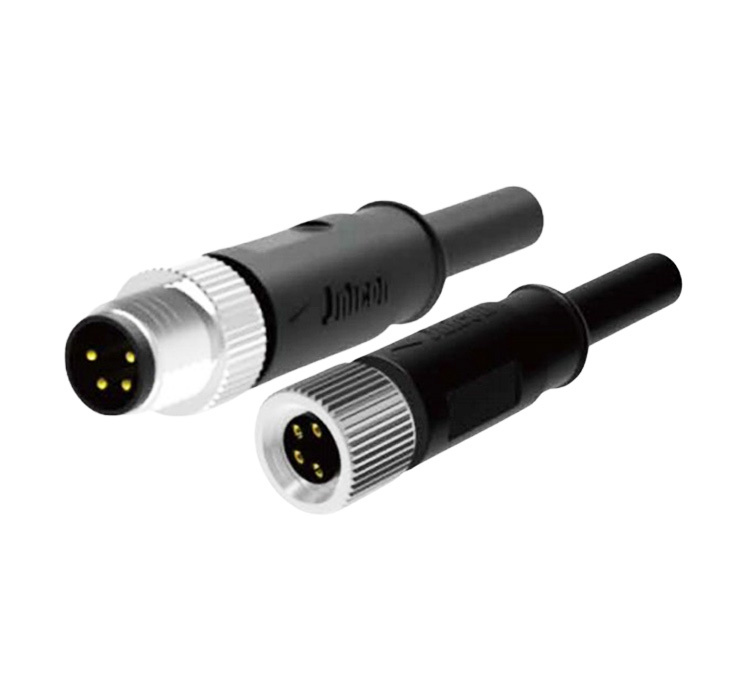
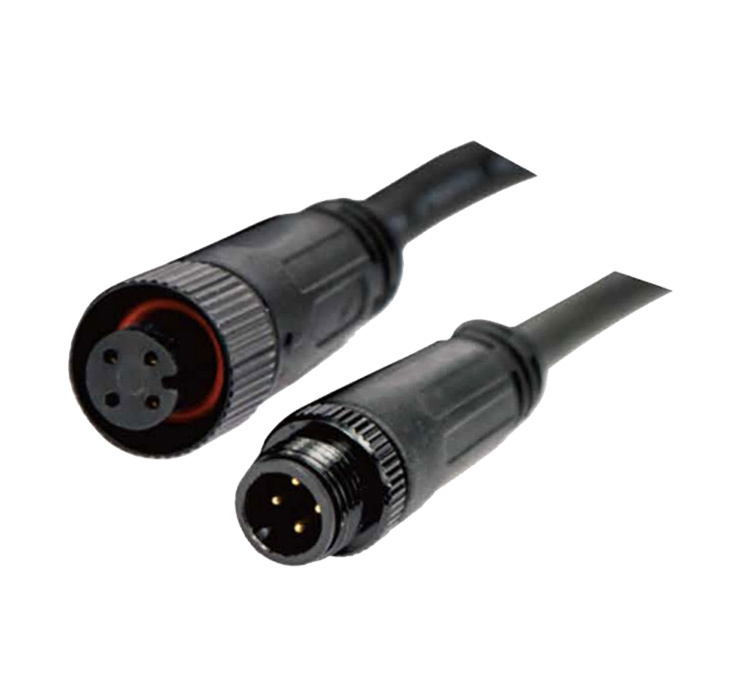
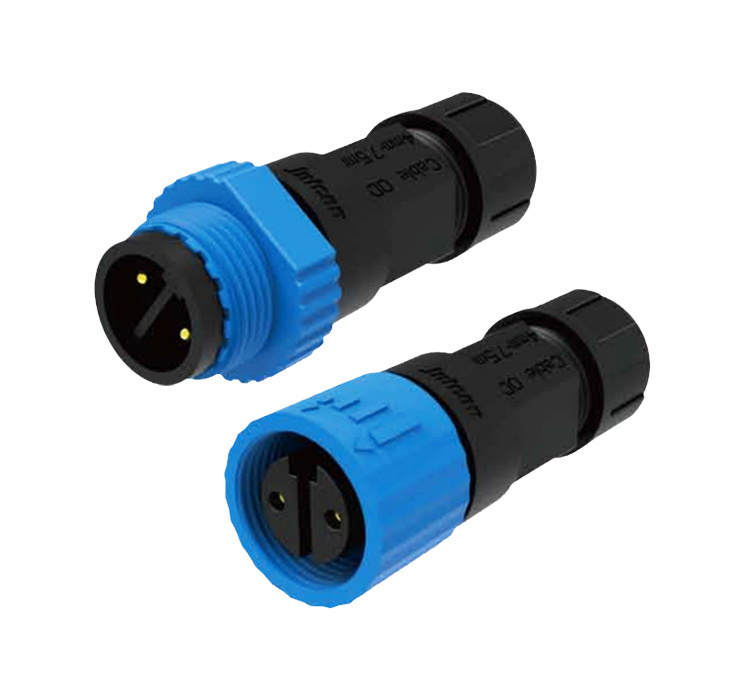
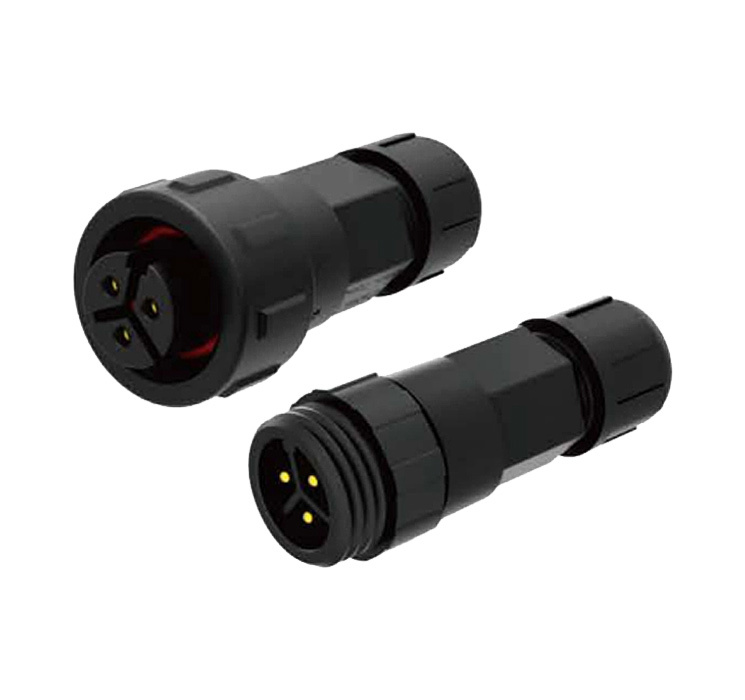


Understanding the Ratings of 5 Pin Waterproof Connectors: What Do They Mean?
Release Time:
2026-03-28
Understanding the Ratings of 5 Pin Waterproof Connectors: What Do They Mean?
Table of Contents
- 1. Introduction to 5 Pin Waterproof Connectors
- 2. Importance of Understanding Ratings
- 3. Rating Systems Explained
- 4. Materials and Their Impact on Ratings
- 5. Common Applications of 5 Pin Waterproof Connectors
- 6. How to Choose the Right 5 Pin Waterproof Connector
- 7. Maintenance Tips for Waterproof Connectors
- 8. Frequently Asked Questions
- 9. Conclusion
1. Introduction to 5 Pin Waterproof Connectors
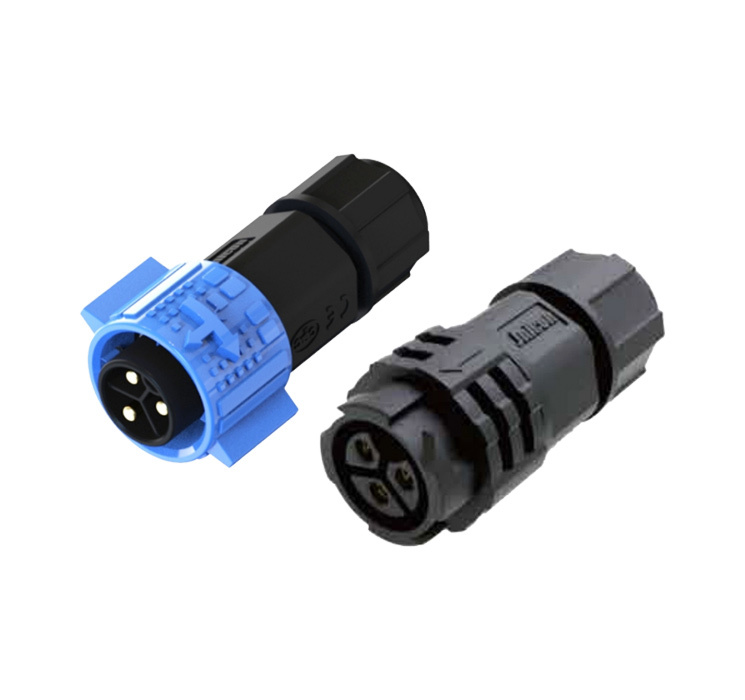
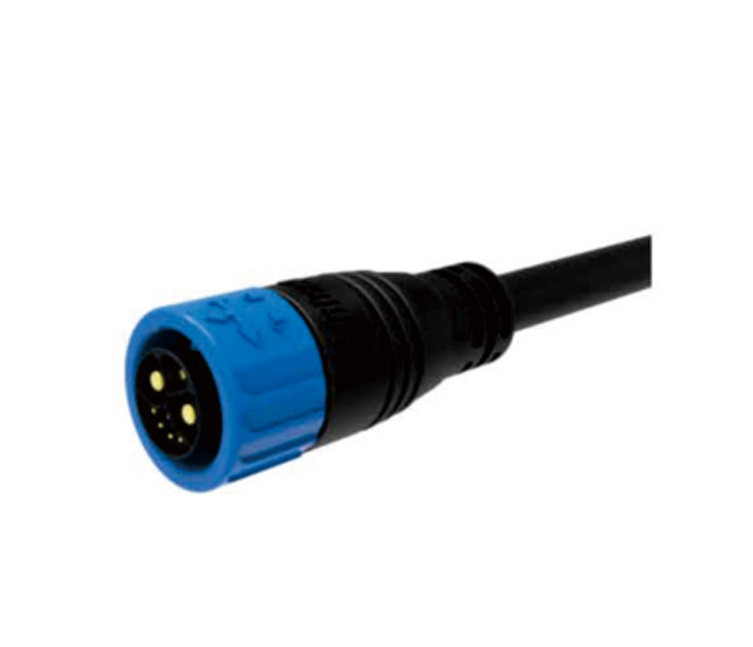
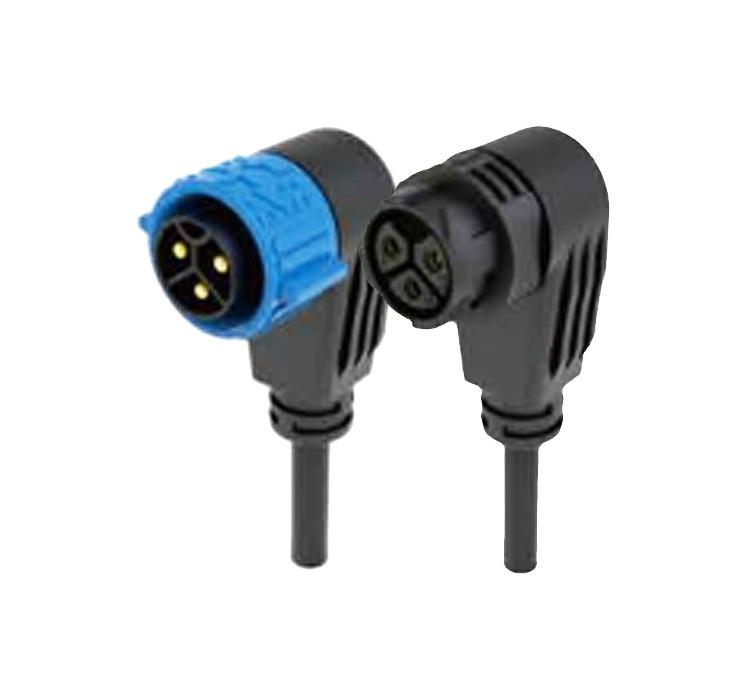
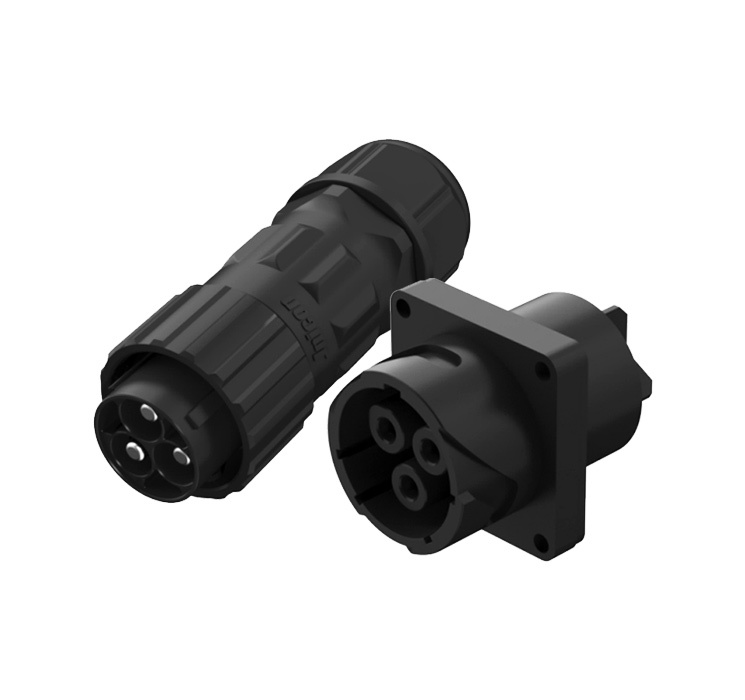
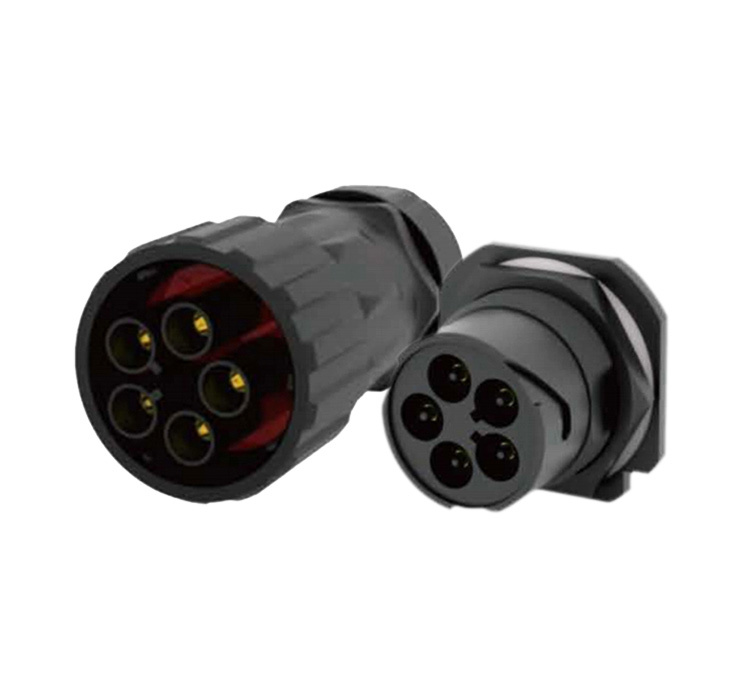
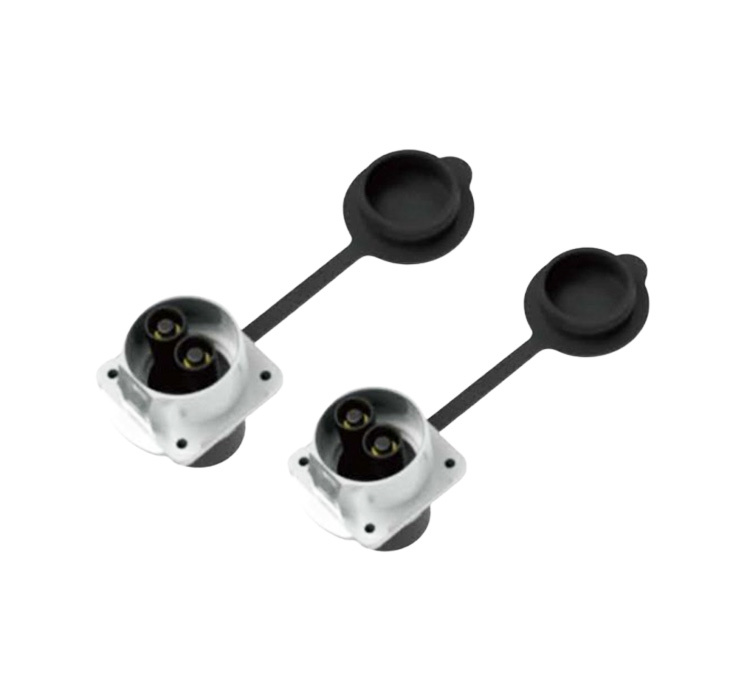
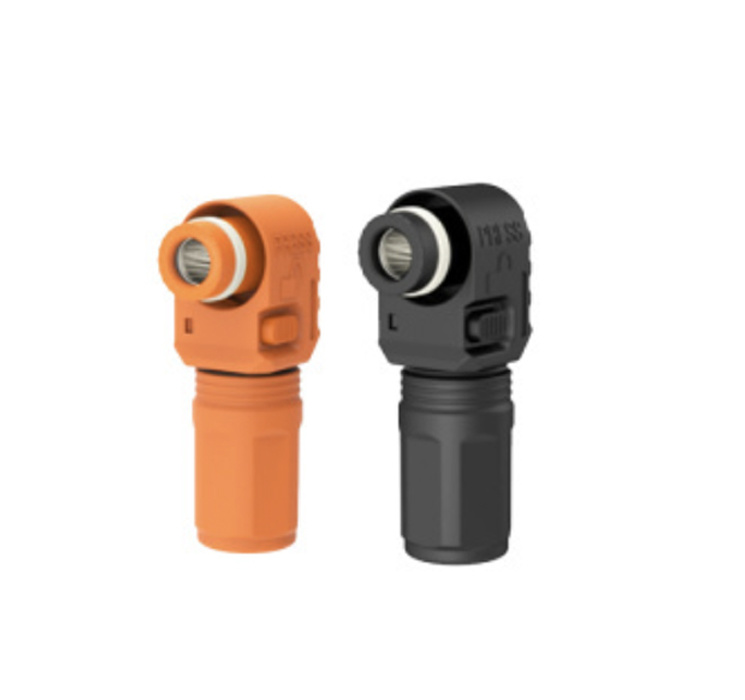
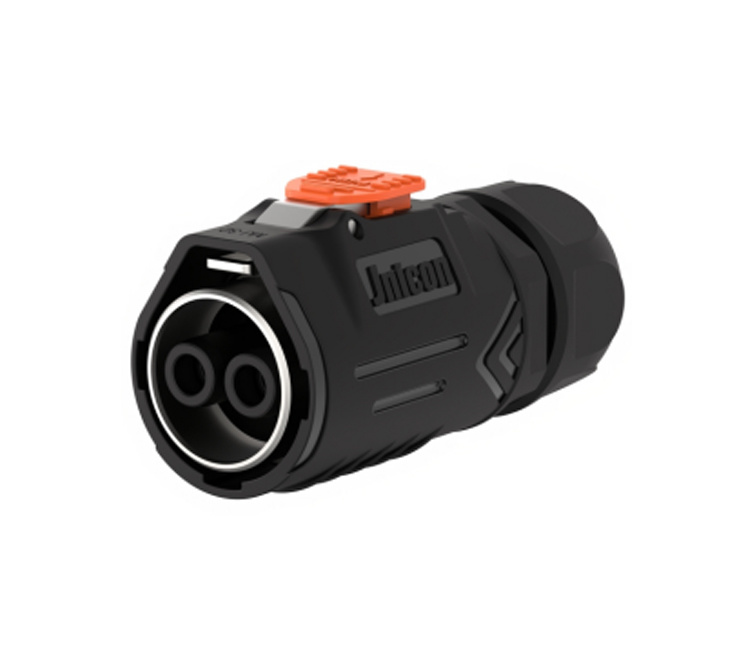
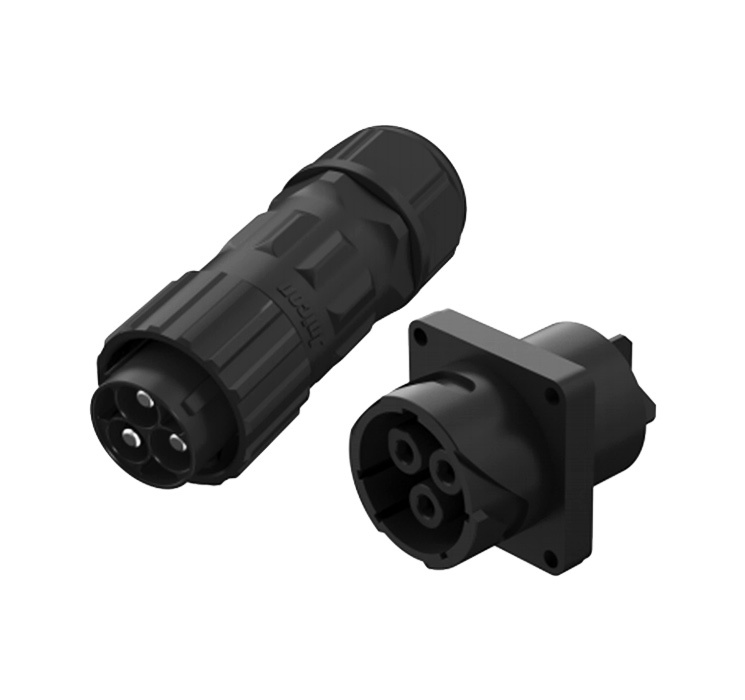
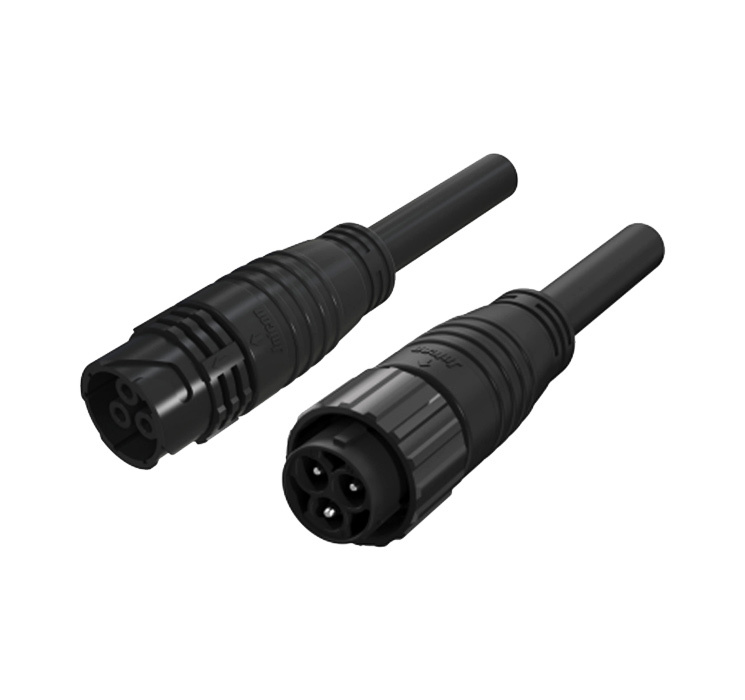
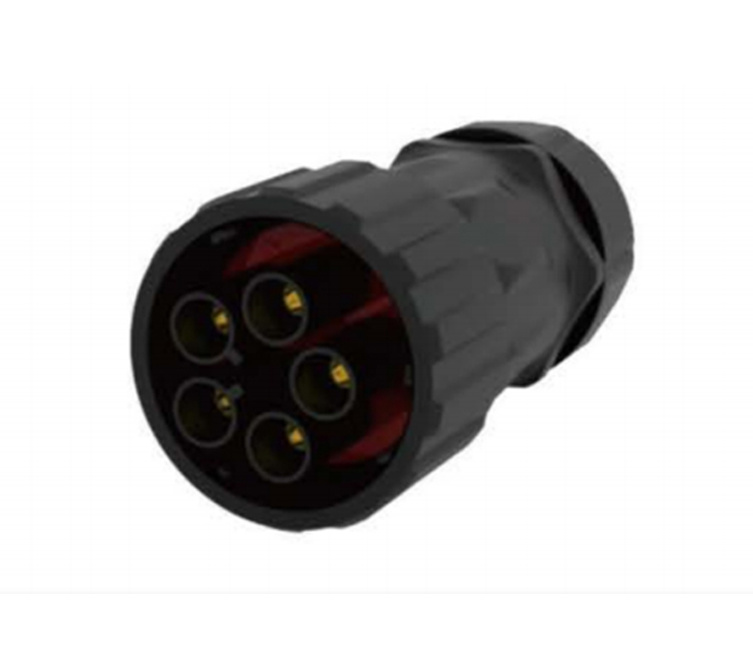
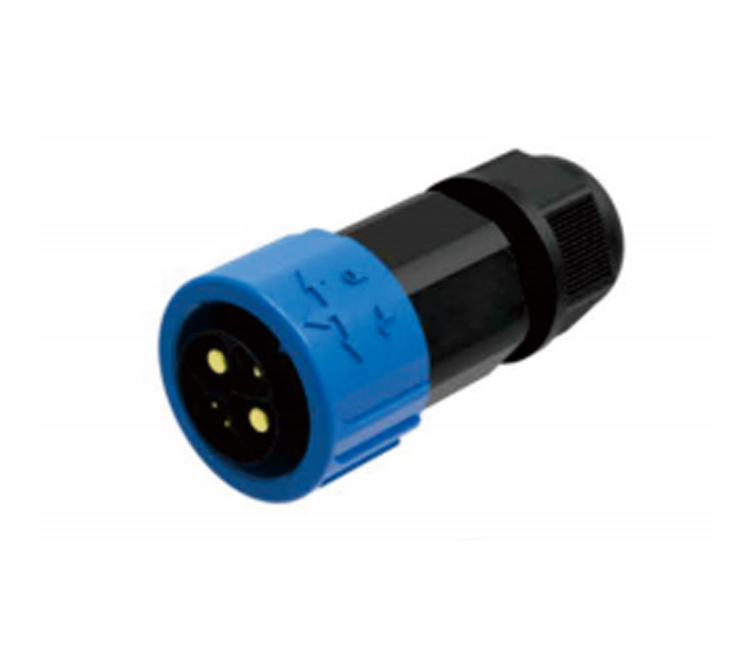
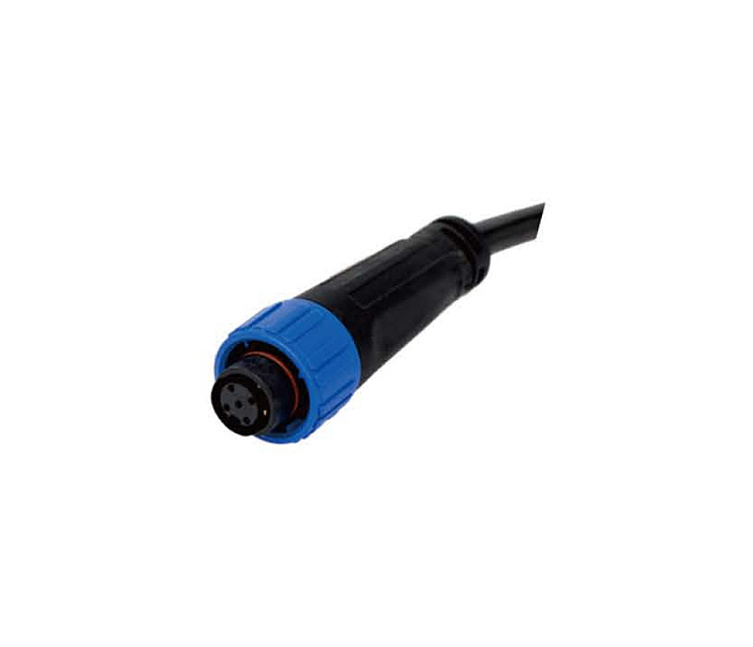
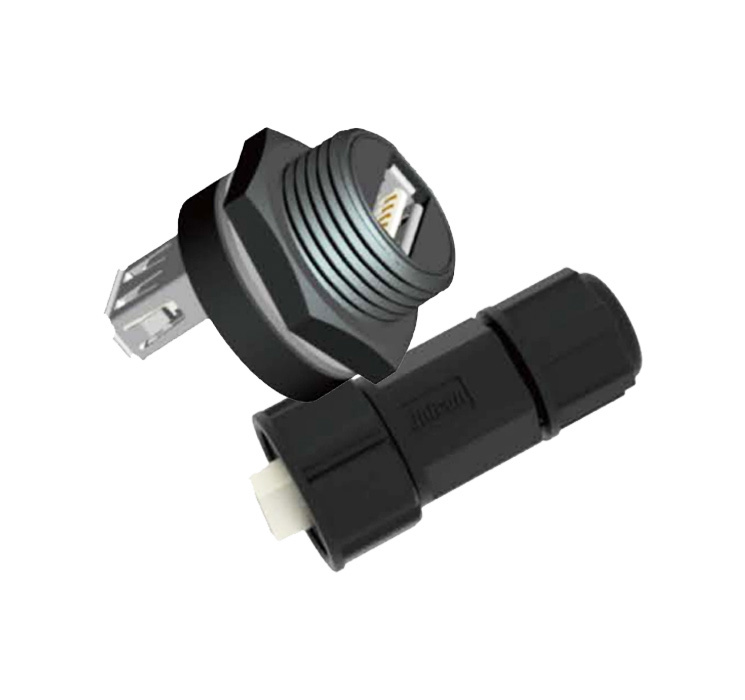
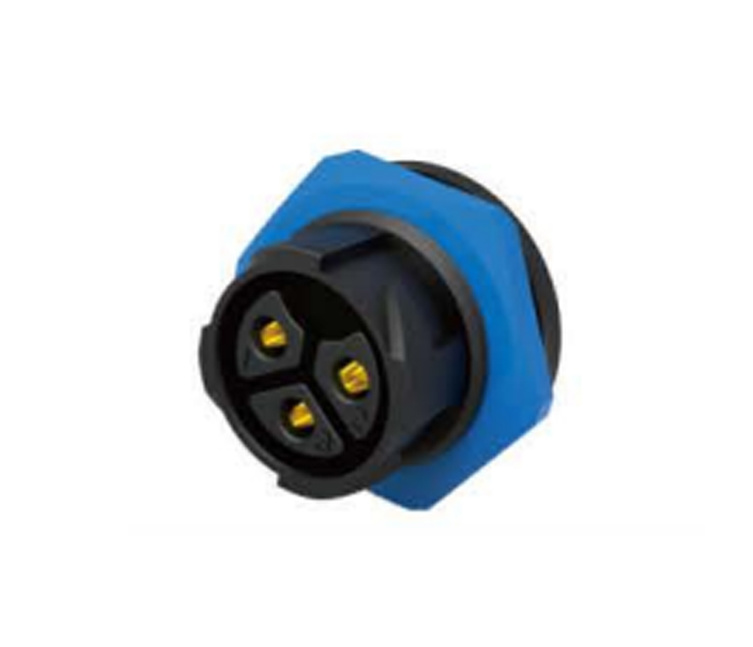
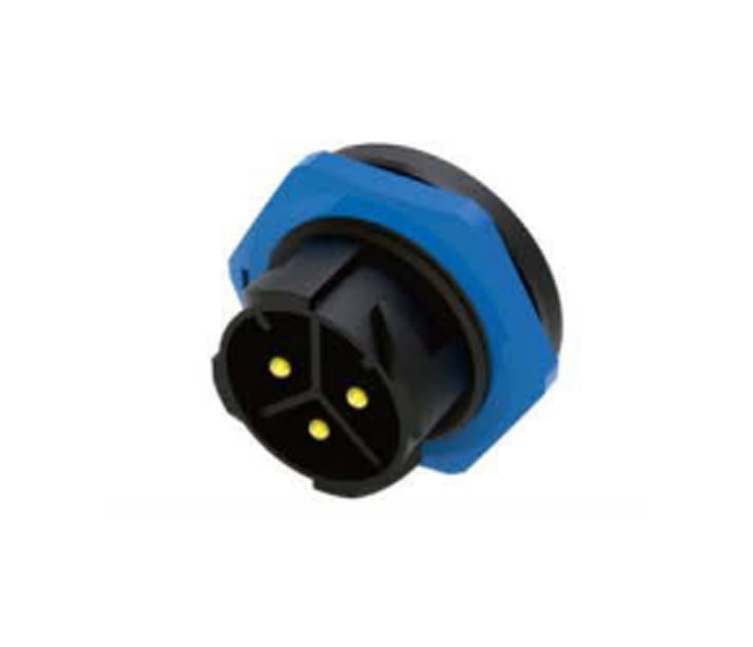
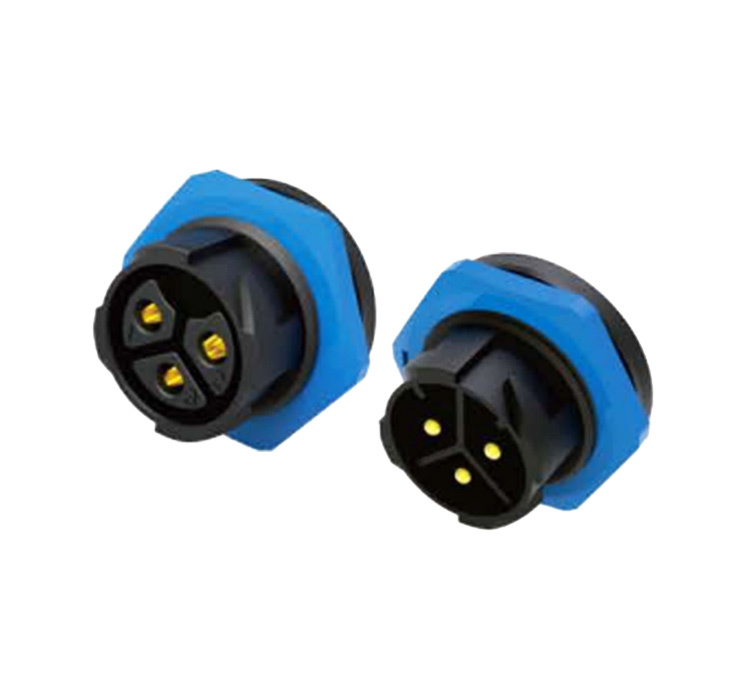
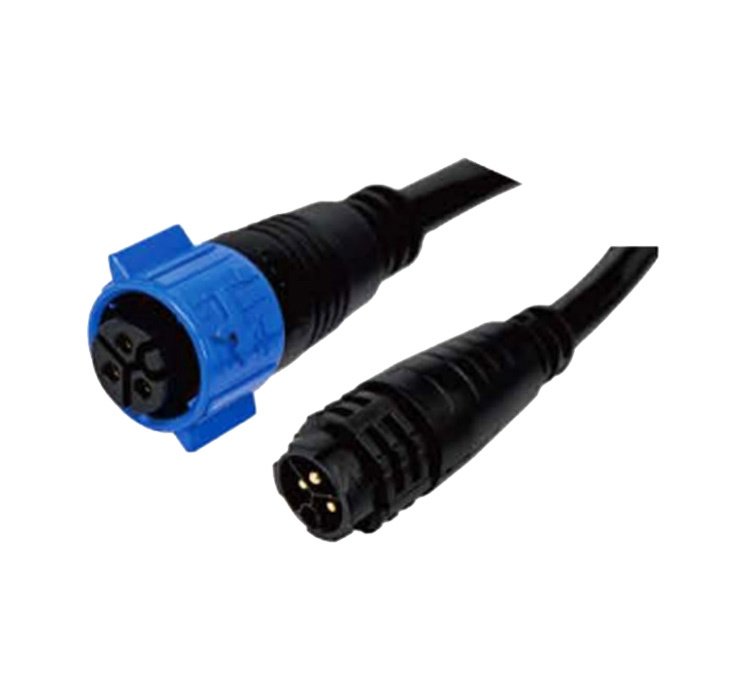
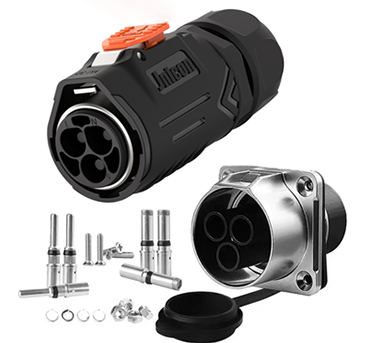
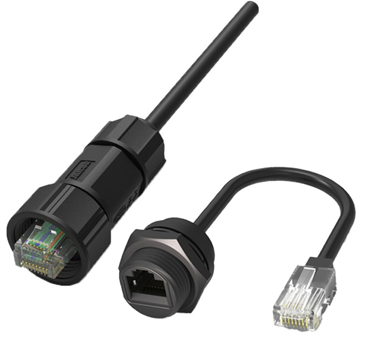
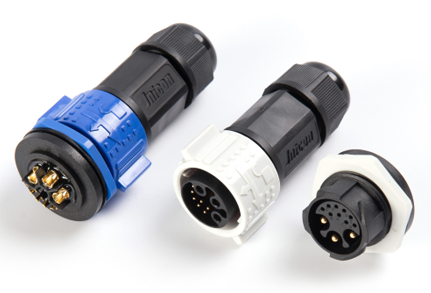
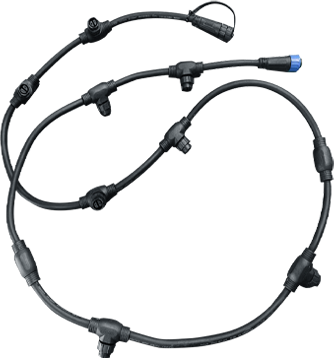
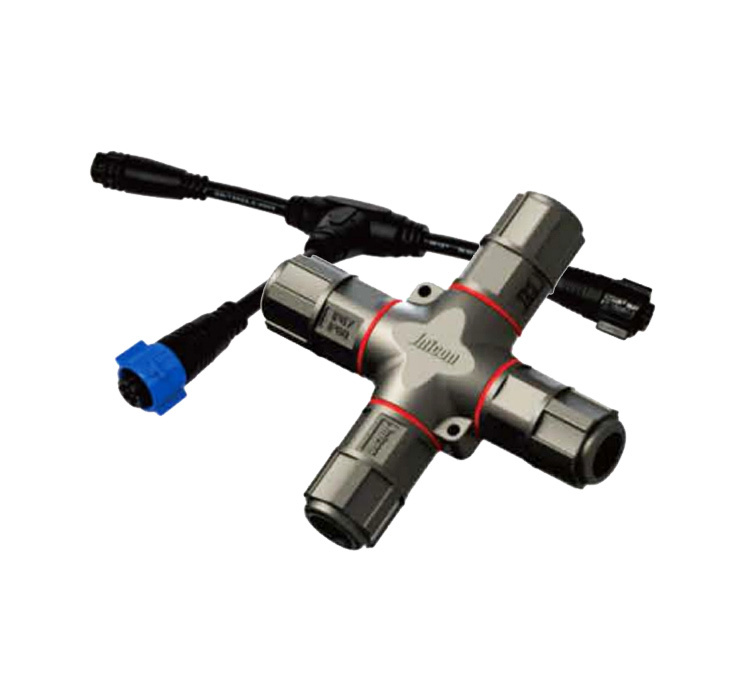
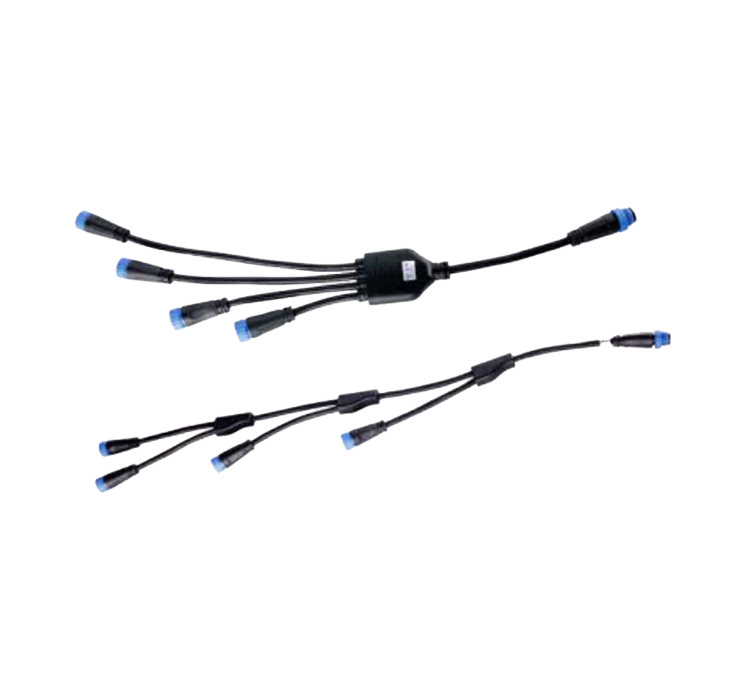
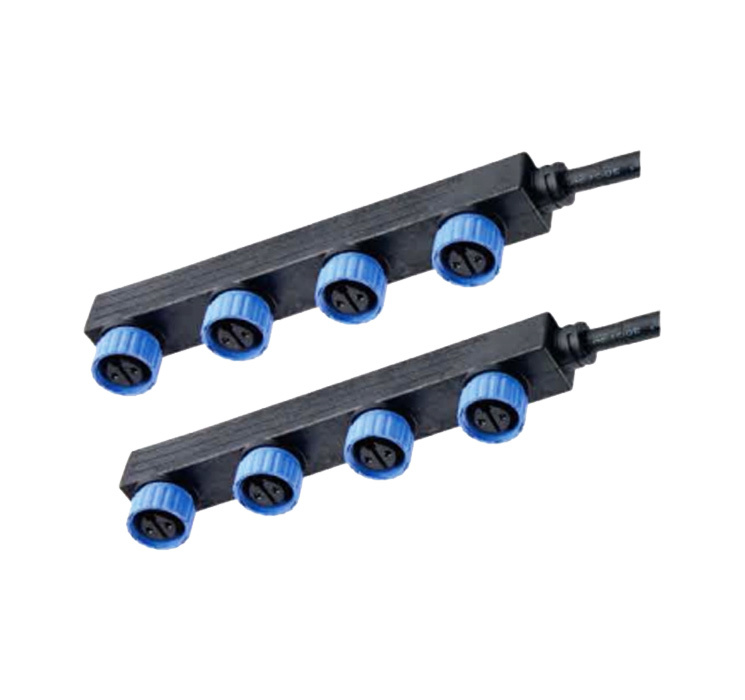
In the realm of electrical connectivity, **5 pin waterproof connectors** stand out for their reliability and versatility. These connectors are designed to withstand harsh environmental conditions while ensuring safe and efficient power transmission. Understanding their ratings is crucial for selecting the right connector for specific applications, whether in automotive, marine, industrial, or consumer electronics.
2. Importance of Understanding Ratings
Ratings give insights into a connector's performance and durability. In particular, the ratings of **5 pin waterproof connectors** inform users about their capacity to withstand moisture, dirt, and other contaminants. A clear grasp of these ratings enables engineers and technicians to make informed decisions, preventing costly failures and increasing the longevity of their projects.
3. Rating Systems Explained
To fully understand the significance of **5 pin waterproof connectors**, we must explore the various rating systems that provide a framework for their performance.
3.1 IP Rating System
The **Ingress Protection (IP) rating** is one of the most critical measures when assessing waterproof connectors. The IP code typically consists of two digits: the first digit indicates protection against solids, while the second digit represents protection against liquids. For instance, an IP67 rating means the connector is completely dust-tight and can withstand immersion in water up to 1 meter for 30 minutes.
3.2 Current and Voltage Ratings
**Current and voltage ratings** are essential to ensure that the connector can handle the electrical load without overheating or failing. Each 5 pin waterproof connector comes with specific current ratings (measured in amperes) and voltage ratings (measured in volts). These ratings are crucial for matching the connector to the application to prevent electrical hazards.
3.3 Temperature Ratings
Temperature ratings indicate the range of temperatures in which the 5 pin waterproof connectors can operate effectively. Exceeding these ratings can lead to degradation of materials and potential failure. Typically, connectors are rated for use in extreme temperatures, both high and low, making them suitable for diverse environments.
4. Materials and Their Impact on Ratings
The materials used in 5 pin waterproof connectors play a significant role in their overall ratings. High-quality plastics, metals, and rubber compounds are often utilized to enhance durability and resistance to environmental factors. For example, connectors made with **polyamide (PA)** provide excellent resistance to moisture and chemicals, making them ideal for industrial applications.
5. Common Applications of 5 Pin Waterproof Connectors
5 pin waterproof connectors find utilization across various industries due to their robustness and reliability. Some common applications include:
- **Automotive**: Used in lighting systems, sensors, and control units that require protection against water and dirt.
- **Marine**: Essential for connecting electronic devices on boats, ensuring safe operations in wet conditions.
- **Industrial Equipment**: Utilized in machinery where exposure to water, dust, and chemicals is commonplace.
- **Consumer Electronics**: Found in devices like outdoor speakers and waterproof cameras, ensuring functionality in adverse weather.
6. How to Choose the Right 5 Pin Waterproof Connector
Selecting the appropriate **5 pin waterproof connector** involves several considerations:
1. **IP Rating**: Assess the environmental conditions where the connector will be used. Choose a higher IP rating for harsher environments.
2. **Current & Voltage Requirements**: Ensure the connector can handle the necessary electrical specifications without risk of failure.
3. **Material Compatibility**: Match the connector material with the application environment for optimal durability.
4. **Size and Weight**: Consider the available space and weight constraints in your application to select a connector that fits well.
7. Maintenance Tips for Waterproof Connectors
To ensure longevity and reliability, regular maintenance of **5 pin waterproof connectors** is paramount. Here are some tips:
- **Cleaning**: Regularly clean connectors to remove any debris or contaminants that could affect performance.
- **Inspection**: Check for signs of wear, corrosion, or damage. Replace any faulty connectors as soon as possible.
- **Storage**: Store unused connectors in a dry and cool environment to prevent degradation of materials.
8. Frequently Asked Questions
1. What does the IP rating mean for waterproof connectors?
The IP rating indicates the level of protection a connector has against solids and liquids, helping users determine its suitability for specific applications.
2. Can 5 pin waterproof connectors be used in high-temperature environments?
Yes, many 5 pin waterproof connectors are rated for high-temperature use, but it's essential to check the specific temperature rating before application.
3. How do I know if a connector is truly waterproof?
Look for the IP rating, particularly the second digit, which indicates protection against water. An IP67 rating, for example, indicates it can withstand immersion in water.
4. Are there different types of waterproof connectors?
Yes, waterproof connectors come in various types, including circular, rectangular, and modular designs. Each type serves different application needs.
5. Can I use waterproof connectors in outdoor lighting systems?
Absolutely! Waterproof connectors are perfect for outdoor lighting systems, ensuring safe operation in rain or wet conditions.
9. Conclusion
Understanding the ratings of **5 pin waterproof connectors** is essential for selecting the right components for your electrical projects. By delving into the specifics of IP ratings, current and voltage capabilities, and temperature tolerances, we equip ourselves with the knowledge necessary to make informed decisions. When selecting connectors, consider the material composition, application environment, and maintenance needs to ensure reliability and longevity. With the right connectors, you can confidently tackle any project, knowing that your connections will withstand the test of time and environmental challenges.
News
2026-10-12
5 Pin Waterproof Connectors: Enhancing Home Automation Systems
5 Pin Waterproof Connectors: Enhancing Home Automation Systems Table of Contents Introduction to 5 Pin Waterproof Connectors Importance of Waterproof Connectors in Home Automation Key Benefits of 5 Pin Waterproof Connectors Features of 5 Pin Waterproof Connectors Material Quality Design and Build Applications of 5 Pin Waterproof C
2026-10-10
Waterproof Wire Connector Plugs for Reliable Connections
Waterproof wire connector plugs ensure secure, moisture-resistant electrical connections for outdoor lighting, automotive systems, and industrial equipment.
2026-10-10
Waterproof Electrical Wire Connectors for Reliable Connections
Waterproof electrical wire connectors protect wiring from moisture and dust, ensuring reliable connections in indoor and outdoor applications.

B8-9, Fubilun industrial park, Chaoyang rd,Yanchuan community, Songgang, Shenzhen, China


