


Understanding Industrial Power Connectors: Key Insights for Professionals
Release Time:
2026-03-29
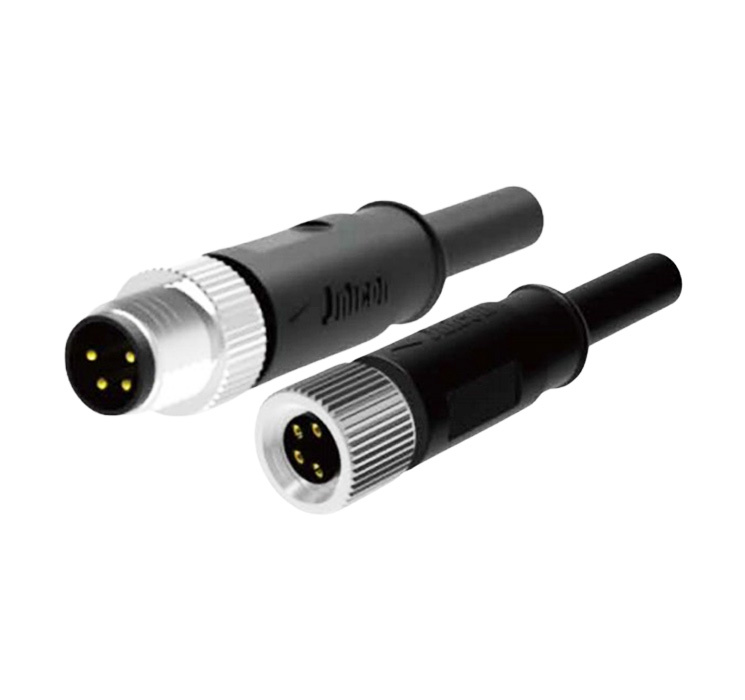
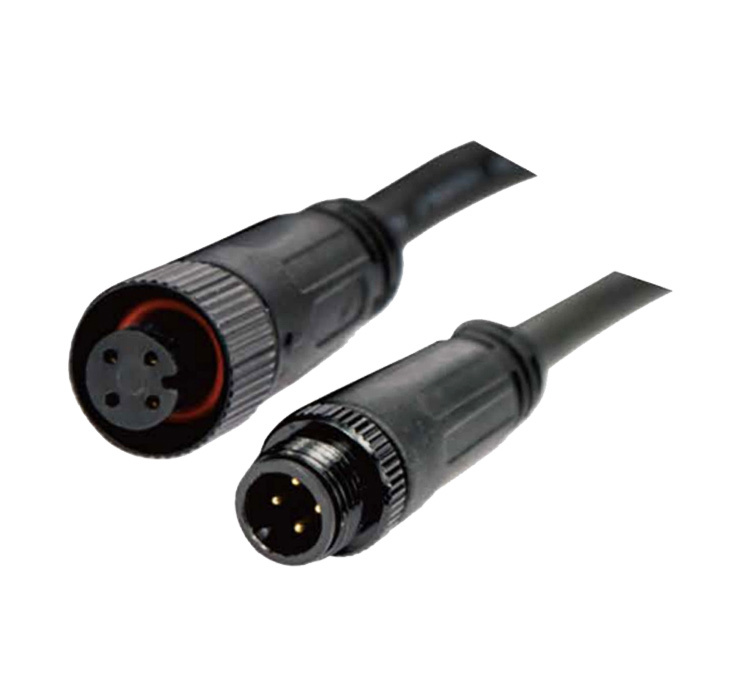
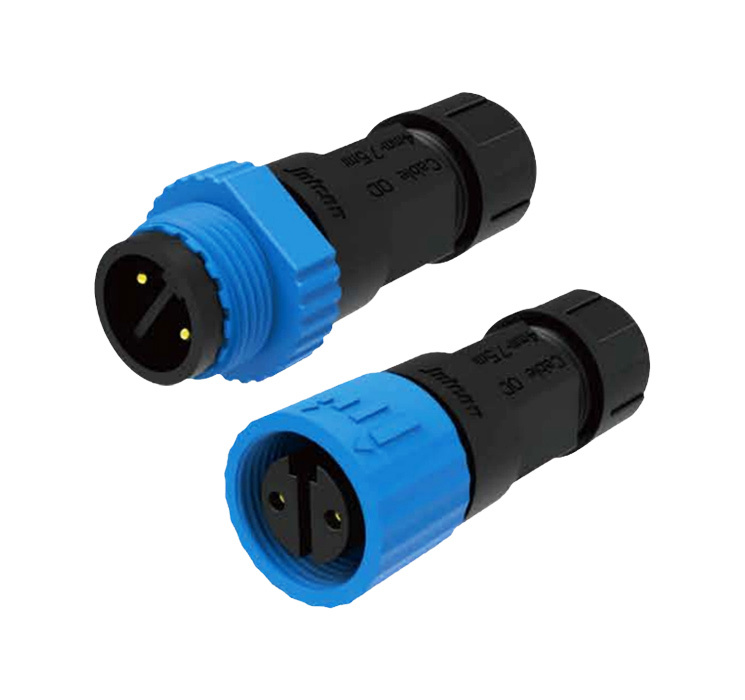
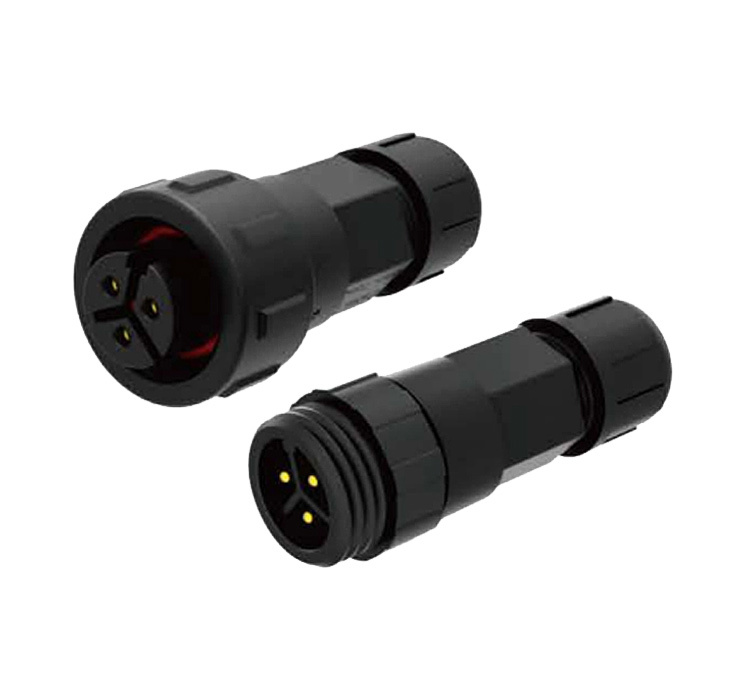
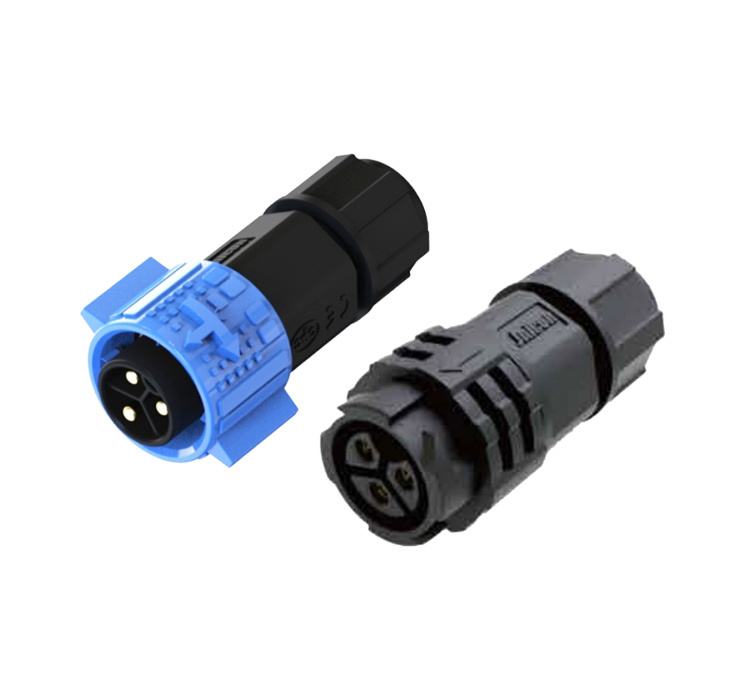
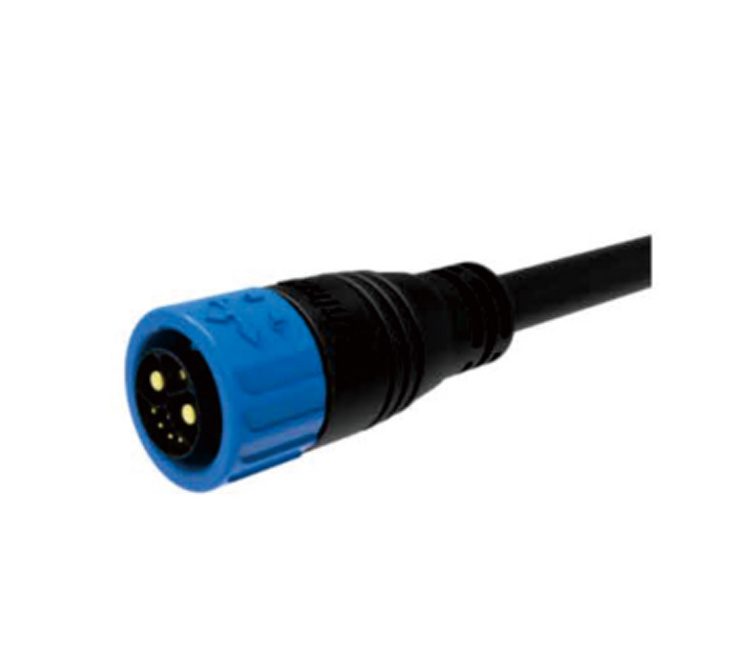
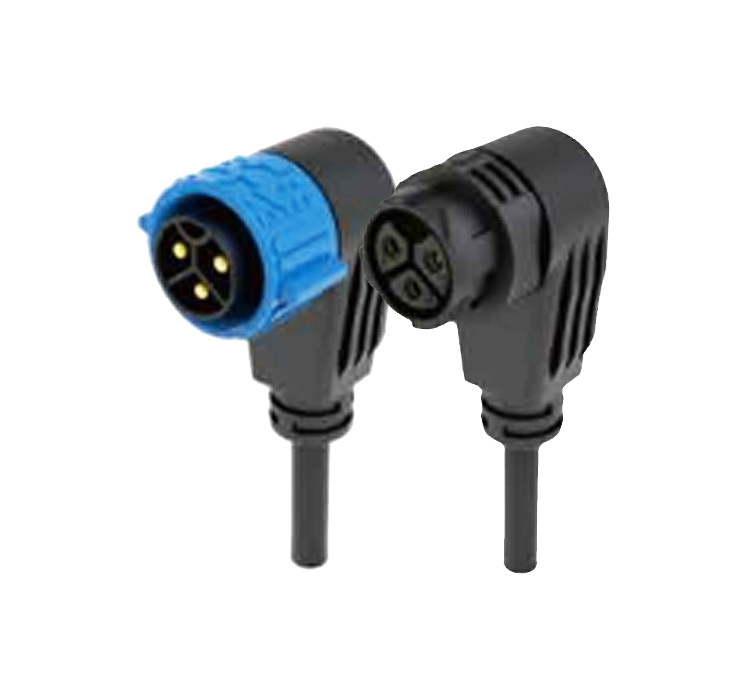
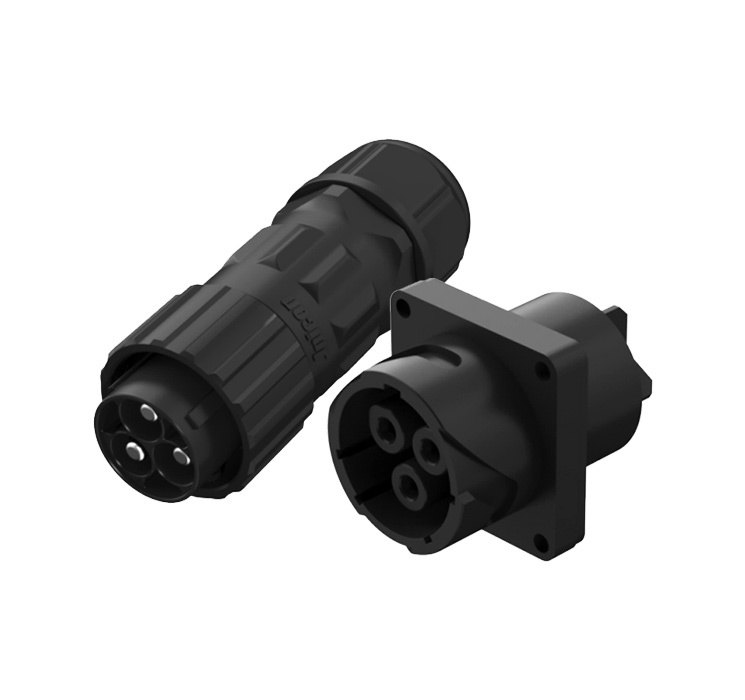
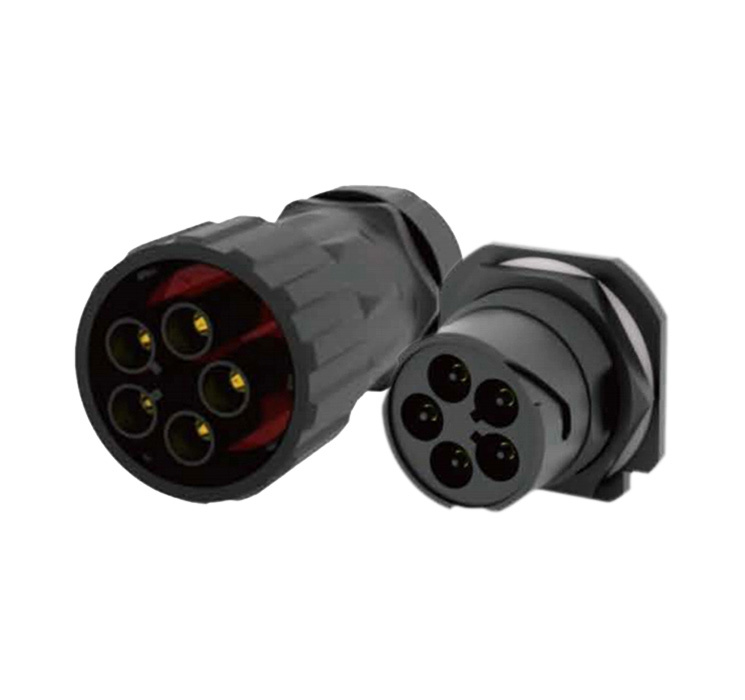
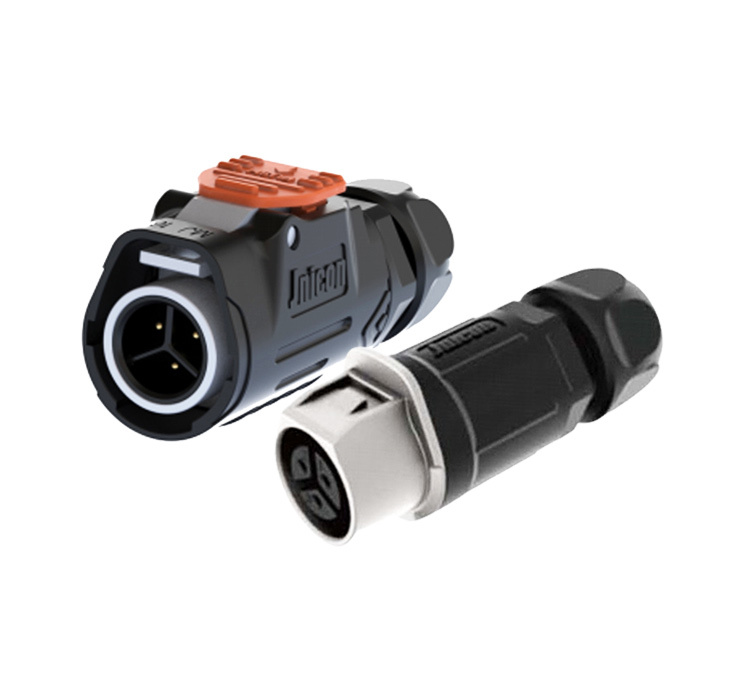
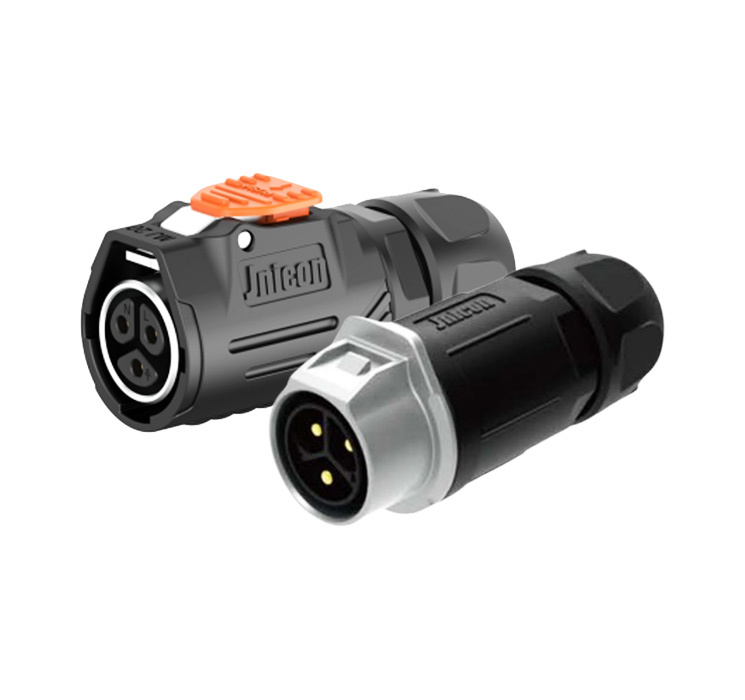
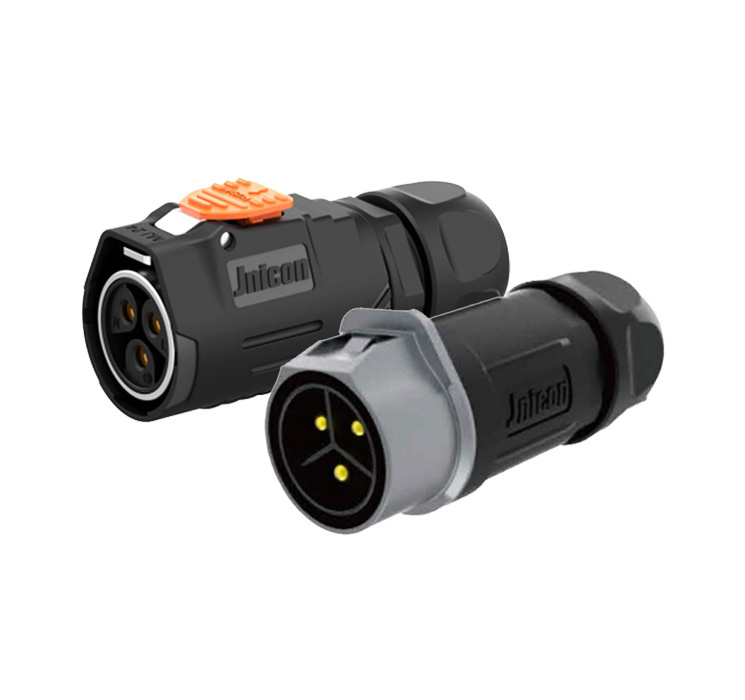
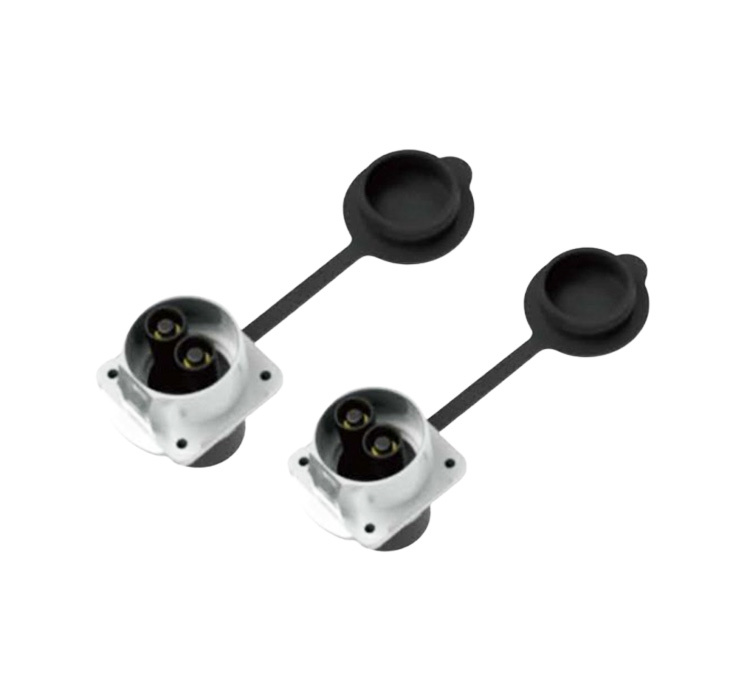
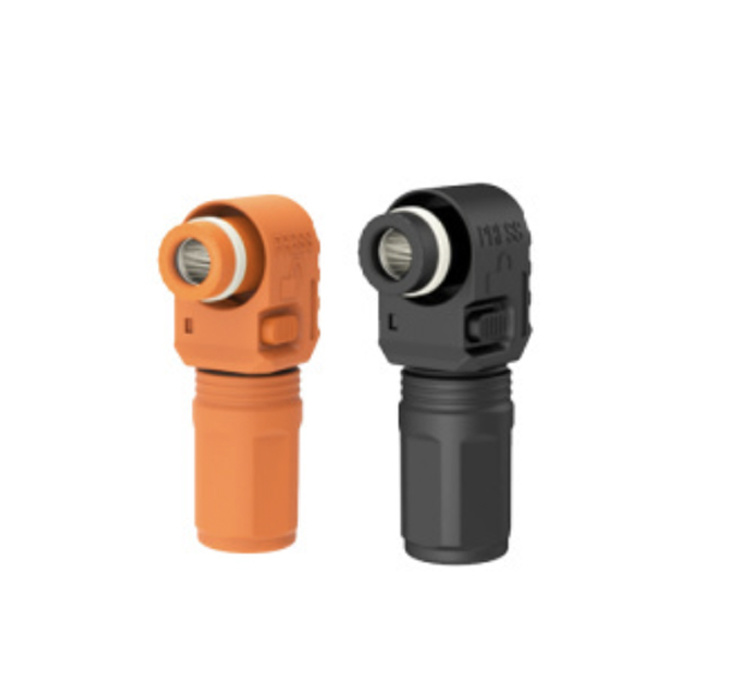
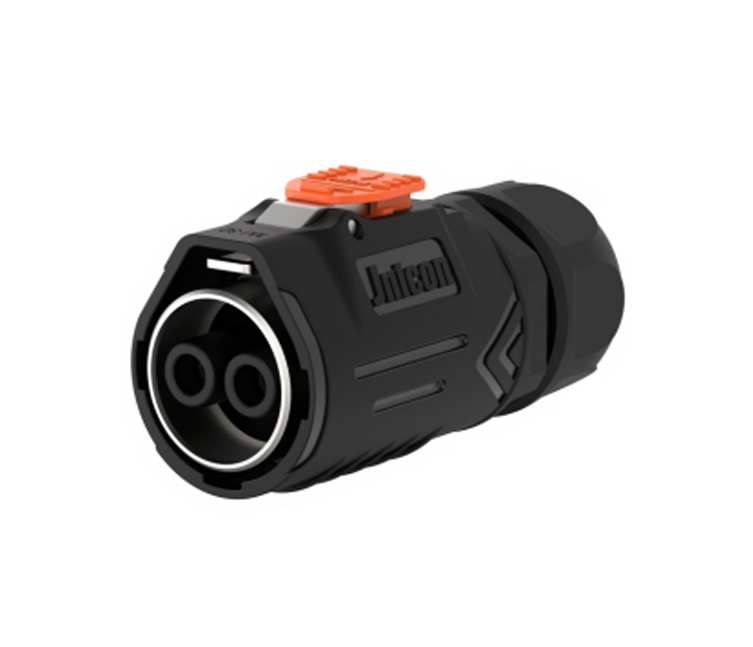
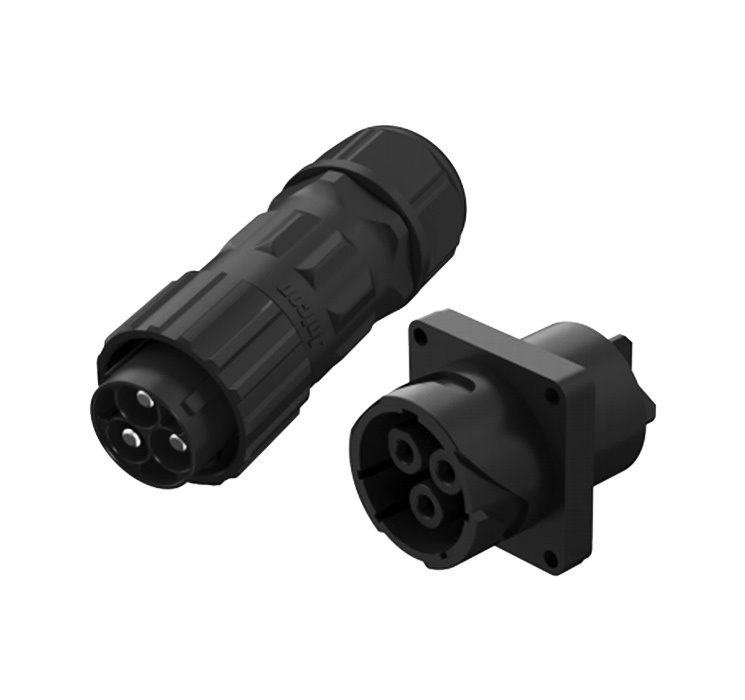
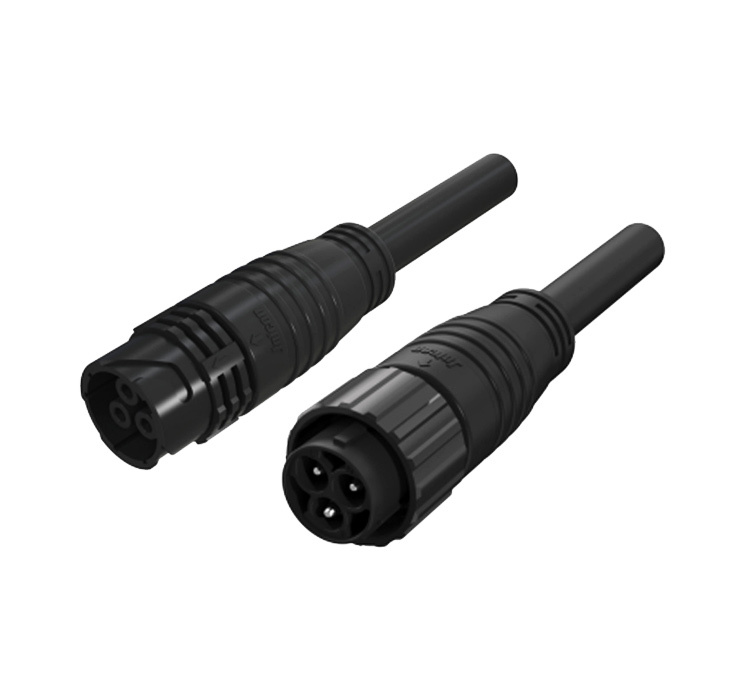
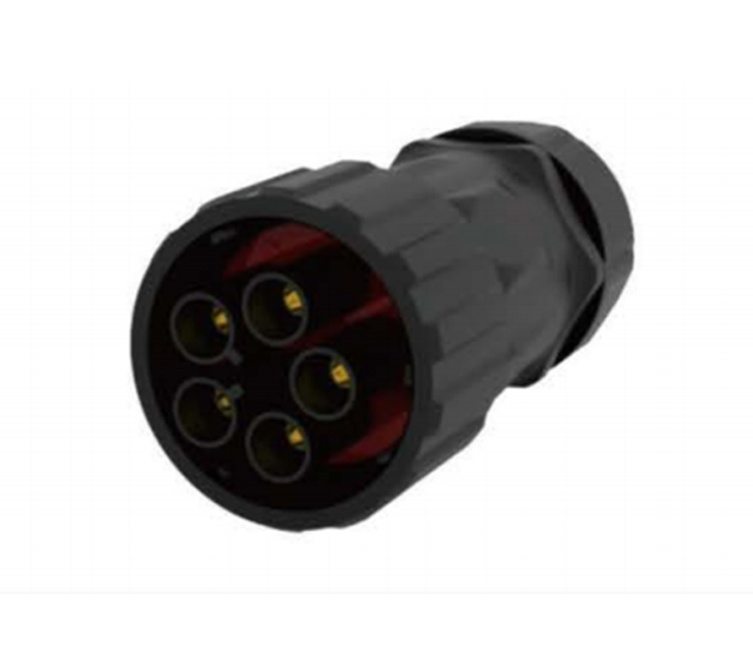
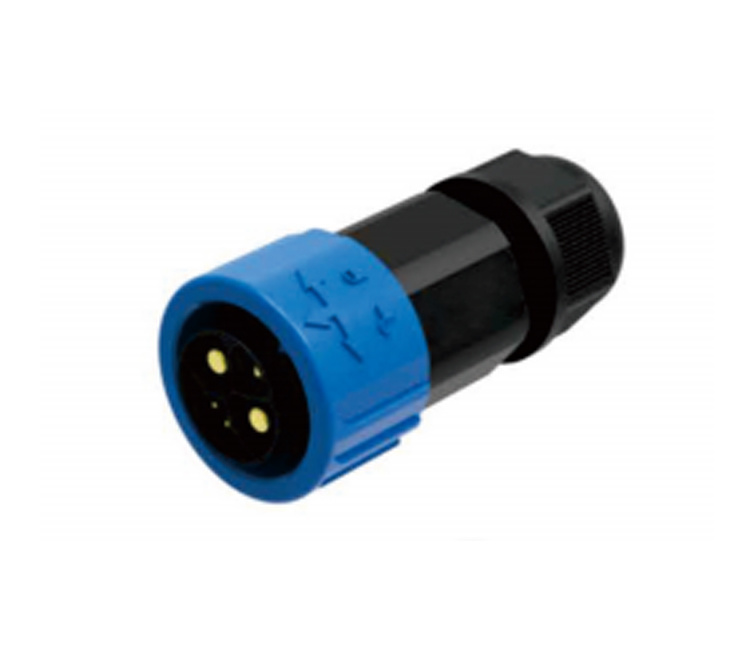
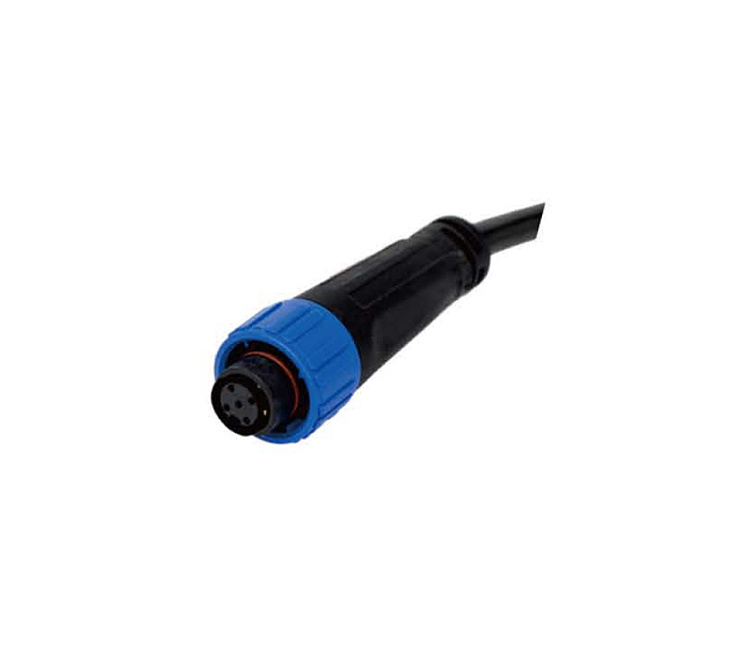
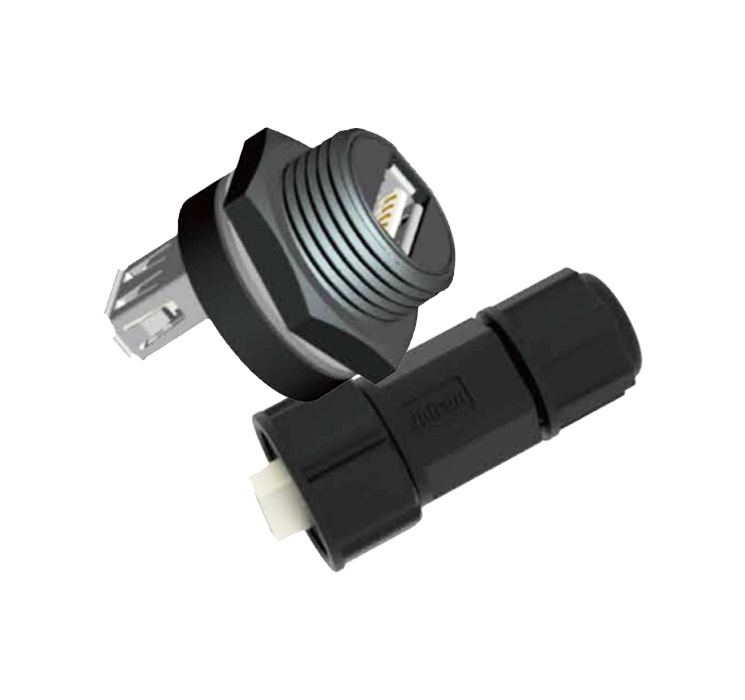
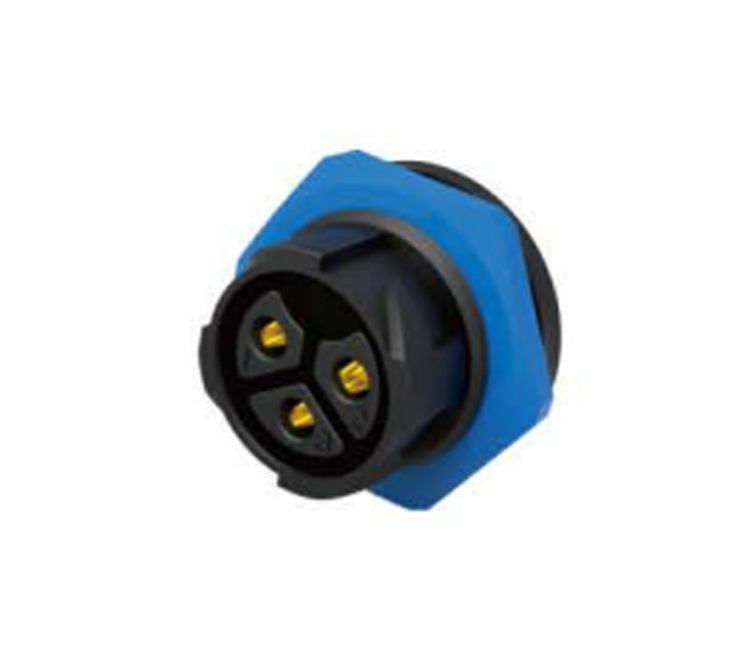
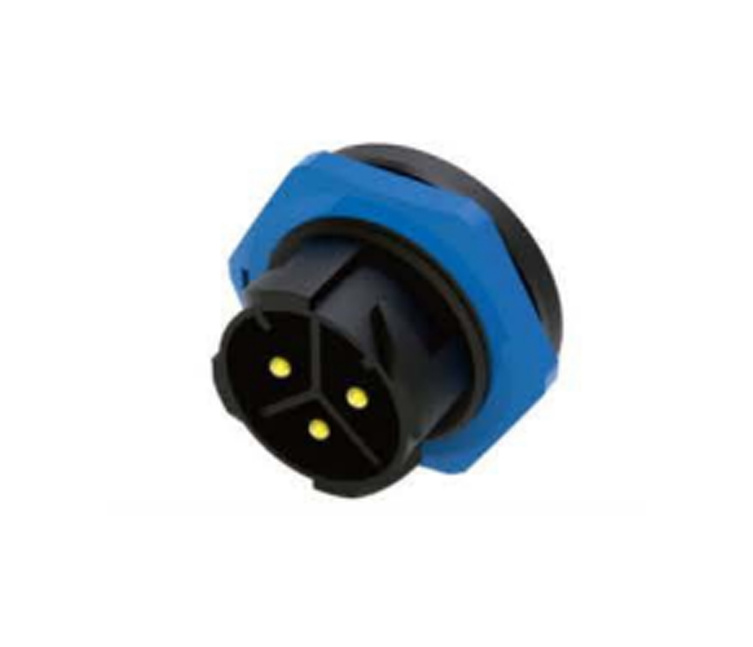
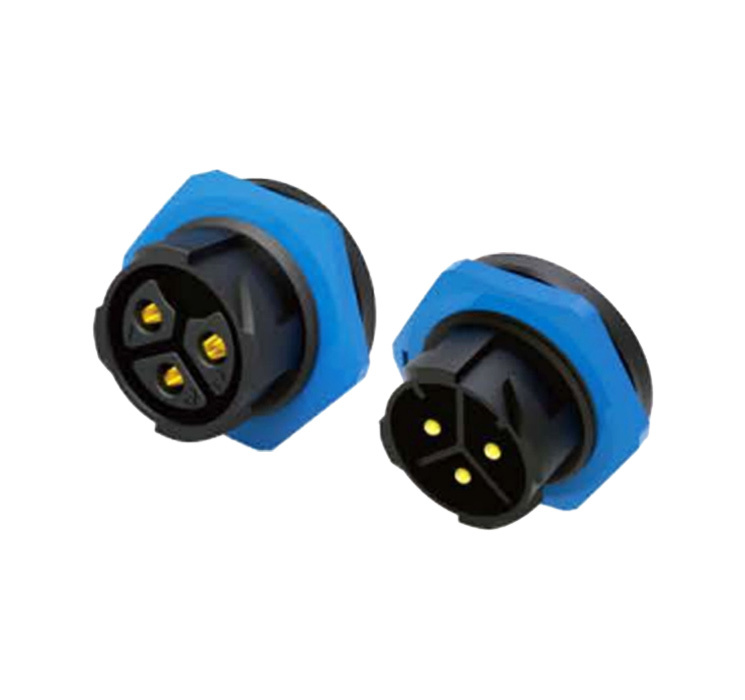
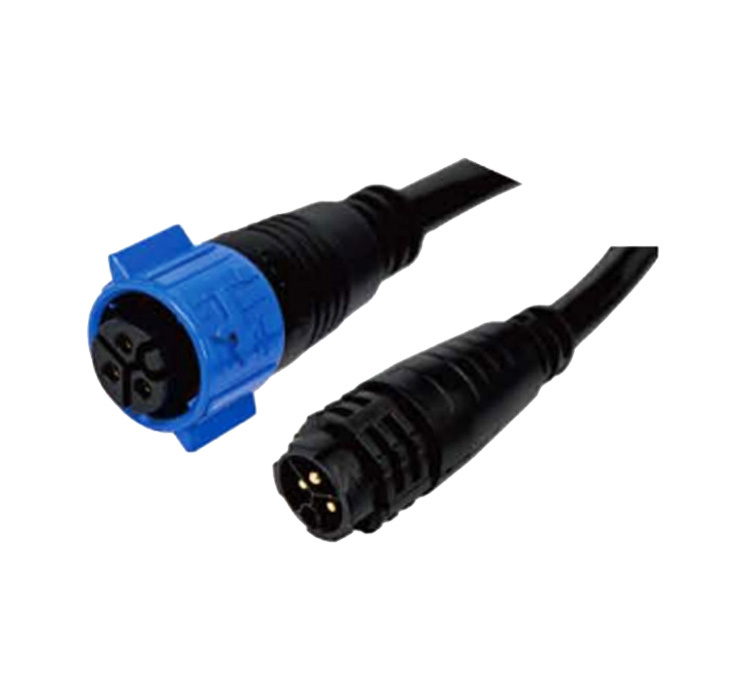
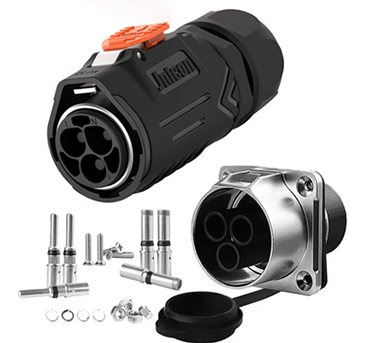
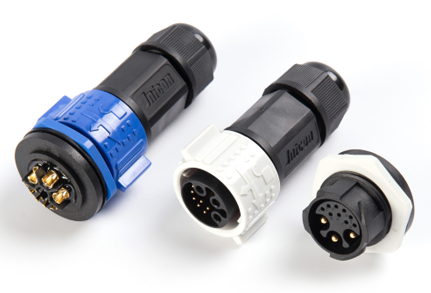
Industrial power connectors come in various types, each tailored to meet specific requirements. Common categories include single-phase and three-phase connectors, which are distinguished by their current-carrying capabilities and the number of phases they support. Additionally, connectors may vary in size, pin configuration, and locking mechanisms, allowing for secure and stable connections in demanding applications.
One key feature of industrial power connectors is their ability to resist environmental factors such as moisture, dust, and extreme temperatures. Many connectors are designed with rugged housings and sealing mechanisms, ensuring durability in industrial settings. This resilience is critical for maintaining uninterrupted power supply and minimizing the risk of equipment failure due to connection issues.
In sectors such as manufacturing, energy, and construction, the selection of appropriate industrial power connectors is paramount. Professionals must consider factors such as current rating, voltage rating, and environmental conditions when choosing connectors. It is also essential to assess compatibility with existing systems to ensure seamless integration and functionality.
Furthermore, safety standards play a crucial role in the design and selection of industrial power connectors. Compliance with international standards ensures that connectors meet rigorous safety and performance criteria, minimizing hazards associated with electrical connections. Professionals must familiarize themselves with relevant certifications and guidelines to ensure the safe operation of their equipment.
Emerging trends in industrial power connectors include the increasing demand for energy-efficient solutions and the adoption of smart technology. As industries strive for higher efficiency and sustainability, connectors that enable real-time monitoring and diagnostics are gaining popularity. These innovations not only enhance operational performance but also contribute to reducing energy consumption and operational costs.
In conclusion, industrial power connectors are indispensable components in the electrical and electronics sector. By understanding their types, features, and applications, professionals can make informed decisions that enhance system reliability and safety. Keeping abreast of industry trends and compliance standards is also critical in navigating the complexities of power connectivity in today's industrial landscape.
News
2026-09-24
Waterproof Wire Harnesses: The Cornerstone of Electric Vehicle Reliability
Waterproof Wire Harnesses: An Essential Component for Electric Vehicles Electric vehicles (EVs) are rapidly transforming the automotive landscape, with advancements in technology leading the charge. Amongst the many components that contribute to the seamless operation of these vehicles, **waterproof wire harnesses** stand out as a vital element. In this comprehensive article, we will delve deep in
2026-09-21
Exploring the Benefits and Applications of 5 Pin Waterproof Connectors
In today's increasingly interconnected world, the demand for reliable and durable electrical connections is paramount, particularly in environments exposed to moisture and harsh conditions. The 5 pin waterproof connector serves as a crucial solution to meet these needs, providing secure electrical connectivity while protecting sensitive components from water damage and corrosion. One of the primar
2026-09-18
Unlocking the Benefits of 3 Pin Waterproof Connectors for Outdoor Projects
Unlocking the Benefits of 3 Pin Waterproof Connectors for Outdoor Projects Introduction: The Importance of Reliable Electrical Connections in Outdoor Projects Ensuring secure and efficient electrical connections in outdoor environments poses unique challenges. Weather conditions, moisture, and temperature fluctuations can jeopardize your projects. This is where **3 pin waterproof connectors**

B8-9, Fubilun industrial park, Chaoyang rd,Yanchuan community, Songgang, Shenzhen, China


