


Understanding Waterproof Cables: Essential Insights for Electrical Professionals
Release Time:
2026-03-31
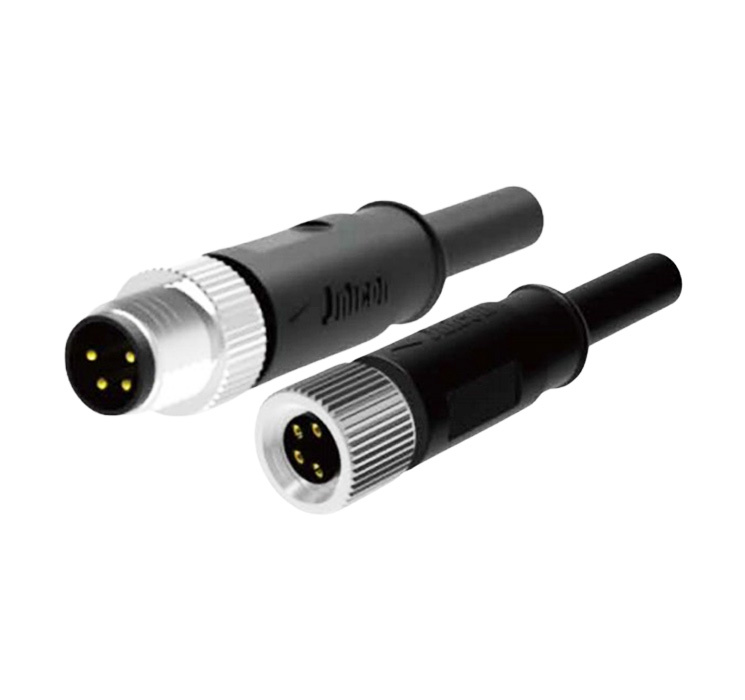
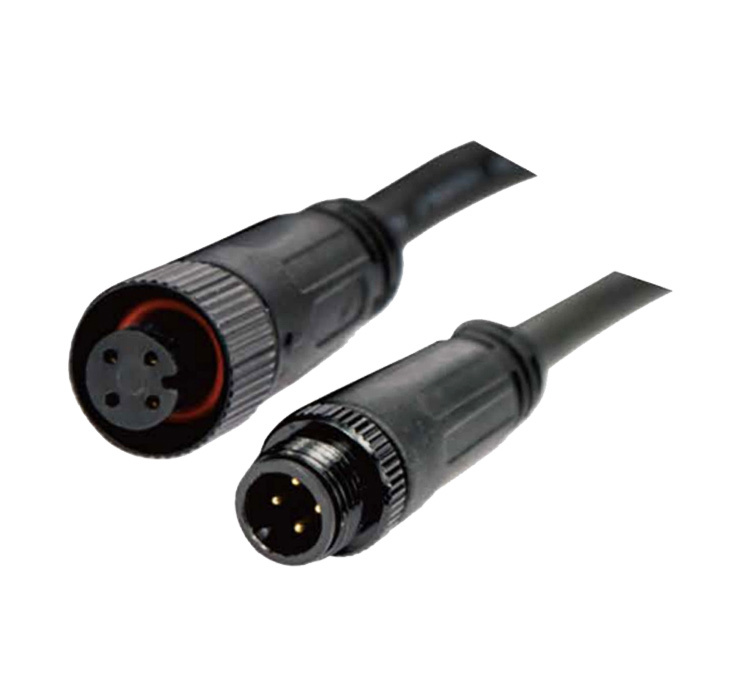
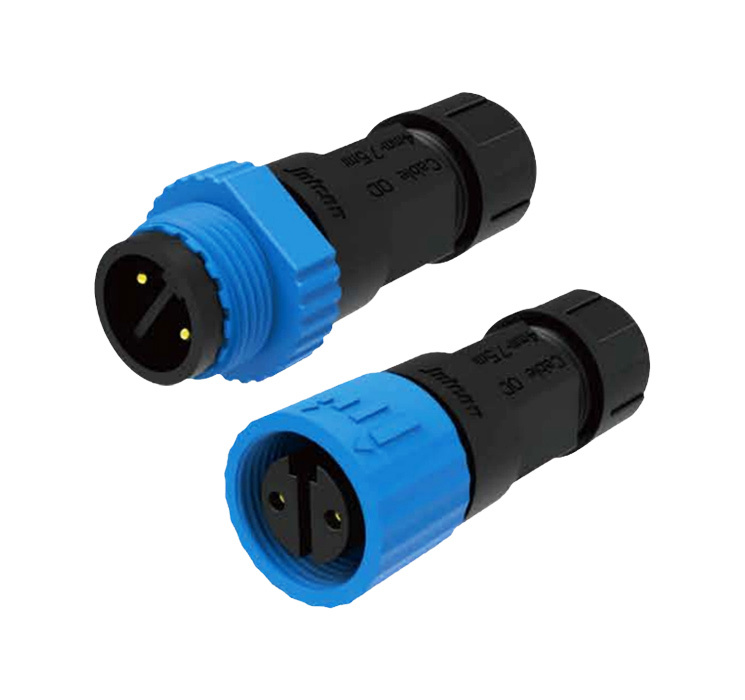
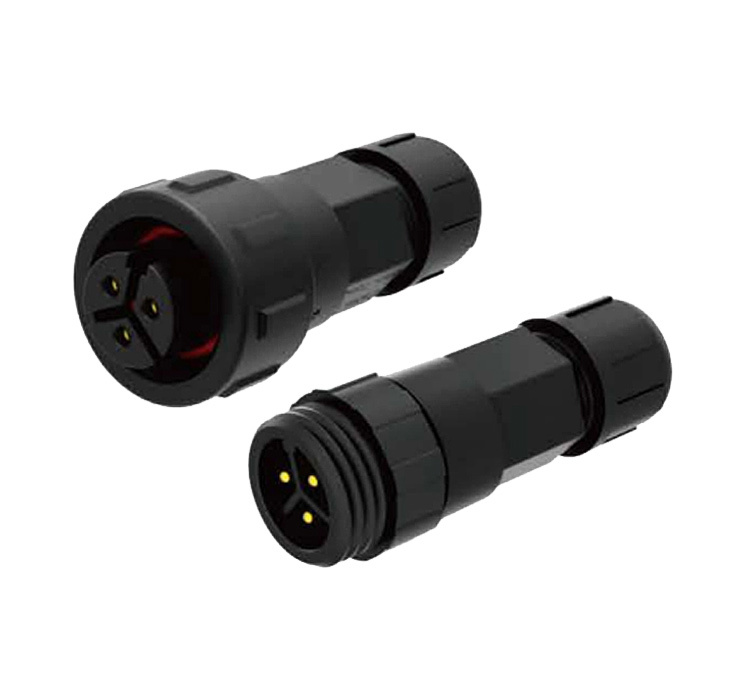
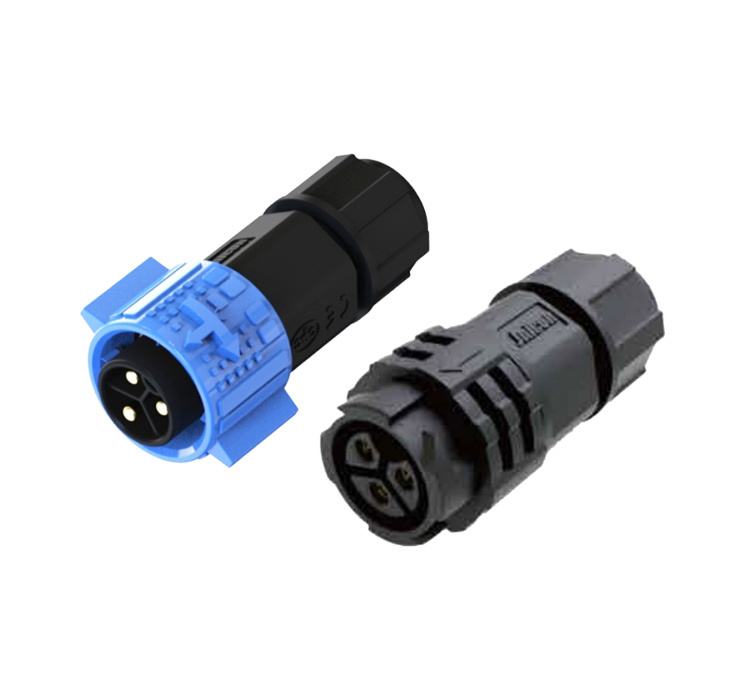
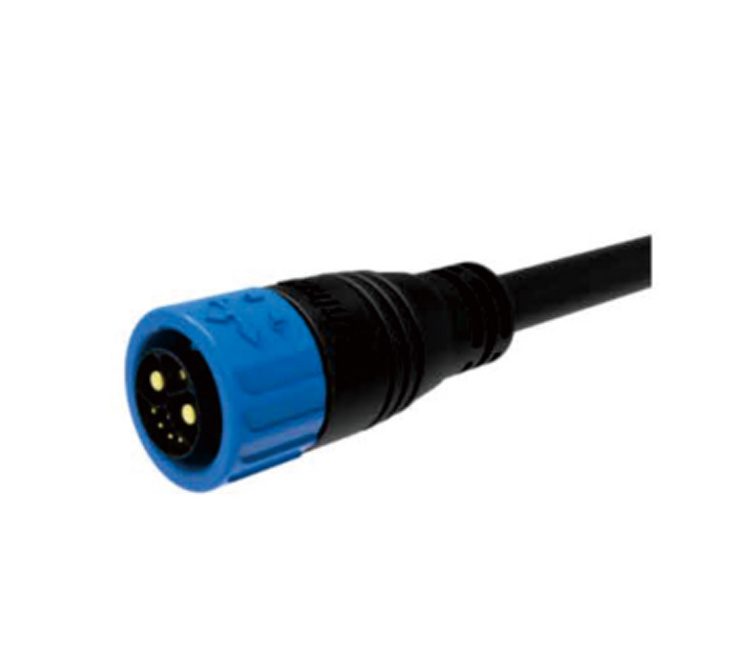
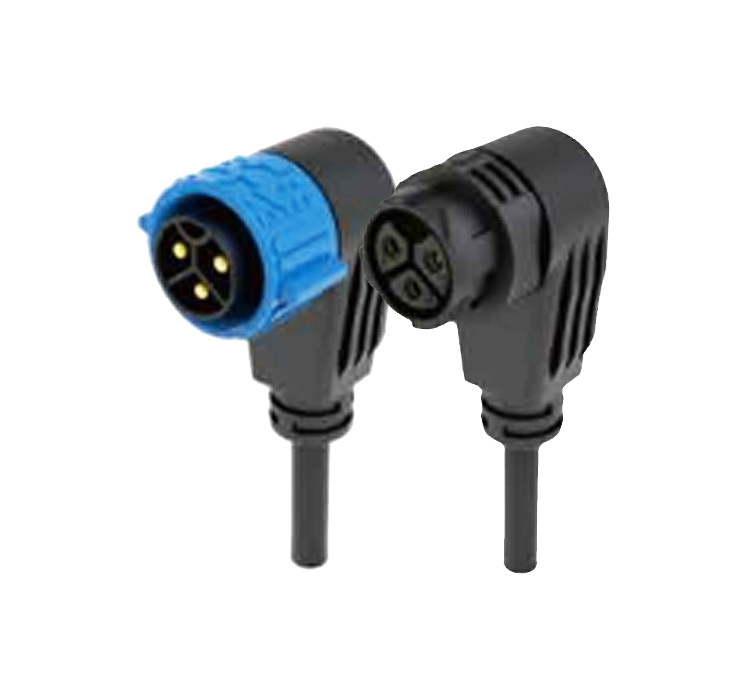
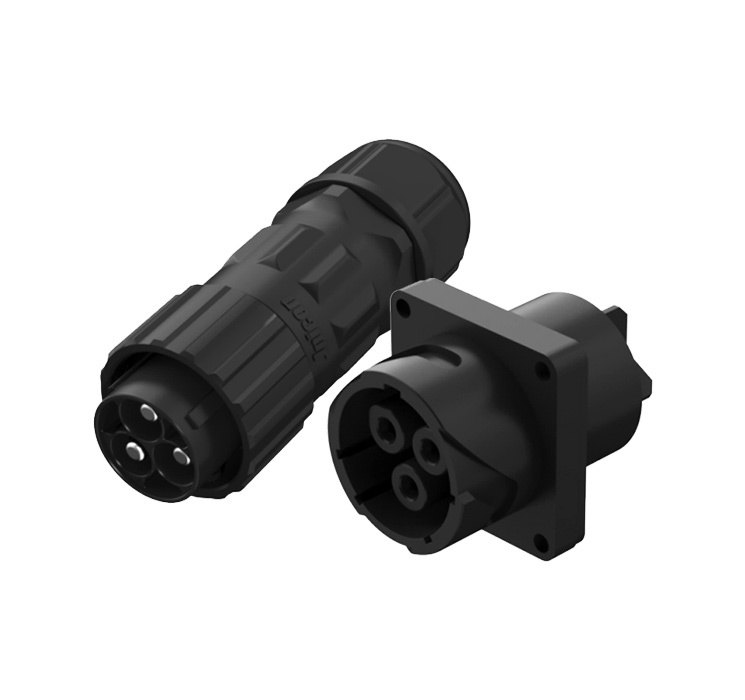
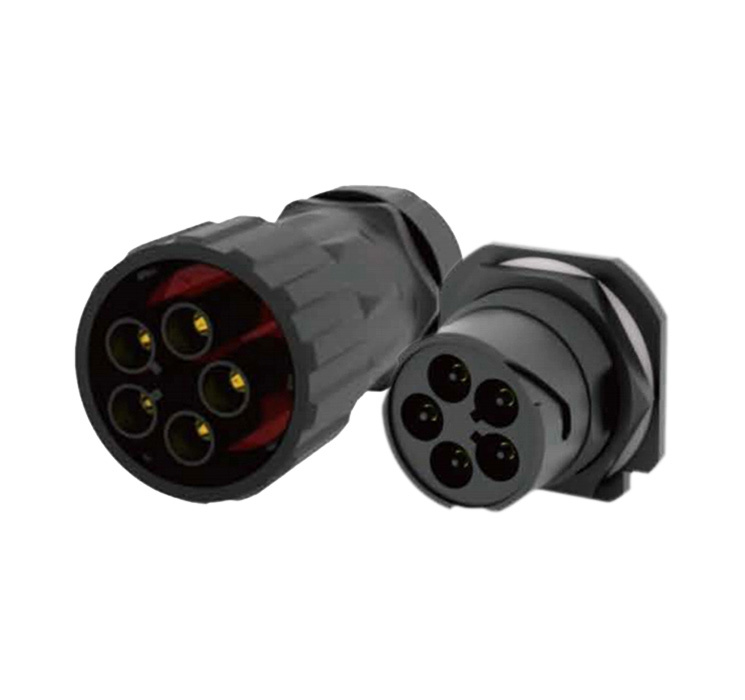
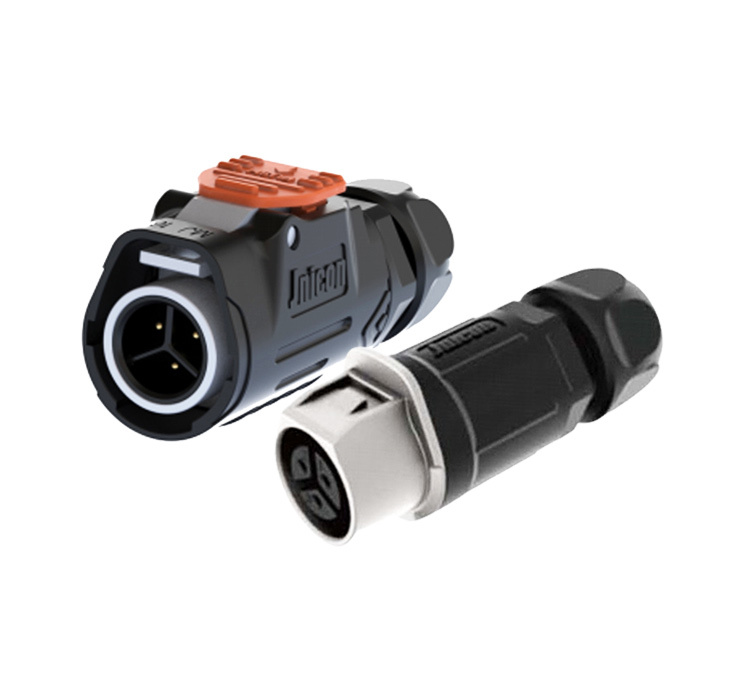
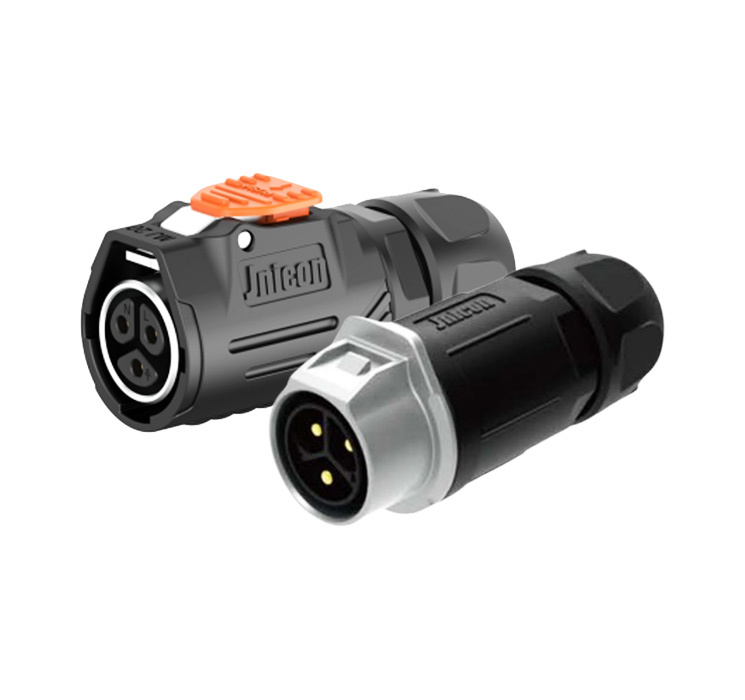
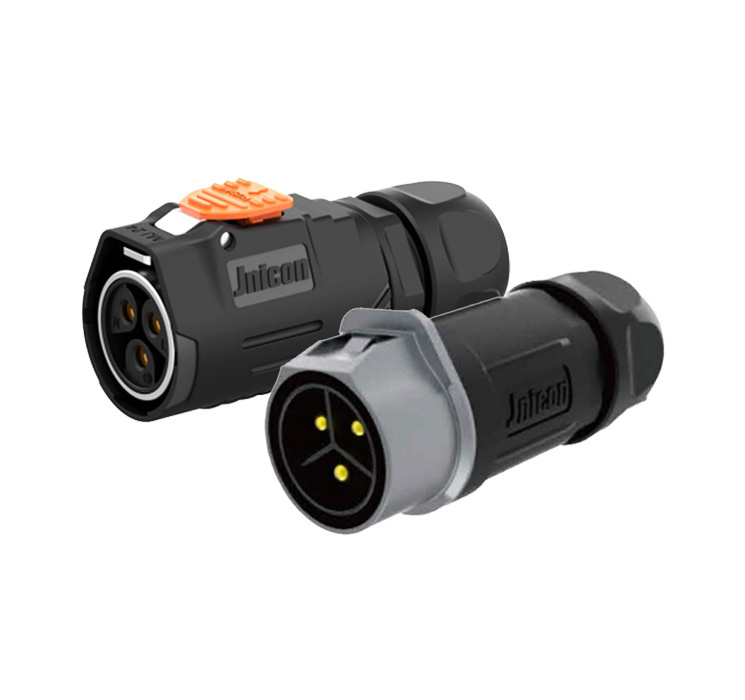
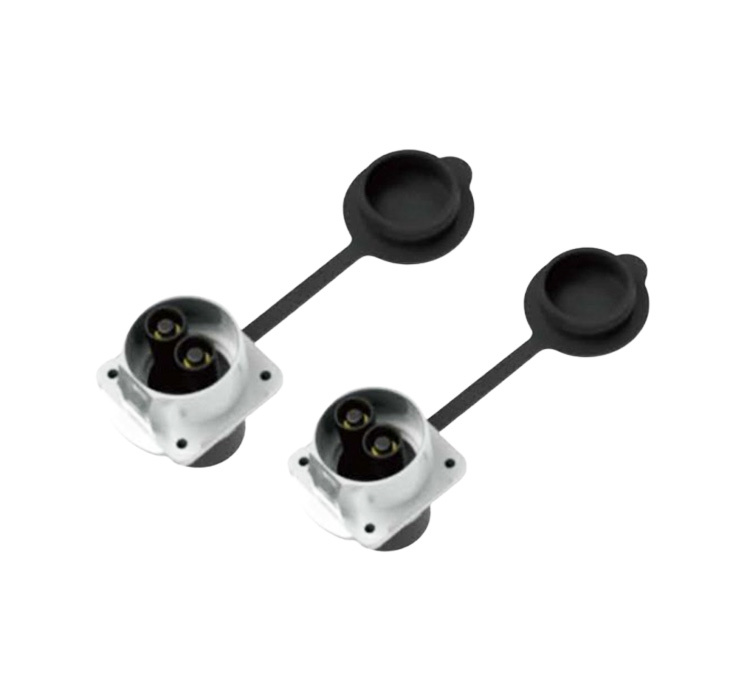
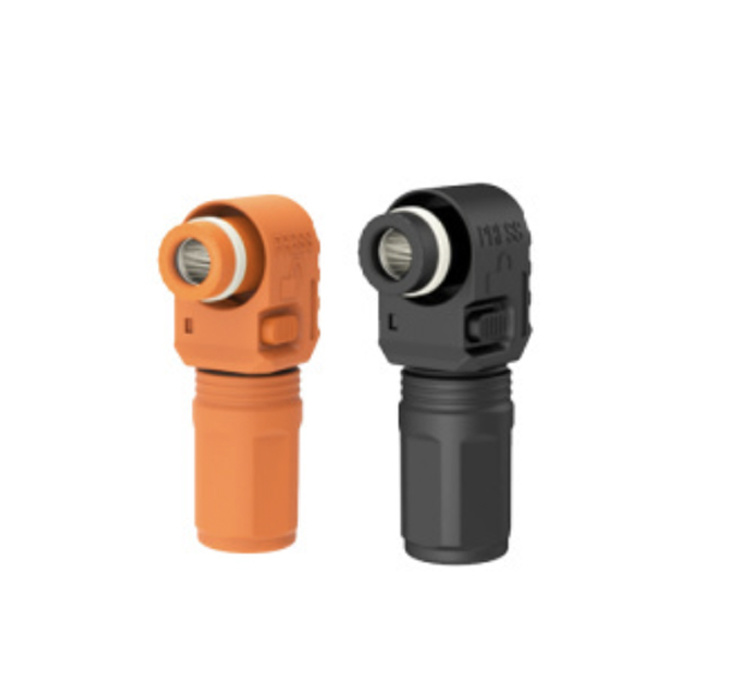
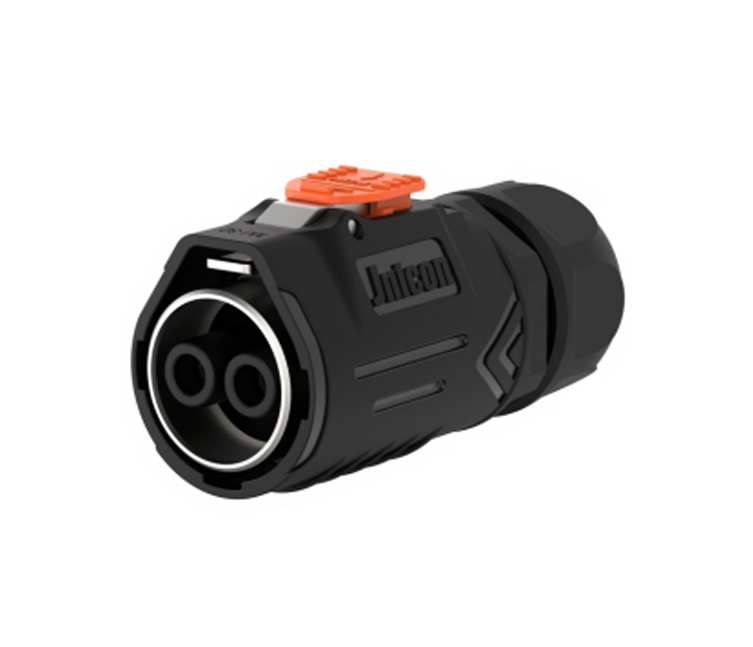
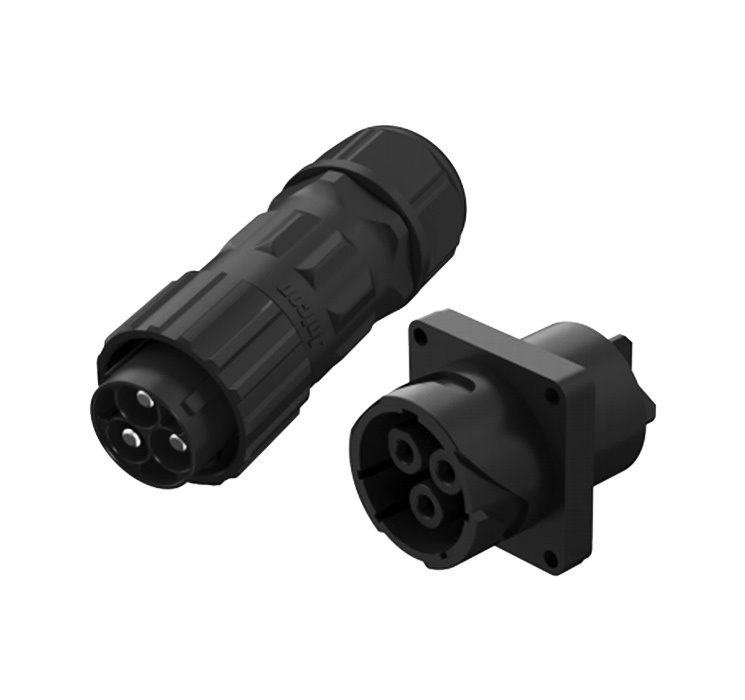
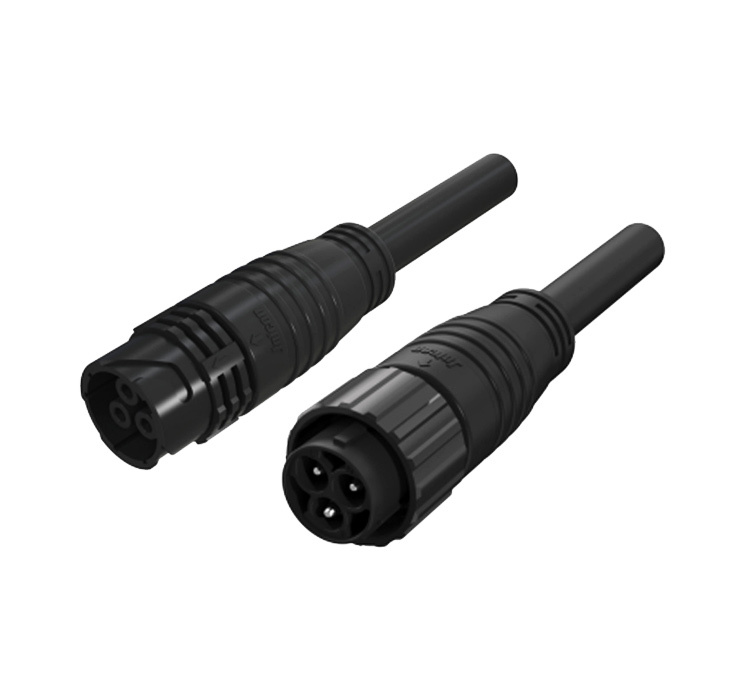
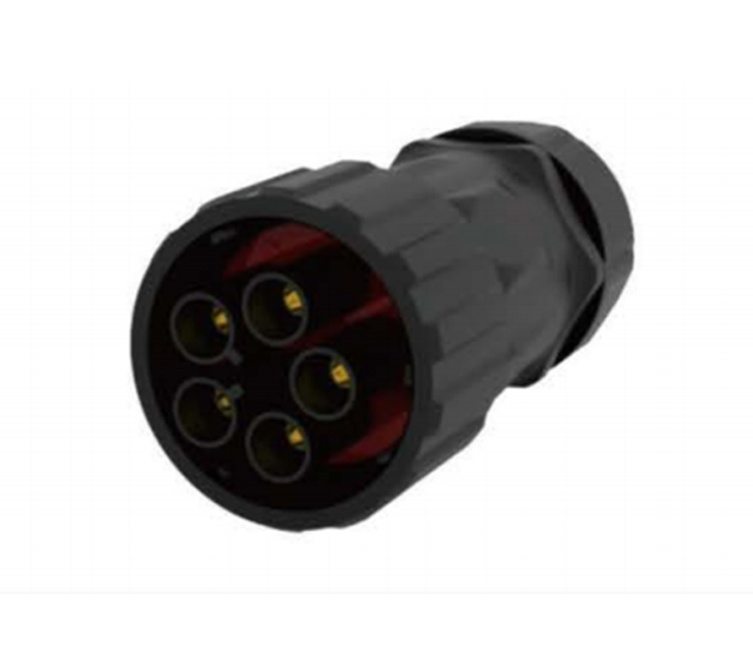
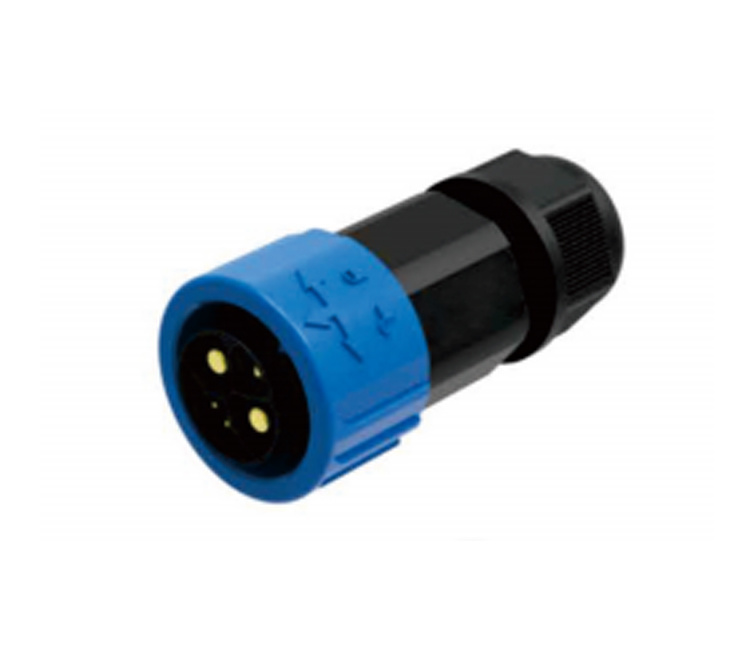
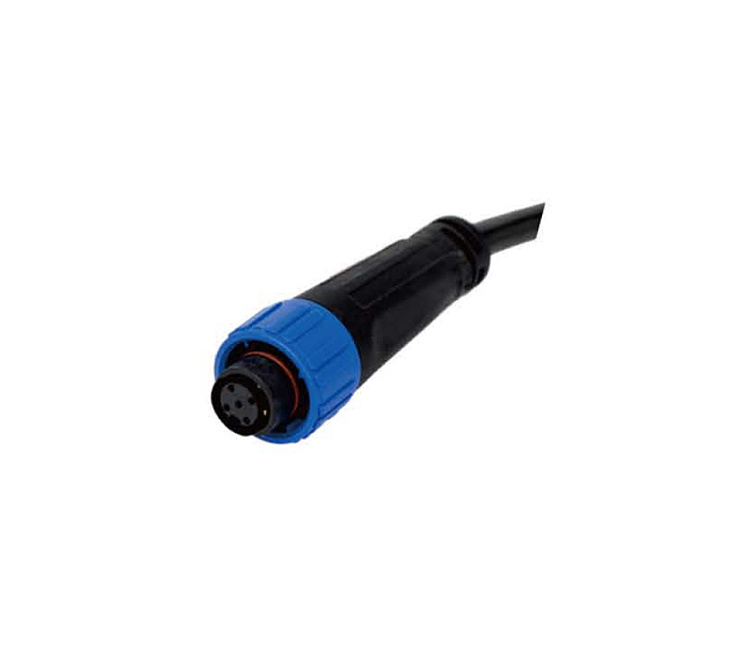
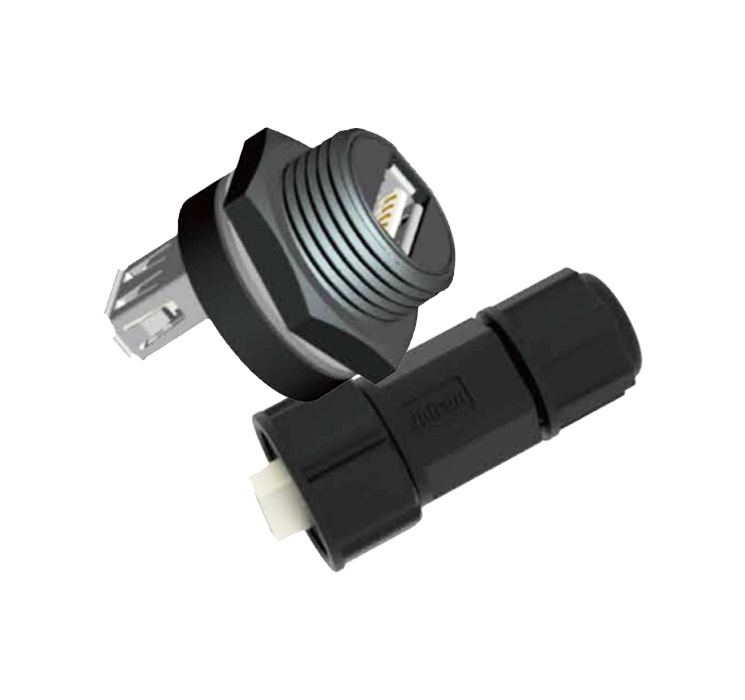
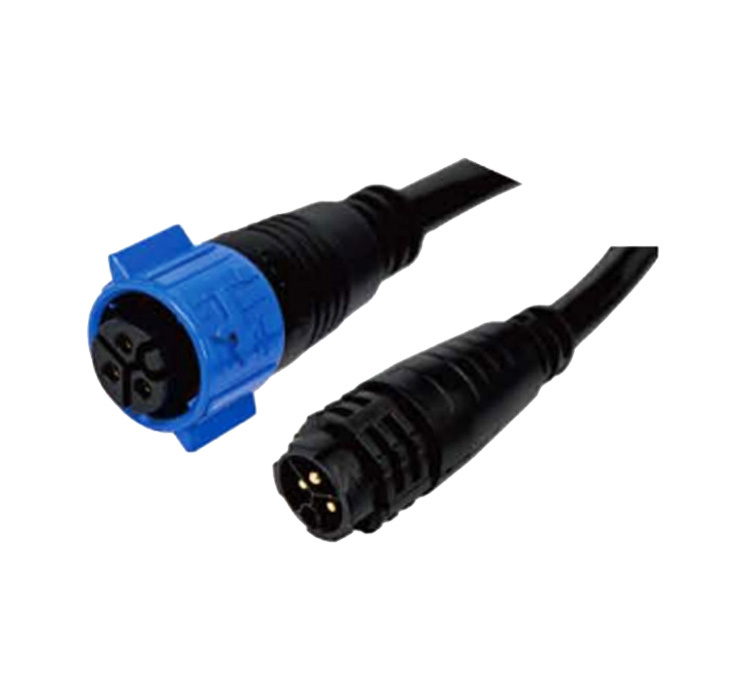
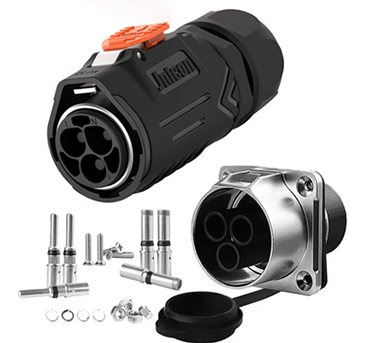
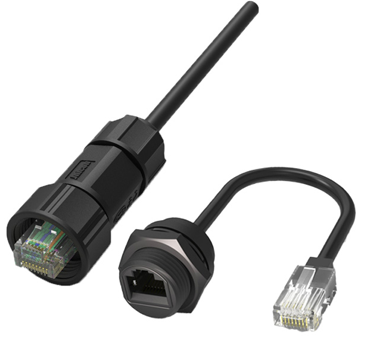
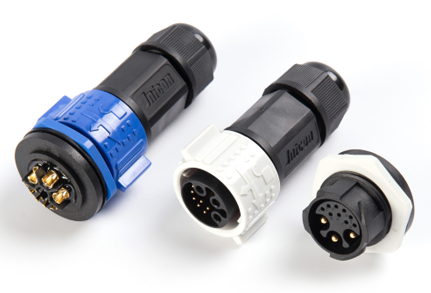
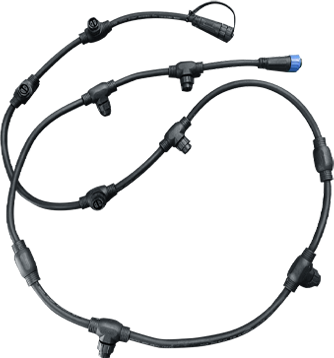
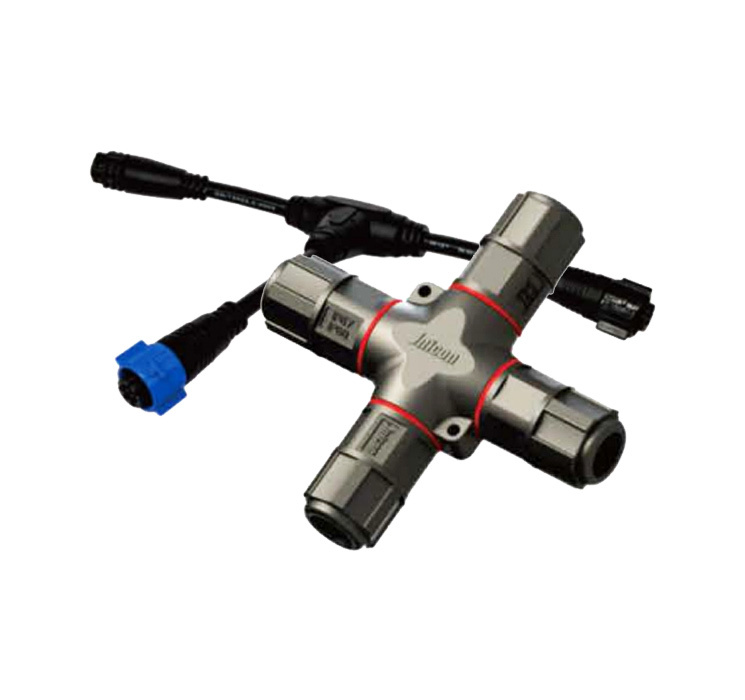
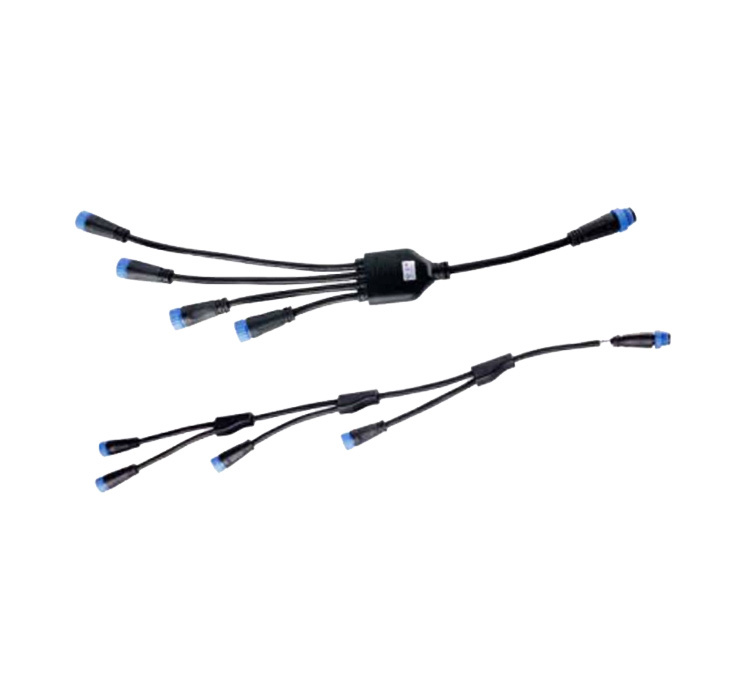
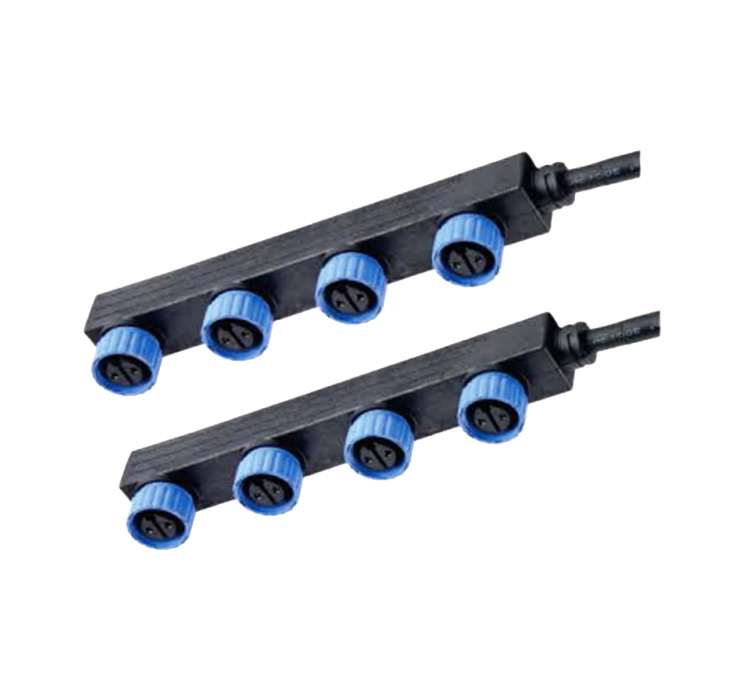
One of the primary features of waterproof cables is their construction. These cables are typically encased in protective materials, such as thermoplastic elastomers or PVC, which provide an effective barrier against water ingress. Additionally, the connectors used in tandem with waterproof cables are often designed to seal effectively, preventing any moisture from compromising the integrity of the connection. This level of protection is vital in environments where electrical failure due to moisture could lead to costly downtime or safety hazards.
When selecting waterproof cables, it’s important to consider the IP (Ingress Protection) rating. This rating indicates the level of protection the cable offers against solid objects and liquids. For instance, a cable with an IP67 rating is dust-tight and can withstand immersion in water up to a specified depth for a limited time. Understanding these ratings helps professionals choose the right cable for their specific application.
Waterproof cables are commonly used in various sectors, including automotive, telecommunications, and renewable energy. In the automotive industry, for example, these cables are critical for wiring harnesses in vehicles exposed to the elements. In telecommunications, waterproof cables ensure reliable data transmission in outdoor settings, such as cell towers and satellite installations. The renewable energy sector also relies on waterproof cables for solar panel connections and wind turbine installations, where exposure to the elements is a daily reality.
Furthermore, the installation of waterproof cables requires careful consideration of environmental conditions and local regulations. Professionals must ensure that all connections are properly terminated and that any necessary junction boxes are also rated for outdoor use. This attention to detail can prevent potential issues in the future, ensuring that the electrical system functions optimally even in harsh conditions.
In conclusion, waterproof cables are a vital component in the electrical and connectivity industry, providing safety and reliability in challenging environments. Understanding their features, applications, and installation requirements will not only enhance your projects but also ensure compliance with industry standards. By prioritizing waterproof solutions, electrical professionals can safeguard their work and contribute to the overall efficiency of electrical systems.
News
2026-09-27
Understanding Industrial Power Connectors: Key Insights for Professionals
Industrial power connectors play a crucial role in the safety and efficiency of electrical systems across various sectors, including manufacturing, energy, and transportation. These connectors are designed to facilitate the transmission of electrical power in rugged environments, ensuring reliable and stable connections. Understanding the types, applications, and selection criteria for industrial
2026-09-24
Waterproof Wire Harnesses: The Cornerstone of Electric Vehicle Reliability
Waterproof Wire Harnesses: An Essential Component for Electric Vehicles Electric vehicles (EVs) are rapidly transforming the automotive landscape, with advancements in technology leading the charge. Amongst the many components that contribute to the seamless operation of these vehicles, **waterproof wire harnesses** stand out as a vital element. In this comprehensive article, we will delve deep in
2026-09-21
Exploring the Benefits and Applications of 5 Pin Waterproof Connectors
In today's increasingly interconnected world, the demand for reliable and durable electrical connections is paramount, particularly in environments exposed to moisture and harsh conditions. The 5 pin waterproof connector serves as a crucial solution to meet these needs, providing secure electrical connectivity while protecting sensitive components from water damage and corrosion. One of the primar

B8-9, Fubilun industrial park, Chaoyang rd,Yanchuan community, Songgang, Shenzhen, China


