


Marine Electrical Connectors 101: Understanding Waterproof Specifications
Release Time:
2026-04-01
Marine Electrical Connectors 101: Understanding Waterproof Specifications
Table of Contents
- 1. Introduction to Marine Electrical Connectors
- 2. Importance of Waterproof Specifications
- 3. Types of Marine Electrical Connectors
- 4. Understanding Waterproof Ratings (IP Codes)
- 5. Key Features of Waterproof Connectors
- 6. Best Practices for Installing Marine Electrical Connectors
- 7. Maintenance of Marine Electrical Connectors
- 8. Conclusion
- 9. Frequently Asked Questions (FAQs)
1. Introduction to Marine Electrical Connectors
Marine environments can be incredibly challenging due to moisture, saltwater, and extreme temperatures. These conditions place significant demands on electrical systems. **Marine electrical connectors** are critical components that facilitate the safe and reliable transmission of power and signals in boats and ships. Understanding the specifications and features that ensure waterproof capabilities is essential for maintaining the integrity and functionality of marine electrical systems.
In this article, we will delve into the various types of marine electrical connectors, their waterproof specifications, and how to choose the right ones for your needs.
2. Importance of Waterproof Specifications
Waterproof specifications are vital for marine applications. The **importance of waterproof connectors** lies in several key areas:
- **Prevention of Electrical Failures**: Water ingress can lead to short circuits, corrosion, and eventual failure of electrical systems. Waterproof connectors mitigate these risks and ensure longevity.
- **Safety**: Ensuring that electrical connections are waterproof protects against potential electrical shocks, which can be life-threatening in marine environments.
- **Regulatory Compliance**: Many marine applications require compliance with specific industry standards. Using waterproof connectors helps meet these regulations, ensuring your vessel is safe and up to code.
- **Performance in Harsh Conditions**: Marine electrical systems must operate reliably in various weather conditions. High-quality waterproof connectors are designed to withstand these challenges, making them indispensable.
3. Types of Marine Electrical Connectors
There are several types of electrical connectors used in marine applications, each designed for specific purposes:
3.1 Circular Connectors
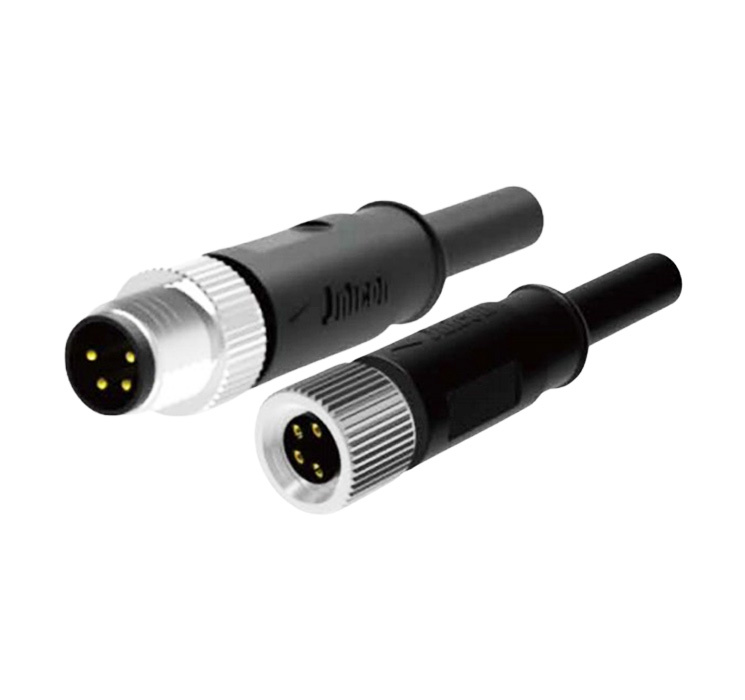
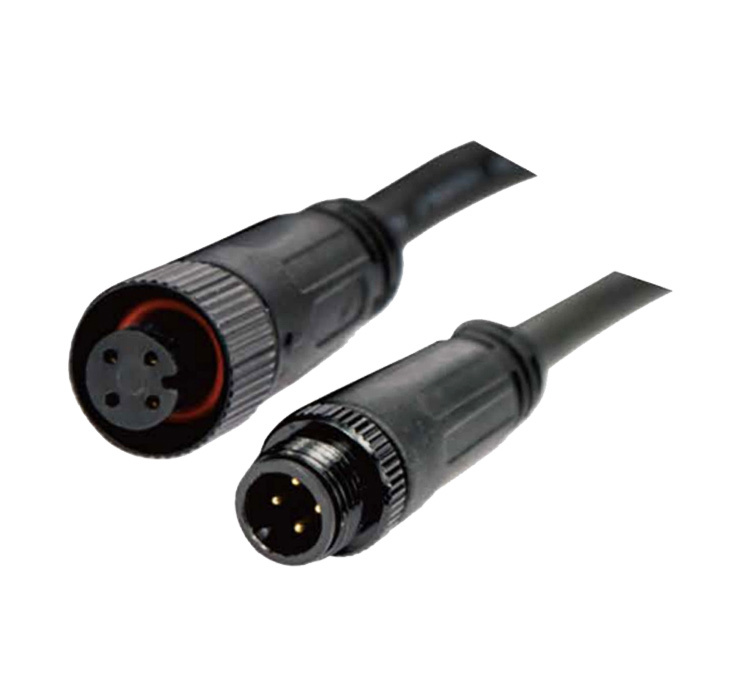
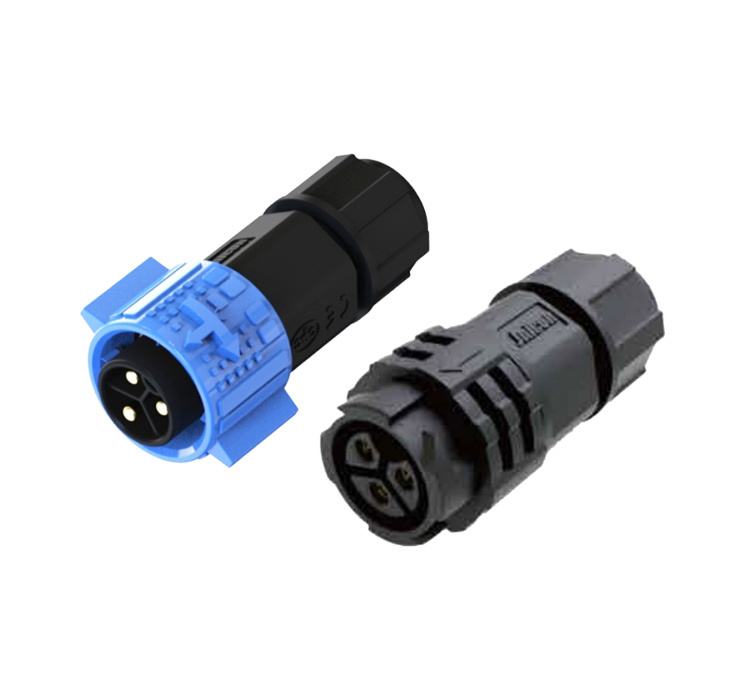
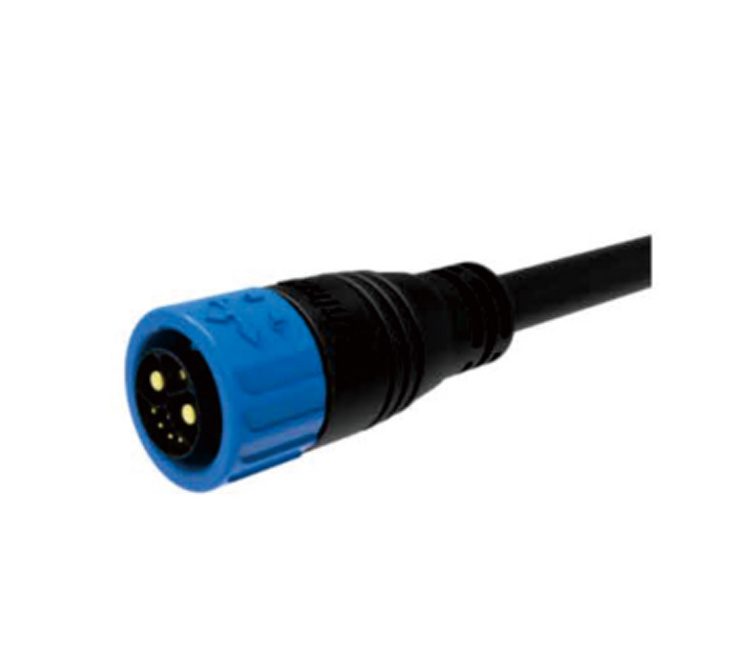
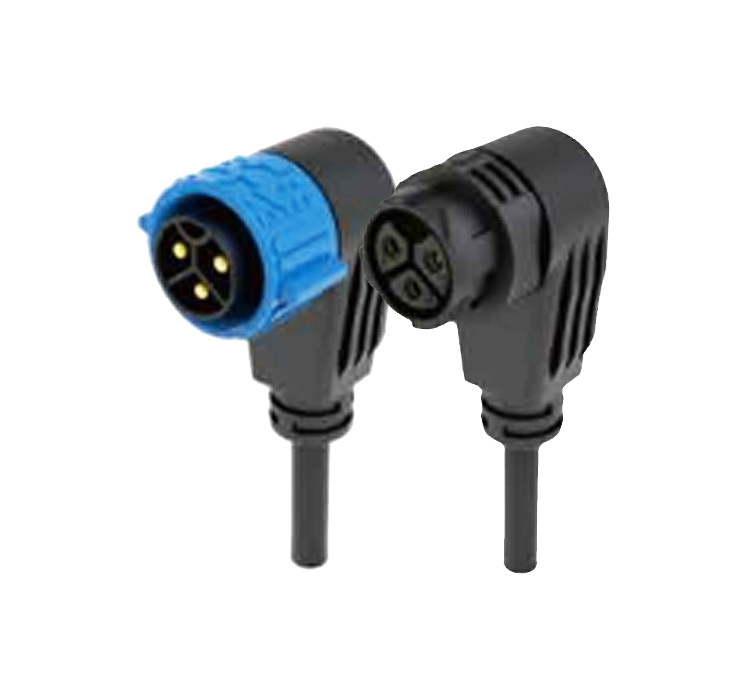
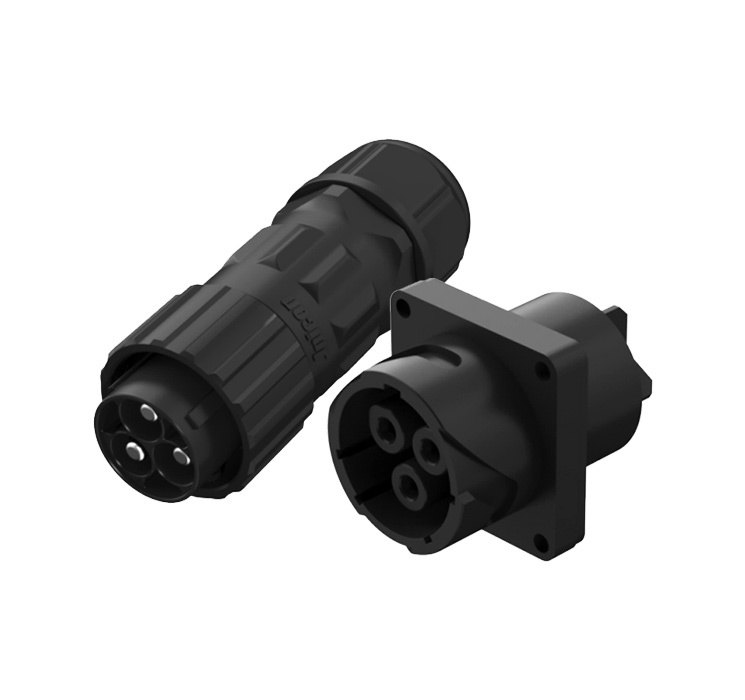
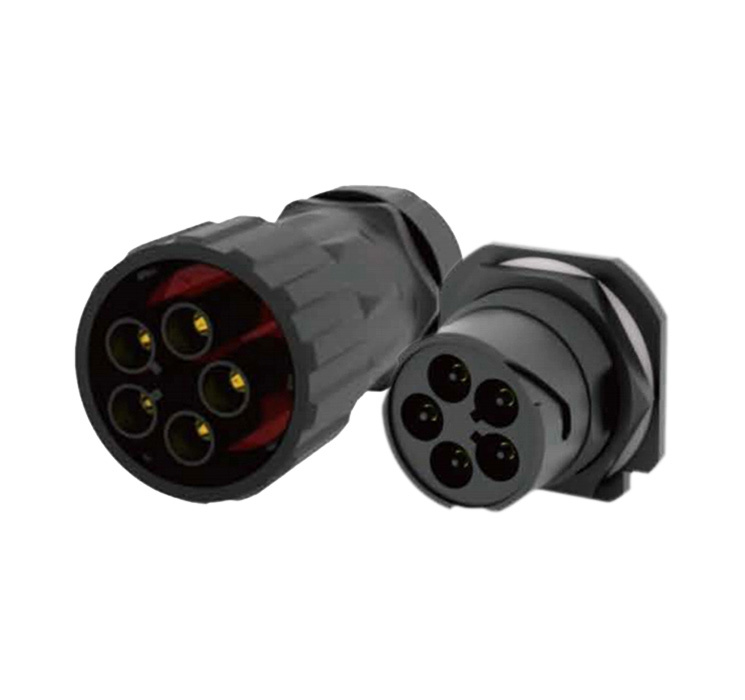
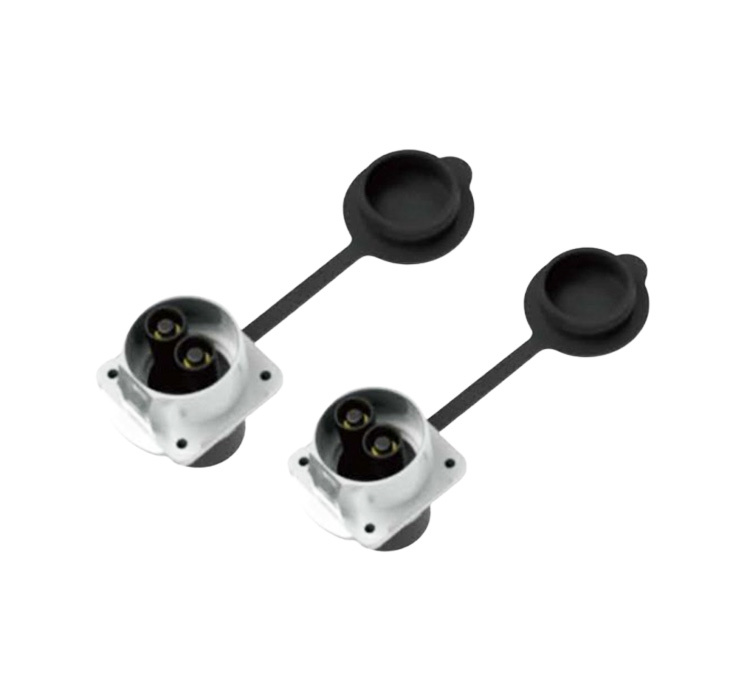
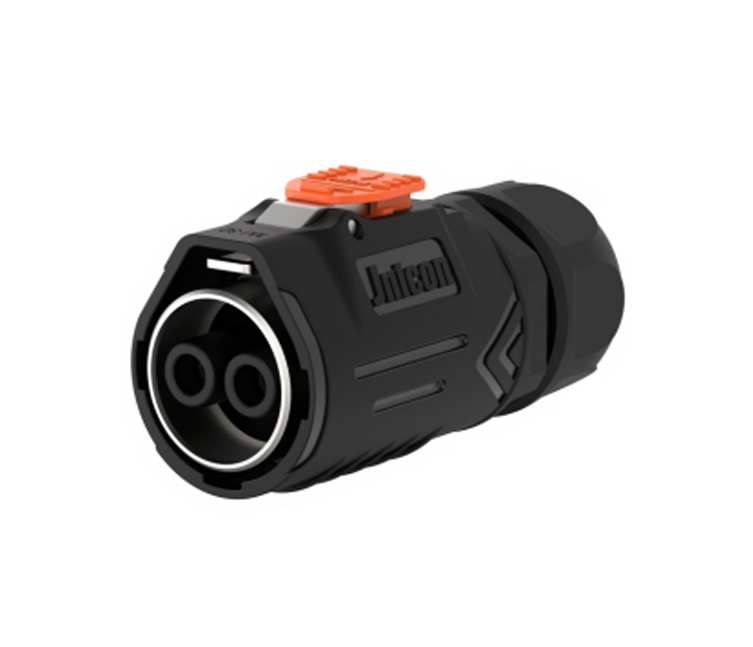
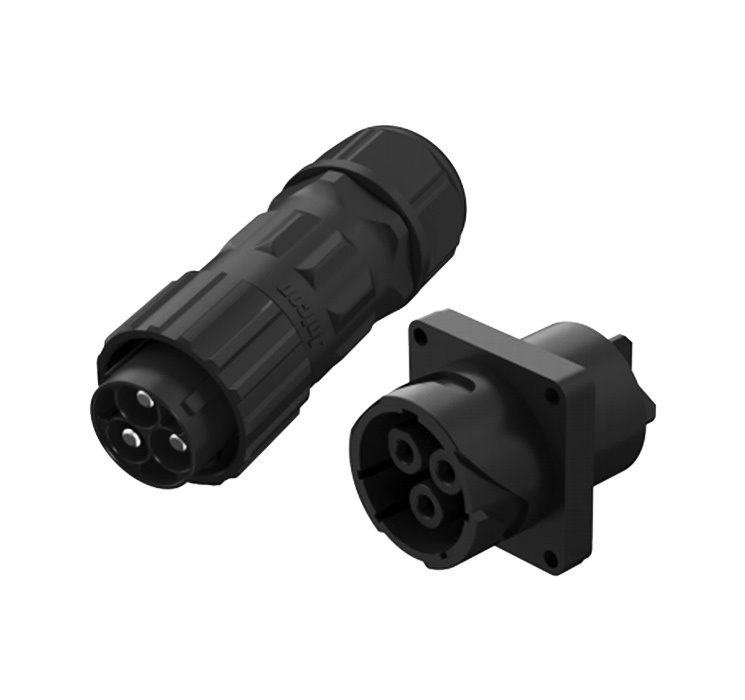
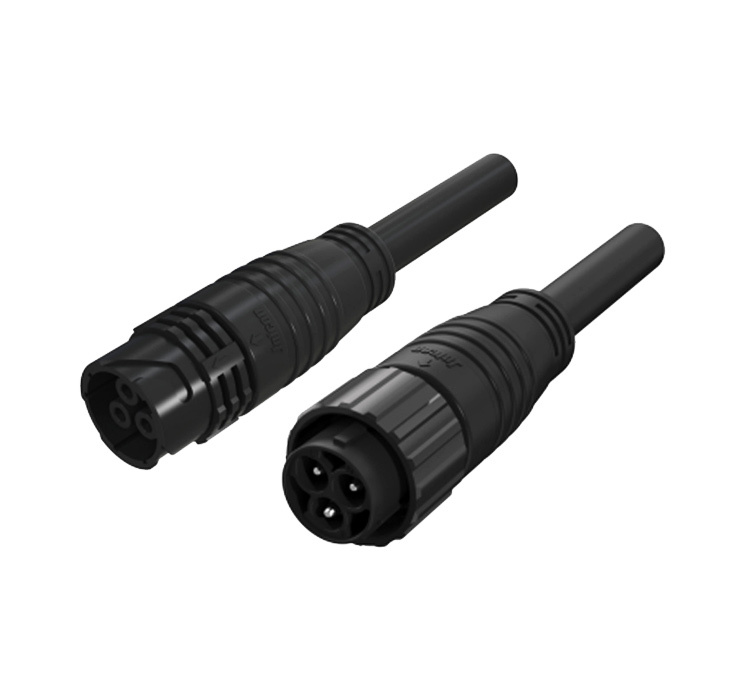
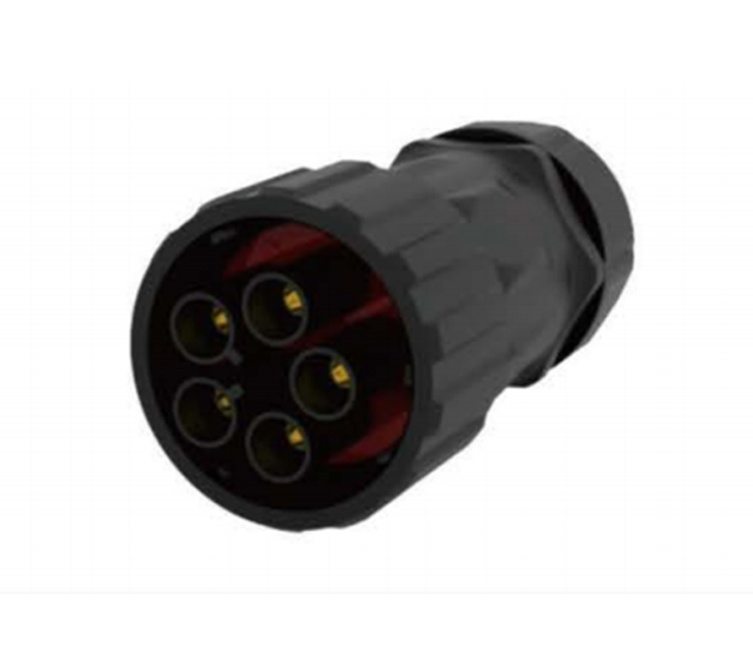
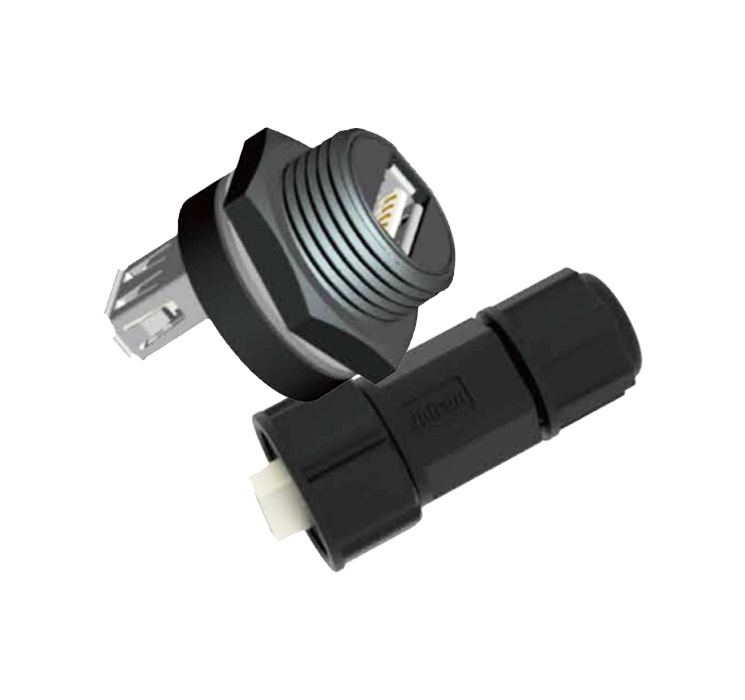
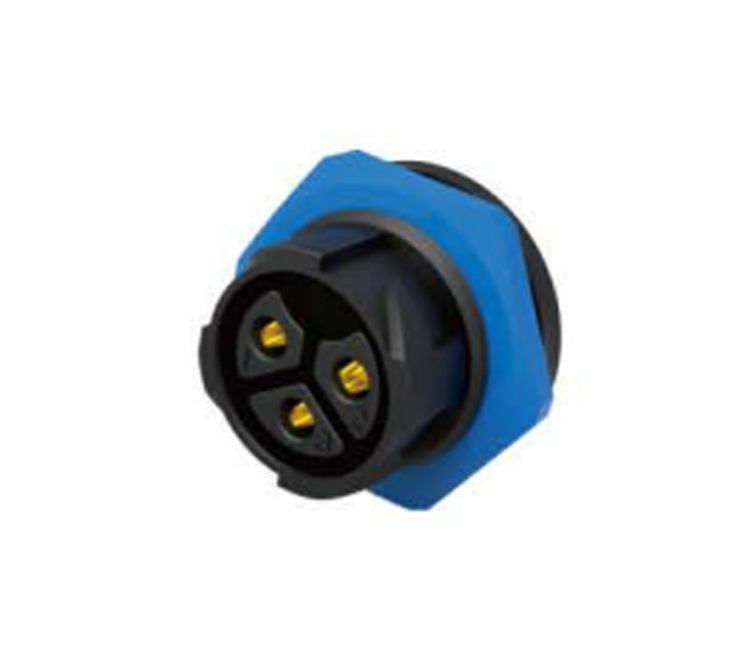
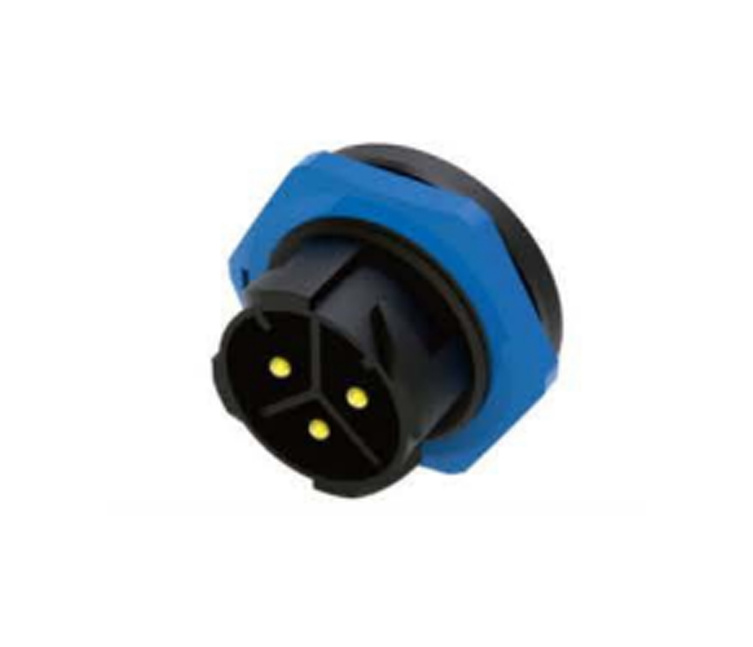
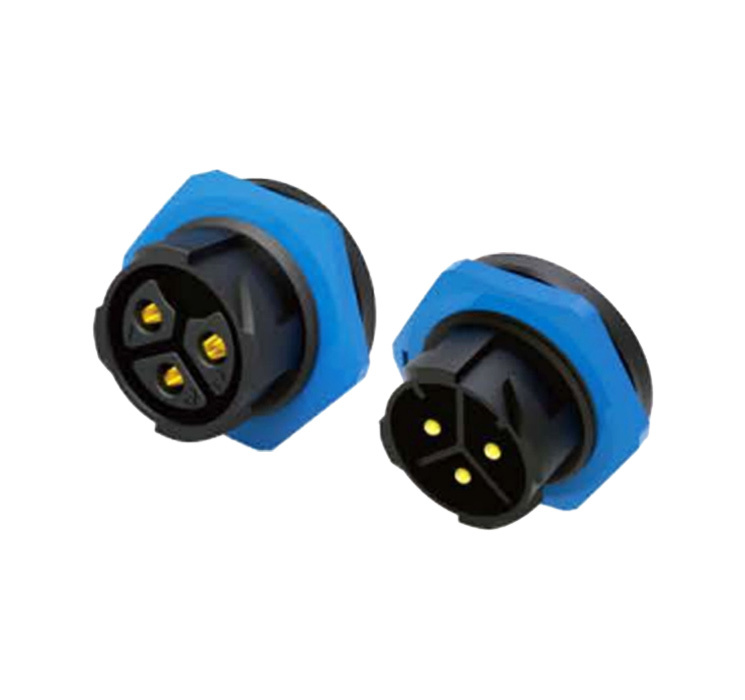
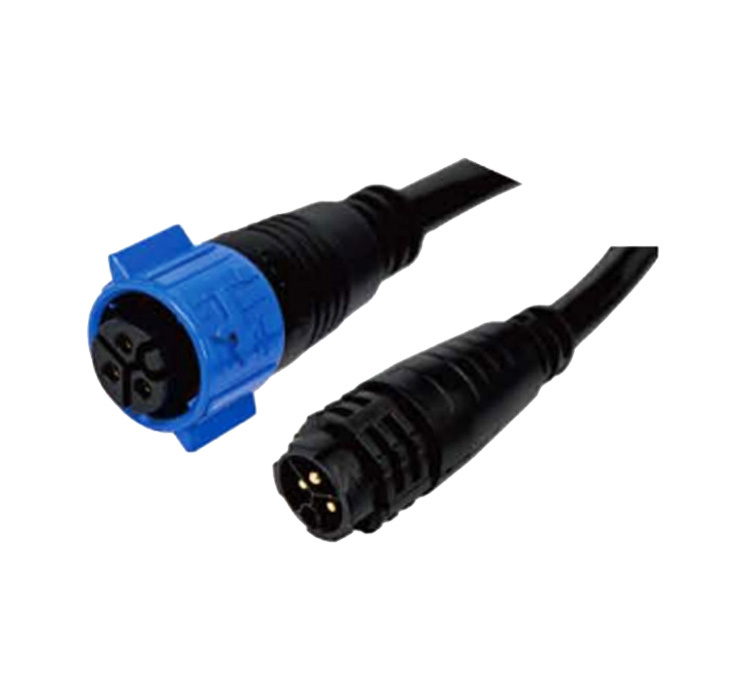
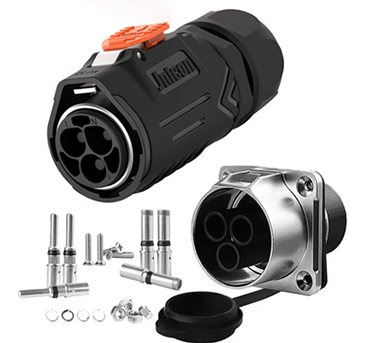
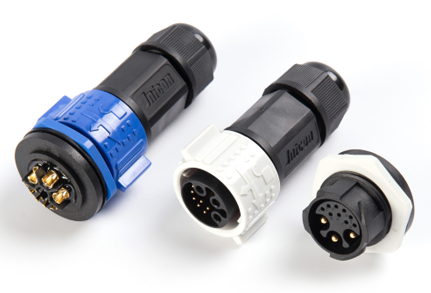
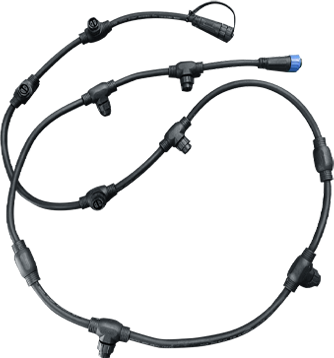
Circular connectors are popular in marine settings due to their robust design. They typically feature a circular interface with multiple pins and are available in various sizes to accommodate different power and data requirements.
3.2 Rectangular Connectors
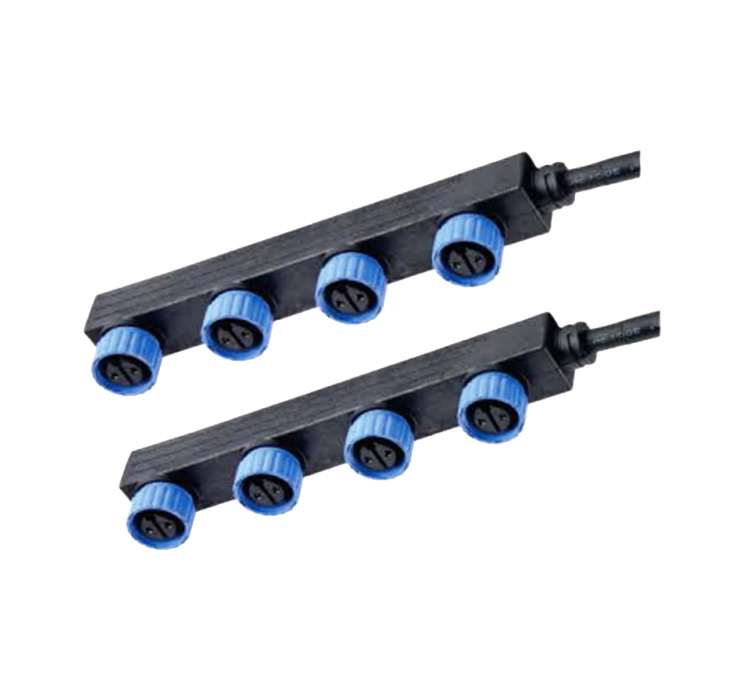
Rectangular connectors provide a larger surface area for connection, making them suitable for high-power applications. They often include locking mechanisms to ensure a secure connection.
3.3 Specialty Connectors
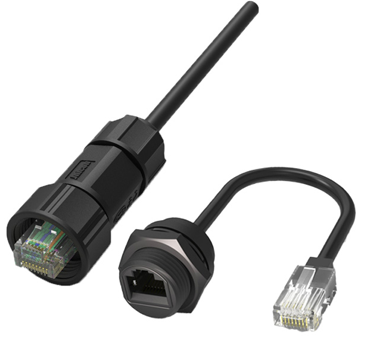
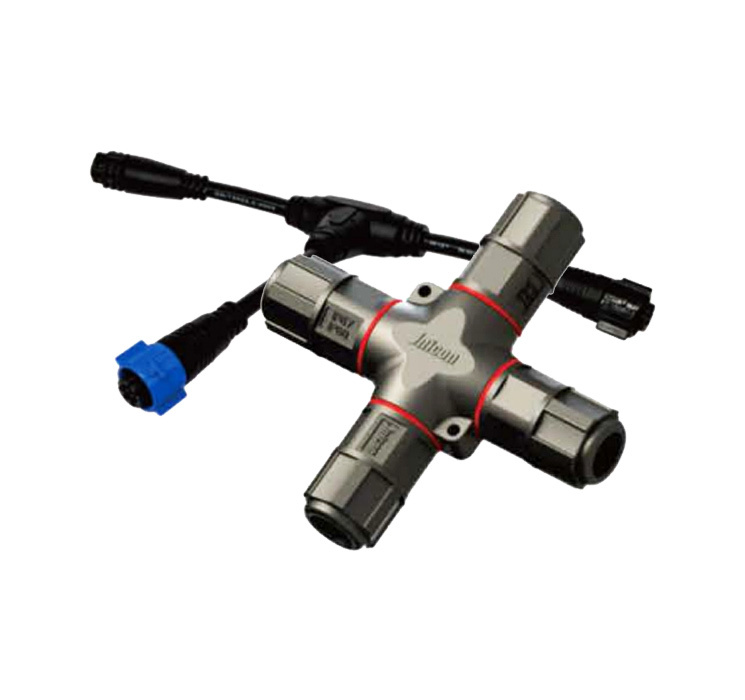
Specialty connectors, such as those designed for specific devices or applications (e.g., sensors, antennas), often incorporate waterproof features to protect against environmental factors.
4. Understanding Waterproof Ratings (IP Codes)
Waterproof specifications are often indicated by **Ingress Protection (IP) ratings**, which provide a standardized way to measure how well a connector can withstand water and dust intrusion.
4.1 What Are IP Ratings?
IP ratings are composed of two digits: the first digit indicates protection against solid objects (like dust), while the second digit refers to protection against liquids. For example, an IP67 rating means the connector is dust-tight and can withstand immersion in water up to a specified depth for a limited time.
4.2 Common IP Ratings for Marine Electrical Connectors
- **IP65**: Dust-tight and protected against water jets.
- **IP66**: Dust-tight and protected against powerful water jets.
- **IP67**: Dust-tight and can withstand temporary immersion in water.
- **IP68**: Dust-tight and designed for continuous underwater operation.
Choosing the right IP rating depends on the specific application and environmental conditions the connectors will face.
5. Key Features of Waterproof Connectors
When evaluating marine electrical connectors, several key features should be considered to ensure optimal performance in waterproof applications:
5.1 Material Composition
The material of the connector plays a crucial role in its waterproof capabilities. Look for connectors made from corrosion-resistant materials such as **marine-grade plastics** or **stainless steel**.
5.2 Sealing Mechanisms
Effective sealing mechanisms, such as O-rings, gaskets, and potting compounds, enhance the waterproof capabilities of connectors. These features prevent water ingress and protect against environmental damage.
5.3 Locking Systems
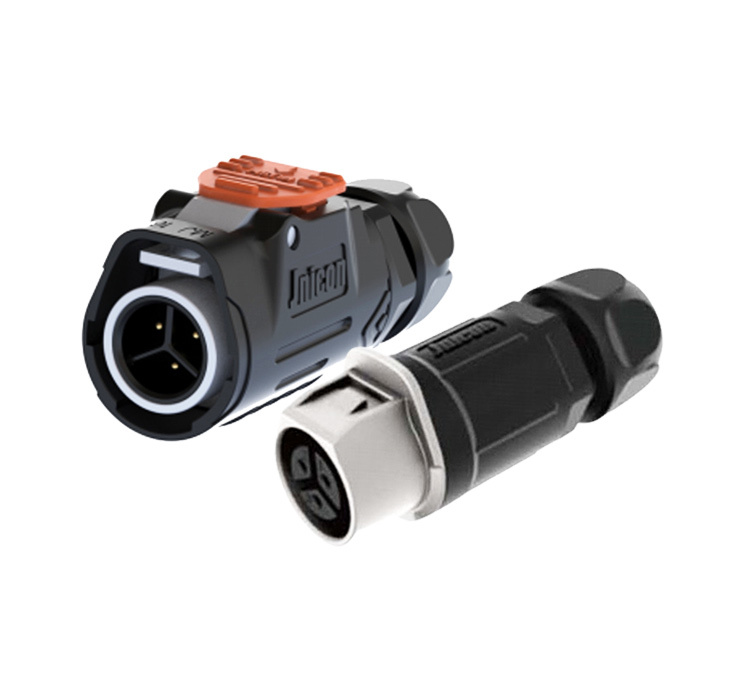
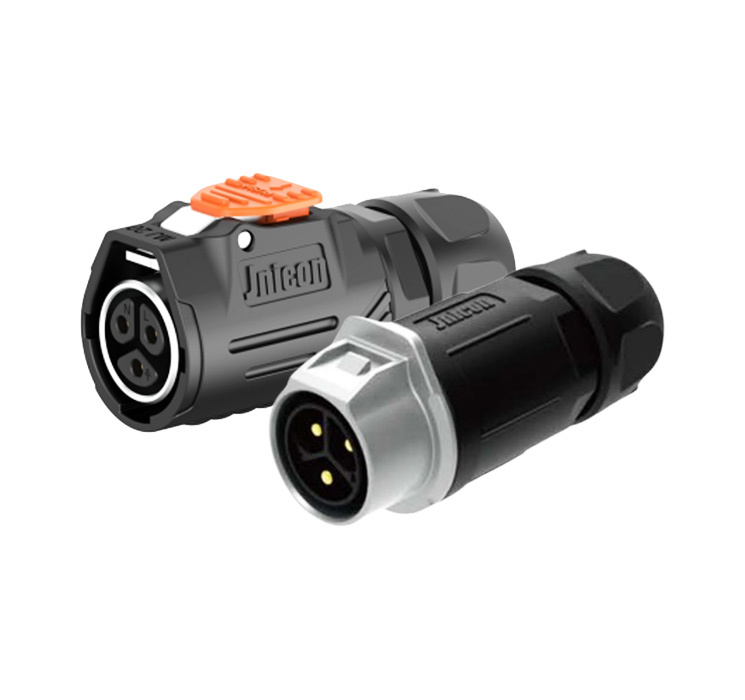
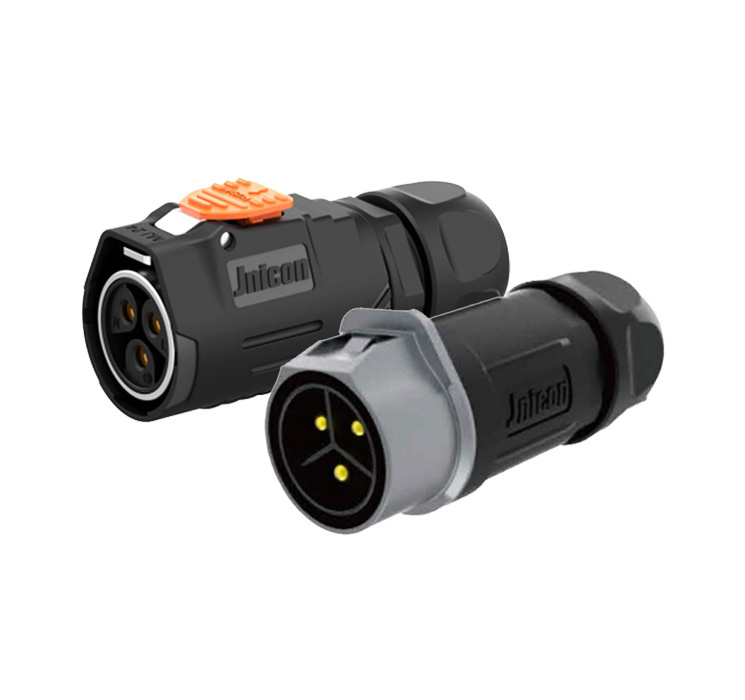
Locking systems ensure a secure connection, preventing accidental disconnection due to vibrations or movement on the vessel. This feature is essential for maintaining the integrity of electrical systems in a dynamic marine environment.
5.4 Compatibility with Cables
Ensure that the connectors are compatible with the cables used in your application. This includes checking the gauge, insulation type, and overall construction of the cables.
6. Best Practices for Installing Marine Electrical Connectors
Proper installation is critical to ensuring the effectiveness of waterproof connectors. Here are some best practices:
6.1 Prepare the Installation Area
Clean the installation area thoroughly to remove any debris, salt, or moisture. This step is vital for ensuring a secure connection.
6.2 Use the Right Tools
Employ the appropriate tools for the job, including crimping tools and torque wrenches, to ensure connections are secure without damaging the components.
6.3 Follow Manufacturer Guidelines
Always adhere to the manufacturer's installation instructions for specific connectors. This information will provide valuable insights on torque specifications, sealing techniques, and environmental considerations.
6.4 Regular Inspection
After installation, conduct regular inspections to ensure the integrity of connectors. Look for signs of corrosion, wear, or moisture intrusion.
7. Maintenance of Marine Electrical Connectors
Regular maintenance is crucial for the longevity and performance of marine electrical connectors. Here are some tips:
7.1 Cleaning
Periodically clean connectors to remove salt, dirt, and grime. Use a marine-safe cleaning solution and soft cloth to avoid scratching surfaces.
7.2 Visual Inspections
Conduct routine visual inspections to identify any wear, corrosion, or damage. Promptly address any issues to prevent failures.
7.3 Replace Worn Components
If connectors show signs of wear or failure, replace them immediately. Using damaged components can lead to significant electrical failures and safety hazards.
8. Conclusion
Understanding marine electrical connectors and their waterproof specifications is essential for anyone involved in marine applications. By selecting the right connectors with adequate waterproof ratings and following best practices for installation and maintenance, you ensure the safety and reliability of your electrical systems in challenging maritime environments. Investing in high-quality connectors today can prevent costly repairs and ensure a successful marine journey.
9. Frequently Asked Questions (FAQs)
9.1 What is the difference between IP67 and IP68 ratings?
IP67 connectors can withstand temporary immersion in water, while IP68 connectors are designed for continuous underwater use, making them more suitable for submerged applications.
9.2 Are all marine electrical connectors waterproof?
No, not all marine electrical connectors are waterproof. It is essential to check the specifications and IP ratings before installation.
9.3 Can I use regular electrical connectors in marine applications?
Using regular electrical connectors in marine applications is not recommended, as they are not designed to withstand the harsh environmental conditions typical of marine settings.
9.4 How often should I inspect my marine electrical connectors?
Regular inspections should be conducted at least annually, or more frequently if the equipment is exposed to harsh conditions or heavy usage.
9.5 Where can I purchase marine electrical connectors?
Marine electrical connectors can be purchased from specialized marine supply stores, online retailers, and manufacturers that specialize in marine-grade components.
By understanding the nuances of marine electrical connectors and their waterproof specifications, you can make informed decisions that will enhance the safety and performance of your maritime electrical systems.
News
2026-09-27
Understanding Industrial Power Connectors: Key Insights for Professionals
Industrial power connectors play a crucial role in the safety and efficiency of electrical systems across various sectors, including manufacturing, energy, and transportation. These connectors are designed to facilitate the transmission of electrical power in rugged environments, ensuring reliable and stable connections. Understanding the types, applications, and selection criteria for industrial
2026-09-24
Waterproof Wire Harnesses: The Cornerstone of Electric Vehicle Reliability
Waterproof Wire Harnesses: An Essential Component for Electric Vehicles Electric vehicles (EVs) are rapidly transforming the automotive landscape, with advancements in technology leading the charge. Amongst the many components that contribute to the seamless operation of these vehicles, **waterproof wire harnesses** stand out as a vital element. In this comprehensive article, we will delve deep in
2026-09-21
Exploring the Benefits and Applications of 5 Pin Waterproof Connectors
In today's increasingly interconnected world, the demand for reliable and durable electrical connections is paramount, particularly in environments exposed to moisture and harsh conditions. The 5 pin waterproof connector serves as a crucial solution to meet these needs, providing secure electrical connectivity while protecting sensitive components from water damage and corrosion. One of the primar

B8-9, Fubilun industrial park, Chaoyang rd,Yanchuan community, Songgang, Shenzhen, China


