


The Essential Guide to Industrial Power Connectors: Everything You Need to Know
Release Time:
2026-05-10
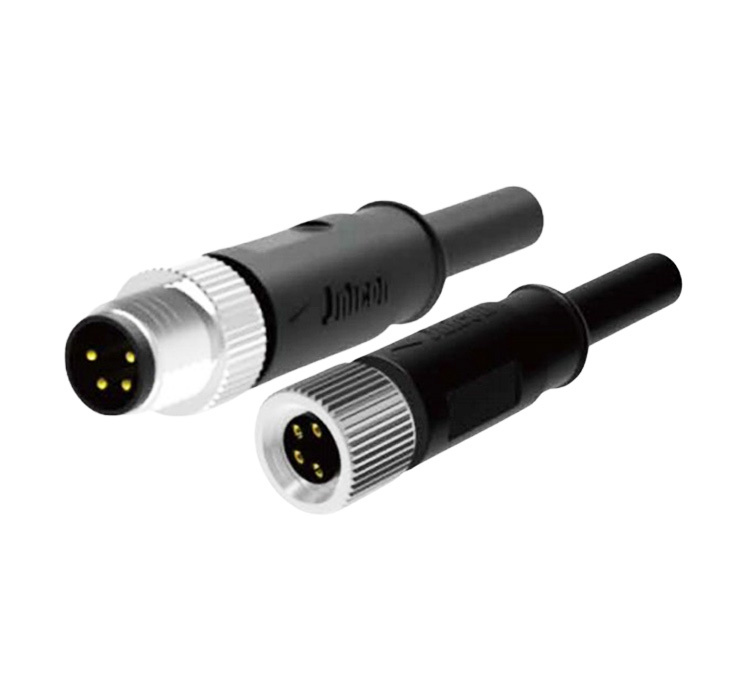
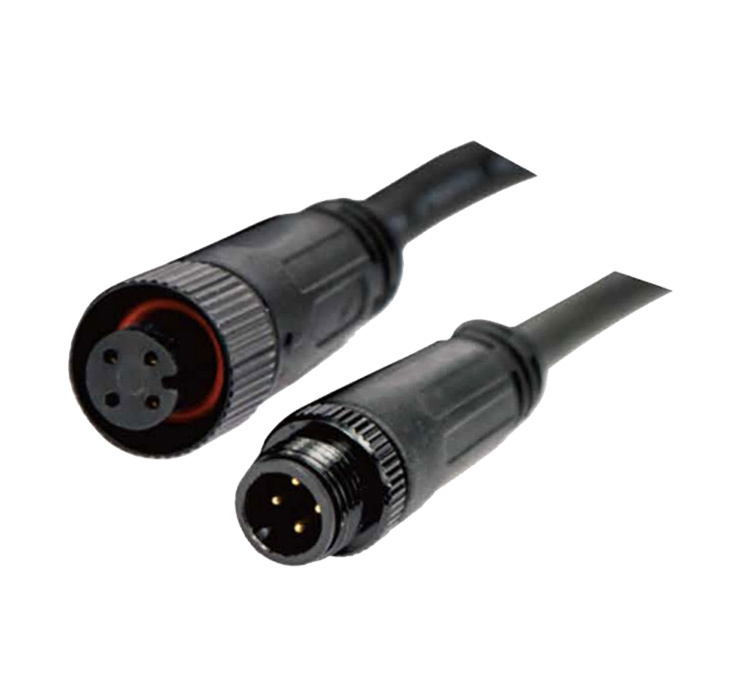
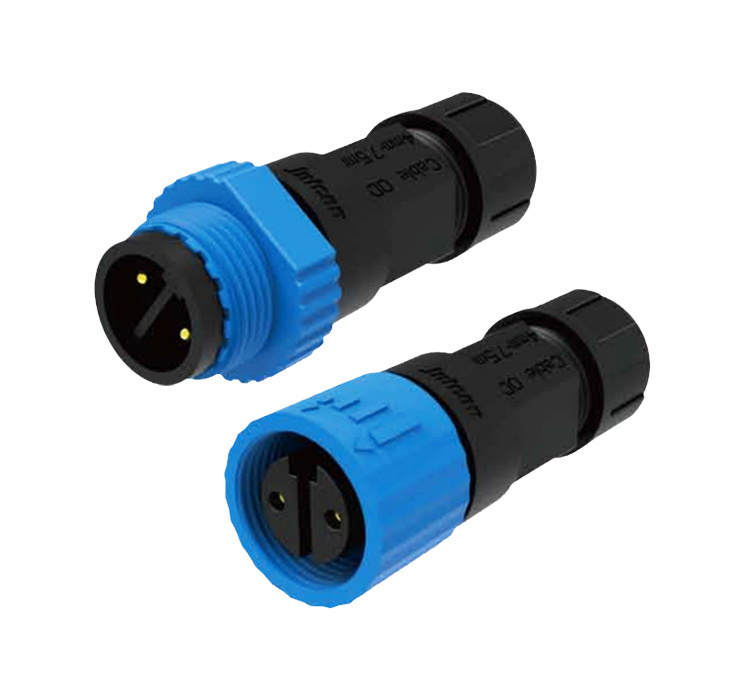
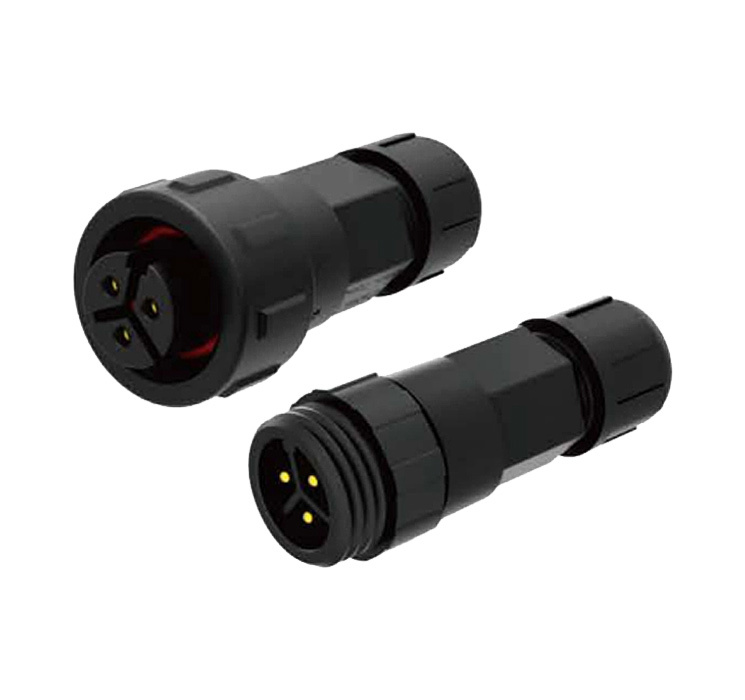
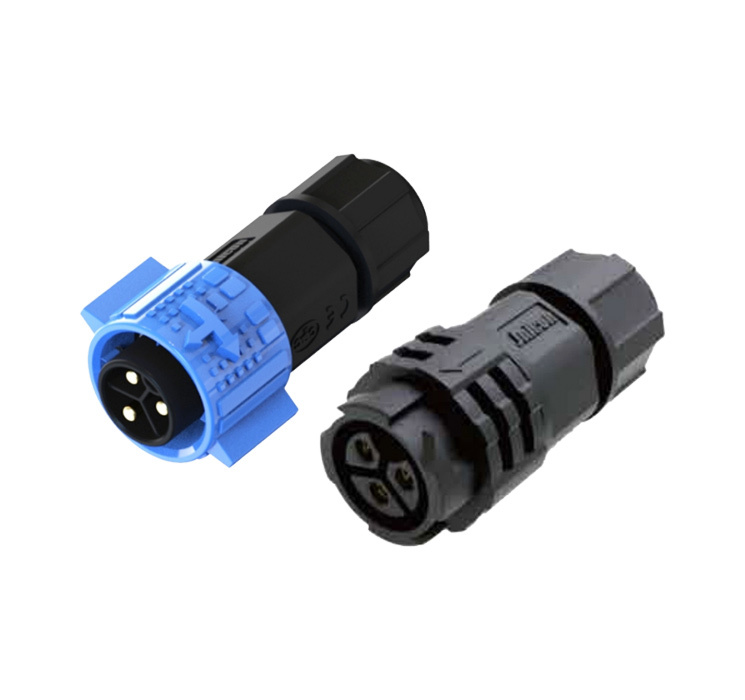
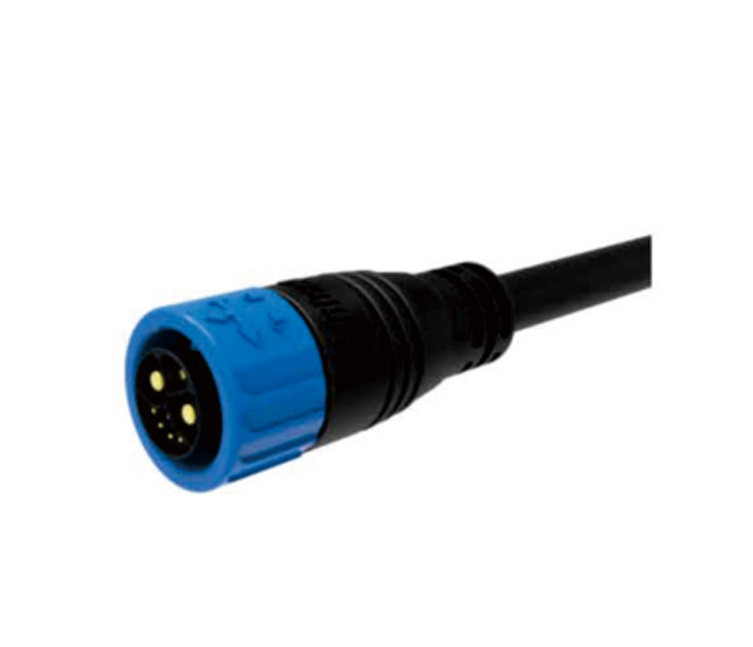
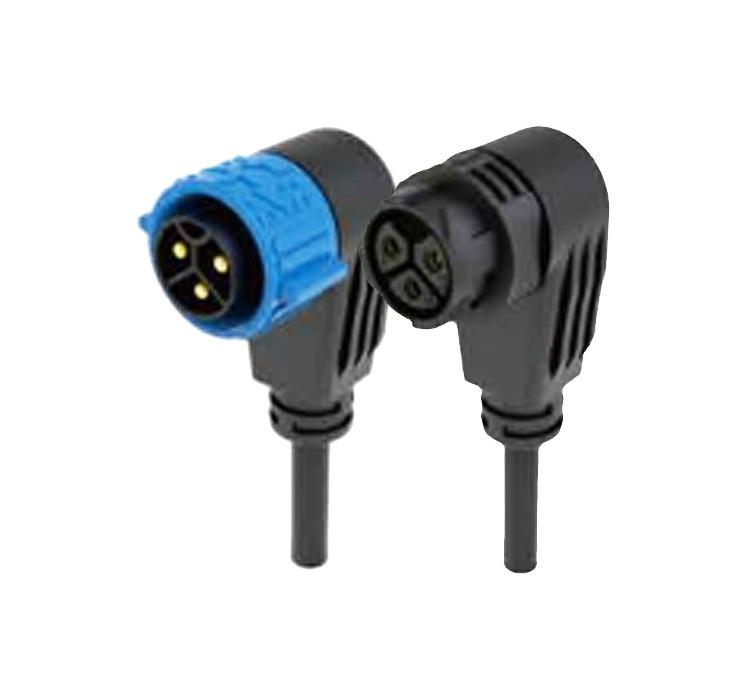
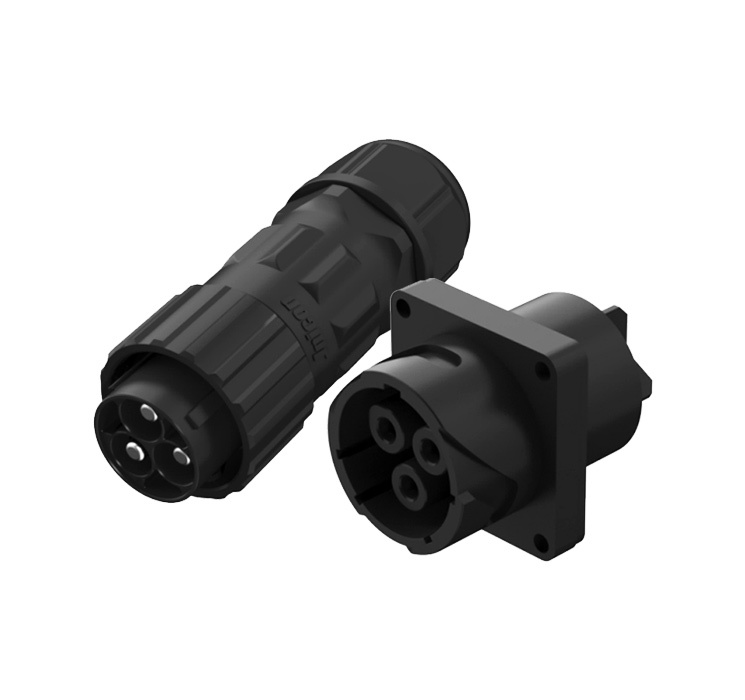
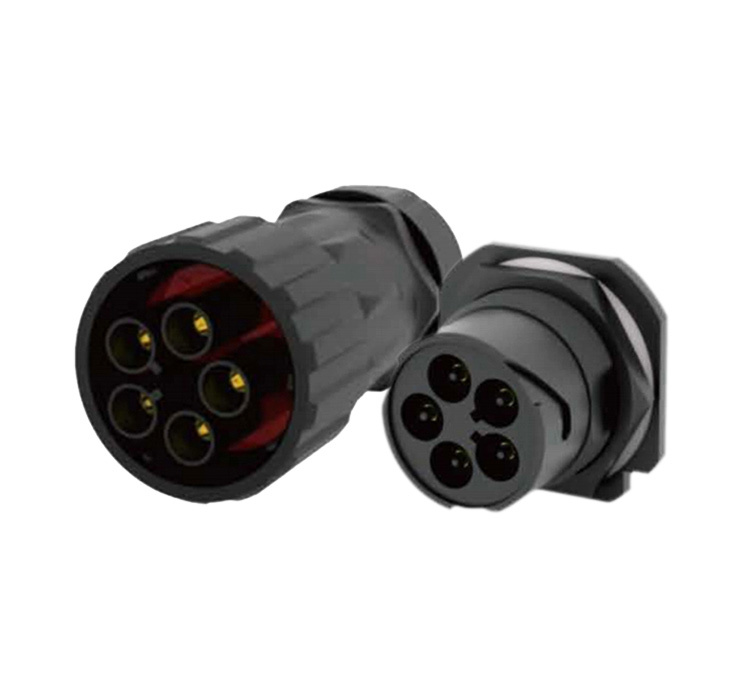
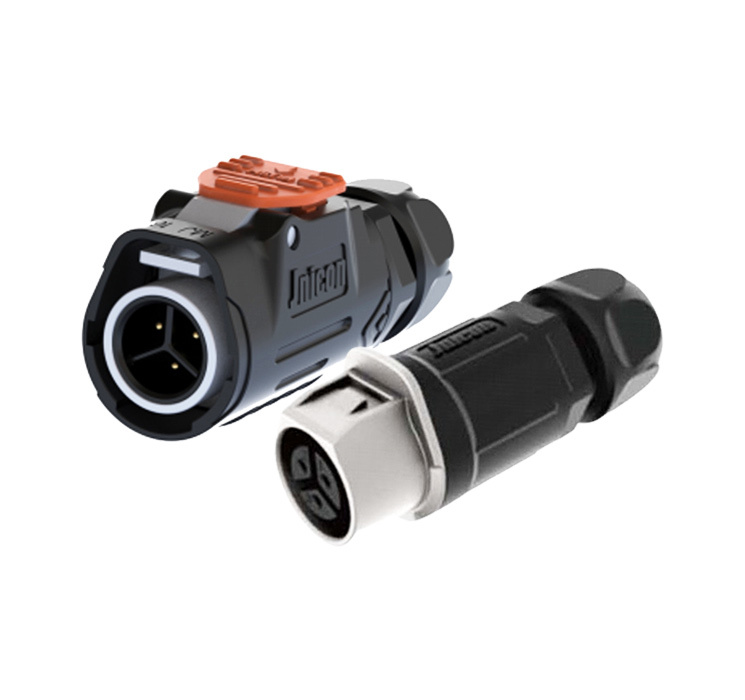
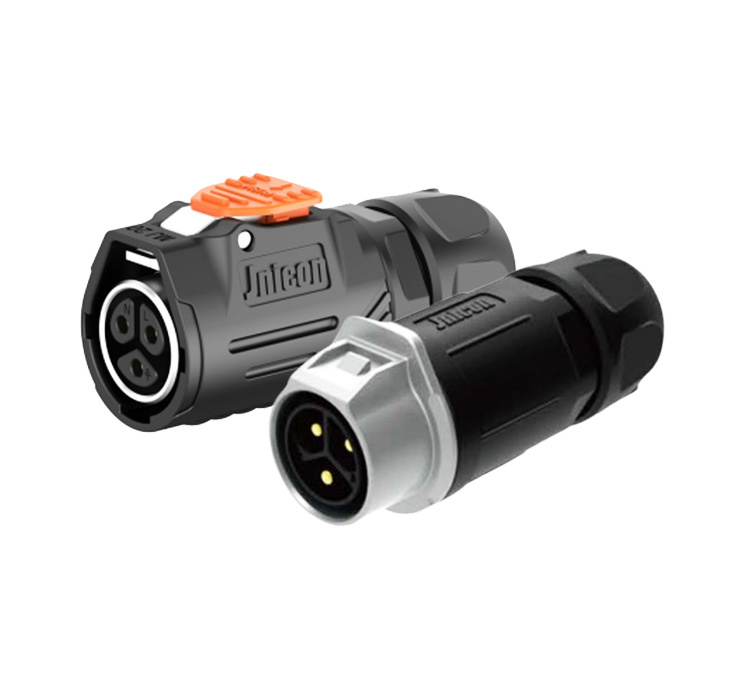
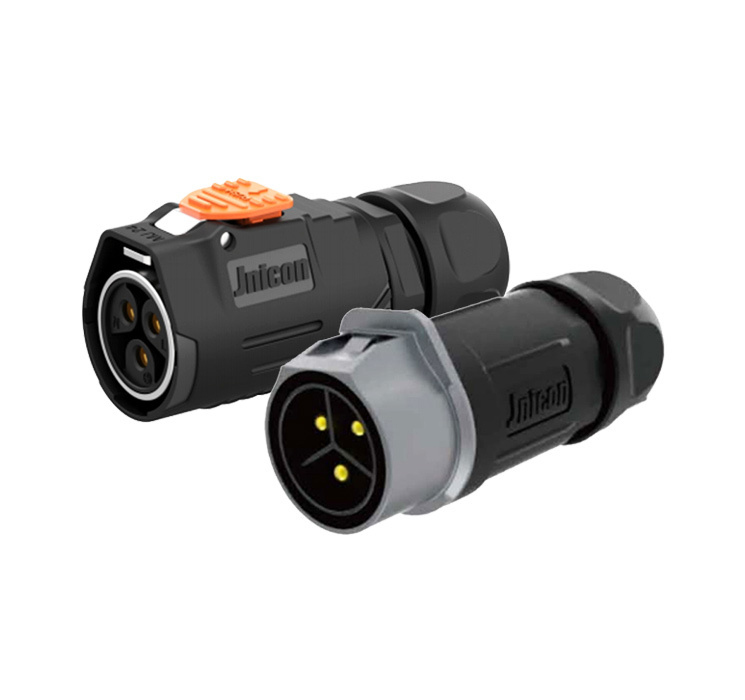
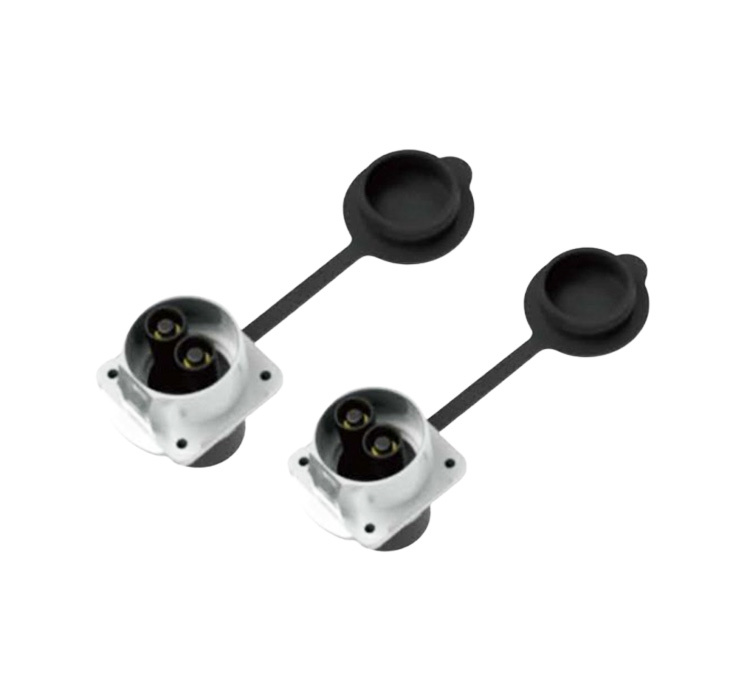
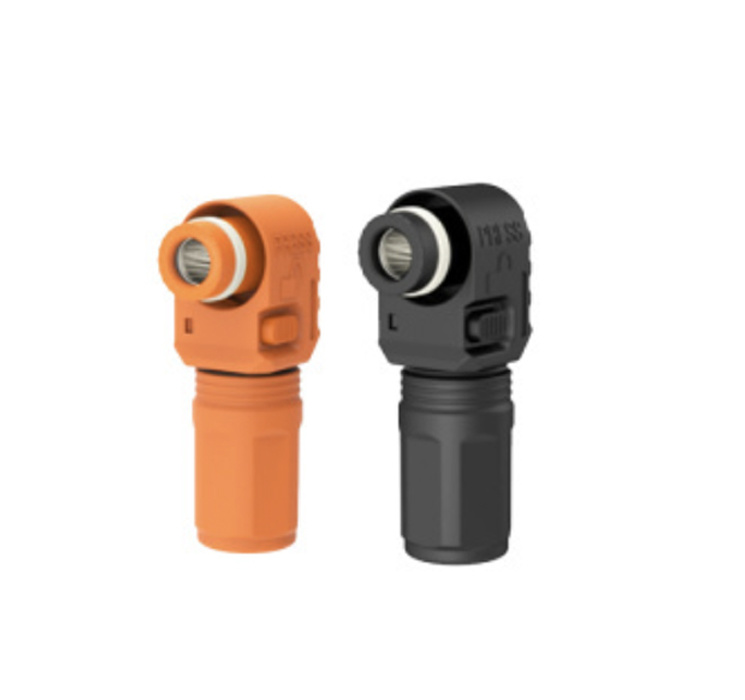
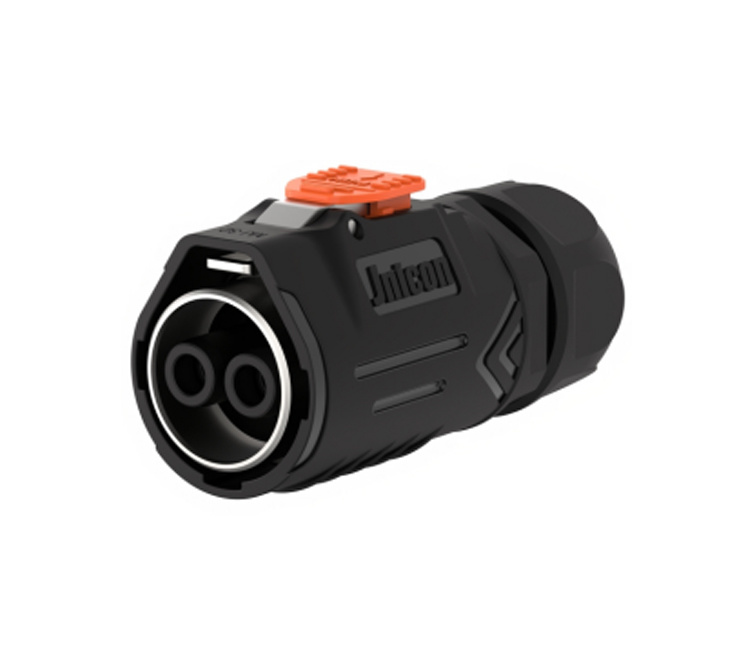
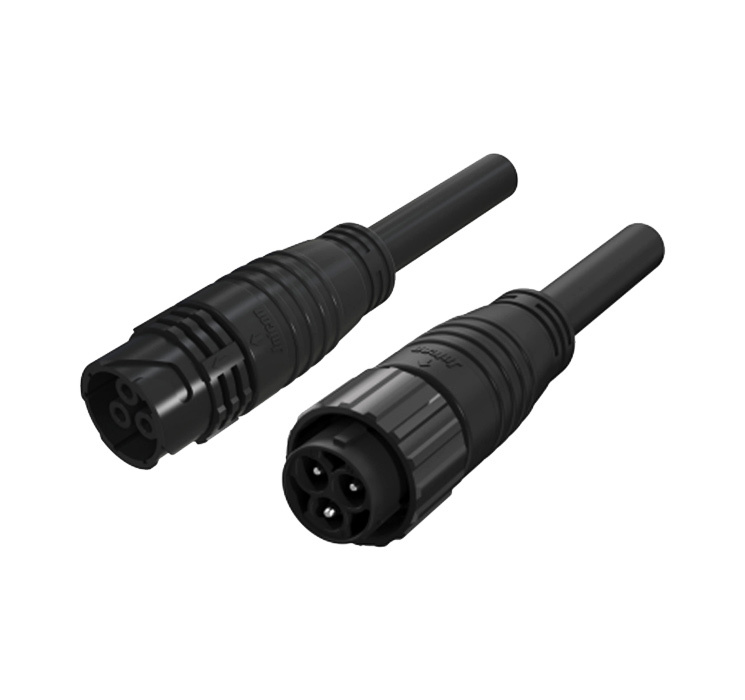
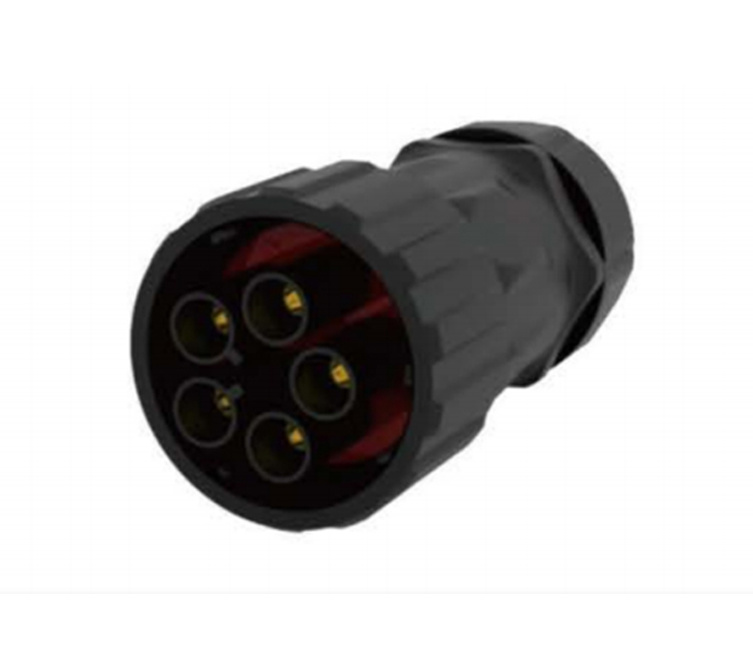
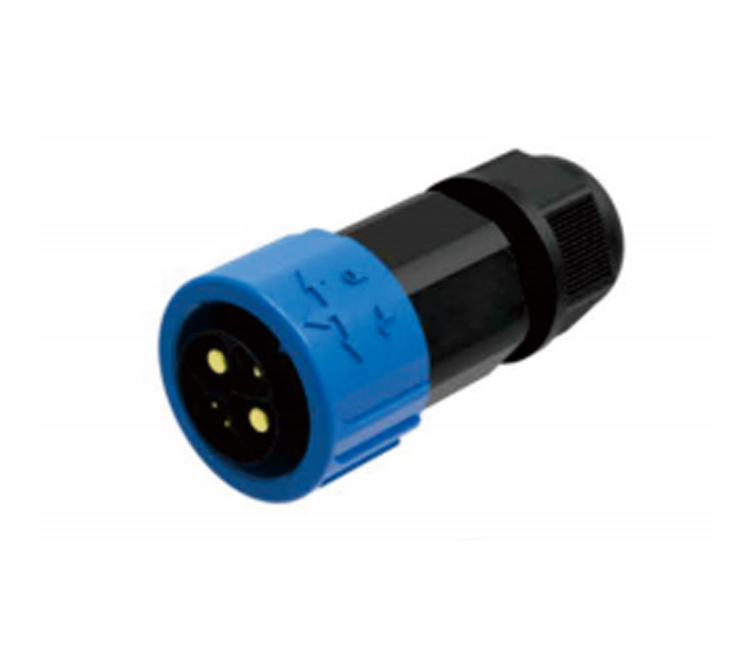
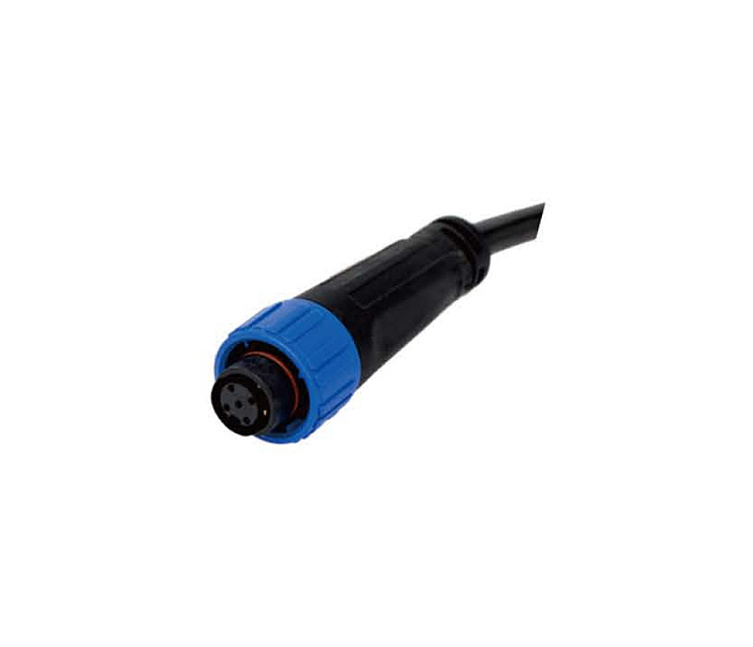
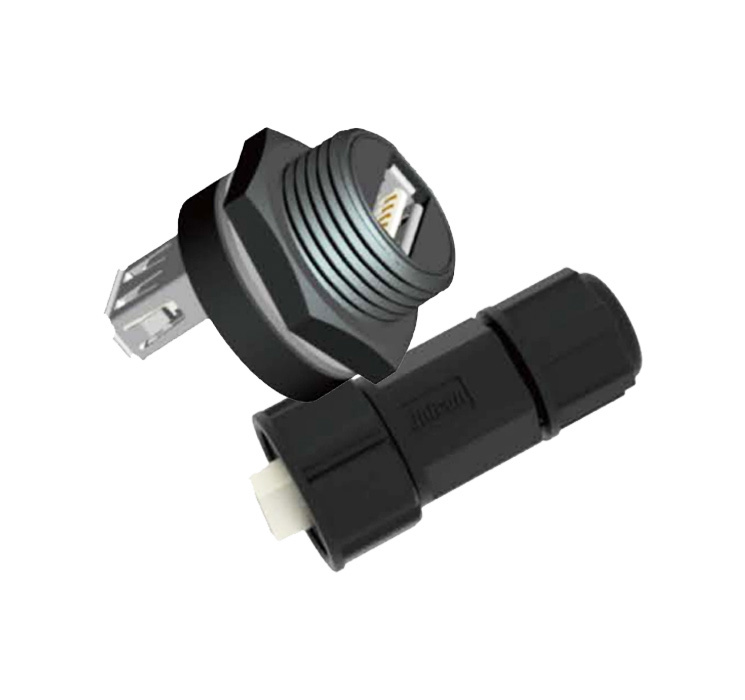
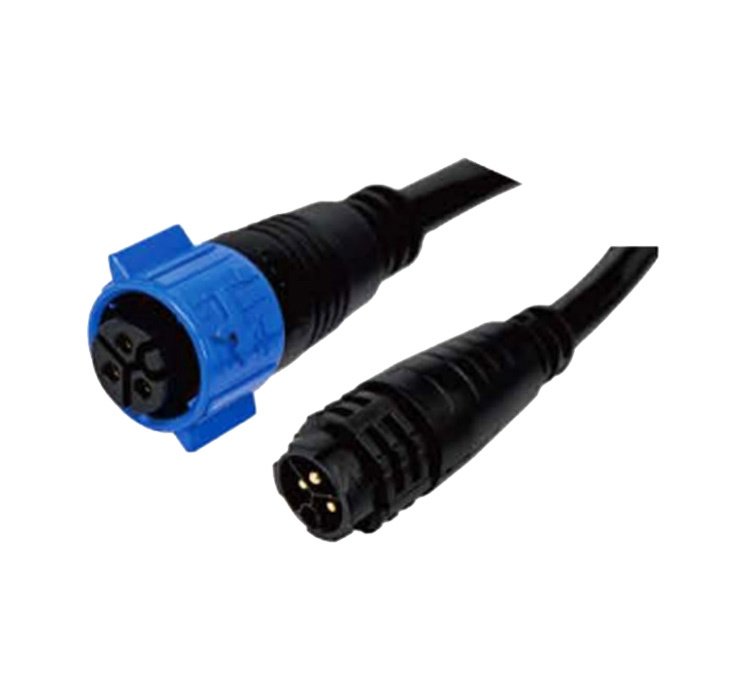
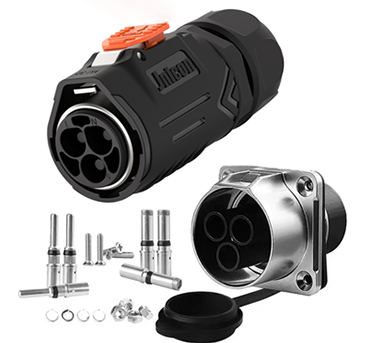
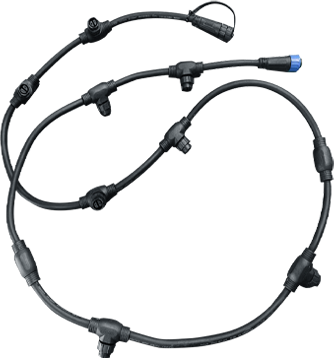
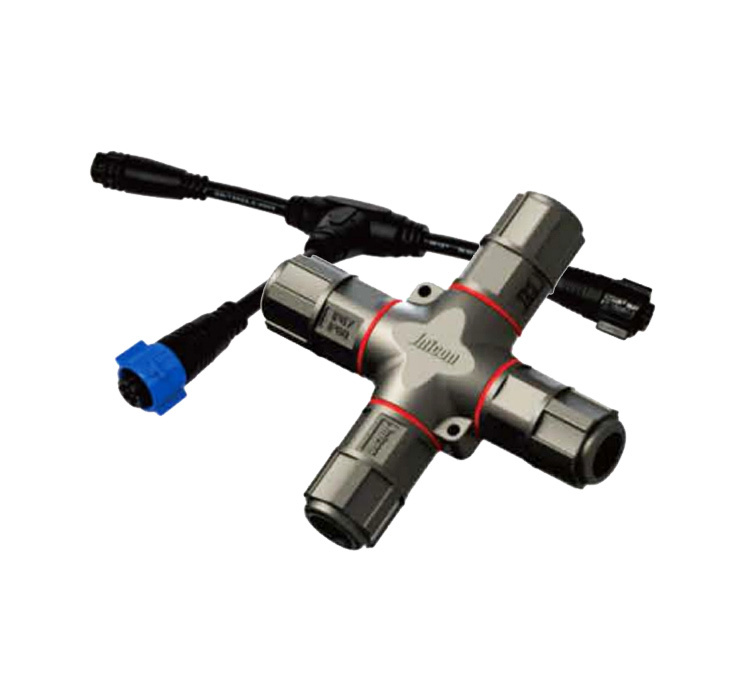
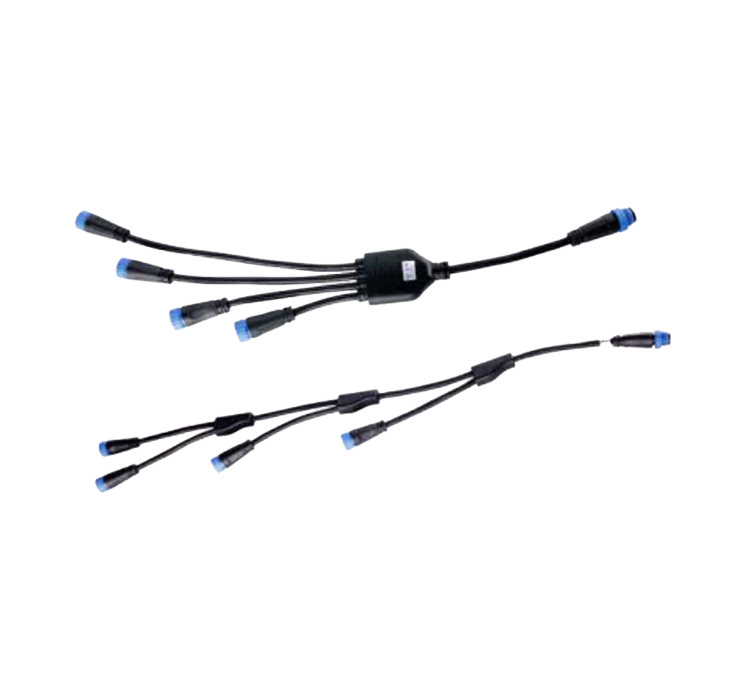
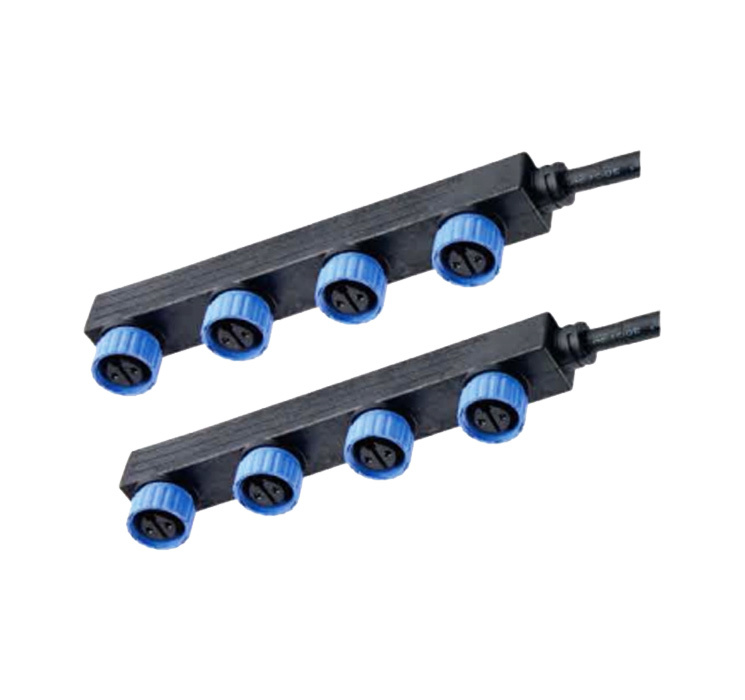
Industrial power connectors are essential components in various electrical and electronic applications. They serve as the critical link between power sources and electrical devices, ensuring a safe and efficient transfer of electricity. These connectors are designed to withstand harsh industrial environments and must meet specific performance and safety standards. Understanding the different types and features of industrial power connectors can help you make informed decisions for your projects and applications.
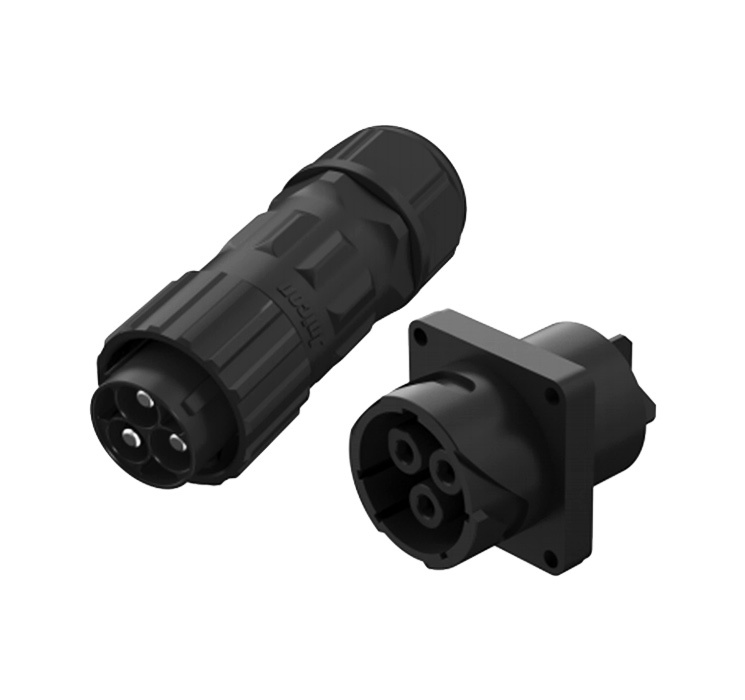
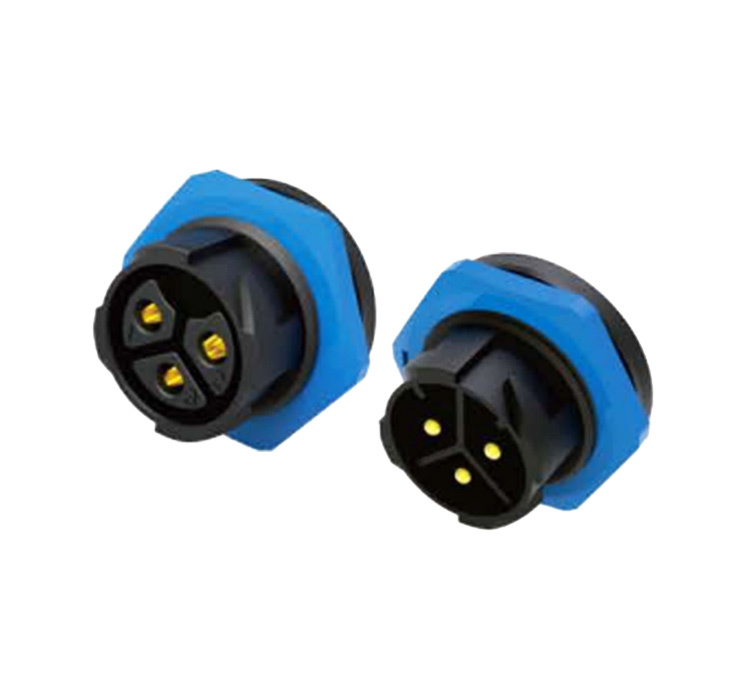
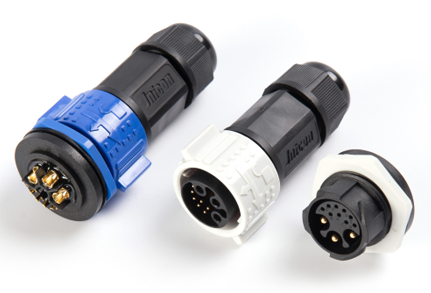
One of the primary functions of industrial power connectors is to provide a secure and reliable connection for power distribution. They are available in various configurations, including plug and socket combinations, which allow for quick and easy connections and disconnections. This is particularly important in industries where equipment frequently needs to be moved or serviced.
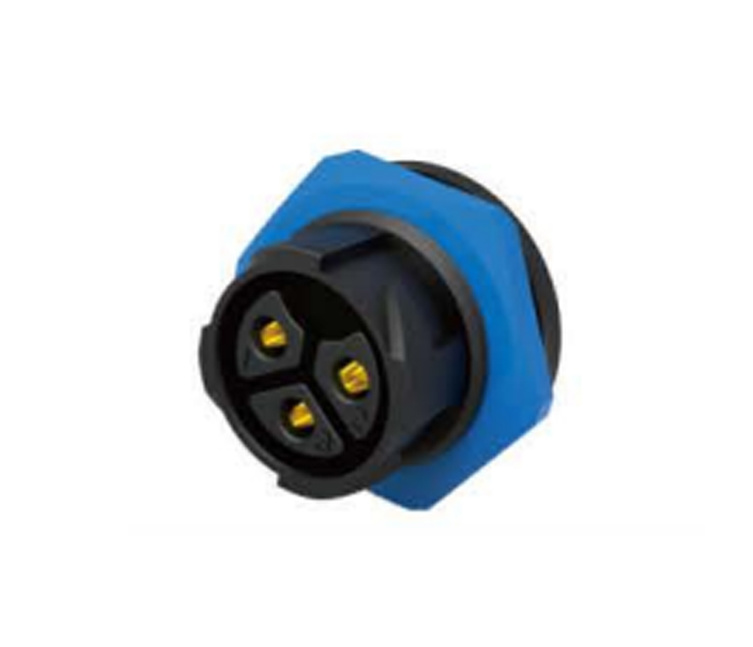
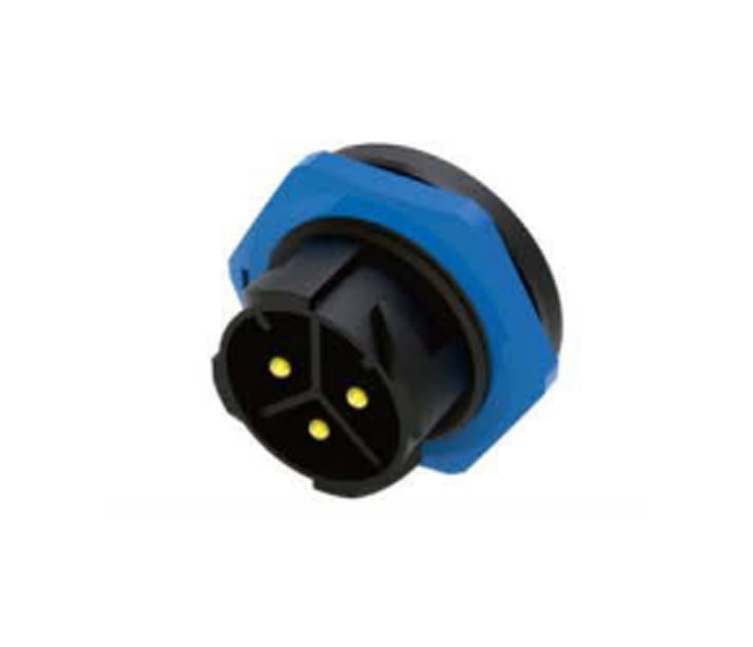
Industrial power connectors come in several types, including single-phase and three-phase connectors, which cater to different power requirements. Single-phase connectors are typically used in residential and light commercial applications, while three-phase connectors are more common in heavy-duty industrial environments, where high power loads are necessary. Choosing the right type of connector based on your application’s power requirements is crucial for ensuring operational efficiency and safety.
Another important aspect to consider is the environmental protection ratings of industrial power connectors. Many connectors are designed with specific ingress protection (IP) ratings that indicate their resistance to dust and moisture. Selecting connectors with appropriate IP ratings for your application can help prevent equipment failure and prolong the lifespan of electrical devices, especially in outdoor or harsh environments.
Moreover, the materials used in industrial power connectors significantly impact their performance. High-quality connectors are often made from durable materials that can withstand extreme temperatures, chemicals, and mechanical stress. This reliability is essential, particularly in industries such as manufacturing, construction, and energy, where equipment is subject to rigorous conditions.
In addition to their physical attributes, industrial power connectors are also designed with safety features such as locking mechanisms and polarized designs. These features prevent accidental disconnections and ensure that connections are made correctly, which is vital for preventing electrical hazards.
In summary, industrial power connectors play a pivotal role in the functionality and safety of electrical systems across various industries. Understanding the types, features, and applications of these connectors can help you choose the right solutions for your specific needs. By investing in high-quality industrial power connectors, you can enhance the efficiency and reliability of your electrical installations, ultimately contributing to the success of your operations.
News
2026-10-12
5 Pin Waterproof Connectors: Enhancing Home Automation Systems
5 Pin Waterproof Connectors: Enhancing Home Automation Systems Table of Contents Introduction to 5 Pin Waterproof Connectors Importance of Waterproof Connectors in Home Automation Key Benefits of 5 Pin Waterproof Connectors Features of 5 Pin Waterproof Connectors Material Quality Design and Build Applications of 5 Pin Waterproof C
2026-10-10
Waterproof Wire Connector Plugs for Reliable Connections
Waterproof wire connector plugs ensure secure, moisture-resistant electrical connections for outdoor lighting, automotive systems, and industrial equipment.
2026-10-10
Waterproof Electrical Wire Connectors for Reliable Connections
Waterproof electrical wire connectors protect wiring from moisture and dust, ensuring reliable connections in indoor and outdoor applications.

B8-9, Fubilun industrial park, Chaoyang rd,Yanchuan community, Songgang, Shenzhen, China


