


The Essential Guide to Waterproof Cables: Ensuring Reliability in Electrical Connections
Release Time:
2026-05-12
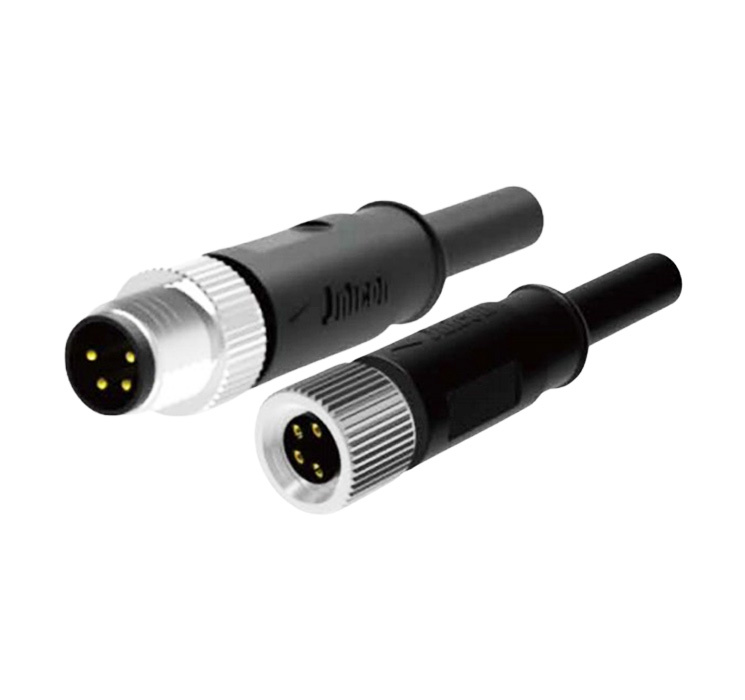
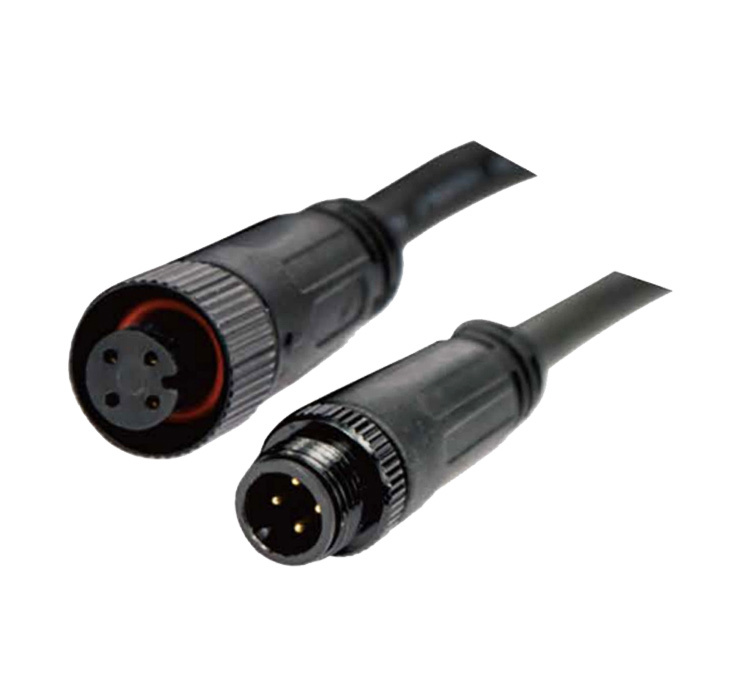
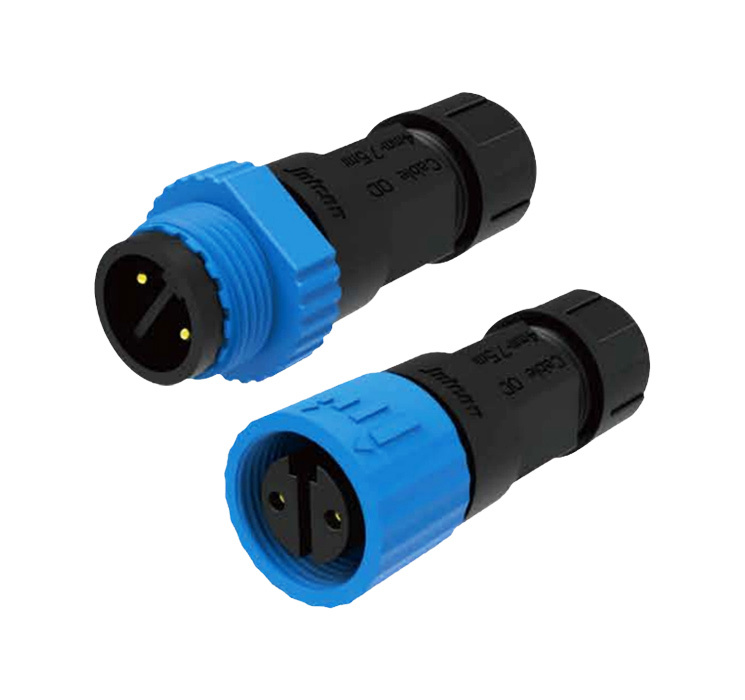
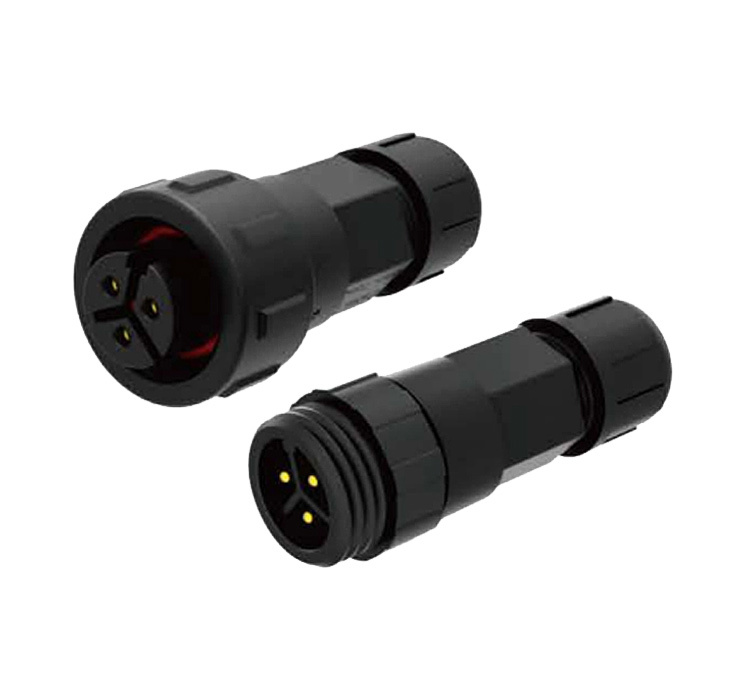
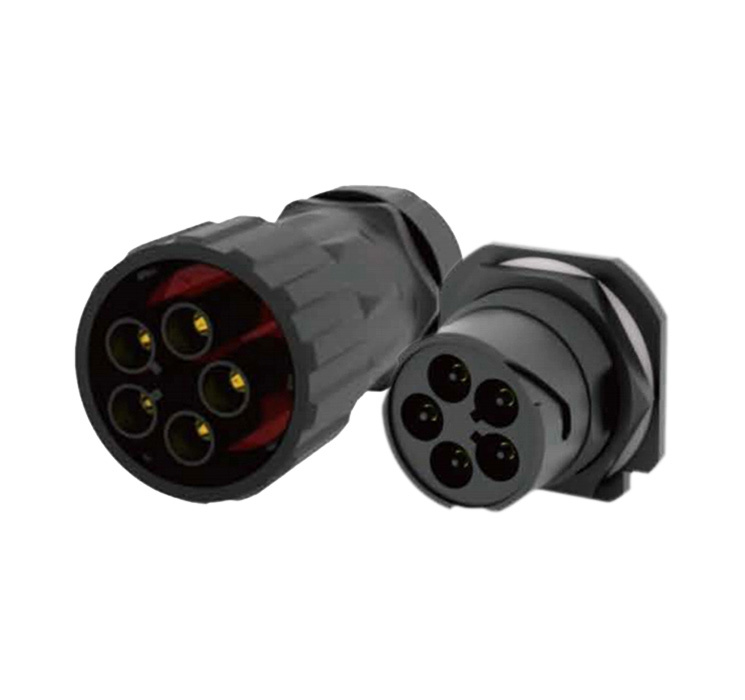
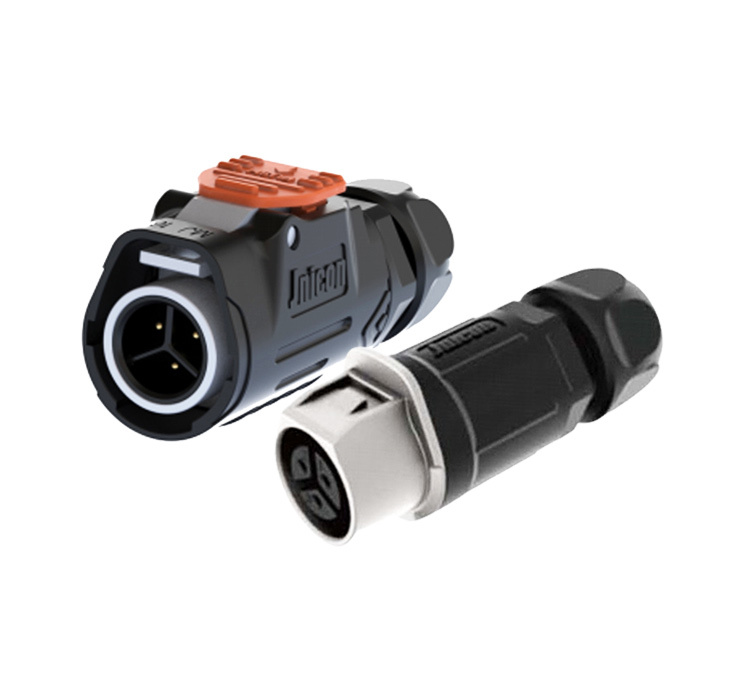
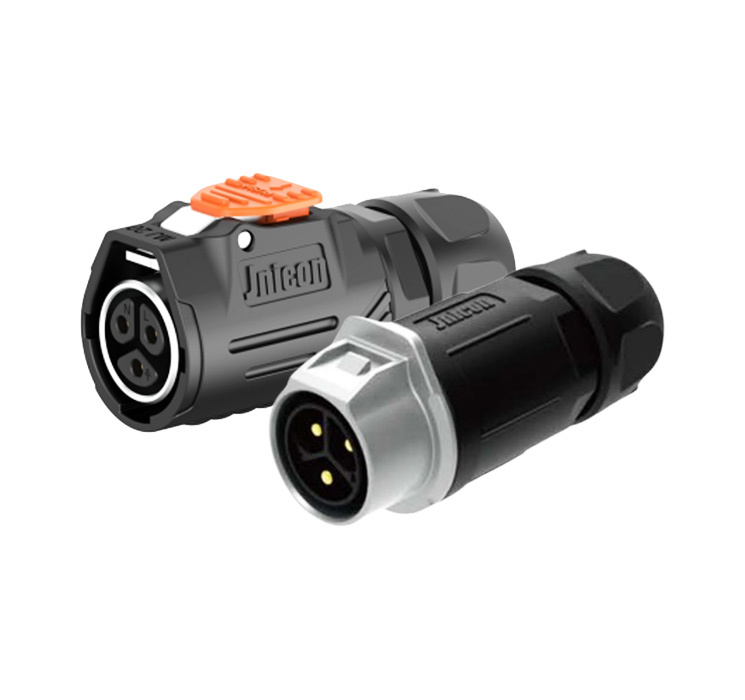
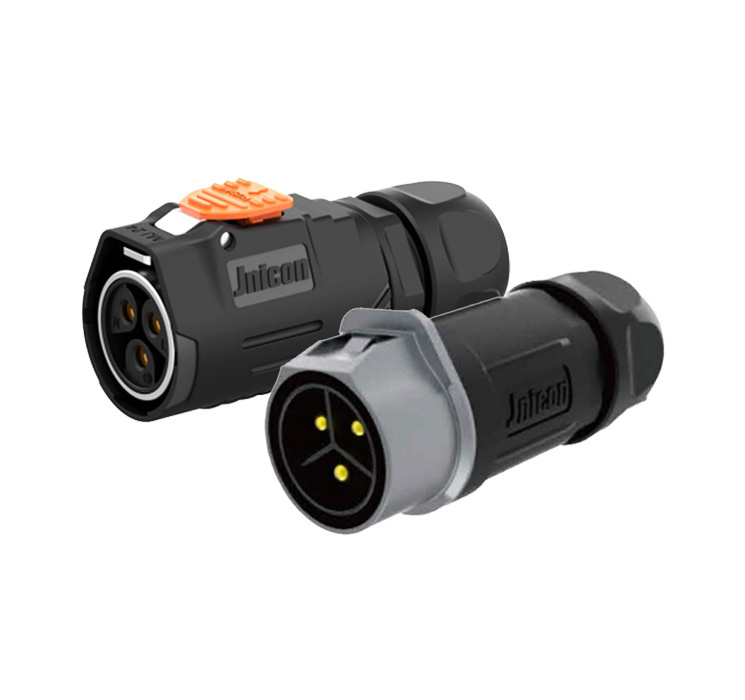
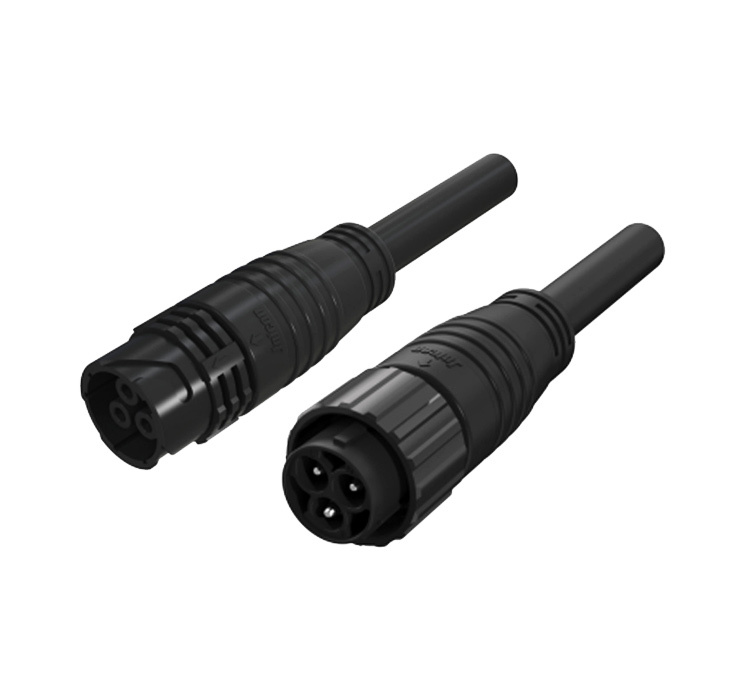
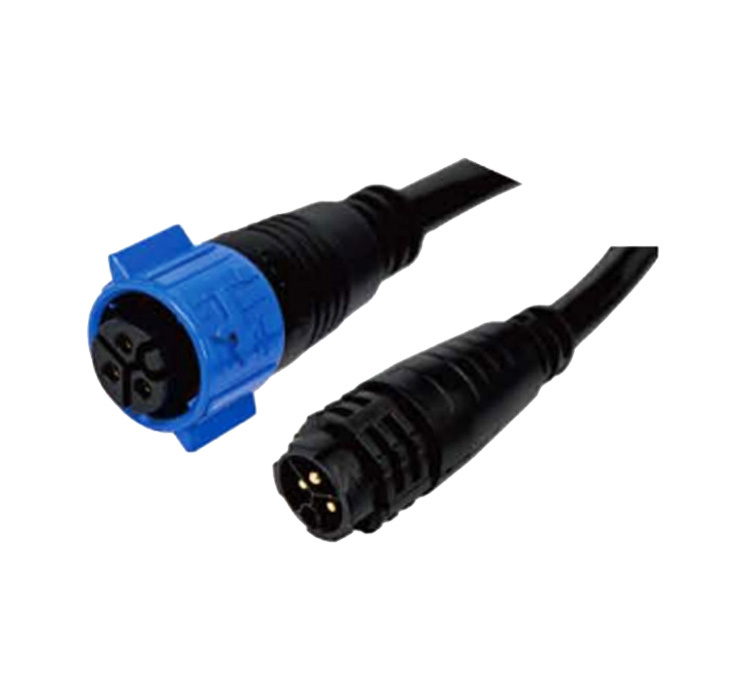
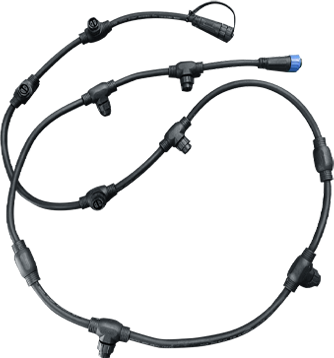
Waterproof cables are typically designed with specialized materials that provide resistance to water ingress. These materials may include thermoplastic elastomers (TPE), polyvinyl chloride (PVC), or other high-grade polymers that offer both flexibility and durability. The insulation and sheathing play a crucial role in preventing moisture from reaching the conductive elements within the cable, ensuring that the electrical connection remains intact even in harsh conditions.
When selecting waterproof cables, it is important to consider the ingress protection (IP) rating, which indicates the level of protection against solids and liquids. An IP rating of IP67 or higher is often recommended for applications exposed to water immersion or heavy spray. Understanding these ratings can help professionals choose the right cables for their specific needs.
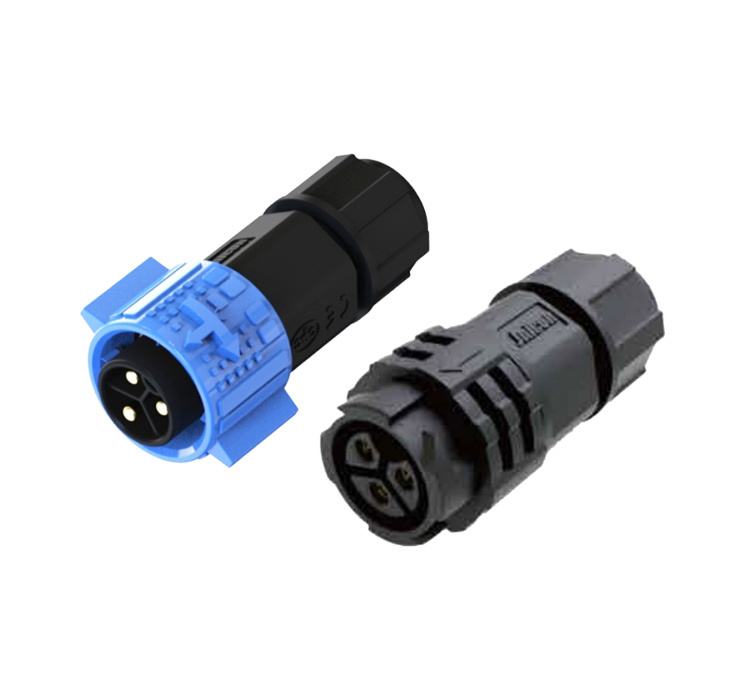
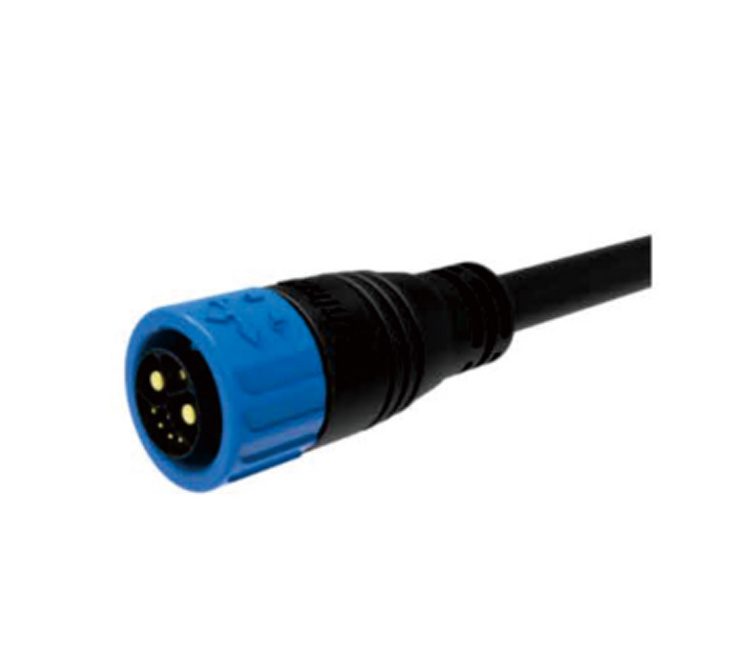
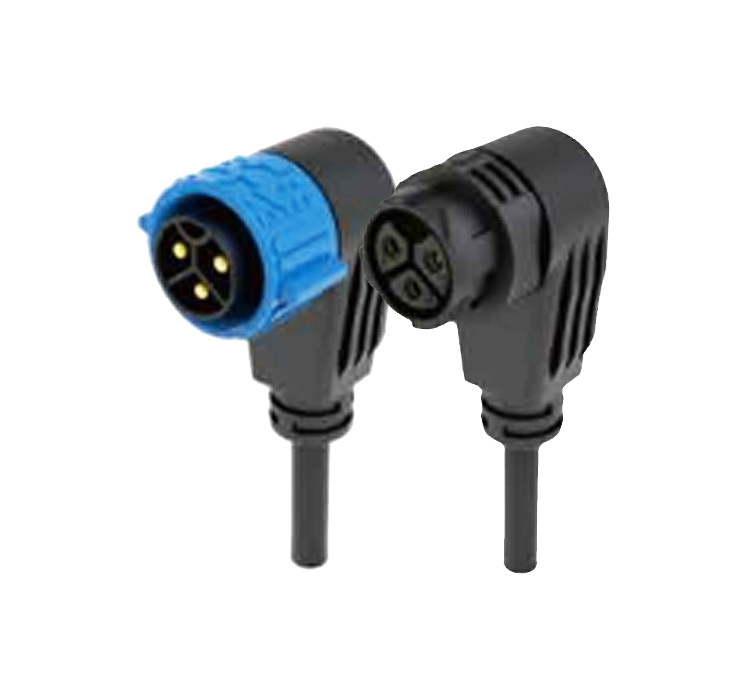
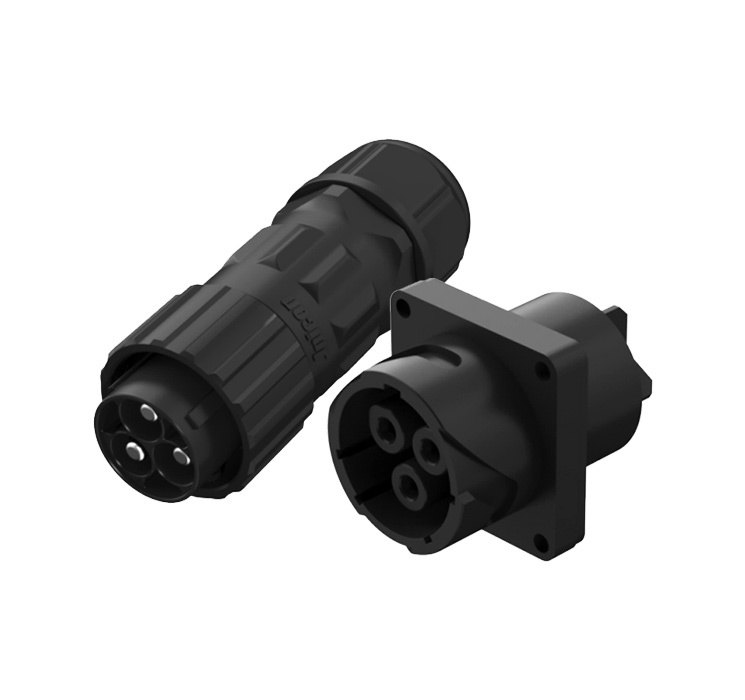
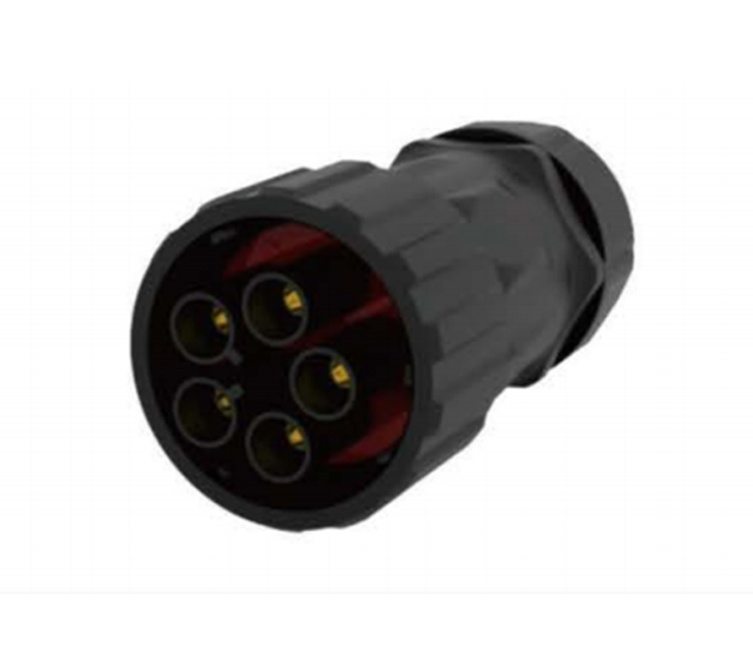
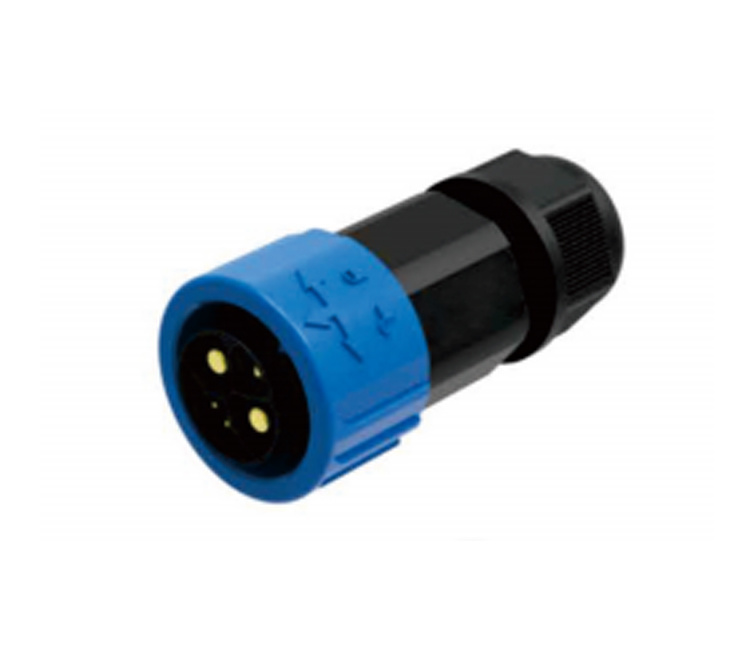
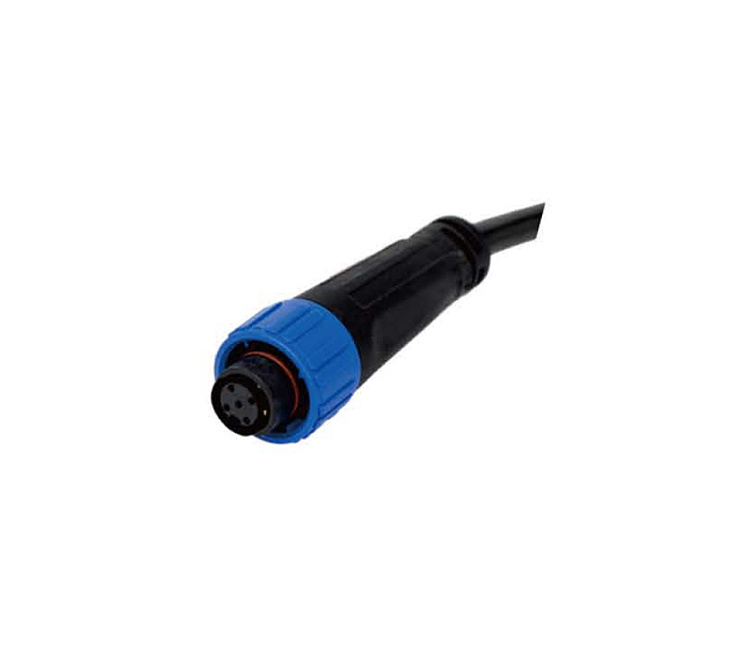
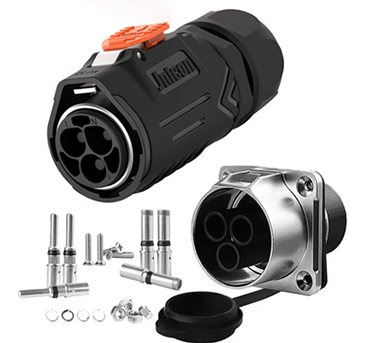
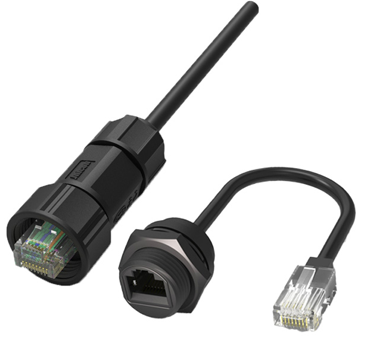
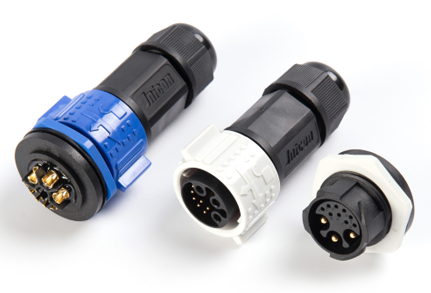
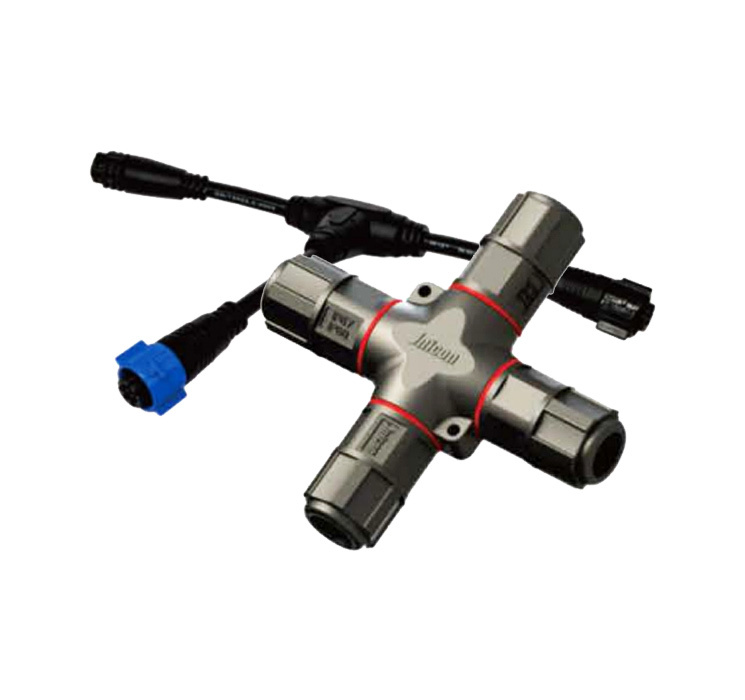
Moreover, installation practices significantly impact the performance of waterproof cables. Proper sealing techniques, including the use of heat-shrink tubing and waterproof connectors, can enhance the cable's ability to withstand environmental challenges. Regular inspections should also be conducted to ensure that any potential wear and tear are addressed promptly, preventing unforeseen failures.
In addition to physical durability, the electrical characteristics of waterproof cables should not be overlooked. The resistance to moisture can affect the cable's conductivity; thus, it is vital to ensure that the cables selected offer adequate current-carrying capacity while maintaining performance standards. This is especially critical in applications such as marine, outdoor lighting, and industrial environments where electrical failures can lead to significant safety hazards and financial losses.
Advancements in technology have also led to the development of cables that are not only waterproof but also resistant to chemicals, UV radiation, and extreme temperatures. This versatility allows these cables to be used in a wide range of applications, from automotive to telecommunications.
In conclusion, incorporating waterproof cables into your projects is essential for ensuring reliable and safe electrical connections in challenging environments. By understanding their construction, IP ratings, installation practices, and application in various industries, professionals can enhance the performance and longevity of their electrical systems. Making informed choices about waterproof cables not only protects investments but also ensures compliance with safety standards, ultimately leading to greater customer satisfaction.
Previous
News
2026-05-12
The Essential Guide to Waterproof Cables: Ensuring Reliability in Electrical Connections
Waterproof cables are an essential component in various electrical applications, particularly in environments where moisture, dust, and other environmental factors pose a risk to performance and safety. Understanding the significance of waterproof cables and their construction can help professionals in the electrical and connector industry to make informed choices that enhance the longevity and re
2026-05-10
The Essential Guide to Industrial Power Connectors: Everything You Need to Know
--- Industrial power connectors are essential components in various electrical and electronic applications. They serve as the critical link between power sources and electrical devices, ensuring a safe and efficient transfer of electricity. These connectors are designed to withstand harsh industrial environments and must meet specific performance and safety standards. Understanding the different t
2026-05-08
Understanding the Importance of 3 Pin Waterproof Connectors in Electrical Applications
In the realm of electrical engineering, connectors play a crucial role in ensuring seamless connections between different components. Among these, the 3 pin waterproof connector stands out, particularly in applications where moisture and environmental factors can pose significant risks. This connector type is designed to secure connections against water ingress, dirt, and other contaminants, makin

B8-9, Fubilun industrial park, Chaoyang rd,Yanchuan community, Songgang, Shenzhen, China


