


The Evolution of Marine Electrical Connectors: A Focus on Waterproof Design for Reliability and Performance
Release Time:
2026-05-13
The Evolution of Marine Electrical Connectors: A Focus on Waterproof Design
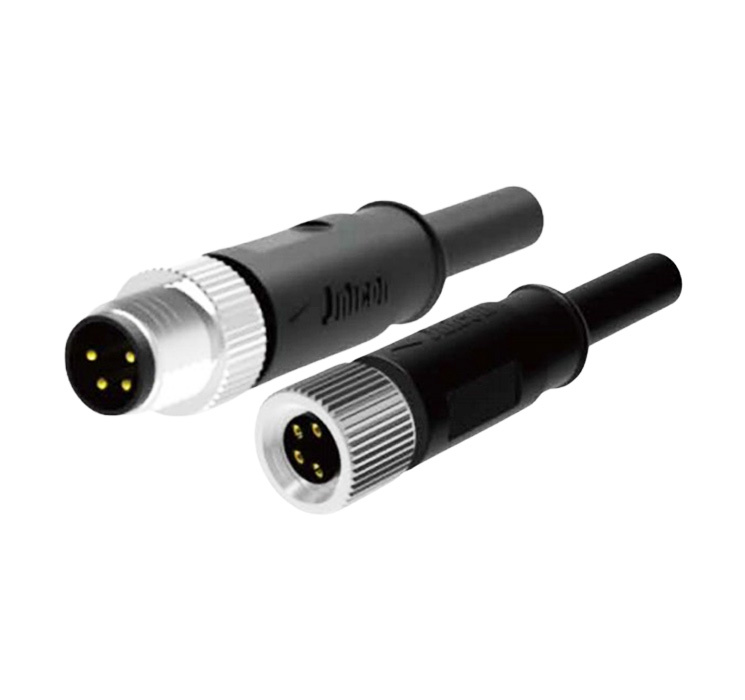
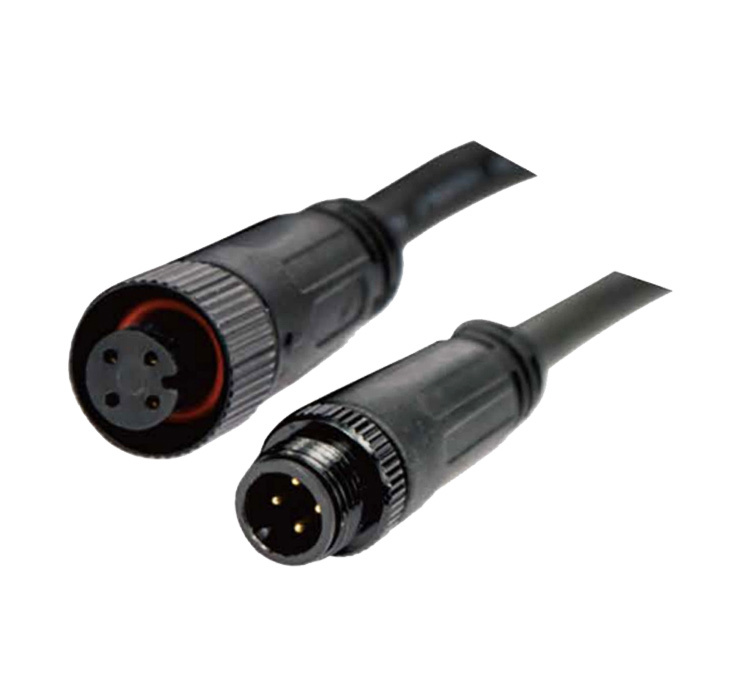
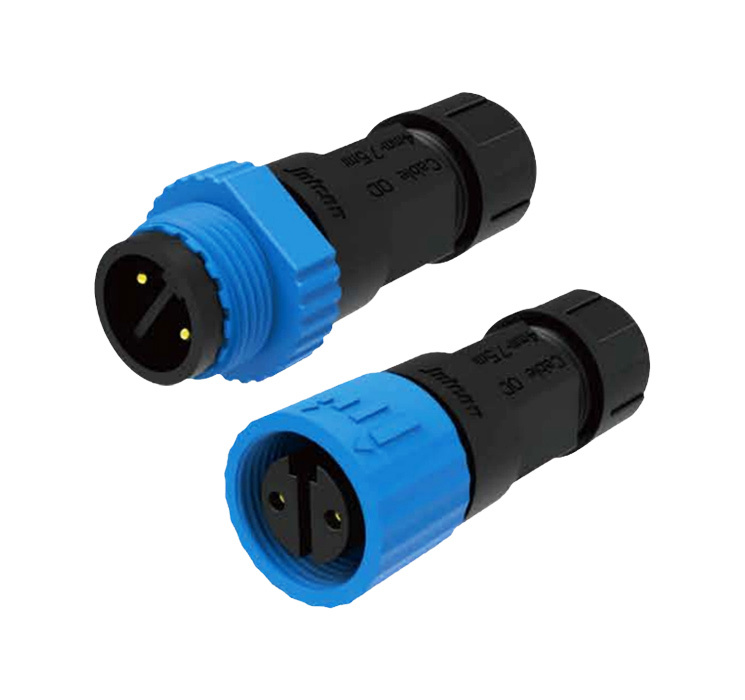
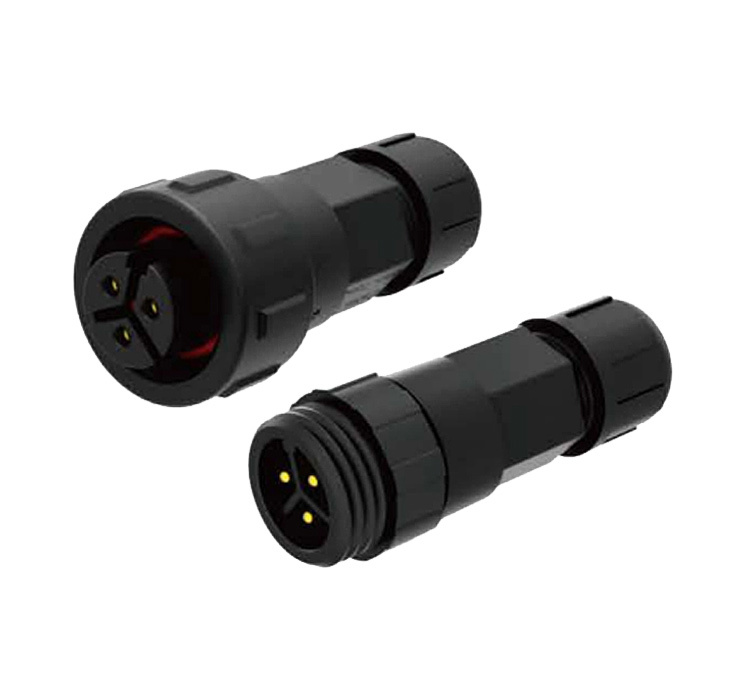
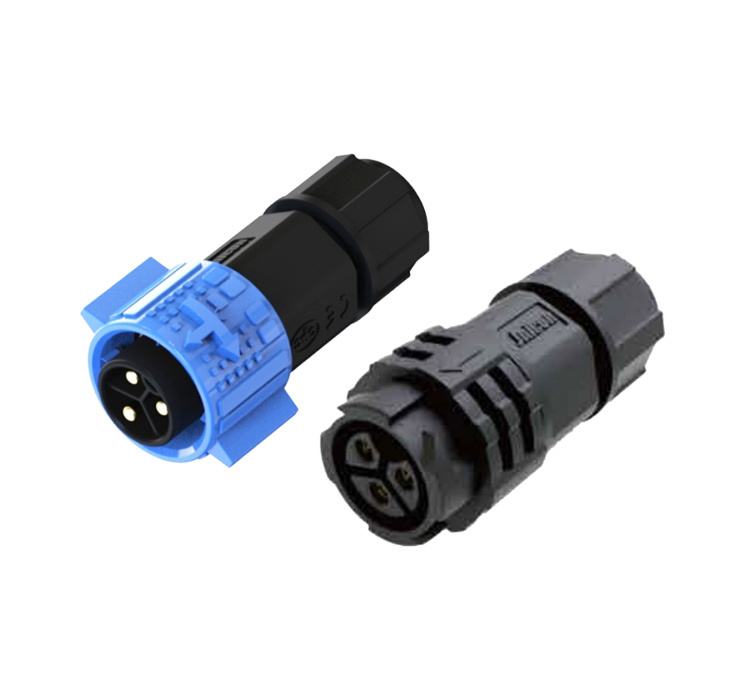
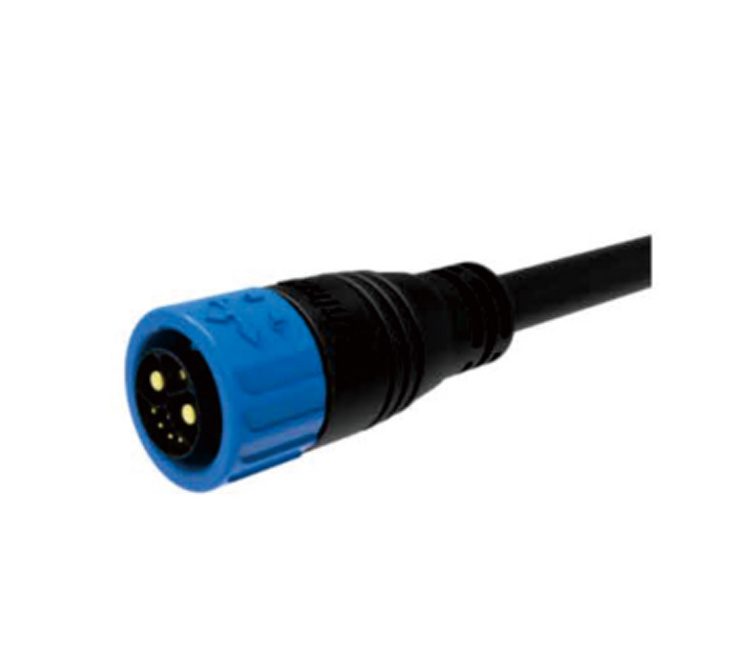
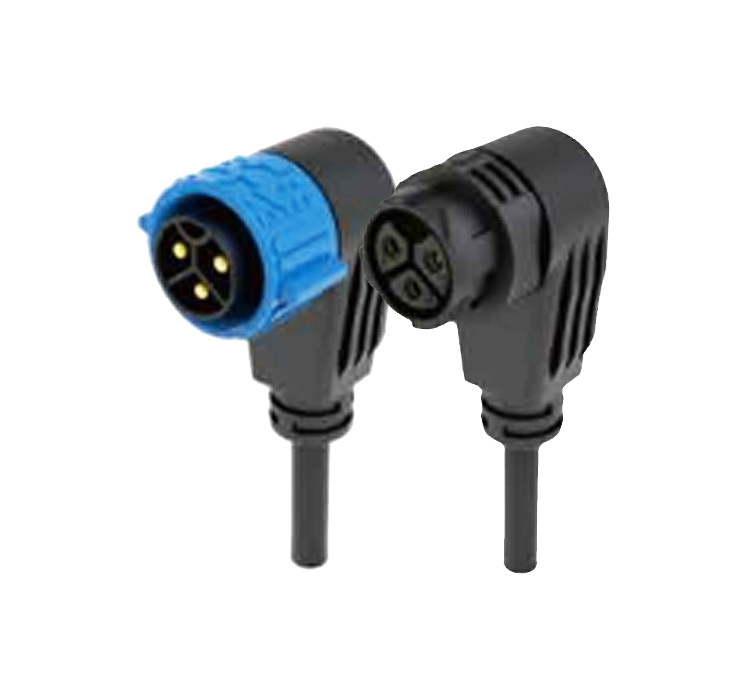
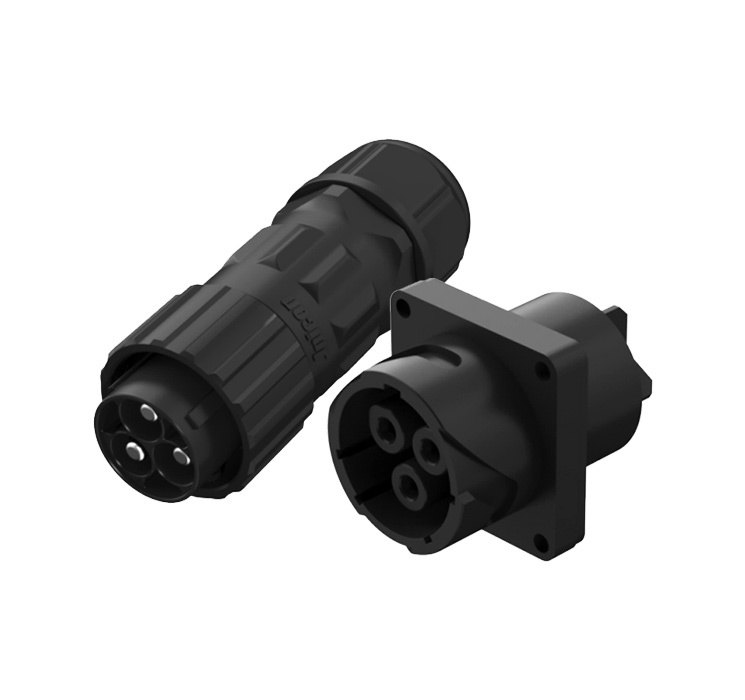
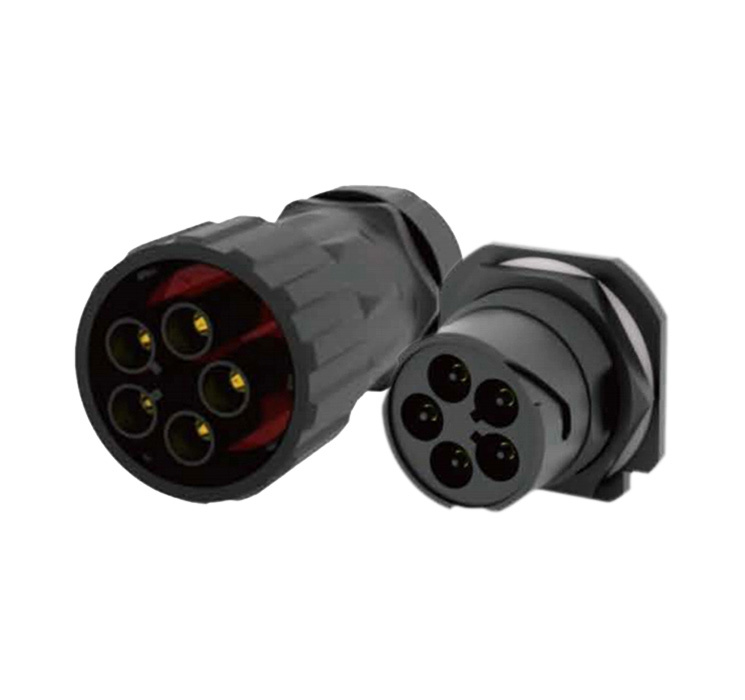
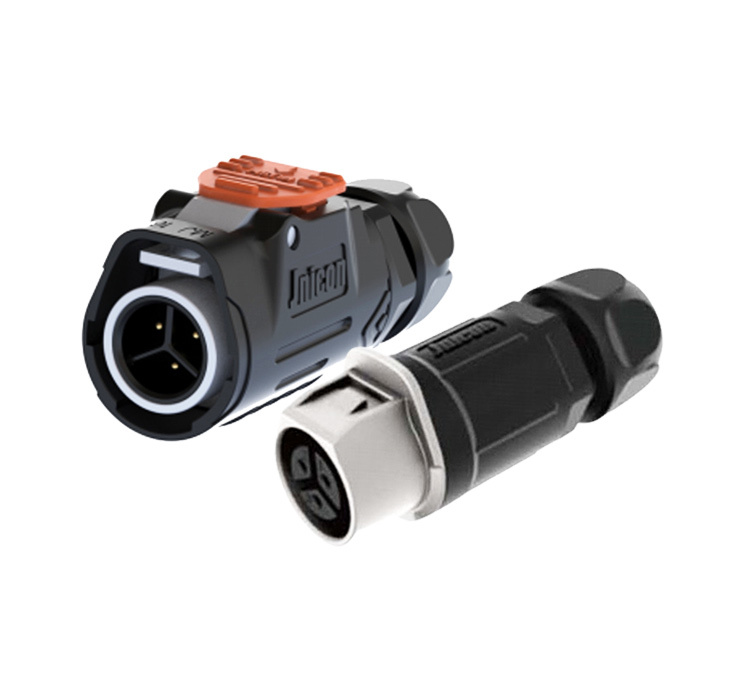
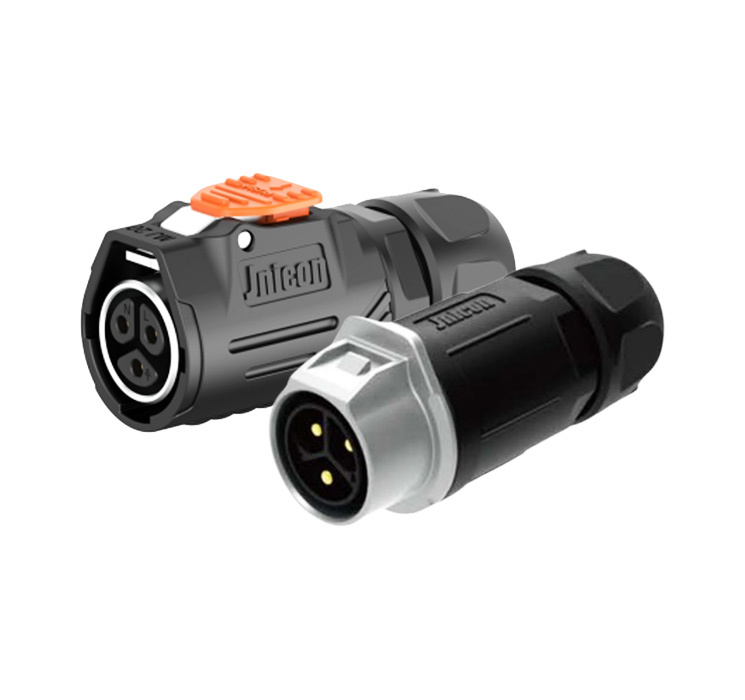
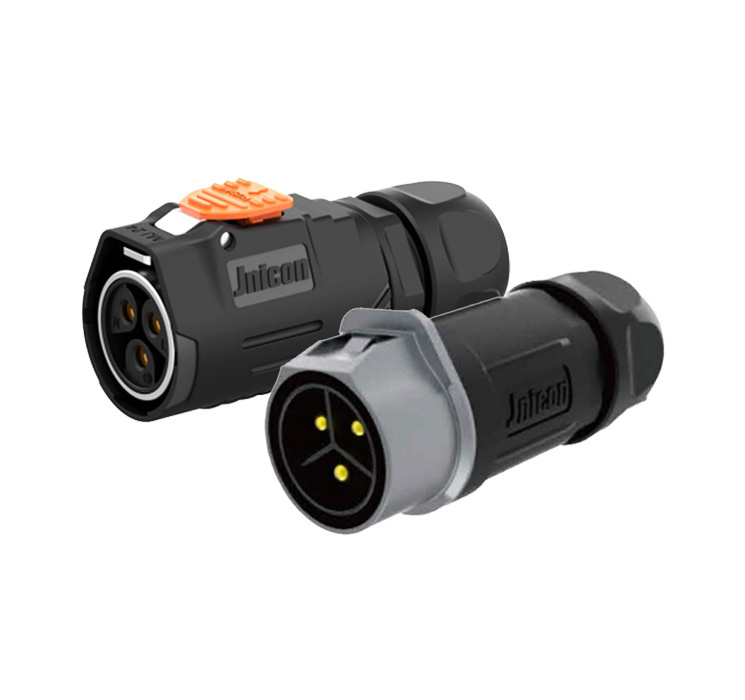
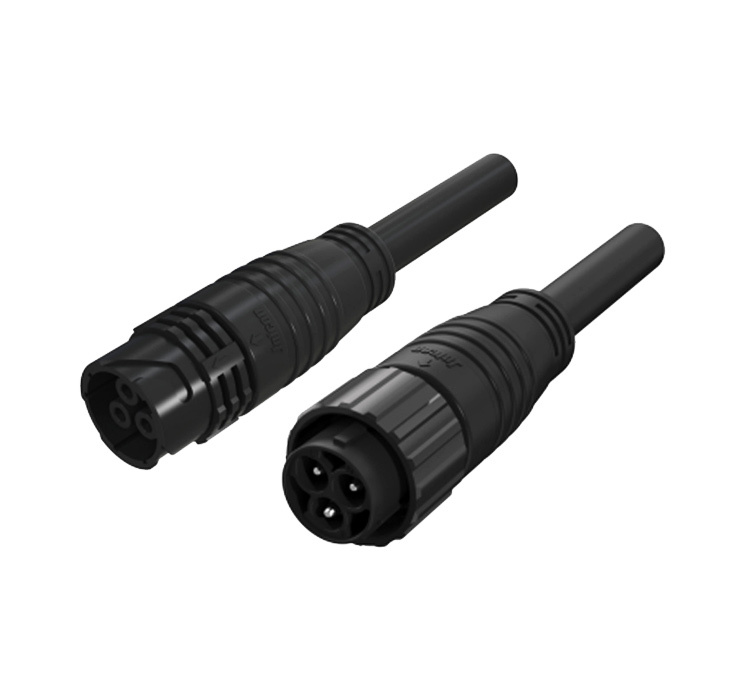
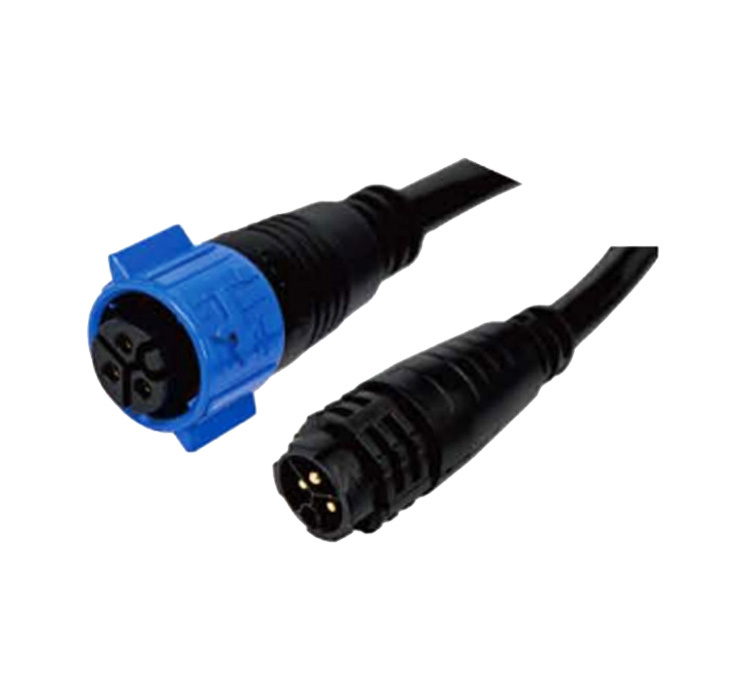
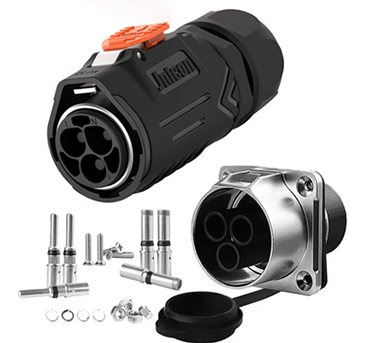
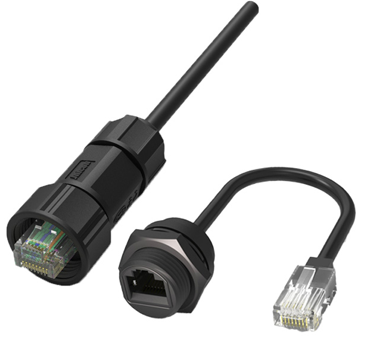
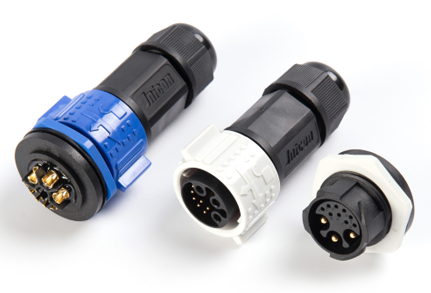
Marine electrical connectors are vital components in the maritime industry, playing a crucial role in ensuring reliable electrical connections in harsh marine environments. As technology advances and the demand for efficient and durable solutions increases, the evolution of these connectors has seen significant innovations, particularly in waterproof design. This article explores the journey of marine electrical connectors, focusing on the advancements in waterproofing technologies that ensure longevity and performance in challenging conditions.
Table of Contents
- 1. Introduction to Marine Electrical Connectors
- 2. The Importance of Waterproof Design in Marine Applications
- 3. Historical Evolution of Marine Electrical Connectors
- 3.1 Early Designs: The Beginnings of Marine Connectors
- 3.2 Modern Innovations in Waterproof Connectors
- 4. Materials Used in Waterproof Marine Connectors
- 5. Key Design Features Enhancing Waterproof Capabilities
- 6. Testing Standards and Regulations for Marine Connectors
- 7. Future Trends in Marine Electrical Connector Technology
- 8. FAQs About Marine Electrical Connectors
- 9. Conclusion: The Future of Marine Electrical Connectivity
1. Introduction to Marine Electrical Connectors
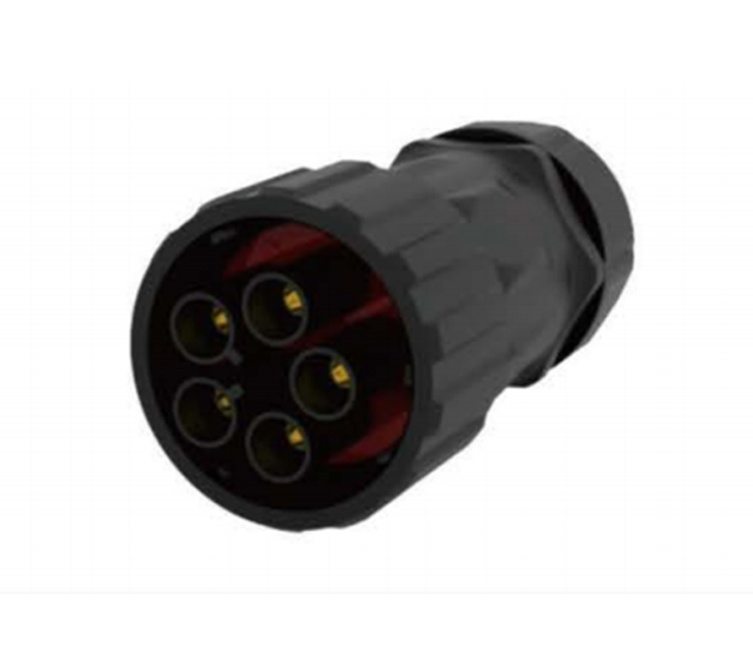
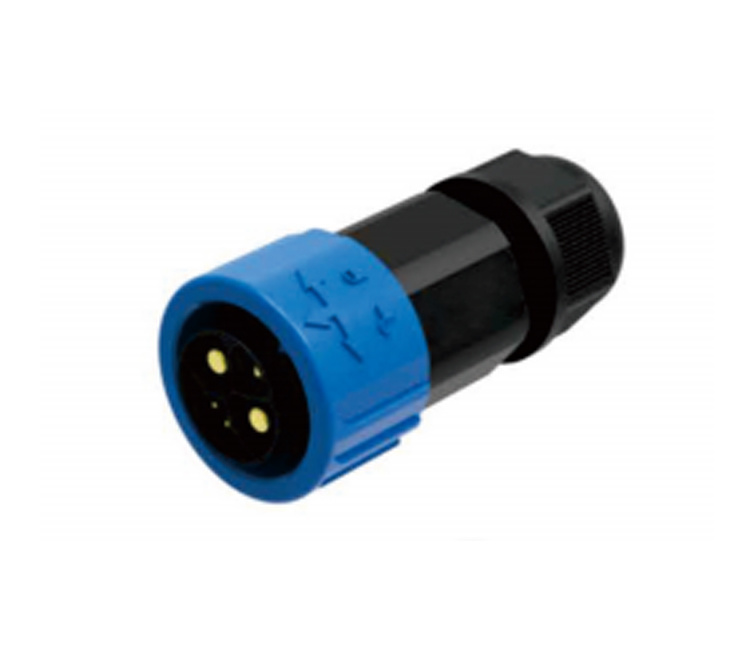
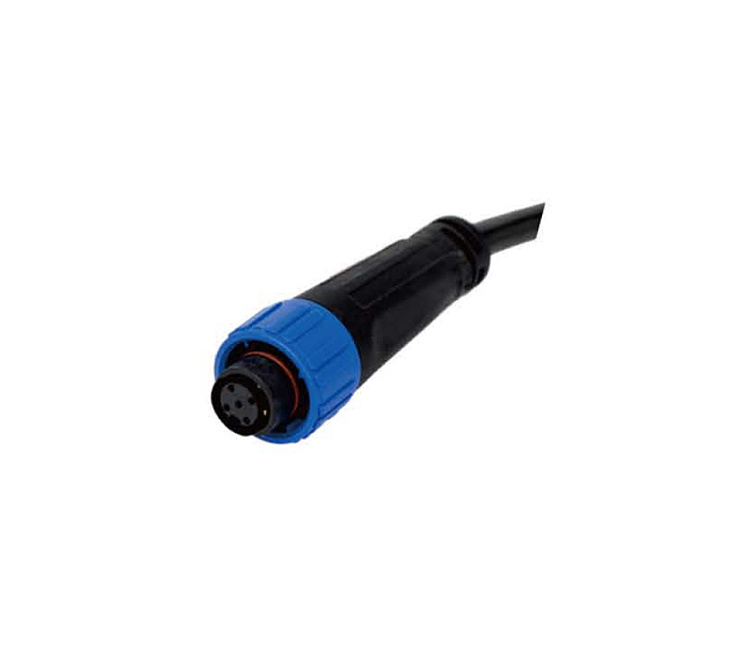
Marine electrical connectors are designed specifically for use in ships, boats, and other marine vessels. These connectors must withstand extreme conditions, including saltwater exposure, humidity, and vibrations. They are essential for power distribution, signal transmission, and overall electrical functionality in marine applications. As these environments can be challenging, the evolution of marine electrical connectors has focused heavily on enhancing their durability and waterproof capabilities.
2. The Importance of Waterproof Design in Marine Applications
Waterproof design in marine electrical connectors is not just a feature; it is a necessity. Water ingress can lead to short circuits, corrosion, and ultimately failure of the electrical system. Such failures can compromise safety, lead to equipment damage, and result in costly downtime. Therefore, designing connectors that can effectively resist water intrusion is paramount. This section will explore the various reasons why waterproofing is crucial in marine applications:
- Safety: Ensuring that electrical systems function correctly without risk of short-circuiting.
- Longevity: Waterproof connectors can withstand harsh marine environments, ensuring longer product life.
- Efficiency: Reliable connections improve the overall efficiency of marine electrical systems.
- Cost-Effectiveness: Investing in waterproof designs can reduce maintenance and replacement costs.
3. Historical Evolution of Marine Electrical Connectors
The history of marine electrical connectors is a story of innovation and adaptation to meet the demands of maritime environments. From early designs to modern advancements, the evolution has been significant.
3.1 Early Designs: The Beginnings of Marine Connectors
In the early days of maritime engineering, electrical connections were rudimentary and often inadequate for the demands of marine environments. Early connectors were typically made from metal and lacked proper sealing mechanisms, making them prone to water ingress. The materials used were often susceptible to corrosion, leading to frequent failures. As the maritime industry advanced, the need for more reliable and waterproof connectors became evident, prompting manufacturers to innovate.
3.2 Modern Innovations in Waterproof Connectors
The modern era has seen dramatic improvements in the design and manufacturing of marine electrical connectors. Today, advancements in materials and technologies have led to the development of connectors that not only resist water but also provide enhanced durability and performance.
One of the significant innovations in modern connectors is the introduction of epoxy resin and thermoplastic elastomers as sealing materials. These materials offer excellent waterproofing properties while remaining flexible and durable. Furthermore, innovations in connector designs, such as locking mechanisms and improved contact plating, have also contributed to their effectiveness in preventing water ingress.
4. Materials Used in Waterproof Marine Connectors
The choice of materials in marine electrical connectors plays a crucial role in determining their waterproof capabilities. Some of the most commonly used materials include:
- Stainless Steel: Offers excellent corrosion resistance against saltwater and is often used for connector housings.
- Plastic Composites: Lightweight and resistant to moisture, these materials are widely used in connector bodies.
- Rubber Seals: Used to create watertight seals around connectors, preventing water ingress.
- Gold-Plated Contacts: Enhance conductivity and resist corrosion, ensuring a reliable electrical connection.
5. Key Design Features Enhancing Waterproof Capabilities
The design features of marine electrical connectors are critical in their ability to withstand water exposure. Key features include:
- IP Rating: The Ingress Protection (IP) rating indicates the level of protection against water and dust. Connectors with higher IP ratings provide better waterproofing.
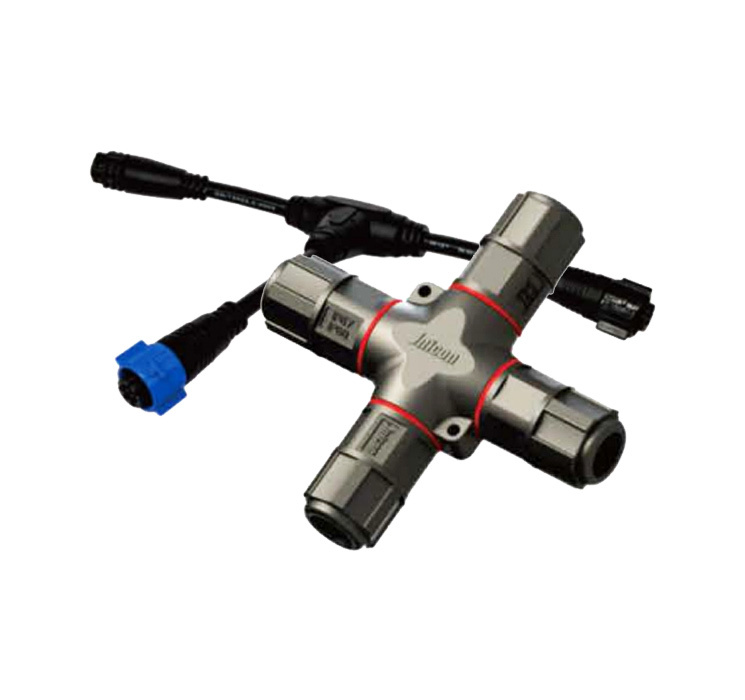
- Sealing Gaskets: Integrated gaskets ensure that water cannot penetrate the connector joints.
- Locking Mechanisms: Prevent accidental disconnection and help maintain the integrity of the electrical connection.
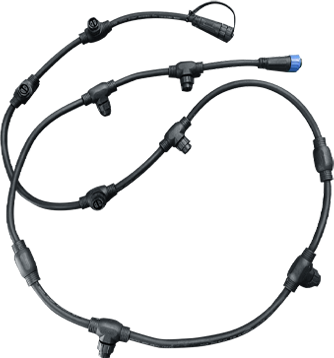
- Overmolded Designs: These connectors feature a molded casing that provides additional protection against water and mechanical stress.
6. Testing Standards and Regulations for Marine Connectors
To ensure the reliability and performance of marine electrical connectors, various testing standards and regulations have been established. These standards govern the waterproof capabilities and overall quality of the connectors. Important standards include:
- IEC 60529: This international standard defines the IP rating system, outlining the requirements for water and dust protection.
- UL 50E: This standard covers the performance of electrical enclosures in outdoor environments, ensuring that connectors meet specific safety criteria.
- ISO 15170: Focuses on electrical connectors for marine applications, ensuring that they meet rigorous industry requirements.
7. Future Trends in Marine Electrical Connector Technology
As technology continues to advance, the future of marine electrical connectors looks promising. Some emerging trends include:
- Smart Connectors: Integration of smart technology to monitor performance and detect faults in real-time.
- Biodegradable Materials: Increased focus on sustainability may lead to the development of eco-friendly connectors.
- Enhanced Compatibility: Future connectors may be designed to work seamlessly with renewable energy sources, such as solar panels and wind turbines.
8. FAQs About Marine Electrical Connectors
1. What is the significance of waterproof design in marine connectors?
Waterproof design is crucial to prevent water ingress, which can lead to short circuits and equipment failure in harsh marine environments.
2. How are marine electrical connectors tested for waterproofing?
Marine electrical connectors are tested according to international standards, such as IEC 60529, which defines the criteria for water and dust protection.
3. What materials are best for waterproof marine connectors?
Stainless steel, plastic composites, rubber seals, and gold-plated contacts are commonly used materials that enhance waterproof capabilities.
4. What does an IP rating indicate?
The IP rating indicates the level of protection that connectors provide against water and dust, with higher ratings signifying better protection.
5. What are some future trends in marine electrical connector technology?
Emerging trends include smart connectors, biodegradable materials, and enhanced compatibility with renewable energy sources.
9. Conclusion: The Future of Marine Electrical Connectivity
The evolution of marine electrical connectors has been a journey marked by innovation and adaptation to meet the rigorous demands of maritime environments. With a strong focus on waterproof design, manufacturers are developing connectors that not only enhance reliability and performance but also contribute to overall safety in marine applications. As technology continues to progress, we can expect further advancements in materials, designs, and functionalities that will shape the future of marine electrical connectivity. Investing in high-quality, waterproof marine electrical connectors is essential for ensuring the longevity and efficiency of electrical systems in the maritime industry.
News
2026-09-24
Waterproof Wire Harnesses: The Cornerstone of Electric Vehicle Reliability
Waterproof Wire Harnesses: An Essential Component for Electric Vehicles Electric vehicles (EVs) are rapidly transforming the automotive landscape, with advancements in technology leading the charge. Amongst the many components that contribute to the seamless operation of these vehicles, **waterproof wire harnesses** stand out as a vital element. In this comprehensive article, we will delve deep in
2026-09-21
Exploring the Benefits and Applications of 5 Pin Waterproof Connectors
In today's increasingly interconnected world, the demand for reliable and durable electrical connections is paramount, particularly in environments exposed to moisture and harsh conditions. The 5 pin waterproof connector serves as a crucial solution to meet these needs, providing secure electrical connectivity while protecting sensitive components from water damage and corrosion. One of the primar
2026-09-18
Unlocking the Benefits of 3 Pin Waterproof Connectors for Outdoor Projects
Unlocking the Benefits of 3 Pin Waterproof Connectors for Outdoor Projects Introduction: The Importance of Reliable Electrical Connections in Outdoor Projects Ensuring secure and efficient electrical connections in outdoor environments poses unique challenges. Weather conditions, moisture, and temperature fluctuations can jeopardize your projects. This is where **3 pin waterproof connectors**

B8-9, Fubilun industrial park, Chaoyang rd,Yanchuan community, Songgang, Shenzhen, China


