


How to Effectively Troubleshoot Problems with Your Waterproof Wire Harness
Release Time:
2026-05-13
How to Effectively Troubleshoot Problems with Your Waterproof Wire Harness
Waterproof wire harnesses play a crucial role in ensuring the functionality and longevity of various electronic systems in vehicles. Given their exposure to harsh environments, it’s essential to understand how to troubleshoot potential issues effectively. This comprehensive guide will walk you through the process, equipping you with the knowledge to tackle common problems that may arise.
Table of Contents
- Understanding Waterproof Wire Harnesses
- Common Issues with Waterproof Wire Harnesses
- Tools Needed for Troubleshooting
- Step-by-Step Troubleshooting Guide
- Testing the Waterproof Seal
- Repairing Damaged Wire Harnesses
- Preventive Maintenance Tips
- Frequently Asked Questions
Understanding Waterproof Wire Harnesses
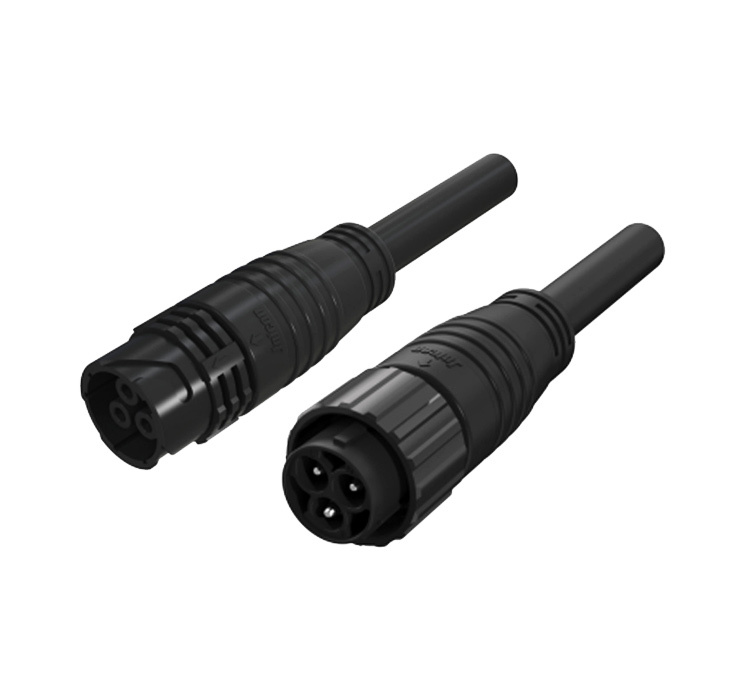
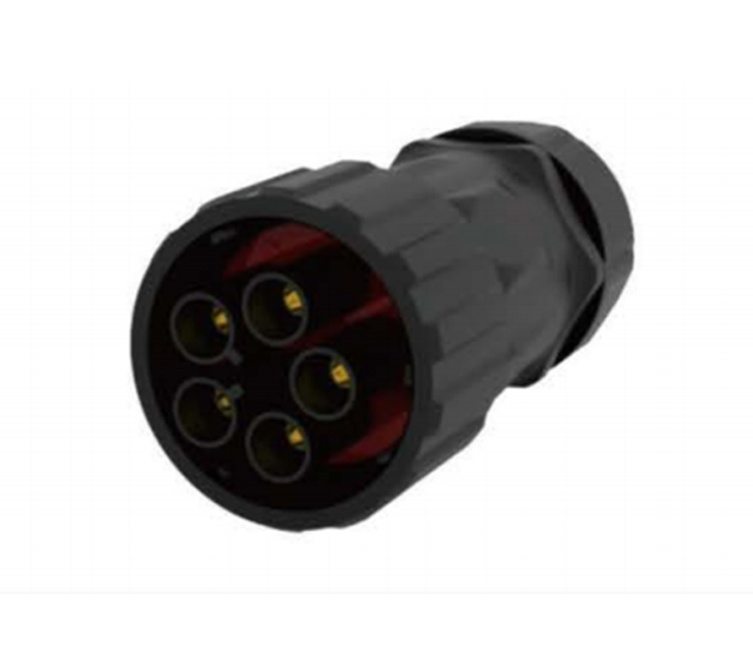
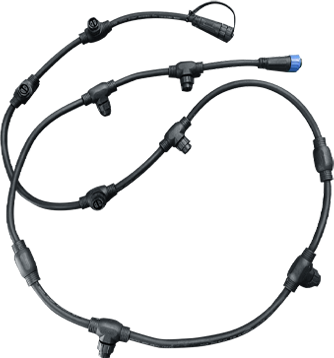
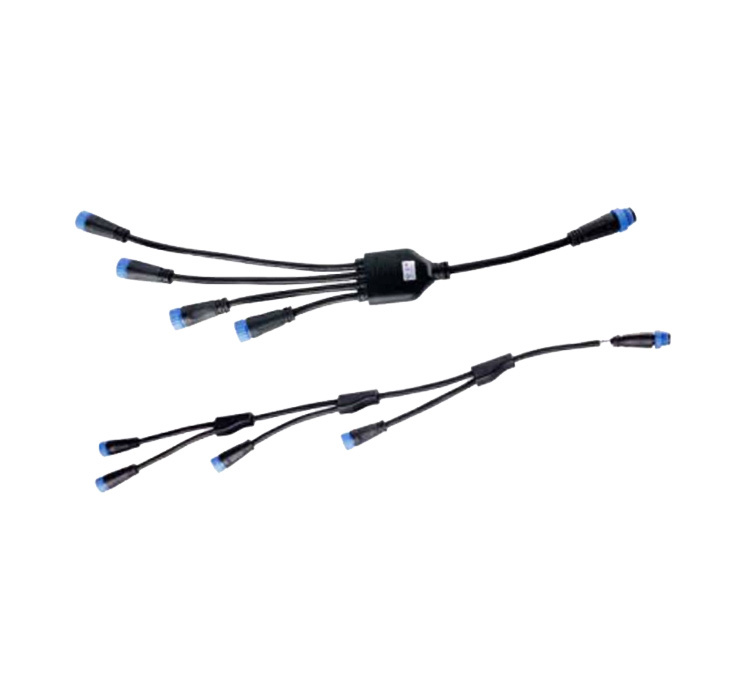
A waterproof wire harness is designed to protect electrical connections from moisture, dust, and other environmental factors. These harnesses are commonly used in automotive applications, where exposure to water and other contaminants is inevitable. Understanding the construction and function of these harnesses is the first step in troubleshooting potential issues.
Components of a Waterproof Wire Harness
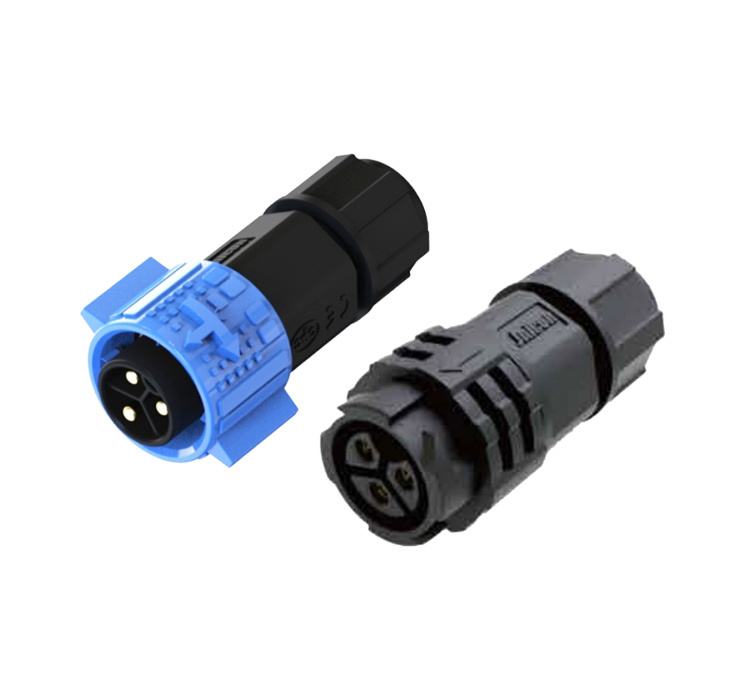
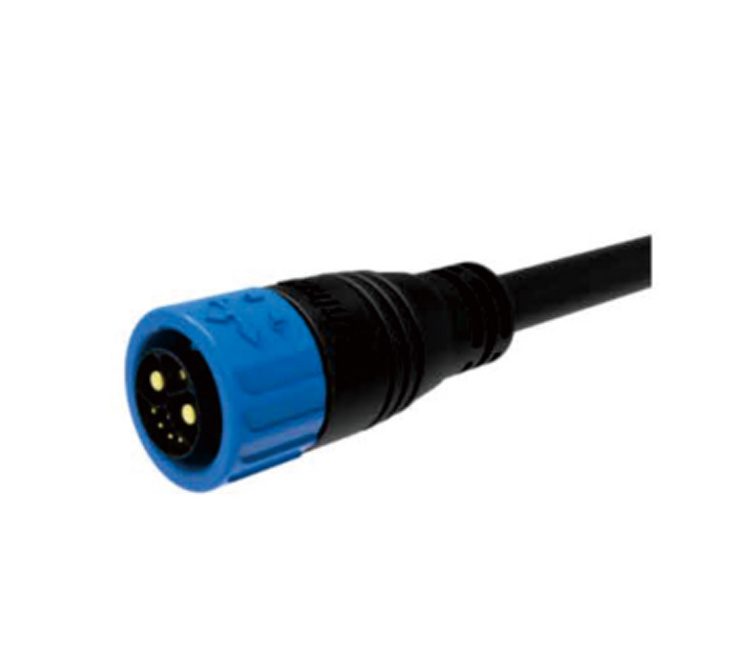
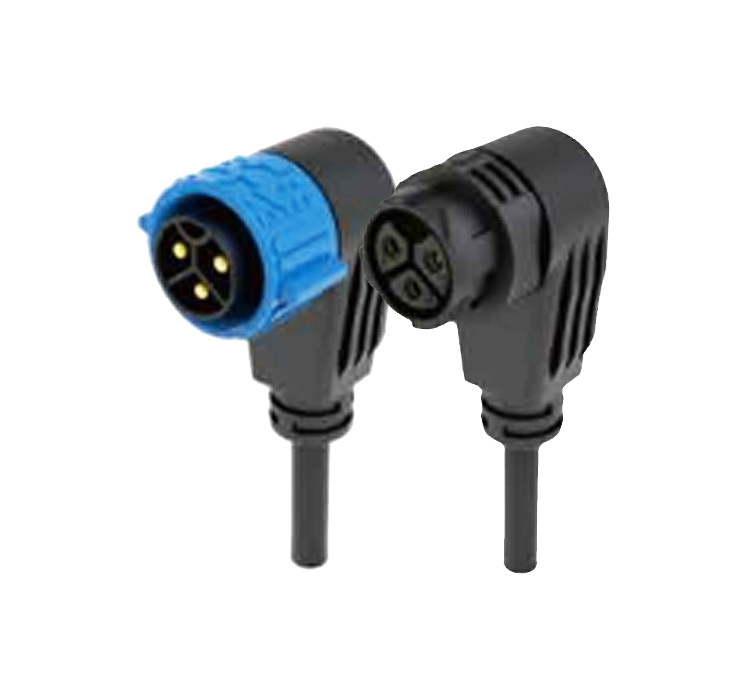
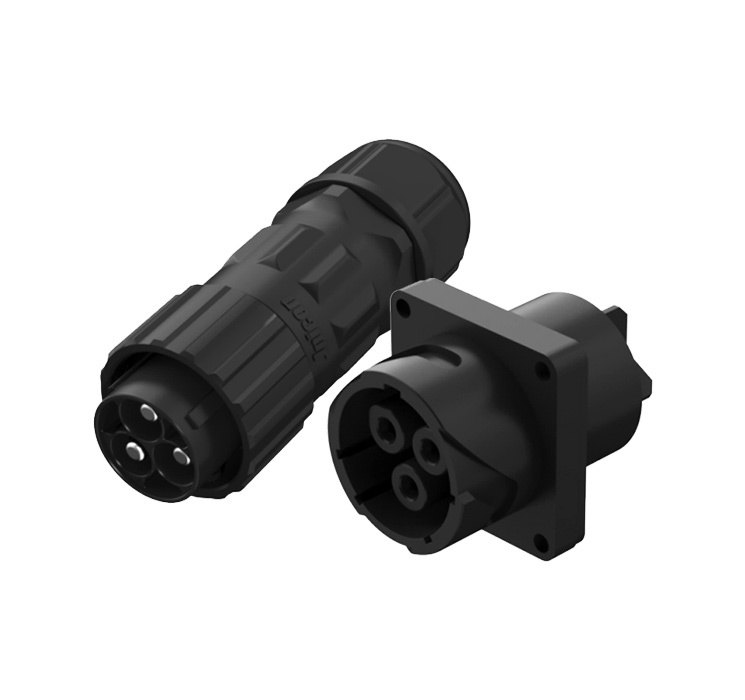
Typically, a waterproof wire harness includes:
- Wires: The conductors that transmit electrical signals.
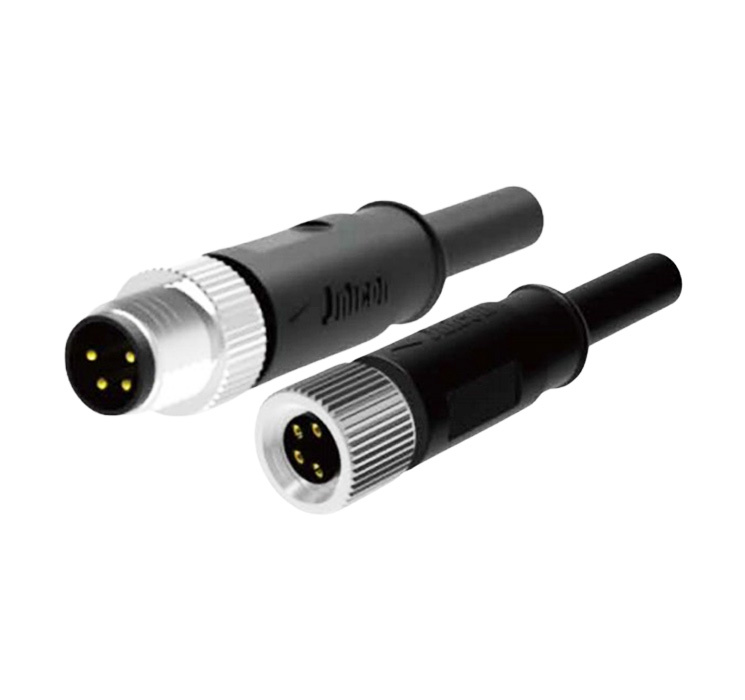
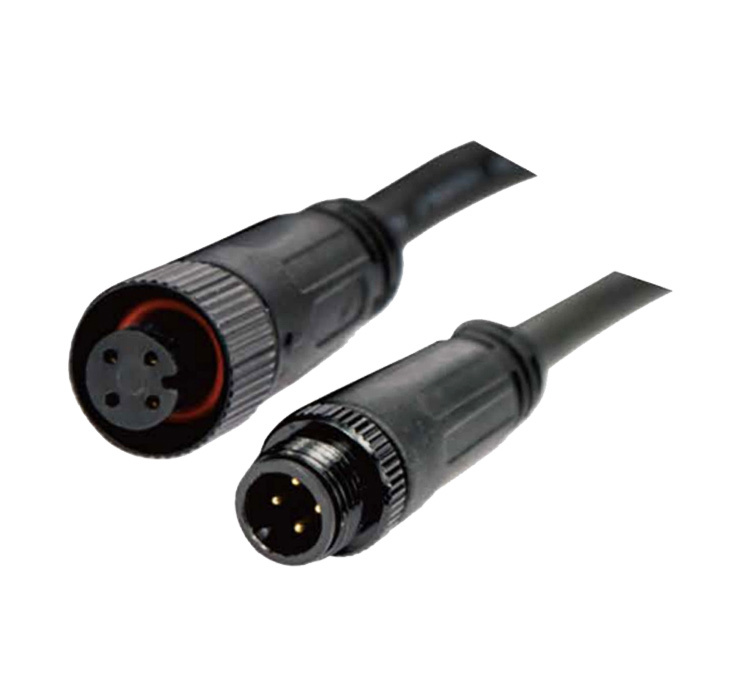
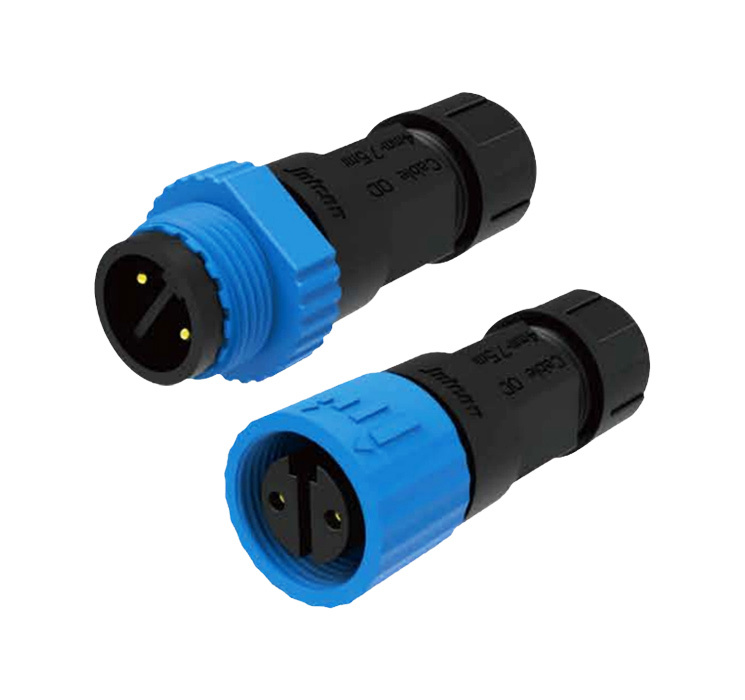
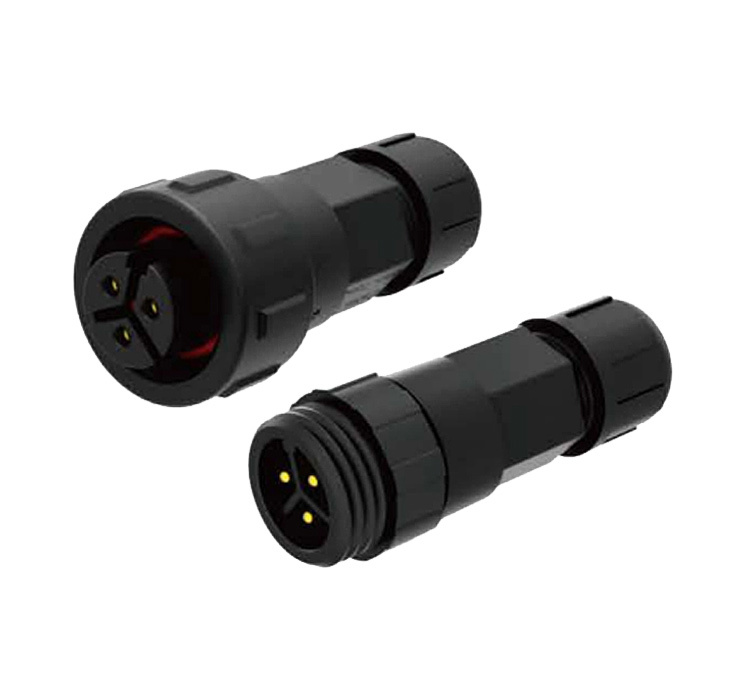
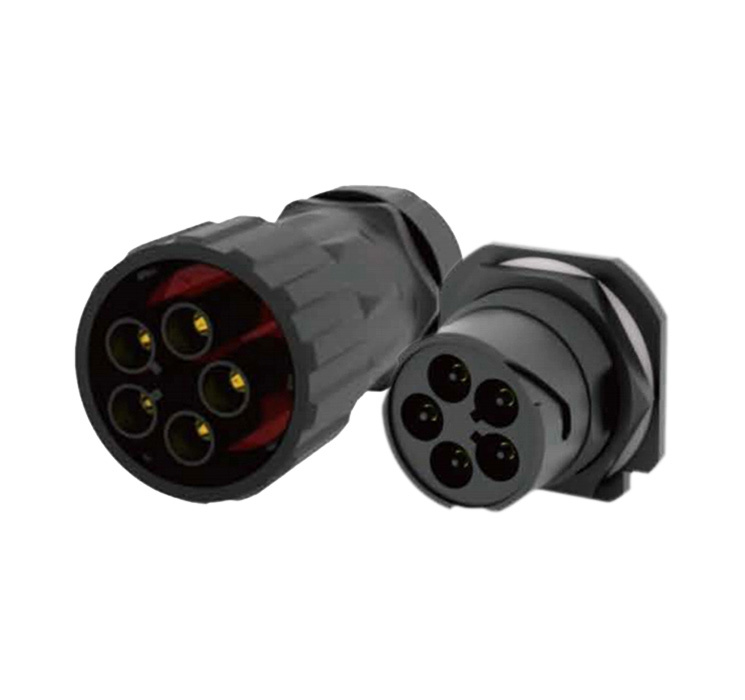
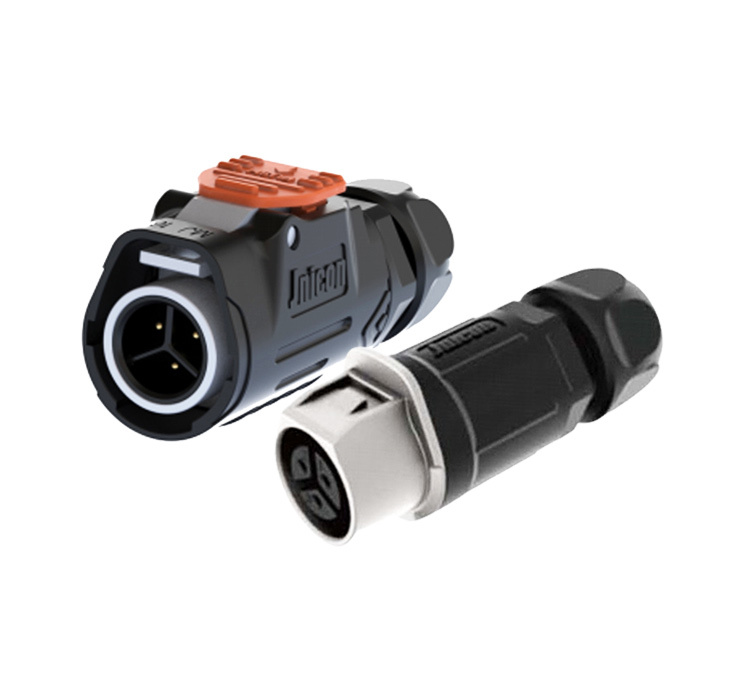
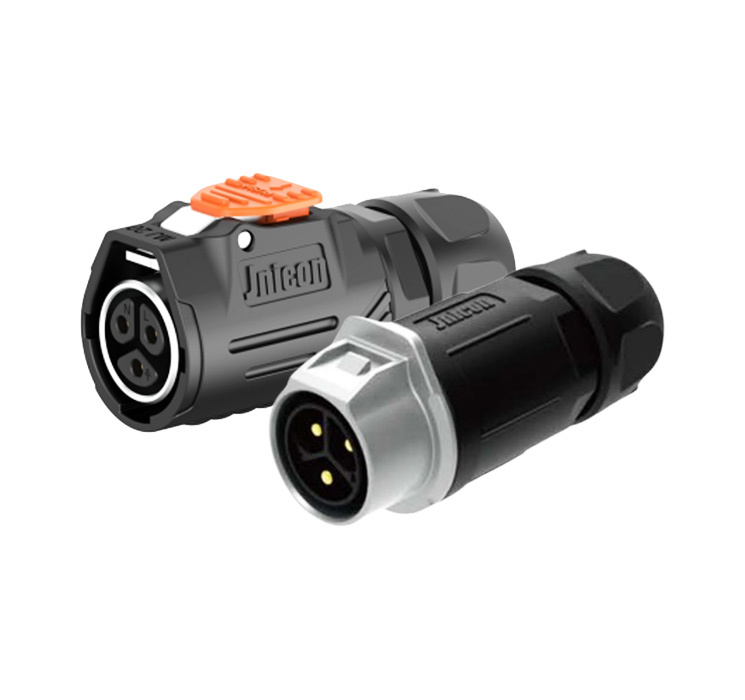
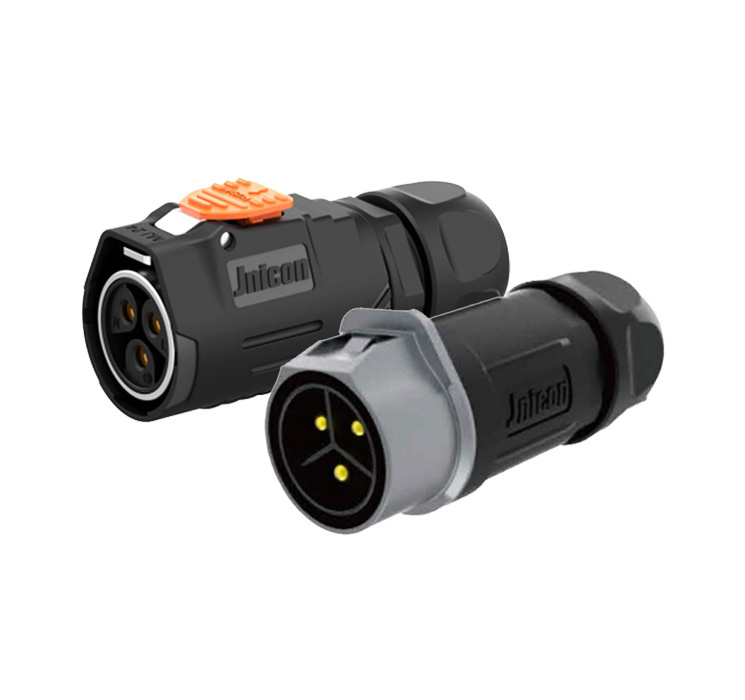
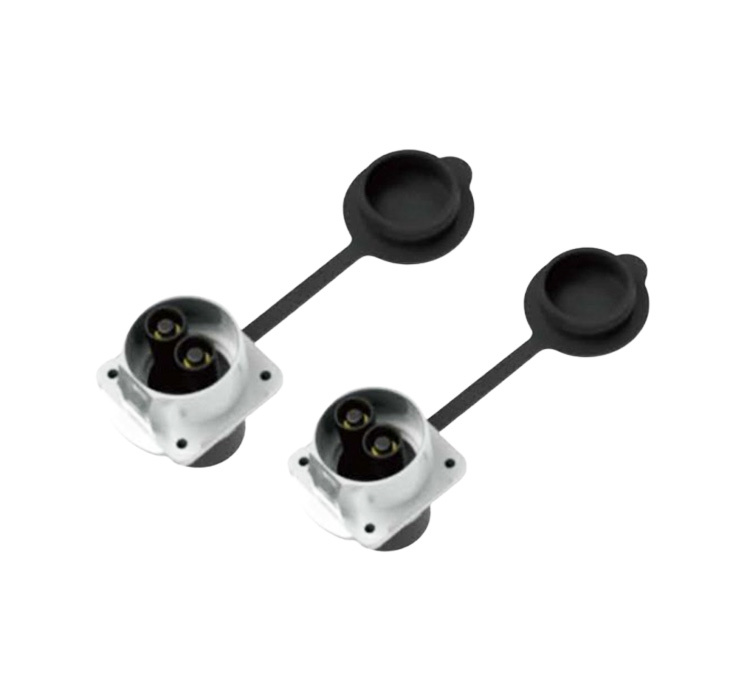
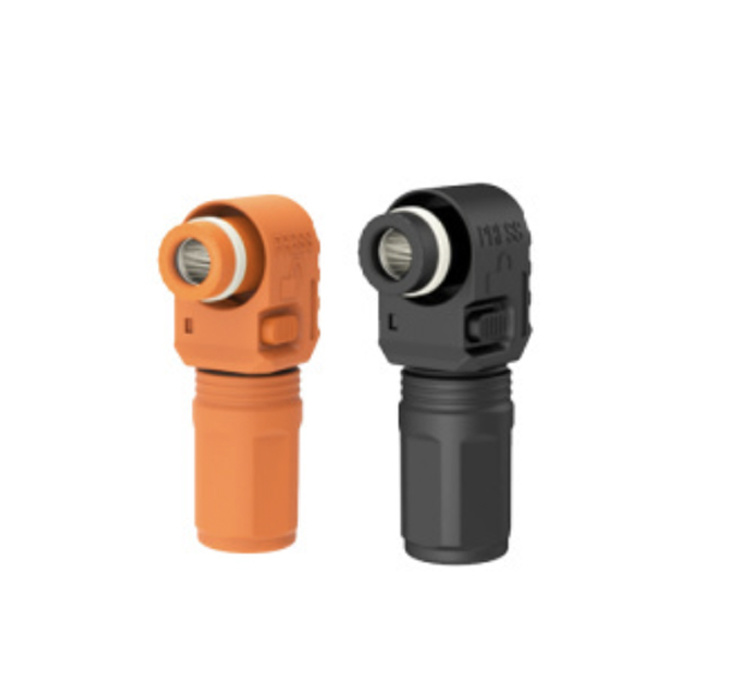
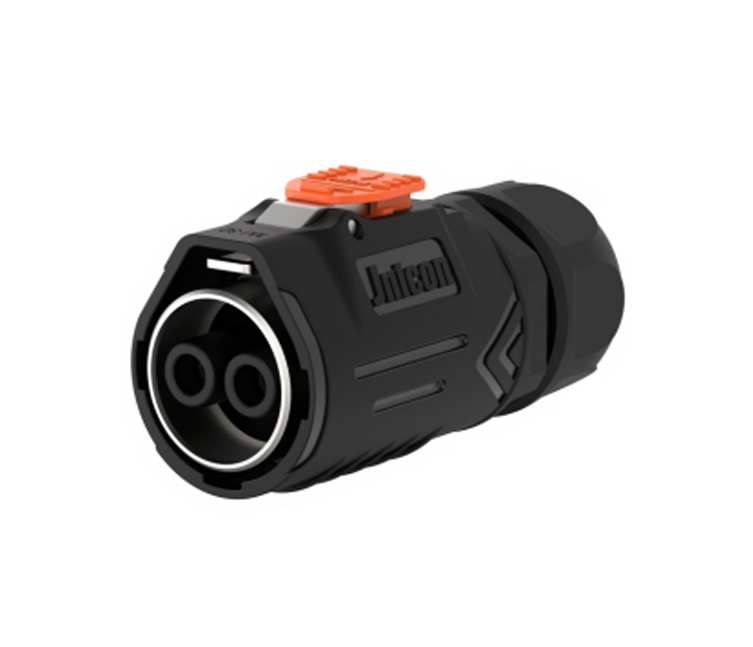
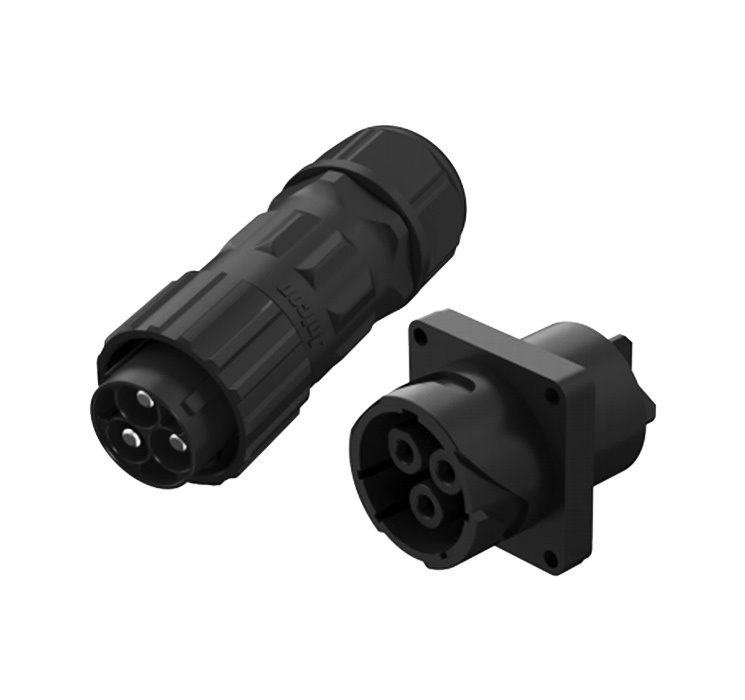
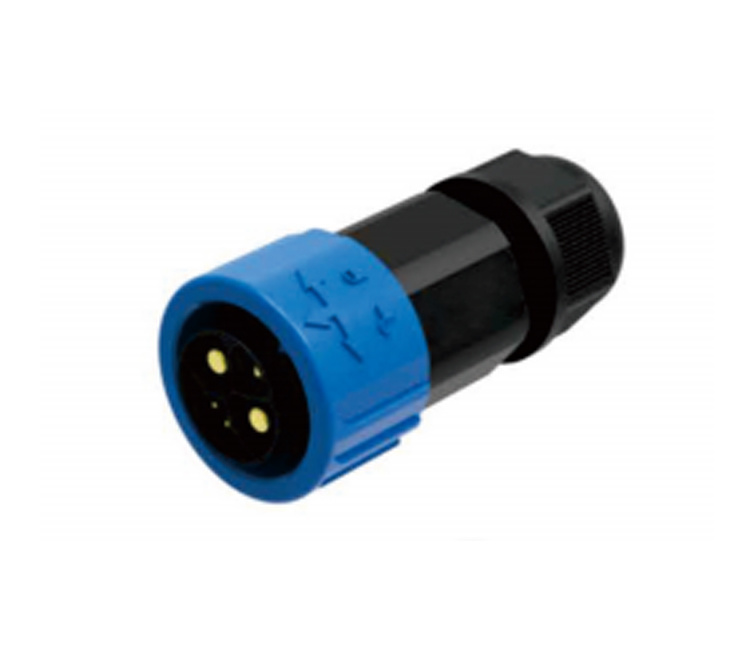
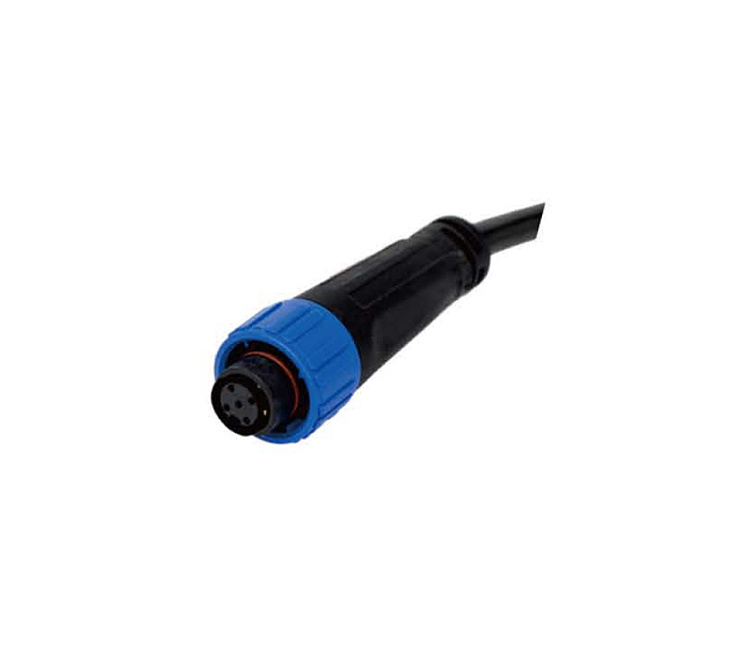
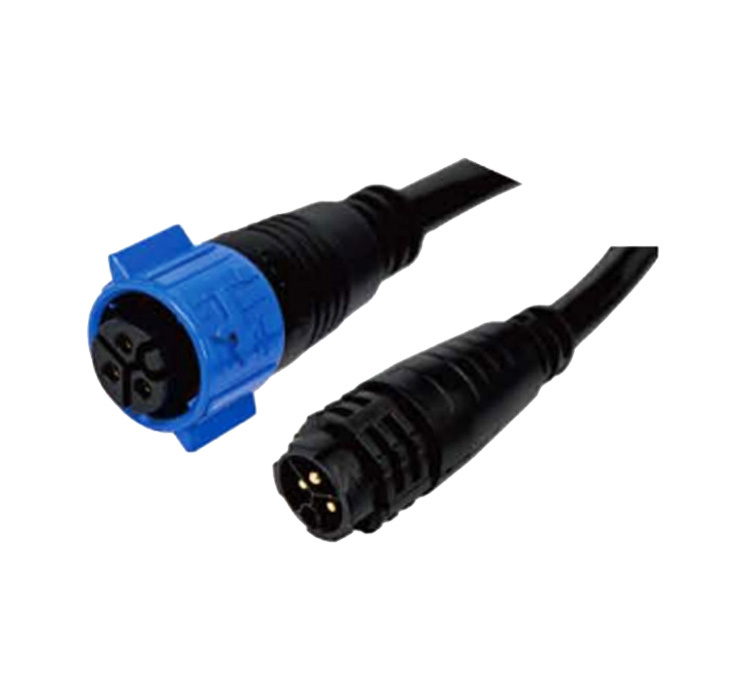
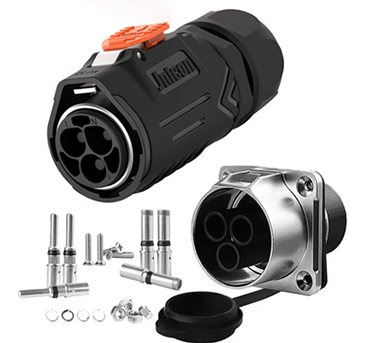
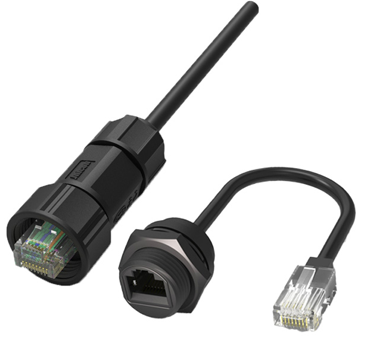
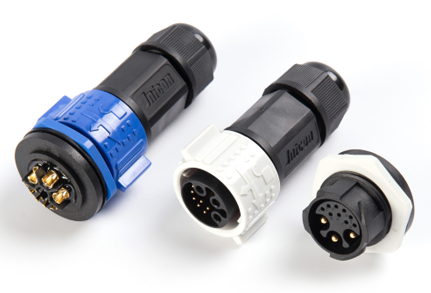
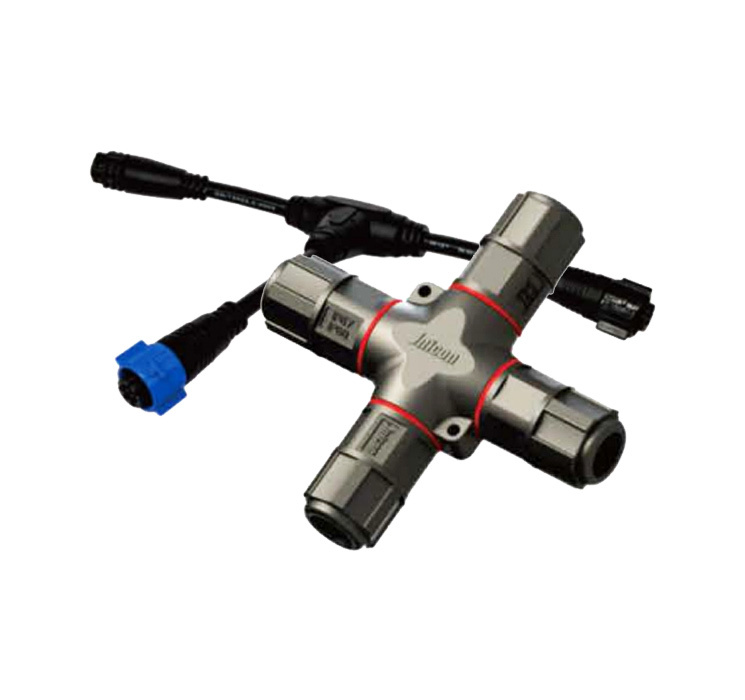
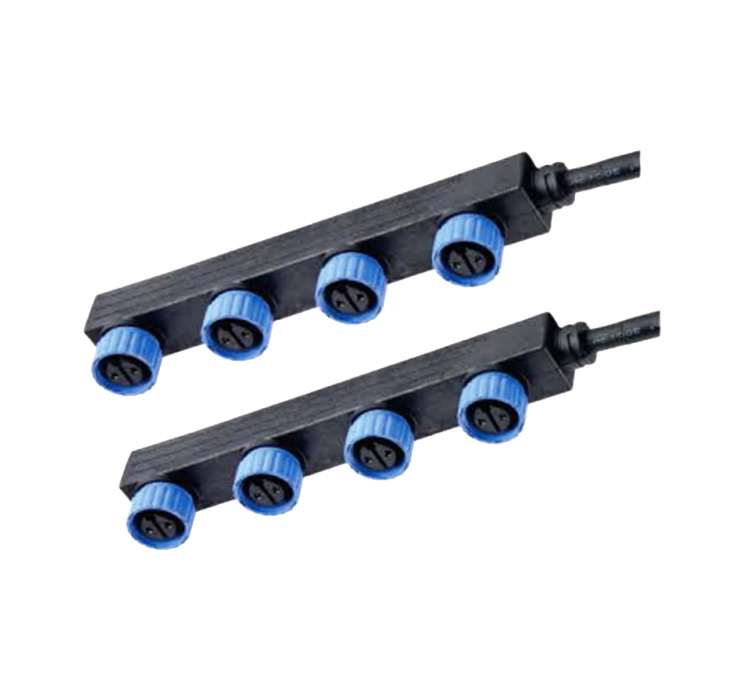
- Connectors: Components that allow for easy disconnection and reconnection of wires.
- Insulation: Material that encases the wires to prevent short circuits.
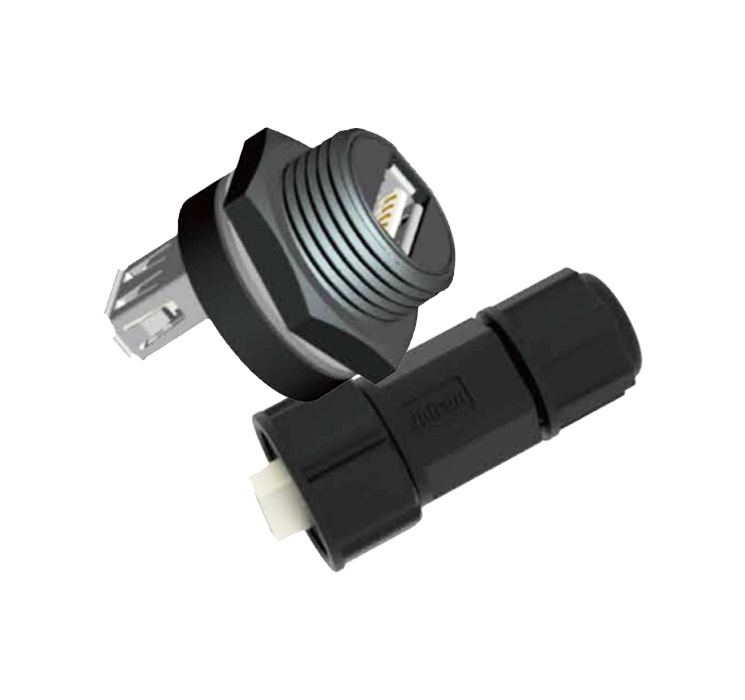
- Seals: Specially designed to prevent moisture and contaminants from entering the harness.
Importance of Waterproofing
Waterproofing is critical for maintaining the reliability of electrical systems in vehicles. It helps prevent corrosion, short circuits, and other failures that can lead to significant electrical issues. Understanding the importance of waterproofing will guide you in your troubleshooting efforts.
Common Issues with Waterproof Wire Harnesses
Despite their robust design, waterproof wire harnesses are not immune to issues. Here are some common problems to look out for:
Cuts or Abrasions in the Wiring
Over time, vibrations and friction can cause cuts or abrasions in the insulation, exposing wires to moisture and contaminants. This can lead to electrical shorts or failures.
Connector Failures
Connector failure can occur due to corrosion, physical damage, or poor installation. This can disrupt the flow of electricity, causing components to malfunction.
Seal Degradation
The seals that protect against moisture can degrade over time, leading to water entry and potential damage to the wiring inside the harness.
Tools Needed for Troubleshooting
Having the right tools at your disposal can streamline the troubleshooting process. Here’s a list of essential tools:
- Multimeter: For measuring voltage, current, and resistance.
- Wire Strippers: To remove insulation without damaging the wire.
- Crimping Tool: For connecting wires securely.
- Heat Gun: For applying heat-shrink tubing.
- Flashlight: To inspect hard-to-see areas.
Step-by-Step Troubleshooting Guide
Follow these steps to effectively troubleshoot your waterproof wire harness:
1. Visual Inspection
Start with a thorough visual inspection of the harness. Look for signs of damage to the insulation, connectors, or seals. Check for any obvious signs of wear or corrosion.
2. Test Connections
Use a multimeter to test the voltage at various points along the harness. Ensure that the voltage readings are within the manufacturer’s specifications. This will help identify any breaks in the connection.
3. Check for Shorts
Set your multimeter to measure resistance. Check for shorts between wires by placing the probes on adjacent wires. A reading of zero or very low resistance indicates a short, which needs to be repaired.
4. Inspect Connectors
Examine the connectors for corrosion or physical damage. If any are found, clean them with a suitable contact cleaner, or replace them if necessary.
5. Verify Waterproofing
Check the seals around the connectors and the harness itself. If any seals show signs of wear or damage, replace them to maintain waterproof integrity.
Testing the Waterproof Seal
Testing the waterproof seal is crucial to ensure the effectiveness of your wire harness:
Using Water Submersion
A simple method to test the waterproof seal is to submerge the harness in a controlled environment. Monitor for any signs of water ingress, which indicates that the seal is compromised.
Pressure Testing
Pressure testing can also be used to determine the effectiveness of the waterproof seal. By applying air pressure to the harness, you can check for leaks that might allow water to enter.
Repairing Damaged Wire Harnesses
If you find that your wire harness is damaged, here’s how to make effective repairs:
Replacing Damaged Wires
When replacing damaged wires, use the same gauge and type of wire as the original harness. Strip the insulation back about half an inch and attach new connectors securely.
Sealing Connections
After making repairs, it’s essential to seal the connections properly. Use heat-shrink tubing to secure and protect exposed wires from moisture and debris.
Preventive Maintenance Tips
Preventing issues with your waterproof wire harness will save you time and money in the long run:
- Regular Inspections: Schedule regular inspections of your wire harness to catch potential issues before they become significant problems.
- Keep Connections Clean: Regularly clean connectors and ensure they are free from dirt and corrosion.
- Proper Installation: Ensure that your wire harness is installed correctly, avoiding sharp bends and stress points that could lead to damage.
- Use Quality Components: Invest in high-quality waterproof wire harnesses and components to reduce the risk of failure.
Frequently Asked Questions
What is a waterproof wire harness?
A waterproof wire harness is an assembly of wires and connectors that are designed to protect electrical connections from moisture and environmental contaminants.
How can I identify a damaged wire harness?
Signs of a damaged wire harness include visible cuts or abrasions, corrosion on connectors, and electrical failures in connected components.
What tools do I need for troubleshooting a wire harness?
Essential tools include a multimeter, wire strippers, a crimping tool, a heat gun, and a flashlight for inspection.
How often should I inspect my waterproof wire harness?
Regular inspections are recommended at least once a year, or more frequently if the harness is exposed to harsh environments.
Can I repair a damaged wire harness myself?
Yes, with the right tools and knowledge, you can repair a damaged wire harness. However, if you're not confident, it's best to consult a professional.
Conclusion
Understanding how to troubleshoot problems with your waterproof wire harness is essential for maintaining the reliability of your vehicle’s electrical systems. By following this guide, you’re equipped with the knowledge and tools necessary to identify and resolve common issues effectively. Regular inspections and preventive maintenance will help ensure the longevity and functionality of your wire harness, keeping your vehicle running smoothly for years to come.
News
2026-09-24
Waterproof Wire Harnesses: The Cornerstone of Electric Vehicle Reliability
Waterproof Wire Harnesses: An Essential Component for Electric Vehicles Electric vehicles (EVs) are rapidly transforming the automotive landscape, with advancements in technology leading the charge. Amongst the many components that contribute to the seamless operation of these vehicles, **waterproof wire harnesses** stand out as a vital element. In this comprehensive article, we will delve deep in
2026-09-21
Exploring the Benefits and Applications of 5 Pin Waterproof Connectors
In today's increasingly interconnected world, the demand for reliable and durable electrical connections is paramount, particularly in environments exposed to moisture and harsh conditions. The 5 pin waterproof connector serves as a crucial solution to meet these needs, providing secure electrical connectivity while protecting sensitive components from water damage and corrosion. One of the primar
2026-09-18
Unlocking the Benefits of 3 Pin Waterproof Connectors for Outdoor Projects
Unlocking the Benefits of 3 Pin Waterproof Connectors for Outdoor Projects Introduction: The Importance of Reliable Electrical Connections in Outdoor Projects Ensuring secure and efficient electrical connections in outdoor environments poses unique challenges. Weather conditions, moisture, and temperature fluctuations can jeopardize your projects. This is where **3 pin waterproof connectors**

B8-9, Fubilun industrial park, Chaoyang rd,Yanchuan community, Songgang, Shenzhen, China


