


Waterproof Wire Harnesses: Enhancing Reliability in Harsh Weather Conditions
Release Time:
2026-05-17
Waterproof Wire Harnesses: Enhancing Reliability in Harsh Weather Conditions
Table of Contents
- 1. Introduction to Waterproof Wire Harnesses
- 2. Understanding Wire Harnesses: The Backbone of Automotive Electronics
- 3. The Importance of Waterproofing in Automotive Applications
- 4. Materials Used in Waterproof Wire Harnesses
- 5. Key Design Features of Waterproof Wire Harnesses
- 6. Applications of Waterproof Wire Harnesses in the Automotive Industry
- 7. Benefits of Using Waterproof Wire Harnesses
- 8. Future Trends in Waterproof Wire Harness Technology
- 9. FAQs about Waterproof Wire Harnesses
- 10. Conclusion
1. Introduction to Waterproof Wire Harnesses
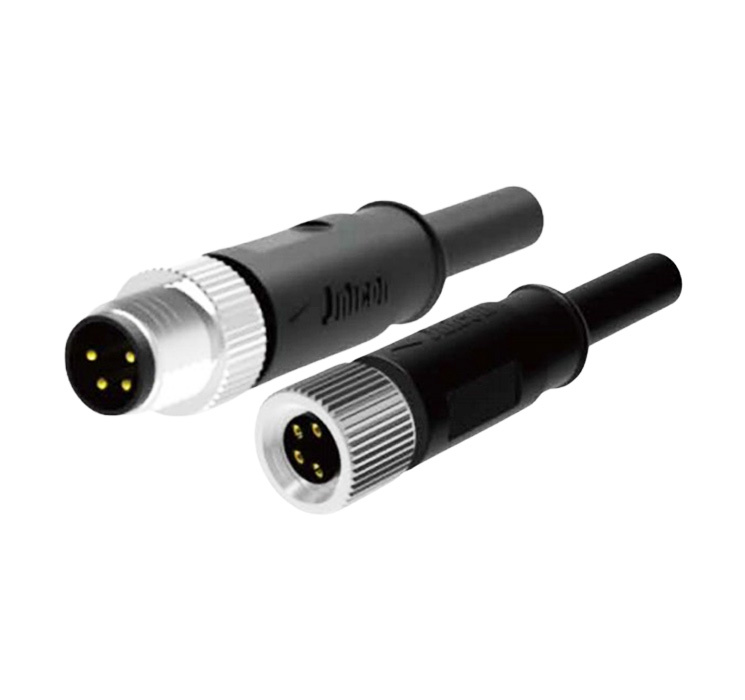
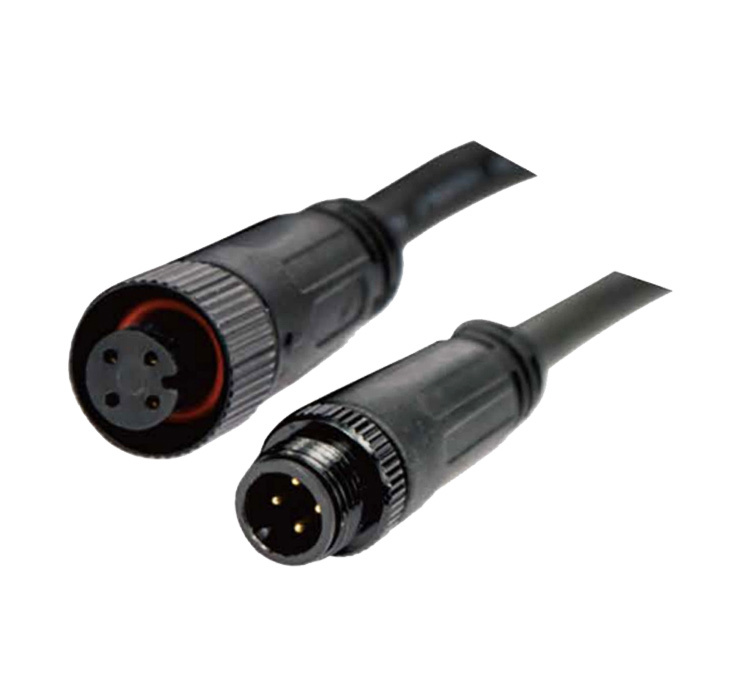
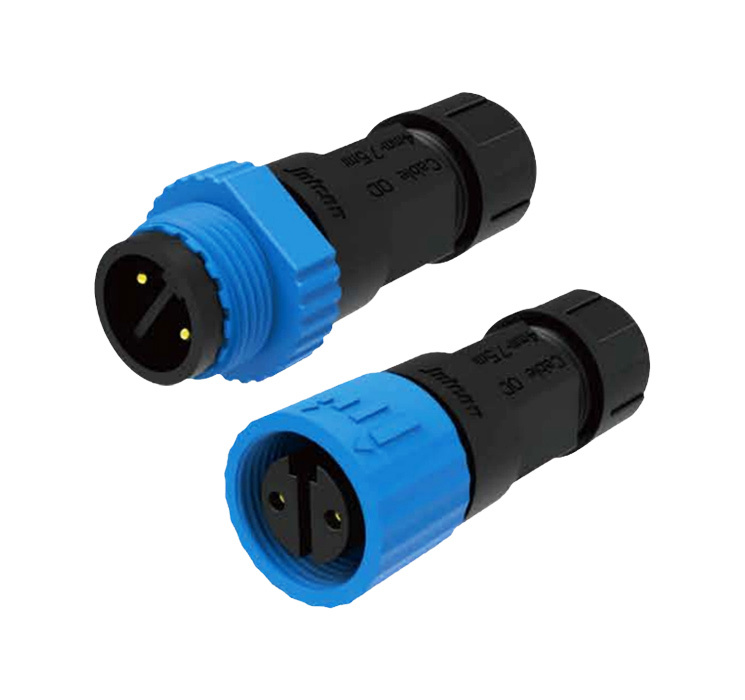
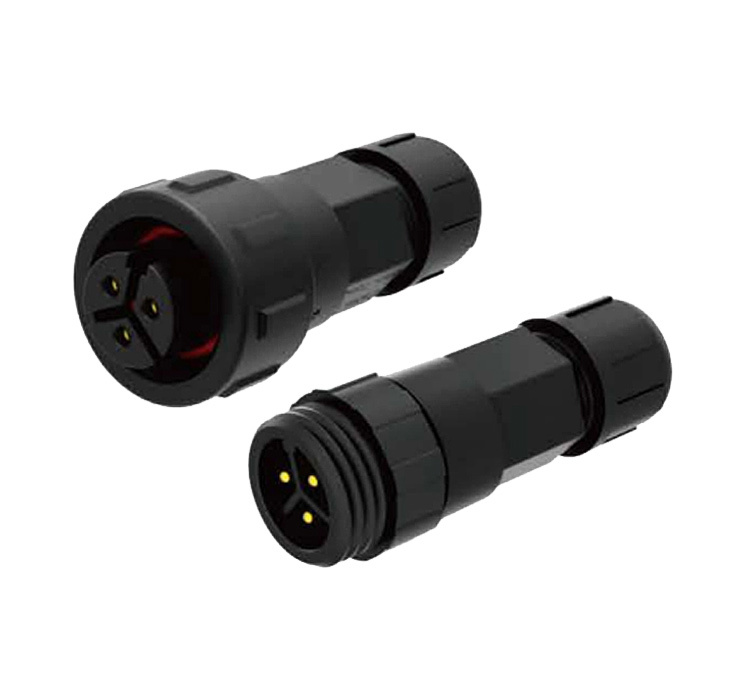
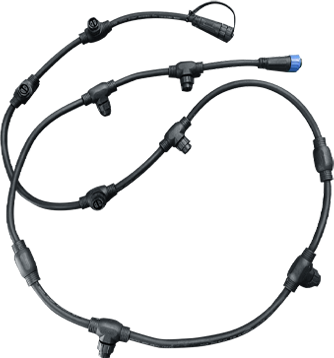
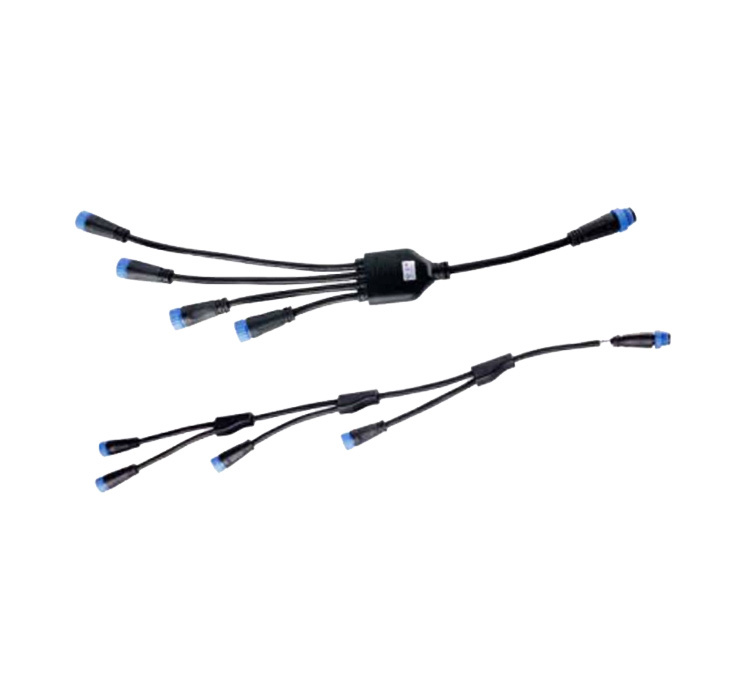
In the ever-evolving automotive industry, **waterproof wire harnesses** have emerged as essential components designed to enhance the reliability of vehicles operating in harsh weather conditions. As vehicles are increasingly exposed to moisture, dirt, and other environmental stressors, the need for robust and resilient wiring systems has become paramount. In this article, we will explore the intricacies of waterproof wire harnesses, including their construction, benefits, and applications within the automotive sector.
2. Understanding Wire Harnesses: The Backbone of Automotive Electronics
Wire harnesses are bundles of electrical wires, cables, and connectors that transmit power and signals throughout a vehicle. They serve as the nervous system of modern automobiles, connecting various electrical components such as sensors, lighting systems, and control modules. As technology advances, the complexity of these systems increases, necessitating the need for specialized harnesses that can withstand challenging conditions.
2.1 The Role of Wire Harnesses in Automotive Systems
Wire harnesses play a crucial role in the functionality of numerous automotive systems, including:
- **Engine Management Systems**: Regulating engine performance and efficiency.
- **Safety Systems**: Connecting airbags, antilock braking systems, and stability control features.
- **Infotainment Systems**: Enabling communication between multimedia devices and vehicle interfaces.
3. The Importance of Waterproofing in Automotive Applications
Waterproofing wire harnesses is essential to prevent water ingress and ensure the longevity of electrical systems. Vehicles operate in a variety of environments, from heavy rain to snow, which can compromise the integrity of unprotected wiring.
3.1 Risks of Non-Waterproof Wire Harnesses
Utilizing non-waterproof wire harnesses can lead to:
- **Corrosion**: Exposure to moisture can cause corrosion of metal connectors, leading to electrical failures.
- **Short Circuits**: Water intrusion can create short circuits, resulting in malfunctioning of electrical systems.
- **Increased Maintenance Costs**: Frequent repairs due to water damage can increase overall maintenance expenses.
4. Materials Used in Waterproof Wire Harnesses
To achieve the necessary level of protection, waterproof wire harnesses are constructed from high-quality materials that resist moisture and environmental degradation.
4.1 Insulation Materials
The insulation around the wires is typically made from materials such as:
- **Polyvinyl Chloride (PVC)**: A widely used insulating material known for its durability and resistance to chemicals.
- **Thermoplastic Elastomer (TPE)**: Offers excellent flexibility and weather resistance.
- **Cross-Linked Polyethylene (XLPE)**: Provides superior thermal stability and moisture resistance.
4.2 Sealing Technologies
Effective sealing techniques are critical for maintaining the waterproof integrity of wire harnesses. Common methods include:
- **Heat Shrink Tubing**: Used to encapsulate and protect the connections.
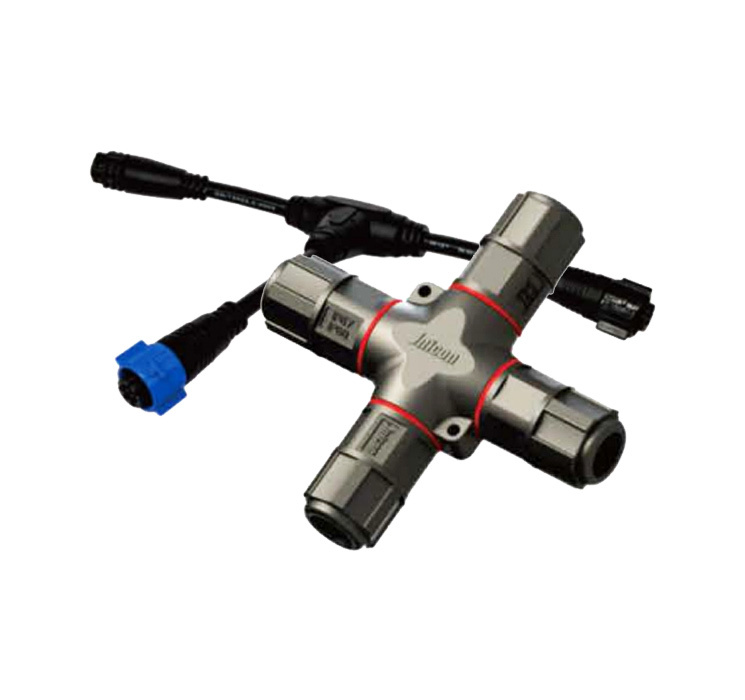
- **Molded Connectors**: Designed to fit tightly and prevent water ingress.
- **Grommets and Seals**: Used to protect wire pass-through points on vehicle bodies.
5. Key Design Features of Waterproof Wire Harnesses
Waterproof wire harnesses are engineered with specific design features that enhance their protective capabilities and performance.
5.1 Strain Relief
Strain relief is an important feature that prevents damage due to tension and movement. This is particularly crucial in areas where the wire harness is subjected to vibrations or flexing.
5.2 Connector Design
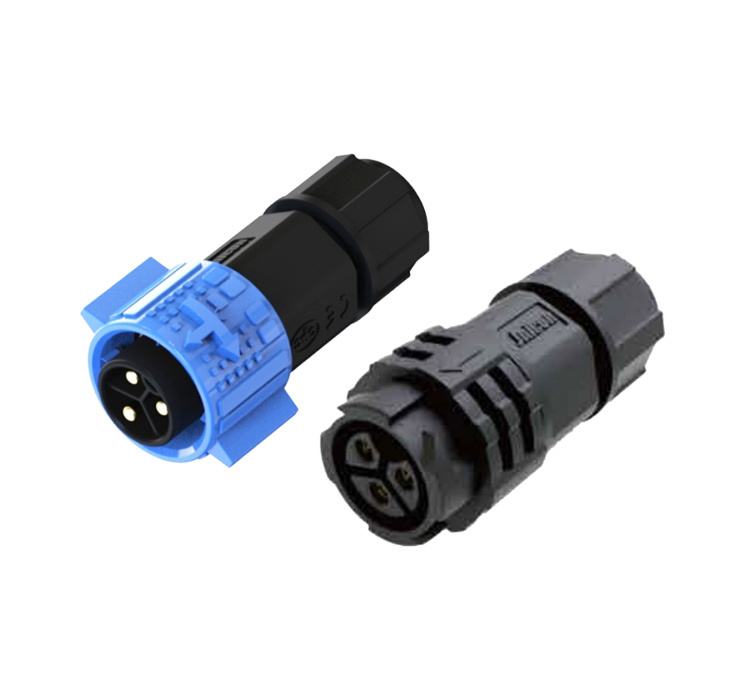
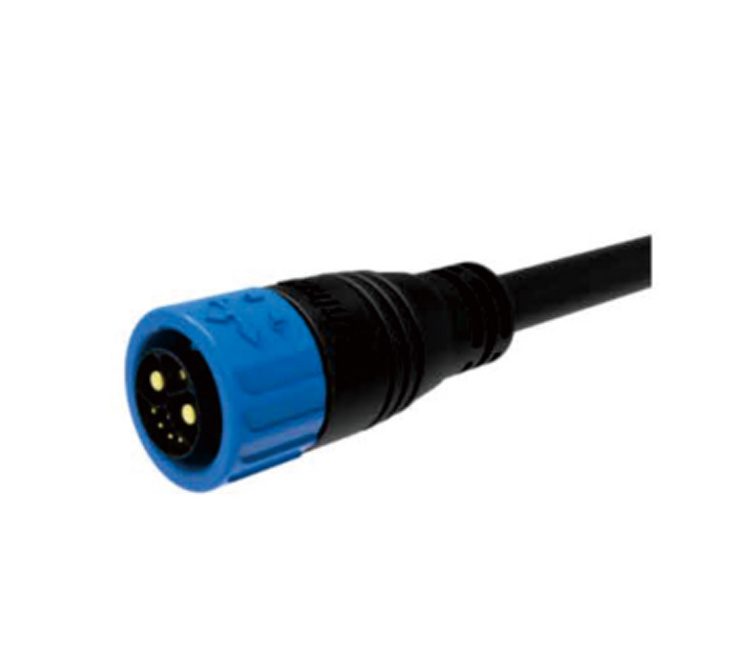
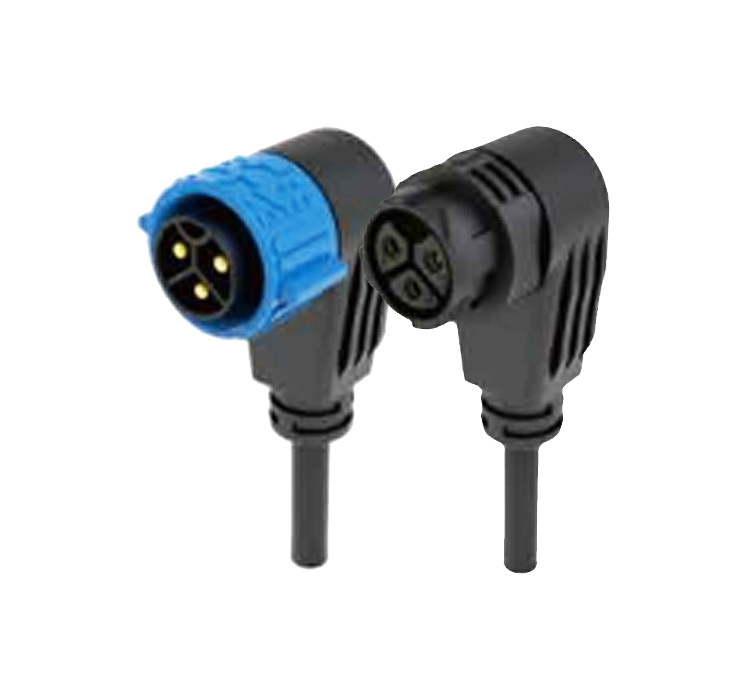
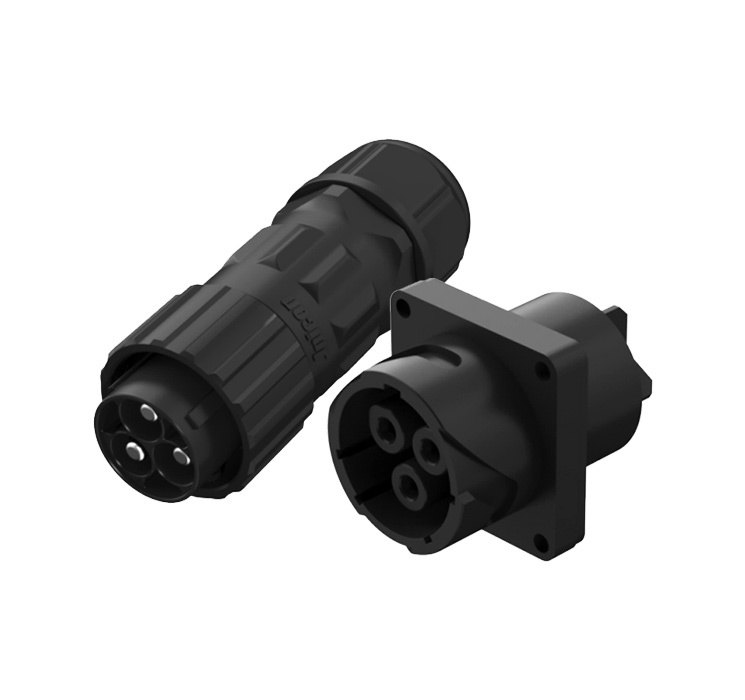
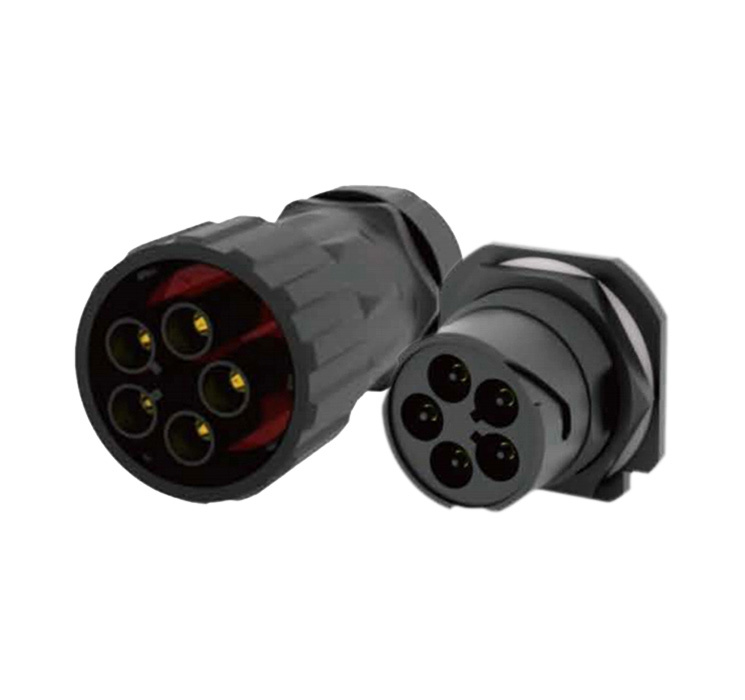
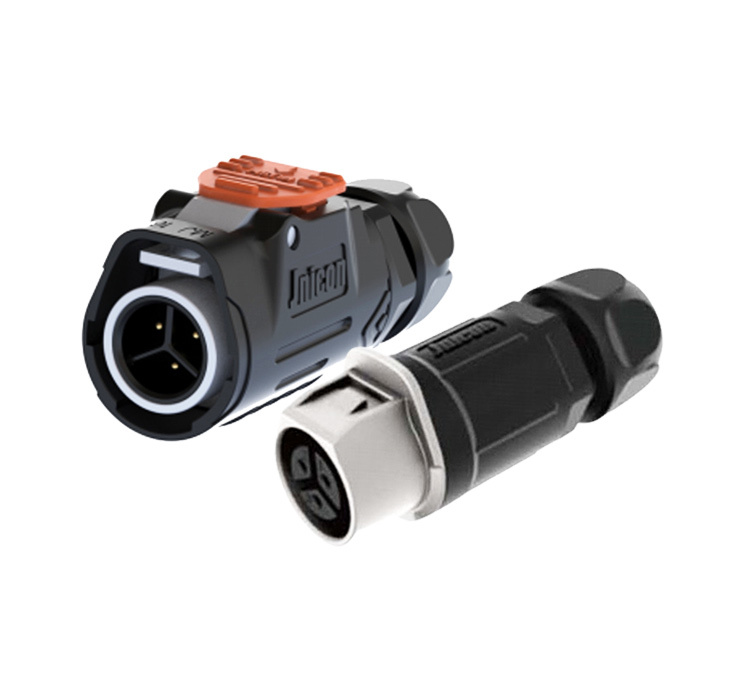
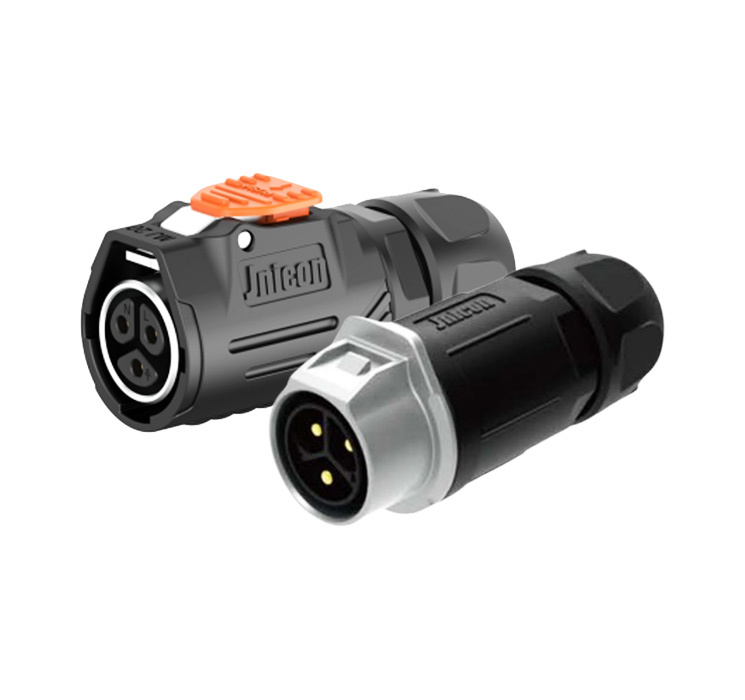
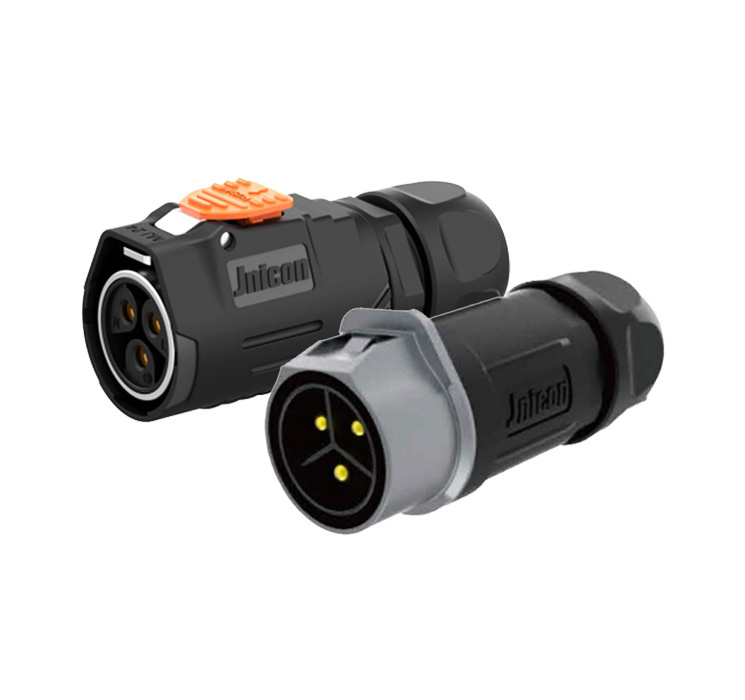
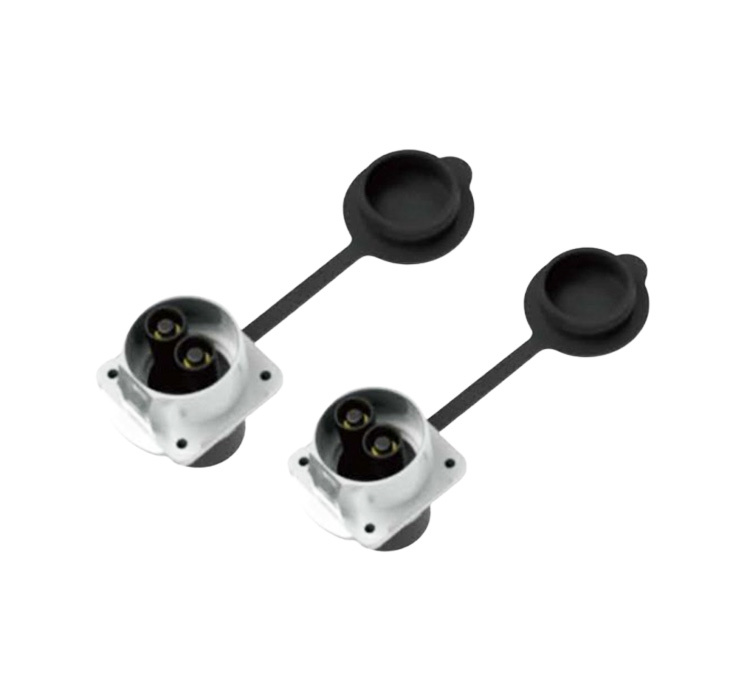
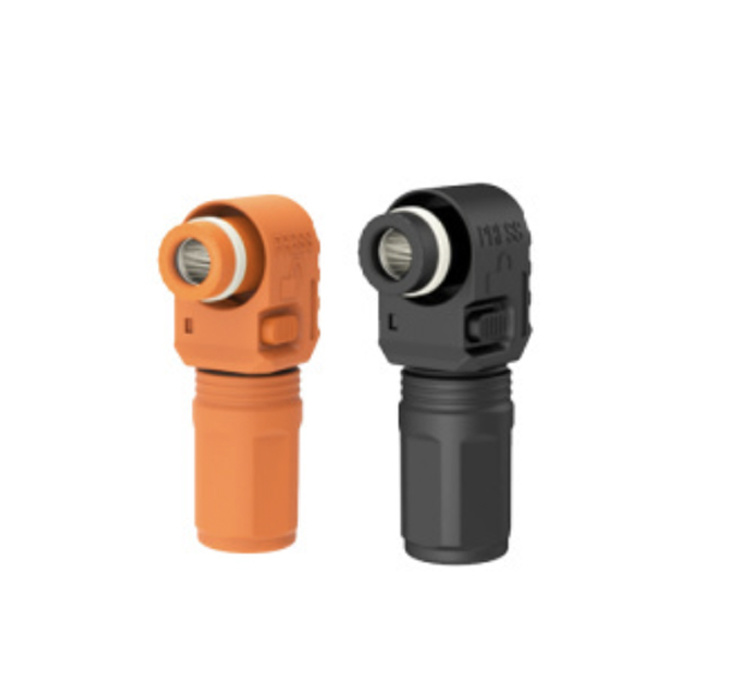
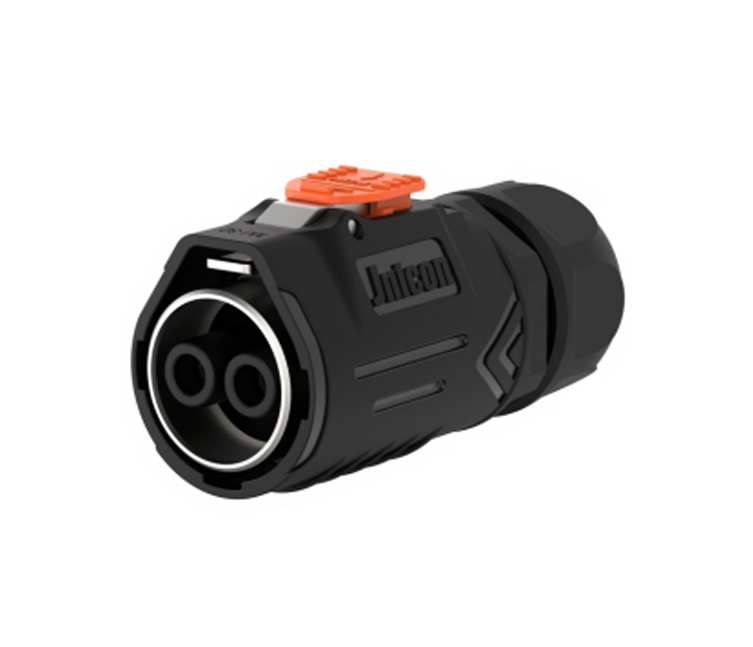
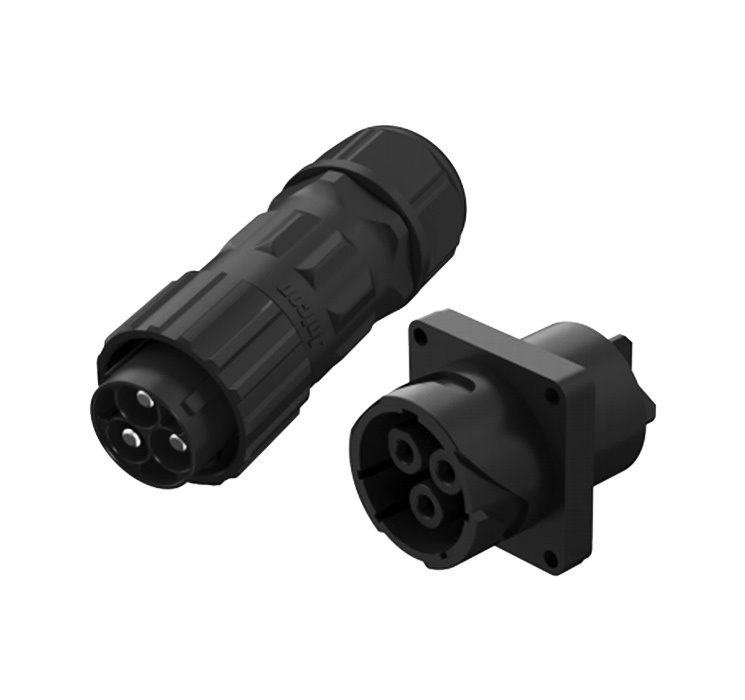
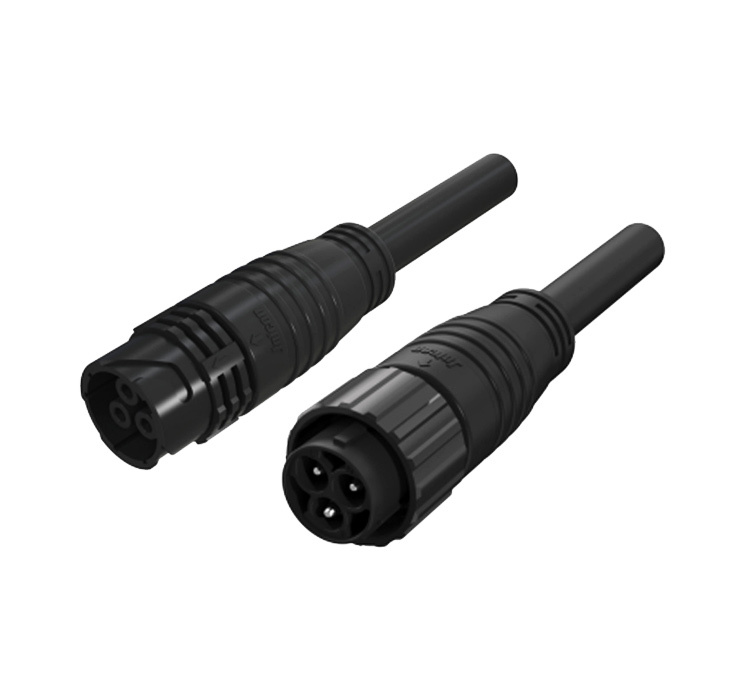
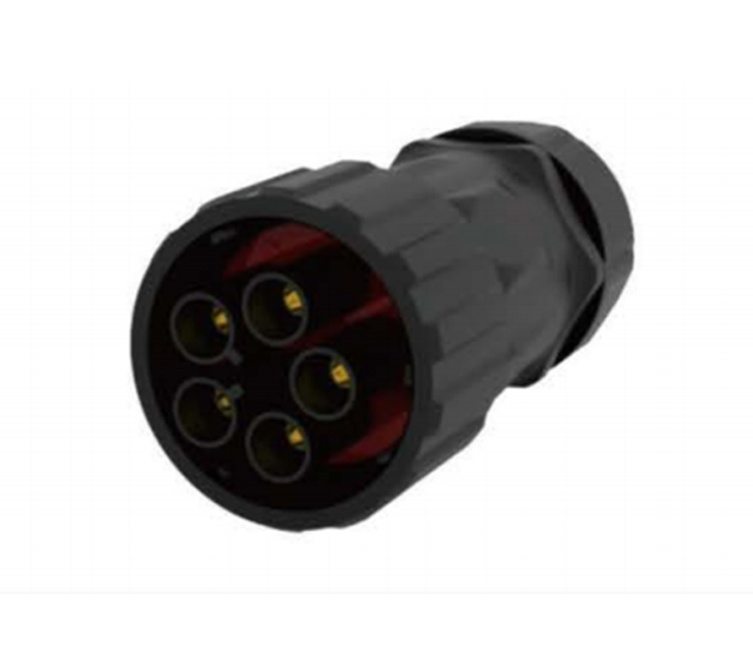
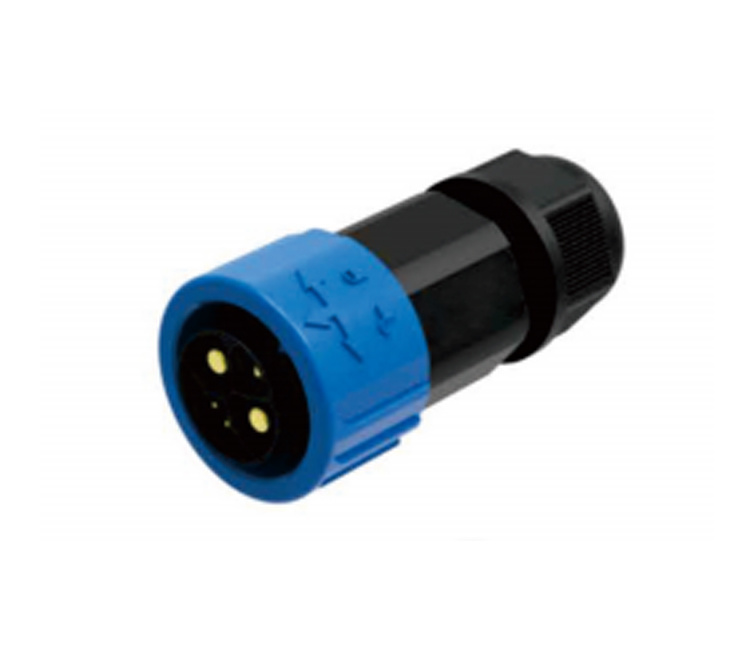
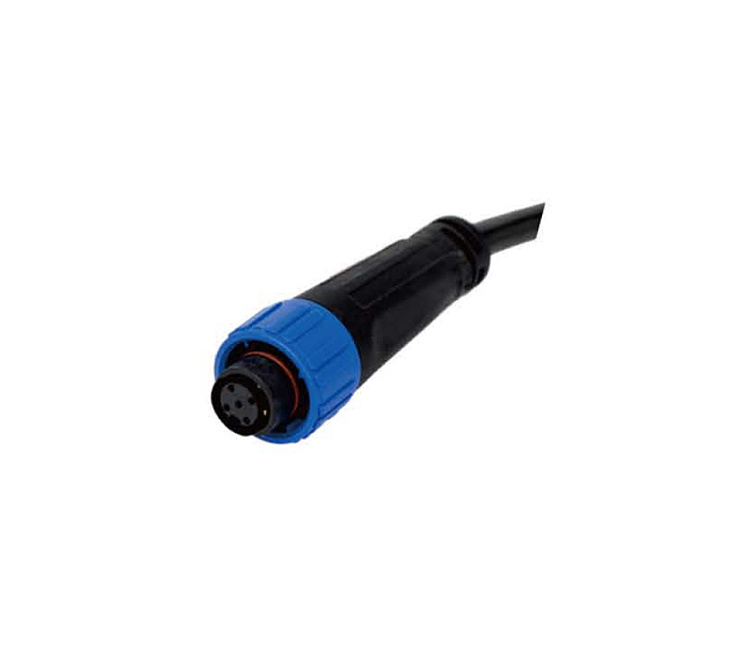
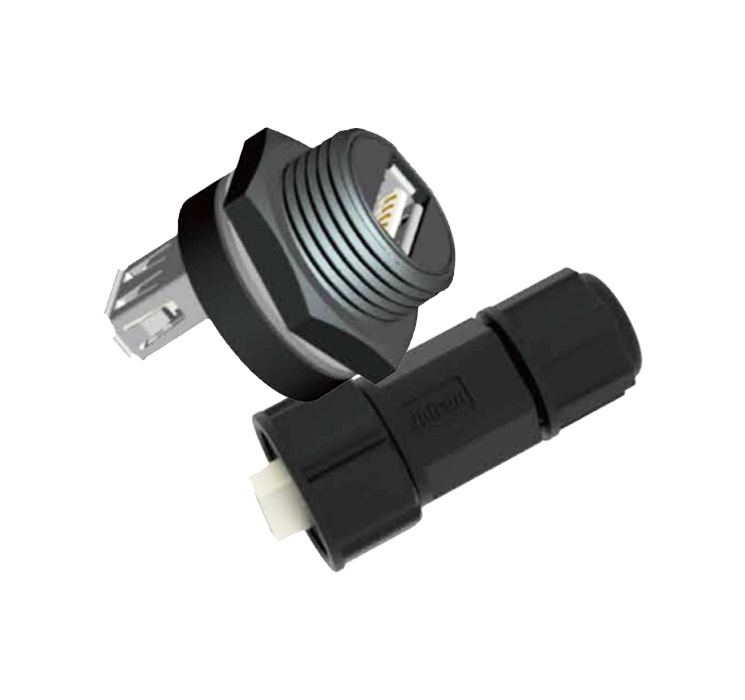
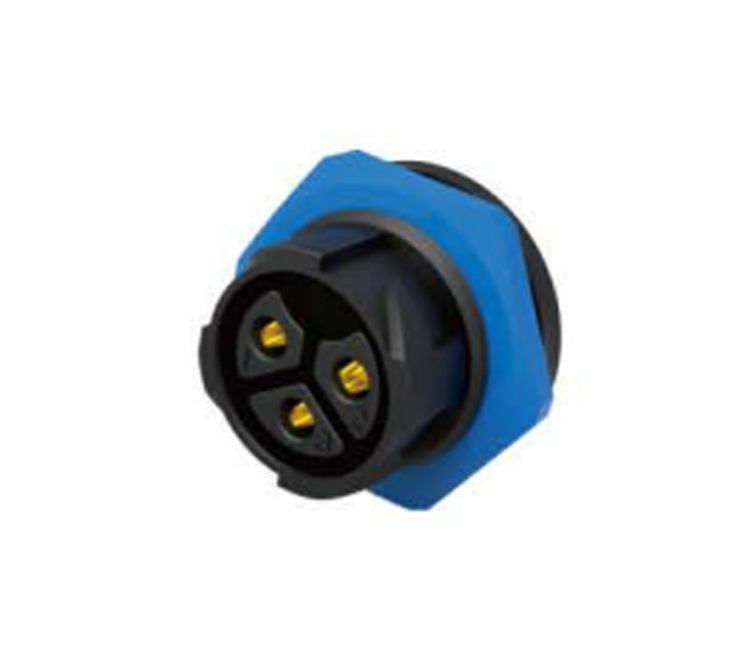
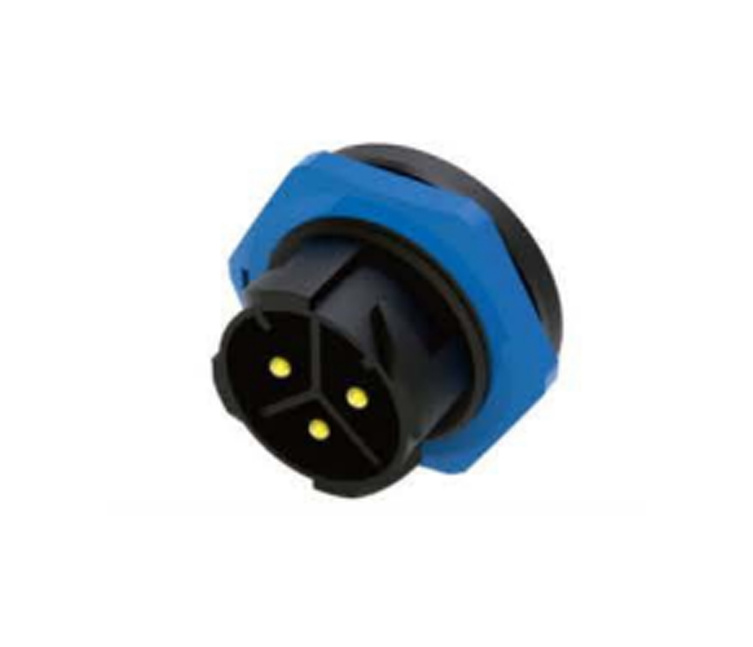
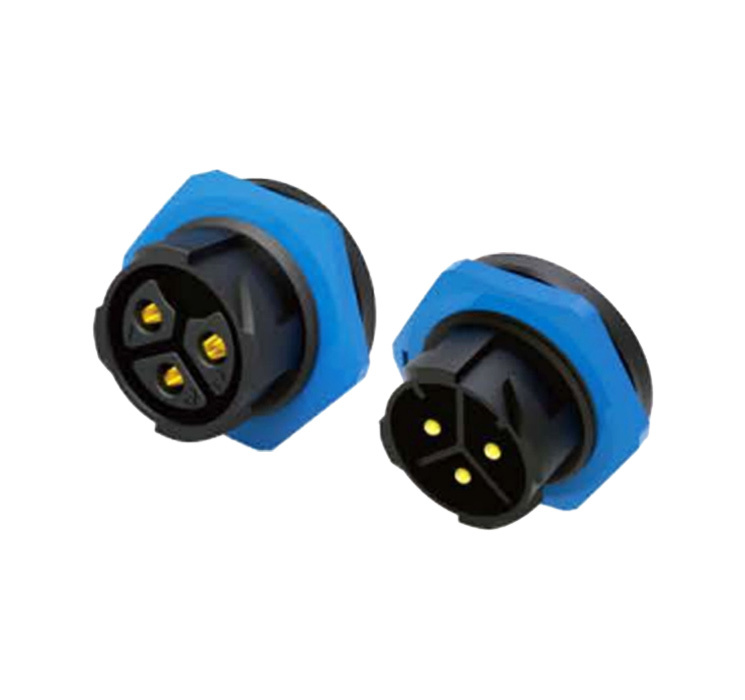
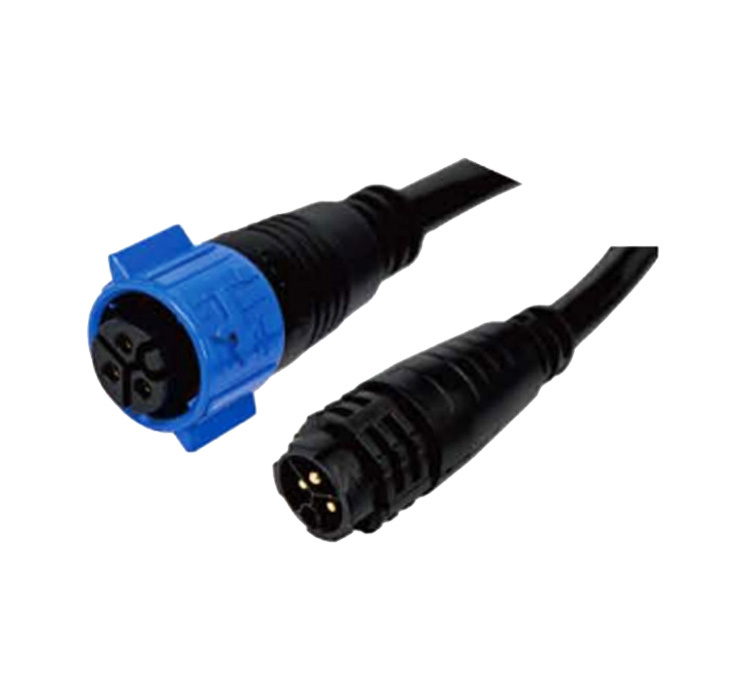
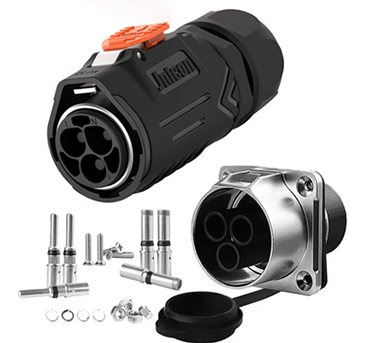
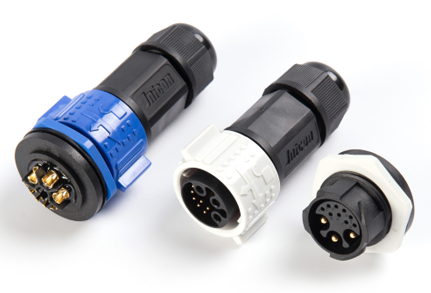
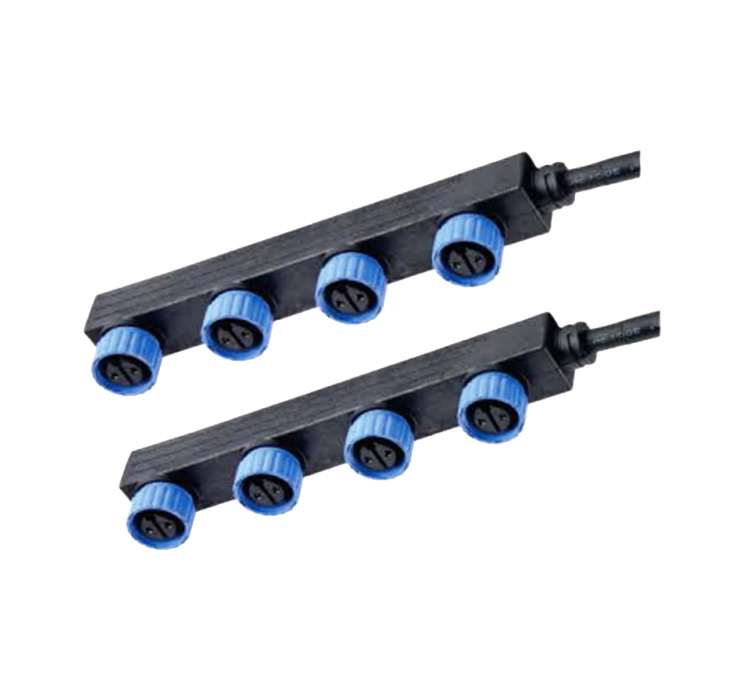
Connectors used in waterproof wire harnesses are designed to be robust and resistant to environmental stress. They often feature locking mechanisms to ensure a secure fit and prevent disconnection under adverse conditions.
5.3 Configurable Layouts
Many manufacturers offer customizable configurations to meet the specific demands of various automotive applications, ensuring optimal performance tailored to the vehicle’s requirements.
6. Applications of Waterproof Wire Harnesses in the Automotive Industry
Waterproof wire harnesses are utilized in numerous automotive applications, enhancing reliability and functionality across various vehicle systems.
6.1 Electrical Systems
From lighting systems to battery connections, waterproof wire harnesses ensure that electrical components remain operational even in the most challenging conditions.
6.2 Safety Features
Waterproof wire harnesses are crucial for safety systems, including airbags and advanced driver-assistance systems (ADAS), where reliability is paramount.
6.3 Infotainment and Communication Systems
As vehicles become more technologically advanced, the demand for waterproof wire harnesses in infotainment and communication systems increases, ensuring uninterrupted connectivity.
7. Benefits of Using Waterproof Wire Harnesses
The adoption of waterproof wire harnesses provides a multitude of benefits for automotive manufacturers and consumers alike.
7.1 Enhanced Durability
Waterproof wire harnesses are designed to withstand harsh outdoor elements, thereby extending their lifespan and reducing the frequency of replacements.
7.2 Improved Safety and Reliability
By minimizing the risk of electrical failures, waterproof wire harnesses contribute to overall vehicle safety and reliability.
7.3 Cost-Effectiveness
Investing in waterproof wire harnesses can lead to significant cost savings over time by reducing maintenance expenses and downtime associated with electrical repairs.
8. Future Trends in Waterproof Wire Harness Technology
As the automotive industry continues to evolve, several trends are shaping the future of waterproof wire harnesses.
8.1 Growing Demand for Electric Vehicles
With the rise of electric vehicles (EVs), the need for advanced waterproof wire harnesses is increasing, as these vehicles require robust systems to manage higher electrical loads.
8.2 Innovations in Material Science
Advancements in materials technology are leading to the development of even more resilient insulation and sealing options, enhancing the performance of waterproof wire harnesses.
8.3 Integration of Smart Technologies
The integration of smart technologies, such as sensors and connected devices, necessitates the development of sophisticated waterproof wire harnesses that can handle complex electrical demands.
9. FAQs about Waterproof Wire Harnesses
What is a waterproof wire harness?
A waterproof wire harness is a collection of electrical wires and connectors designed to withstand exposure to moisture and environmental conditions, ensuring reliable performance in automotive applications.
How do waterproof wire harnesses work?
Waterproof wire harnesses utilize specialized materials and sealing techniques to prevent water ingress, protecting the electrical components within the harness from damage.
What are the benefits of using waterproof wire harnesses in vehicles?
The benefits include enhanced durability, improved safety and reliability, and cost-effectiveness, as they reduce the risk of electrical failures and maintenance costs.
What industries use waterproof wire harnesses?
While primarily used in the automotive industry, waterproof wire harnesses are also utilized in marine, aerospace, and industrial applications where exposure to moisture is a concern.
How can I choose the right waterproof wire harness for my needs?
Selecting the appropriate waterproof wire harness involves considering the specific application requirements, environmental conditions, and compatibility with existing systems.
10. Conclusion
Waterproof wire harnesses are indispensable components in modern vehicles, designed to enhance reliability and performance in harsh weather conditions. By utilizing advanced materials and innovative design features, these harnesses mitigate the risks associated with moisture exposure, ensuring that electrical systems remain functional and safe. As technology continues to evolve, the importance of waterproof wire harnesses will only grow, paving the way for more resilient and efficient automotive systems. Investing in these critical components not only improves vehicle reliability but also offers significant long-term cost savings for manufacturers and consumers alike.
Previous
News
2026-10-03
Understanding Waterproof Cables: Essential Insights for Electrical Professionals
Waterproof cables are vital components in the electric and electronic industries, especially when it comes to ensuring safe and reliable connections in challenging environments. These cables are designed to resist moisture and prevent water ingress, which can lead to electrical failure and safety hazards. Understanding the intricacies of waterproof cables is essential for electrical professionals
2026-09-30
Discover the Advantages of Using 2 Pin Waterproof Connectors in Harsh Environments
Discover the Advantages of Using 2 Pin Waterproof Connectors in Harsh Environments Table of Contents 1. Introduction to 2 Pin Waterproof Connectors 2. Importance of Waterproof Connectors 3. Design Features of 2 Pin Waterproof Connectors 4. Applications in Various Industries 5. Benefits of Using 2 Pin Waterproof Connectors 6. Installation Guidelines for 2 Pin Waterproof Connectors 7.
2026-09-27
Understanding Industrial Power Connectors: Key Insights for Professionals
Industrial power connectors play a crucial role in the safety and efficiency of electrical systems across various sectors, including manufacturing, energy, and transportation. These connectors are designed to facilitate the transmission of electrical power in rugged environments, ensuring reliable and stable connections. Understanding the types, applications, and selection criteria for industrial

B8-9, Fubilun industrial park, Chaoyang rd,Yanchuan community, Songgang, Shenzhen, China


