
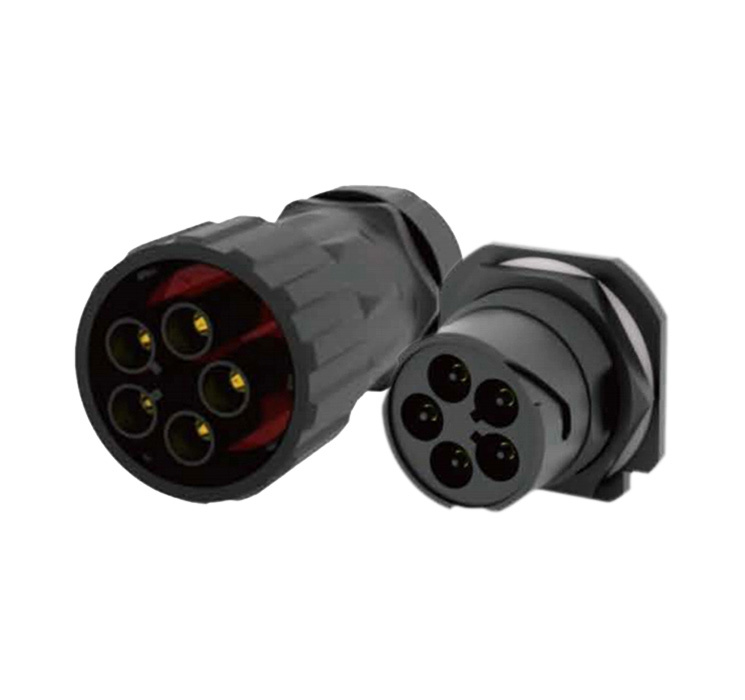
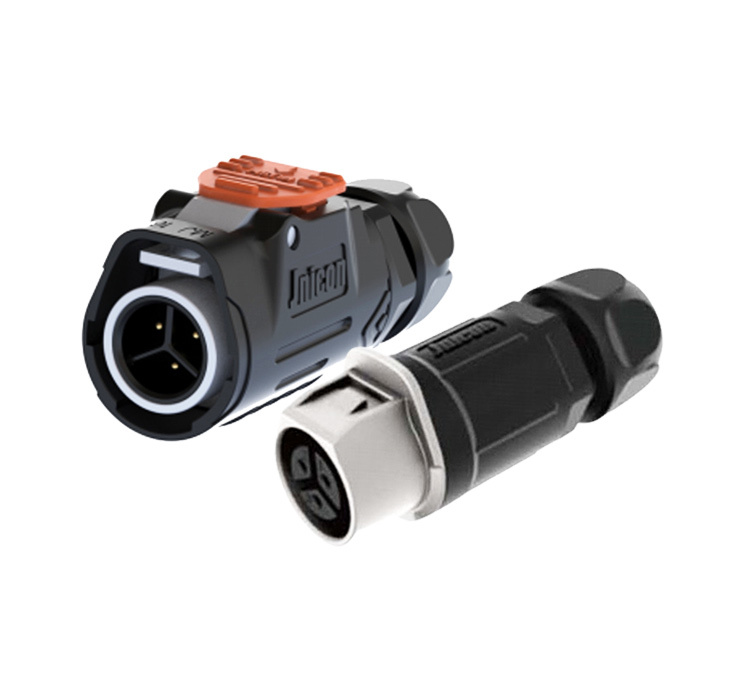
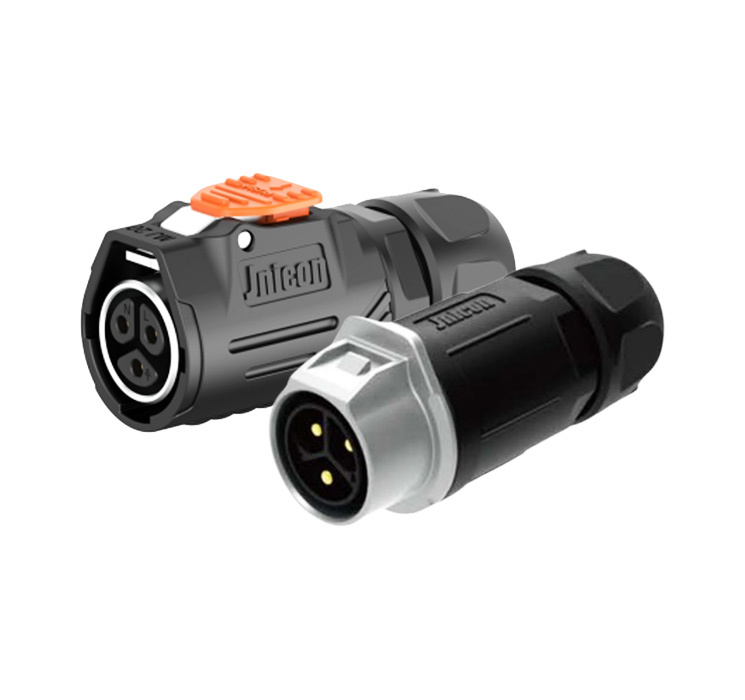
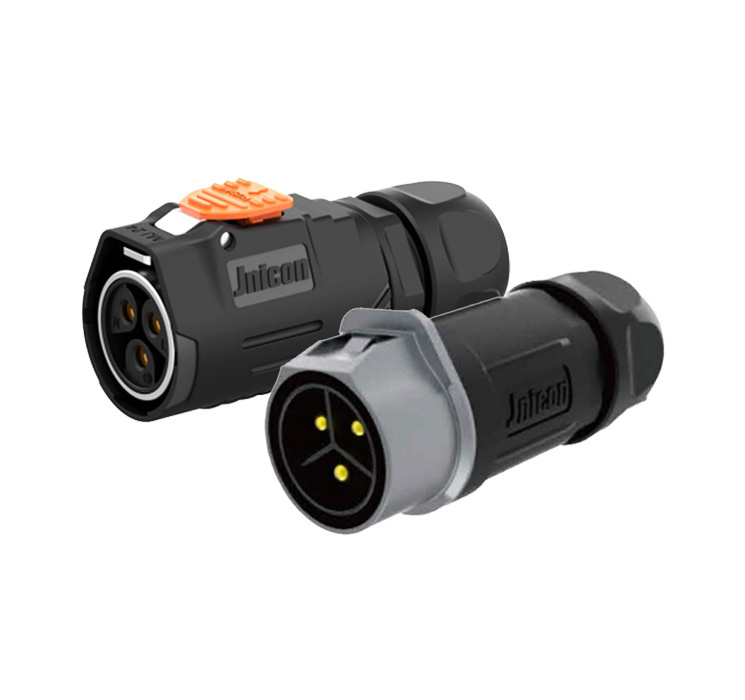


Choosing Between Wired and Wireless: The Impact of Waterproof Connectors in Marine Applications
Release Time:
2026-05-18
Choosing Between Wired and Wireless: The Impact of Waterproof Connectors in Marine Applications
Table of Contents
- 1. Introduction to Waterproof Connectors
- 2. Wired vs. Wireless Waterproof Connectors
- 3. Advantages of Wired Waterproof Connectors
- 4. Drawbacks of Wired Waterproof Connectors
- 5. Advantages of Wireless Waterproof Connectors
- 6. Drawbacks of Wireless Waterproof Connectors
- 7. Applications of Waterproof Connectors in the Marine Industry
- 8. Best Practices for Selecting Waterproof Connectors
- 9. Frequently Asked Questions
- 10. Conclusion
1. Introduction to Waterproof Connectors
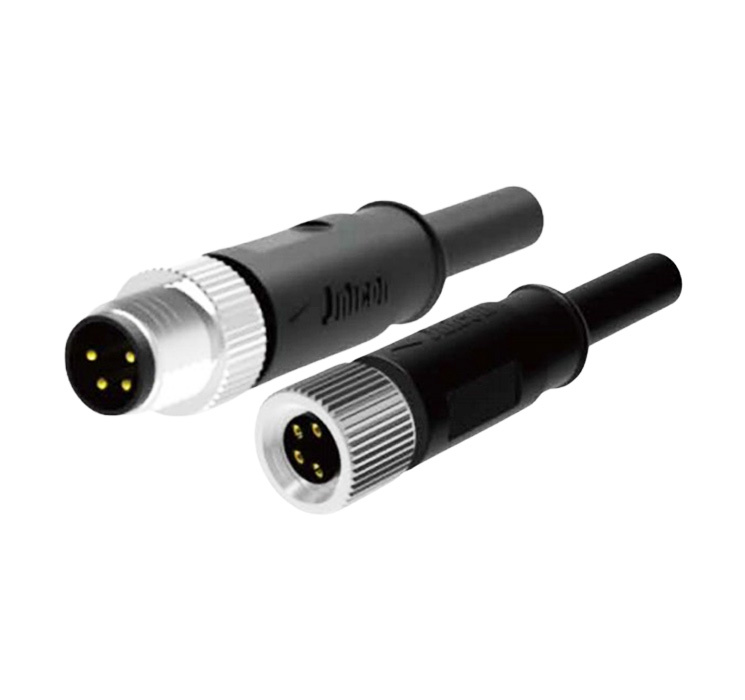
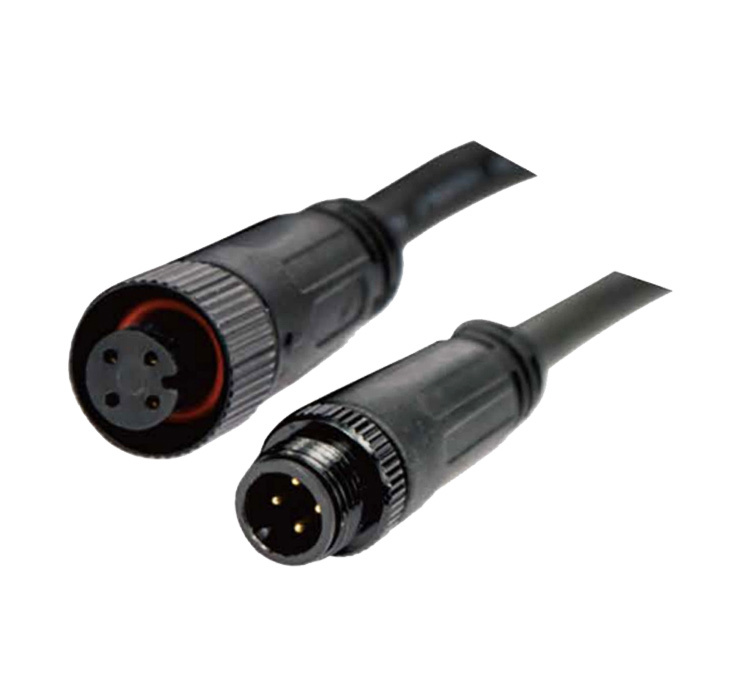
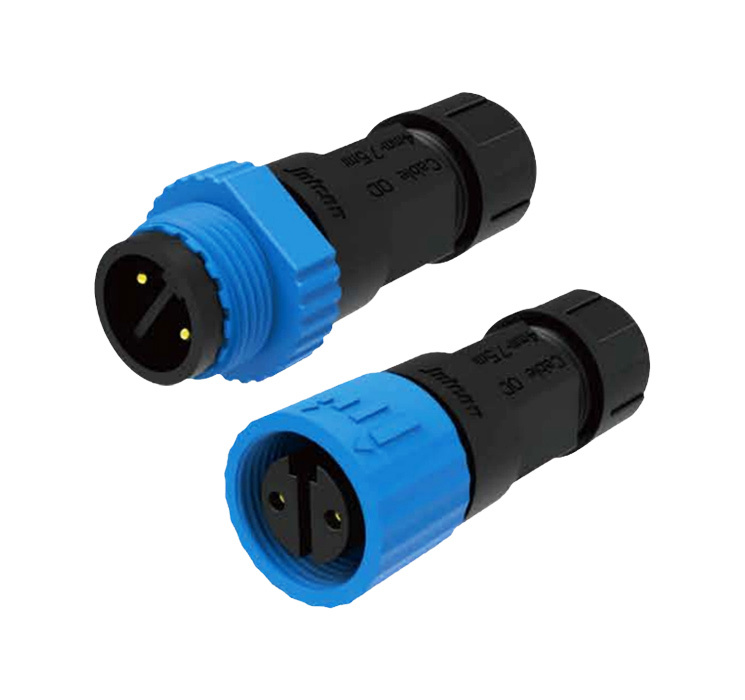
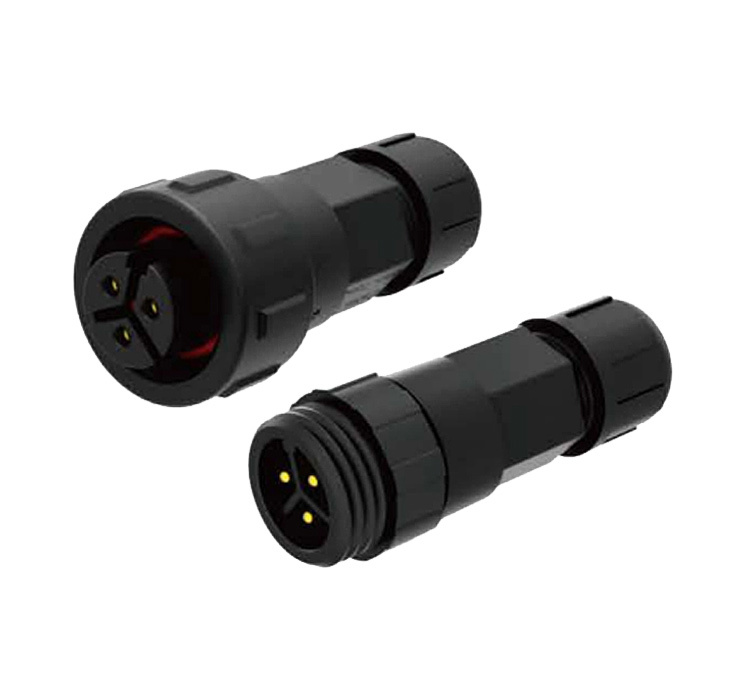
In today's marine industry, the choice between wired and wireless waterproof connectors is critical for ensuring optimal performance and reliability. These connectors play a significant role in various applications, from power delivery to data communication. Given the challenging conditions at sea, selecting the right connector is essential for maintaining equipment efficiency and longevity. This comprehensive guide will delve into the distinctions between wired and wireless waterproof connectors, examining their advantages, drawbacks, and applications in the marine sector.
2. Wired vs. Wireless Waterproof Connectors
When choosing connectors for marine applications, the primary decision revolves around wired and wireless options. Each type has unique features that cater to specific requirements and environments.
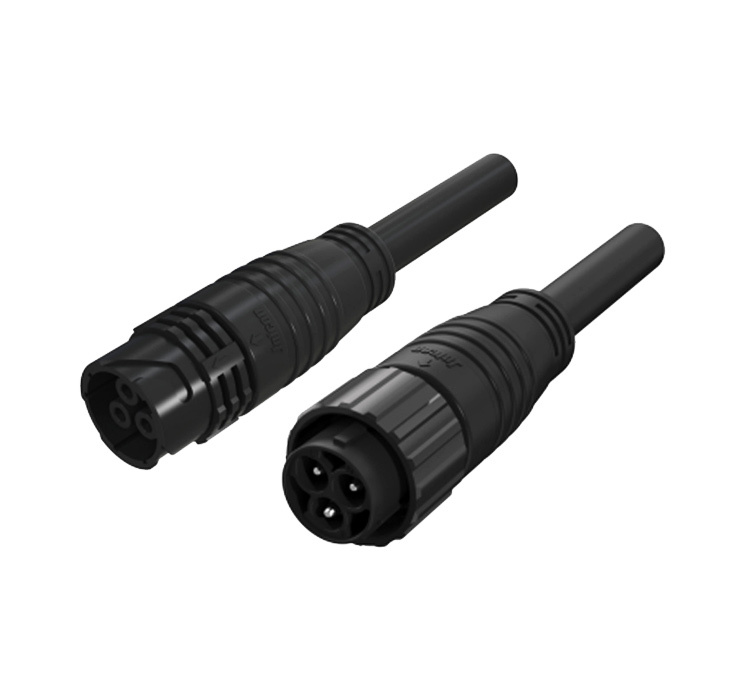
Wired Waterproof Connectors
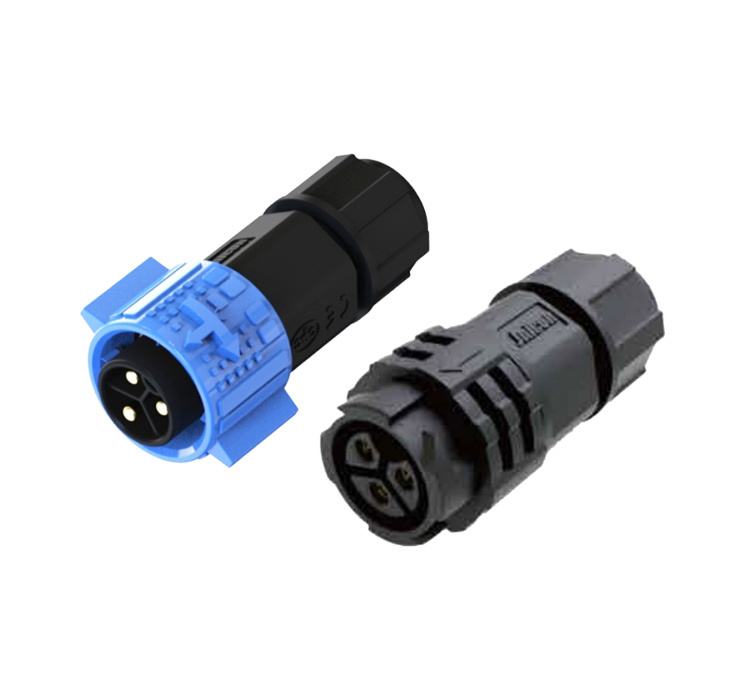
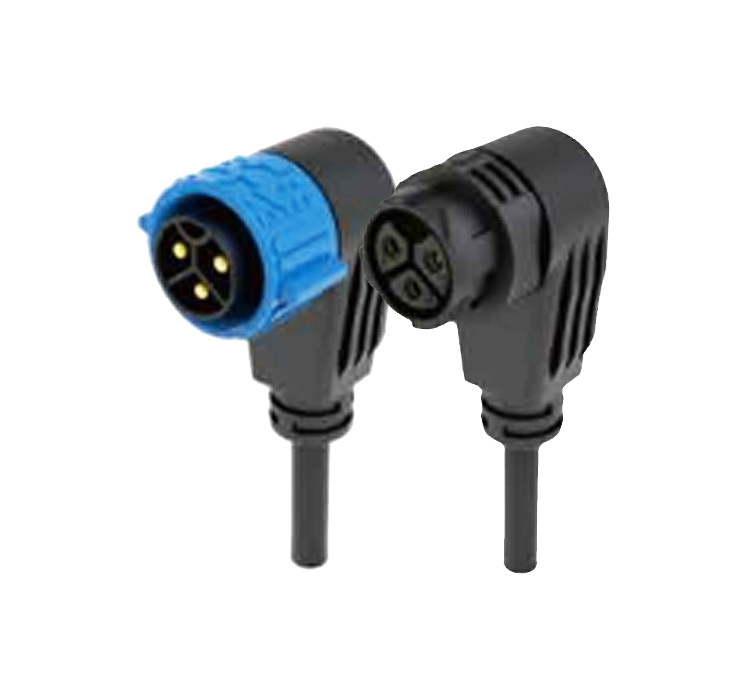
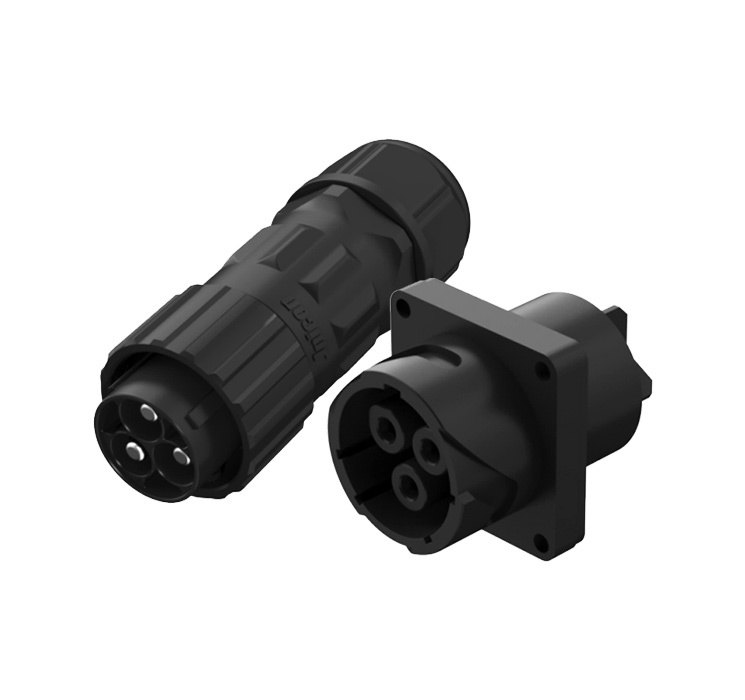
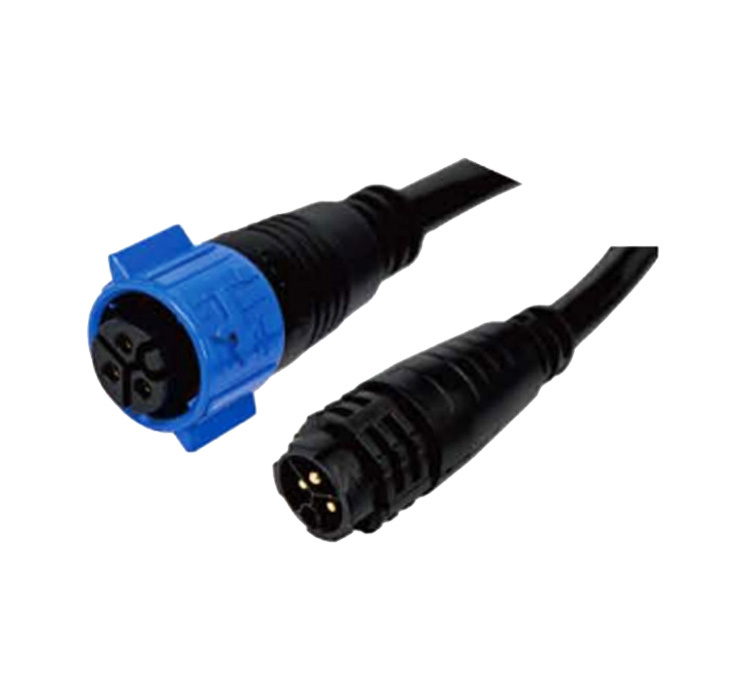
Wired connectors are traditional connection methods that utilize physical cables to transmit power and signals. These connectors are often preferred for their reliability and strong signal integrity, making them suitable for critical applications.
Wireless Waterproof Connectors
On the other hand, wireless connectors employ radio frequencies or optical signals to transmit data and power without physical cables. While offering flexibility and ease of installation, they may come with certain limitations in performance compared to wired options.
3. Advantages of Wired Waterproof Connectors
Wired waterproof connectors offer several compelling advantages in marine applications, making them a popular choice among professionals.
Reliability
One of the most significant advantages of wired connectors is their reliability. They provide stable connections that are less susceptible to interference from environmental factors such as radio waves, humidity, and saltwater, which are prevalent in maritime settings.
Signal Integrity
Wired connectors excel in maintaining signal integrity, ensuring that data transmission remains uninterrupted and accurate. This reliability is crucial for applications that require real-time data, such as navigation systems and onboard monitoring.
Durability
Constructed with robust materials, wired waterproof connectors can withstand harsh marine environments. Many are designed to resist corrosion and physical wear, extending the lifespan of the equipment they serve.
Cost-Effectiveness
In many cases, wired connectors can be more cost-effective than their wireless counterparts. The initial investment may be lower, and maintenance costs tend to be reduced due to their longevity and less frequent need for replacement.
4. Drawbacks of Wired Waterproof Connectors
While wired waterproof connectors have their advantages, they also come with some drawbacks that must be considered.
Installation Complexity
Wired connectors can require more complex installation processes involving cutting, splicing, and securing cables. This complexity may lead to increased labor costs and installation time.
Limited Flexibility
Once installed, wired connections offer less flexibility for modifications or repositioning. If equipment layout changes or upgrades are needed, rewiring may be necessary, potentially leading to additional costs and downtime.
Vulnerability to Physical Damage
Despite being robust, wired connections can still be vulnerable to physical damage from impacts, abrasion, or entanglement, particularly in high-traffic areas on vessels.
5. Advantages of Wireless Waterproof Connectors
Wireless waterproof connectors present unique benefits that make them appealing for certain marine applications.
Ease of Installation
Wireless connectors simplify installation by eliminating the need for physical cabling. This ease of installation can reduce labor costs and time, making them particularly appealing for retrofitting existing equipment.
Flexibility and Scalability
The flexibility of wireless connectors allows for easy adjustments to system configurations or expansions. This adaptability is valuable in dynamic environments where equipment needs may evolve over time.
Reduced Risk of Damage
Without physical cables, wireless connectors reduce the risk of damage from wear and tear, especially in high-movement areas. This advantage can lead to lower overall maintenance costs.
Increased Mobility
Wireless connectors enhance operational mobility. They allow for portable equipment setups and offer the ability to connect devices in hard-to-reach areas without the constraints of wired connections.
6. Drawbacks of Wireless Waterproof Connectors
Despite their advantages, wireless waterproof connectors also have some potential drawbacks that users should consider.
Signal Interference
Wireless connections can be susceptible to interference from other electronic devices or environmental factors. This interference can lead to data loss or erratic performance, especially in densely populated electronic environments.
Power Limitations
Wireless connectors may face limitations in power transmission capabilities compared to wired connections. This limitation can restrict their use in high-power applications, necessitating alternative solutions.
Higher Initial Costs
The initial investment for wireless connectors, particularly those with advanced technology, may be higher than wired options. However, this cost can be offset over time through savings on installation and maintenance.
7. Applications of Waterproof Connectors in the Marine Industry
Waterproof connectors serve critical roles in various applications within the marine industry. Understanding these applications helps to better appreciate the significance of choosing the right connector type.
Navigation Systems
Both wired and wireless waterproof connectors are frequently employed in navigation systems, ensuring reliable data transfer for critical information such as GPS positioning and environmental monitoring.
Communication Equipment
Marine communication systems, including radios and satellite connections, benefit from waterproof connectors to maintain ongoing communication regardless of weather conditions.
Power Distribution
Waterproof connectors are essential for power distribution systems on vessels. They ensure that electrical components remain connected and functional, providing power to essential services onboard.
Sensors and Monitoring Systems
In advanced marine applications, sensors and monitoring systems rely on waterproof connectors to report data accurately. This data can be crucial for maintaining safety and operational efficiency.
8. Best Practices for Selecting Waterproof Connectors
Selecting the right waterproof connectors involves careful consideration of several factors to ensure optimal performance and reliability.
Evaluate Application Requirements
Before making a decision, assess the specific requirements of the application. Consider factors such as power needs, data transmission requirements, and environmental conditions to determine the best connector type.
Consider Environmental Conditions
Take into account the specific environmental conditions in which the connectors will be used. Factors like temperature variations, exposure to saltwater, and humidity levels can influence the connector's performance and durability.
Consult Industry Standards
Familiarize yourself with relevant industry standards and certifications for waterproof connectors in marine applications. Adhering to these standards ensures compliance and promotes safety.
Seek Expert Advice
When in doubt, consult with experts in the field of marine technology. Their experience can provide valuable insights and help guide you toward making the best connector choice.
9. Frequently Asked Questions
What are waterproof connectors?
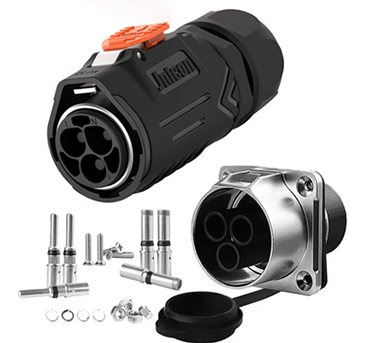
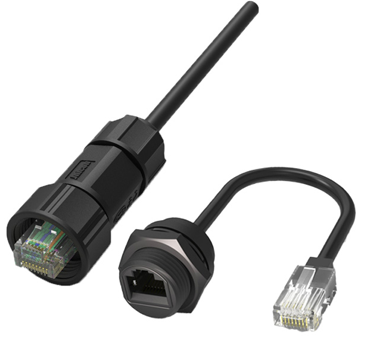
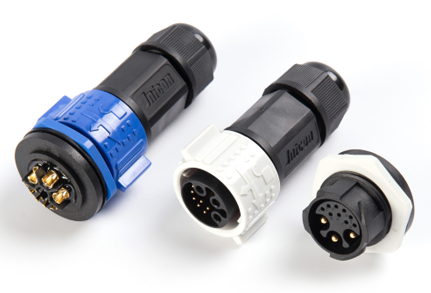
Waterproof connectors are designed to prevent water ingress, ensuring the safe and reliable operation of electrical and data connections in wet environments, such as marine applications.
How do I know if I need wired or wireless connectors?
The choice between wired and wireless connectors depends on your application requirements, installation environment, and desired flexibility. Evaluate the pros and cons of each option based on your specific needs.
Are wireless waterproof connectors reliable?
While wireless waterproof connectors offer flexibility and ease of installation, their reliability can be affected by signal interference and power limitations. It's essential to assess these factors before choosing.
Can wired waterproof connectors withstand harsh conditions?
Yes, wired waterproof connectors are typically designed to withstand harsh marine environments, offering durability and resistance to corrosion and wear.
What factors should I consider when selecting waterproof connectors for marine applications?
Consider application requirements, environmental conditions, industry standards, and consult with experts to make an informed decision on the best connector type for your needs.
10. Conclusion
The choice between wired and wireless waterproof connectors significantly impacts the performance and reliability of marine applications. By understanding the advantages and drawbacks of each option, along with their specific applications, professionals in the marine industry can make informed decisions that enhance operational efficiency and safety. Ultimately, thorough evaluation and adherence to best practices in connector selection will lead to optimal outcomes in marine environments.
News
2026-10-03
Understanding Waterproof Cables: Essential Insights for Electrical Professionals
Waterproof cables are vital components in the electric and electronic industries, especially when it comes to ensuring safe and reliable connections in challenging environments. These cables are designed to resist moisture and prevent water ingress, which can lead to electrical failure and safety hazards. Understanding the intricacies of waterproof cables is essential for electrical professionals
2026-09-30
Discover the Advantages of Using 2 Pin Waterproof Connectors in Harsh Environments
Discover the Advantages of Using 2 Pin Waterproof Connectors in Harsh Environments Table of Contents 1. Introduction to 2 Pin Waterproof Connectors 2. Importance of Waterproof Connectors 3. Design Features of 2 Pin Waterproof Connectors 4. Applications in Various Industries 5. Benefits of Using 2 Pin Waterproof Connectors 6. Installation Guidelines for 2 Pin Waterproof Connectors 7.
2026-09-27
Understanding Industrial Power Connectors: Key Insights for Professionals
Industrial power connectors play a crucial role in the safety and efficiency of electrical systems across various sectors, including manufacturing, energy, and transportation. These connectors are designed to facilitate the transmission of electrical power in rugged environments, ensuring reliable and stable connections. Understanding the types, applications, and selection criteria for industrial

B8-9, Fubilun industrial park, Chaoyang rd,Yanchuan community, Songgang, Shenzhen, China


