
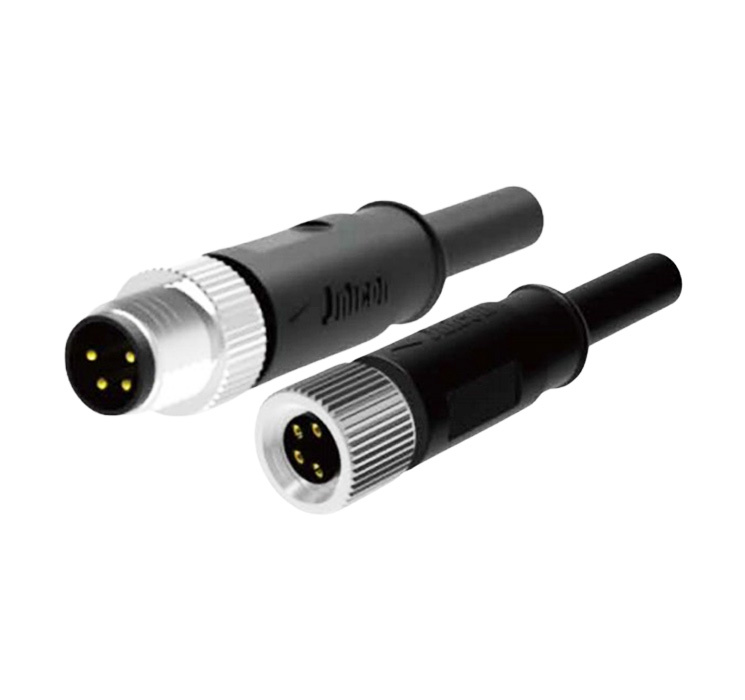
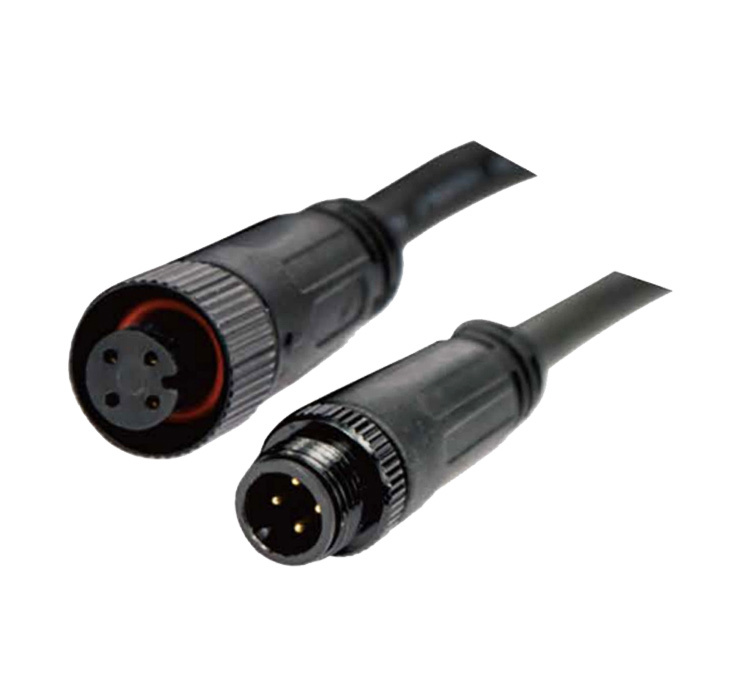
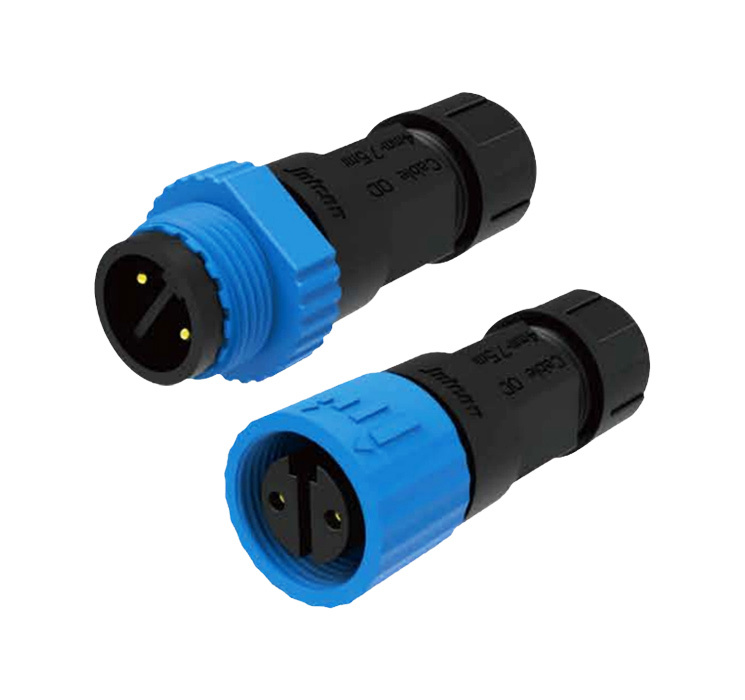
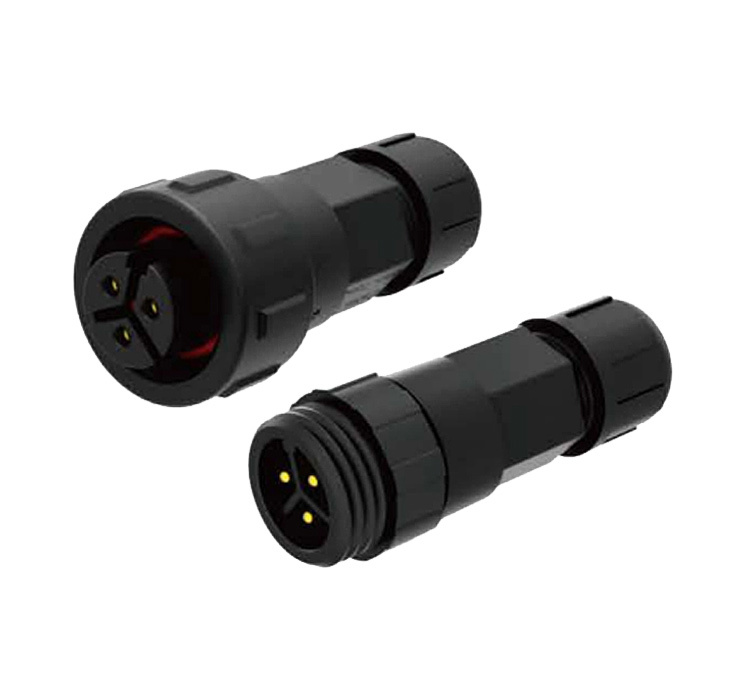


Essential Insights on Waterproof Cables for Electrical Connectivity
Release Time:
2026-05-18
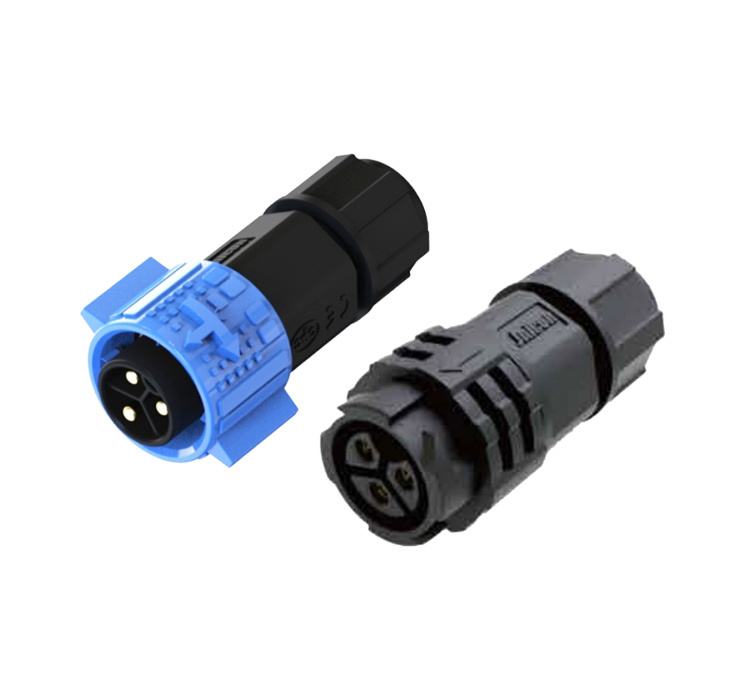
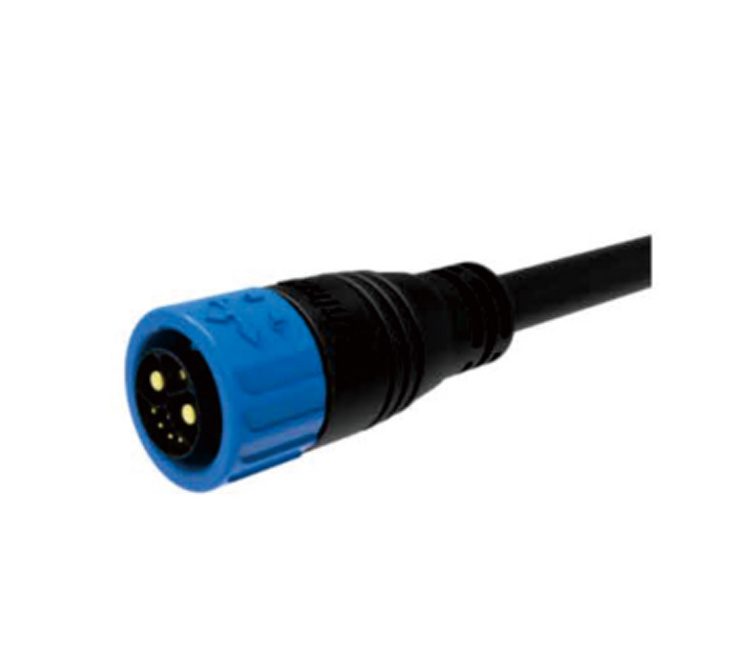
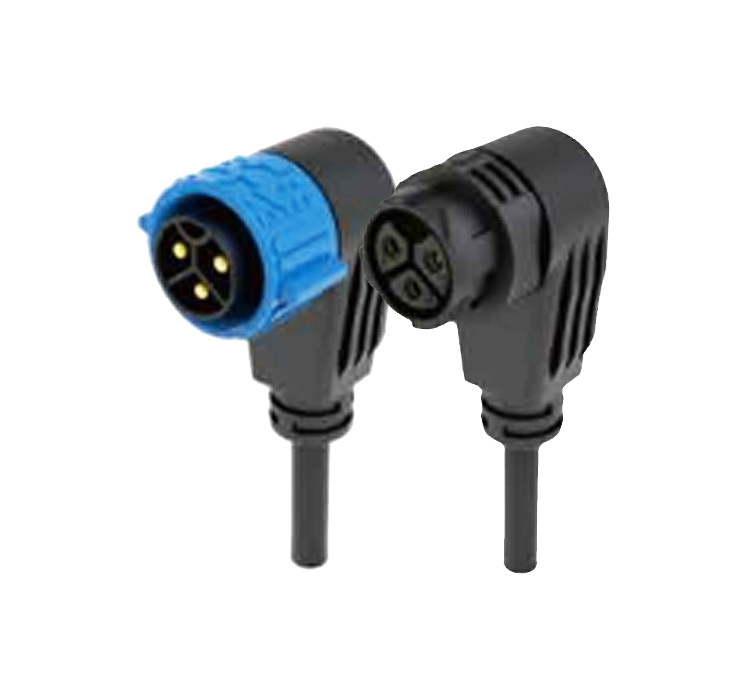
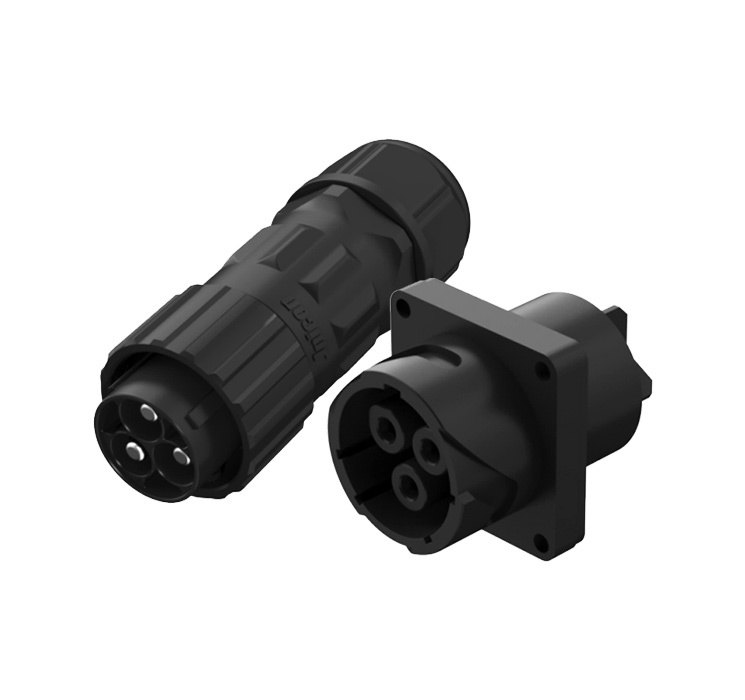
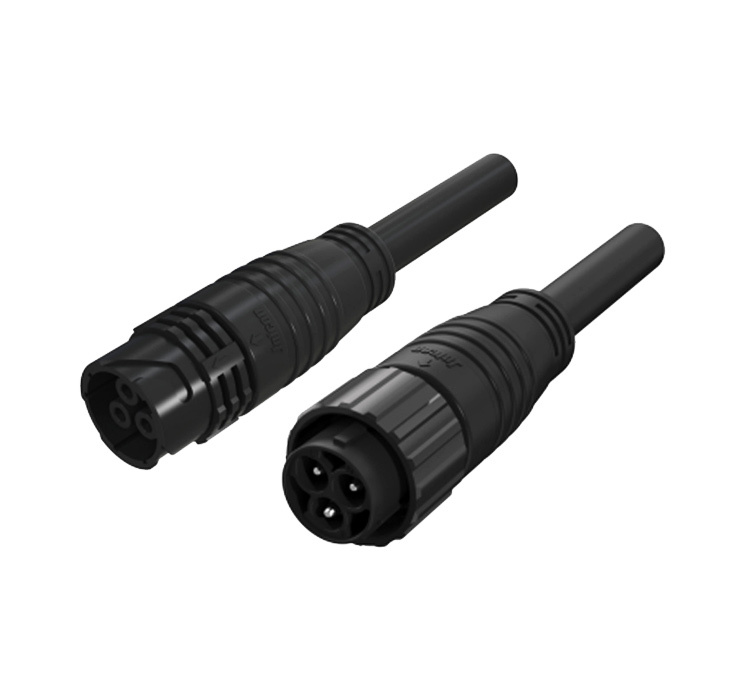
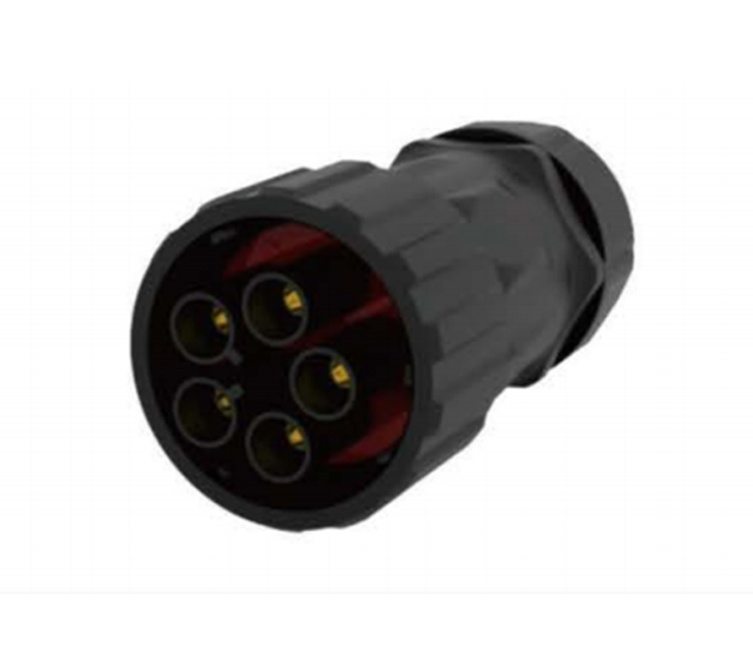
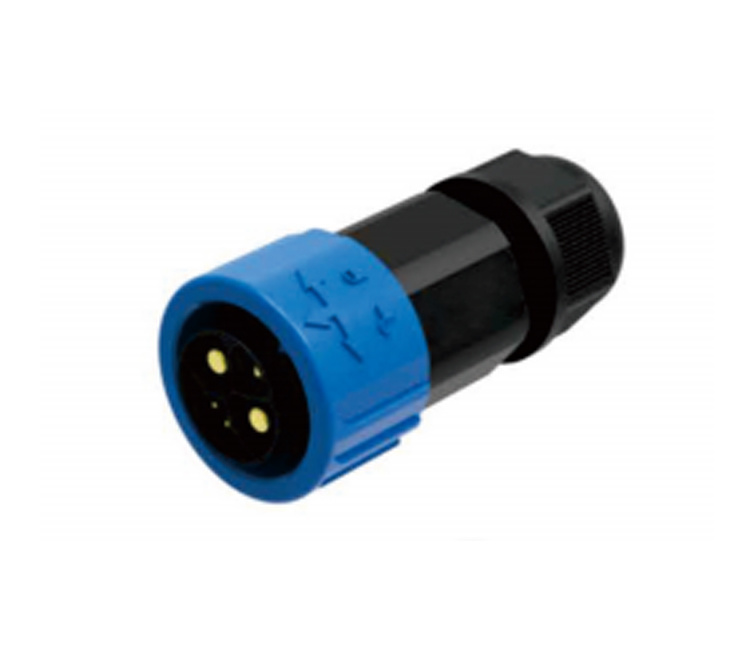
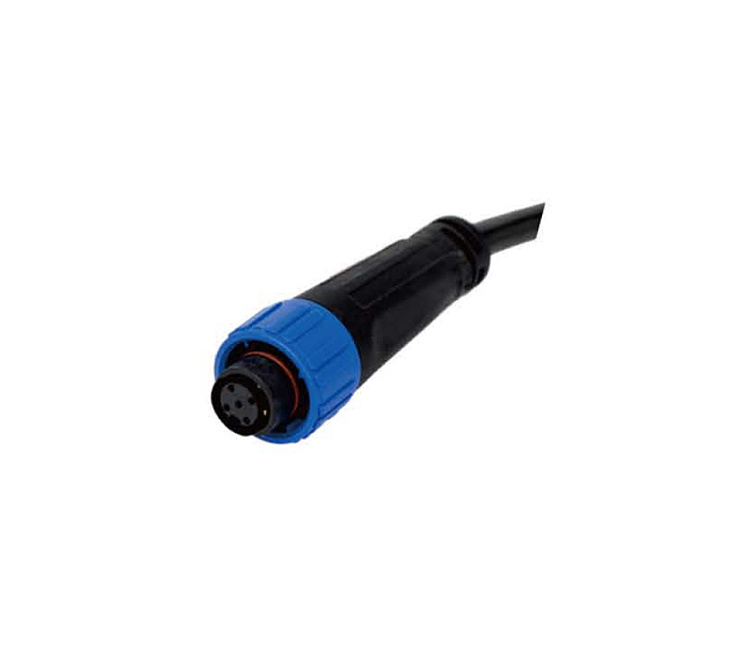
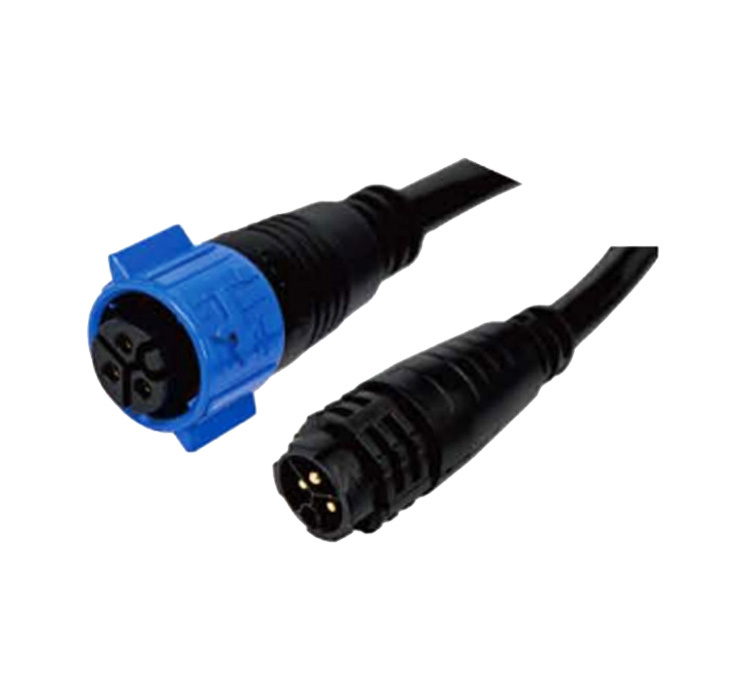
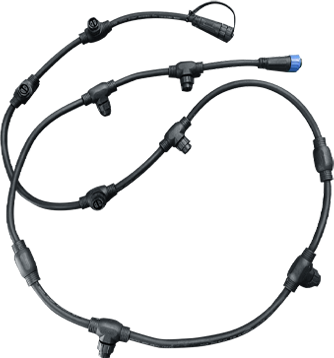
One of the primary considerations when selecting waterproof cables is the level of protection they offer, often indicated by an Ingress Protection (IP) rating. For example, an IP67 rating signifies that the cable can withstand immersion in water up to a certain depth for a specified duration, making it suitable for harsh environments. Understanding these ratings is critical for professionals in the electrical field as they dictate the cable's application and longevity.
Another significant aspect of waterproof cables is their construction materials. Manufacturers typically use materials such as thermoplastic elastomers (TPE), polyvinyl chloride (PVC), or polyurethane, which provide durability and flexibility while ensuring water resistance. Selecting the right material based on the specific environment can greatly enhance cable performance and lifespan. For instance, TPE offers superior flexibility, making it ideal for applications that require frequent movement, whereas PVC is more rigid and suited for static installations.
In addition to environmental considerations, waterproof cables must also meet specific electrical performance standards. Factors such as voltage rating, current capacity, and resistance to electromagnetic interference (EMI) play a critical role in determining the suitability of a cable for a particular application. Ensuring that these parameters align with project requirements is essential for preventing failures and ensuring safety.
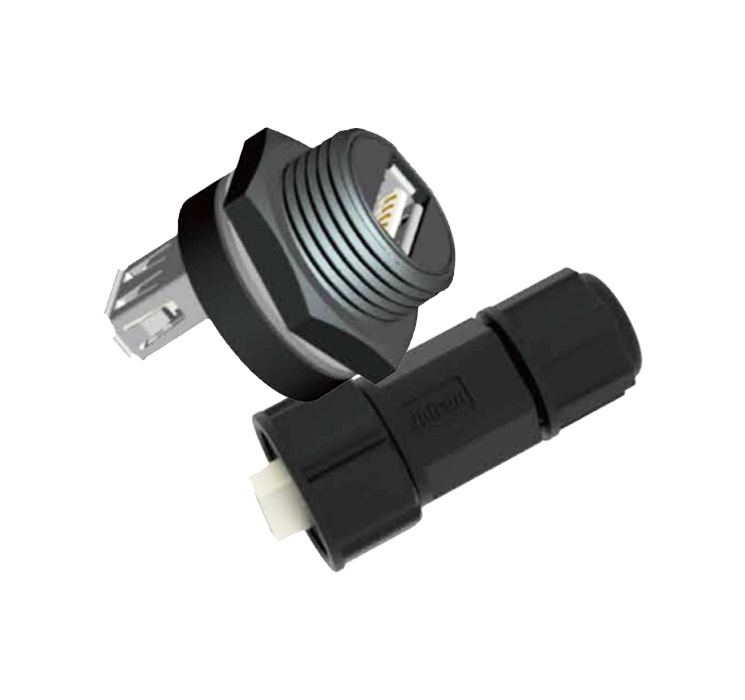
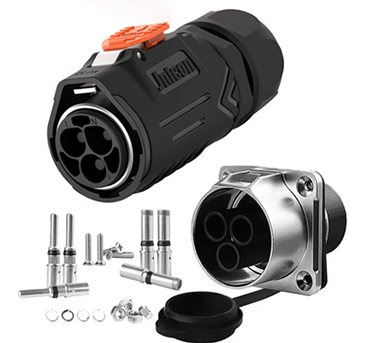
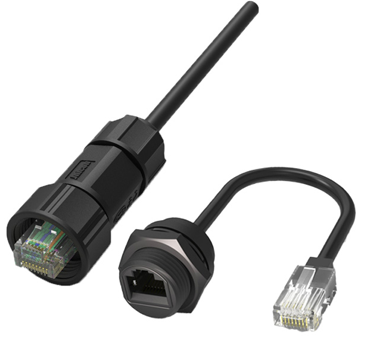
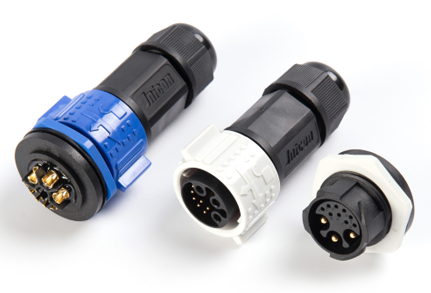
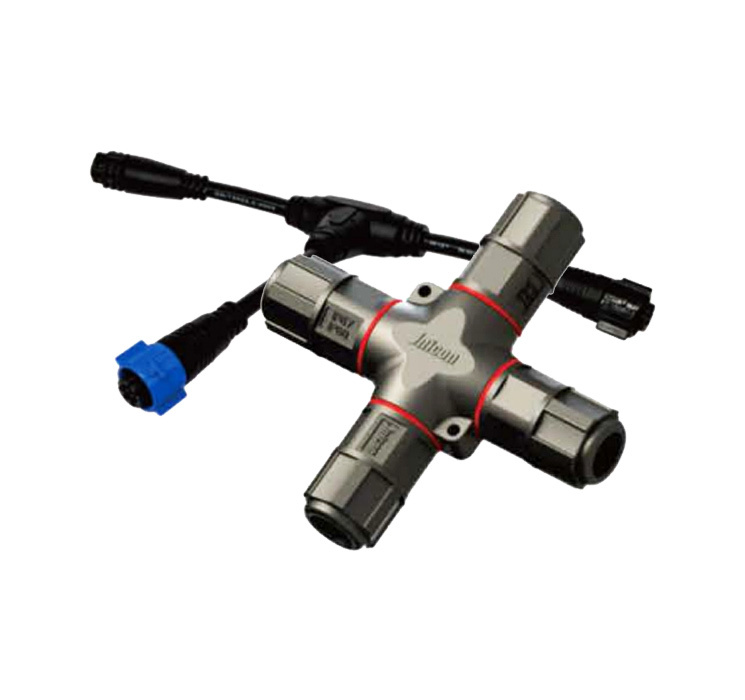
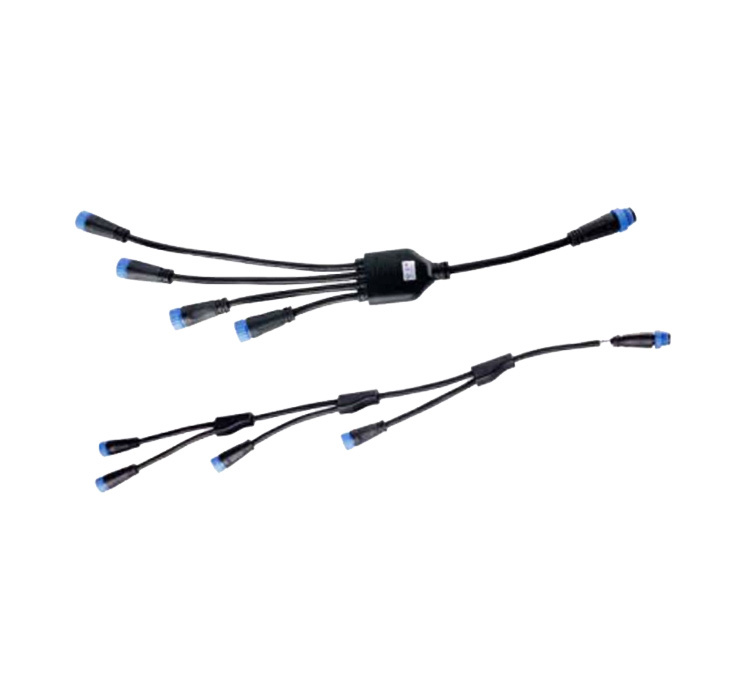
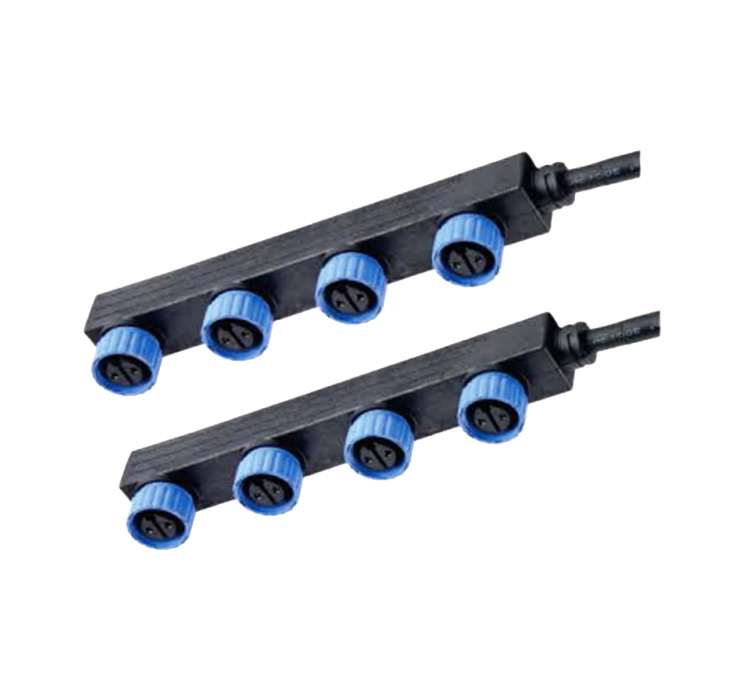
Moreover, installation practices for waterproof cables differ from standard cables. Proper sealing techniques and connectors are necessary to maintain the integrity of the waterproofing. Professionals should be trained in best practices for installing these cables to maximize their effectiveness and ensure compliance with safety regulations.
In conclusion, waterproof cables are indispensable in the electrical and connector industry for applications requiring durability and reliability in adverse conditions. By understanding their construction, ratings, and installation practices, electrical professionals can make informed decisions that enhance the performance and safety of their projects. As the demand for reliable electrical connectivity continues to grow, staying informed about the latest technologies and standards in waterproof cables is essential for success in the industry.
News
2026-09-30
Discover the Advantages of Using 2 Pin Waterproof Connectors in Harsh Environments
Discover the Advantages of Using 2 Pin Waterproof Connectors in Harsh Environments Table of Contents 1. Introduction to 2 Pin Waterproof Connectors 2. Importance of Waterproof Connectors 3. Design Features of 2 Pin Waterproof Connectors 4. Applications in Various Industries 5. Benefits of Using 2 Pin Waterproof Connectors 6. Installation Guidelines for 2 Pin Waterproof Connectors 7.
2026-09-27
Understanding Industrial Power Connectors: Key Insights for Professionals
Industrial power connectors play a crucial role in the safety and efficiency of electrical systems across various sectors, including manufacturing, energy, and transportation. These connectors are designed to facilitate the transmission of electrical power in rugged environments, ensuring reliable and stable connections. Understanding the types, applications, and selection criteria for industrial
2026-09-24
Waterproof Wire Harnesses: The Cornerstone of Electric Vehicle Reliability
Waterproof Wire Harnesses: An Essential Component for Electric Vehicles Electric vehicles (EVs) are rapidly transforming the automotive landscape, with advancements in technology leading the charge. Amongst the many components that contribute to the seamless operation of these vehicles, **waterproof wire harnesses** stand out as a vital element. In this comprehensive article, we will delve deep in

B8-9, Fubilun industrial park, Chaoyang rd,Yanchuan community, Songgang, Shenzhen, China


