


Essential Insights on Industrial Power Connectors for Electrical Professionals
Release Time:
2026-05-28
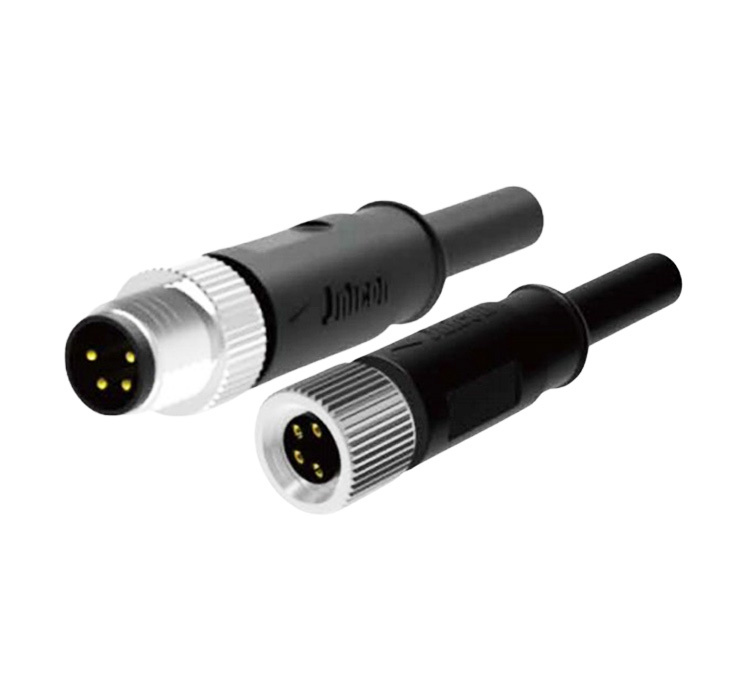
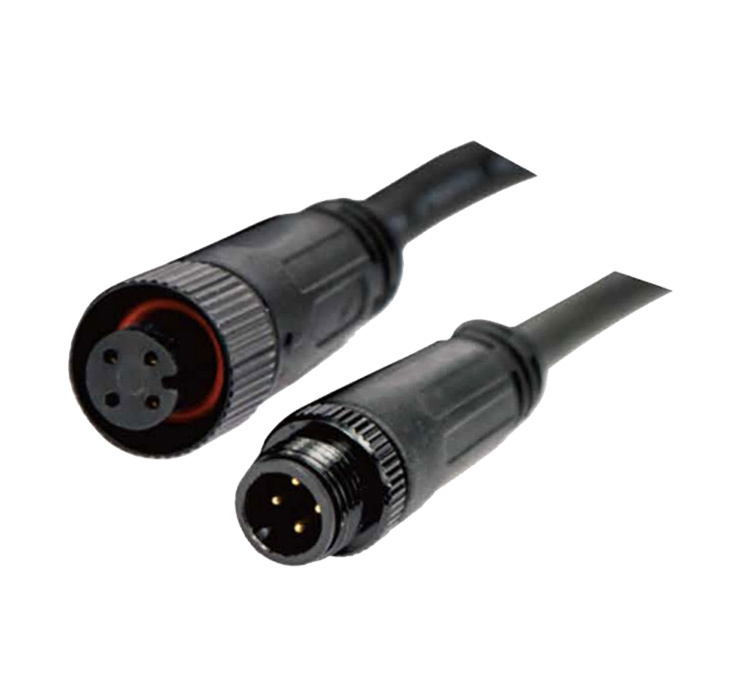
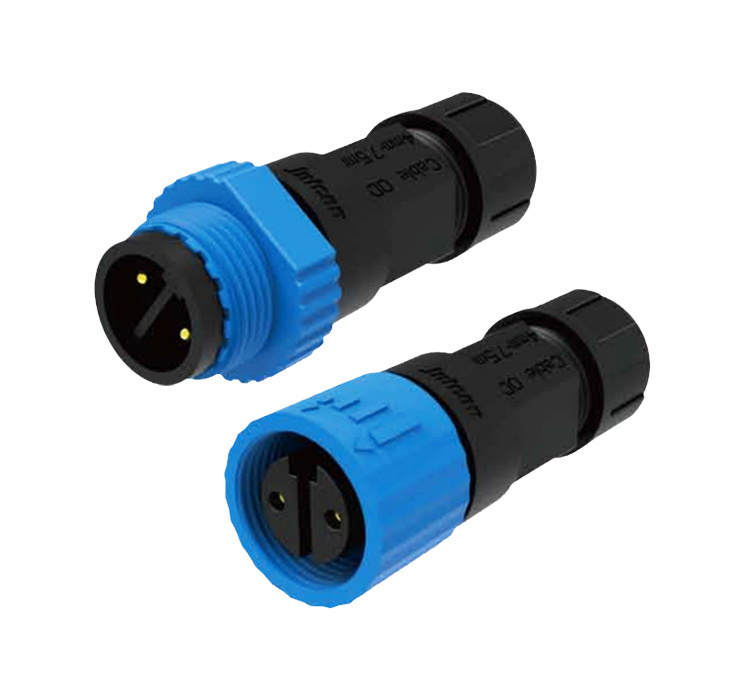
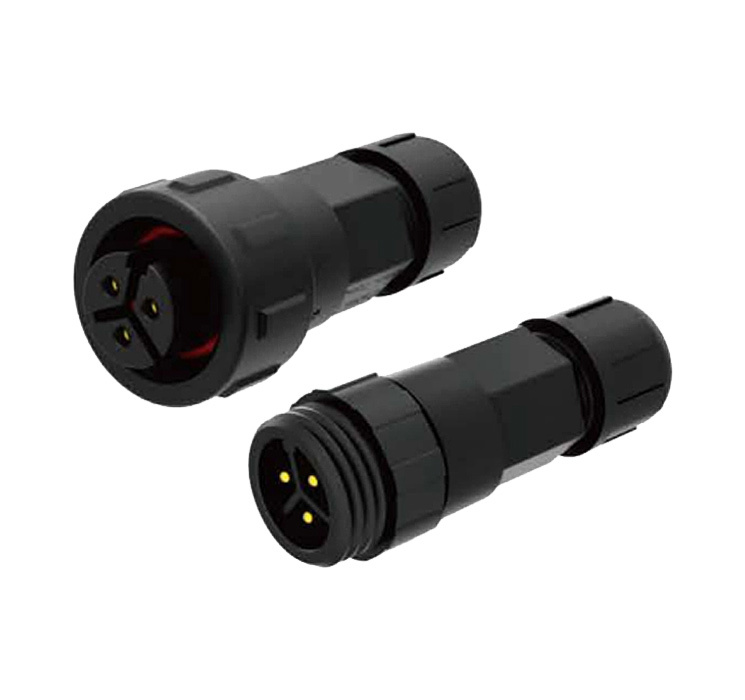
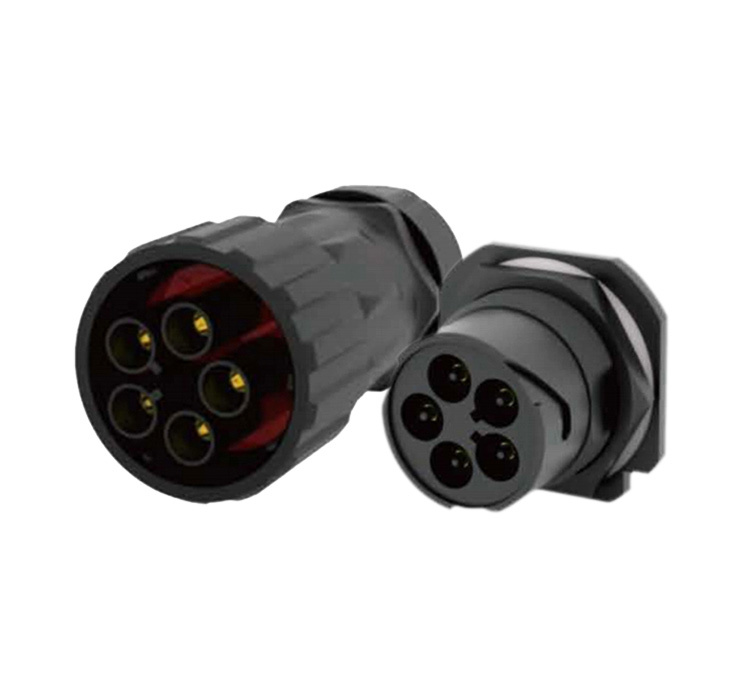
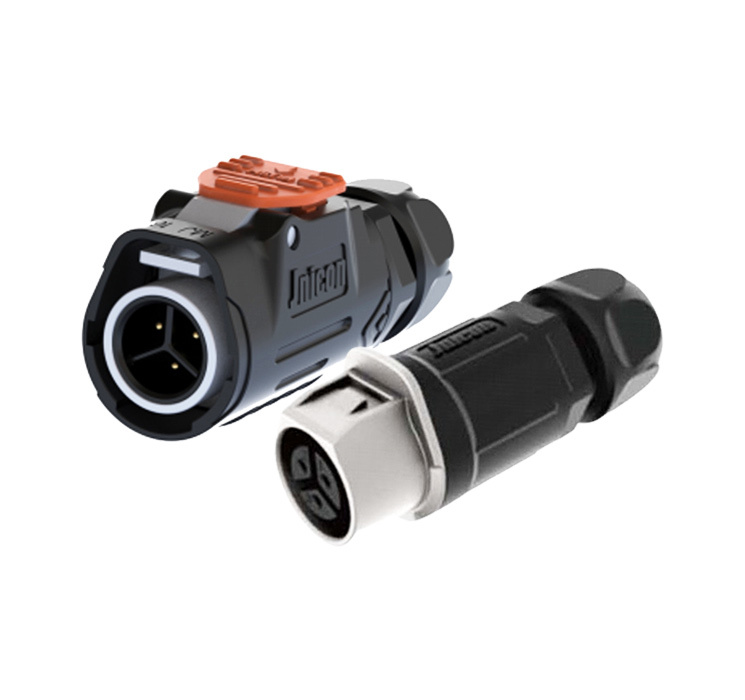
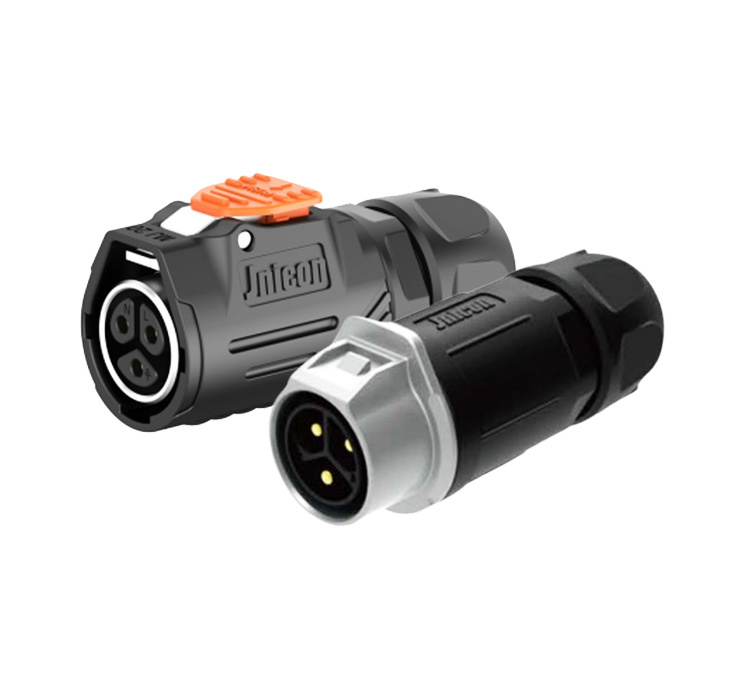
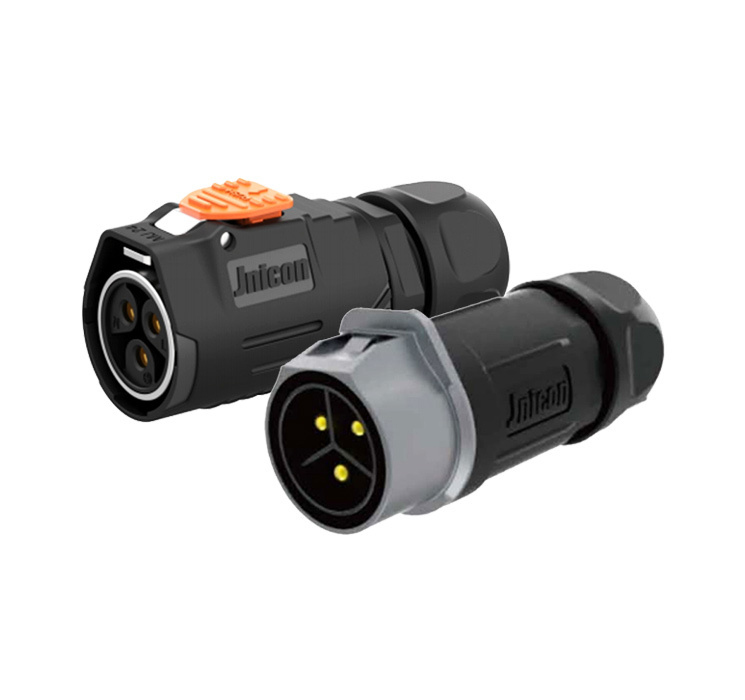
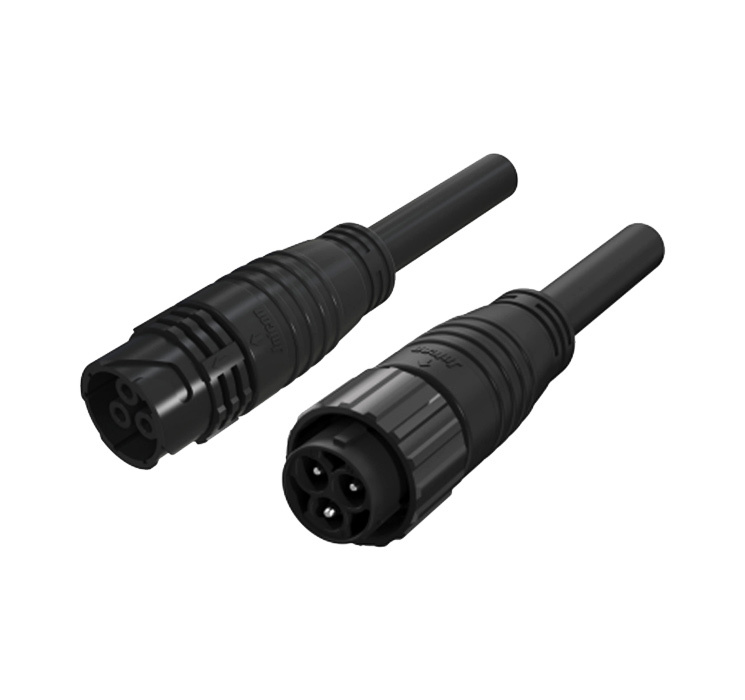
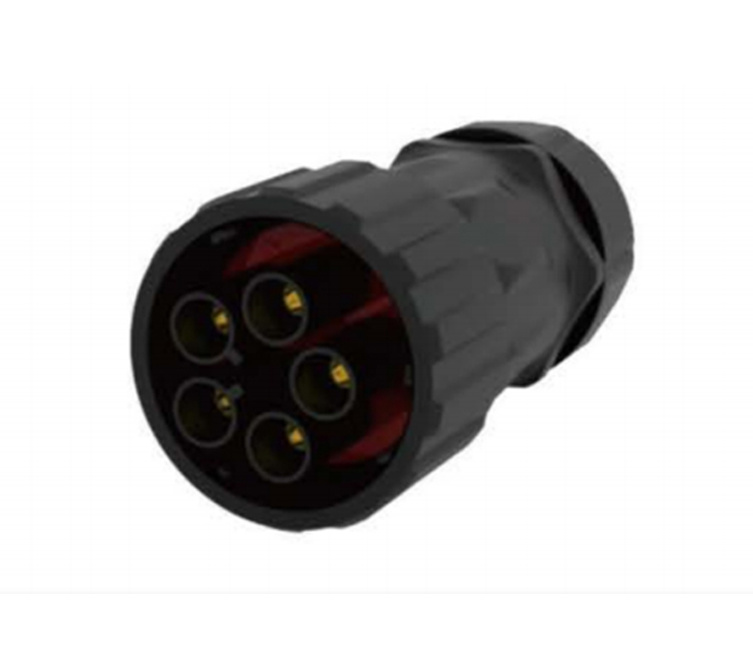
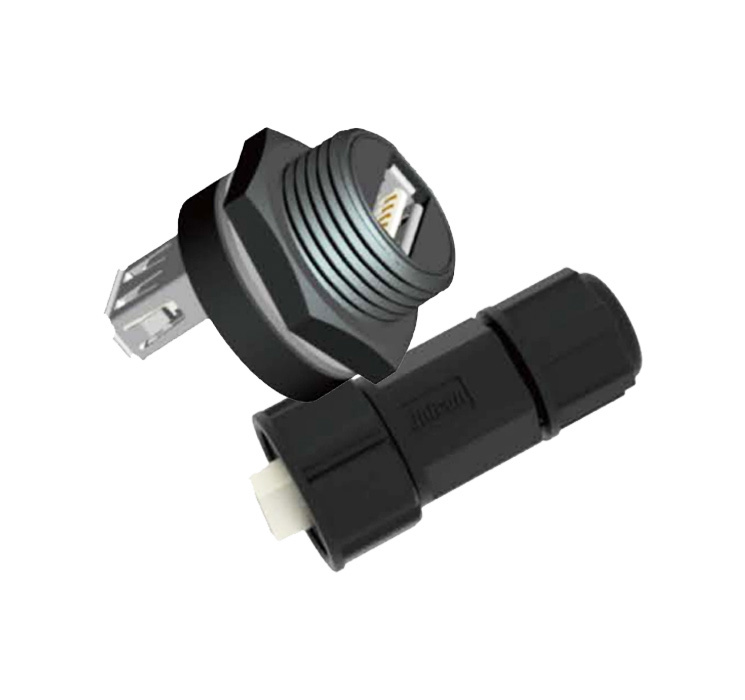
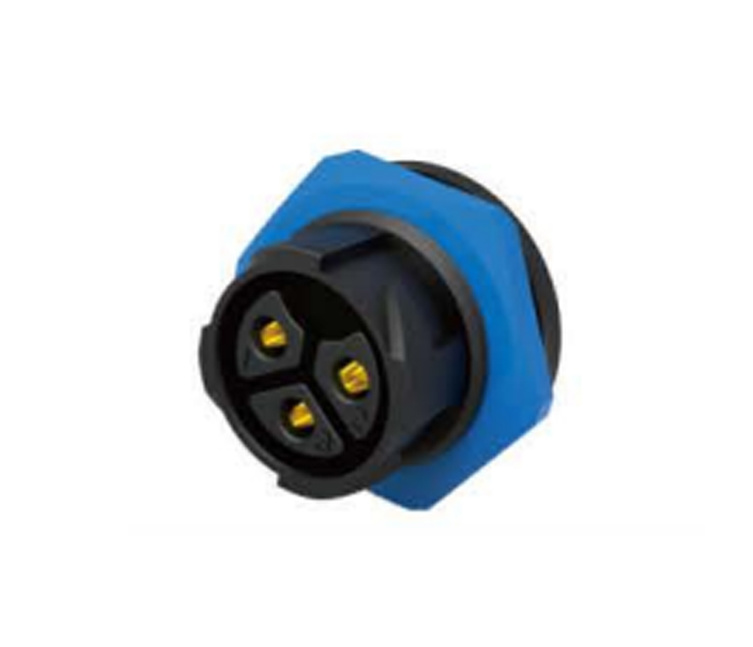
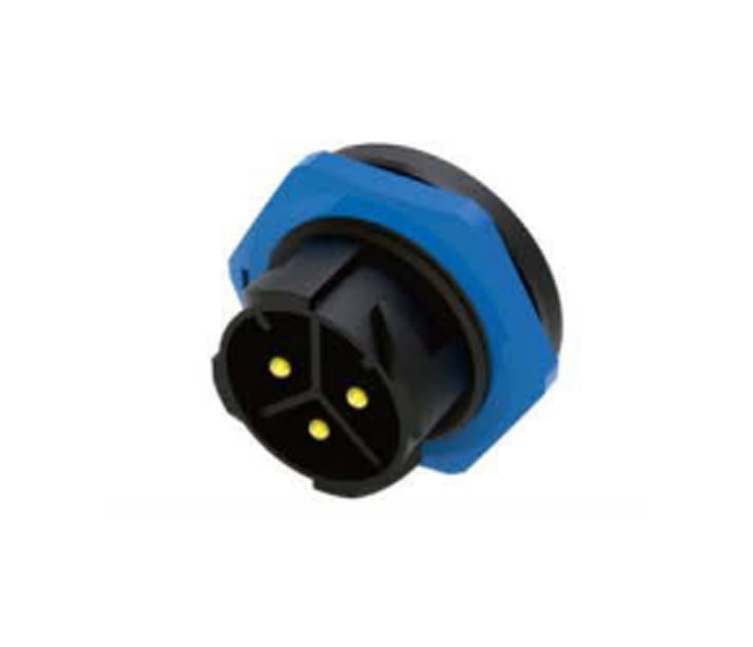
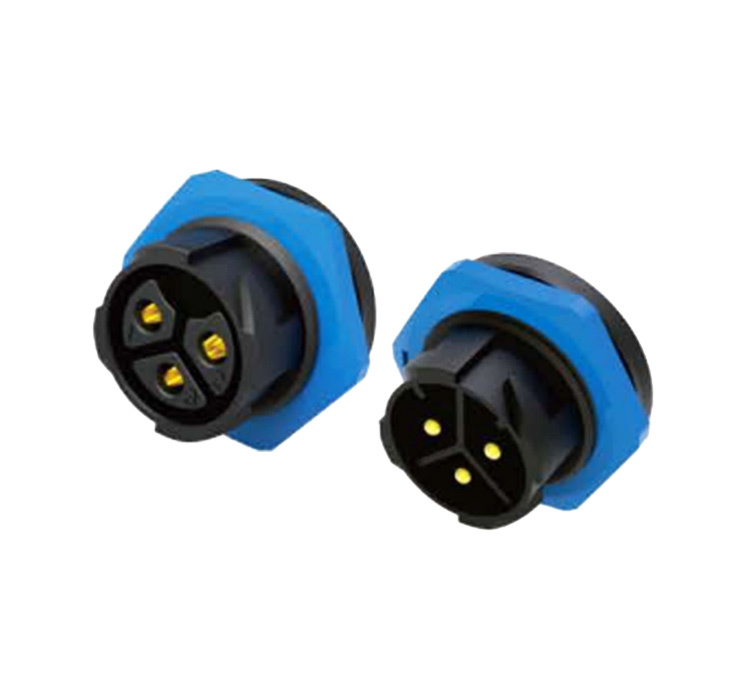
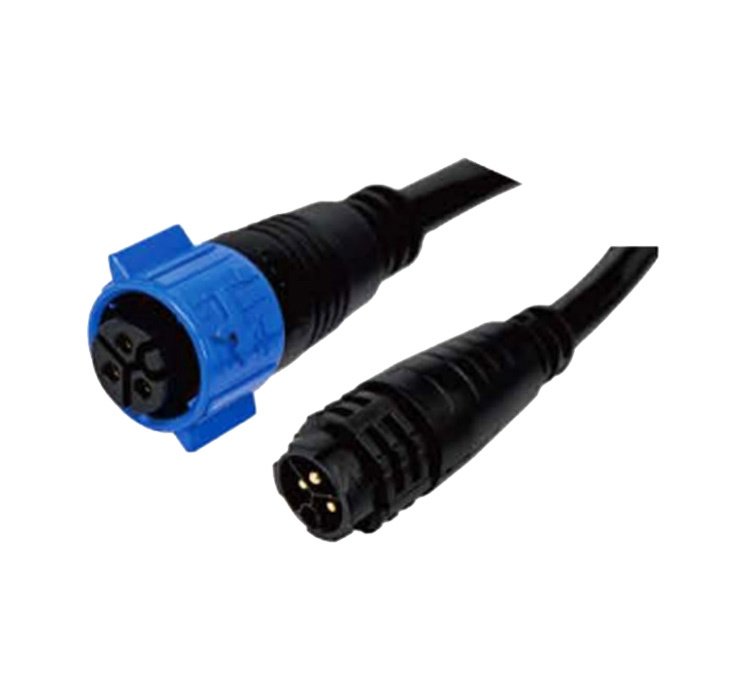
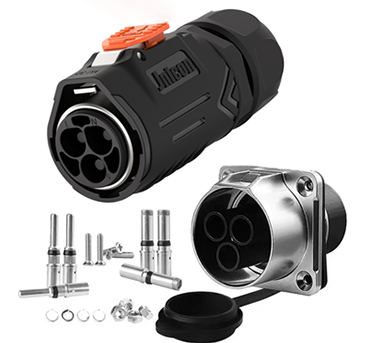
When selecting industrial power connectors, several key factors should be considered to ensure optimal performance. First, it is essential to understand the specifications of the electrical system, including voltage and current ratings. Industrial power connectors come in various configurations to accommodate different power requirements; thus, matching the connector's capabilities with the system’s needs is crucial for safety and efficiency.
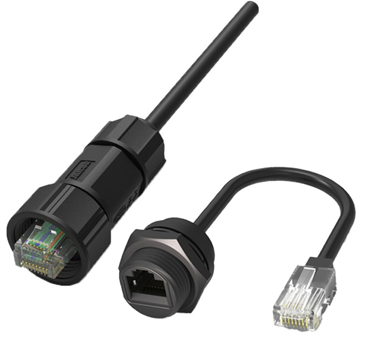
Additionally, the environment in which the connectors will be used can greatly influence the selection process. Industrial settings often expose connectors to dust, moisture, and extreme temperatures. Therefore, connectors with appropriate IP (Ingress Protection) ratings should be prioritized. Connectors designed for rugged conditions will typically feature enhanced sealing and robust materials, ensuring longevity and reliability.
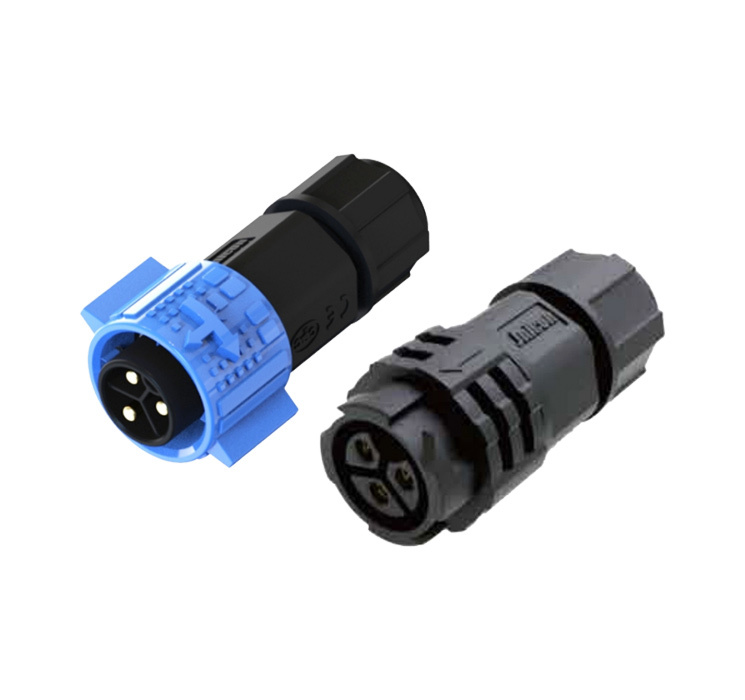
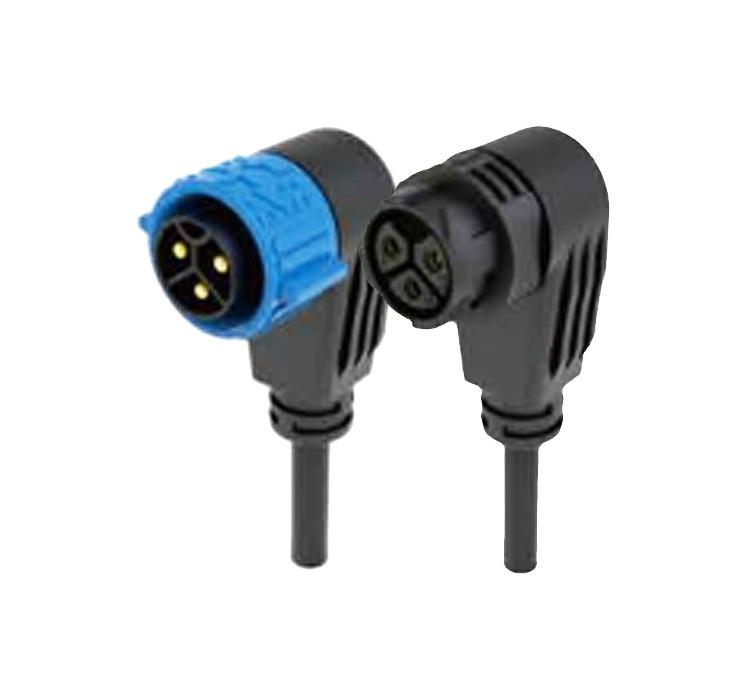
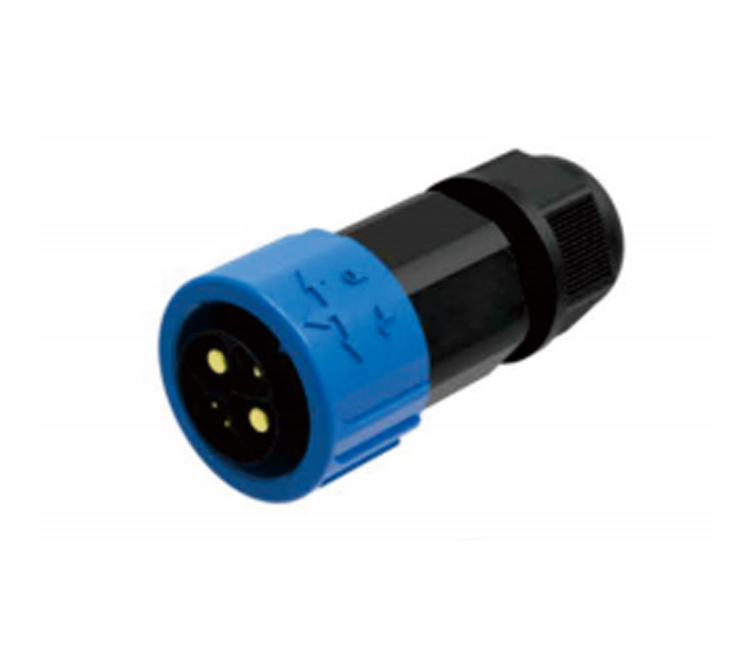
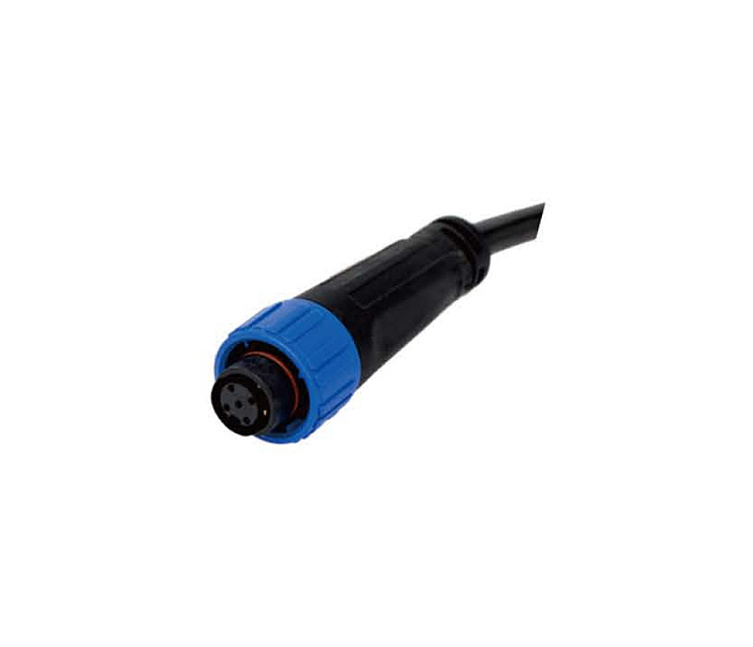
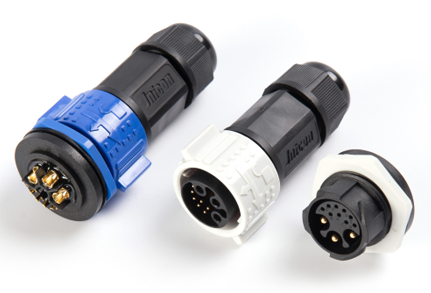
Another important consideration is the ease of installation and maintenance. Industrial power connectors should facilitate quick connects and disconnects to minimize downtime during maintenance or upgrades. Features such as color-coding, keying, and user-friendly designs can significantly enhance usability, making it easier for technicians to work with them safely and efficiently.
Moreover, compatibility with existing systems cannot be overlooked. Many industries use standardized connector types to ensure interoperability between equipment. It is vital to assess whether the selected connectors will seamlessly integrate with existing machinery and wiring systems to avoid costly modifications or replacements down the line.
Safety is of utmost importance when dealing with industrial power connectors. Ensuring that connectors are compliant with relevant safety standards can help mitigate risks associated with electrical hazards. Regular inspections and maintenance checks are recommended to identify any wear or damage that may compromise the integrity of power connections.
Lastly, advancements in technology are leading to innovations in industrial power connectors, including features that enhance connectivity and data transfer capabilities. Smart connectors equipped with sensors can provide real-time data on electrical performance, helping to optimize system efficiency and preemptively address potential issues.
In conclusion, understanding the intricacies of industrial power connectors is essential for electrical professionals looking to ensure reliability and efficiency in their systems. By considering factors such as specifications, environmental conditions, safety standards, and technological advancements, professionals can make informed decisions that enhance performance and safety in their industrial applications.
News
2026-10-15
Understanding Waterproof Wire Harness: Key Features and Benefits for Automotive Applications
In the automotive industry, the functionality and longevity of electrical components are crucial for vehicle performance. One of the key components that contribute to this is the waterproof wire harness. These harnesses are specifically designed to withstand harsh environmental conditions, ensuring that the electrical systems in vehicles remain operational regardless of the weather. A waterproof w
2026-10-12
5 Pin Waterproof Connectors: Enhancing Home Automation Systems
5 Pin Waterproof Connectors: Enhancing Home Automation Systems Table of Contents Introduction to 5 Pin Waterproof Connectors Importance of Waterproof Connectors in Home Automation Key Benefits of 5 Pin Waterproof Connectors Features of 5 Pin Waterproof Connectors Material Quality Design and Build Applications of 5 Pin Waterproof C
2026-10-10
Waterproof Wire Connector Plugs for Reliable Connections
Waterproof wire connector plugs ensure secure, moisture-resistant electrical connections for outdoor lighting, automotive systems, and industrial equipment.

B8-9, Fubilun industrial park, Chaoyang rd,Yanchuan community, Songgang, Shenzhen, China


