


Do-It-Yourself: Building Your Own Waterproof Wire Harness for Your Vehicle
Release Time:
2026-05-29
Introduction to Waterproof Wire Harnesses
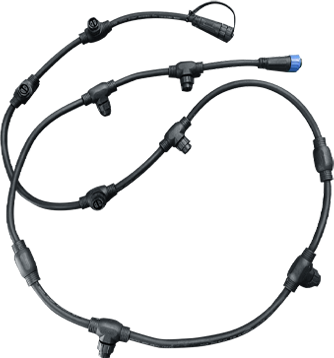
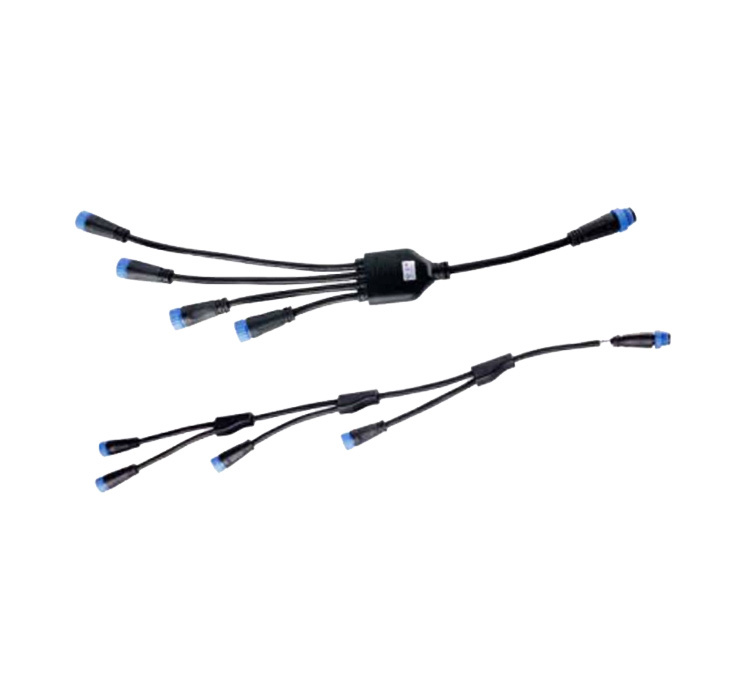
Waterproof wire harnesses are essential components in automotive wiring, especially for vehicles exposed to harsh environments. They protect electrical connections from moisture, dirt, and other potential hazards, ensuring reliability and longevity. This guide will take you through the process of building your own waterproof wire harness, from selecting materials to installation techniques.
Why You Should Build a Waterproof Wire Harness
Advantages of Custom Wire Harnesses
Building a custom wire harness offers numerous benefits, including:
1. **Tailored Fit**: A custom harness ensures that the length and configuration meet your specific needs.
2. **Increased Durability**: Using high-quality, waterproof materials enhances the lifespan of the harness.
3. **Cost-Effectiveness**: Building your own harness can be more economical than purchasing pre-made options.
4. **Improved Performance**: A well-designed harness can contribute to better vehicle performance, especially in adverse conditions.
Common Applications for Waterproof Wire Harnesses
Waterproof wire harnesses are commonly used in various automotive applications, including:
- **Lighting Systems**: Ensures that your headlights and taillights function reliably in wet conditions.
- **Audio Systems**: Protects sensitive audio components from moisture damage.
- **Aftermarket Accessories**: Ideal for custom installations such as winches, lights, or sensors.
Essential Materials for Your Waterproof Wire Harness
Choosing the Right Wire
Selecting the appropriate wire is crucial for the success of your project. Look for:
- **Gauge**: Choose the wire gauge based on the current load requirements. Thicker wires (lower gauge numbers) can handle more current.
- **Insulation**: Opt for wires with high-quality insulation, such as PVC or cross-linked polyethylene, which offer excellent protection against moisture.
Waterproof Connectors
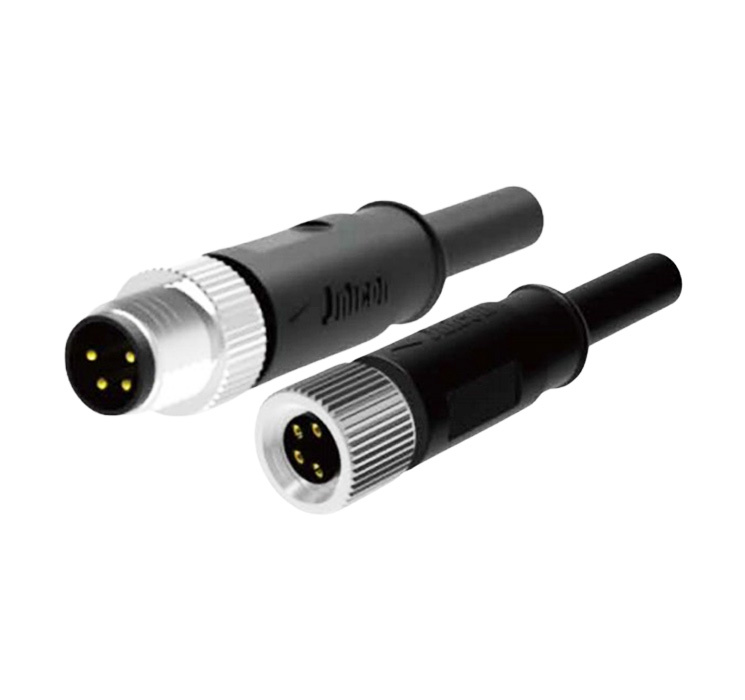
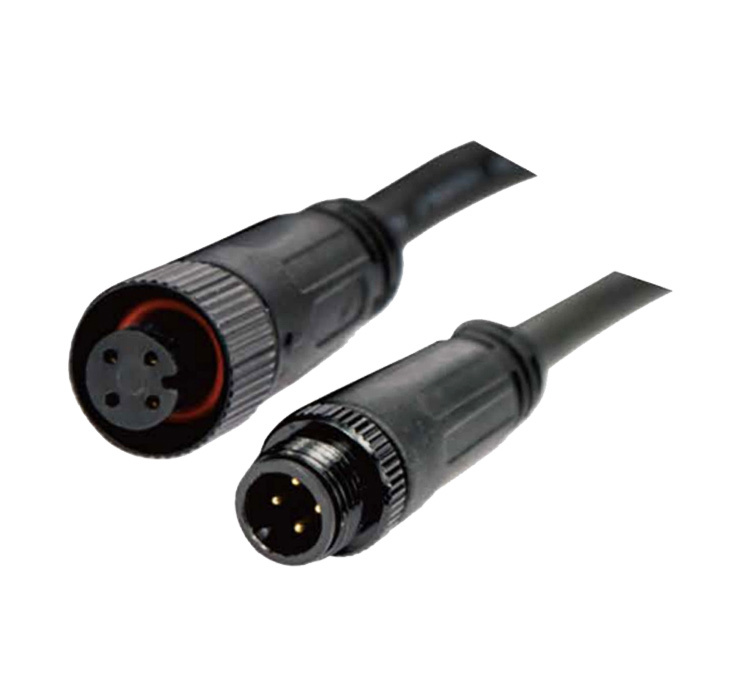
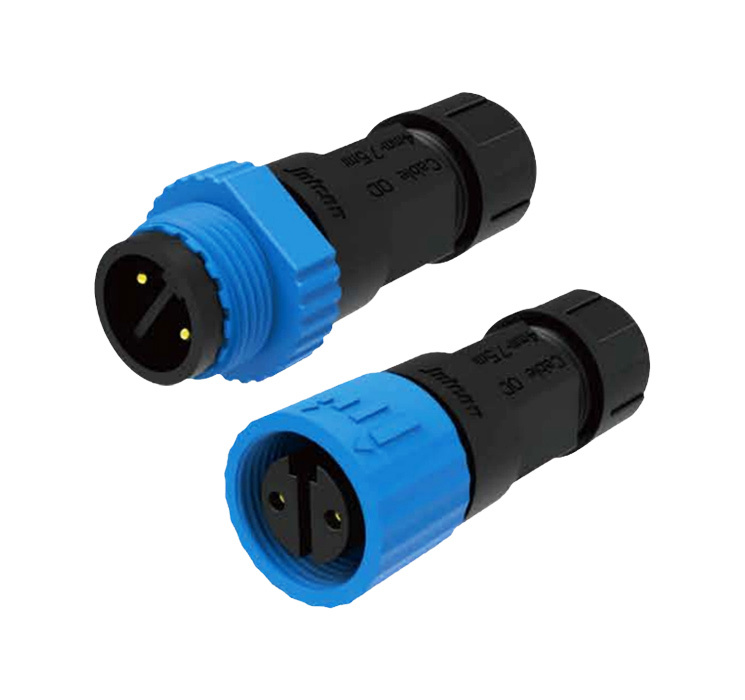
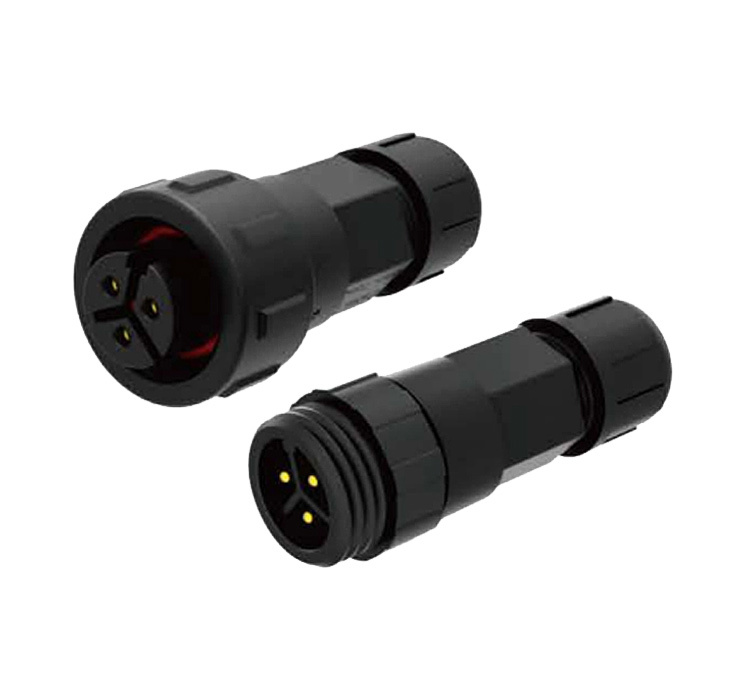
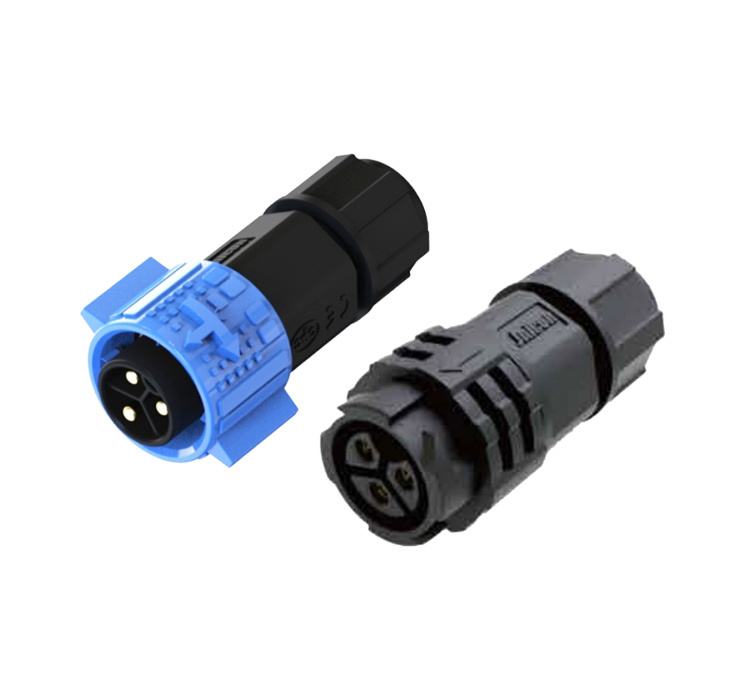
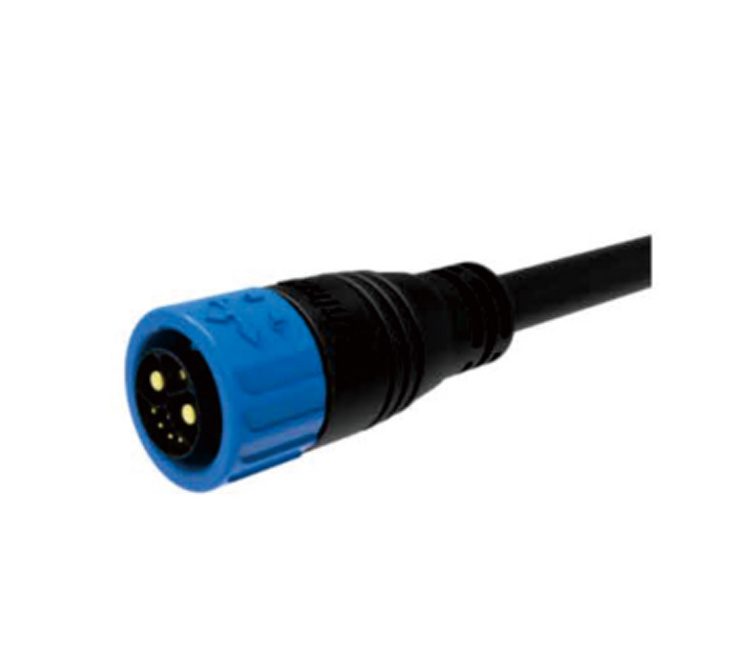
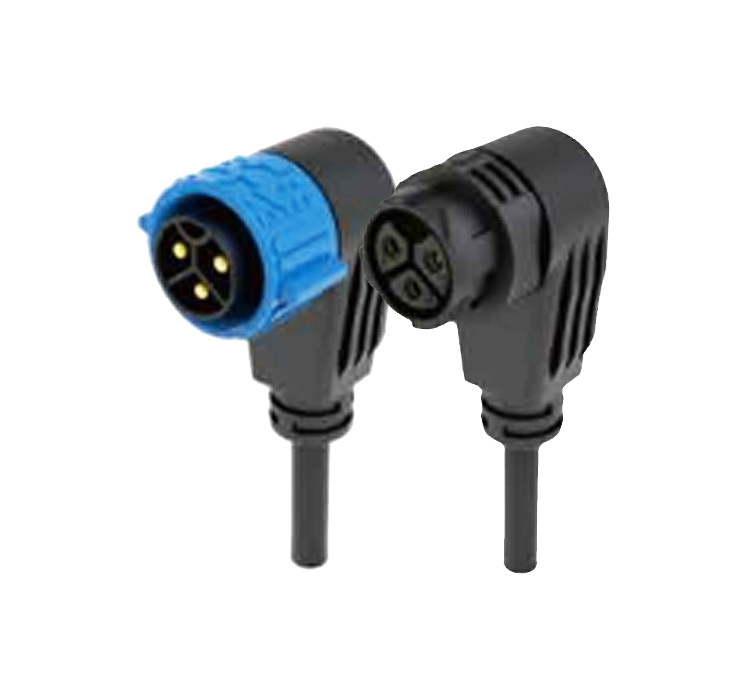
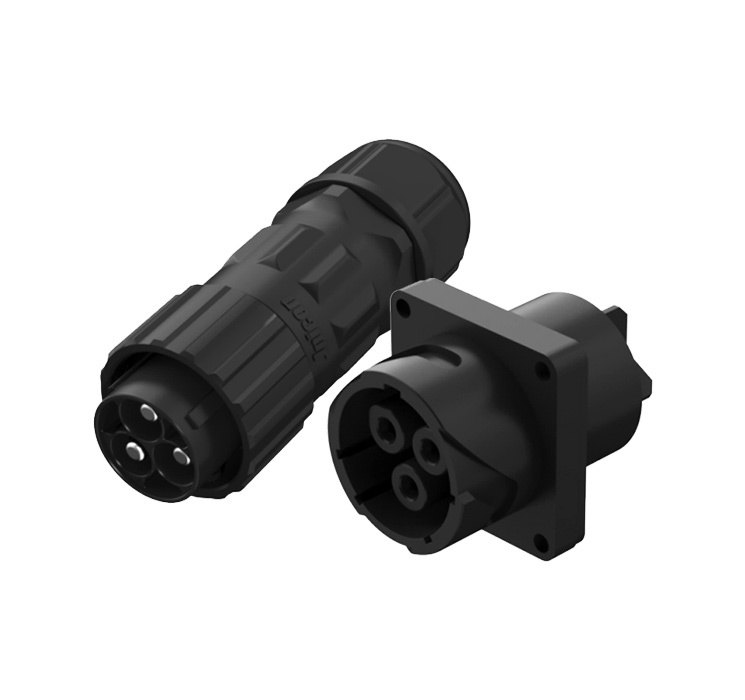
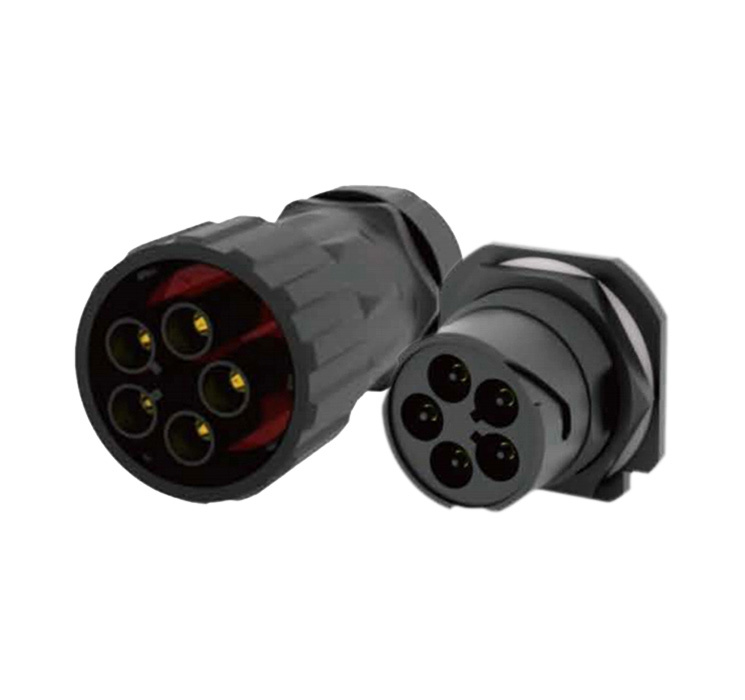
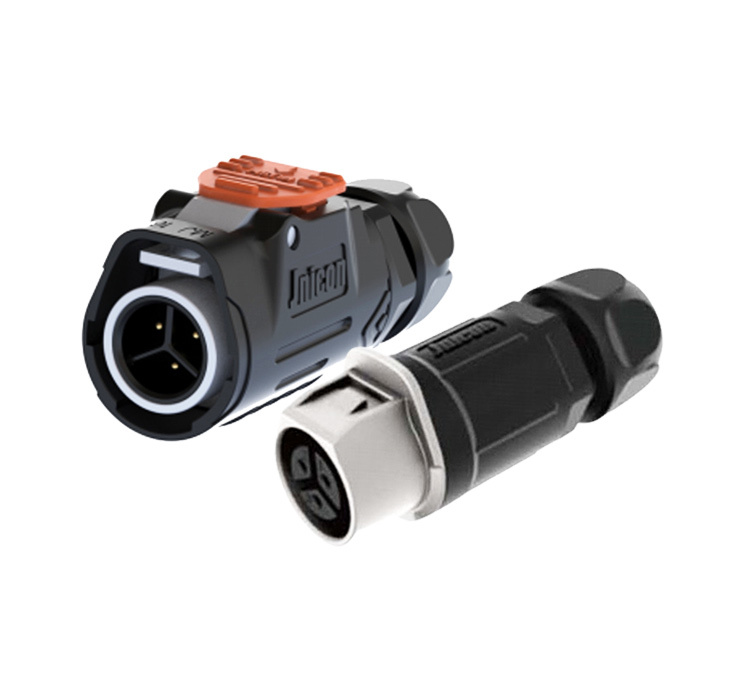
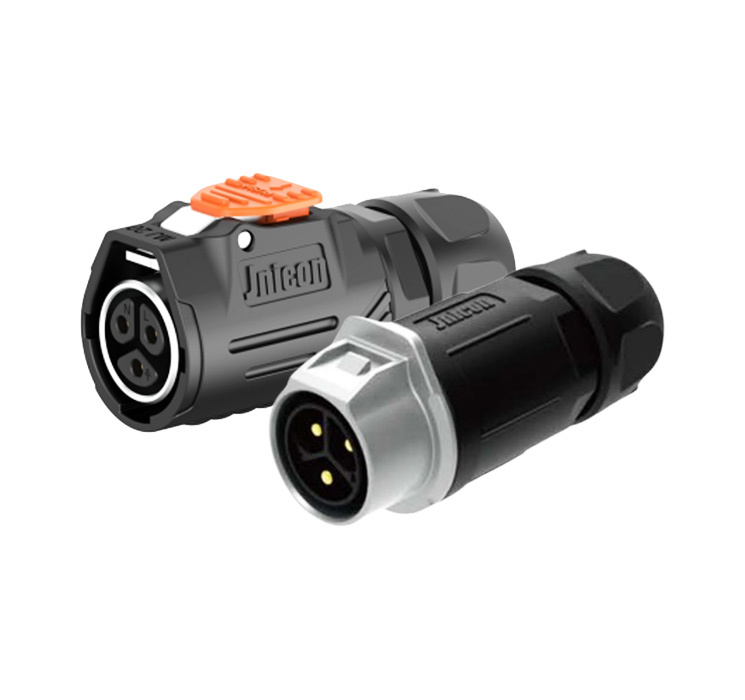
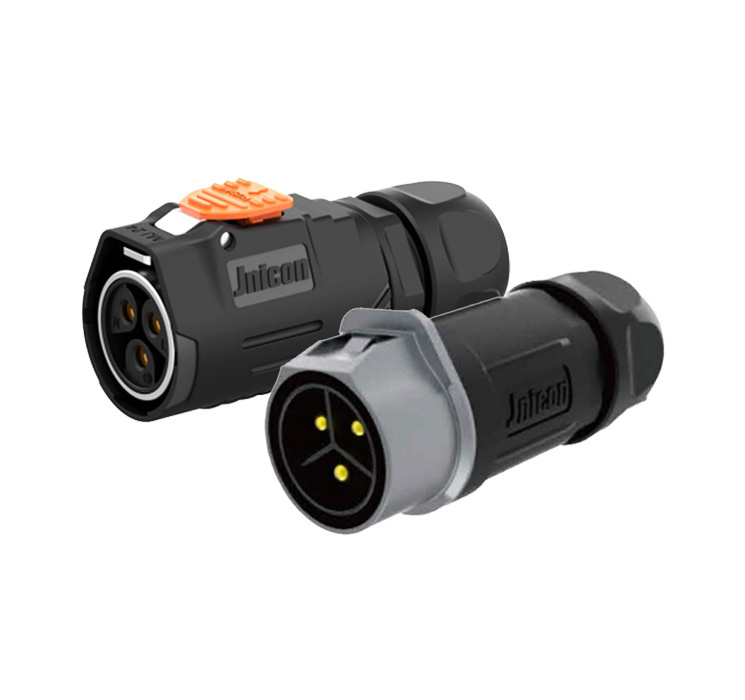
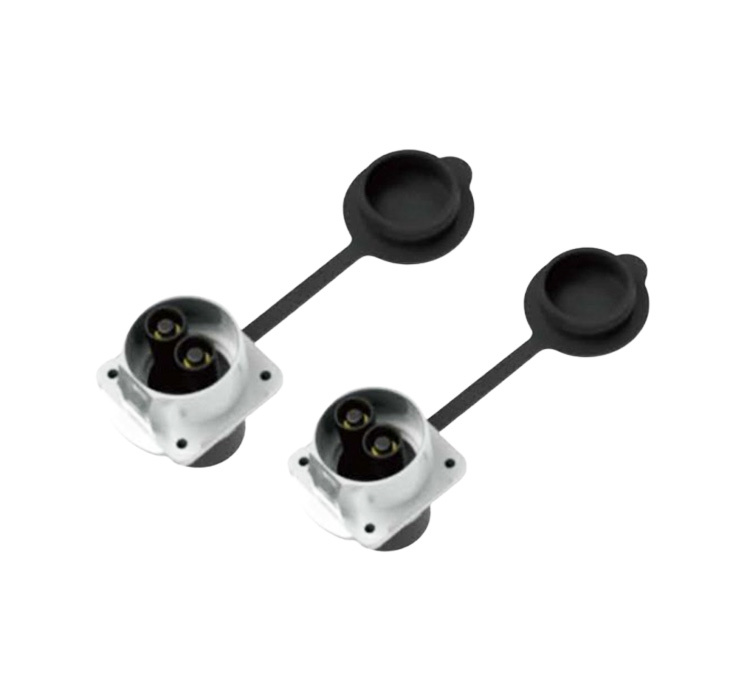
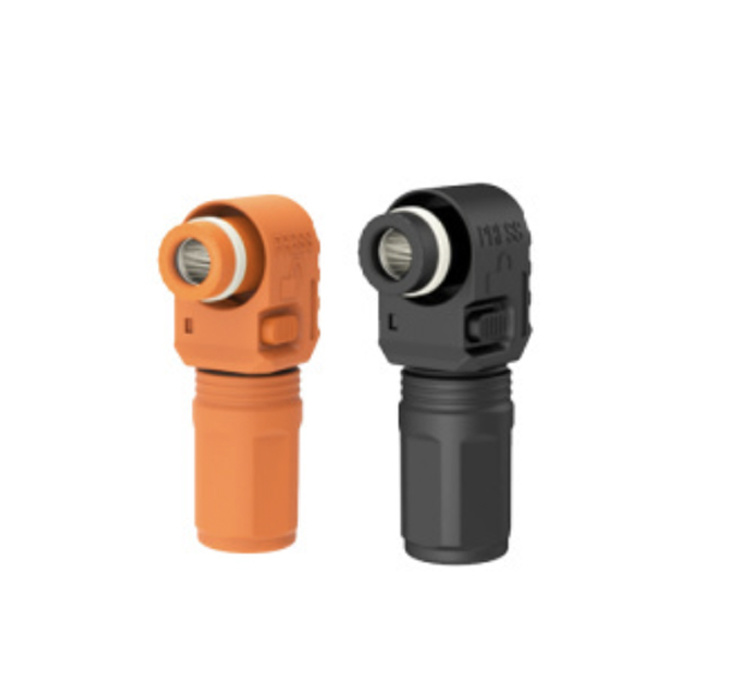
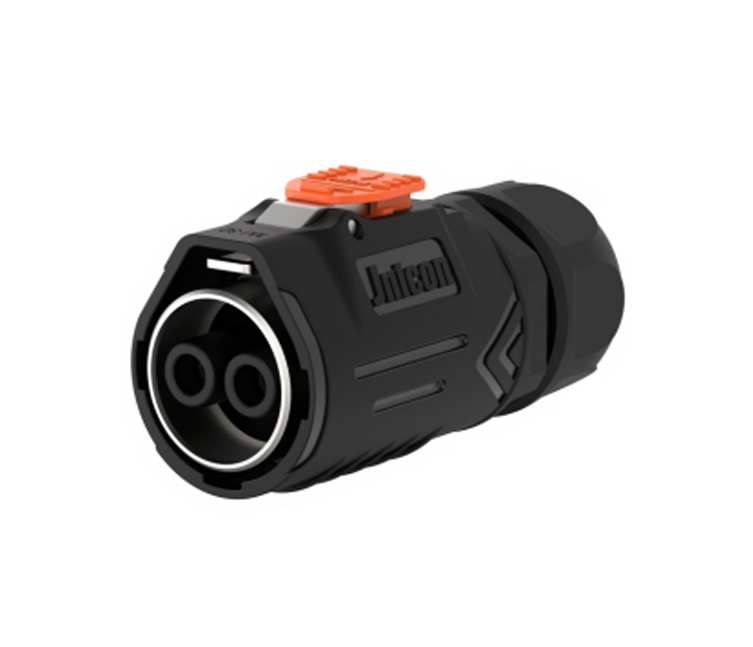
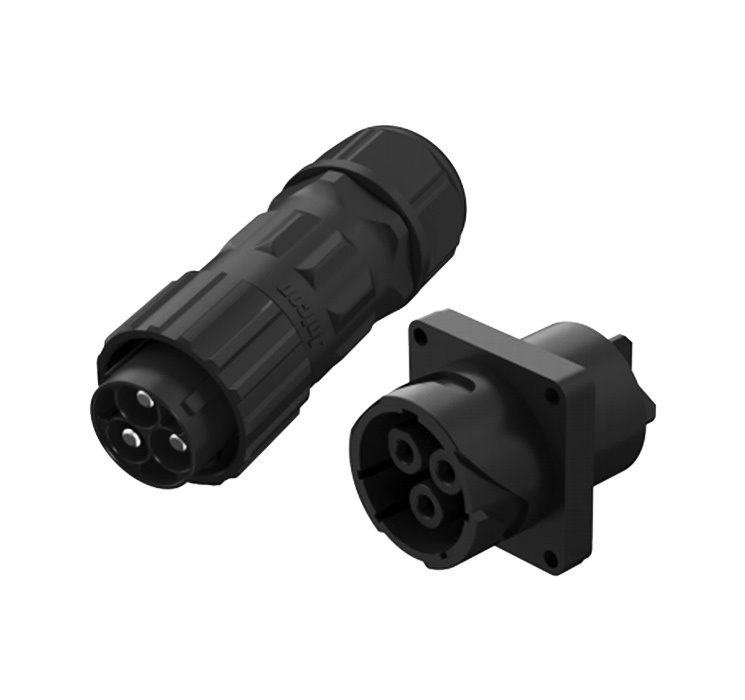
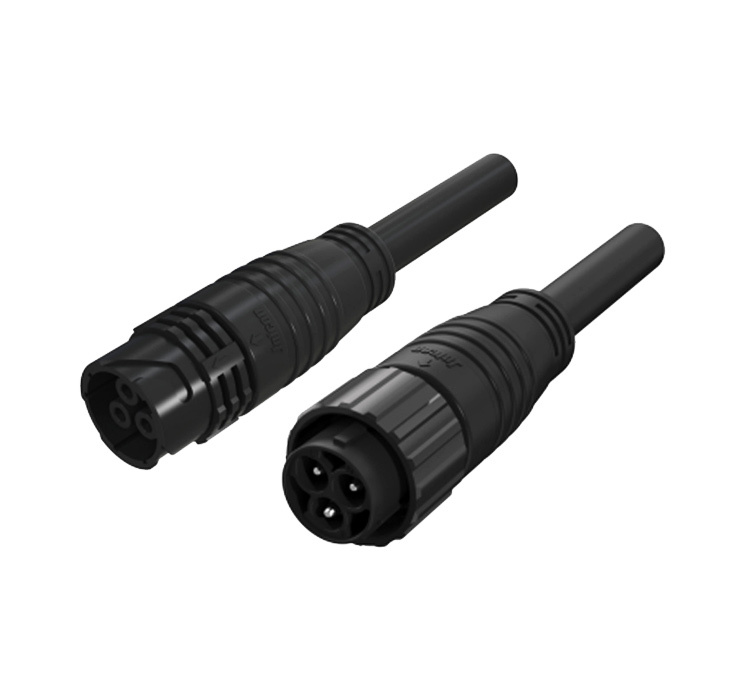
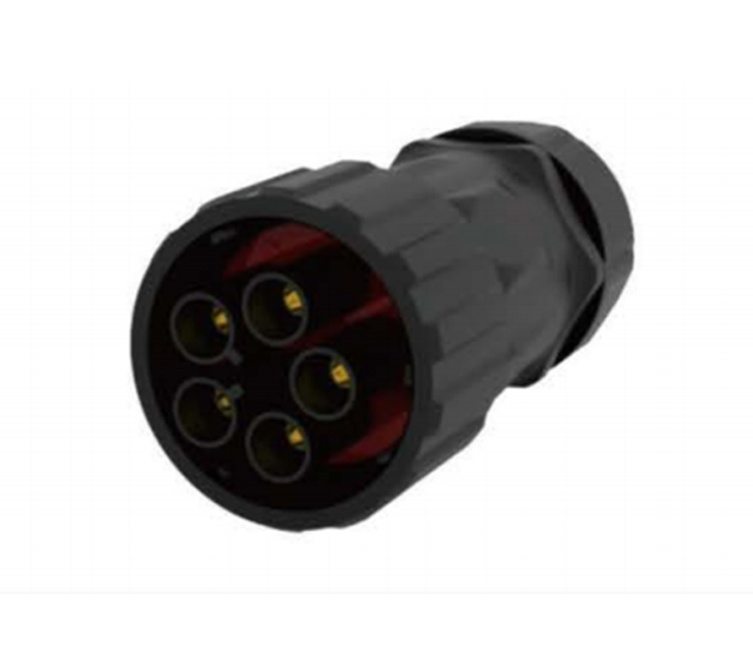
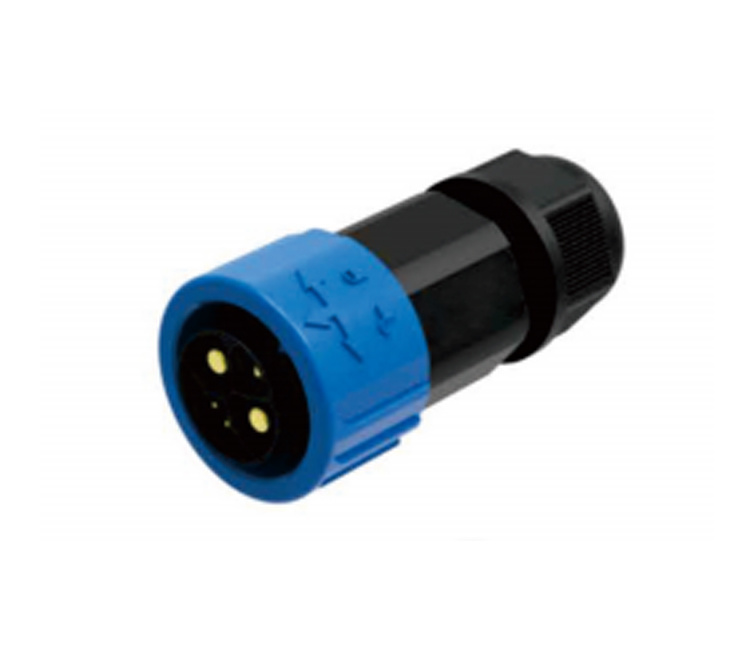
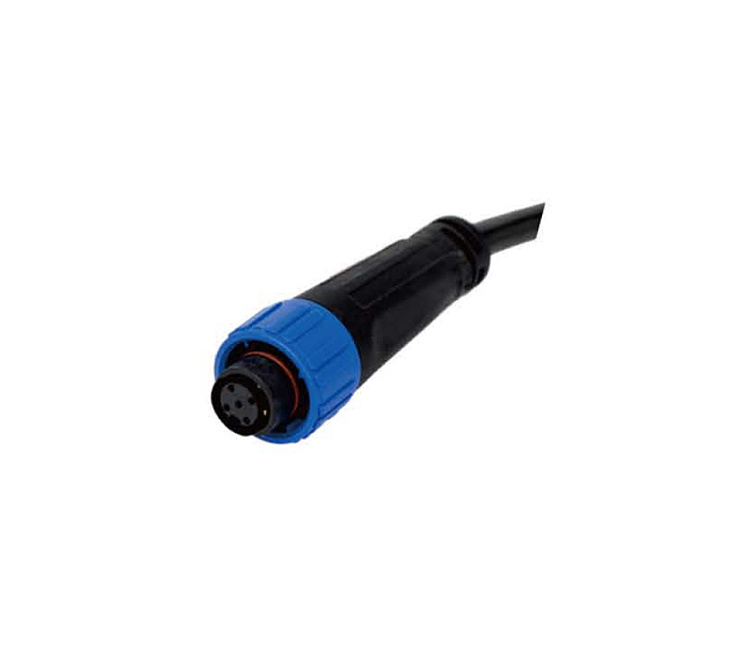
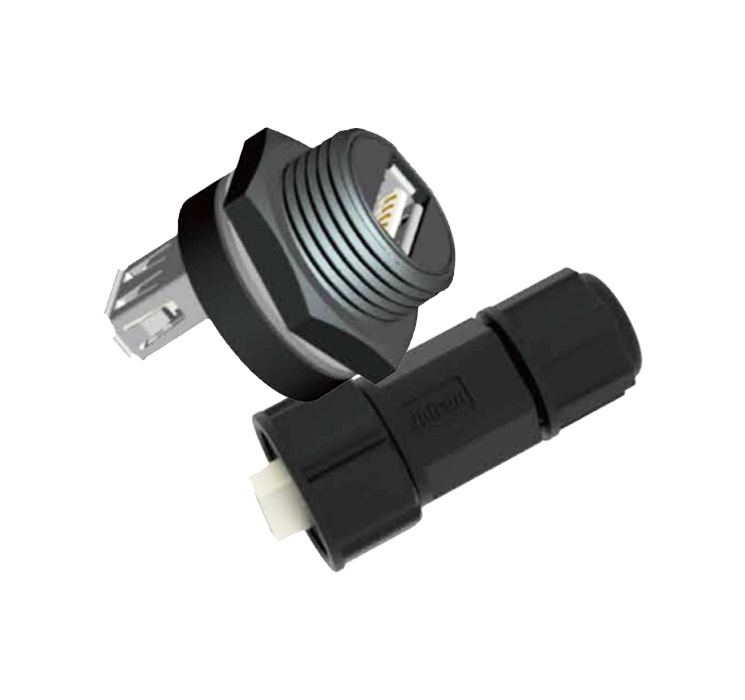
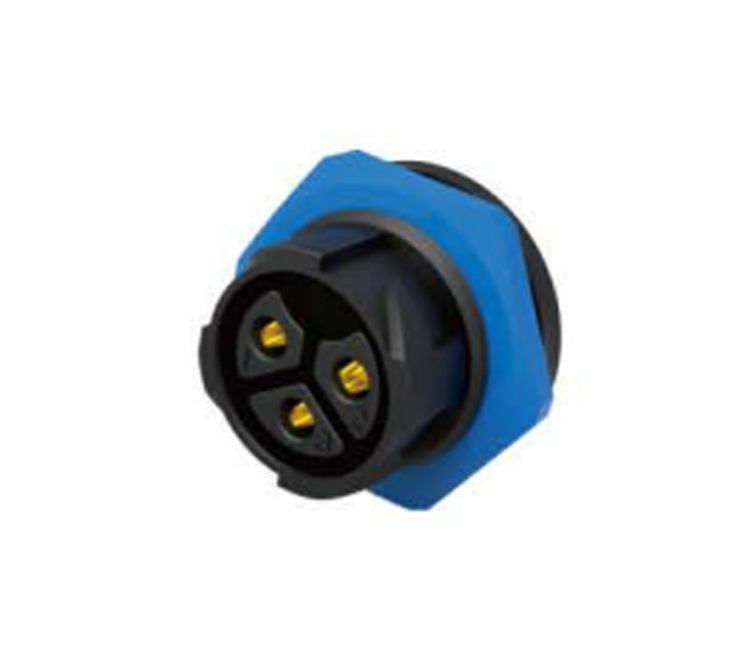
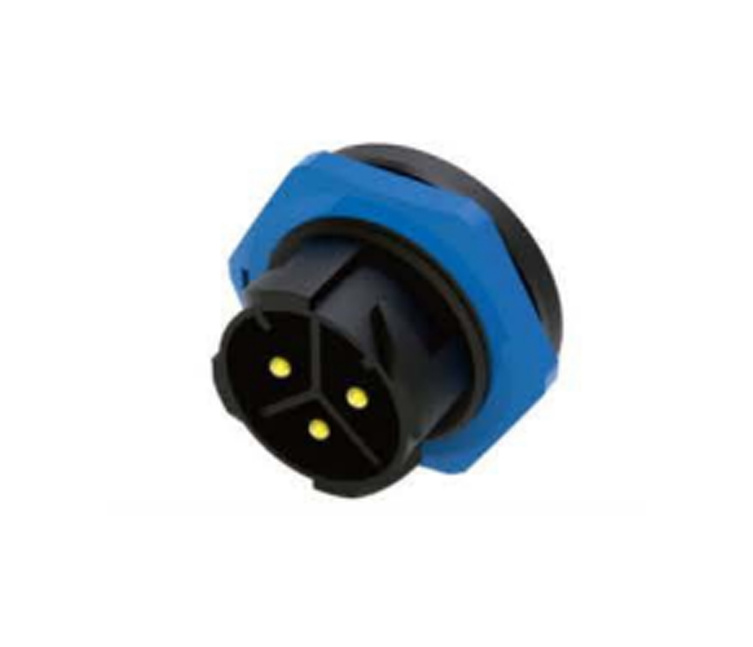
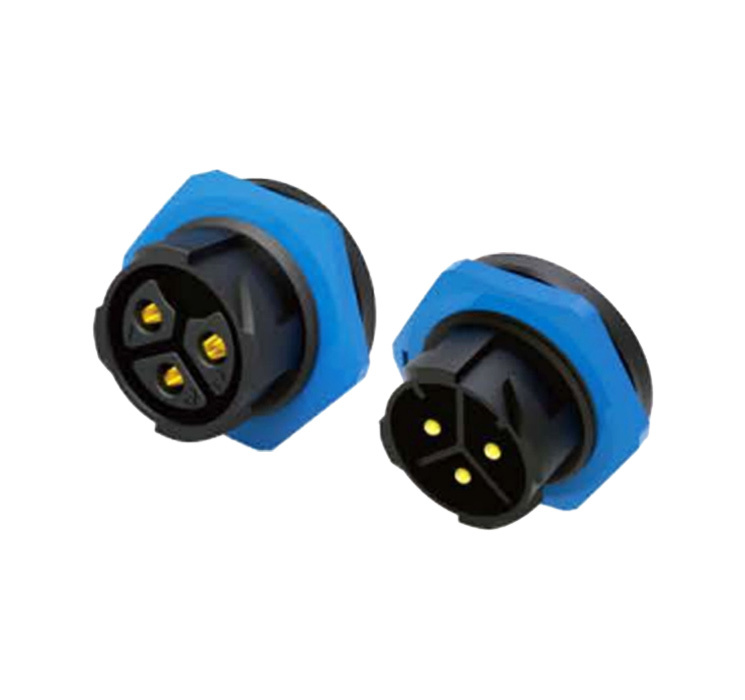
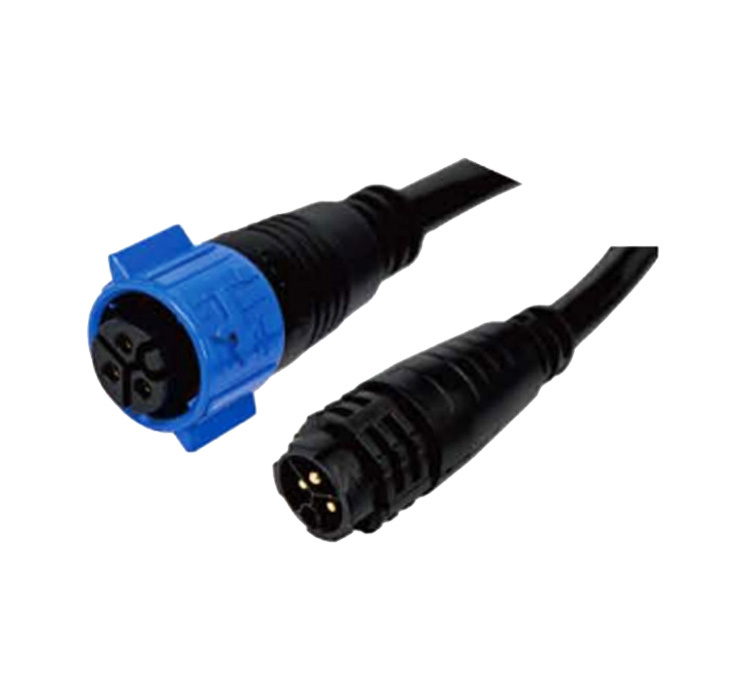
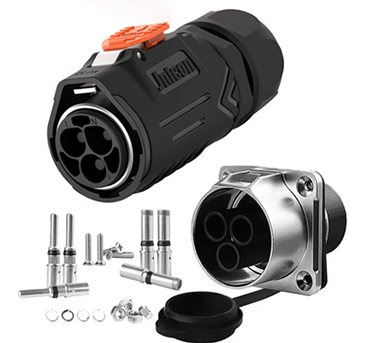
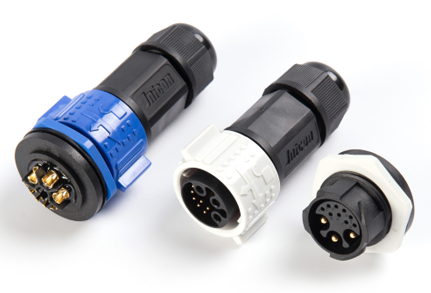
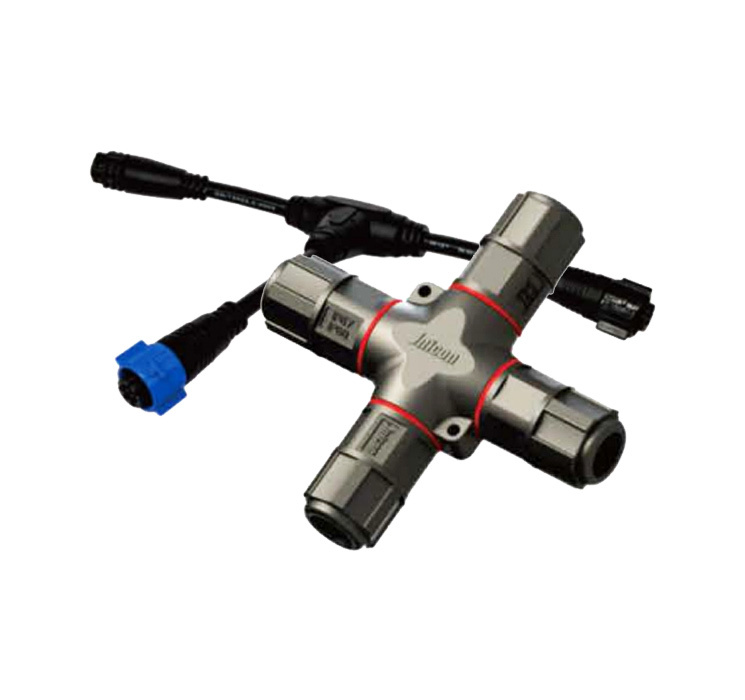
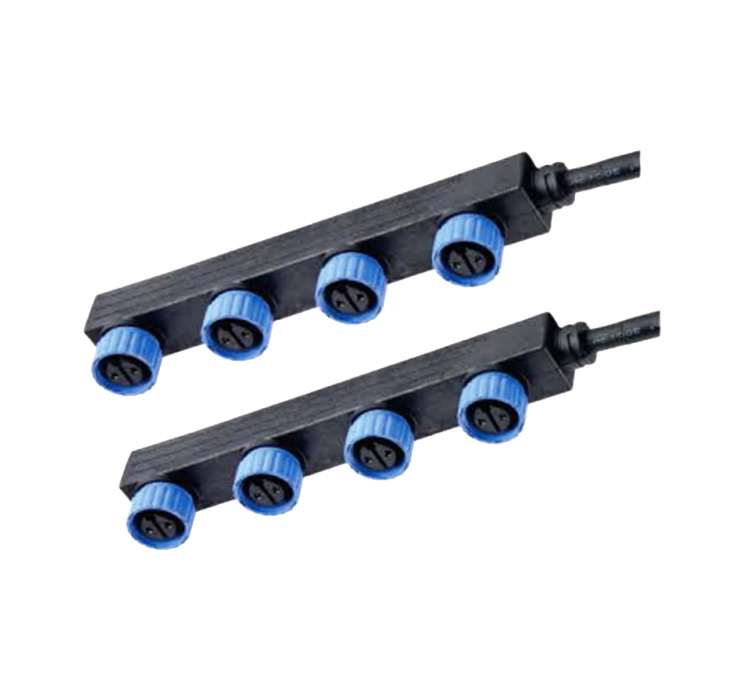
Using waterproof connectors is vital for maintaining the integrity of your wire harness. Consider connectors rated for underwater use or those designed for automotive applications. Look for:
- **Sealed Connectors**: Ensure they are specifically designed to prevent water ingress.
- **Corrosion Resistance**: Choose materials that withstand harsh environmental conditions.
Heat Shrink Tubing and Sealing Products
Heat shrink tubing and sealing products play a significant role in ensuring waterproofing. They create a tight seal around connections, preventing moisture from entering. Key considerations include:
- **Size**: Ensure the tubing fits snugly over connectors and wires.
- **Adhesive-Lined Options**: These provide an extra layer of protection by melting and sealing when heat is applied.
Step-by-Step Guide to Building Your Waterproof Wire Harness
Step 1: Planning Your Harness Layout
Begin by mapping out the desired layout of your wire harness. Consider the following:
- **Route of Wires**: Determine the path the wires will take within the vehicle.
- **Connection Points**: Identify where each wire will connect to components, ensuring easy access for future maintenance.
Step 2: Cutting the Wires to Length
Once your layout is planned, cut the wires to the necessary lengths. Always leave some extra length for adjustments. Use a quality wire cutter to ensure clean cuts.
Step 3: Stripping Wire Insulation
Use a wire stripper to remove insulation from the ends of each wire. Be careful not to damage the copper strands inside. Aim for a length that matches your connector requirements.
Step 4: Crimping Connectors onto Wires
Attach waterproof connectors to the stripped wire ends using a crimping tool. Ensure a secure connection by following these tips:
- **Proper Alignment**: Align the connector with the wire before crimping.
- **Test the Connection**: Pull gently on the connector to ensure it’s firmly attached.
Step 5: Sealing Connections with Heat Shrink Tubing
Slide heat shrink tubing over the connection points and use a heat gun to shrink it down. This creates a waterproof seal. Make sure the tubing is positioned correctly before applying heat.
Step 6: Organizing and Securing the Harness
As you build your harness, keep the wires organized to avoid tangling. Use zip ties or wire looms to bundle the wires together, ensuring a clean installation.
Step 7: Testing the Harness
Before final installation, test the wire harness for continuity and proper connectivity. Use a multimeter to check for shorts or open circuits. This step is crucial to ensure your harness operates as intended.
Step 8: Final Installation in Your Vehicle
Once tested, install the waterproof wire harness in your vehicle according to your initial layout plan. Secure it in place and ensure that all connections are protected from potential exposure to water or dirt.
Tips for Maintaining Your Waterproof Wire Harness
Regular Inspections
Conduct regular inspections of your wire harness to identify any signs of wear or damage. Look for frayed wires, loose connections, or corrosion on connectors.
Cleaning and Protection
Keep the harness clean and free of debris. Use a damp cloth to wipe down exposed areas, and apply protective sprays if necessary to enhance longevity.
Upgrading Components
As your vehicle evolves, consider upgrading components connected to your wire harness. Ensure that any new parts are compatible with your existing setup.
Frequently Asked Questions (FAQs)
1. How do I know what gauge wire to use for my harness?
The gauge of wire you need depends on the electrical load of the components you plan to connect. Always refer to the manufacturer’s specifications for guidance.
2. What are the best waterproof connectors for automotive use?
Look for connectors rated for automotive applications, such as weatherpack connectors or Deutsch connectors, which offer excellent sealing capabilities.
3. Can I use regular tape to waterproof my wire connections?
Regular tape is not recommended as it does not provide a reliable waterproof seal. Instead, use heat shrink tubing or specialized sealing products.
4. Is it necessary to test my wire harness after installation?
Yes, testing your wire harness is crucial to ensure that it is functioning correctly and that there are no electrical issues that could cause failures.
5. How can I increase the lifespan of my waterproof wire harness?
Using high-quality materials, ensuring proper installation, and conducting regular maintenance checks will help increase the lifespan of your wire harness.
Conclusion
Building your own waterproof wire harness is a rewarding project that enhances your vehicle's electrical system, providing reliability in challenging conditions. By following this comprehensive guide, you can create a custom harness tailored to your specific needs. Remember to choose quality materials, test your connections, and maintain your harness regularly. With patience and attention to detail, you’ll enjoy the benefits of a well-crafted waterproof wire harness for years to come.
Previous
News
2026-05-29
Do-It-Yourself: Building Your Own Waterproof Wire Harness for Your Vehicle
Introduction to Waterproof Wire Harnesses Waterproof wire harnesses are essential components in automotive wiring, especially for vehicles exposed to harsh environments. They protect electrical connections from moisture, dirt, and other potential hazards, ensuring reliability and longevity. This guide will take you through the process of building your own waterproof wire harness, from selecting ma
2026-05-28
Essential Insights on Industrial Power Connectors for Electrical Professionals
Industrial power connectors play a pivotal role in ensuring efficient and reliable electrical connections across numerous sectors, including manufacturing, construction, and automation. These connectors are specifically designed to withstand the demanding conditions often found in industrial environments, where durability and performance are paramount. When selecting industrial power connectors, s
2026-05-27
5 Pin Waterproof Connectors: The Key to Reliable Renewable Energy Systems
5 Pin Waterproof Connectors: The Key to Reliable Renewable Energy Systems Table of Contents Introduction to 5 Pin Waterproof Connectors The Importance of Waterproof Connectors in Renewable Energy Systems Understanding the Design of 5 Pin Waterproof Connectors Applications of 5 Pin Waterproof Connectors Advantages of Using 5 Pin Waterproof Connectors Installation Guide fo

B8-9, Fubilun industrial park, Chaoyang rd,Yanchuan community, Songgang, Shenzhen, China


