


Understanding the Manufacturing Process of 5 Pin Waterproof Connectors: A Comprehensive Guide
Release Time:
2026-06-02
Understanding the Manufacturing Process of 5 Pin Waterproof Connectors
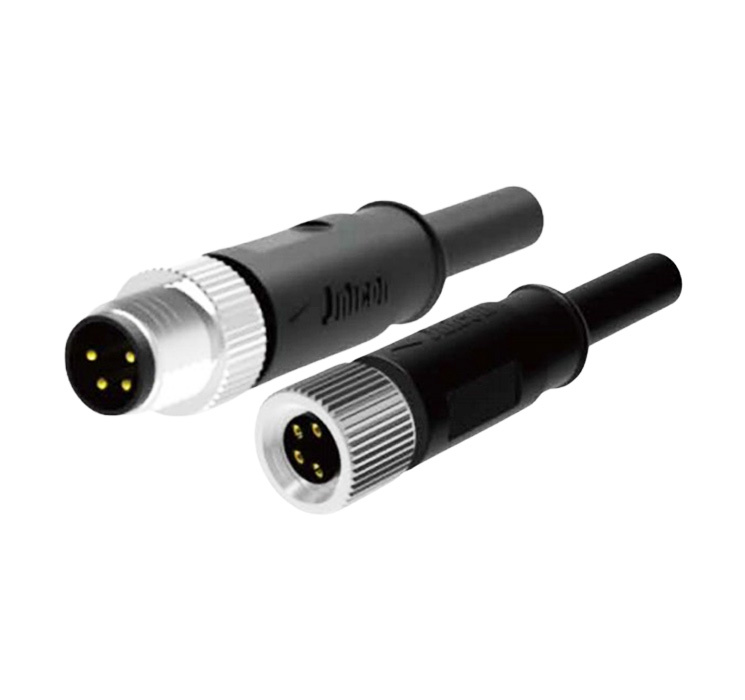
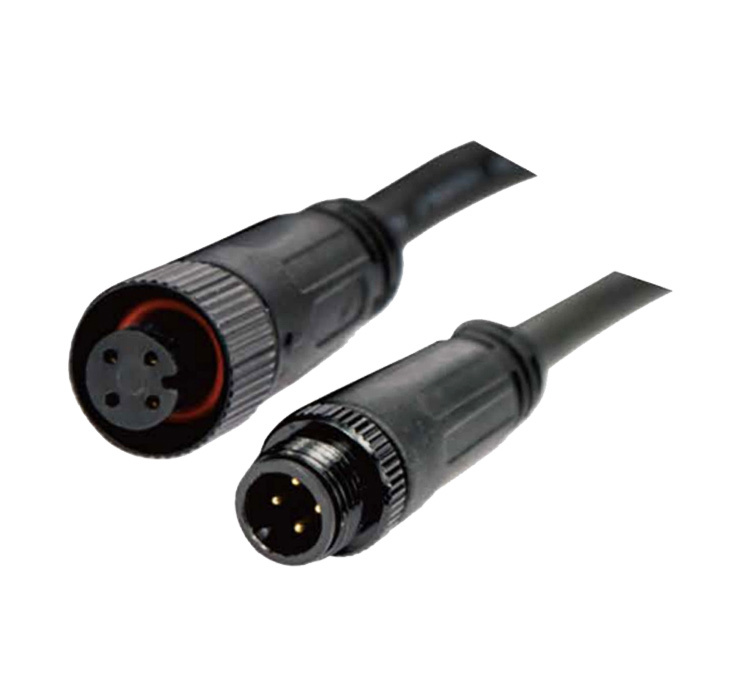
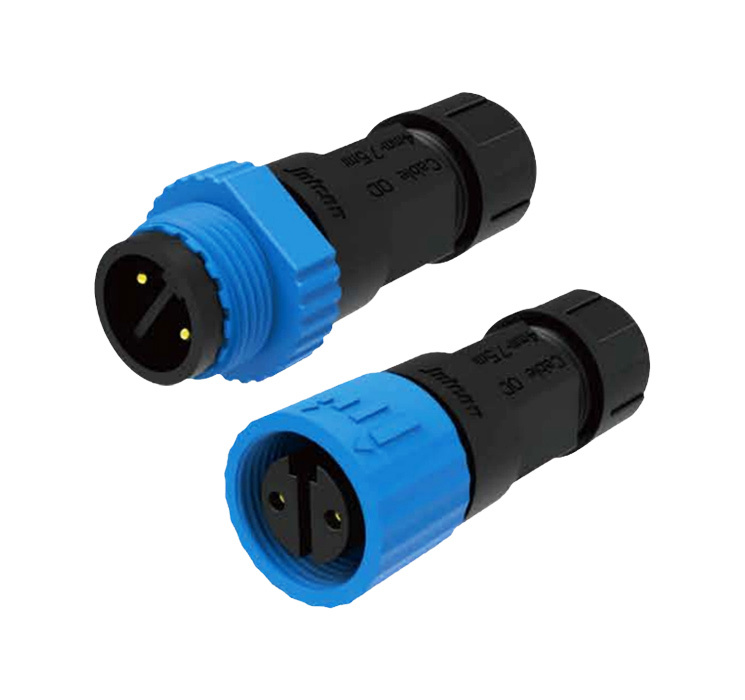
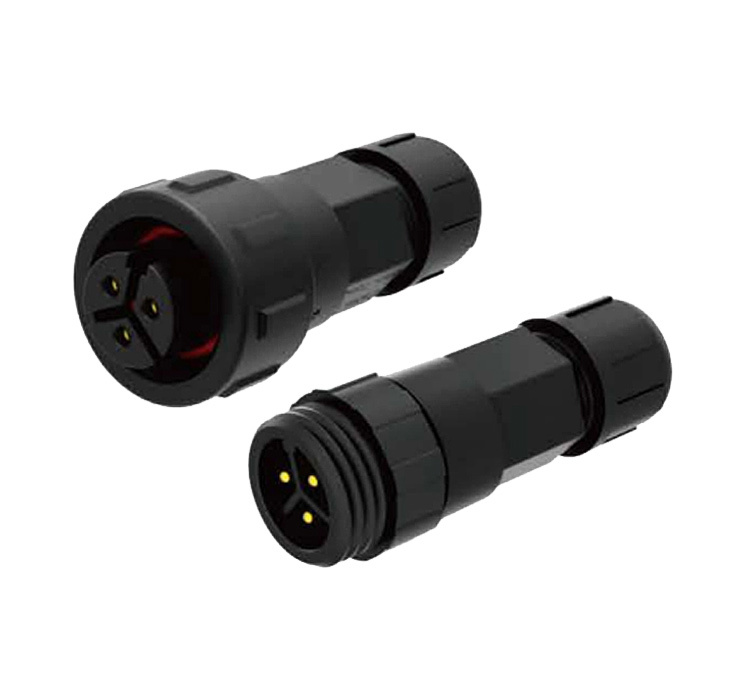
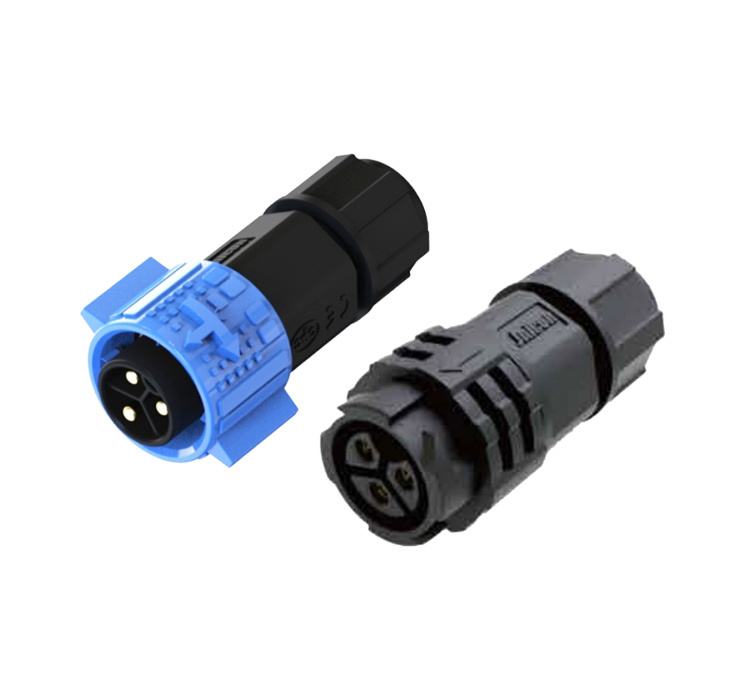
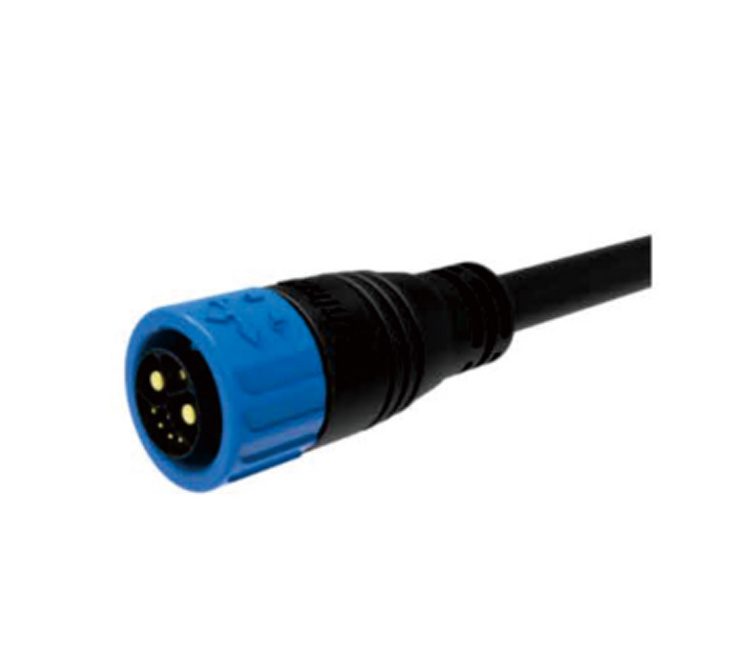
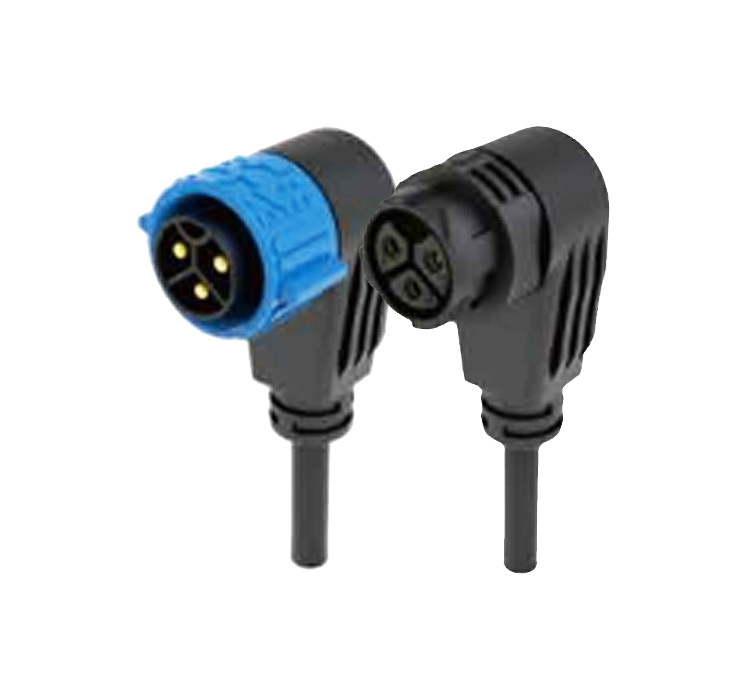
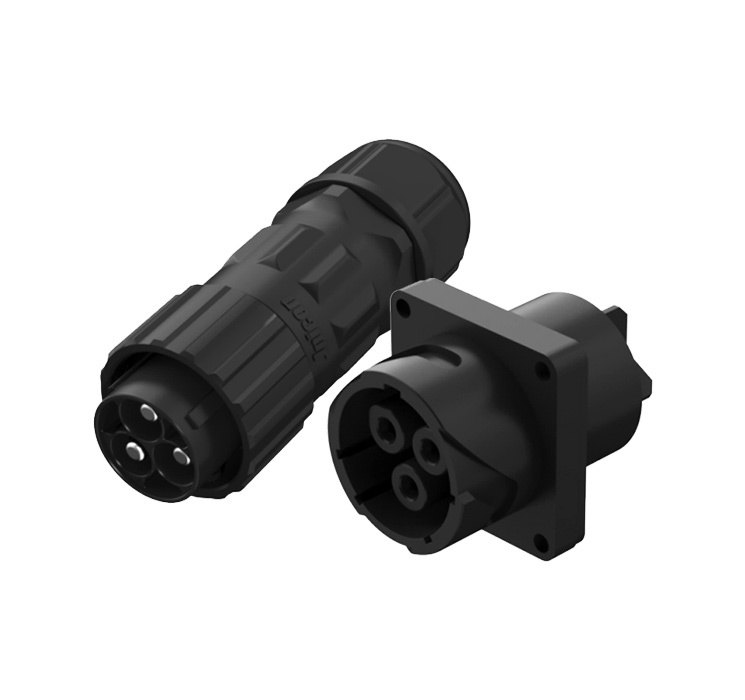
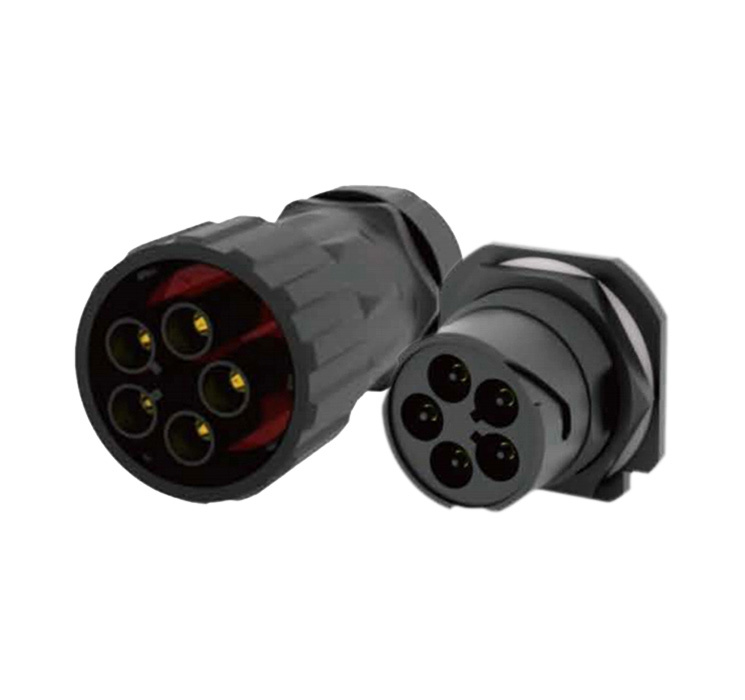
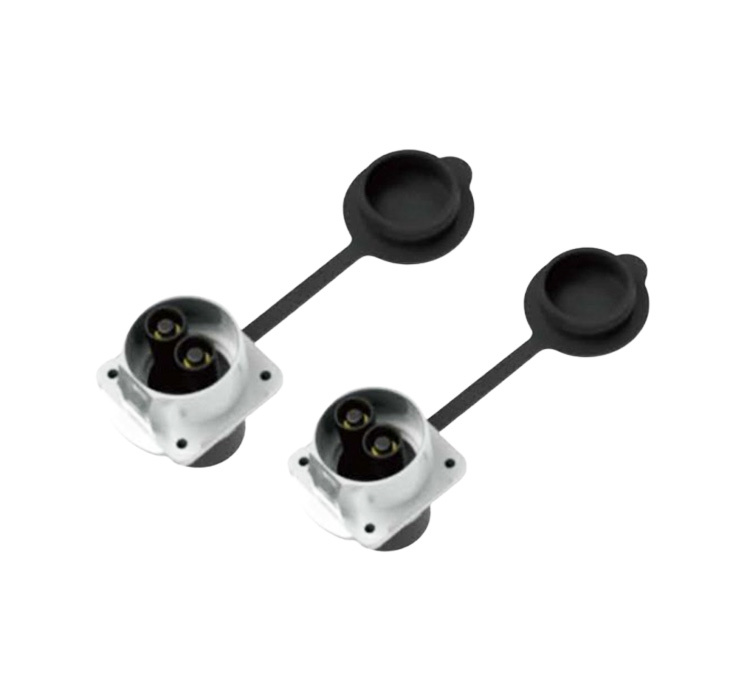
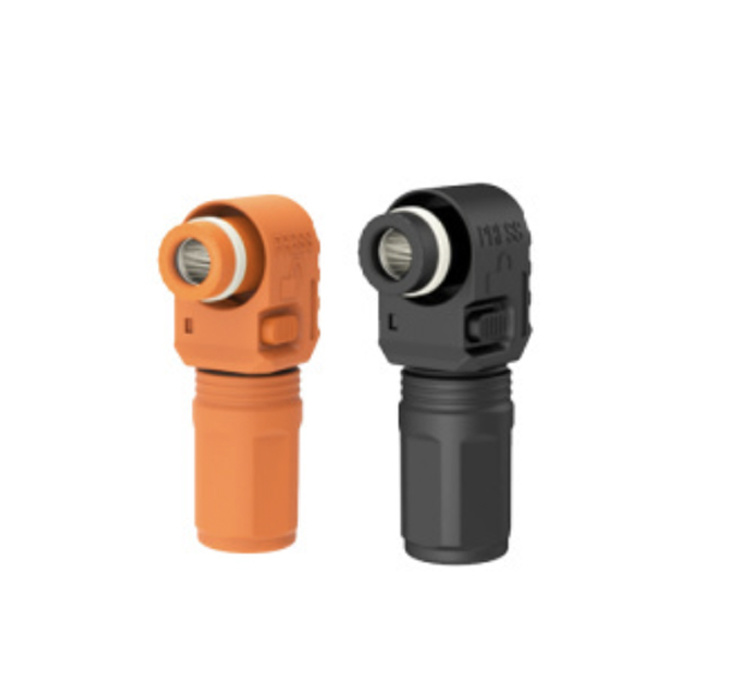
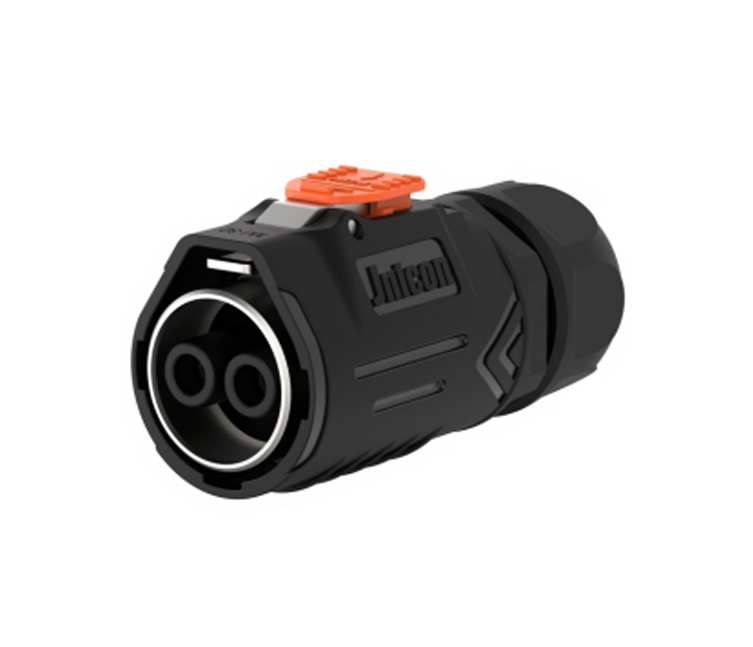
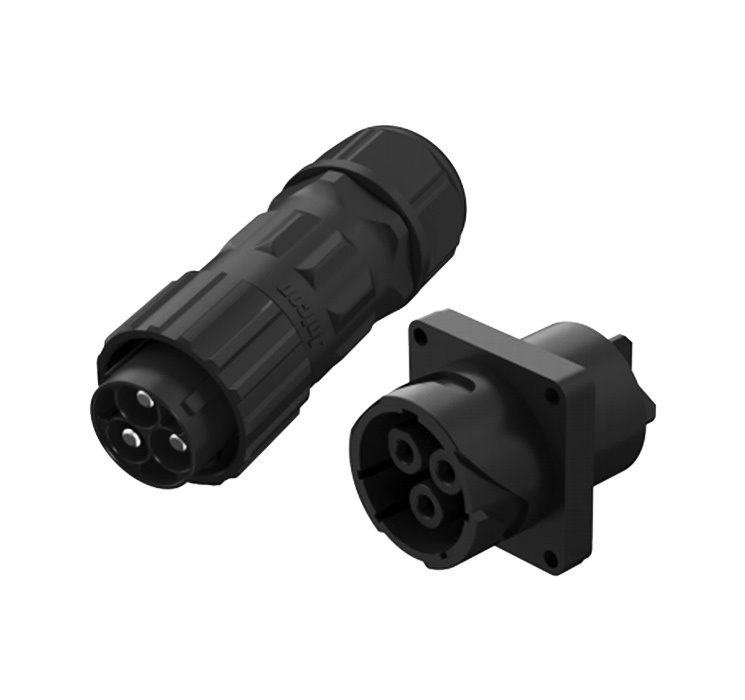
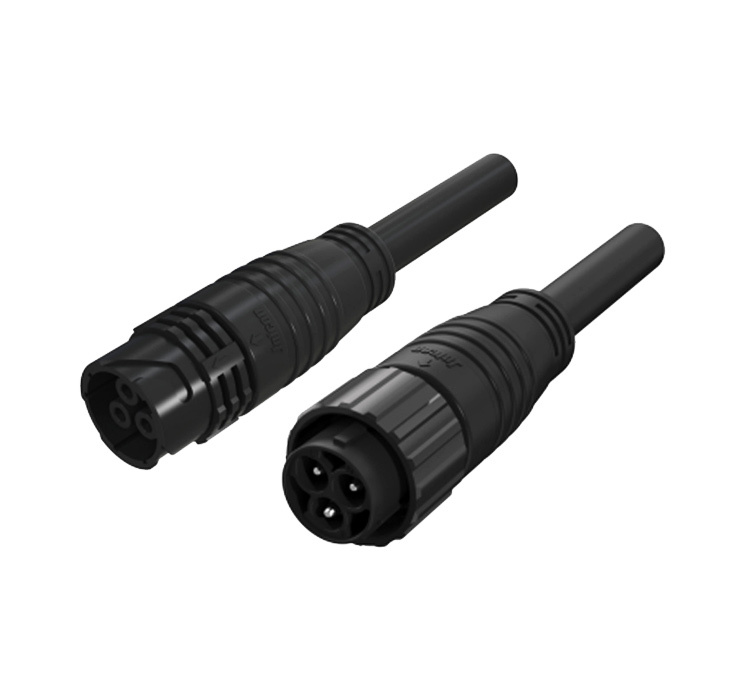
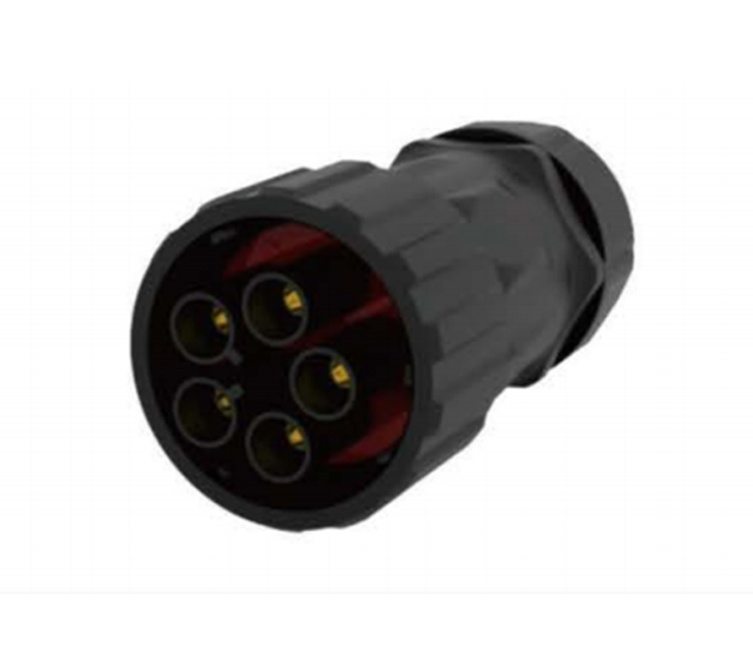
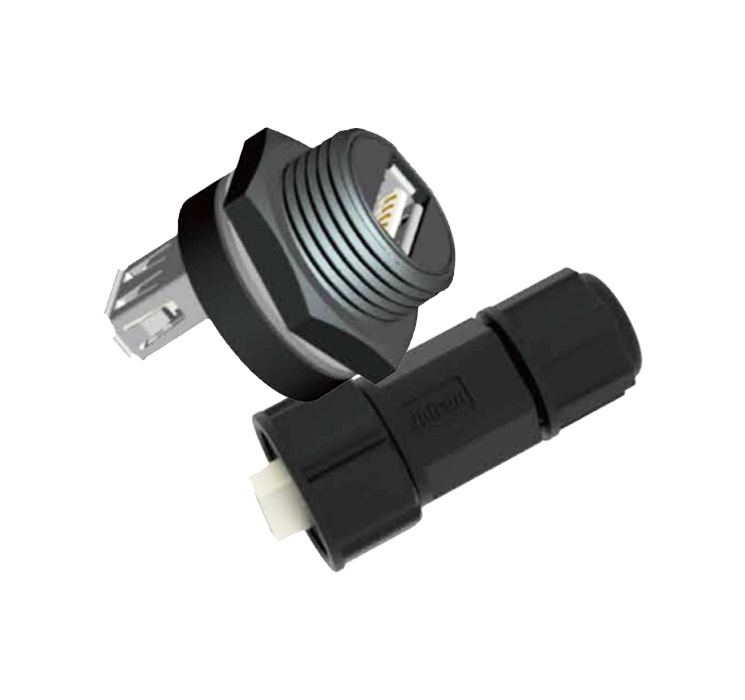
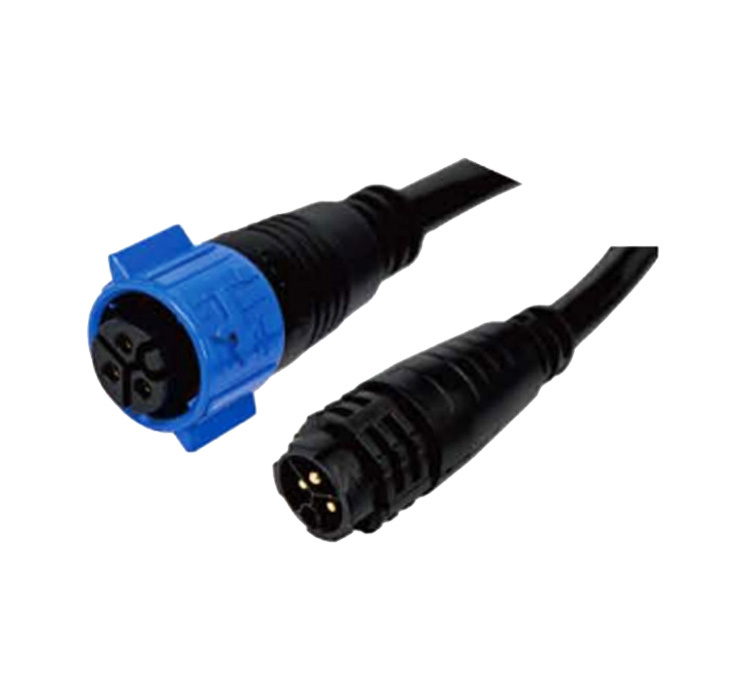
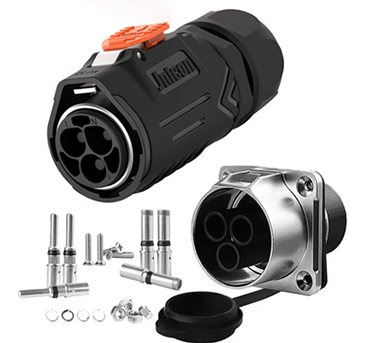
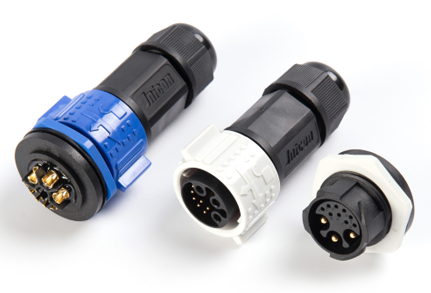
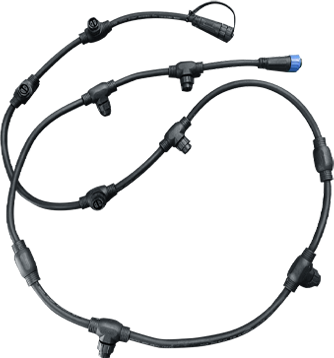
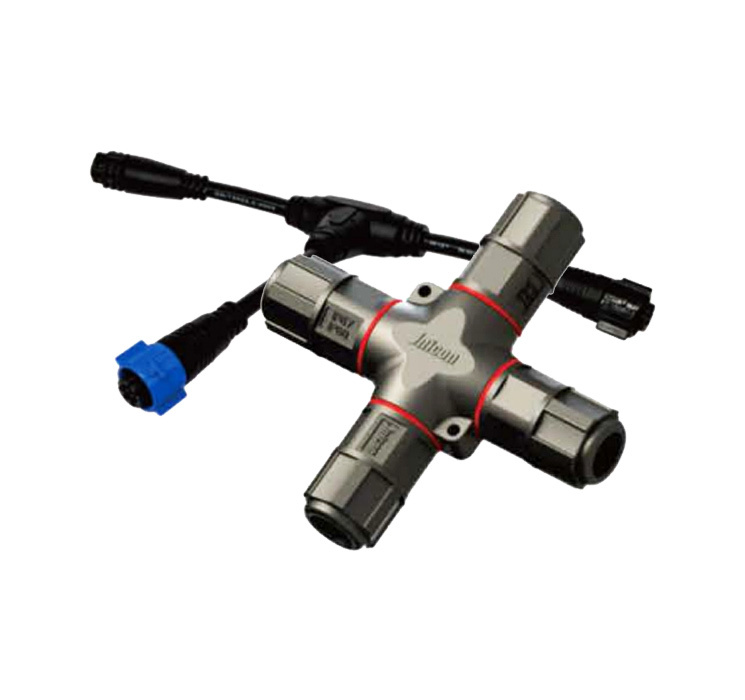
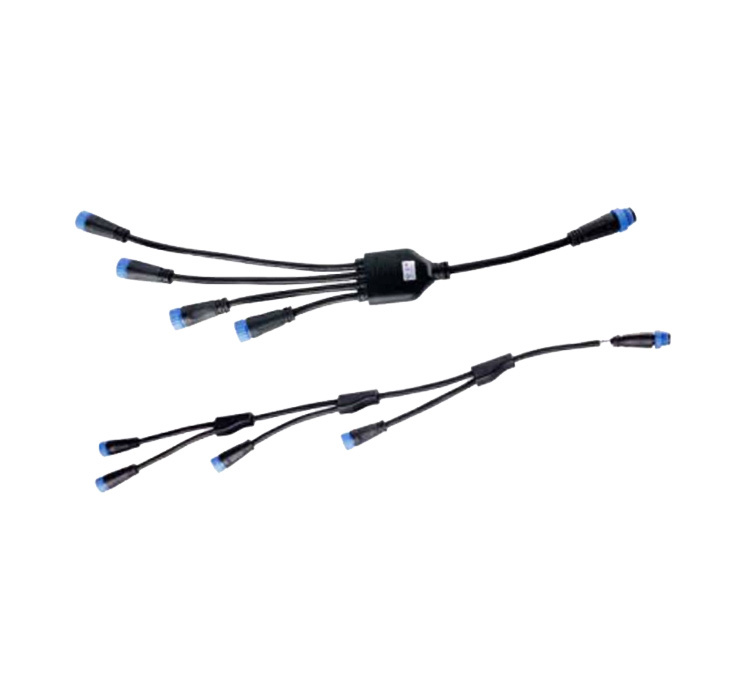
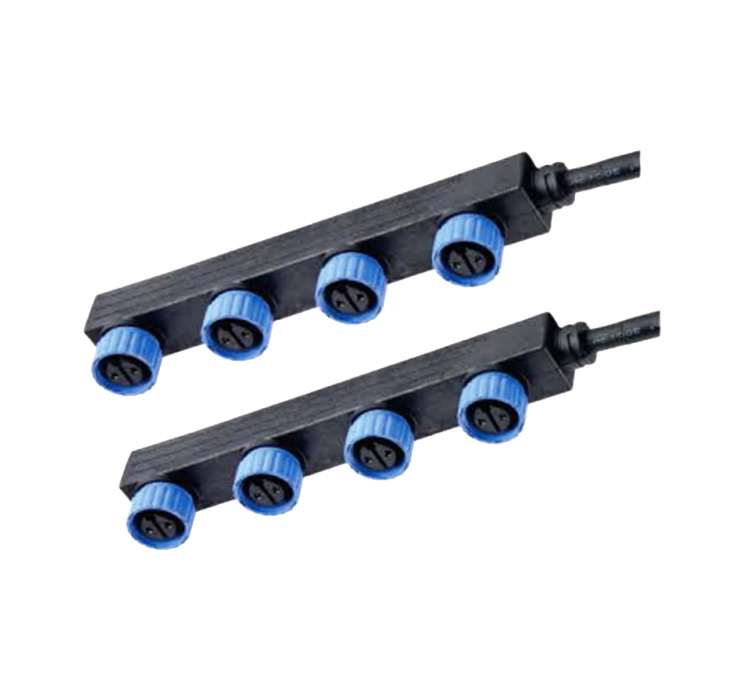
The demand for **5 pin waterproof connectors** is rising swiftly due to their critical role in various industries, including automotive, marine, consumer electronics, and industrial applications. These connectors are designed to provide reliable electrical connections in environments exposed to moisture, dust, and other harsh conditions. In this article, we will explore the manufacturing process of 5 pin waterproof connectors in depth, providing insights into materials, techniques, and the quality assurance processes that ensure their functionality and longevity.
Table of Contents
1. Introduction to 5 Pin Waterproof Connectors
2. Importance of Waterproof Connectors in Modern Applications
3. Materials Used in Manufacturing 5 Pin Waterproof Connectors
4. The Manufacturing Process: Step-by-Step Breakdown
4.1 Design and Prototyping
4.2 Material Selection and Preparation
4.3 Injection Molding and Component Production
4.4 Assembly Process of 5 Pin Waterproof Connectors
4.5 Quality Control Measures
5. Testing and Certification Standards
6. Applications of 5 Pin Waterproof Connectors
7. Frequently Asked Questions (FAQs)
8. Conclusion
1. Introduction to 5 Pin Waterproof Connectors
5 pin waterproof connectors serve a fundamental purpose in ensuring reliable electrical connections while safeguarding against environmental factors. Their robust design, featuring multiple pins within a single housing, allows for the transfer of power and data in a compact format. This article will elucidate the manufacturing journey of these connectors, from conception to completion.
2. Importance of Waterproof Connectors in Modern Applications
In today's technology-driven world, waterproof connectors are indispensable. They are utilized in various applications where exposure to moisture can compromise functionality. By preventing water ingress, these connectors enhance the reliability and lifespan of electronic devices. Industries such as aerospace, automotive, marine, and outdoor electronics heavily rely on these connectors to maintain performance standards in challenging environments.
3. Materials Used in Manufacturing 5 Pin Waterproof Connectors
The materials used in creating 5 pin waterproof connectors are crucial to their performance. Common materials include:
- **Thermoplastic Elastomers (TPE)**: Used for the outer housing, TPE offers flexibility and excellent sealing properties.
- **Polyamide (Nylon)**: Known for its strength and durability, nylon is often used in the connector housing and internal components.
- **Copper Alloy**: Used for pins, copper alloys provide excellent conductivity, ensuring efficient power transmission.
These materials are selected based on their mechanical, thermal, and electrical properties, ensuring that the final product meets specific industry standards.
4. The Manufacturing Process: Step-by-Step Breakdown
The manufacturing of 5 pin waterproof connectors involves several meticulous steps, each crucial to ensuring the final product's quality and functionality.
4.1 Design and Prototyping
The manufacturing process begins with design and prototyping. Engineers use computer-aided design (CAD) software to create detailed models of the connectors, focusing on dimensions, materials, and functionality. Prototyping allows for testing designs before mass production, ensuring that any design flaws are identified and rectified early in the process.
4.2 Material Selection and Preparation
Once the design is finalized, the next step is material selection. Manufacturers choose high-quality materials based on the connector's intended use. Materials undergo preparation processes such as drying, cutting, or molding into specific shapes to ensure they are ready for production.
4.3 Injection Molding and Component Production
The injection molding process is employed to create the connector's outer shell and internal components. Plastic pellets are heated until they become molten, then injected into molds under high pressure. This process allows for precise control over the shape and size of each component, ensuring a perfect fit during assembly.
4.4 Assembly Process of 5 Pin Waterproof Connectors
After producing individual components, the assembly process begins. Skilled technicians assemble the various parts, including pins, housing, and sealing mechanisms. Each connector is designed to meet specific waterproofing standards, often incorporating O-rings or gaskets to prevent water ingress.
4.5 Quality Control Measures
Quality control is an integral part of the manufacturing process. Each batch of connectors undergoes rigorous testing, including visual inspections, electrical testing, and waterproofing tests, to ensure they meet industry standards. This stage is crucial for verifying the reliability and safety of the final product.
5. Testing and Certification Standards
5 pin waterproof connectors must adhere to strict testing and certification standards to ensure their reliability. Various testing procedures include:
- **IP Ratings**: The Ingress Protection (IP) rating measures how effectively the connector resists dust and moisture.
- **Temperature and Humidity Testing**: Connectors are subjected to extreme temperatures and humidity levels to evaluate performance under varying environmental conditions.
- **Electrical Testing**: Ensures that connectors maintain proper conductivity and insulation.
Certification from recognized bodies certifies that the connectors meet the required safety and performance standards.
6. Applications of 5 Pin Waterproof Connectors
5 pin waterproof connectors find applications across multiple industries:
- **Automotive Industry**: Used in headlights, sensors, and control units, these connectors ensure reliable performance in vehicles.
- **Marine Applications**: Essential for boat electronics, they protect against saltwater corrosion and moisture.
- **Consumer Electronics**: Found in outdoor devices, such as cameras and audio equipment, they enhance durability.
- **Industrial Equipment**: Used in machinery and robotics, waterproof connectors ensure operational efficiency in harsh conditions.
The versatility and reliability of these connectors make them suitable for diverse applications across industries.
7. Frequently Asked Questions (FAQs)
Q1: What is the primary function of 5 pin waterproof connectors?
A1: The primary function is to provide a reliable electrical connection while protecting against moisture, dust, and other environmental factors.
Q2: How do I know if a connector is waterproof?
A2: Look for the IP rating, which indicates the level of protection against water and dust ingress.
Q3: Can 5 pin waterproof connectors be used in high-temperature environments?
A3: Yes, but it is crucial to choose connectors specifically designed for high-temperature applications, ensuring they meet the necessary material and design specifications.
Q4: What industries rely heavily on waterproof connectors?
A4: Industries such as automotive, marine, aerospace, consumer electronics, and industrial manufacturing utilize waterproof connectors extensively.
Q5: How can I ensure the longevity of 5 pin waterproof connectors?
A5: Regular maintenance, proper installation, and selecting high-quality connectors designed for specific applications will enhance their longevity.
8. Conclusion
Understanding the manufacturing process of 5 pin waterproof connectors is essential for anyone involved in industries that rely on electrical connections in challenging environments. From design and prototyping to material selection, assembly, and rigorous testing, each step plays a vital role in ensuring the connectors’ reliability and performance. By employing high-quality materials and adhering to stringent testing standards, manufacturers create connectors that meet the diverse needs of modern applications. As technology continues to advance, the evolution of waterproof connectors will undoubtedly play a significant role in the future of electrical connectivity.
Previous
Previous
News
2026-06-02
Understanding the Manufacturing Process of 5 Pin Waterproof Connectors: A Comprehensive Guide
Understanding the Manufacturing Process of 5 Pin Waterproof Connectors The demand for **5 pin waterproof connectors** is rising swiftly due to their critical role in various industries, including automotive, marine, consumer electronics, and industrial applications. These connectors are designed to provide reliable electrical connections in environments exposed to moisture, dust, and other harsh c
2026-06-01
Understanding 3 Pin Waterproof Connectors: Essential Insights for Electrical Applications
When it comes to electrical connections, ensuring durability and protection against environmental factors is paramount. 3 pin waterproof connectors serve as an excellent solution for various applications that demand resilience against moisture, dust, and other harsh conditions. These connectors typically come with a three-pin configuration, allowing for secure and efficient connections in a multit
2026-05-31
Waterproof Solutions: How Connectors Enhance Marine Electrical Systems for Optimal Performance
Waterproof Solutions: How Connectors Enhance Marine Electrical Systems for Optimal Performance Table of Contents 1. Introduction to Marine Electrical Systems 2. The Importance of Waterproof Connectors in Marine Applications 3. Types of Waterproof Connectors for Marine Use 4. Key Features to Consider When Choosing Connectors 5. Proper Installation and Maintenance of Waterproof

B8-9, Fubilun industrial park, Chaoyang rd,Yanchuan community, Songgang, Shenzhen, China


