


Waterproof Solutions: How Connectors Enhance Marine Electrical Systems for Optimal Performance
Release Time:
2026-05-31
Waterproof Solutions: How Connectors Enhance Marine Electrical Systems for Optimal Performance
Table of Contents
- 1. Introduction to Marine Electrical Systems
- 2. The Importance of Waterproof Connectors in Marine Applications
- 3. Types of Waterproof Connectors for Marine Use
- 4. Key Features to Consider When Choosing Connectors
- 5. Proper Installation and Maintenance of Waterproof Connectors
- 6. Challenges Posed by Marine Environments
- 7. Benefits of Using Waterproof Connectors in Marine Systems
- 8. The Future of Waterproof Connectors in Marine Electrical Systems
- 9. Frequently Asked Questions (FAQs)
- 10. Conclusion
1. Introduction to Marine Electrical Systems
Marine electrical systems are critical components that ensure the smooth operation of vessels, from small boats to large ships. These systems power navigation, communication, and safety equipment, making their reliability paramount. In the harsh marine environment, exposure to water, salt, and extreme temperature variations can compromise these systems. This is where **waterproof connectors** come into play, providing necessary protection and enhancing the overall performance of marine electrical configurations.
2. The Importance of Waterproof Connectors in Marine Applications
Waterproof connectors are specifically designed to prevent water ingress, which can lead to short circuits and equipment failure. In marine applications, the **importance of waterproof connectors** cannot be overstated. They ensure that connections remain intact and functional, even in adverse conditions. By utilizing these connectors, vessel operators can significantly reduce the risk of electrical failures, enhance safety for crew and passengers, and prolong the lifespan of electrical equipment.
3. Types of Waterproof Connectors for Marine Use
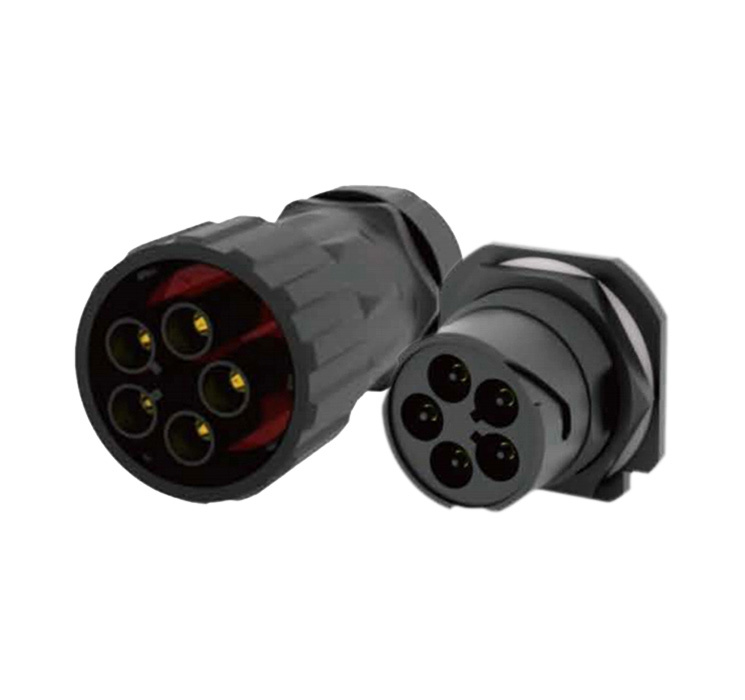
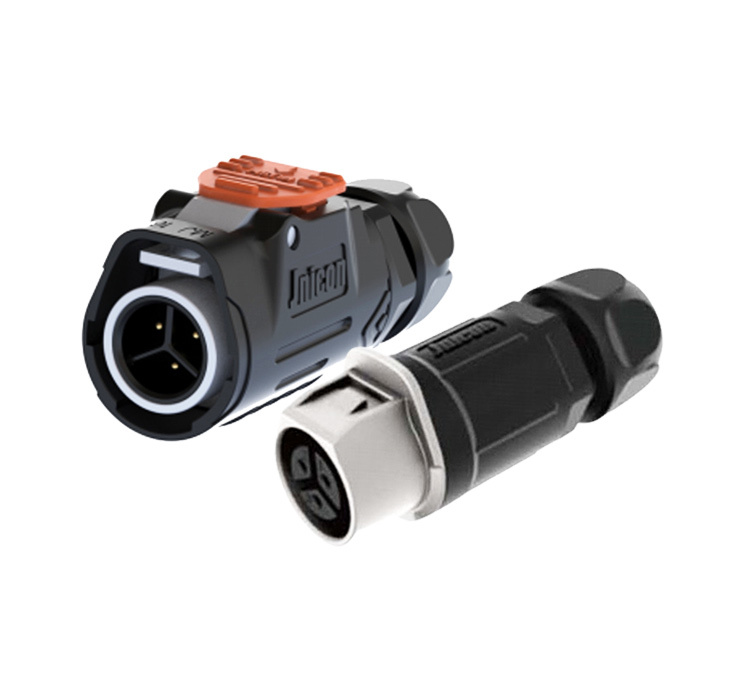
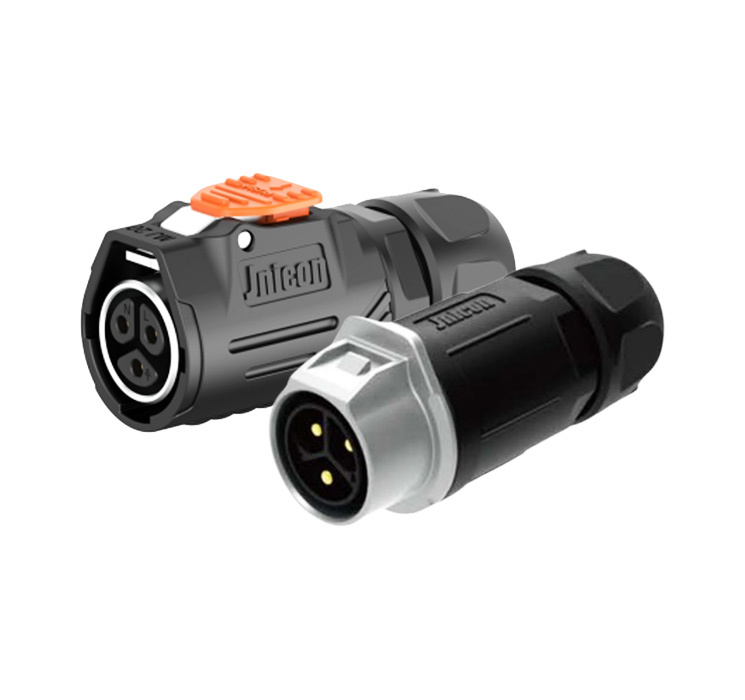
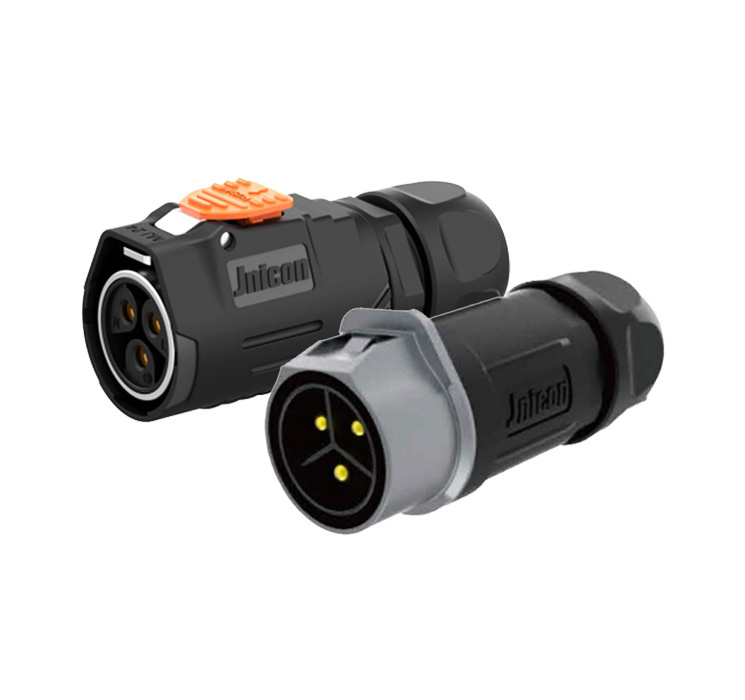
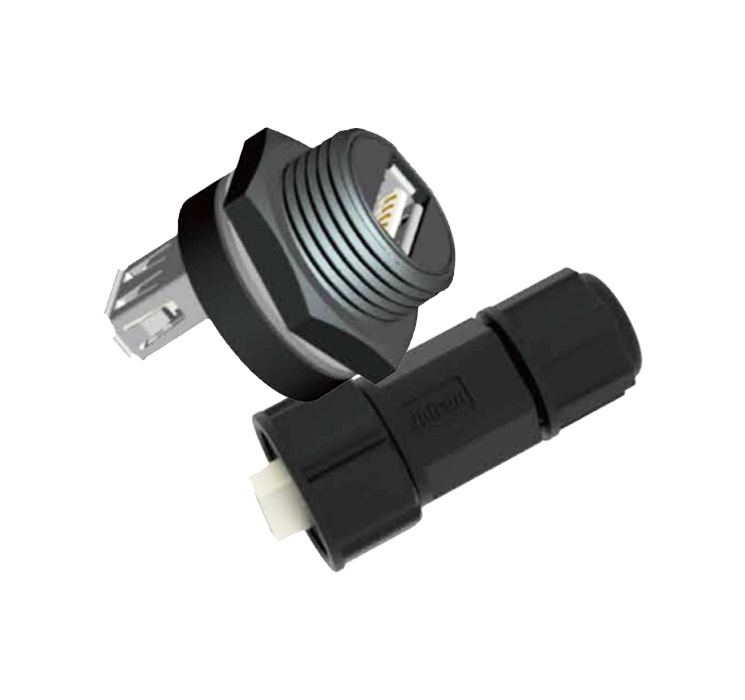
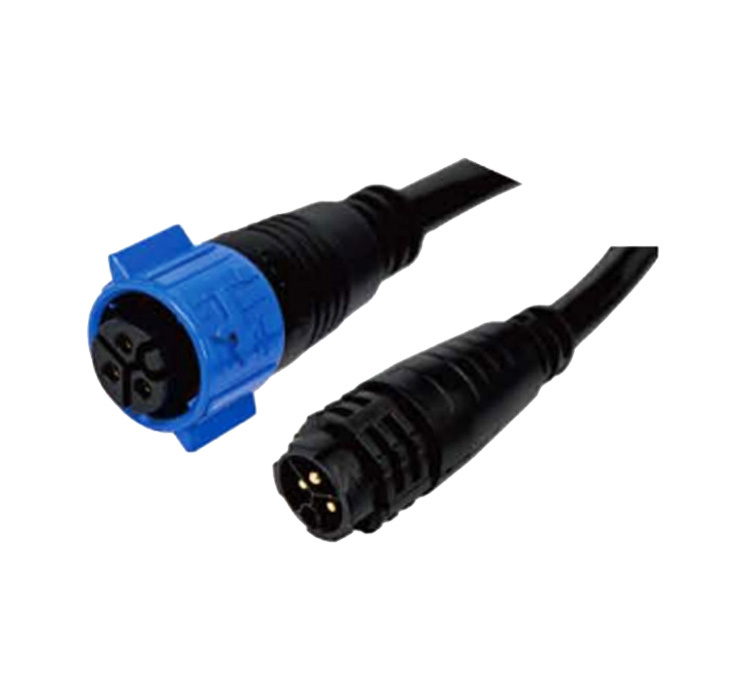
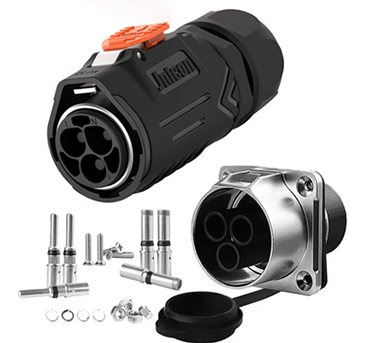
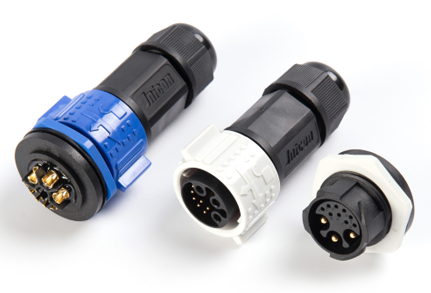
Different types of waterproof connectors are available for marine applications, each offering unique features tailored to specific needs. Some of the most common types include:
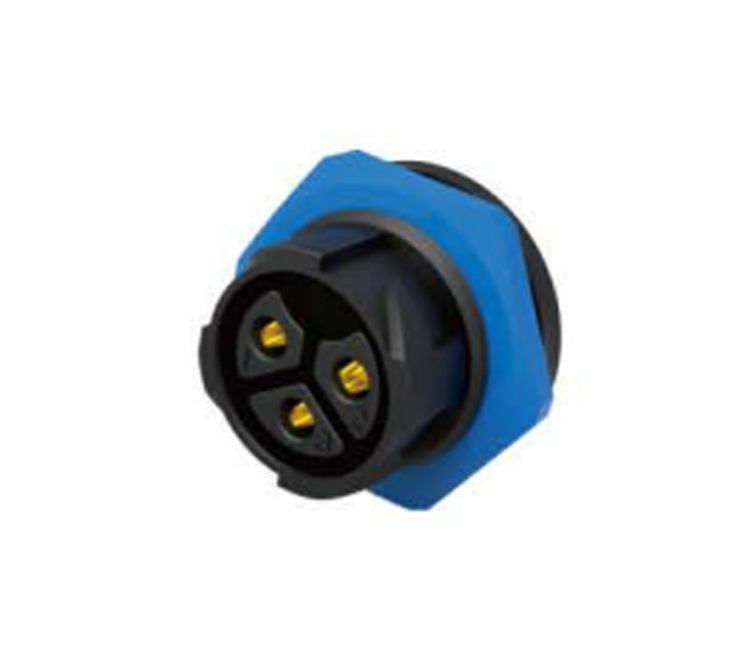
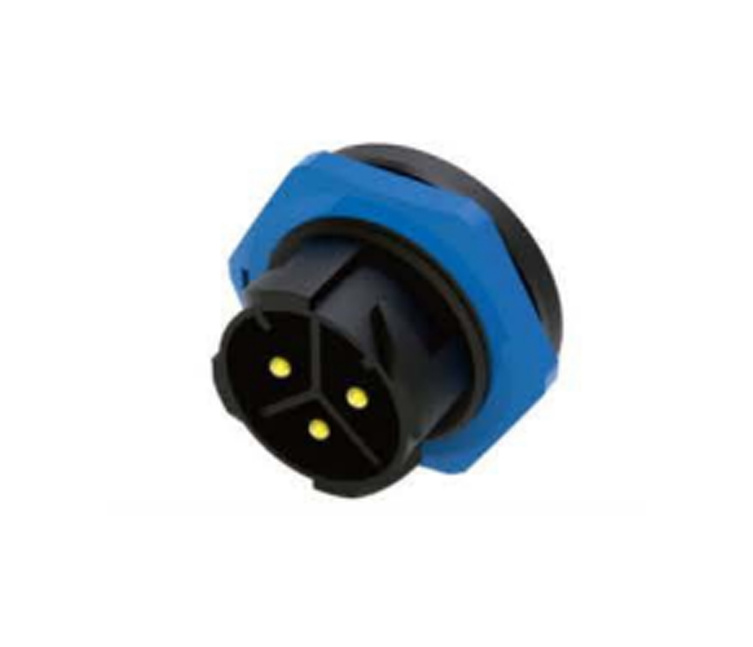
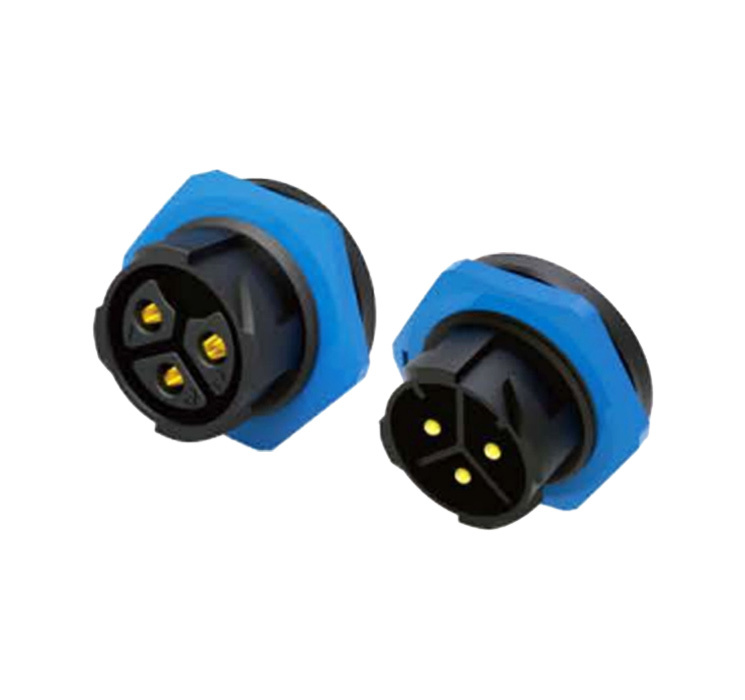
3.1 Circular Connectors
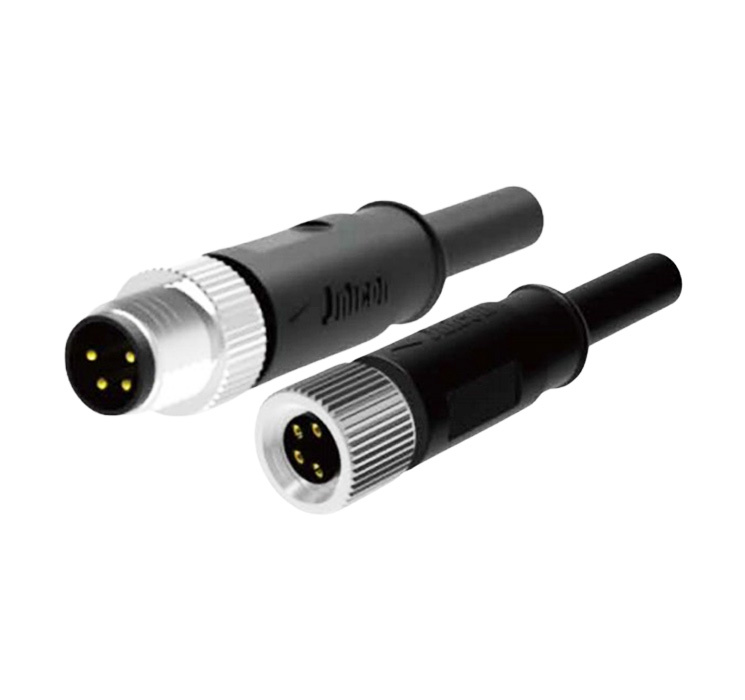
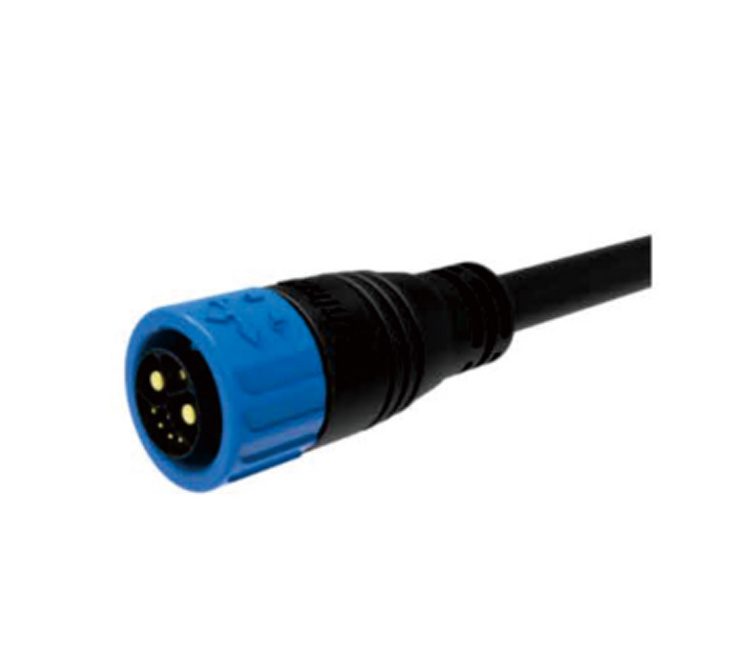
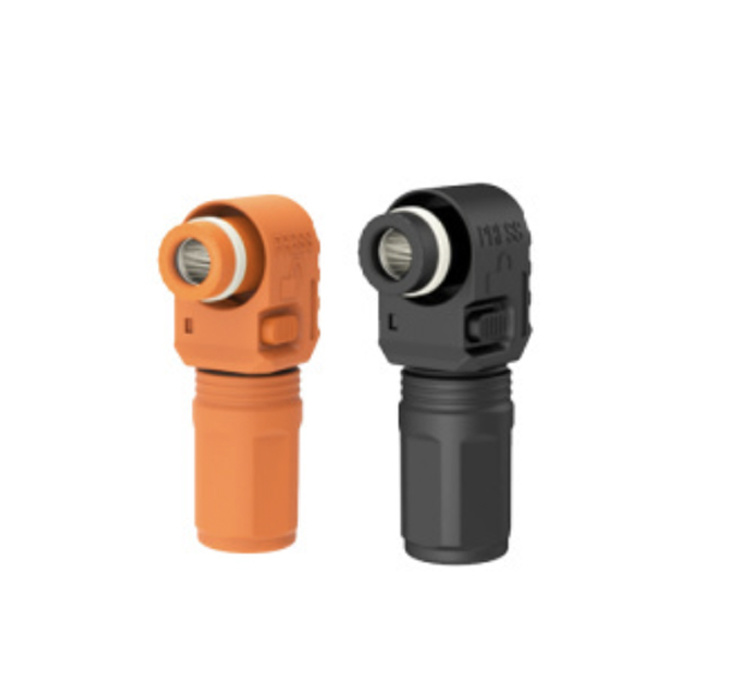
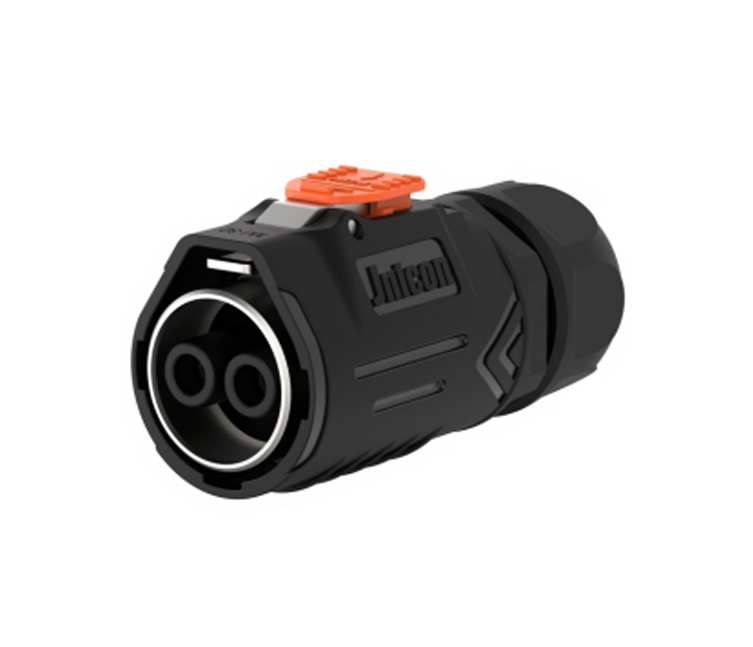
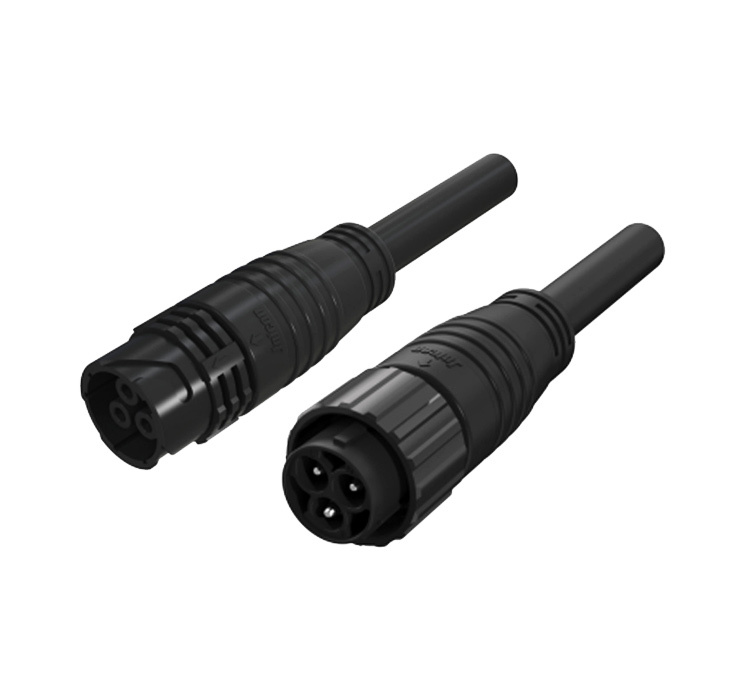
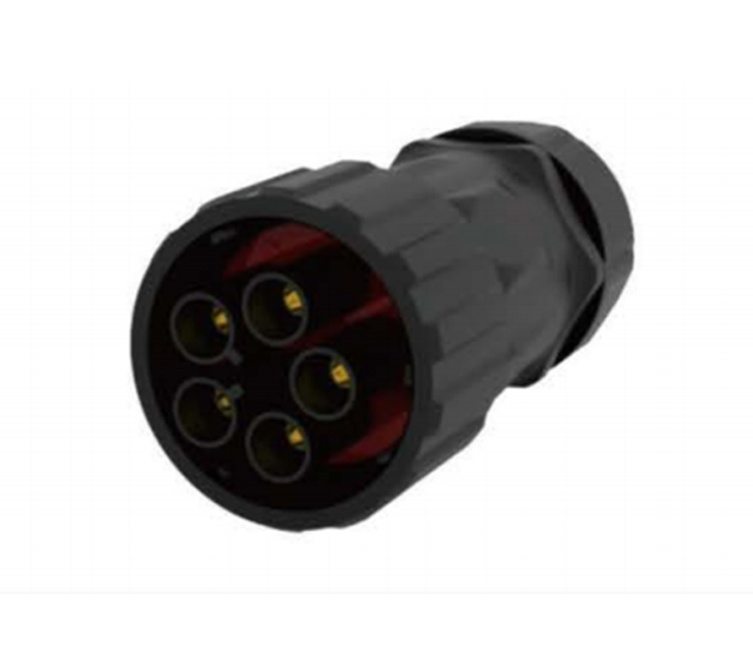
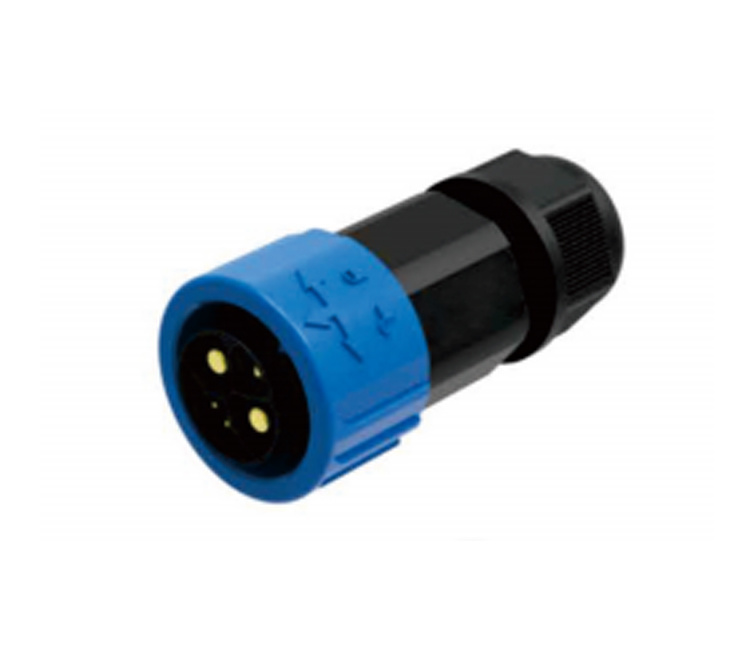
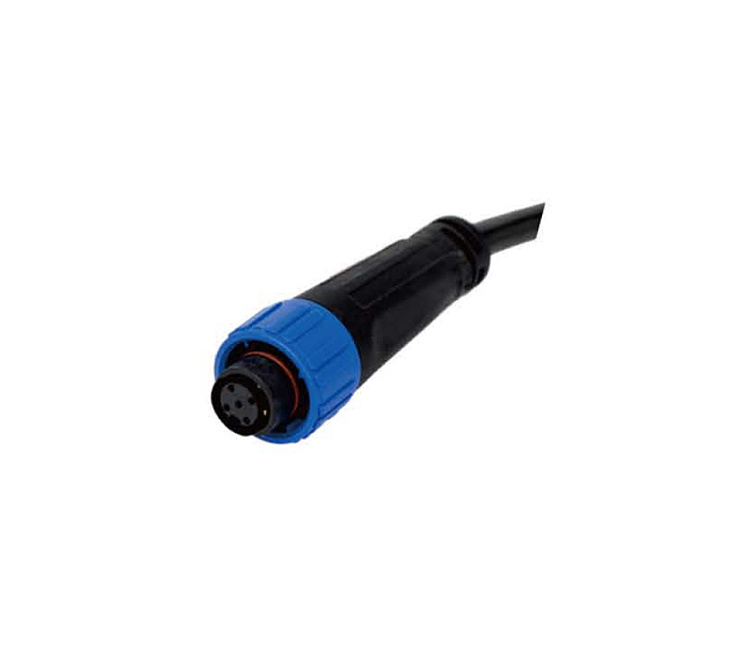
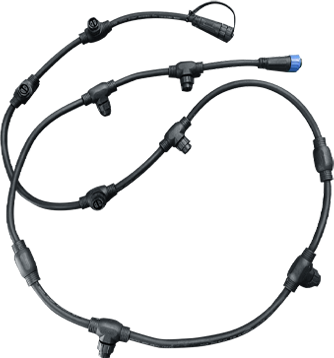
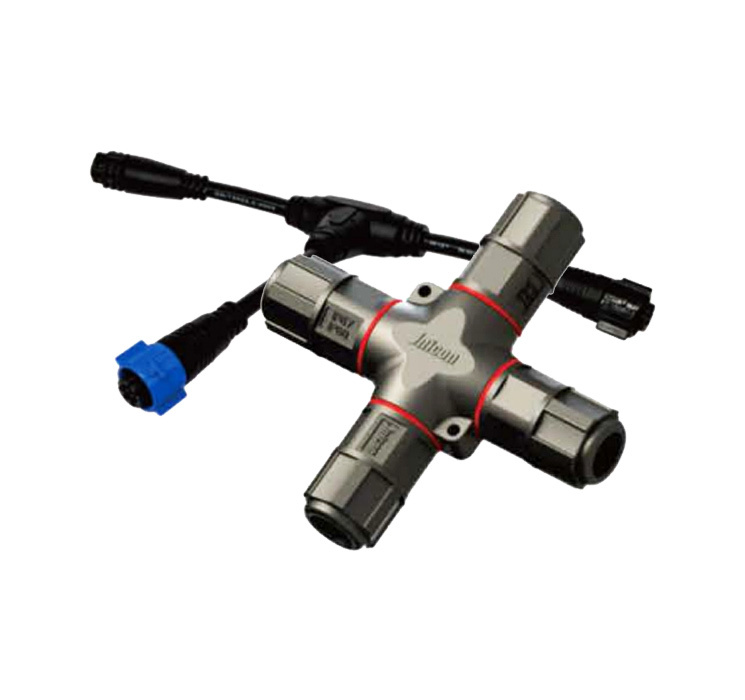
Circular connectors are widely used in marine environments due to their robustness and reliability. They provide secure connections and are often used for power and signal transmission.
3.2 Rectangular Connectors
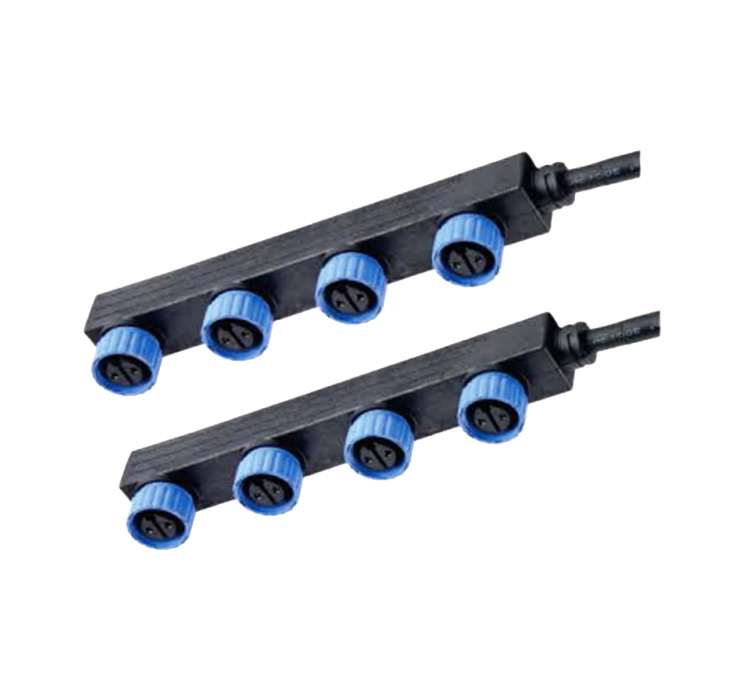
Rectangular connectors are ideal for applications requiring multiple contacts in a compact space. They often feature a locking mechanism to ensure a secure fit, making them suitable for marine use.
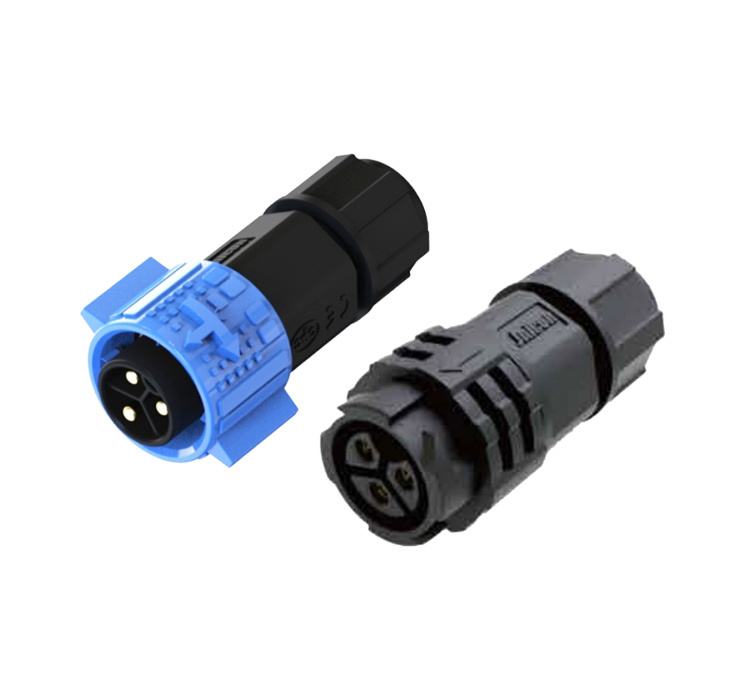
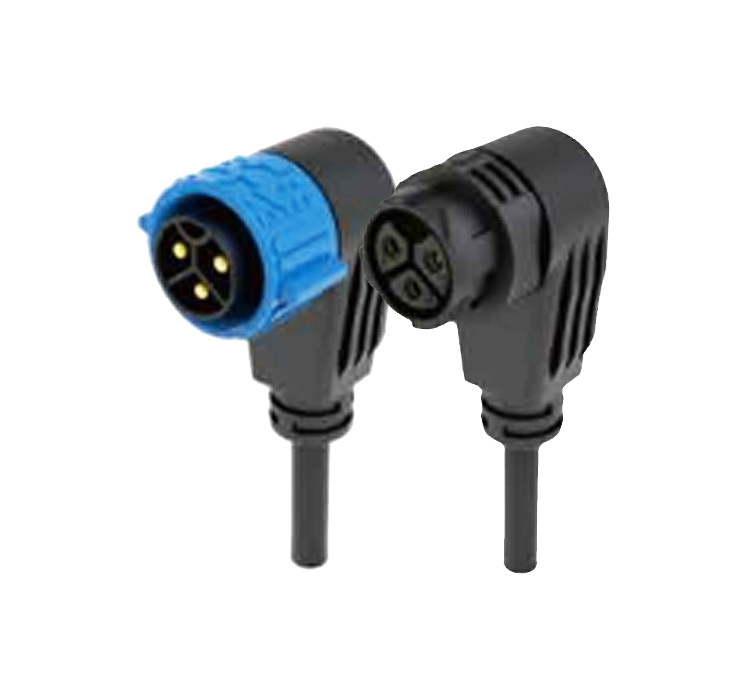
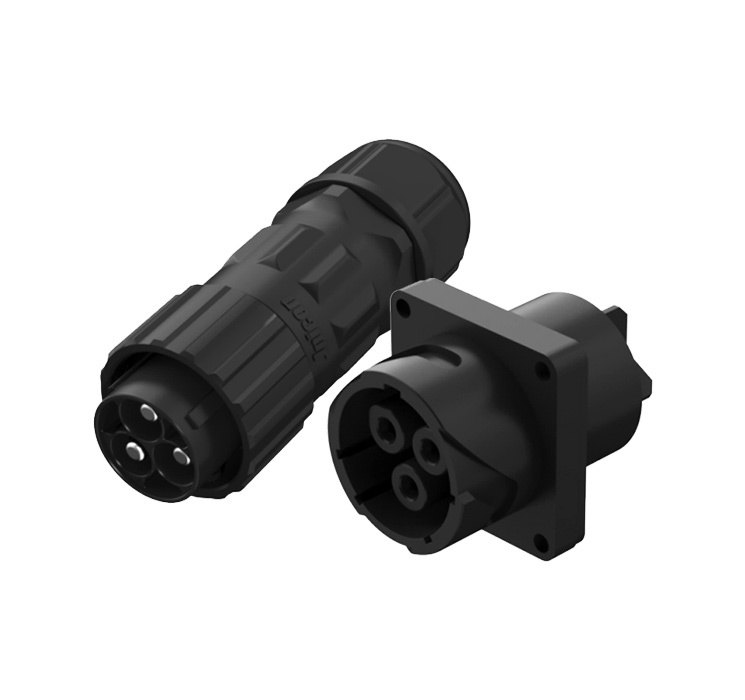
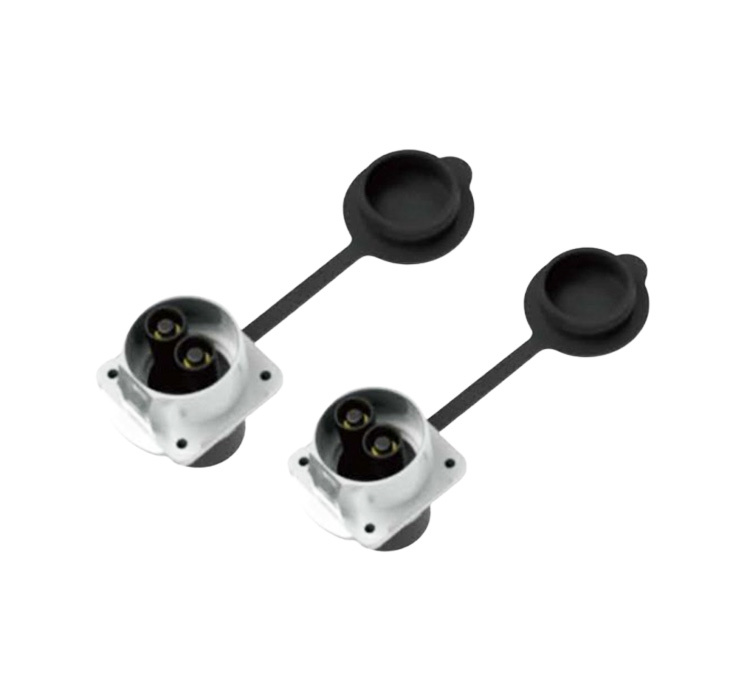
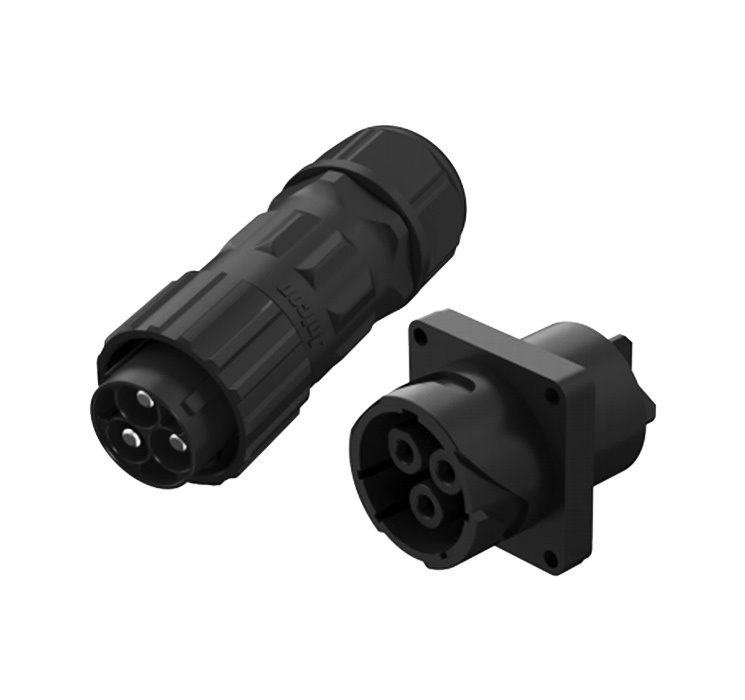
3.3 Waterproof Plug and Socket Sets
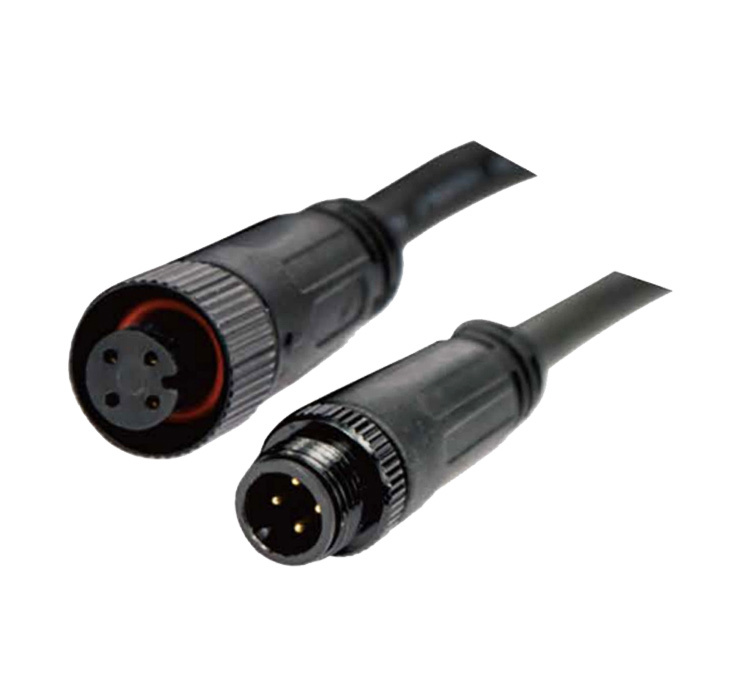
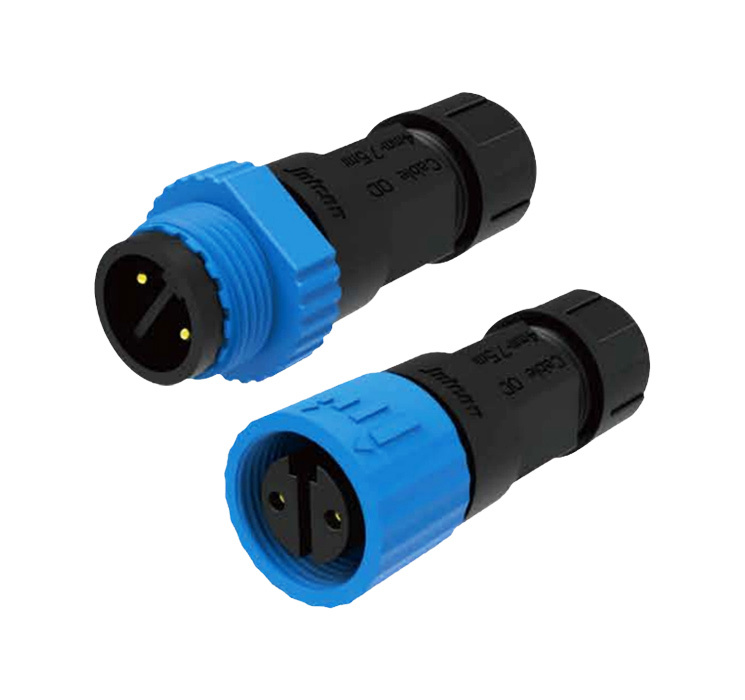
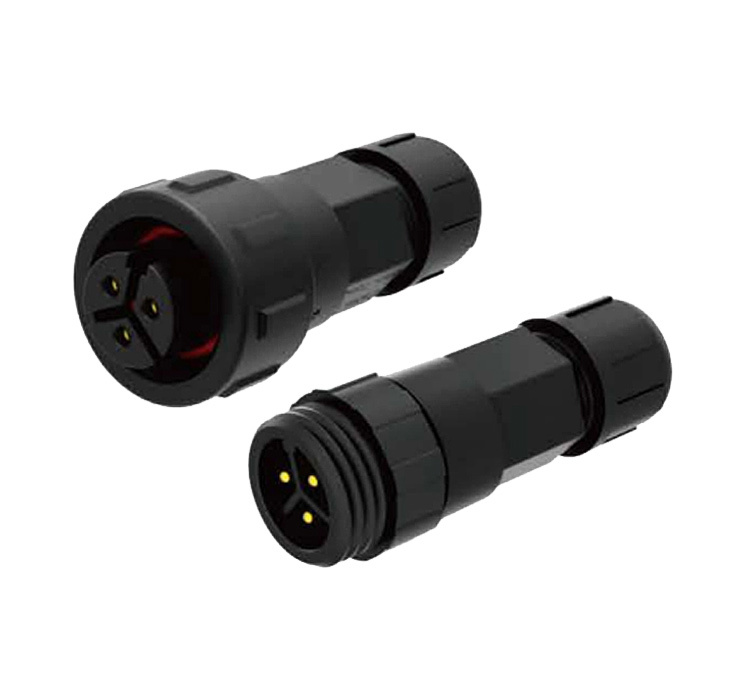
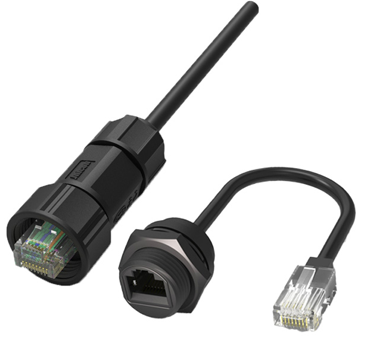
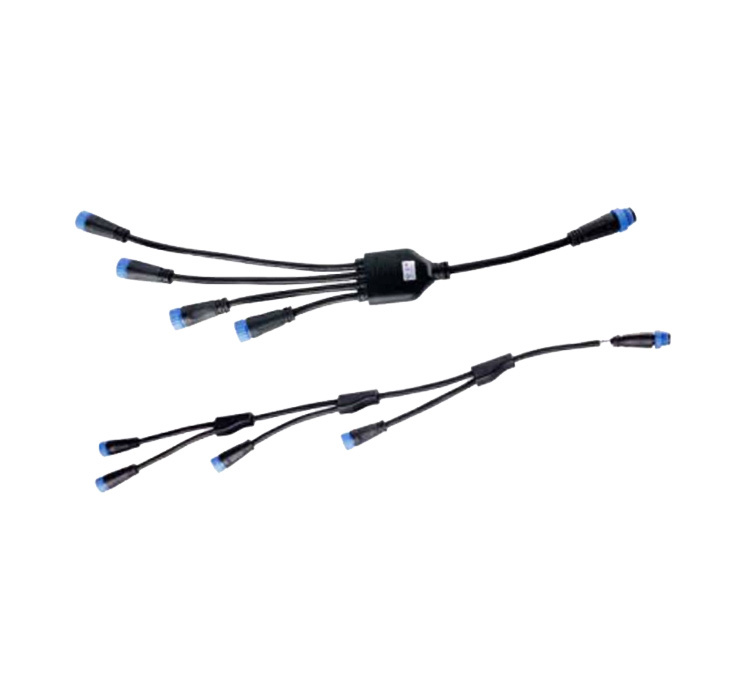
These sets are designed for easy connection and disconnection, making them perfect for applications where equipment needs to be frequently removed. They provide excellent sealing against water ingress.
3.4 RF Connectors
Radio frequency connectors are essential for communication equipment on marine vessels. Waterproof RF connectors ensure reliable signal transmission without interference, even in wet conditions.
3.5 Custom Connectors
For specialized marine applications, custom connectors can be designed to meet specific requirements. These connectors can include additional features such as strain relief and enhanced sealing capabilities.
4. Key Features to Consider When Choosing Connectors
When selecting waterproof connectors for marine electrical systems, several key features should be taken into consideration:
4.1 Ingress Protection Ratings
Look for connectors with high ingress protection (IP) ratings. An IP67 rating indicates that the connector is dust-tight and can withstand immersion in water up to 1 meter for 30 minutes.
4.2 Material Durability
Choose connectors made from materials that resist corrosion and wear, such as marine-grade stainless steel or high-quality plastics. This ensures longevity in the harsh marine environment.
4.3 Temperature Resistance
Marine environments can experience extreme temperatures. Select connectors that can operate within a wide temperature range to prevent failure in varying conditions.
4.4 Locking Mechanisms
Secure locking mechanisms are vital for preventing accidental disconnection due to vibrations or movement. Look for connectors that feature robust locking designs.
4.5 Ease of Installation
Installation should be straightforward. Choose connectors that come with clear instructions and require minimal tools to set up, ensuring a hassle-free process.
5. Proper Installation and Maintenance of Waterproof Connectors
To maximize the performance of waterproof connectors, proper installation and maintenance are crucial. Here are some steps to ensure optimal functionality:
5.1 Preparing the Connection Points
Before installation, ensure that connection points are clean and free from debris or corrosion. This will facilitate a strong and reliable connection.
5.2 Following Manufacturer Guidelines
Always adhere to the manufacturer's installation guidelines to avoid damaging the connectors. This includes following torque specifications and ensuring that seals are properly seated.
5.3 Regular Inspections
Conduct regular inspections of connectors to check for signs of wear, corrosion, or water ingress. Early detection of issues can prevent larger problems down the line.
5.4 Cleaning and Maintenance
Keep connectors clean and inspect them regularly for salt buildup or corrosion. Use appropriate cleaning solutions that are safe for marine environments.
5.5 Replacement of Damaged Connectors
If connectors show signs of damage, replace them immediately to maintain the integrity of the electrical system. Do not attempt to repair connectors that are compromised.
6. Challenges Posed by Marine Environments
The marine environment presents unique challenges for electrical systems, necessitating advanced solutions such as waterproof connectors. Some of the challenges include:
6.1 High Humidity and Water Exposure
Constant exposure to moisture can lead to corrosion and electrical failures. Waterproof connectors serve as a barrier against water, ensuring reliable performance.
6.2 Saltwater Corrosion
Saltwater is particularly corrosive, posing risks to connectors that are not designed to withstand such conditions. Choosing connectors specifically made for marine environments is essential.
6.3 Temperature Fluctuations
Marine systems often face extreme temperature changes, which can affect the performance of electrical components. High-quality waterproof connectors can endure these fluctuations without compromising integrity.
6.4 Vibration and Movement
Vessels experience significant movement, which can lead to disconnections or degradation of electrical connections. Robust locking mechanisms in waterproof connectors mitigate this risk.
7. Benefits of Using Waterproof Connectors in Marine Systems
Utilizing waterproof connectors in marine electrical systems provides numerous benefits, enhancing both safety and performance:
7.1 Increased Reliability
Waterproof connectors significantly reduce the likelihood of electrical failures caused by moisture, increasing the overall reliability of marine systems.
7.2 Enhanced Equipment Lifespan
By protecting electrical components from water damage and corrosion, waterproof connectors contribute to a longer lifespan of marine equipment, ultimately leading to cost savings.
7.3 Improved Safety
Reliable electrical systems are crucial for vessel safety. Waterproof connectors help prevent electrical fires and short circuits, promoting a safer environment for crew and passengers.
7.4 Simplified Maintenance
Investing in high-quality waterproof connectors can simplify maintenance efforts as they require less frequent replacement and repair compared to standard connectors.
7.5 Versatility in Applications
Waterproof connectors are versatile and can be used in various marine applications, including navigation systems, sensors, and communication devices, making them an essential component of marine electrical systems.
8. The Future of Waterproof Connectors in Marine Electrical Systems
The future of waterproof connectors in marine electrical systems looks promising, driven by advancements in technology and materials. Innovations are leading to:
8.1 Smart Connectors
Integrating smart technology into connectors will enable real-time monitoring of electrical systems, enhancing safety and operational efficiency.
8.2 Sustainable Materials
As environmental concerns grow, manufacturers are exploring sustainable materials that provide the same level of protection without compromising durability.
8.3 Enhanced Sealing Technologies
Advancements in sealing technologies will lead to even more effective waterproofing solutions, ensuring that connectors remain free from water ingress in the harshest conditions.
8.4 Modular Designs
Modular connector designs are being developed to allow for easier upgrades and repairs, ensuring that marine systems remain adaptable to changing technologies.
9. Frequently Asked Questions (FAQs)
Q1: What are waterproof connectors?
A1: Waterproof connectors are electrical connectors designed to prevent water ingress, ensuring reliable connections in marine environments.
Q2: Why are waterproof connectors important in marine applications?
A2: They protect electrical systems from water damage, enhancing reliability, safety, and the lifespan of marine equipment.
Q3: How do I choose the right waterproof connector for my needs?
A3: Consider factors such as ingress protection ratings, material durability, temperature resistance, and ease of installation.
Q4: How can I maintain waterproof connectors?
A4: Regularly inspect, clean, and replace connectors as needed to ensure optimal performance and prevent failure.
Q5: What challenges do marine environments pose for electrical systems?
A5: High humidity, saltwater corrosion, temperature fluctuations, and movement all present challenges that waterproof connectors help mitigate.
10. Conclusion
Waterproof connectors play a pivotal role in enhancing marine electrical systems, providing reliable solutions that withstand the challenges of the marine environment. By choosing the right connectors and implementing proper installation and maintenance practices, vessel operators can ensure the safety and longevity of their electrical systems. As technology advances, the future of waterproof connectors looks bright, promising even more robust and efficient solutions for the marine industry. Investing in these components not only protects equipment but also contributes to the overall safety and performance of maritime operations.
Previous
News
2026-05-31
Waterproof Solutions: How Connectors Enhance Marine Electrical Systems for Optimal Performance
Waterproof Solutions: How Connectors Enhance Marine Electrical Systems for Optimal Performance Table of Contents 1. Introduction to Marine Electrical Systems 2. The Importance of Waterproof Connectors in Marine Applications 3. Types of Waterproof Connectors for Marine Use 4. Key Features to Consider When Choosing Connectors 5. Proper Installation and Maintenance of Waterproof
2026-05-30
Understanding Waterproof Cables: Essential Insights for Electrical Professionals
Waterproof cables are crucial components in various electrical applications, particularly in environments where moisture, water, or other hazardous elements are present. These specialized cables are designed to provide reliable performance while protecting the internal conductors from corrosion and damage caused by exposure to water. Understanding the fundamental aspects of waterproof cables can s
2026-05-29
Do-It-Yourself: Building Your Own Waterproof Wire Harness for Your Vehicle
Introduction to Waterproof Wire Harnesses Waterproof wire harnesses are essential components in automotive wiring, especially for vehicles exposed to harsh environments. They protect electrical connections from moisture, dirt, and other potential hazards, ensuring reliability and longevity. This guide will take you through the process of building your own waterproof wire harness, from selecting ma

B8-9, Fubilun industrial park, Chaoyang rd,Yanchuan community, Songgang, Shenzhen, China


