


Understanding Waterproof Cables: Essential Insights for Electrical Professionals
Release Time:
2026-05-30
**Key Characteristics of Waterproof Cables**
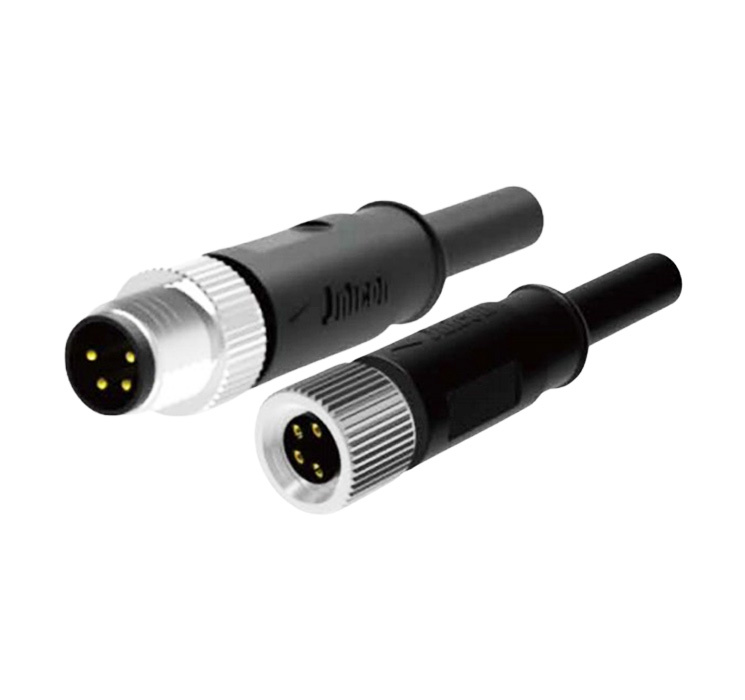
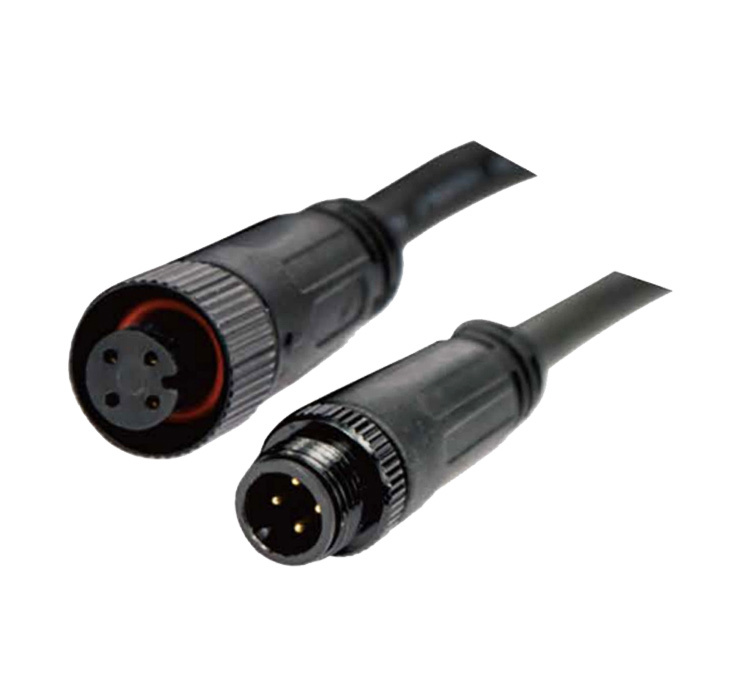
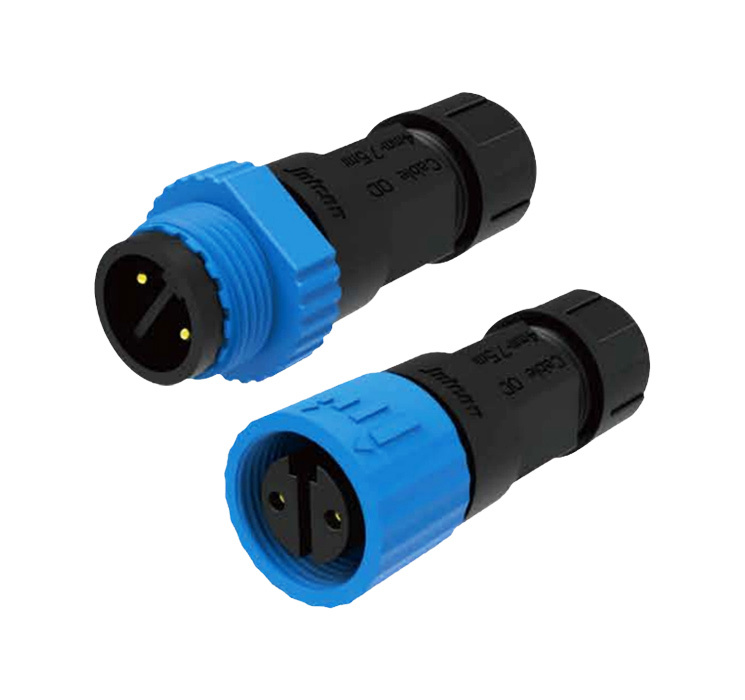
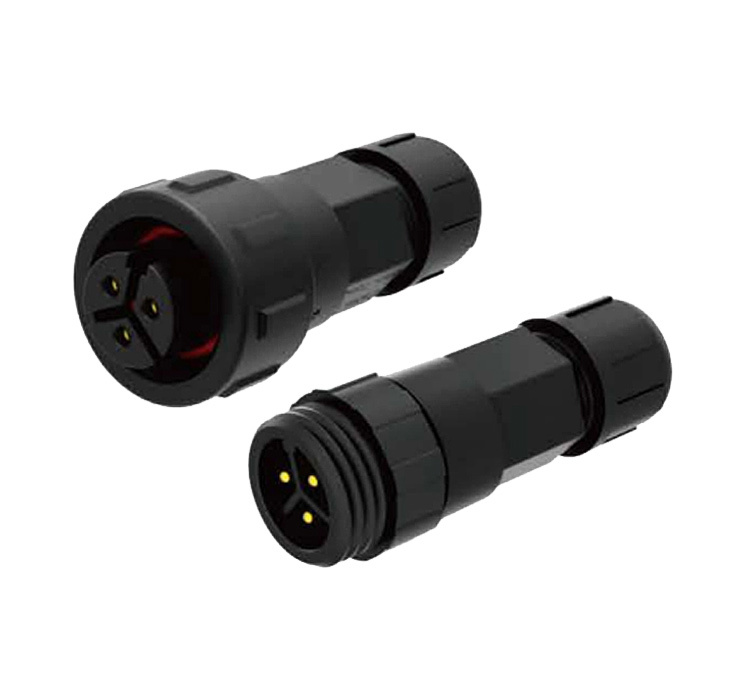
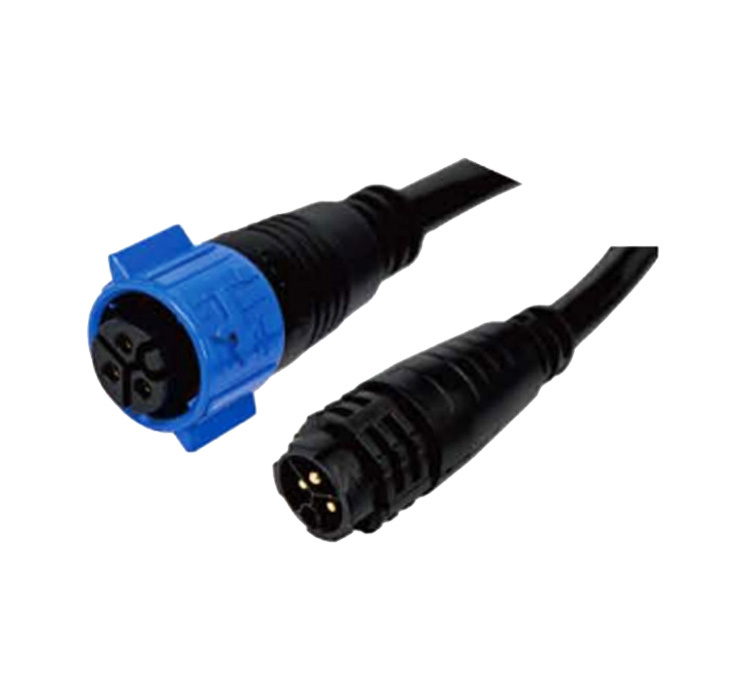
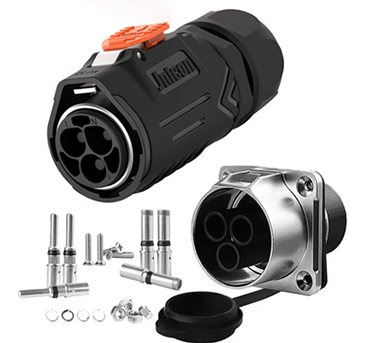
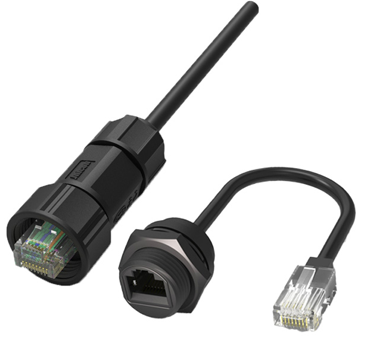
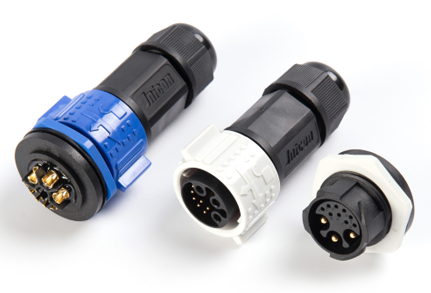
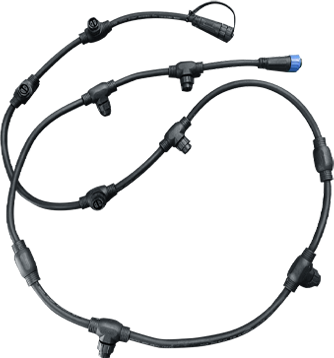
1. **Materials and Construction**: Waterproof cables typically feature insulation and jacketing materials that are inherently resistant to water penetration. Common materials used include PVC, polyethylene, and thermoplastic elastomers, which not only provide waterproofing but also offer excellent flexibility and durability. The cable's construction often involves multiple layers, including a water-blocking layer that prevents moisture ingress.
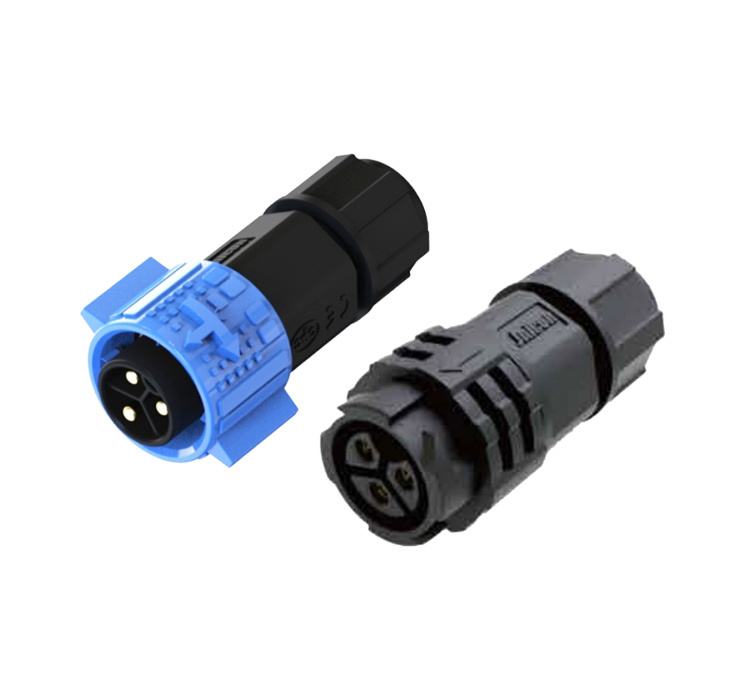
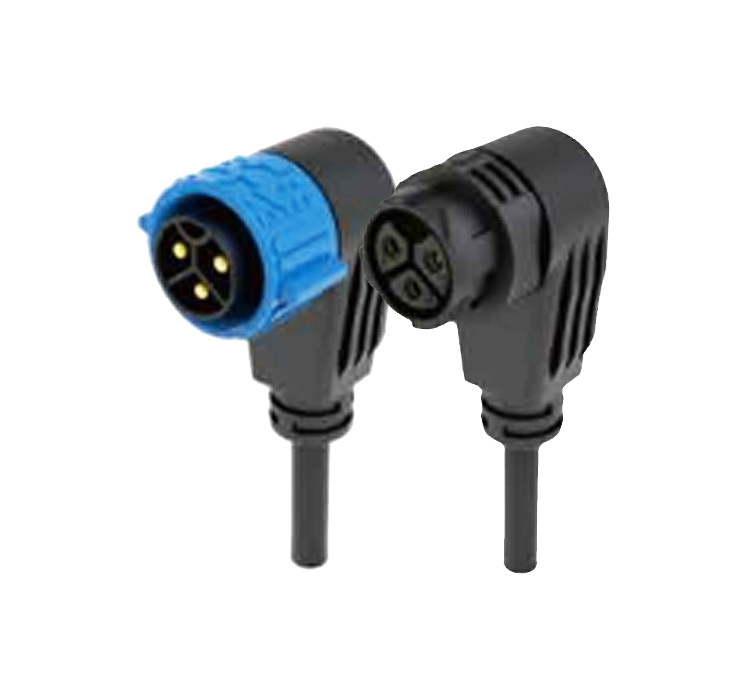
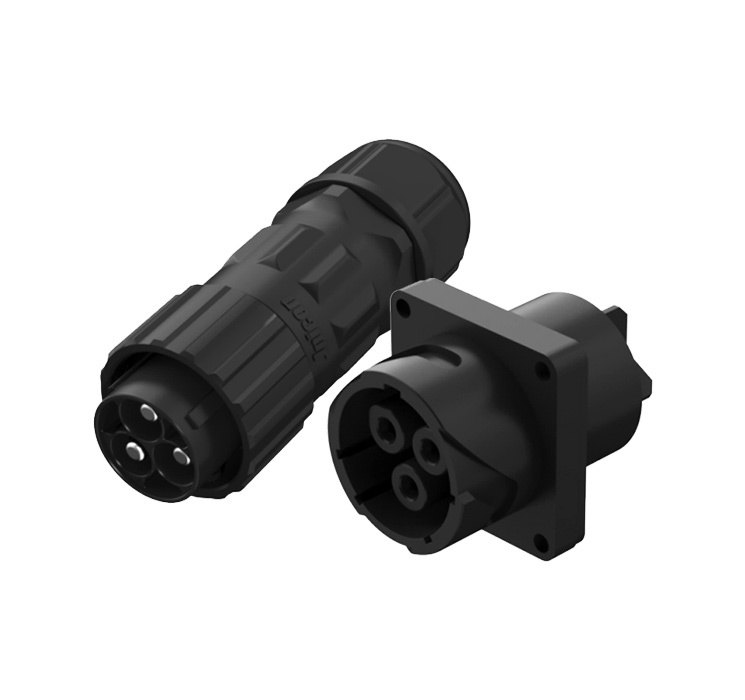
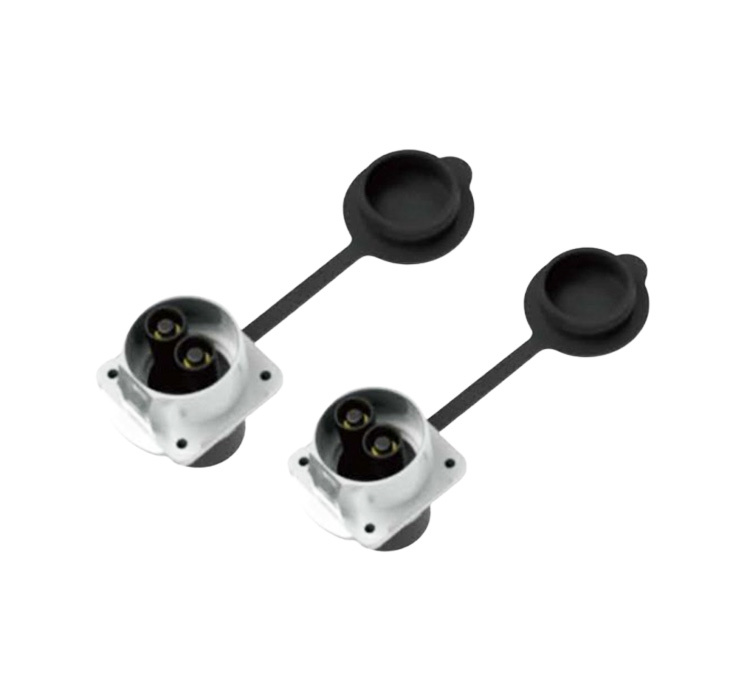
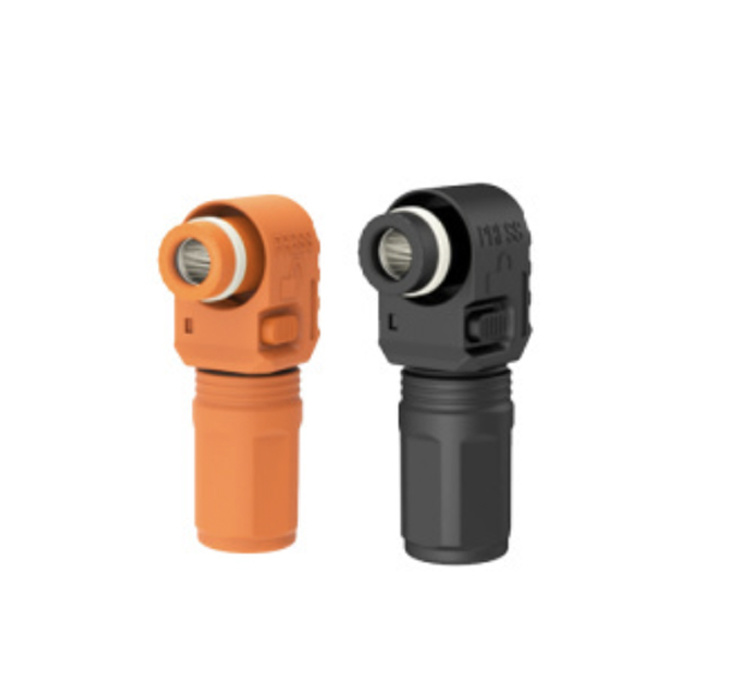
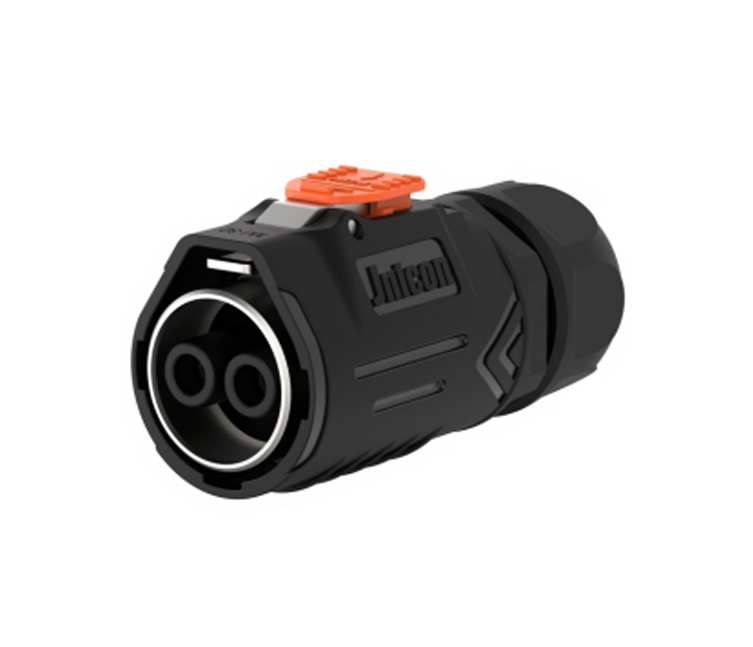
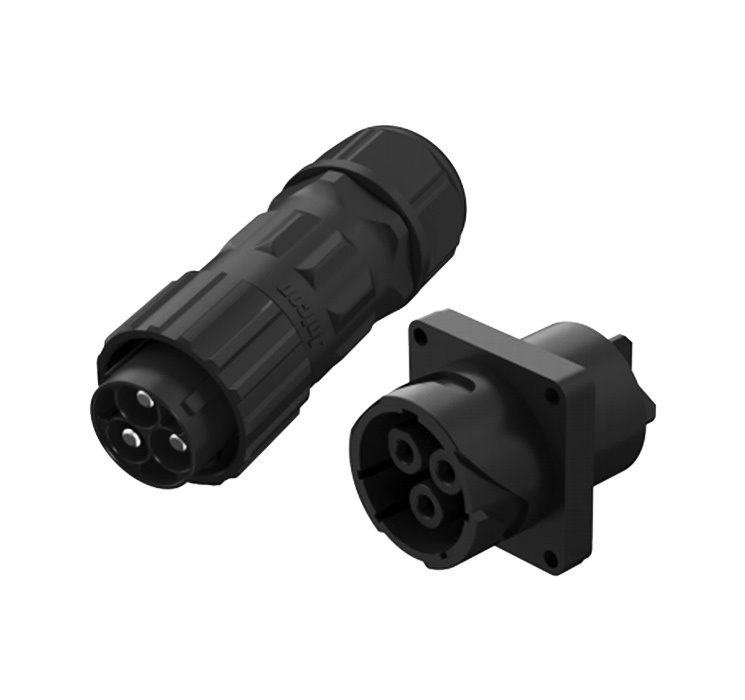
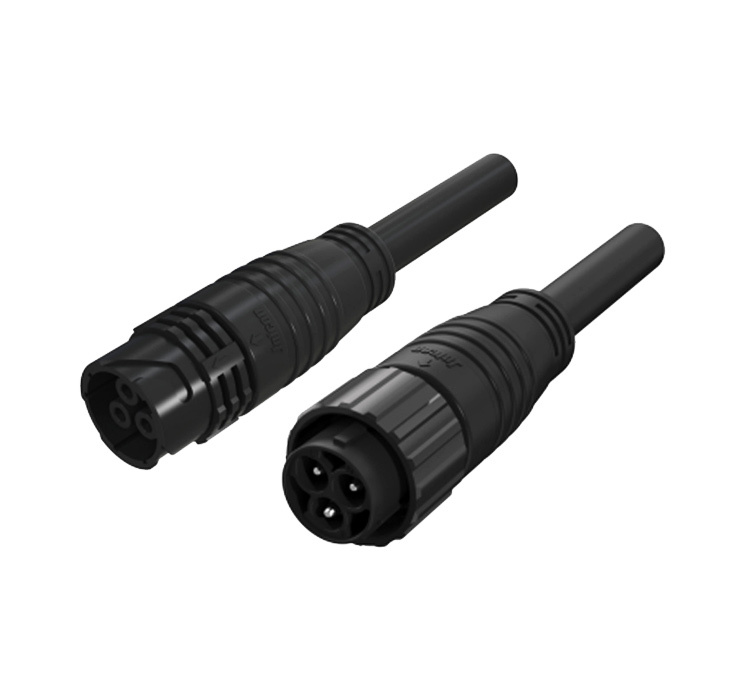
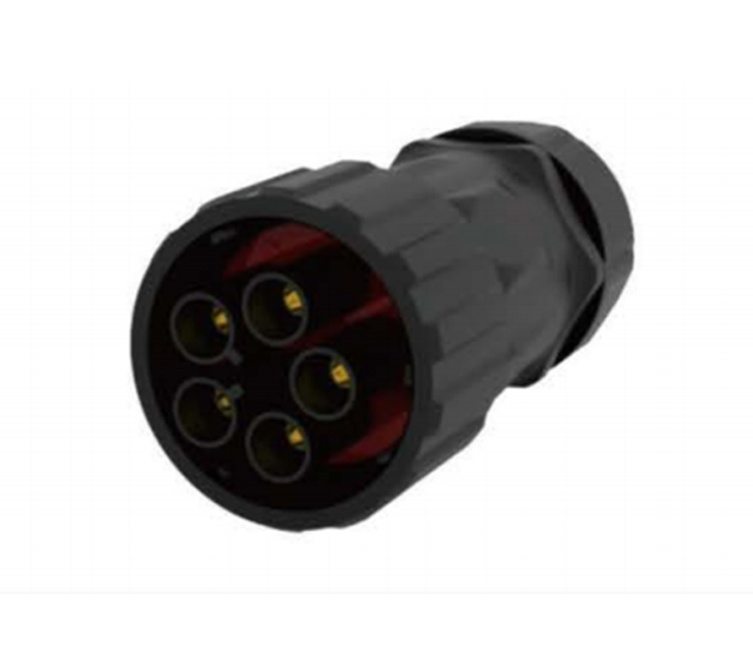
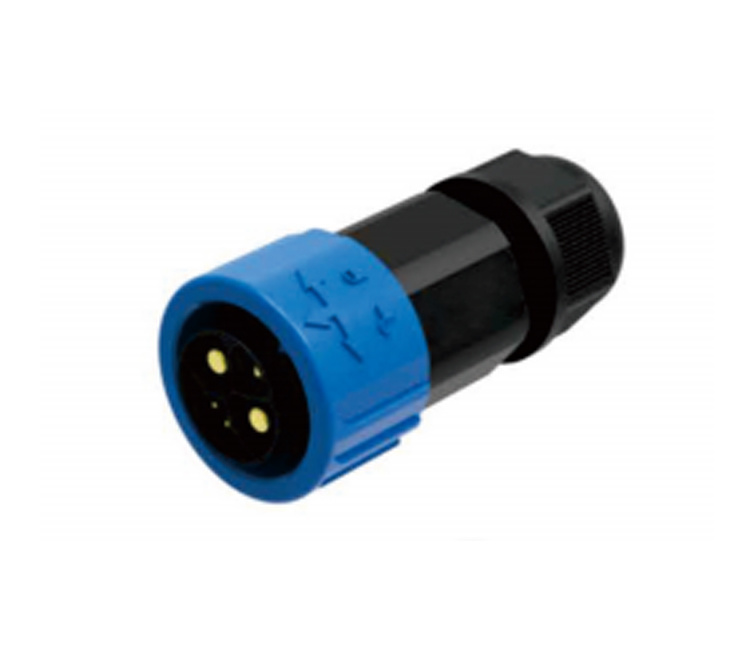
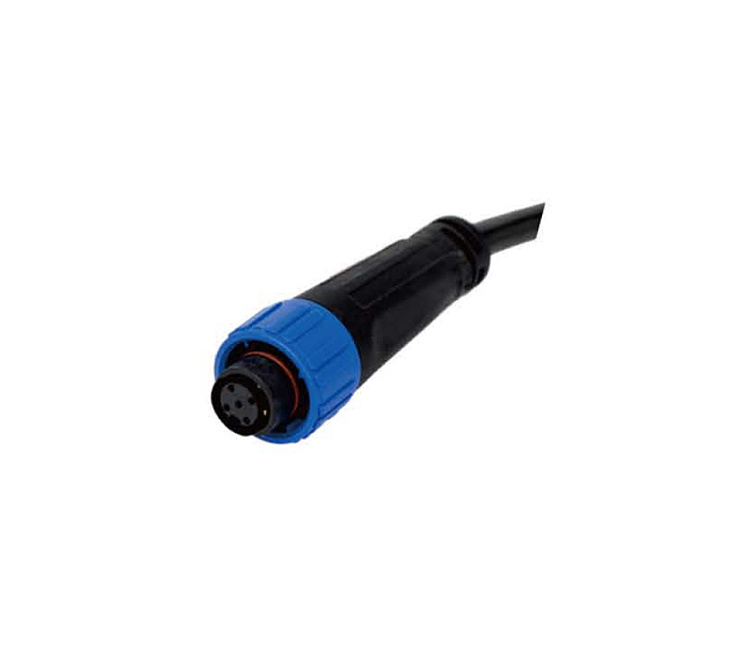
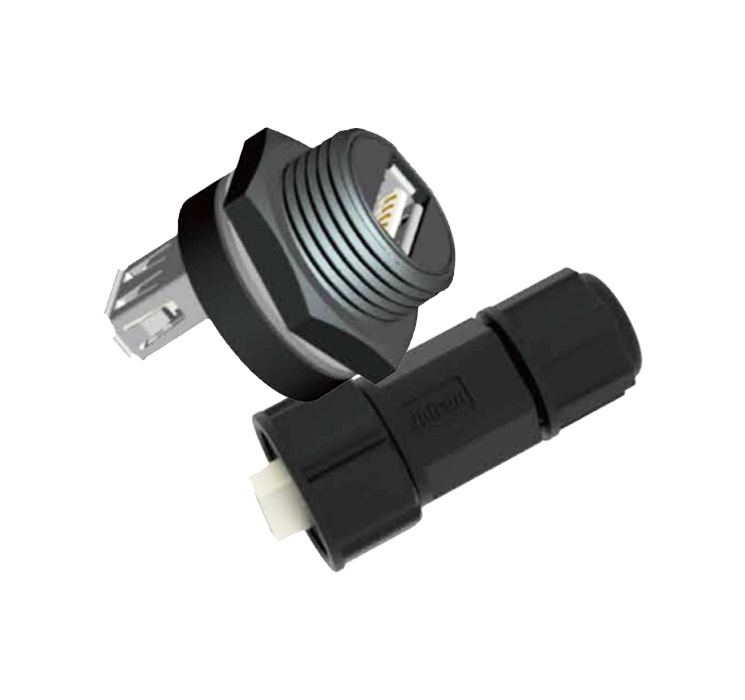
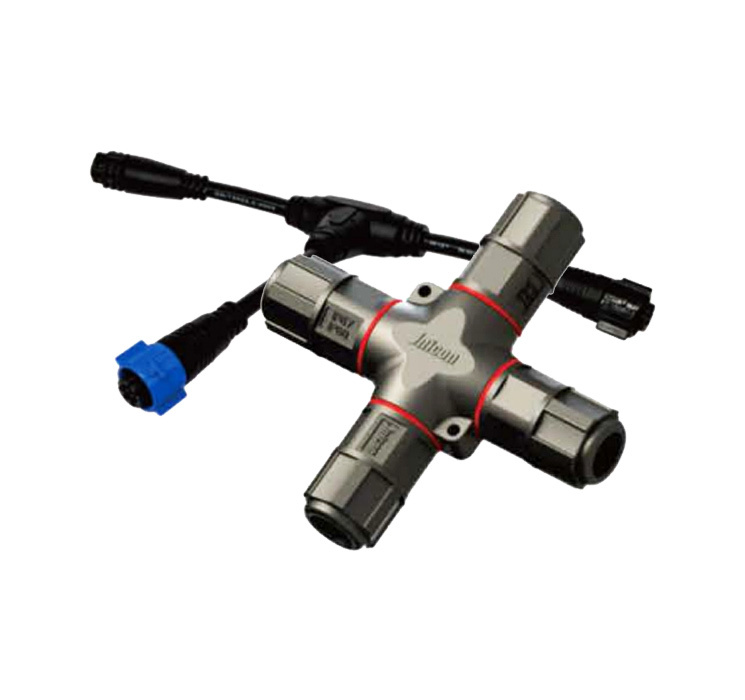
2. **Sealing Methods**: Effective sealing is essential for waterproof cables, and this can be achieved through various methods such as heat shrinking, molded connectors, and potting compounds. These sealing techniques ensure that the cable connections remain intact and resistant to water while maintaining electrical integrity.
3. **Standards and Ratings**: Waterproof cables are classified based on specific industry standards, such as IP (Ingress Protection) ratings. For instance, an IP67 rating indicates that the cable is dust-tight and can withstand immersion in water up to 1 meter for a limited time. Familiarizing yourself with these ratings can guide you in selecting the appropriate waterproof cables for your projects.
**Applications of Waterproof Cables**
Waterproof cables find extensive applications in various sectors, including:
- **Marine Electronics**: In marine environments, where exposure to saltwater and moisture is inevitable, using waterproof cables ensures the reliability of navigation systems and onboard electronics.
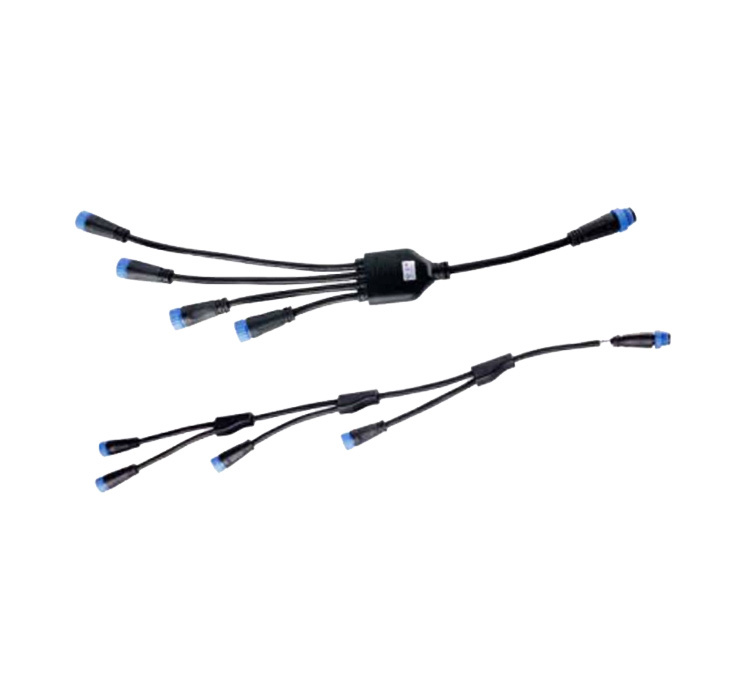
- **Outdoor Lighting**: For outdoor lighting applications, waterproof cables protect against water damage and electrical failures, ensuring consistent performance in various weather conditions.
- **Industrial Machinery**: In manufacturing and processing plants, waterproof cables are vital for machinery that operates in humid or wet conditions, safeguarding against short circuits and equipment malfunction.
**Advantages of Using Waterproof Cables**
Utilizing waterproof cables in your projects offers several advantages:
- **Increased Reliability**: Waterproof cables enhance the reliability of electrical systems by preventing corrosion and ensuring uninterrupted operation.
- **Longevity**: By protecting against environmental factors, waterproof cables contribute to the longevity of electrical installations, reducing the need for repairs and replacements.
- **Safety**: The use of waterproof cables minimizes the risk of electrical hazards, making installations safer for both equipment and personnel.
In conclusion, waterproof cables are indispensable in the electrical connector industry, providing enhanced protection and reliability in challenging environments. As a professional, staying informed about the characteristics, applications, and advantages of these cables will empower you to make informed decisions and optimize your projects.
Previous
News
2026-05-30
Understanding Waterproof Cables: Essential Insights for Electrical Professionals
Waterproof cables are crucial components in various electrical applications, particularly in environments where moisture, water, or other hazardous elements are present. These specialized cables are designed to provide reliable performance while protecting the internal conductors from corrosion and damage caused by exposure to water. Understanding the fundamental aspects of waterproof cables can s
2026-05-29
Do-It-Yourself: Building Your Own Waterproof Wire Harness for Your Vehicle
Introduction to Waterproof Wire Harnesses Waterproof wire harnesses are essential components in automotive wiring, especially for vehicles exposed to harsh environments. They protect electrical connections from moisture, dirt, and other potential hazards, ensuring reliability and longevity. This guide will take you through the process of building your own waterproof wire harness, from selecting ma
2026-05-28
Essential Insights on Industrial Power Connectors for Electrical Professionals
Industrial power connectors play a pivotal role in ensuring efficient and reliable electrical connections across numerous sectors, including manufacturing, construction, and automation. These connectors are specifically designed to withstand the demanding conditions often found in industrial environments, where durability and performance are paramount. When selecting industrial power connectors, s

B8-9, Fubilun industrial park, Chaoyang rd,Yanchuan community, Songgang, Shenzhen, China


