


Key Considerations When Designing Waterproof Wire Harnesses for Cars
Release Time:
2026-06-04
Key Considerations When Designing Waterproof Wire Harnesses for Cars
When it comes to automotive engineering, ensuring the reliability and durability of electronic systems is paramount. This is especially true for **waterproof wire harnesses**, which play a critical role in protecting electrical components from moisture, dirt, and other environmental elements. In this comprehensive guide, we'll delve into the key considerations involved in designing effective waterproof wire harnesses for cars.
Table of Contents
1. Understanding the Basics of Wire Harnesses
2. Importance of Waterproofing in Automotive Applications
3. Selecting the Right Materials for Waterproof Wire Harnesses
3.1 Insulation Materials
3.2 Connector Types
3.3 Sealing Techniques
4. Environmental Challenges for Wire Harnesses
5. Designing for Dimensions and Layout
5.1 Space Optimization
5.2 Routing Considerations
6. Testing and Quality Assurance
7. Industry Standards and Compliance
8. Future Trends in Waterproof Wire Harness Technology
9. FAQs
10. Conclusion
1. Understanding the Basics of Wire Harnesses
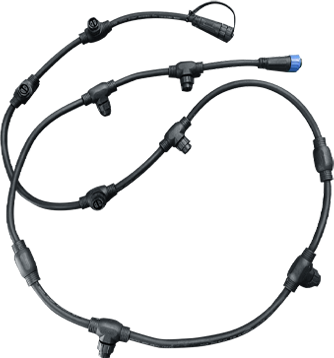
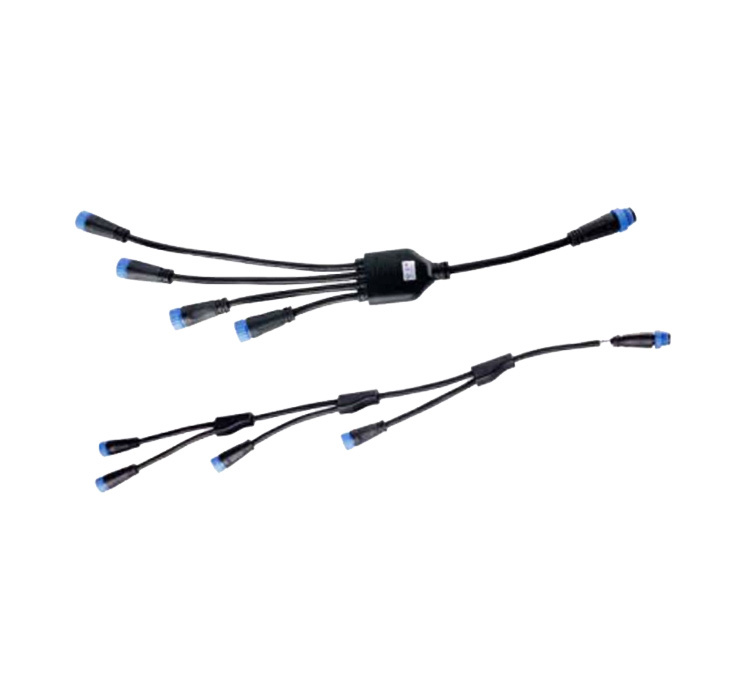
Wire harnesses serve as the nervous system of modern vehicles, facilitating the transmission of power and data between various components. They consist of insulated wires bundled together, often with connectors, terminals, and protective coverings. Understanding the structure and function of wire harnesses is essential to designing waterproof variants that can withstand the rigors of automotive environments.
2. Importance of Waterproofing in Automotive Applications
Waterproofing is crucial for maintaining the integrity of electrical systems in cars. Water ingress can lead to short circuits, corrosion, and component failure. For this reason, designing waterproof wire harnesses is not just a matter of durability; it is vital for ensuring vehicle safety and performance.
3. Selecting the Right Materials for Waterproof Wire Harnesses
The selection of materials is one of the most critical steps in designing waterproof wire harnesses. The materials should not only provide waterproofing but also withstand various environmental conditions.
3.1 Insulation Materials
Choosing the right insulation material affects both waterproofing and overall performance. Common materials include:
- **Polyvinyl Chloride (PVC)**: Affordable and versatile, PVC offers decent waterproof capabilities.
- **Cross-linked Polyethylene (XLPE)**: Known for its excellent resistance to moisture and heat.
- **Thermoplastic Elastomer (TPE)**: Provides superior flexibility and waterproofing.
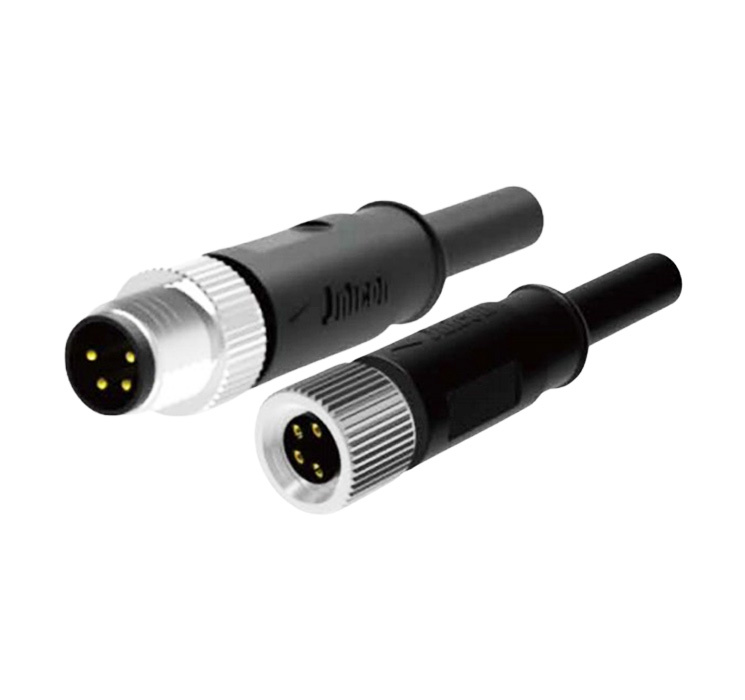
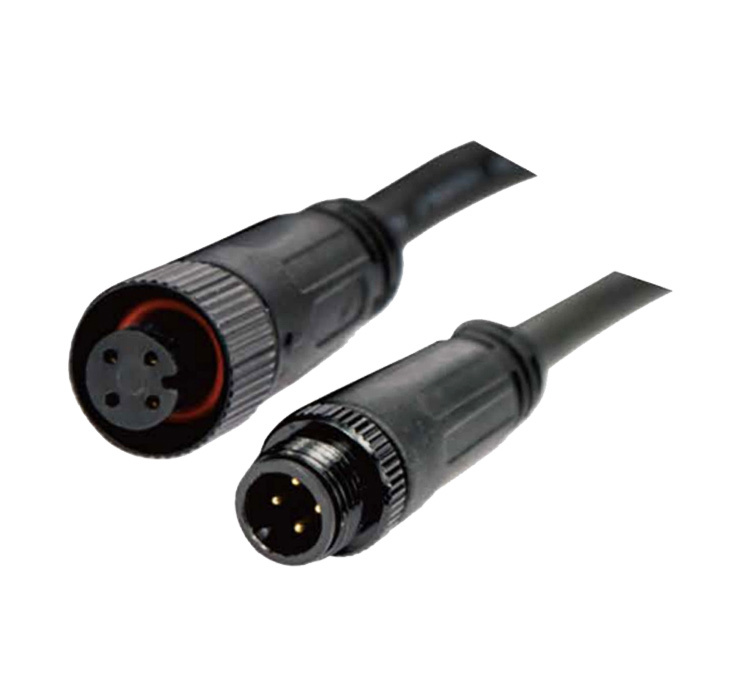
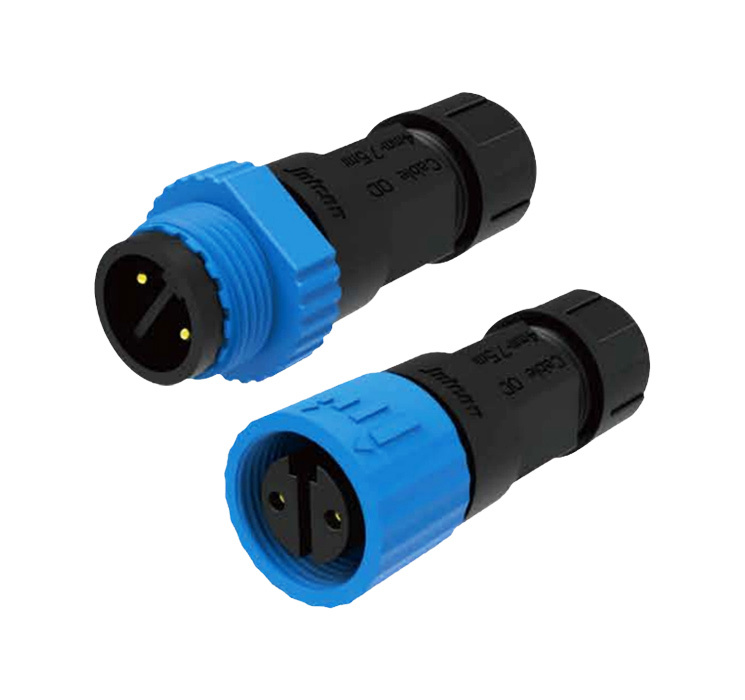
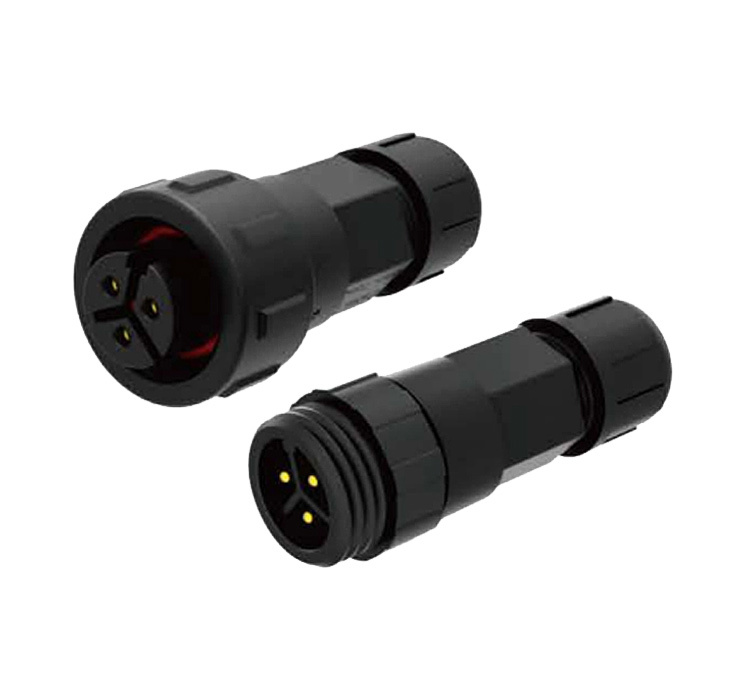
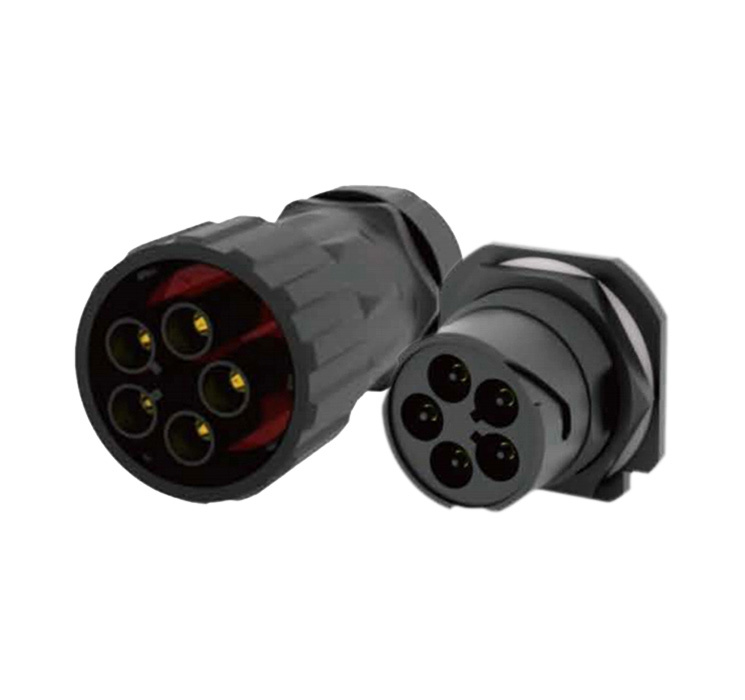
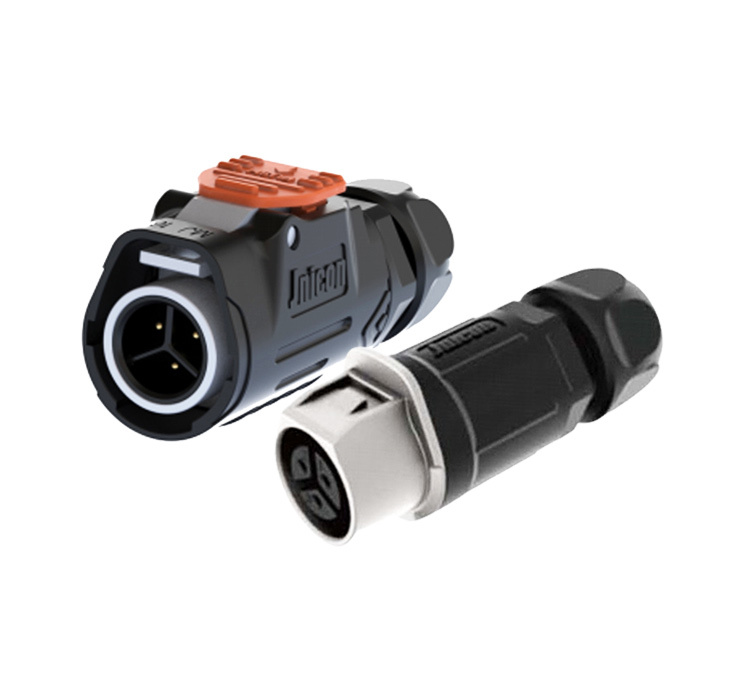
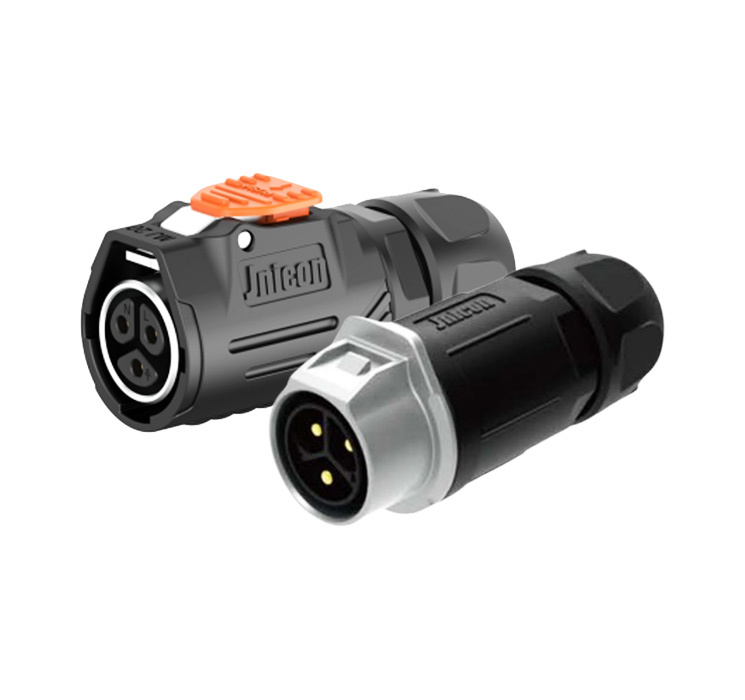
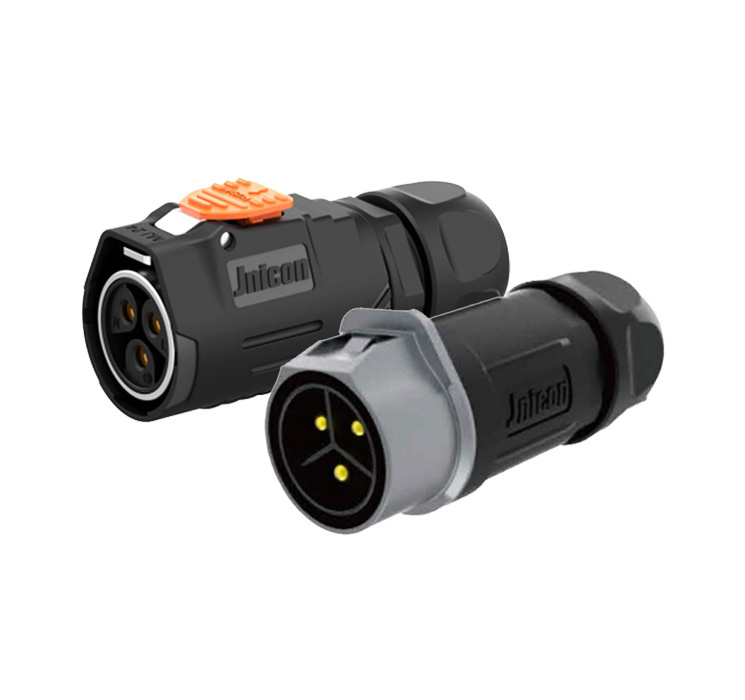
3.2 Connector Types
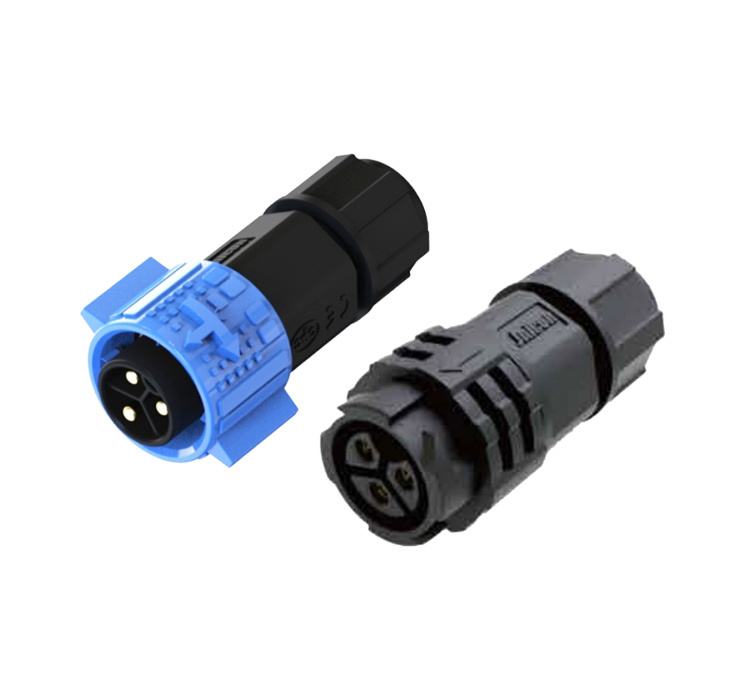
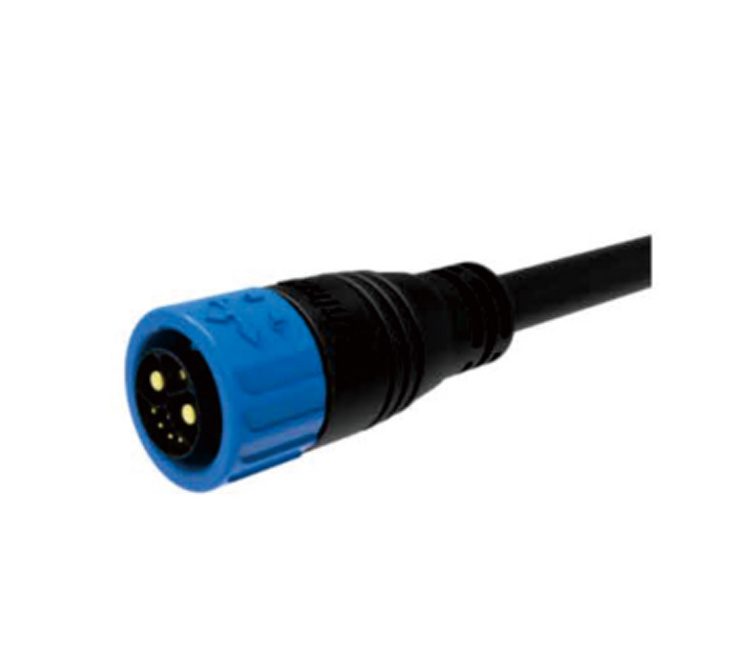
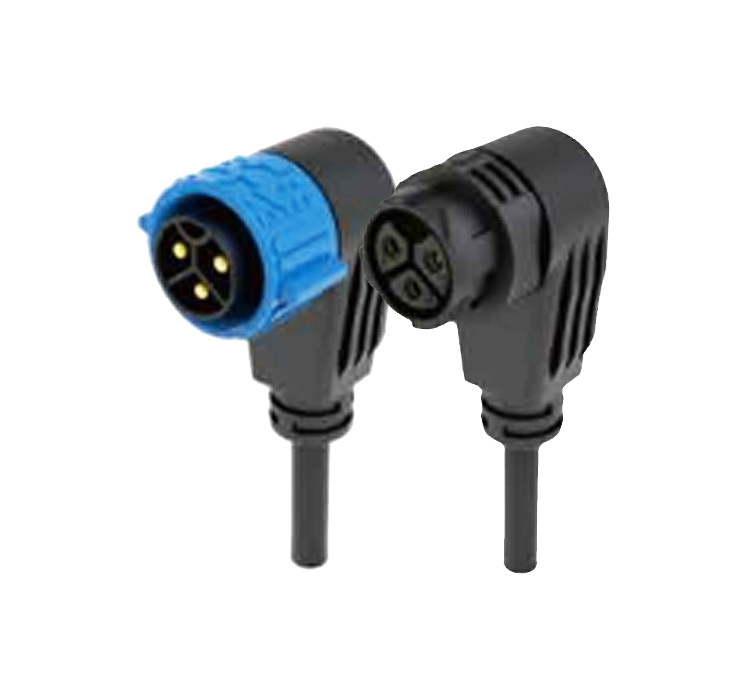
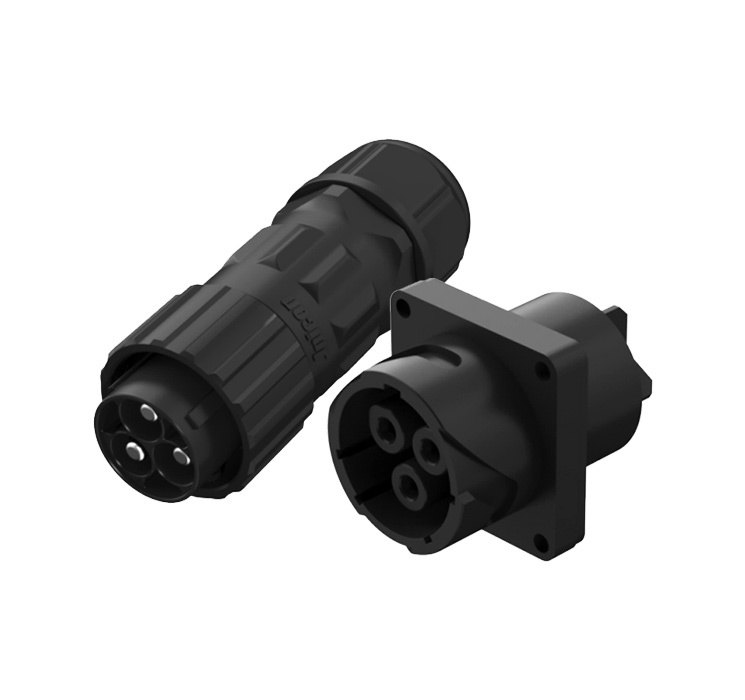
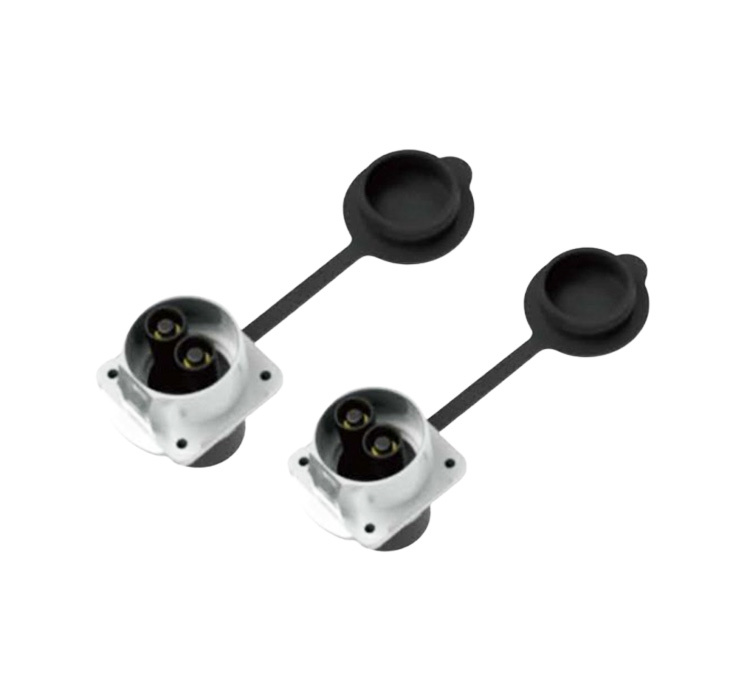
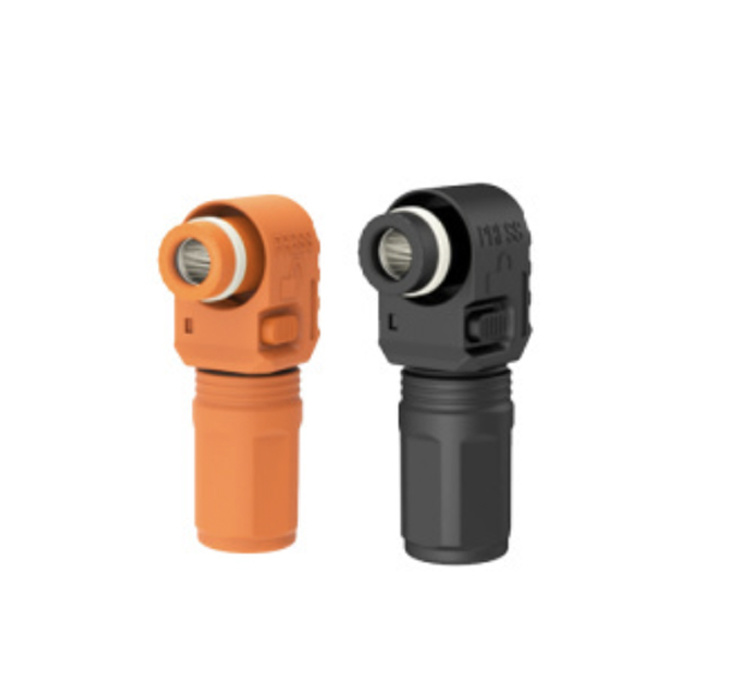
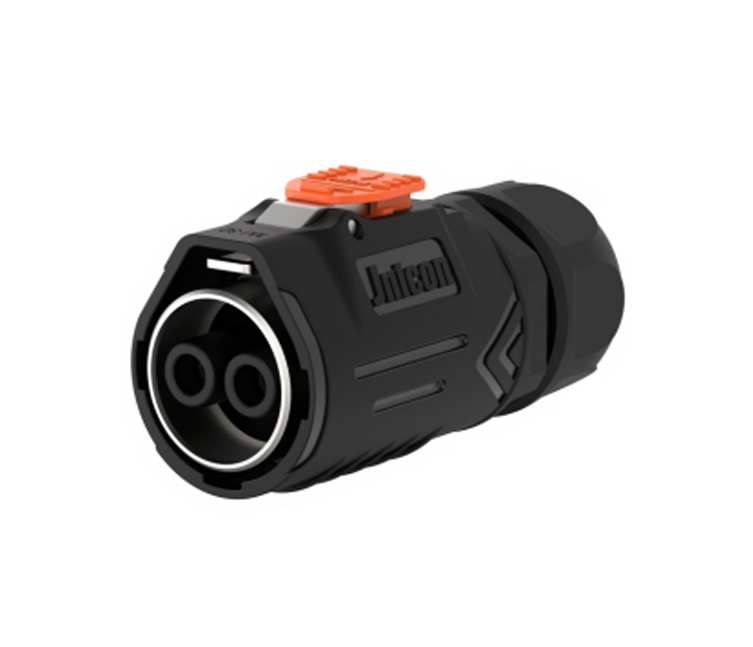
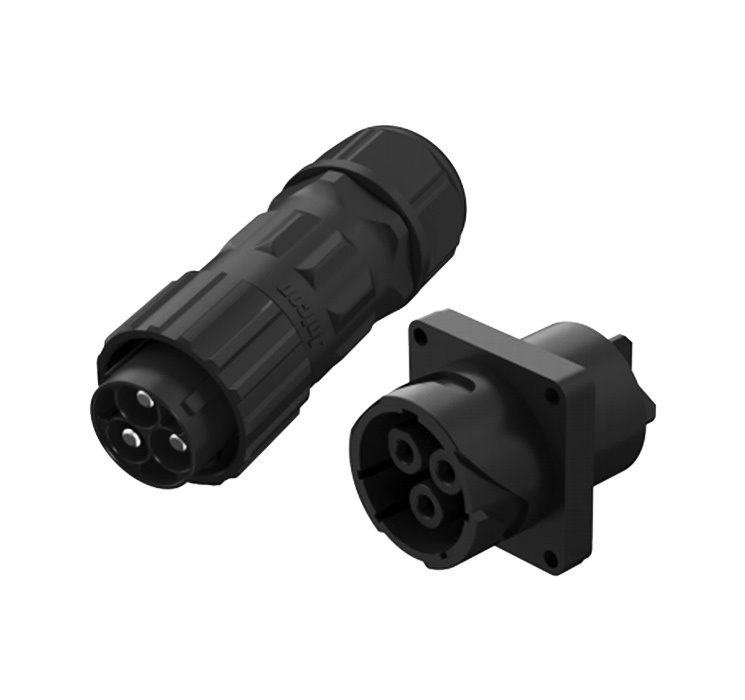
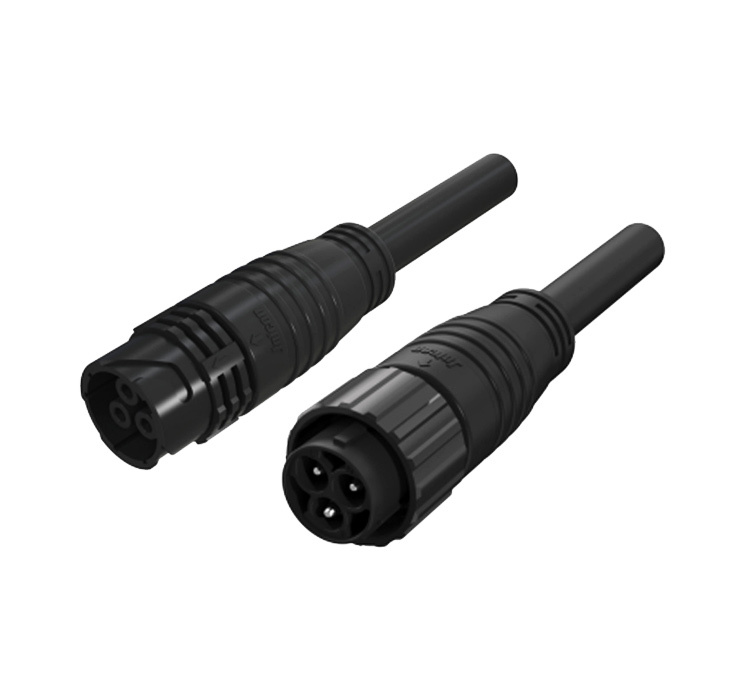
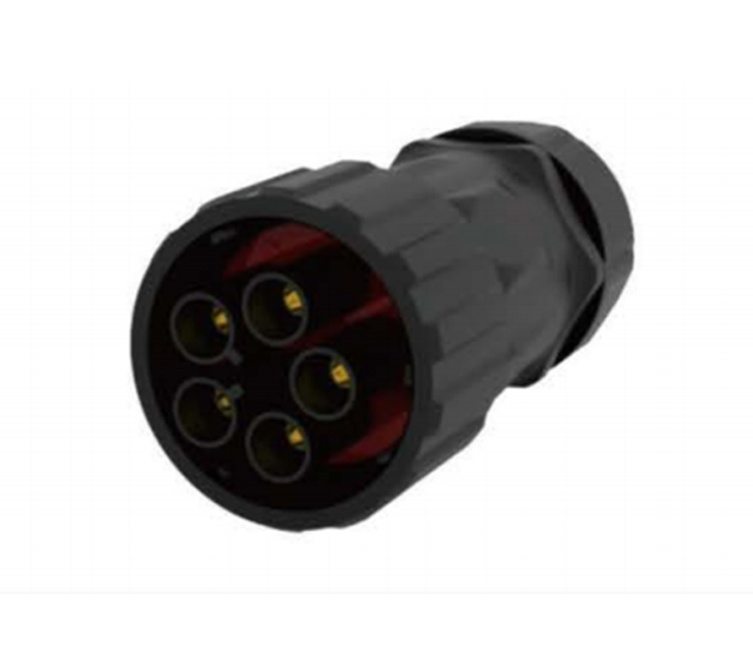
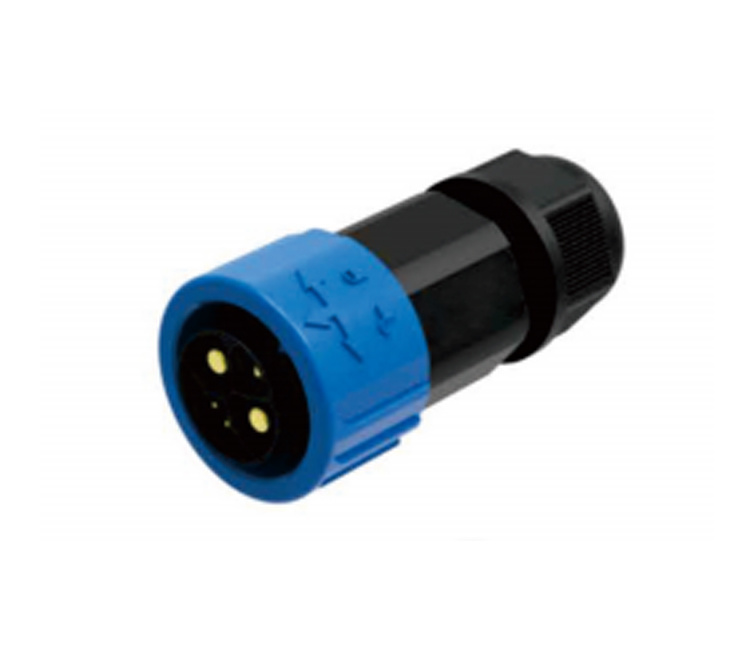
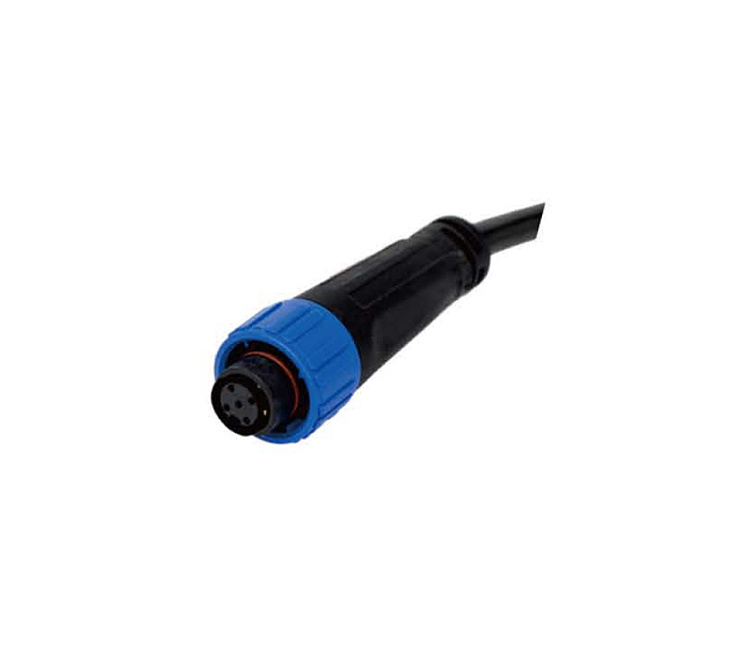
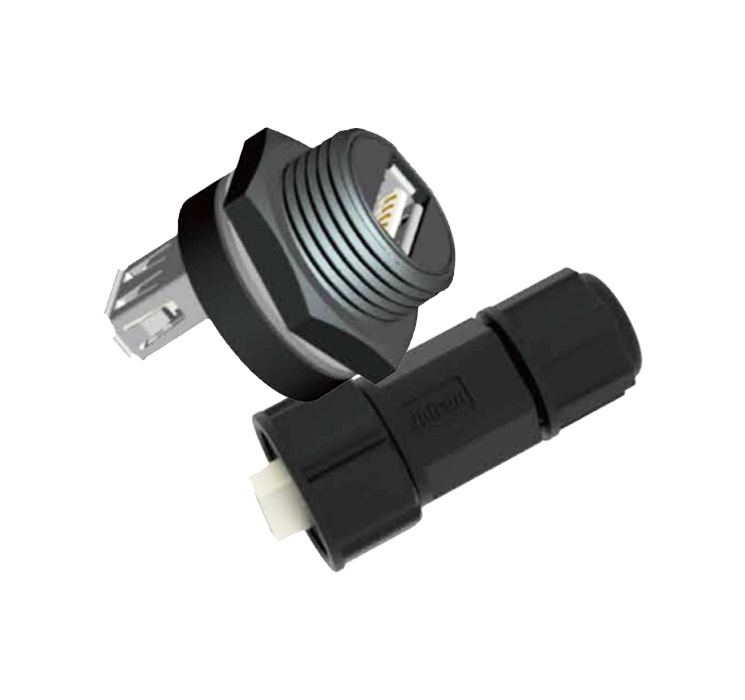
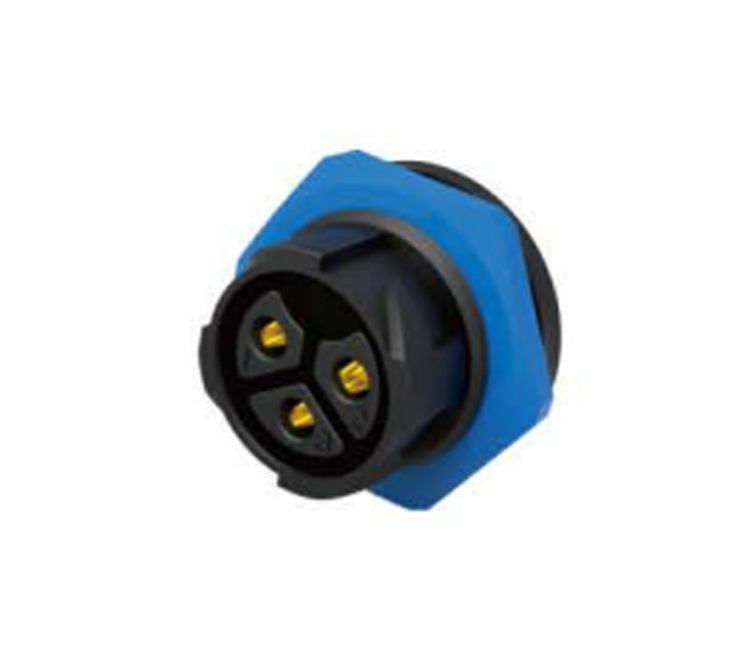
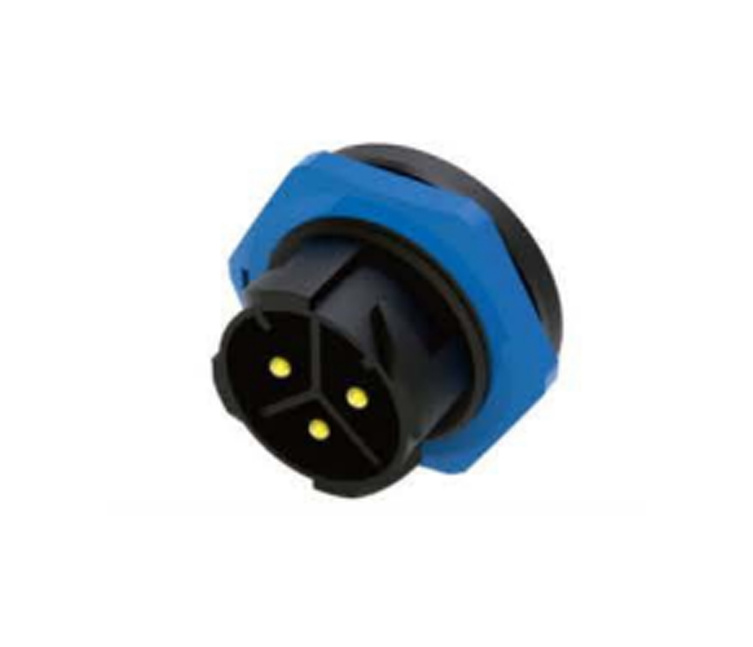
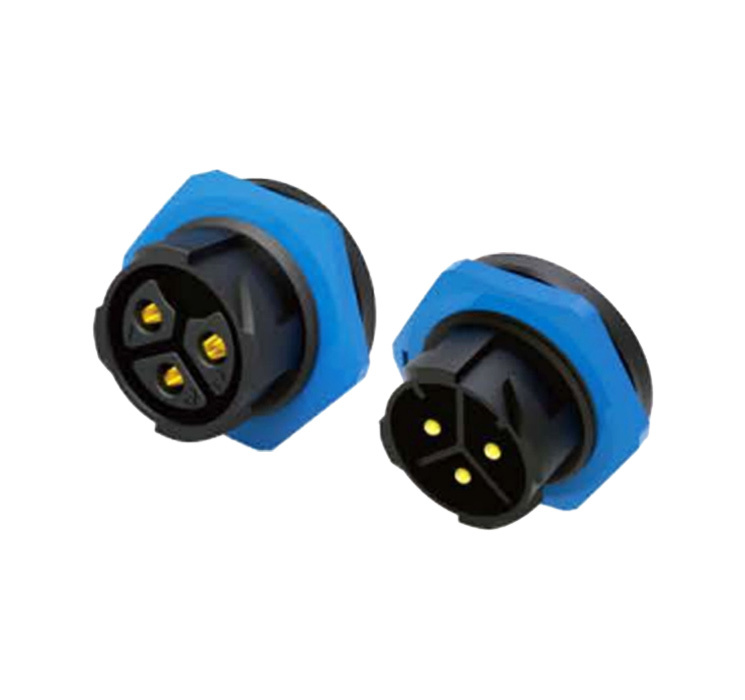
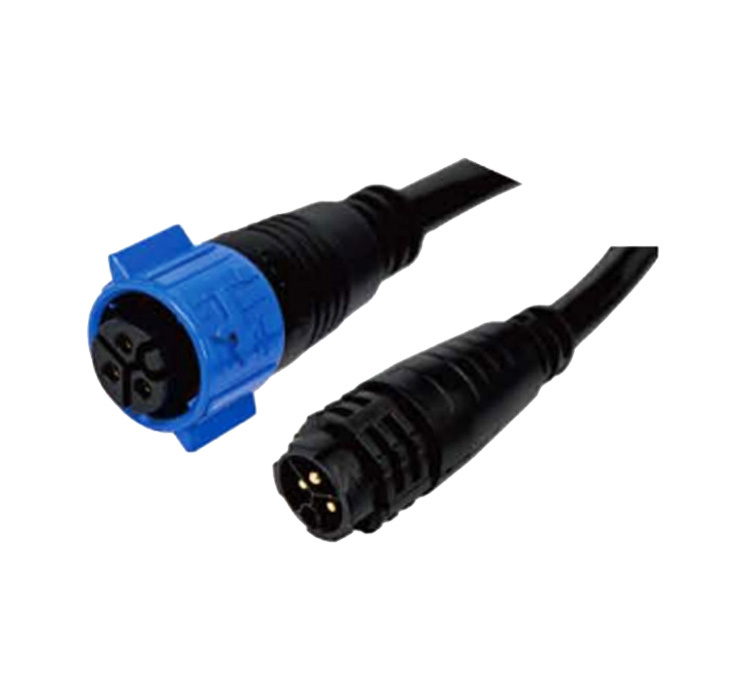
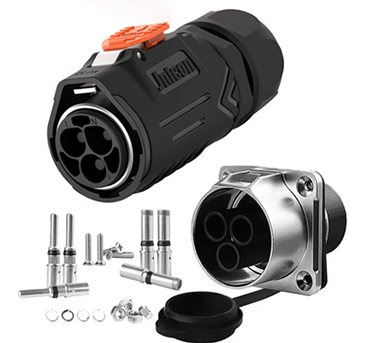
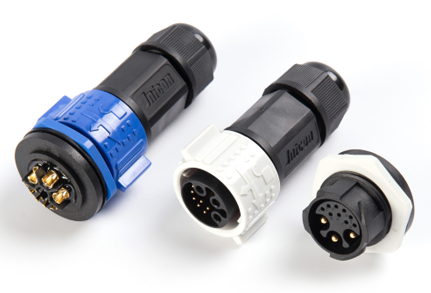
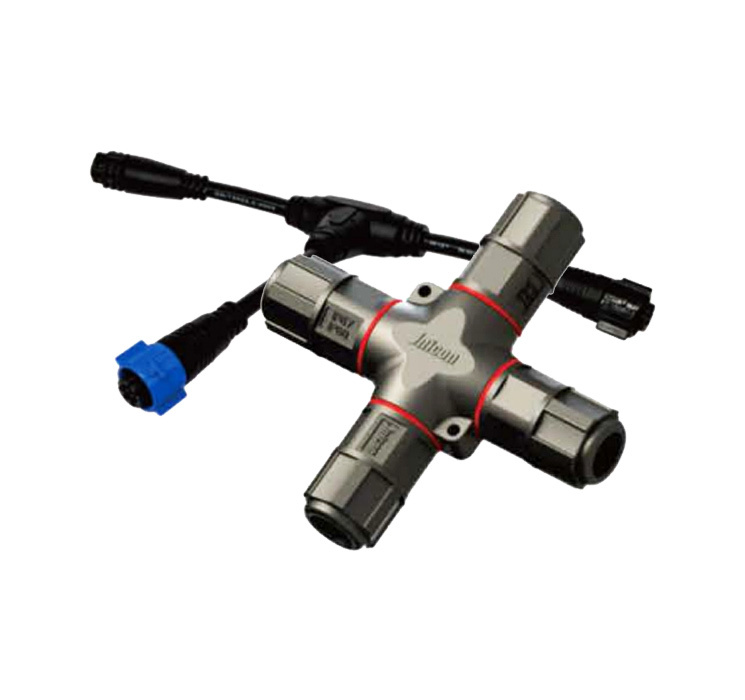
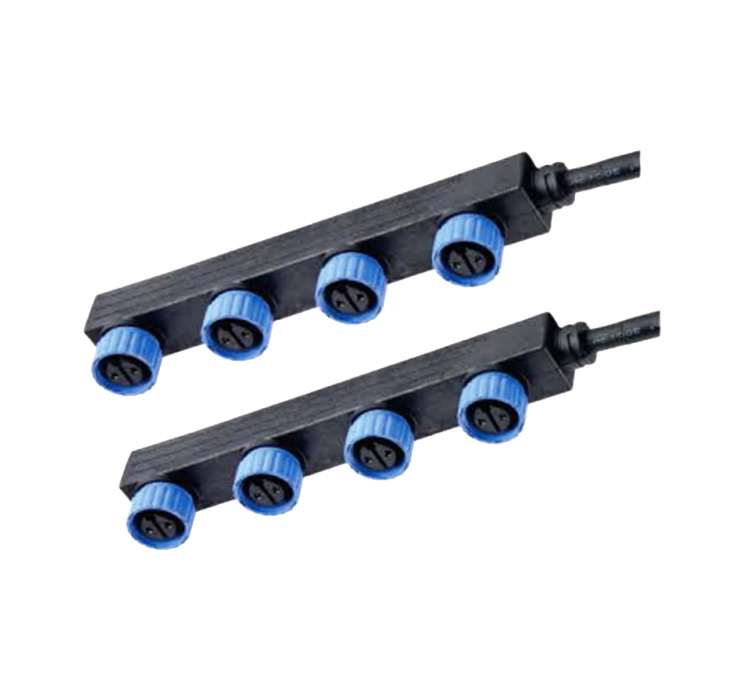
Connectors are vital in ensuring that wire harnesses maintain their waterproof integrity. Look for connectors that feature:
- **O-ring seals**: These provide an additional layer of protection against moisture.
- **Molded-in seals**: These are integrated into the connector body and prevent water ingress effectively.
3.3 Sealing Techniques
Effective sealing techniques are essential for waterproof wire harnesses. Options include:
- **Heat-shrink tubing**: When heated, this tubing forms a tight seal around the wire.
- **Potting compounds**: These materials encase the wires and connectors, providing a high level of waterproofing.
4. Environmental Challenges for Wire Harnesses
Wire harnesses are exposed to a multitude of environmental challenges, including:
- **Temperature fluctuations**: Extreme heat or cold can impact material properties.
- **Moisture**: Rain, humidity, and even car washes can introduce water.
- **Vibration**: Continuous movement can cause wear and tear over time.
Addressing these challenges in your design is essential for creating a reliable product.
5. Designing for Dimensions and Layout
Proper layout and dimensional design play a pivotal role in the functionality of wire harnesses.
5.1 Space Optimization
Utilizing available space efficiently is critical. Aim for a compact layout that minimizes excess wiring while ensuring accessibility for maintenance and repairs.
5.2 Routing Considerations
The route of the wire harness should avoid sharp bends and potential contact with hot surfaces. Planning the routing carefully helps prevent wear and damage.
6. Testing and Quality Assurance
Conducting tests is crucial to validate the waterproofing of wire harness designs. Common testing methods include:
- **IP Rating Test**: This assesses the ingress protection against dust and water.
- **Thermal Cycling Test**: Evaluates how the wire harness performs under temperature fluctuations.
Quality assurance processes should be in place to ensure that each wire harness meets the required standards.
7. Industry Standards and Compliance
Compliance with industry standards is vital for ensuring safety and performance. Familiarize yourself with the following:
- **SAE (Society of Automotive Engineers)**: Provides guidelines for automotive components.
- **ISO (International Organization for Standardization)**: Sets international standards for quality and safety.
Adhering to these standards not only ensures compliance but also enhances consumer trust.
8. Future Trends in Waterproof Wire Harness Technology
As automotive technology evolves, so do the demands for wire harnesses. Emerging trends include:
- **Smart wire harnesses**: Integrated sensors that provide real-time data monitoring.
- **Sustainable materials**: Increased focus on environmentally friendly materials in production.
Being aware of these trends can help manufacturers stay ahead in the competitive automotive market.
9. FAQs
1. What is a waterproof wire harness?
A waterproof wire harness is designed to protect electrical connections from moisture ingress, ensuring reliable performance in automotive applications.
2. How do I know if my wire harness is waterproof?
Check for specific IP ratings that indicate the level of protection against moisture and dust.
3. What materials are best for waterproof wire harnesses?
Common materials include PVC, XLPE, and TPE for insulation, along with specialized connectors and sealing techniques.
4. What are the environmental challenges faced by wire harnesses?
Wire harnesses face challenges such as temperature fluctuations, moisture exposure, and mechanical vibrations.
5. How can I ensure quality in my wire harness designs?
Implement rigorous testing and adhere to industry standards to ensure the reliability and performance of your wire harnesses.
10. Conclusion
Designing waterproof wire harnesses for cars is a complex but rewarding endeavor. By understanding the essential factors such as material selection, environmental challenges, and testing protocols, manufacturers can create reliable and durable products. As the automotive industry continues to evolve, staying informed about emerging trends and technologies will be crucial for success. By prioritizing these considerations, we can ensure that our vehicles maintain optimal performance and safety in all conditions.
News
2026-10-15
Understanding Waterproof Wire Harness: Key Features and Benefits for Automotive Applications
In the automotive industry, the functionality and longevity of electrical components are crucial for vehicle performance. One of the key components that contribute to this is the waterproof wire harness. These harnesses are specifically designed to withstand harsh environmental conditions, ensuring that the electrical systems in vehicles remain operational regardless of the weather. A waterproof w
2026-10-12
5 Pin Waterproof Connectors: Enhancing Home Automation Systems
5 Pin Waterproof Connectors: Enhancing Home Automation Systems Table of Contents Introduction to 5 Pin Waterproof Connectors Importance of Waterproof Connectors in Home Automation Key Benefits of 5 Pin Waterproof Connectors Features of 5 Pin Waterproof Connectors Material Quality Design and Build Applications of 5 Pin Waterproof C
2026-10-10
Waterproof Wire Connector Plugs for Reliable Connections
Waterproof wire connector plugs ensure secure, moisture-resistant electrical connections for outdoor lighting, automotive systems, and industrial equipment.

B8-9, Fubilun industrial park, Chaoyang rd,Yanchuan community, Songgang, Shenzhen, China


