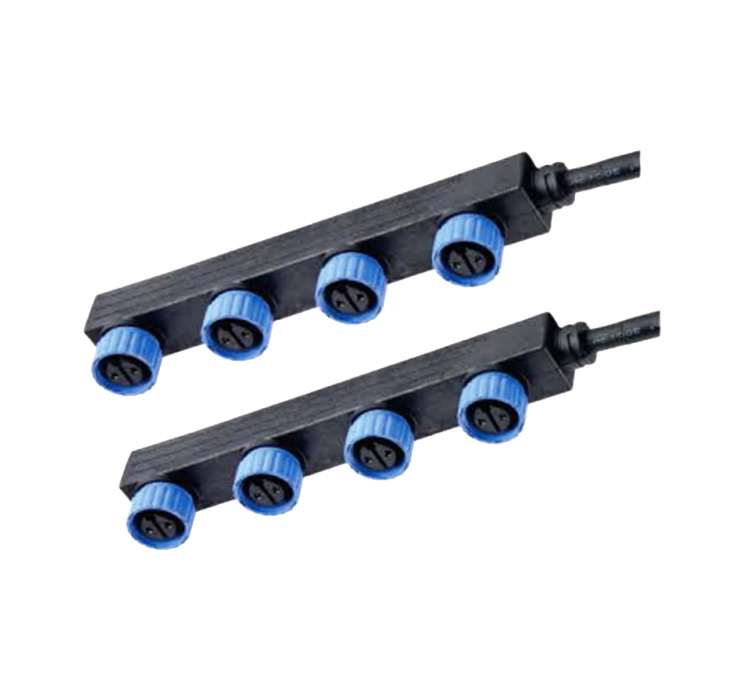


Understanding Waterproof Cables: Essential Knowledge for Electricians
Release Time:
2026-06-05
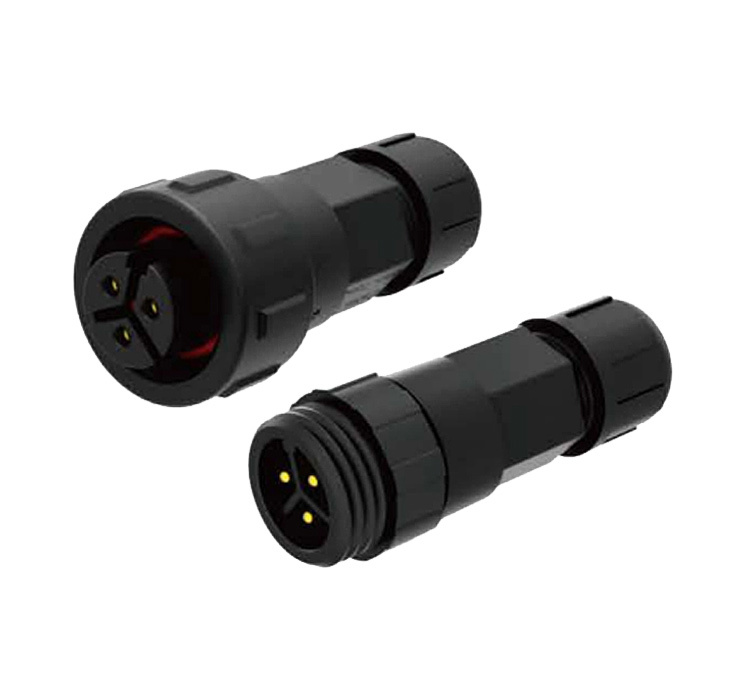
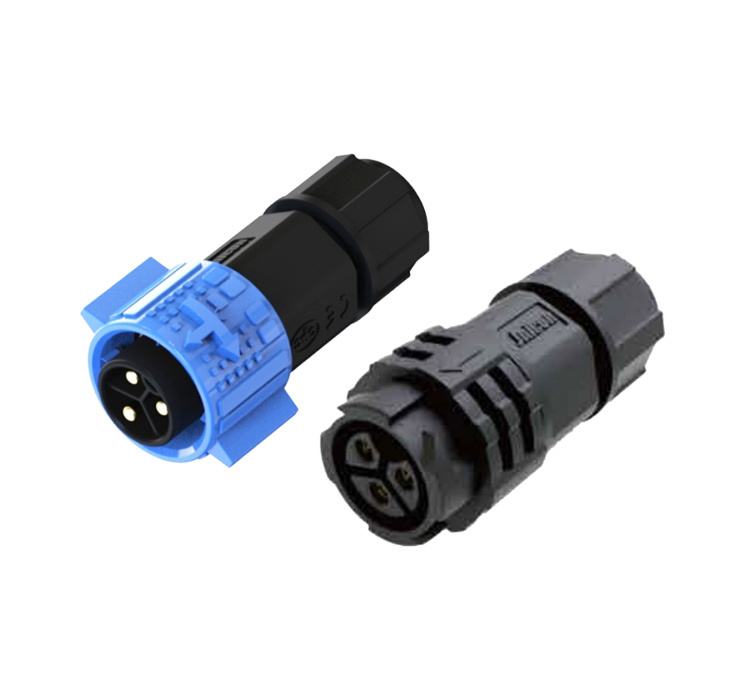
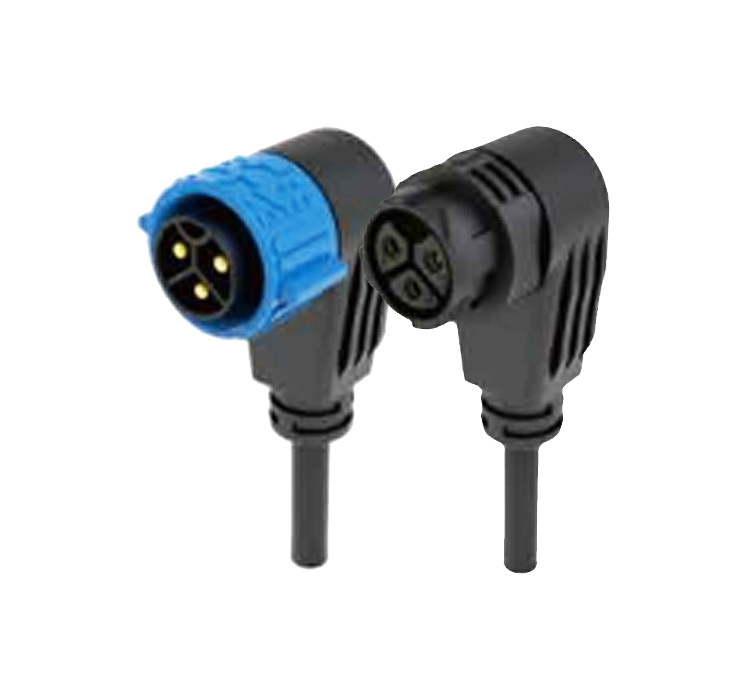
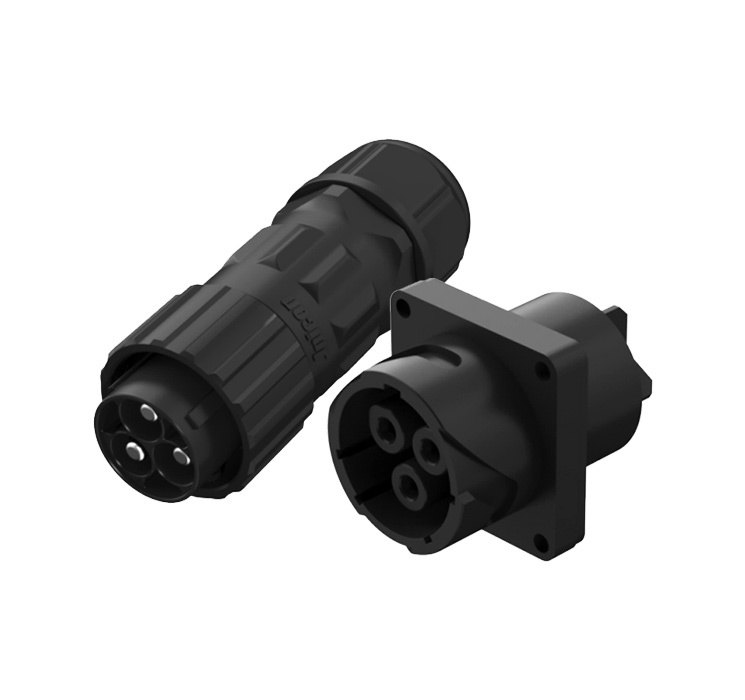
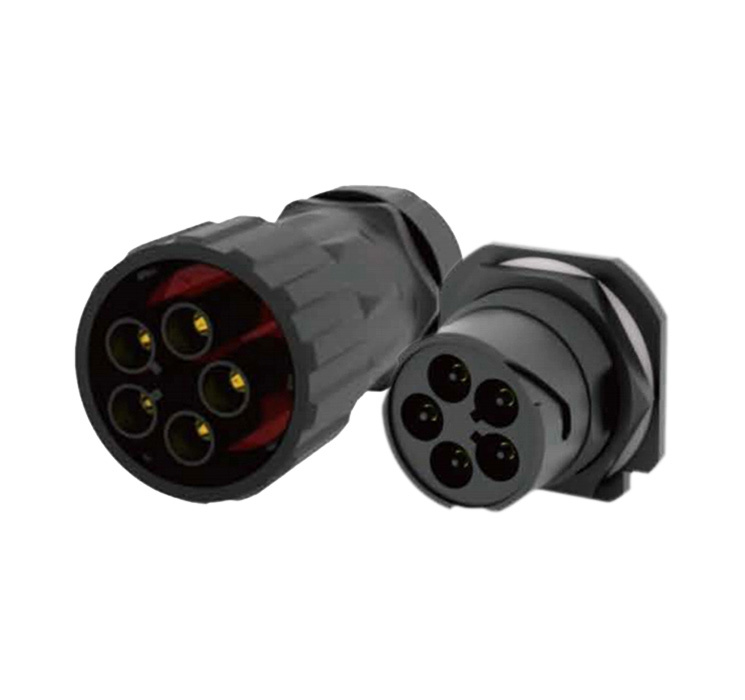
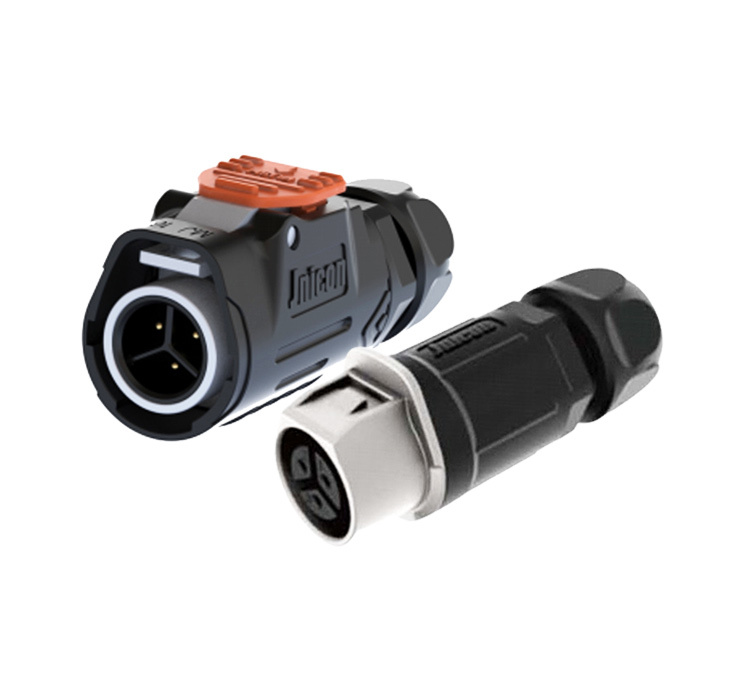
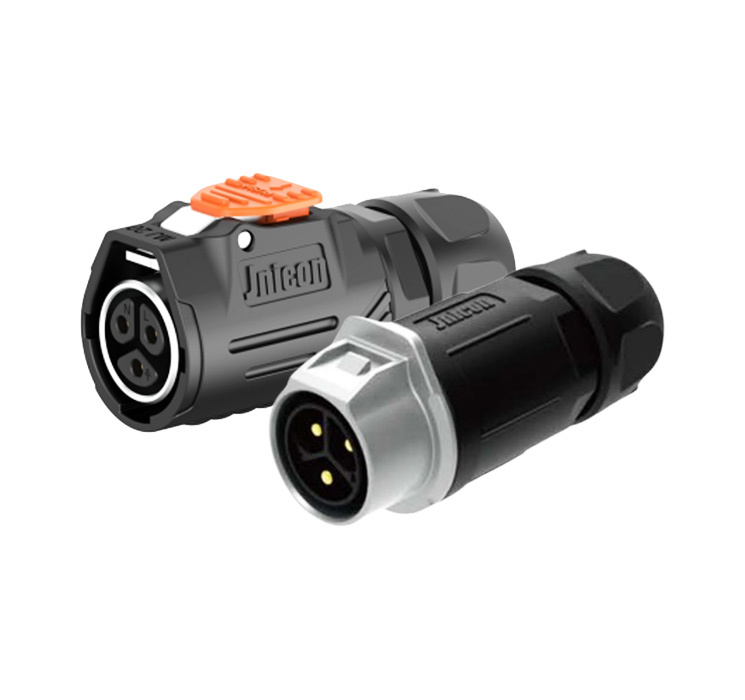
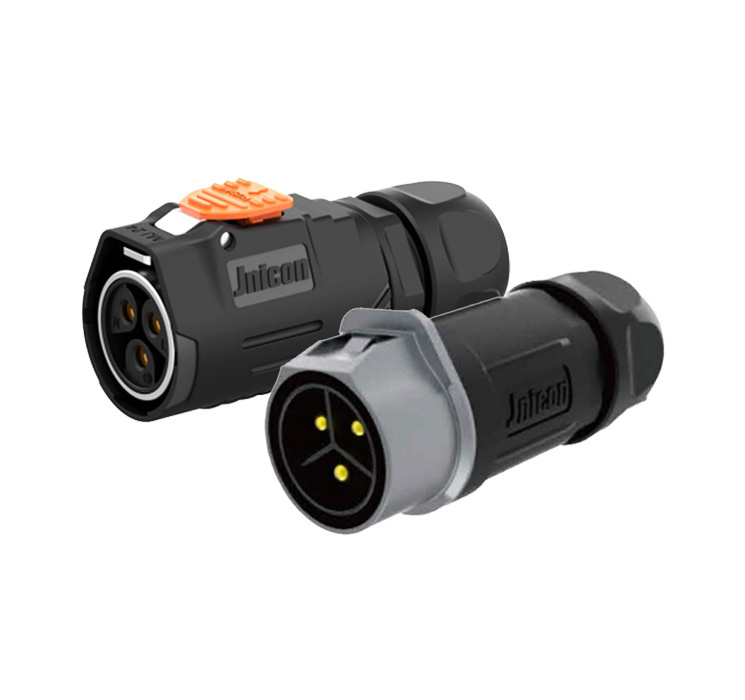
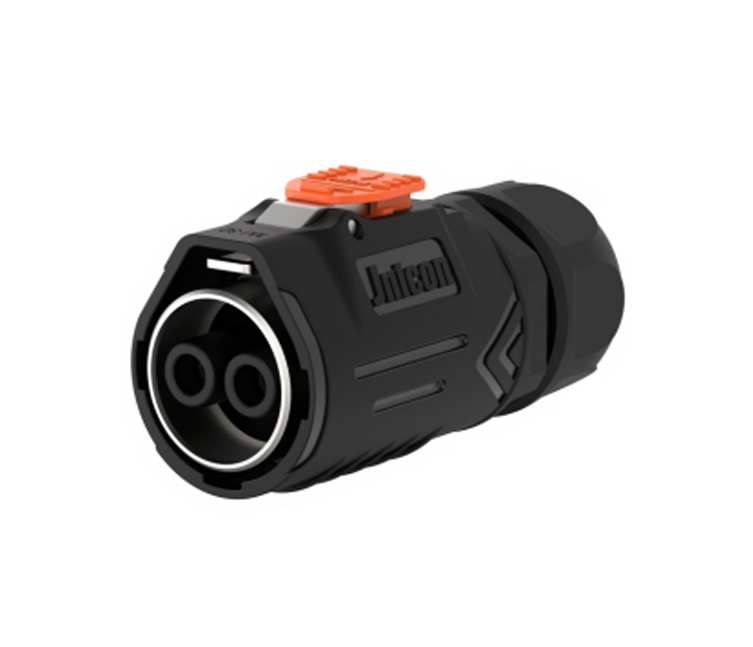
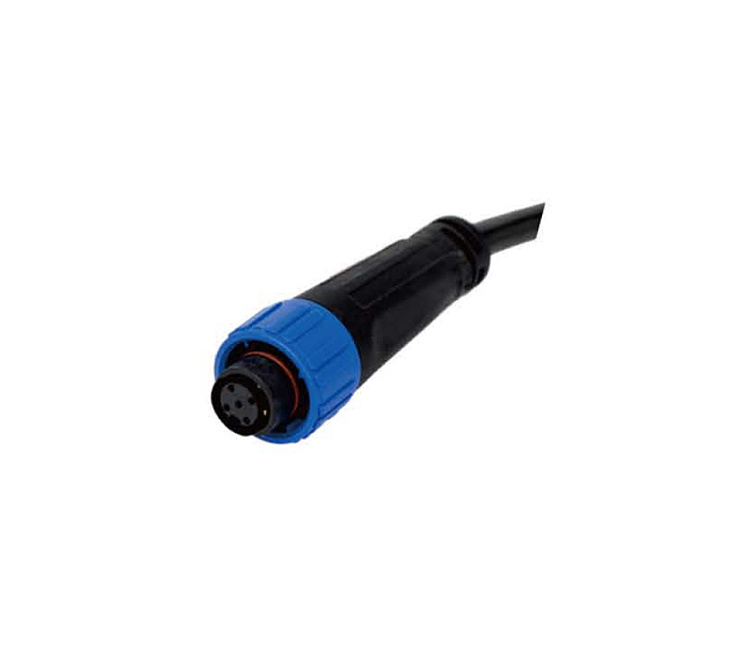
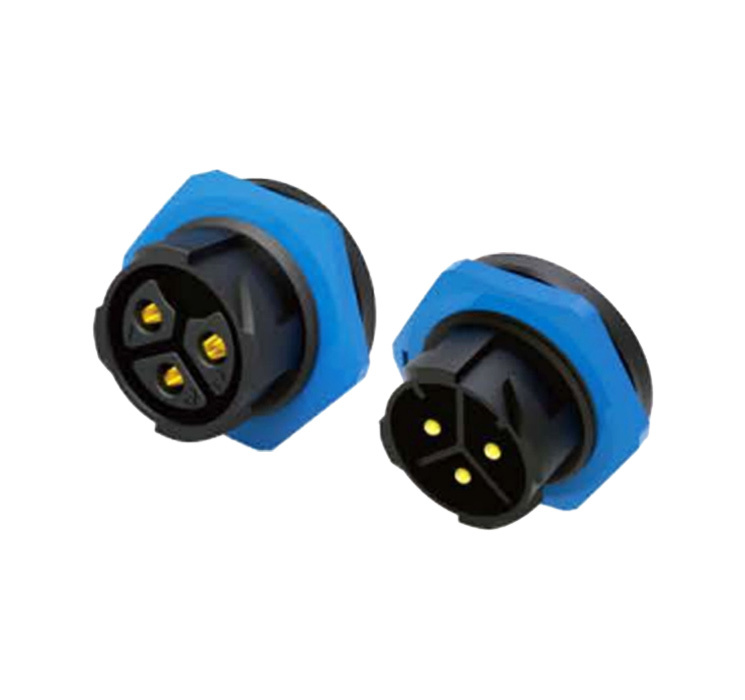
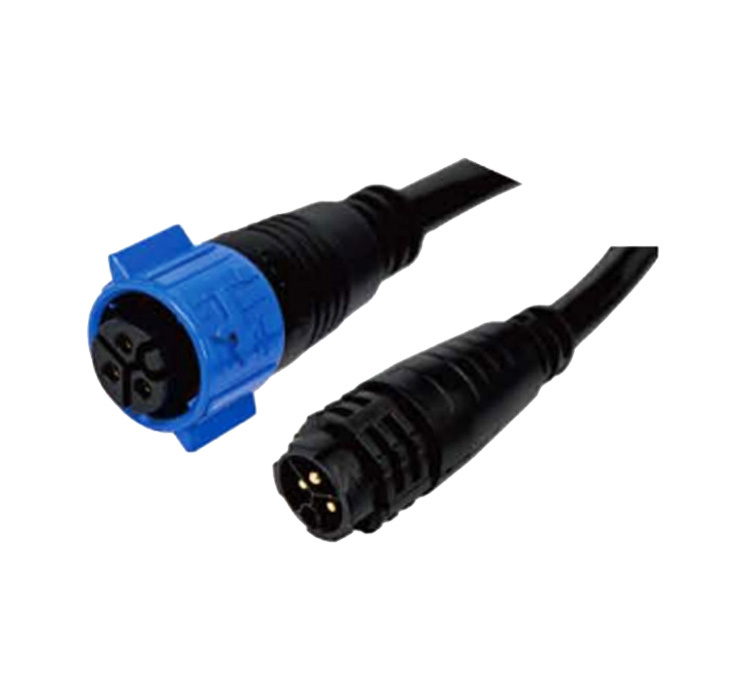
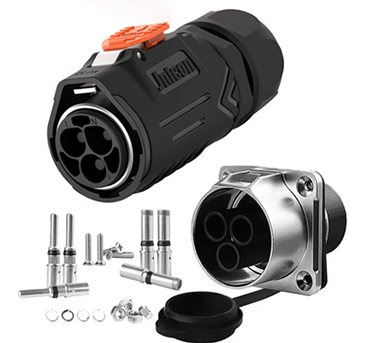
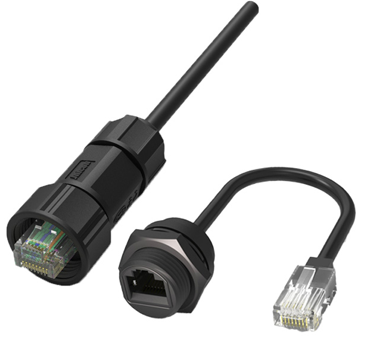
Waterproof cables typically feature insulation materials and construction techniques that prevent water ingress. These cables are often rated with varying degrees of protection, which is determined by their Ingress Protection (IP) rating. An IP rating provides a standardized way of indicating the level of sealing effectiveness of electrical enclosures against intrusion from foreign bodies, including water. For example, cables with an IP67 rating are completely dust-tight and can withstand immersion in water up to a specified depth for a limited time.
One of the primary advantages of using waterproof cables is their ability to prevent electrical shorts and corrosion caused by moisture. In environments such as outdoor lighting, water treatment facilities, and even underwater equipment, the failure of electrical connections can lead to significant downtime and costly repairs. By opting for waterproof cables, electricians can mitigate these risks and enhance the longevity of their installations.
Moreover, waterproof cables are essential in marine applications. Boats, ships, and other marine vessels navigate challenging conditions where exposure to saltwater and humidity is unavoidable. Utilizing waterproof cables in these scenarios ensures that the electrical systems remain operational and safe, preventing potential hazards such as fire or electrical shock.
When selecting waterproof cables, it’s essential to consider factors such as the cable's flexibility, temperature range, and mechanical strength in addition to its waterproof capabilities. For instance, in applications where the cable will be subjected to bending or movement, a more flexible design may be advantageous. Furthermore, understanding the specific environmental conditions in which the cable will be used helps in choosing the right type of waterproof cable for the job.
In summary, waterproof cables are a crucial component in the electric and electronics industry, especially for applications requiring reliable performance in challenging environments. By incorporating these cables into your projects, you can ensure safer, longer-lasting electrical connections. As the demand for waterproofing solutions continues to grow, staying informed about the latest innovations and applications of waterproof cables will serve you well in your electrical endeavors.
Previous
News
2026-10-18
How Industrial Power Connectors Transform Energy Distribution Systems
How Industrial Power Connectors Transform Energy Distribution Systems Table of Contents 1. Introduction to Industrial Power Connectors 2. The Importance of Power Connectors in Energy Distribution 3. Types of Industrial Power Connectors 3.1 Circular Connectors 3.2 Rectangular Connectors 3.3 Heavy-Duty Connectors 4. Applications
2026-10-15
Understanding Waterproof Wire Harness: Key Features and Benefits for Automotive Applications
In the automotive industry, the functionality and longevity of electrical components are crucial for vehicle performance. One of the key components that contribute to this is the waterproof wire harness. These harnesses are specifically designed to withstand harsh environmental conditions, ensuring that the electrical systems in vehicles remain operational regardless of the weather. A waterproof w
2026-10-12
5 Pin Waterproof Connectors: Enhancing Home Automation Systems
5 Pin Waterproof Connectors: Enhancing Home Automation Systems Table of Contents Introduction to 5 Pin Waterproof Connectors Importance of Waterproof Connectors in Home Automation Key Benefits of 5 Pin Waterproof Connectors Features of 5 Pin Waterproof Connectors Material Quality Design and Build Applications of 5 Pin Waterproof C

B8-9, Fubilun industrial park, Chaoyang rd,Yanchuan community, Songgang, Shenzhen, China


