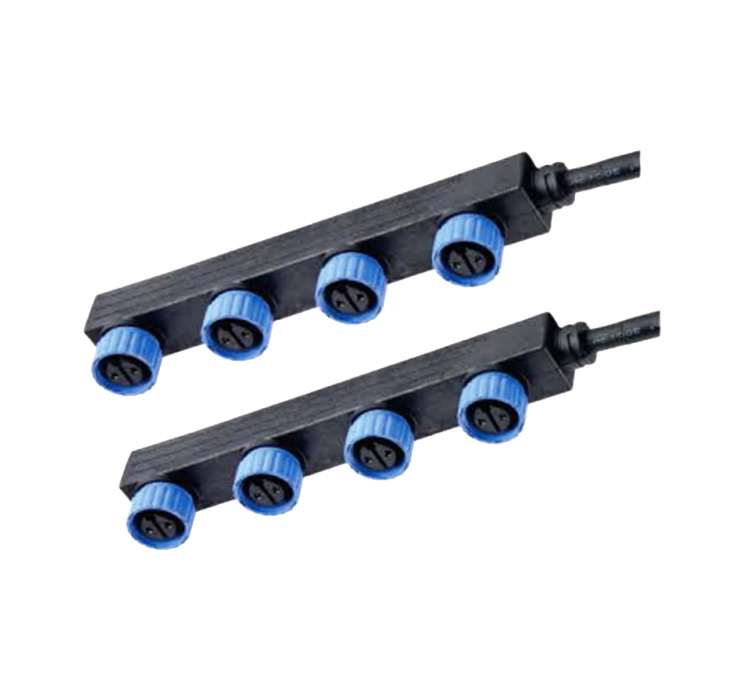


Essential Features to Look for in Waterproof Cables
Release Time:
2026-06-20
Essential Features to Look for in Waterproof Cables
When it comes to electrical applications, selecting the appropriate cables is paramount, especially in environments exposed to moisture, chemicals, or extreme temperatures. Waterproof cables are designed to withstand these harsh conditions, ensuring safety and reliability. In this article, we will delve into the essential features to consider when choosing waterproof cables, ensuring you make an informed decision for your project.
Table of Contents
- What Are Waterproof Cables?
- The Importance of Waterproof Cables in Electrical Applications
- Key Features to Consider When Selecting Waterproof Cables
- Material and Construction
- IP Rating
- Temperature Range
- Flexibility and Durability
- Chemical Resistance
- Size and Weight
- Common Applications of Waterproof Cables
- Installation Considerations for Waterproof Cables
- Maintenance and Care for Waterproof Cables
- Conclusion
- FAQs
What Are Waterproof Cables?
Waterproof cables are specialized electrical cables designed to prevent the ingress of water and moisture. These cables feature insulation materials and a protective outer layer that create barriers against environmental elements, making them suitable for use in wet or humid conditions. They are essential in various sectors, including marine, construction, and outdoor applications.
The Importance of Waterproof Cables in Electrical Applications
Using waterproof cables is critical for maintaining safety and functionality in electrical systems exposed to moisture or water. The importance of these cables cannot be overstated; their benefits include:
1. **Safety**: Preventing electrical shorts and fire hazards associated with water damage.
2. **Durability**: Enhancing the longevity of the cable in adverse environmental conditions.
3. **Reliability**: Ensuring consistent performance without interruptions from water-related failures.
Choosing the right waterproof cables is essential for any project that involves outdoor installations or environments where exposure to water is a risk.
Key Features to Consider When Selecting Waterproof Cables
When selecting waterproof cables, several features should be taken into account to ensure you get the best product for your needs.
Material and Construction
The material used in waterproof cables plays a significant role in their performance. Common materials include:
- **Polyvinyl Chloride (PVC)**: Known for its excellent moisture resistance and durability.
- **Thermoplastic Elastomer (TPE)**: Offers flexibility and is resistant to extreme temperatures.
- **Rubber**: Highly flexible and provides excellent insulation.
The construction of the cable, including the number of conductors and their gauge, also influences its effectiveness. Ensure that the materials used meet the specific needs of your application.
IP Rating
The **Ingress Protection (IP) rating** is a crucial specification to look for when selecting waterproof cables. This rating indicates the level of protection against dust and water.
- **IP68**: Provides complete protection against dust and can withstand immersion in water beyond 1 meter.
- **IP67**: Offers protection against dust and can resist temporary submersion in water up to 1 meter for a limited time.
Understanding the IP rating helps you select cables suitable for your intended environment.
Temperature Range
Cables often operate in varying temperature conditions. It’s essential to choose waterproof cables that can withstand the temperature range of your specific application. Look for cables rated for both high and low temperatures to ensure performance stability.
Flexibility and Durability
Waterproof cables should be both flexible and durable, particularly in dynamic environments where movement is expected. A flexible cable can be easily routed around obstacles without compromising integrity. Assess the bending radius and flexibility rating to ensure the cable meets your installation needs.
Chemical Resistance
In many applications, waterproof cables may be exposed to chemicals or pollutants. Selecting cables with high chemical resistance can prevent degradation due to exposure to oils, solvents, or acids. Always verify that the chosen cable materials are compatible with the specific chemicals they will encounter.
Size and Weight
While selecting waterproof cables, consider the size and weight relative to your application. Lightweight cables can reduce installation complexity, while compact cables can fit into tight spaces. However, ensure that size does not compromise performance or safety.
Common Applications of Waterproof Cables
Waterproof cables are utilized in a variety of applications, including:
- **Marine Environments**: Boats and ships require waterproof cables to prevent corrosion and electrical failures.
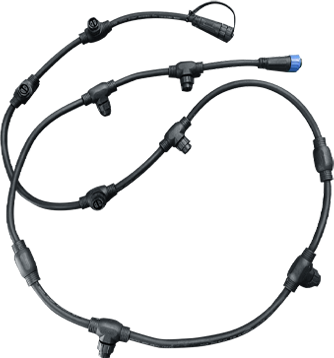
- **Outdoor Lighting**: Landscape lighting systems must utilize waterproof cables to withstand rain and humidity.
- **Industrial Equipment**: Factories and plants often use waterproof cables for machines in wet areas.
- **Construction Sites**: Temporary power supply setups require durable, waterproof cables to ensure safety.
These are just a few examples of where waterproof cables are essential to maintaining safe and reliable electrical systems.
Installation Considerations for Waterproof Cables
Proper installation of waterproof cables is crucial for optimal performance. Here are some tips to keep in mind:
1. **Follow Manufacturer Guidelines**: Always adhere to the manufacturer's specifications for installation procedures.
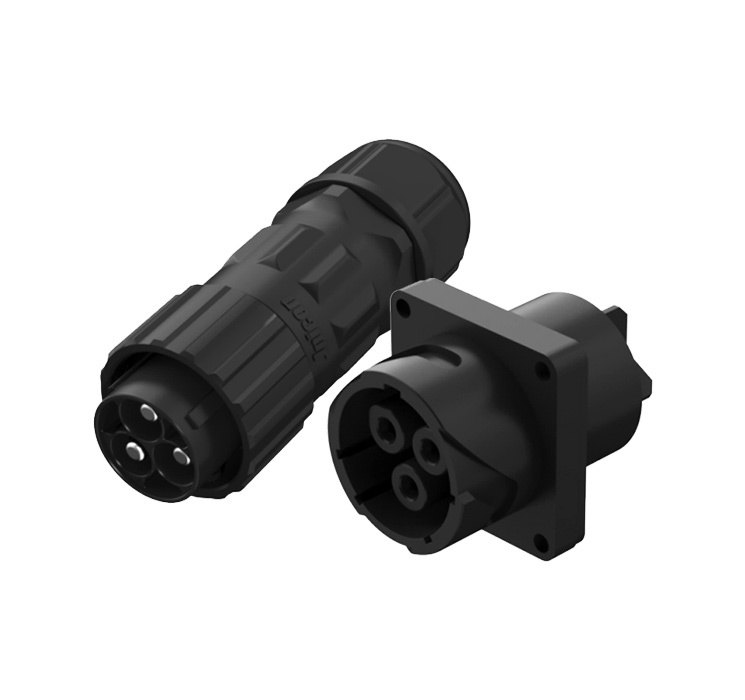
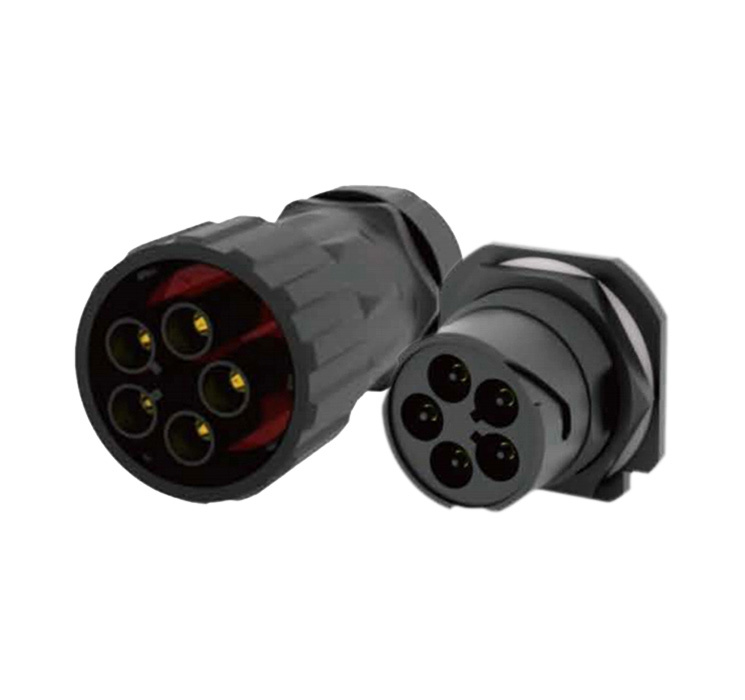
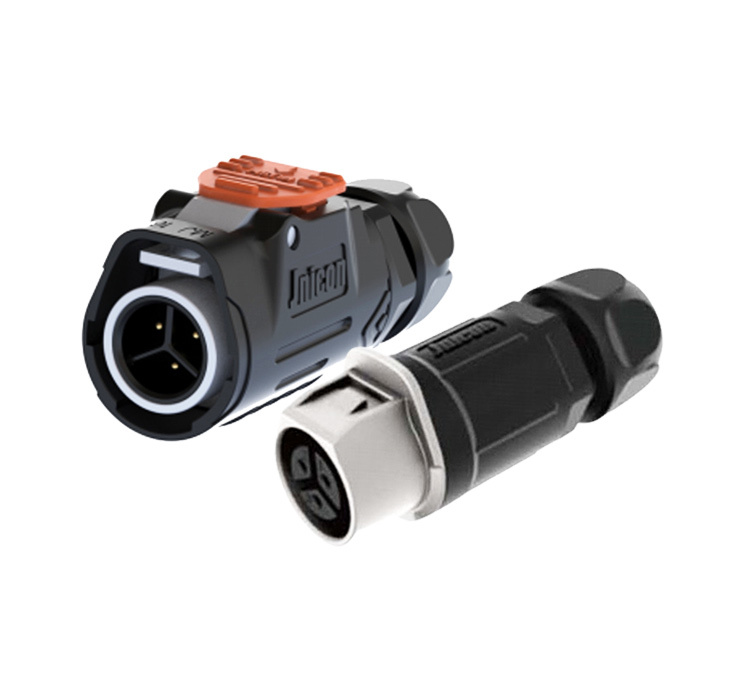
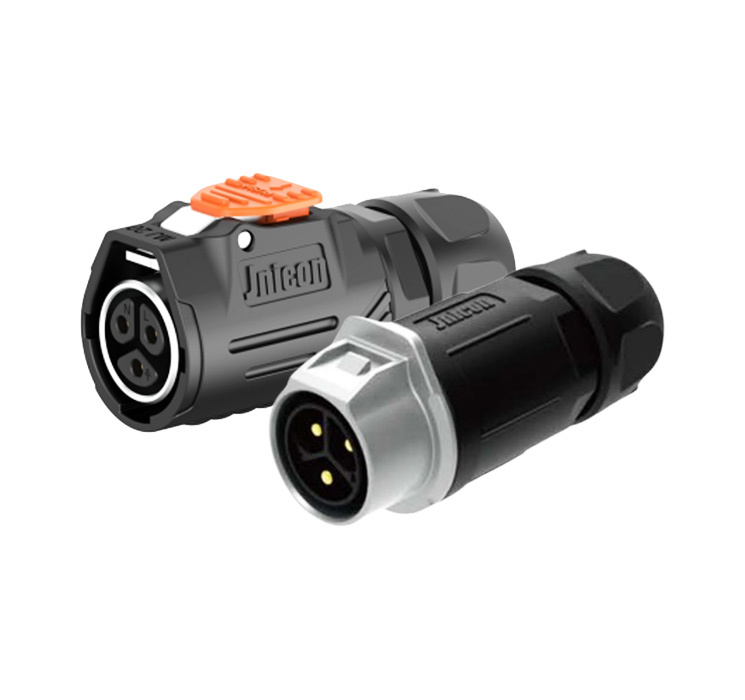
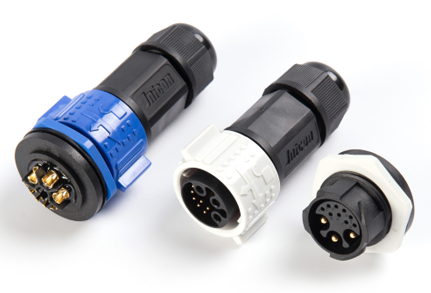
2. **Utilize Appropriate Connectors**: Use connectors designed explicitly for waterproof applications to maintain integrity.
3. **Avoid Sharp Bends**: Ensure that cables are installed with gentle curves to avoid damaging the insulation.
4. **Seal Connections**: Use heat shrink tubing or other sealing methods to protect connections from moisture.
By following these guidelines, you can ensure that your waterproof cables perform effectively.
Maintenance and Care for Waterproof Cables
Regular maintenance of waterproof cables can extend their lifespan. Here are a few practices to implement:
- **Inspect Regularly**: Routinely check cables for signs of wear, damage, or corrosion.
- **Clean as Necessary**: Remove any debris or contaminants that may accumulate on the cable surface.
- **Check Connections**: Ensure that connections remain tight and secure to prevent water ingress.
Taking these maintenance steps will help keep your waterproof cables in optimal condition.
Conclusion
Choosing the right waterproof cables is crucial for electrical applications exposed to harsh conditions. By understanding essential features such as material, IP rating, temperature range, flexibility, chemical resistance, and size, you can make informed decisions that enhance safety and reliability. Proper installation and maintenance further ensure the longevity and performance of these vital components in your electrical systems. When you prioritize these factors, you can confidently tackle projects in wet or challenging environments.
FAQs
1. What is the difference between waterproof and water-resistant cables?
Waterproof cables are designed to withstand prolonged exposure to water, while water-resistant cables can only handle brief encounters with moisture.
2. How do I determine the appropriate IP rating for my project?
Consider the environmental conditions and potential exposure to water and dust when selecting the IP rating. Higher ratings provide better protection.
3. Are waterproof cables more expensive than standard cables?
Yes, waterproof cables typically cost more due to the specialized materials and construction required for moisture protection.
4. Can I use waterproof cables indoors?
Yes, waterproof cables can be used indoors, especially in areas prone to moisture, such as kitchens and bathrooms.
5. How can I prolong the life of waterproof cables?
Regular inspections, proper installation, and timely cleaning can significantly extend the lifespan of waterproof cables.
Previous
Previous
News
2026-06-20
Essential Features to Look for in Waterproof Cables
Essential Features to Look for in Waterproof Cables When it comes to electrical applications, selecting the appropriate cables is paramount, especially in environments exposed to moisture, chemicals, or extreme temperatures. Waterproof cables are designed to withstand these harsh conditions, ensuring safety and reliability. In this article, we will delve into the essential features to consider whe
2026-06-17
Exploring the Versatile Applications and Manufacturing Processes of 2 Pin Waterproof Connectors
**Q1: What is a 2 pin waterproof connector?** A1: A 2 pin waterproof connector is a specialized electrical connector designed to provide secure and moisture-resistant connections between two wires or components. Typically consisting of two pins and a housing that protects against water ingress, these connectors are crucial in environments subject to exposure to water and contaminants. **Q2: What a
2026-06-05
Understanding Waterproof Cables: Essential Knowledge for Electricians
In the realm of electrical and electronic applications, the term "waterproof cable" is becoming increasingly significant. Waterproof cables are designed to withstand exposure to moisture, making them essential for outdoor installations, marine applications, and environments where water and humidity are prevalent. Understanding the characteristics and applications of waterproof cables is vital for

B8-9, Fubilun industrial park, Chaoyang rd,Yanchuan community, Songgang, Shenzhen, China


