
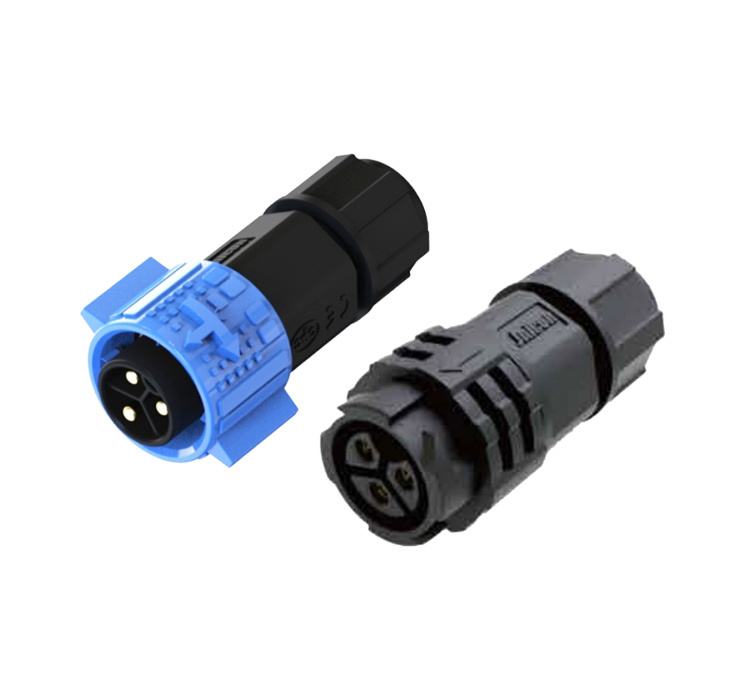
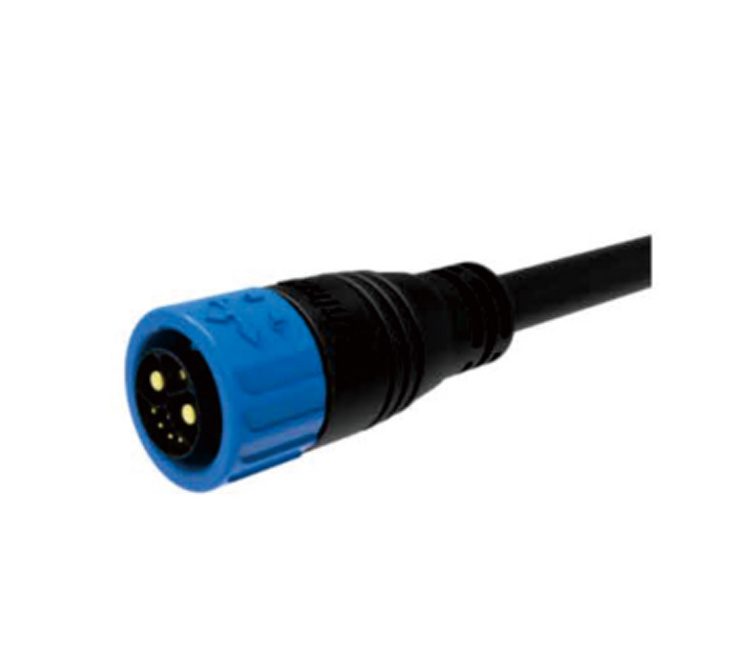
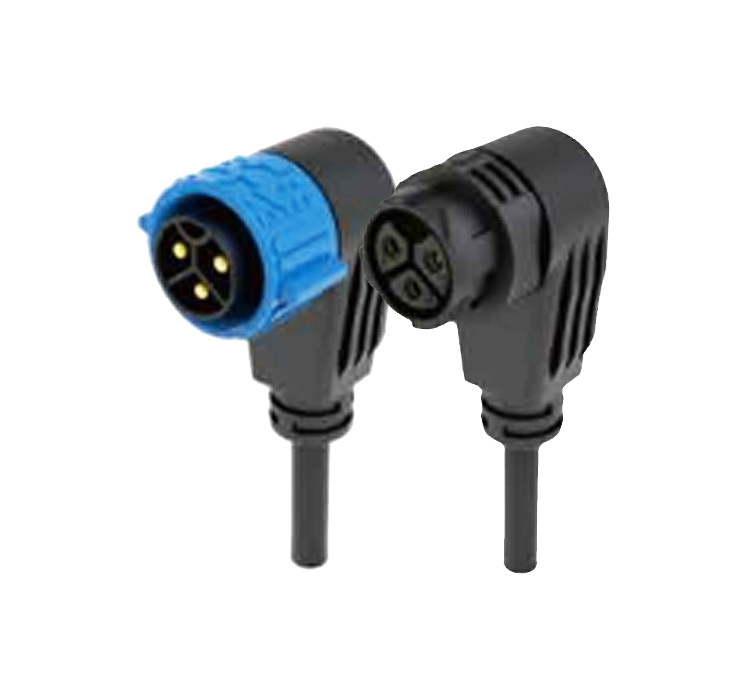
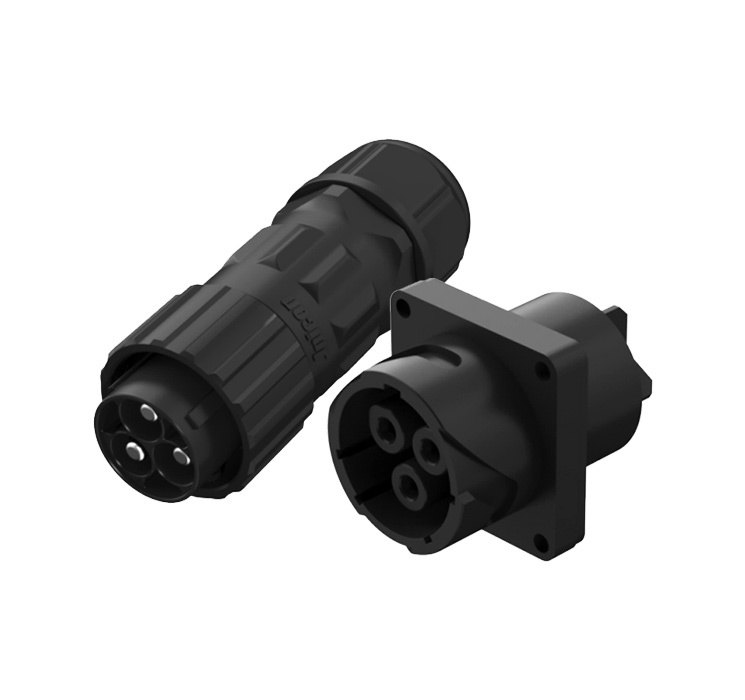


The Science Behind Waterproofing in Automotive Wire Harnesses
Release Time:
2026-08-13
The Science Behind Waterproofing in Automotive Wire Harnesses
Table of Contents
- Introduction to Waterproofing in Automotive Wire Harnesses
- The Importance of Waterproofing Automotive Wire Harnesses
- Key Materials Used in Waterproofing
- Waterproofing Techniques and Methods
- Testing and Certification Standards for Waterproofing
- Challenges in Waterproofing Automotive Wire Harnesses
- Future Innovations in Waterproofing Technologies
- Conclusion
- FAQs
Introduction to Waterproofing in Automotive Wire Harnesses
In today’s rapidly evolving automotive industry, ensuring the durability and reliability of electrical systems is paramount. Waterproofing in automotive wire harnesses is a critical aspect that addresses the potential dangers posed by moisture exposure. Wire harnesses serve as the electrical backbone of vehicles, connecting various components and systems. When these connections are compromised by water ingress, it can lead to short circuits, corrosion, and ultimately, system failures. This article delves into the science behind waterproofing wire harnesses, exploring the materials, methods, and technologies that enhance the longevity and safety of automotive electrical systems.
The Importance of Waterproofing Automotive Wire Harnesses
The significance of waterproofing in automotive wire harnesses cannot be overstated. Modern vehicles are designed to withstand diverse environmental conditions, ranging from heavy rain to humid climates. As such, moisture protection is essential for the following reasons:
1. Preventing Electrical Failures
Moisture can lead to corrosion of metal components and connections within wire harnesses. This corrosion may result in electrical failures, causing malfunctions in critical systems such as braking, navigation, and engine management.
2. Enhancing Safety
Electrical failures caused by water ingress can pose serious safety risks, including risks associated with malfunctioning safety features. Waterproofing ensures that these systems function correctly, enhancing overall vehicle safety.
3. Improving Longevity
Waterproofing extends the lifespan of wire harnesses by protecting them from environmental factors. This prolongs the need for repairs or replacements, ultimately benefiting manufacturers and consumers alike.
Key Materials Used in Waterproofing
The effectiveness of waterproofing techniques relies on the materials employed. Here are some of the primary materials utilized in the waterproofing of automotive wire harnesses:
1. Polyurethane
Polyurethane is a versatile polymer known for its excellent moisture resistance and durability. It is often used in coatings and sealants to protect wire harnesses from water exposure.
2. Epoxy Resins
Epoxy resins are widely used in potting compounds due to their strong adhesive properties and resistance to moisture and chemicals. They create a robust barrier against environmental elements.
3. Silicone
Silicone materials are favored for their flexibility and high resistance to temperature extremes. They are commonly used in seals and gaskets to provide waterproofing in challenging conditions.
Waterproofing Techniques and Methods
There are several techniques employed to waterproof automotive wire harnesses, each with its advantages and applications.
Conformal Coatings
Conformal coatings are thin layers of protective material applied to the surface of wire harness components. These coatings conform to the shape of the components, providing a barrier against moisture and contaminants. Typically made from acrylic, silicone, or urethane, conformal coatings are often used in electronic assemblies to enhance reliability.
Potting Compounds
Potting involves encasing wire harness components in a solid or gel-like substance, usually made from epoxy or silicone. This method provides a robust barrier against moisture, dust, and vibration, making it ideal for components exposed to harsh environments.
Heat Shrink Tubing
Heat shrink tubing is a highly effective waterproofing method that involves applying a tube around wire connections and then using heat to shrink it tight around the wires. This creates a waterproof seal that protects against moisture ingress as well as abrasion and mechanical damage.
Testing and Certification Standards for Waterproofing
To ensure the effectiveness of waterproofing techniques, various testing and certification standards are employed. These standards assess the ability of wire harnesses to resist water infiltration and maintain functionality under challenging conditions.
1. IP Ratings
The Ingress Protection (IP) rating system classifies the degree of protection provided by enclosures against solid objects and liquids. For automotive applications, an IP67 rating, which signifies protection against dust and immersion in water up to one meter for 30 minutes, is often sought after.
2. SAE Standards
The Society of Automotive Engineers (SAE) establishes standards for automotive components, including waterproofing requirements. Compliance with SAE standards ensures that wire harnesses can withstand industry-specific challenges.
Challenges in Waterproofing Automotive Wire Harnesses
While waterproofing is critical, it is not without challenges. Several factors can complicate the waterproofing process:
1. Material Compatibility
Different materials have unique properties, and ensuring compatibility between various components within a wire harness can pose challenges. Incompatible materials may lead to degradation of seals or coatings over time.
2. Environmental Conditions
Automotive wire harnesses are exposed to extreme conditions, including temperature fluctuations and exposure to chemicals. Designing waterproof solutions that withstand these conditions is essential but can be complex.
3. Cost Considerations
Implementing advanced waterproofing techniques and materials can increase production costs. Balancing cost-effectiveness with high-quality waterproofing solutions is a challenge that manufacturers must navigate.
Future Innovations in Waterproofing Technologies
As the automotive industry continues to evolve, so too do the technologies and methods used for waterproofing wire harnesses. Future innovations may include:
1. Self-Healing Materials
Research into self-healing materials promises a leap forward in waterproofing technology. These materials can automatically repair minor damages, such as scratches or cuts, maintaining their waterproof properties.
2. Advanced Nanotechnology
Nanotechnology offers exciting possibilities for enhancing waterproofing methods. By manipulating materials at the molecular level, manufacturers can develop stronger, lighter, and more effective waterproofing solutions.
3. Smart Waterproofing Solutions
Integrating sensors into waterproofing systems may offer real-time monitoring of moisture levels. This could allow for proactive maintenance and alerts, preventing moisture-related failures before they occur.
Conclusion
Waterproofing in automotive wire harnesses is a crucial aspect of vehicle design, ensuring safety, reliability, and durability. By employing advanced materials and techniques, manufacturers can effectively protect electrical connections from moisture exposure. As the industry continues to innovate, the future of waterproofing looks promising, with the potential for new technologies that will further enhance the performance and longevity of automotive wire harnesses. Investing in high-quality waterproofing solutions not only benefits manufacturers but ultimately contributes to the safety and satisfaction of vehicle owners.
FAQs
1. What is the primary purpose of waterproofing in automotive wire harnesses?
The primary purpose of waterproofing in automotive wire harnesses is to protect electrical connections from moisture exposure, which can lead to corrosion and electrical failures.
2. What are the most common materials used for waterproofing wire harnesses?
Common materials include polyurethane, epoxy resins, and silicone, each offering varying degrees of moisture resistance and durability.
3. How do conformal coatings work to protect wire harnesses?
Conformal coatings are thin layers of protective material that adhere to the surface of wire harness components, providing a moisture-resistant barrier.
4. What is an IP rating, and why is it important?
An IP rating measures the degree of protection offered by enclosures against dust and water. It is essential for ensuring that automotive wire harnesses can withstand environmental conditions.
5. What challenges do manufacturers face in waterproofing automotive wire harnesses?
Manufacturers face challenges such as material compatibility, environmental conditions, and cost considerations when implementing waterproofing solutions.
News
2026-09-27
Understanding Industrial Power Connectors: Key Insights for Professionals
Industrial power connectors play a crucial role in the safety and efficiency of electrical systems across various sectors, including manufacturing, energy, and transportation. These connectors are designed to facilitate the transmission of electrical power in rugged environments, ensuring reliable and stable connections. Understanding the types, applications, and selection criteria for industrial
2026-09-24
Waterproof Wire Harnesses: The Cornerstone of Electric Vehicle Reliability
Waterproof Wire Harnesses: An Essential Component for Electric Vehicles Electric vehicles (EVs) are rapidly transforming the automotive landscape, with advancements in technology leading the charge. Amongst the many components that contribute to the seamless operation of these vehicles, **waterproof wire harnesses** stand out as a vital element. In this comprehensive article, we will delve deep in
2026-09-21
Exploring the Benefits and Applications of 5 Pin Waterproof Connectors
In today's increasingly interconnected world, the demand for reliable and durable electrical connections is paramount, particularly in environments exposed to moisture and harsh conditions. The 5 pin waterproof connector serves as a crucial solution to meet these needs, providing secure electrical connectivity while protecting sensitive components from water damage and corrosion. One of the primar

B8-9, Fubilun industrial park, Chaoyang rd,Yanchuan community, Songgang, Shenzhen, China


