


Understanding Industrial Power Connectors: Essential Components for Electrical Efficiency
Release Time:
2026-08-16
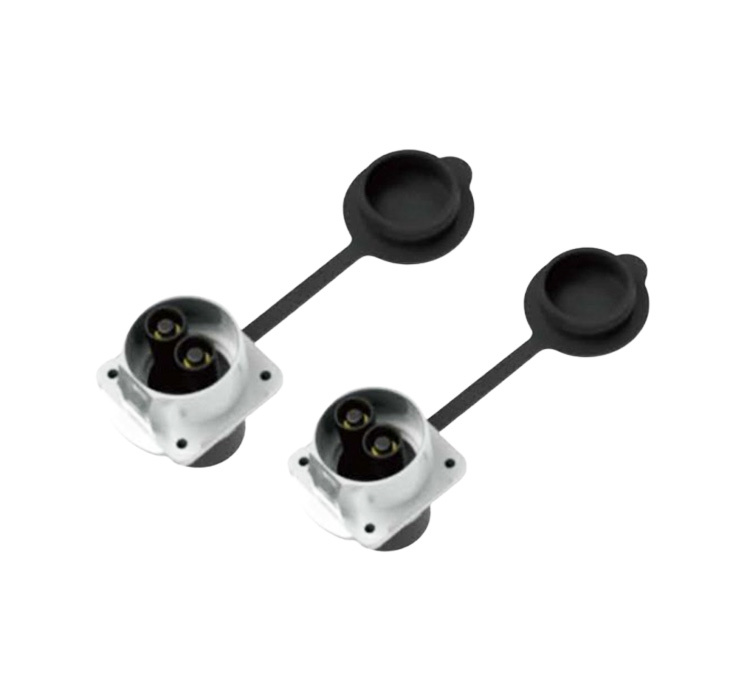
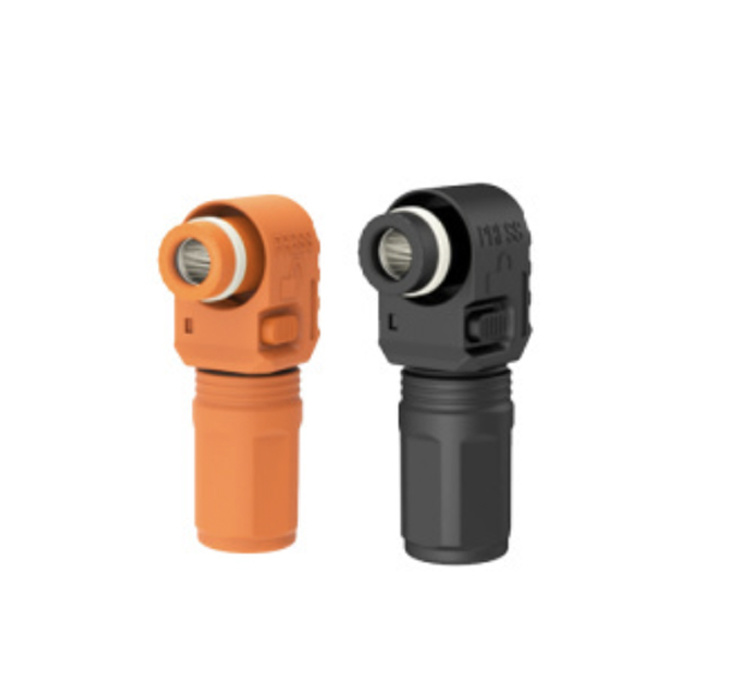
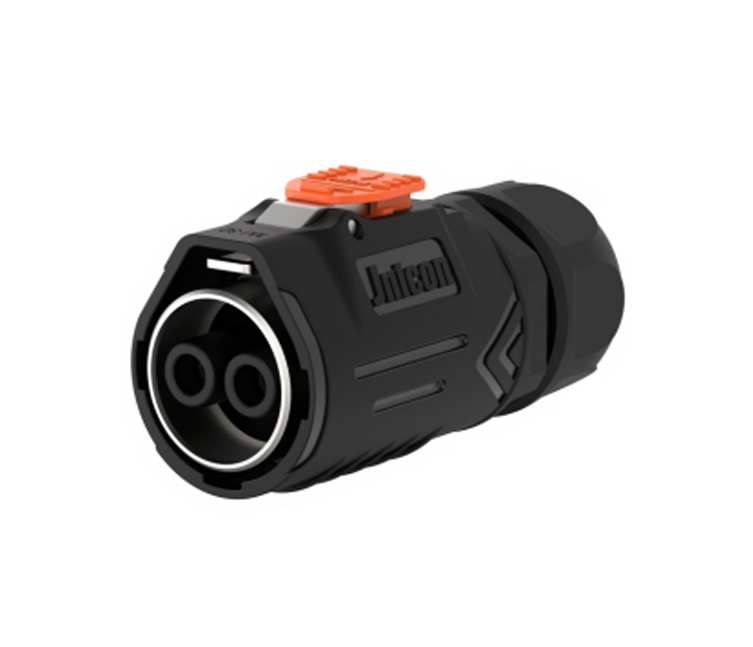
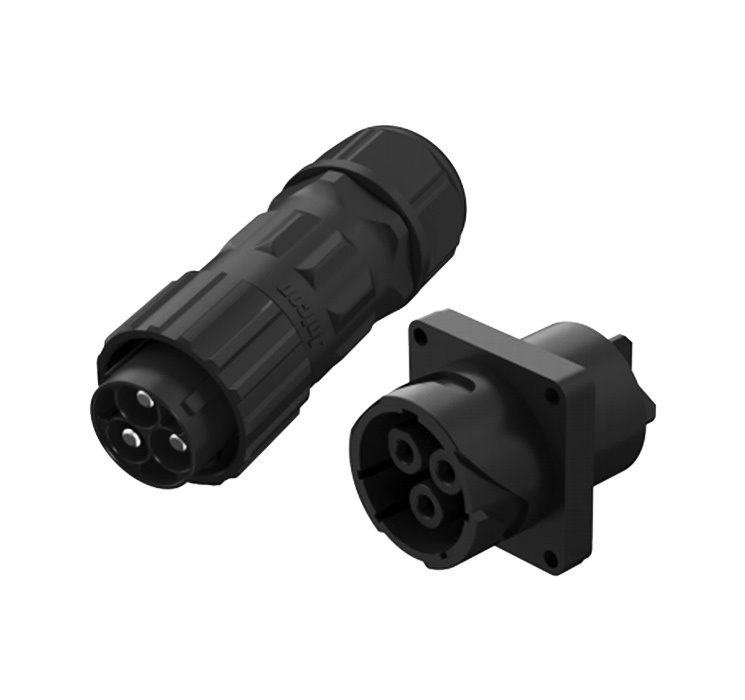
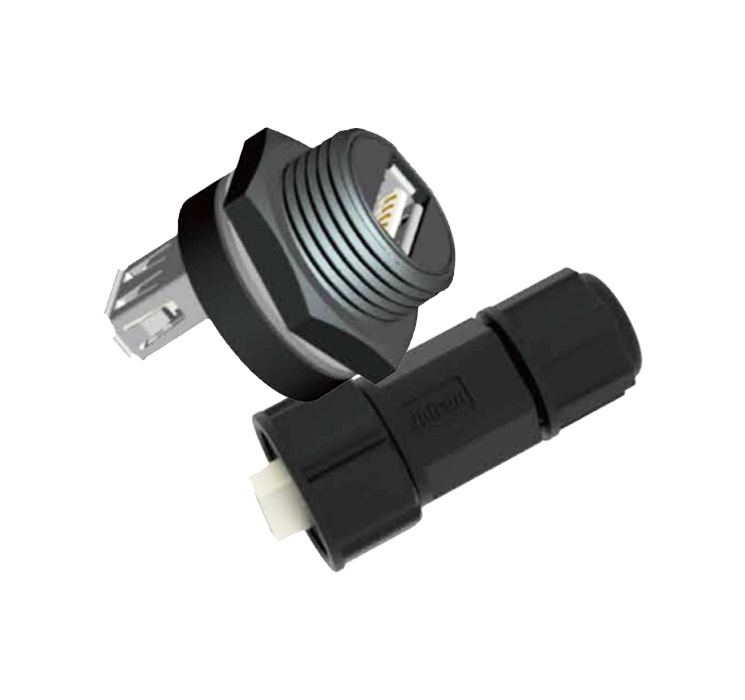
One of the primary functions of industrial power connectors is to facilitate the reliable transfer of electrical energy. They are designed to withstand harsh conditions often found in industrial environments, such as extreme temperatures, dust, moisture, and mechanical stress. This durability ensures that power connections remain stable and safe, minimizing the risk of electrical failures that can lead to costly downtime or hazardous situations.
When selecting industrial power connectors, several factors must be considered to ensure compatibility and efficiency. The connector’s voltage and current ratings should match the requirements of the application. Additionally, the connection method—whether it be plug and socket, terminal blocks, or soldering—will impact installation and maintenance practices. It’s also important to consider the environmental ratings of connectors, which indicate their resistance to elements like water and dust.
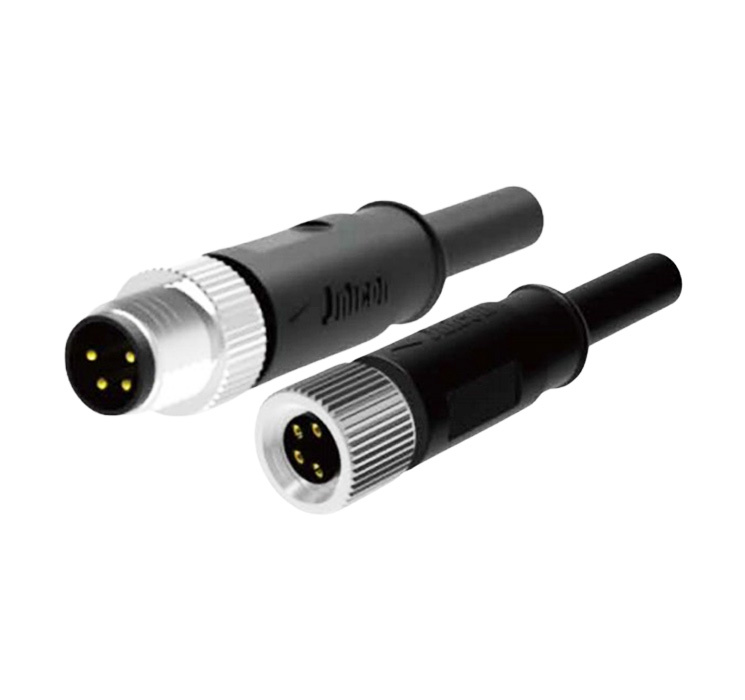
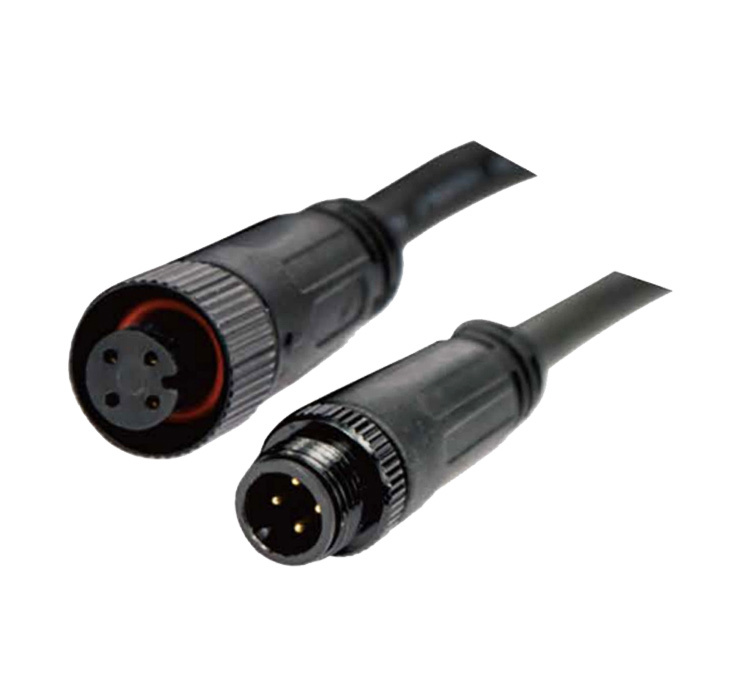
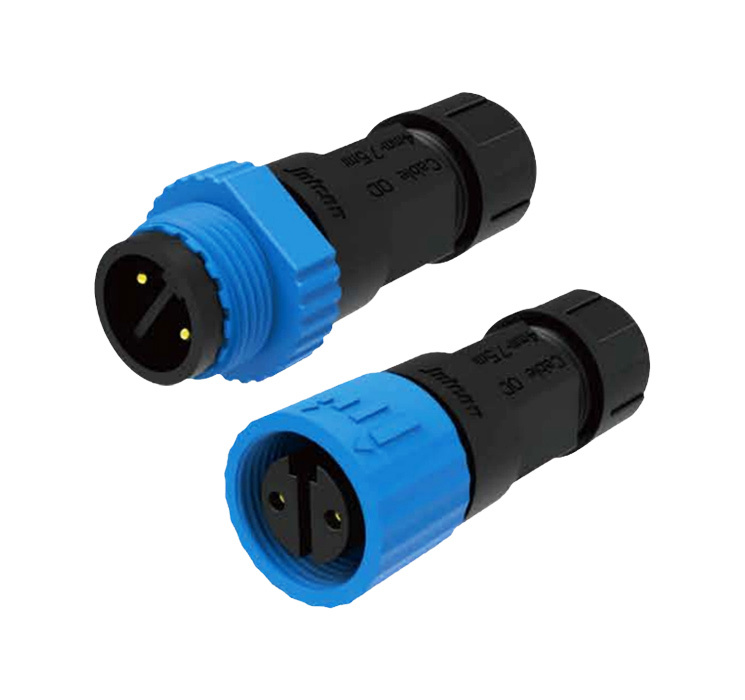
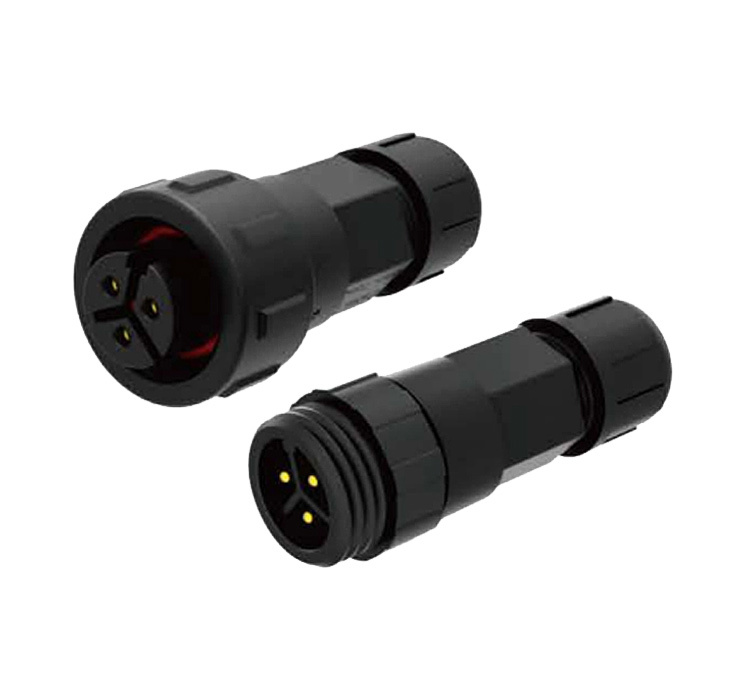
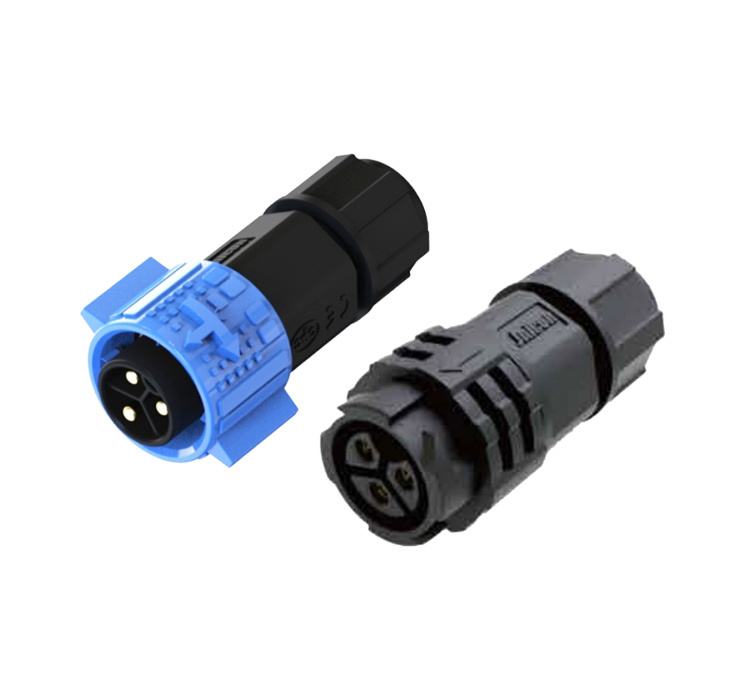
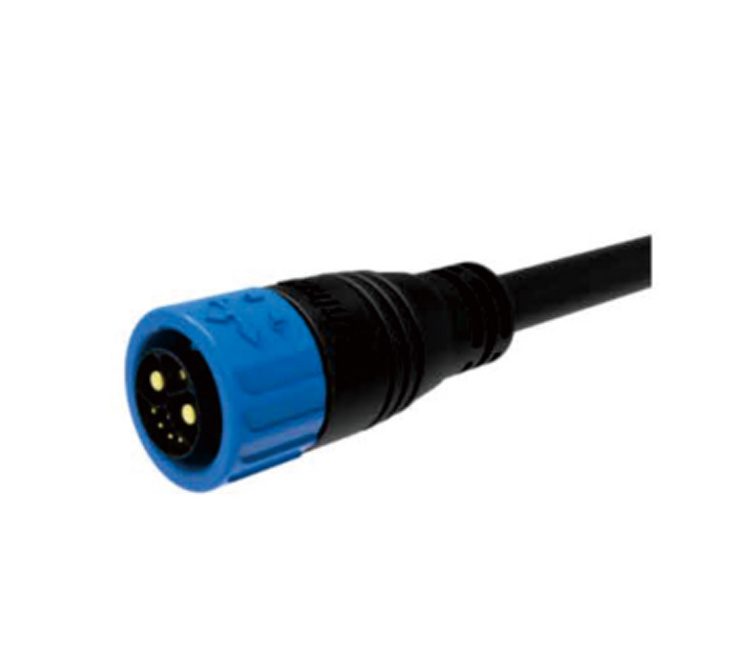
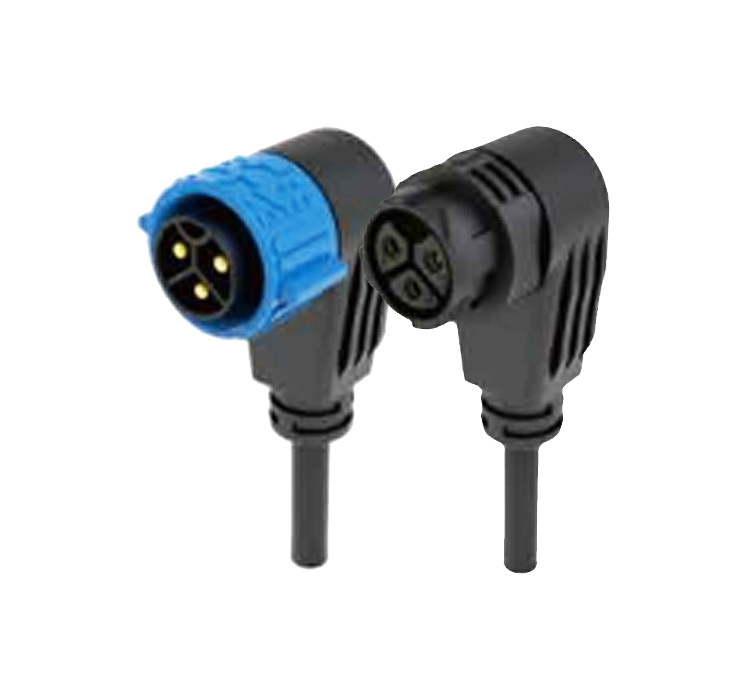
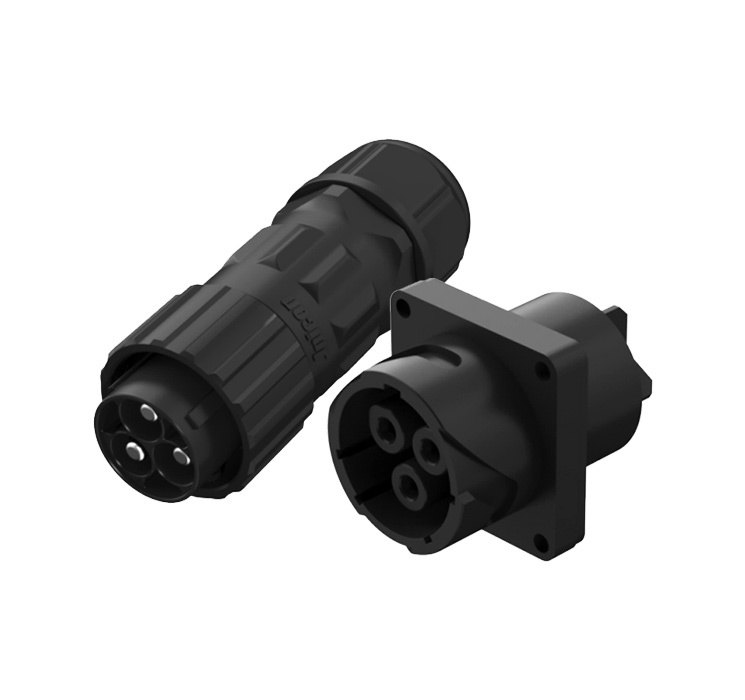
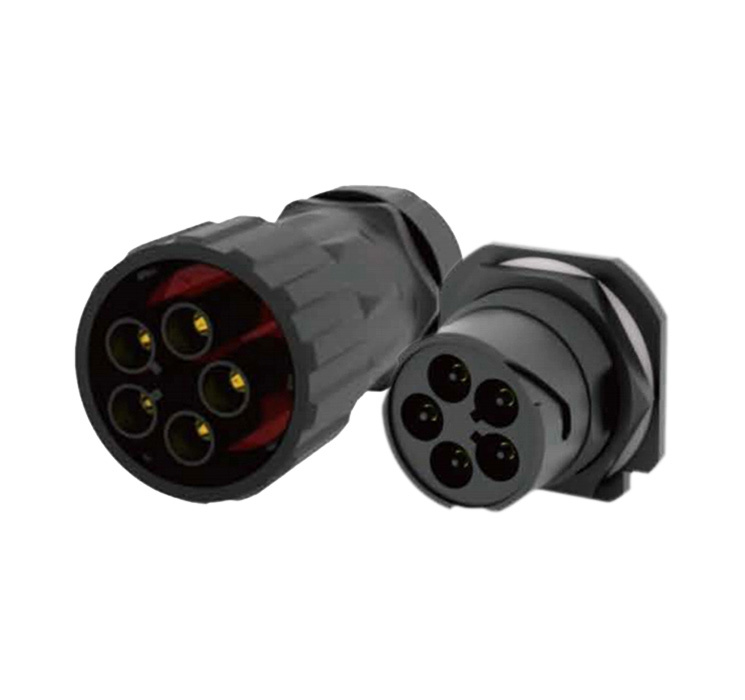
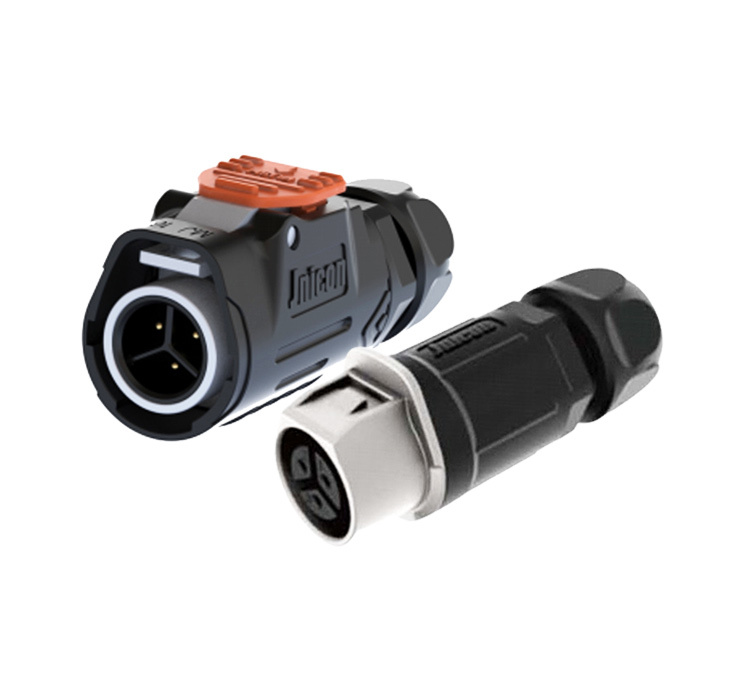
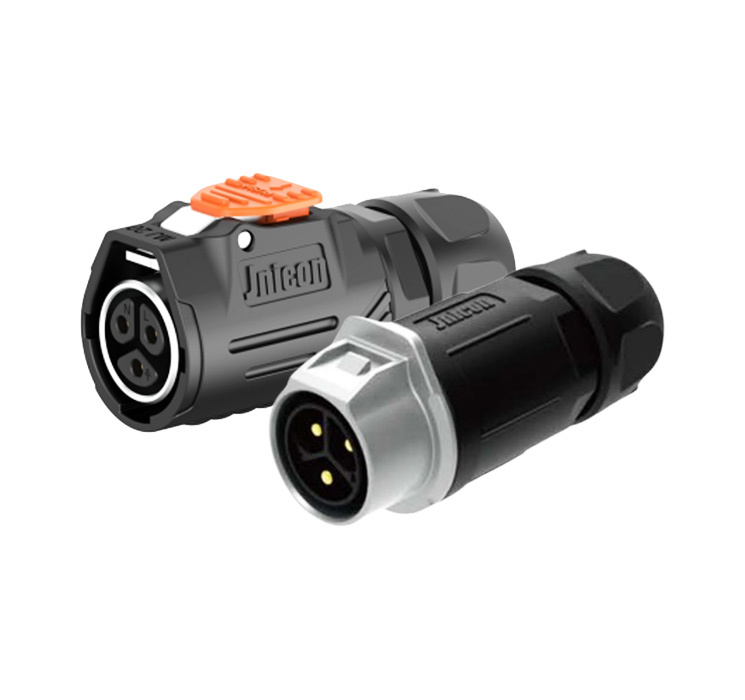
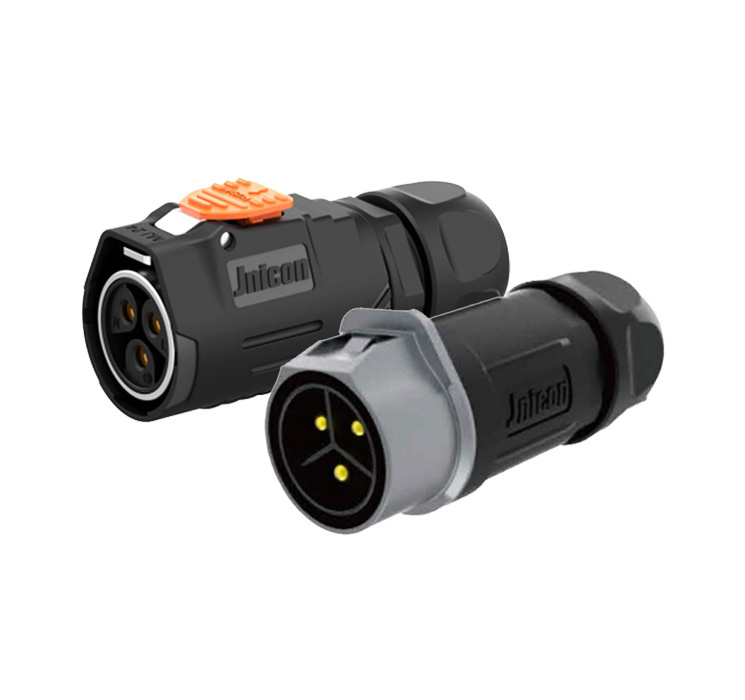
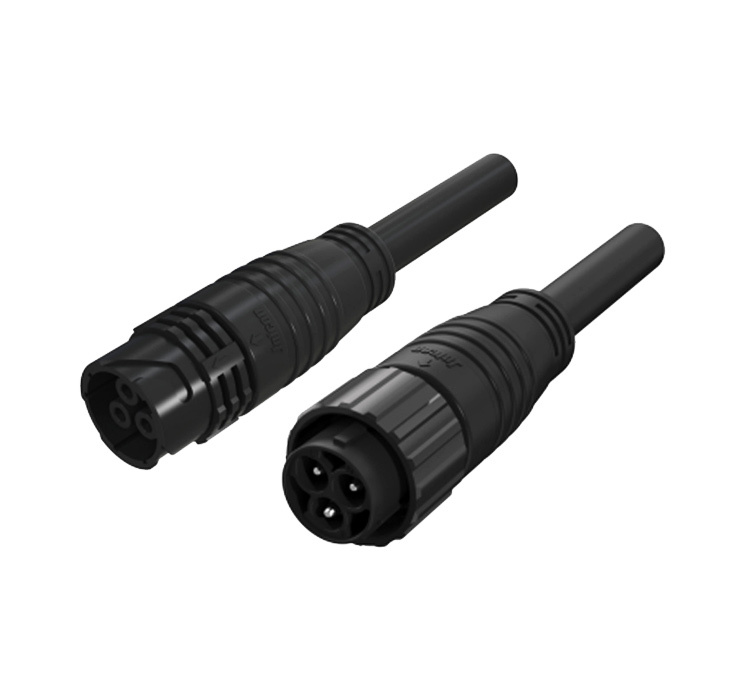
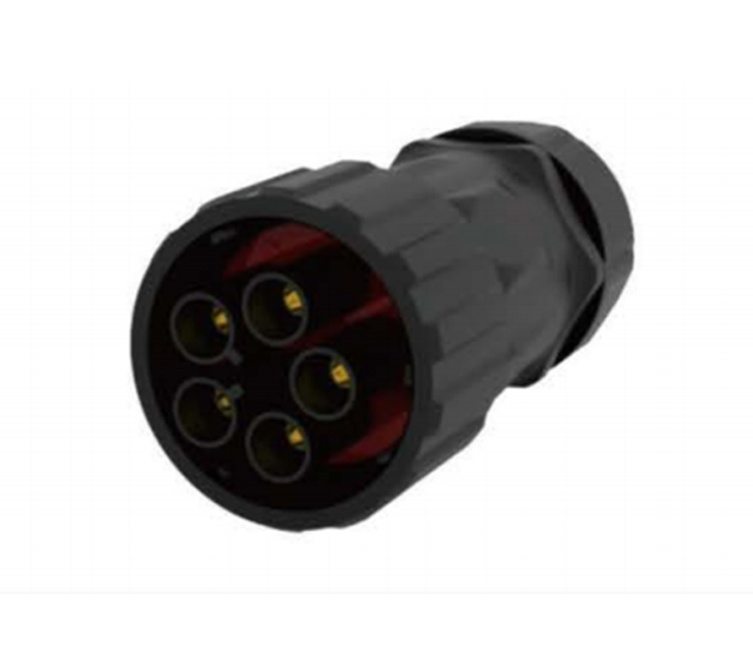
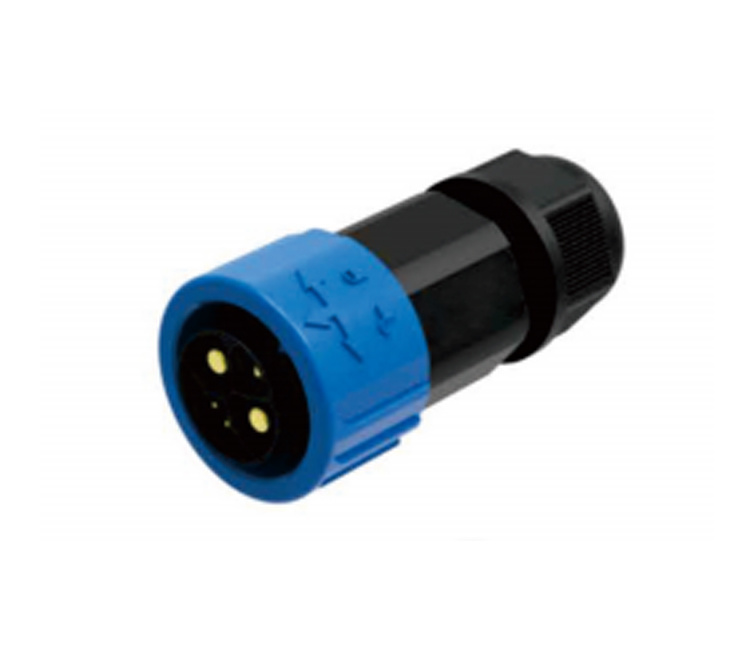
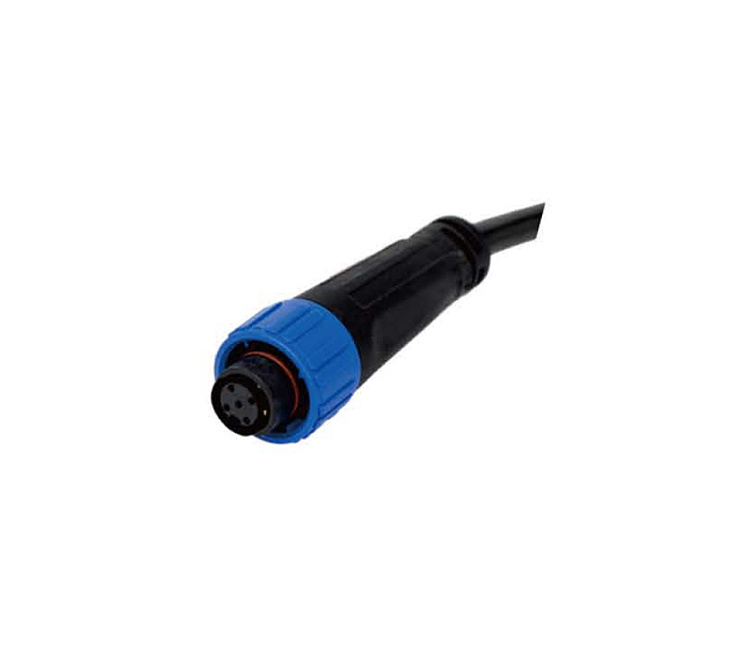
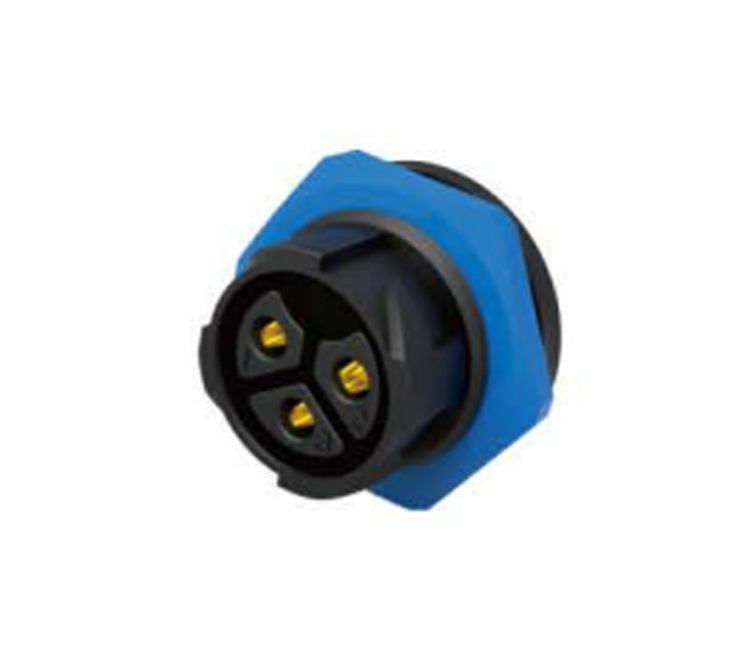
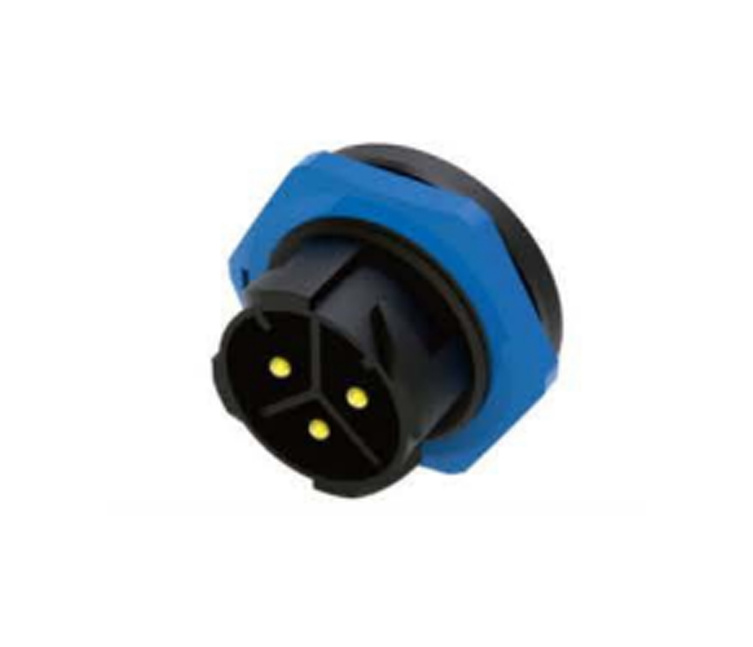
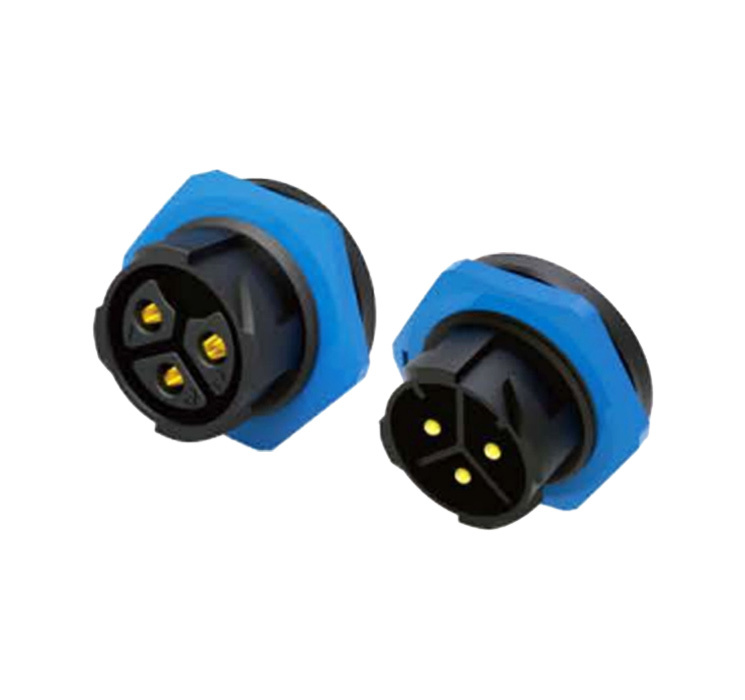
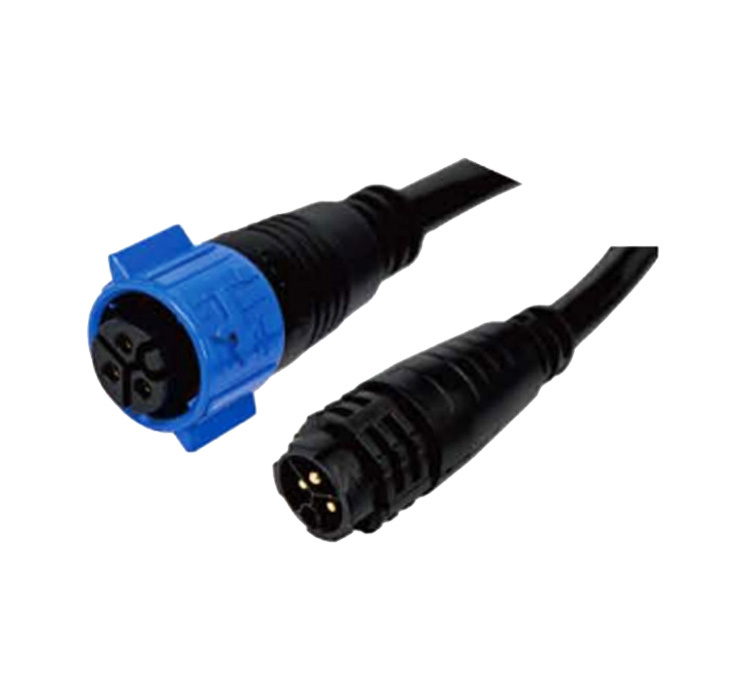
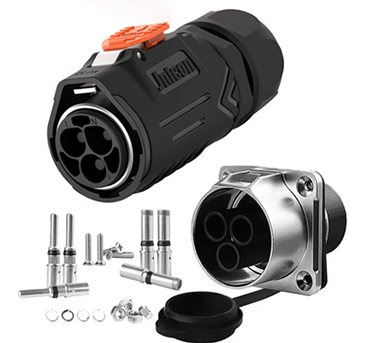
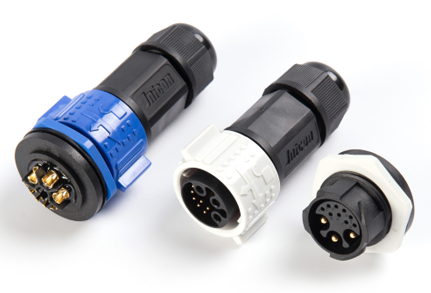
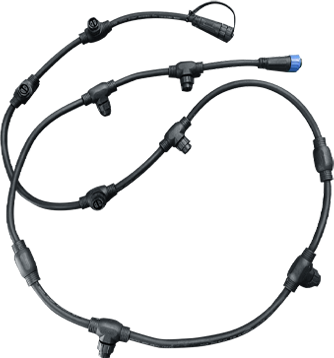
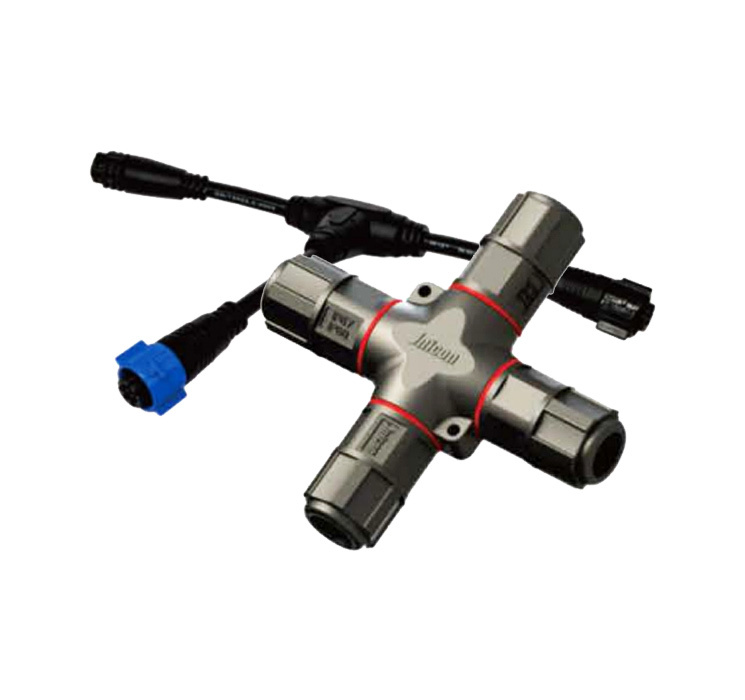
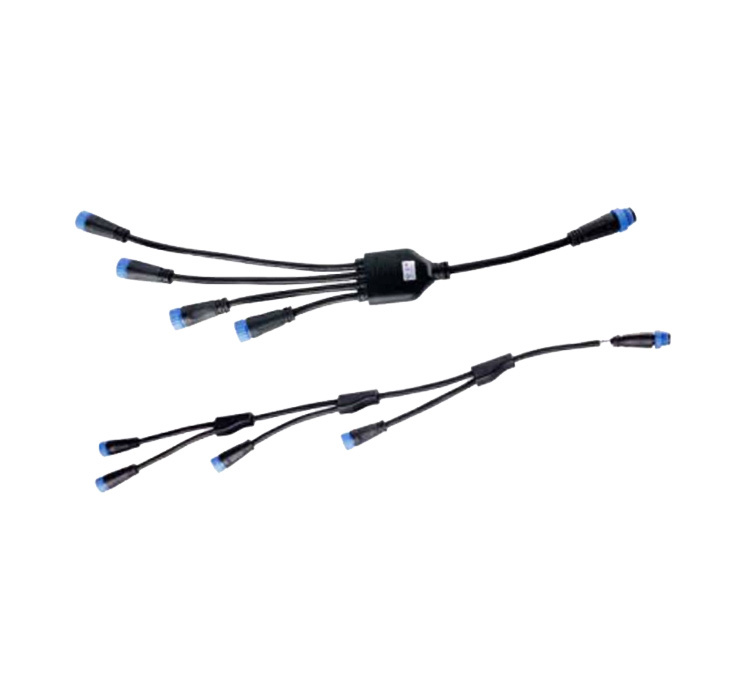
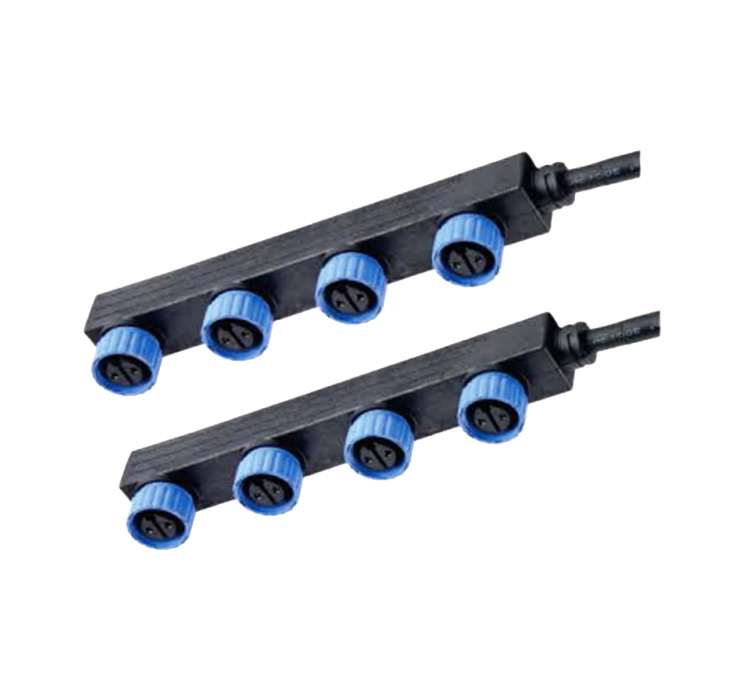
One popular type of industrial power connector is the circular connector, known for its robust design and ease of use. These connectors provide reliable connections and are commonly found in heavy machinery and automated systems. Another noteworthy type is the rectangular connector, which offers a high-density solution, allowing for multiple connections in a compact format. This type is particularly advantageous in applications where space is limited.
Safety is a paramount consideration when working with industrial power connectors. Using connectors that comply with industry standards and regulations is crucial to ensuring both electrical safety and performance. Proper grounding and insulation are essential to prevent electrical shock and equipment damage. Regular inspection and maintenance of connectors can help identify wear and tear, ensuring optimal functionality over time.
In conclusion, industrial power connectors play a crucial role in ensuring the efficiency and safety of electrical systems in various industries. Their selection and maintenance require careful consideration of several factors, including environmental conditions, electrical ratings, and safety standards. By understanding these aspects, professionals in the electrical and electronics fields can enhance system reliability and performance, ultimately contributing to more efficient industrial processes.
News
2026-09-30
Discover the Advantages of Using 2 Pin Waterproof Connectors in Harsh Environments
Discover the Advantages of Using 2 Pin Waterproof Connectors in Harsh Environments Table of Contents 1. Introduction to 2 Pin Waterproof Connectors 2. Importance of Waterproof Connectors 3. Design Features of 2 Pin Waterproof Connectors 4. Applications in Various Industries 5. Benefits of Using 2 Pin Waterproof Connectors 6. Installation Guidelines for 2 Pin Waterproof Connectors 7.
2026-09-27
Understanding Industrial Power Connectors: Key Insights for Professionals
Industrial power connectors play a crucial role in the safety and efficiency of electrical systems across various sectors, including manufacturing, energy, and transportation. These connectors are designed to facilitate the transmission of electrical power in rugged environments, ensuring reliable and stable connections. Understanding the types, applications, and selection criteria for industrial
2026-09-24
Waterproof Wire Harnesses: The Cornerstone of Electric Vehicle Reliability
Waterproof Wire Harnesses: An Essential Component for Electric Vehicles Electric vehicles (EVs) are rapidly transforming the automotive landscape, with advancements in technology leading the charge. Amongst the many components that contribute to the seamless operation of these vehicles, **waterproof wire harnesses** stand out as a vital element. In this comprehensive article, we will delve deep in

B8-9, Fubilun industrial park, Chaoyang rd,Yanchuan community, Songgang, Shenzhen, China


