


The Essential Guide to 3 Pin Waterproof Connectors: Key Features and Applications
Release Time:
2026-01-24
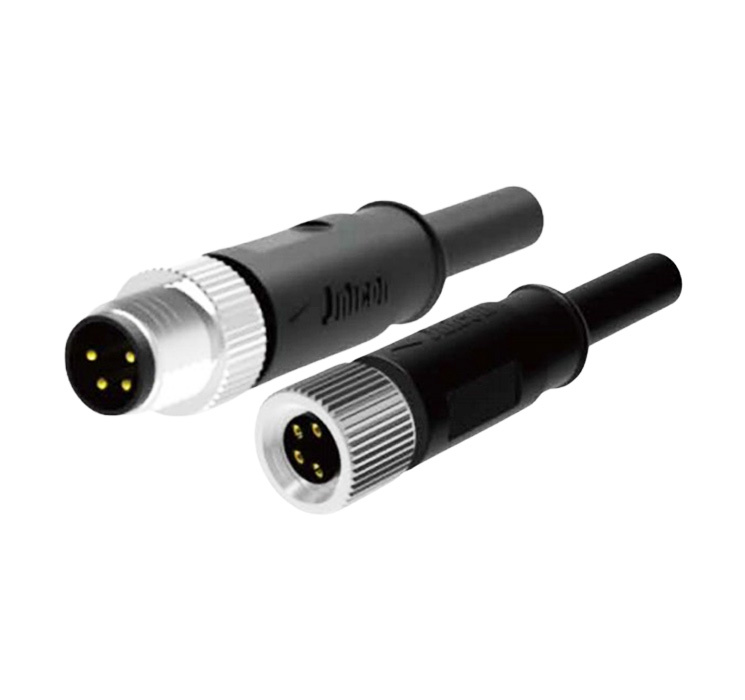
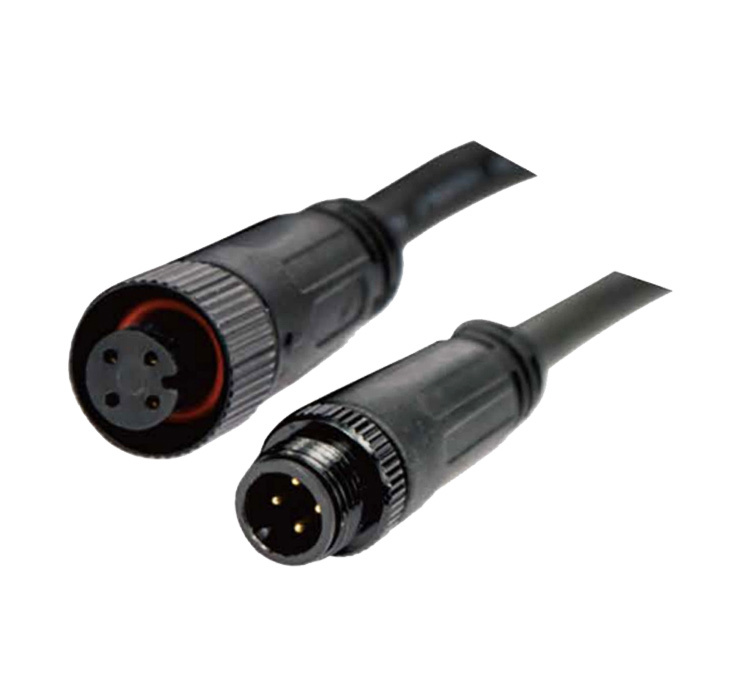
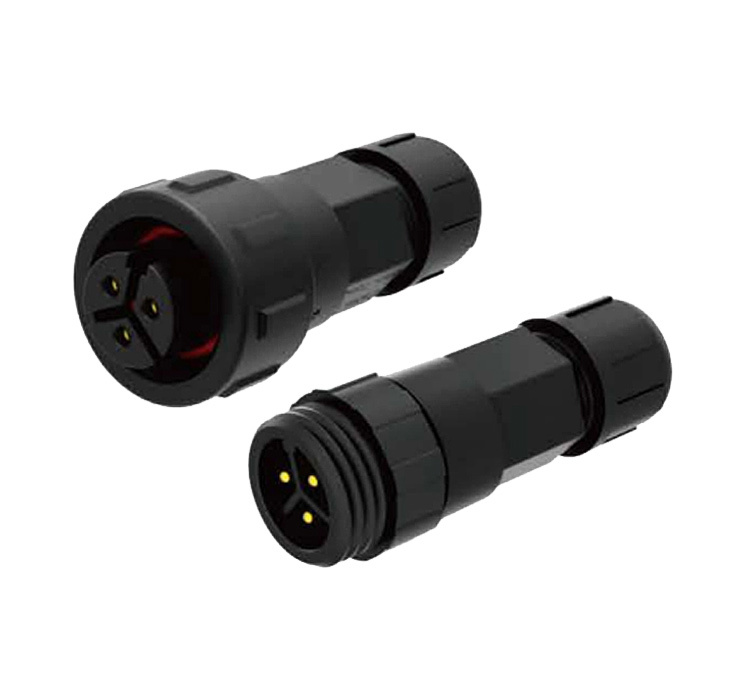
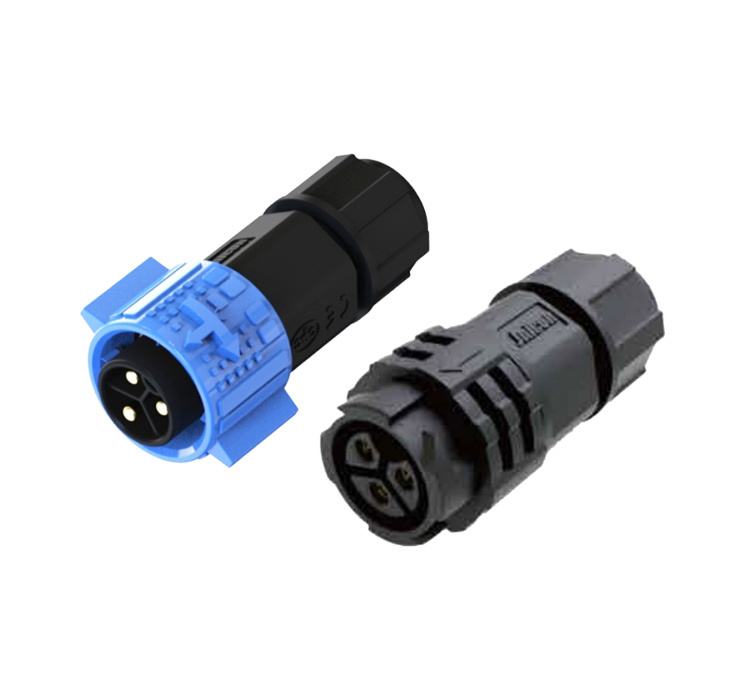
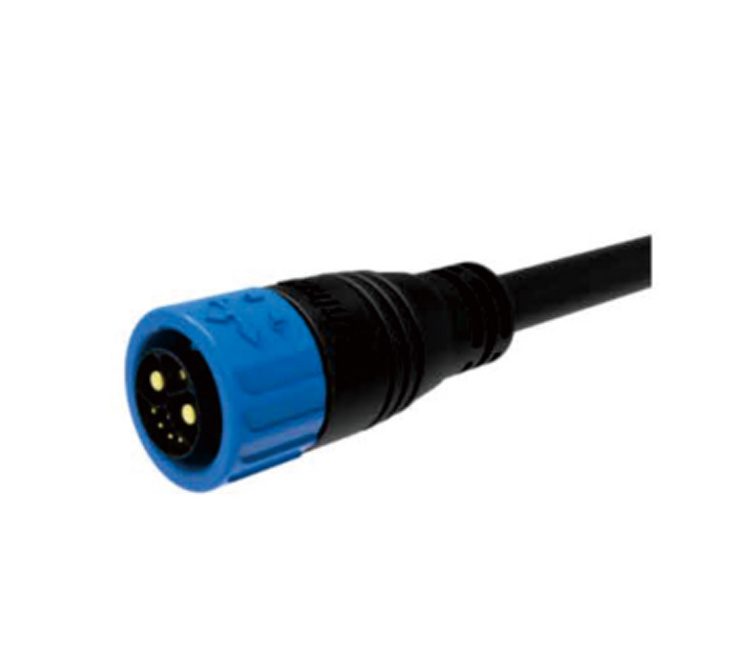
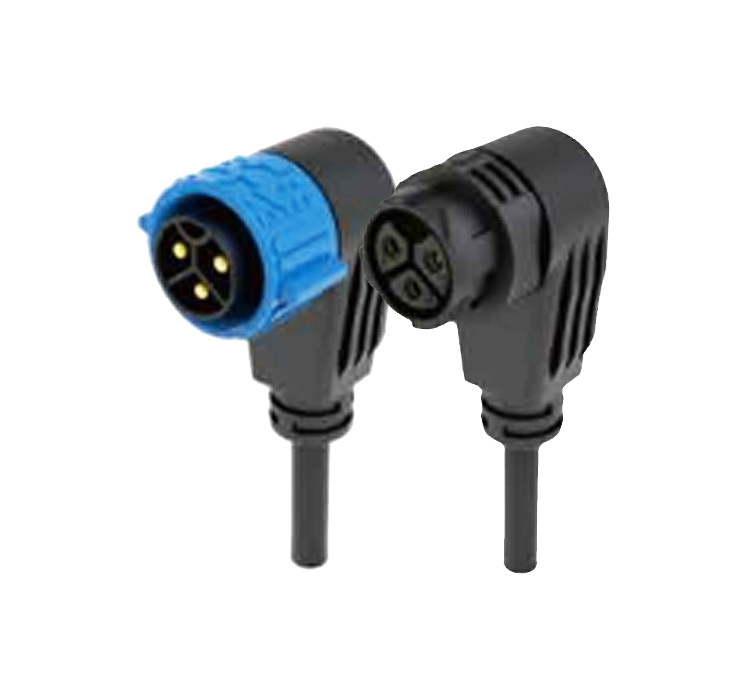
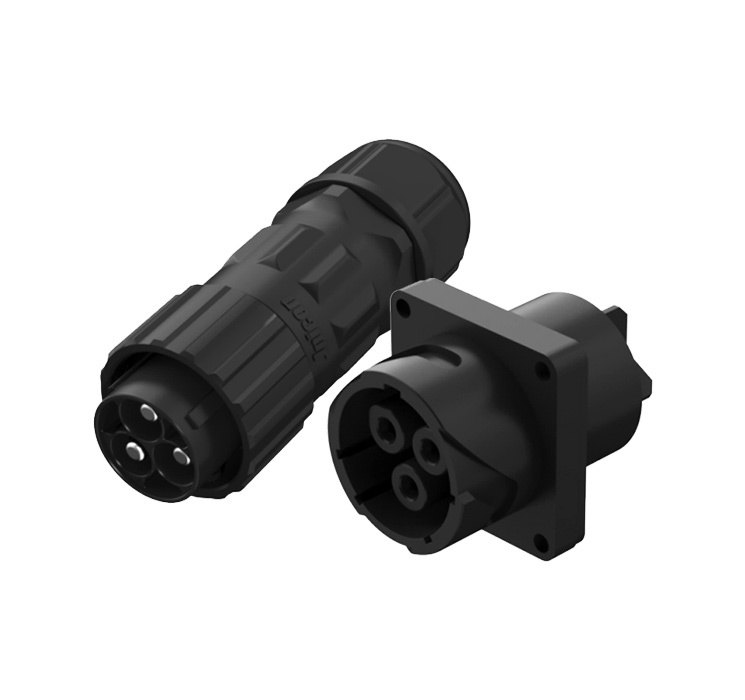
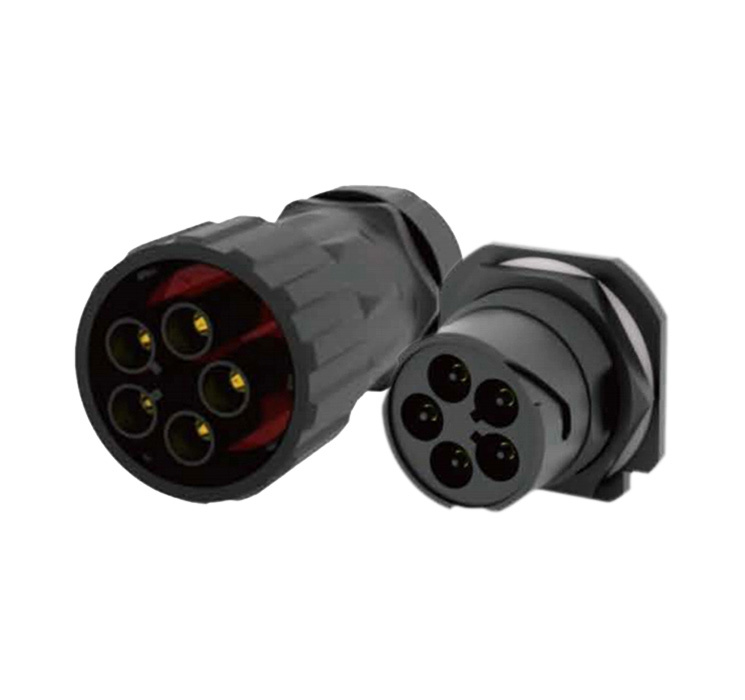
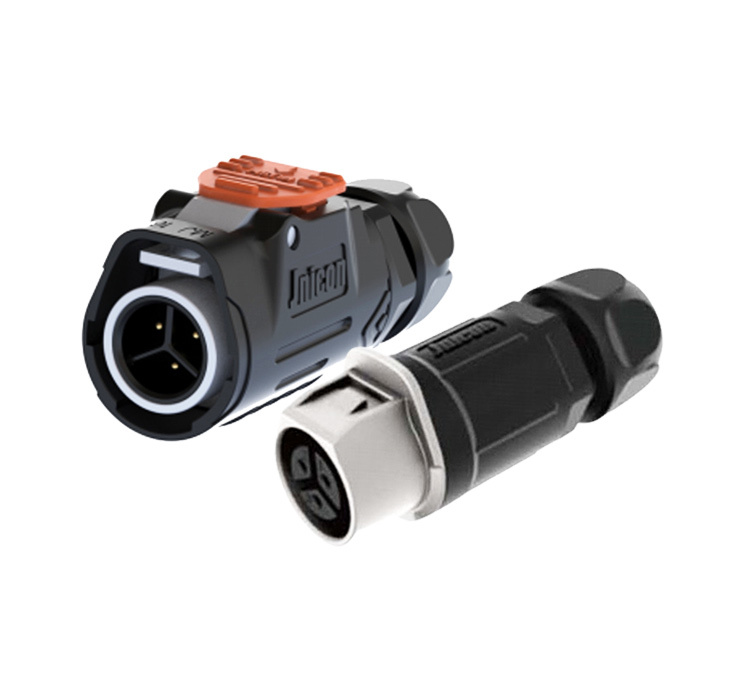
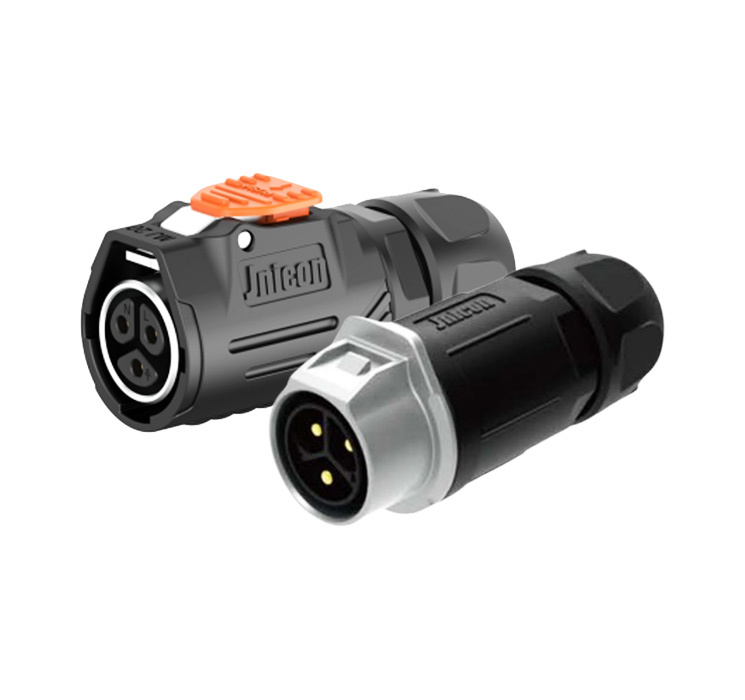
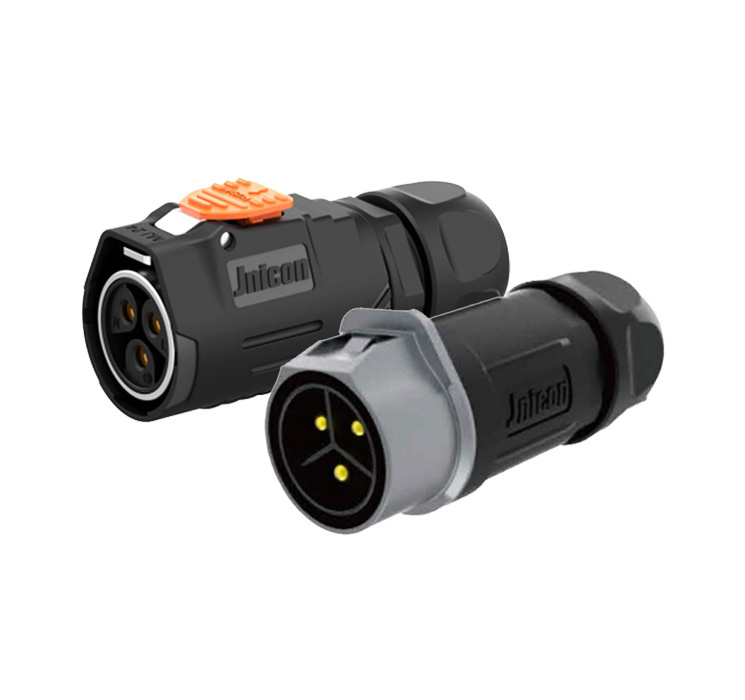
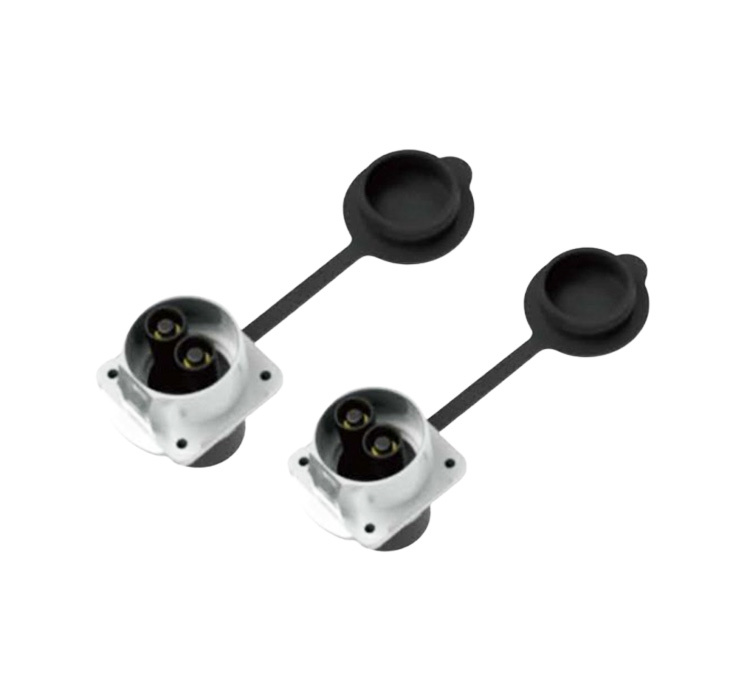
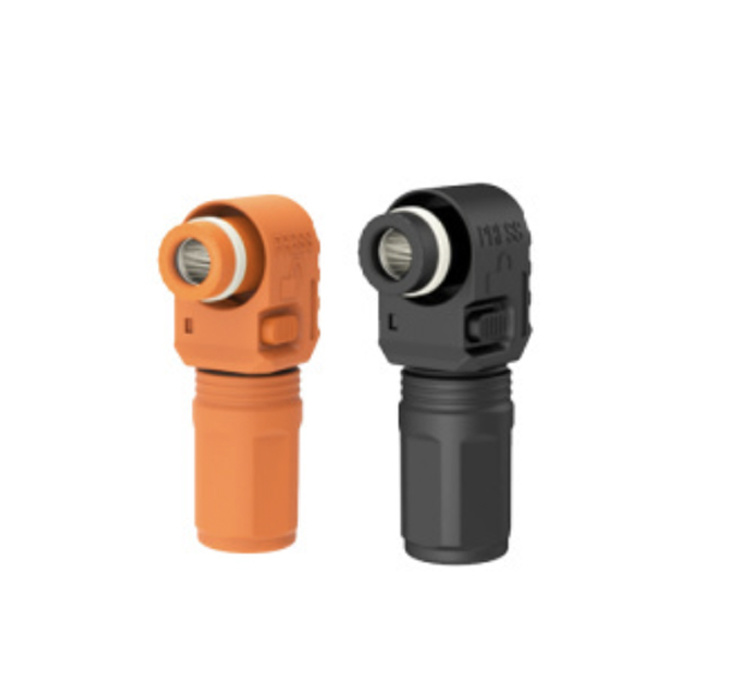
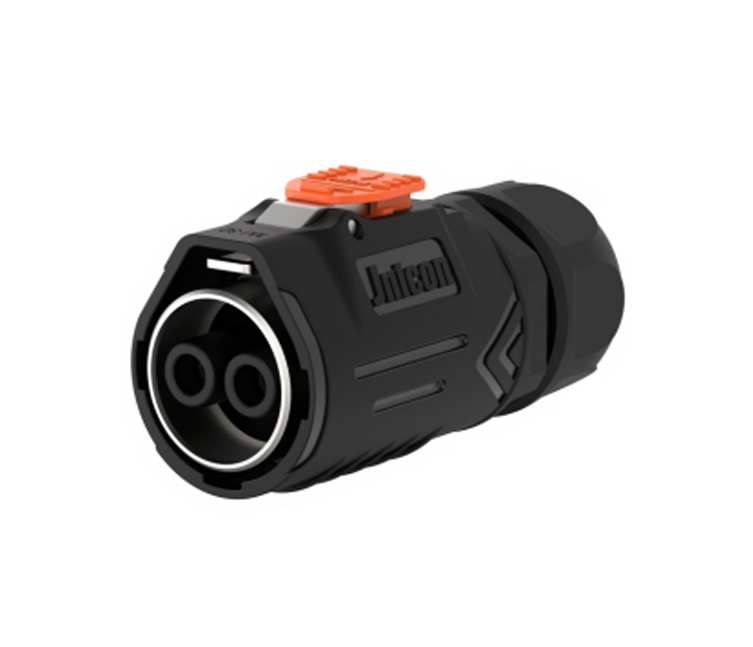
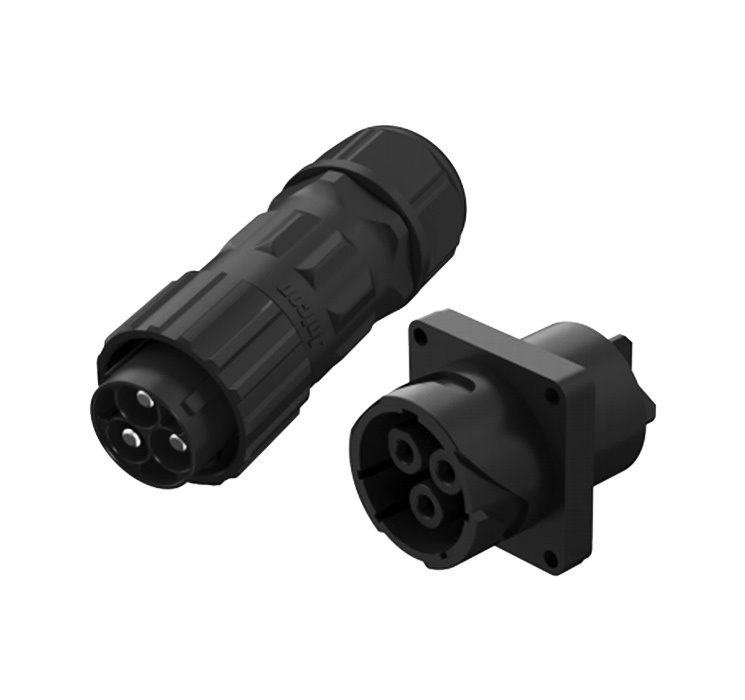
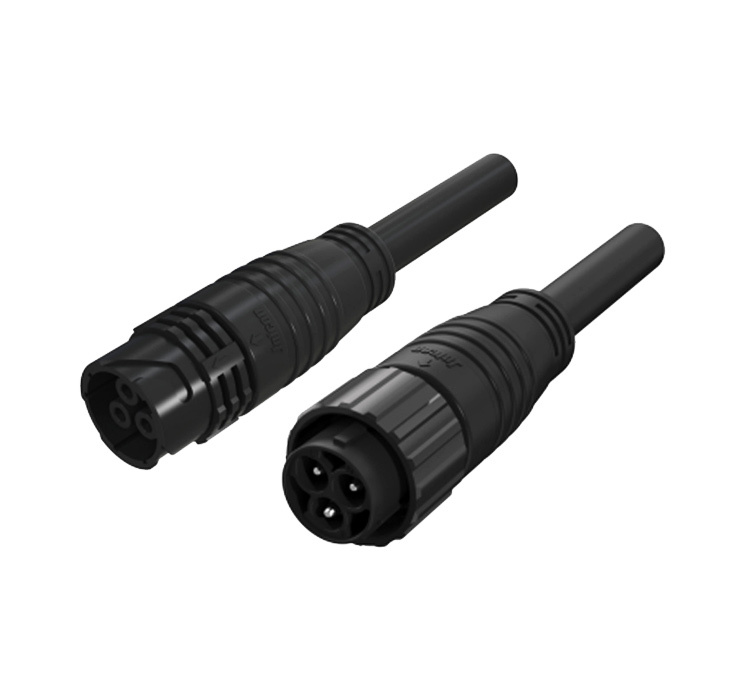
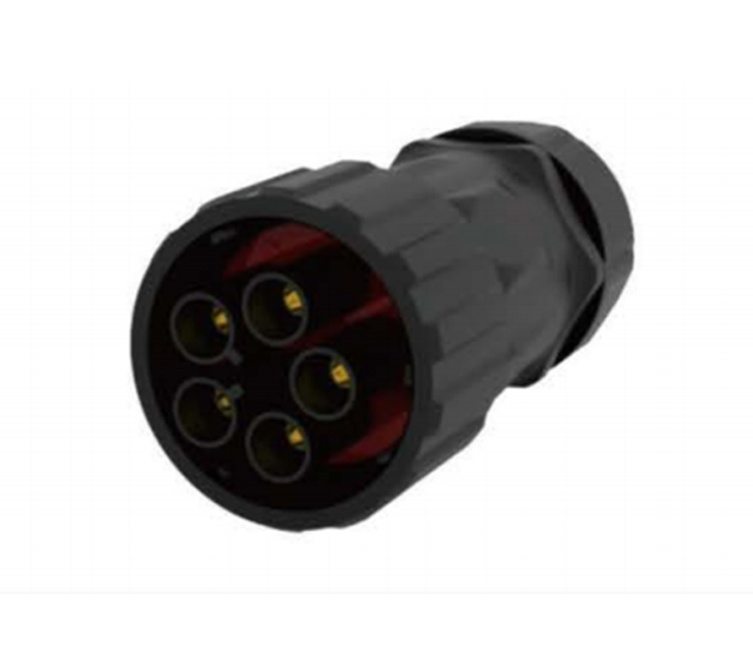
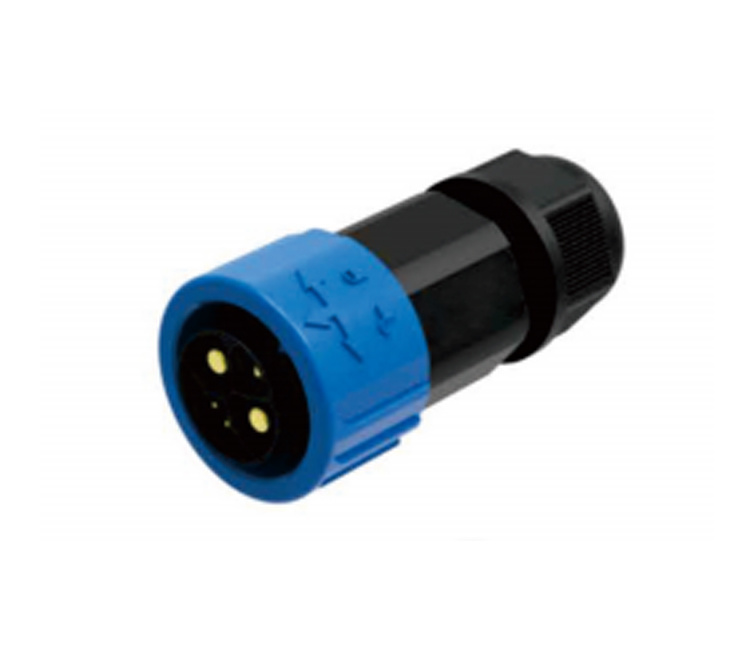
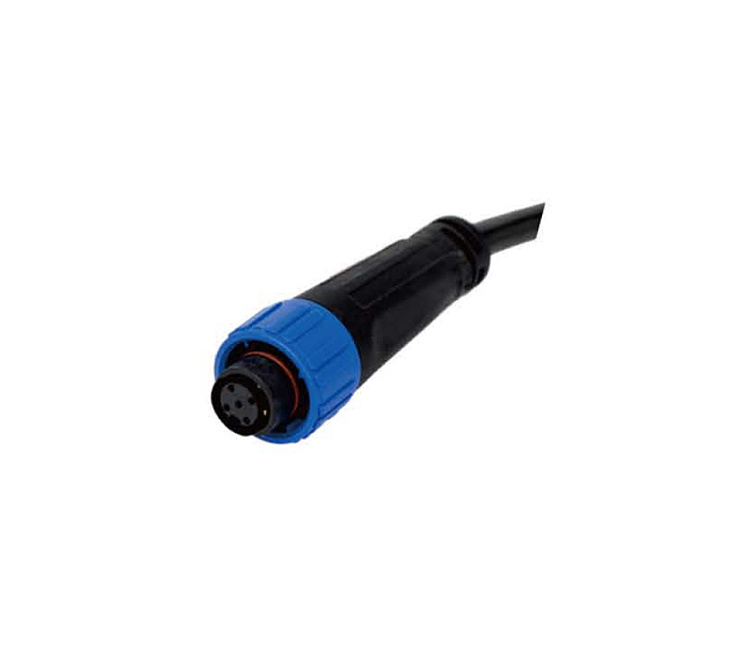
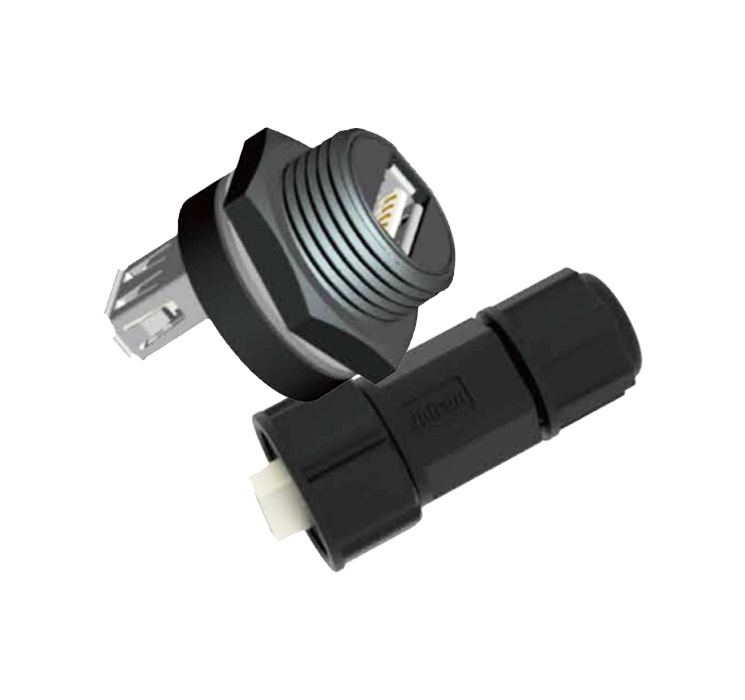
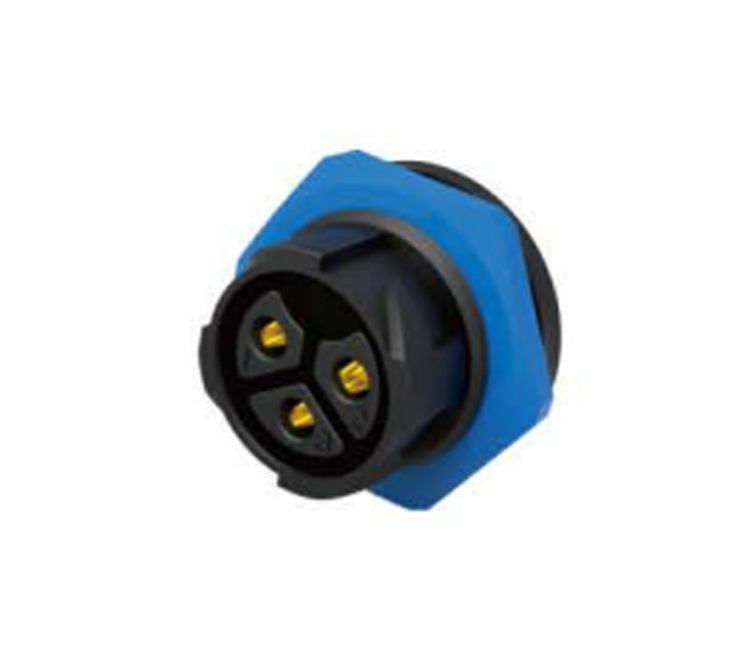
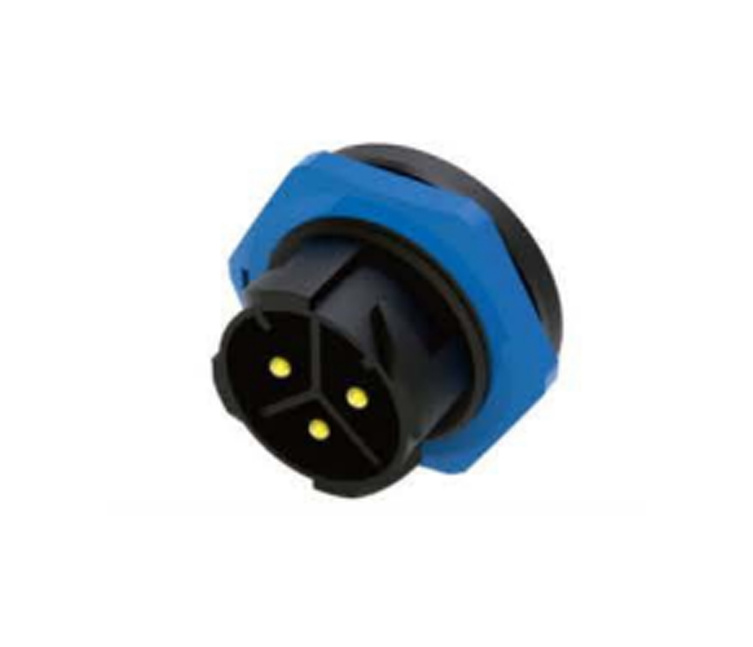
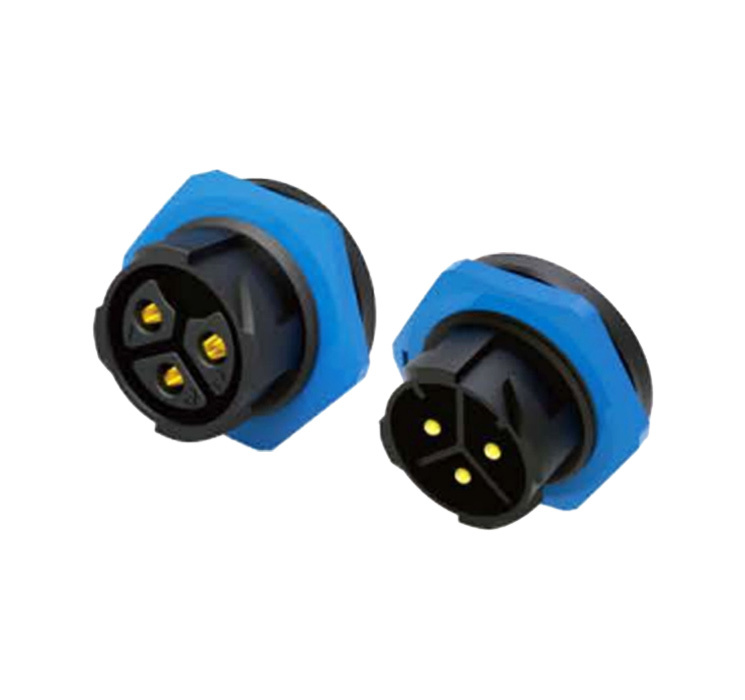
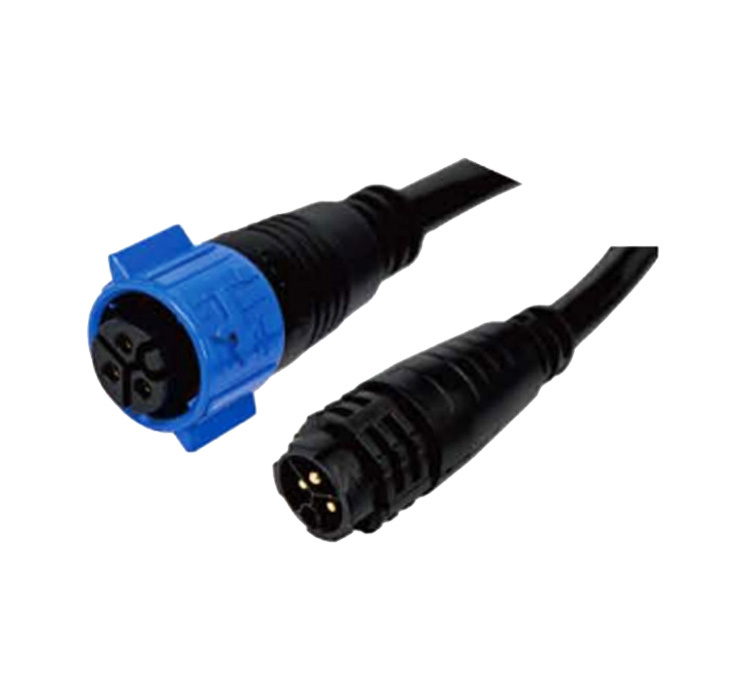
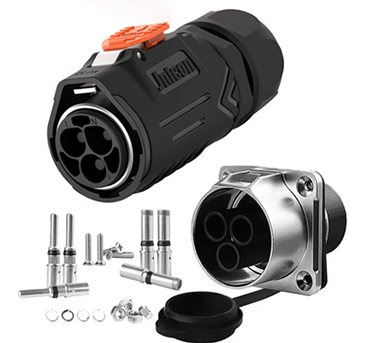
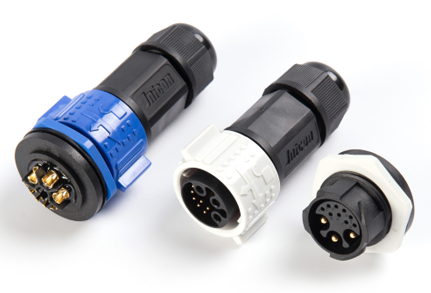
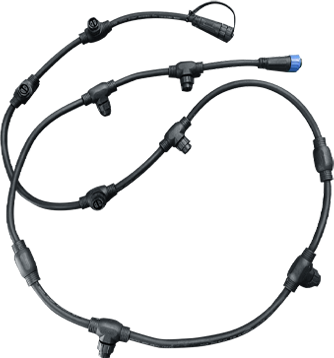
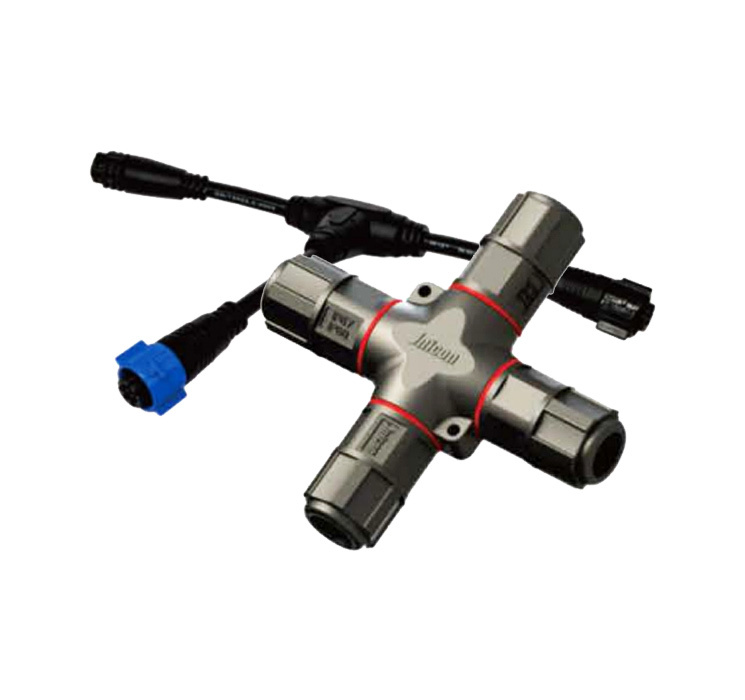
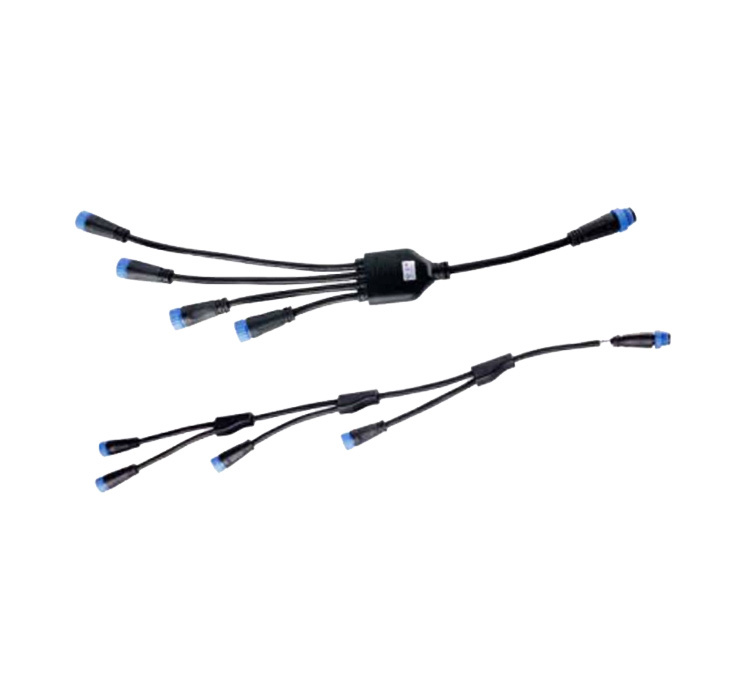
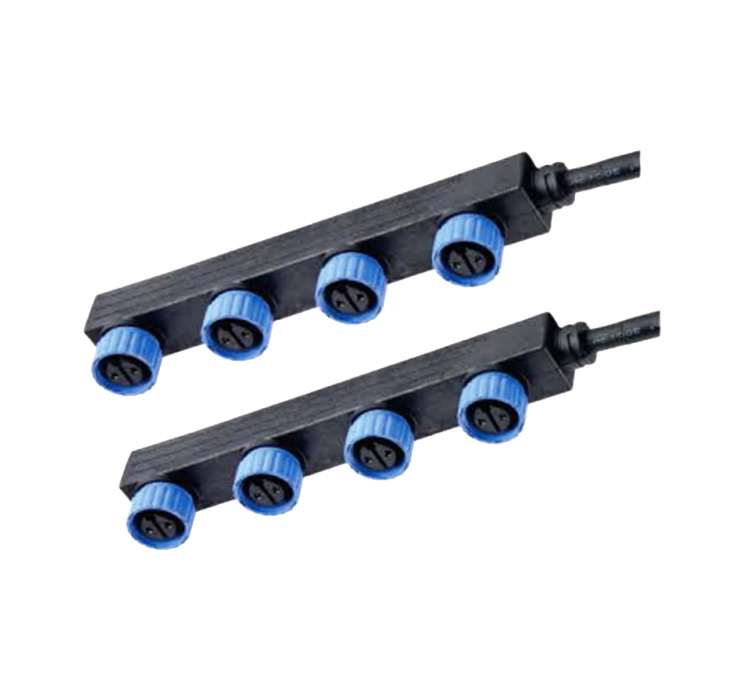
A 3 pin waterproof connector typically consists of three key components: the male connector, the female connector, and the sealing mechanism. The male and female connectors are designed to interlock securely, creating a robust connection that can withstand various environmental factors. The sealing mechanism is critical in preventing water ingress and ensuring that the electrical contacts remain protected from corrosion and short-circuiting.
One of the primary advantages of these connectors is their ability to maintain a secure connection in wet or humid conditions. This is particularly important in applications where electrical failure could lead to significant safety hazards or equipment malfunction. For instance, in the automotive industry, 3 pin waterproof connectors are often used in lighting systems and other external electrical components, ensuring that they remain functional regardless of weather conditions.
Furthermore, 3 pin waterproof connectors are available in various materials, including thermoplastics and metals, allowing for flexibility depending on the specific requirements of the application. The choice of material can affect the connector's durability, resistance to chemicals, and overall performance in the field. It's essential to select a connector that aligns with the environmental conditions it will face, ensuring longevity and reliability.
Installation and maintenance of 3 pin waterproof connectors are relatively straightforward, which adds to their appeal among professionals in the electrical and electronics field. Proper installation is crucial, as improper handling can compromise the waterproof integrity, leading to potential failures. Regular inspections and maintenance can also help in identifying any wear or damage early on, allowing for timely replacements before a failure occurs.
In summary, 3 pin waterproof connectors are indispensable in a variety of applications where reliability and safety are paramount. Their design, which incorporates robust sealing mechanisms and durable materials, ensures that they can perform efficiently in adverse conditions. Whether you're working in automotive, marine, or industrial sectors, understanding the advantages and proper usage of these connectors can significantly enhance the quality and reliability of your electrical installations. By choosing the right 3 pin waterproof connector for your application, you can ensure that your electrical connections remain secure, safe, and functional, even in the most challenging environments.
Previous
News
2026-10-03
Understanding Waterproof Cables: Essential Insights for Electrical Professionals
Waterproof cables are vital components in the electric and electronic industries, especially when it comes to ensuring safe and reliable connections in challenging environments. These cables are designed to resist moisture and prevent water ingress, which can lead to electrical failure and safety hazards. Understanding the intricacies of waterproof cables is essential for electrical professionals
2026-09-30
Discover the Advantages of Using 2 Pin Waterproof Connectors in Harsh Environments
Discover the Advantages of Using 2 Pin Waterproof Connectors in Harsh Environments Table of Contents 1. Introduction to 2 Pin Waterproof Connectors 2. Importance of Waterproof Connectors 3. Design Features of 2 Pin Waterproof Connectors 4. Applications in Various Industries 5. Benefits of Using 2 Pin Waterproof Connectors 6. Installation Guidelines for 2 Pin Waterproof Connectors 7.
2026-09-27
Understanding Industrial Power Connectors: Key Insights for Professionals
Industrial power connectors play a crucial role in the safety and efficiency of electrical systems across various sectors, including manufacturing, energy, and transportation. These connectors are designed to facilitate the transmission of electrical power in rugged environments, ensuring reliable and stable connections. Understanding the types, applications, and selection criteria for industrial

B8-9, Fubilun industrial park, Chaoyang rd,Yanchuan community, Songgang, Shenzhen, China


