


Essential Guide to Maintaining Your Waterproof Marine Electrical Connectors for Ultimate Longevity
Release Time:
2026-01-31
Introduction to Waterproof Marine Electrical Connectors
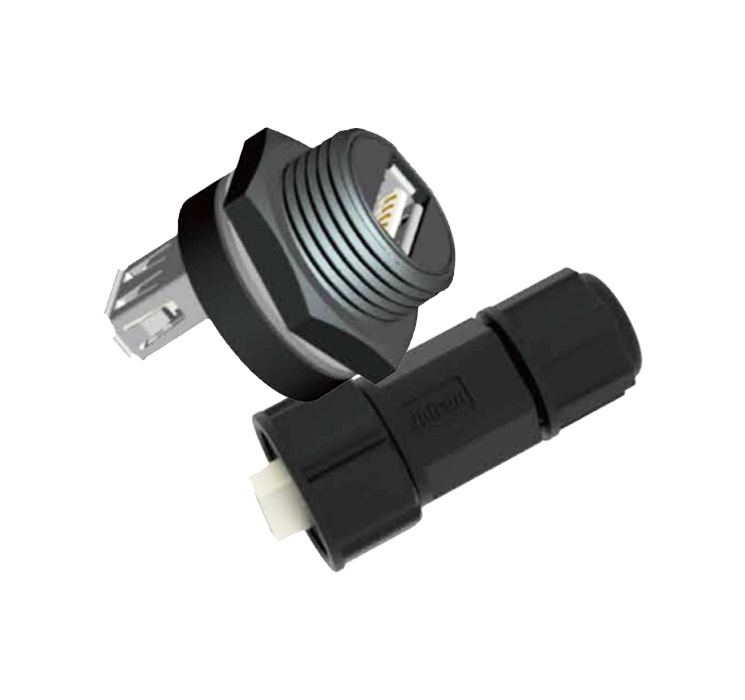
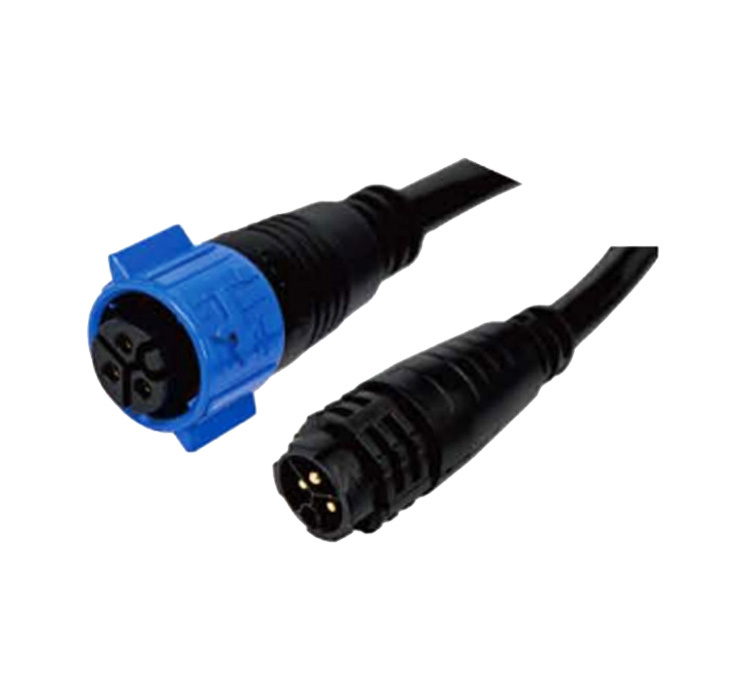
Waterproof marine electrical connectors play a critical role in ensuring the reliability and efficiency of electrical systems aboard boats and other watercraft. These connectors are designed to resist moisture, saltwater, and harsh environmental conditions, making them essential for marine applications. However, like any component, they require regular maintenance to achieve maximum longevity. In this guide, we will explore effective strategies for maintaining these connectors, ensuring they remain functional and reliable over time.
Understanding the Importance of Marine Electrical Connectors
Marine electrical connectors are vital for connecting various components of a vessel's electrical system. They facilitate communication between devices, ensuring that power and signals are transmitted effectively. When connectors fail due to corrosion, moisture intrusion, or physical damage, it can lead to significant issues, including equipment malfunctions or safety hazards. Regular maintenance is crucial to prevent such problems.
What Makes Connectors Waterproof?
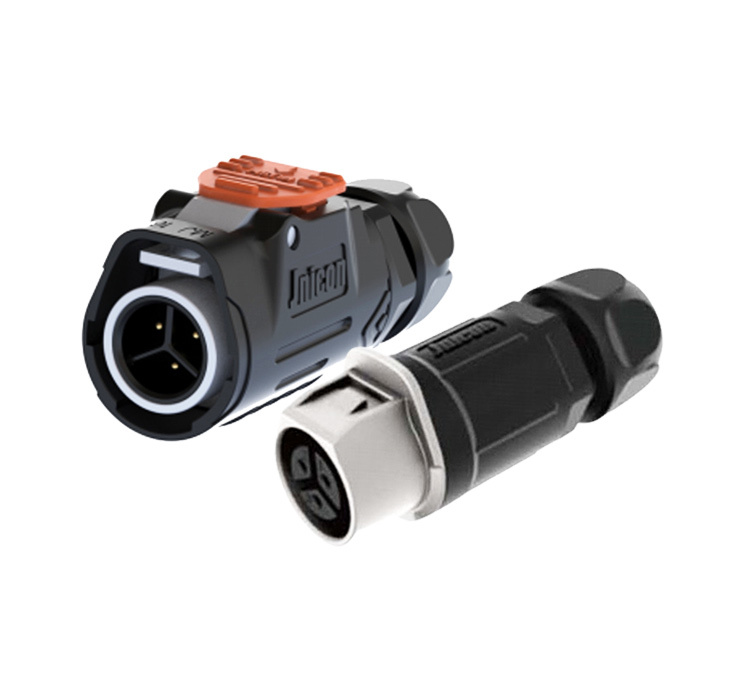
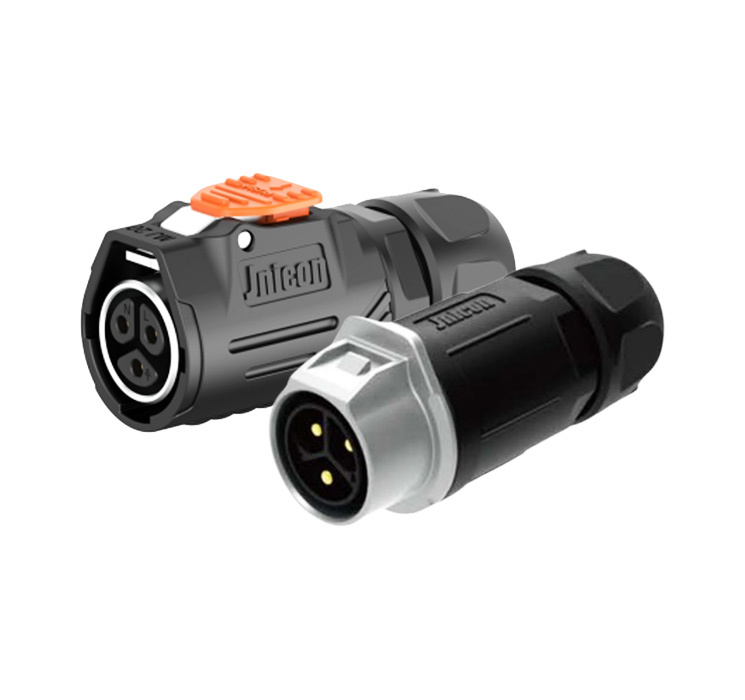
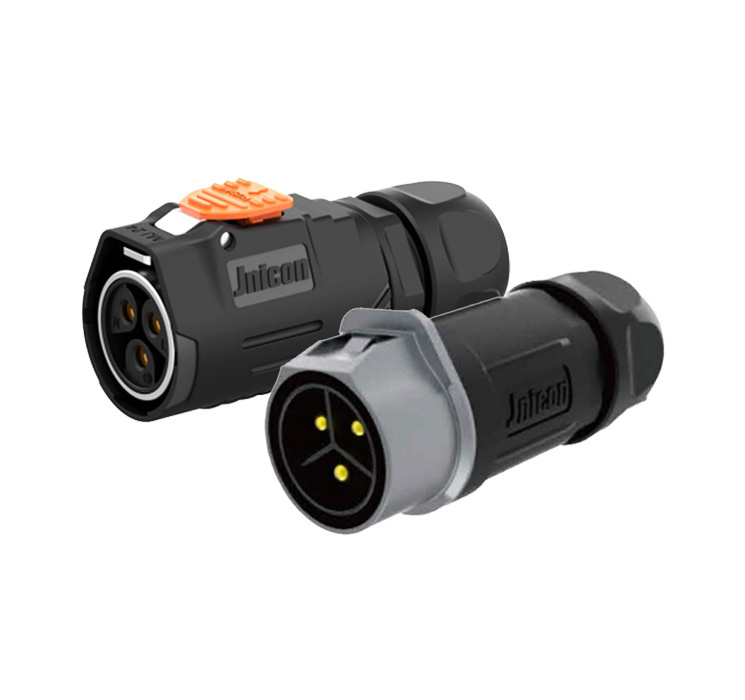
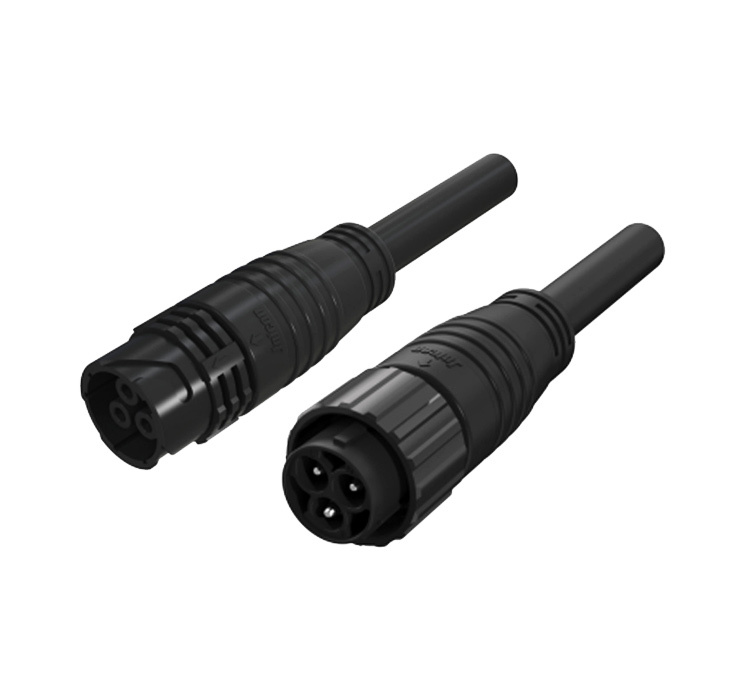
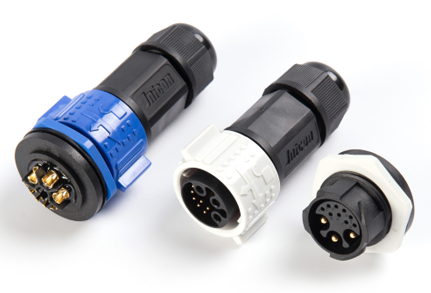
Waterproof connectors are engineered with specific materials and designs that prevent water ingress. Common features include sealed casings, grommets, and robust locking mechanisms. Understanding these components helps in recognizing the best maintenance practices to apply.
Types of Marine Electrical Connectors
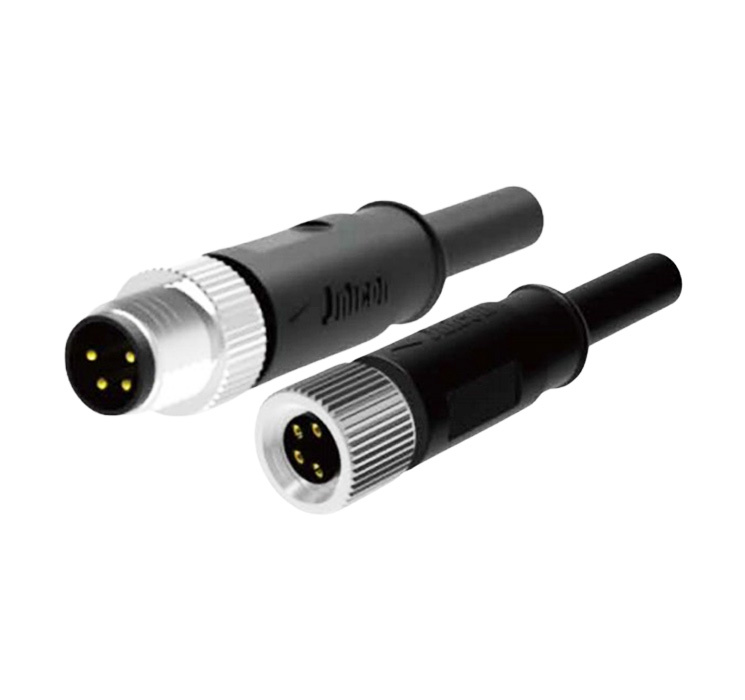
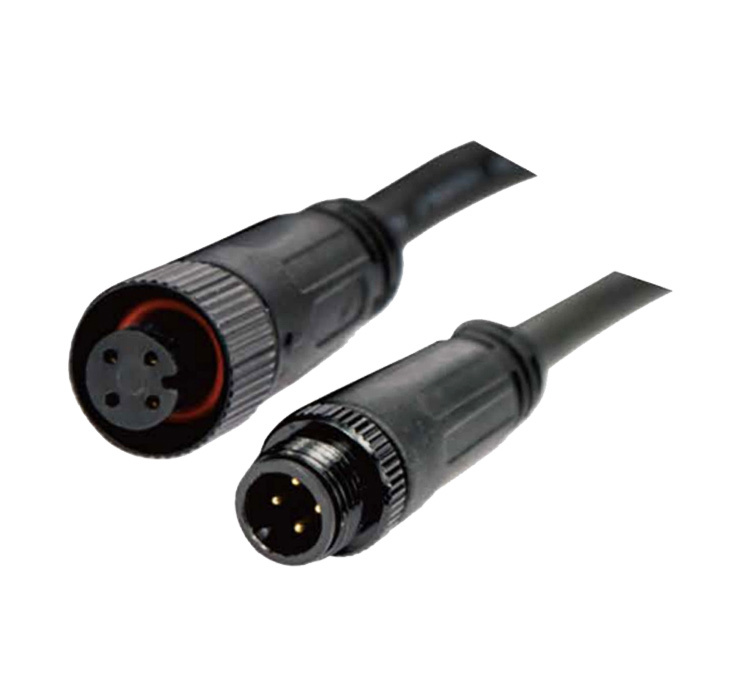
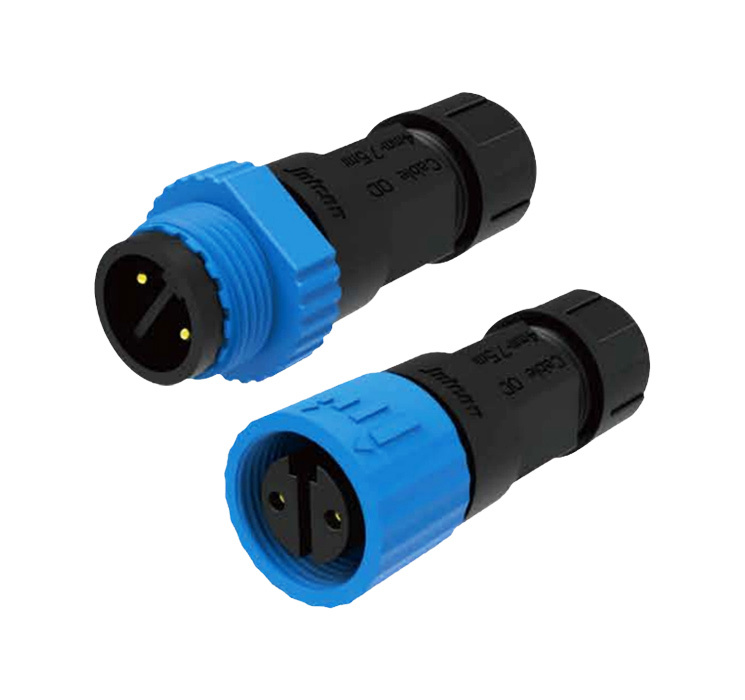
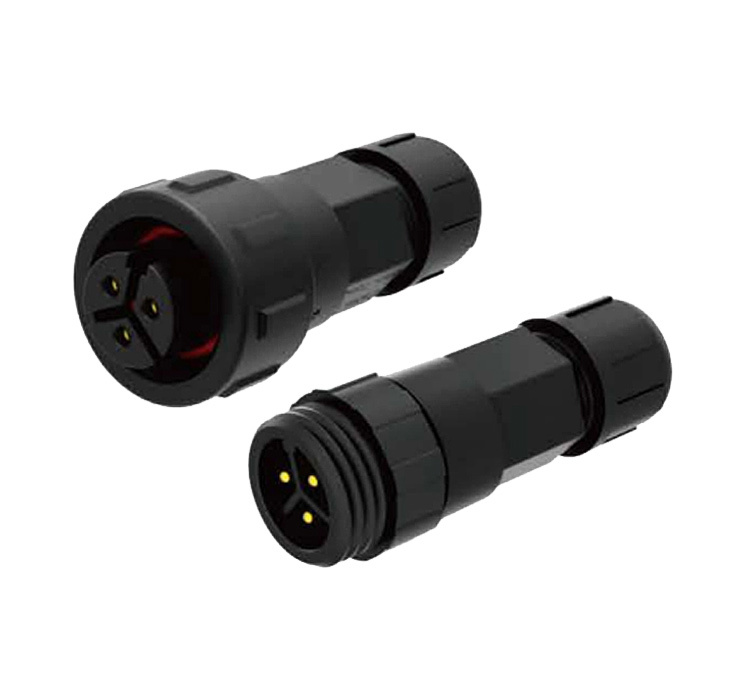
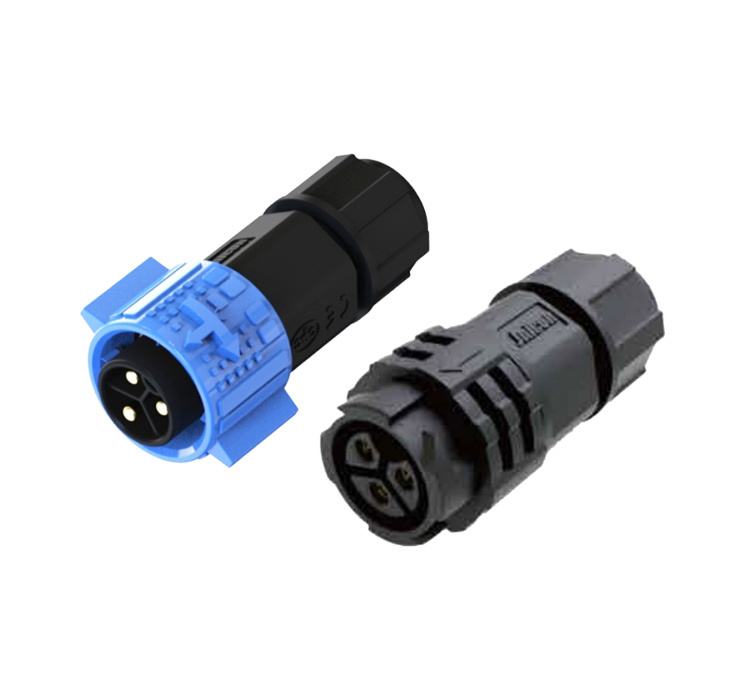
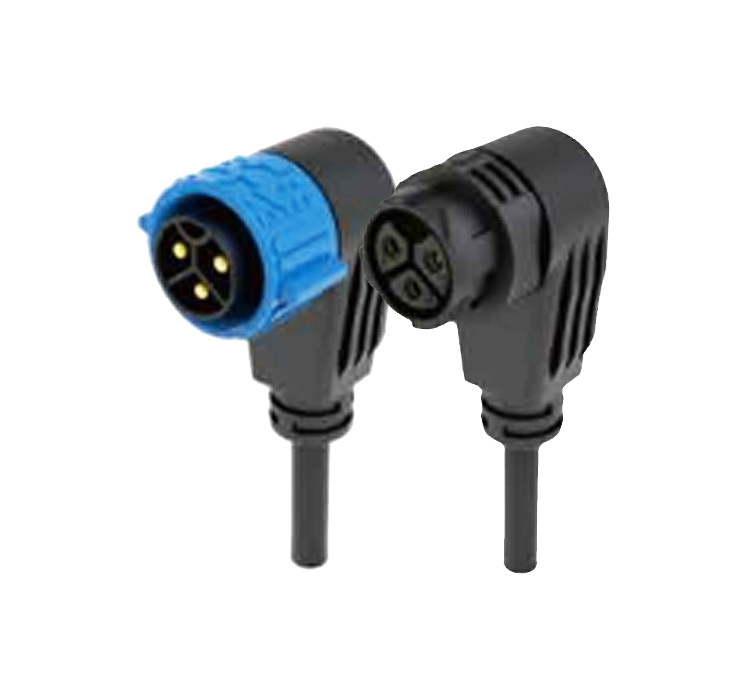
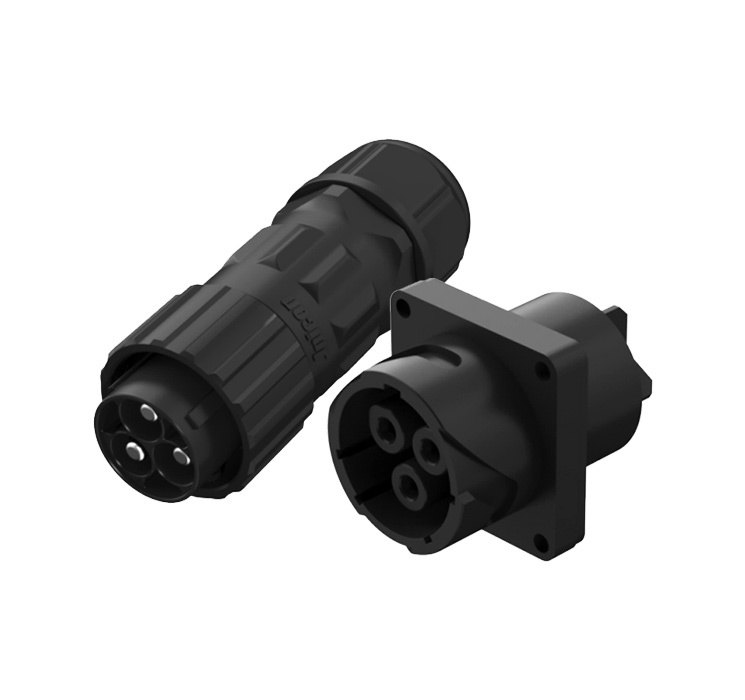
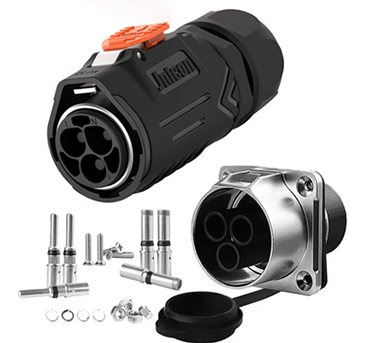
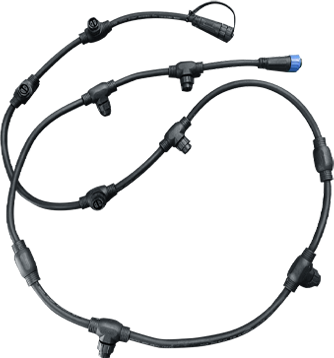
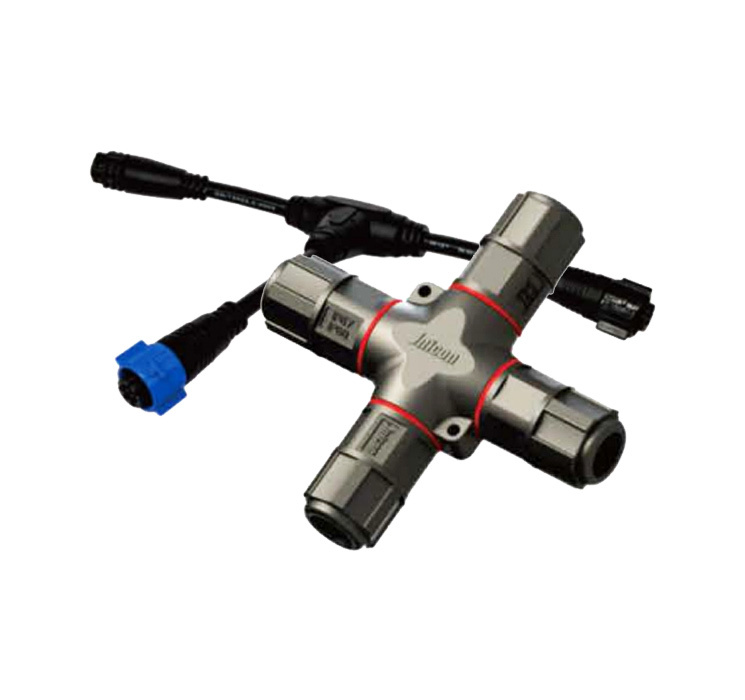
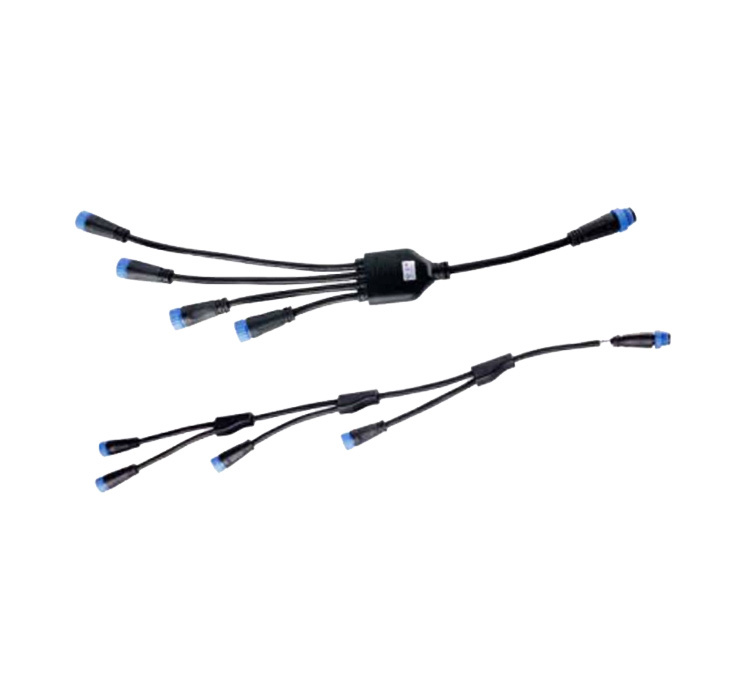
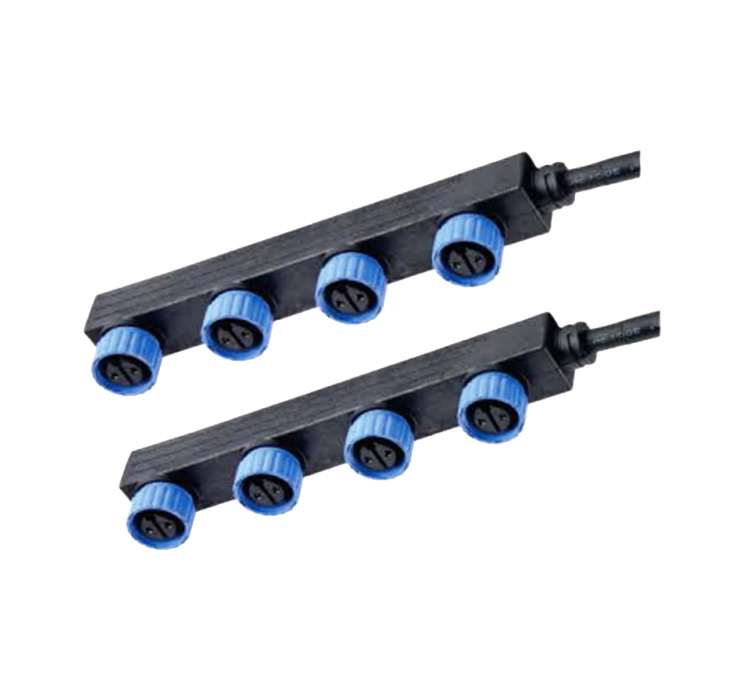
Several types of waterproof marine electrical connectors are commonly used, including:
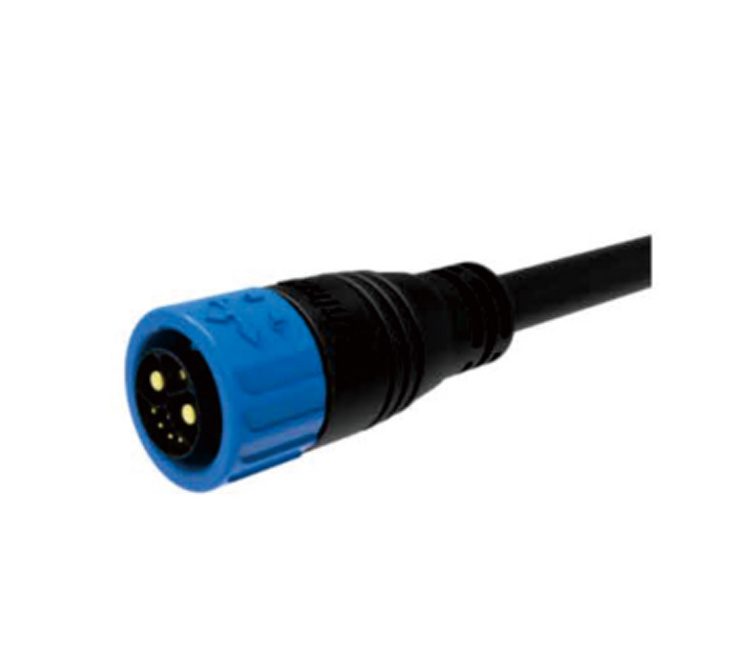
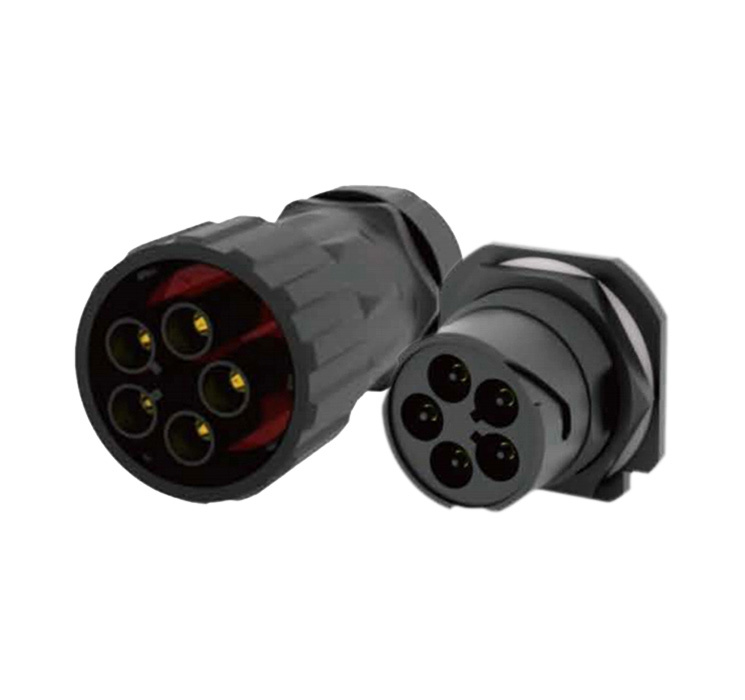
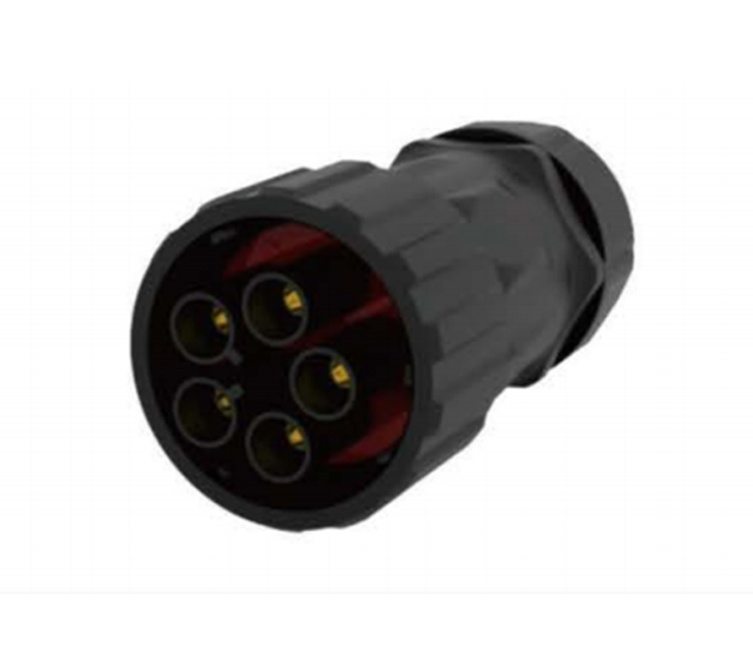
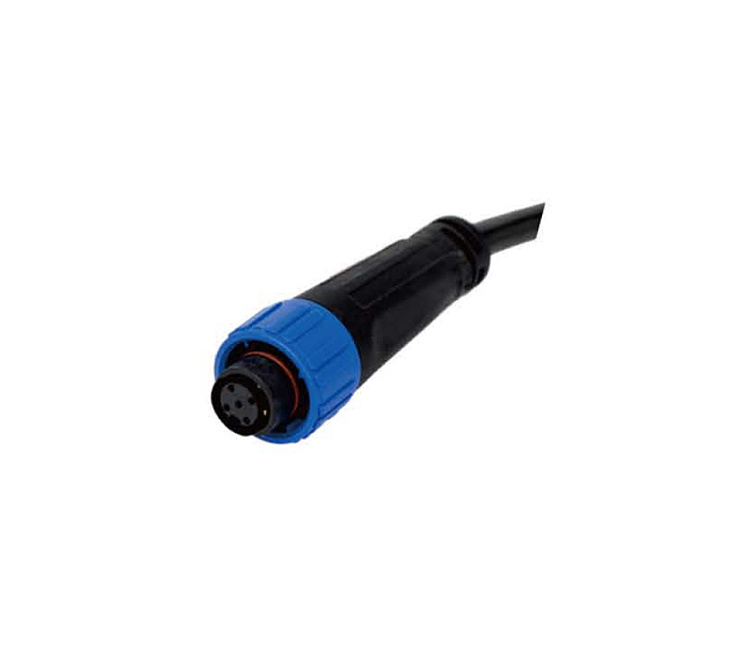
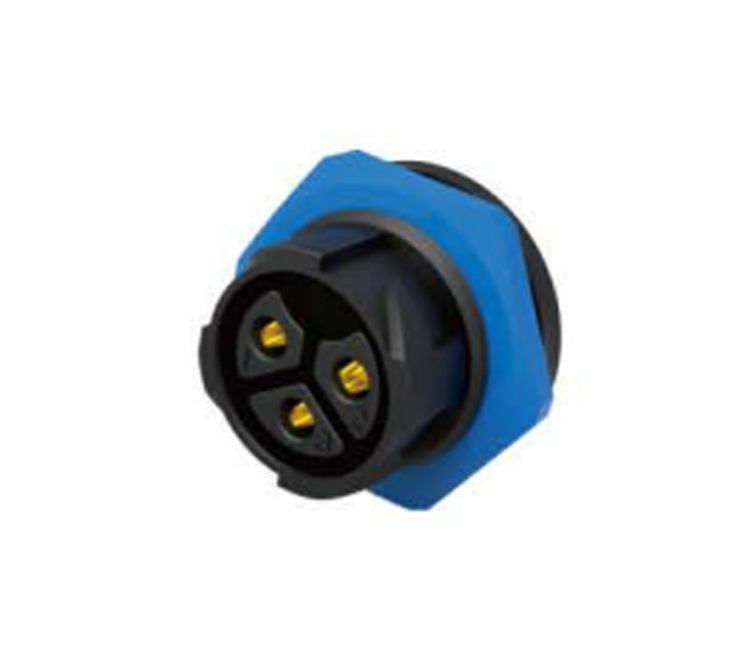
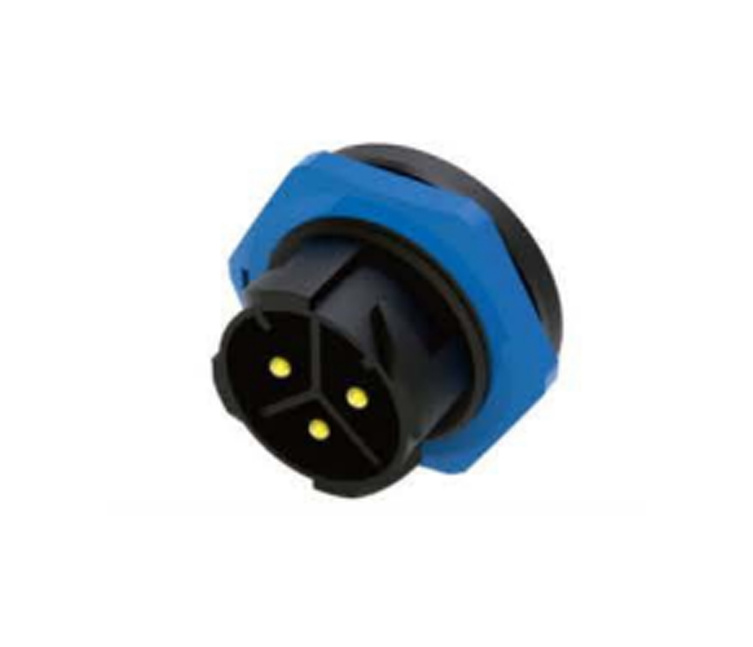
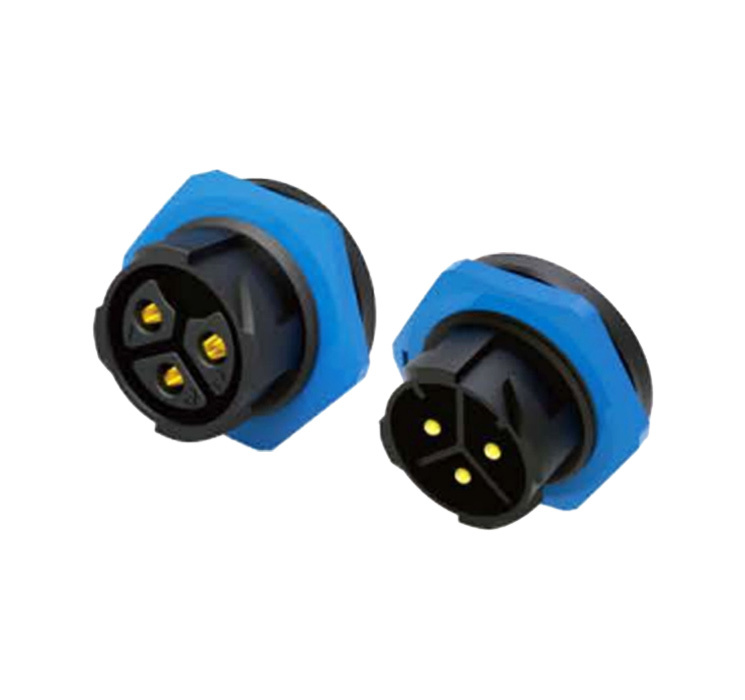
- **Circular Connectors**: Often used in high-stress applications, providing reliable performance in extreme conditions.
- **Rectangular Connectors**: Ideal for various connections and often utilized in larger equipment.
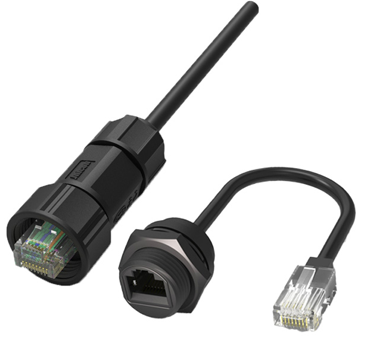
- **Inline Connectors**: Used for extending wiring runs without compromising connectivity.
Each type has unique maintenance requirements, which we will discuss further.
Best Practices for Maintaining Waterproof Marine Electrical Connectors
1. Regular Inspection
Conduct routine inspections of your connectors to identify signs of wear, corrosion, or damage. Look for:
- Cracks in the casing
- Corrosion on metal parts
- Loose connections
Addressing these issues early can prevent more severe problems down the line.
2. Cleaning Your Connectors
Cleaning is essential for maintaining the integrity of waterproof marine electrical connectors. Here's a detailed cleaning process:
- **Disconnect the Power**: Always ensure that the power is off before beginning any cleaning process to avoid electric shock or damage.
- **Use a Soft Brush**: A soft-bristled brush can help remove dirt and debris without damaging the connectors.
- **Apply Cleaning Solutions**: Use a non-corrosive cleaner specifically designed for marine applications. Avoid using harsh chemicals that could damage the connectors.
- **Rinse Thoroughly**: After cleaning, rinse with fresh water to remove any residue from the cleaning solution.
- **Dry Completely**: Ensure that the connectors are completely dry before reconnecting them to prevent moisture build-up.
3. Apply Corrosion Inhibitors
Using corrosion inhibitors can significantly prolong the life of your connectors. These products create a protective barrier against moisture and salt, preventing corrosion. Regular application, especially before the boating season, is recommended.
4. Proper Storage and Handling
When not in use, store connectors in a dry, cool environment, and avoid exposing them to direct sunlight or extreme temperatures. Use protective covers or bags to shield them from contaminants.
5. Ensure Secure Connections
Ensure that connectors are properly mated and locked in place. Loose connections can lead to arcing, which causes heat build-up and potential failure. Regularly check the integrity of connections and re-tighten as necessary.
6. Consider Environmental Factors
Take into account the specific environmental conditions where the vessel operates. If it frequently encounters saltwater, more frequent maintenance may be necessary to combat the corrosive effects of salt.
Advanced Maintenance Techniques for Marine Electrical Connectors
1. Use of Multimeter for Testing
Utilizing a multimeter can help assess the integrity of your electrical connections. By checking for continuity and resistance, you can identify potential issues before they lead to failure. Regular testing should be part of your maintenance routine.
2. Thermal Management
Excessive heat can damage connectors. Ensure that your electrical systems are adequately ventilated, and consider using heat-resistant connectors in areas prone to high temperatures.
3. Upgrading to Higher Quality Connectors
If you find that your current connectors frequently fail, it may be worth investing in higher quality, marine-grade connectors. These connectors may offer enhanced durability and resistance to environmental factors.
Common Issues and Troubleshooting Techniques
1. Corrosion
Corrosion is one of the leading causes of connector failure. If you notice corrosion during your inspections:
- Remove the connector and clean it thoroughly.
- Inspect the mating surfaces for damage and replace if necessary.
- Reapply corrosion inhibitors after cleaning.
2. Water Ingress
If you find moisture inside the connectors, this indicates a failure in their waterproofing:
- Inspect seals and grommets for damage or wear.
- Replace any compromised components and ensure that connectors are properly seated to prevent future leaks.
3. Physical Damage
If connectors are physically damaged due to impacts or harsh handling:
- Replace damaged connectors immediately to avoid electrical failures.
- Evaluate how connectors are handled and make necessary adjustments to prevent future damage.
FAQs About Waterproof Marine Electrical Connector Maintenance
1. How often should I inspect my marine electrical connectors?
We recommend inspecting your marine electrical connectors at least once every season, or more frequently if your vessel is used in harsh conditions.
2. Can I use regular cleaning products on marine connectors?
No, it’s best to use cleaning products specifically designed for marine applications to avoid damaging the connectors.
3. What should I do if I notice corrosion on my connectors?
Clean the affected area thoroughly, inspect for damage, and apply a corrosion inhibitor to prevent further issues.
4. Is it necessary to use a multimeter for testing connectors?
While not mandatory, using a multimeter can help identify potential issues early, allowing for preventive maintenance.
5. How can I protect connectors during storage?
Store connectors in a cool, dry place, and use protective covers to shield them from dust and moisture.
Conclusion
Maintaining waterproof marine electrical connectors is vital for the longevity and reliability of your vessel’s electrical system. By following the guidelines outlined in this article, you can ensure that your connectors perform optimally, reducing the risk of failure and enhancing overall safety. Regular inspections, diligent cleaning, and proactive measures will safeguard your connectors against the harsh marine environment, allowing you to enjoy smooth sailing for years to come. Prioritize the care of your marine electrical components, and they will reward you with enhanced performance and peace of mind on the water.
News
2026-10-03
Understanding Waterproof Cables: Essential Insights for Electrical Professionals
Waterproof cables are vital components in the electric and electronic industries, especially when it comes to ensuring safe and reliable connections in challenging environments. These cables are designed to resist moisture and prevent water ingress, which can lead to electrical failure and safety hazards. Understanding the intricacies of waterproof cables is essential for electrical professionals
2026-09-30
Discover the Advantages of Using 2 Pin Waterproof Connectors in Harsh Environments
Discover the Advantages of Using 2 Pin Waterproof Connectors in Harsh Environments Table of Contents 1. Introduction to 2 Pin Waterproof Connectors 2. Importance of Waterproof Connectors 3. Design Features of 2 Pin Waterproof Connectors 4. Applications in Various Industries 5. Benefits of Using 2 Pin Waterproof Connectors 6. Installation Guidelines for 2 Pin Waterproof Connectors 7.
2026-09-27
Understanding Industrial Power Connectors: Key Insights for Professionals
Industrial power connectors play a crucial role in the safety and efficiency of electrical systems across various sectors, including manufacturing, energy, and transportation. These connectors are designed to facilitate the transmission of electrical power in rugged environments, ensuring reliable and stable connections. Understanding the types, applications, and selection criteria for industrial

B8-9, Fubilun industrial park, Chaoyang rd,Yanchuan community, Songgang, Shenzhen, China


