


Understanding Waterproof Cables: Essential Insights for Electrical Professionals
Release Time:
2026-01-30
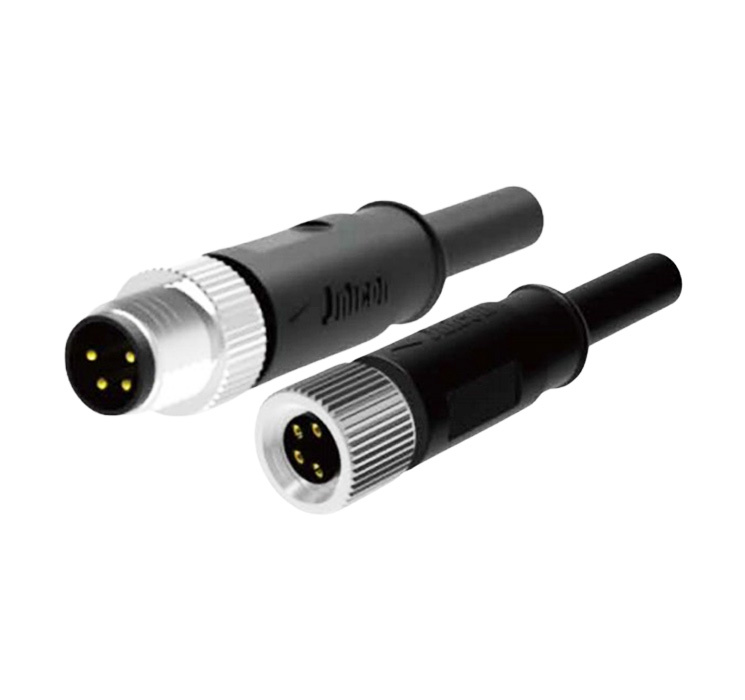
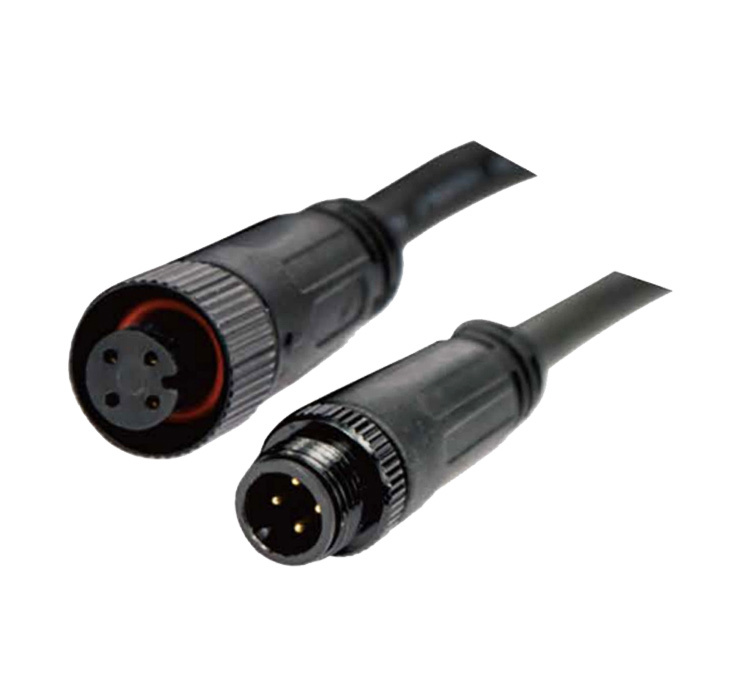
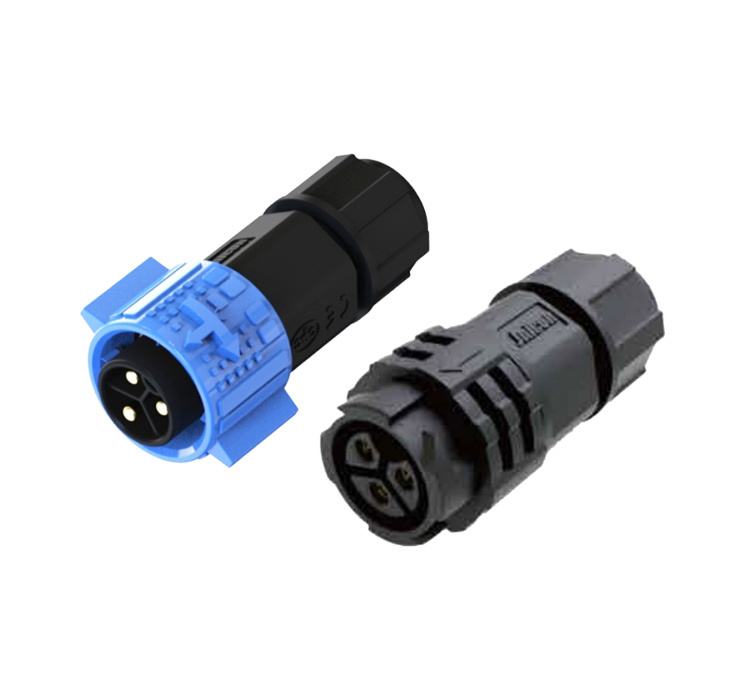
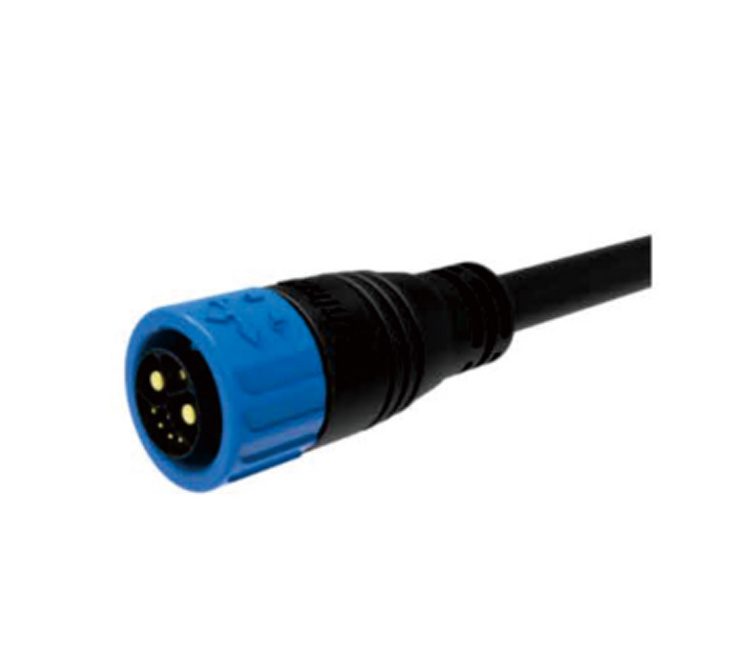
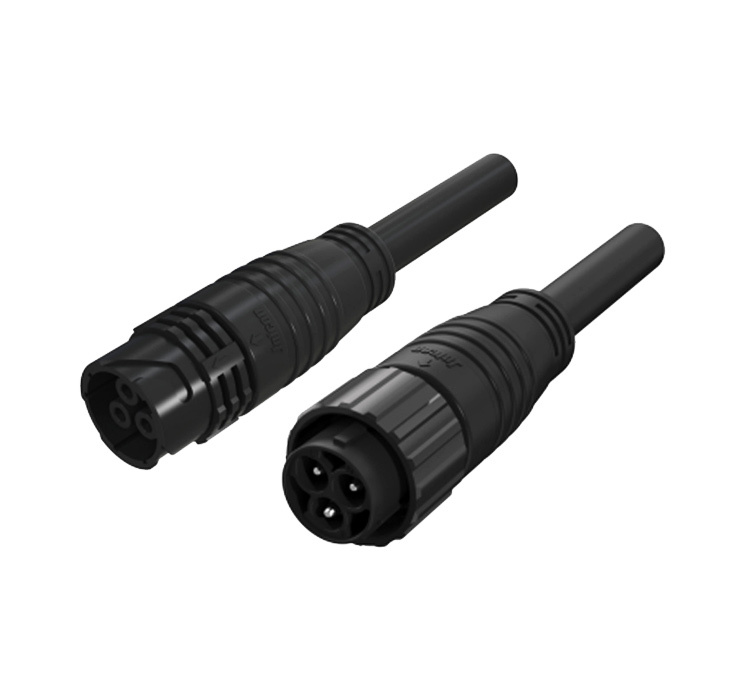
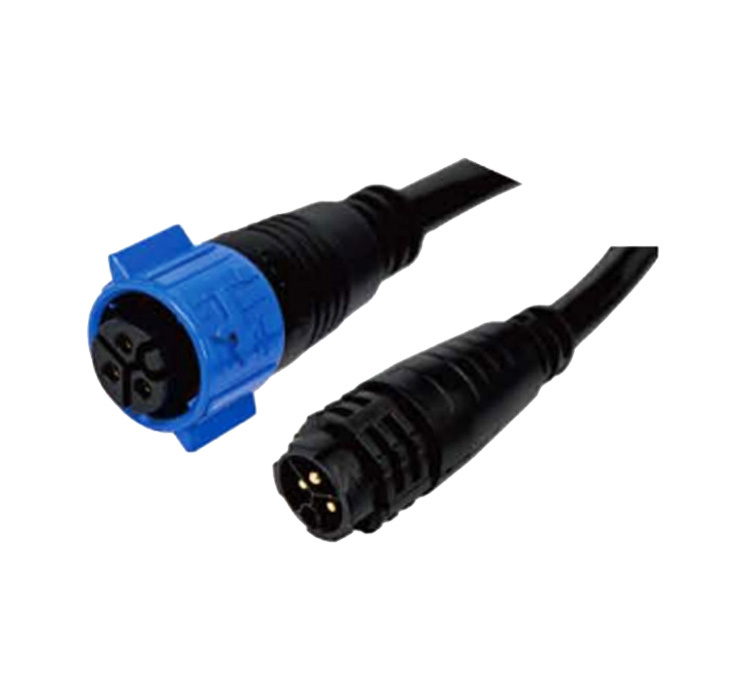
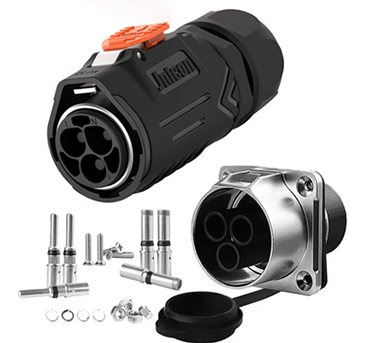
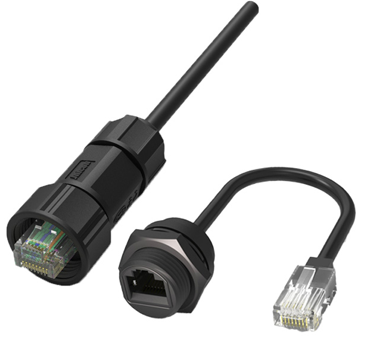
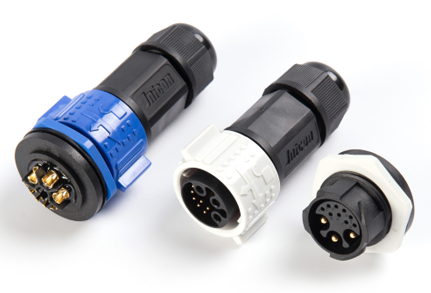
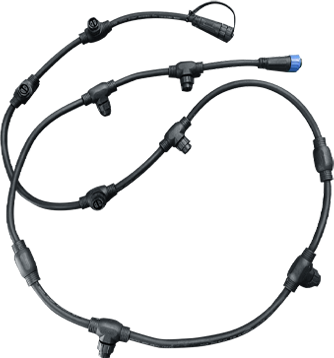
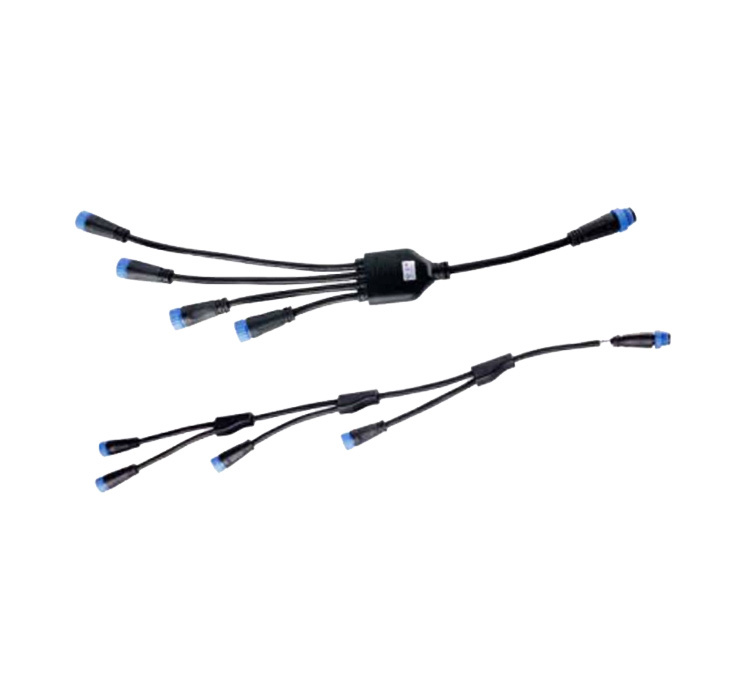
One of the primary features of waterproof cables is their insulation and sealing capabilities. These cables are designed with materials that prevent water ingress, ensuring that electrical connections remain intact even in wet conditions. Common materials used in waterproof cable construction include thermoplastic elastomers (TPE), polyvinyl chloride (PVC), and other specialized compounds that provide flexibility, durability, and resistance to environmental factors.
In addition to moisture resistance, waterproof cables are also engineered to withstand temperature variations, UV exposure, and chemical interactions, making them suitable for outdoor applications and industrial settings. For instance, they are widely used in marine applications, outdoor lighting, and agricultural equipment, where exposure to water and extreme weather conditions is a concern.
When selecting waterproof cables, several factors should be considered to ensure optimal performance. First, assess the specific environmental conditions of the application. Understanding the potential exposure to moisture, temperature fluctuations, and mechanical stress will guide you in choosing the right cable type. For example, in marine environments, cables must meet stringent standards for saltwater resistance and UV protection.
Another important consideration is the cable's electrical rating. Ensure that the selected waterproof cable can handle the required voltage and current load. Choosing a cable with insufficient ratings can lead to overheating, potential failure, and safety hazards. Additionally, consider the cable length and installation requirements, as these factors can influence performance and reliability.
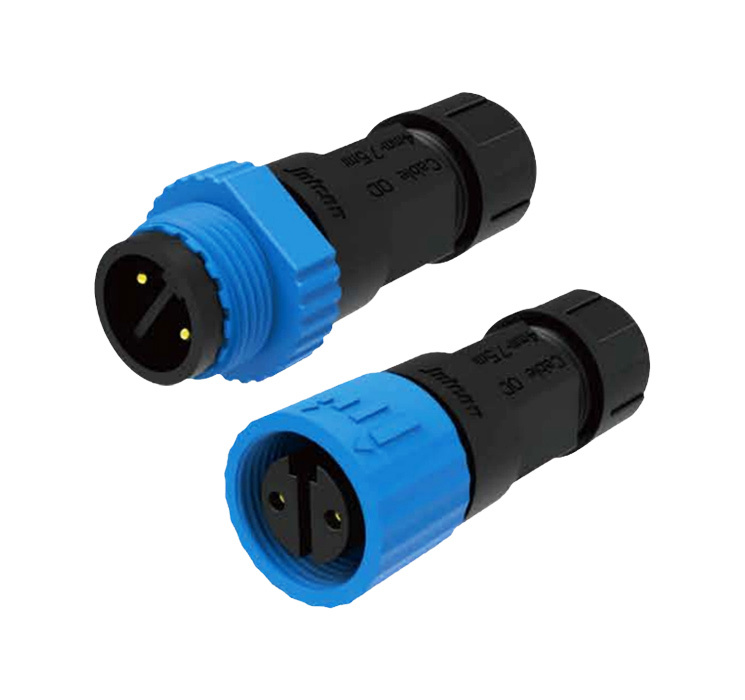
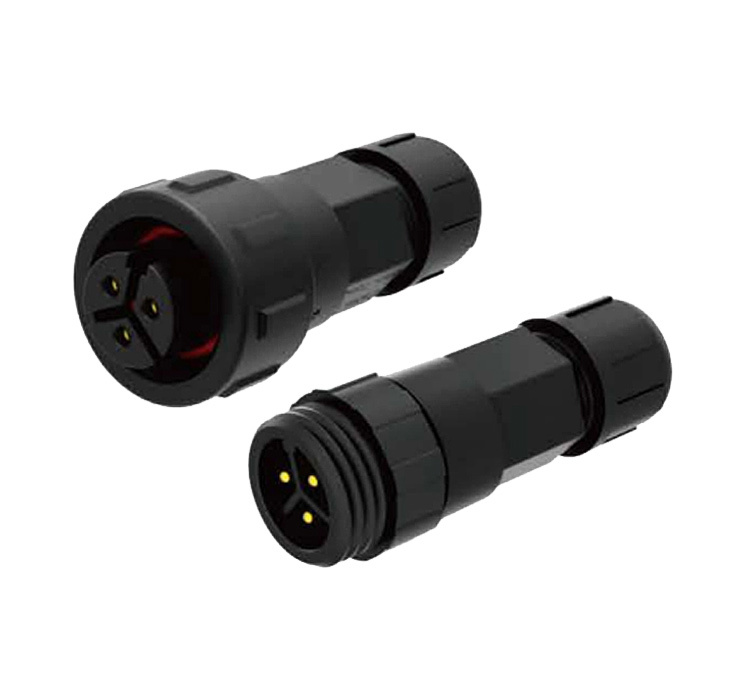
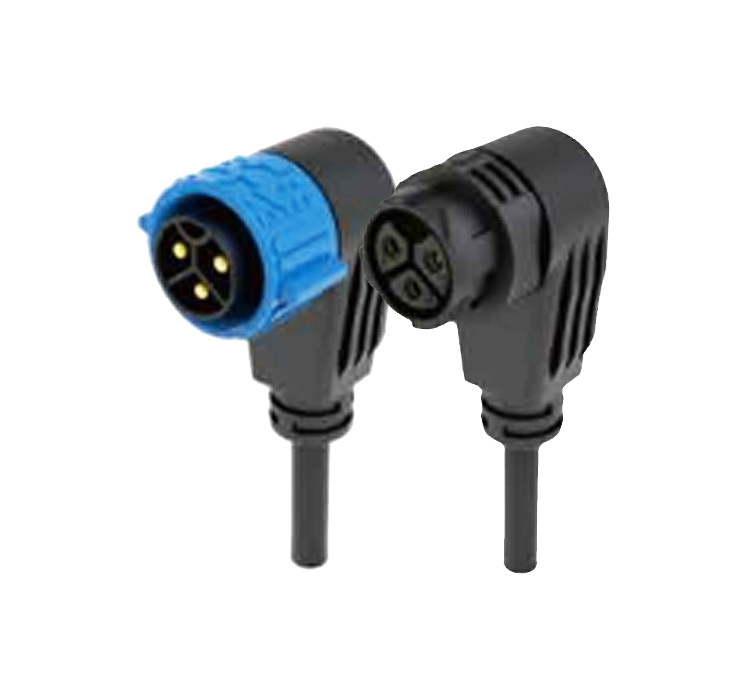
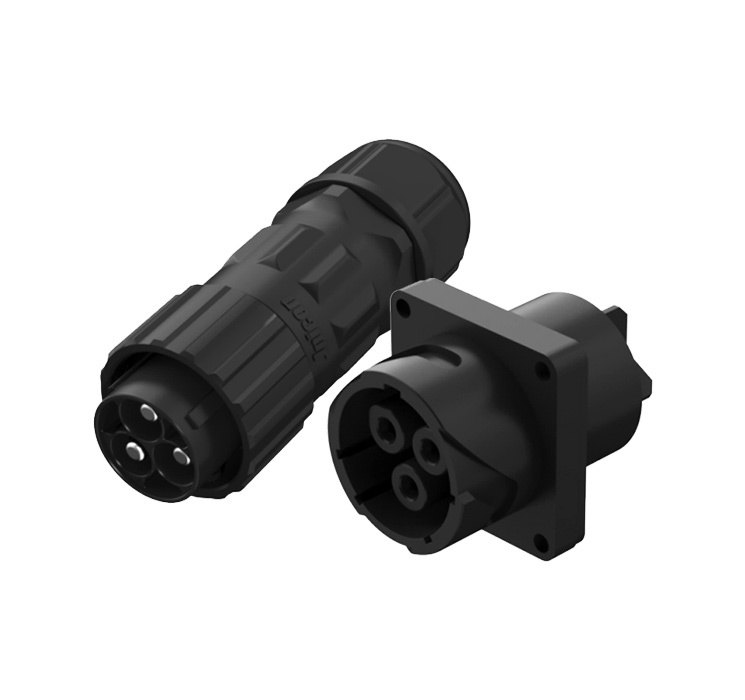
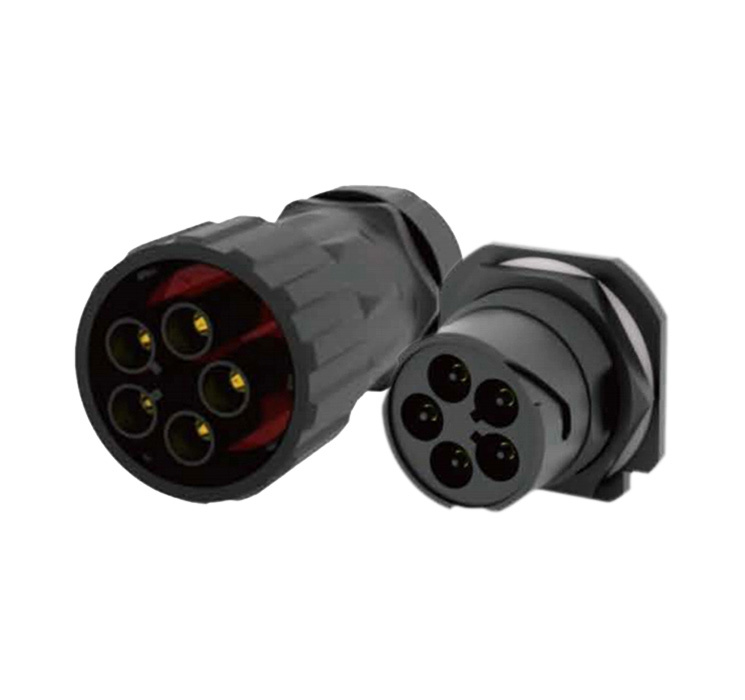
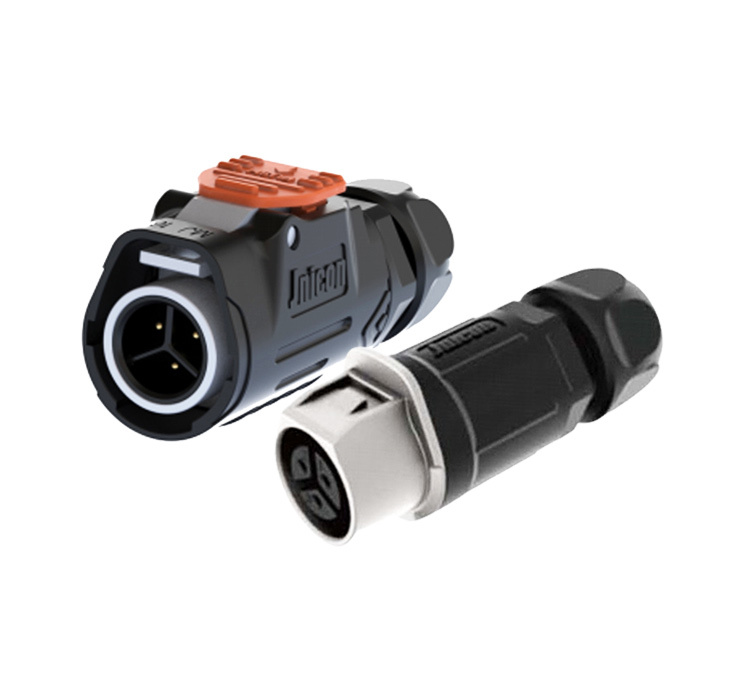
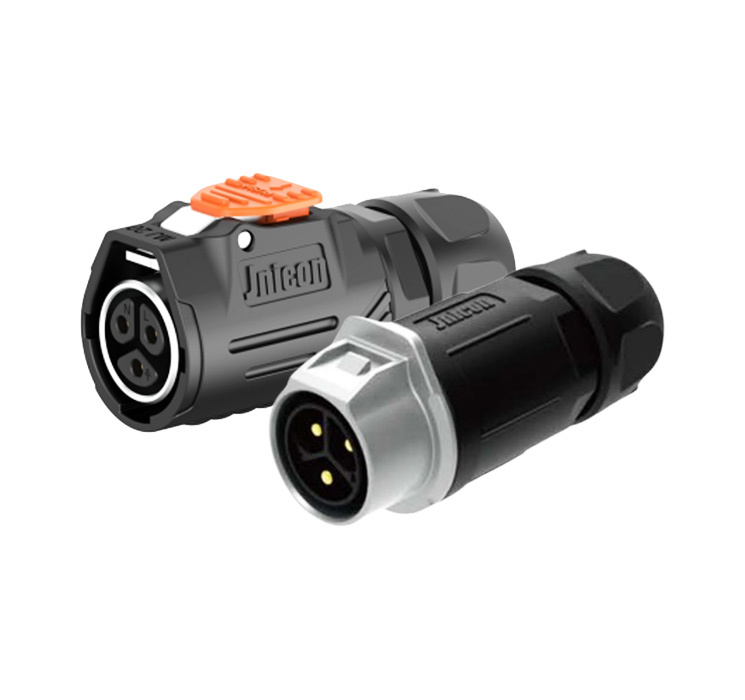
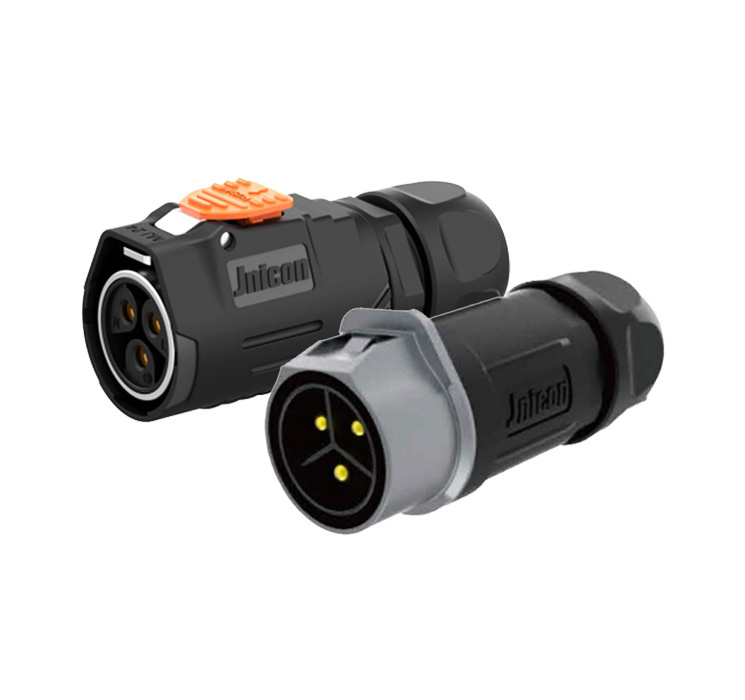
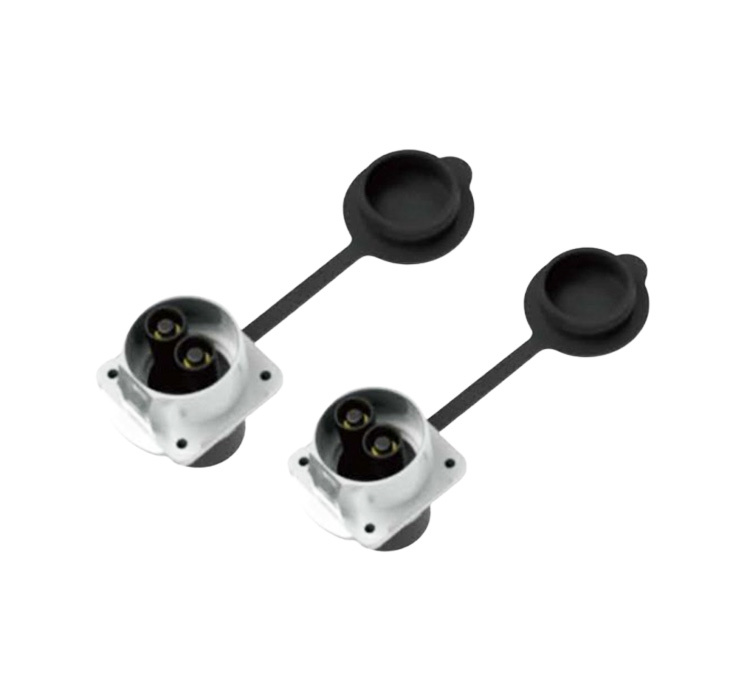
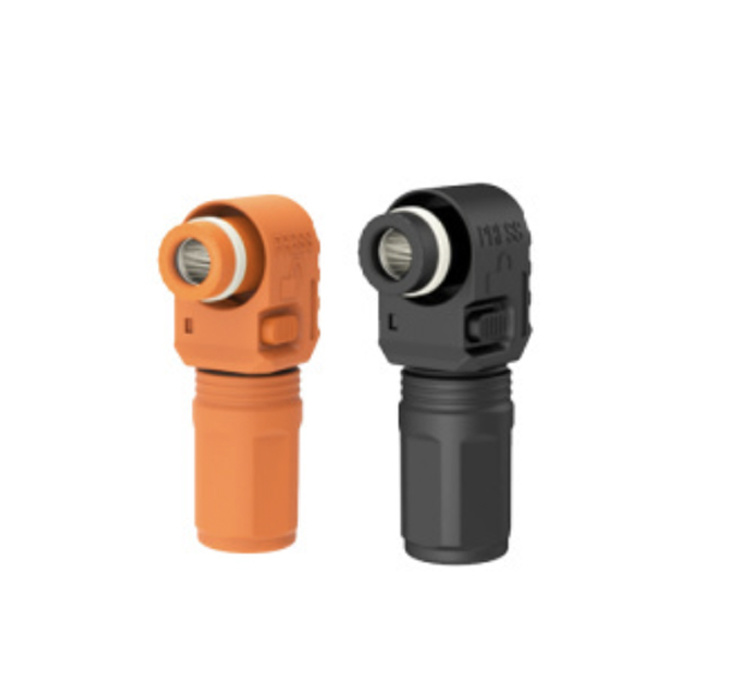
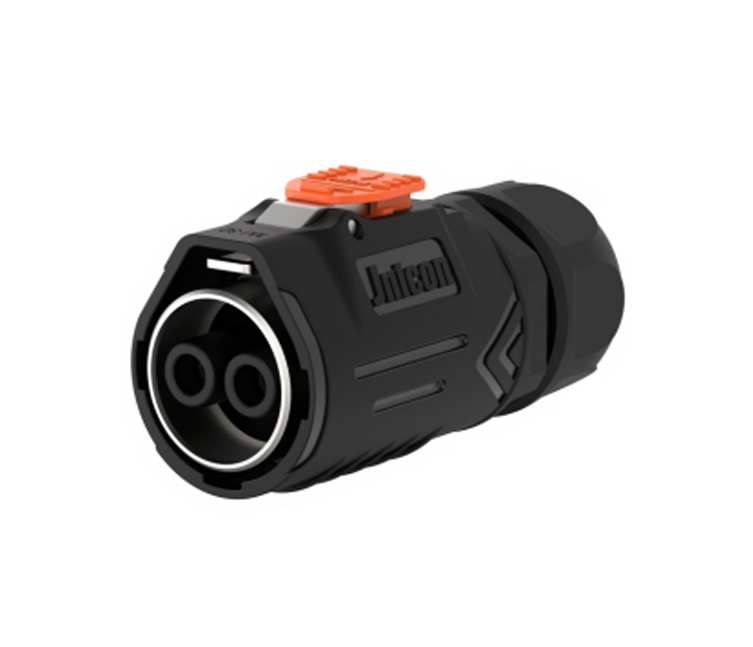
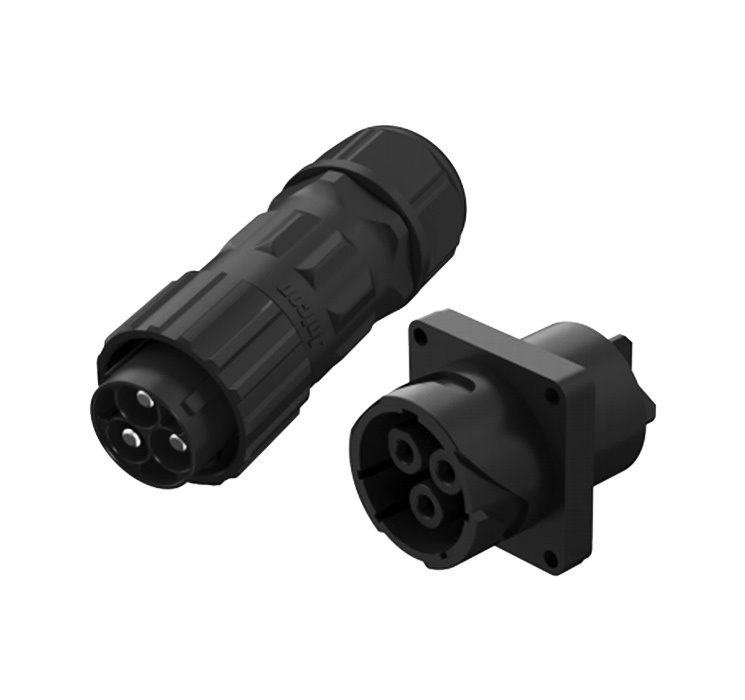
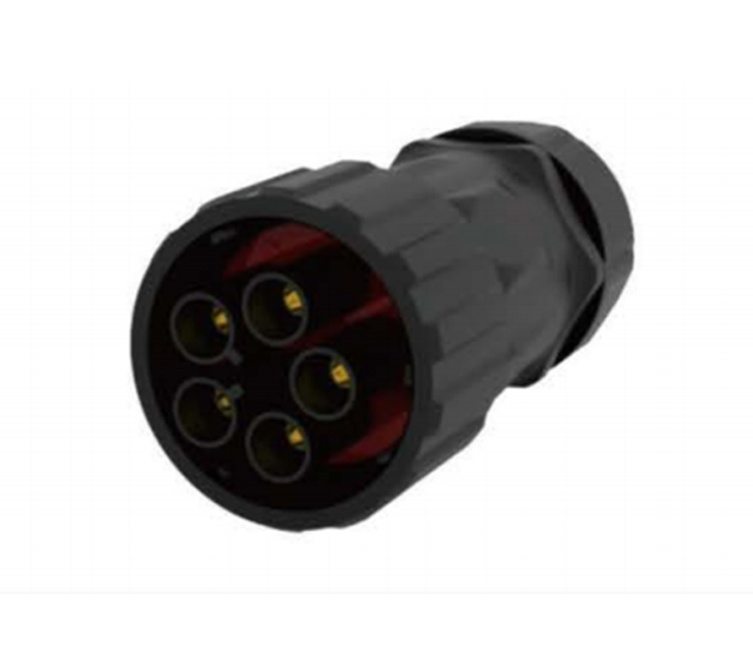
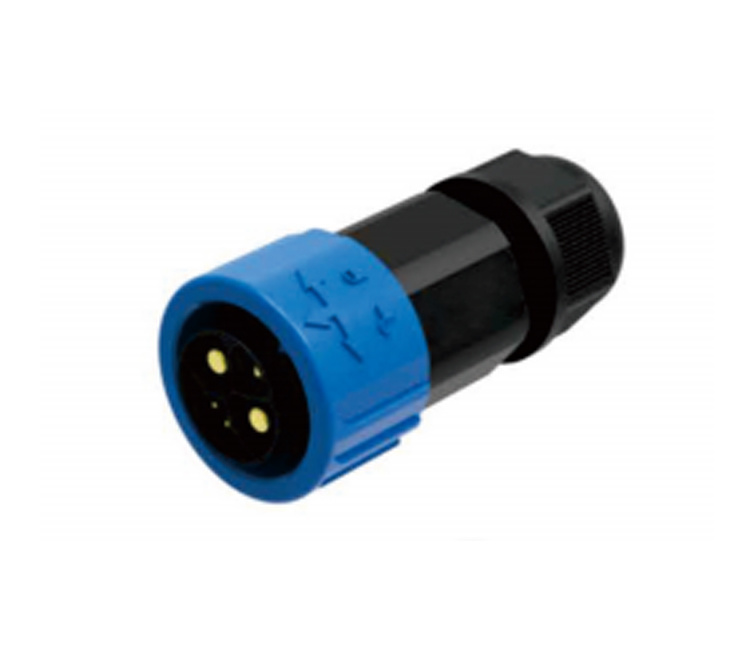
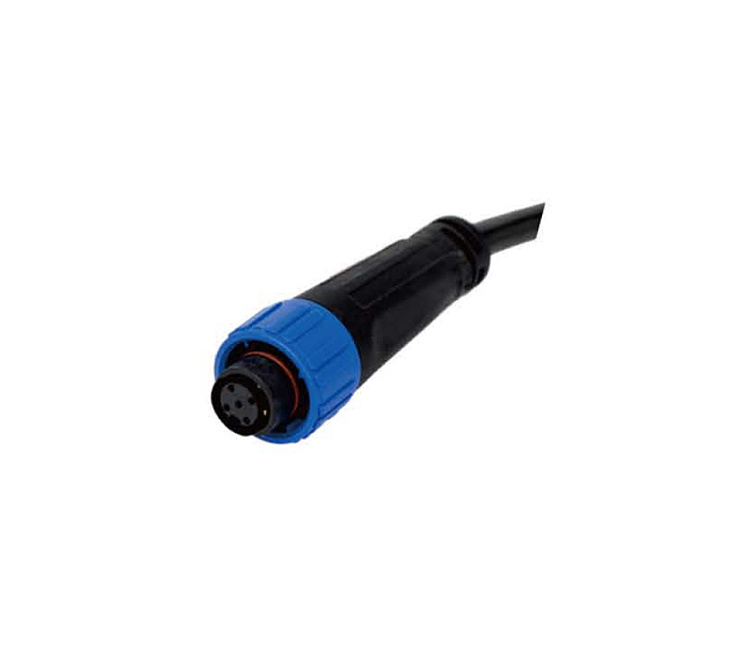
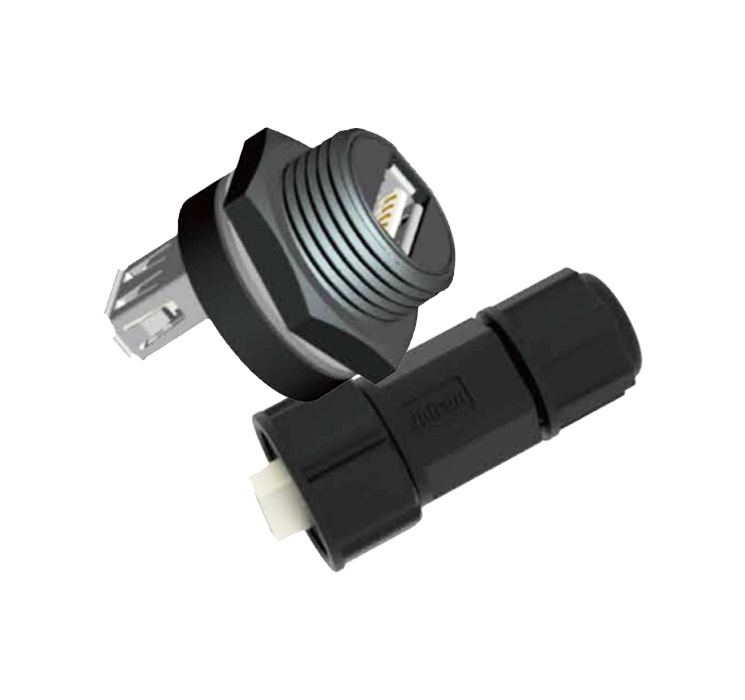
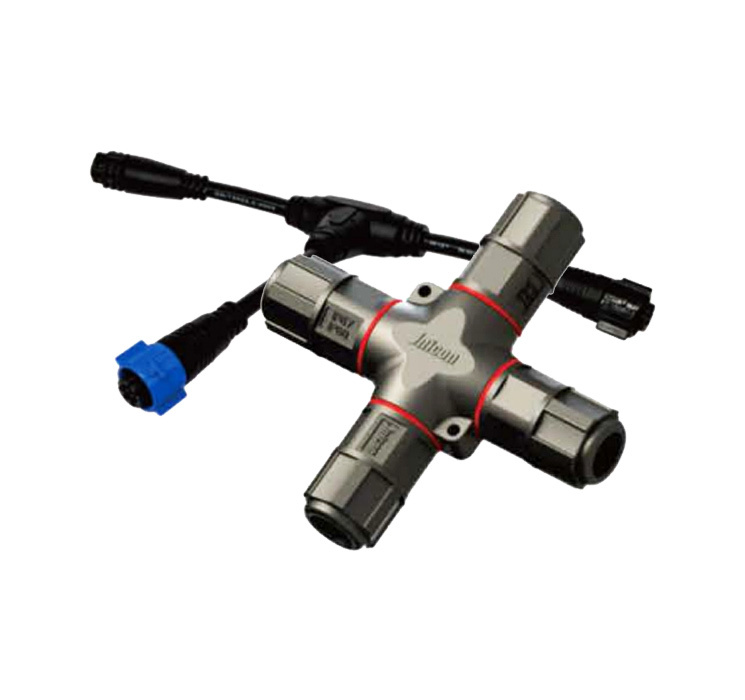
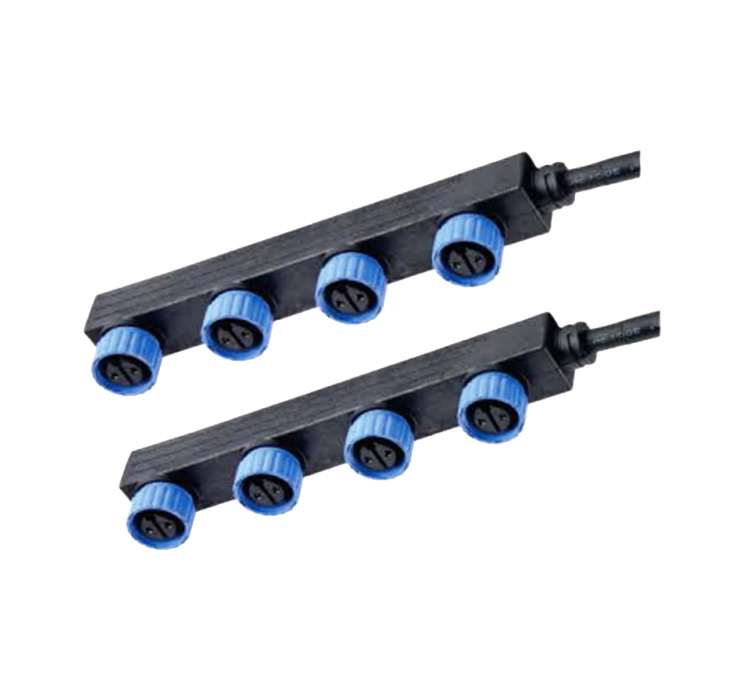
It's also vital to ensure proper installation techniques when working with waterproof cables. Employing correct sealing methods at connection points can significantly enhance the cable's waterproof characteristics. Utilizing heat-shrink tubing, sealing compounds, or connectors specifically designed for waterproof applications will help maintain the integrity of electrical connections.
In conclusion, waterproof cables are essential components in many electrical systems, particularly in environments where moisture and other environmental stressors are prevalent. By understanding their construction, applications, and installation best practices, professionals in the electrical and connector industry can ensure safe and reliable performance in their projects. Investing time in selecting the right waterproof cable can save costs and enhance safety over the long term, making it a critical consideration for any electrical engineer or technician.
Previous
News
2026-10-03
Understanding Waterproof Cables: Essential Insights for Electrical Professionals
Waterproof cables are vital components in the electric and electronic industries, especially when it comes to ensuring safe and reliable connections in challenging environments. These cables are designed to resist moisture and prevent water ingress, which can lead to electrical failure and safety hazards. Understanding the intricacies of waterproof cables is essential for electrical professionals
2026-09-30
Discover the Advantages of Using 2 Pin Waterproof Connectors in Harsh Environments
Discover the Advantages of Using 2 Pin Waterproof Connectors in Harsh Environments Table of Contents 1. Introduction to 2 Pin Waterproof Connectors 2. Importance of Waterproof Connectors 3. Design Features of 2 Pin Waterproof Connectors 4. Applications in Various Industries 5. Benefits of Using 2 Pin Waterproof Connectors 6. Installation Guidelines for 2 Pin Waterproof Connectors 7.
2026-09-27
Understanding Industrial Power Connectors: Key Insights for Professionals
Industrial power connectors play a crucial role in the safety and efficiency of electrical systems across various sectors, including manufacturing, energy, and transportation. These connectors are designed to facilitate the transmission of electrical power in rugged environments, ensuring reliable and stable connections. Understanding the types, applications, and selection criteria for industrial

B8-9, Fubilun industrial park, Chaoyang rd,Yanchuan community, Songgang, Shenzhen, China


