


Understanding the Importance of Waterproof Wire Harnesses in Harsh Environments
Release Time:
2026-01-29
Understanding the Importance of Waterproof Wire Harnesses in Harsh Environments
Table of Contents
- What is a Waterproof Wire Harness?
- The Need for Waterproofing in Automotive Applications
- Key Components of Waterproof Wire Harnesses
- Benefits of Waterproof Wire Harnesses
- Applications of Waterproof Wire Harnesses in Harsh Environments
- Choosing the Right Waterproof Wire Harness
- Common Misconceptions About Waterproof Wiring
- Maintenance Tips for Waterproof Wire Harnesses
- Frequently Asked Questions
- Conclusion
What is a Waterproof Wire Harness?
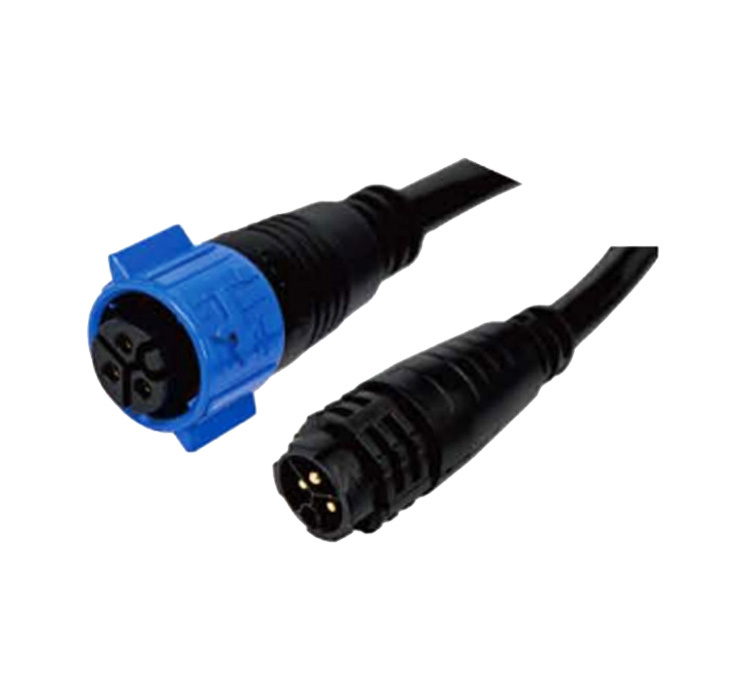
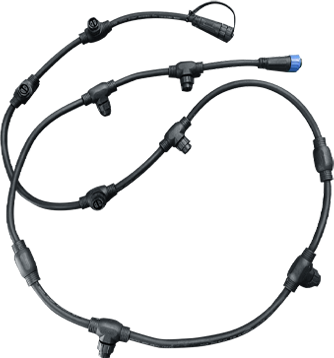
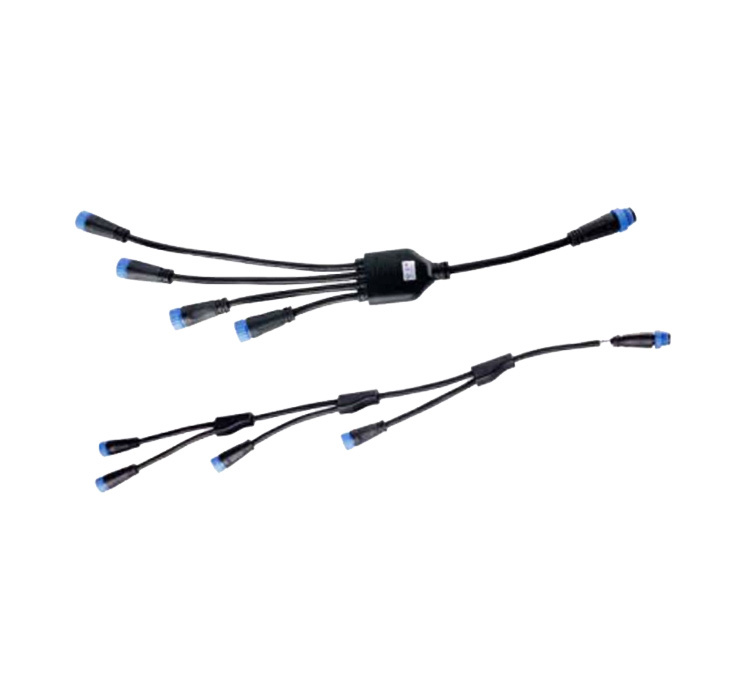
A waterproof wire harness is a critical component in modern automotive and electronic systems. Comprising several wires grouped together, these harnesses are encased in protective materials designed to prevent moisture ingress. This protection is vital for ensuring the functionality of electrical systems in vehicles, especially in challenging environments where exposure to water and contaminants is common.
The Need for Waterproofing in Automotive Applications
In automotive applications, wire harnesses are susceptible to various environmental factors such as rain, snow, mud, and road spray. These factors can lead to corrosion, short circuits, and ultimately, system failures. To mitigate these risks, waterproof wire harnesses are engineered to withstand exposure to moisture and prevent damage to sensitive electronic components. As vehicles become more reliant on advanced electronic systems, the need for robust waterproofing solutions becomes increasingly critical.
Environmental Challenges
Automotive wire harnesses face numerous challenges, including:
- Water exposure from rain or flooding
- Temperature fluctuations leading to condensation
- Corrosive substances such as road salt
- Mechanical stress from vibrations and impacts
Each of these challenges can compromise the integrity of wire harnesses, making waterproofing essential for reliable vehicle operation.
Key Components of Waterproof Wire Harnesses
Understanding the construction of waterproof wire harnesses helps in appreciating their role in automotive systems. Key components include:
1. Insulated Wires
The wires used in these harnesses are typically made from copper and are insulated with materials like PVC or cross-linked polyethylene, which provide resistance to moisture and heat.
2. Sealing Mechanisms
Sealing mechanisms, such as grommets, heat-shrink tubing, and molded connectors, play a crucial role in preventing water ingress. These components create watertight seals around wire connections.
3. Protective Sheathing
Wire harnesses are often encased in protective sheathing materials like nylon or polyester, which not only provide additional waterproofing but also protect against abrasion and chemical exposure.
4. Connectors
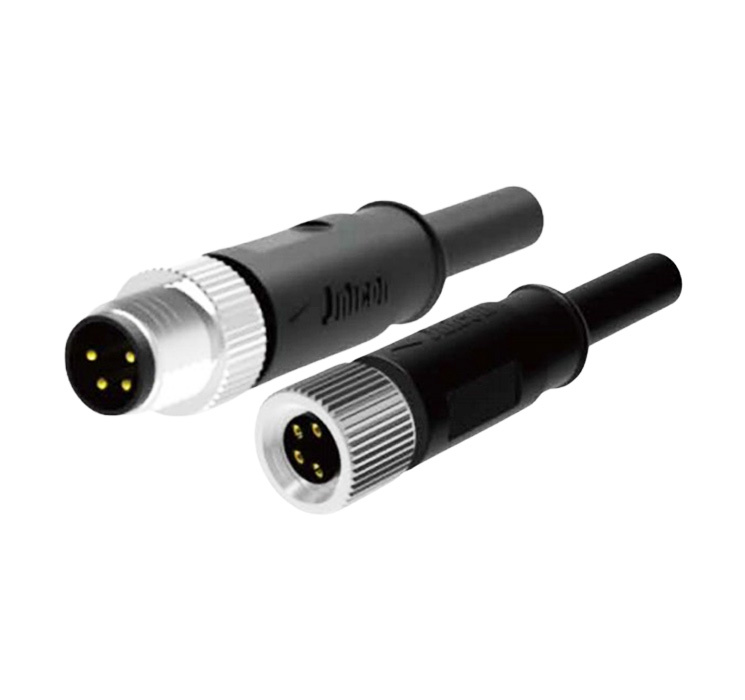
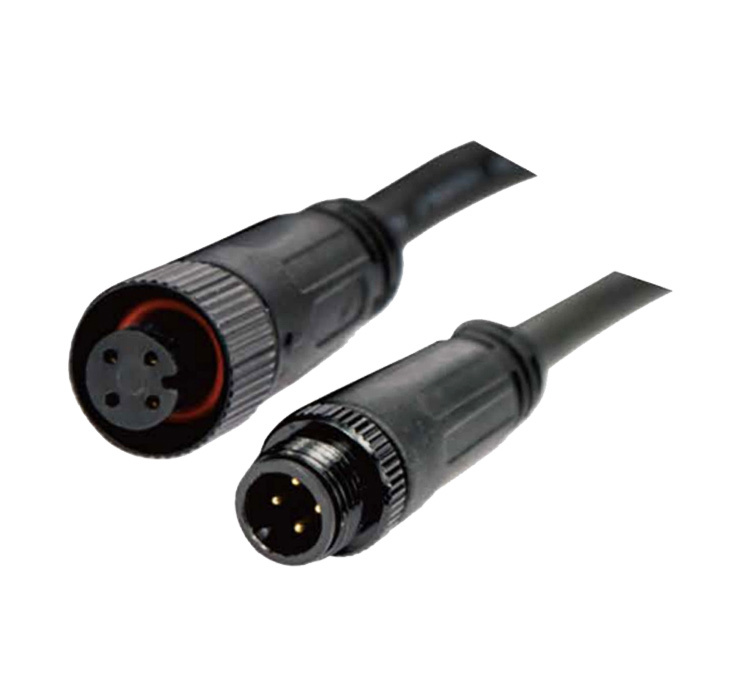
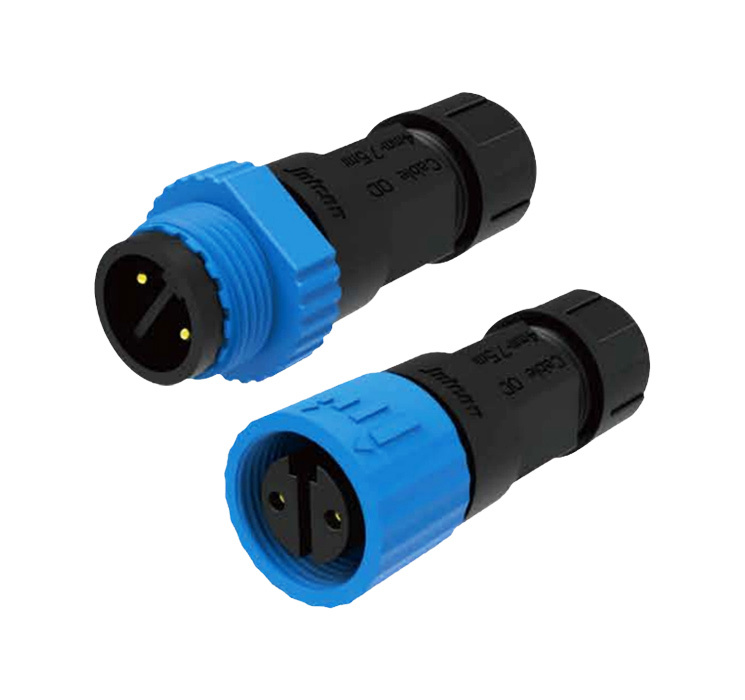
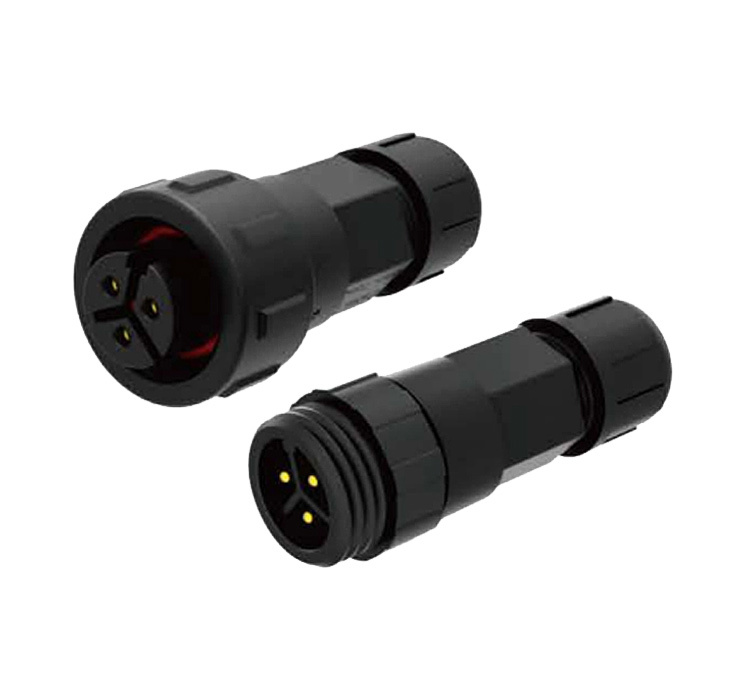
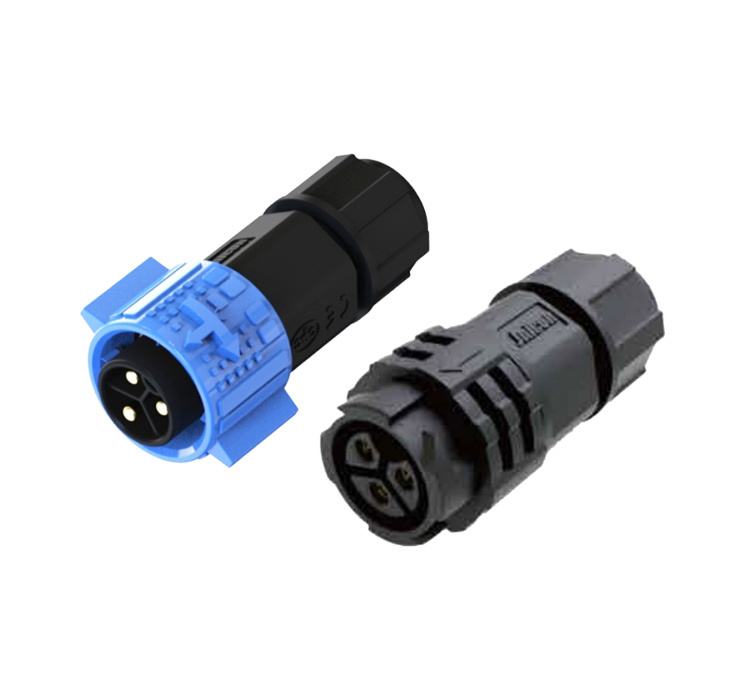
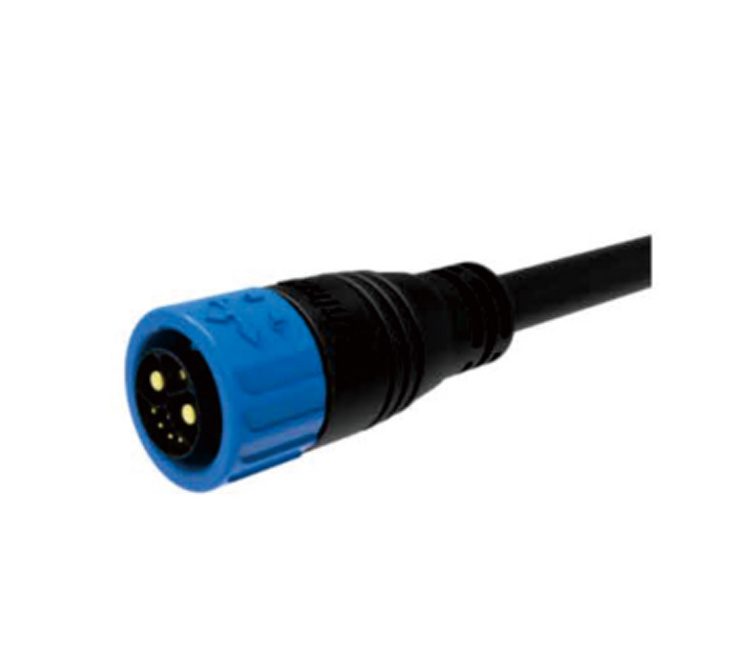
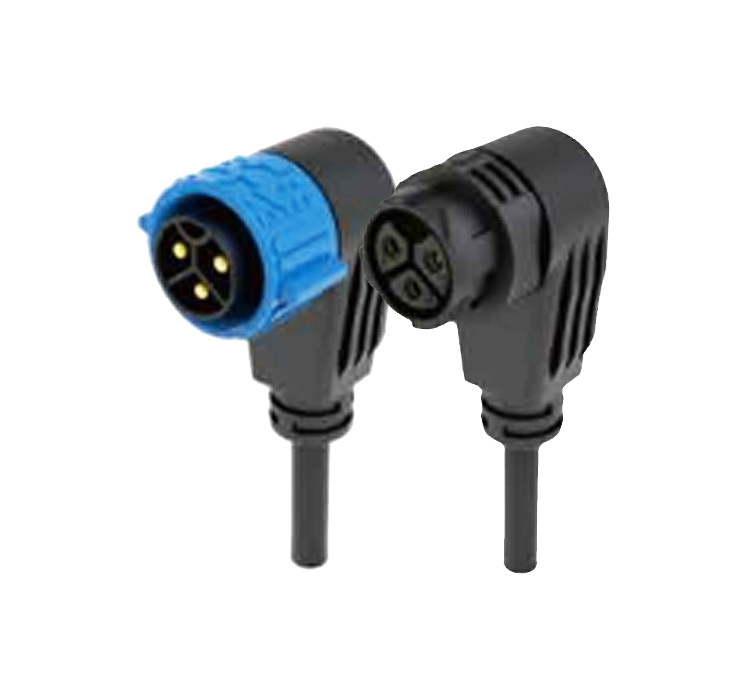
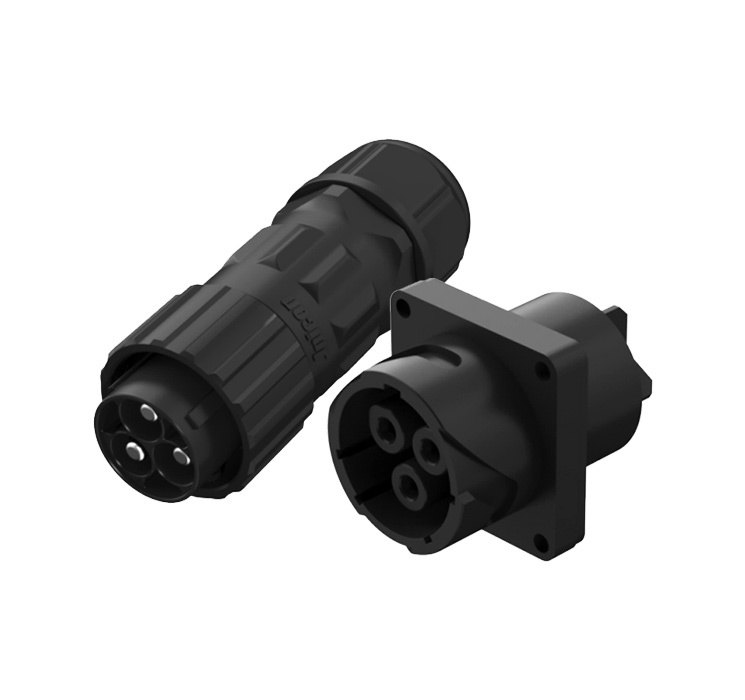
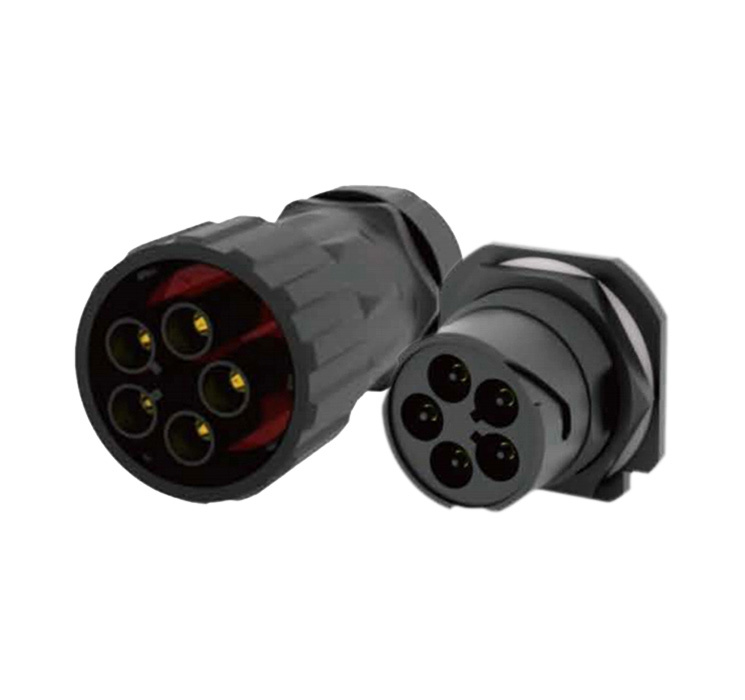
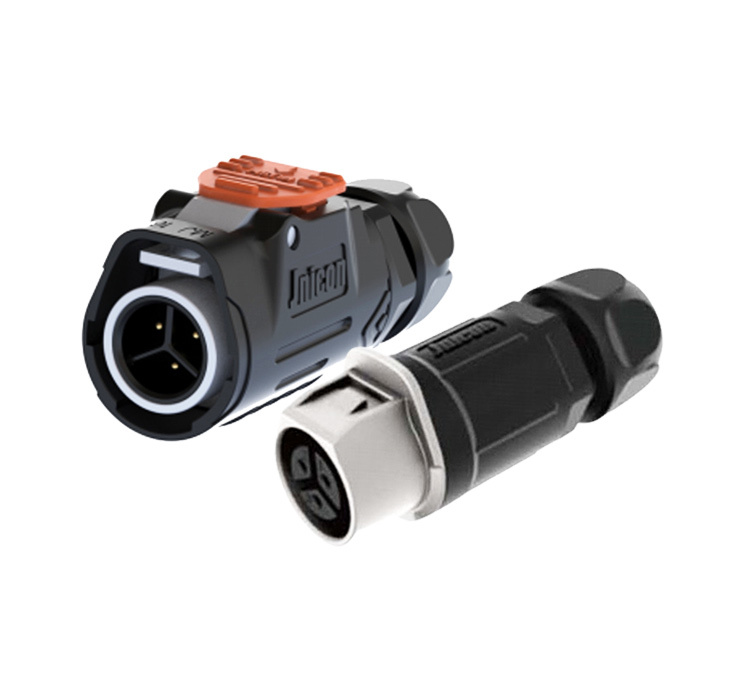
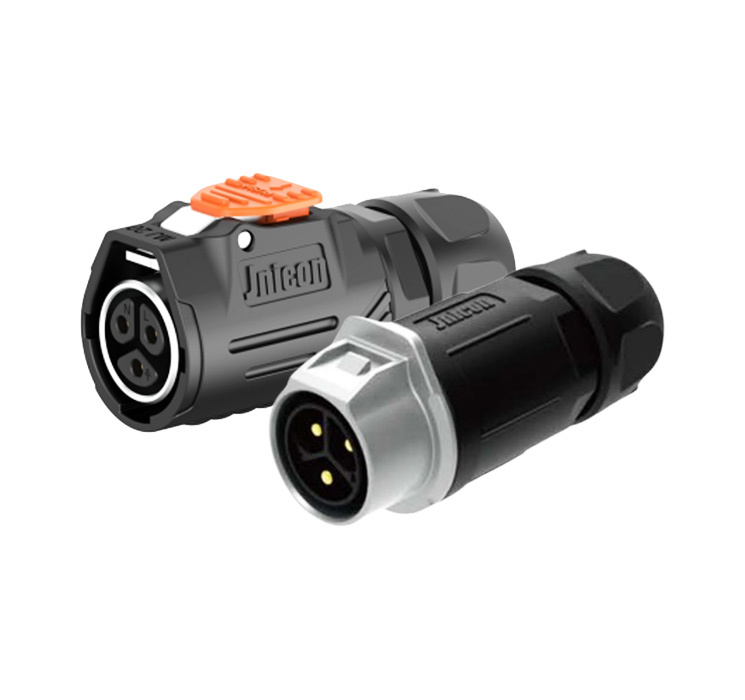
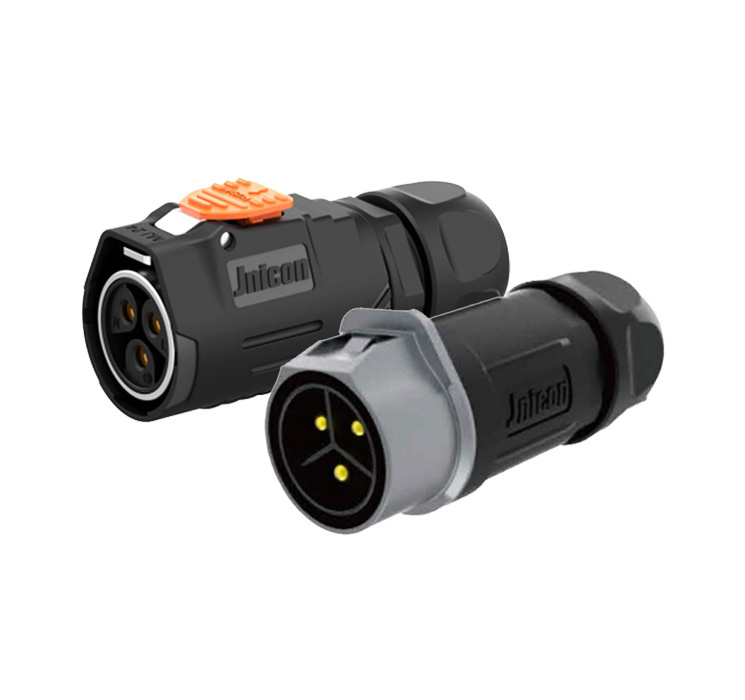
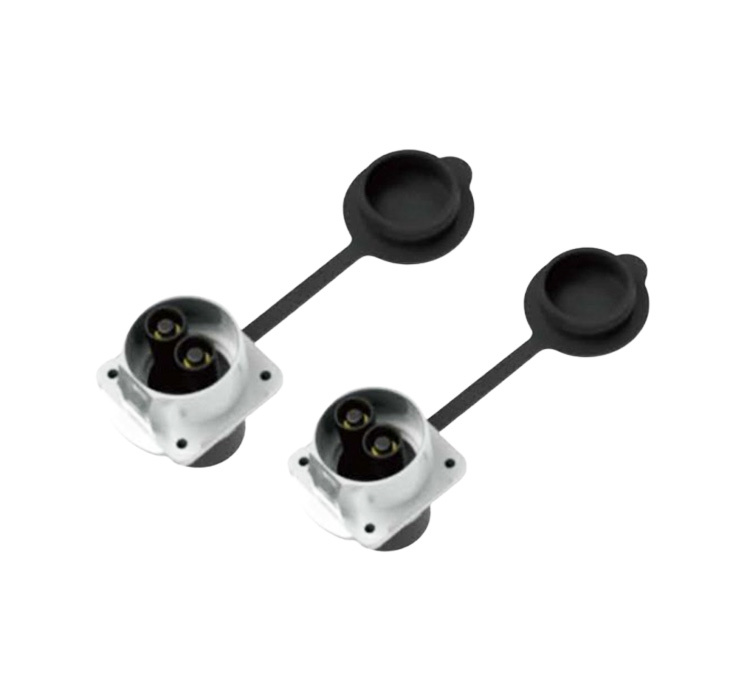
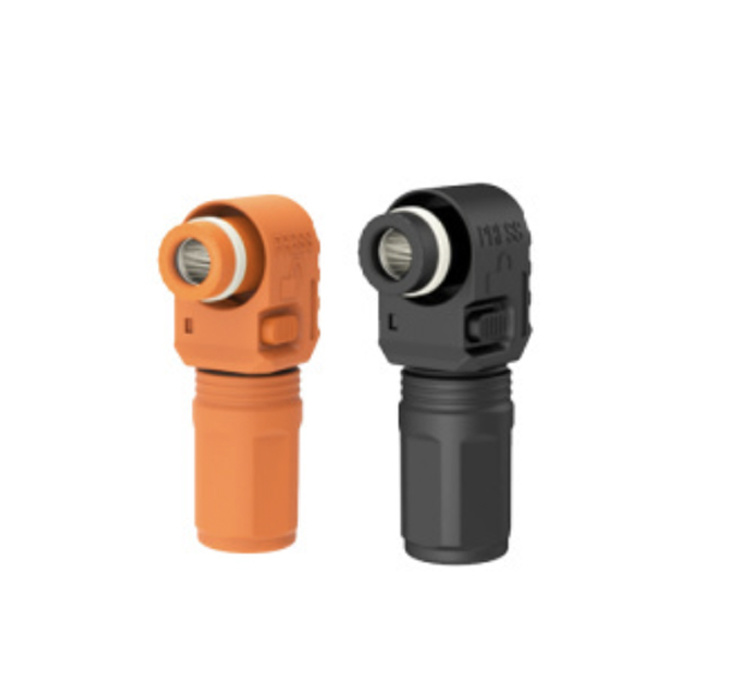
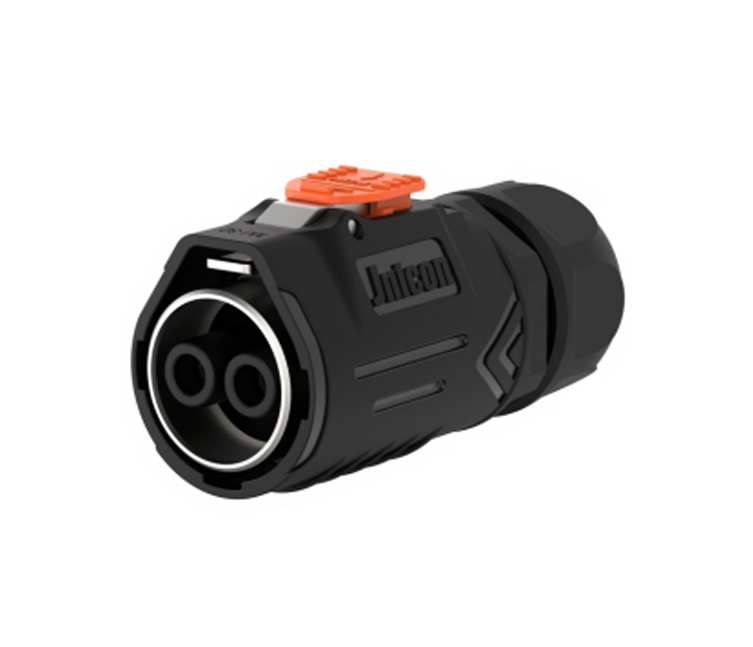
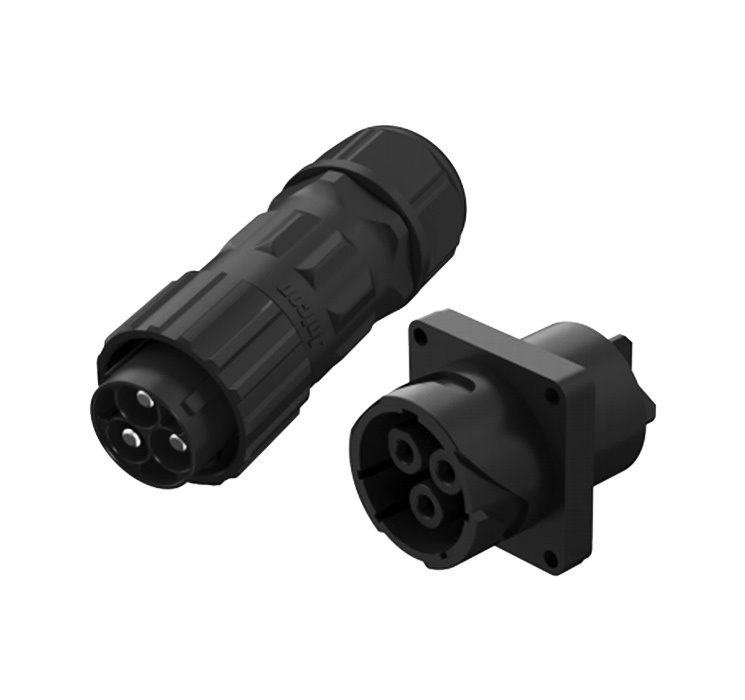
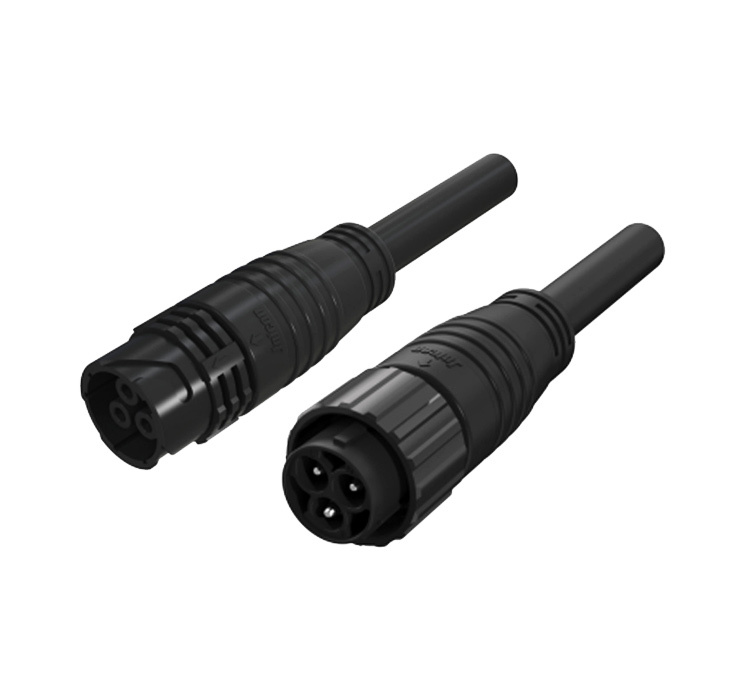
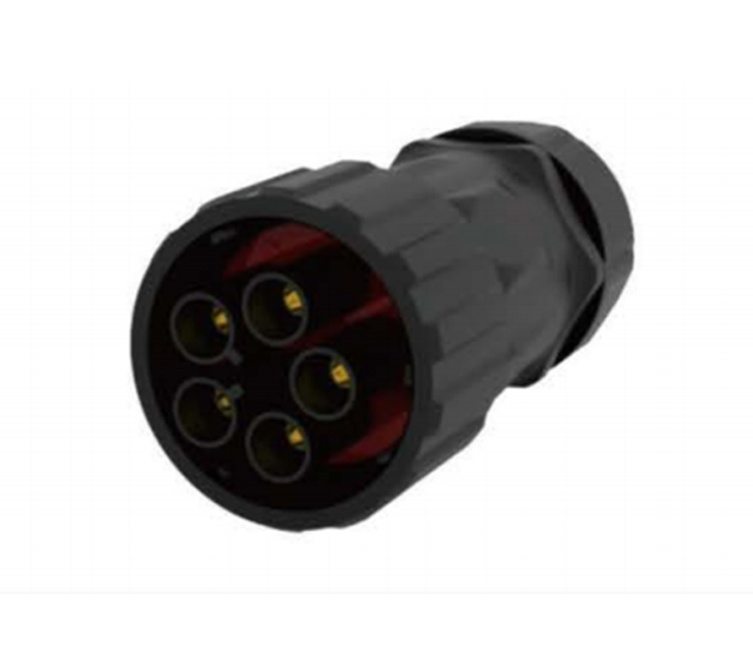
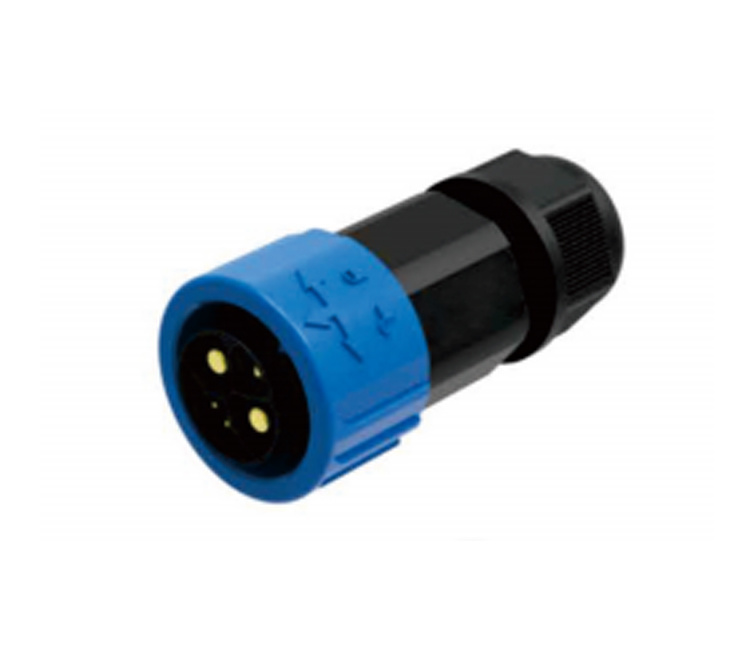
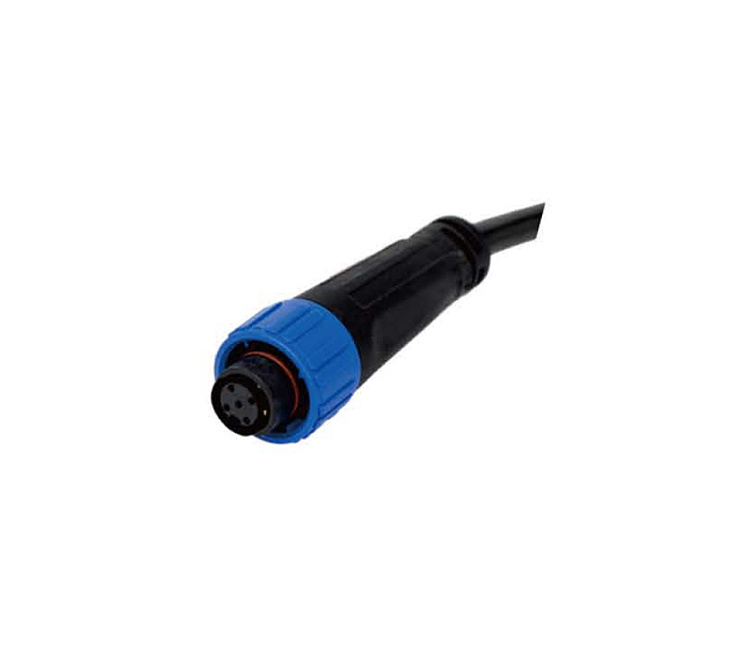
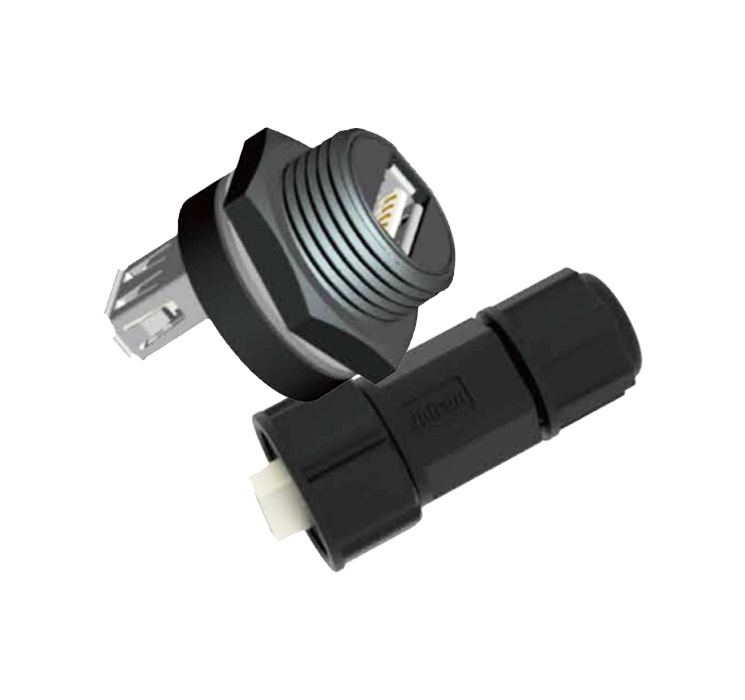
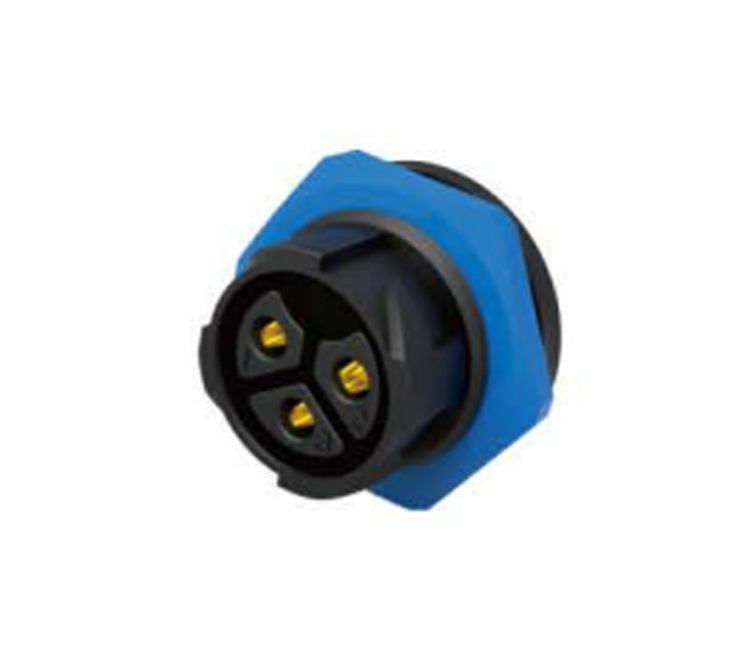
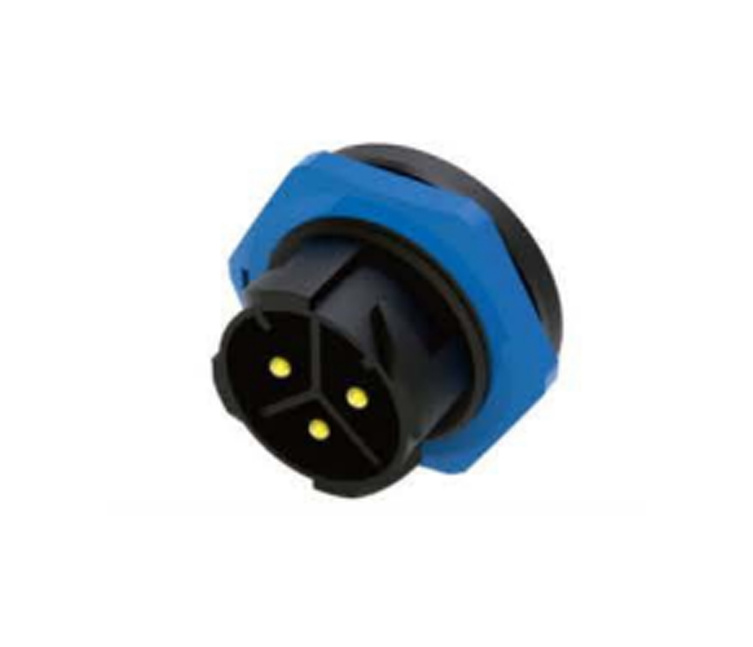
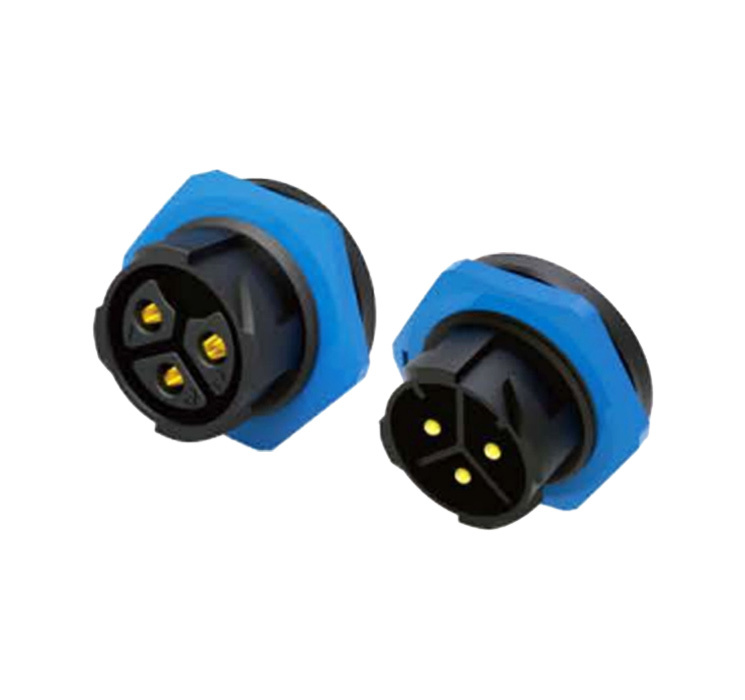
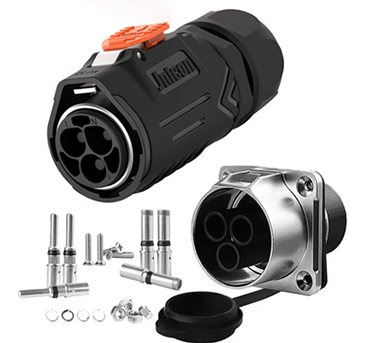
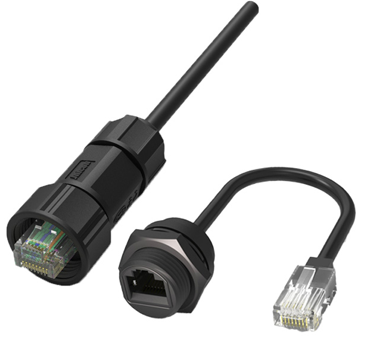
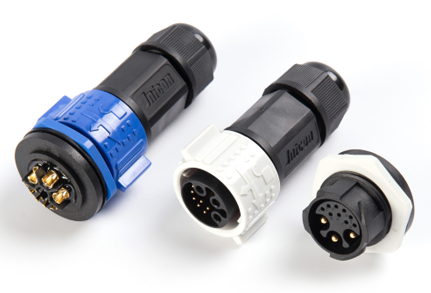
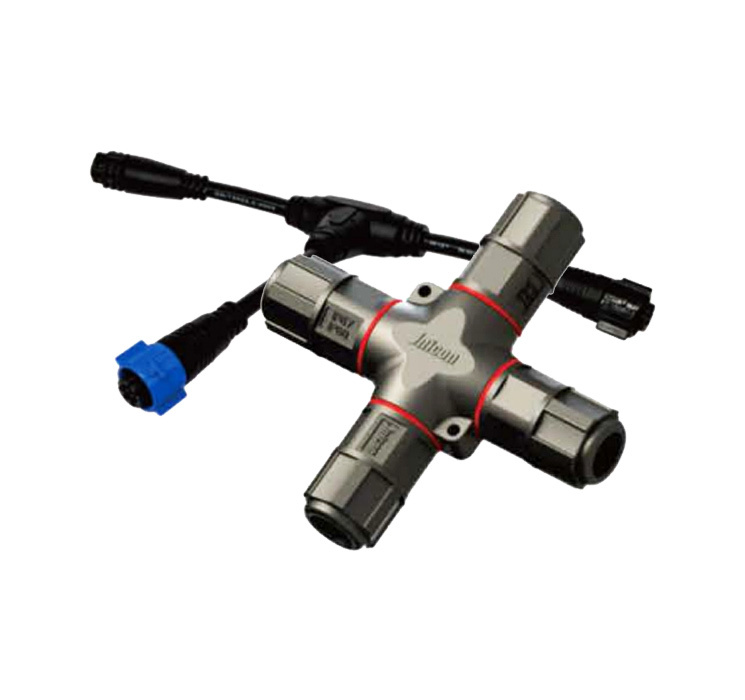
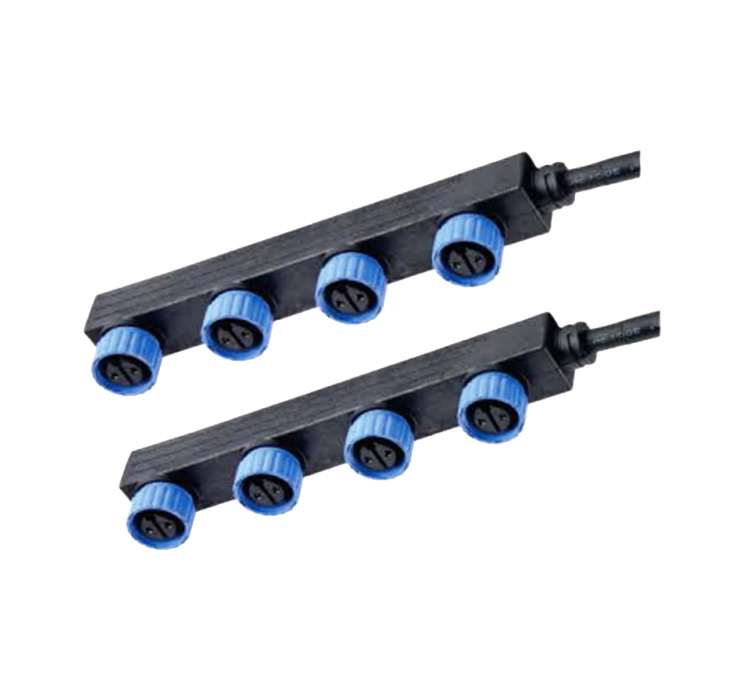
High-quality waterproof connectors are designed to maintain their integrity under harsh conditions. They often feature locking mechanisms and rubber seals that prevent moisture from entering the connection points.
Benefits of Waterproof Wire Harnesses
Investing in waterproof wire harnesses offers several advantages:
Enhanced Durability
Waterproof wire harnesses are built to withstand harsh environmental conditions, significantly increasing their lifespan compared to standard harnesses. This durability translates to fewer repairs and replacements over time.
Improved Safety
By preventing moisture-related failures, waterproof wire harnesses contribute to overall vehicle safety. They minimize the risks of electrical shorts, which can lead to fires or system malfunctions.
Cost-Effectiveness
While waterproof wire harnesses may have a higher initial cost, their longevity and reduced maintenance needs make them a cost-effective solution in the long run. Investing in quality harnesses can save money on repairs and downtime.
Applications of Waterproof Wire Harnesses in Harsh Environments
Waterproof wire harnesses are utilized in various applications beyond standard automotive uses. These applications include:
1. Off-Road Vehicles
Off-road vehicles often face extreme conditions, including mud, water, and dust. Waterproof wire harnesses ensure that electronic systems remain functional even in the harshest environments.
2. Marine Applications
In marine environments, exposure to saltwater presents unique challenges. Waterproof wire harnesses are essential for boats and marine equipment to prevent corrosion and electrical failures.
3. Agricultural Machinery
Agricultural machinery operates in wet and muddy conditions, making waterproof wire harnesses vital for maintaining reliable electronic systems in tractors and harvesters.
4. Construction Equipment
Heavy machinery used in construction often operates in outdoor environments exposed to water and dirt. Waterproof wire harnesses ensure that these machines remain operational regardless of the weather conditions.
Choosing the Right Waterproof Wire Harness
Selecting the appropriate waterproof wire harness requires careful consideration of several factors:
1. Environmental Conditions
Evaluate the specific environmental conditions the harness will be exposed to, including temperature ranges, moisture levels, and potential contaminants.
2. Application Requirements
Different applications may have varying requirements for wire gauge, length, and connector types. Ensure the harness meets the specific needs of the application.
3. Quality of Materials
Investing in high-quality materials ensures better performance and longevity. Look for manufacturers that adhere to industry standards and offer warranties for their products.
Common Misconceptions About Waterproof Wiring
Despite their importance, several misconceptions exist regarding waterproof wire harnesses:
1. All Wire Harnesses are Waterproof
Not all wire harnesses are designed to be waterproof. It's essential to verify the specifications of a wire harness before assuming it provides moisture protection.
2. Waterproof Means Immune to Damage
While waterproof wire harnesses are designed to resist moisture, they can still be damaged by other factors, such as physical wear and tear. Regular maintenance is crucial.
3. Price Equals Quality
While higher prices can indicate better materials and construction, it’s important to research manufacturers and read reviews to ensure the chosen product meets quality standards, regardless of price.
Maintenance Tips for Waterproof Wire Harnesses
To maximize the lifespan and effectiveness of waterproof wire harnesses, consider the following maintenance tips:
1. Regular Inspections
Conduct routine inspections for signs of wear, corrosion, or damage. Early detection can prevent more significant issues down the line.
2. Clean Connections
Ensure that connectors are clean and free of debris. Dirt and contaminants can compromise the waterproof seals and lead to potential failures.
3. Protect from Physical Damage
Avoid unnecessary stress on wire harnesses by securing them properly and protecting them from sharp edges or moving parts.
Frequently Asked Questions
1. How do waterproof wire harnesses differ from standard wire harnesses?
Waterproof wire harnesses feature specialized materials and sealing mechanisms designed to prevent moisture ingress, whereas standard wire harnesses do not offer the same level of protection against water.
2. Can I use a standard wire harness in wet environments?
Using a standard wire harness in wet environments is not advisable, as it may lead to electrical failures and corrosion over time. Waterproof wire harnesses are specifically designed for such conditions.
3. What materials are commonly used in waterproof wire harnesses?
Common materials include copper for wires, PVC or cross-linked polyethylene for insulation, and nylon or polyester for protective sheathing. Waterproof connectors are often made from high-quality plastics with rubber seals.
4. Are there specific certifications for waterproof wire harnesses?
Yes, look for wire harnesses that meet industry standards such as IP ratings (Ingress Protection) which indicate their level of water resistance.
5. How can I ensure the longevity of my waterproof wire harness?
Regular inspections, proper installation, and protecting them from physical damage can help extend the life of waterproof wire harnesses.
Conclusion
Waterproof wire harnesses play a fundamental role in ensuring the reliability and longevity of electronic systems in harsh environments. Their robust construction and protective features help combat the damaging effects of moisture and contaminants, making them essential for automotive, marine, agricultural, and construction applications. By understanding their importance and selecting the right harness for specific needs, we can enhance the performance and safety of our vehicles and equipment. Investing in quality waterproof wire harnesses ultimately leads to a safer, more efficient operation in challenging conditions. Prioritize waterproofing to safeguard your electrical systems and achieve peace of mind in any environment.
News
2026-10-03
Understanding Waterproof Cables: Essential Insights for Electrical Professionals
Waterproof cables are vital components in the electric and electronic industries, especially when it comes to ensuring safe and reliable connections in challenging environments. These cables are designed to resist moisture and prevent water ingress, which can lead to electrical failure and safety hazards. Understanding the intricacies of waterproof cables is essential for electrical professionals
2026-09-30
Discover the Advantages of Using 2 Pin Waterproof Connectors in Harsh Environments
Discover the Advantages of Using 2 Pin Waterproof Connectors in Harsh Environments Table of Contents 1. Introduction to 2 Pin Waterproof Connectors 2. Importance of Waterproof Connectors 3. Design Features of 2 Pin Waterproof Connectors 4. Applications in Various Industries 5. Benefits of Using 2 Pin Waterproof Connectors 6. Installation Guidelines for 2 Pin Waterproof Connectors 7.
2026-09-27
Understanding Industrial Power Connectors: Key Insights for Professionals
Industrial power connectors play a crucial role in the safety and efficiency of electrical systems across various sectors, including manufacturing, energy, and transportation. These connectors are designed to facilitate the transmission of electrical power in rugged environments, ensuring reliable and stable connections. Understanding the types, applications, and selection criteria for industrial

B8-9, Fubilun industrial park, Chaoyang rd,Yanchuan community, Songgang, Shenzhen, China


