


Understanding Industrial Power Connectors: Essential Components for Reliable Electrical Systems
Release Time:
2026-01-26
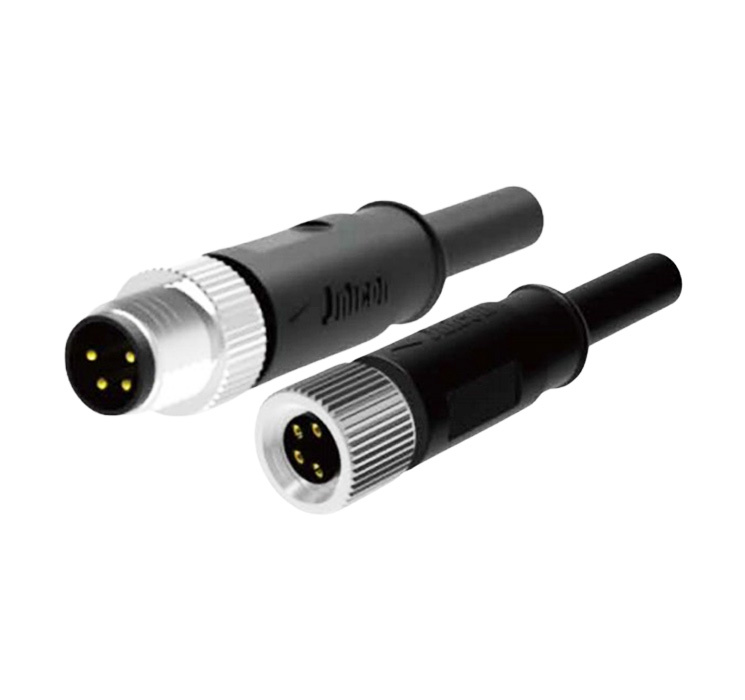
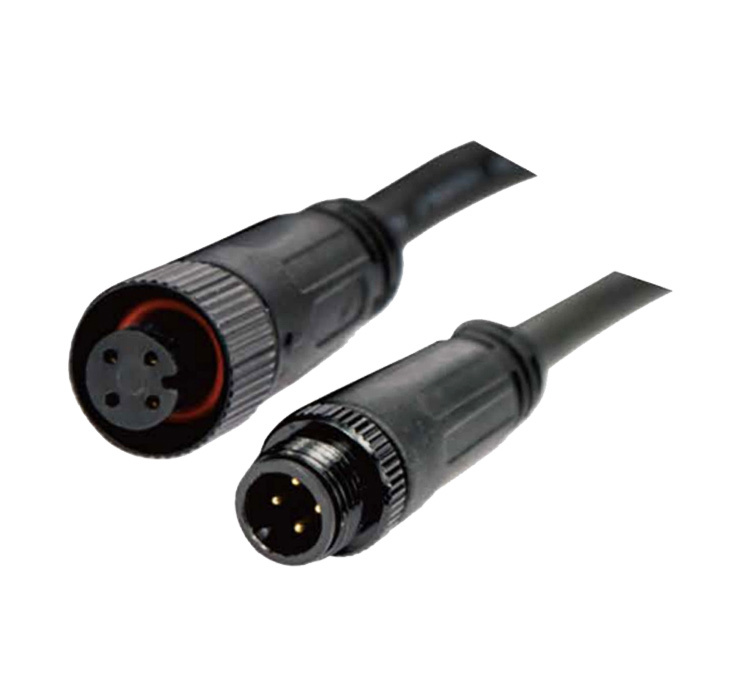
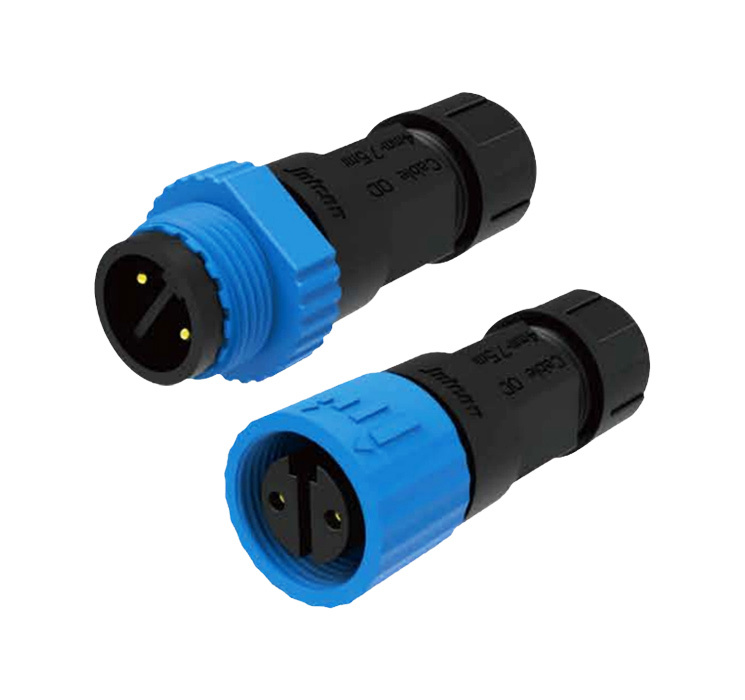
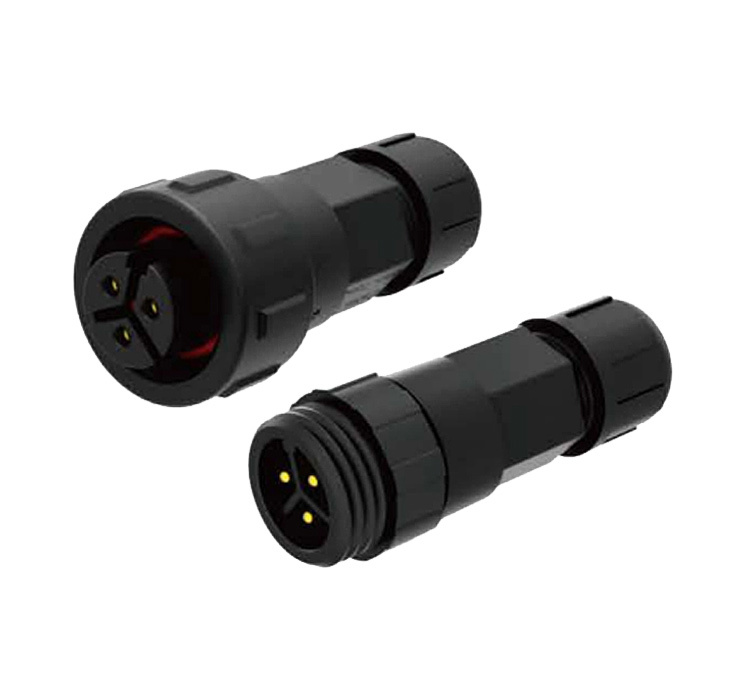
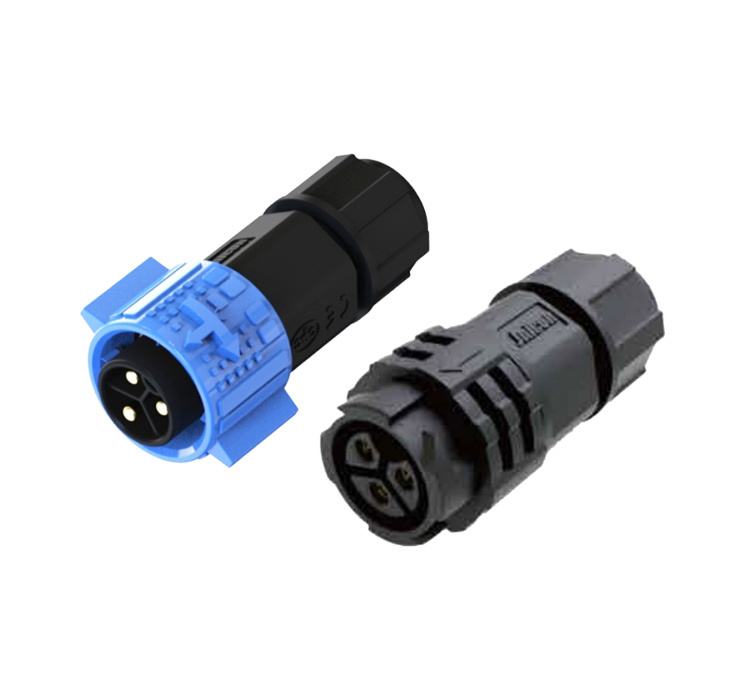
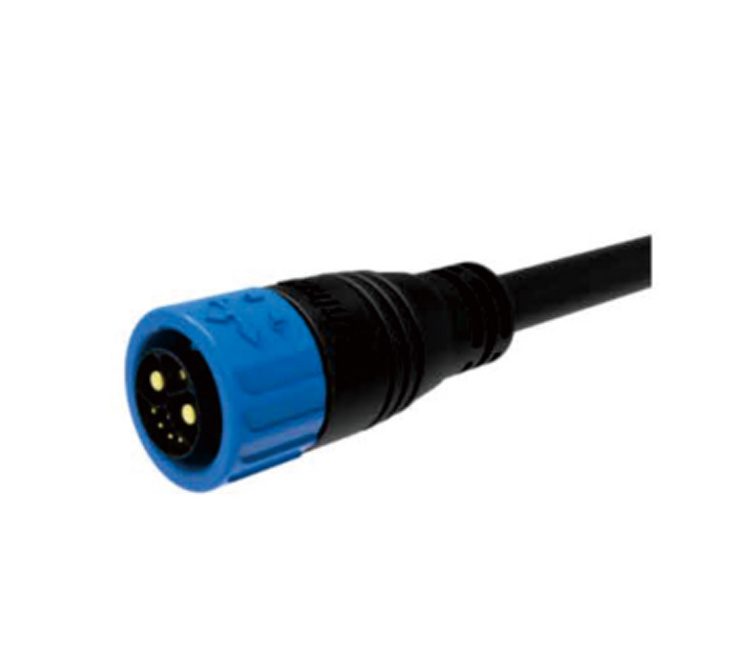
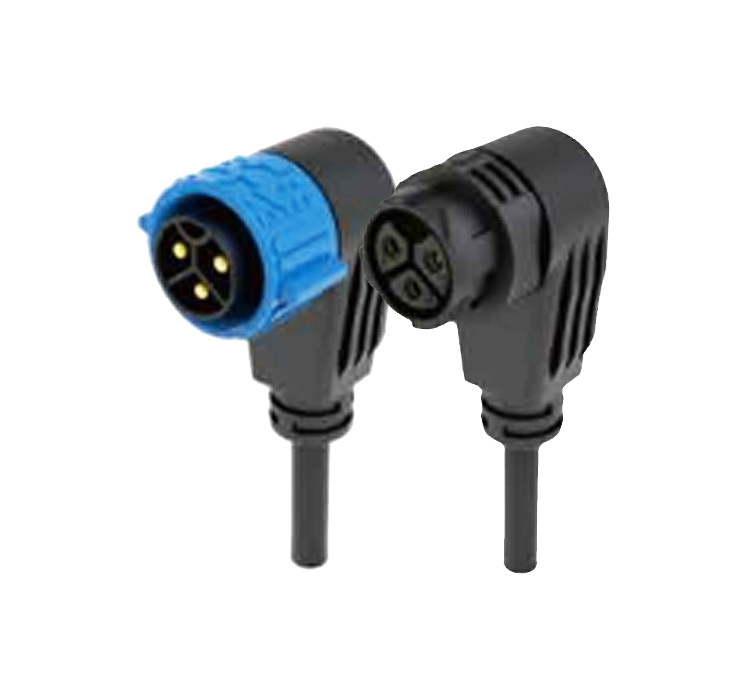
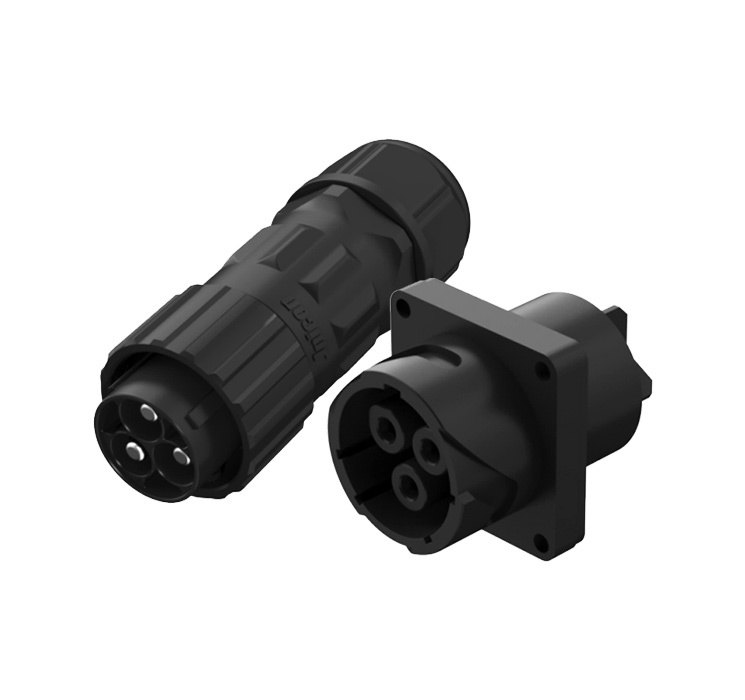
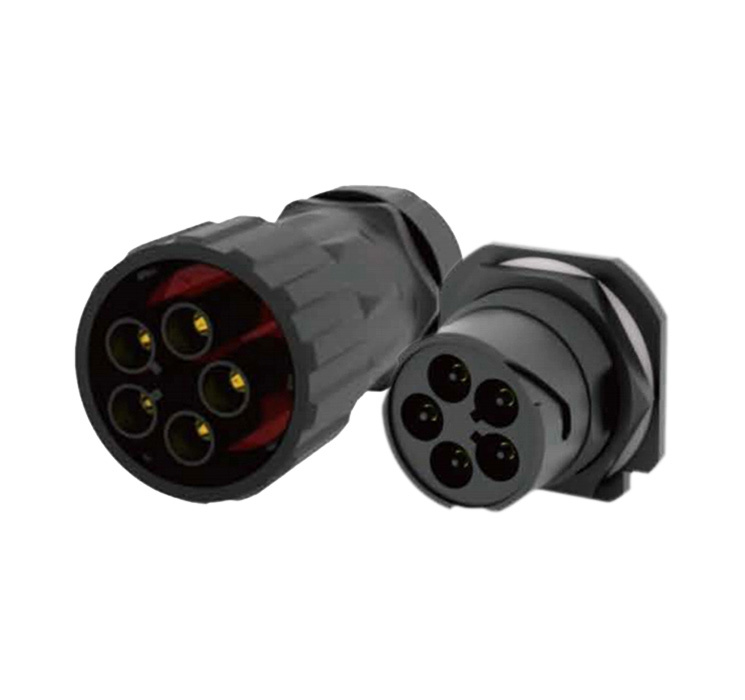
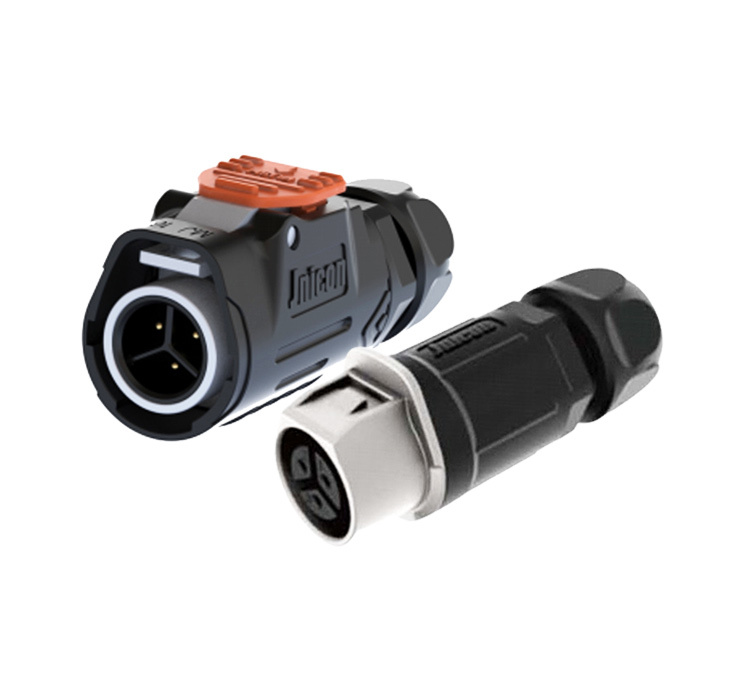
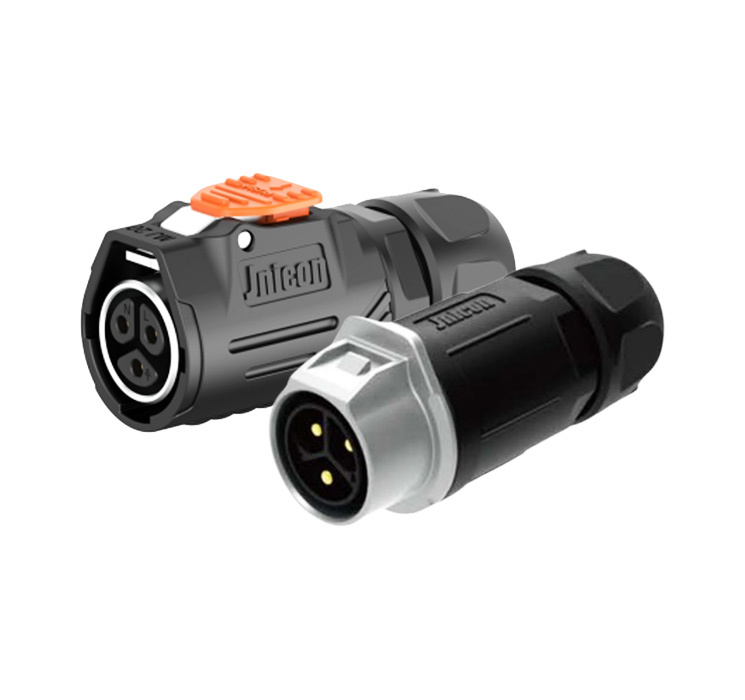
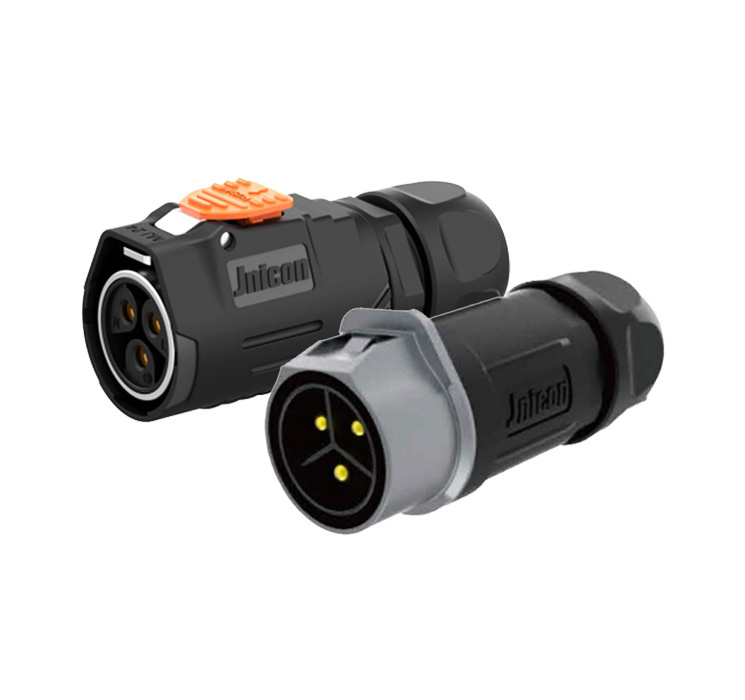
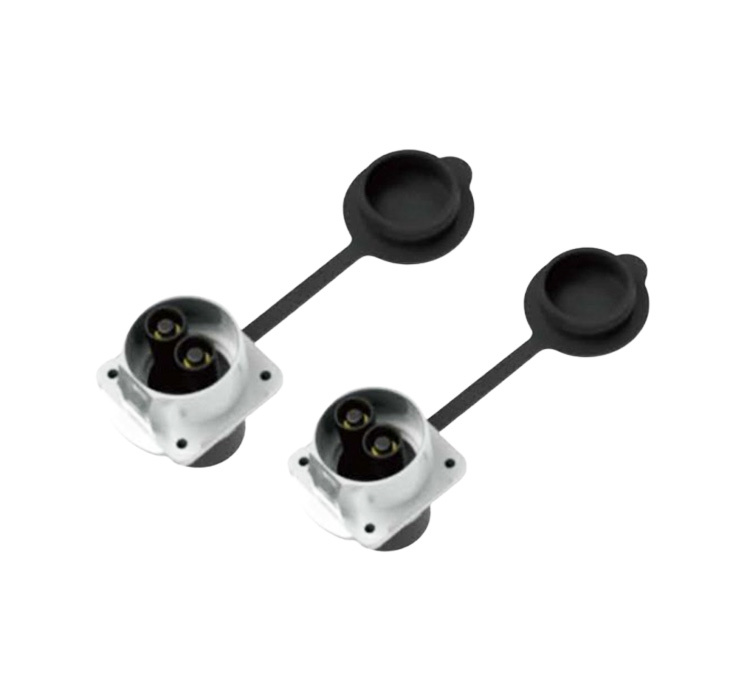
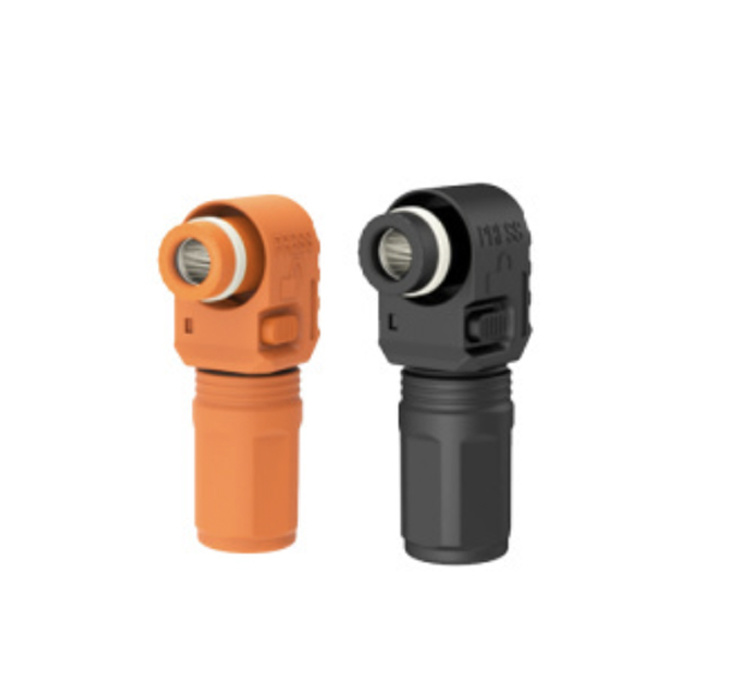
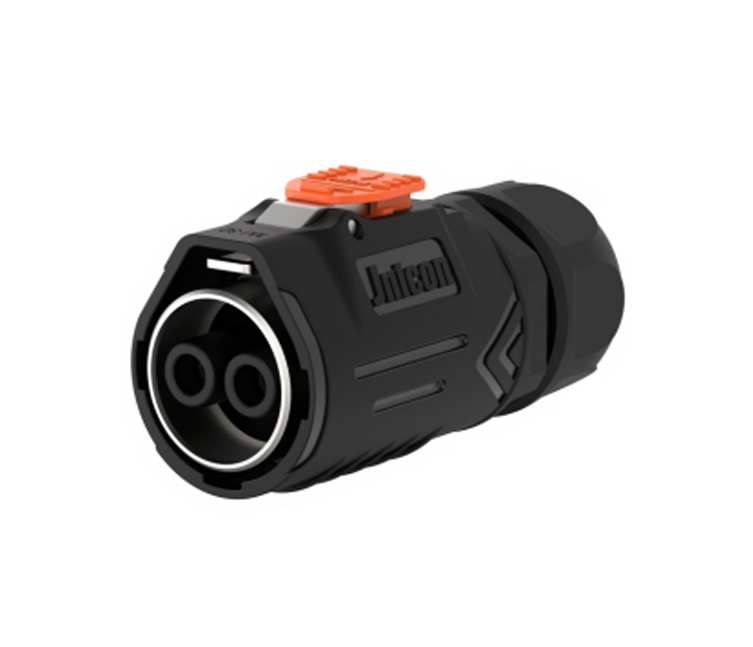
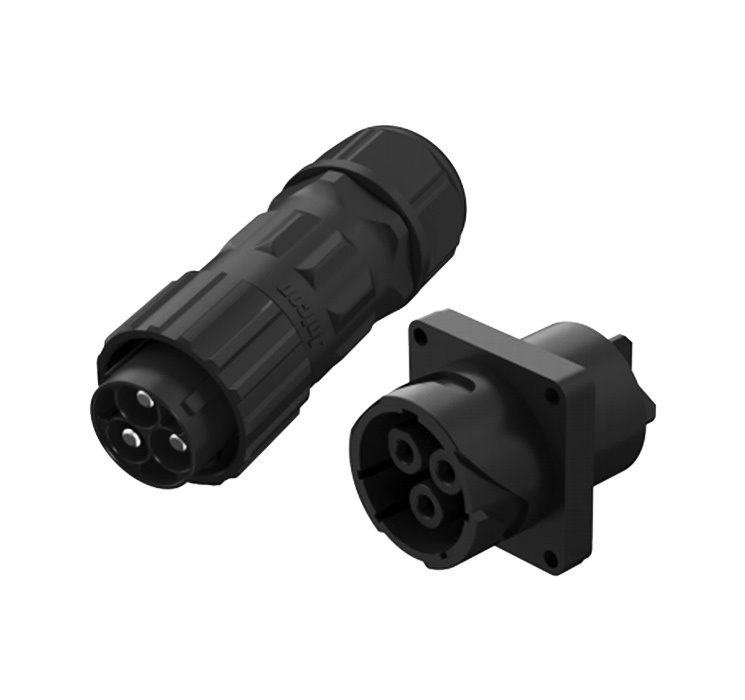
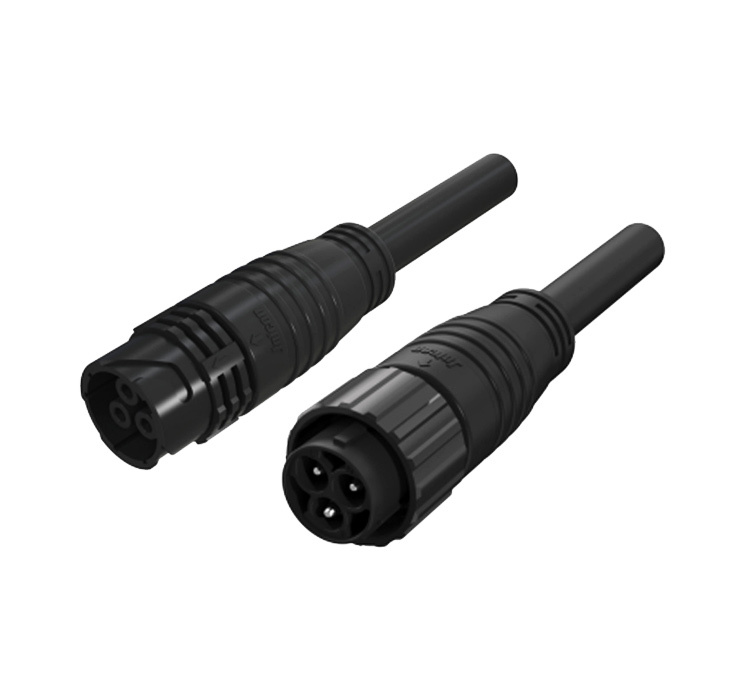
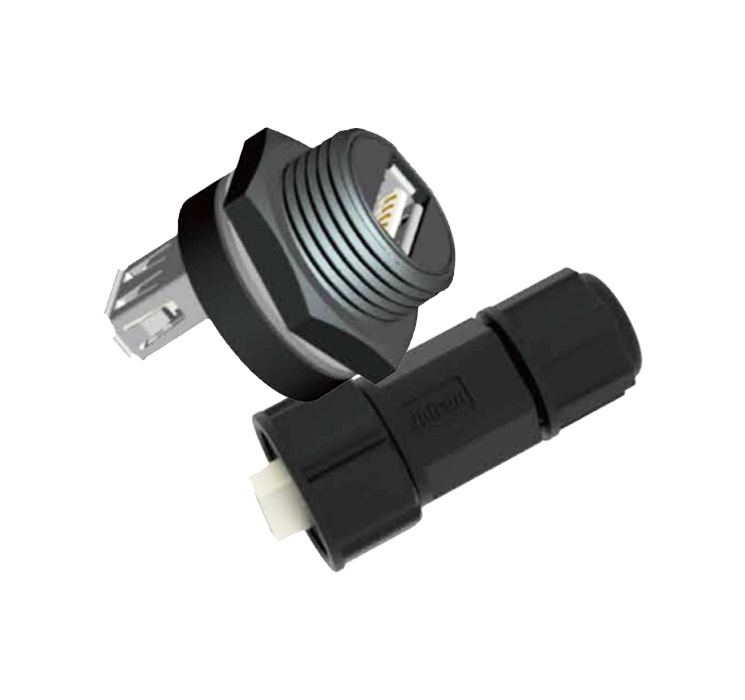
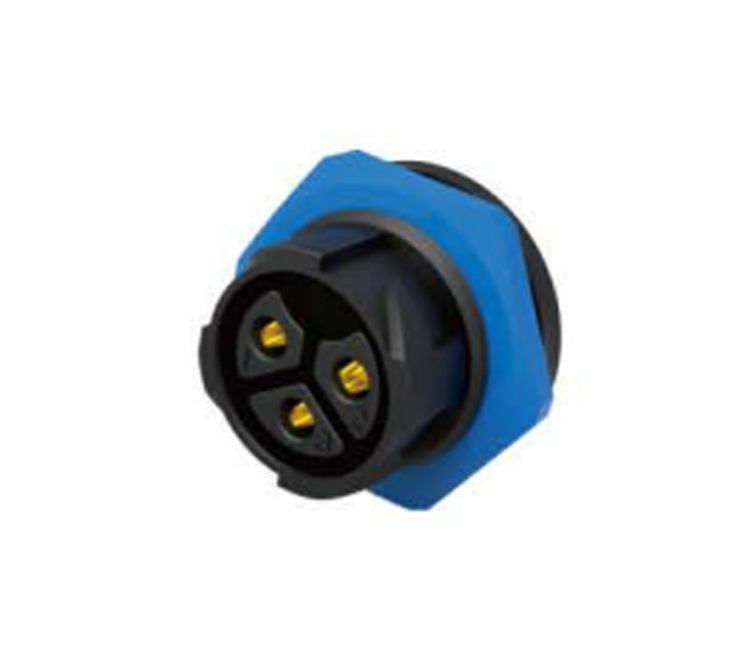
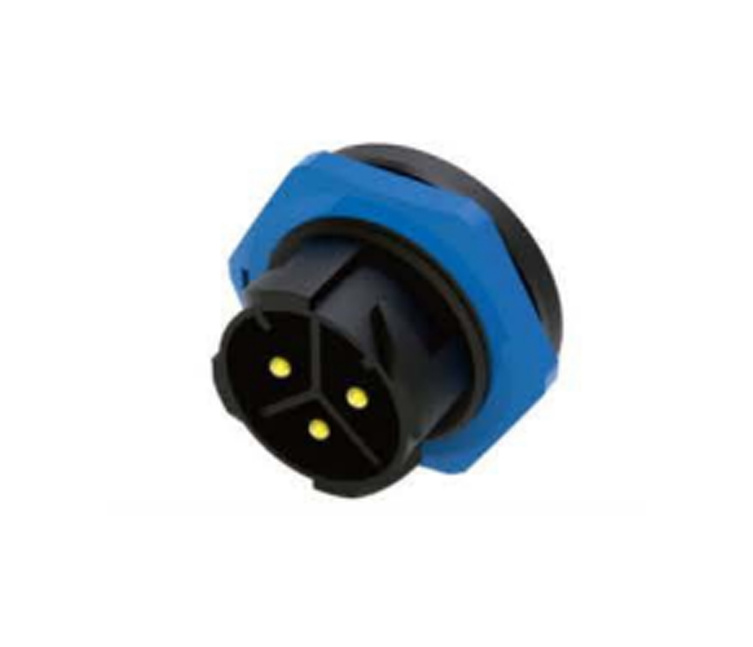
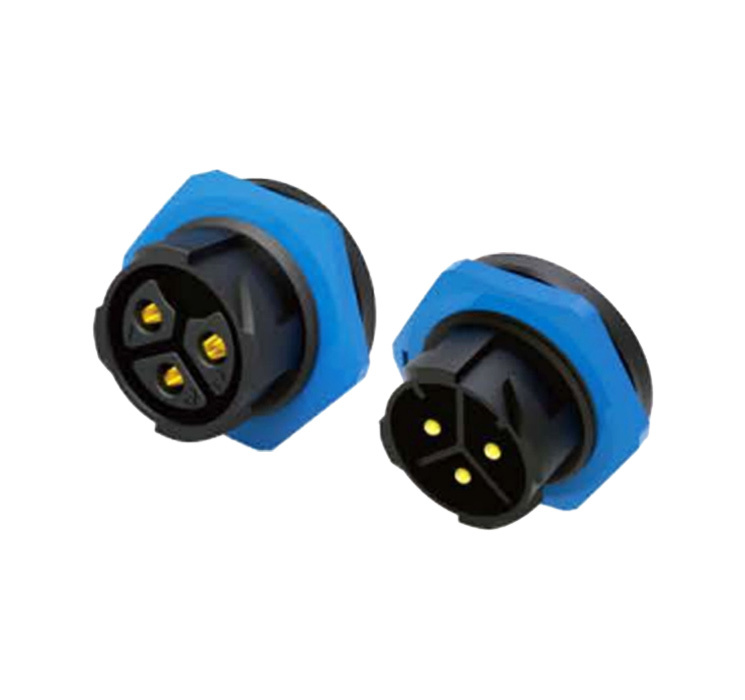
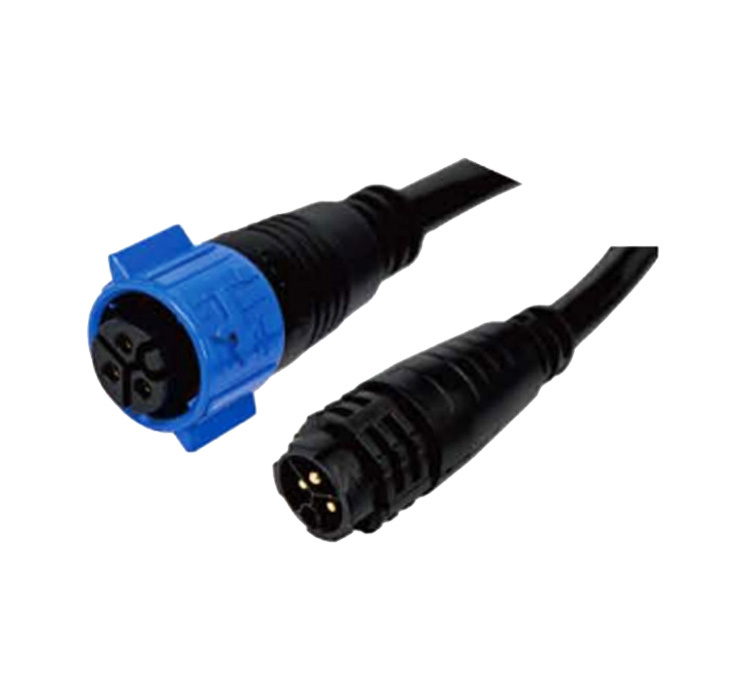
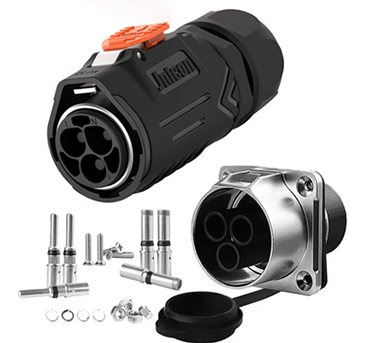
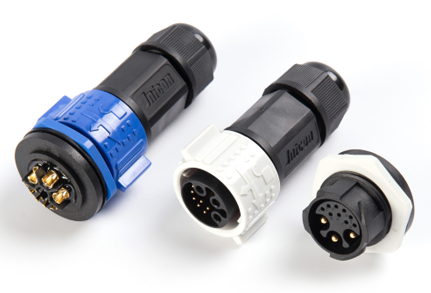
Industrial power connectors are vital components in the landscape of electrical engineering, serving as the key interface between different electrical systems and ensuring the reliable transfer of power. These connectors are designed to withstand the rigorous demands of industrial environments, where durability, performance, and safety are paramount. Understanding the intricacies of these connectors can significantly enhance the performance and reliability of electrical systems.
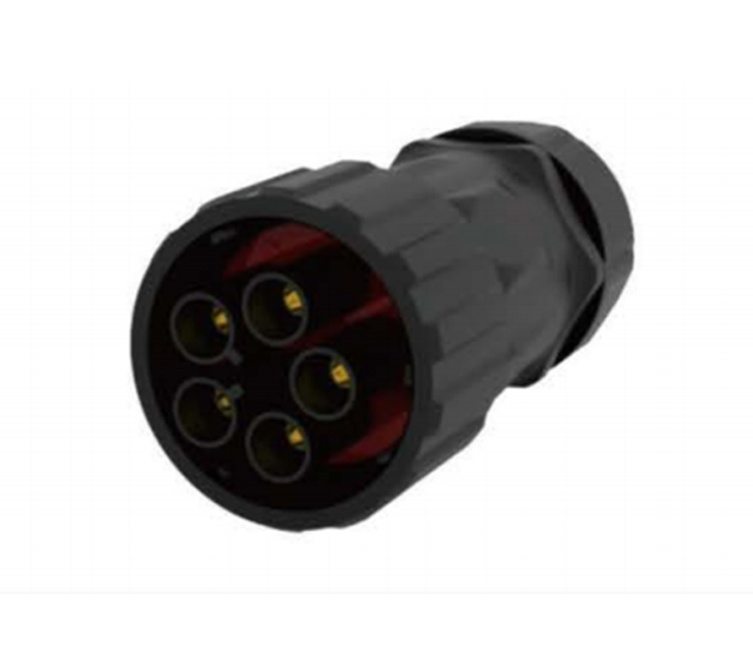
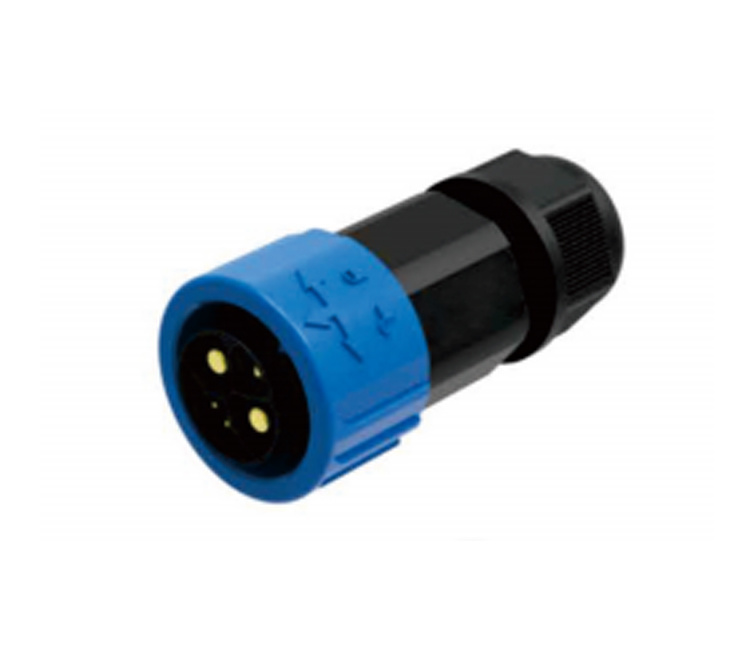
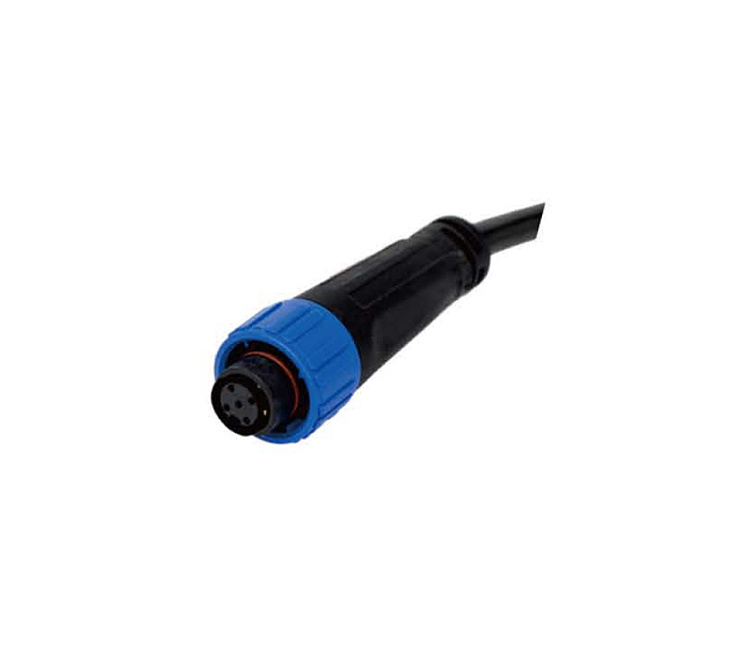
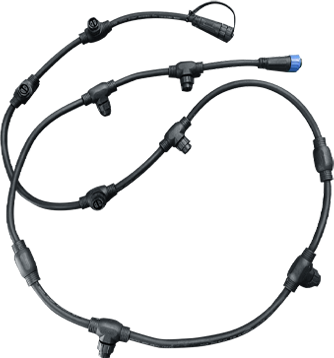
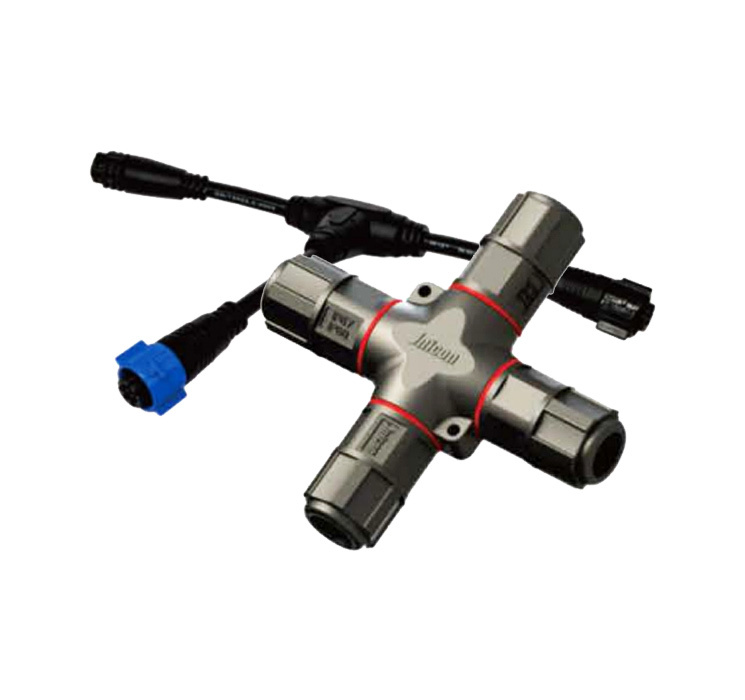
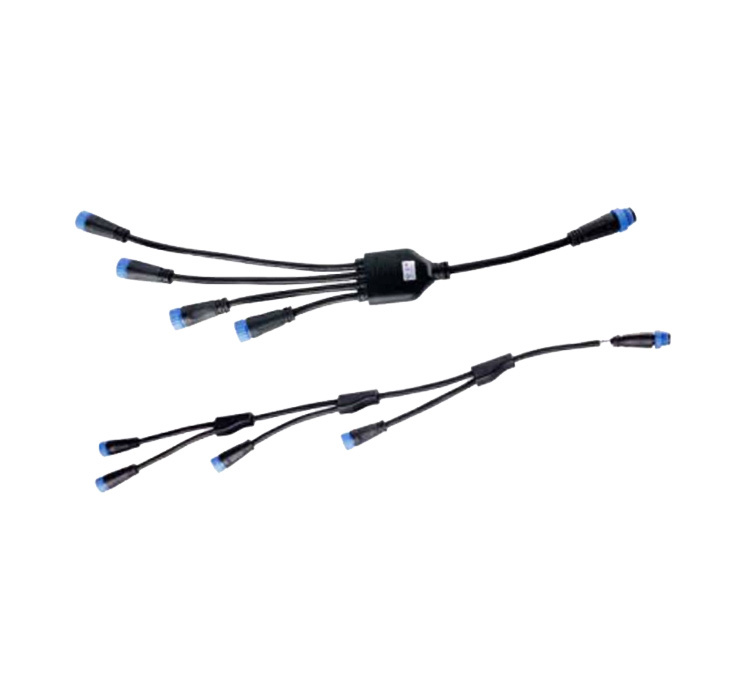
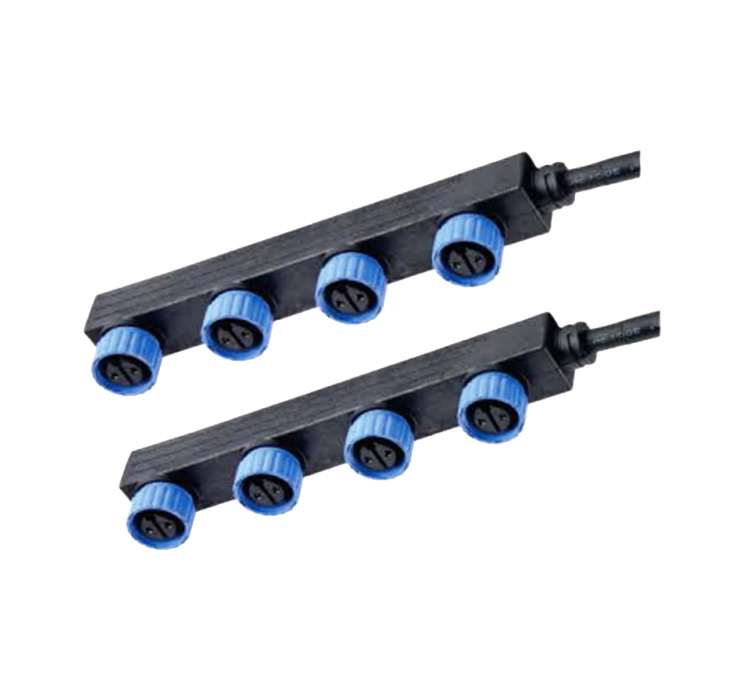
At their core, industrial power connectors are specialized devices that join electrical circuits, enabling the transmission of electrical power from one point to another. They are typically constructed with robust materials that can endure harsh conditions, such as extreme temperatures, moisture, and exposure to chemicals. The design of these connectors often includes features like locking mechanisms and sealing capabilities to prevent accidental disconnections and ingress of contaminants, ensuring a secure and stable connection over time.
One of the most critical aspects of industrial power connectors is their versatility. They are used in a wide range of applications, including manufacturing, construction, transportation, and renewable energy sectors. For instance, in manufacturing facilities, these connectors play a crucial role in powering machinery and equipment, facilitating efficient production processes. In the construction industry, they enable reliable electrical connections on job sites, where portability and quick assembly are essential.
Moreover, safety is a significant consideration when it comes to industrial power connectors. These connectors are designed to handle high voltage and current levels, which makes it essential for them to comply with strict industry standards and regulations. Proper selection and installation of these connectors can mitigate risks such as electrical fires and equipment damage, ultimately safeguarding personnel and property.
When selecting an industrial power connector, professionals must consider several factors, including the application environment, current and voltage ratings, and the connector's mechanical and electrical properties. Ensuring compatibility with existing systems and future scalability is also crucial for long-term operational efficiency.
In summary, industrial power connectors are indispensable for any electrical system in a professional setting. Their robust construction, versatility in applications, and emphasis on safety make them essential components in ensuring the reliable performance of industrial electrical systems. By understanding the significance and functionality of these connectors, professionals can make informed decisions that enhance the efficiency and safety of their operations.
News
2026-10-03
Understanding Waterproof Cables: Essential Insights for Electrical Professionals
Waterproof cables are vital components in the electric and electronic industries, especially when it comes to ensuring safe and reliable connections in challenging environments. These cables are designed to resist moisture and prevent water ingress, which can lead to electrical failure and safety hazards. Understanding the intricacies of waterproof cables is essential for electrical professionals
2026-09-30
Discover the Advantages of Using 2 Pin Waterproof Connectors in Harsh Environments
Discover the Advantages of Using 2 Pin Waterproof Connectors in Harsh Environments Table of Contents 1. Introduction to 2 Pin Waterproof Connectors 2. Importance of Waterproof Connectors 3. Design Features of 2 Pin Waterproof Connectors 4. Applications in Various Industries 5. Benefits of Using 2 Pin Waterproof Connectors 6. Installation Guidelines for 2 Pin Waterproof Connectors 7.
2026-09-27
Understanding Industrial Power Connectors: Key Insights for Professionals
Industrial power connectors play a crucial role in the safety and efficiency of electrical systems across various sectors, including manufacturing, energy, and transportation. These connectors are designed to facilitate the transmission of electrical power in rugged environments, ensuring reliable and stable connections. Understanding the types, applications, and selection criteria for industrial

B8-9, Fubilun industrial park, Chaoyang rd,Yanchuan community, Songgang, Shenzhen, China


