
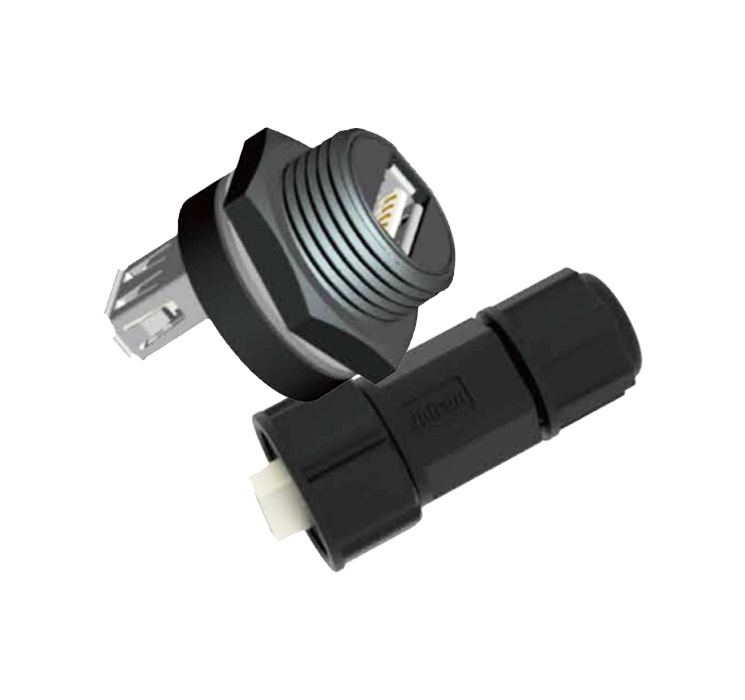
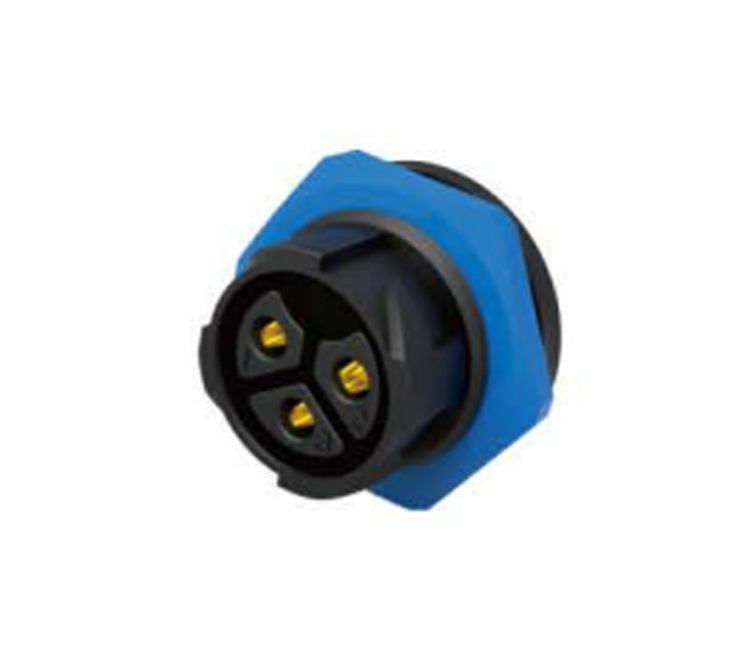
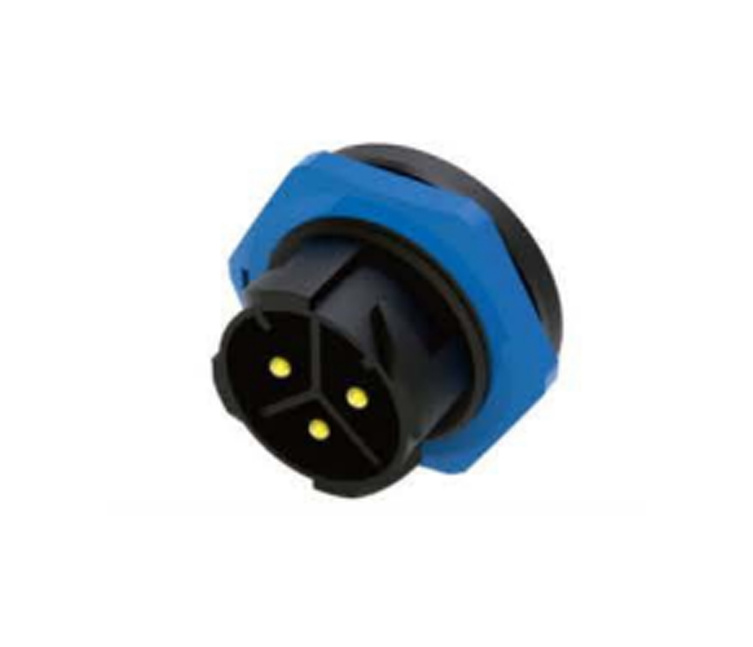
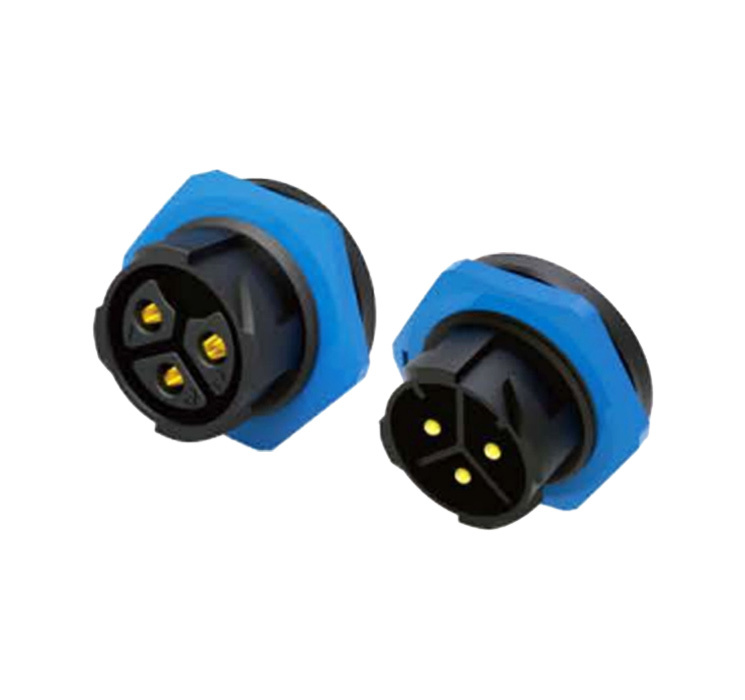
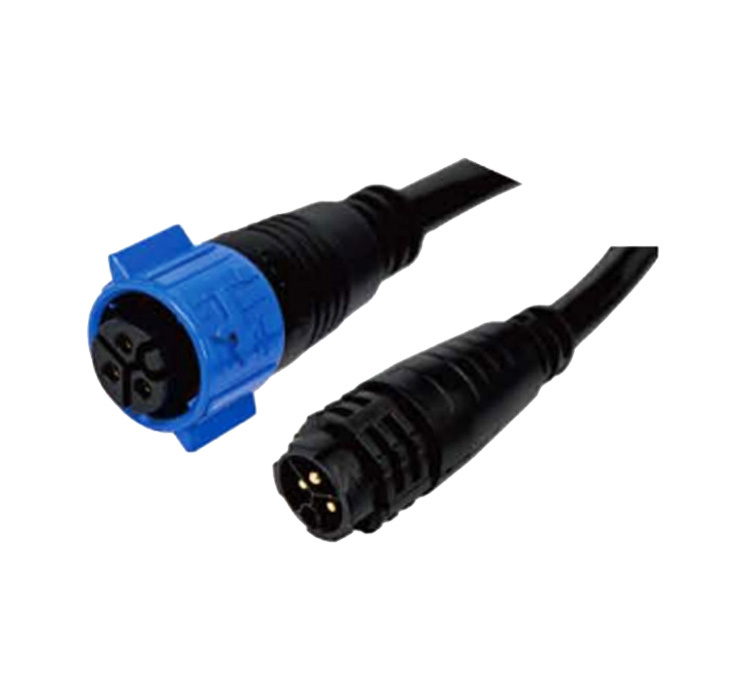
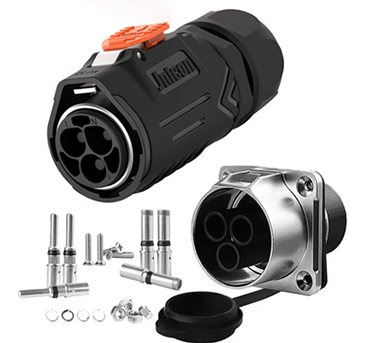
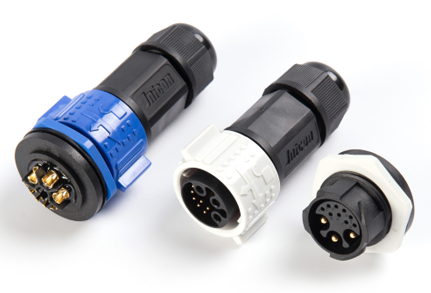


5 Pin Waterproof Connectors vs. Standard Connectors: What You Need to Know
Release Time:
2026-02-02
5 Pin Waterproof Connectors vs. Standard Connectors: What You Need to Know
Table of Contents
- Introduction to Connectors
- Understanding Connectors
- What Are 5 Pin Waterproof Connectors?
- Features of 5 Pin Waterproof Connectors
- Standard Connectors Explained
- Advantages of Standard Connectors
- Comparing 5 Pin Waterproof Connectors and Standard Connectors
- Applications of 5 Pin Waterproof Connectors
- Choosing the Right Connector for Your Project
- Frequently Asked Questions
- Conclusion
Introduction to Connectors
In the realm of electrical engineering and industrial applications, the choice of connectors plays a pivotal role in ensuring functionality and durability. Connectors serve as the crucial link in electrical circuits, enabling the transfer of power and signals between various components. Among the myriad options available, **5 pin waterproof connectors** and **standard connectors** stand out for their distinct features and applications. In this article, we will delve deeper into the characteristics, advantages, and specific use cases of these two types of connectors, providing you with the essential knowledge needed to make an informed choice.
Understanding Connectors
Connectors serve as the foundation for establishing reliable electrical connections. They come in various designs and configurations, each tailored for specific applications. Understanding the variety of connectors available helps in selecting the optimal one for any project. Connectors are generally categorized based on their:
- **Pin Configuration**: Number of pins present in the connector.
- **Environmental Protection**: Level of protection against moisture, dust, and other environmental factors.
- **Current Rating**: Amount of current the connector can handle safely.
While standard connectors are widely used in many applications, 5 pin waterproof connectors are specifically designed for environments where exposure to water and moisture is a concern.
What Are 5 Pin Waterproof Connectors?
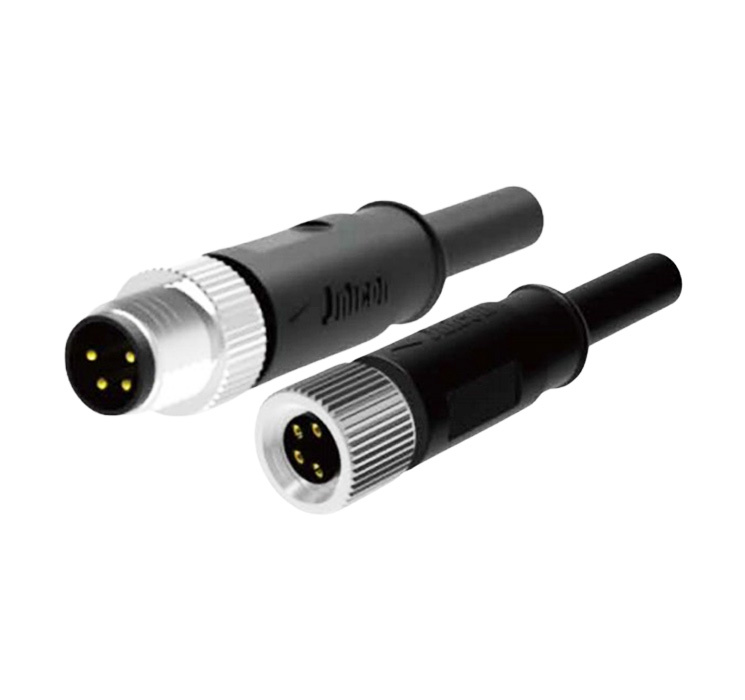
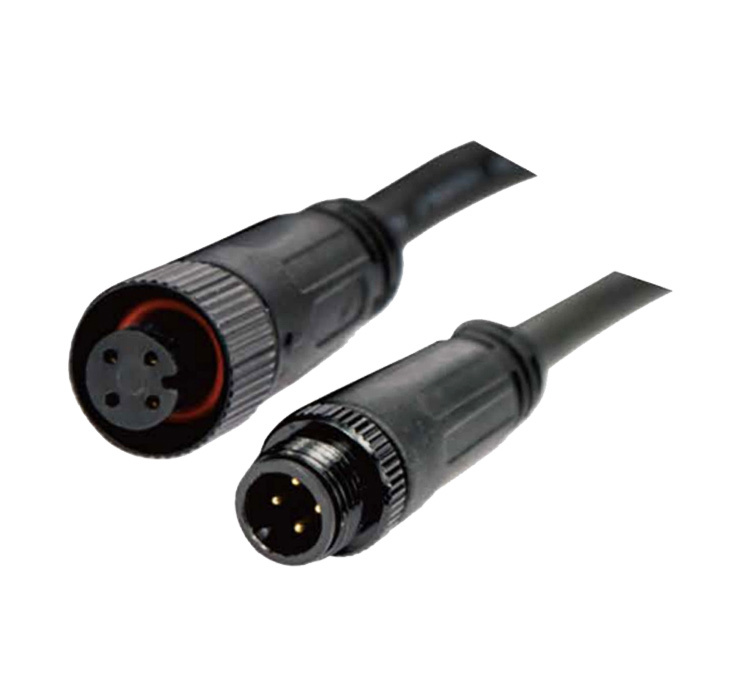
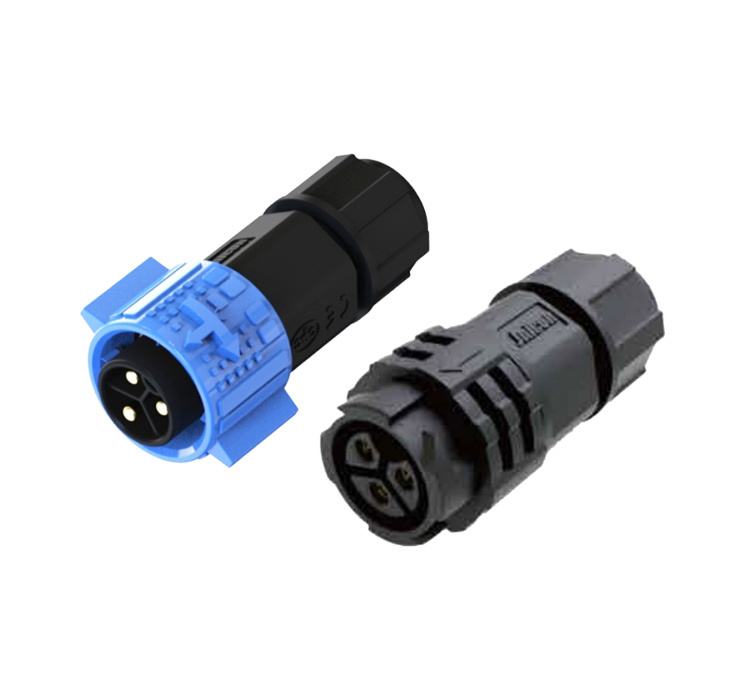
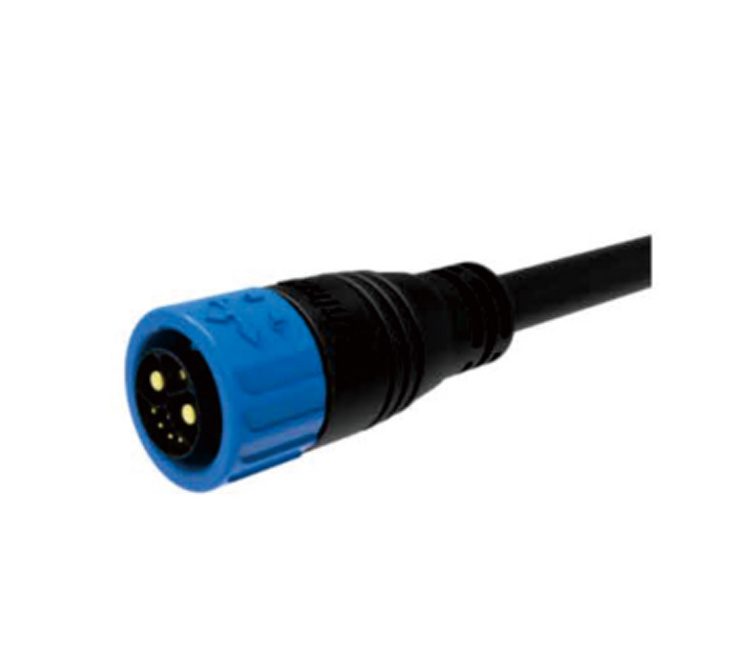
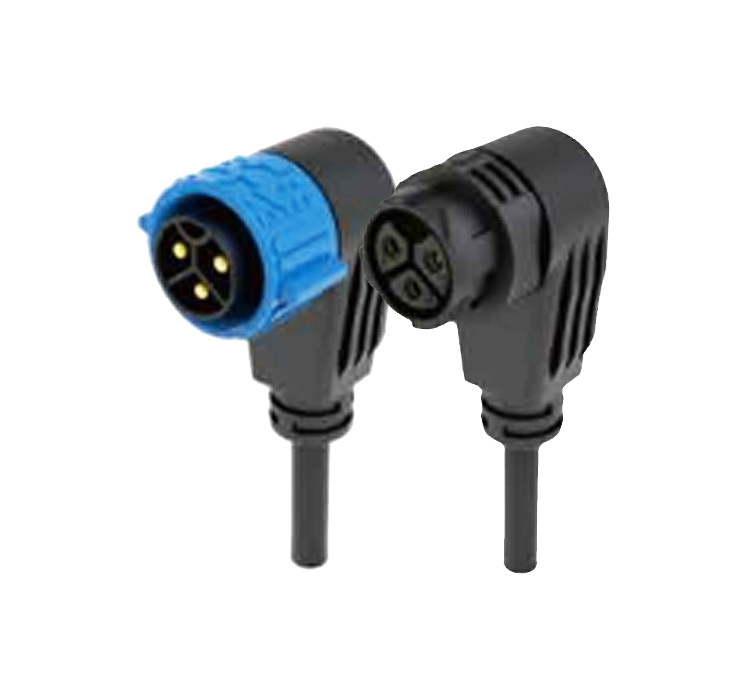
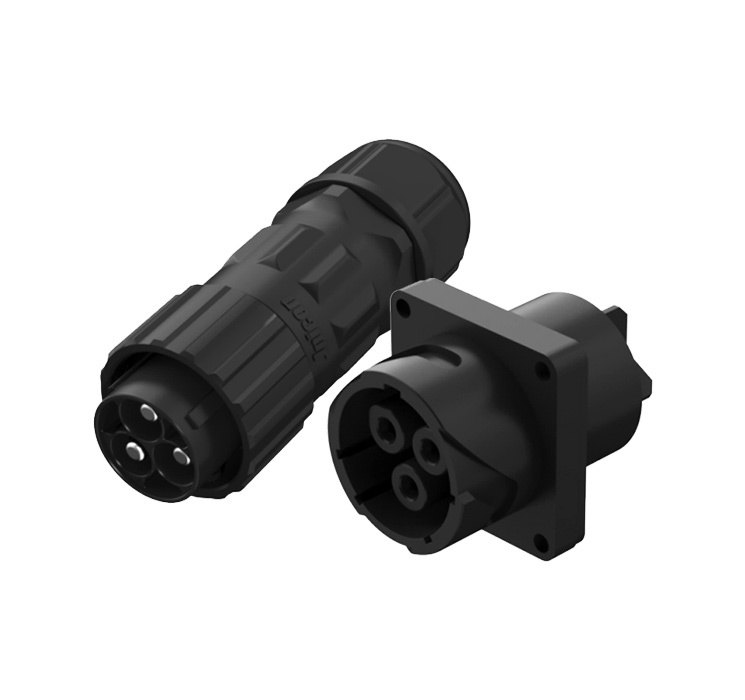
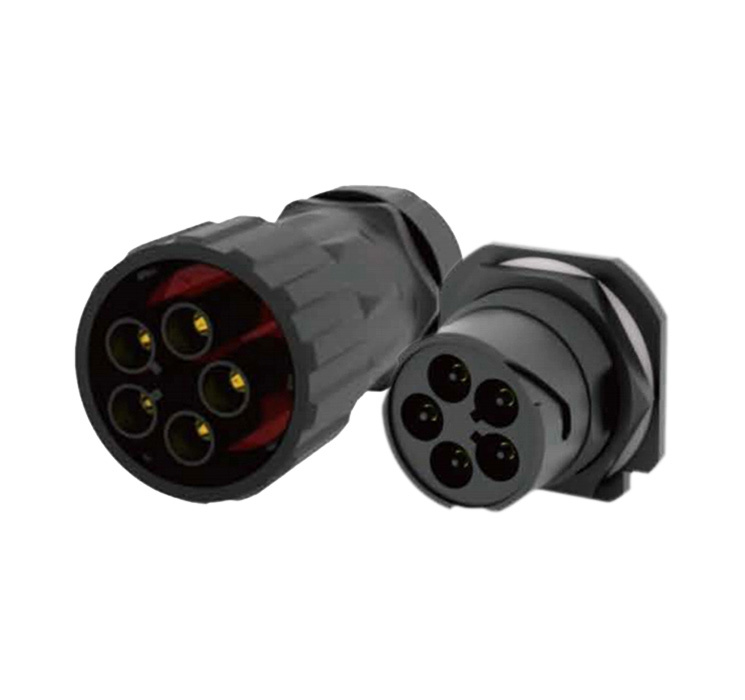
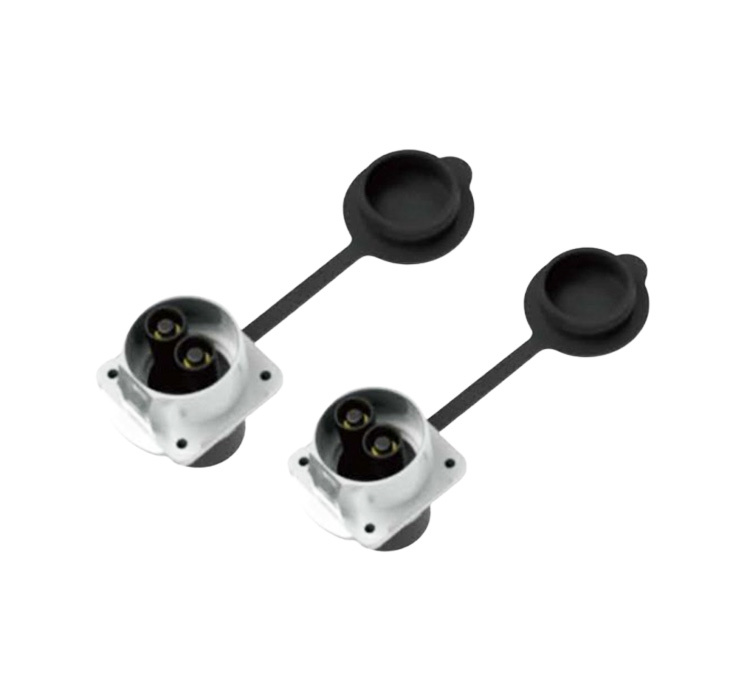
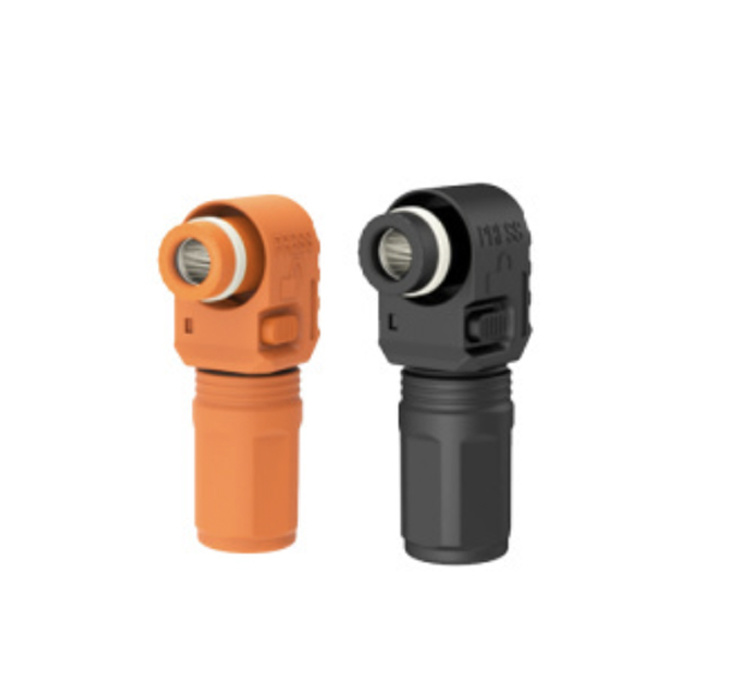
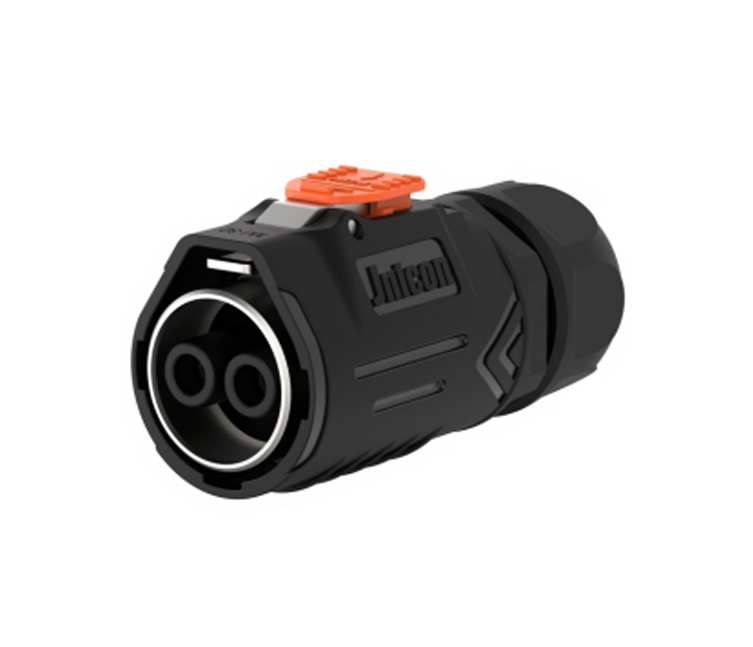
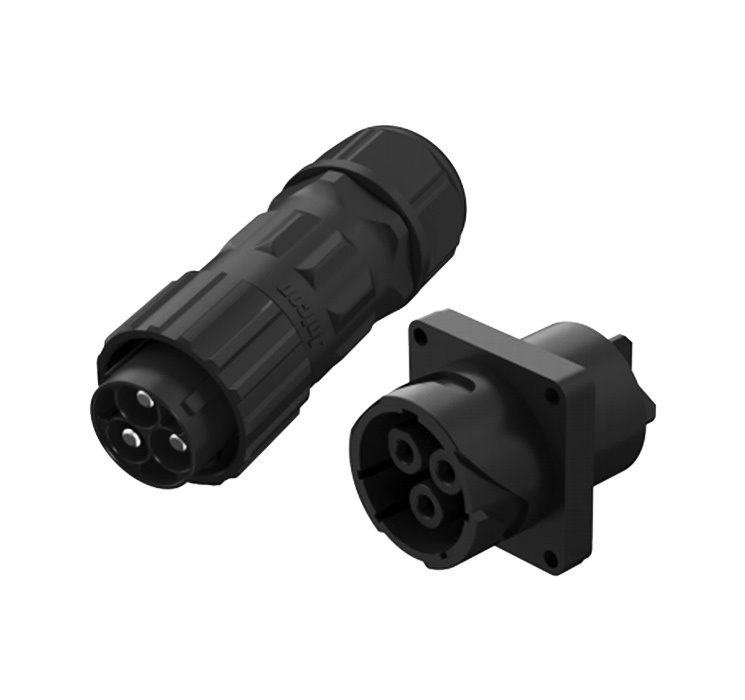
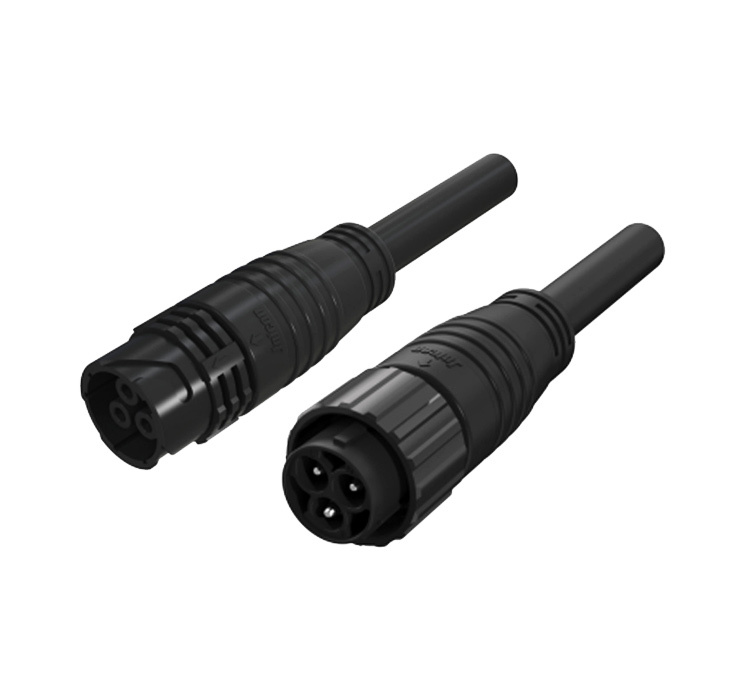
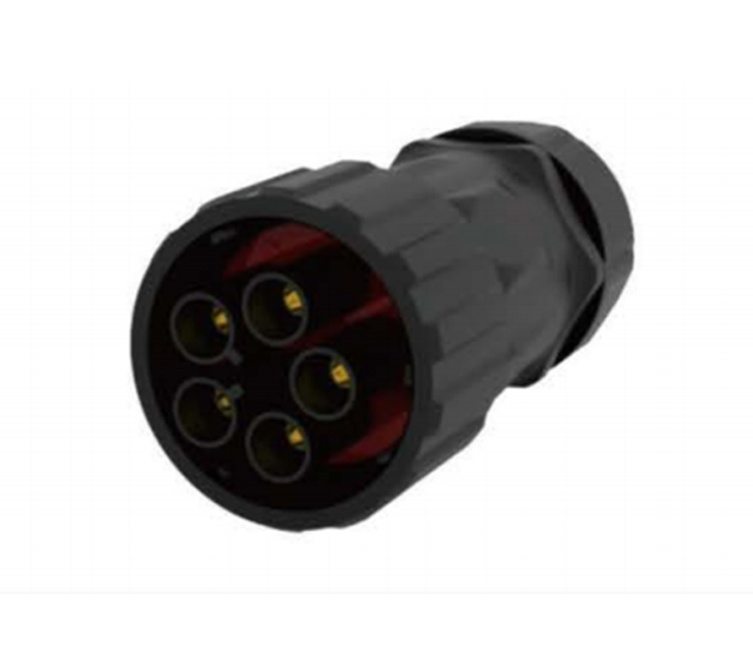
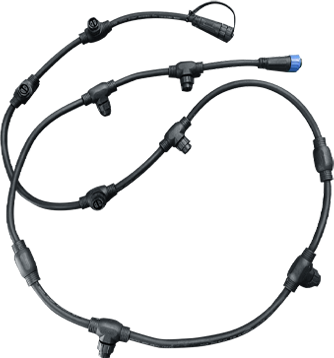
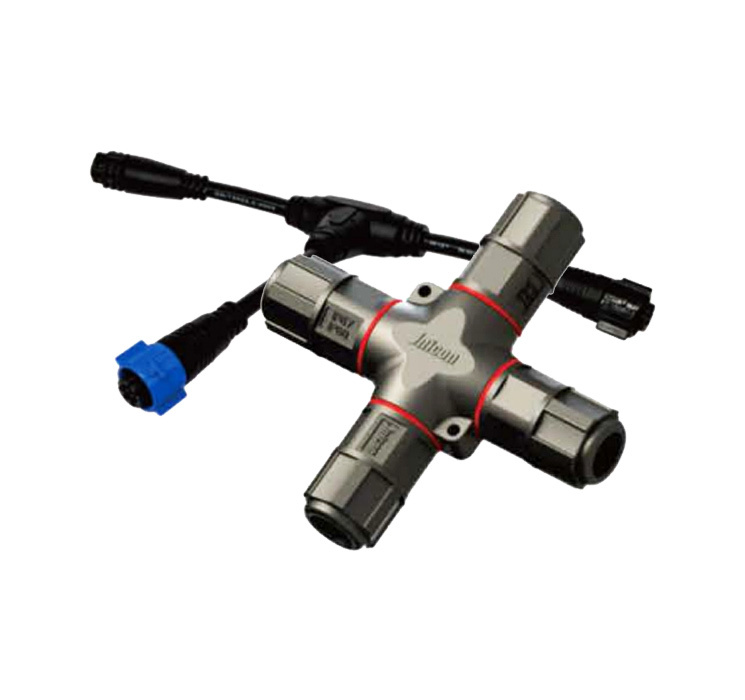
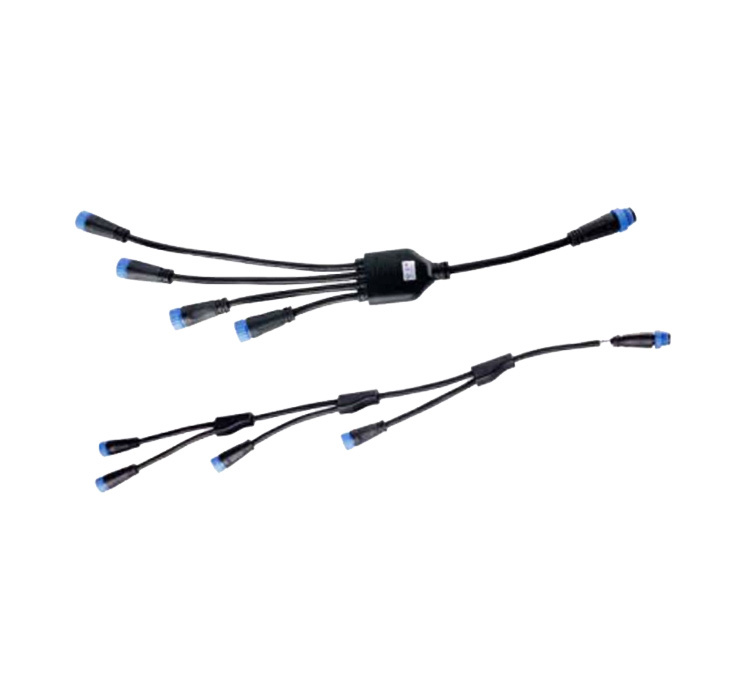
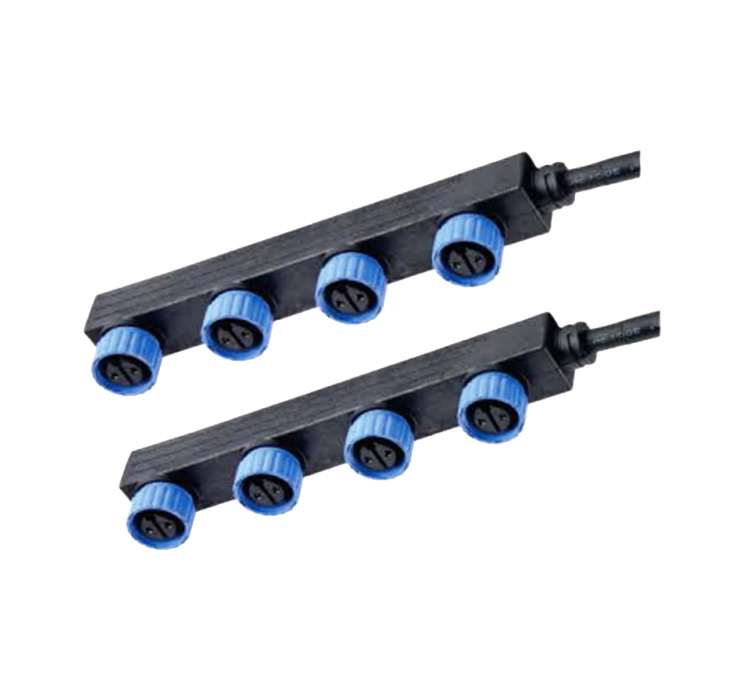
5 pin waterproof connectors are specialized connectors designed to provide robust electrical connections in environments susceptible to moisture, dust, and other contaminants. The "5 pin" designation refers to the number of contact points within the connector, allowing for multiple circuits to be connected simultaneously. These connectors are engineered to meet stringent waterproof standards, often rated to withstand exposure to water and harsh environmental conditions.
Key Characteristics of 5 Pin Waterproof Connectors
- **Sealing Mechanism**: Equipped with O-rings or gaskets that prevent moisture ingress.
- **Durability**: Constructed from materials like nylon or polycarbonate that resist corrosion and degradation.
- **Versatility**: Suitable for a variety of applications, from automotive to marine and industrial environments.
Features of 5 Pin Waterproof Connectors
5 pin waterproof connectors boast several notable features that enhance their performance in diverse applications:
1. High Resistance to Environmental Factors
These connectors are designed to endure harsh weather conditions, ensuring longevity and reliability. The robust sealing mechanisms defend against water, dust, and other contaminants, making them ideal for outdoor use.
2. Multiple Circuit Connections
With five pins, these connectors facilitate multiple connections in a single unit. This feature simplifies wiring and reduces the need for multiple connectors, leading to decreased installation time and complexity.
3. Secure Locking Mechanisms
5 pin waterproof connectors often come with secure locking mechanisms that prevent accidental disconnections. This is especially important in applications where a reliable connection is critical for safety and functionality.
Standard Connectors Explained
Standard connectors represent a broad category of connectors commonly used in various electronic and electrical applications. These connectors can come in different pin configurations, but they generally lack the specialized sealing and protection features found in 5 pin waterproof connectors.
Common Types of Standard Connectors
- **DIN Connectors**: Renowned for their circular design, often used in audio equipment.
- **USB Connectors**: Widely utilized in data transfer applications.
- **RCA Connectors**: Common in audio and video equipment.
Advantages of Standard Connectors
While they may not offer the same level of protection as waterproof connectors, standard connectors have their own set of advantages:
1. Cost-Effectiveness
Standard connectors are often more affordable than specialized connectors, making them a practical choice for budget-conscious projects.
2. Wide Availability
Due to their common usage, standard connectors are readily available in most electronic stores and online retailers.
3. Versatility in Applications
Standard connectors can be employed in a wide range of settings, from home electronics to computer peripherals.
Comparing 5 Pin Waterproof Connectors and Standard Connectors
When choosing between 5 pin waterproof connectors and standard connectors, several factors come into play:
1. Environmental Suitability
5 pin waterproof connectors excel in environments prone to moisture and dust, while standard connectors may fail in such conditions.
2. Connectivity Options
The 5 pin design allows for multiple circuit connections, which can be a significant advantage in complex wiring setups. In contrast, standard connectors may require multiple units to achieve similar connectivity.
3. Longevity and Durability
Waterproof connectors are built to last in demanding conditions, while standard connectors may deteriorate more quickly when exposed to adverse environments.
Applications of 5 Pin Waterproof Connectors
5 pin waterproof connectors find their applications in various industries due to their reliability and durability. Here are a few notable applications:
1. Automotive Industry
Used in vehicles for connecting sensors, lights, and other critical components that encounter moisture.
2. Marine Applications
Essential in boats and marine equipment, where exposure to water is inevitable.
3. Industrial Equipment
Used in machinery and equipment deployed in outdoor environments, ensuring consistent performance despite varying weather conditions.
Choosing the Right Connector for Your Project
Selecting the appropriate connector for your project is crucial. Here are a few tips to guide your decision-making process:
1. Assess Environmental Conditions
Consider the environmental factors your connector will face. If your application involves exposure to moisture or dust, a 5 pin waterproof connector is likely the best choice.
2. Determine Connectivity Needs
Assess the number of connections required. For multi-circuit applications, a 5 pin connector offers a more streamlined solution.
3. Evaluate Cost and Availability
While waterproof connectors may be more expensive, their longevity and reliability often justify the cost. However, if your project is budget-sensitive and operates in a controlled environment, standard connectors may suffice.
Frequently Asked Questions
1. What is the primary difference between 5 pin waterproof connectors and standard connectors?
The main difference lies in the environmental protection offered by waterproof connectors, making them suitable for harsher conditions.
2. Can I use standard connectors in outdoor applications?
While possible, using standard connectors in outdoor applications risks exposure to moisture and dirt, leading to potential failure.
3. Are 5 pin waterproof connectors more expensive than standard connectors?
Yes, 5 pin waterproof connectors typically cost more due to their specialized features and materials.
4. How do I install a 5 pin waterproof connector?
Installation involves stripping the wire ends, inserting them into the connector, and securely fastening the connector while ensuring a proper seal.
5. Where can I purchase 5 pin waterproof connectors?
These connectors are available from various electrical supply stores and online retailers specializing in electronic components.
Conclusion
In summary, both **5 pin waterproof connectors** and **standard connectors** serve vital roles in electrical applications, but their suitability varies significantly based on environmental conditions and project requirements. Understanding the unique features and benefits of each type helps ensure you make the right decision, maximizing the performance and longevity of your projects. Whether you are working in automotive, marine, or industrial settings, choosing the appropriate connector is critical to ensuring reliable electrical connections and overall success. With the right connector, you can confidently tackle any project while ensuring safety and functionality.
Previous
News
2026-10-06
Exploring the Lifecycle of Waterproof Marine Electrical Connectors: A Comprehensive Guide
Exploring the Lifecycle of Waterproof Marine Electrical Connectors In the expansive world of marine transportation, reliable electrical connections are crucial for the optimal functioning of vessels and marine equipment. Waterproof marine electrical connectors play a pivotal role in this aspect, ensuring that electrical systems remain operational even in the most challenging environments. This art
2026-10-03
Understanding Waterproof Cables: Essential Insights for Electrical Professionals
Waterproof cables are vital components in the electric and electronic industries, especially when it comes to ensuring safe and reliable connections in challenging environments. These cables are designed to resist moisture and prevent water ingress, which can lead to electrical failure and safety hazards. Understanding the intricacies of waterproof cables is essential for electrical professionals
2026-09-30
Discover the Advantages of Using 2 Pin Waterproof Connectors in Harsh Environments
Discover the Advantages of Using 2 Pin Waterproof Connectors in Harsh Environments Table of Contents 1. Introduction to 2 Pin Waterproof Connectors 2. Importance of Waterproof Connectors 3. Design Features of 2 Pin Waterproof Connectors 4. Applications in Various Industries 5. Benefits of Using 2 Pin Waterproof Connectors 6. Installation Guidelines for 2 Pin Waterproof Connectors 7.

B8-9, Fubilun industrial park, Chaoyang rd,Yanchuan community, Songgang, Shenzhen, China


