


Understanding Industrial Power Connectors: Essential Components for Reliable Electrical Systems
Release Time:
2026-02-03
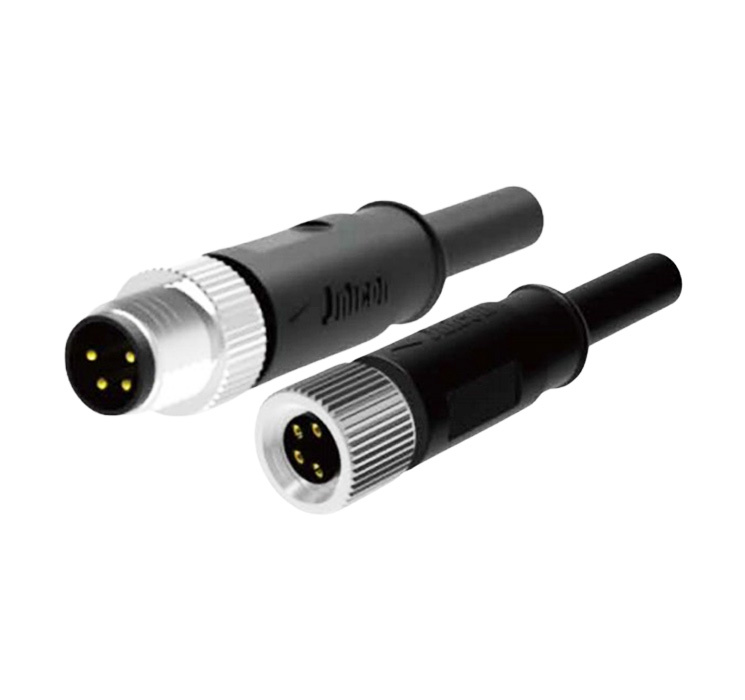
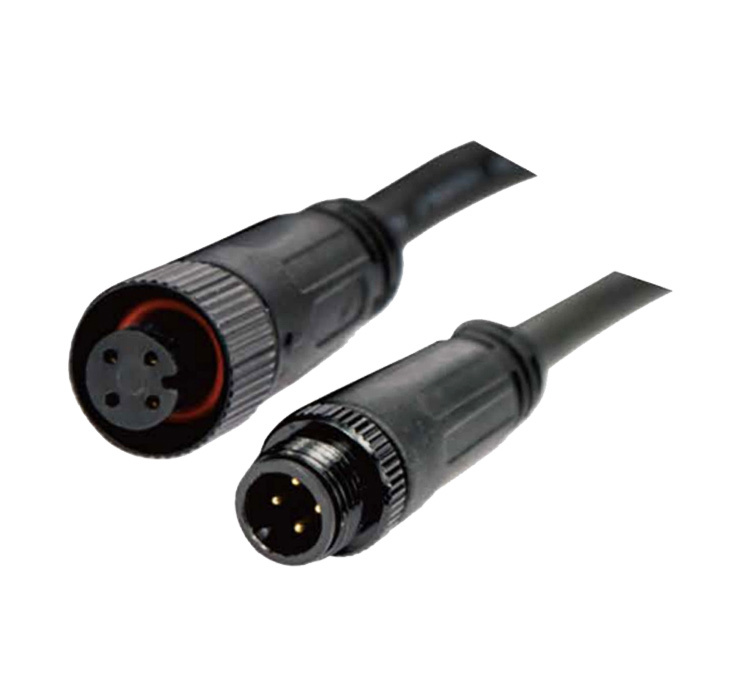
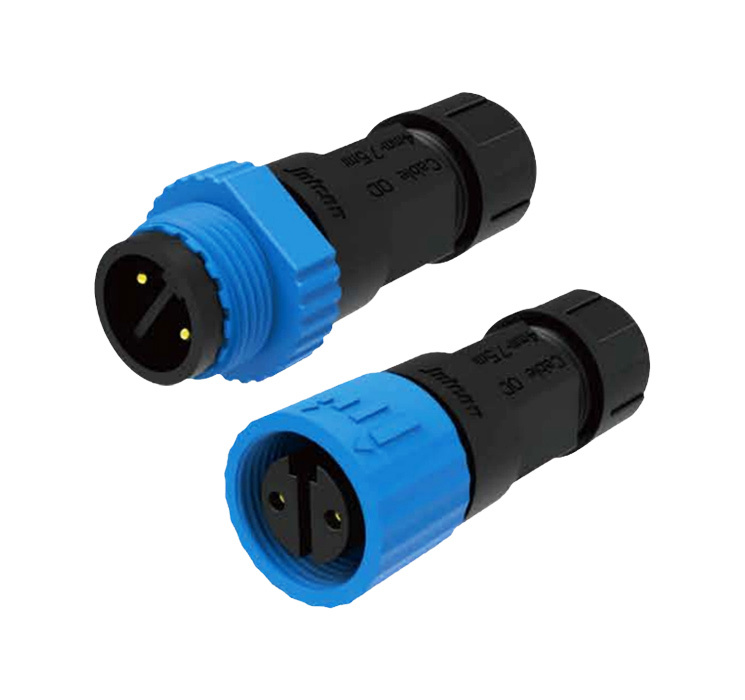
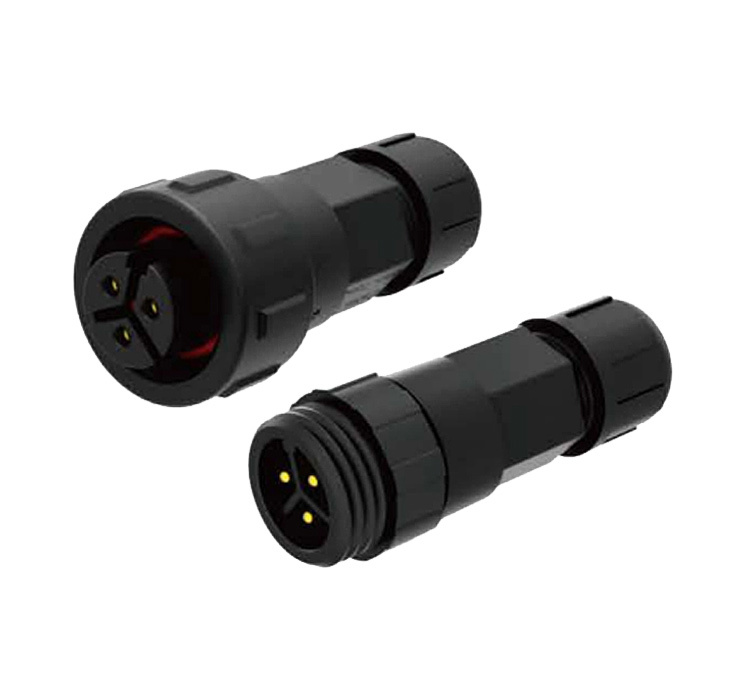
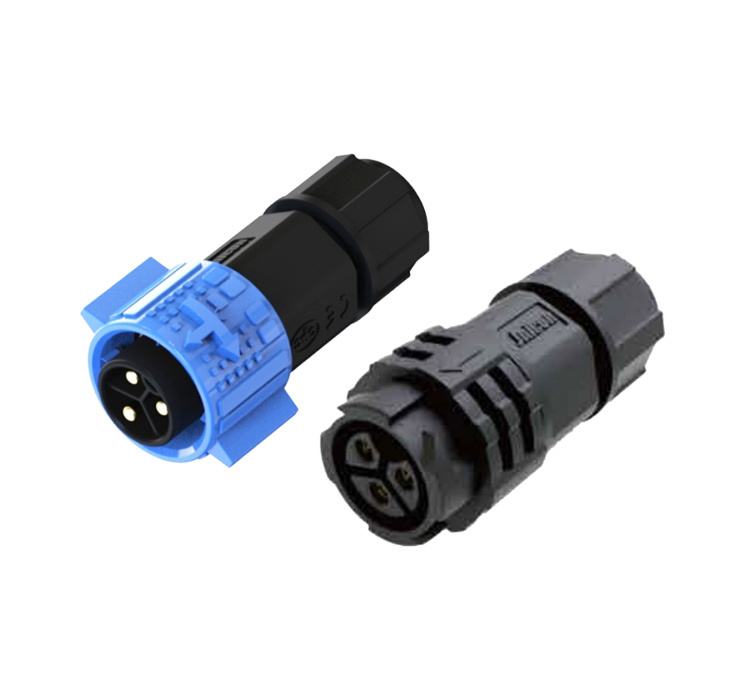
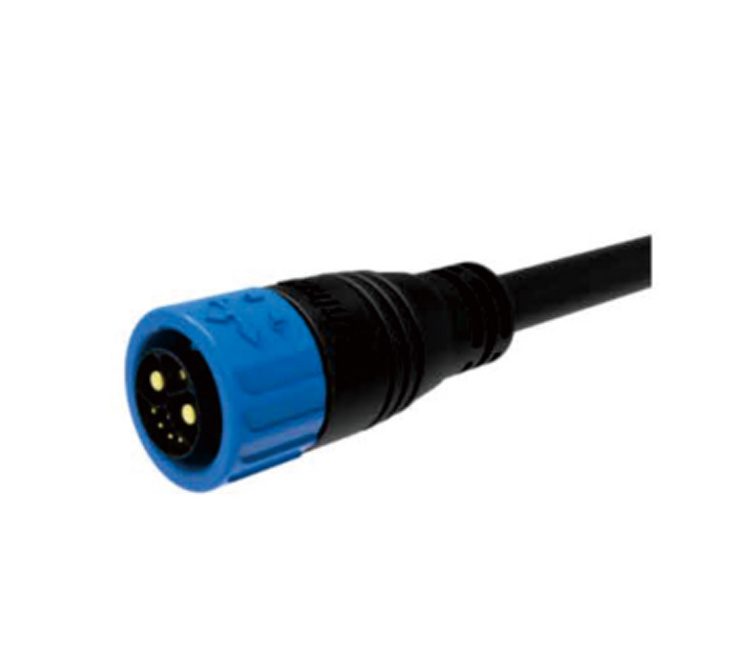
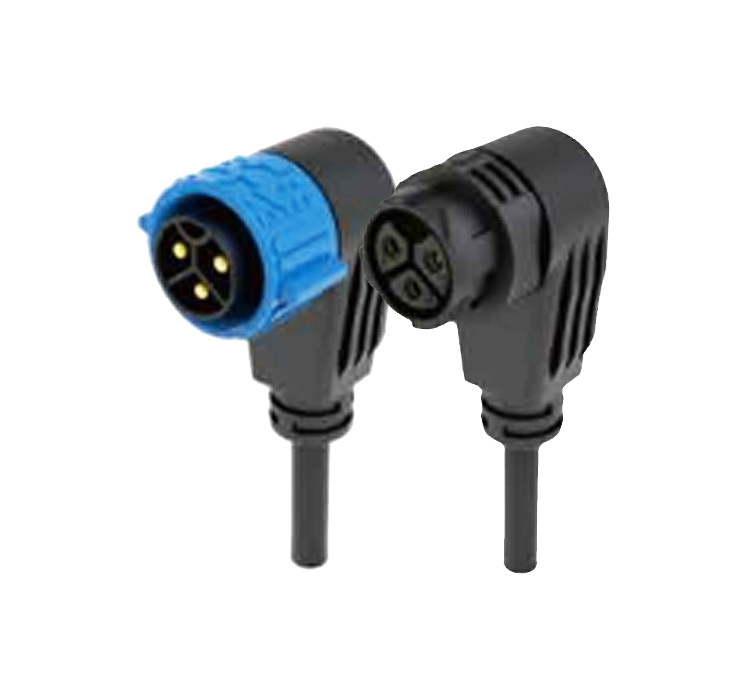
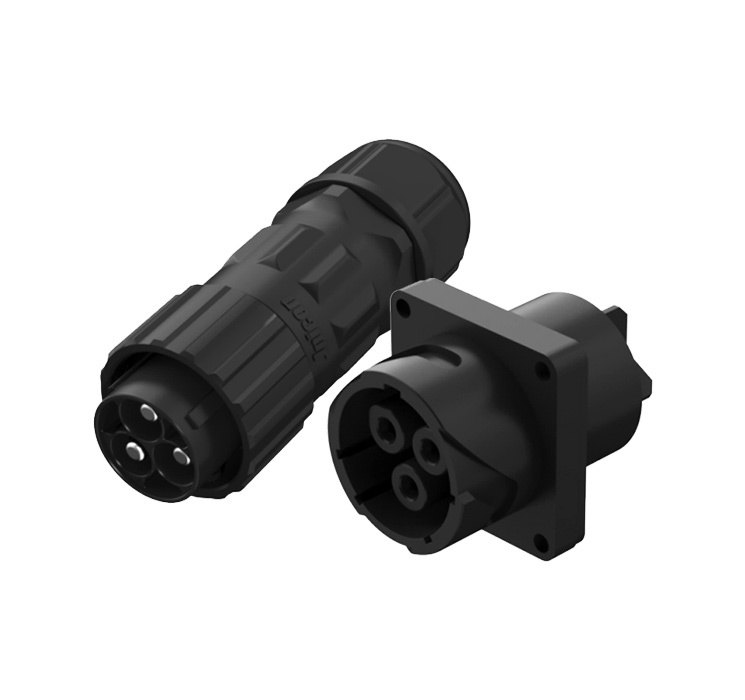
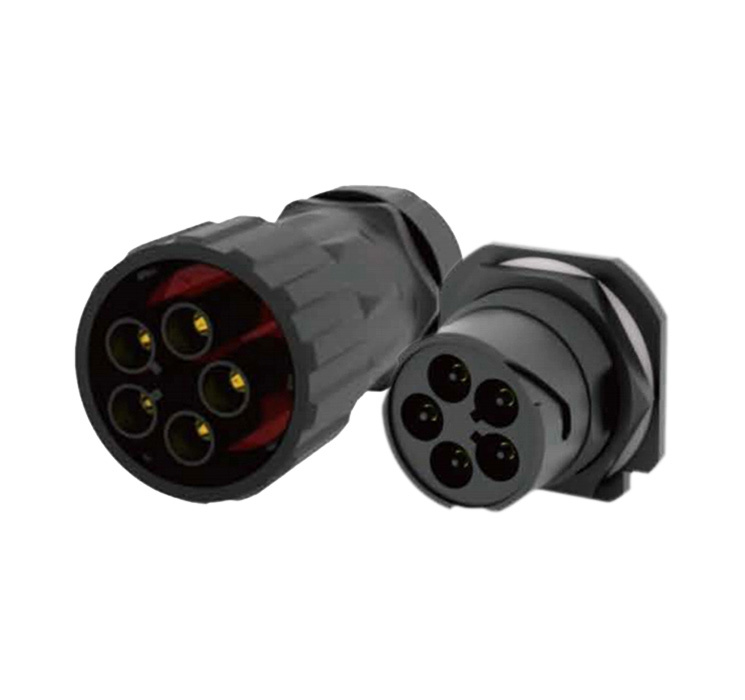
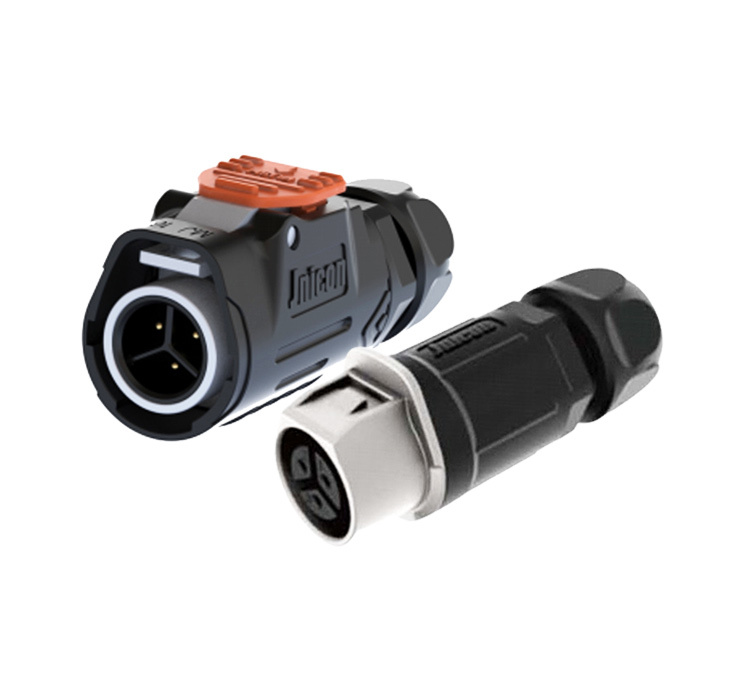
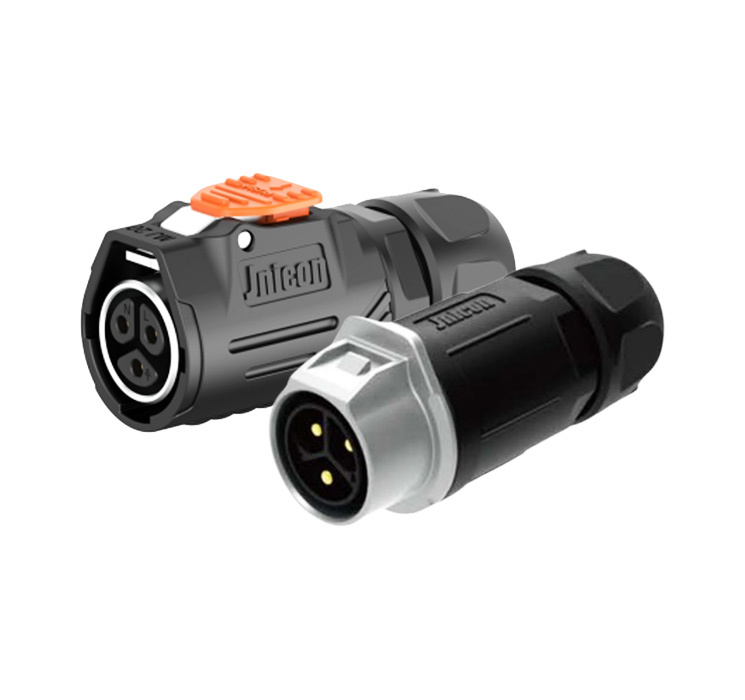
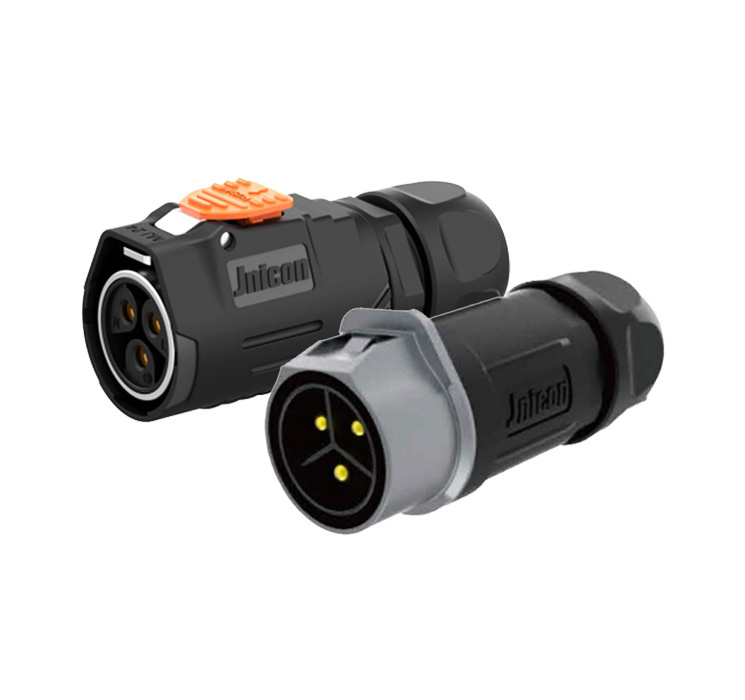
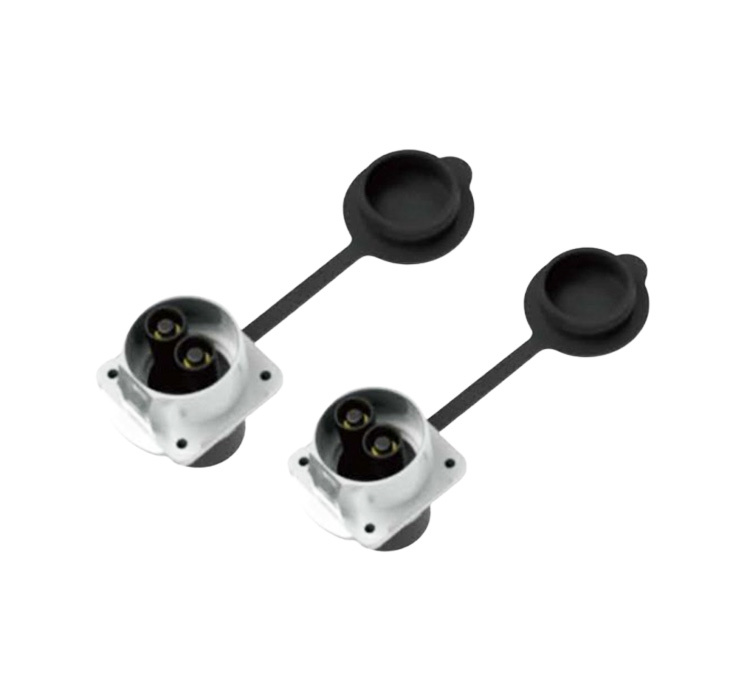
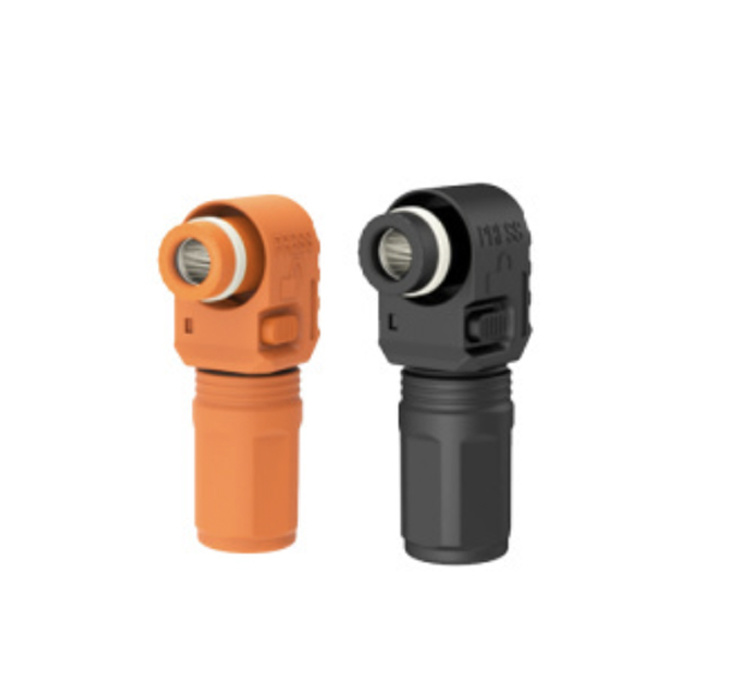
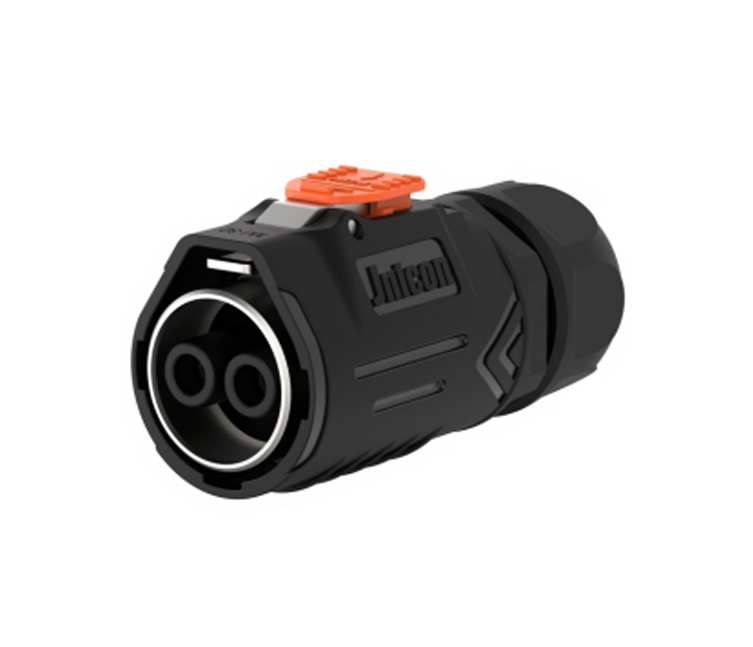
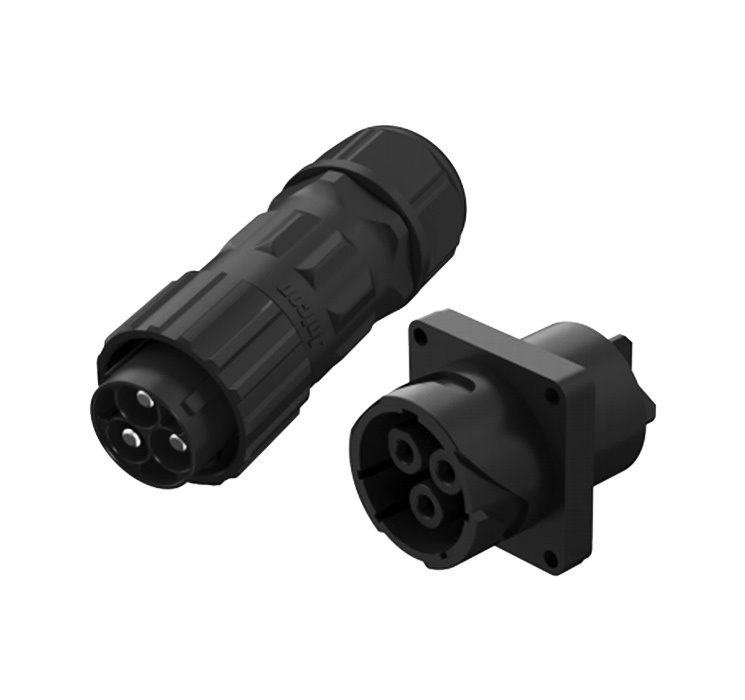
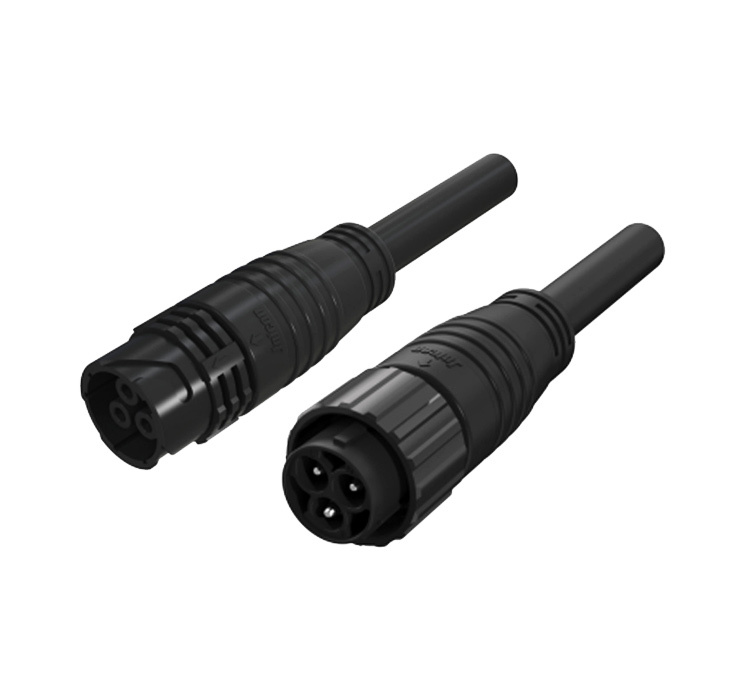
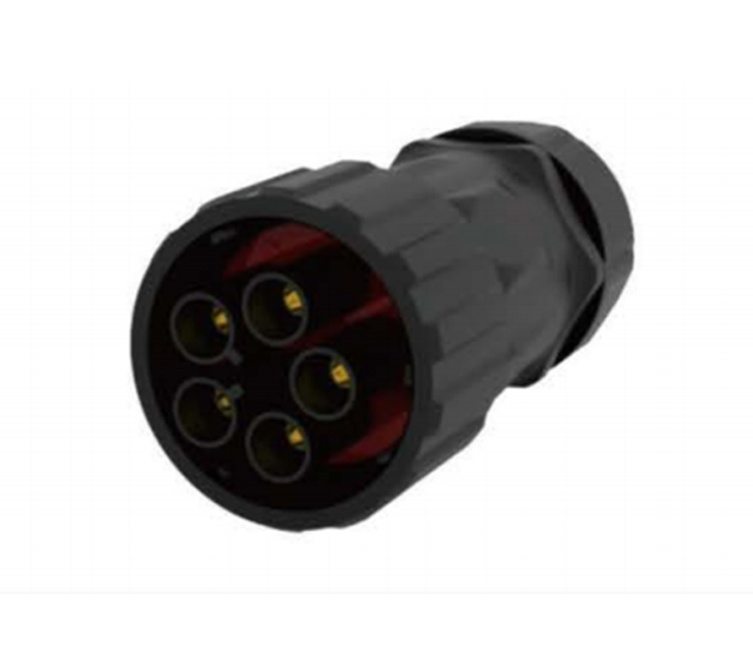
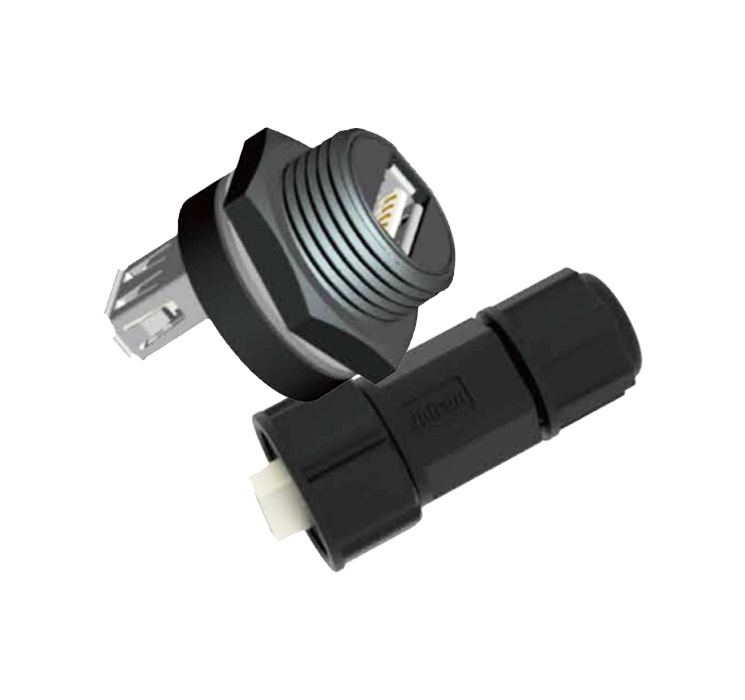
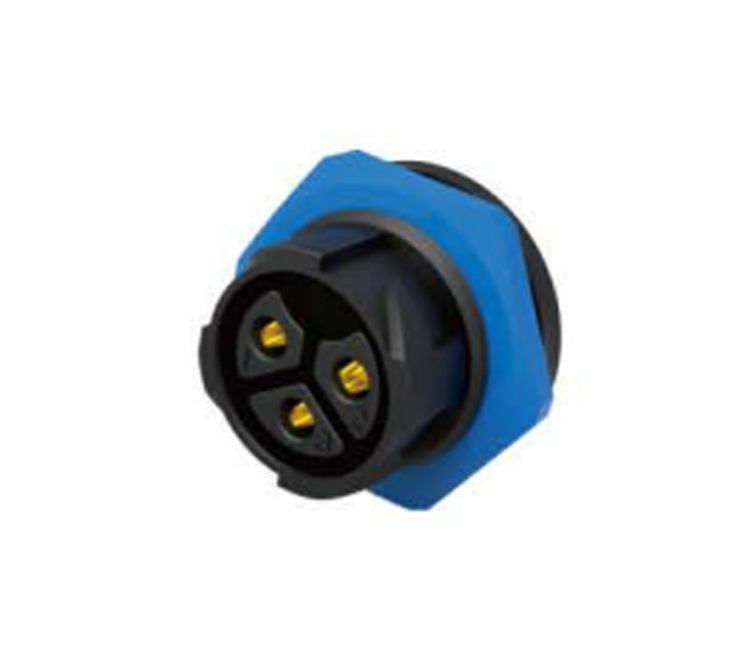
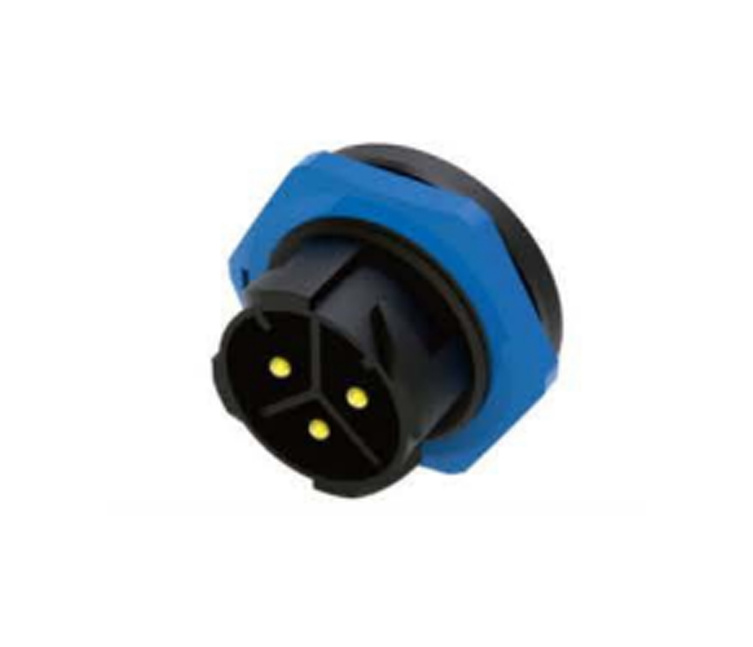
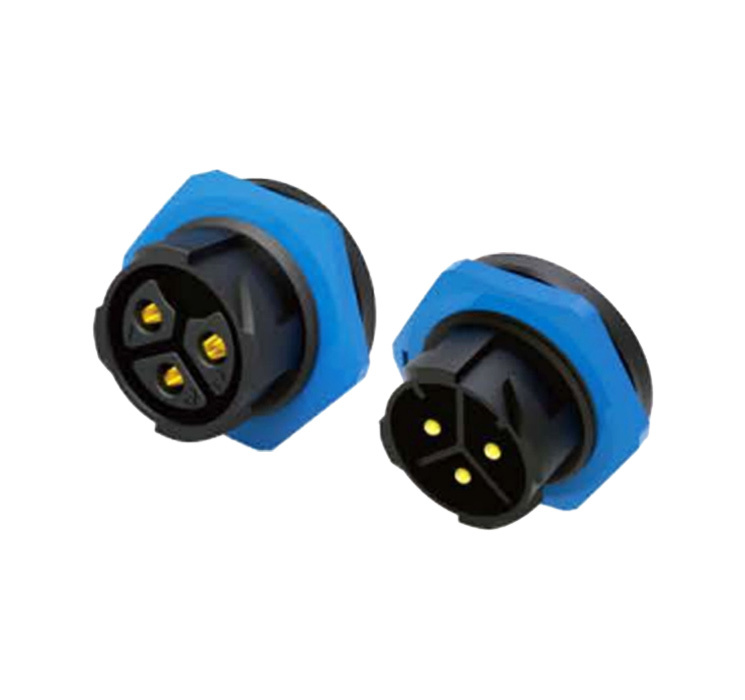
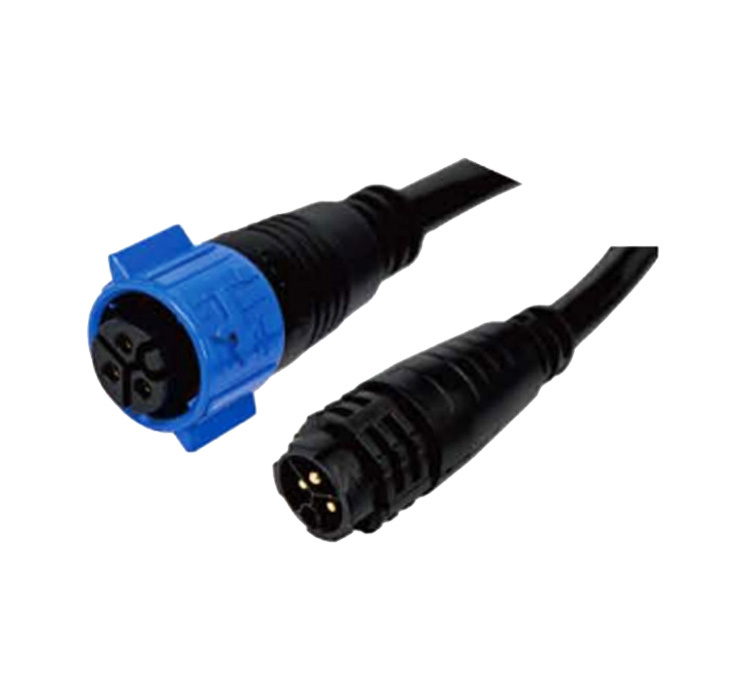
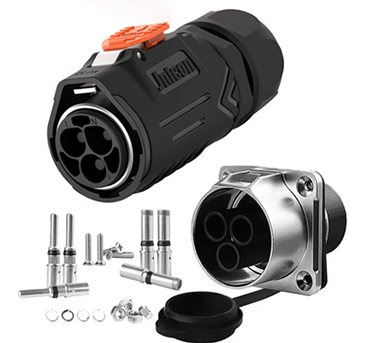
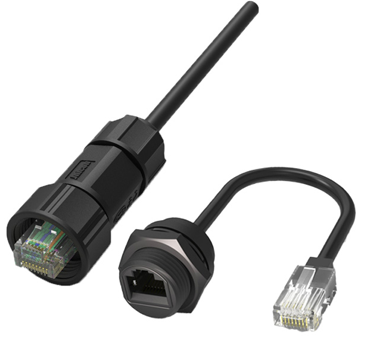
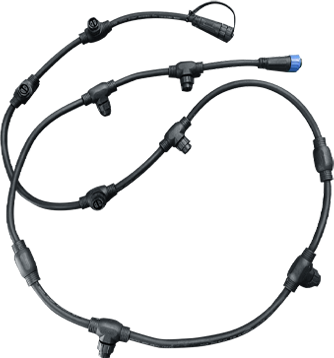
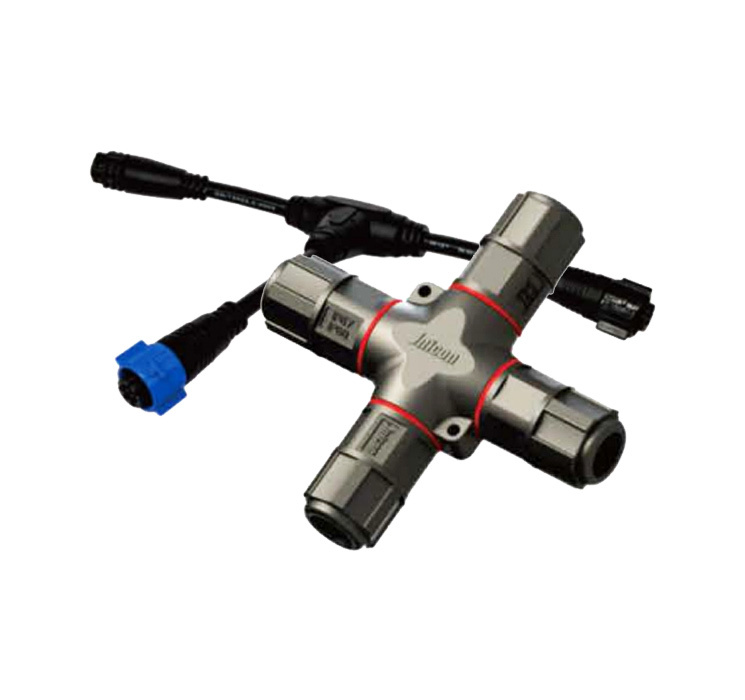
One of the primary attributes of industrial power connectors is their robust design, which is engineered to withstand harsh environments. These connectors are typically constructed from durable materials that can resist factors such as moisture, dust, and extreme temperatures. This resilience makes them ideal for use in manufacturing plants, construction sites, and other industrial settings where reliability is paramount. Additionally, many industrial power connectors are designed with safety features that prevent accidental disconnections and electrical hazards, further ensuring the safety of personnel and equipment.
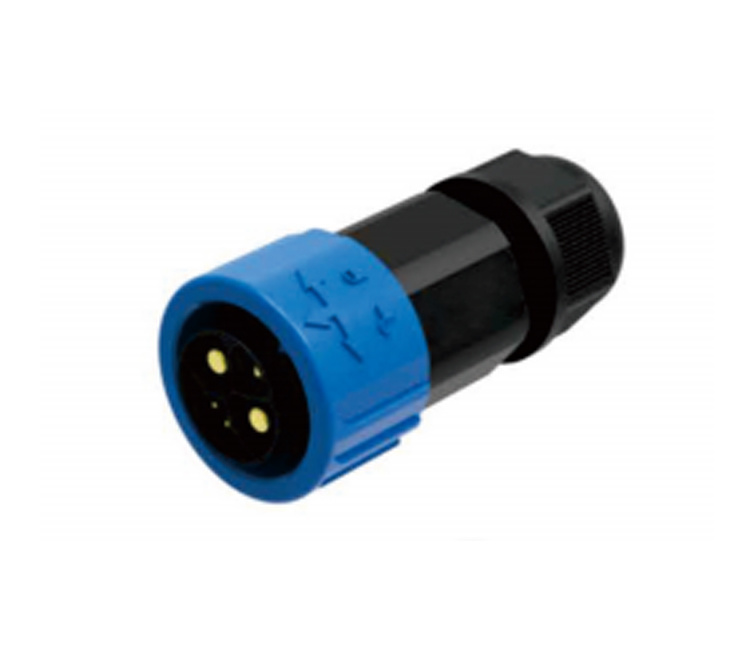
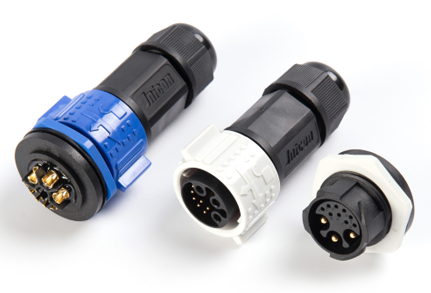
When selecting industrial power connectors, it's important to consider the current and voltage ratings required for your application. Connectors come in various sizes and configurations to accommodate different electrical loads, and choosing the wrong type can lead to inefficiencies or even equipment failure. It's essential to match the connector's specifications with the power requirements of the devices being used, as this will optimize performance and longevity.
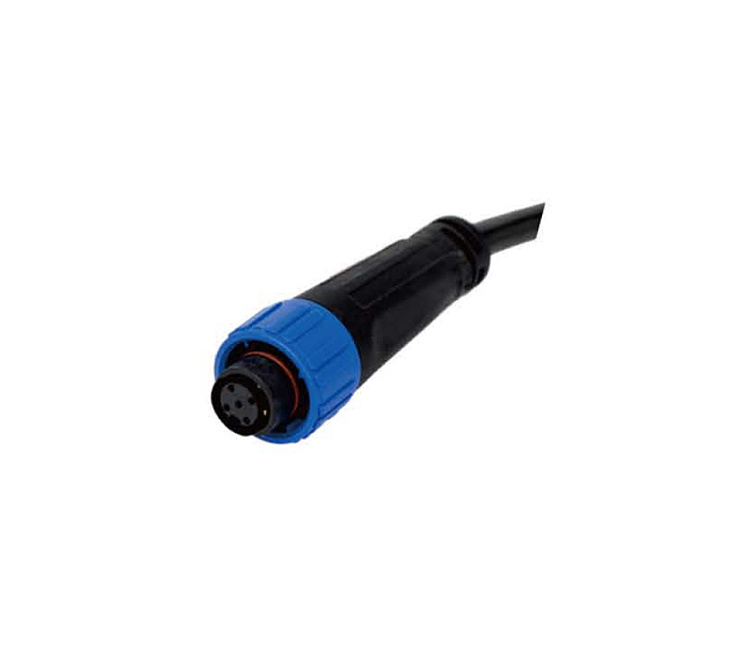
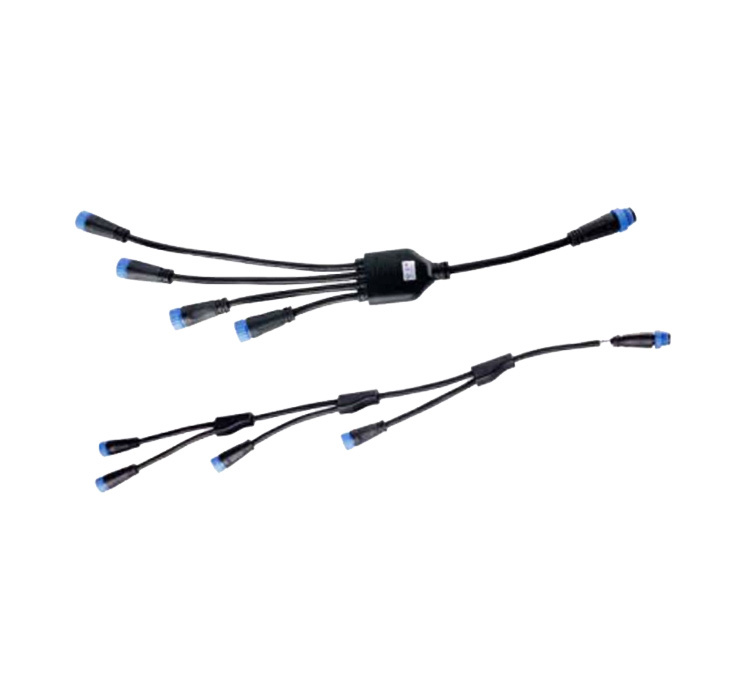
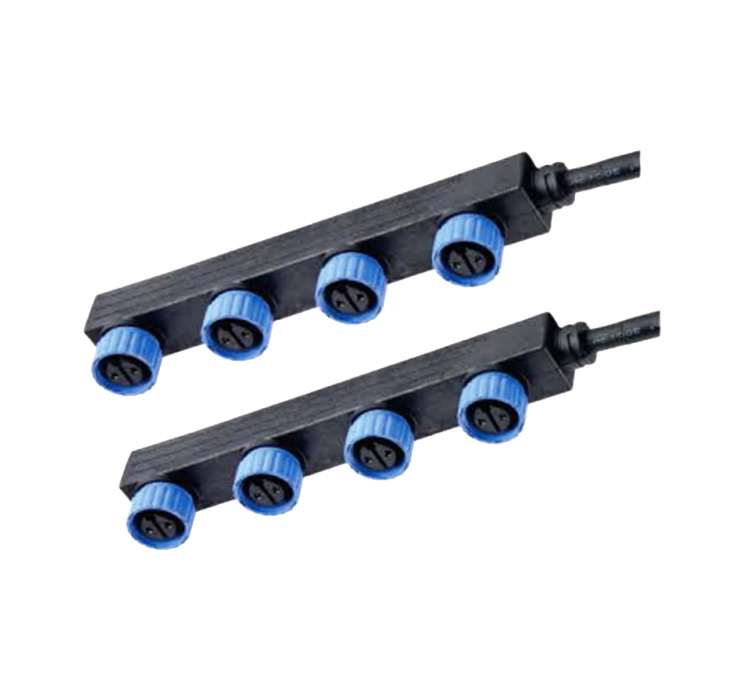
Another critical aspect to consider is the ease of installation and maintenance. Many modern industrial power connectors feature user-friendly designs that simplify the connection process, allowing for quick assembly and disassembly. This is particularly beneficial in environments where equipment needs to be frequently reconfigured or serviced. Additionally, connectors that offer modular designs allow for easy upgrades or replacements, further enhancing the adaptability of industrial systems.
In terms of applications, industrial power connectors are prevalent in a wide array of industries, including manufacturing, automation, energy, and telecommunications. For instance, in manufacturing plants, these connectors facilitate the operation of machinery, conveying systems, and assembly lines, ensuring consistent and reliable performance. In the energy sector, they are vital for connecting power distribution equipment, renewable energy systems, and backup generators, playing a crucial role in maintaining a stable power supply.
In summary, industrial power connectors are indispensable components that ensure the safe and efficient distribution of electrical power in various industrial applications. By understanding their design, specifications, and applications, professionals can make informed decisions when selecting the right connectors for their projects, ultimately enhancing the reliability and safety of their electrical systems.
News
2026-10-03
Understanding Waterproof Cables: Essential Insights for Electrical Professionals
Waterproof cables are vital components in the electric and electronic industries, especially when it comes to ensuring safe and reliable connections in challenging environments. These cables are designed to resist moisture and prevent water ingress, which can lead to electrical failure and safety hazards. Understanding the intricacies of waterproof cables is essential for electrical professionals
2026-09-30
Discover the Advantages of Using 2 Pin Waterproof Connectors in Harsh Environments
Discover the Advantages of Using 2 Pin Waterproof Connectors in Harsh Environments Table of Contents 1. Introduction to 2 Pin Waterproof Connectors 2. Importance of Waterproof Connectors 3. Design Features of 2 Pin Waterproof Connectors 4. Applications in Various Industries 5. Benefits of Using 2 Pin Waterproof Connectors 6. Installation Guidelines for 2 Pin Waterproof Connectors 7.
2026-09-27
Understanding Industrial Power Connectors: Key Insights for Professionals
Industrial power connectors play a crucial role in the safety and efficiency of electrical systems across various sectors, including manufacturing, energy, and transportation. These connectors are designed to facilitate the transmission of electrical power in rugged environments, ensuring reliable and stable connections. Understanding the types, applications, and selection criteria for industrial

B8-9, Fubilun industrial park, Chaoyang rd,Yanchuan community, Songgang, Shenzhen, China


