


Understanding the Different Types of Waterproof Marine Electrical Connectors: A Comprehensive Guide
Release Time:
2026-02-06
Understanding the Different Types of Waterproof Marine Electrical Connectors: A Comprehensive Guide
Table of Contents
- 1. Introduction to Marine Electrical Connectors
- 2. Importance of Waterproof Connectors in Marine Applications
- 3. Types of Waterproof Marine Electrical Connectors
- 3.1 Circular Connectors
- 3.2 Rectangular Connectors
- 3.3 Terminal Blocks
- 3.4 Power Connectors
- 3.5 Fiber Optic Connectors
- 4. Key Considerations for Selecting Marine Connectors
- 5. Proper Installation Techniques for Waterproof Connectors
- 6. Maintenance and Troubleshooting
- 7. Conclusion
- 8. Frequently Asked Questions
1. Introduction to Marine Electrical Connectors
In the marine industry, electrical connectors play a pivotal role in ensuring the smooth operation of various systems onboard vessels. **Waterproof marine electrical connectors** are particularly essential, as they are designed to withstand harsh marine environments. These connectors provide reliable connections while resisting moisture, corrosion, and other environmental stressors. Understanding the different types of waterproof connectors available is crucial for selecting the right one for your specific application.
2. Importance of Waterproof Connectors in Marine Applications
Marine environments pose unique challenges for electrical systems. The constant exposure to saltwater, humidity, and extreme temperatures can lead to electrical failures if the right connectors are not used. **Waterproof connectors** protect against these elements, ensuring the longevity and reliability of electrical systems in boats, ships, and other marine equipment. Using the appropriate connectors not only enhances safety but also minimizes maintenance costs and downtime.
3. Types of Waterproof Marine Electrical Connectors
There are several types of waterproof marine electrical connectors, each designed for specific applications. Understanding these types can help you make an informed choice for your marine projects.
3.1 Circular Connectors
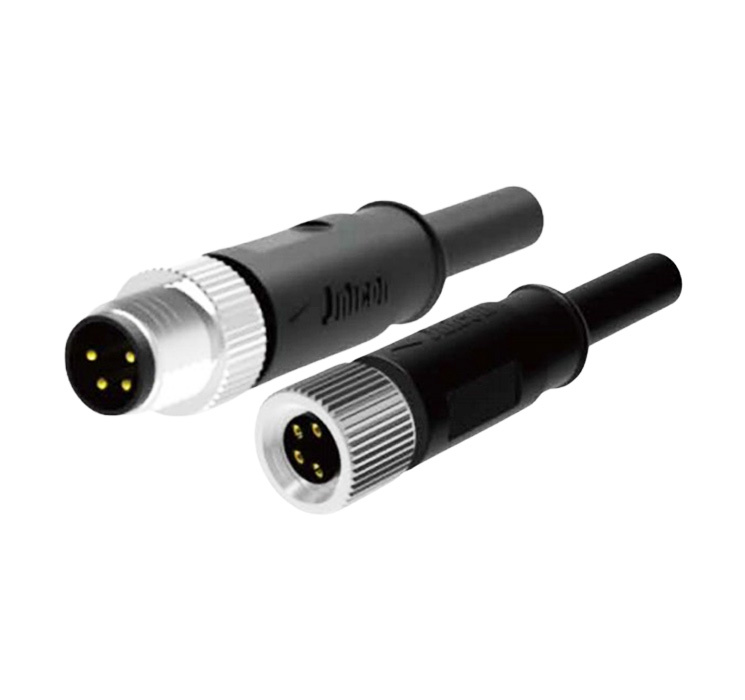
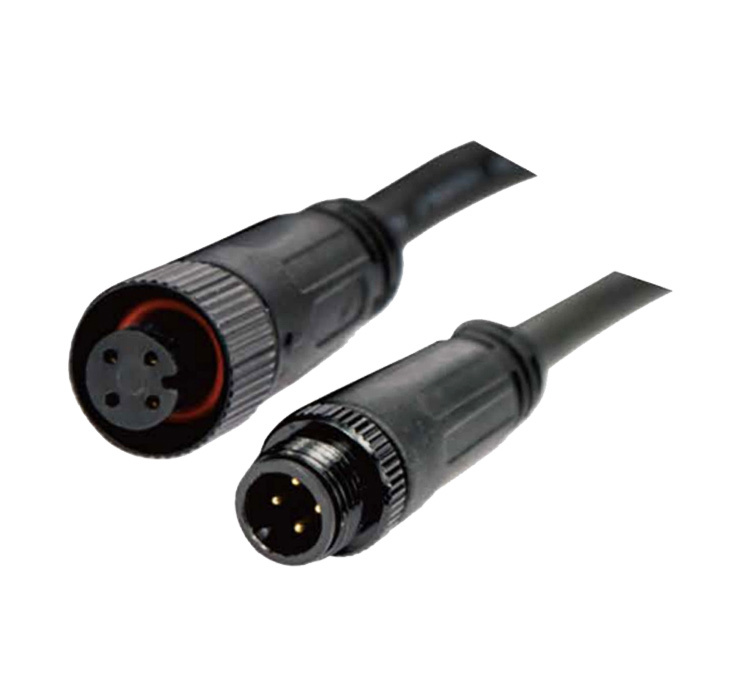
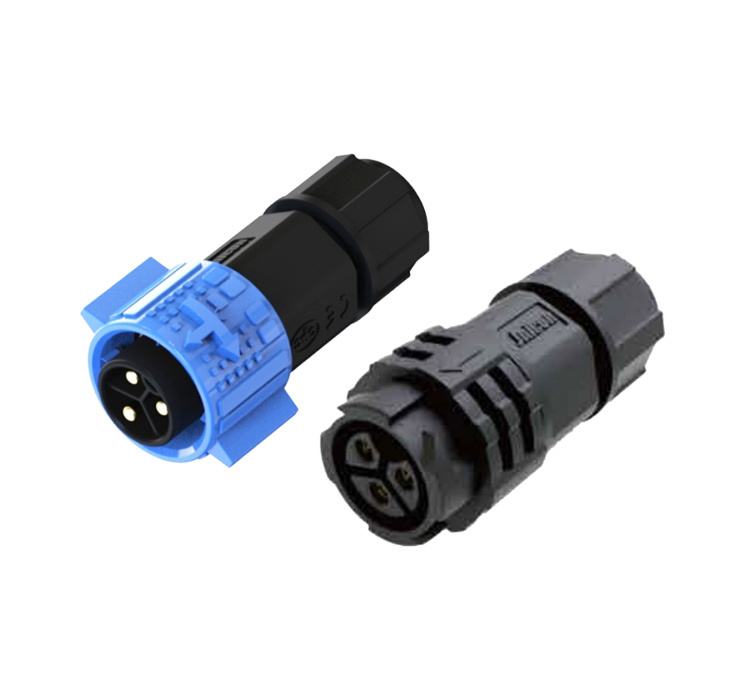
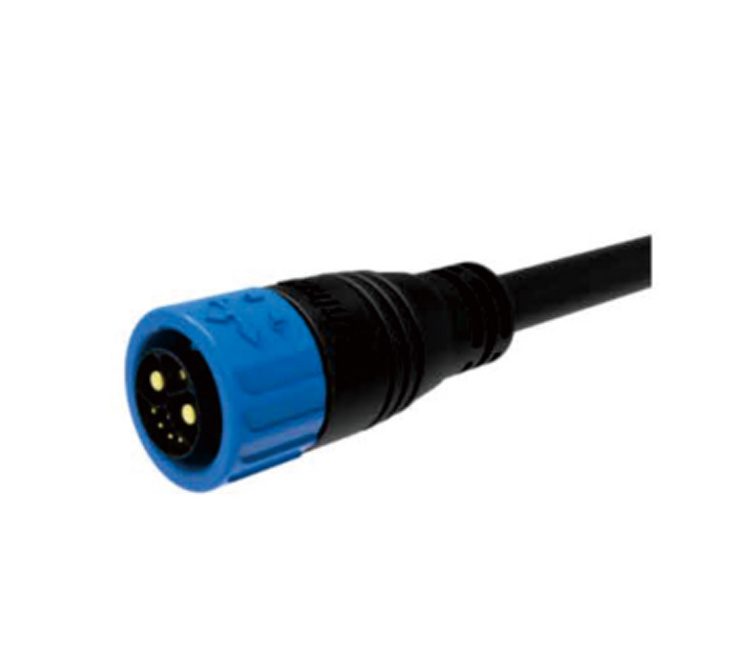
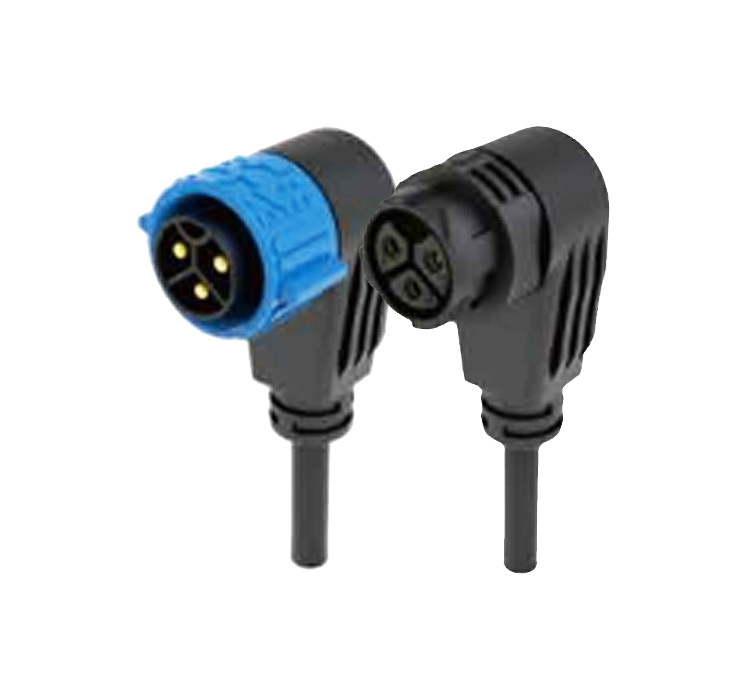
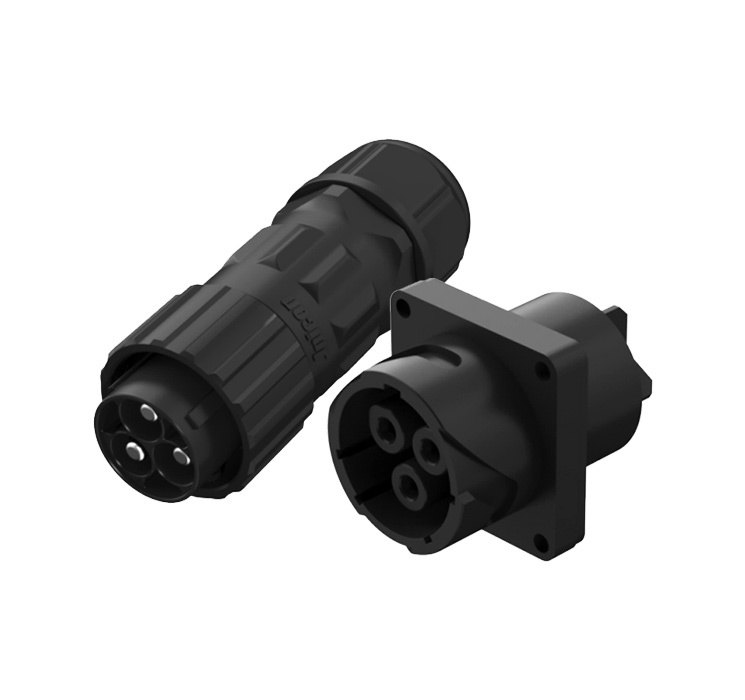
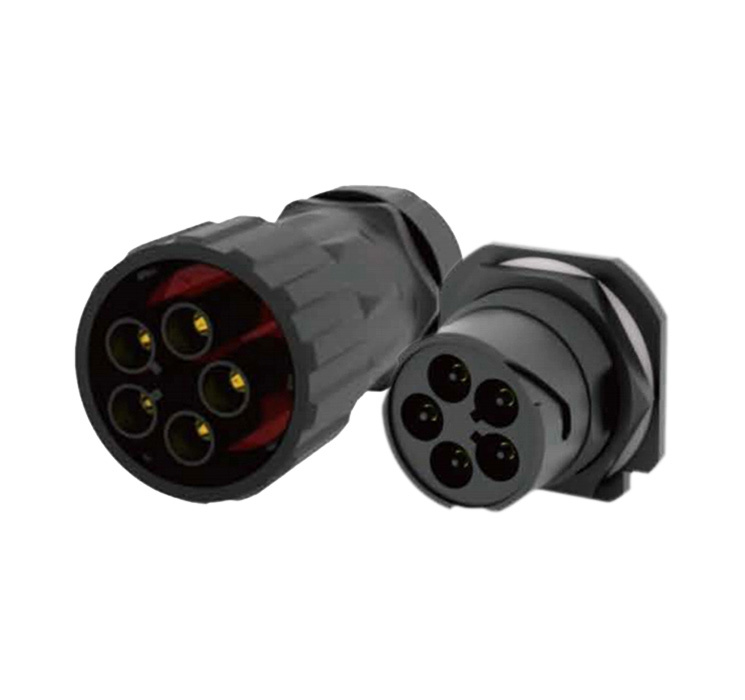
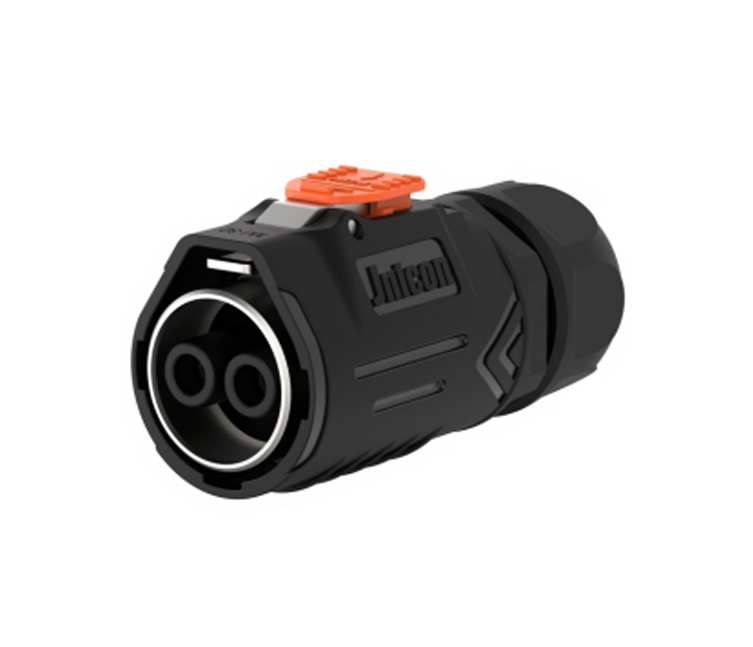
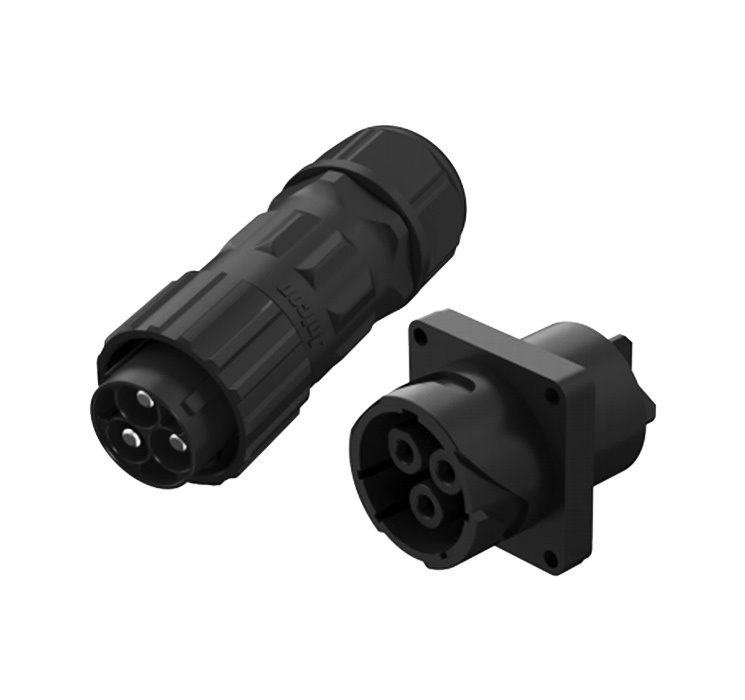
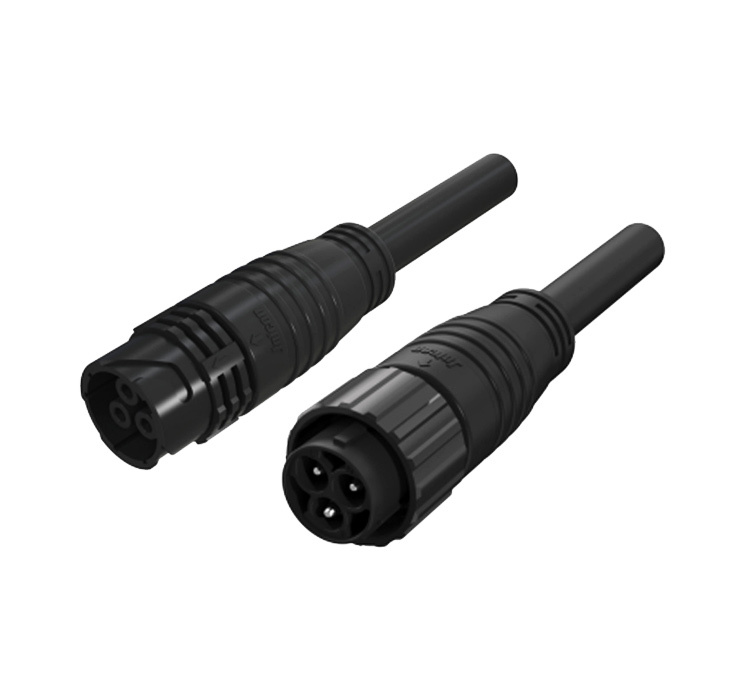
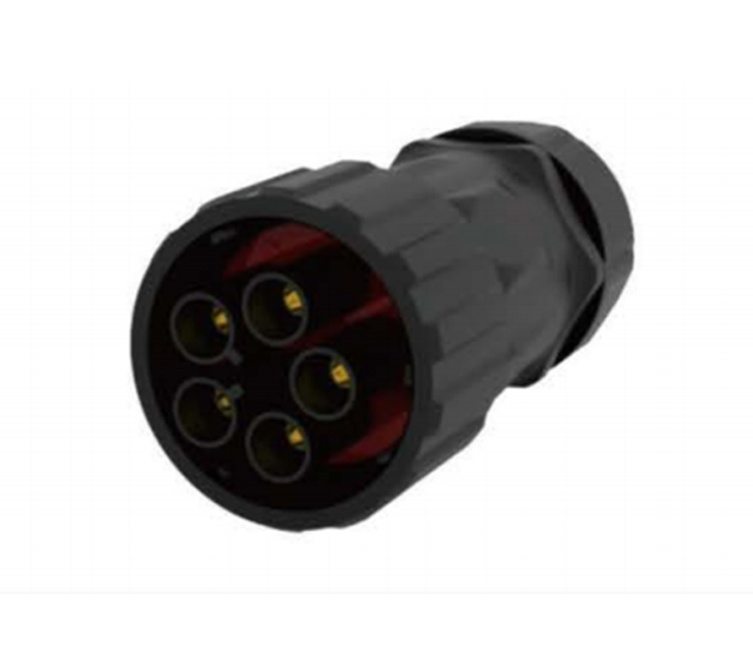
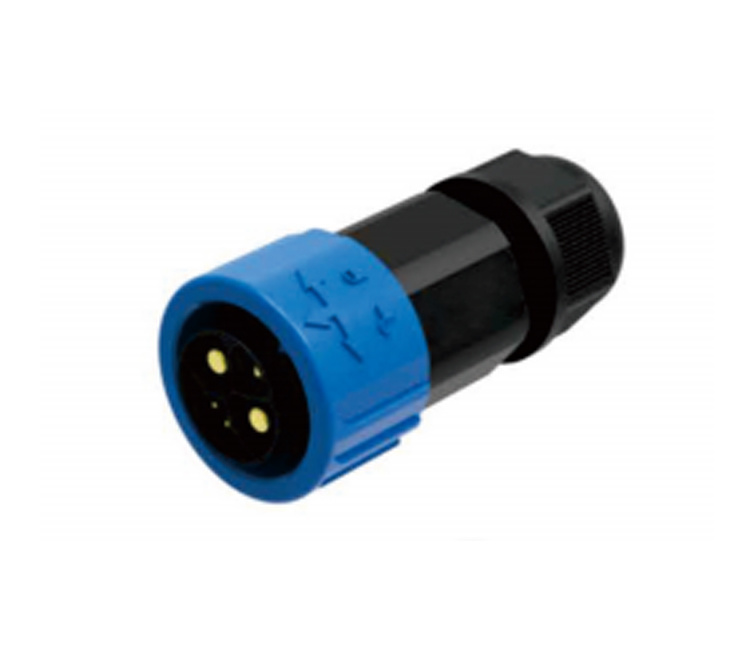
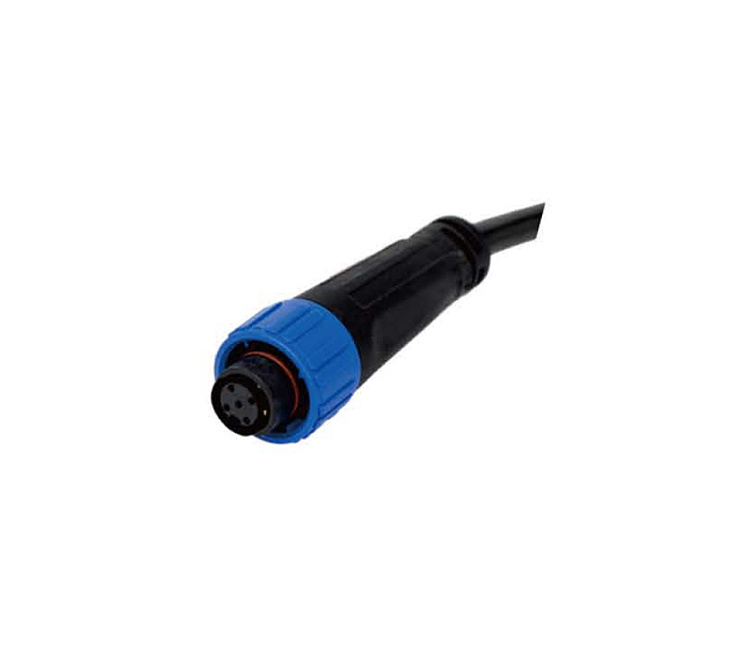
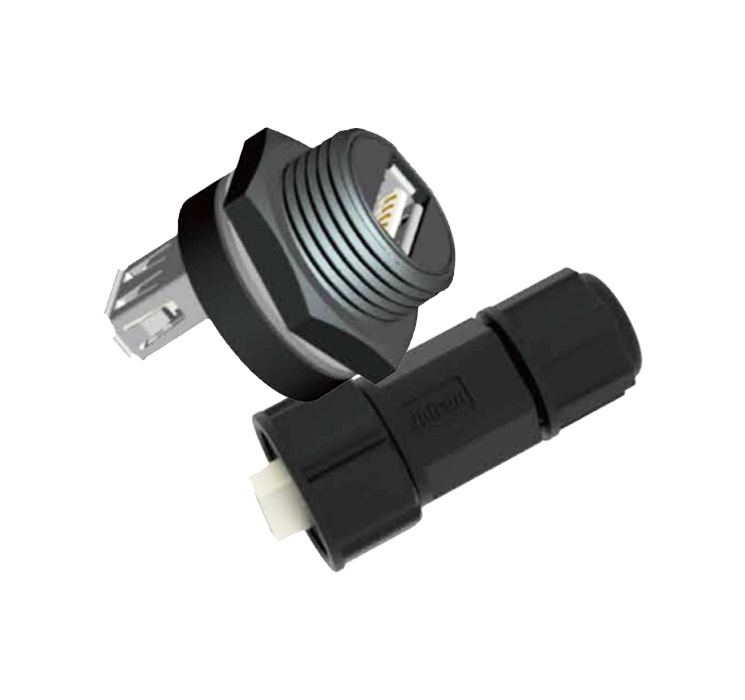
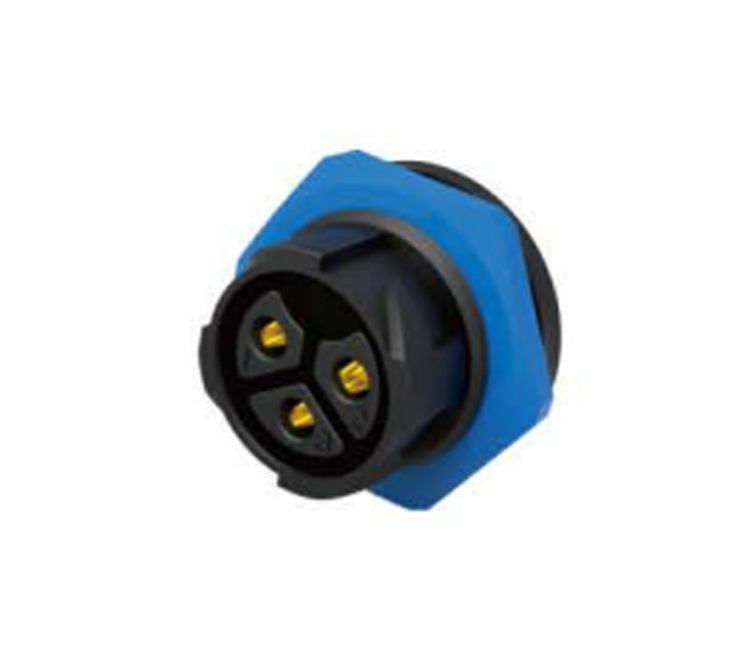
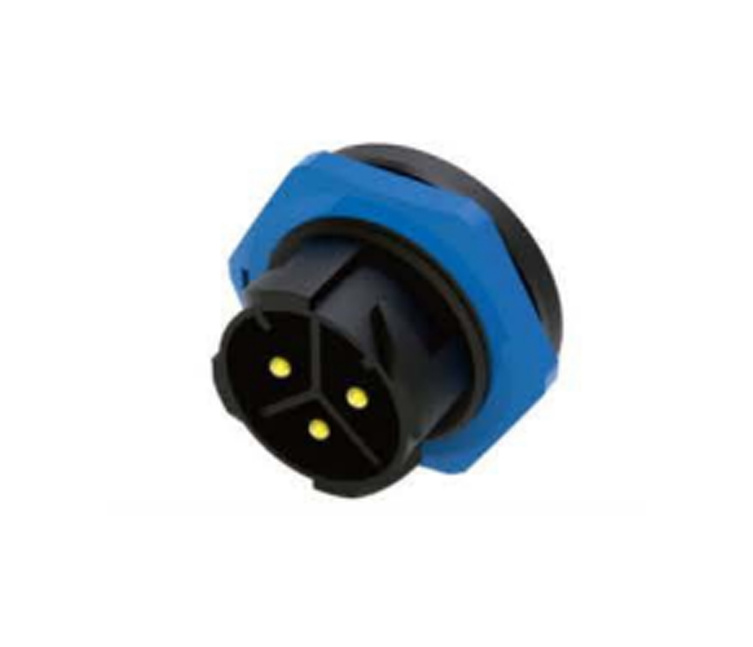
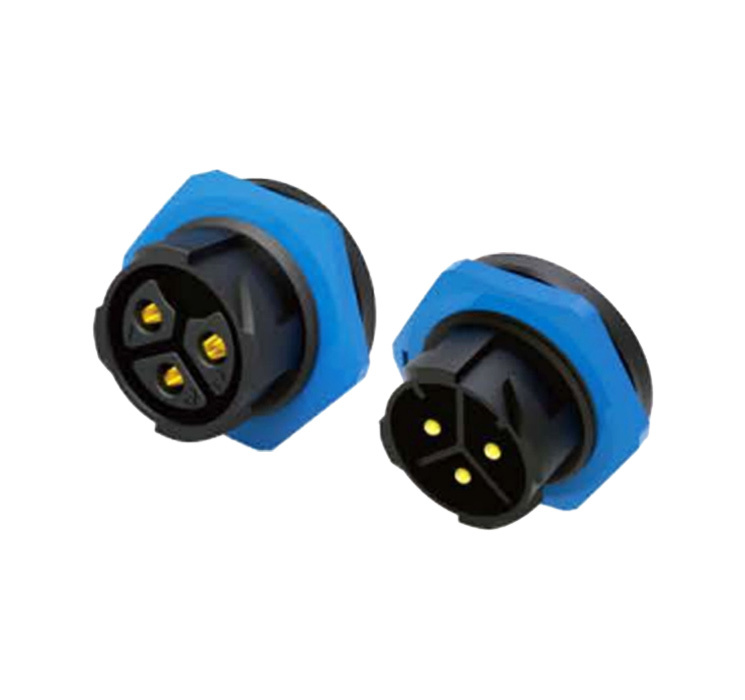
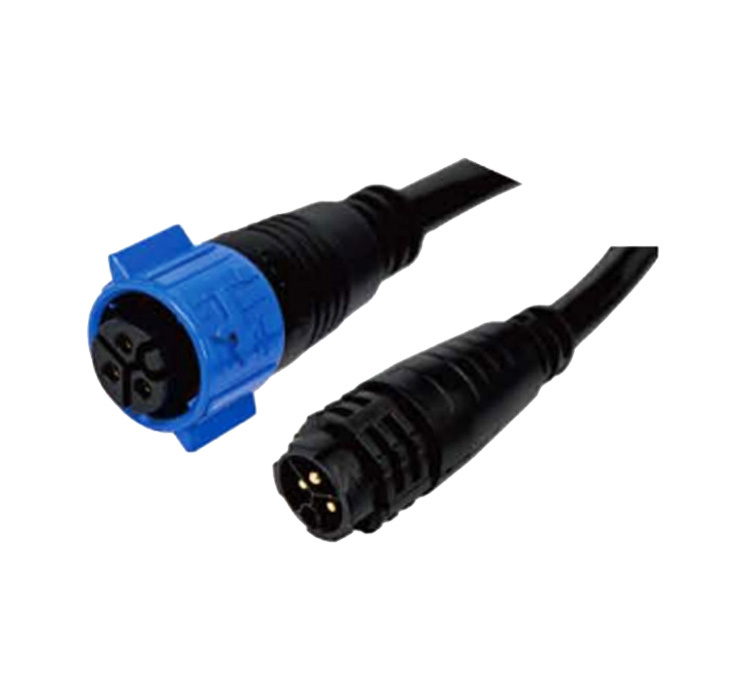
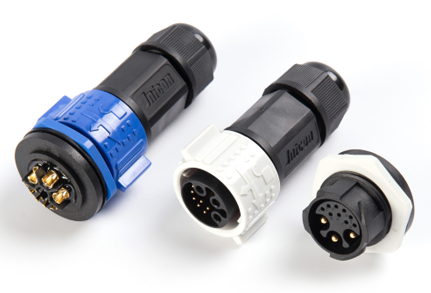
**Circular connectors** are among the most common types used in marine applications. They feature a cylindrical shape and typically consist of multiple pins arranged in a circular pattern. These connectors are favored for their ease of use and reliable sealing capabilities. Circular connectors are often used for connecting power supplies and control systems, ensuring a secure and waterproof connection.
3.2 Rectangular Connectors
**Rectangular connectors** are designed for applications requiring a higher number of contacts. Their flat design allows for more pins in a compact space, making them ideal for complex systems. These connectors are widely used in navigation and communication equipment, providing robust connections that resist water ingress.
3.3 Terminal Blocks
**Terminal blocks** serve as a point of connection for multiple wires. In a marine setting, waterproof terminal blocks ensure that connections remain intact despite exposure to moisture. These blocks are used to organize and connect electrical circuits, enhancing safety and making maintenance easier.
3.4 Power Connectors
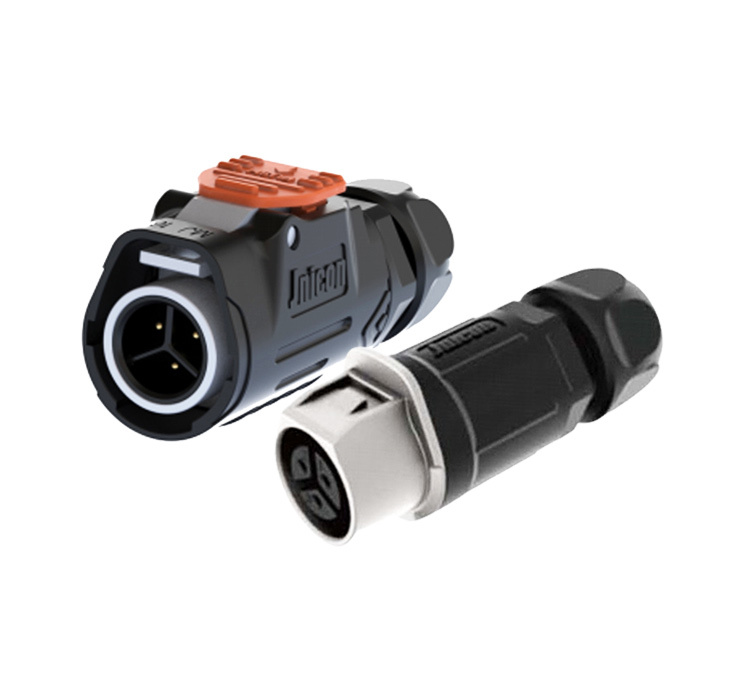
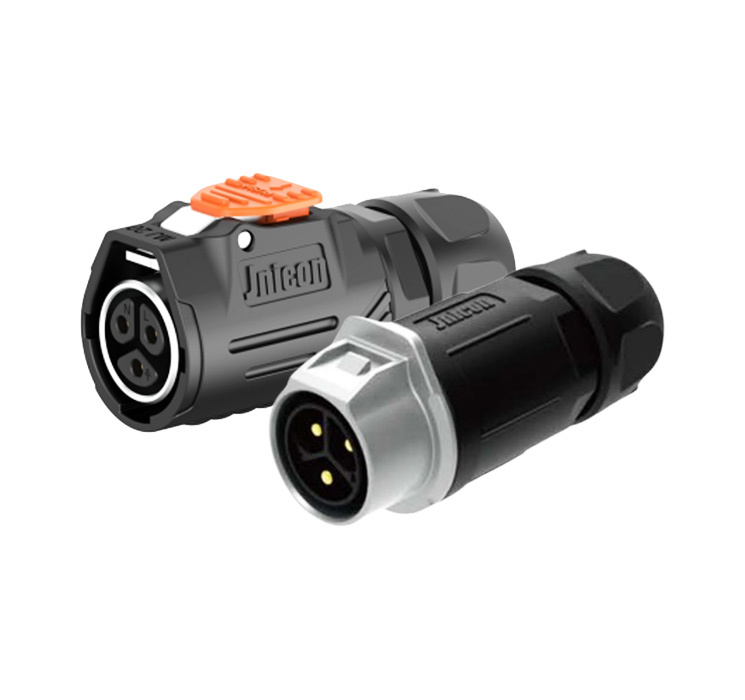
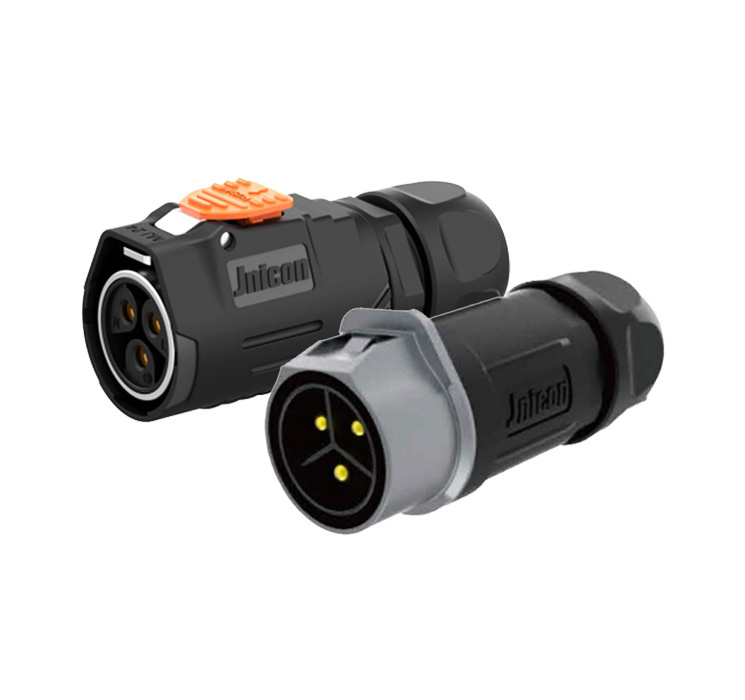
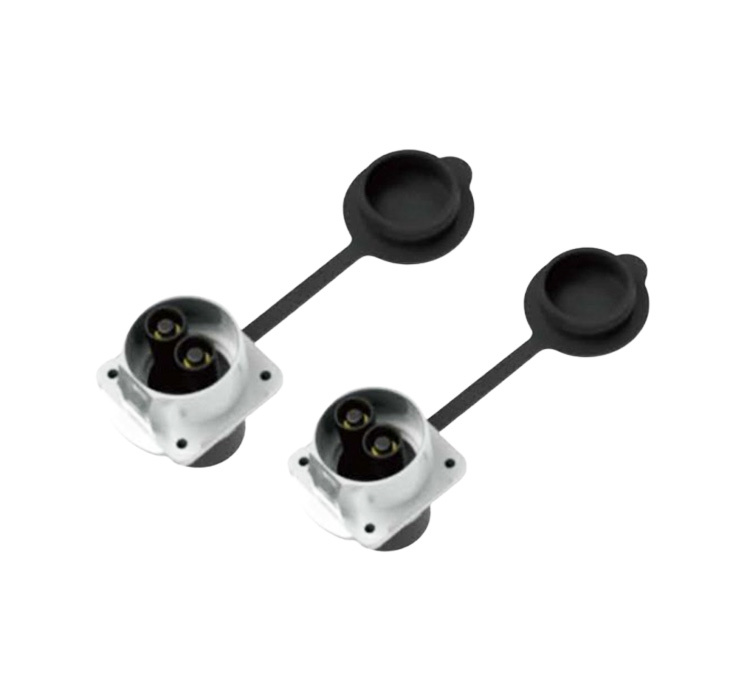
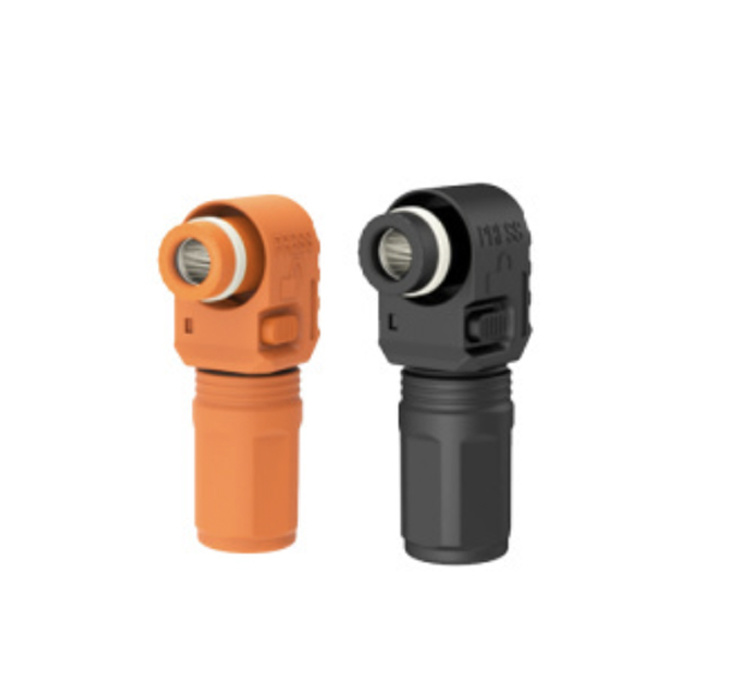
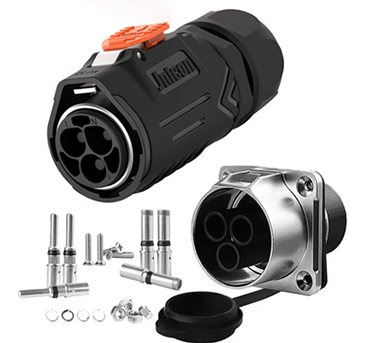
**Power connectors** are specifically engineered to handle high currents and voltages. In marine environments, these connectors must be waterproof to prevent short circuits and other electrical failures. They are commonly used in onboard power systems, ensuring efficient and safe power delivery to various electrical components.
3.5 Fiber Optic Connectors
As technology advances, **fiber optic connectors** have become increasingly popular in marine applications. These connectors transmit data through light, offering higher bandwidth and faster speeds compared to traditional electrical connectors. Waterproof fiber optic connectors are essential for communication systems, especially in modern vessels that rely on real-time data transmission.
4. Key Considerations for Selecting Marine Connectors
Choosing the right waterproof marine electrical connector involves several critical considerations.
4.1 Material Considerations
The materials used in connectors significantly influence their durability and performance. **Marine-grade materials**, such as stainless steel and high-quality plastics, resist corrosion and degradation from saltwater exposure. Selecting connectors made from these materials ensures they can withstand the rigors of marine environments.
4.2 Ingress Protection Ratings
**Ingress Protection (IP) ratings** indicate how well a connector is protected against dust and moisture. For marine applications, connectors with high IP ratings (such as IP67 or IP68) are ideal, as they provide excellent sealing against water ingress. Understanding these ratings is crucial for selecting connectors that will perform well in wet conditions.
4.3 Size and Configuration
The size and configuration of connectors must align with the specific application requirements. Consider the available space and the number of connections needed when selecting connectors. Ensuring a proper fit is vital to maintaining the integrity of the connection and preventing water intrusion.
5. Proper Installation Techniques for Waterproof Connectors
Installing waterproof marine electrical connectors requires careful attention to detail to ensure optimal performance.
- **Preparation:** Before installation, ensure that all surfaces are clean and free from contaminants. This step is crucial for achieving a secure seal.
- **Sealing:** Utilize appropriate sealing compounds when necessary, especially in high-stress areas.
- **Torque Specifications:** Follow manufacturer guidelines regarding torque specifications for screws and fasteners. Over-tightening can damage connectors, while under-tightening may compromise water resistance.
6. Maintenance and Troubleshooting
Regular maintenance is essential for ensuring the longevity and performance of waterproof marine electrical connectors.
- **Inspection:** Conduct routine inspections to identify signs of wear, corrosion, or damage. Early detection can prevent costly repairs.
- **Cleaning:** Clean connectors periodically using appropriate cleaning agents that will not damage the materials.
- **Testing:** Perform electrical testing to verify the integrity of connections. If any issues arise, troubleshoot promptly to avoid further complications.
7. Conclusion
Understanding the different types of waterproof marine electrical connectors is essential for ensuring the reliability and safety of electrical systems in marine environments. By selecting the right connectors and following proper installation and maintenance practices, you can enhance the longevity of your marine projects. As technology continues to evolve, staying informed about advancements in connector design will further improve your ability to make the best choices for your maritime applications.
8. Frequently Asked Questions
1. What are waterproof marine electrical connectors?
Waterproof marine electrical connectors are specially designed to prevent water ingress, ensuring secure and reliable electrical connections in marine environments.
2. How do I choose the right marine connector?
Consider factors such as material, ingress protection ratings, size, and application requirements when selecting the right marine connector.
3. What are the benefits of using circular connectors in marine applications?
Circular connectors provide ease of use, robust sealing capabilities, and are suitable for connecting power supplies and control systems in marine environments.
4. How can I ensure proper installation of marine connectors?
Follow manufacturer guidelines for preparation, sealing, and torque specifications, and ensure all surfaces are clean before installation.
5. What maintenance is required for waterproof connectors?
Regular inspections, cleaning, and electrical testing are crucial for maintaining waterproof connectors and ensuring their longevity and performance.
News
2026-10-03
Understanding Waterproof Cables: Essential Insights for Electrical Professionals
Waterproof cables are vital components in the electric and electronic industries, especially when it comes to ensuring safe and reliable connections in challenging environments. These cables are designed to resist moisture and prevent water ingress, which can lead to electrical failure and safety hazards. Understanding the intricacies of waterproof cables is essential for electrical professionals
2026-09-30
Discover the Advantages of Using 2 Pin Waterproof Connectors in Harsh Environments
Discover the Advantages of Using 2 Pin Waterproof Connectors in Harsh Environments Table of Contents 1. Introduction to 2 Pin Waterproof Connectors 2. Importance of Waterproof Connectors 3. Design Features of 2 Pin Waterproof Connectors 4. Applications in Various Industries 5. Benefits of Using 2 Pin Waterproof Connectors 6. Installation Guidelines for 2 Pin Waterproof Connectors 7.
2026-09-27
Understanding Industrial Power Connectors: Key Insights for Professionals
Industrial power connectors play a crucial role in the safety and efficiency of electrical systems across various sectors, including manufacturing, energy, and transportation. These connectors are designed to facilitate the transmission of electrical power in rugged environments, ensuring reliable and stable connections. Understanding the types, applications, and selection criteria for industrial

B8-9, Fubilun industrial park, Chaoyang rd,Yanchuan community, Songgang, Shenzhen, China


