


Enhancing Electrical Safety: The Essential Role of 5 Pin Waterproof Connectors
Release Time:
2026-02-08
Enhancing Electrical Safety: The Essential Role of 5 Pin Waterproof Connectors
Table of Contents
- Introduction to 5 Pin Waterproof Connectors
- The Importance of Electrical Safety
- Understanding Waterproof Technology in Connectors
- Key Features of 5 Pin Waterproof Connectors
- Applications of 5 Pin Waterproof Connectors
- Installation Guidelines for Optimal Safety
- Maintenance Tips for Longevity
- Conclusion
- FAQs about 5 Pin Waterproof Connectors
Introduction to 5 Pin Waterproof Connectors
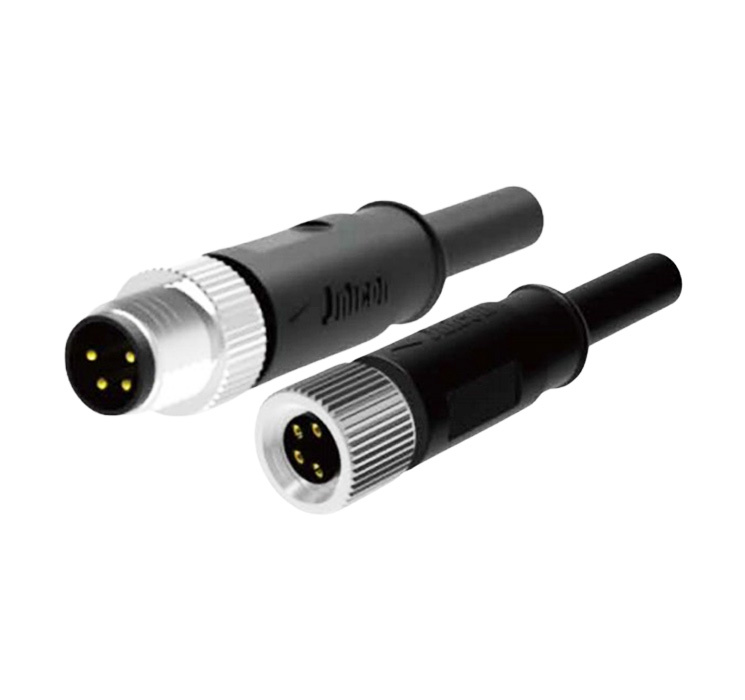
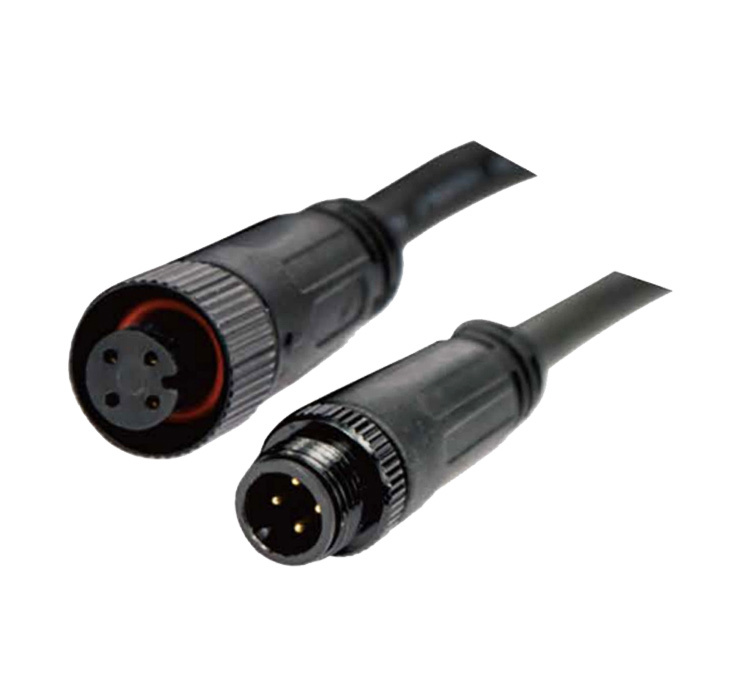
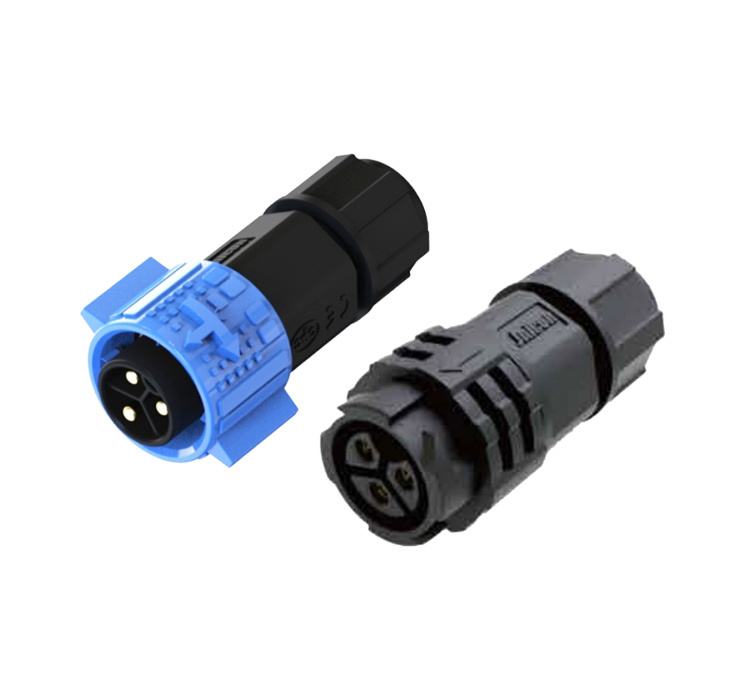
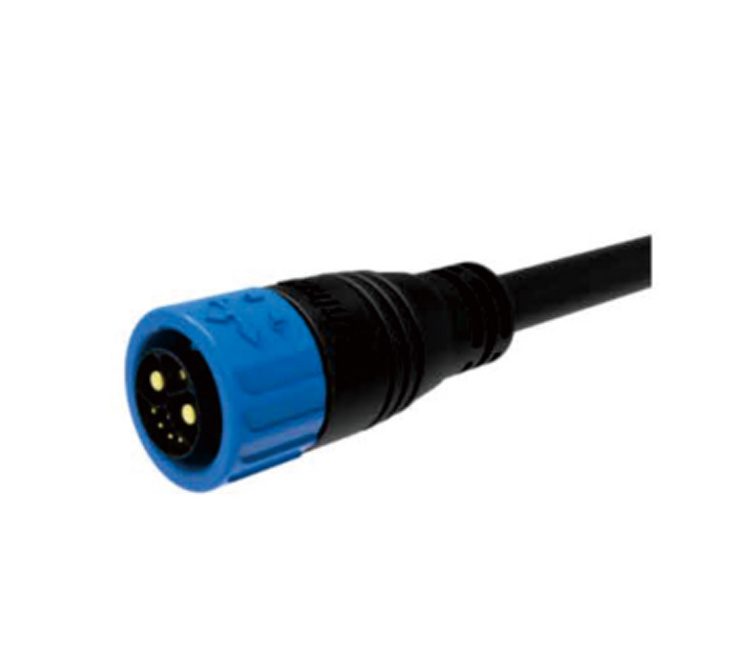
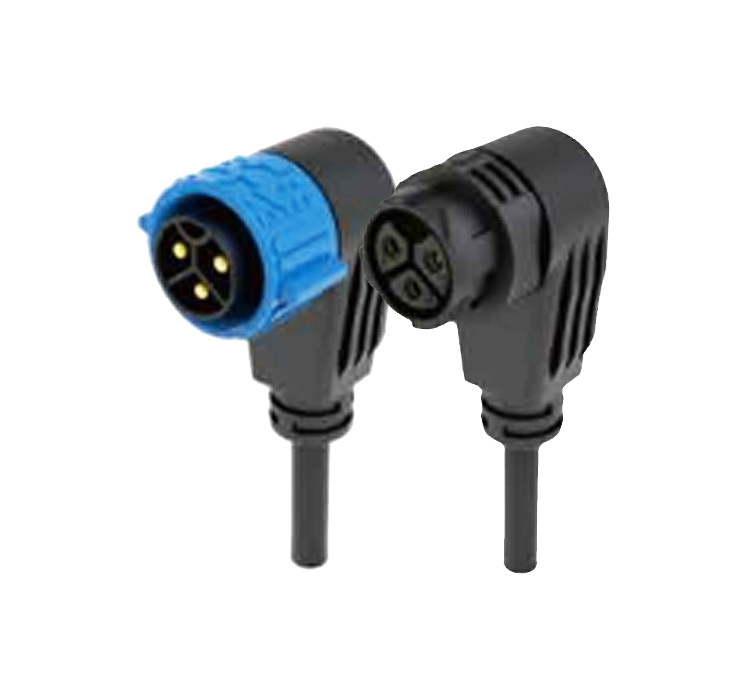
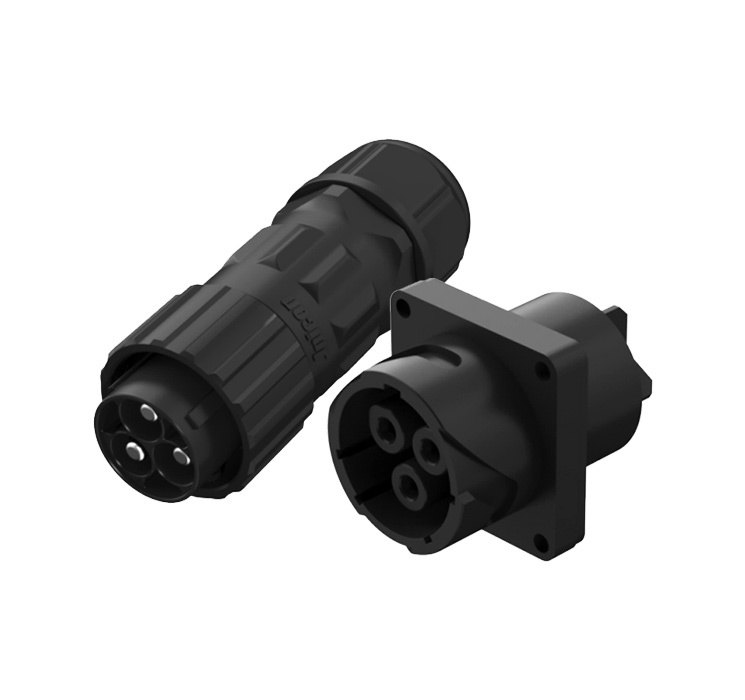
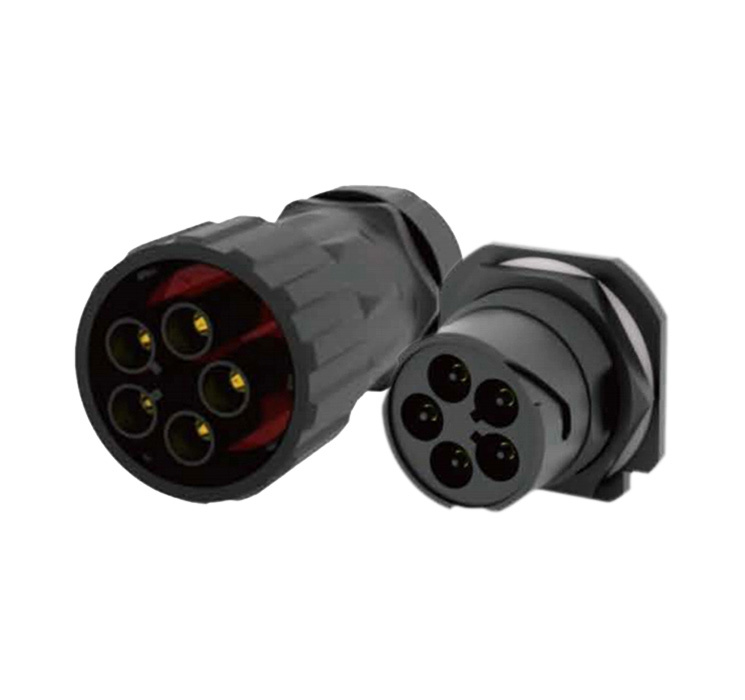
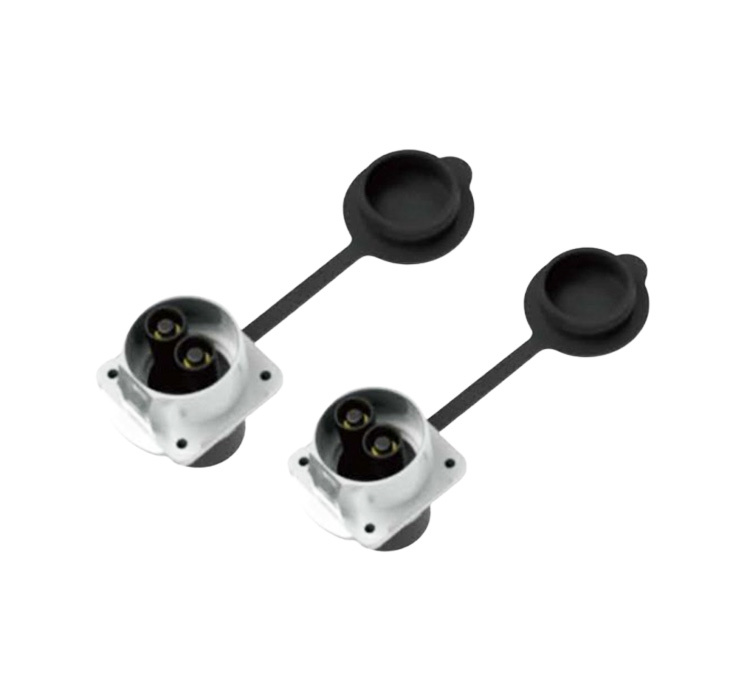
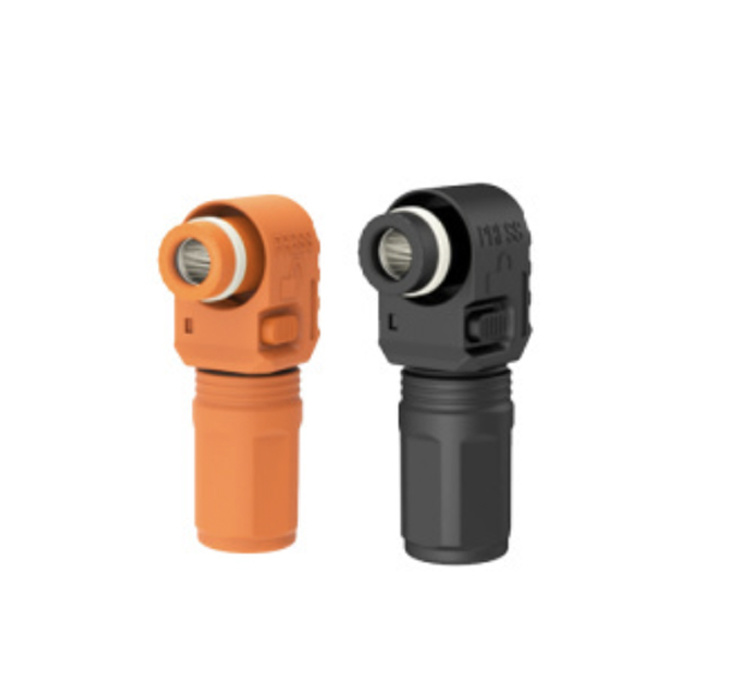
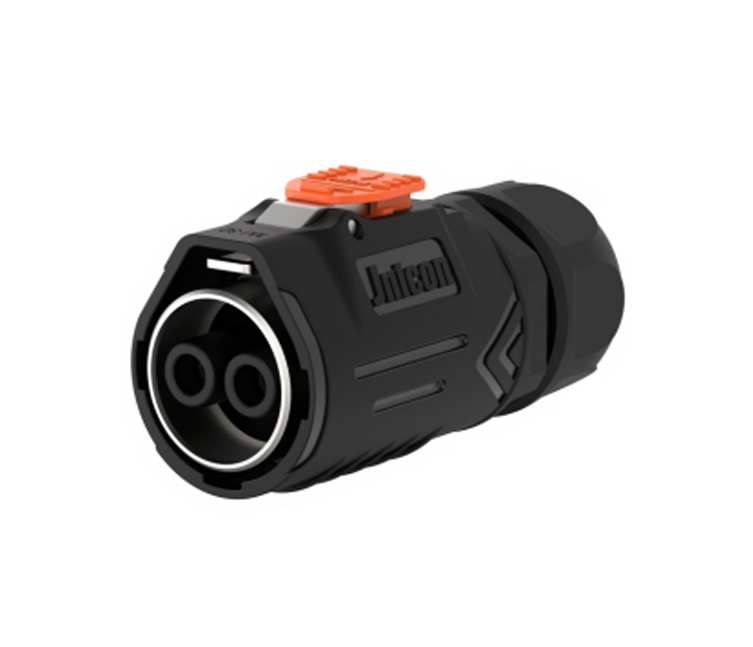
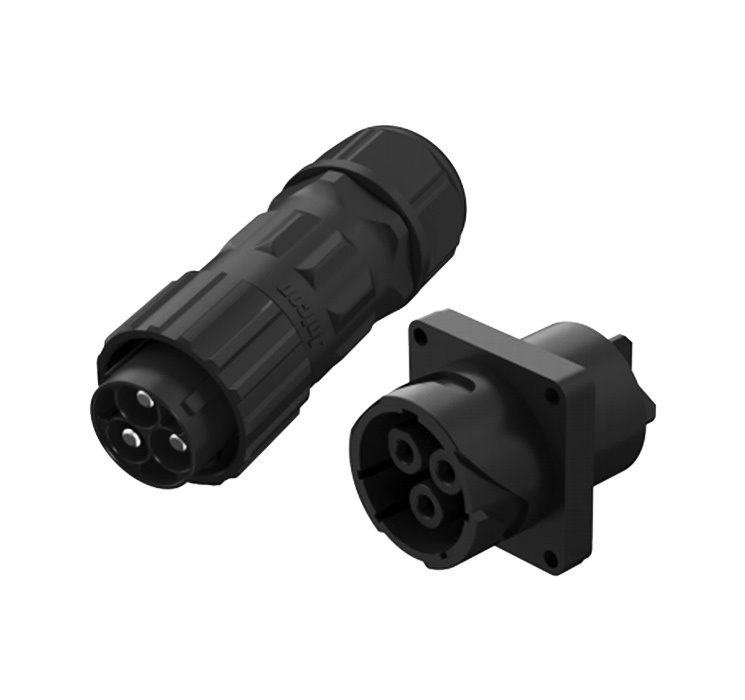
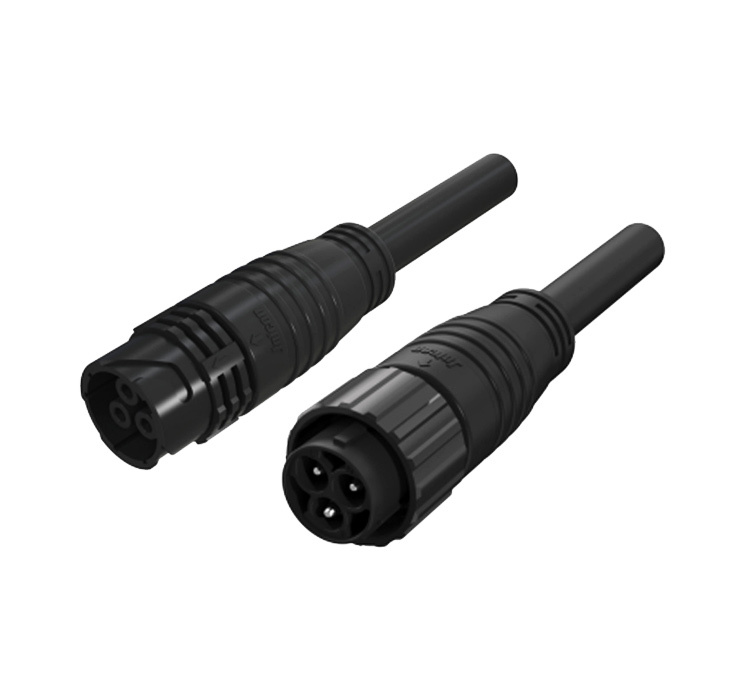
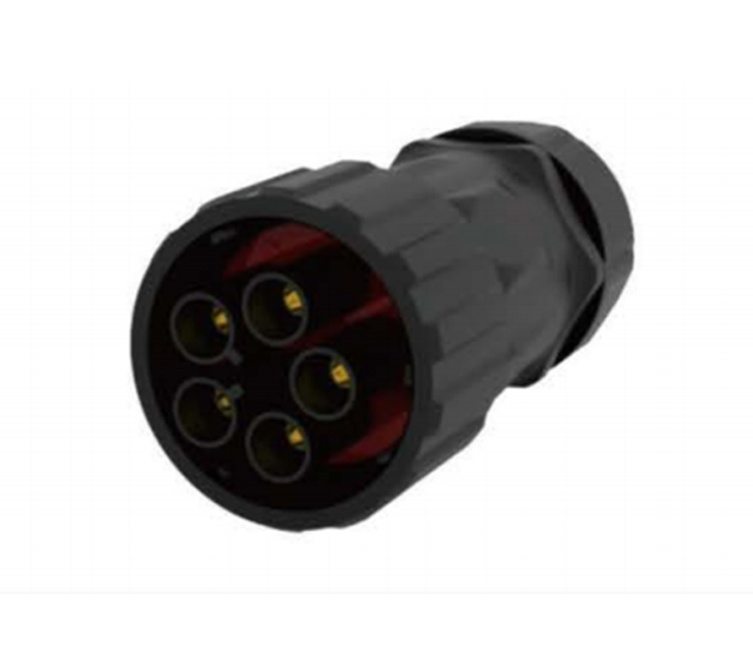
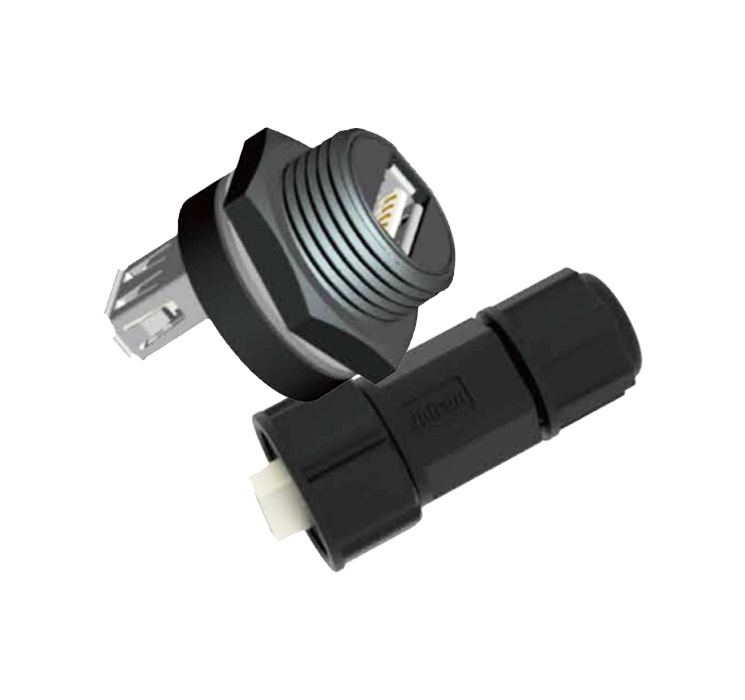
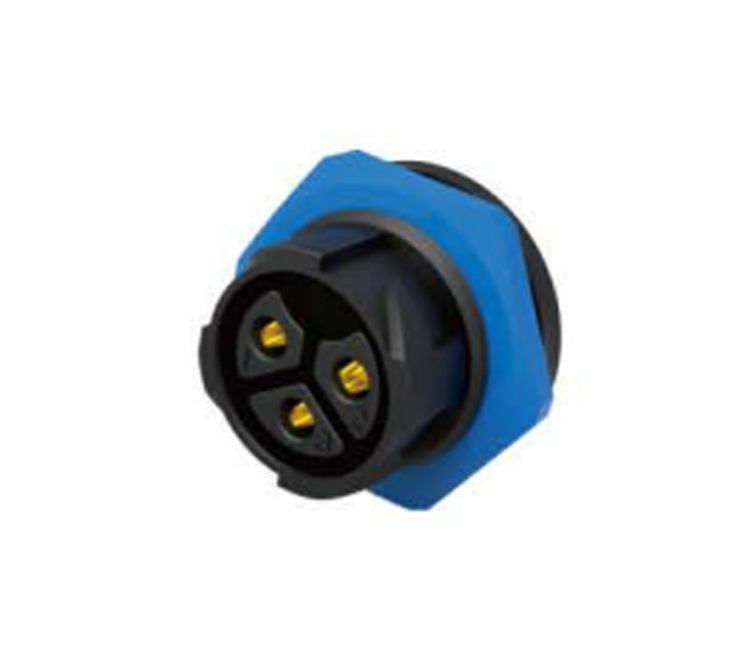
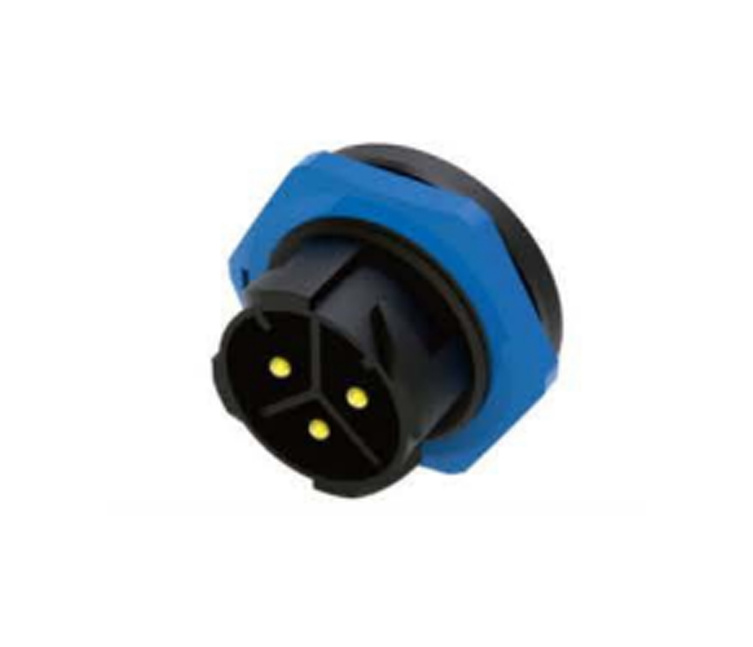
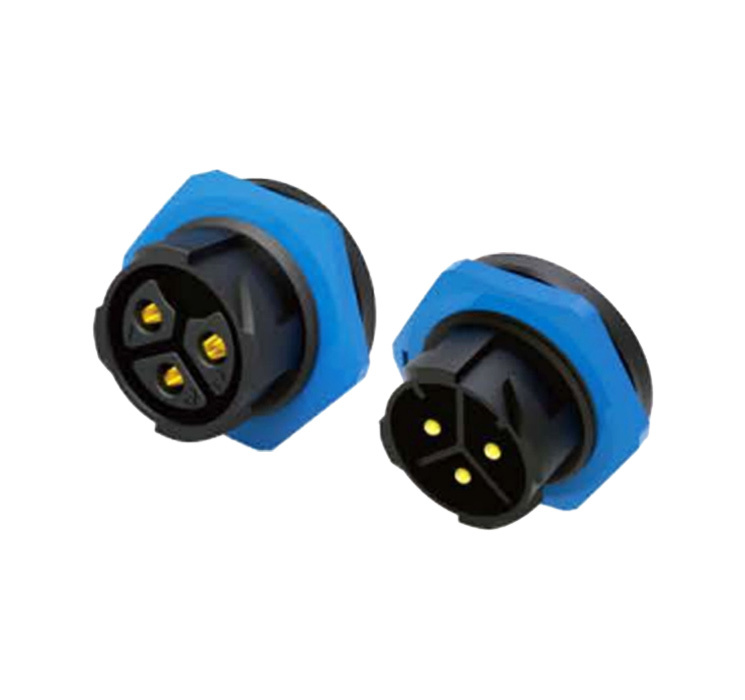
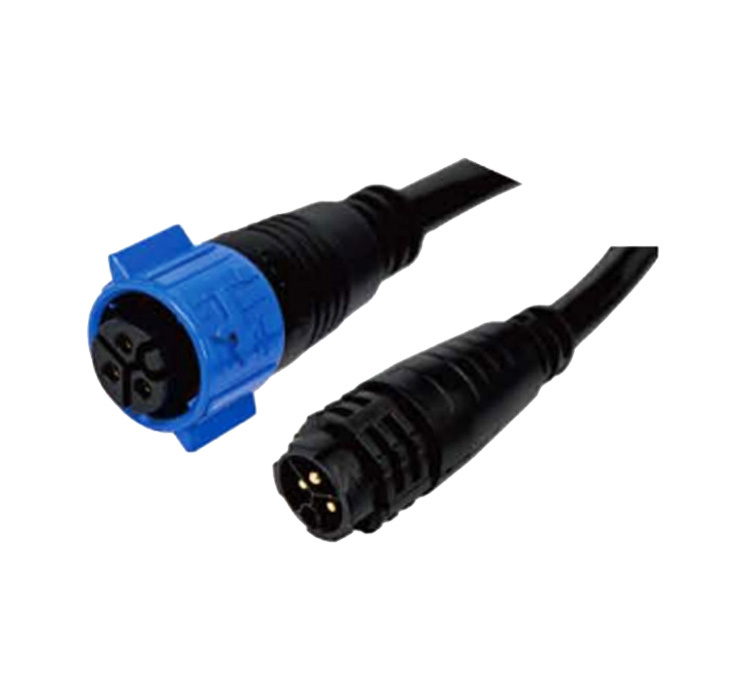
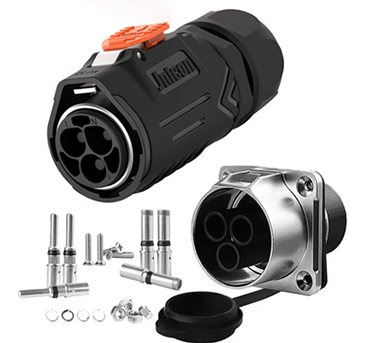
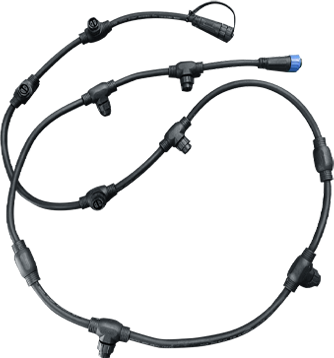
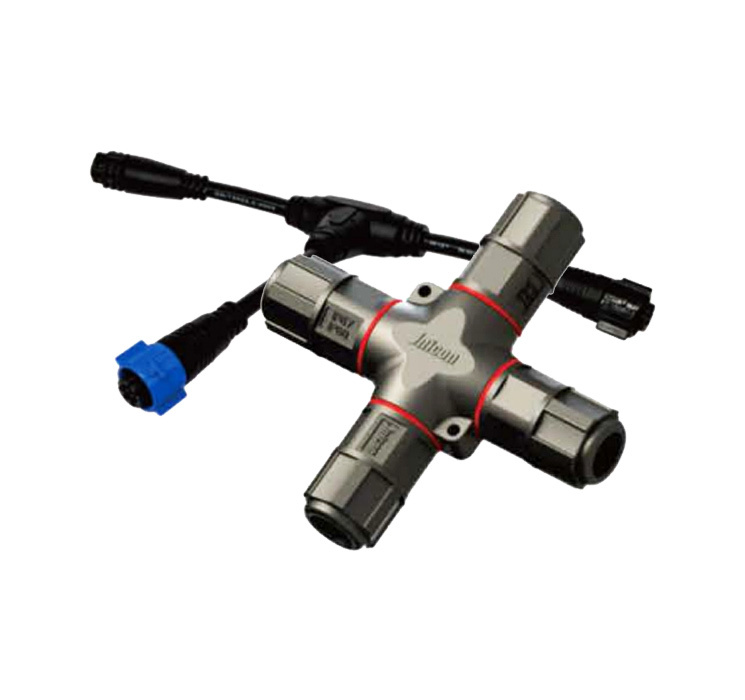
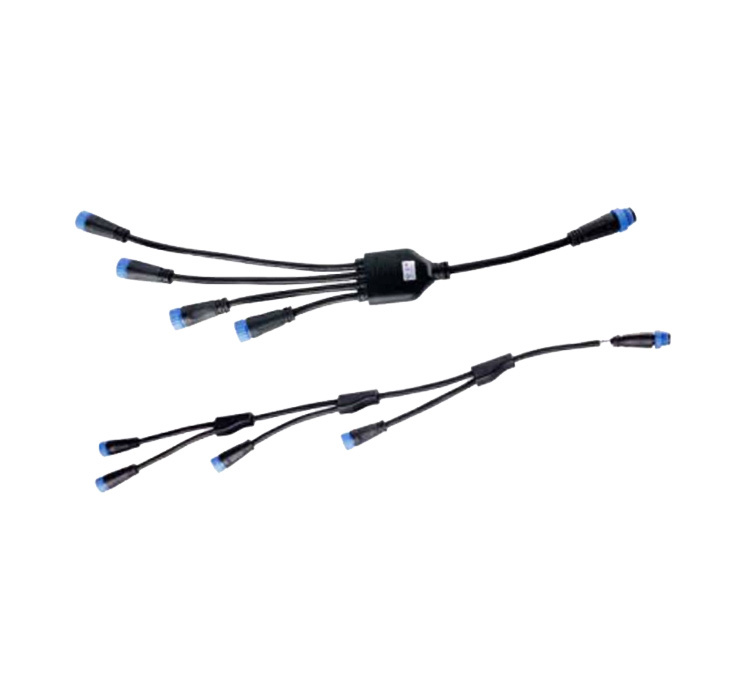
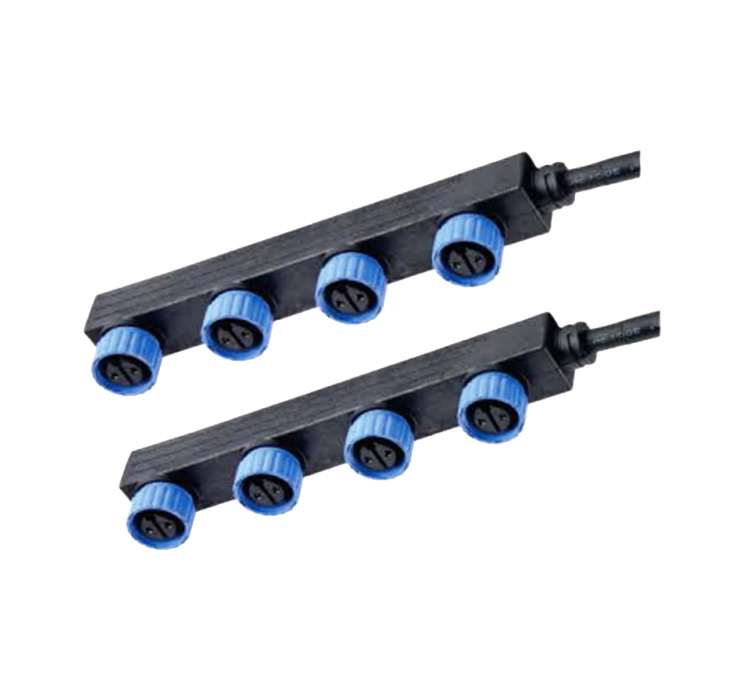
5 Pin Waterproof Connectors play a vital role in ensuring **electrical safety** across various industries. These connectors are designed to provide reliable connections in environments susceptible to moisture and contaminants. The integration of waterproof features significantly reduces the risk of electrical failures, short-circuits, and subsequent hazards. As we delve deeper into the subject, we will uncover the technology and design principles that enhance safety and reliability in electrical connections.
The Importance of Electrical Safety
Electrical safety is paramount in preventing accidents and ensuring the well-being of individuals and property. The consequences of electrical failures can be catastrophic, leading to fires, injuries, or even fatalities. The **importance of using appropriate connectors** cannot be overstated, especially in environments where exposure to water, dust, and other contaminants is prevalent. Employing 5 Pin Waterproof Connectors mitigates risks, providing a more secure electrical connection that can withstand challenging conditions.
Understanding Waterproof Technology in Connectors
Waterproof technology in electrical connectors involves a combination of materials and design features. These connectors often feature **rubber seals**, **gaskets**, and specialized coatings that prevent moisture ingress. The level of waterproofing is typically rated using the Ingress Protection (IP) scale, with higher ratings indicating better resistance to water and solid particles. For instance, a connector rated IP67 can be submerged in water up to 1 meter for a limited time without compromising functionality.
Waterproof Ratings and Their Significance
The IP rating system classifies connectors based on their protection against solids and liquids. Each digit in the rating specifies a different level of protection:
- **First Digit** (Solids): Ranges from 0 (no protection) to 6 (dust-tight).
- **Second Digit** (Liquids): Ranges from 0 (no protection) to 8 (protected against continuous immersion in water).
Understanding these ratings helps users select the right waterproof connectors for their specific applications, ensuring maximum safety and reliability.
Key Features of 5 Pin Waterproof Connectors
5 Pin Waterproof Connectors are equipped with several features that enhance their performance and safety:
1. Durability
Constructed from robust materials like nylon or polycarbonate, these connectors are engineered to withstand harsh environmental conditions. This durability ensures they remain functional even after prolonged exposure to elements.
2. Corrosion Resistance
Many 5 Pin Waterproof Connectors come with corrosion-resistant coatings that protect metal parts from degradation caused by moisture and chemicals, thereby extending their lifespan.
3. Easy Locking Mechanism
A secure locking mechanism is essential for maintaining the integrity of the connection. This feature prevents accidental disconnections, ensuring a stable electrical connection even in dynamic environments.
4. Versatile Compatibility
These connectors are often designed to be compatible with various wire sizes and types, making them versatile for multiple applications.
5. User-Friendly Design
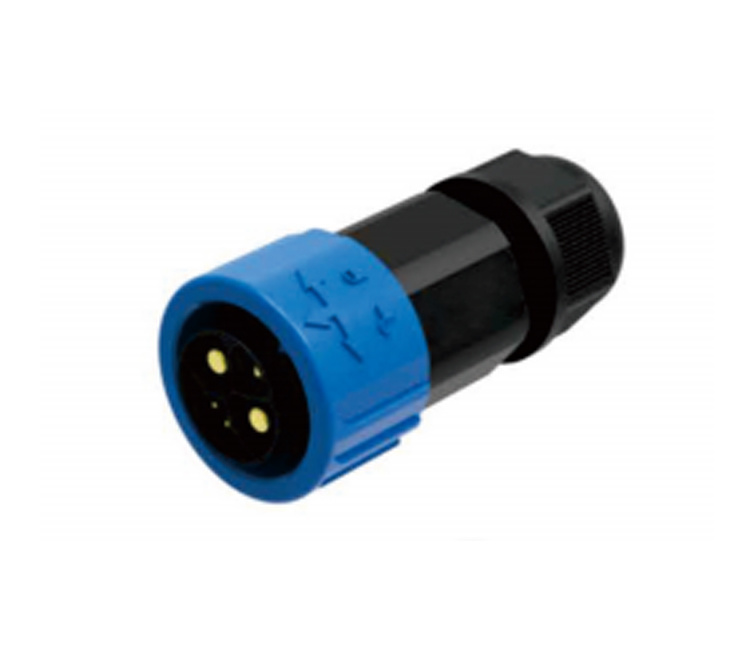
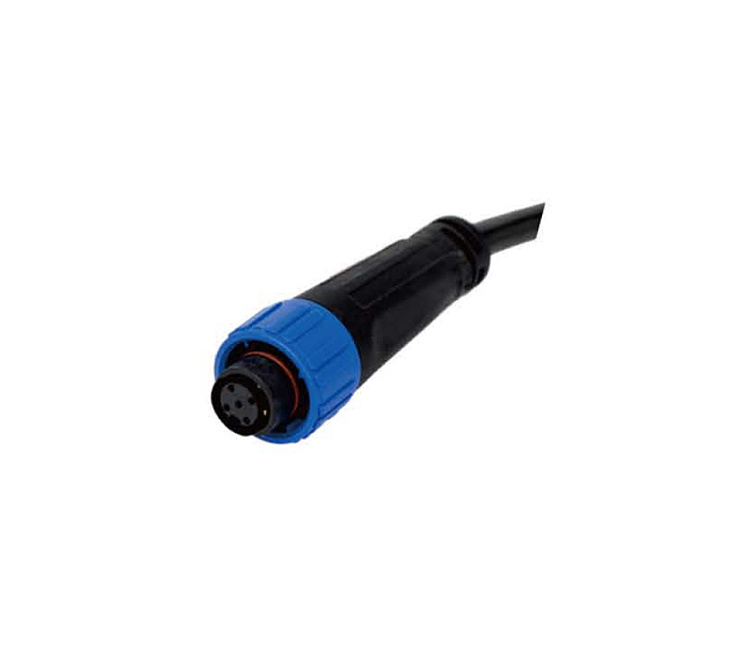
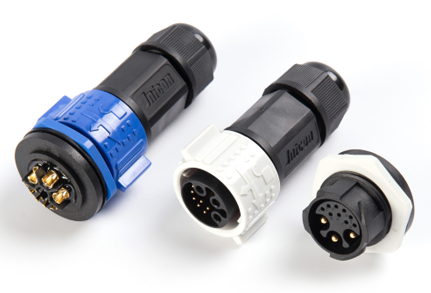
The design of 5 Pin Waterproof Connectors often includes features such as color coding and user-friendly locking systems, making installation and maintenance straightforward.
Applications of 5 Pin Waterproof Connectors
The versatility of 5 Pin Waterproof Connectors makes them suitable for numerous applications across different industries.
1. Automotive Industry
In automotive applications, these connectors ensure reliable connections for various electrical systems, including lighting, sensors, and entertainment systems, all while protecting against moisture and dirt.
2. Marine Applications
In marine environments, where exposure to saltwater is prevalent, 5 Pin Waterproof Connectors are essential for electronics, navigation systems, and lighting, ensuring longevity and safety.
3. Industrial Machinery
Heavy machinery often operates in harsh conditions. Using waterproof connectors protects sensitive electrical components from dust and moisture, thereby enhancing operational safety.
4. Outdoor Lighting
In outdoor lighting applications, waterproof connectors ensure that electrical connections remain stable and safe, even in rain or snow, preventing potential short circuits.
5. Consumer Electronics
Many consumer electronics, including outdoor speakers and garden tools, utilize waterproof connectors to ensure durability and reliability under varying weather conditions.
Installation Guidelines for Optimal Safety
Proper installation of 5 Pin Waterproof Connectors is crucial to ensure their effectiveness in enhancing electrical safety.
1. Choose the Right Connector
Select a connector with an appropriate IP rating for your specific application. Consider factors such as exposure to water, chemicals, and the environment.
2. Ensure Proper Cable Preparation
Before installation, prepare the cables by stripping them accurately and ensuring a clean, even surface for connections. This step is vital for achieving a solid electrical connection.
3. Follow Manufacturer Instructions
Always refer to the manufacturer's guidelines for installation, which provide valuable insights into the specific connector's features and correct usage.
4. Test Connections
After installation, test the connections to ensure they are secure and functioning correctly. Use appropriate testing equipment to check for continuity and insulation resistance.
Maintenance Tips for Longevity
Regular maintenance of 5 Pin Waterproof Connectors can significantly enhance their longevity and performance.
1. Regular Inspections
Conduct periodic inspections of connectors to check for signs of wear, corrosion, or damage. Early detection of issues can prevent larger problems down the line.
2. Clean Connectors As Needed
Keep connectors clean by removing dirt and debris that may accumulate over time. Use a soft brush or cloth to avoid damaging the connectors.
3. Reapply Protective Coatings
If applicable, reapply any protective coatings that may wear off over time, ensuring the connectors remain resistant to moisture and corrosion.
4. Store Properly
When not in use, store connectors in a dry, cool place, away from direct sunlight and extreme temperatures to prevent degradation.
Conclusion
5 Pin Waterproof Connectors are essential components that significantly enhance electrical safety across diverse applications. Their robust design, waterproof technology, and user-friendly features make them indispensable in environments where exposure to moisture and contaminants is a concern. By understanding their importance and implementing proper installation and maintenance practices, users can ensure the longevity and reliability of their electrical connections. Investing in high-quality 5 Pin Waterproof Connectors is a proactive step towards enhancing safety and performance in any electrical system.
FAQs about 5 Pin Waterproof Connectors
1. What is the difference between waterproof and water-resistant connectors?
Waterproof connectors are designed to prevent moisture ingress completely, often rated with high IP ratings. Water-resistant connectors may offer some protection but are not designed for prolonged exposure to water.
2. Can I use 5 Pin Waterproof Connectors for high-voltage applications?
It depends on the specific connector’s ratings. Always refer to the manufacturer’s specifications to ensure the connector is suitable for the voltage levels you intend to use.
3. How do I determine the appropriate IP rating for my application?
Consider the environmental conditions the connector will face, including factors like moisture, dust, and temperature. Choose a connector with an IP rating that aligns with these conditions.
4. Are 5 Pin Waterproof Connectors reusable?
Yes, these connectors can typically be reused if undamaged; however, it’s essential to inspect them thoroughly for wear and tear before reinstallation.
5. What maintenance practices should I follow for 5 Pin Waterproof Connectors?
Regularly inspect for wear, keep them clean, reapply protective coatings as needed, and ensure proper storage when not in use.
News
2026-10-03
Understanding Waterproof Cables: Essential Insights for Electrical Professionals
Waterproof cables are vital components in the electric and electronic industries, especially when it comes to ensuring safe and reliable connections in challenging environments. These cables are designed to resist moisture and prevent water ingress, which can lead to electrical failure and safety hazards. Understanding the intricacies of waterproof cables is essential for electrical professionals
2026-09-30
Discover the Advantages of Using 2 Pin Waterproof Connectors in Harsh Environments
Discover the Advantages of Using 2 Pin Waterproof Connectors in Harsh Environments Table of Contents 1. Introduction to 2 Pin Waterproof Connectors 2. Importance of Waterproof Connectors 3. Design Features of 2 Pin Waterproof Connectors 4. Applications in Various Industries 5. Benefits of Using 2 Pin Waterproof Connectors 6. Installation Guidelines for 2 Pin Waterproof Connectors 7.
2026-09-27
Understanding Industrial Power Connectors: Key Insights for Professionals
Industrial power connectors play a crucial role in the safety and efficiency of electrical systems across various sectors, including manufacturing, energy, and transportation. These connectors are designed to facilitate the transmission of electrical power in rugged environments, ensuring reliable and stable connections. Understanding the types, applications, and selection criteria for industrial

B8-9, Fubilun industrial park, Chaoyang rd,Yanchuan community, Songgang, Shenzhen, China


