
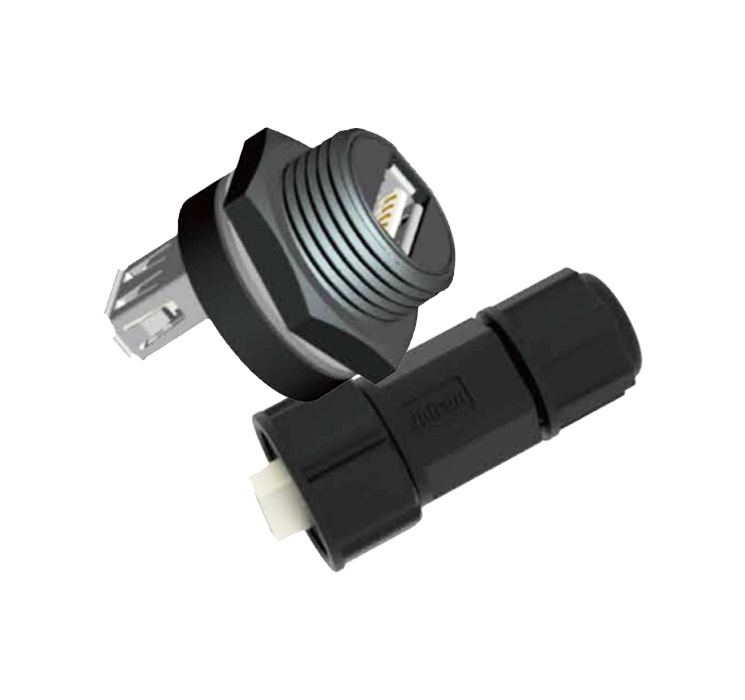
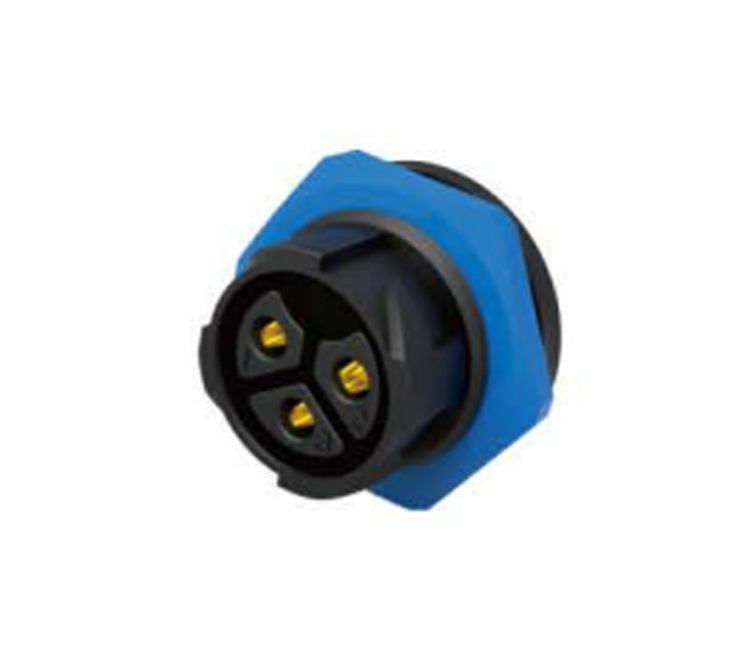
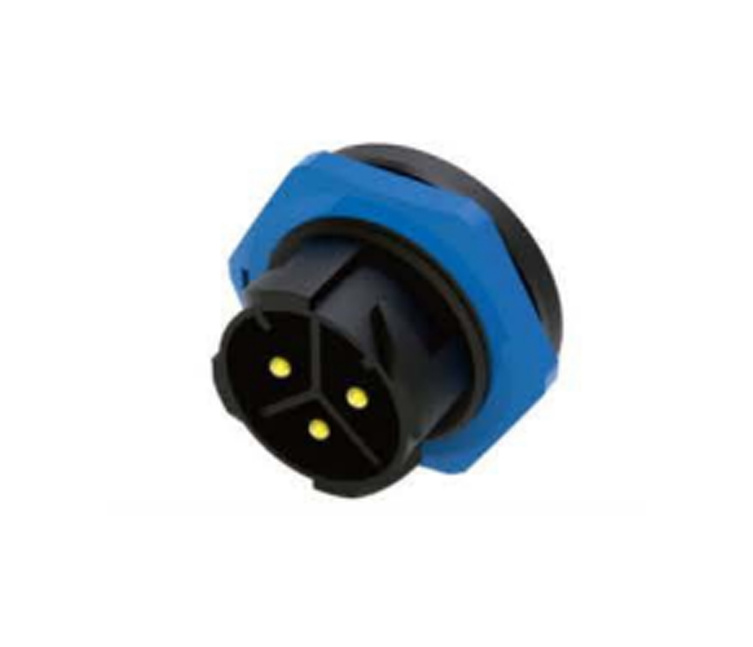
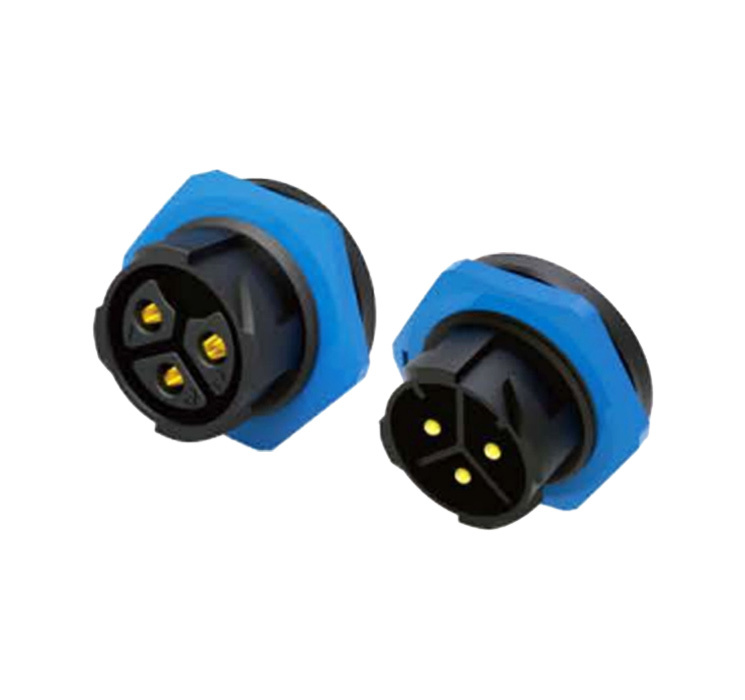


Understanding Industrial Power Connectors: Key Features and Applications
Release Time:
2026-02-09
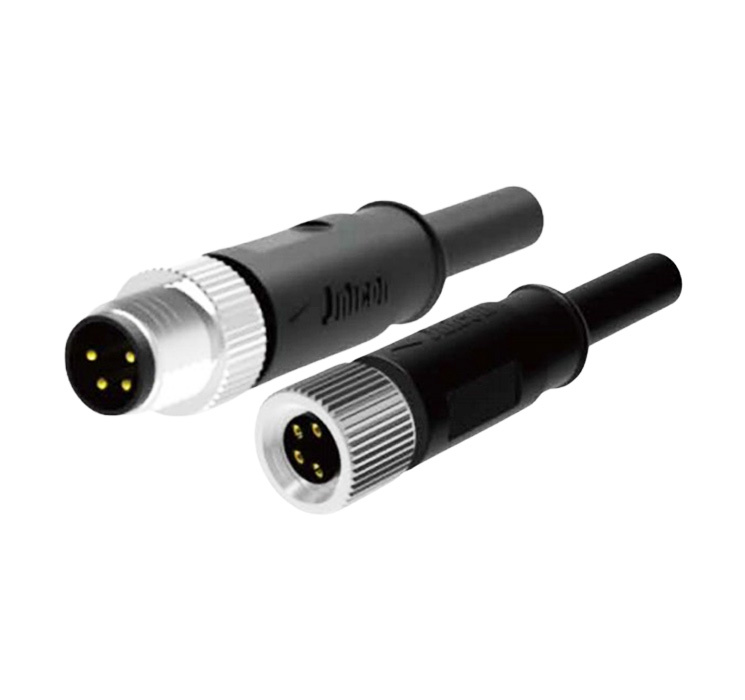
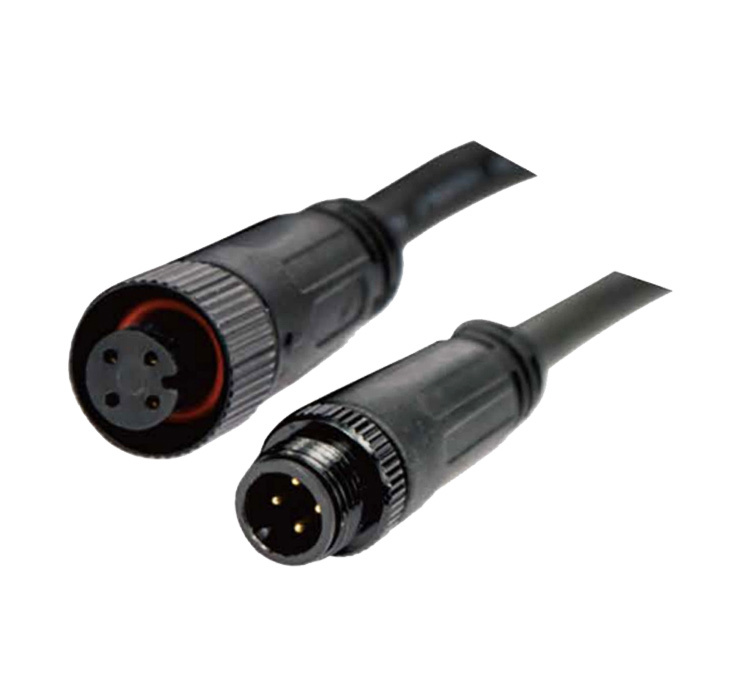
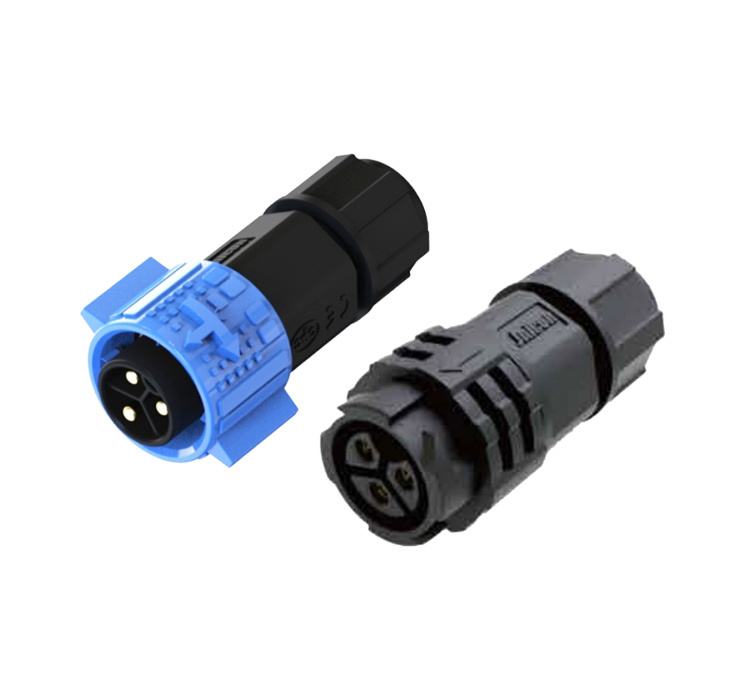
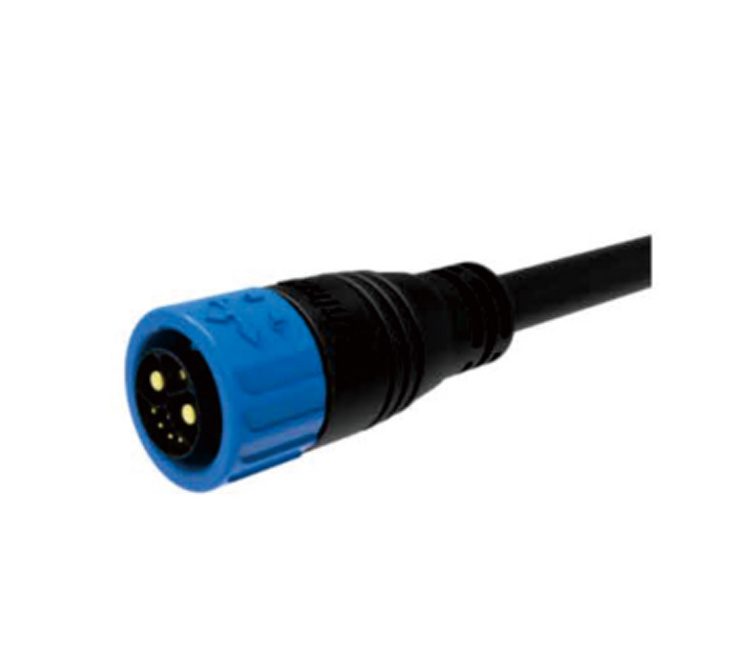
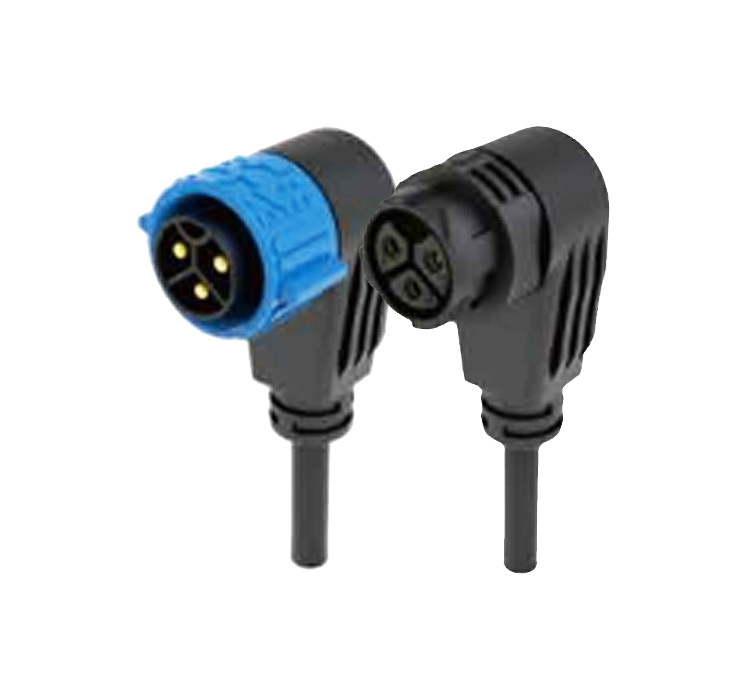
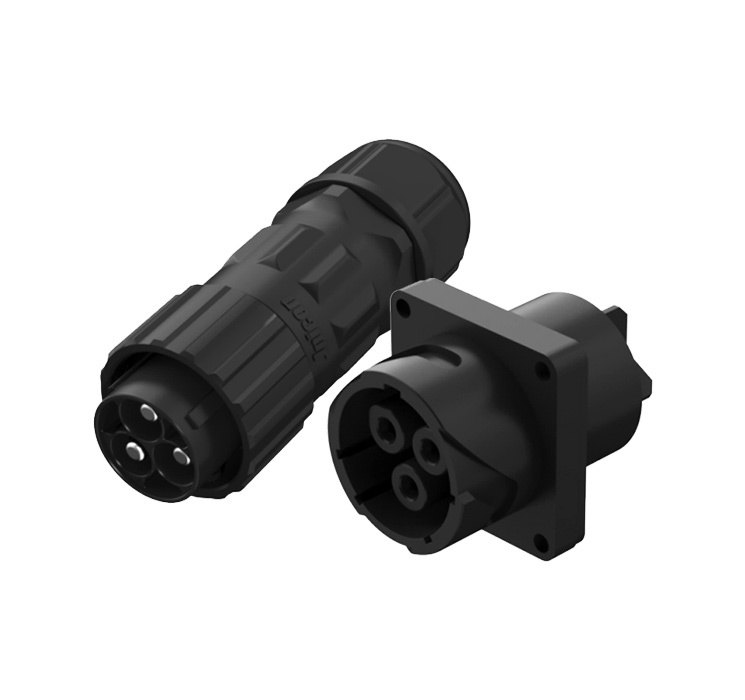
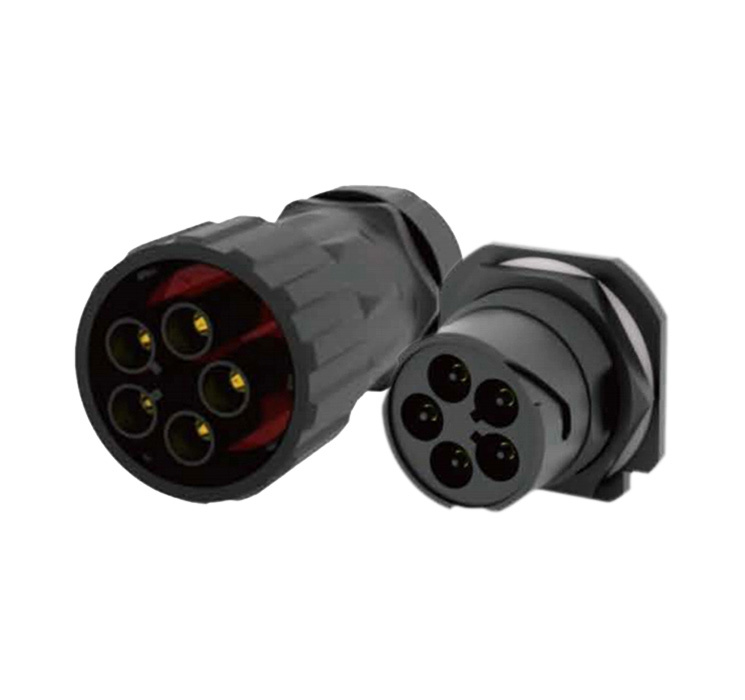
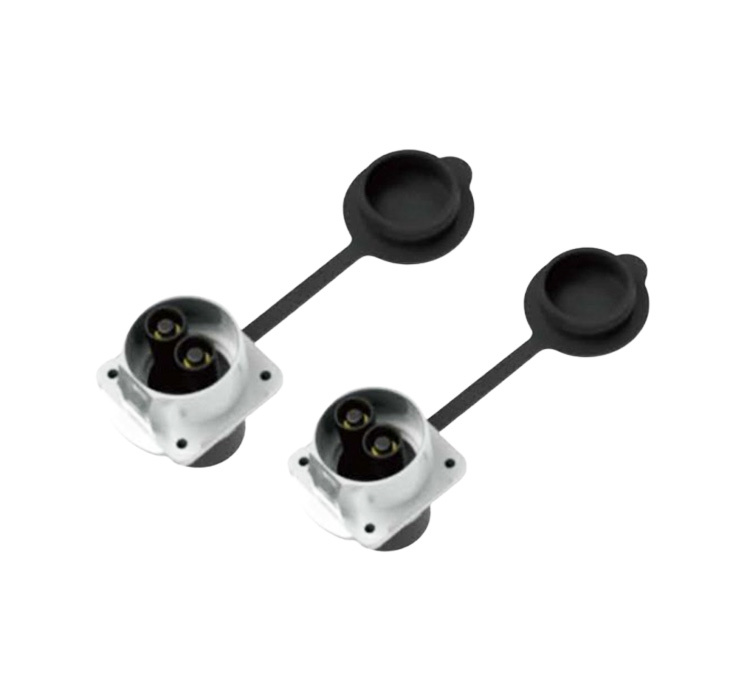
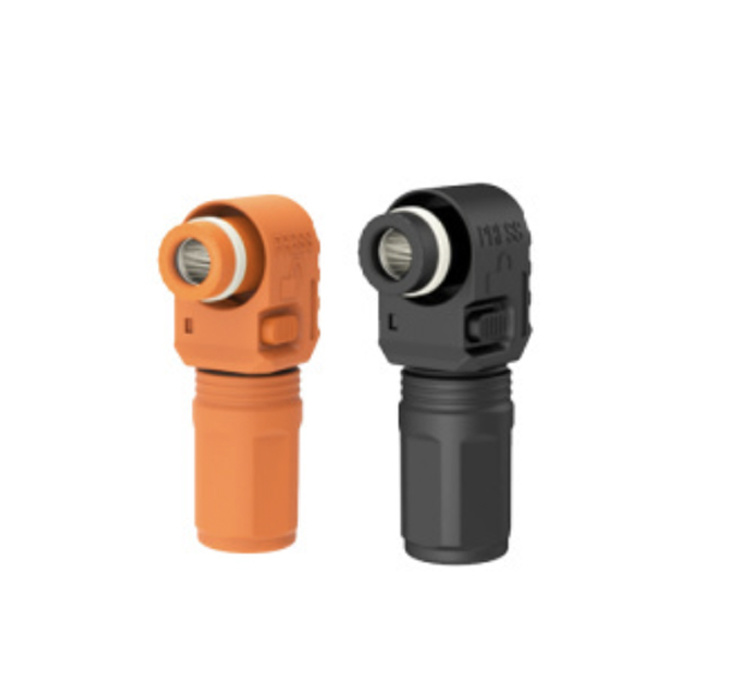
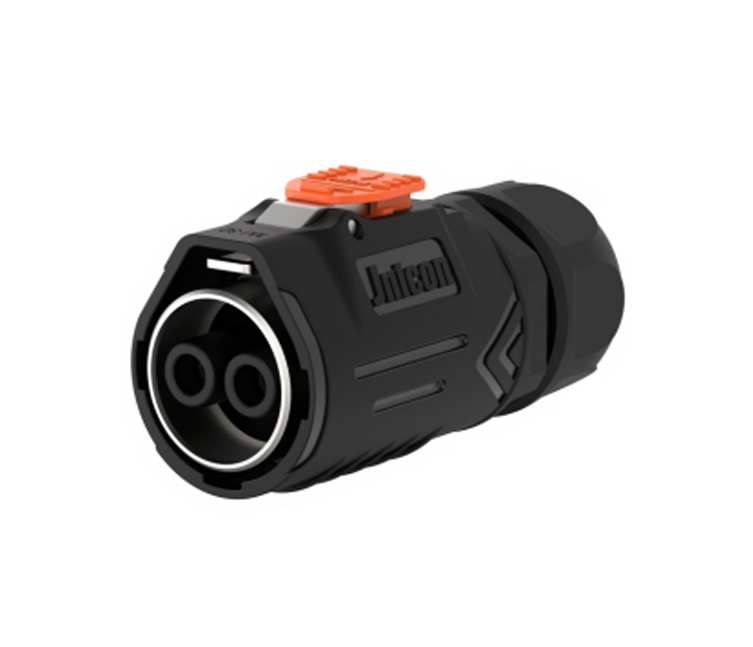
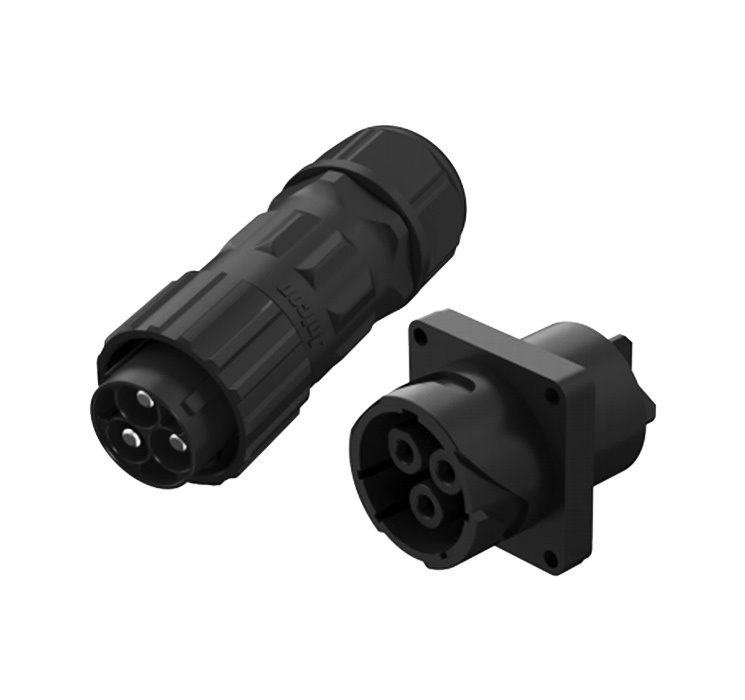
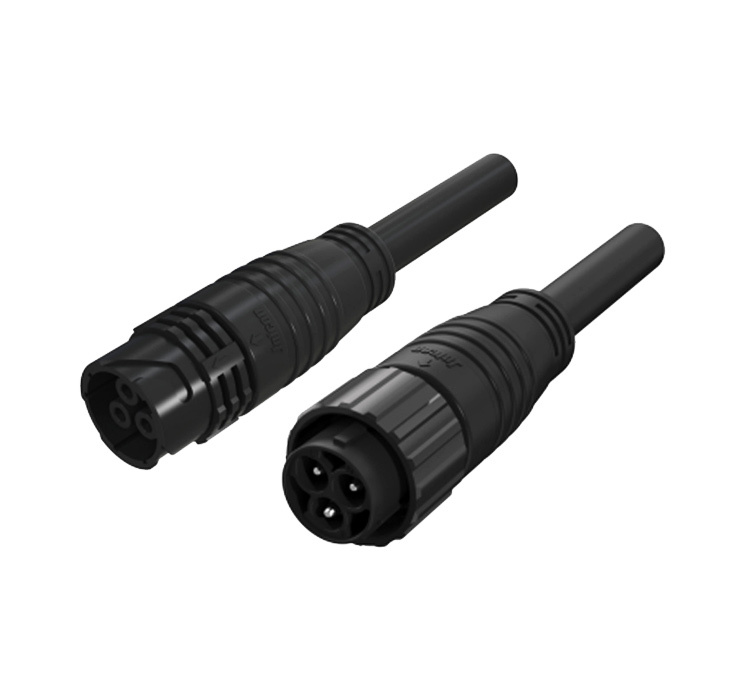
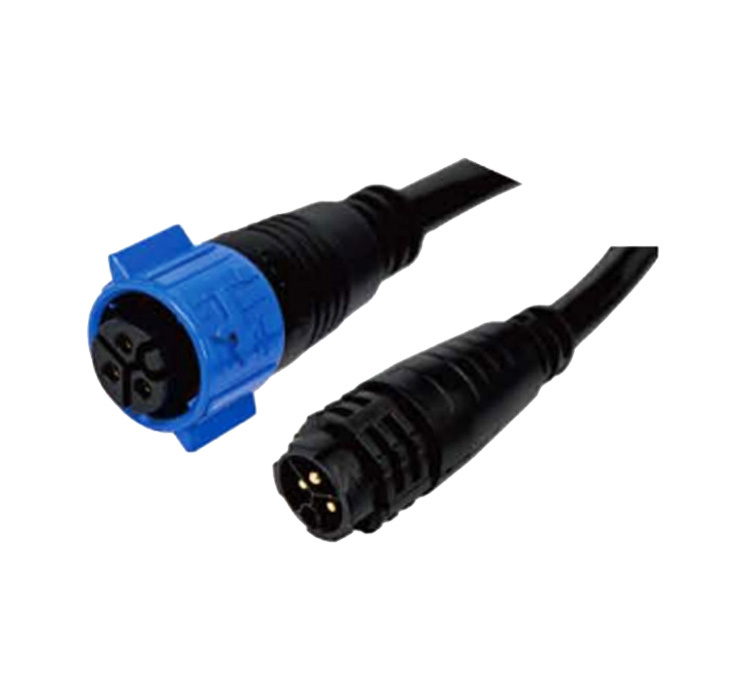
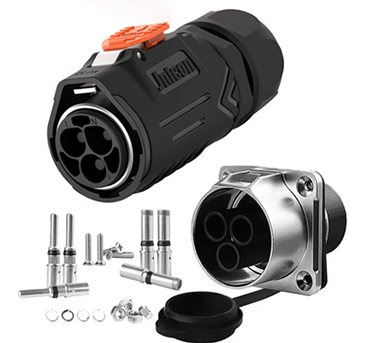
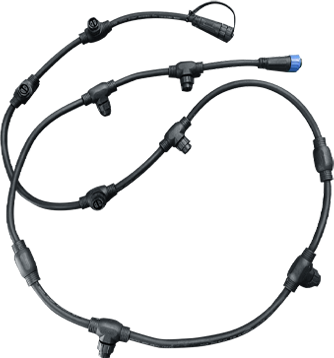
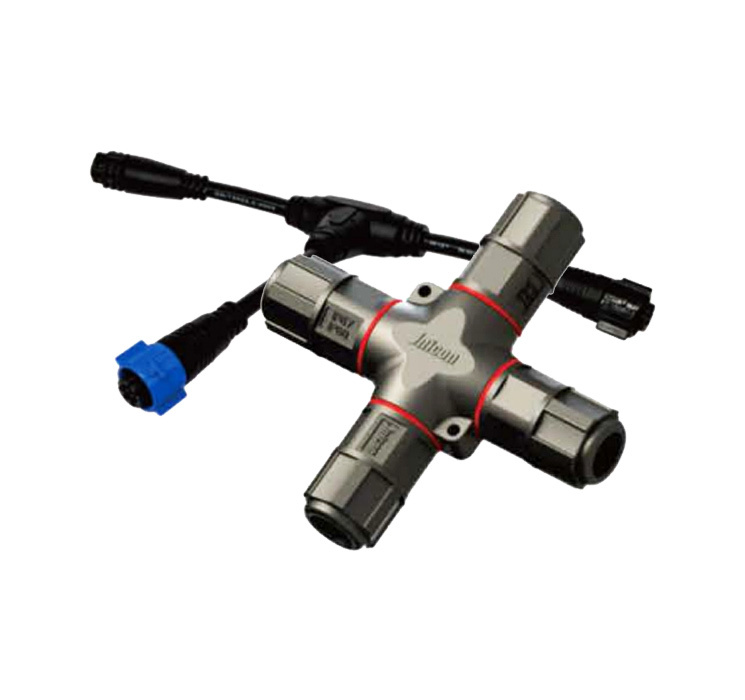
One of the critical features of industrial power connectors is their robust design. These connectors are engineered to withstand harsh conditions, including extreme temperatures, moisture, and mechanical stress. Typically constructed from high-quality materials such as thermoplastic, metal, and rubber, industrial power connectors are designed to ensure durability and longevity. When selecting connectors for a specific application, it's essential to consider the environmental conditions they will be exposed to, as this will significantly impact their performance and reliability.
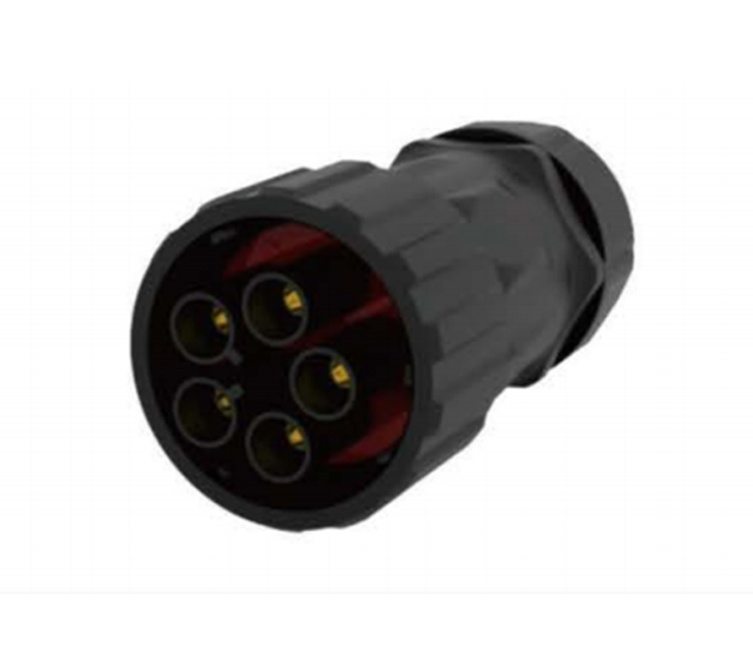
Another important aspect is the electrical specifications of industrial power connectors. These connectors come in various configurations, including different pin sizes, voltage ratings, and current capacities. Understanding the electrical requirements of your application is crucial when choosing the right connector. For instance, connectors designed for high-voltage applications will have different specifications compared to those intended for low-voltage use. Ensuring compatibility with your equipment is key to maintaining safety and efficiency.
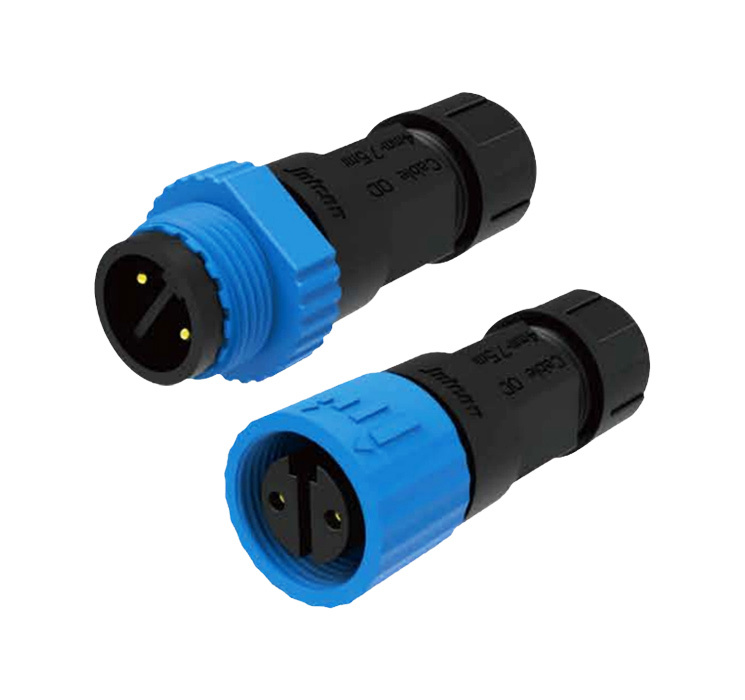
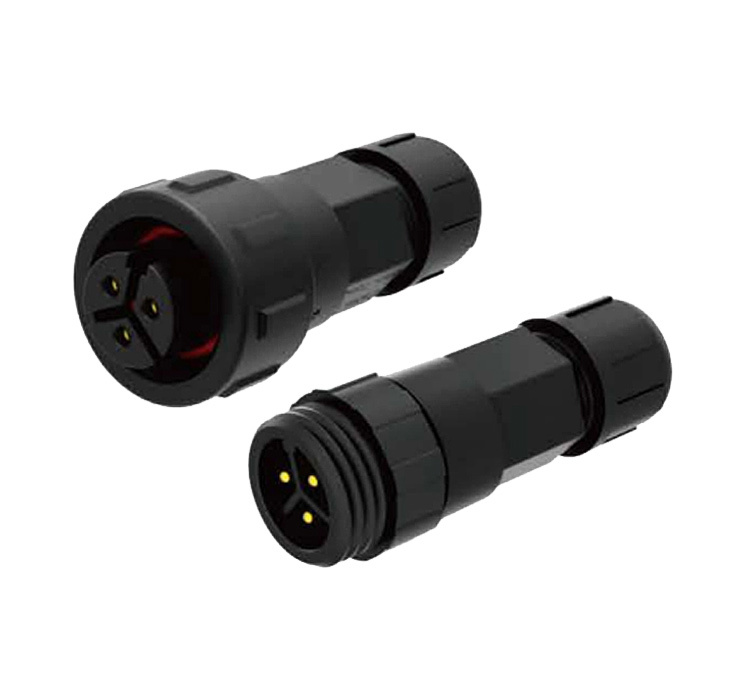
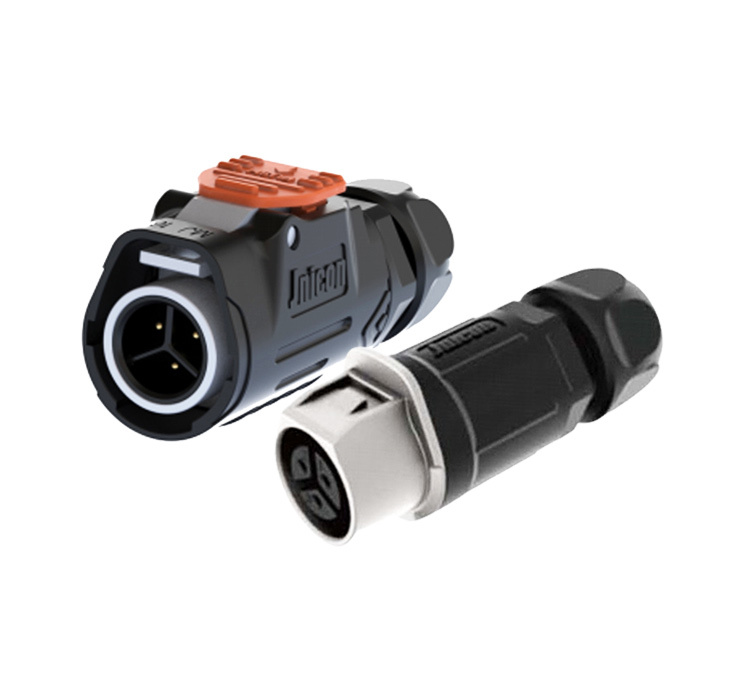
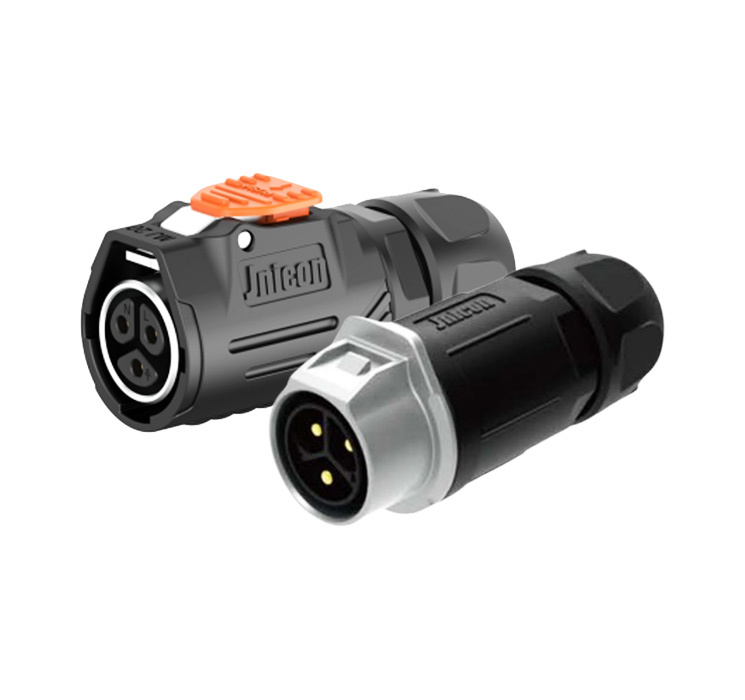
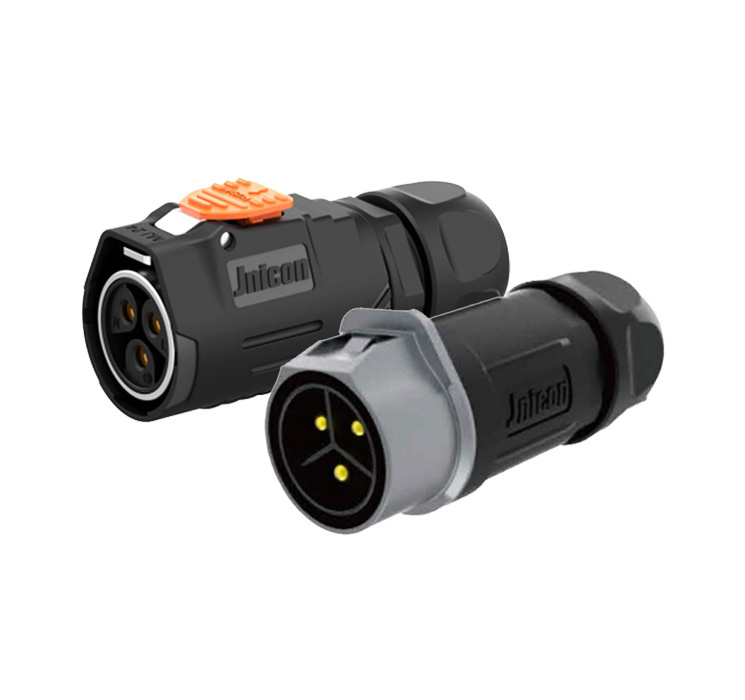
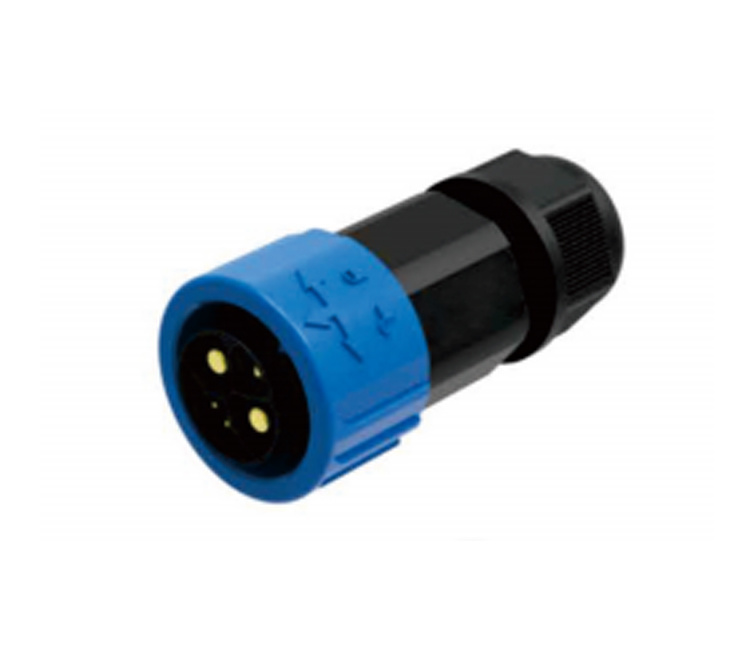
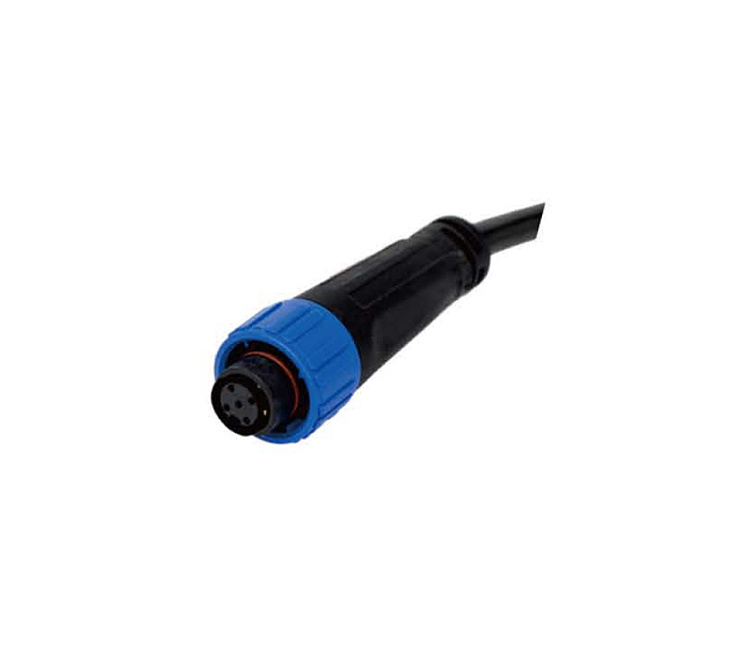
Industrial power connectors also offer various locking mechanisms to ensure a secure connection. These mechanisms prevent accidental disconnection, which can lead to equipment failure and safety hazards. Some common locking methods include threaded couplings, bayonet mounts, and push-pull connectors. The choice of locking mechanism can depend on the specific application and the degree of vibration or movement in the environment.
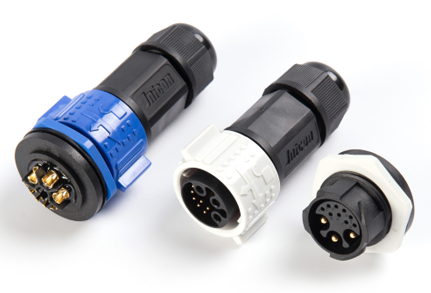
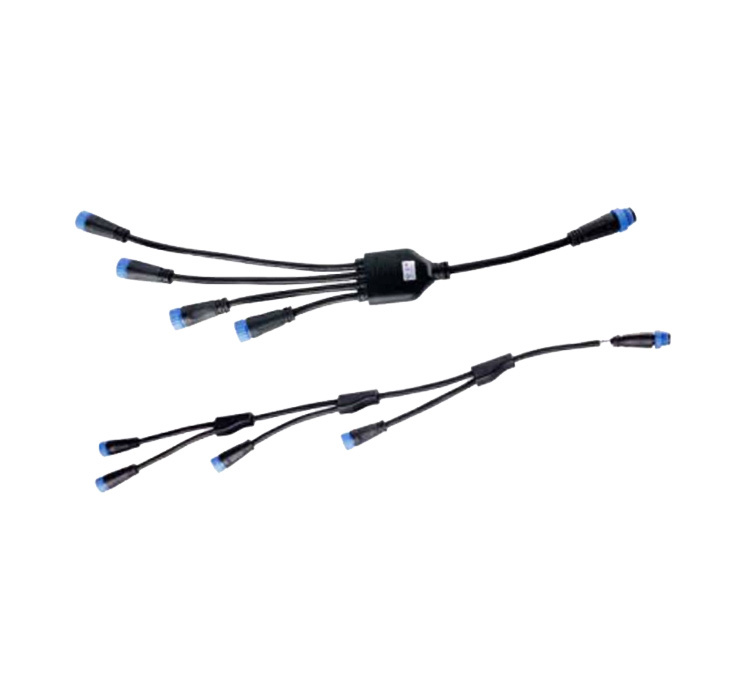
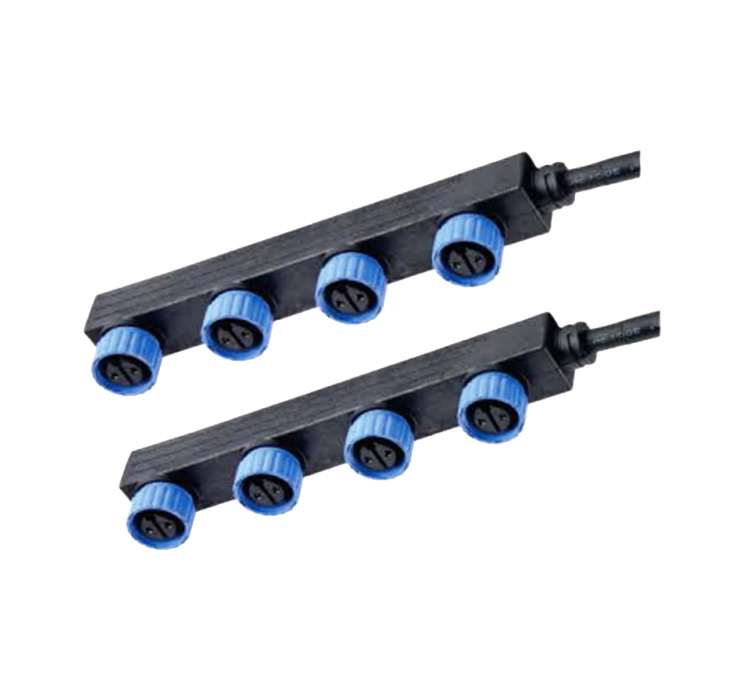
Additionally, industrial power connectors often feature modular designs, allowing for easy customization and scalability. This modularity enables users to configure connectors based on their unique requirements, such as integrating additional signals or power lines. This flexibility can be especially beneficial in industries where equipment needs to be frequently updated or modified.
Moreover, adherence to industry standards is vital when choosing industrial power connectors. Various organizations, such as IEC (International Electrotechnical Commission) and UL (Underwriters Laboratories), set guidelines regarding connector safety, performance, and environmental compliance. Selecting connectors that meet these standards ensures that they are reliable and safe for use in industrial applications.
In conclusion, industrial power connectors are a fundamental component in electrical engineering, crucial for safe and efficient power transmission. Their robust design, electrical specifications, locking mechanisms, modularity, and adherence to industry standards make them an essential consideration for professionals in the field. Understanding these aspects helps ensure the right choice of connectors, leading to enhanced operational efficiency and safety in various industrial applications.
News
2026-10-03
Understanding Waterproof Cables: Essential Insights for Electrical Professionals
Waterproof cables are vital components in the electric and electronic industries, especially when it comes to ensuring safe and reliable connections in challenging environments. These cables are designed to resist moisture and prevent water ingress, which can lead to electrical failure and safety hazards. Understanding the intricacies of waterproof cables is essential for electrical professionals
2026-09-30
Discover the Advantages of Using 2 Pin Waterproof Connectors in Harsh Environments
Discover the Advantages of Using 2 Pin Waterproof Connectors in Harsh Environments Table of Contents 1. Introduction to 2 Pin Waterproof Connectors 2. Importance of Waterproof Connectors 3. Design Features of 2 Pin Waterproof Connectors 4. Applications in Various Industries 5. Benefits of Using 2 Pin Waterproof Connectors 6. Installation Guidelines for 2 Pin Waterproof Connectors 7.
2026-09-27
Understanding Industrial Power Connectors: Key Insights for Professionals
Industrial power connectors play a crucial role in the safety and efficiency of electrical systems across various sectors, including manufacturing, energy, and transportation. These connectors are designed to facilitate the transmission of electrical power in rugged environments, ensuring reliable and stable connections. Understanding the types, applications, and selection criteria for industrial

B8-9, Fubilun industrial park, Chaoyang rd,Yanchuan community, Songgang, Shenzhen, China


