
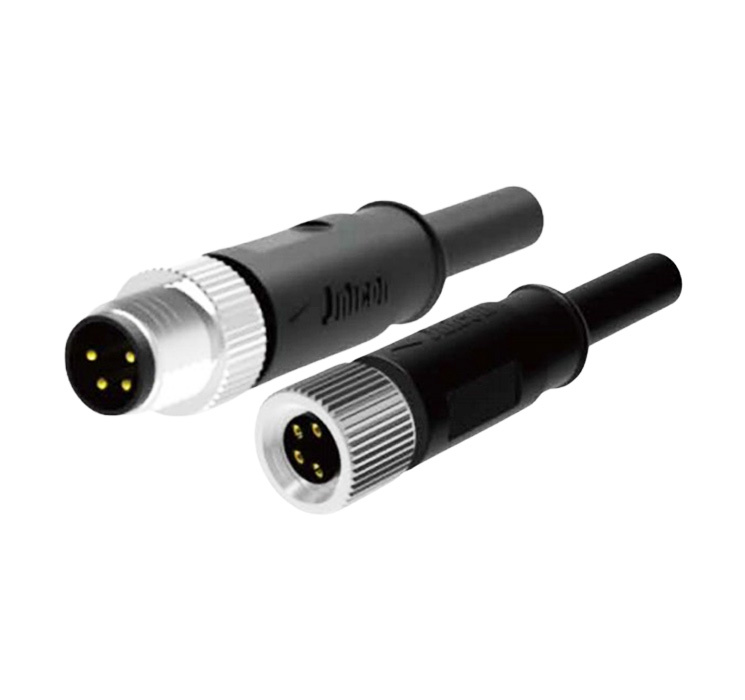
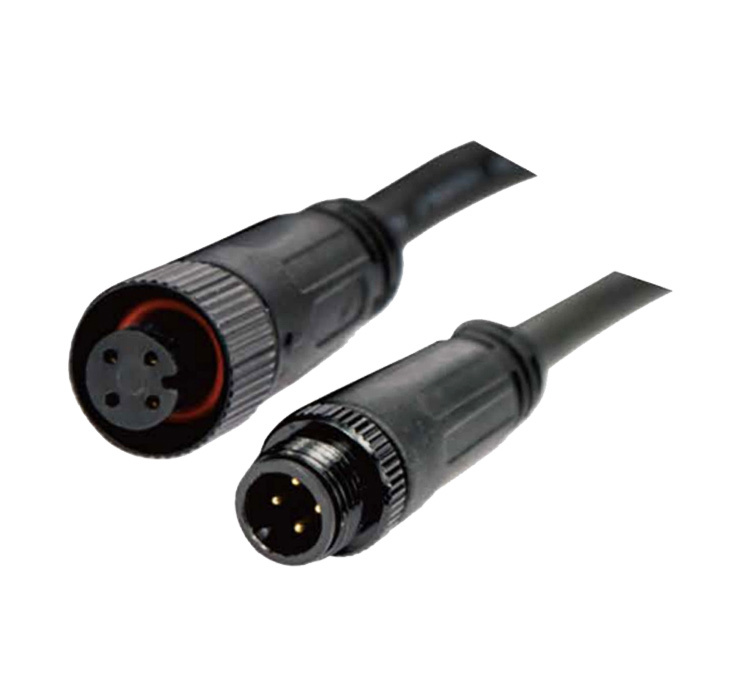
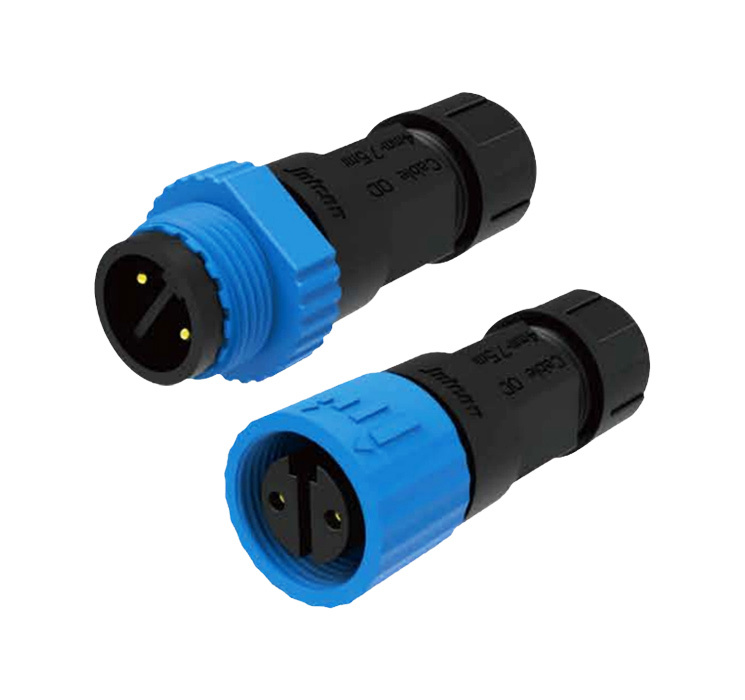
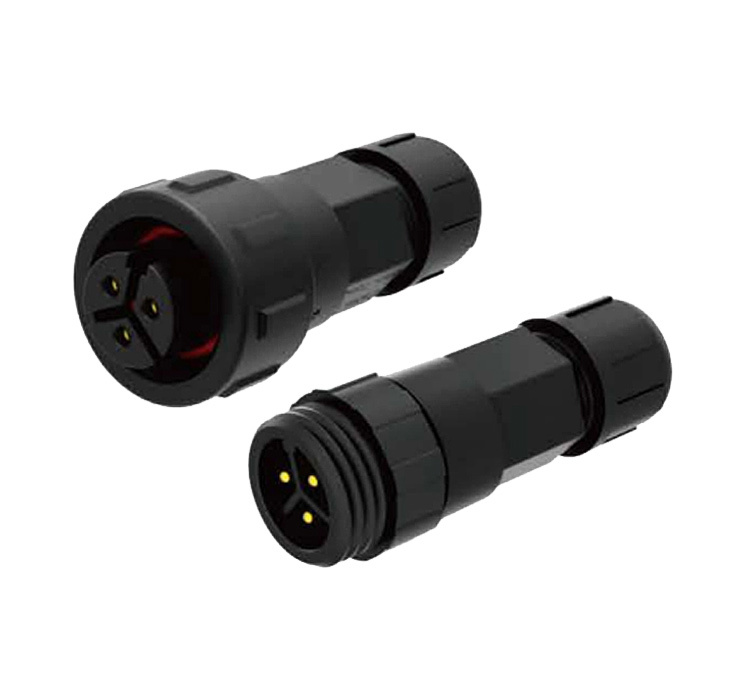
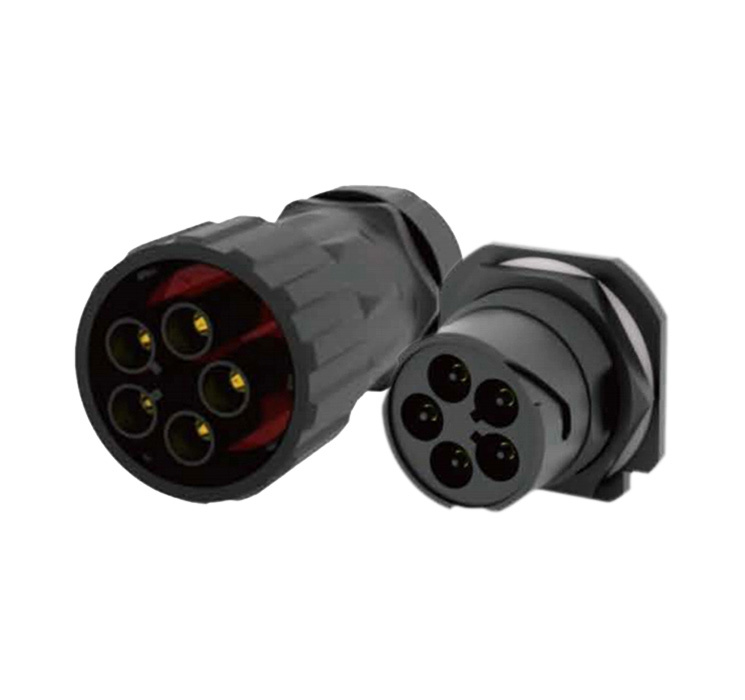
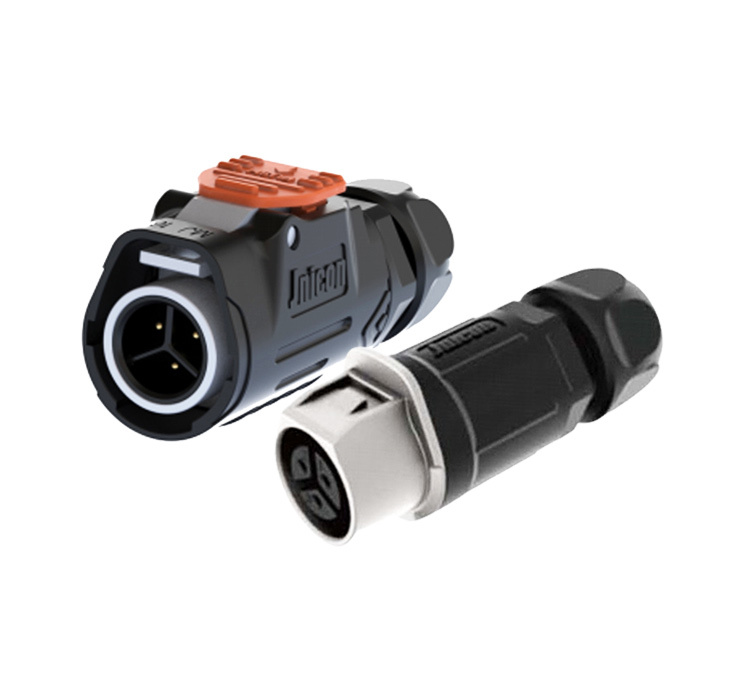
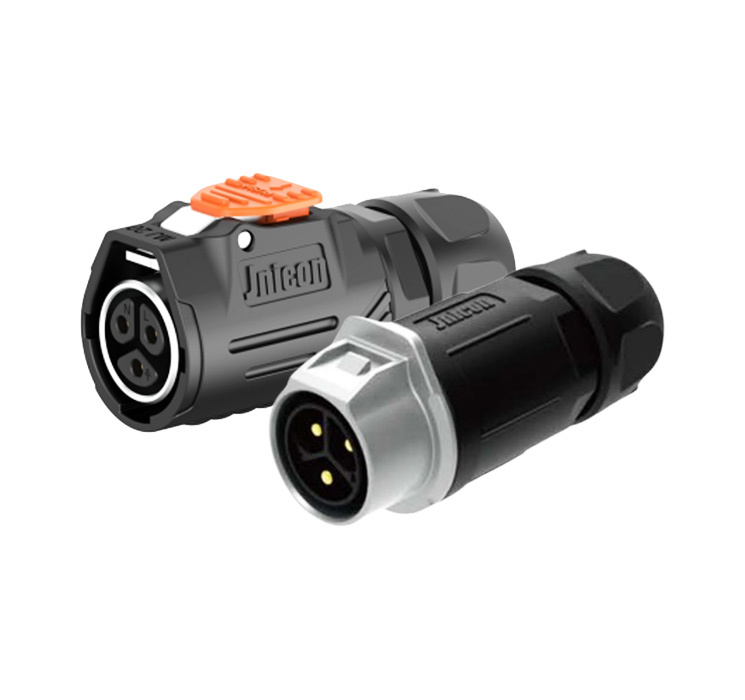
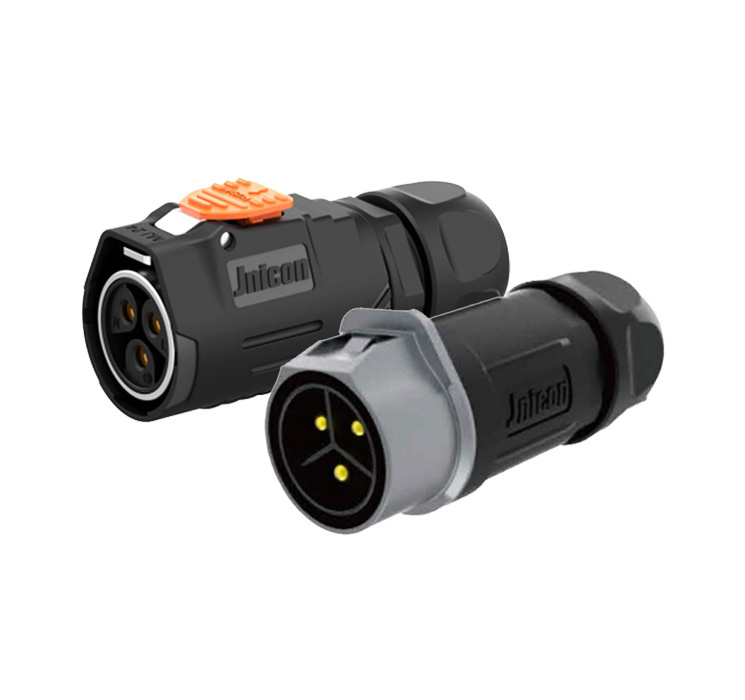


The Future of Automotive Wiring: Innovations in Waterproof Wire Harness Technology
Release Time:
2026-02-10
The Future of Automotive Wiring: Innovations in Waterproof Wire Harness Technology
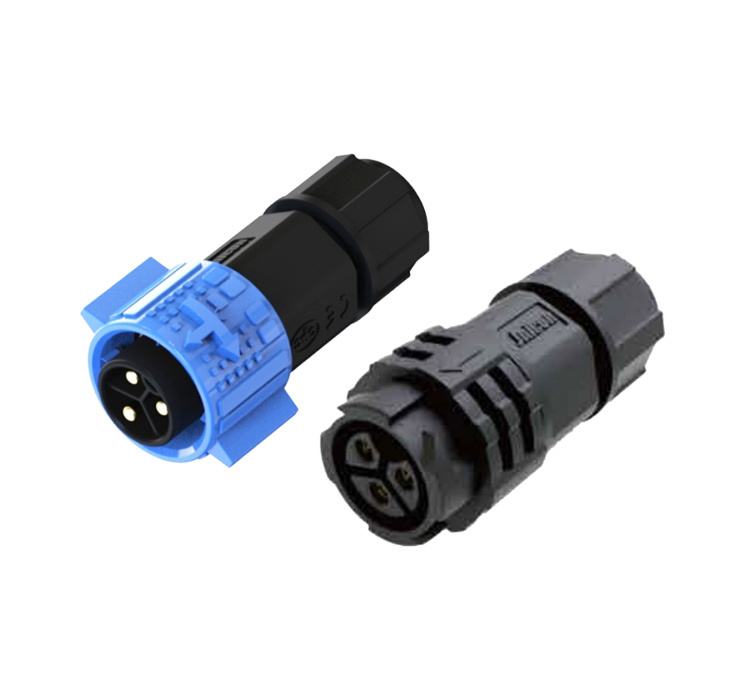
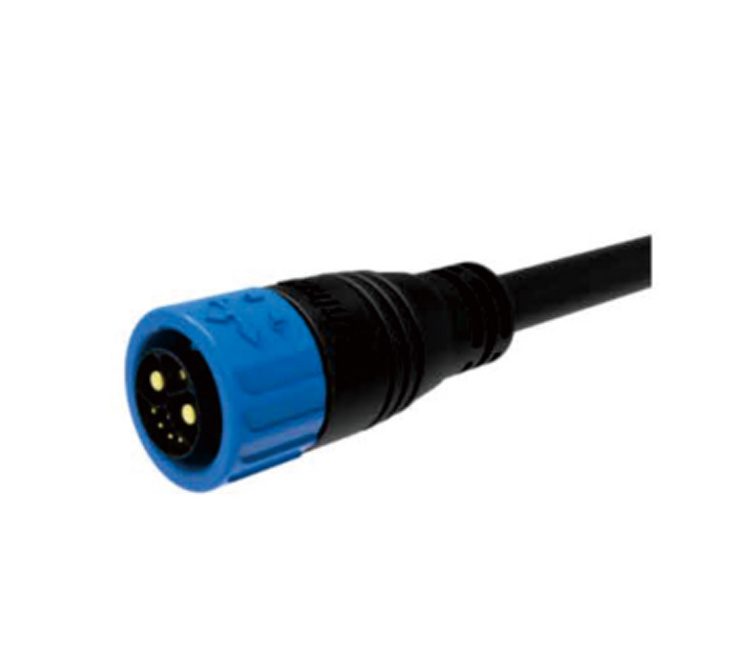
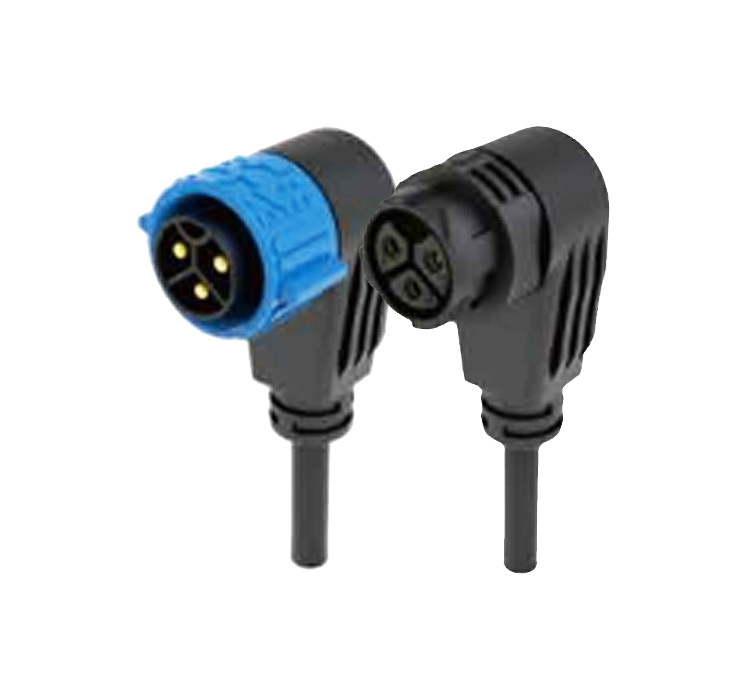
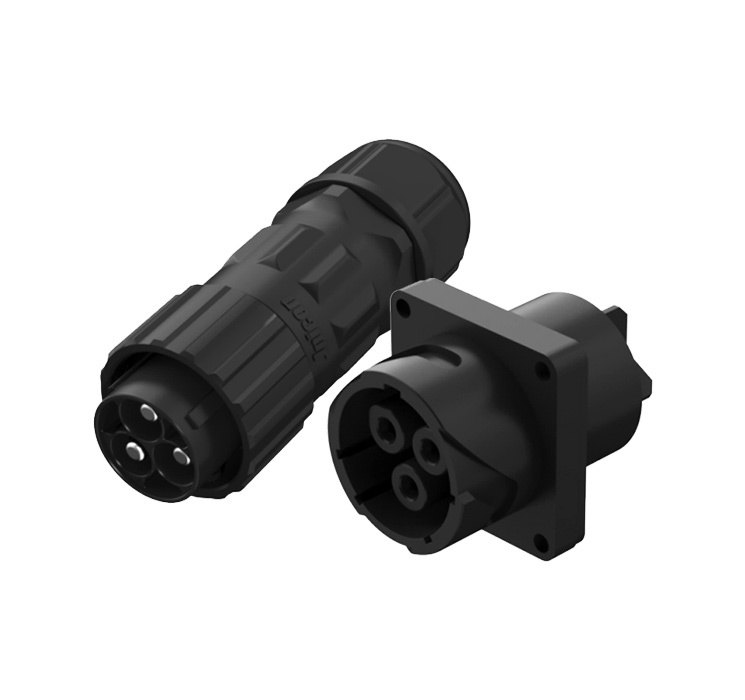
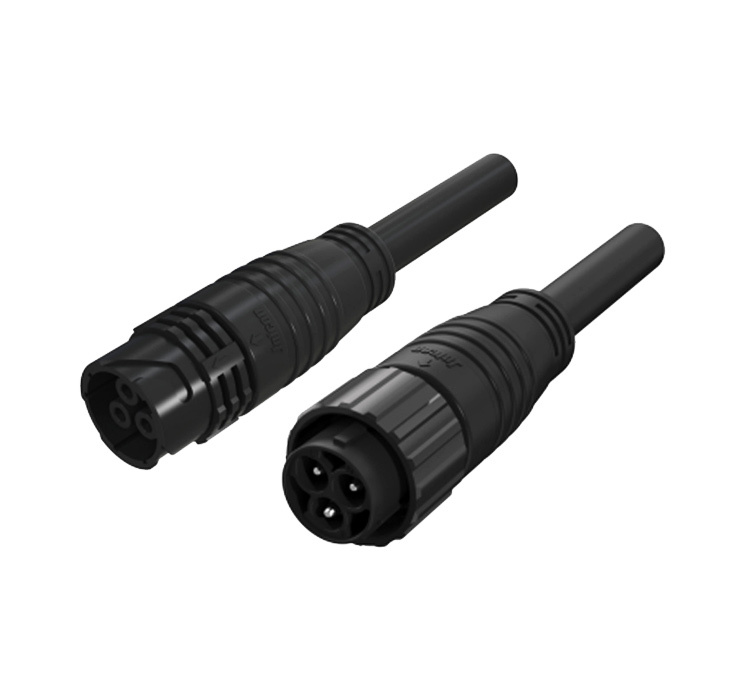
As the automotive industry continues to evolve, the need for reliable and efficient electrical systems has never been more critical. **Waterproof wire harness technology** is at the forefront of this evolution, providing solutions that enhance the durability and functionality of automotive wiring. This article explores the innovations in waterproof wire harness technology, examining their impact on vehicle performance, safety, and longevity.
Table of Contents
- Introduction to Automotive Wire Harnesses
- The Importance of Waterproof Wire Harness Technology
- Technological Advancements in Waterproof Wire Harnesses
- Manufacturing Process of Waterproof Wire Harnesses
- Applications of Waterproof Wire Harness Technology in Modern Vehicles
- Challenges Facing Waterproof Wire Harness Technology
- Future Trends in Automotive Wiring Technology
- Conclusion
- FAQs About Waterproof Wire Harness Technology
Introduction to Automotive Wire Harnesses
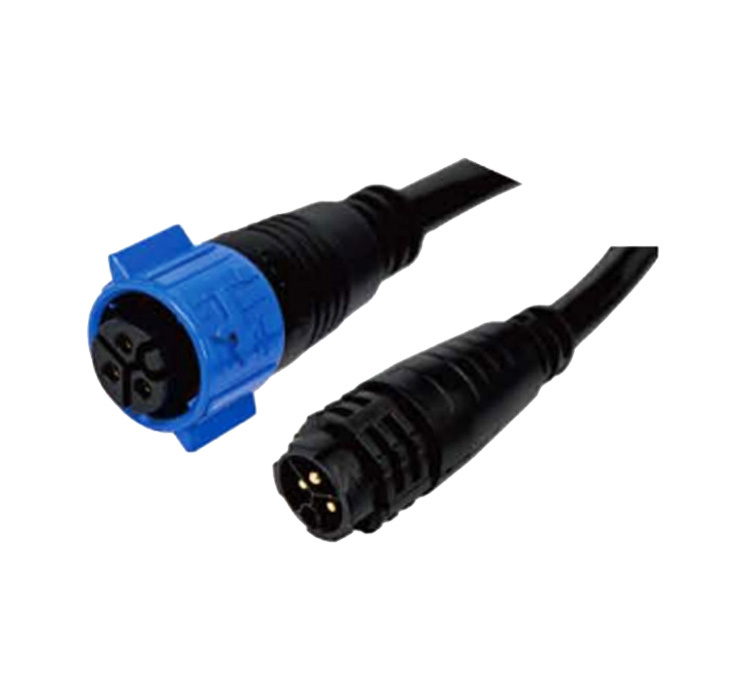
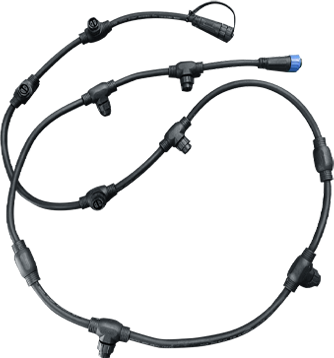
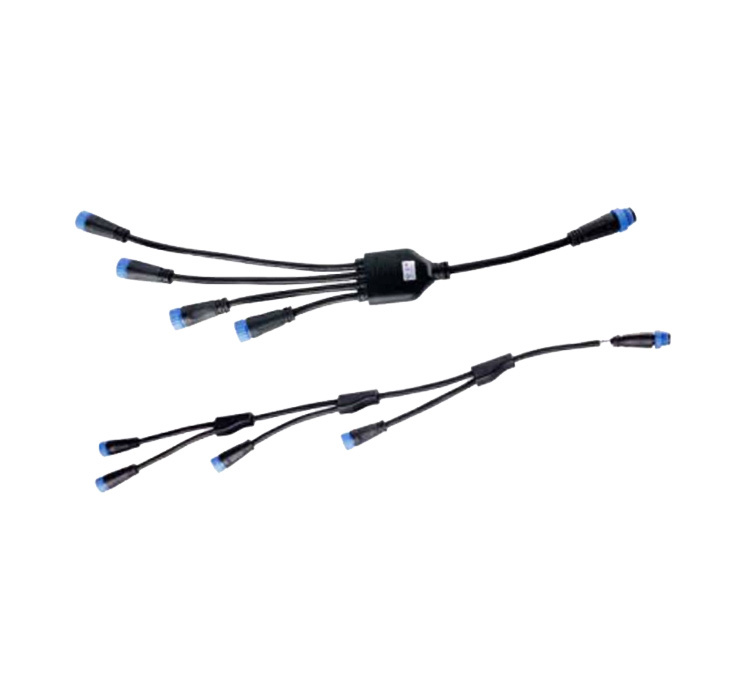
**Automotive wire harnesses** play a crucial role in the electrical systems of vehicles. They are a collection of wires, connectors, and terminals that transmit electrical power and signals throughout the vehicle. As vehicles incorporate more advanced technologies, the complexity of their wiring systems increases. This complexity necessitates innovations in wire harness technology, particularly in enhancing **waterproofing capabilities** to withstand harsh environments.
The Evolution of Wire Harness Technology
The evolution of automotive wiring has been marked by significant advancements in materials and design. Early wire harnesses were prone to wear and corrosion, which often led to electrical failures. However, with the introduction of **advanced materials** and protective coatings, modern wire harnesses are more resilient, particularly against moisture and contaminants.
The Importance of Waterproof Wire Harness Technology
Waterproof wire harness technology is essential for several reasons:
Enhancing Durability and Reliability
Components within a vehicle are often exposed to moisture, dirt, and extreme temperatures. **Waterproofing wire harnesses** protects them from potential damage, ensuring the reliability and longevity of electrical systems. By preventing corrosion and short circuits, this technology minimizes the risk of electrical failures that can impact vehicle performance.
Improving Safety Standards
Electrical failures in vehicles can lead to dangerous situations, including fires or complete system failures. By utilizing waterproof wire harness technology, manufacturers can enhance safety standards, providing drivers with peace of mind and protecting passengers.
Technological Advancements in Waterproof Wire Harnesses
Recent technological advancements have transformed waterproof wire harnesses into sophisticated components designed to meet modern automotive needs. Notable innovations include:
Advanced Insulation Materials
The development of advanced insulation materials has significantly improved the waterproofing capabilities of wire harnesses. **Thermoplastic elastomers (TPE)** and **polyvinyl chloride (PVC)** are commonly used materials that provide excellent insulation, flexibility, and resistance to moisture.
Sealing Technologies
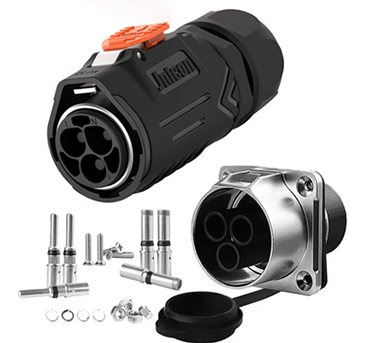
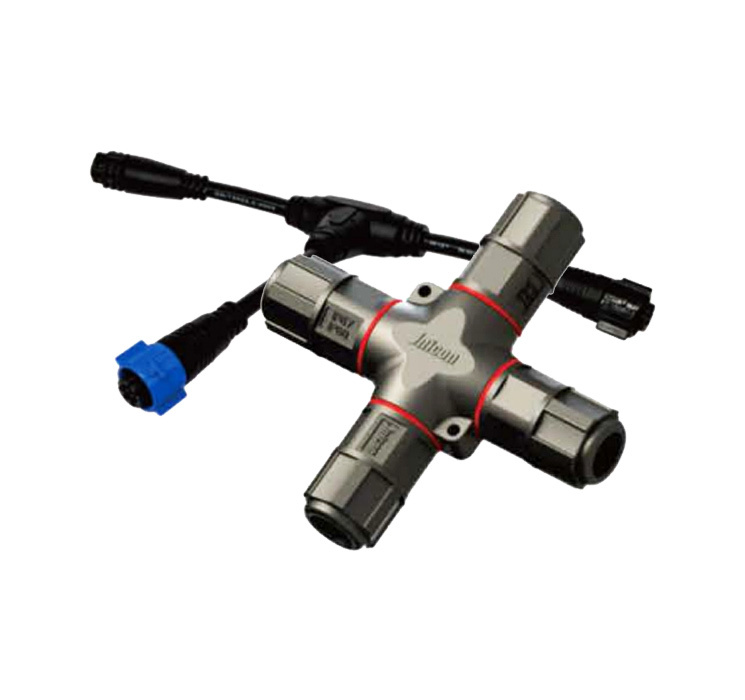
Innovative sealing technologies, such as **heat shrink tubing** and **potting compounds**, have been integrated into the manufacturing process of wire harnesses. These materials create a barrier against water and contaminants, ensuring that electrical connections remain intact and functioning.
Manufacturing Process of Waterproof Wire Harnesses
The manufacturing process for waterproof wire harnesses involves several critical steps:
Material Selection
Choosing the right materials is the first step in creating waterproof wire harnesses. Manufacturers must select insulation and sealing materials that can withstand the conditions in which the wire harness will operate.
Assembly Techniques
The assembly of wire harnesses requires precision and attention to detail. Techniques such as crimping, soldering, and applying heat shrink tubing are employed to create secure and waterproof connections. Quality control measures are vital to ensure that every harness meets stringent standards.
Applications of Waterproof Wire Harness Technology in Modern Vehicles
Waterproof wire harness technology is applied in various areas of modern vehicles, including:
Powertrain Systems
The powertrain is one of the most critical systems in a vehicle, and waterproof wire harnesses ensure that electrical signals are transmitted reliably, even in harsh conditions.
Infotainment Systems
With the rise of smart vehicles, infotainment systems require robust wiring solutions that can function correctly in wet environments. Waterproof wire harnesses help maintain the integrity of these complex systems.
Safety Features and Sensors
Modern vehicles are equipped with numerous safety features and sensors, such as airbags and collision avoidance systems. Waterproof wire harness technology ensures that these systems function properly, enhancing overall vehicle safety.
Challenges Facing Waterproof Wire Harness Technology
Despite its advantages, waterproof wire harness technology faces several challenges:
Cost Implications
The incorporation of advanced materials and manufacturing techniques can increase production costs. Manufacturers must balance the benefits of waterproof technology with cost considerations to remain competitive.
Environmental Regulations
As the industry shifts towards sustainability, manufacturers must navigate environmental regulations regarding the materials used in wire harness production. Ensuring compliance while maintaining performance remains a challenge.
Future Trends in Automotive Wiring Technology
Looking ahead, several trends are shaping the future of automotive wiring technology:
Integration of Smart Technologies
As vehicles become more connected, the integration of **smart technologies** will drive innovations in wire harness systems. These technologies may include sensors and communication systems that require enhanced waterproofing solutions.
Increased Focus on Sustainability
The automotive industry is moving towards sustainable practices, which will influence the materials and processes used in manufacturing wire harnesses. Eco-friendly materials that still provide adequate waterproofing will be in high demand.
Conclusion
Waterproof wire harness technology is revolutionizing the automotive industry by enhancing the durability, reliability, and safety of vehicle electrical systems. As innovations continue to develop, manufacturers must stay ahead of the curve by embracing advanced materials and techniques. The future of automotive wiring is bright, with promising advancements that will contribute to safer, more efficient vehicles.
FAQs About Waterproof Wire Harness Technology
1. What is a waterproof wire harness?
A waterproof wire harness is a collection of wires and connectors designed to resist moisture and contaminants, ensuring reliable electrical connectivity in vehicles.
2. How do waterproof wire harnesses improve vehicle safety?
By preventing electrical failures caused by moisture exposure, waterproof wire harnesses enhance the overall safety of vehicles, reducing the risk of short circuits and fires.
3. What materials are used in waterproof wire harnesses?
Common materials include thermoplastic elastomers (TPE), polyvinyl chloride (PVC), and specialized sealing compounds that provide moisture resistance.
4. What are the primary applications of waterproof wire harness technology?
Waterproof wire harnesses are used in powertrain systems, infotainment systems, and various safety features and sensors in modern vehicles.
5. What challenges do manufacturers face with waterproof wire harness technology?
Manufacturers encounter challenges related to cost implications, environmental regulations, and the need for sustainable materials while maintaining performance standards.
News
2026-10-03
Understanding Waterproof Cables: Essential Insights for Electrical Professionals
Waterproof cables are vital components in the electric and electronic industries, especially when it comes to ensuring safe and reliable connections in challenging environments. These cables are designed to resist moisture and prevent water ingress, which can lead to electrical failure and safety hazards. Understanding the intricacies of waterproof cables is essential for electrical professionals
2026-09-30
Discover the Advantages of Using 2 Pin Waterproof Connectors in Harsh Environments
Discover the Advantages of Using 2 Pin Waterproof Connectors in Harsh Environments Table of Contents 1. Introduction to 2 Pin Waterproof Connectors 2. Importance of Waterproof Connectors 3. Design Features of 2 Pin Waterproof Connectors 4. Applications in Various Industries 5. Benefits of Using 2 Pin Waterproof Connectors 6. Installation Guidelines for 2 Pin Waterproof Connectors 7.
2026-09-27
Understanding Industrial Power Connectors: Key Insights for Professionals
Industrial power connectors play a crucial role in the safety and efficiency of electrical systems across various sectors, including manufacturing, energy, and transportation. These connectors are designed to facilitate the transmission of electrical power in rugged environments, ensuring reliable and stable connections. Understanding the types, applications, and selection criteria for industrial

B8-9, Fubilun industrial park, Chaoyang rd,Yanchuan community, Songgang, Shenzhen, China


