


Understanding Waterproof Cables: Essential Insights for Electrical Professionals
Release Time:
2026-02-11
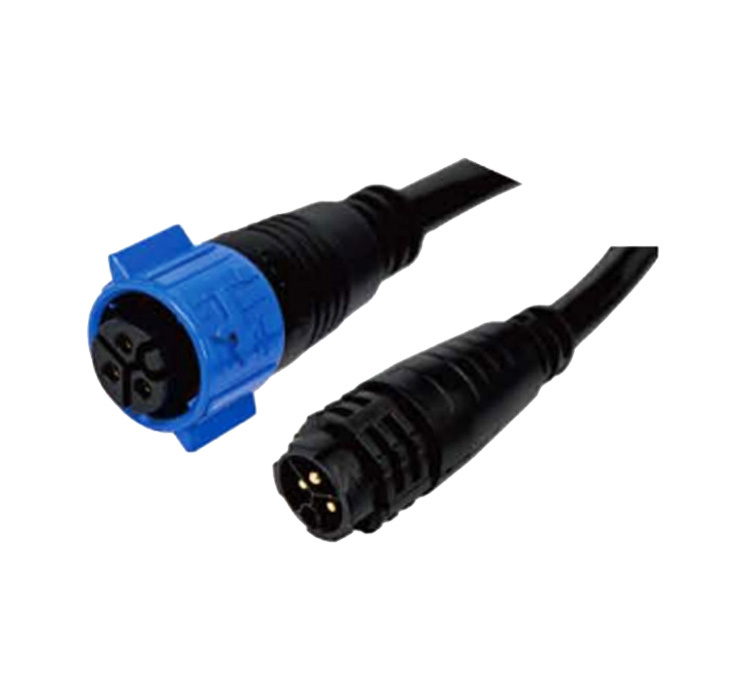
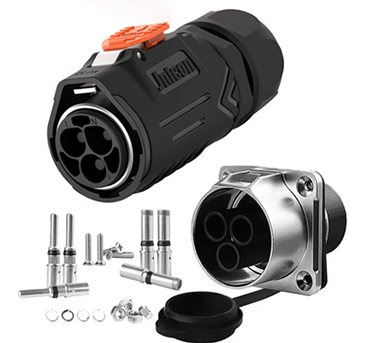
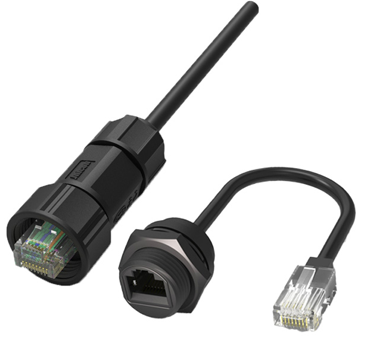
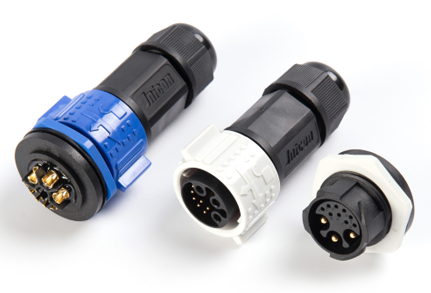
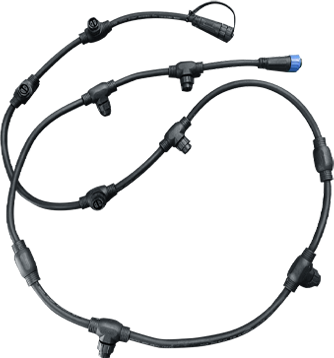
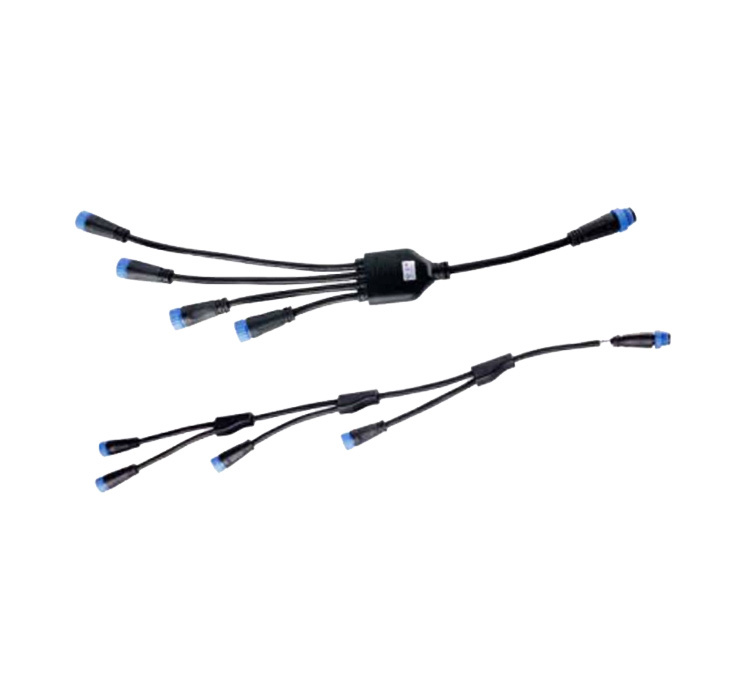
One of the primary benefits of waterproof cables is their ability to prevent moisture ingress, which can lead to short circuits, corrosion, and ultimately equipment failure. This is especially crucial in applications where cables are exposed to rain, humidity, or submersion in water. Locations such as outdoor lighting, marine environments, and industrial settings often require the use of waterproof cables to ensure long-term functionality and safety.
When selecting waterproof cables, it is important to consider several key features. First, the cable's insulation and jacket material significantly impact its waterproof capabilities. Materials such as polyvinyl chloride (PVC), thermoplastic elastomer (TPE), and polyethylene are commonly used due to their excellent moisture resistance. Additionally, look for cables with high Ingress Protection (IP) ratings. An IP68 rating, for example, indicates that the cable is dust-tight and can withstand continuous immersion in water.
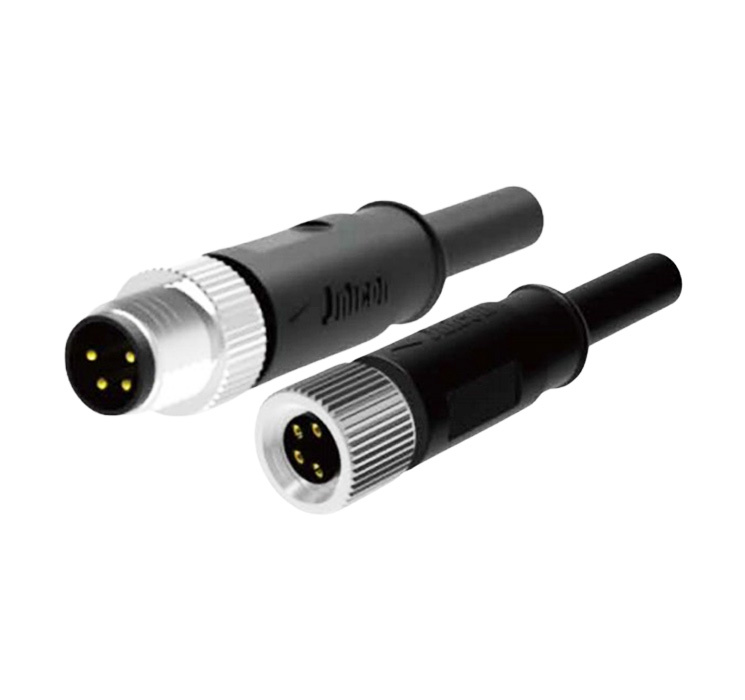
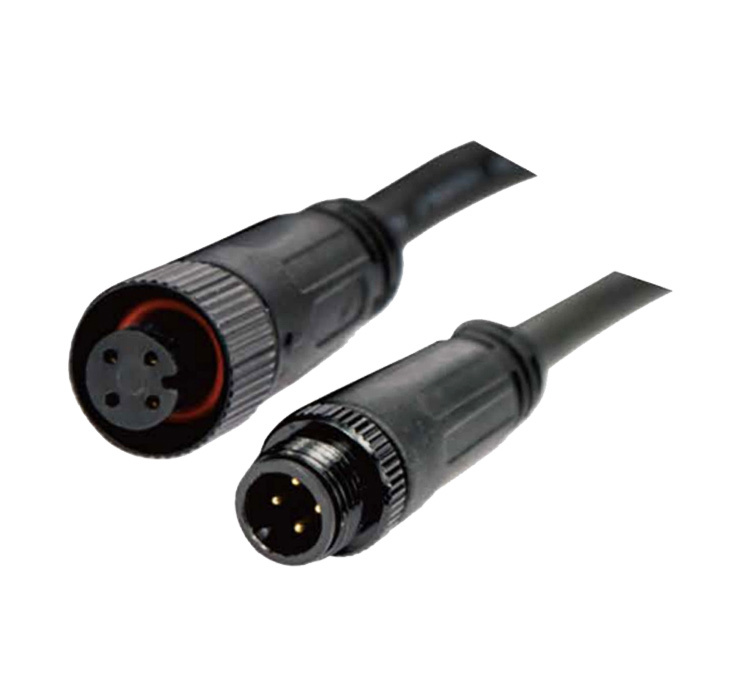
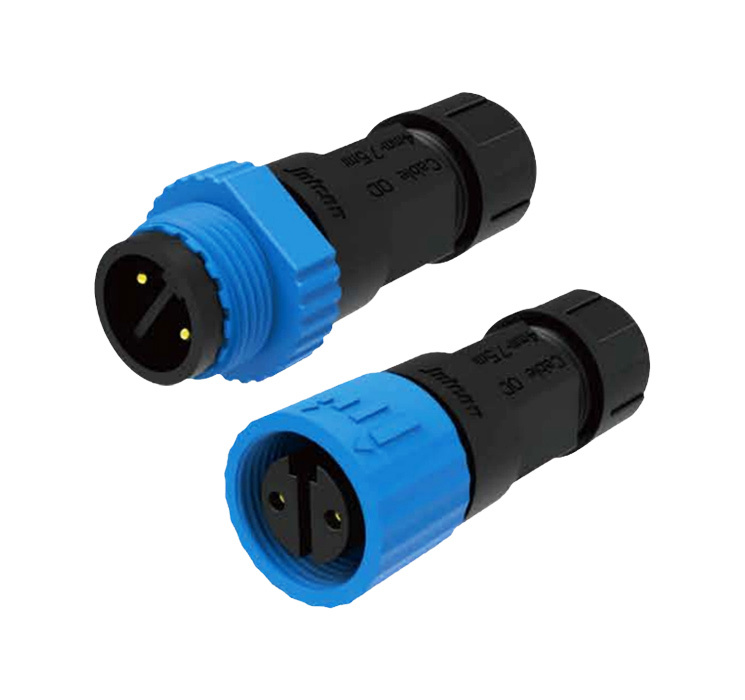
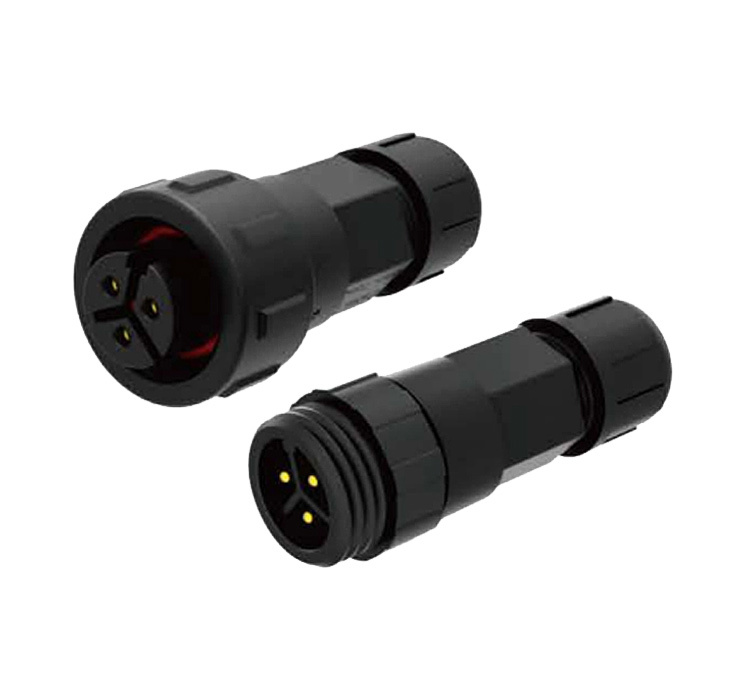
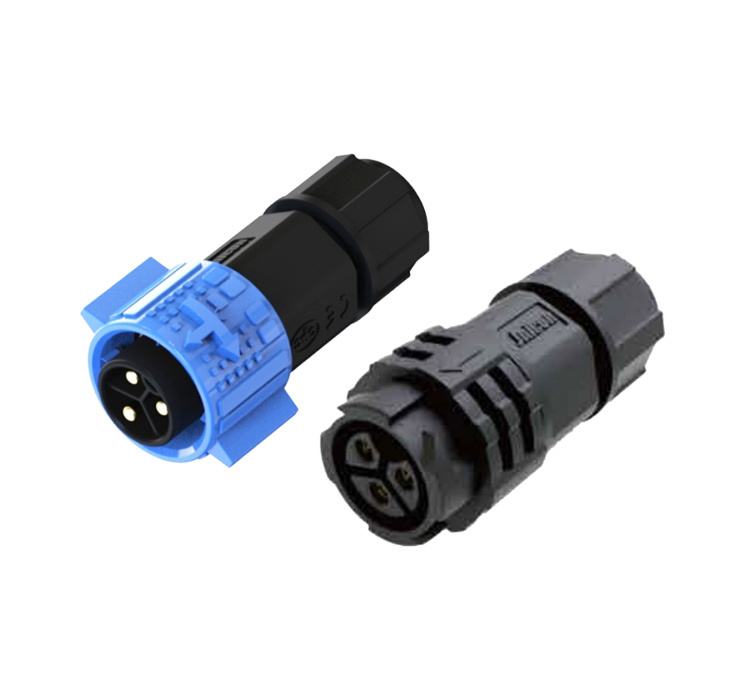
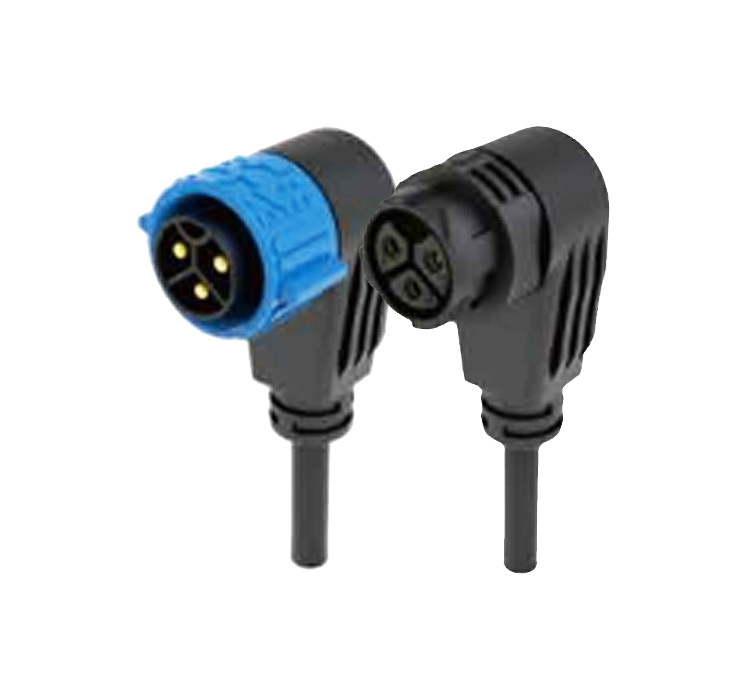
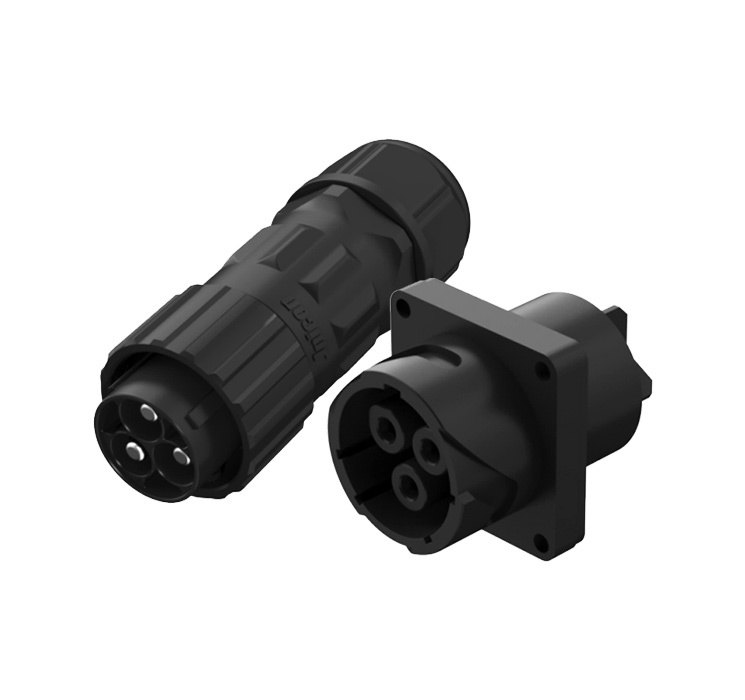
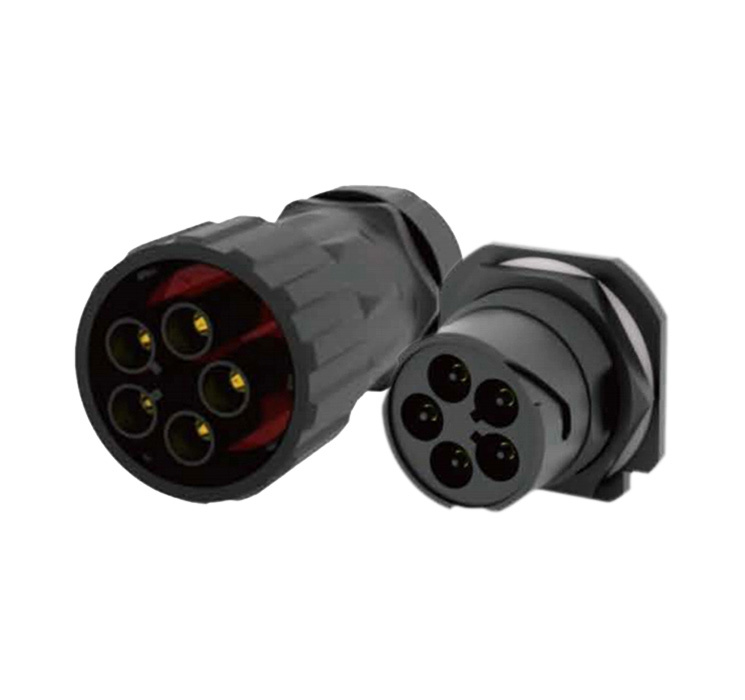
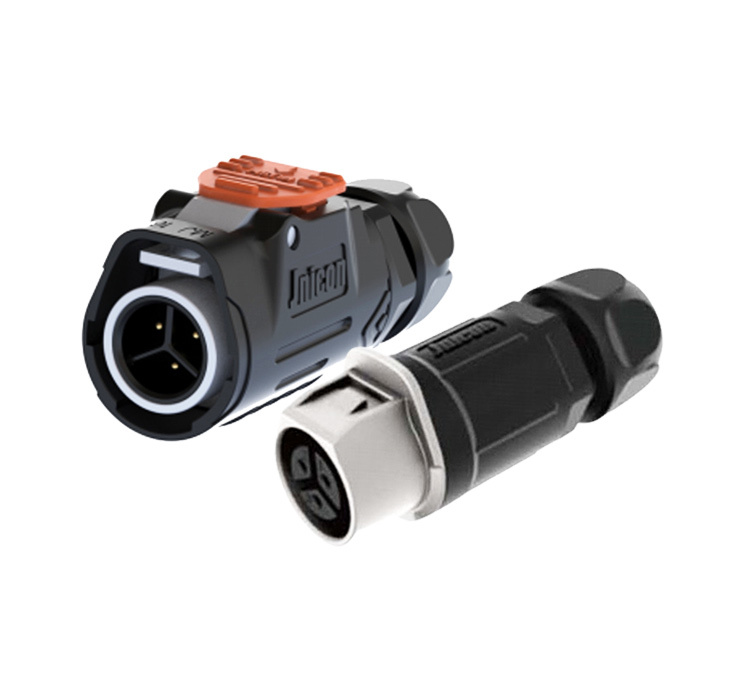
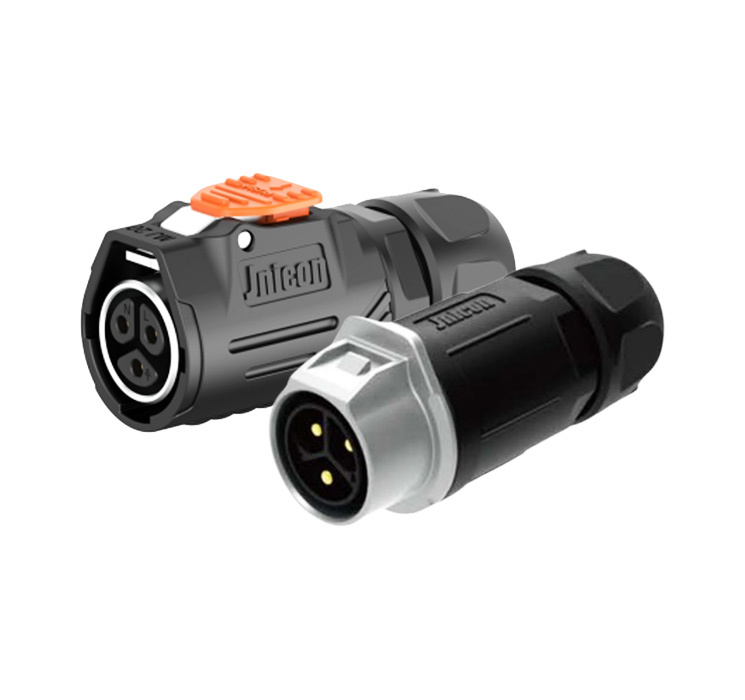
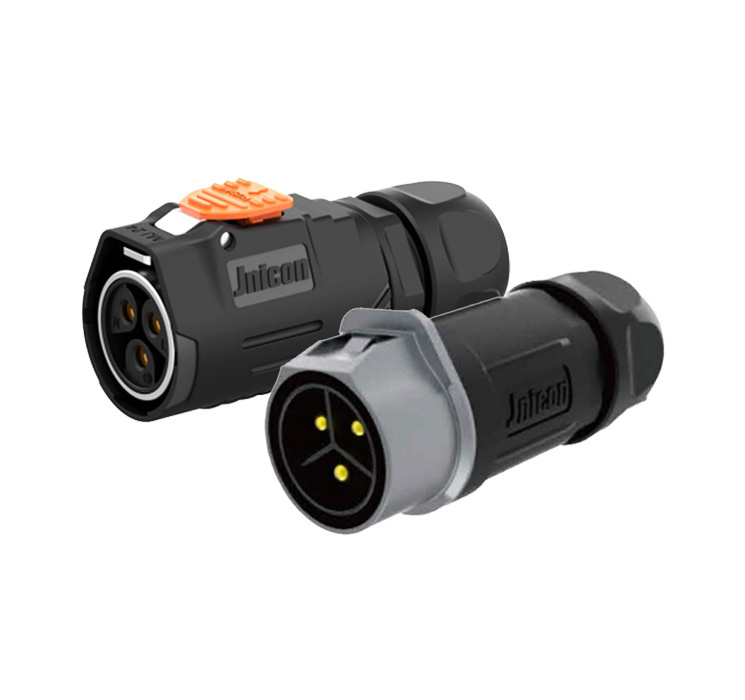
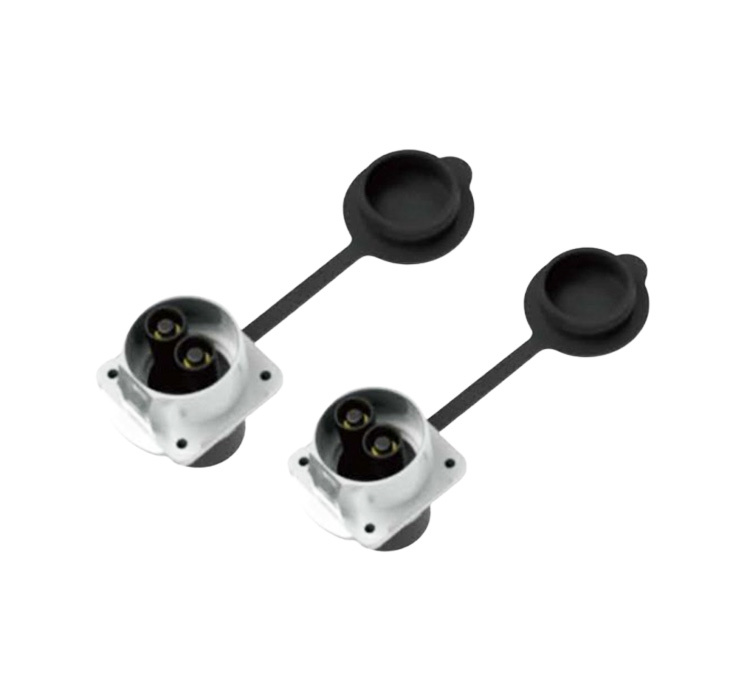
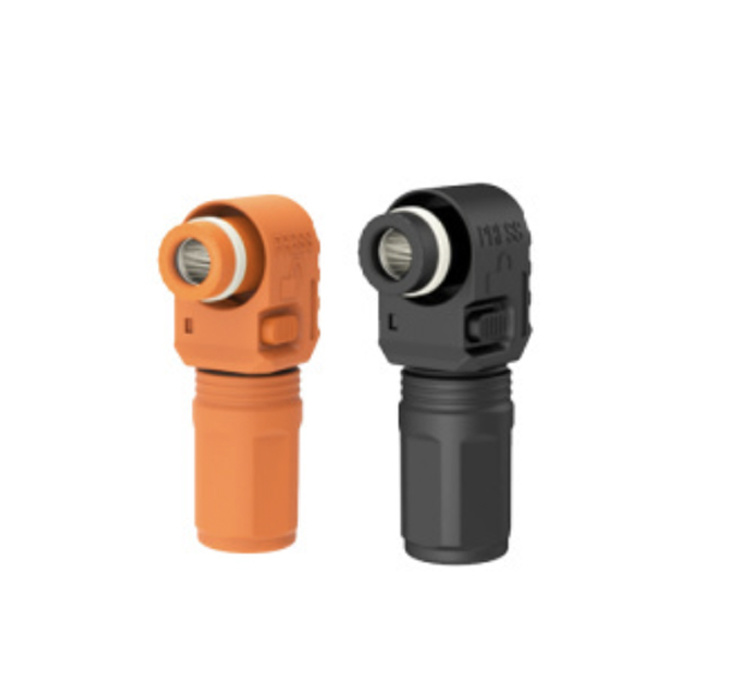
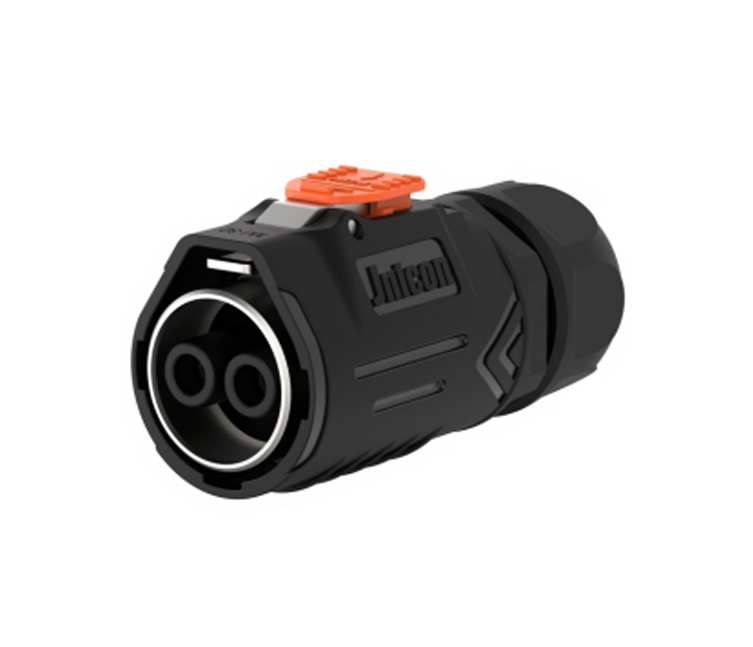
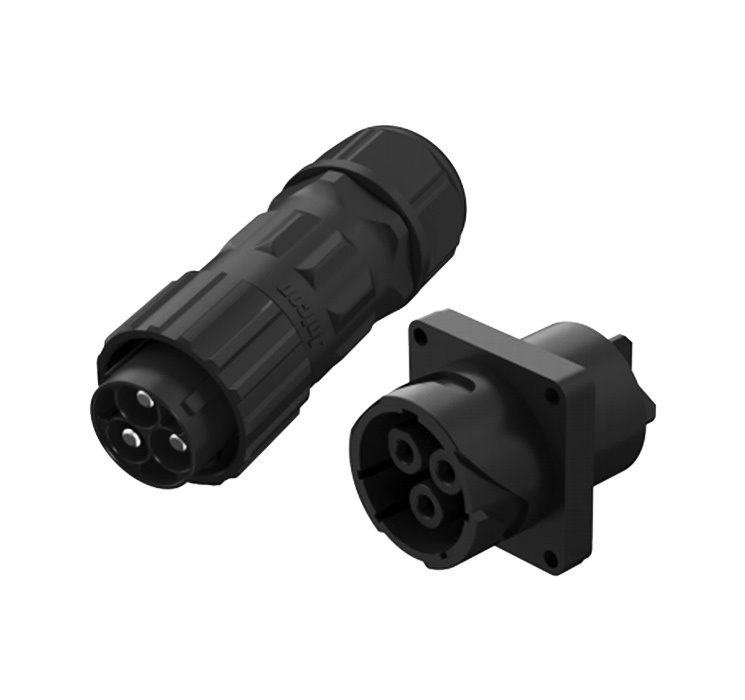
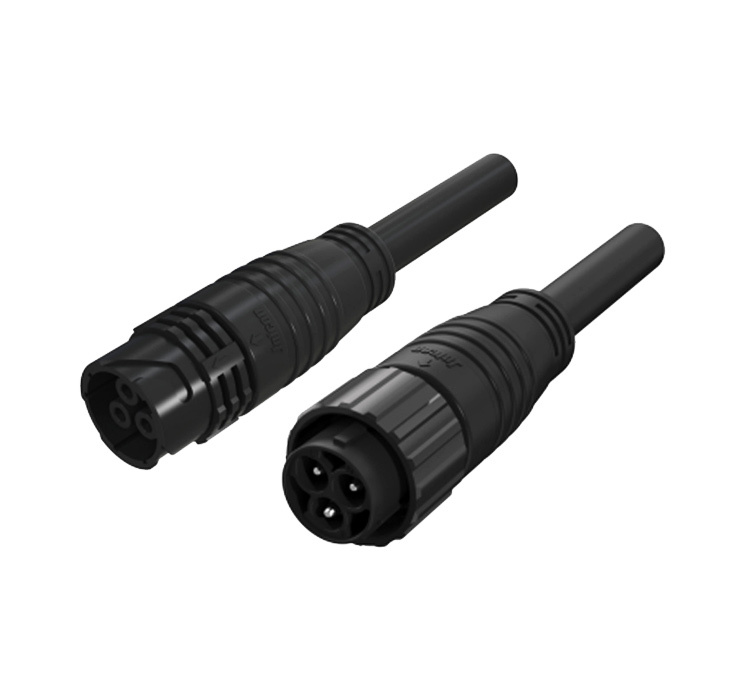
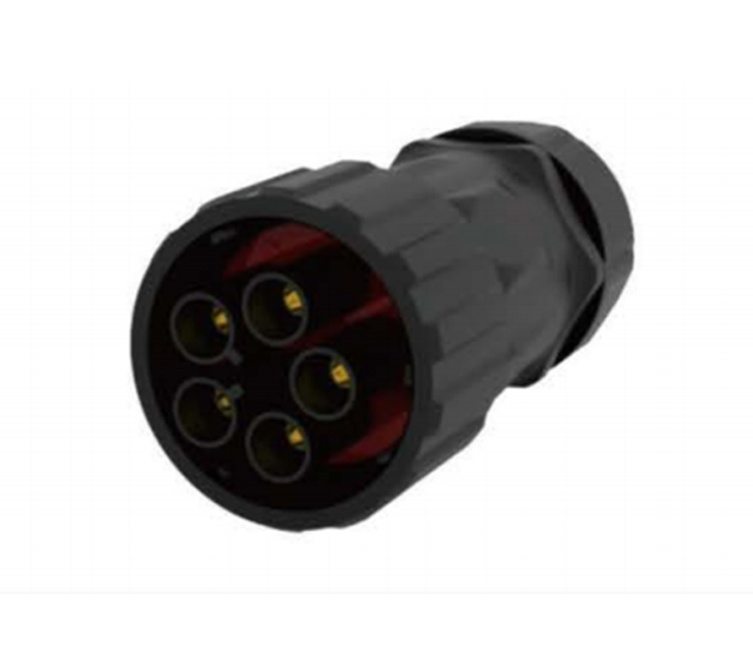
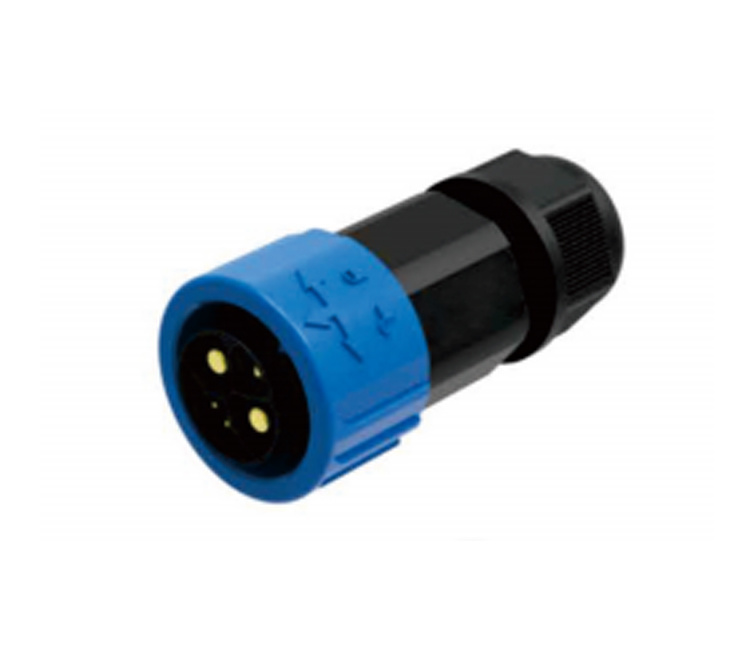
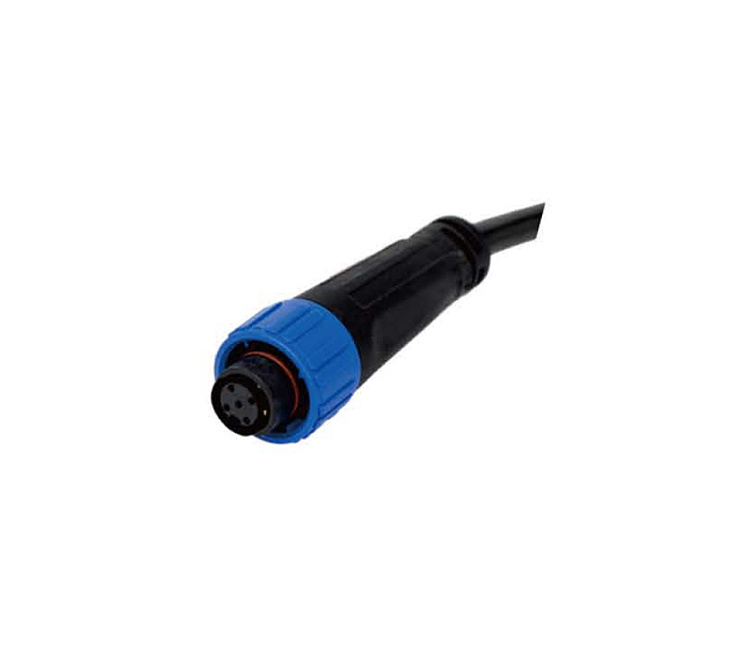
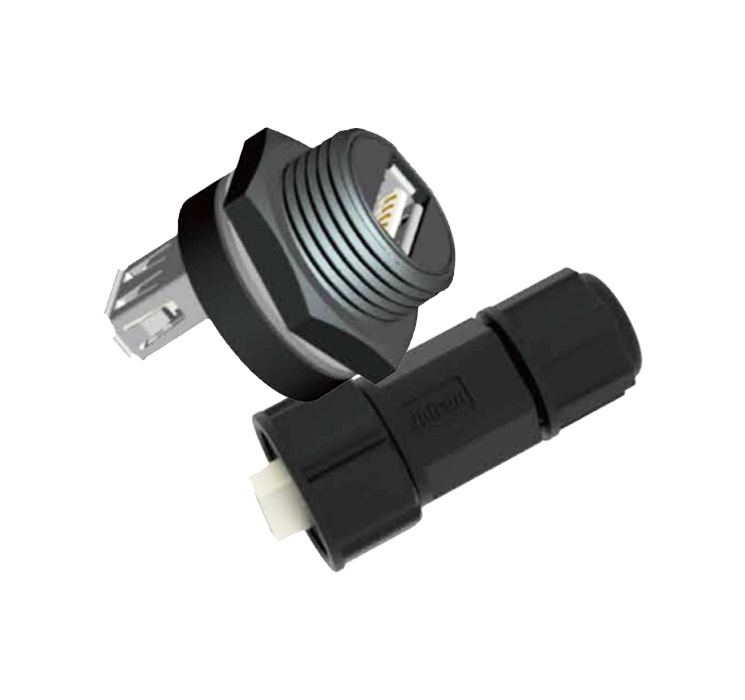
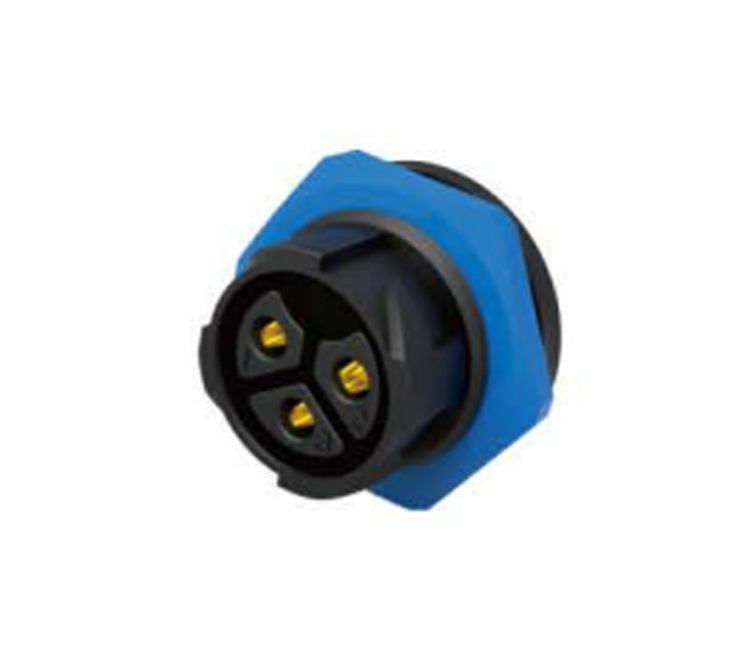
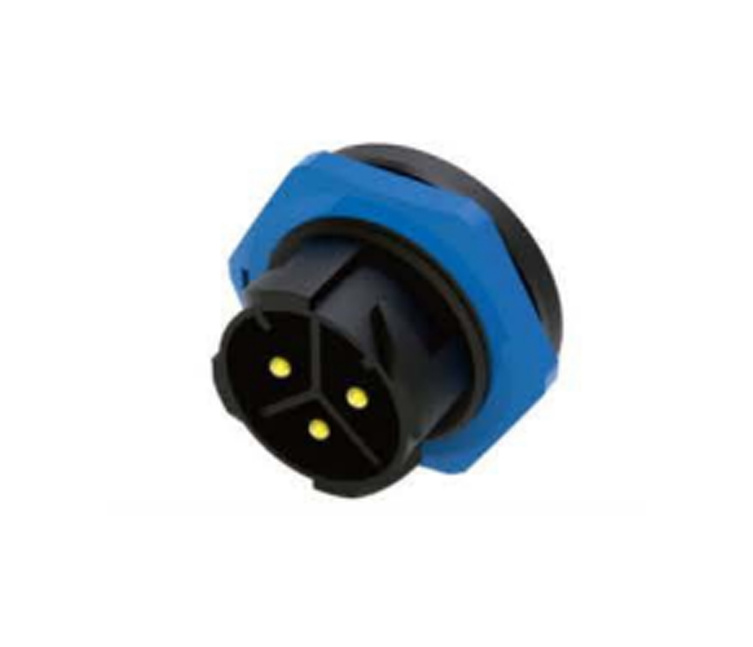
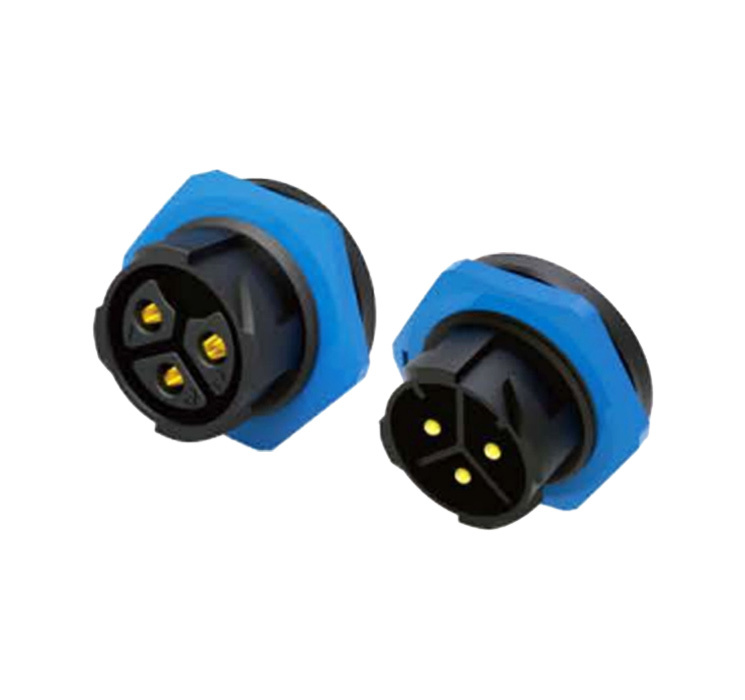
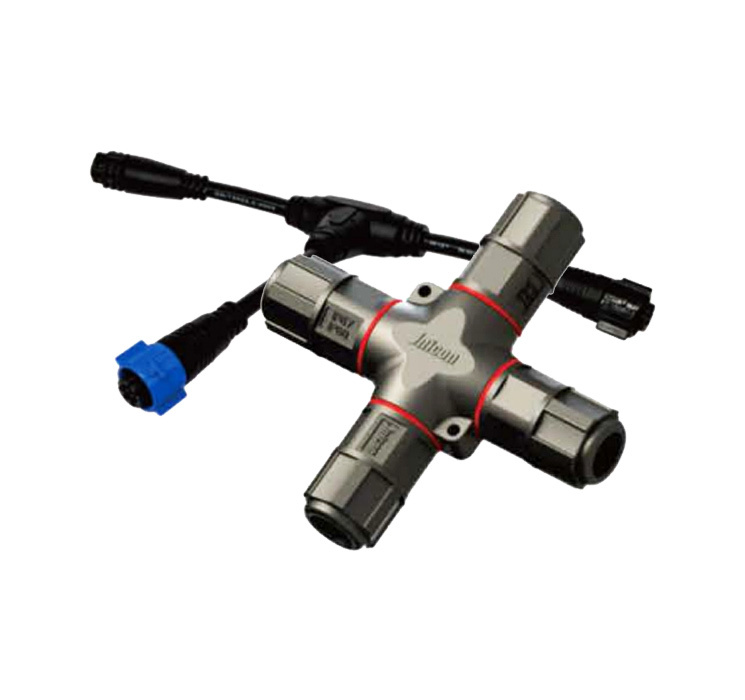
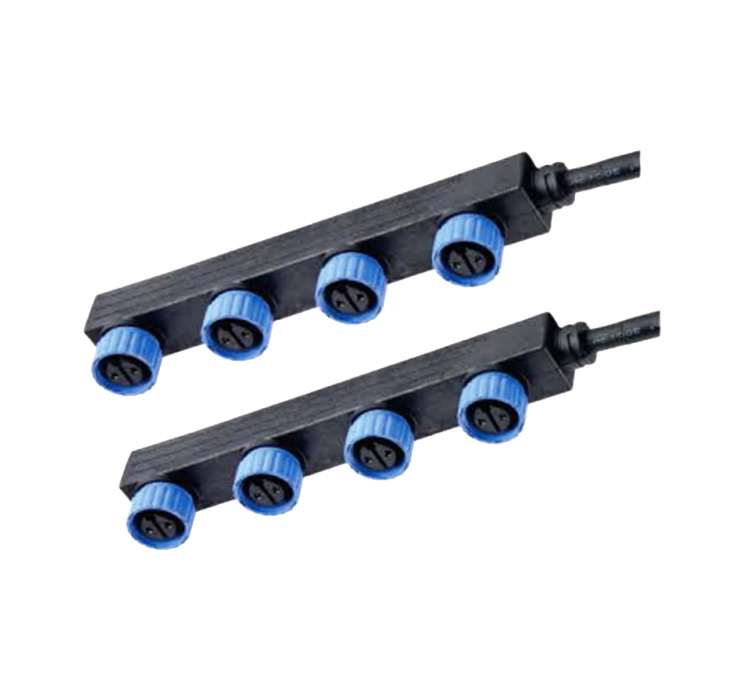
Installation practices are equally important when working with waterproof cables. Proper sealing at connection points is critical to maintain the integrity of the waterproofing. This can involve using heat-shrink tubing, sealing compounds, or connectors specifically designed for waterproof applications. Ensuring that all connections are secure and properly insulated will help to prevent water from entering the cable assembly.
Maintenance of waterproof cables also requires attention to detail. Regular inspections should be conducted to check for signs of wear, damage, or exposure to harsh chemicals. Any compromised sections should be repaired or replaced promptly to avoid potential issues.
Moreover, understanding the specific environmental conditions where the cables will be used is essential. Factors like temperature extremes, exposure to UV light, and mechanical stress can affect the performance and longevity of waterproof cables. Selecting the right cable for the specific application will enhance reliability and minimize downtime.
In conclusion, waterproof cables are an indispensable component in a variety of electrical applications, especially where exposure to moisture is a concern. By understanding their key features, installation practices, and maintenance considerations, professionals in the electrical and connector industry can ensure the reliability and performance of their systems in challenging environments.
News
2026-10-03
Understanding Waterproof Cables: Essential Insights for Electrical Professionals
Waterproof cables are vital components in the electric and electronic industries, especially when it comes to ensuring safe and reliable connections in challenging environments. These cables are designed to resist moisture and prevent water ingress, which can lead to electrical failure and safety hazards. Understanding the intricacies of waterproof cables is essential for electrical professionals
2026-09-30
Discover the Advantages of Using 2 Pin Waterproof Connectors in Harsh Environments
Discover the Advantages of Using 2 Pin Waterproof Connectors in Harsh Environments Table of Contents 1. Introduction to 2 Pin Waterproof Connectors 2. Importance of Waterproof Connectors 3. Design Features of 2 Pin Waterproof Connectors 4. Applications in Various Industries 5. Benefits of Using 2 Pin Waterproof Connectors 6. Installation Guidelines for 2 Pin Waterproof Connectors 7.
2026-09-27
Understanding Industrial Power Connectors: Key Insights for Professionals
Industrial power connectors play a crucial role in the safety and efficiency of electrical systems across various sectors, including manufacturing, energy, and transportation. These connectors are designed to facilitate the transmission of electrical power in rugged environments, ensuring reliable and stable connections. Understanding the types, applications, and selection criteria for industrial

B8-9, Fubilun industrial park, Chaoyang rd,Yanchuan community, Songgang, Shenzhen, China


