


Common Mistakes to Avoid When Selecting Marine Electrical Connectors
Release Time:
2026-02-12
Common Mistakes to Avoid When Selecting Marine Electrical Connectors
Understanding Marine Electrical Connectors
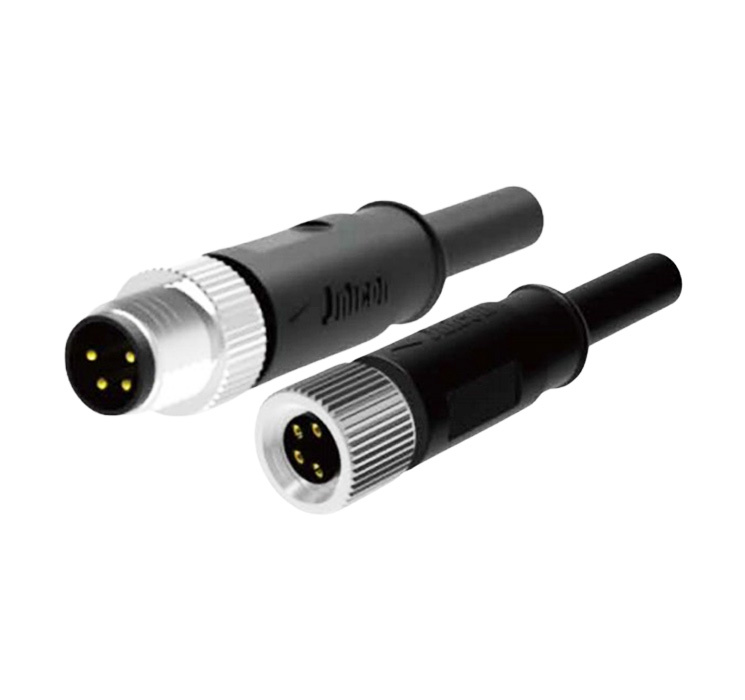
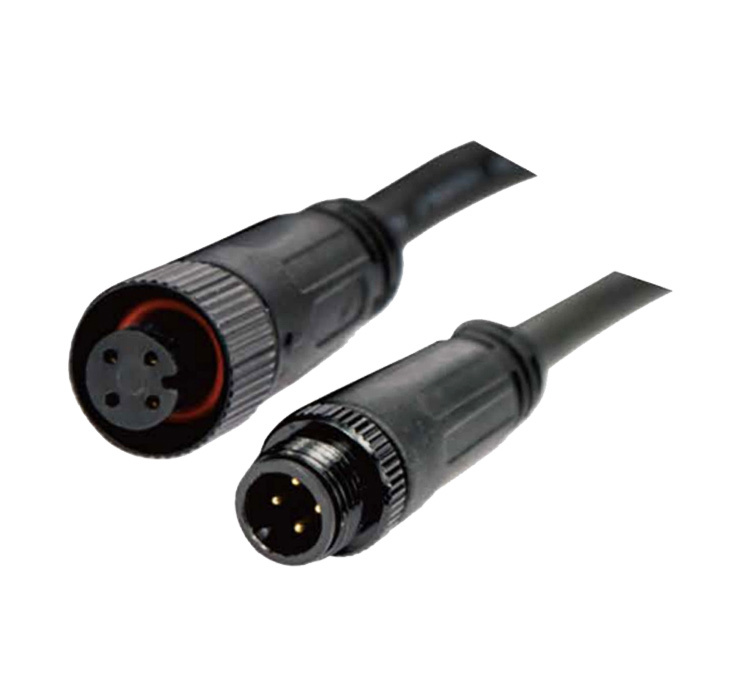
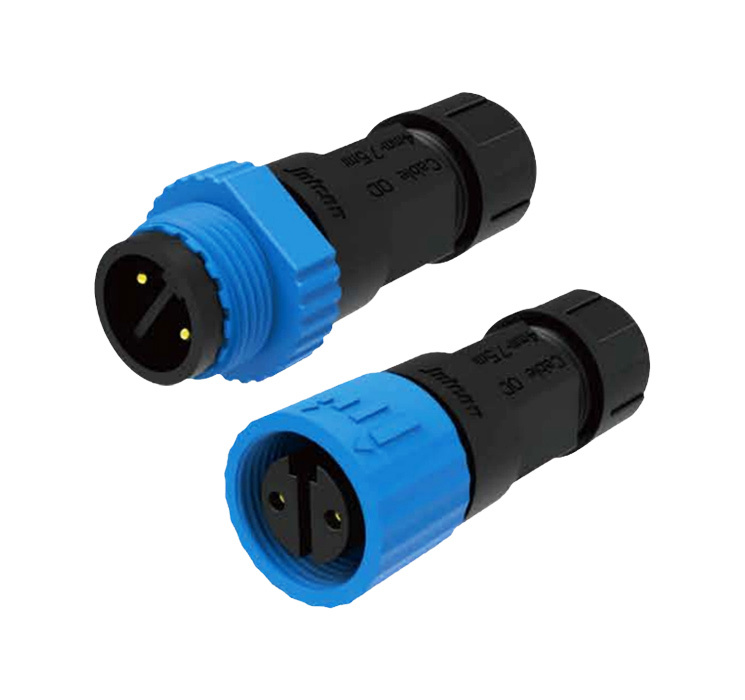
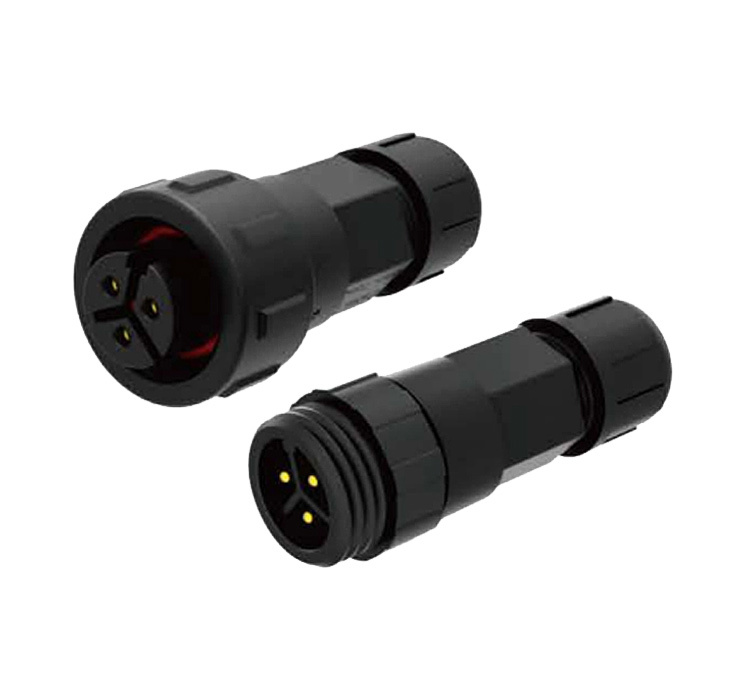
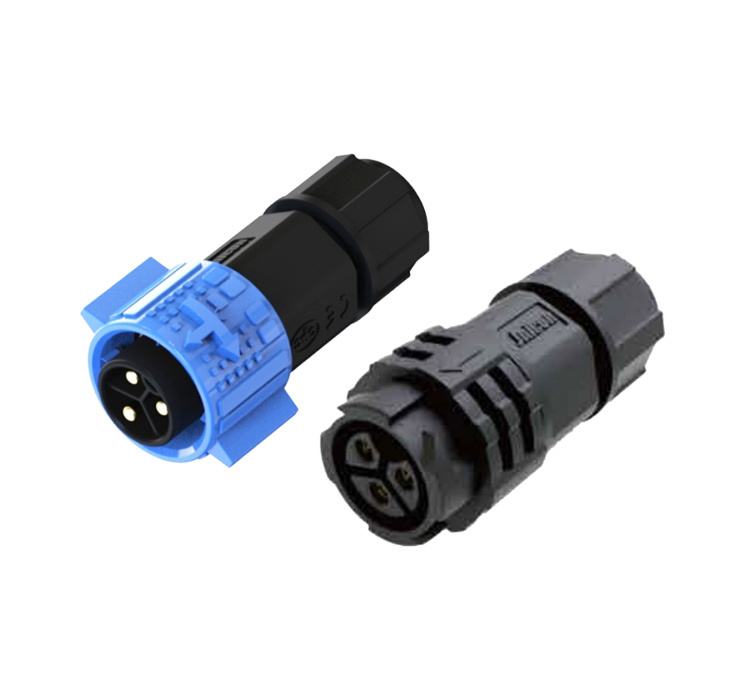
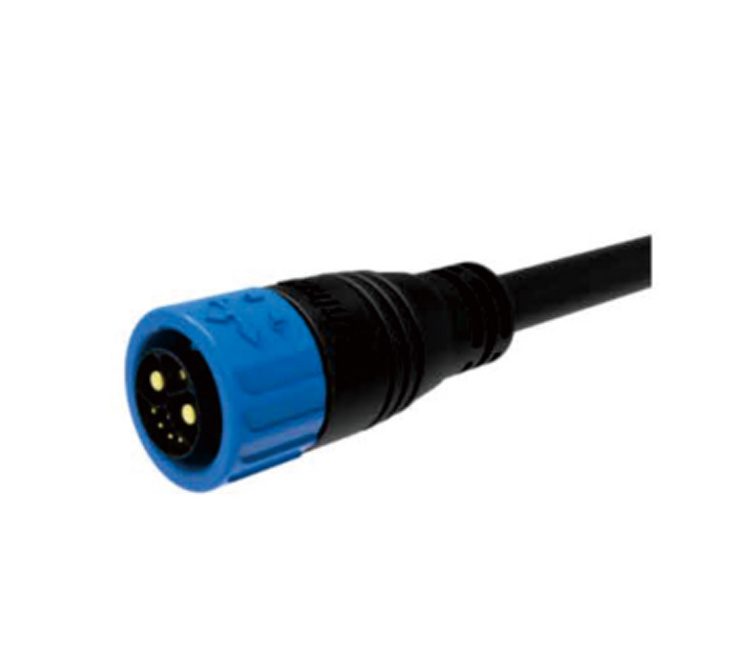
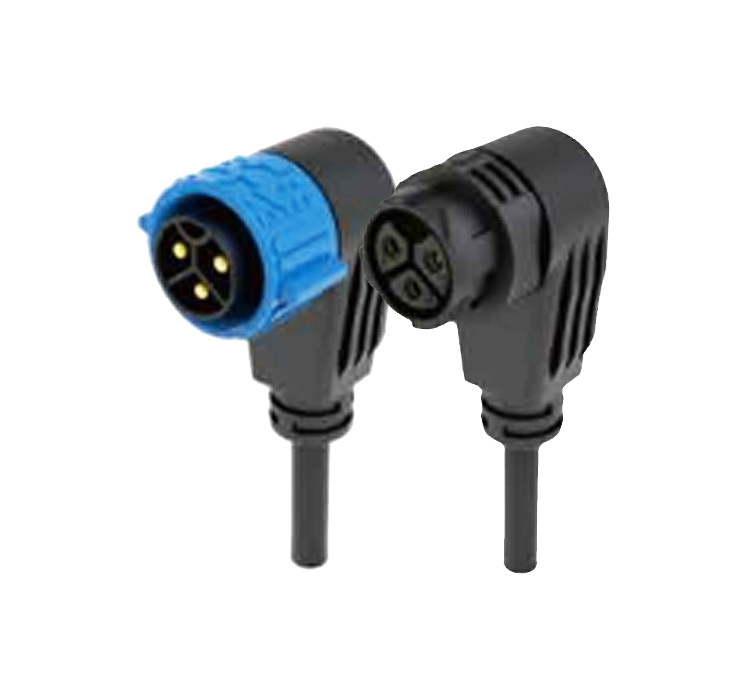
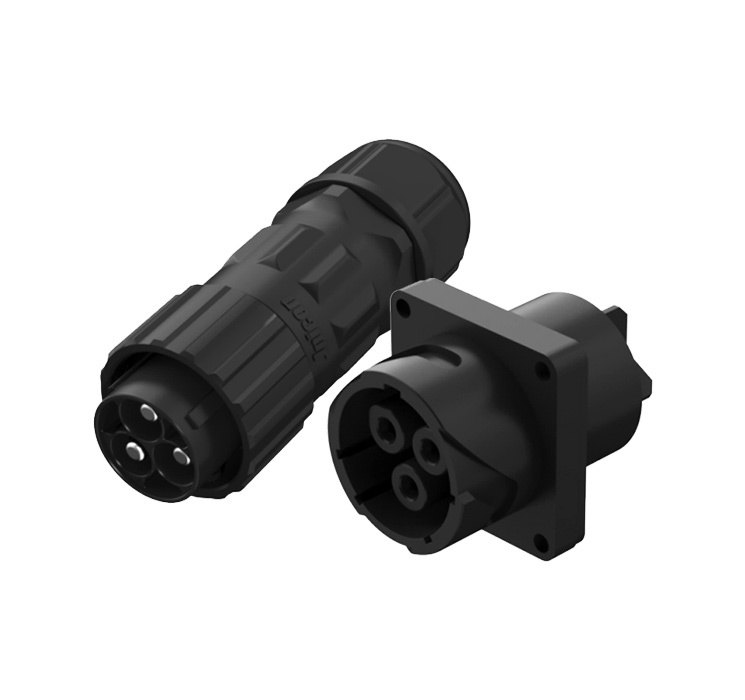
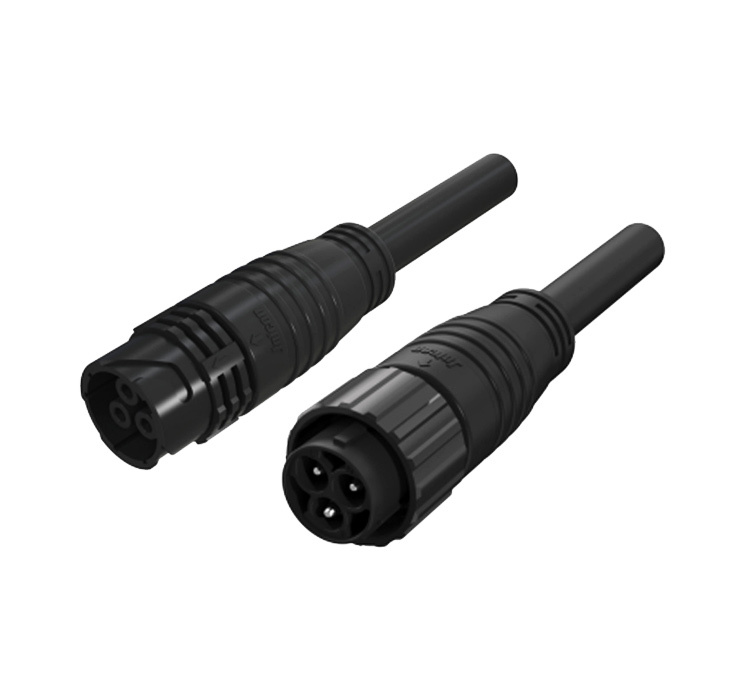
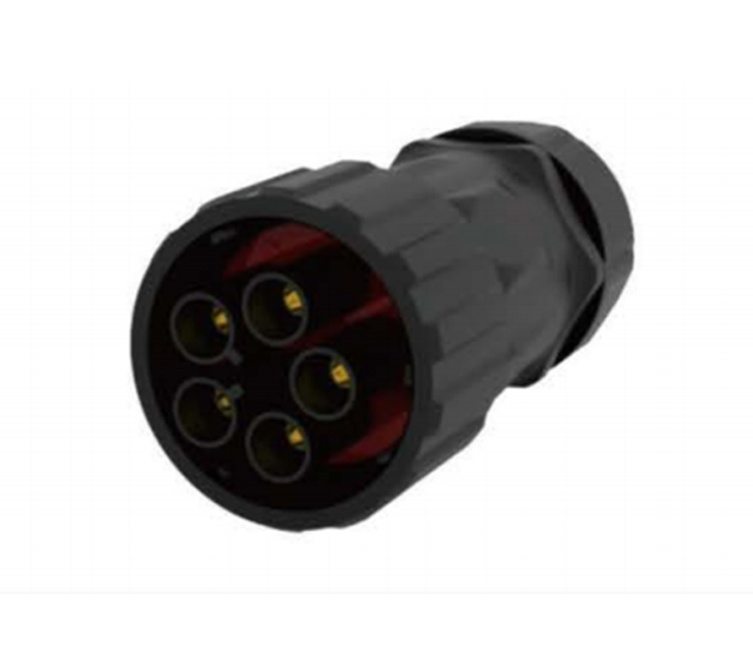
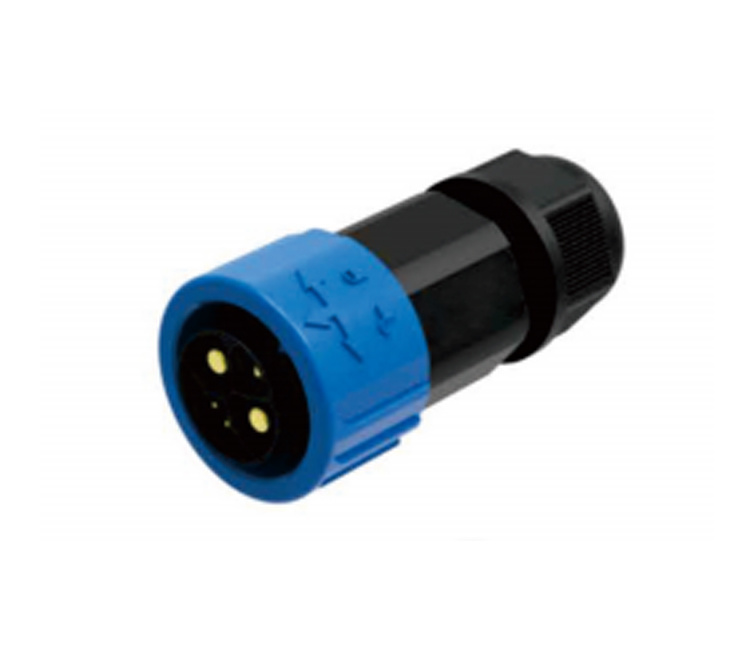
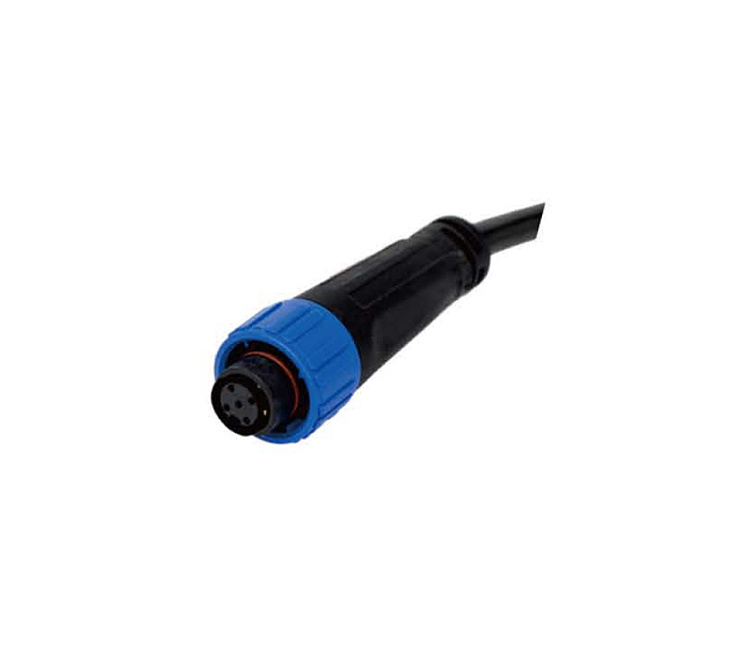
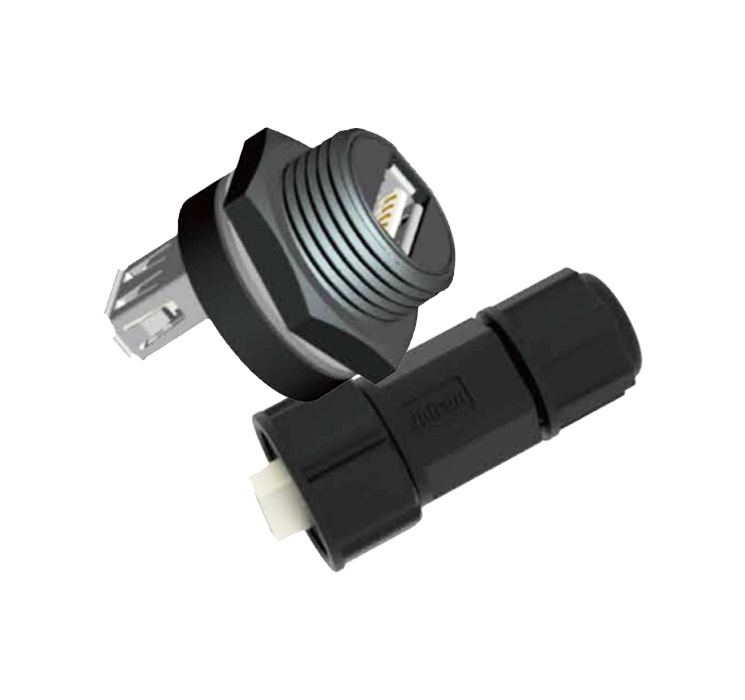
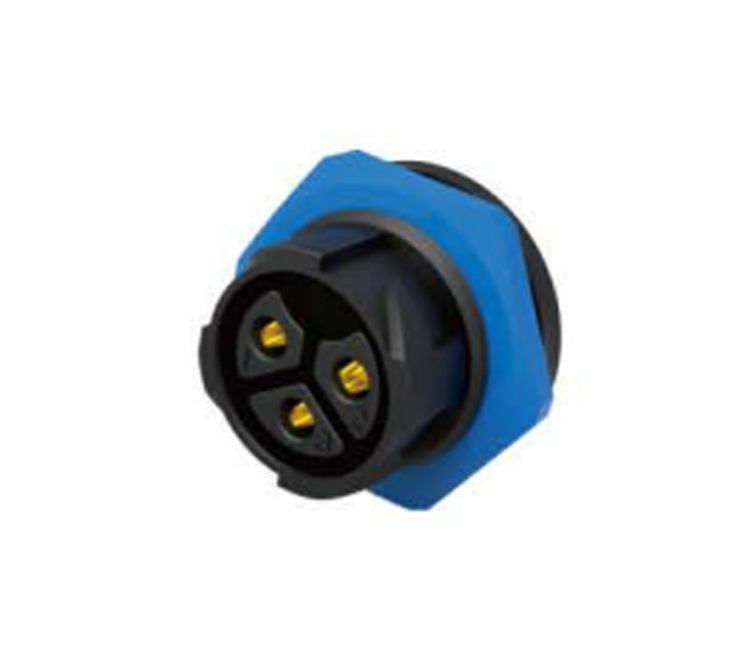
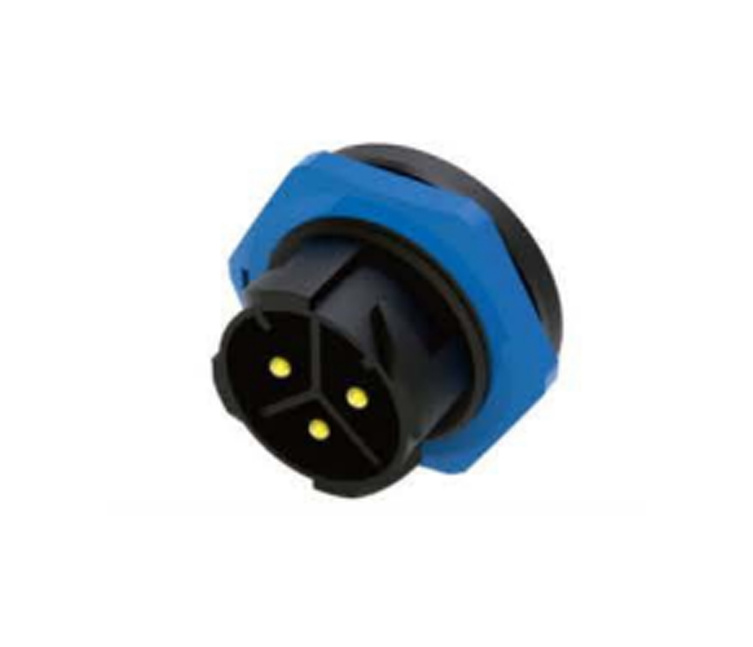
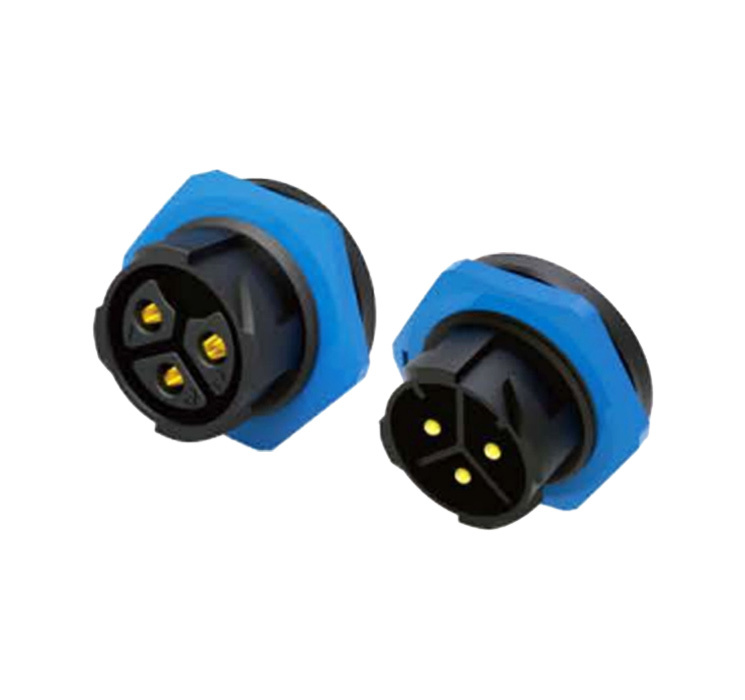
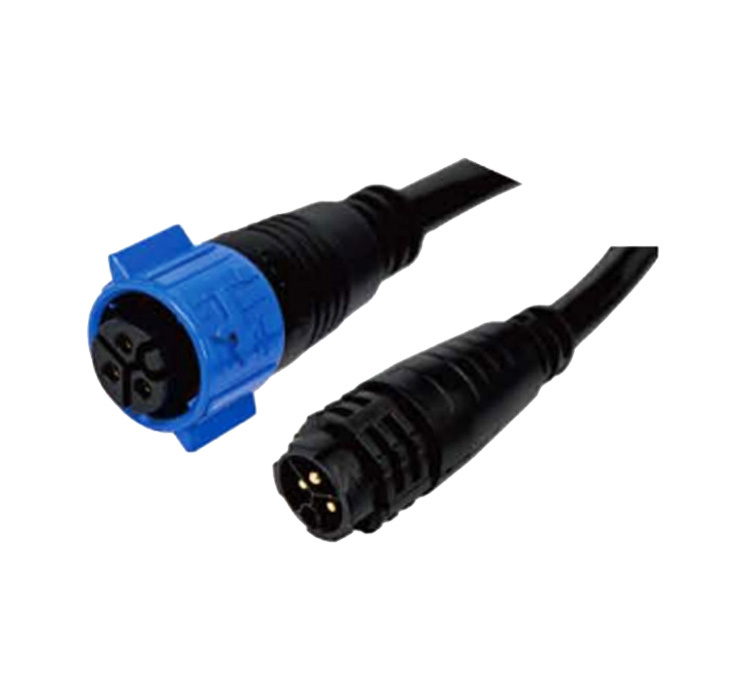
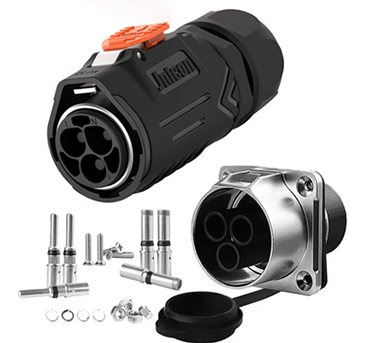
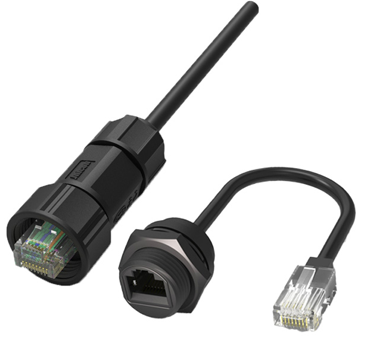
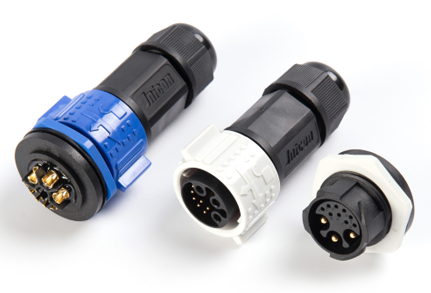
Marine electrical connectors are vital components in ensuring the reliability of electrical systems onboard vessels. These connectors play an essential role in connecting and disconnecting cables, providing power and signals between various devices. Yet, selecting the right marine electrical connector can be a challenging task. With numerous options available, it's easy to make mistakes that may lead to frequent failures or hazardous situations.
This article aims to highlight the **common mistakes** to avoid when selecting marine electrical connectors, share best practices, and provide insights to help you make informed decisions.
Table of Contents
- Mistake #1: Ignoring Environmental Factors
- Mistake #2: Overlooking Compatibility
- Mistake #3: Neglecting Quality Standards
- Mistake #4: Failing to Consider Size and Space Constraints
- Mistake #5: Disregarding Manufacturer Reputation
- Mistake #6: Not Accounting for Maintenance Needs
- Mistake #7: Skipping Professional Advice
- Conclusion
- FAQs
Mistake #1: Ignoring Environmental Factors
One of the most significant mistakes when choosing marine electrical connectors is failing to consider the harsh marine environment. **Saltwater exposure, extreme temperatures, and humidity** can severely impact connector performance and lifespan. It's essential to select connectors that are specifically designed to withstand these conditions.
Look for connectors with appropriate **IP ratings** (Ingress Protection) that indicate their ability to resist moisture and dust. Connectors rated IP67 or higher are ideal for marine applications, as they offer protection against temporary immersion in water. Furthermore, connectors made from corrosion-resistant materials such as **stainless steel** or **specialized plastics** can prevent premature failure.
Mistake #2: Overlooking Compatibility
Compatibility between connectors and the devices they will connect is another common oversight. When selecting marine electrical connectors, it’s crucial to ensure that they are fully compatible with the **cables, devices**, and systems in use. Always verify that the **pin configuration**, voltage, and current ratings match the requirements of your application.
Incompatibility can lead to electrical failures, overheating, or damage to the connected devices. Therefore, reviewing the specifications of both the connectors and the equipment they will be used with is vital to prevent potential issues.
Mistake #3: Neglecting Quality Standards
Quality should always be a top priority when selecting marine electrical connectors. It's easy to be swayed by lower prices, but opting for substandard connectors can lead to catastrophic failures. Ensure that the connectors meet recognized industry standards such as **UL**, **CE**, or **ISO certifications**.
Connectors that adhere to these standards are tested for safety and reliability, providing peace of mind in critical marine applications. Investing in high-quality connectors may require a higher upfront cost, but it pays off in reduced maintenance and downtime over the long term.
Mistake #4: Failing to Consider Size and Space Constraints
When it comes to marine applications, **space** is often at a premium. Failing to consider the size of connectors can result in difficulty during installation or even cause operational problems. Ensure you measure the available space accurately and select connectors that fit without compromising accessibility for maintenance.
In some scenarios, **compact connectors** or those designed for tight spaces may be necessary. Additionally, consider the layout of the electrical system to ensure that connectors do not block other components or create hazards.
Mistake #5: Disregarding Manufacturer Reputation
The reputation of the manufacturer plays a critical role in the performance and reliability of marine electrical connectors. Many manufacturers specialize in marine-grade products, having years of experience in the industry. Choosing connectors from reputable sources ensures you are purchasing products that are tested and trusted.
Research manufacturers by reading customer reviews, checking their history in the industry, and asking for recommendations from industry professionals. A good manufacturer will offer warranties, technical support, and detailed product information to help you make informed decisions.
Mistake #6: Not Accounting for Maintenance Needs
Maintenance is a key aspect of ensuring the longevity of marine electrical connectors. Some users may overlook the need for regular inspection and maintenance, leading to potential failures. Select connectors that are easy to access and maintain, and consider how often they will need to be serviced.
Implementing a routine maintenance program can help identify wear or corrosion before they cause significant issues. Regular inspections of connectors, cables, and connection points will ensure optimal performance over time.
Mistake #7: Skipping Professional Advice
Finally, one of the most critical mistakes is not seeking professional guidance during the selection process. While you may have a general understanding of marine electrical connectors, the nuances involved can be complex. Consulting with a marine electrician or industry expert can provide valuable insights tailored to your specific needs.
Professionals can help assess your requirements, recommend suitable products, and provide installation tips that may not be readily available in product manuals. Their expertise can prevent costly mistakes and enhance the safety and efficiency of your marine electrical systems.
Conclusion
Selecting the right marine electrical connectors is a crucial task that should never be taken lightly. By avoiding common mistakes such as ignoring environmental factors, overlooking compatibility, neglecting quality standards, failing to consider size constraints, disregarding manufacturer reputation, not accounting for maintenance needs, and skipping professional advice, you can ensure reliable connections that enhance the performance and safety of your marine applications.
Investing time and effort into making informed choices will ultimately lead to a more efficient and effective marine electrical system. Always prioritize quality, compatibility, and professional guidance to navigate the complexities of selecting marine electrical connectors successfully.
FAQs
1. What are marine electrical connectors?
Marine electrical connectors are specialized components designed to connect various electrical devices and systems onboard marine vessels, ensuring reliable power and signal transmission in harsh environments.
2. Why is it important to consider environmental factors when choosing connectors?
Marine environments expose connectors to elements like saltwater, humidity, and extreme temperatures, which can lead to corrosion and failure. Selecting connectors designed for these conditions can enhance reliability and longevity.
3. How do I ensure compatibility between connectors and devices?
Always check the specifications of both the connectors and the devices they will connect, ensuring that pin configurations, voltage, and current ratings match.
4. What quality standards should marine connectors meet?
Marine electrical connectors should comply with industry standards such as UL, CE, or ISO certifications, ensuring they have been tested for safety and reliability.
5. How often should marine electrical connectors be inspected and maintained?
Regular inspections should be conducted as part of a maintenance program, focusing on wear, corrosion, and access points, ensuring optimal performance and early detection of potential issues.
News
2026-10-03
Understanding Waterproof Cables: Essential Insights for Electrical Professionals
Waterproof cables are vital components in the electric and electronic industries, especially when it comes to ensuring safe and reliable connections in challenging environments. These cables are designed to resist moisture and prevent water ingress, which can lead to electrical failure and safety hazards. Understanding the intricacies of waterproof cables is essential for electrical professionals
2026-09-30
Discover the Advantages of Using 2 Pin Waterproof Connectors in Harsh Environments
Discover the Advantages of Using 2 Pin Waterproof Connectors in Harsh Environments Table of Contents 1. Introduction to 2 Pin Waterproof Connectors 2. Importance of Waterproof Connectors 3. Design Features of 2 Pin Waterproof Connectors 4. Applications in Various Industries 5. Benefits of Using 2 Pin Waterproof Connectors 6. Installation Guidelines for 2 Pin Waterproof Connectors 7.
2026-09-27
Understanding Industrial Power Connectors: Key Insights for Professionals
Industrial power connectors play a crucial role in the safety and efficiency of electrical systems across various sectors, including manufacturing, energy, and transportation. These connectors are designed to facilitate the transmission of electrical power in rugged environments, ensuring reliable and stable connections. Understanding the types, applications, and selection criteria for industrial

B8-9, Fubilun industrial park, Chaoyang rd,Yanchuan community, Songgang, Shenzhen, China


