


Understanding Waterproof Cables: Essential Insights for Electricians
Release Time:
2026-02-17
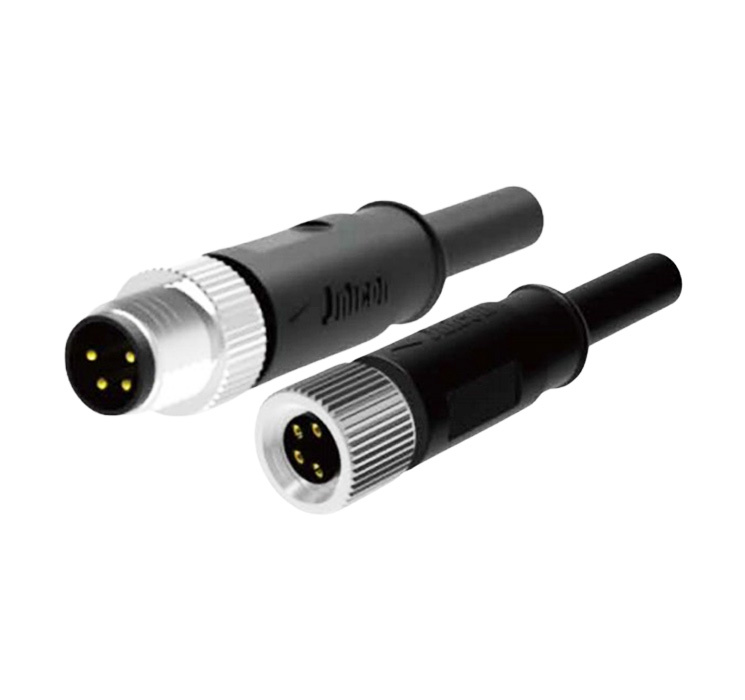
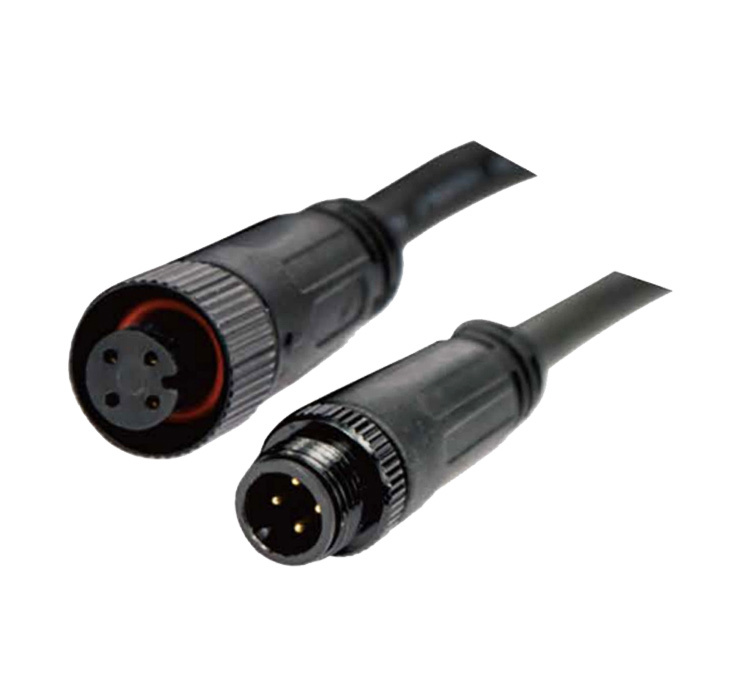
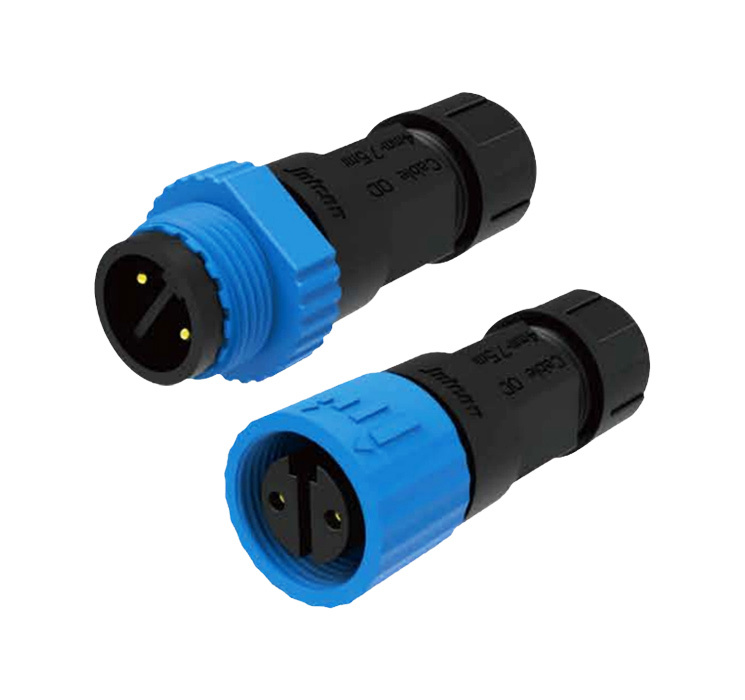
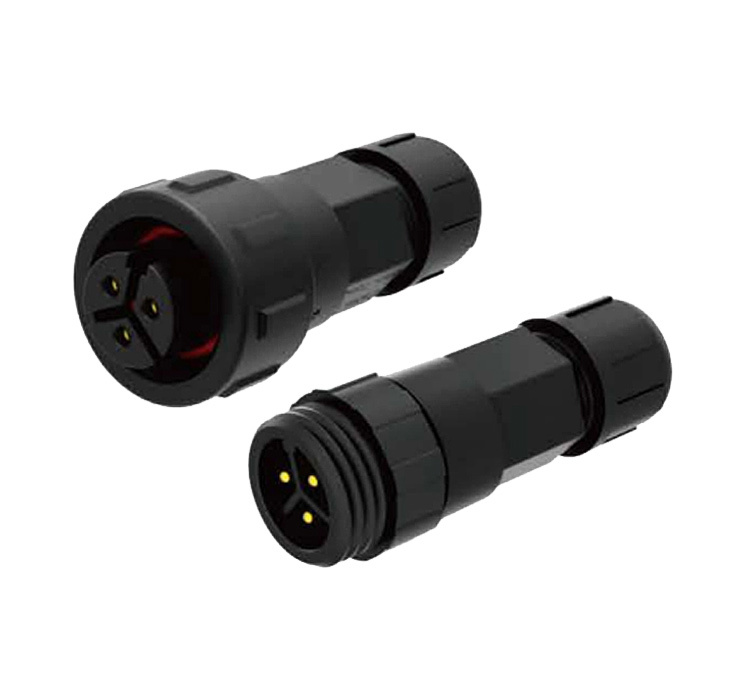
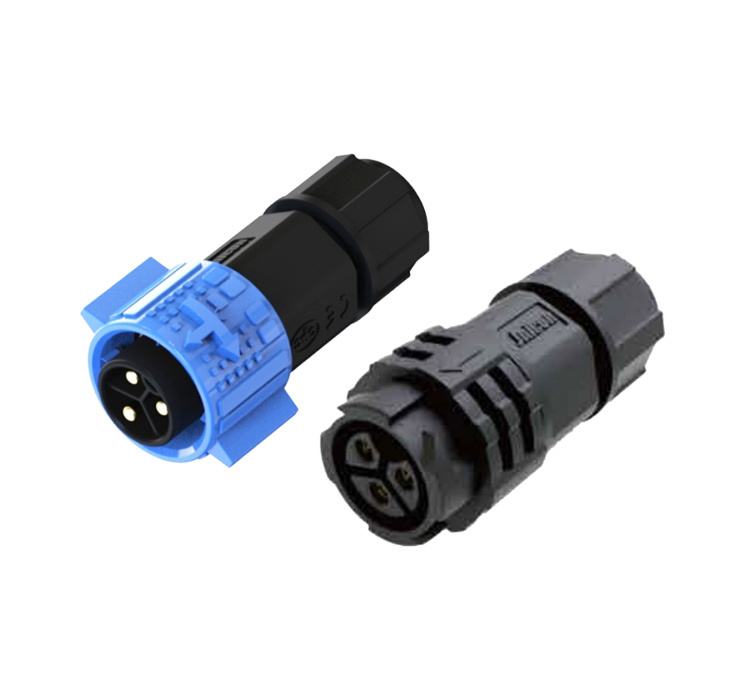
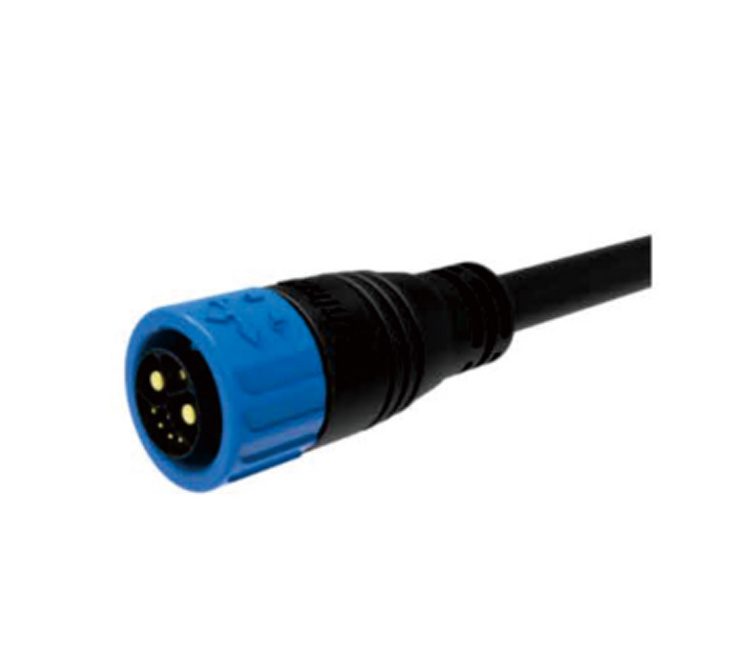
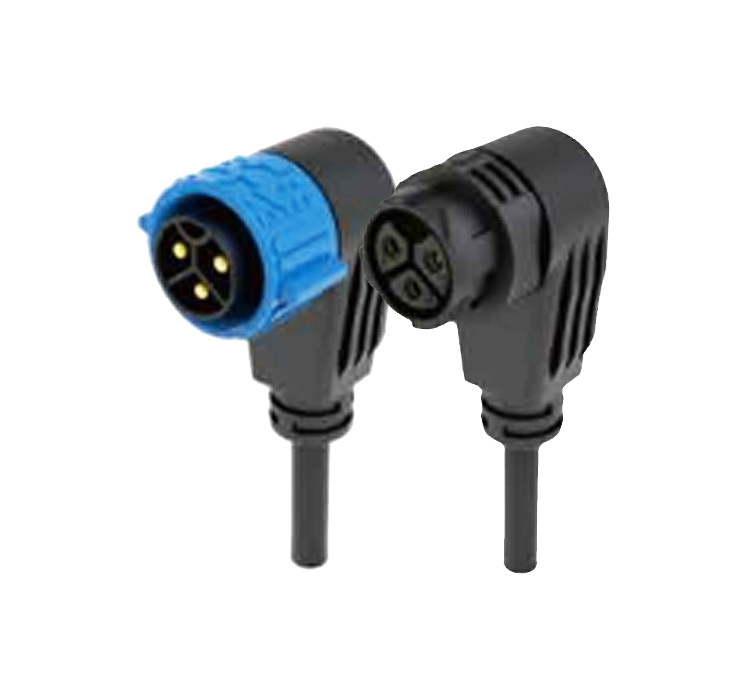
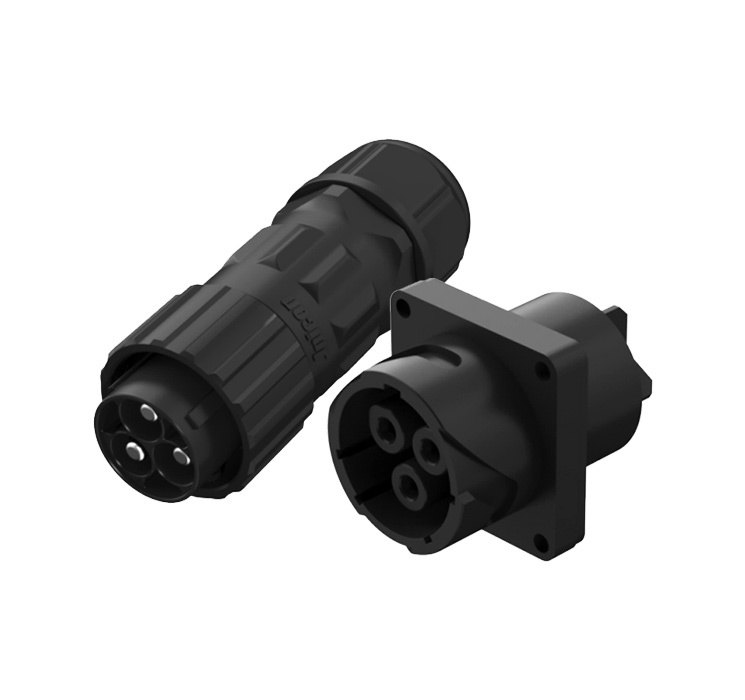
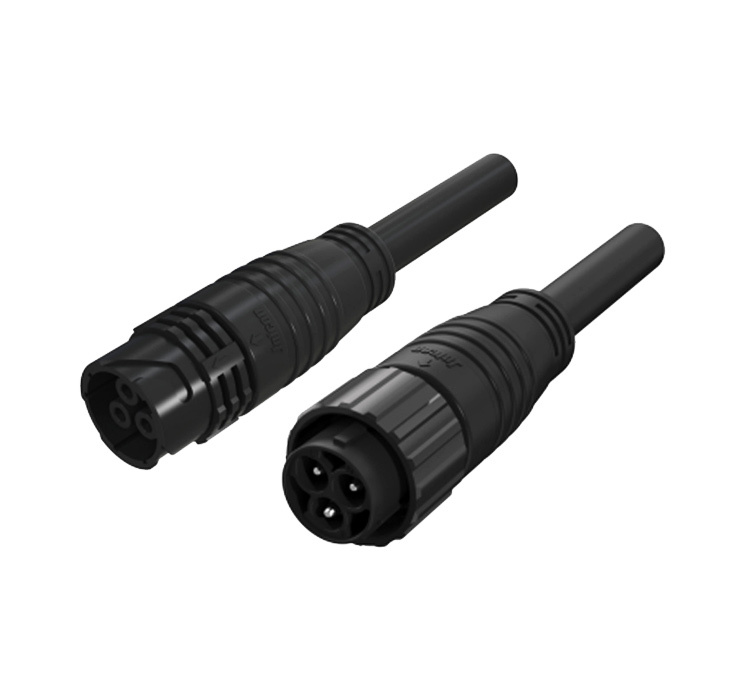
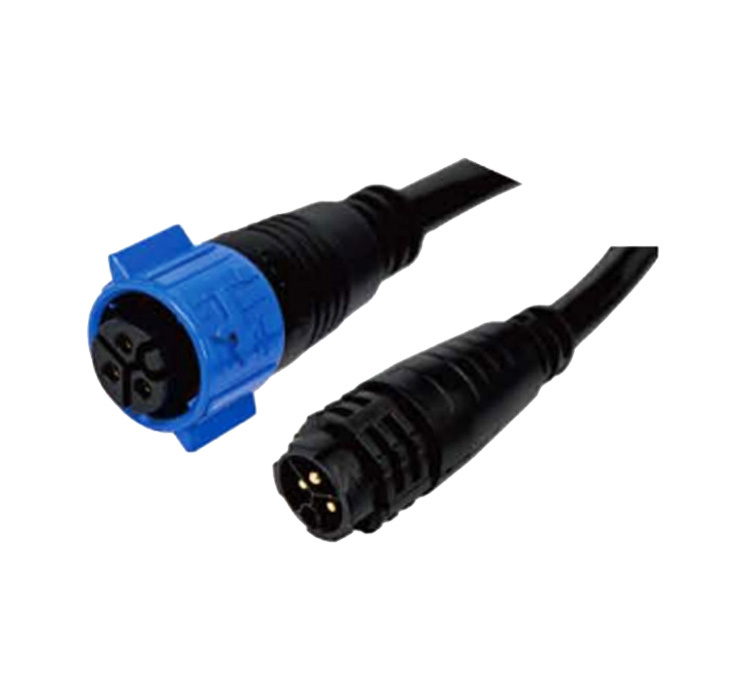
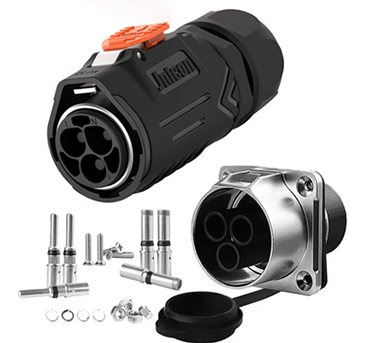
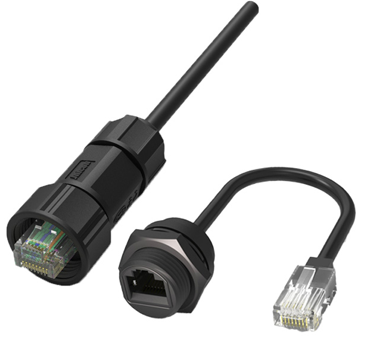
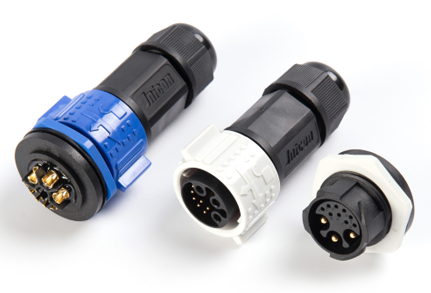
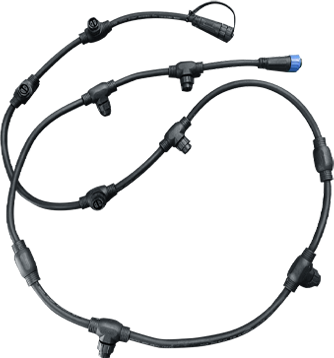
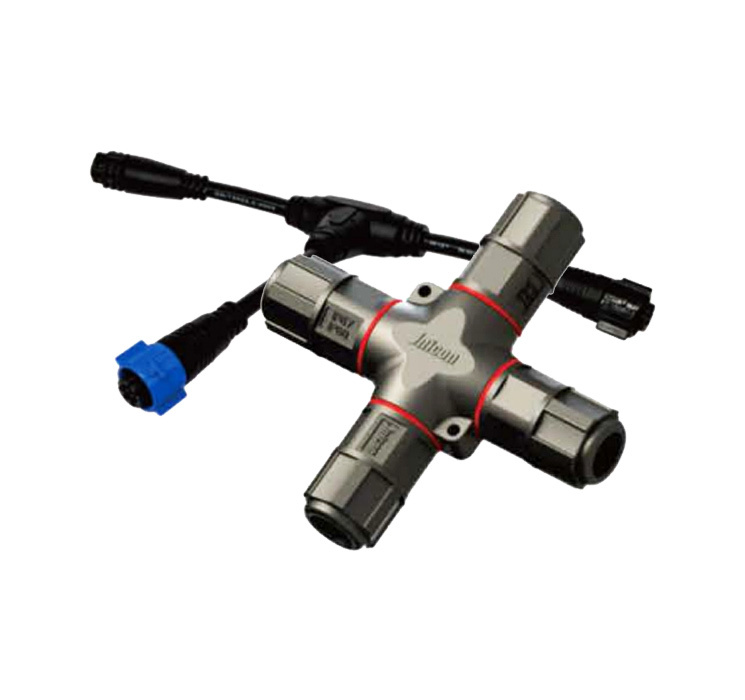
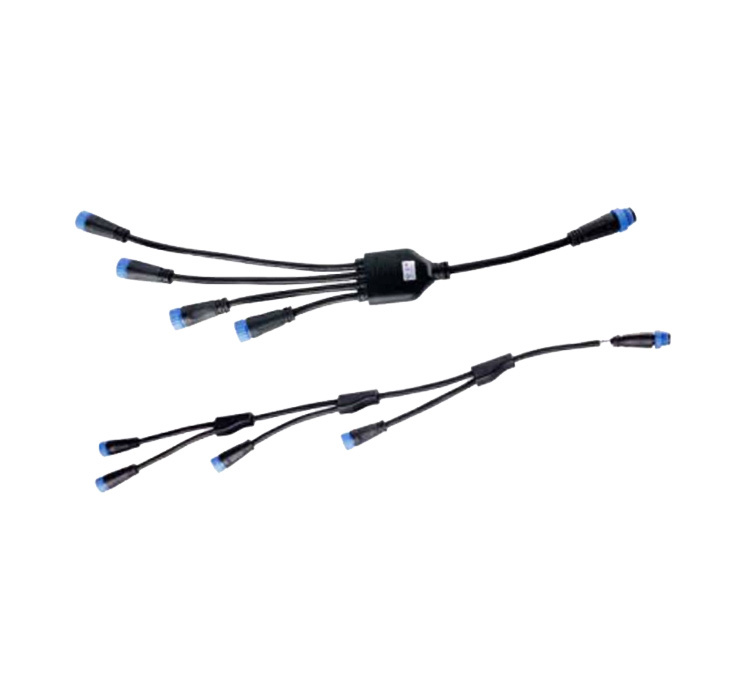
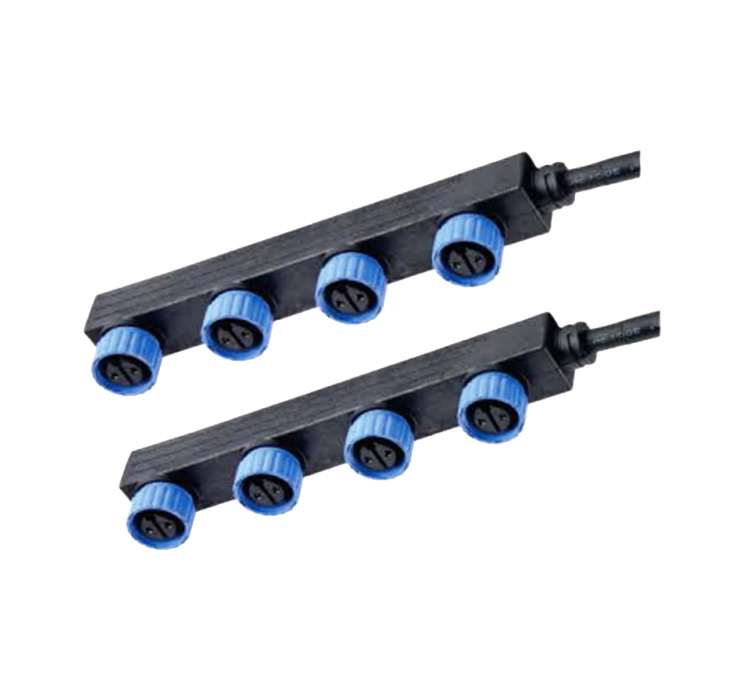
The construction of waterproof cables typically involves multiple layers of protective materials, including a durable outer sheath made from thermoplastic elastomer (TPE) or polyvinyl chloride (PVC). These materials not only provide excellent insulation but also contribute to resistance against environmental factors such as UV rays, chemicals, and abrasion. Inside the outer sheath, the conductors may be coated with additional materials to further prevent water penetration. This layered design is critical in maintaining the integrity of the electrical connection, especially in outdoor applications or areas prone to flooding.
One of the primary benefits of using waterproof cables is their ability to reduce the risk of electrical faults. In wet conditions, traditional cables can suffer from short circuits or corrosion, leading to costly repairs and potential safety hazards. By utilizing waterproof cables, electricians can ensure that their installations remain functional and safe, thus minimizing the likelihood of equipment failure and enhancing overall system performance.
When selecting waterproof cables, it is essential to consider several key factors. First, assess the environment where the cables will be installed. Different types of waterproof cables are available, each designed to withstand specific conditions, such as submersion in water or exposure to high humidity. Additionally, pay attention to the cable's IP (Ingress Protection) rating, which indicates its level of resistance to water and dust. A higher IP rating signifies better protection, making it crucial to choose a cable that meets the requirements of your specific application.
Another consideration is the cable's flexibility and temperature rating. Waterproof cables should remain flexible even in low temperatures to facilitate easier installation and movement. Moreover, understanding the operational temperature range is vital to ensure that the cables function effectively without degrading or losing performance.
In conclusion, waterproof cables play a vital role in ensuring safe and reliable electrical installations in challenging environments. Electricians should prioritize using these specialized cables to enhance system durability and performance. By understanding the construction, benefits, and selection criteria for waterproof cables, professionals in the electrical industry can make informed decisions that ultimately lead to safer and more efficient installations.
News
2026-10-03
Understanding Waterproof Cables: Essential Insights for Electrical Professionals
Waterproof cables are vital components in the electric and electronic industries, especially when it comes to ensuring safe and reliable connections in challenging environments. These cables are designed to resist moisture and prevent water ingress, which can lead to electrical failure and safety hazards. Understanding the intricacies of waterproof cables is essential for electrical professionals
2026-09-30
Discover the Advantages of Using 2 Pin Waterproof Connectors in Harsh Environments
Discover the Advantages of Using 2 Pin Waterproof Connectors in Harsh Environments Table of Contents 1. Introduction to 2 Pin Waterproof Connectors 2. Importance of Waterproof Connectors 3. Design Features of 2 Pin Waterproof Connectors 4. Applications in Various Industries 5. Benefits of Using 2 Pin Waterproof Connectors 6. Installation Guidelines for 2 Pin Waterproof Connectors 7.
2026-09-27
Understanding Industrial Power Connectors: Key Insights for Professionals
Industrial power connectors play a crucial role in the safety and efficiency of electrical systems across various sectors, including manufacturing, energy, and transportation. These connectors are designed to facilitate the transmission of electrical power in rugged environments, ensuring reliable and stable connections. Understanding the types, applications, and selection criteria for industrial

B8-9, Fubilun industrial park, Chaoyang rd,Yanchuan community, Songgang, Shenzhen, China


