


The Impact of Weather Conditions on Marine Electrical Connectors: A Waterproof Solution
Release Time:
2026-02-18
The Impact of Weather Conditions on Marine Electrical Connectors: A Waterproof Solution
Table of Contents
- 1. Introduction: Understanding Marine Electrical Connectors
- 2. The Influence of Weather Conditions on Marine Electrical Connectors
- 3. Types of Marine Electrical Connectors
- 4. Exploring Waterproof Solutions for Marine Connectors
- 5. Selecting the Right Materials for Marine Connectors
- 6. Proper Installation Techniques for Optimal Performance
- 7. Maintenance Tips for Marine Electrical Connectors
- 8. FAQ: Common Questions about Marine Electrical Connectors
- 9. Conclusion: Ensuring Reliability in Marine Applications
1. Introduction: Understanding Marine Electrical Connectors
Marine electrical connectors play a crucial role in ensuring the reliability of electrical systems aboard boats and ships. These connectors must endure extreme conditions, including high humidity, saltwater exposure, and significant temperature fluctuations. As a result, understanding the complexities of marine environments is essential for selecting connectors that withstand these challenges. This article delves into the impact of weather on marine electrical connectors and presents waterproof solutions that can enhance their performance.
2. The Influence of Weather Conditions on Marine Electrical Connectors
Weather conditions can significantly impact the functionality and longevity of marine electrical connectors. The primary challenges include:
2.1 Humidity and Moisture Exposure
High humidity levels and direct exposure to moisture can lead to corrosion, which is a leading cause of connector failure. Marine environments are particularly susceptible to these conditions, often leading to short circuits and other electrical issues.
2.2 Temperature Fluctuations
Temperature variations can cause materials to expand and contract, affecting the integrity of connections. Extreme heat can degrade insulation, while cold temperatures can make materials brittle and prone to cracking.
2.3 Saltwater Corrosion
Saltwater is one of the most corrosive elements in marine environments. When marine electrical connectors are exposed to saltwater, the risk of corrosion increases significantly, jeopardizing the safety and reliability of electrical systems.
2.4 UV Exposure
UV radiation can deteriorate the materials used in connectors, leading to increased wear and tear. Connectors not designed to resist UV rays can become brittle, resulting in potential failures.
3. Types of Marine Electrical Connectors
Choosing the right type of marine electrical connector is essential for ensuring optimal performance in harsh environments. Some common types include:
3.1 Circular Connectors
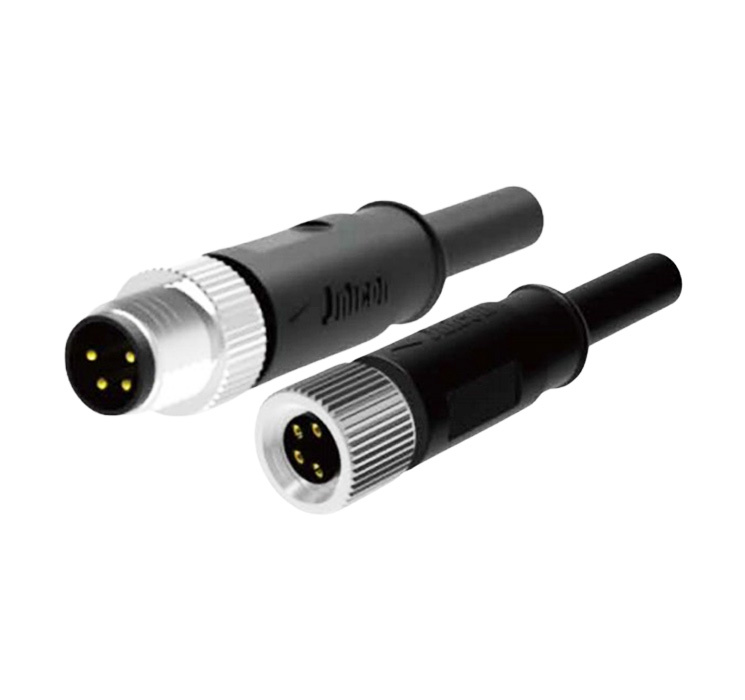
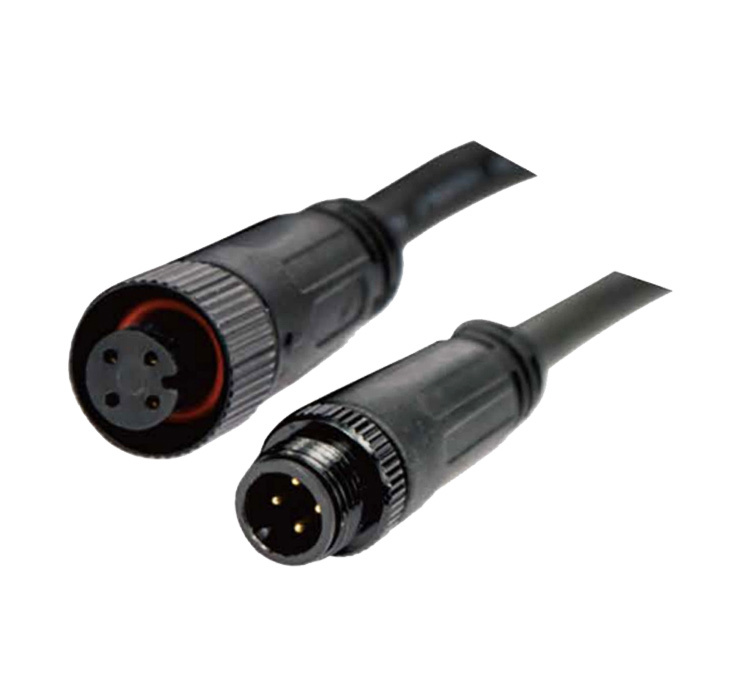
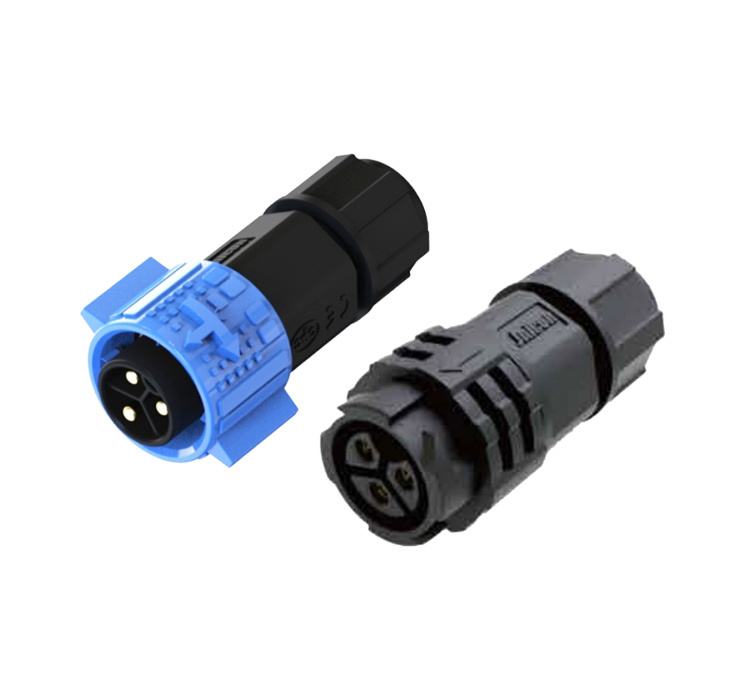
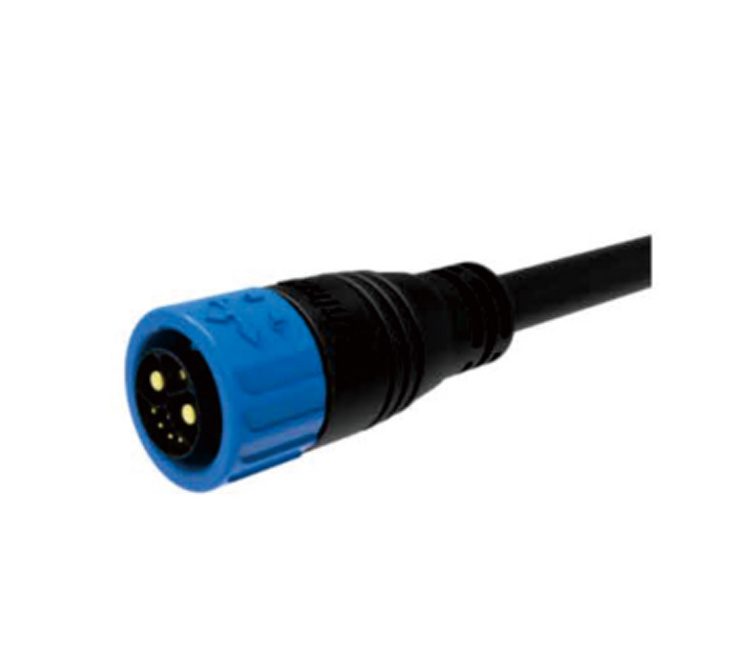
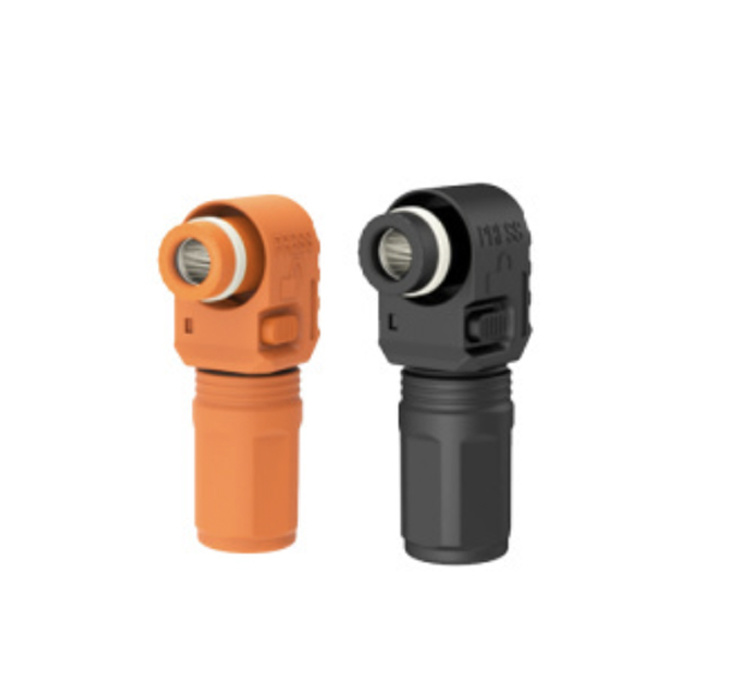
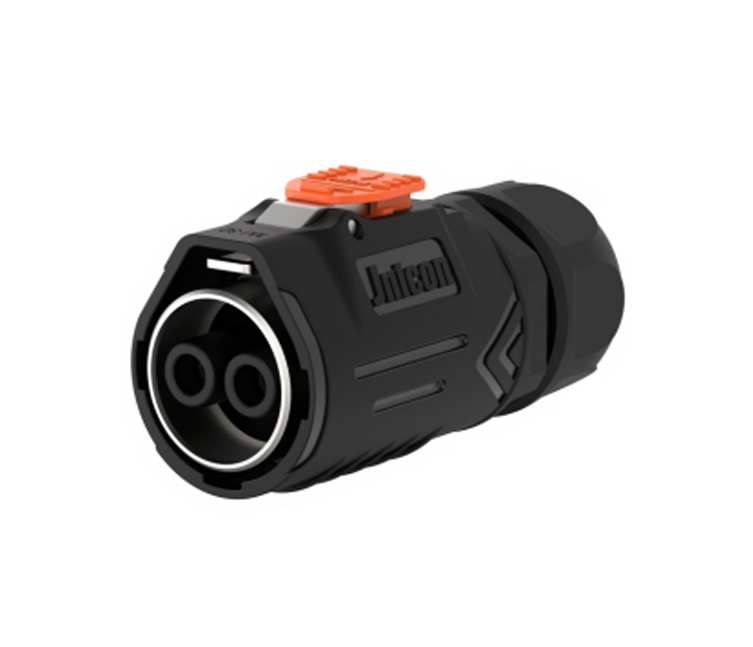
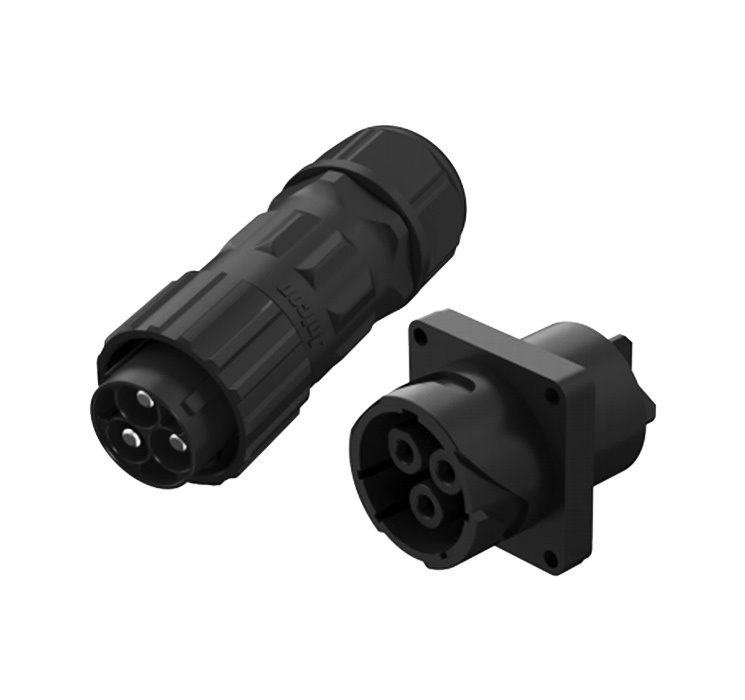
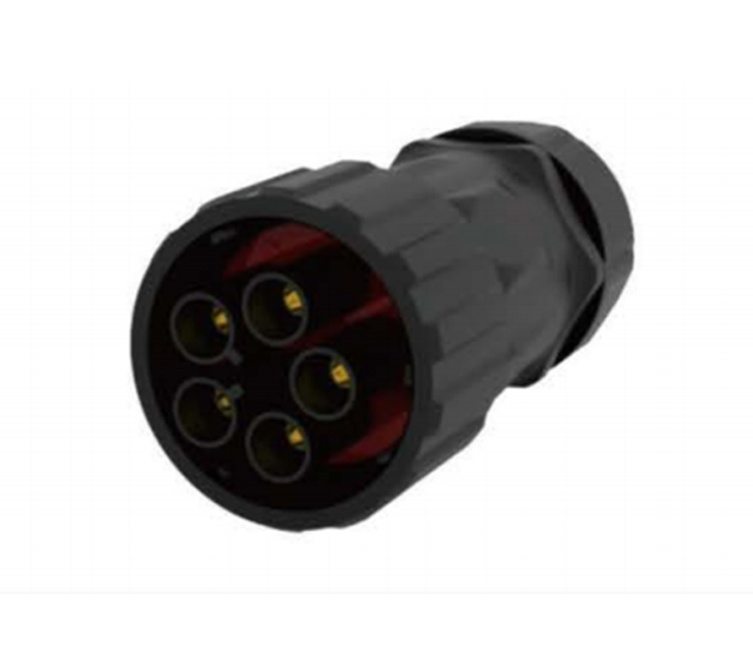
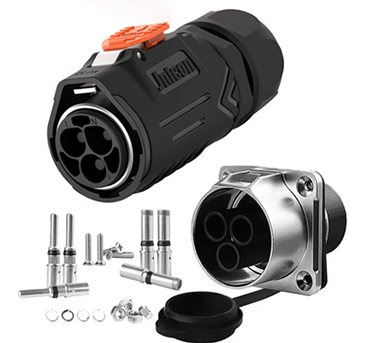
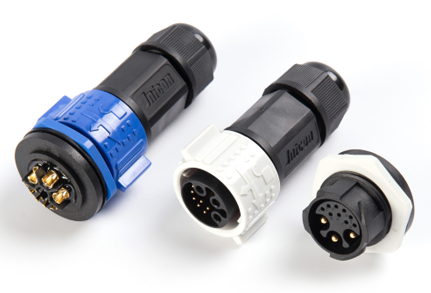
Circular connectors are widely used in marine applications because of their robust design and ease of use. They often feature locking mechanisms that ensure a secure connection even in rough sea conditions.
3.2 Rectangular Connectors
Rectangular connectors offer a larger contact area, making them suitable for high-current applications. They are available in various configurations to meet specific needs.
3.3 Waterproof Connectors
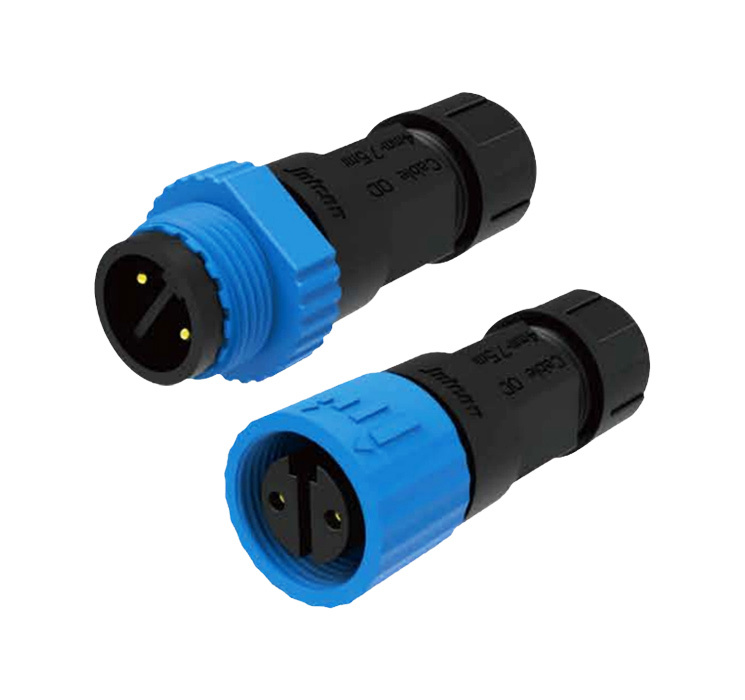
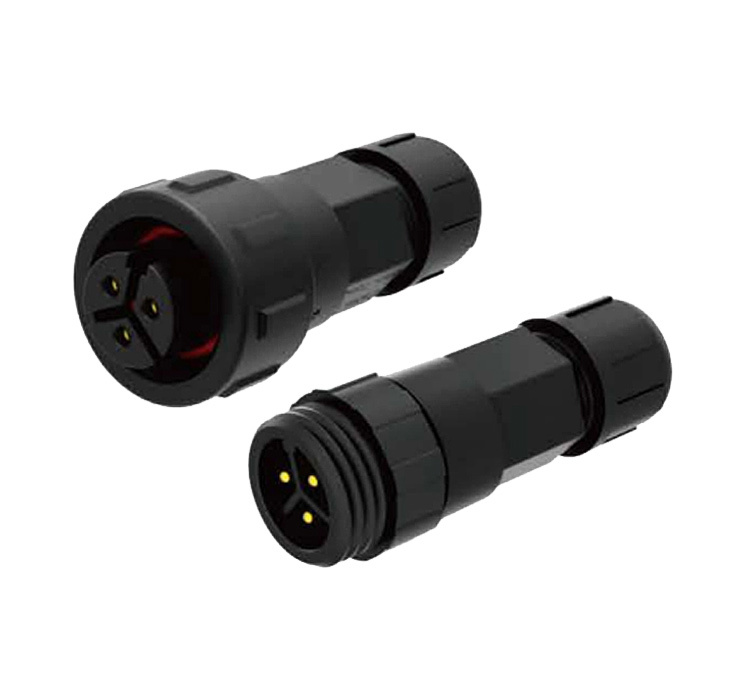
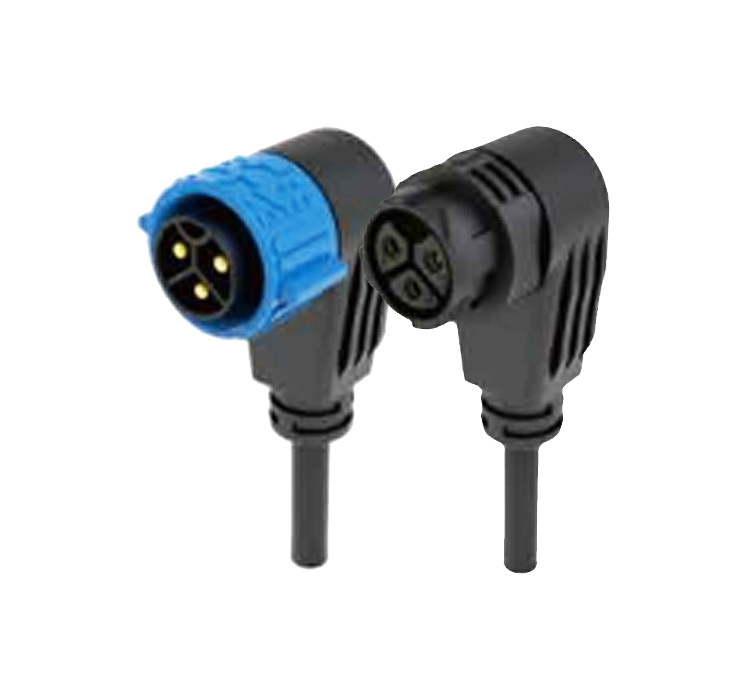
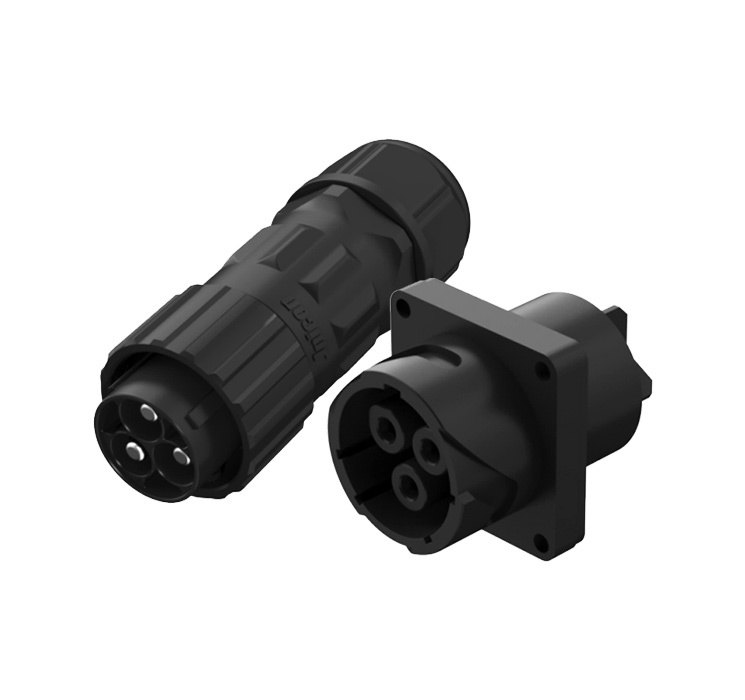
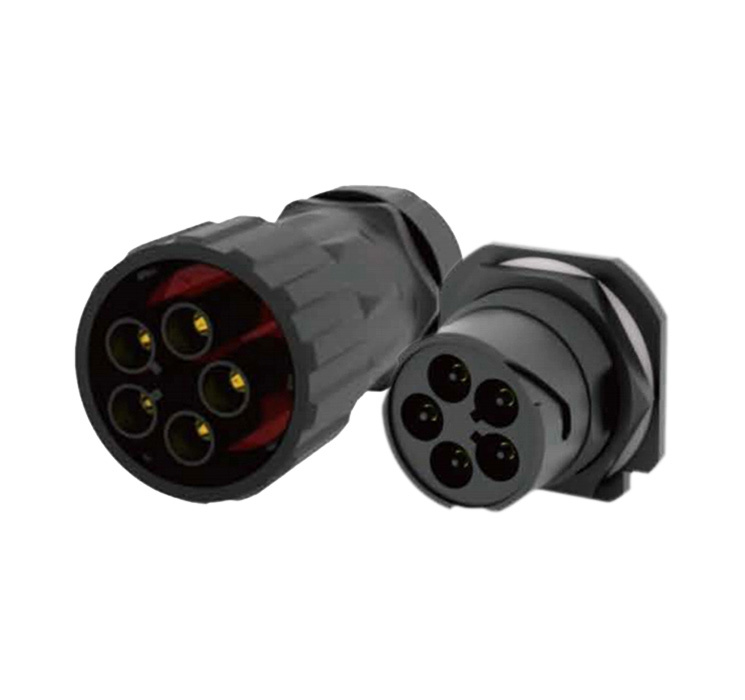
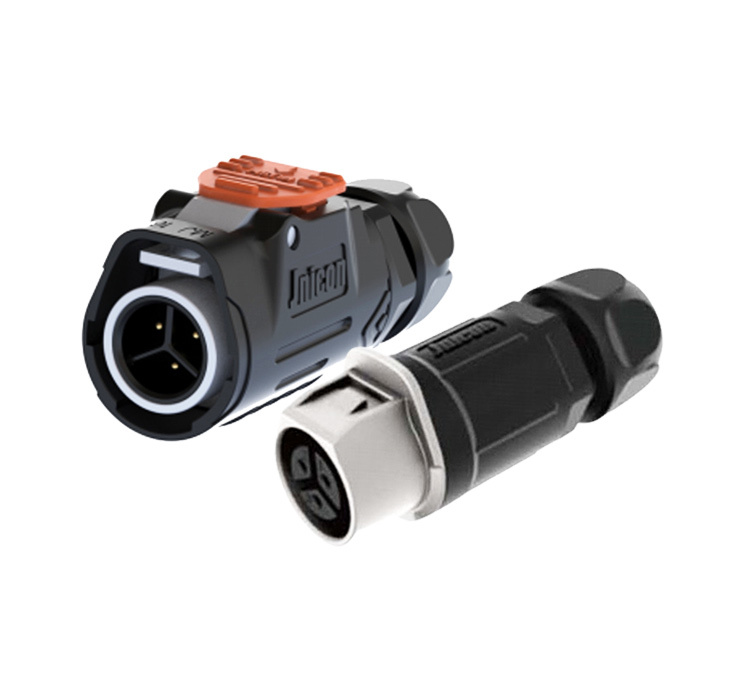
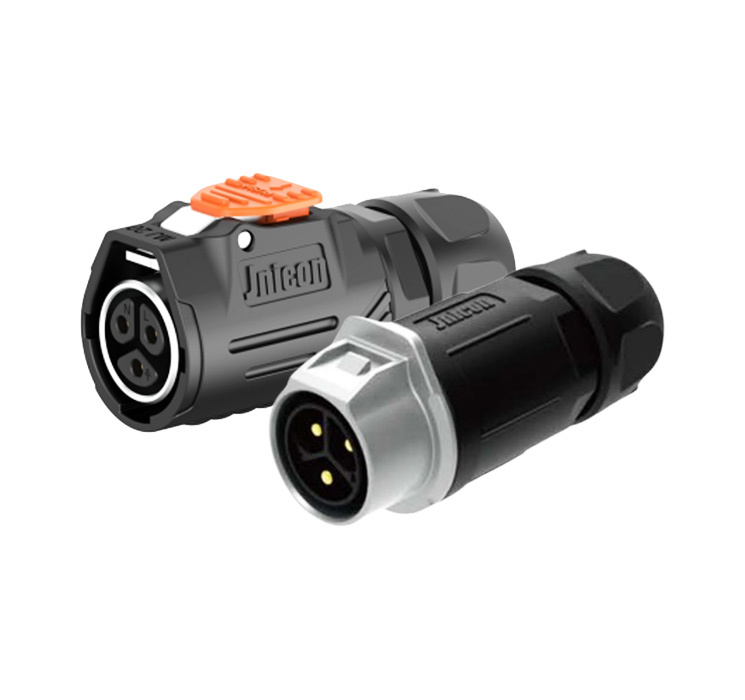
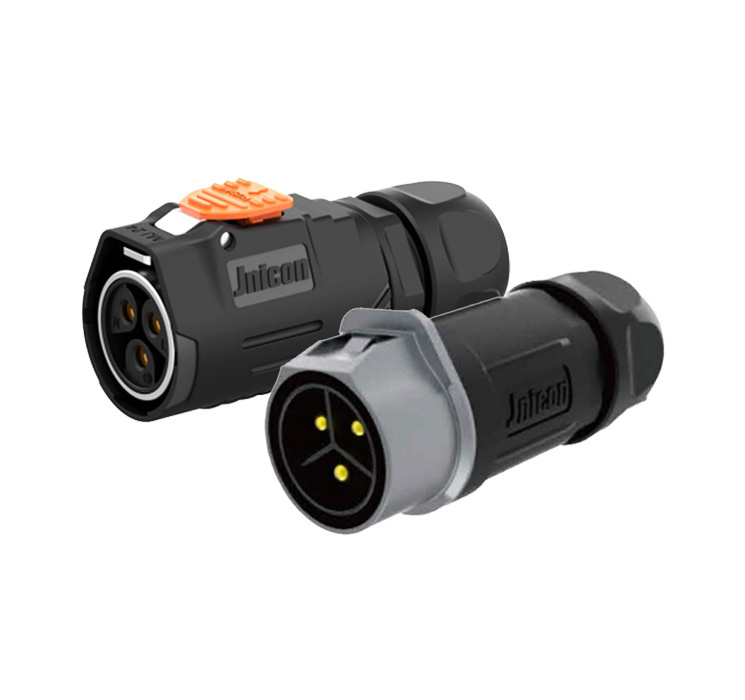
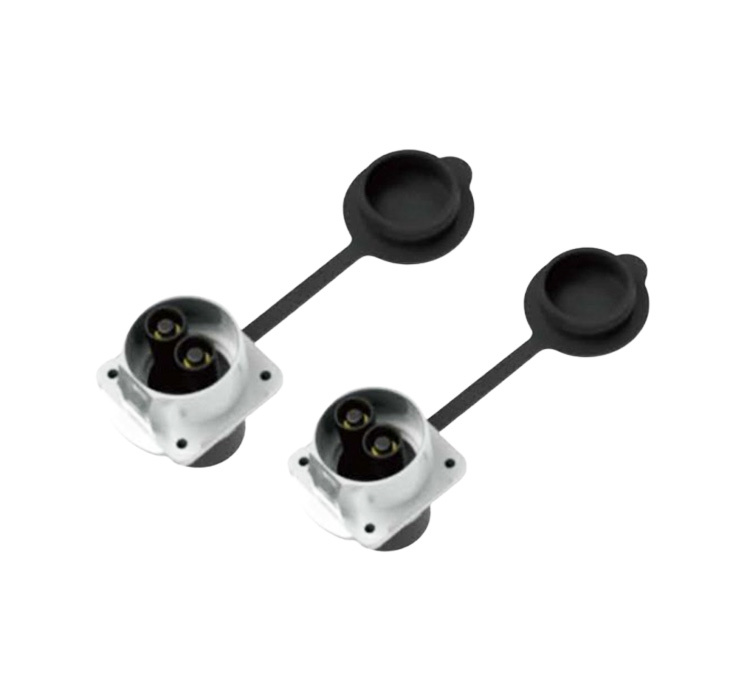
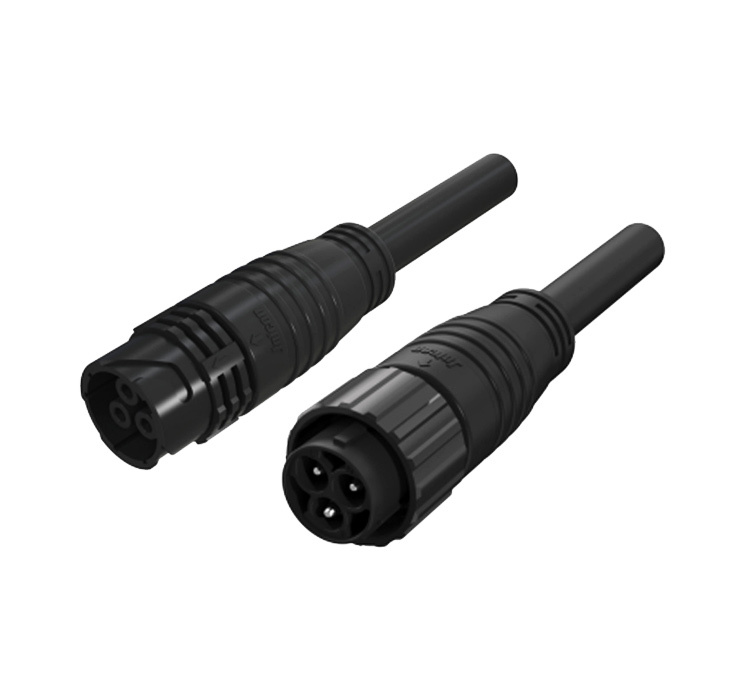
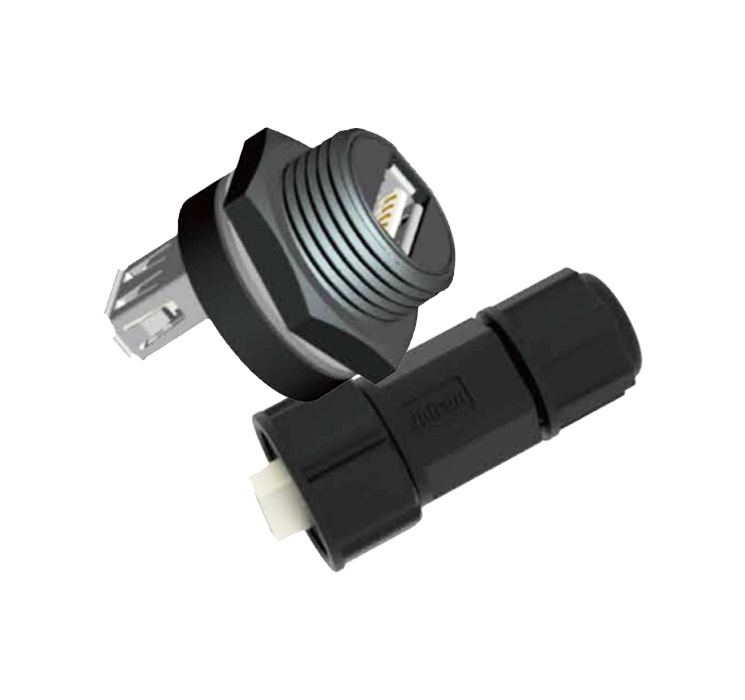
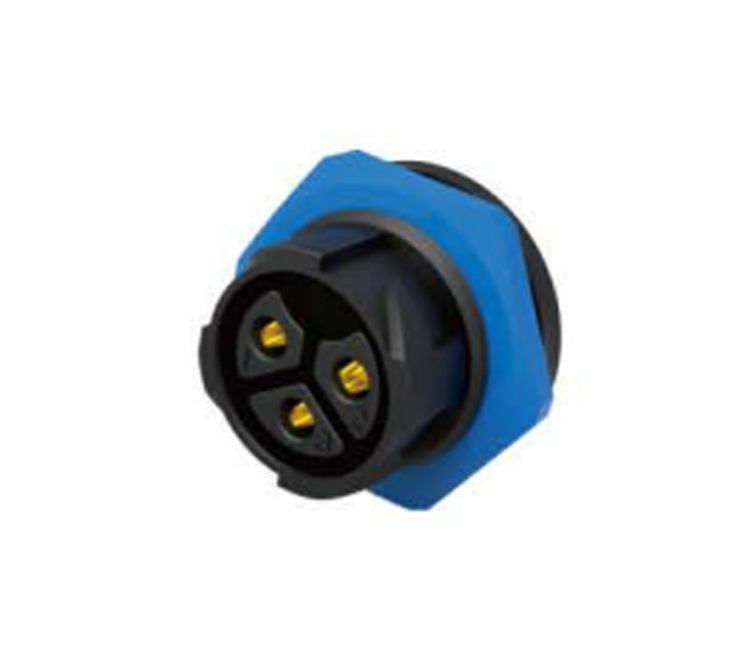
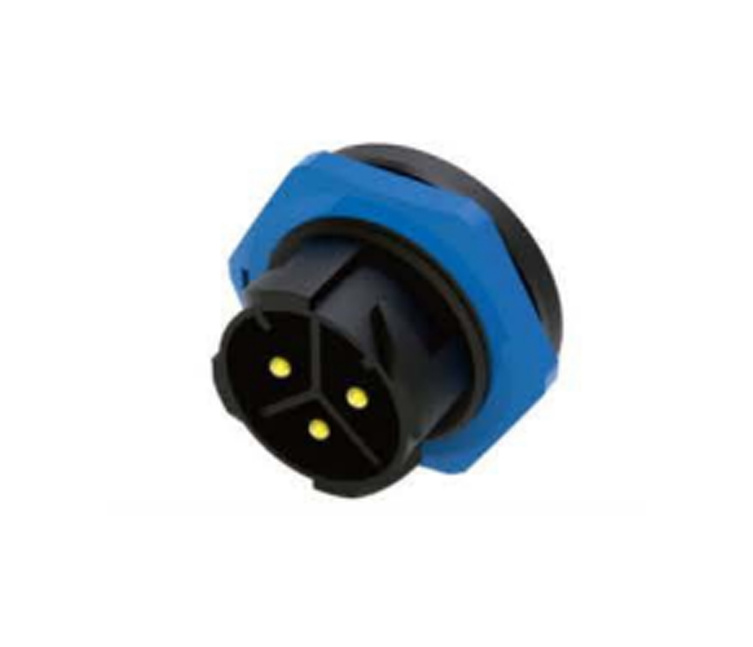
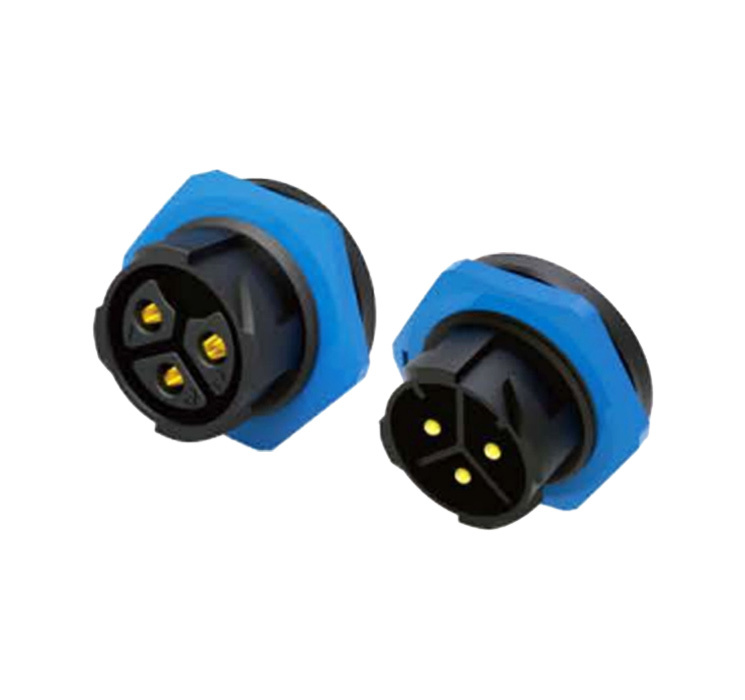
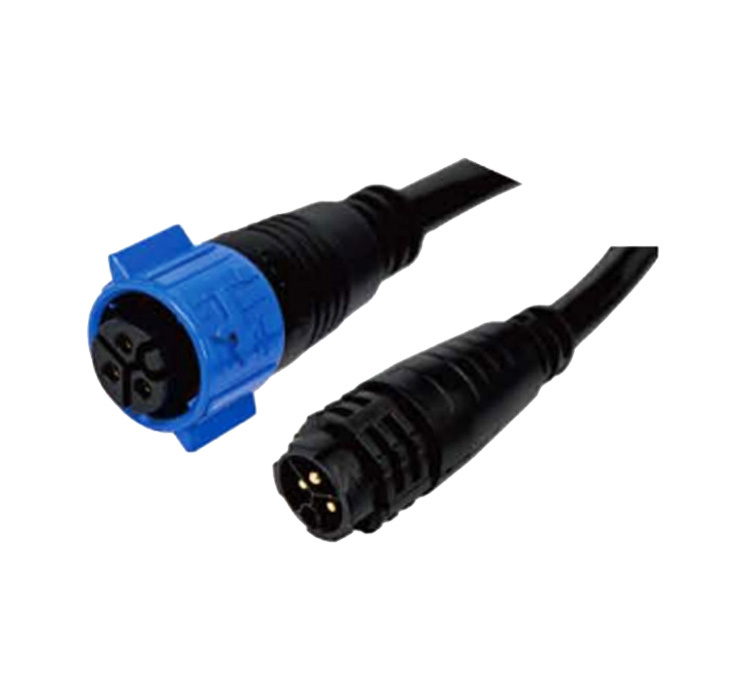
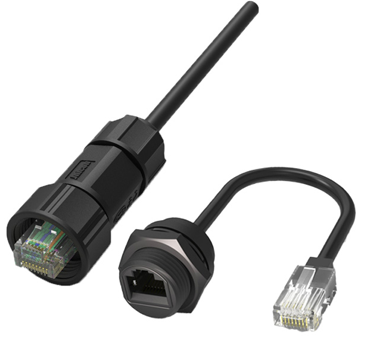
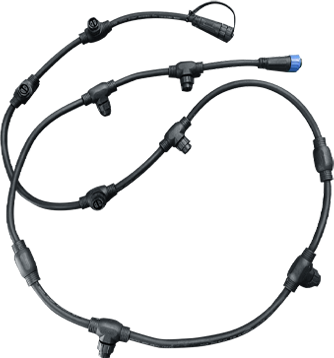
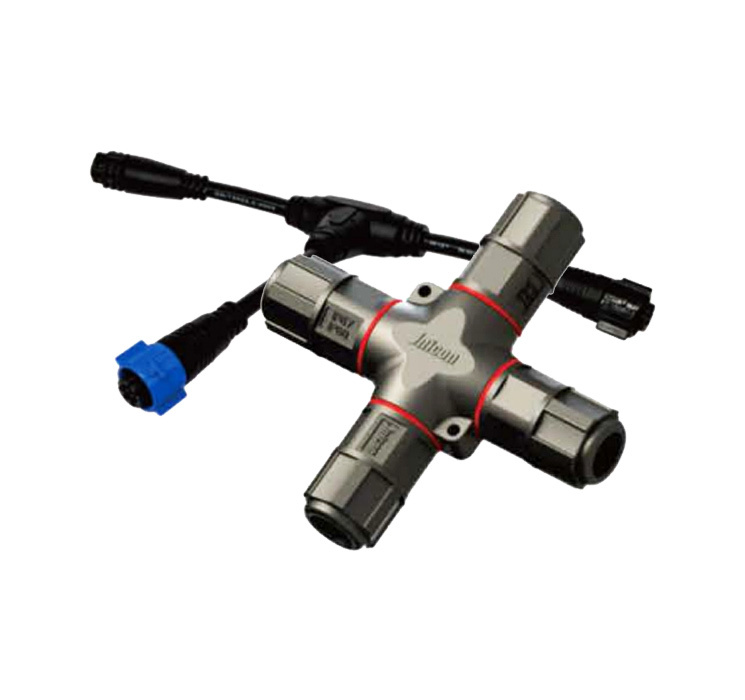
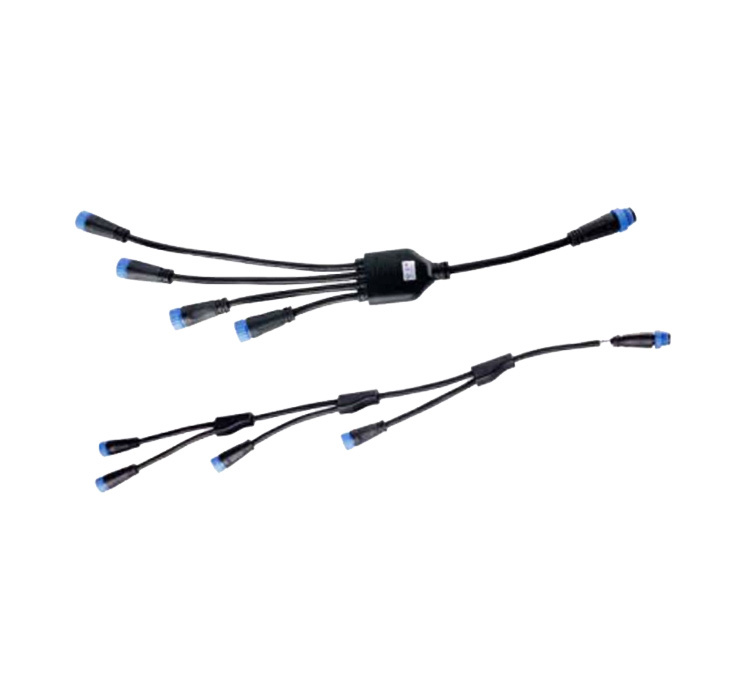
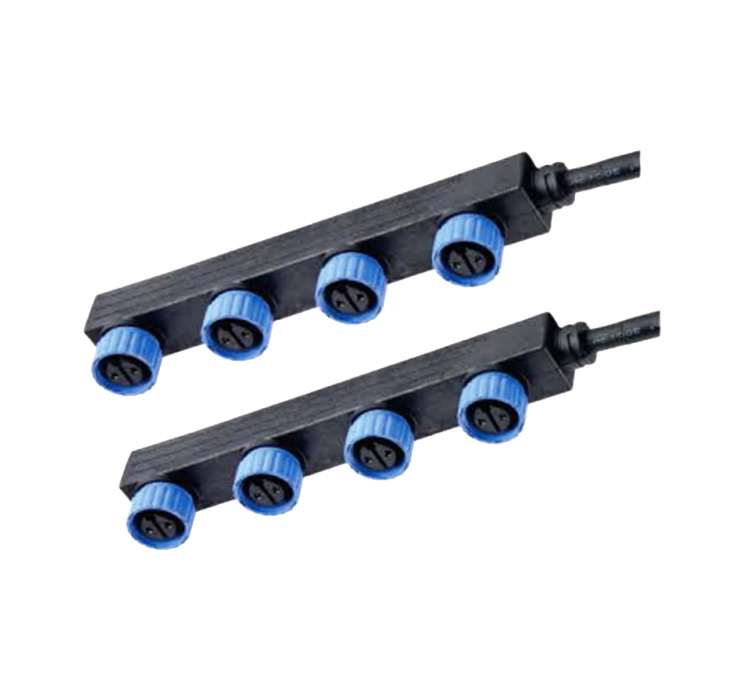
Waterproof connectors are specifically designed to prevent moisture ingress, offering a reliable solution for marine applications. These connectors feature gaskets and seals that protect against water and other contaminants.
4. Exploring Waterproof Solutions for Marine Connectors
To protect marine electrical connectors from adverse weather conditions, innovative waterproof solutions have been developed. Here are some key options:
4.1 Sealed Connectors
Sealed connectors feature unique designs that prevent water from entering the connection. This is achieved through the use of O-rings and grommets that create a watertight seal.
4.2 Potting Compounds
Potting compounds encapsulate connectors in a protective resin, providing an additional layer of waterproofing. This method also offers protection against vibration and impact, making it ideal for marine environments.
4.3 Conformal Coating
Conformal coating is a protective chemical layer applied to electrical components, including connectors. This coating shields against moisture, dust, and chemicals, significantly enhancing durability.
5. Selecting the Right Materials for Marine Connectors
Material selection is critical in developing reliable marine electrical connectors. The following materials are commonly used:
5.1 Corrosion-Resistant Alloys
Corrosion-resistant alloys, such as stainless steel or bronze, are ideal for marine connectors. These materials withstand harsh environments, reducing the risk of failure due to corrosion.
5.2 High-Temperature Insulation Materials
Using high-temperature insulation materials, such as silicone or PVC, can enhance the longevity of connectors. These materials offer resistance to temperature fluctuations and protect against thermal degradation.
5.3 UV-Resistant Plastics
UV-resistant plastics, like polycarbonate, provide excellent durability against sun exposure. Using these materials enhances the longevity of connectors, reducing the need for frequent replacements.
6. Proper Installation Techniques for Optimal Performance
Correct installation is crucial for maximizing the performance of marine electrical connectors. Here are some essential tips:
6.1 Follow Manufacturer Guidelines
Always adhere to the manufacturer’s specifications for installation. This ensures that connectors are installed correctly, optimizing their performance and longevity.
6.2 Use the Right Tools
Utilizing the appropriate tools and techniques during installation prevents damage to connectors and ensures a secure fit.
6.3 Ensure Tight Seals
To maximize waterproofing, ensure that all seals are tight and free of debris. Regularly inspect connections to identify any signs of wear or damage.
7. Maintenance Tips for Marine Electrical Connectors
Regular maintenance can significantly extend the life of marine electrical connectors. Consider the following practices:
7.1 Routine Inspections
Conduct routine inspections to identify any signs of corrosion, wear, or loose connections. Early detection can prevent costly repairs down the line.
7.2 Clean Connections
Keep connectors clean and free of salt, dirt, and debris. Using a mild cleaning solution and a soft brush can help maintain optimal performance.
7.3 Lubrication
Applying an appropriate lubricant to connectors can enhance protection against corrosion and ensure smooth operation. Choose lubricants designed for marine environments.
8. FAQ: Common Questions about Marine Electrical Connectors
8.1 What are marine electrical connectors?
Marine electrical connectors are specialized connectors designed to withstand harsh marine environments, ensuring reliable electrical connections aboard boats and ships.
8.2 How do weather conditions affect marine electrical connectors?
Weather conditions such as humidity, saltwater exposure, temperature fluctuations, and UV radiation can lead to corrosion, degradation, and eventual failure of marine electrical connectors.
8.3 What materials should I look for in waterproof connectors?
Look for corrosion-resistant alloys, high-temperature insulation materials, and UV-resistant plastics to ensure the longevity and reliability of waterproof connectors.
8.4 How often should I inspect marine electrical connectors?
Routine inspections should be conducted at least once a season or before and after long voyages to ensure connectors are free from damage and corrosion.
8.5 Can waterproof connectors prevent all types of failures?
While waterproof connectors greatly reduce the risk of failure due to moisture ingress and corrosion, proper installation and maintenance are equally essential to ensure optimal performance.
9. Conclusion: Ensuring Reliability in Marine Applications
Weather conditions pose significant challenges to the performance of marine electrical connectors. However, by understanding these challenges and implementing waterproof solutions, we can ensure the reliability and longevity of electrical systems aboard maritime vessels. Investing in high-quality marine electrical connectors made from durable materials and employing proper installation techniques will safeguard against the adverse effects of harsh marine environments. With regular maintenance and care, marine electrical connectors can provide dependable service, supporting safe and efficient operations on the water for years to come.
News
2026-10-03
Understanding Waterproof Cables: Essential Insights for Electrical Professionals
Waterproof cables are vital components in the electric and electronic industries, especially when it comes to ensuring safe and reliable connections in challenging environments. These cables are designed to resist moisture and prevent water ingress, which can lead to electrical failure and safety hazards. Understanding the intricacies of waterproof cables is essential for electrical professionals
2026-09-30
Discover the Advantages of Using 2 Pin Waterproof Connectors in Harsh Environments
Discover the Advantages of Using 2 Pin Waterproof Connectors in Harsh Environments Table of Contents 1. Introduction to 2 Pin Waterproof Connectors 2. Importance of Waterproof Connectors 3. Design Features of 2 Pin Waterproof Connectors 4. Applications in Various Industries 5. Benefits of Using 2 Pin Waterproof Connectors 6. Installation Guidelines for 2 Pin Waterproof Connectors 7.
2026-09-27
Understanding Industrial Power Connectors: Key Insights for Professionals
Industrial power connectors play a crucial role in the safety and efficiency of electrical systems across various sectors, including manufacturing, energy, and transportation. These connectors are designed to facilitate the transmission of electrical power in rugged environments, ensuring reliable and stable connections. Understanding the types, applications, and selection criteria for industrial

B8-9, Fubilun industrial park, Chaoyang rd,Yanchuan community, Songgang, Shenzhen, China


