


Understanding Industrial Power Connectors: Essential Components for Reliable Electrical Connections
Release Time:
2026-05-22
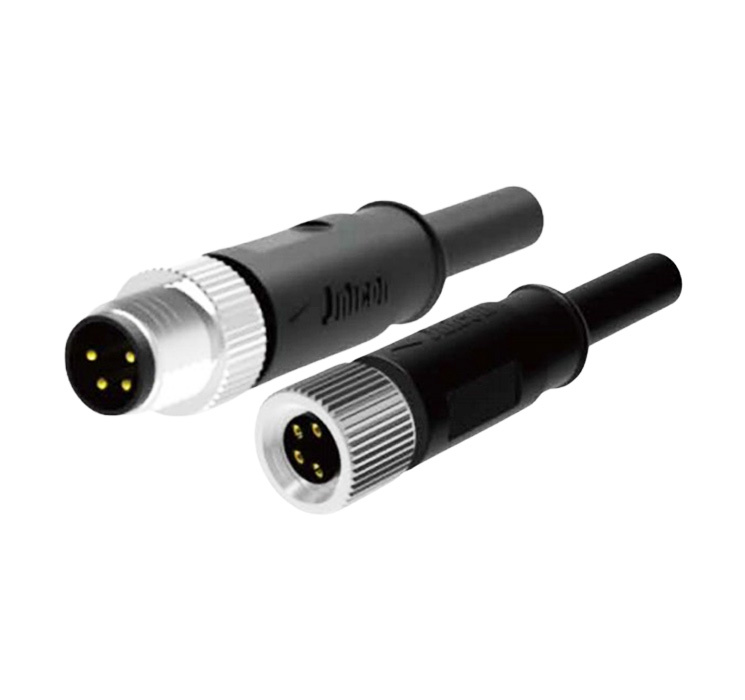
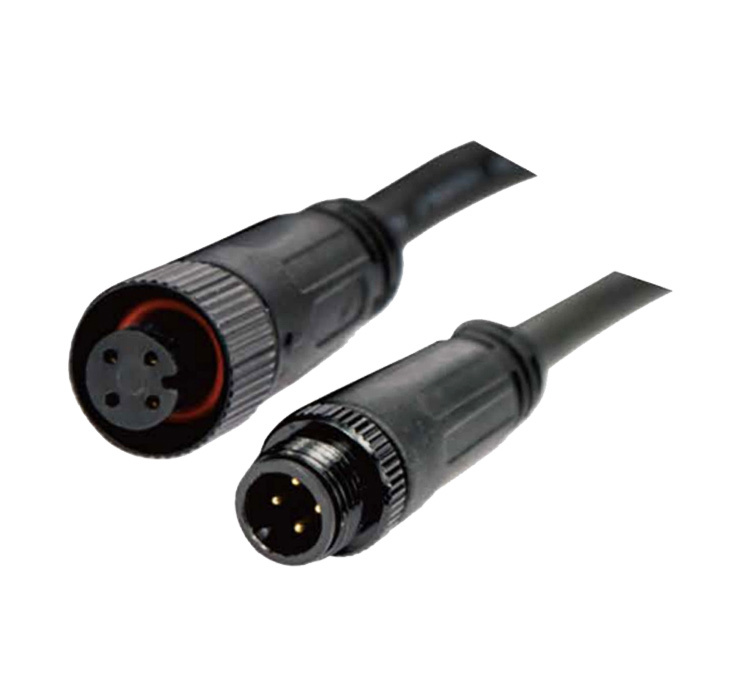
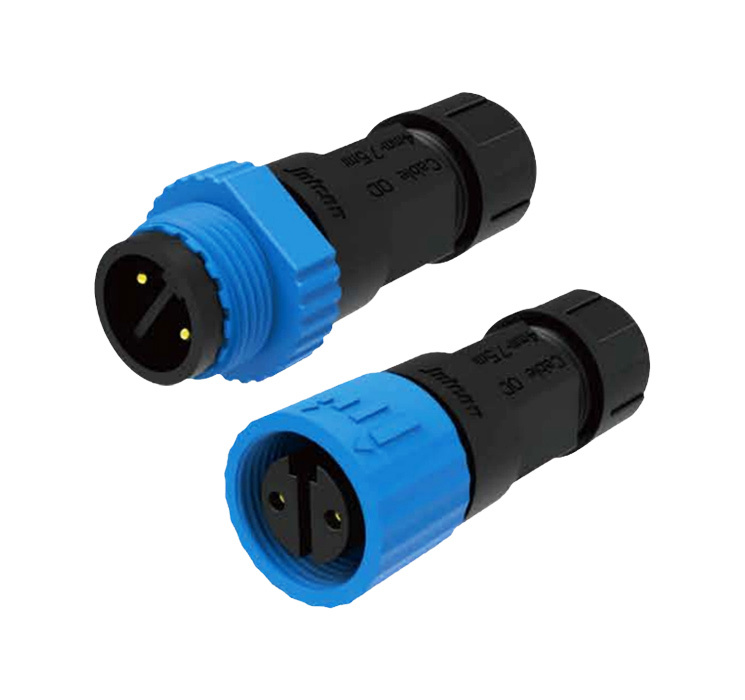
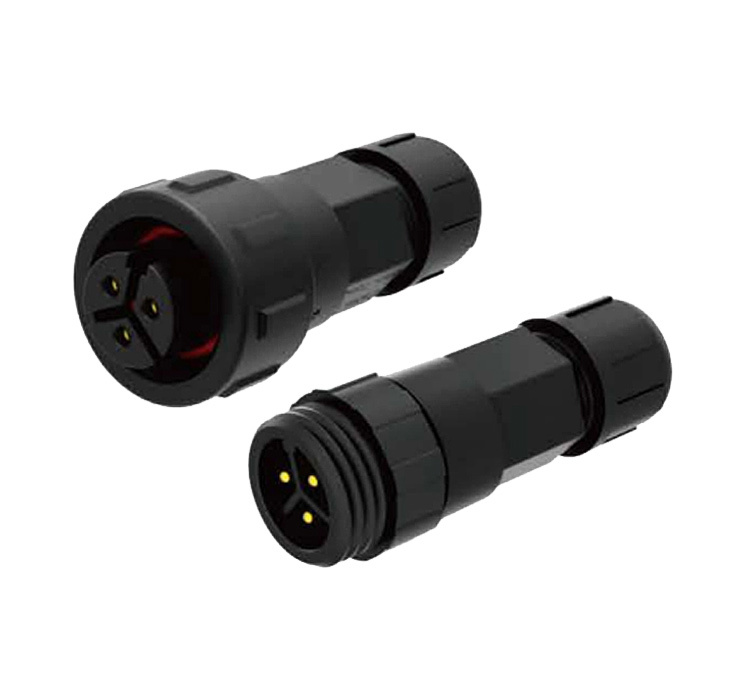
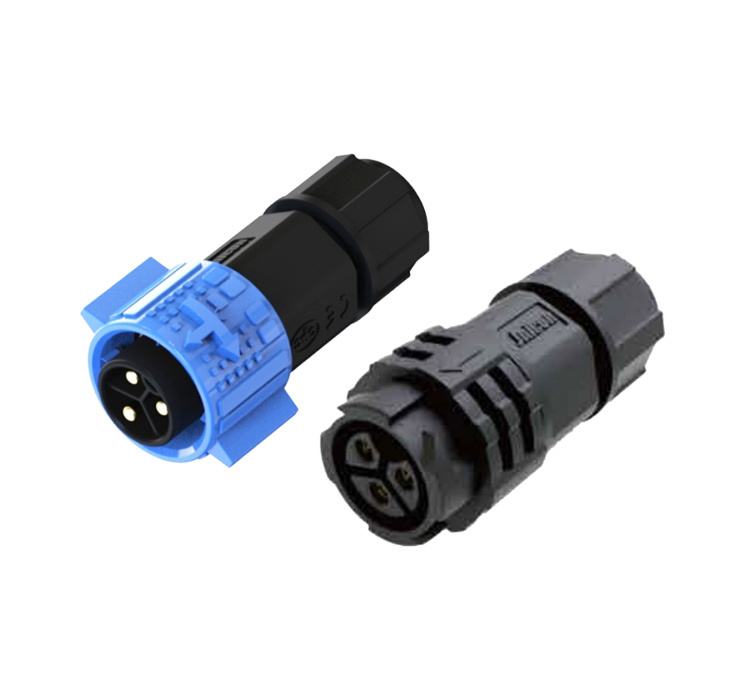
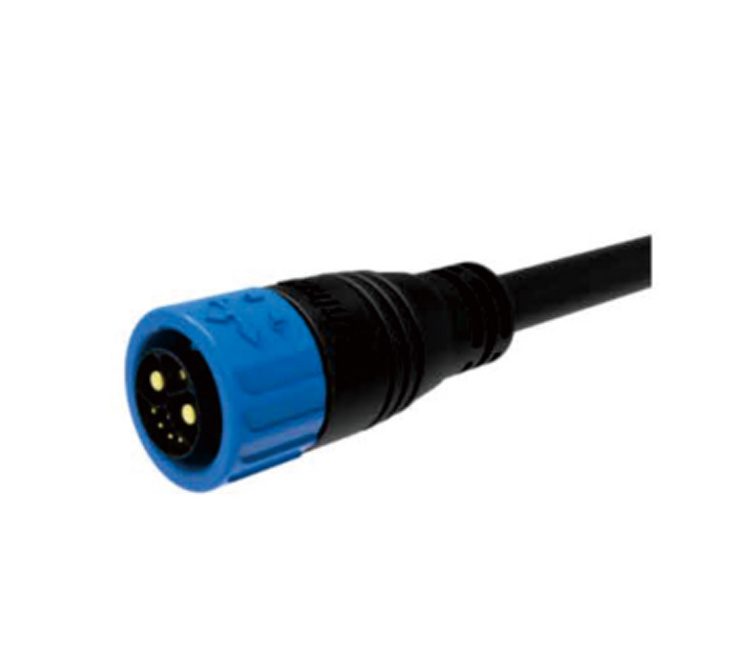
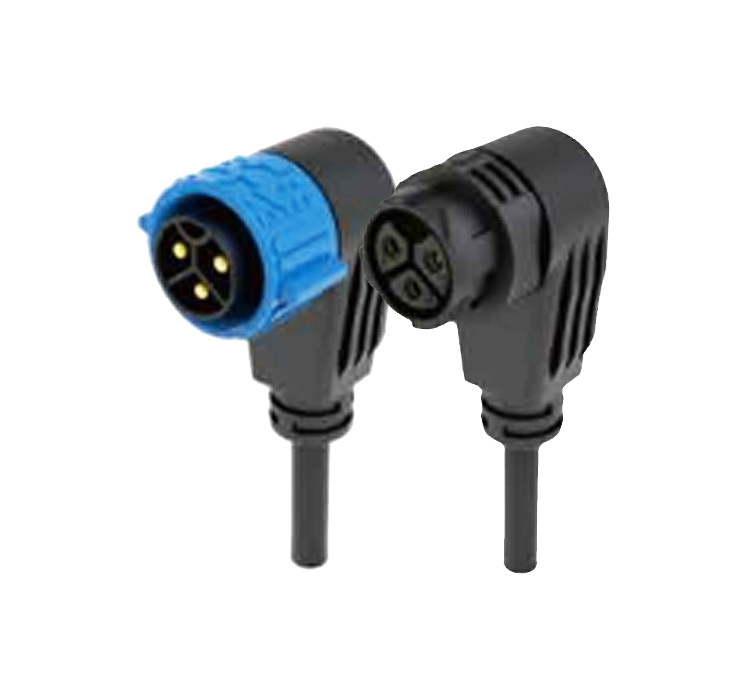
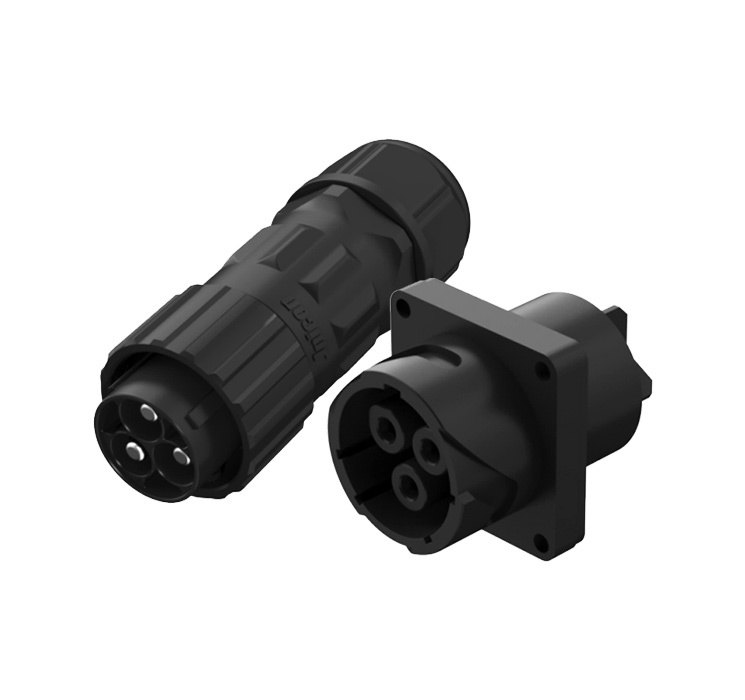
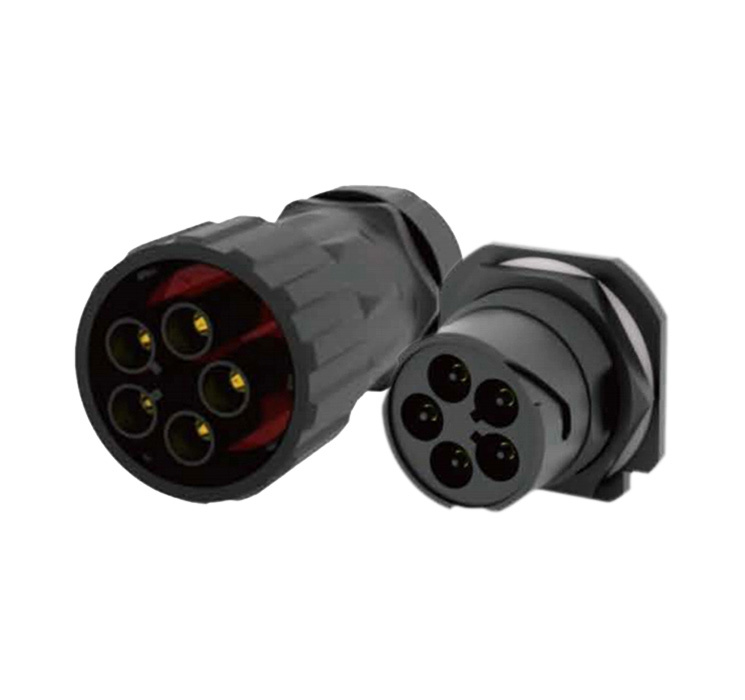
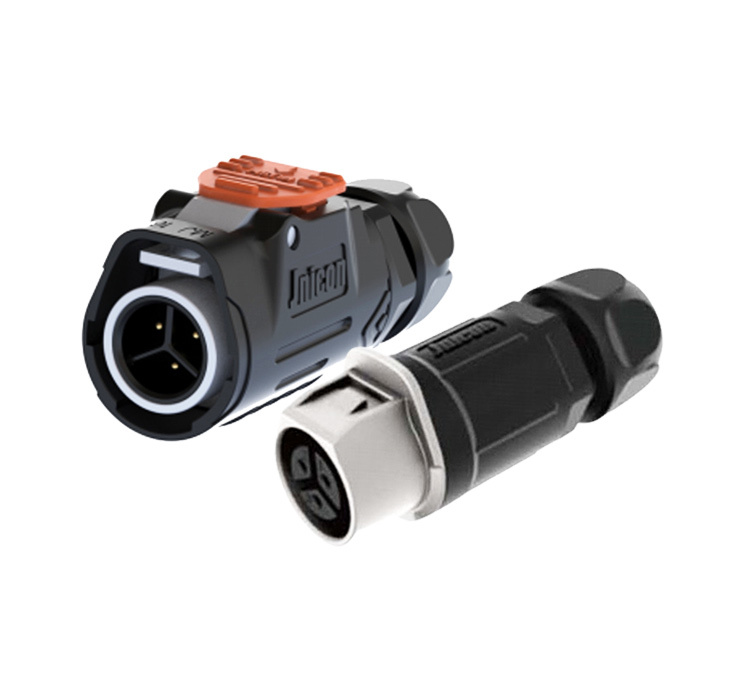
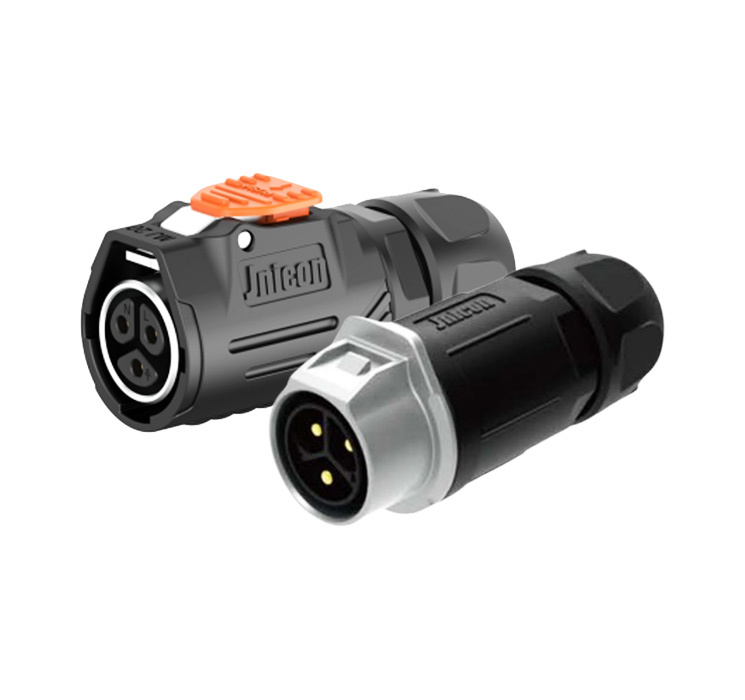
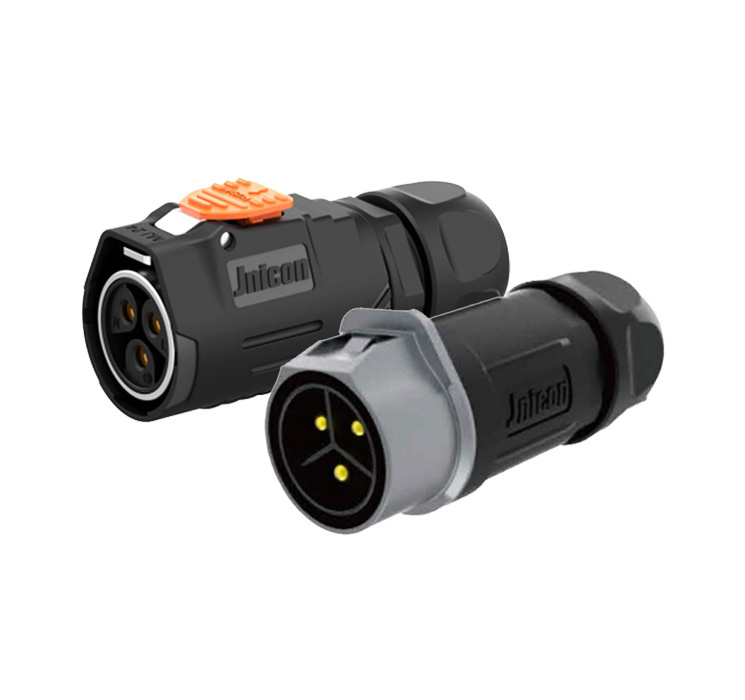
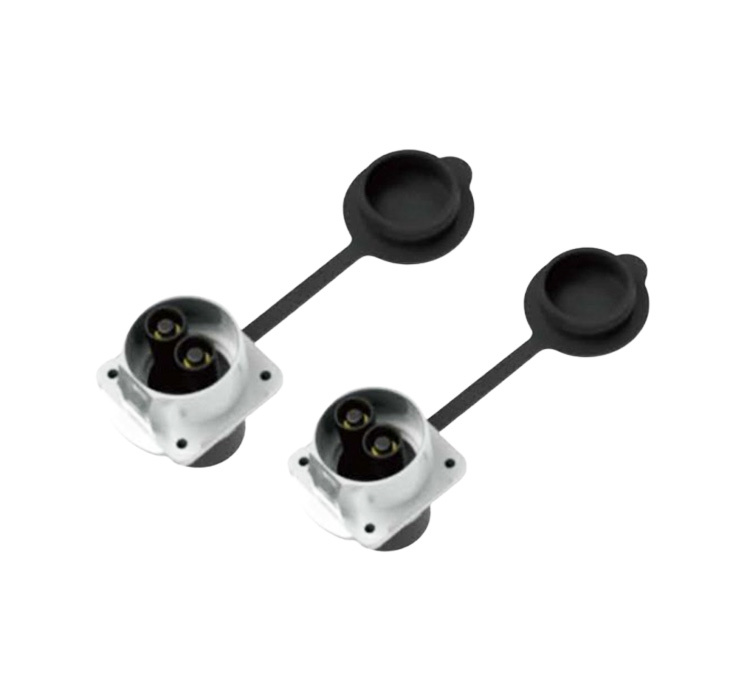
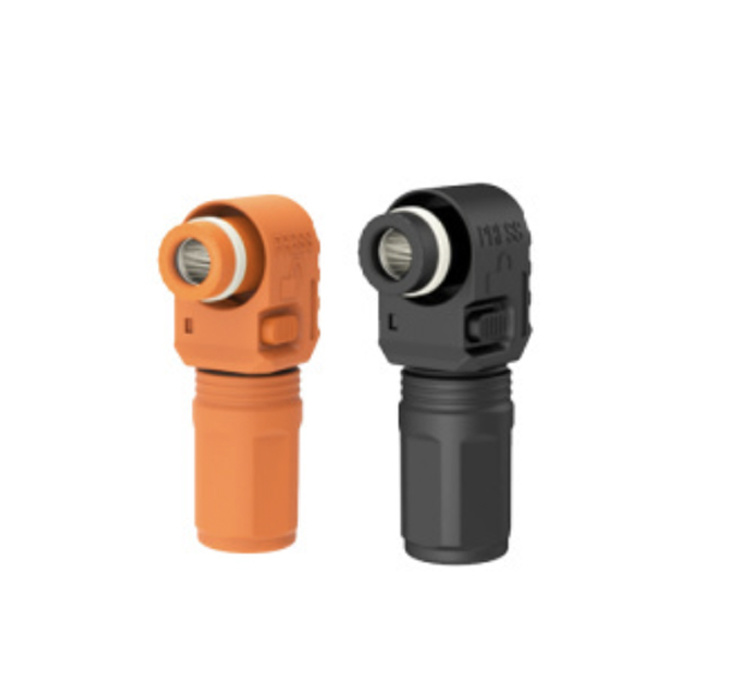
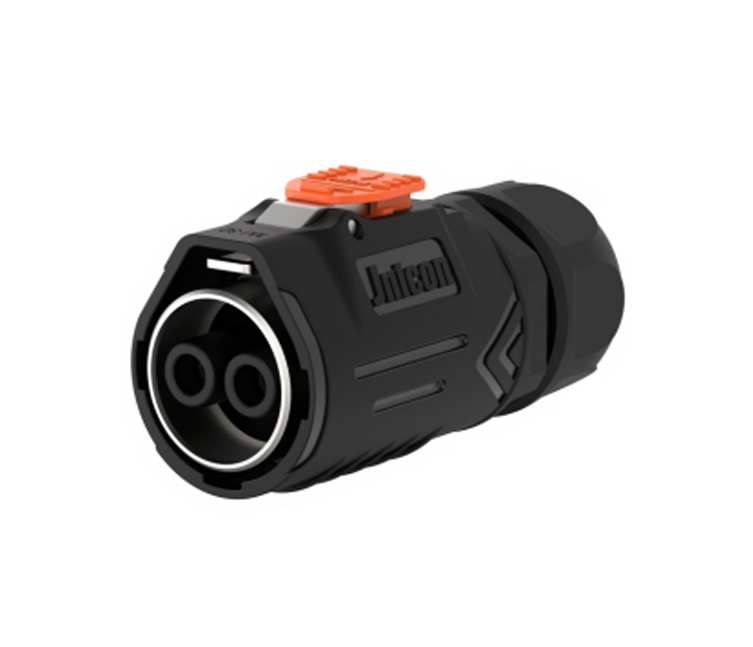
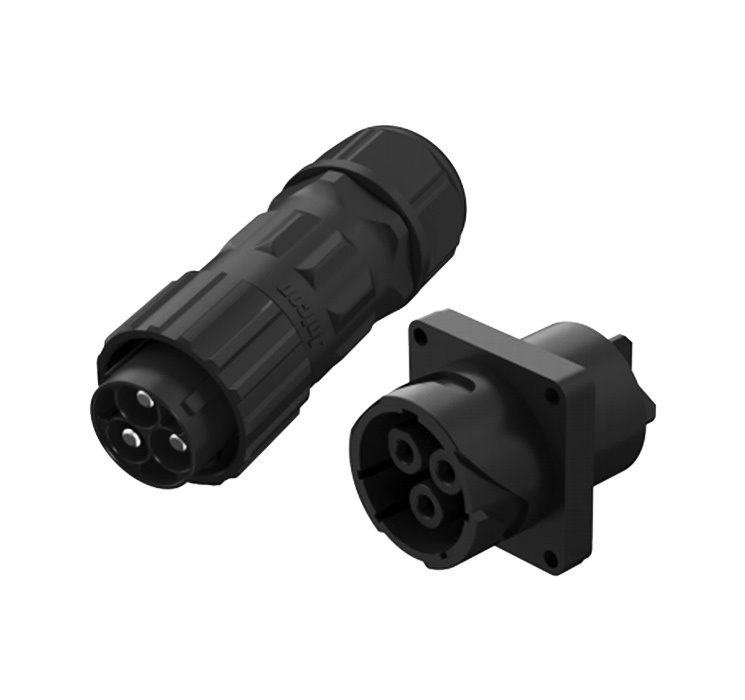
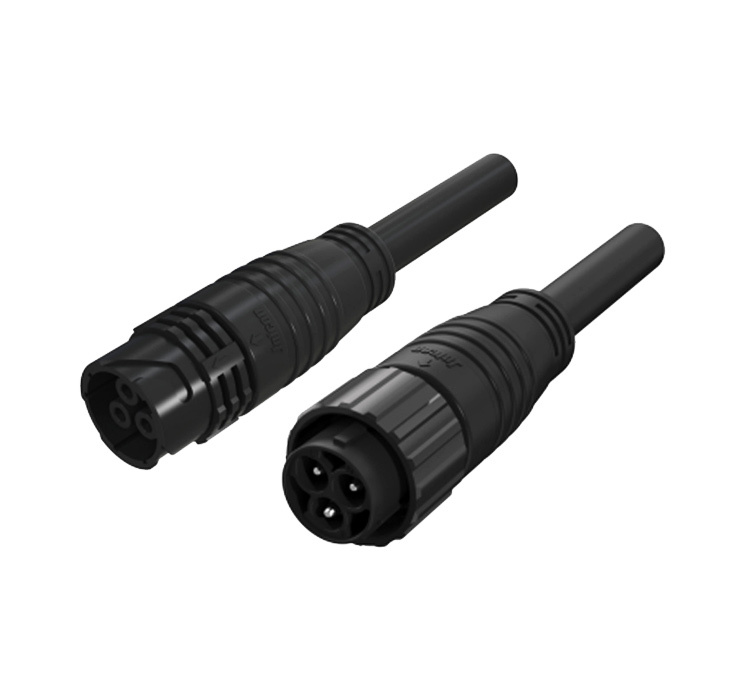
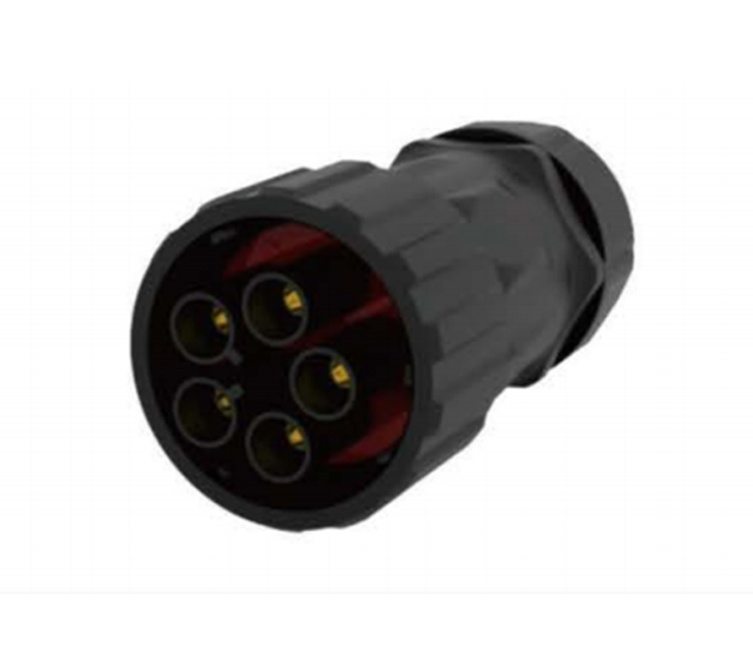
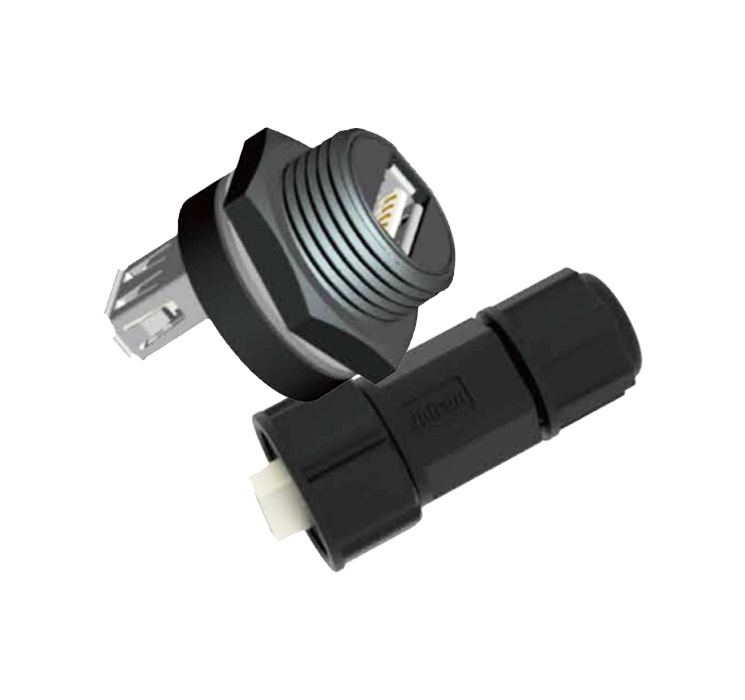
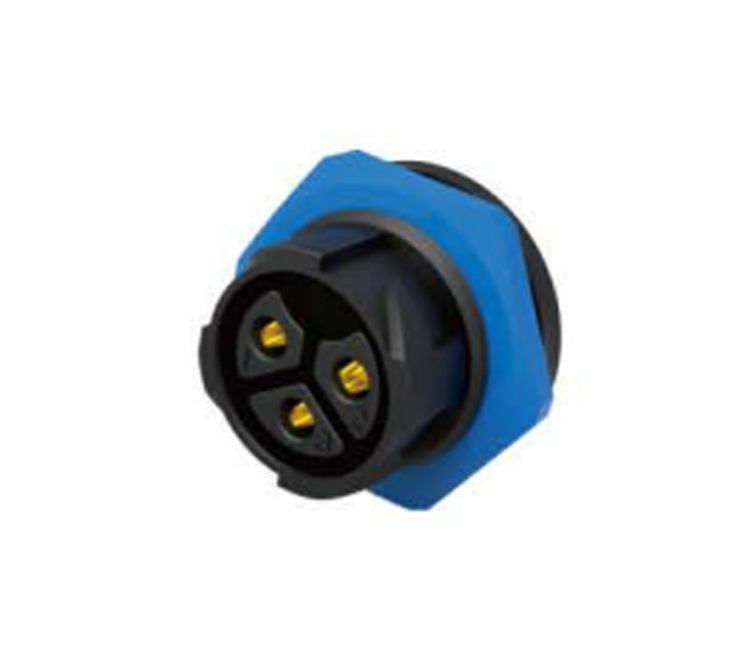
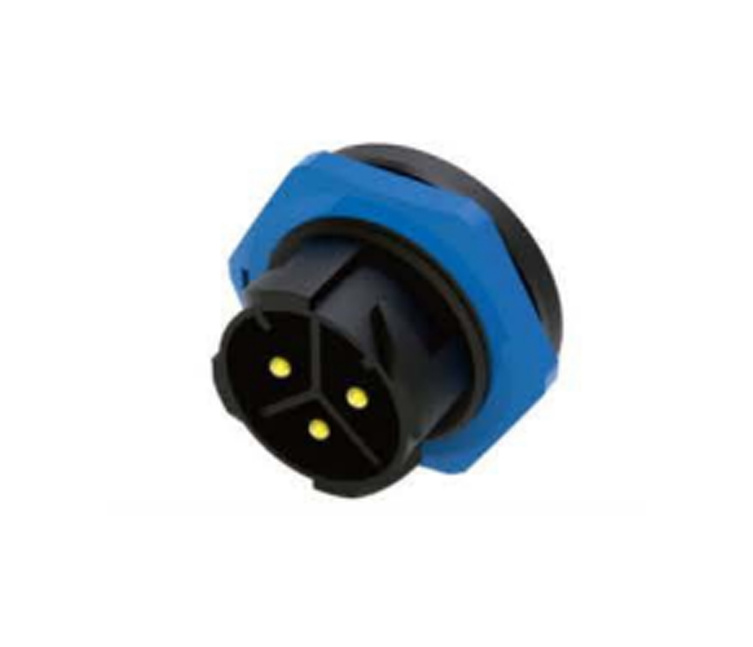
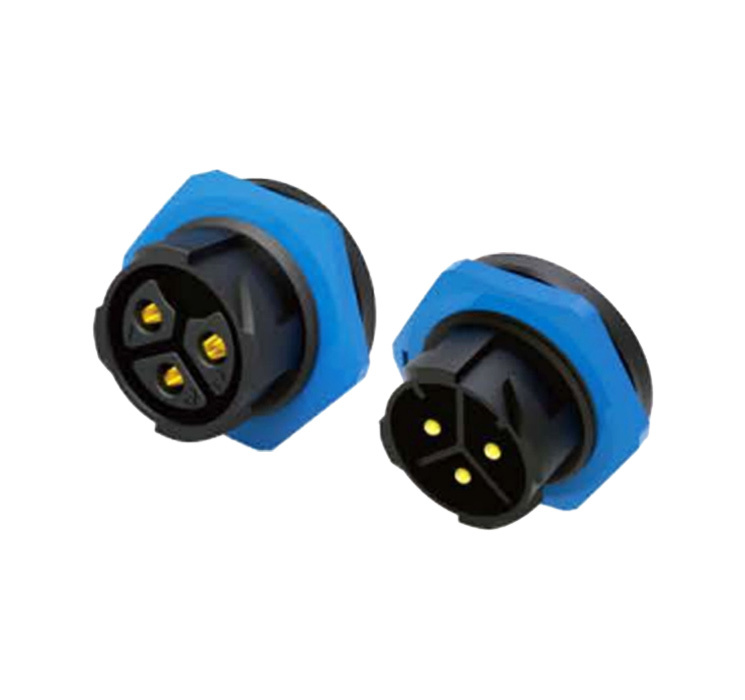
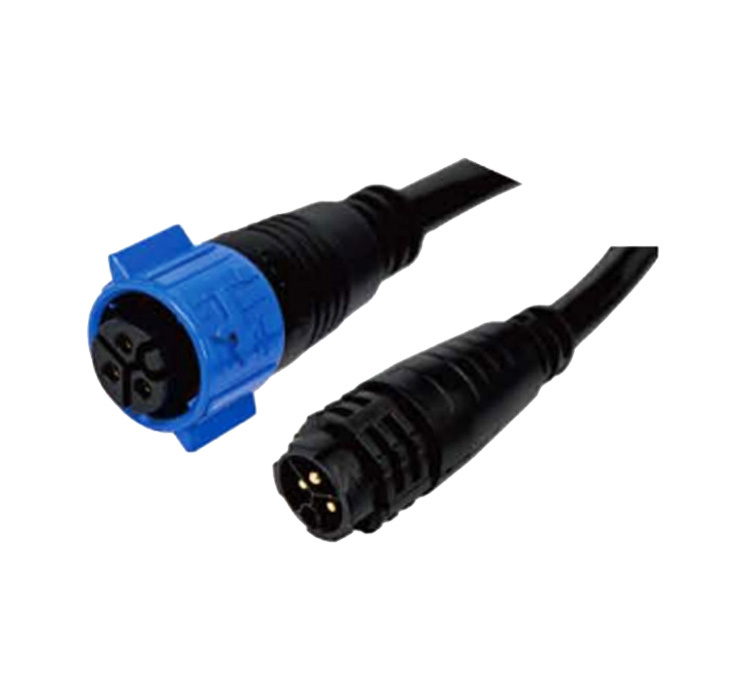
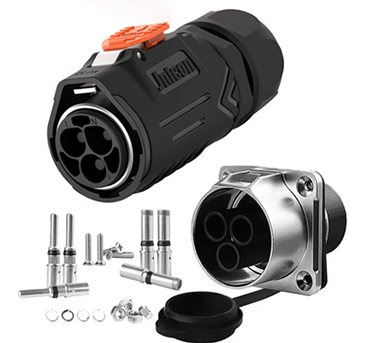
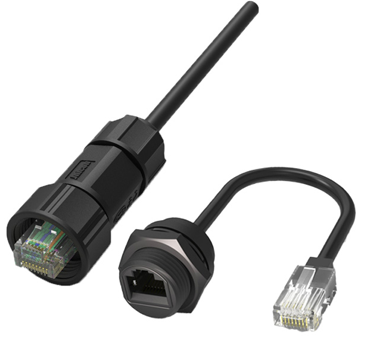
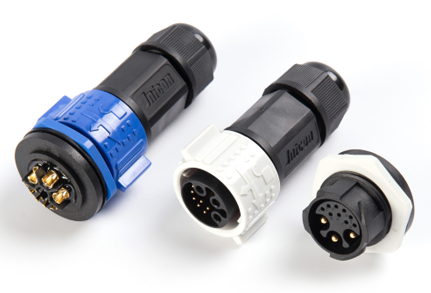
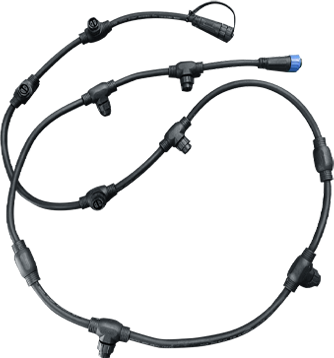
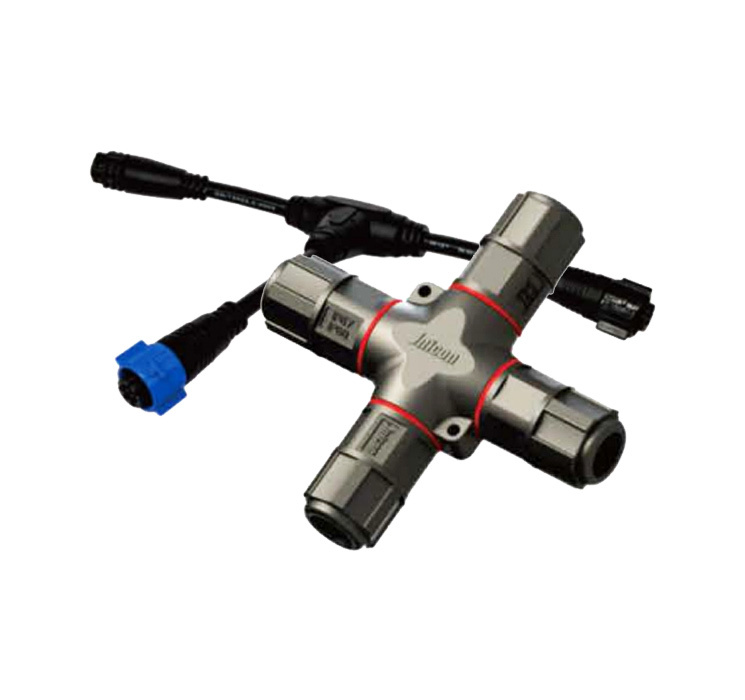
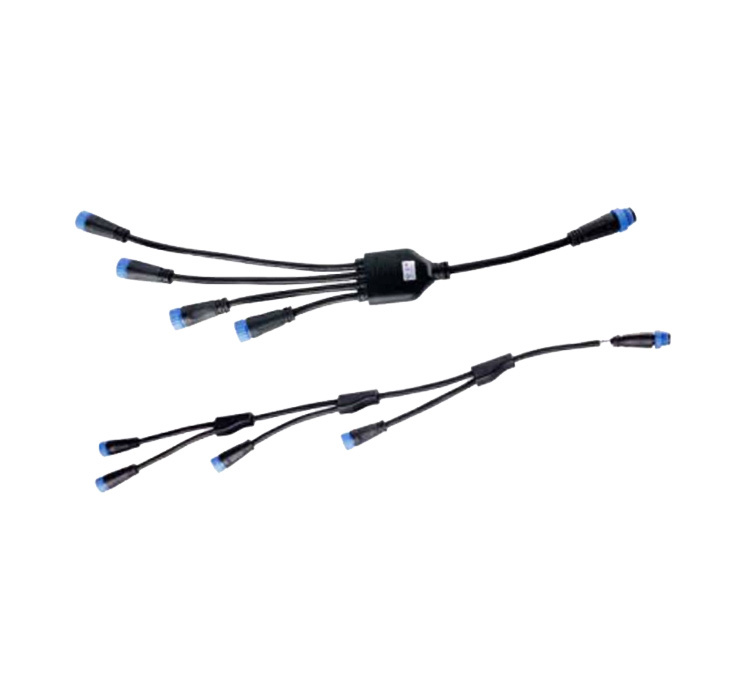
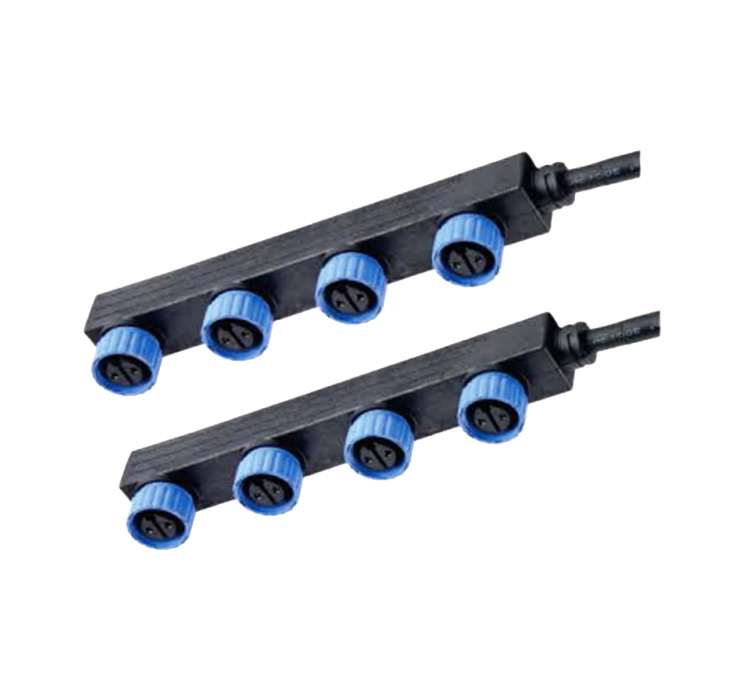
Firstly, industrial power connectors come in various types and configurations, allowing for flexibility in design and use. They typically include features such as rugged housings to withstand harsh environments, sealing mechanisms to protect against dust and moisture, and locking mechanisms to ensure secure connections. These characteristics make them ideal for use in factories, outdoor installations, and any location where durability is paramount.
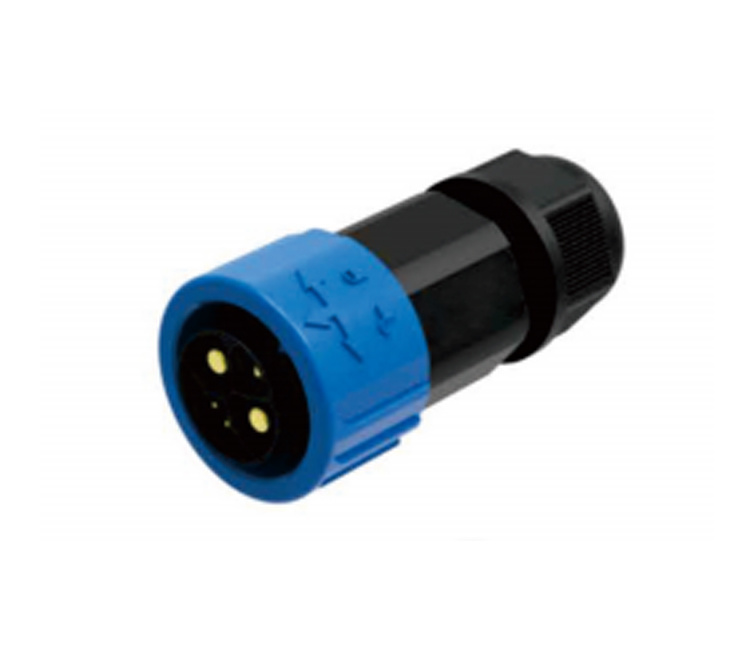
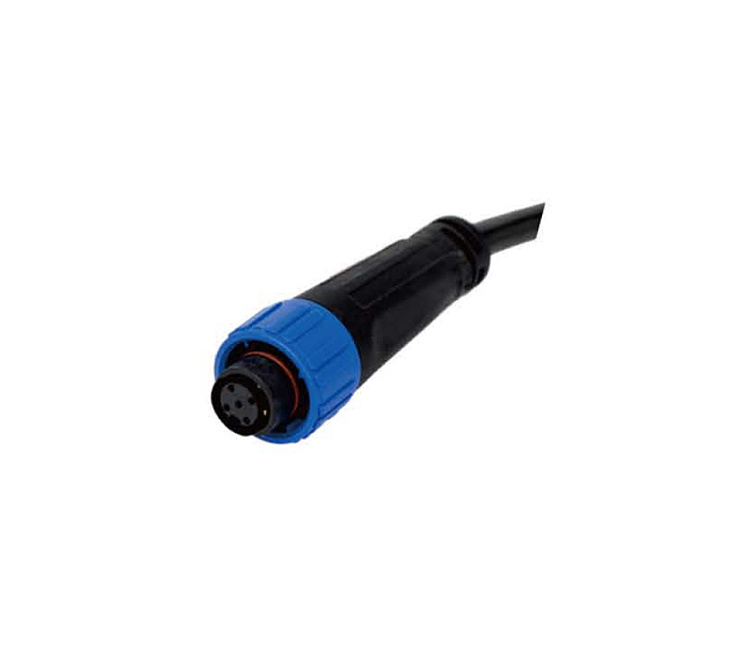
One of the most significant advantages of industrial power connectors is their ability to simplify maintenance and troubleshooting. Many designs include color-coded or keyed connections, enabling users to easily identify and connect the appropriate cables. This not only reduces the chance of errors but also speeds up the installation process, enhancing overall productivity in industrial settings.
Moreover, safety is a critical consideration when choosing industrial power connectors. High-quality connectors are engineered to meet stringent safety standards, minimizing the risk of electrical fires, short circuits, and equipment damage. They often feature built-in safeguards, such as overcurrent protection and thermal cutoffs, which help prevent potential hazards in high-power applications.
In addition to safety, environmental considerations are increasingly important in the selection of industrial power connectors. Many manufacturers are now offering eco-friendly options, constructed from sustainable materials and designed to reduce energy consumption during operation. This aligns with the growing trend toward sustainability in the industrial sector, where companies are looking to minimize their environmental footprint.
When selecting industrial power connectors, it's also essential to consider the specific requirements of your application. Factors such as the type of equipment, operating environment, and necessary power ratings should all influence your choice. Additionally, compatibility with existing systems is crucial to ensure seamless integration and optimal performance.
In conclusion, industrial power connectors play an indispensable role in ensuring reliable and efficient electrical connections across various industries. By understanding their features, benefits, and the importance of safety and environmental considerations, professionals can make informed decisions that enhance the performance of their electrical systems. Embracing the right industrial power connectors can lead to improved efficiency, reduced downtime, and a safer working environment.
News
2026-10-03
Understanding Waterproof Cables: Essential Insights for Electrical Professionals
Waterproof cables are vital components in the electric and electronic industries, especially when it comes to ensuring safe and reliable connections in challenging environments. These cables are designed to resist moisture and prevent water ingress, which can lead to electrical failure and safety hazards. Understanding the intricacies of waterproof cables is essential for electrical professionals
2026-09-30
Discover the Advantages of Using 2 Pin Waterproof Connectors in Harsh Environments
Discover the Advantages of Using 2 Pin Waterproof Connectors in Harsh Environments Table of Contents 1. Introduction to 2 Pin Waterproof Connectors 2. Importance of Waterproof Connectors 3. Design Features of 2 Pin Waterproof Connectors 4. Applications in Various Industries 5. Benefits of Using 2 Pin Waterproof Connectors 6. Installation Guidelines for 2 Pin Waterproof Connectors 7.
2026-09-27
Understanding Industrial Power Connectors: Key Insights for Professionals
Industrial power connectors play a crucial role in the safety and efficiency of electrical systems across various sectors, including manufacturing, energy, and transportation. These connectors are designed to facilitate the transmission of electrical power in rugged environments, ensuring reliable and stable connections. Understanding the types, applications, and selection criteria for industrial

B8-9, Fubilun industrial park, Chaoyang rd,Yanchuan community, Songgang, Shenzhen, China


